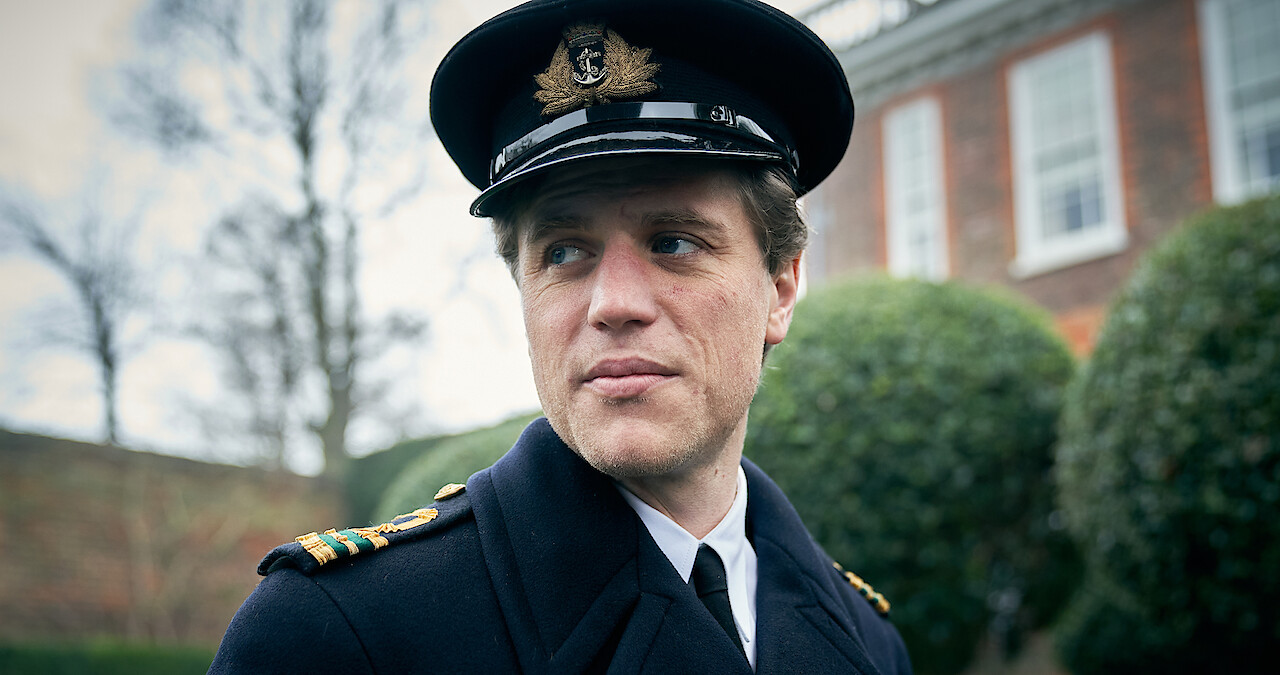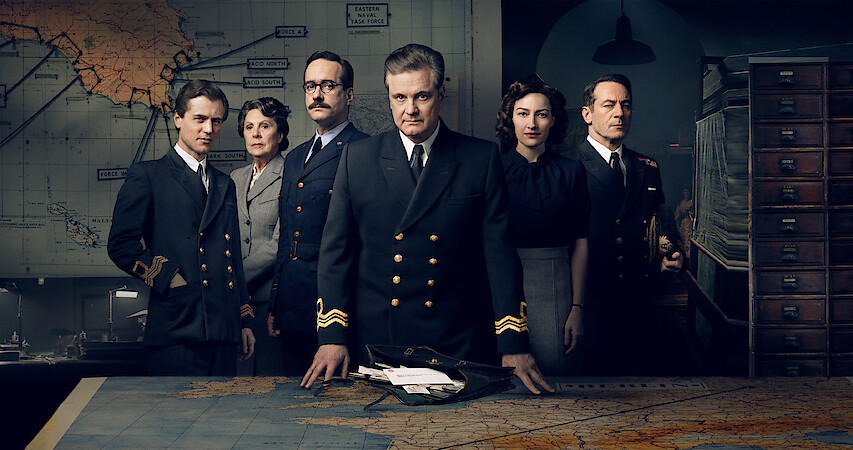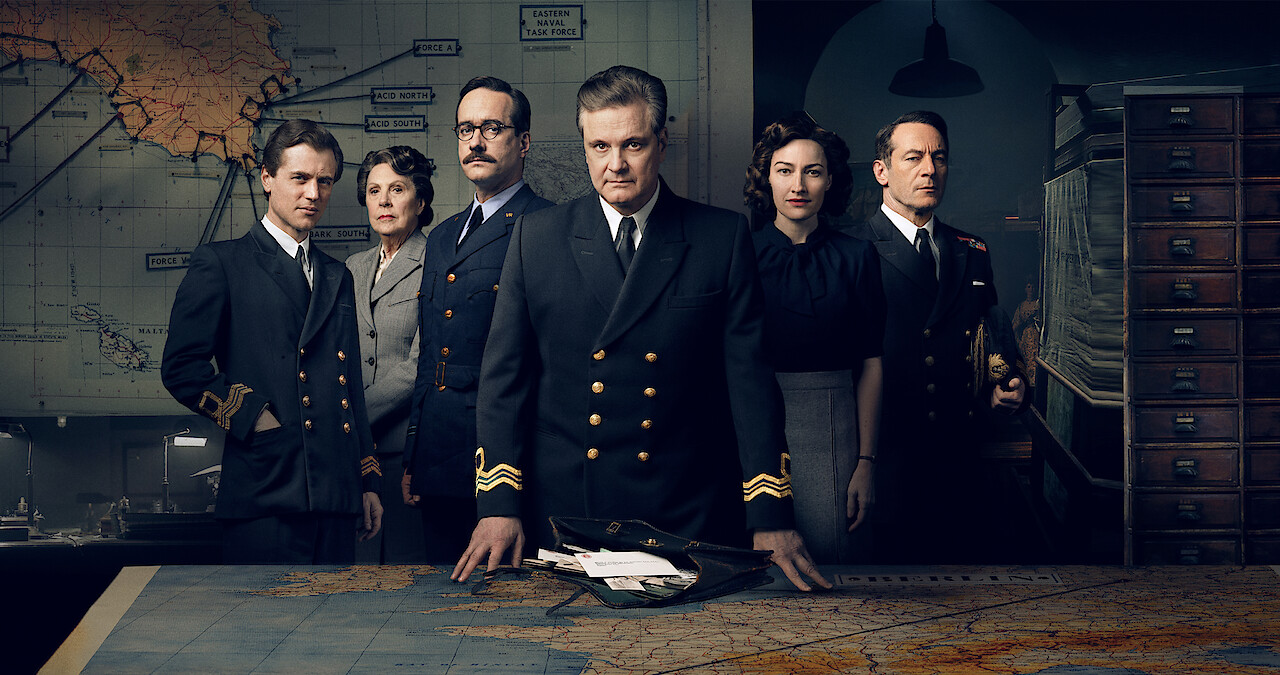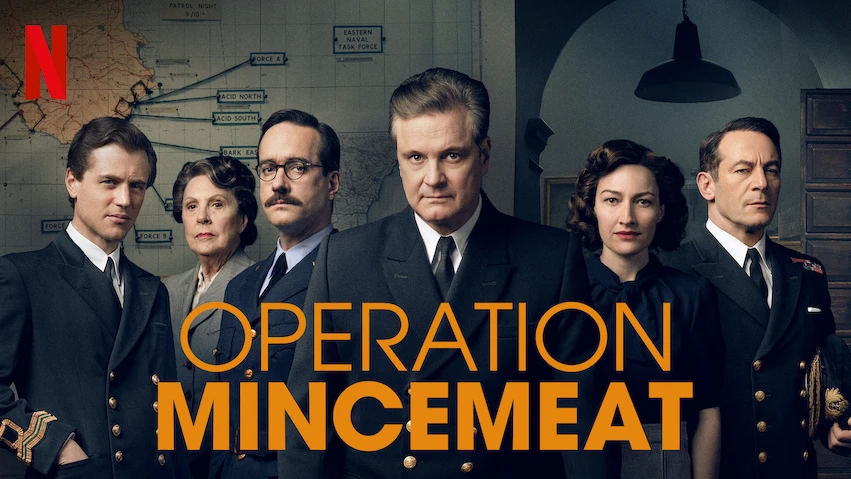
Giles Keyte/Courtesy See-Saw Films/Netflix
Guide
The True Story of ‘Operation Mincemeat’
A real-life spy story on an epic scale.
May 5, 2022
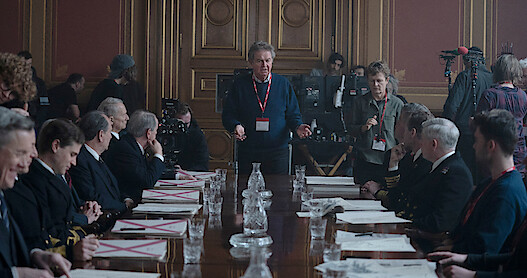
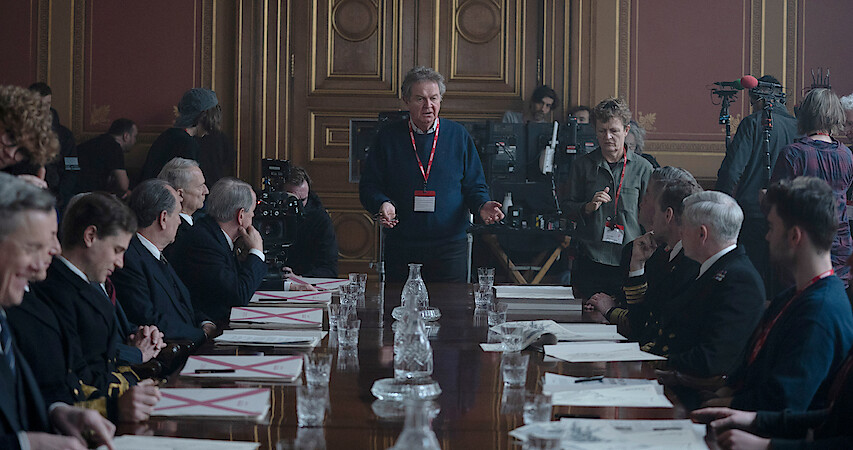
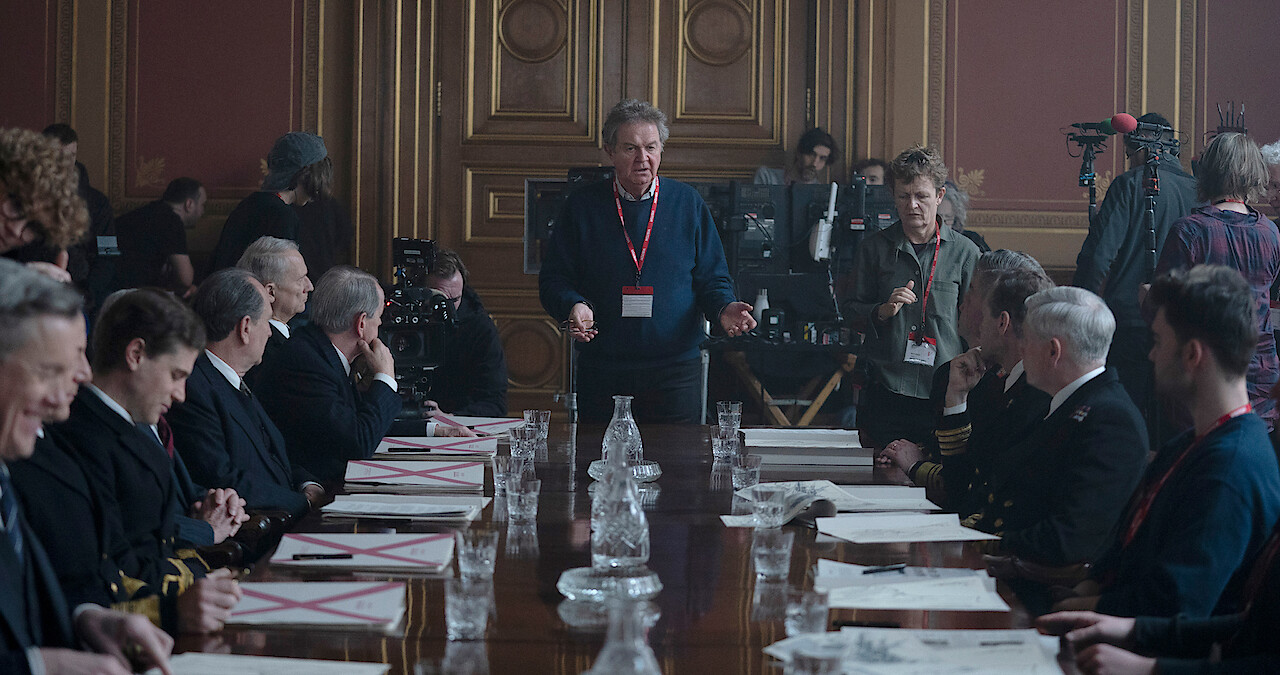
In 1943, a group of British government operatives came up with a daring plan to divert Nazi attention from the upcoming Allied invasion of Sicily. The way they did it was ingenious, and perhaps a bit perverse: A corpse carrying falsified top-secret documents was deposited off the Spanish coast.. While director John Madden was growing up in England, the story of this highly classified operation remained largely untold. “The idea of the dead body floating up was in the realm of, I would say, urban myth at a certain point in my childhood,” Madden tells Tudum. But soon enough, a flood of declassified MI5 files and a book by historian Ben Macintyre meant the story of the corpse that fooled the Nazis and helped turn the tide of the war was finally told in its entirety — and Madden could help bring it to light in Operation Mincemeat.
“It’s one of those stories [where] you kind of think, ‘Really?!’ as you’re going into it,” Madden says. “The strangeness and the oddity of it and the sort of playfulness of it is an odd point of entry to a World War II movie... and more fascinating, of course, because it’s true.” That playfulness means the film occasionally feels less like a spy movie than it does a tale about a group of performers putting on a show. Madden, of course, is familiar with such stories: His Oscar-winning Shakespeare in Love shares a similar structure. “[B]oth those films are about the creation of a fiction,” Madden notes, “and, very specifically, about people who become immersed in and lost in the fiction.” Allow us to separate fact from fiction for you now, as we delve into the true (and false) history of Operation Mincemeat.
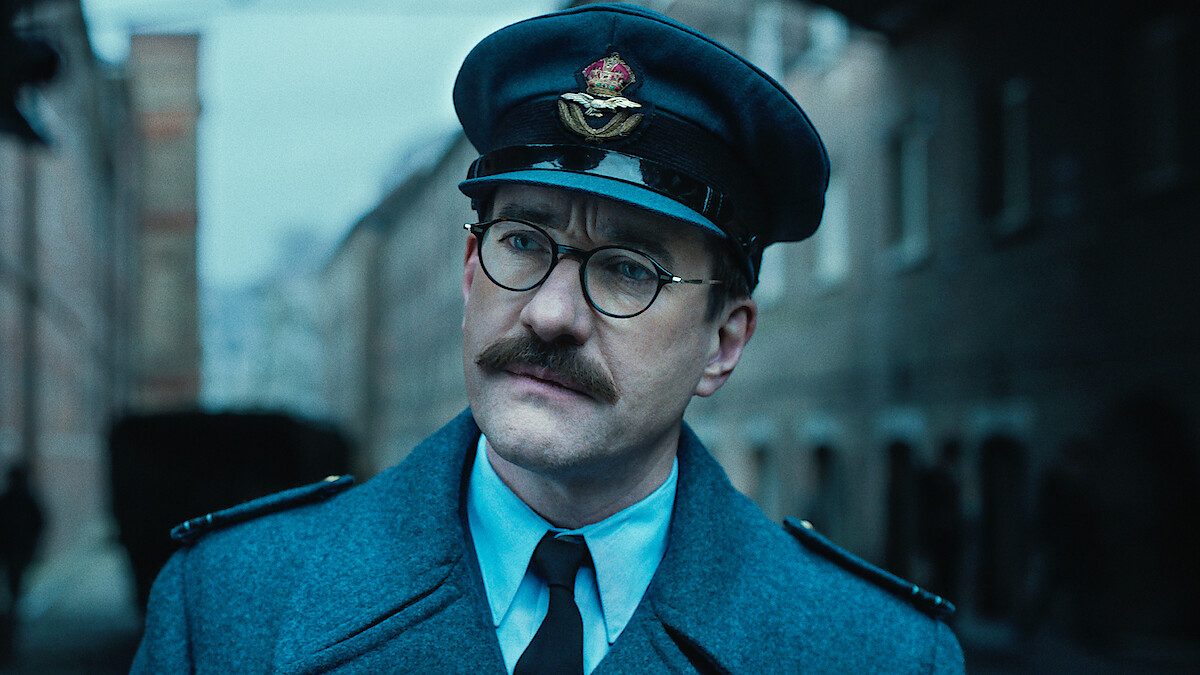
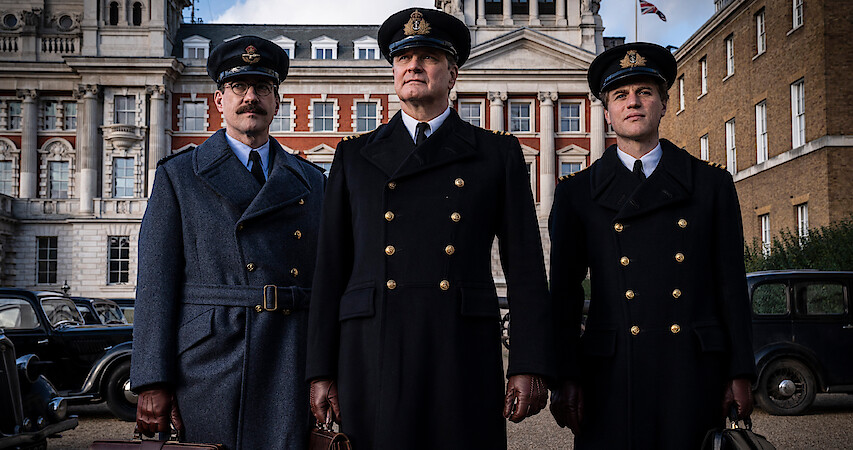
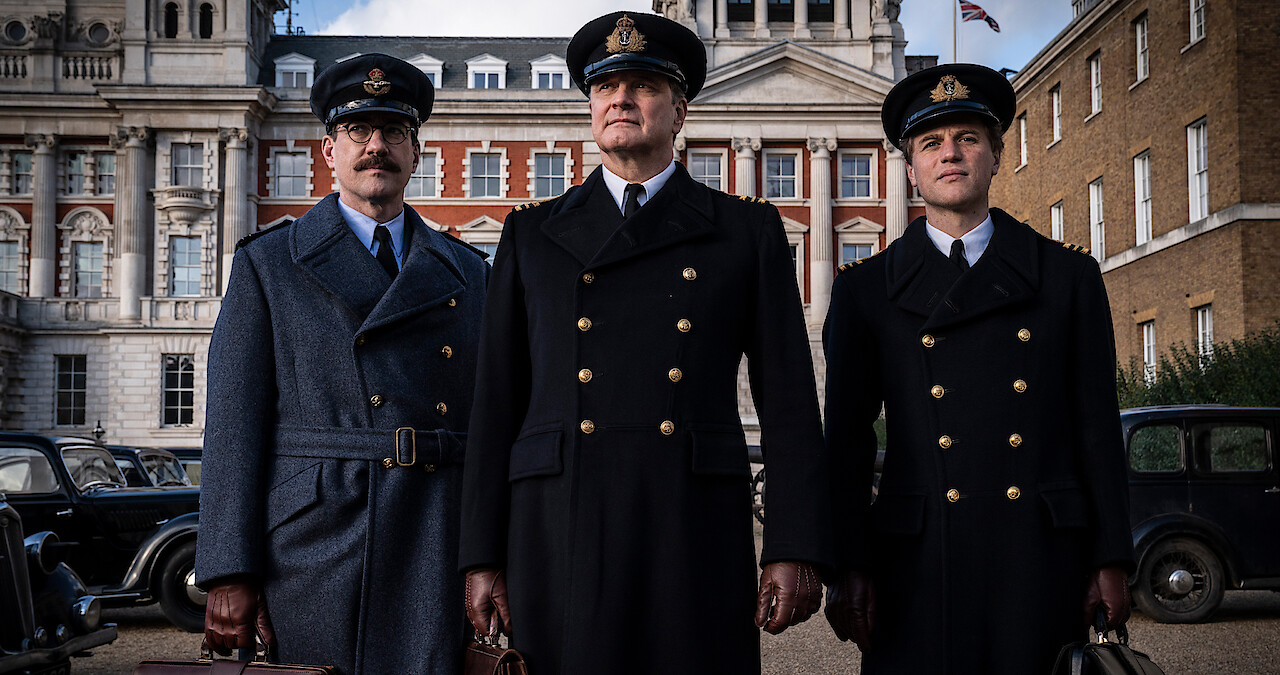
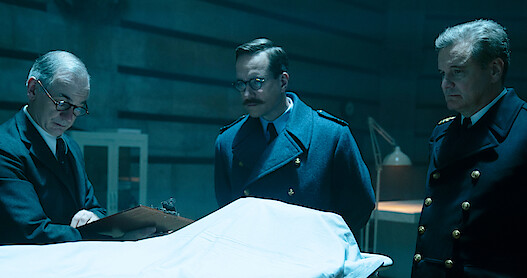
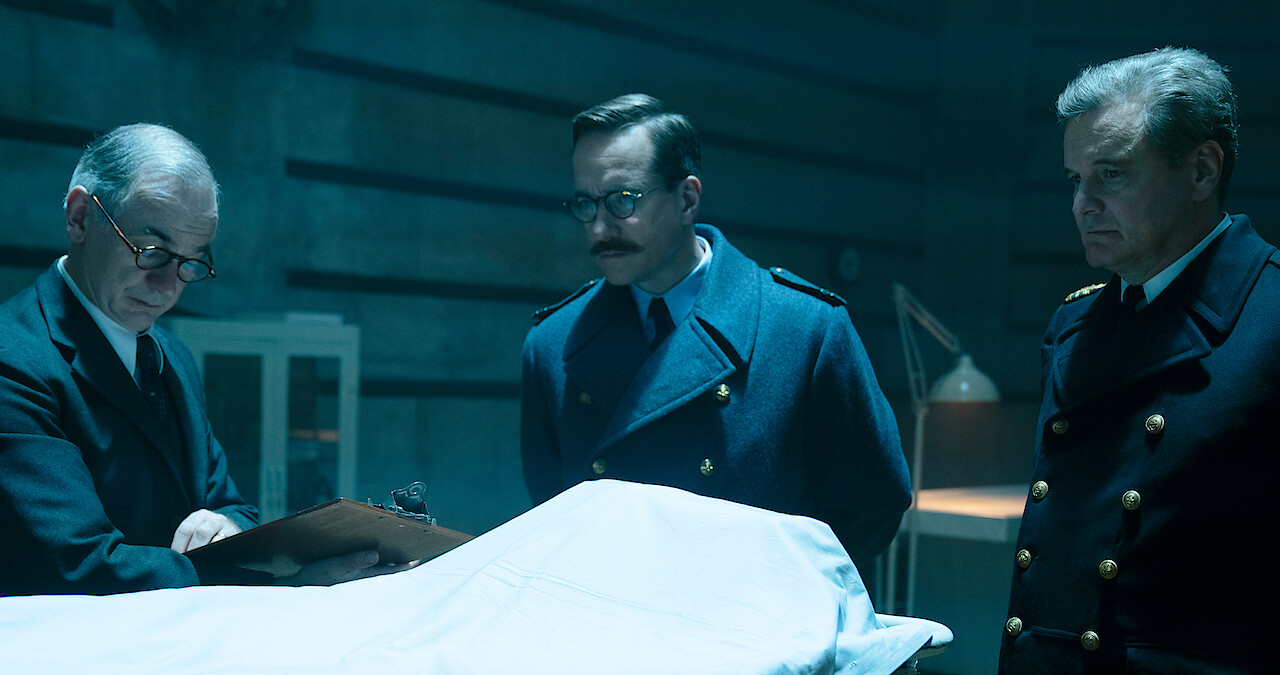
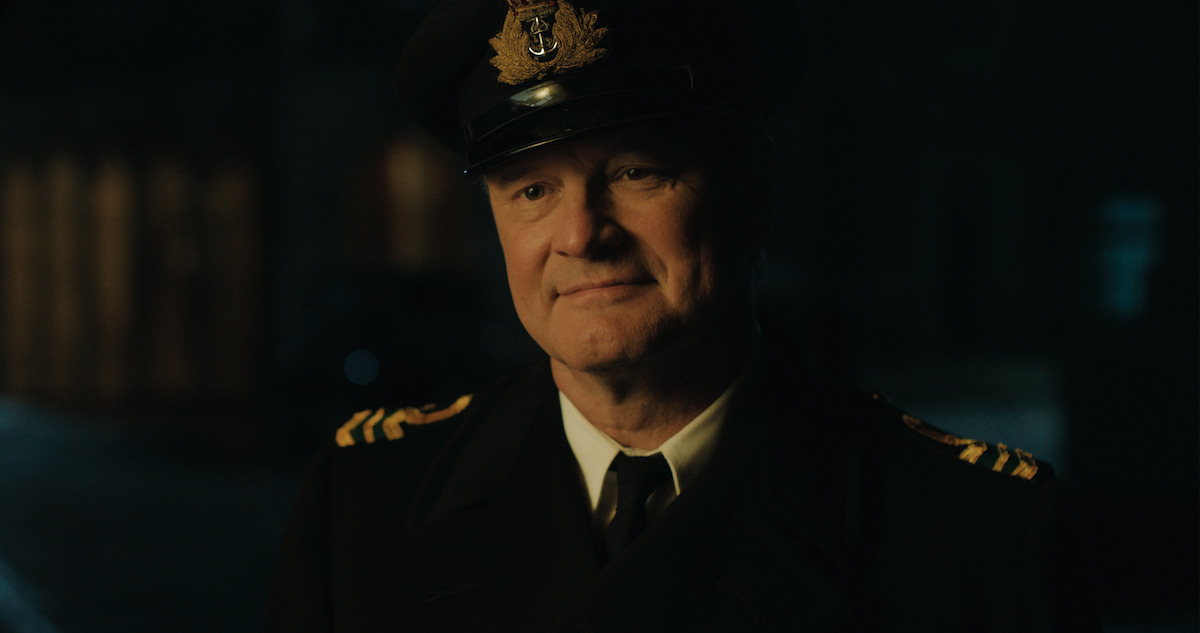
Yes, the team really “recruited” a corpse. One of the most outlandish sections of the movie sees head operatives Ewen Montagu and Charles Cholmondeley (Colin Firth and Matthew Macfadyen, respectively) track down an eligible body to drop off the coast of Spain and into Nazi hands. Nearly all of the process-related details in this section of the film are painstakingly accurate, from the cause of death (ingesting rat poison) to the time limit attached to his body’s decomposition (three months). One thing that’s not accurate: the introduction of a grieving sister, who’s paid by Fleming to allow them to keep the body. That particular moral compromise is not one the team had to face; no family members claimed the body, and the corpse was not identified until 1996.
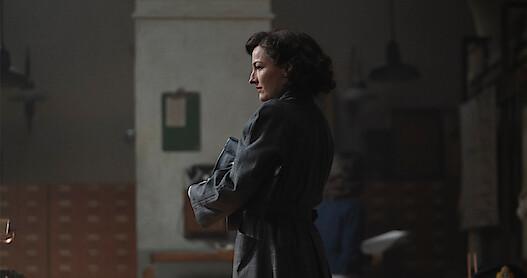
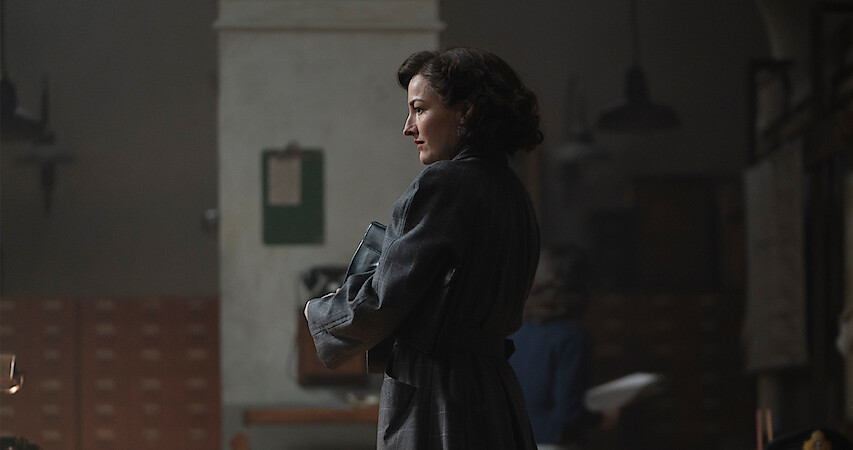
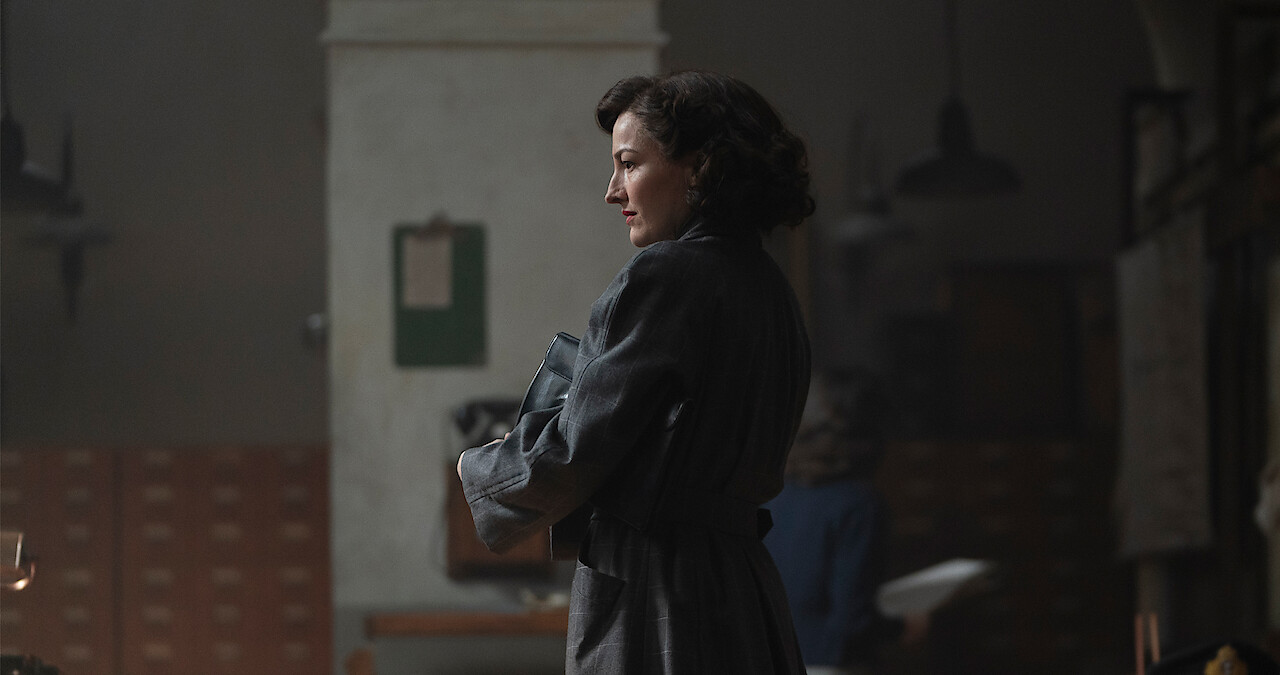
No, there was not a secret agent love triangle. Tension rises in the Operation Mincemeat war room when Montagu and Cholmondeley both fall for Kelly Macdonald’s Jean Leslie. In reality, no such entanglement ever occurred. Cholmondeley was by all accounts a sober fellow with a purely working relationship with Leslie. Montagu, meanwhile, worked considerably closer with her to develop the tragic, romantic backstory of their fictional deceased soldier, as depicted in the film. That may indeed have developed into a flirtation, at least from Montagu’s side of things; Ben Macintyre, who wrote the book on which Operation Mincemeat is based, told Walker George Films, “Certainly Ewen was ‘smitten’ with Jean (her word), and they both played along with their allotted roles.” Meanwhile, the other source of conflict on the team, Cholmondeley’s recruitment to spy on Montagu’s leftist brother, is based in reality but not quite accurate. Montagu’s brother Ivor was indeed eyed by MI5 as a Communist sympathizer, but Cholmondeley had little to do with it.
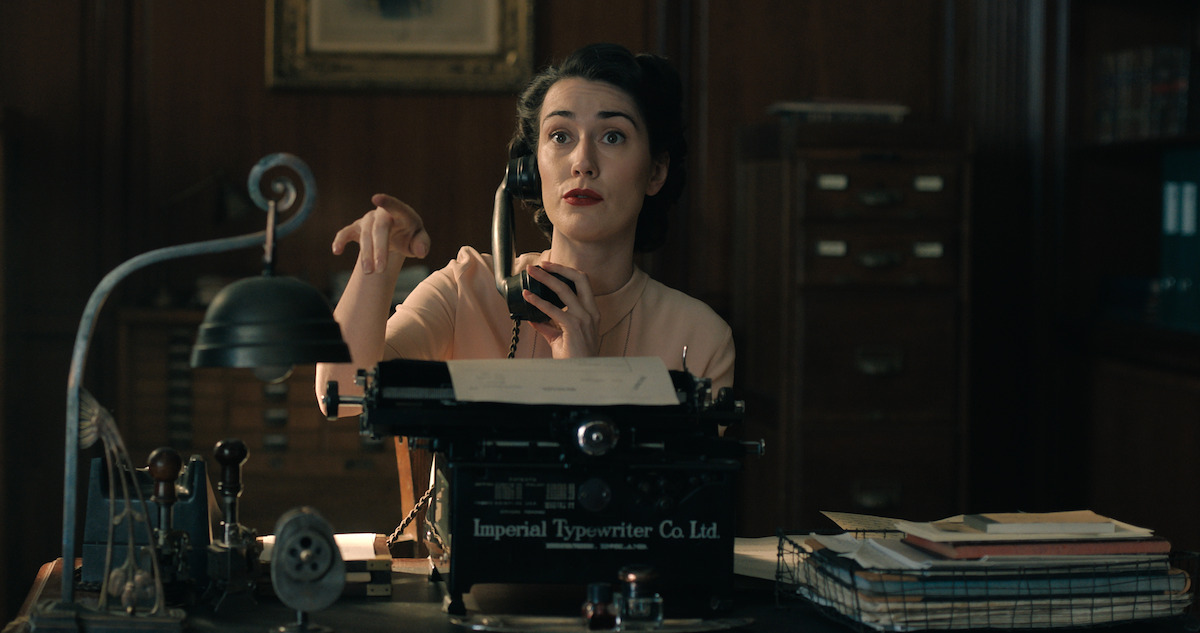
Yes, Jean Leslie’s photo was a crucial part of the plot. In order to properly paint a portrait of Bill Martin, a soldier whose identity could fool the Nazis, the Mincemeat team decided to include a photo of a sweetheart he left back home. That photo was, in reality, of MI5 clerk Jean Leslie, who contributed it to the operation after being approached by Montagu (not Cholmondeley, as the film posits). Leslie, who was only 19 at the time, did not write the love letters attributed to her character, Pam, and outside of her relationship with Montagu was perhaps not quite as involved in the action of the plot as the film depicts.
No, the scheme was not nearly derailed by a Nazi spy. The film injects some tension into the operation at the last moment when a Nazi spy confronts Leslie at home and reveals that members of the Nazi high command sympathetic to the Allied cause are aware of the plot and need to be told if the papers are genuine in order to help the Allies. He threatens Leslie, but she holds firm and maintains that the information is real. No record of such confrontation exists, but it adds a bit of drama to the story and gives Leslie a moment to shine.
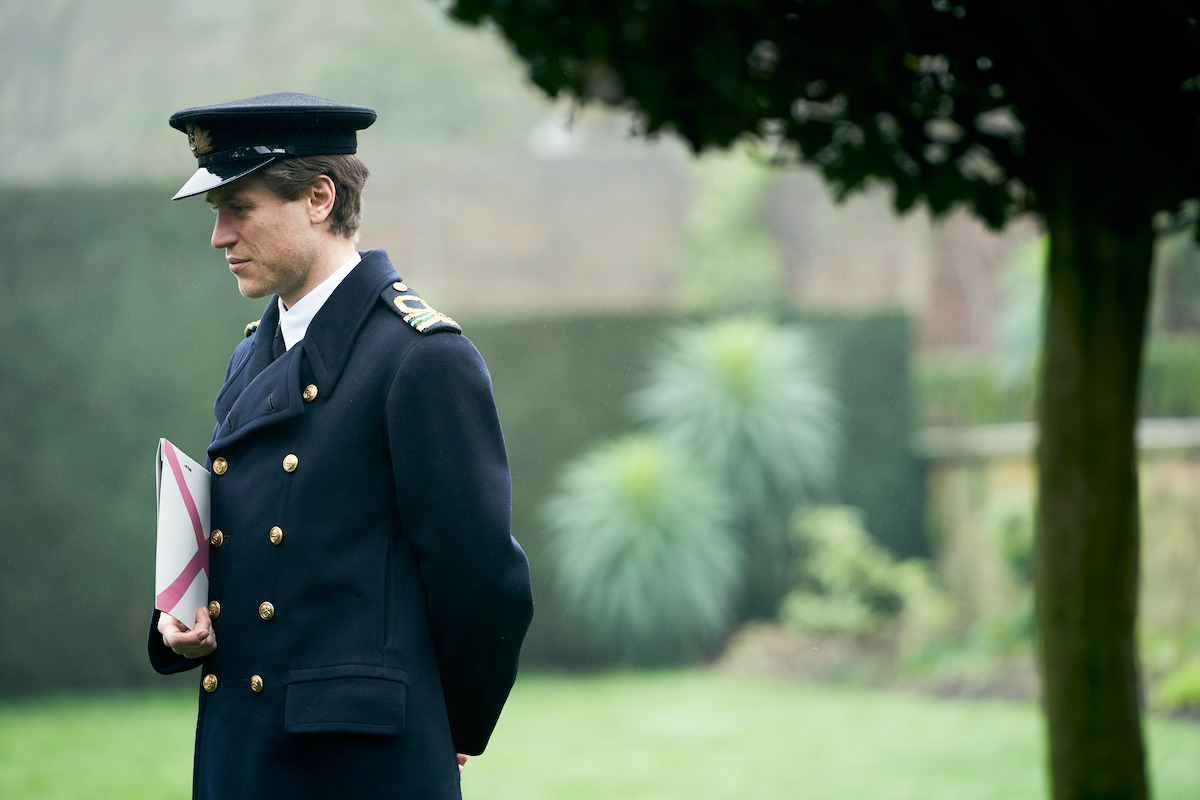
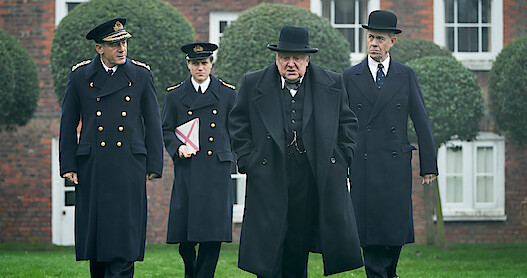
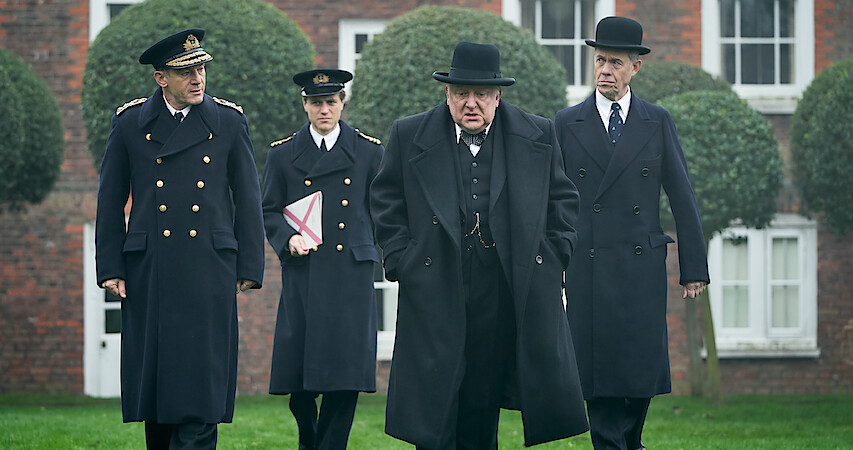
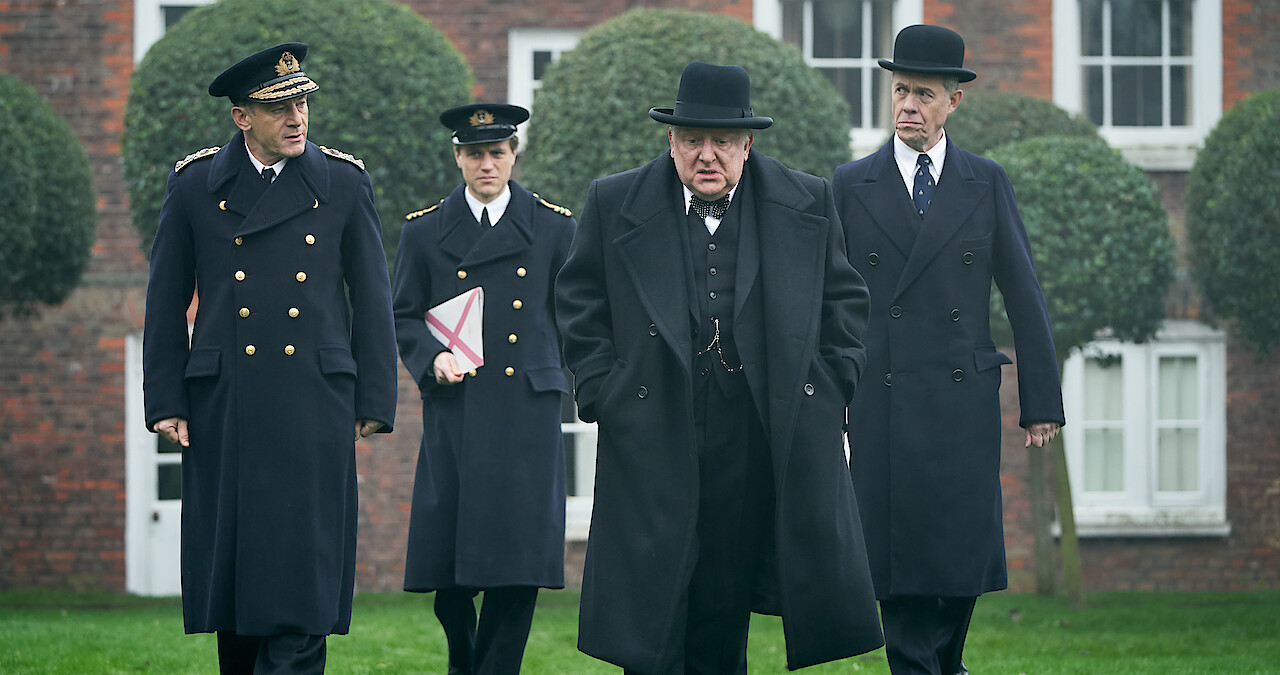
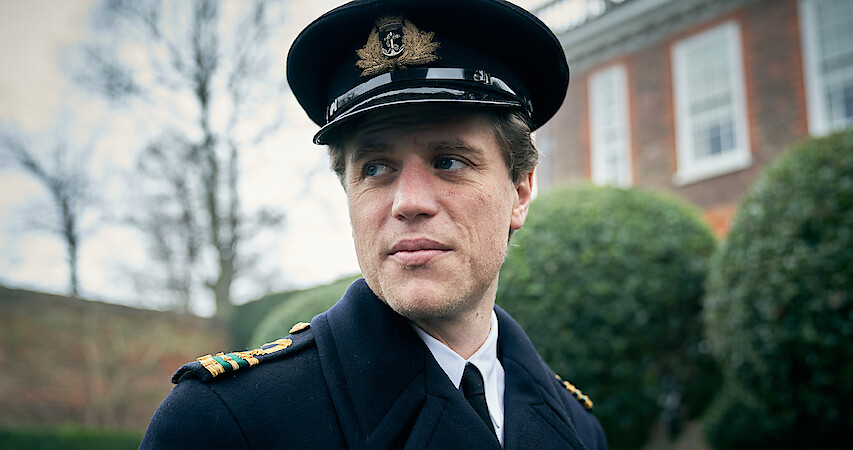
Yes, Ian Fleming really originated the idea. During World War II, the creator of James Bond was working as assistant to Admiral John Godfrey, the director of naval intelligence. In that position, he penned a document called the Trout memo, cited in the film as the original inspiration for Operation Mincemeat. The movie frequently winks at Fleming’s future profession; as played by British folkie Johnny Flynn, this Fleming even refers to his boss Admiral Godfrey as “M.”