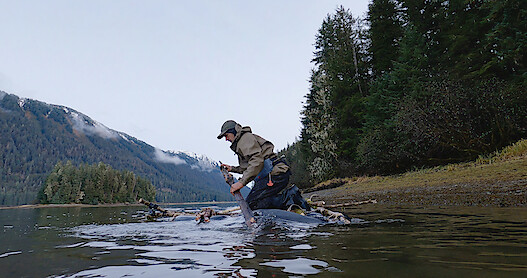
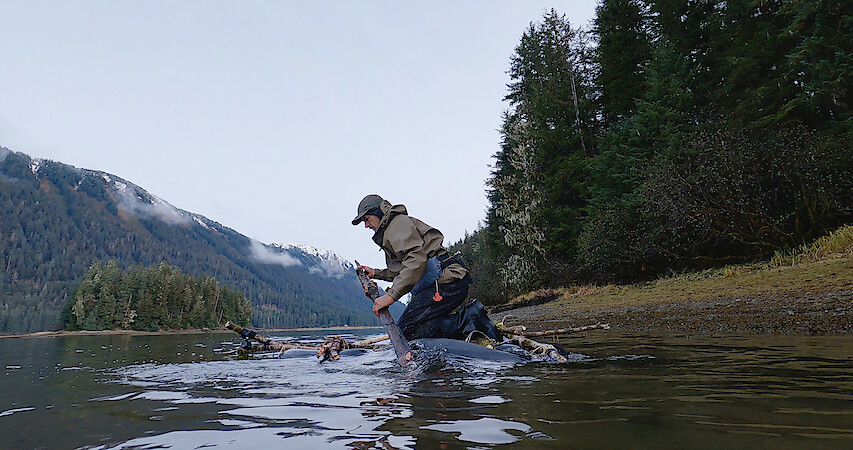
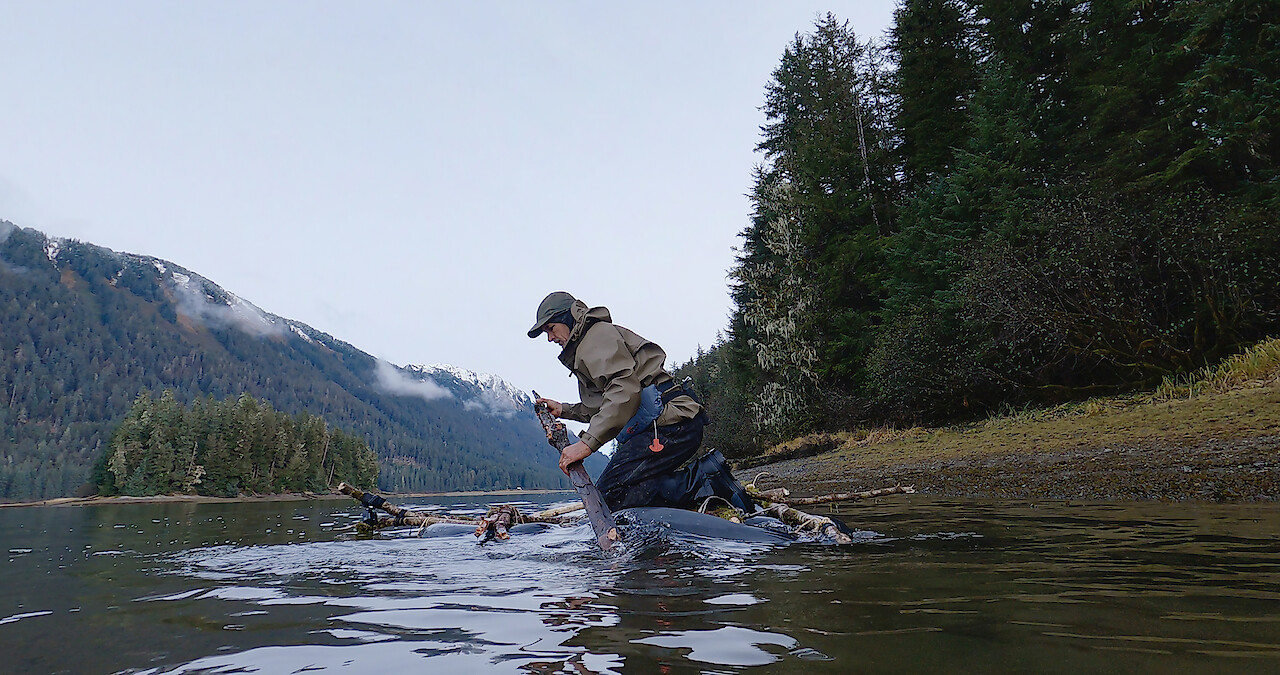
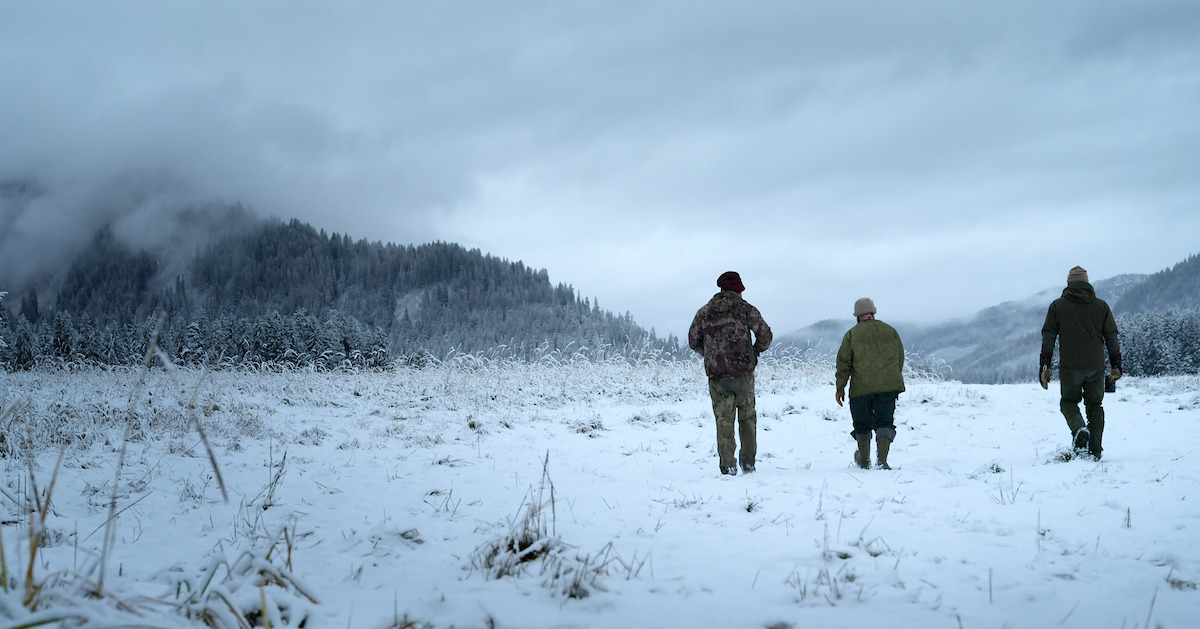
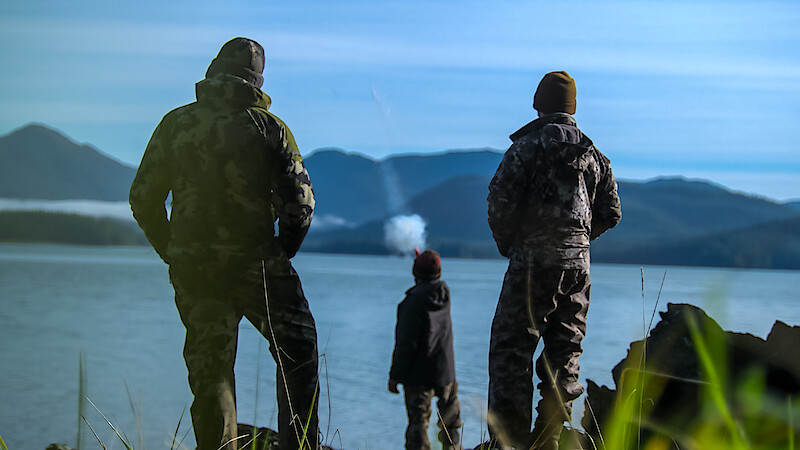
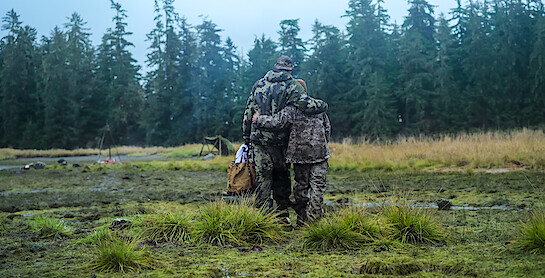
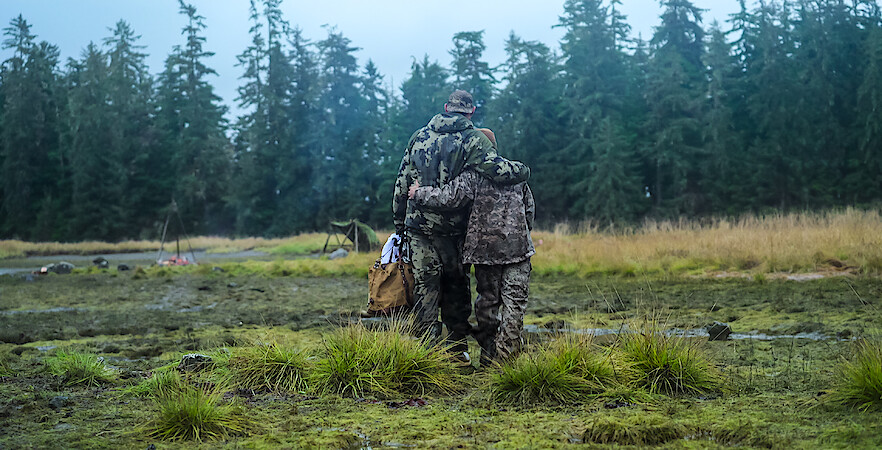
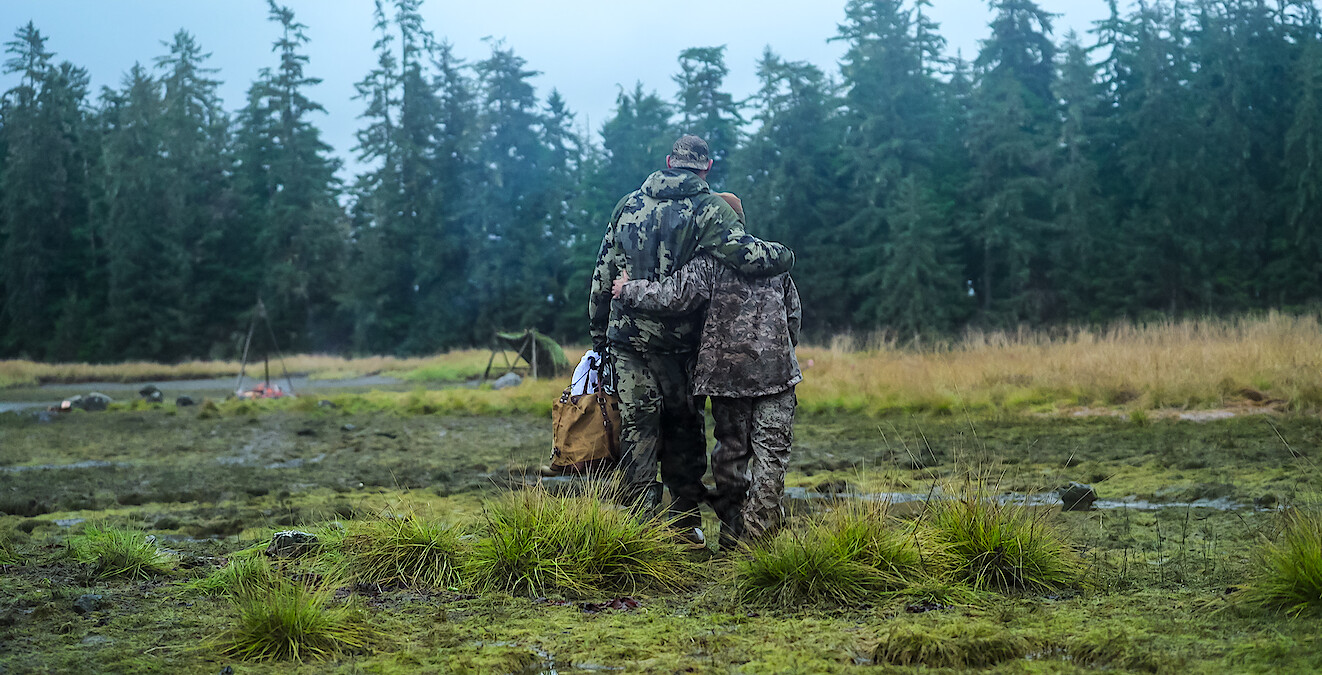
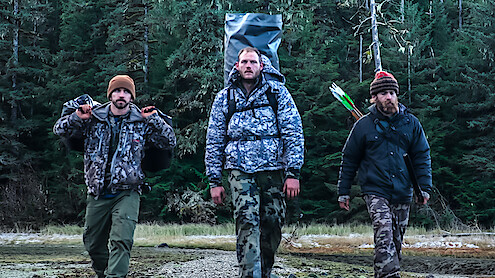
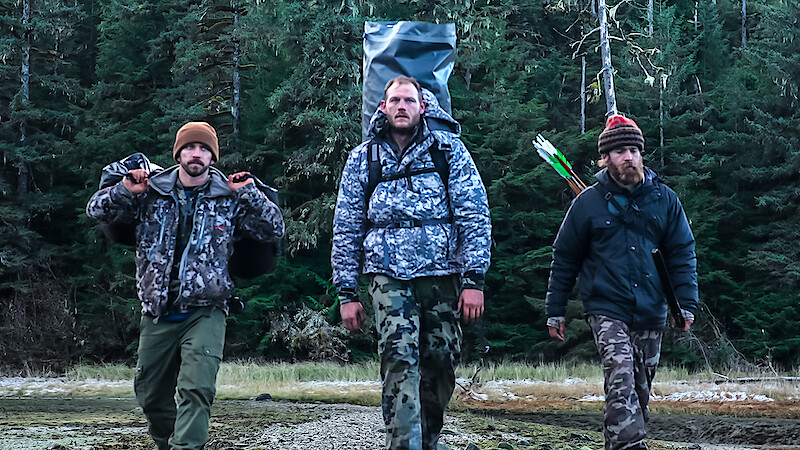
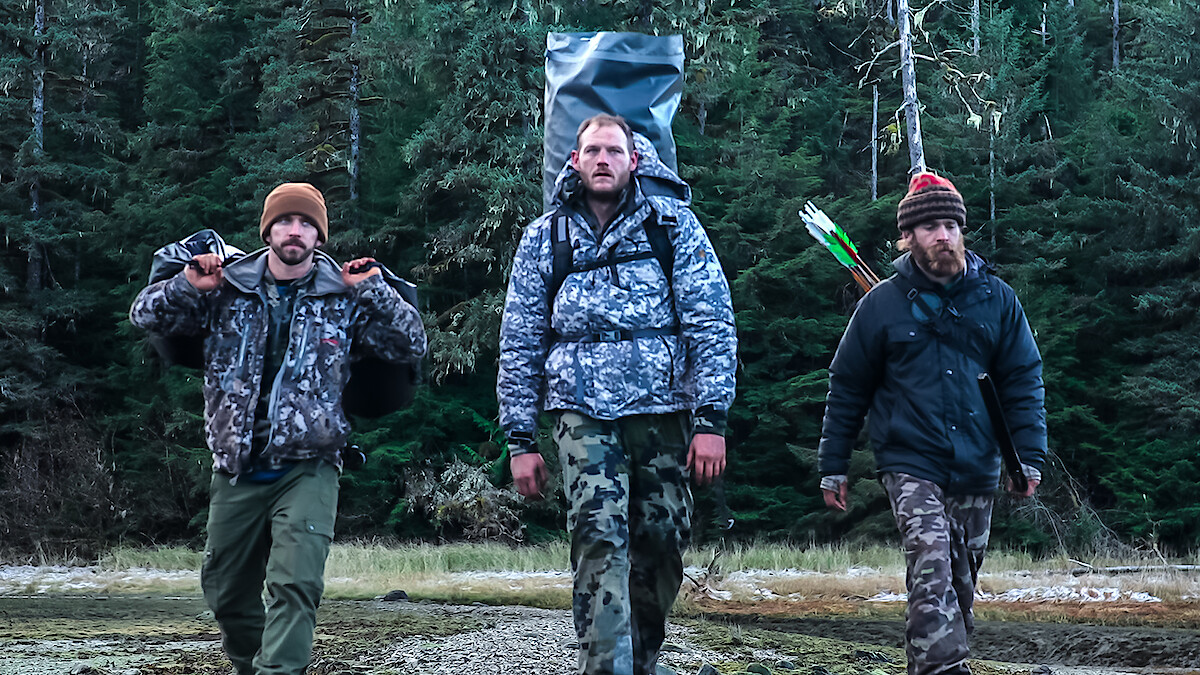
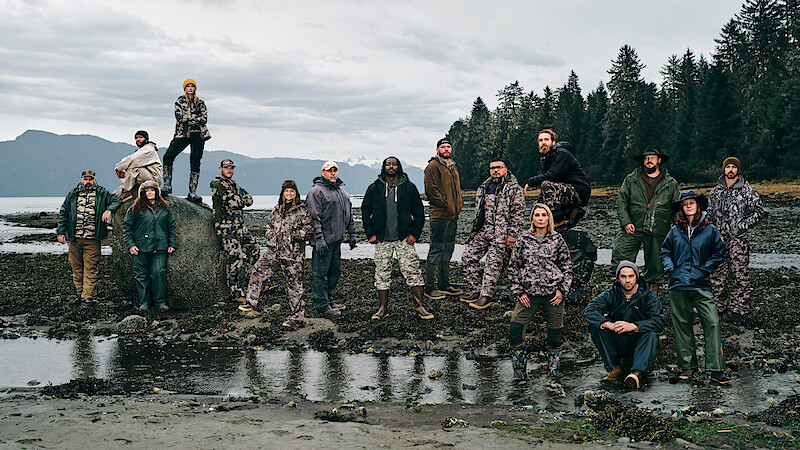
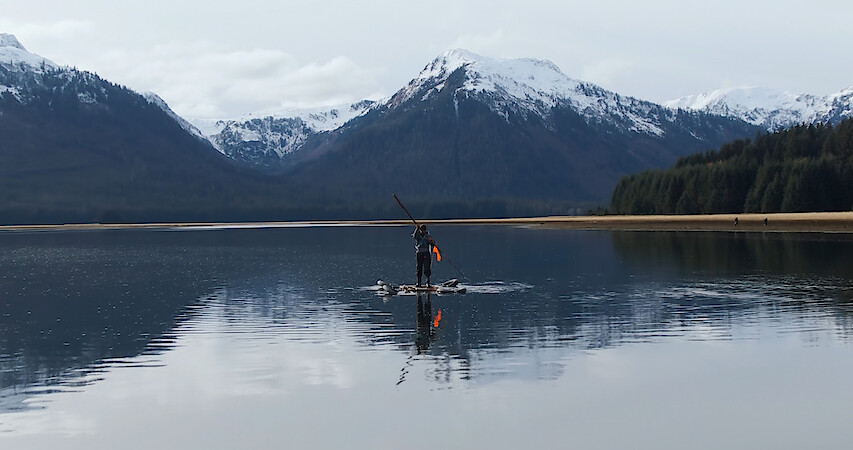
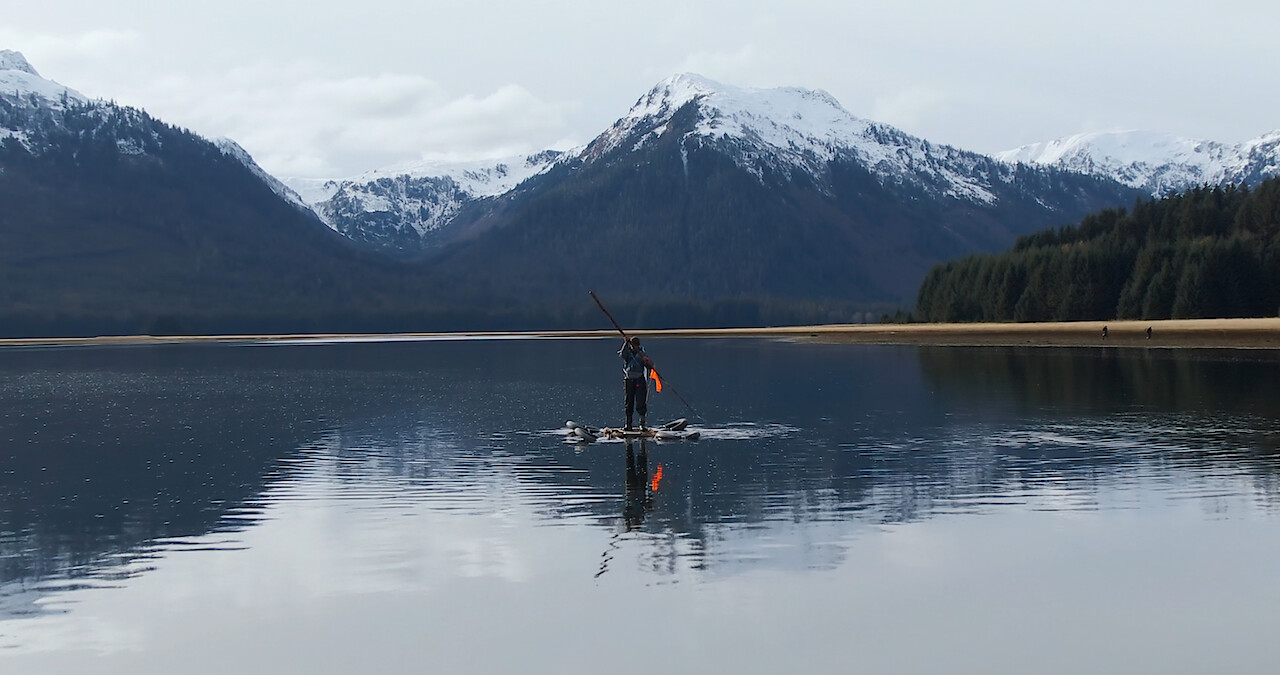
The opening shot of Outlast captures an aerial panorama of the densely forested cliffs surrounding the Neka River, a jagged, tangled stream in remote southeastern Alaska. From the sky, the view is spectacular — an otherworldly natural environment that everyone from experienced hikers to novice glampers can only dream about. From the ground, however, the fantasy of the last frontier comes crashing down and bounces off of everyone’s freezing cold, sopping wet feet.
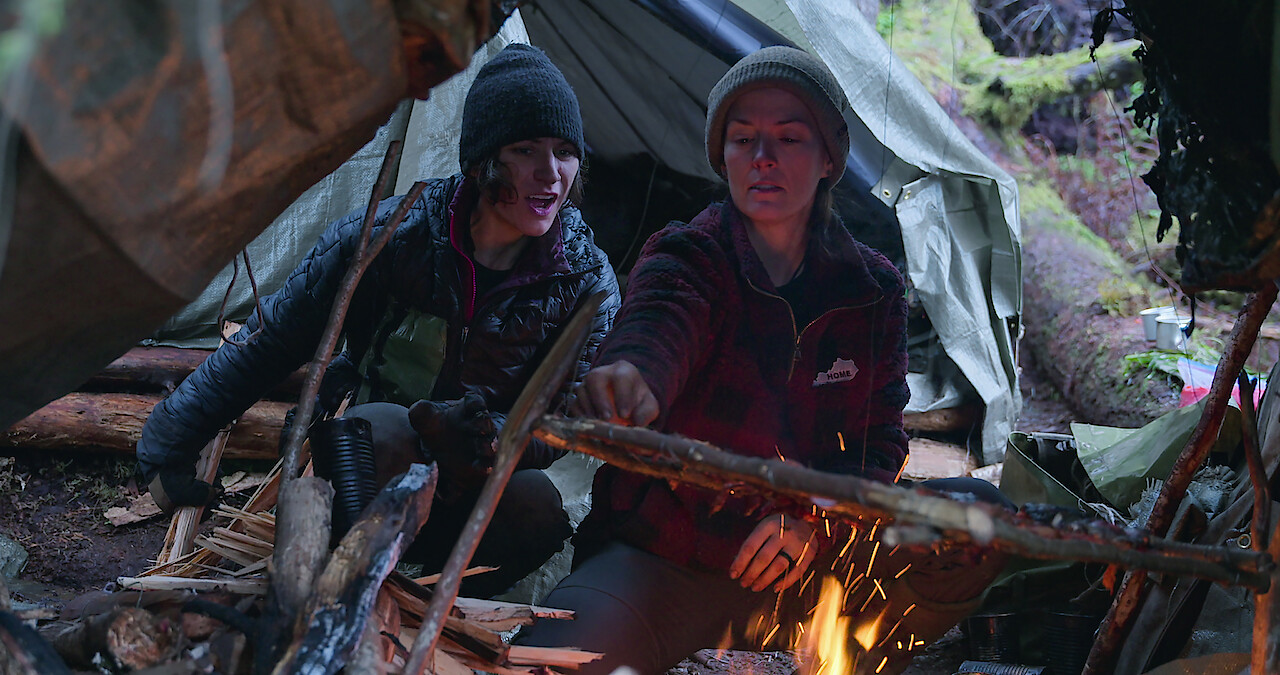
“The show doesn’t do it justice, how awful it is,” Outlast executive producer Grant Kahler (Alone, Castaways) tells Tudum. “The first week, it was 35 degrees and raining every day — truly the most awful environment to try and be in. You can’t get dry. Your feet stay wet for weeks. You can’t light a fire… and of course, there’s the bears.”
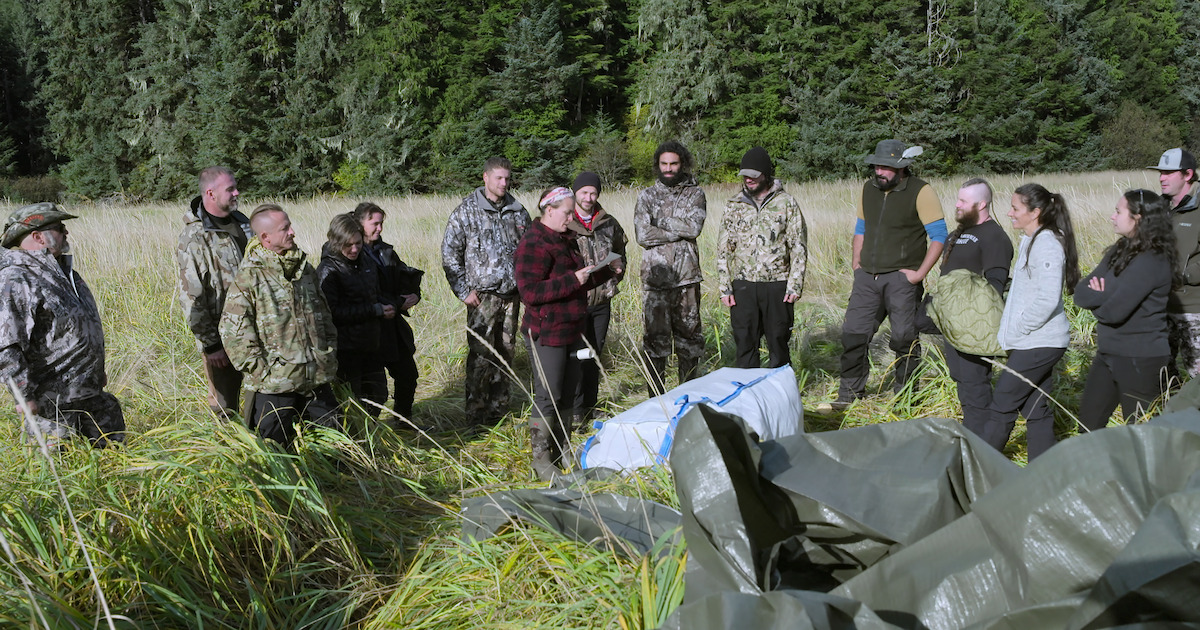
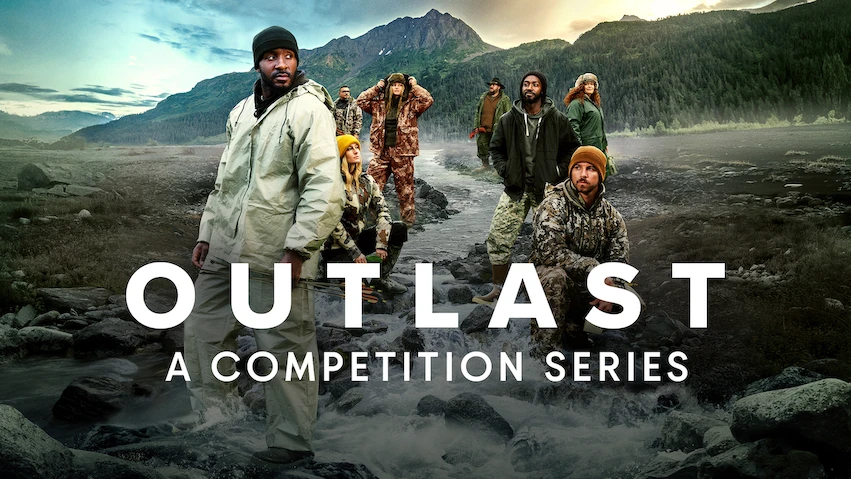
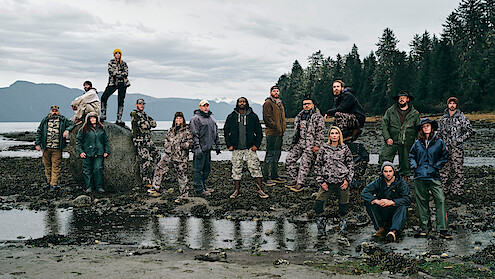
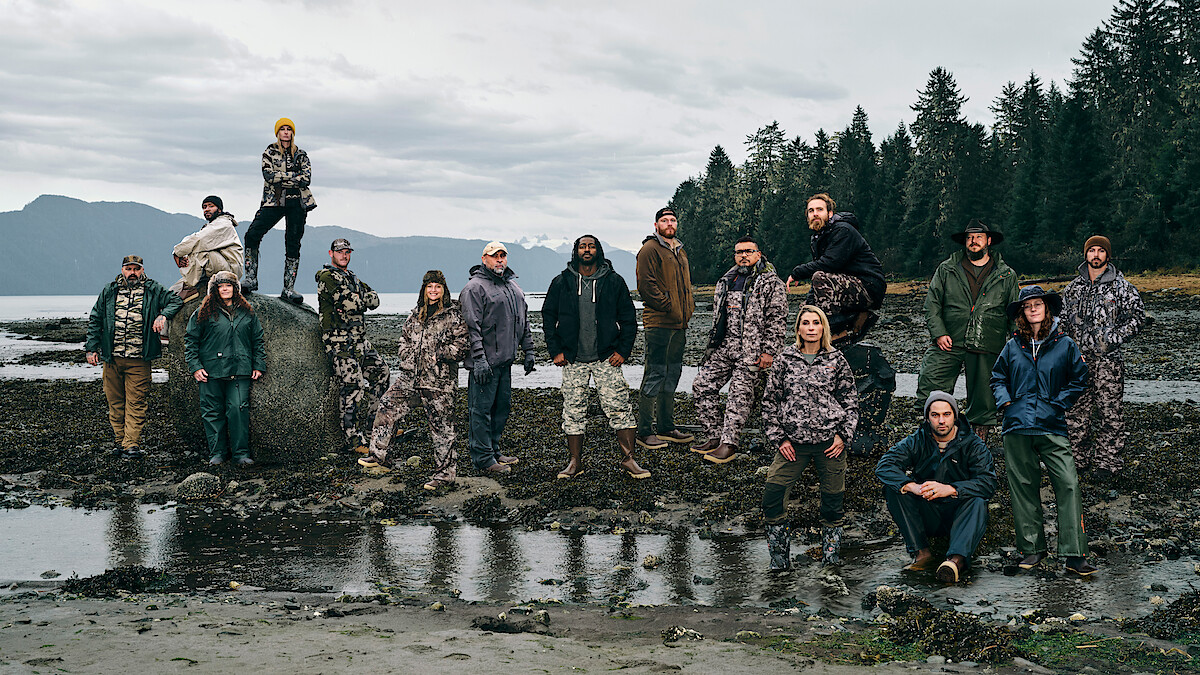
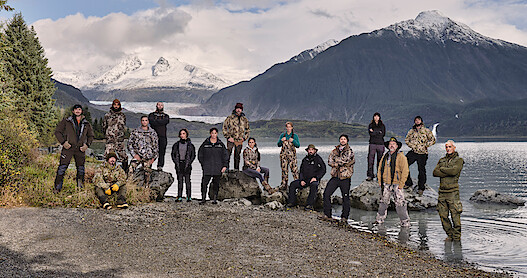
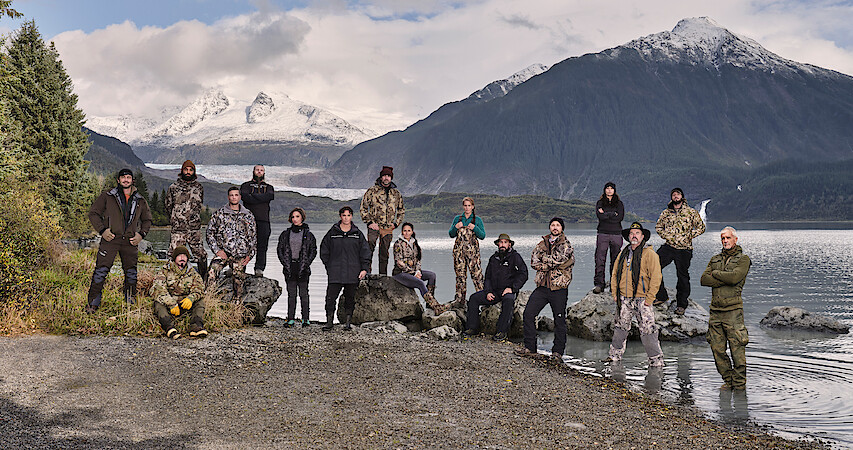
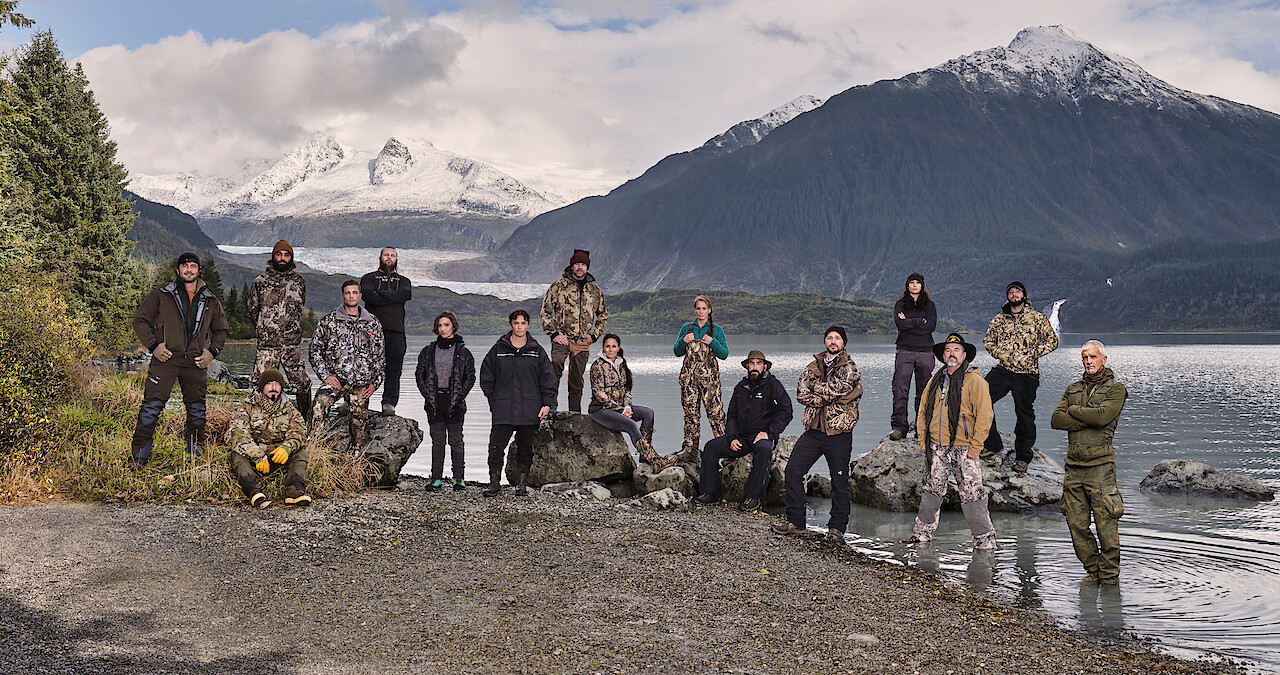
Of course, the awfulness of it all is part of the reason Kahler chose this location for the show in the first place. Outlast is an eight-episode competition in which 16 cutthroat survivalists attempt to, ahem, outlast each other in an effort to win a million-dollar prize. The only catch? No one can walk away with the prize money alone — in order to win, the players have to be part of a team.
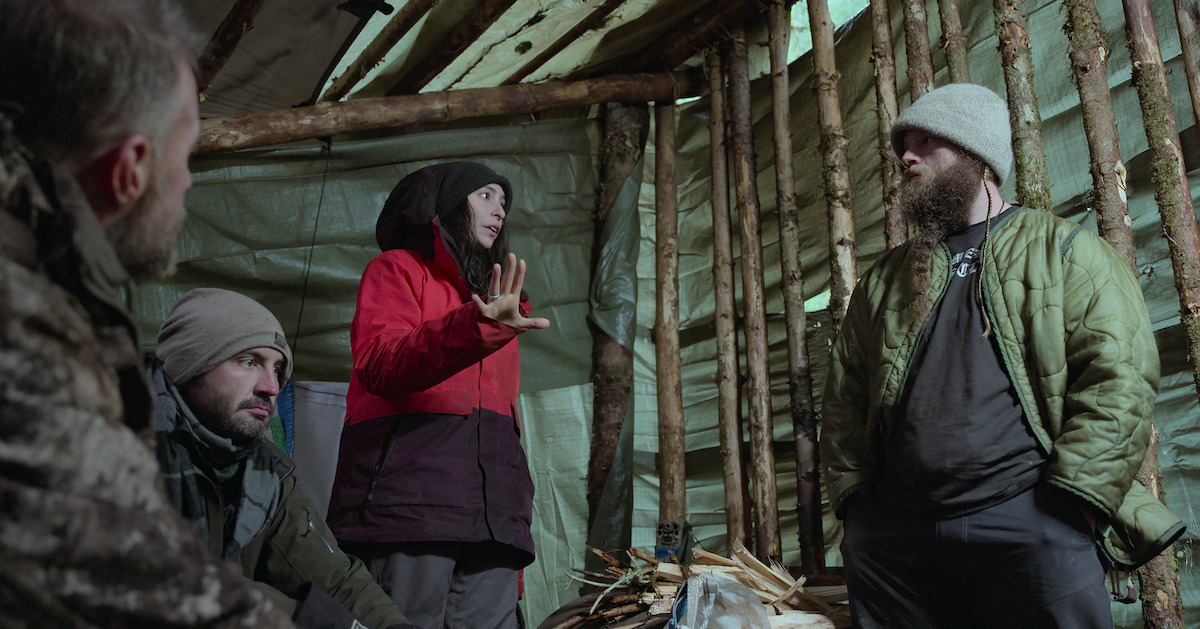
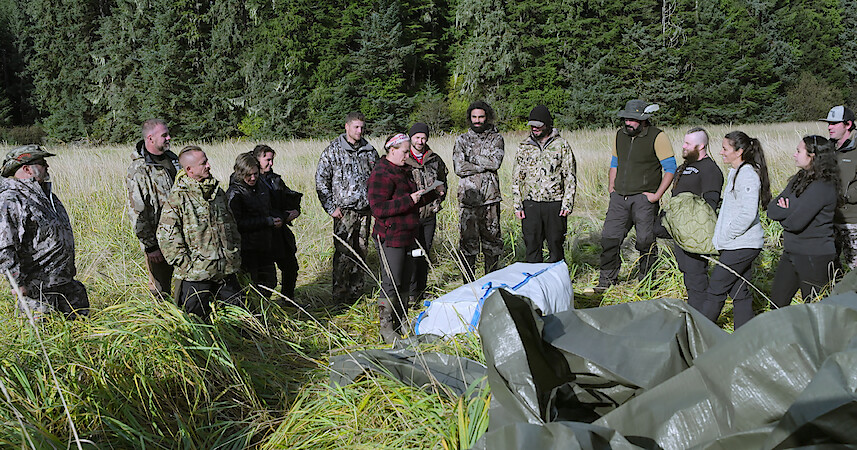
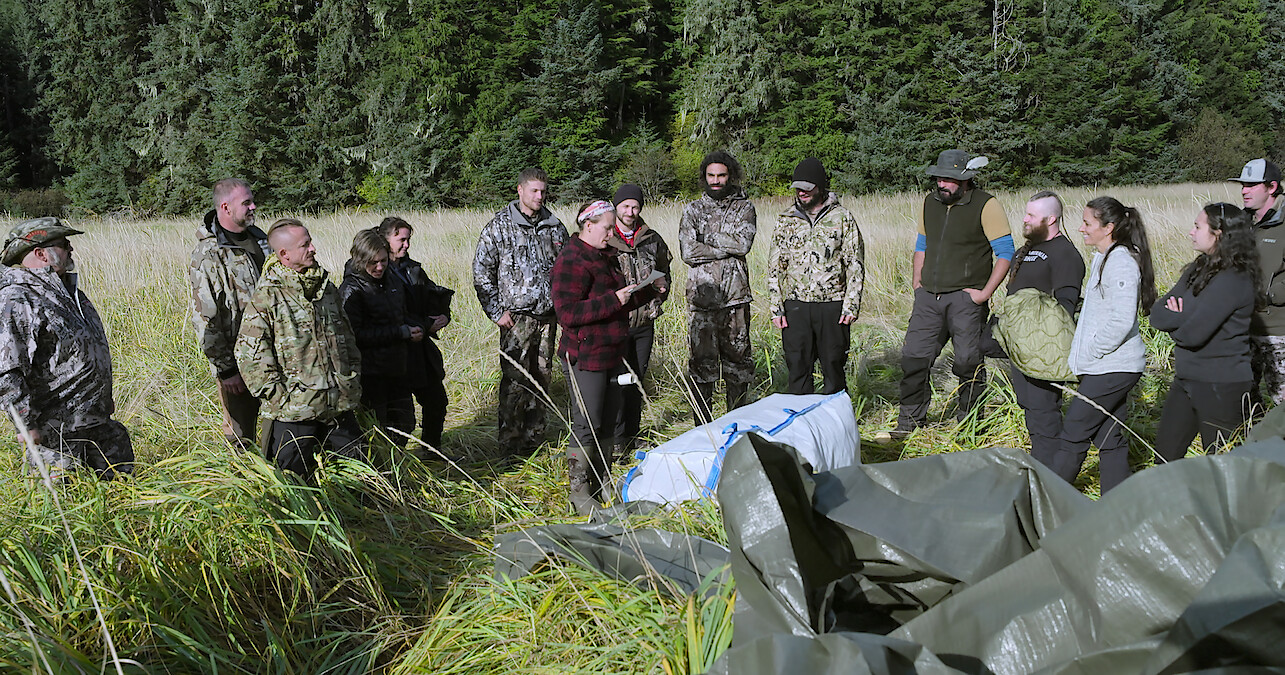
In Episode 1, the initial group of 16 breaks up into four camps: Alpha, Bravo, Charlie and Delta. The teams then have to disperse to separate areas. Production assigned them four respective quadrants along the Neka River, each with significant distance from one another, and with a specific set of challenges to overcome.
“I was at least picturing flat ground,” says Jill Ashock, a member of Alpha camp. “I know some of the other teams got that luxury. The location Alpha got was nothing but a severely steep embankment with no sun. There was absolutely nowhere for us to sleep.”
There’s also the matter of the near-constant rain, which makes every camp more inhospitable to shelter, warmth and sleep.
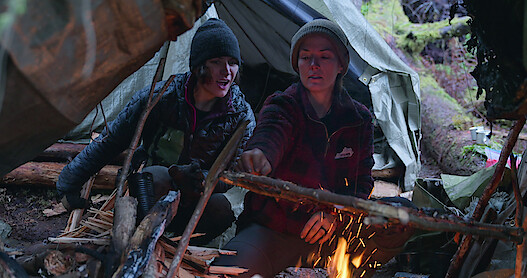
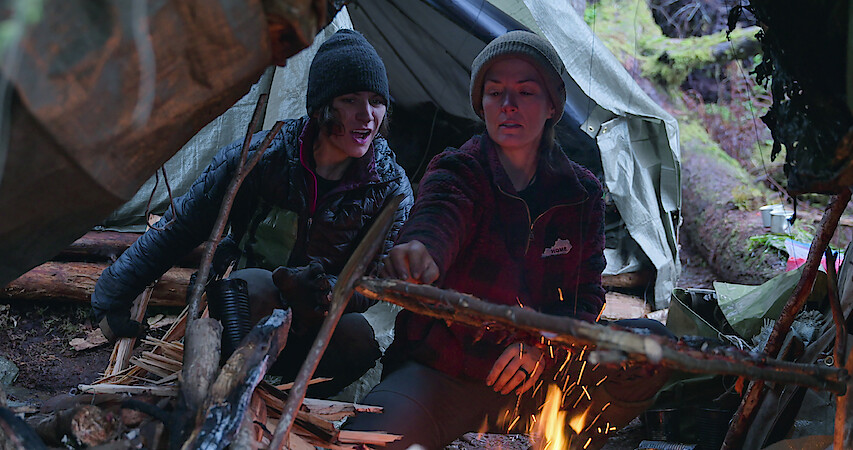
“Everything was saturated with water,” says Seth Lueker, a member of Charlie camp. “You couldn’t pick up a piece of wood that wasn’t soaked. It was absolutely horrible.”
Despite the unforgiving environment, each of the four camps is eventually able to set up some form of shelter, and it’s at that point when the game can really begin. What transpires over the course of Outlast’s eight episodes is as much about survivalism as it is about strategy. Unlike survival shows that solely rely on individual skill or popularity to avoid being voted off the island, Outlast is all about how far people will go to beat their competition — and more importantly, how far is too far before you alienate your own team? Kahler says that for a premise like this, the perfect location means more than just a solid campsite.
“What was great about the Neka River is it’s this open space and a river that divides it,” Kahler says. “Seeing a team across the river makes your mind run. [You see it and think], how are they doing so well? I’m over here starving. It almost drives you crazy to be able to see what other people are doing.”
Kahler says that in addition to choosing a location that lends itself to mind play as much as game play, there’s also a tremendous amount of safety and resource logistics to consider. Though production didn’t necessarily set up the contestants to thrive, they had to be mindful that each team would at least have the opportunity to survive. Knowing what that entails in an environment like this requires a tremendous amount of thought and planning.
“Whenever I scout, I meet with local experts, local hunters and survival people.” Kahler says. “A lot of times, I’ll take along survival experts who’ve gone through military SERE (Survival, Evasion, Resistance and Escape) training. We go out and evaluate the area; like, there’s mussels here, there’s salmon during these months, there’s this type of deer, fish or crab. [We ask] what type of wood is there? Is there enough dead wood to burn? If you don’t choose the right place, the contestants are going to end up having nothing.”
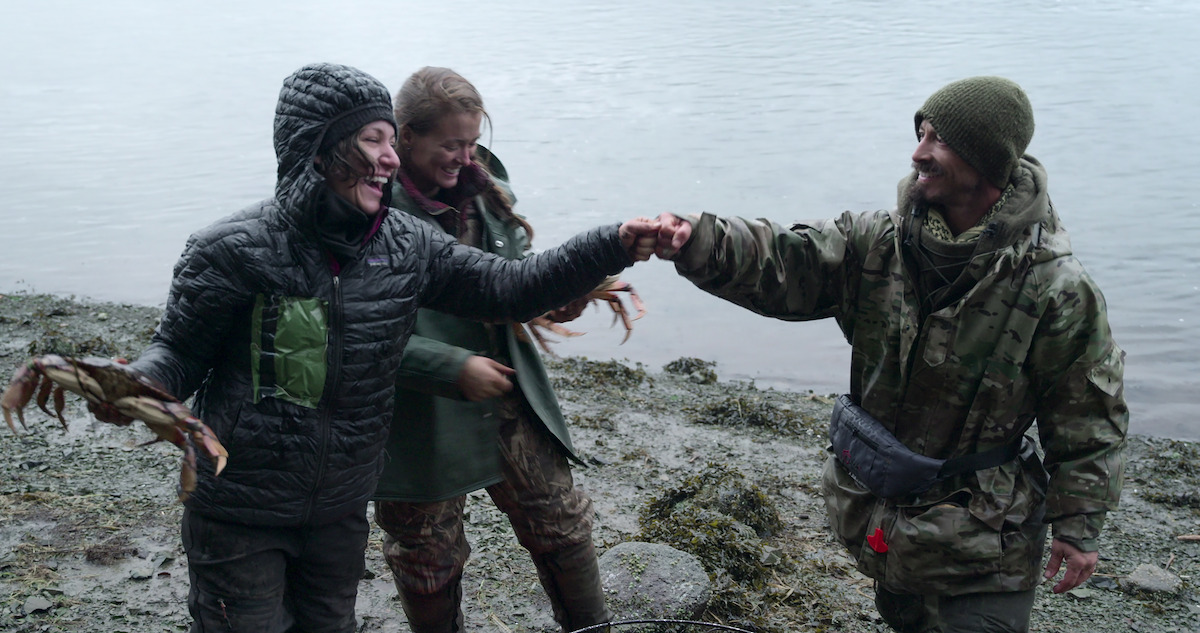
While the teams certainly end up with more than nothing — there’s one particularly gratifying scene where contestants manage to capture a bounty of gloriously massive crabs after days of little to no food — the weeks spent in the wilderness were far from amenable. In addition to the relentless weather conditions, hunting was virtually impossible due to the disruptive nature of 16 human competitors and a full production crew making noise and scaring potential game away. Hypothermia was also a major concern, and medics were always on call to monitor each contestant’s condition. Then, of course, there’s the threat of predators: in one heart-racing scene, Alpha camp hears the roar of a grizzly bear before spotting it as it crosses the river, an 800-pound reminder that they’re not the only ones aggressively competing for food.
Hungry grizzlies notwithstanding, Kahler says that one thing he hopes the audience takes away from Outlast is that each contestant on every team brought something remarkable to the game, no matter how long they stayed.
“It’s minute-to-minute, hour-to-hour, day-to-day to get through,” Kahler says. “I went through it for a few hours a day and got to go back to a fireplace and a hotel room. The people that won were literally soaking wet the entire time.”