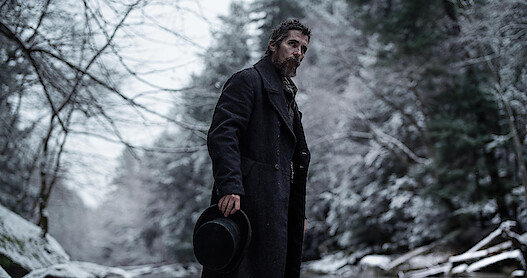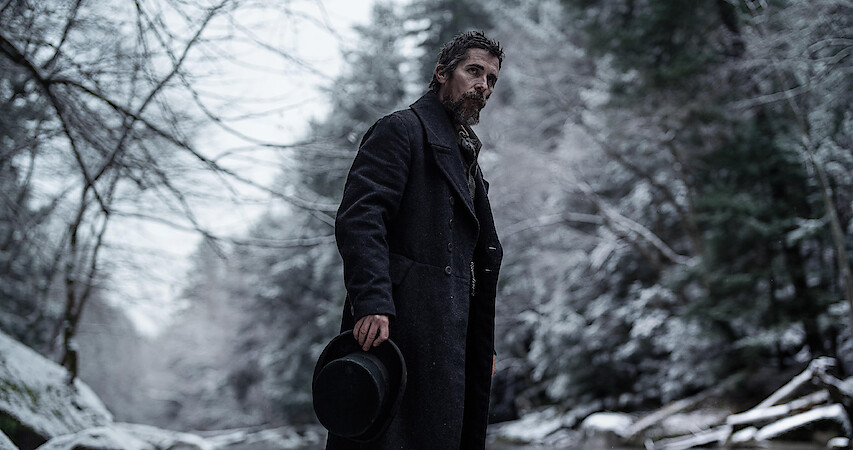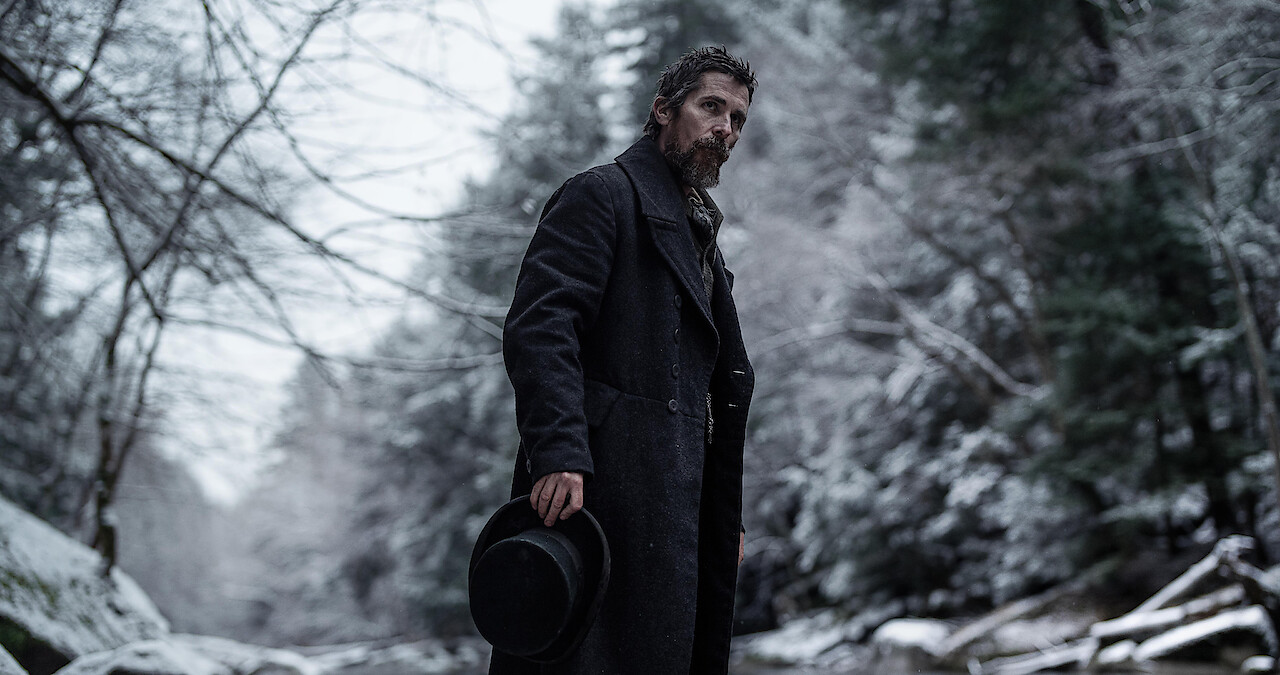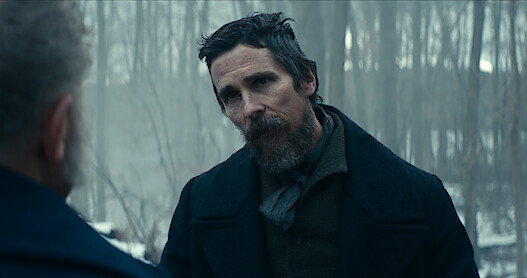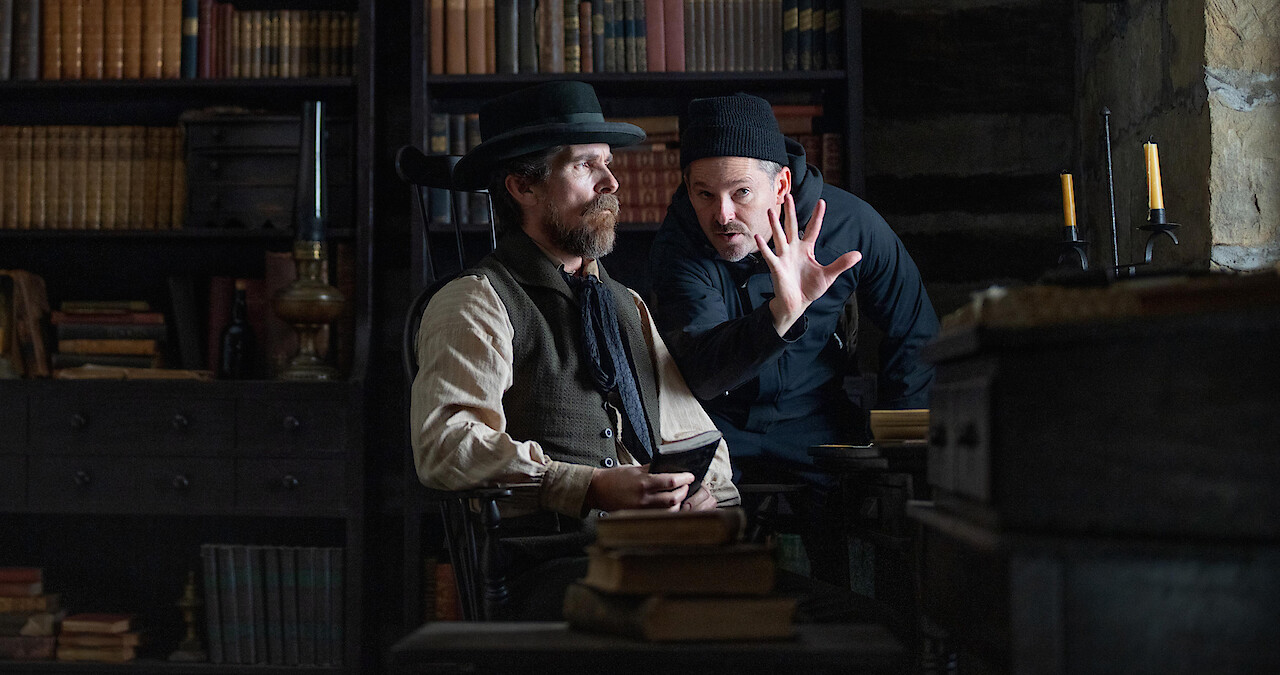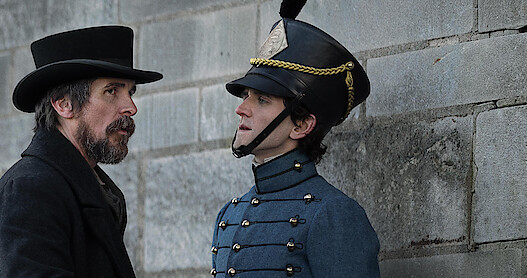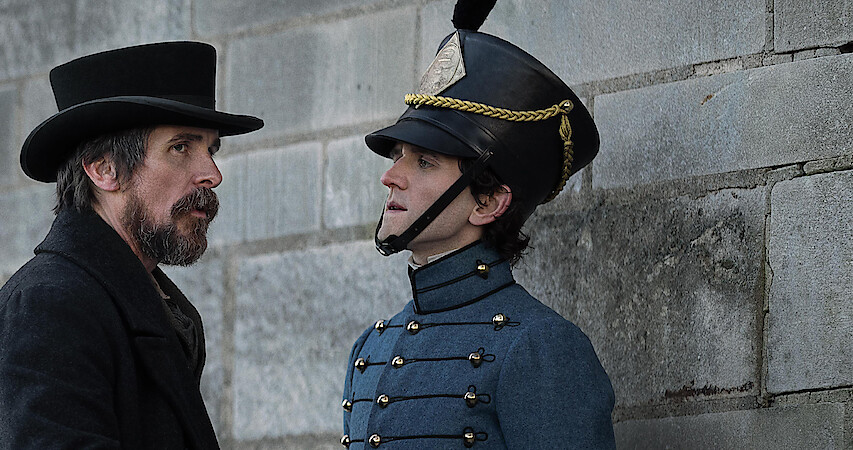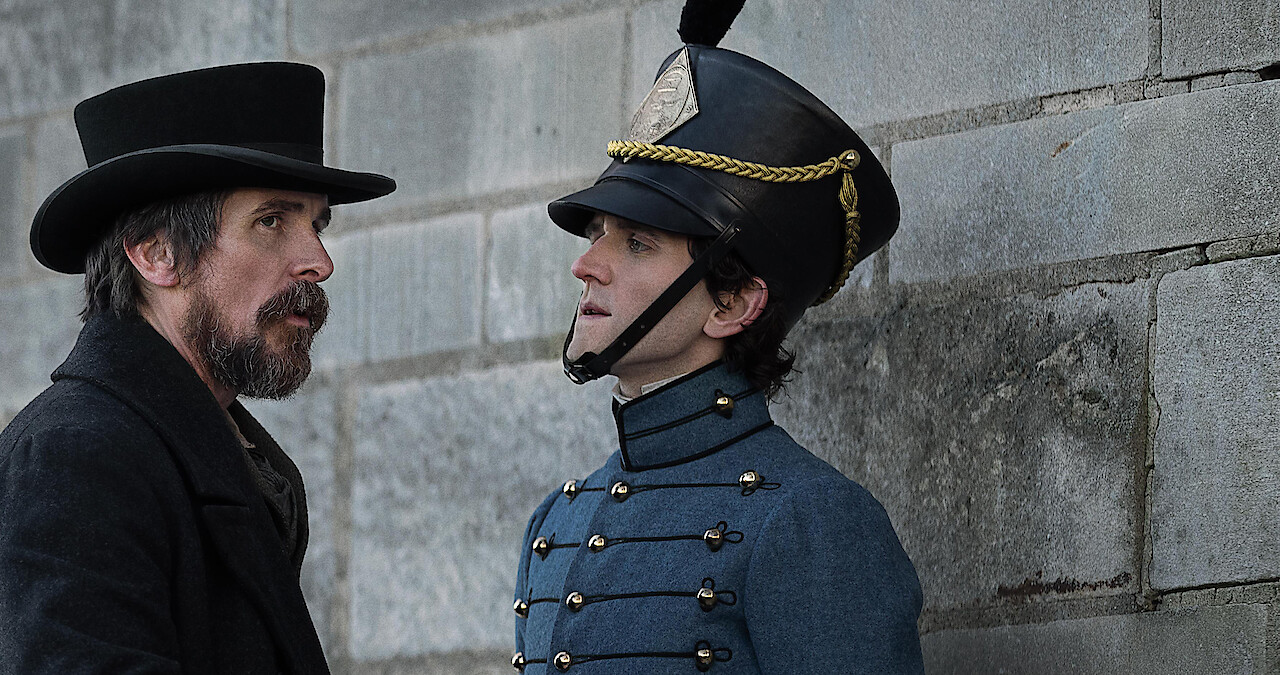
Images: Scott Garfield/Netflix
Explainer
‘The Pale Blue Eye’ Ending Explained
Diving deep into the macabre mysteries of Christian Bale’s new thriller.
Jan. 7, 2023
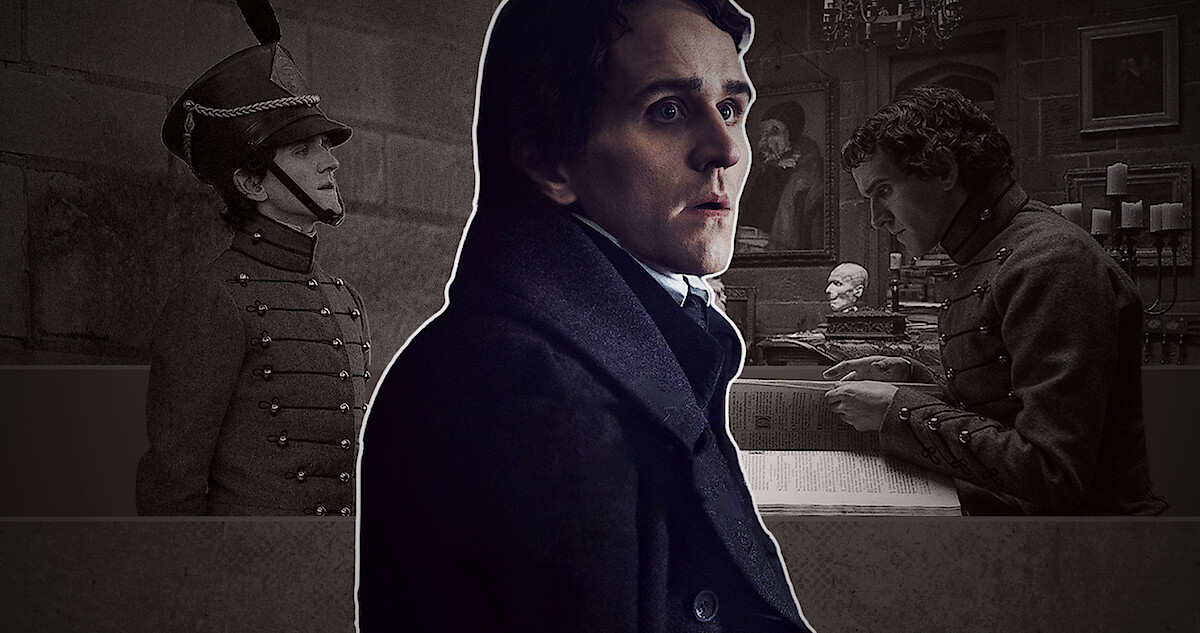
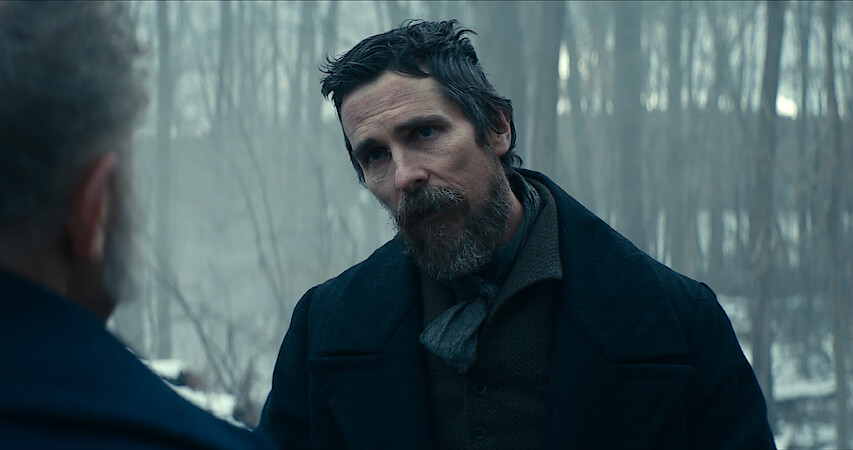
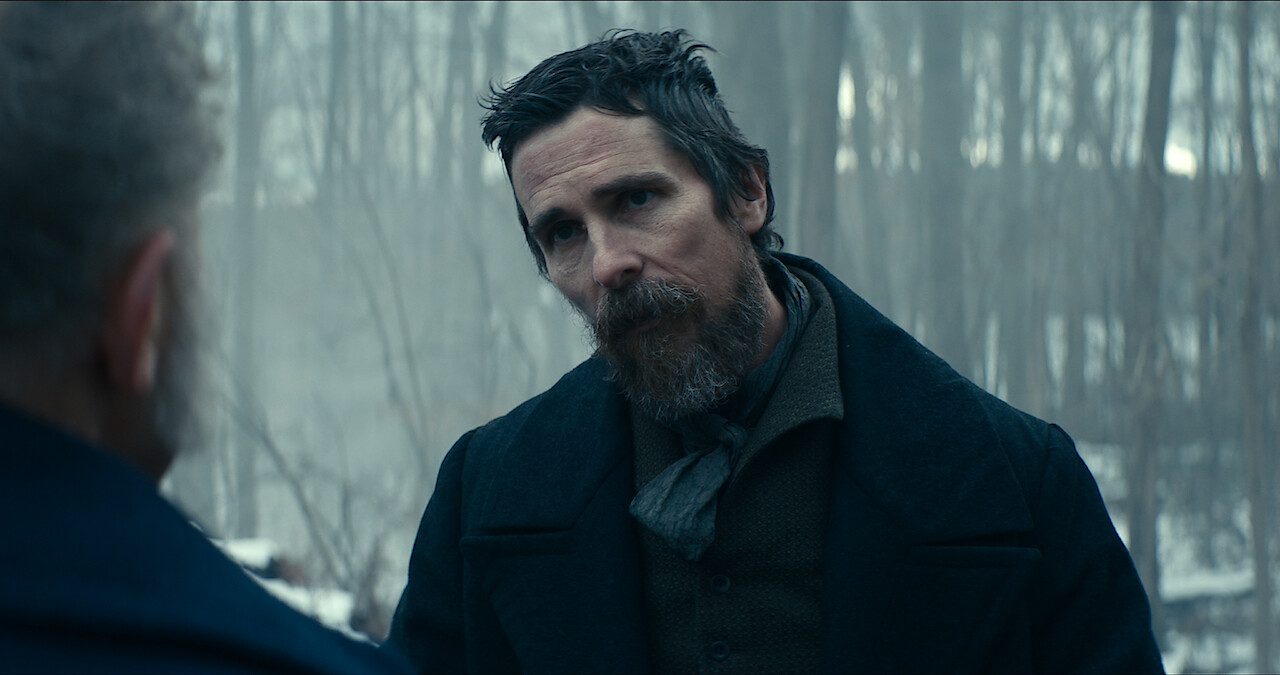
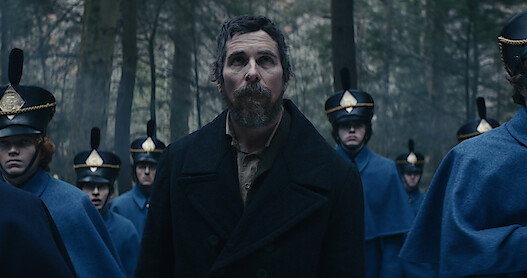
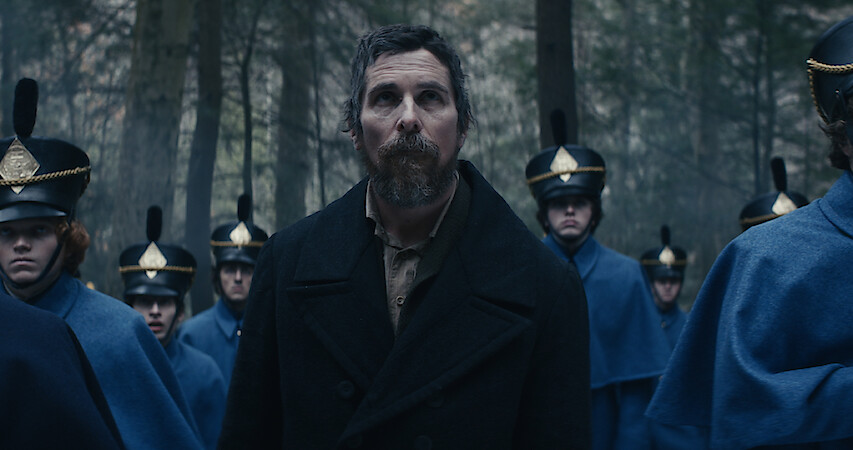
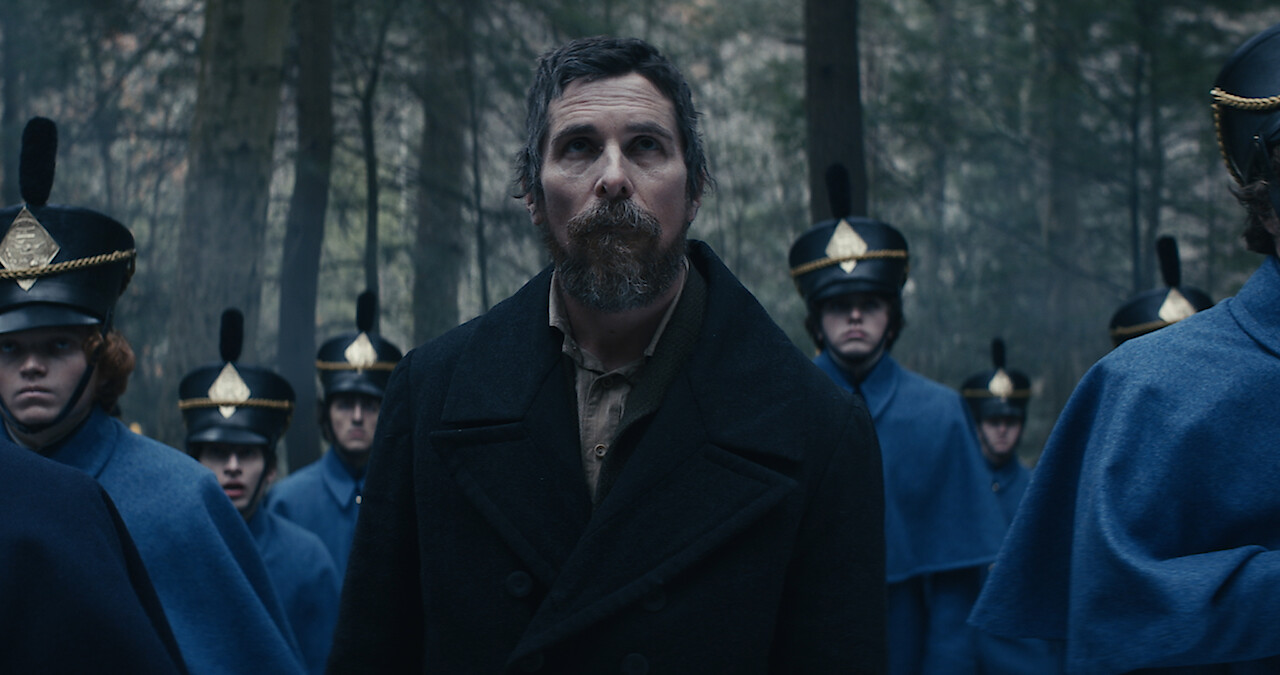
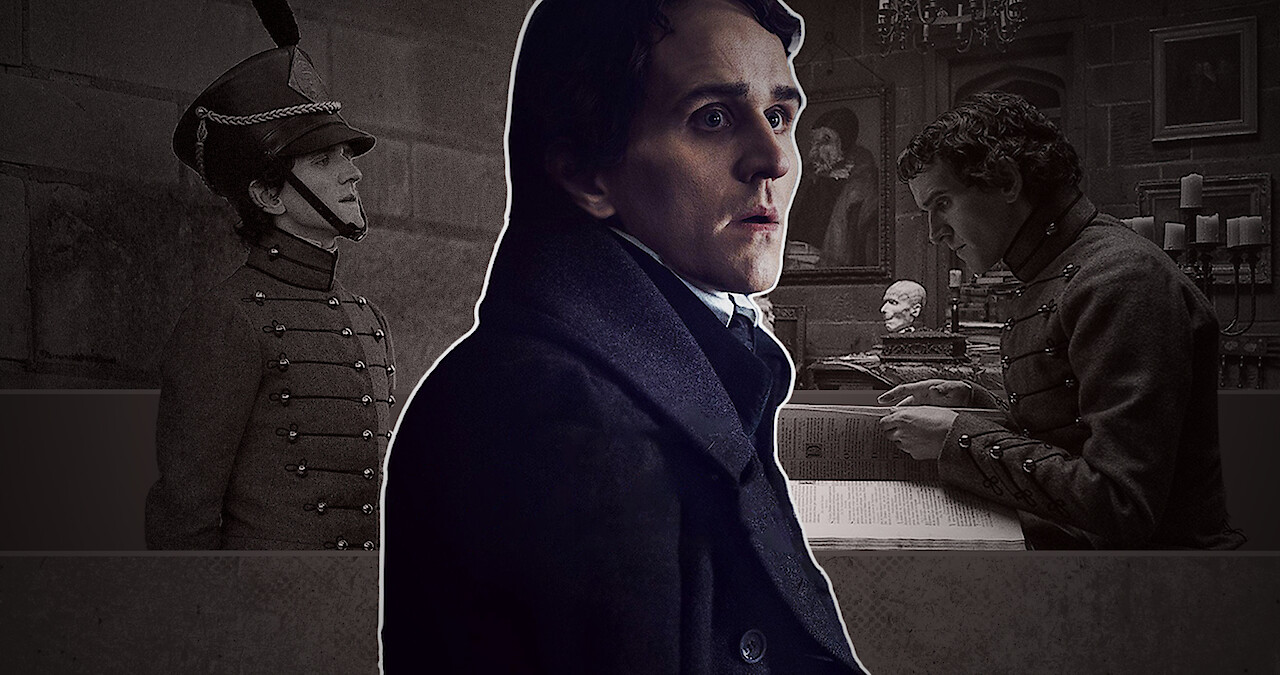
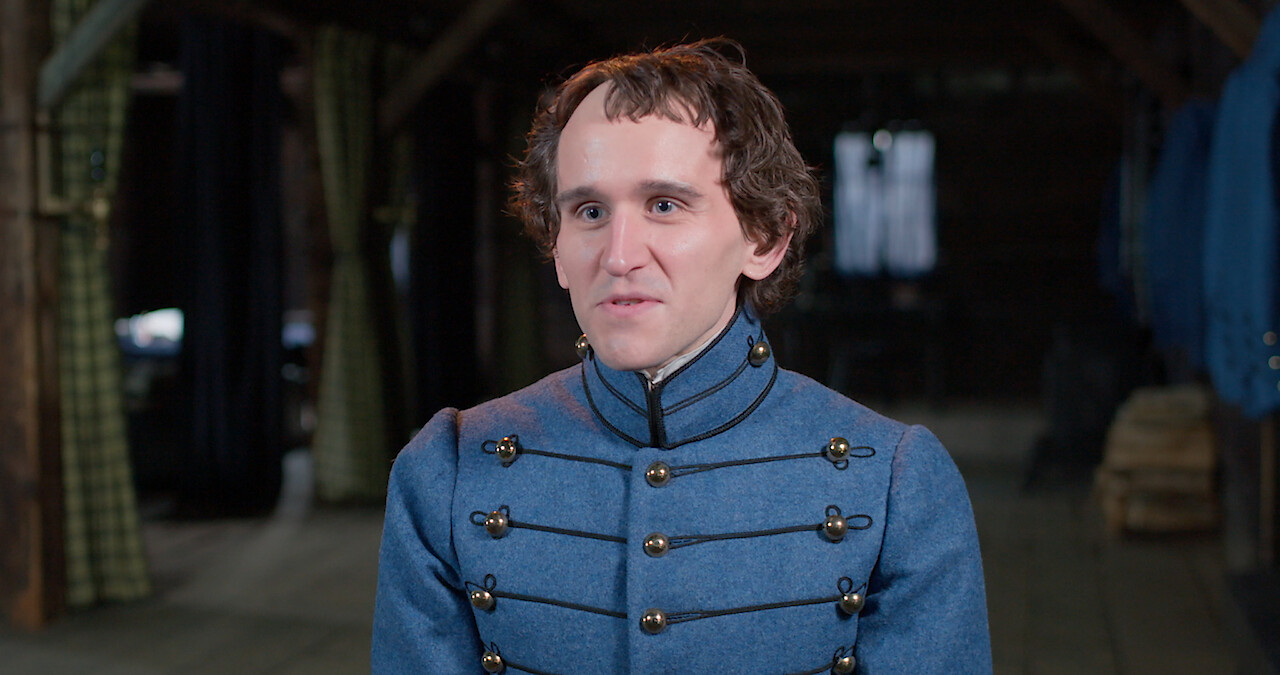
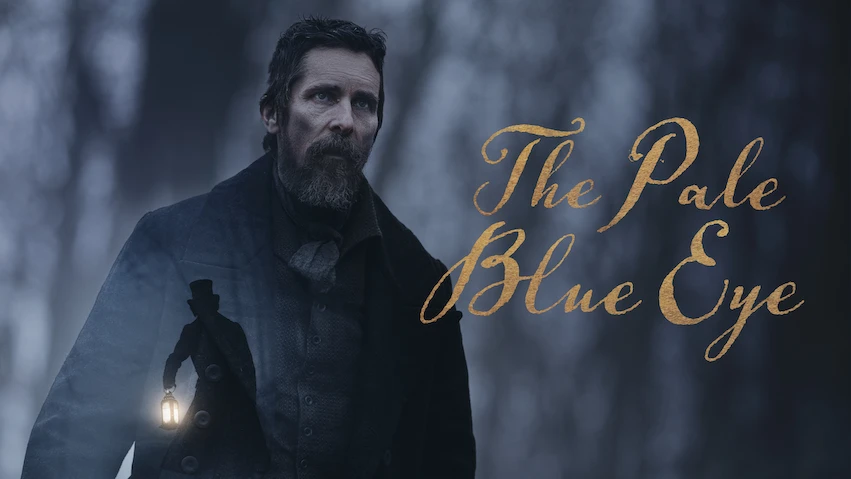
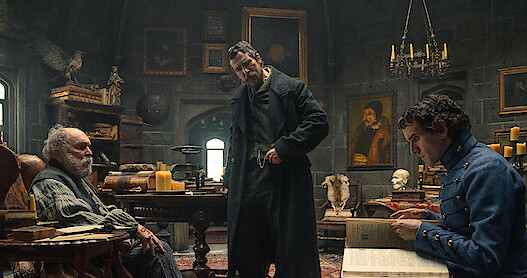
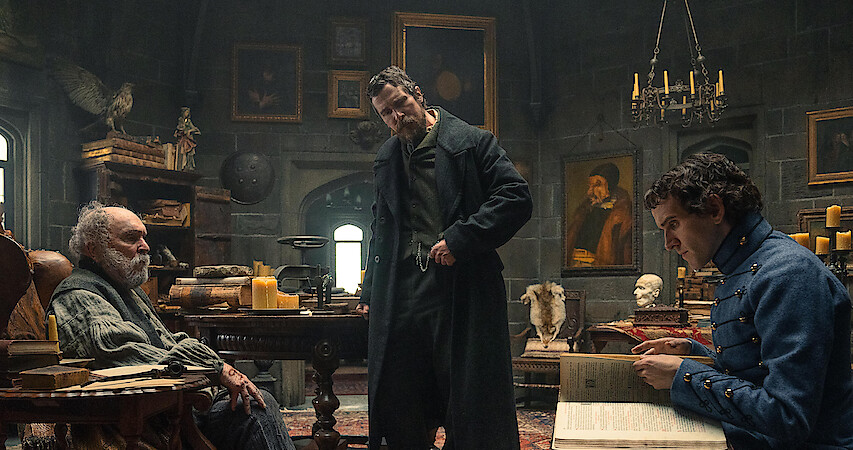
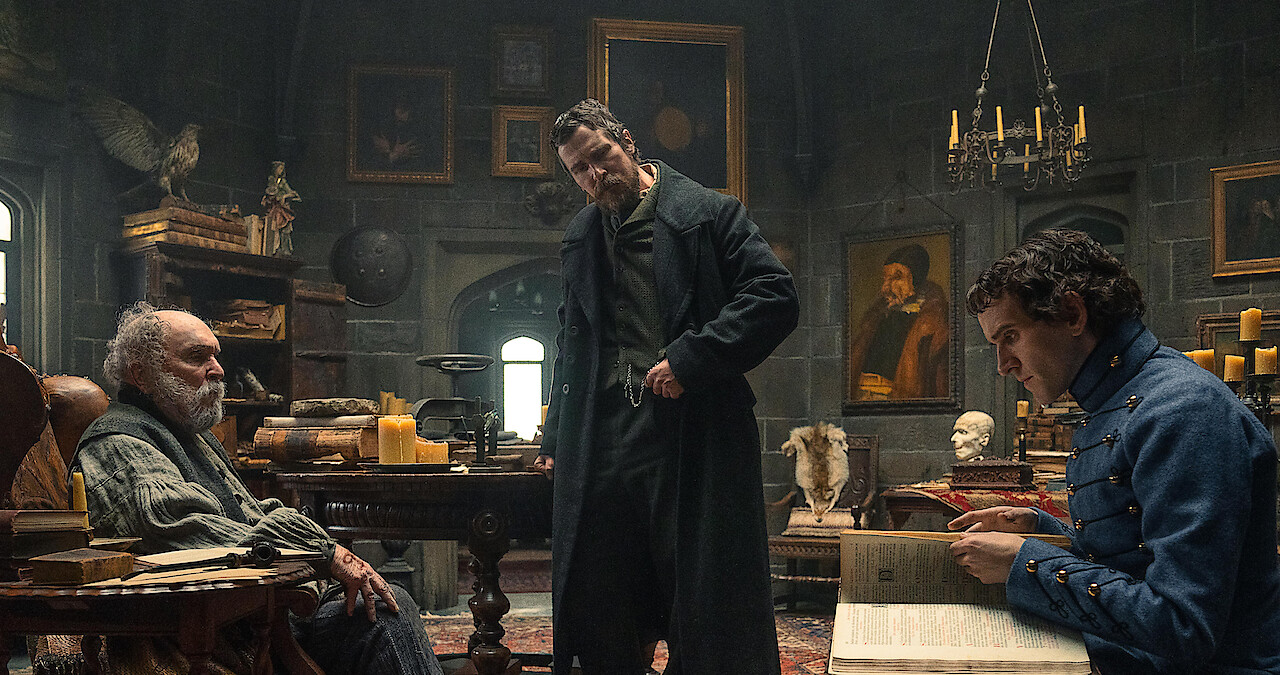
In the chilly new detective thriller The Pale Blue Eye, nothing is as it seems. The icy truths at the center of this mystery are not for the faint of heart. Not even the young Edgar Allan Poe (Harry Melling) walks away from the case unscathed. As Poe and detective Augustus Landor (Christian Bale) hunt down a sadistic killer, they learn secrets they might just wish they could unlearn. The solution to this mystery is almost as painful as the gruesome crimes themselves. Read on to dive deep into the tell-tale heart of The Pale Blue Eye — and what lies beyond it.
🤐 SPOILER ALERT 🤐
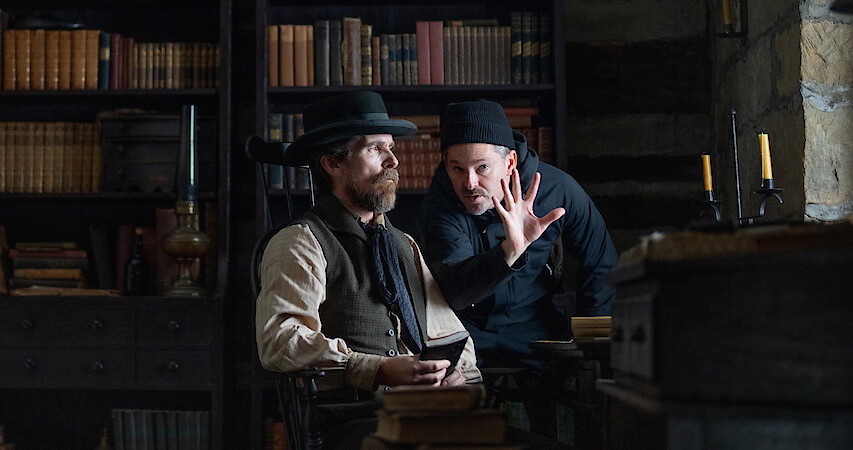
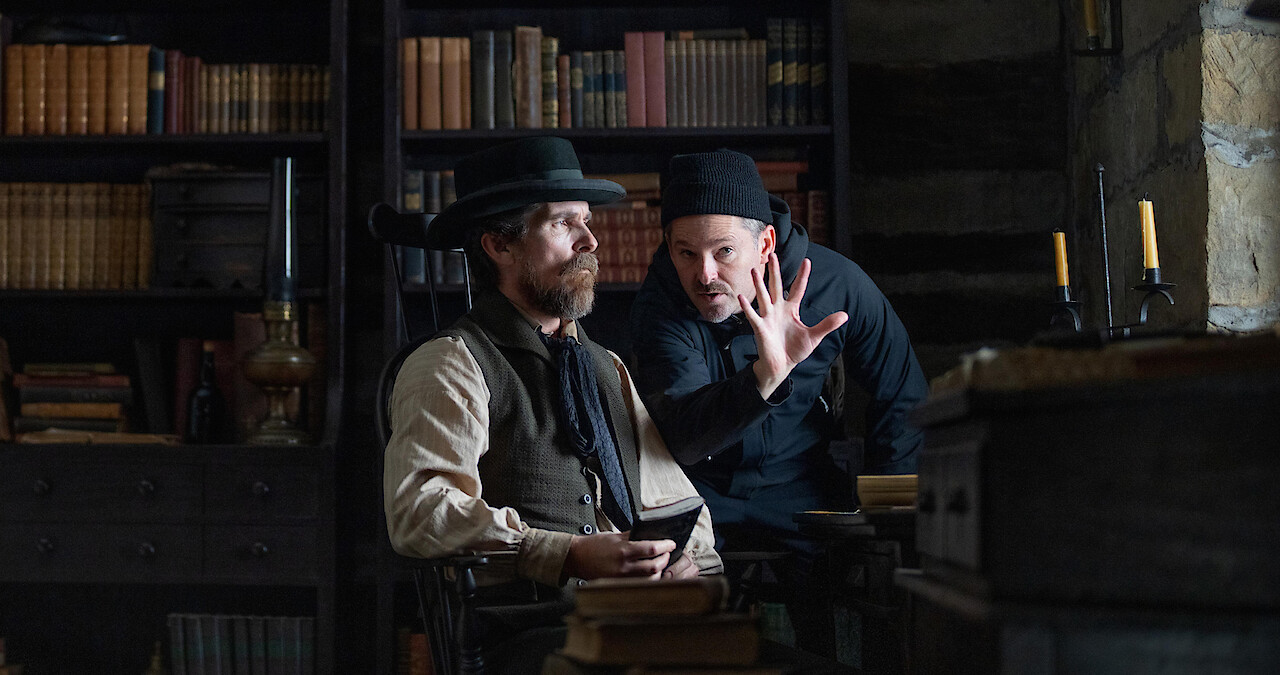
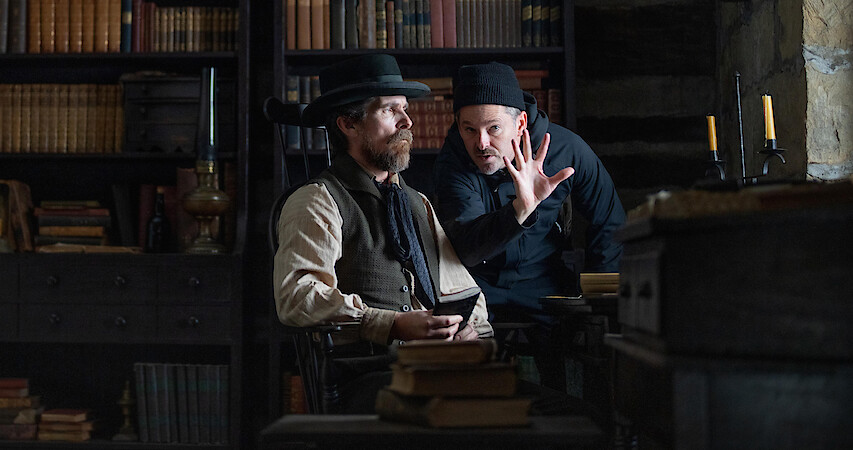
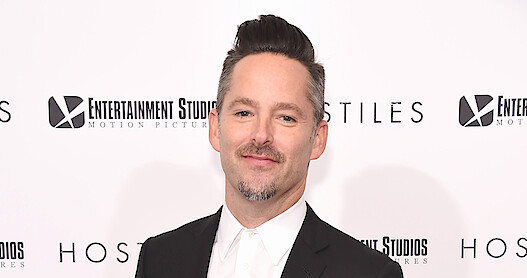
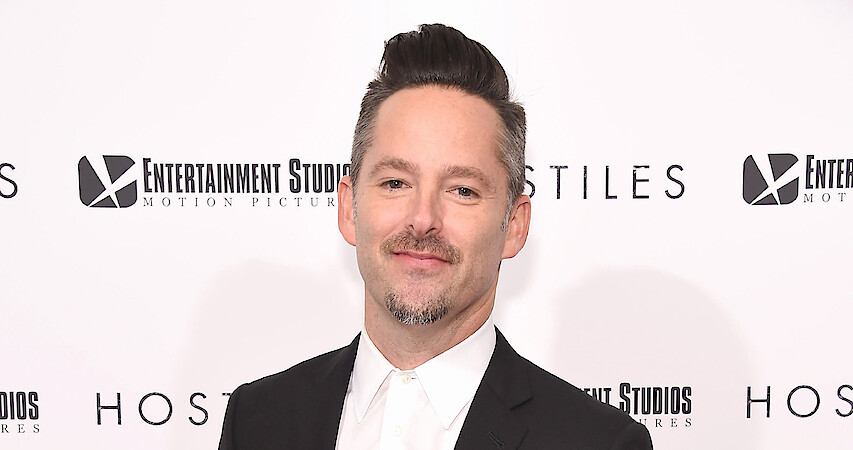
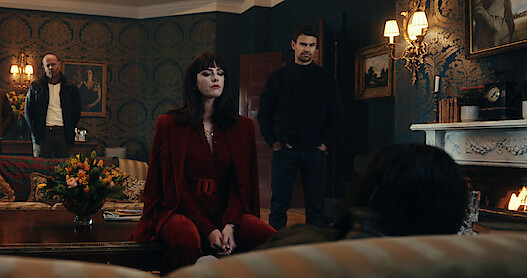
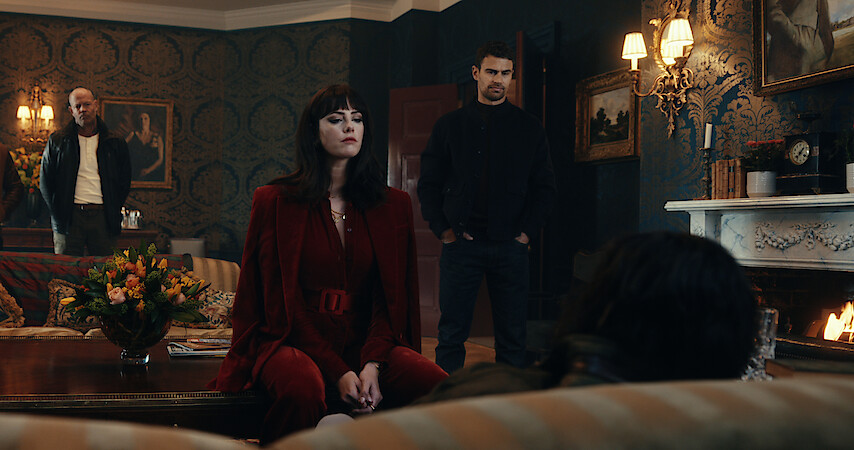
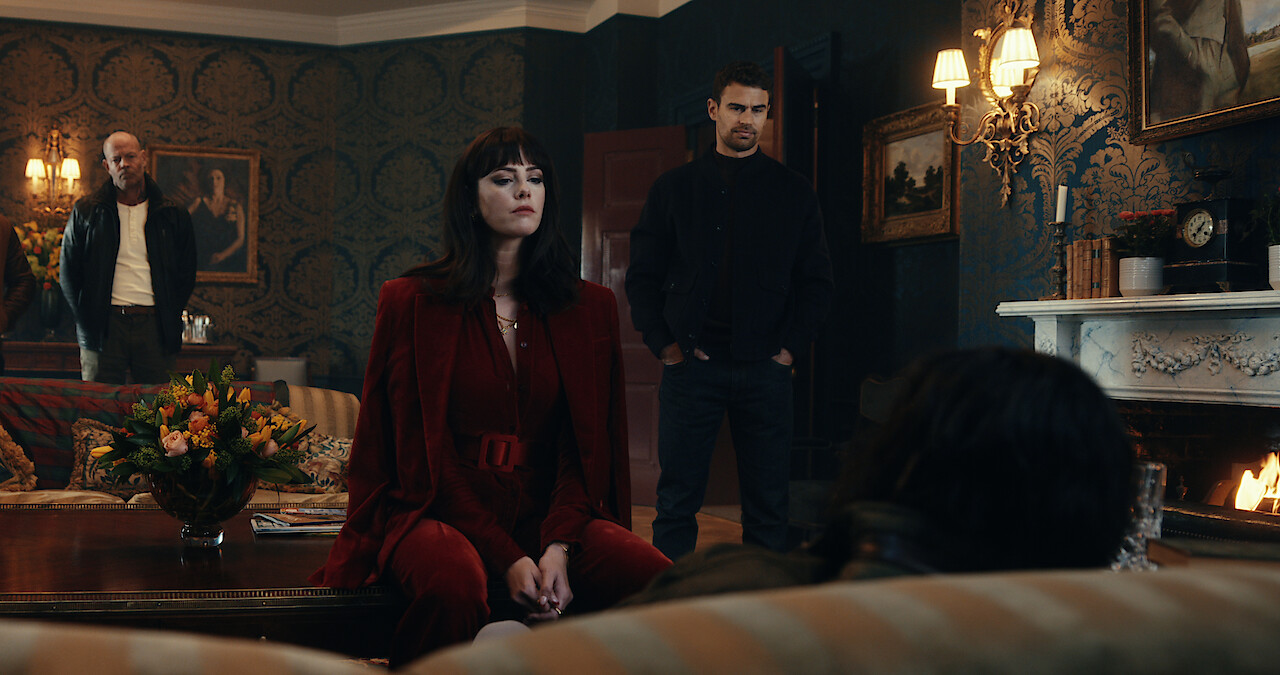
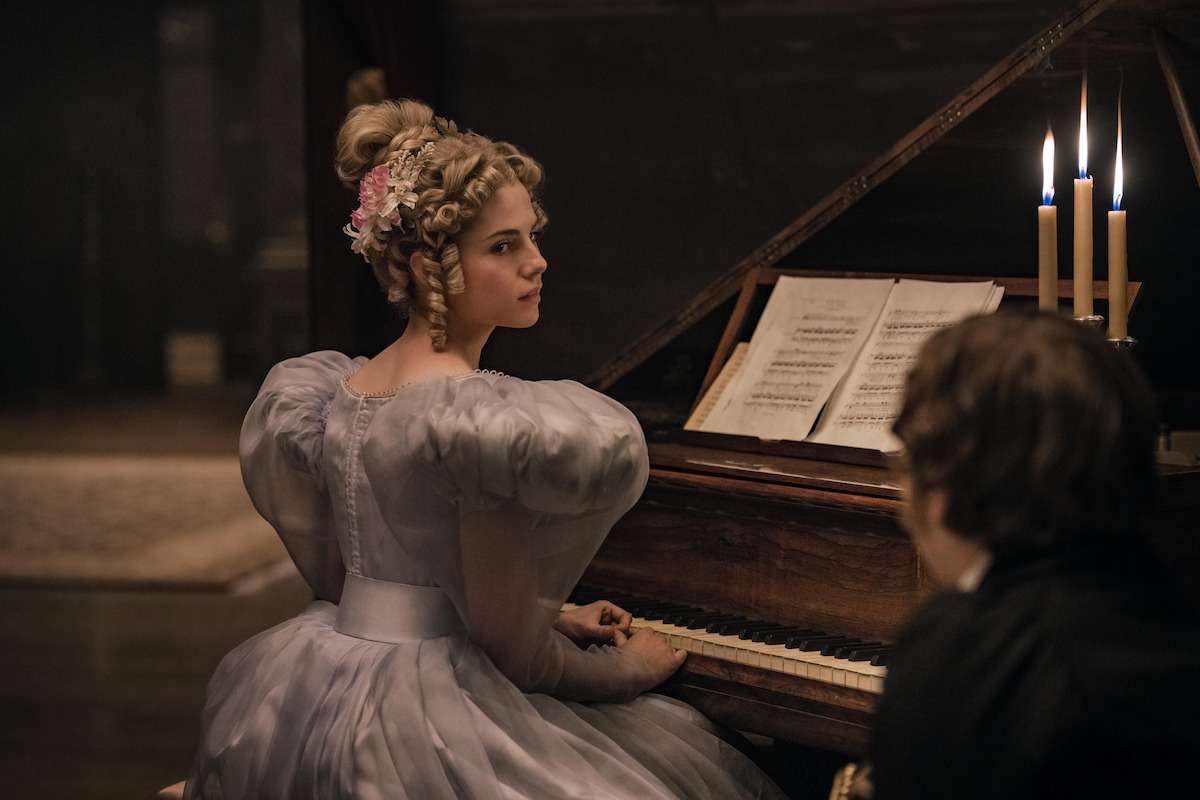
The climax of The Pale Blue Eye pulls one rug after another out from under the audience. First, it reveals that ailing young Lea Marquis (Lucy Boynton) is responsible for the removal of cadets Fry and Ballinger’s hearts, as part of a desperate attempt to cure her illness via occult means. Then, just as Landor has rescued young Poe from the clutches of Lea and her brother Artemus, the other shoe drops. “My hope is that no one sees this coming,” writer-director Scott Cooper tells Tudum.
In the film’s final scenes, Poe pieces together the next layer of the mystery: It was indeed Lea and Artemus who removed the hearts of the deceased cadets. But they didn’t kill them — that crime was committed by Augustus Landor himself.
Some particularly keen-eyed viewers may spot the twist coming, but the film’s star was shocked. “I didn’t see it coming,” Bale says.
“We assume that the detective is on our side, that he’s as unknowledgeable about the crime as we are and that he’s our surrogate, in fact guiding us into this mystery,” says The Pale Blue Eye author Louis Bayard, who came up with the twist. “And then to find that he actually has known the whole time who the killer was, I think is a bracing thing and a healthy one.”
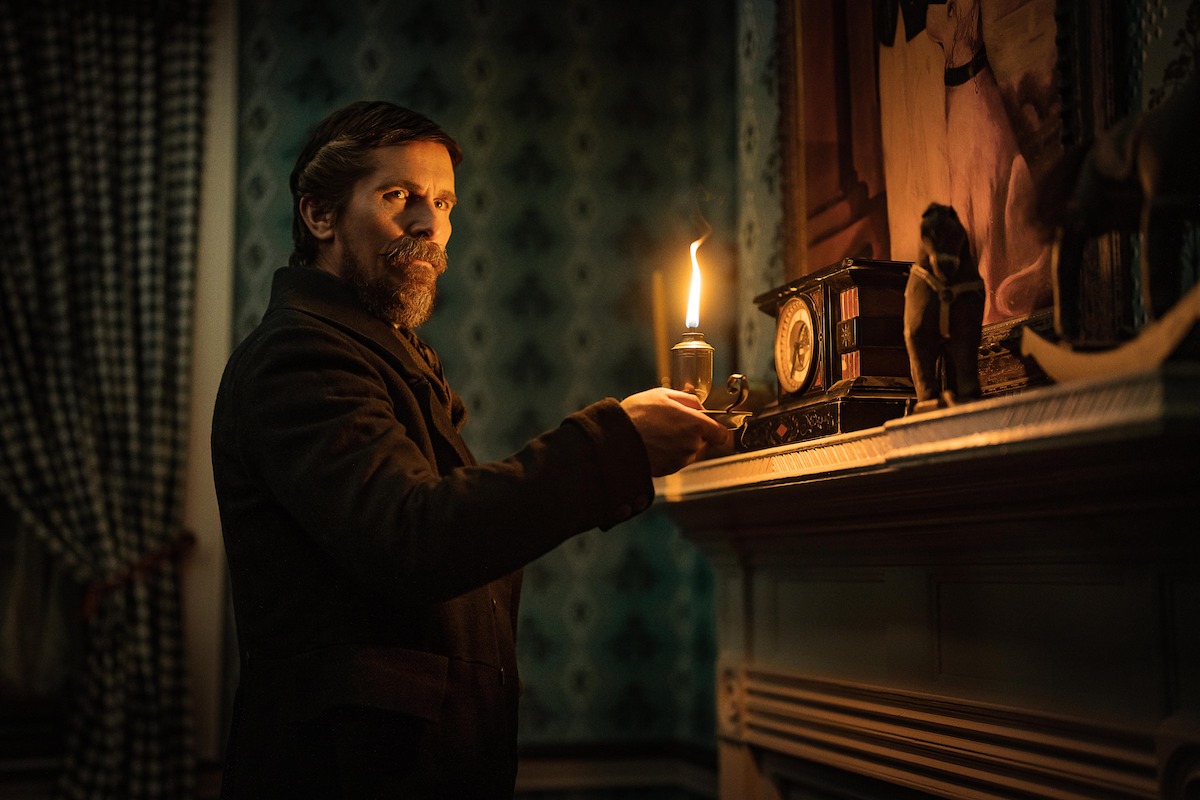
“We have a legendary constable that is recommended by the governor of New York to discreetly solve these murders,” Cooper adds. “And over the course of the narrative, we understand that he also has suffered a great loss that, at the beginning of the film, is quite vague, and only throughout the movie do we understand why he did what he did.”
Landor’s daughter Mattie (played by Hadley Robinson and glimpsed only in flashback) is recently deceased. Meanwhile, at the film’s conclusion, Poe uncovers the truth: that Mattie committed suicide after West Point cadets brutally attacked and raped her. The cadets who turn up dead in the film are those same cadets, murdered by a vengeful Landor.
Of course, Landor soon realizes that another crime has been committed — the removal of his victims’ hearts, by another party. The revelation gives the guilty detective the opportunity to cover up his own crime.
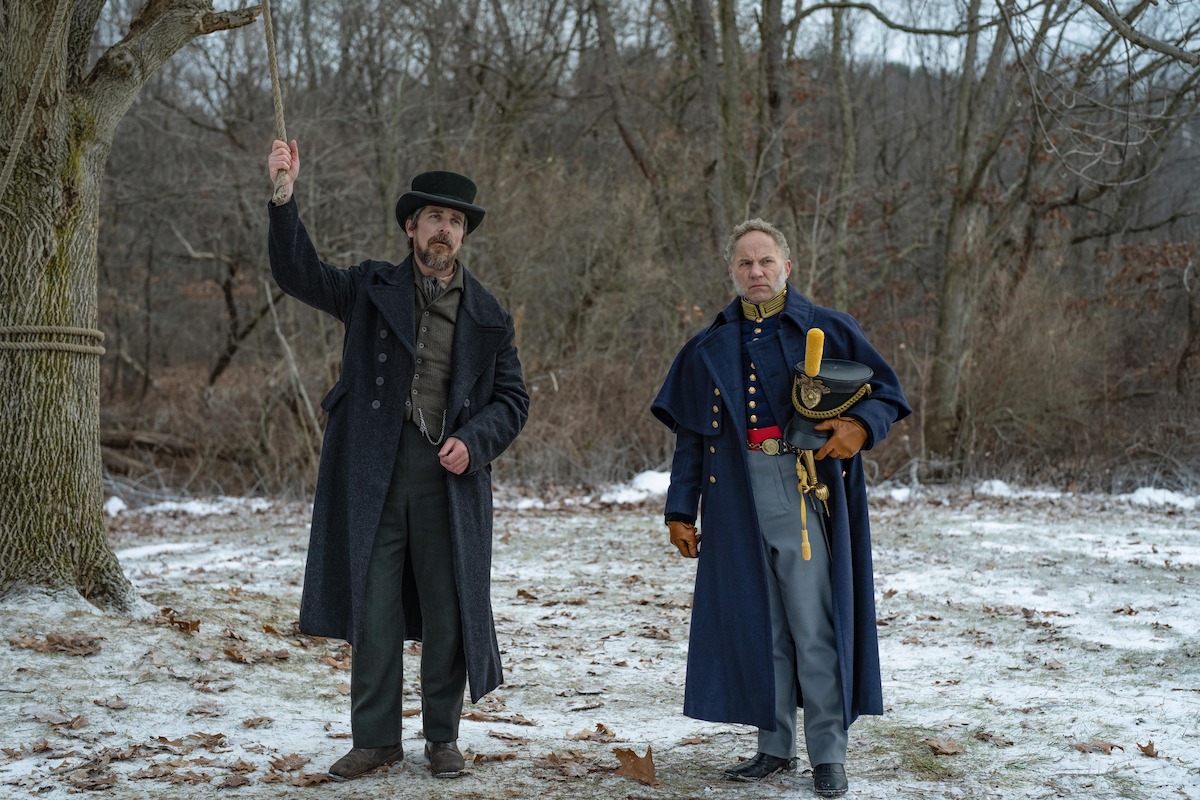
From the film’s very first moments, Cooper was determined to play fair with the audience, leaving behind breadcrumbs that would reveal themselves to a repeat viewer. “We open on Christian Bale washing his hands, having just put away a bloody truncheon that he’s used to incapacitate someone,” Cooper reminds us. “The next scene, he arrives home to his cottage to find the captain of West Point, second in command, waiting for him, and he asks him to have an audience with the superintendent. Augustus Landor replies, ‘And if I should decide not to come?’ ‘Well, you’re a private citizen, it’s your own concern.’ He thinks at that moment he’s been found out.”
“Landor’s hostility to West Point is a natural outgrowth of what happened to his daughter,” says Bayard. “I think there are things that definitely make more sense the second time around once you know the ending, and I hope people will come back to it.”
For Bale, the film’s revenge-fueled twist completes a loose thematic trilogy of his films with Cooper, from 2013’s Out of the Furnace to 2017’s Hostiles to The Pale Blue Eye. “I sort of look at the three films that Scott and I have made as the ‘ethics of revenge trilogy,’ ” Bale says. “There’s a theme throughout [them]. Scott definitely attempts to take chaos and make order out of it, and really wants to try to find answers.”
Those answers also have an intense effect on the film’s fictional portrait of Poe — and on the actor who plays him. “The twist completely floored me. I had no idea that it would happen in that way,” Melling tells Tudum. “All those many plates spinning at the same time is something that I think a lot of people will enjoy going and revisiting a number of times.”
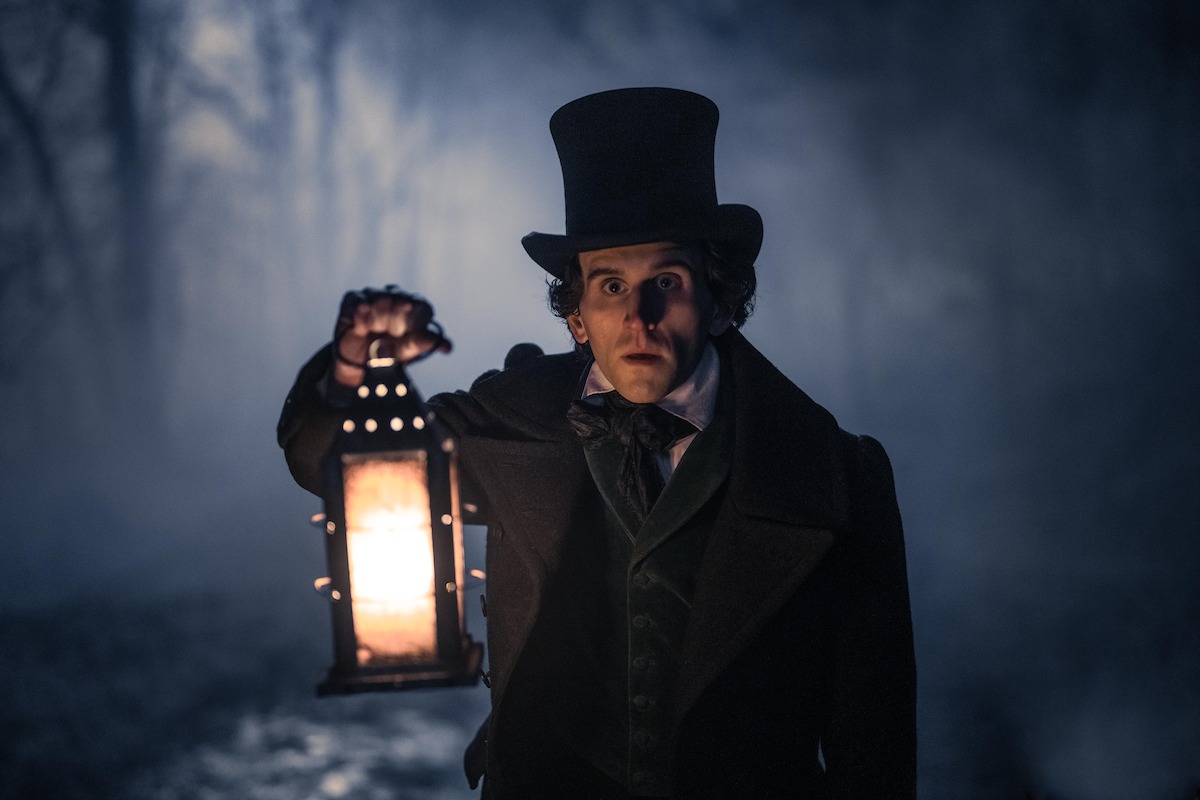
In the film’s fictional world, this is also what nudges Poe from a young and optimistic man into the darker figure we’re all familiar with. “I’m positing that these events shaped Poe’s worldview,” Cooper says. “Poe often wrote that nobody is who they seem to be, and nobody knew that better than Poe. And I’m saying that that happened because of the final scene in this film.”
Melling agrees. “When we first meet him in the film, he’s very young. He’s innocent. He’s really trying out these different characters, this young-poet identity, which he’s very much falling in love with,” he says. “And as the story goes on, he meets Landor, who fills this huge void in his sense of belonging.” Landor’s perceived betrayal sends Poe reeling — and turns this fictional portrayal of the man into the iconic downcast poet we know so well.
“I hope the audiences feel that it’s earned,” Cooper says. “I think some people might be disturbed that the chief investigator is also the perpetrator. He certainly leaves Edgar Allen Poe heartbroken.”
Landor, meanwhile, is left standing at the same cliffside edge that his daughter hurled herself over: an ambiguous ending for a morally ambiguous figure. Cooper sees the moment as uplifting. “I think he has finally come to terms with the loss of his daughter,” he says. “And I think he’s mimicking in her footsteps, but I think he ultimately realizes there’s more to life.” Indeed, Cooper even posits that Landor and Poe preserve their fictional friendship, and that Poe writes his mentor the poem he promised in an earlier scene.
Bale, meanwhile, is slightly more taciturn about the film’s (literal) cliffhanger. “[It’s] a return to a poignant and important spot both physically and emotionally,” Bale says. “And beyond that, the answer is with each and every viewer. Whatever they think, they’re right.”
Additional reporting by Anne Cohen.