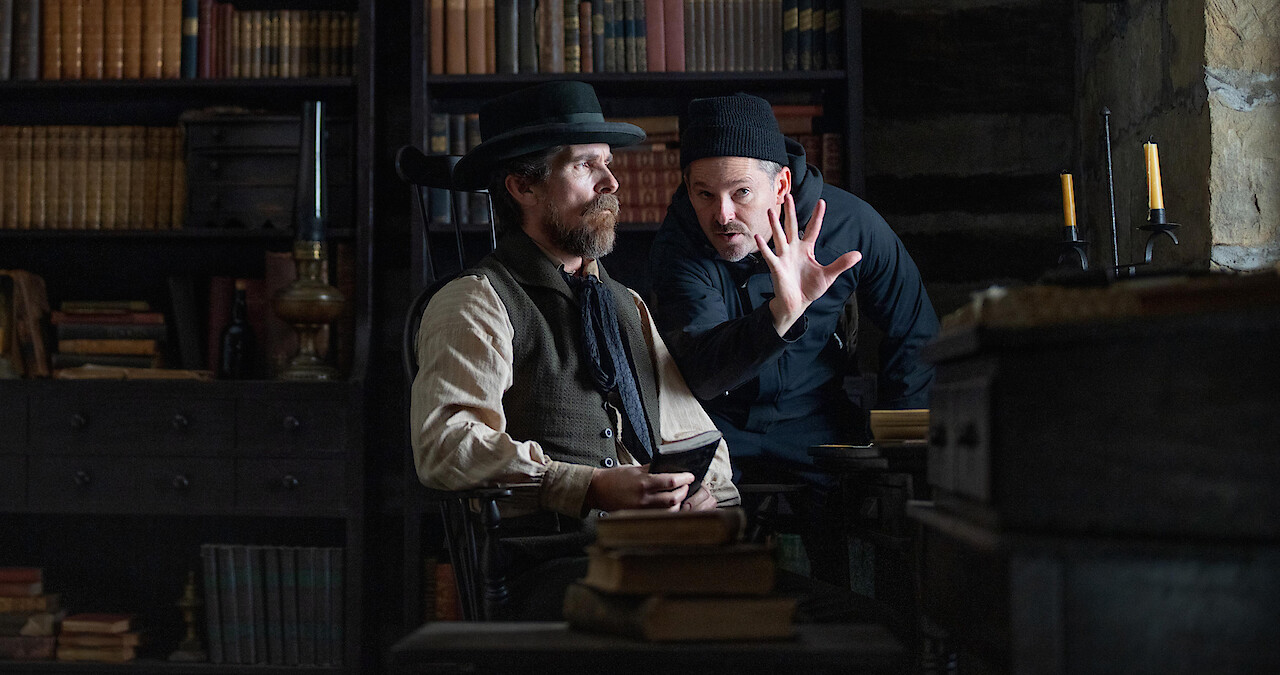
Images: Scott Garfield/Netflix
Explainer
Is ‘The Pale Blue Eye’ Based on a True Story?
The new Scott Cooper film stars Christian Bale and Harry Melling in an Edgar Allan Poe murder mystery.
Dec. 28, 2022
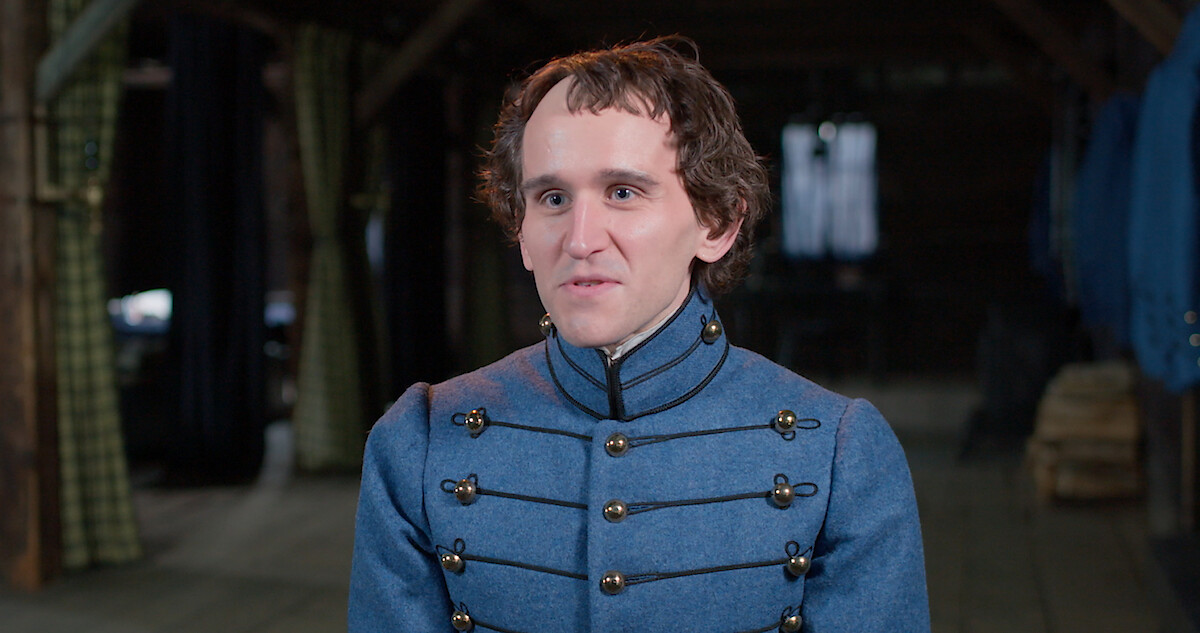
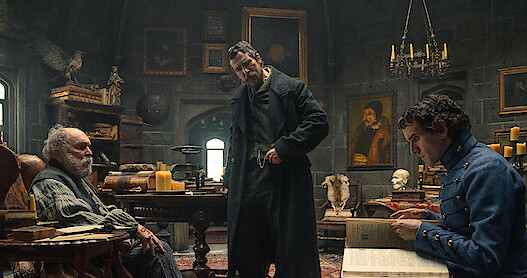
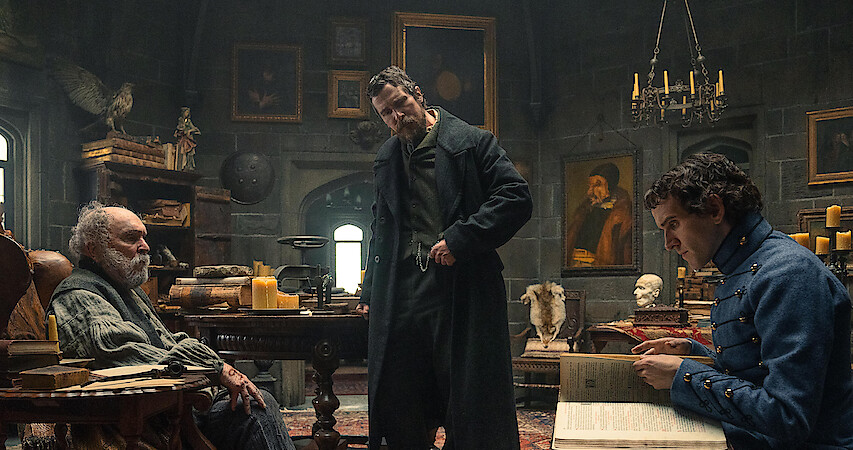
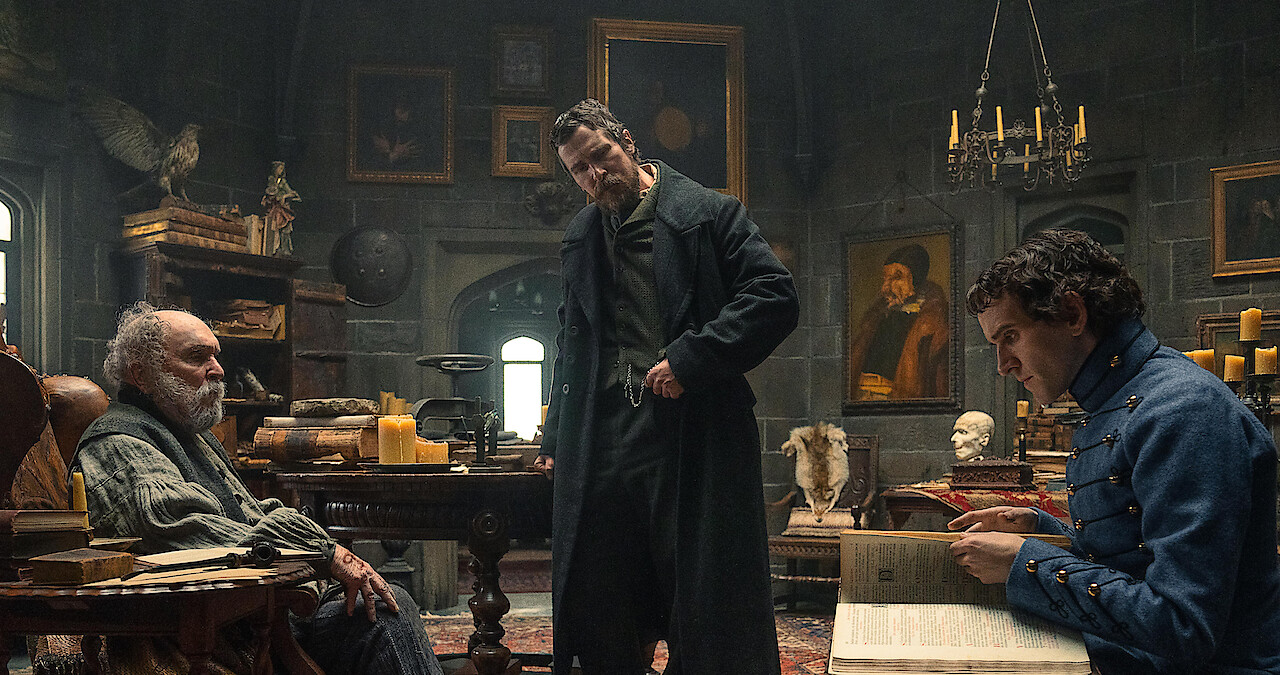
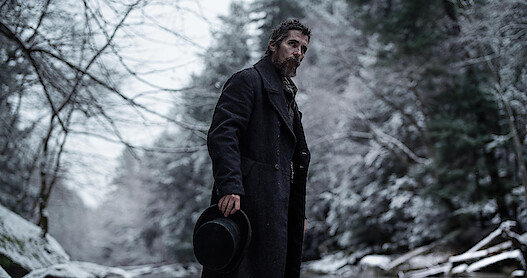
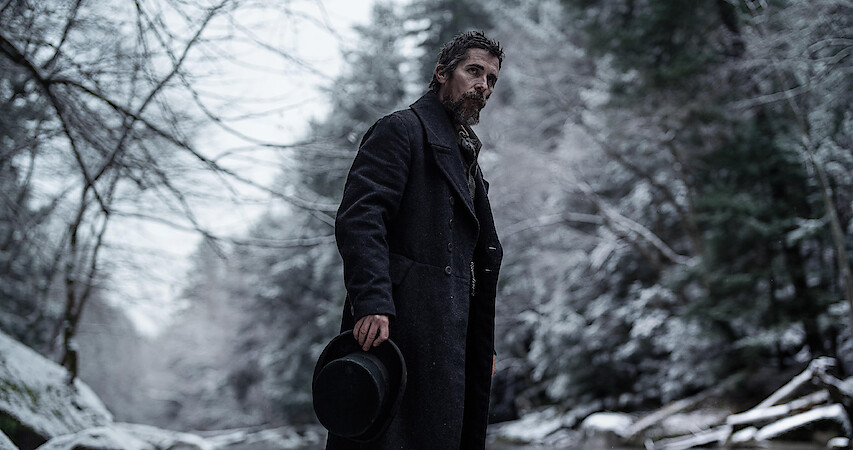
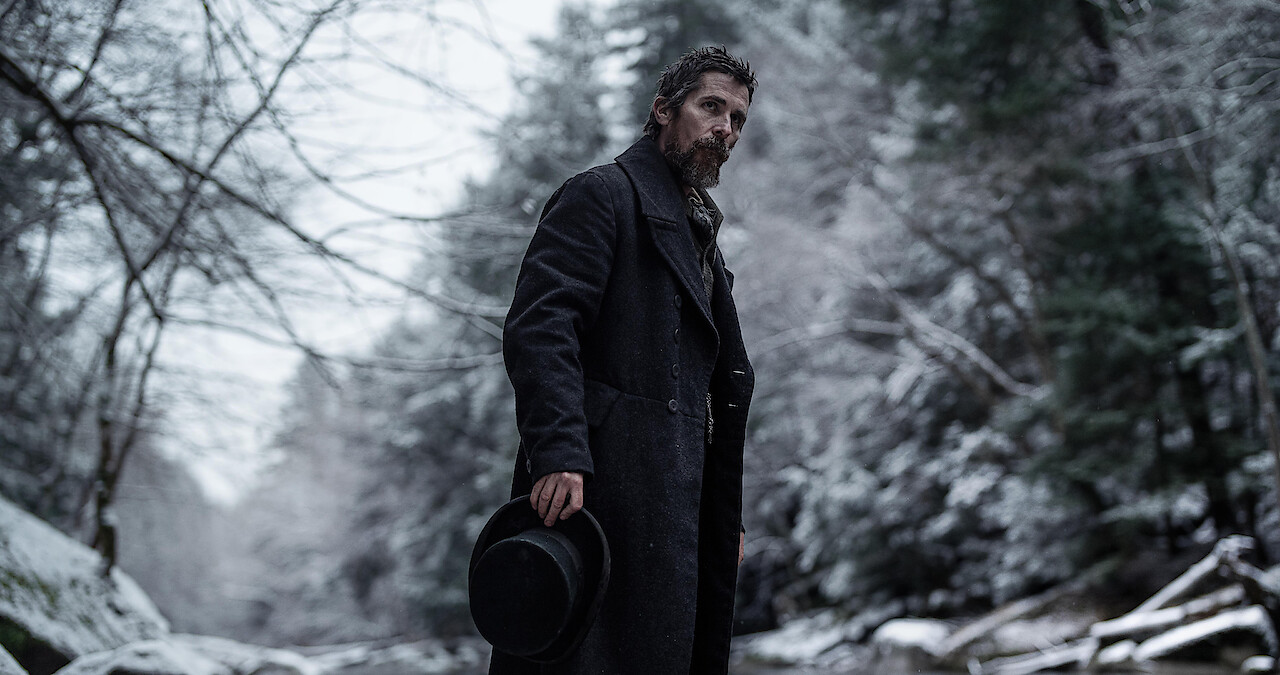
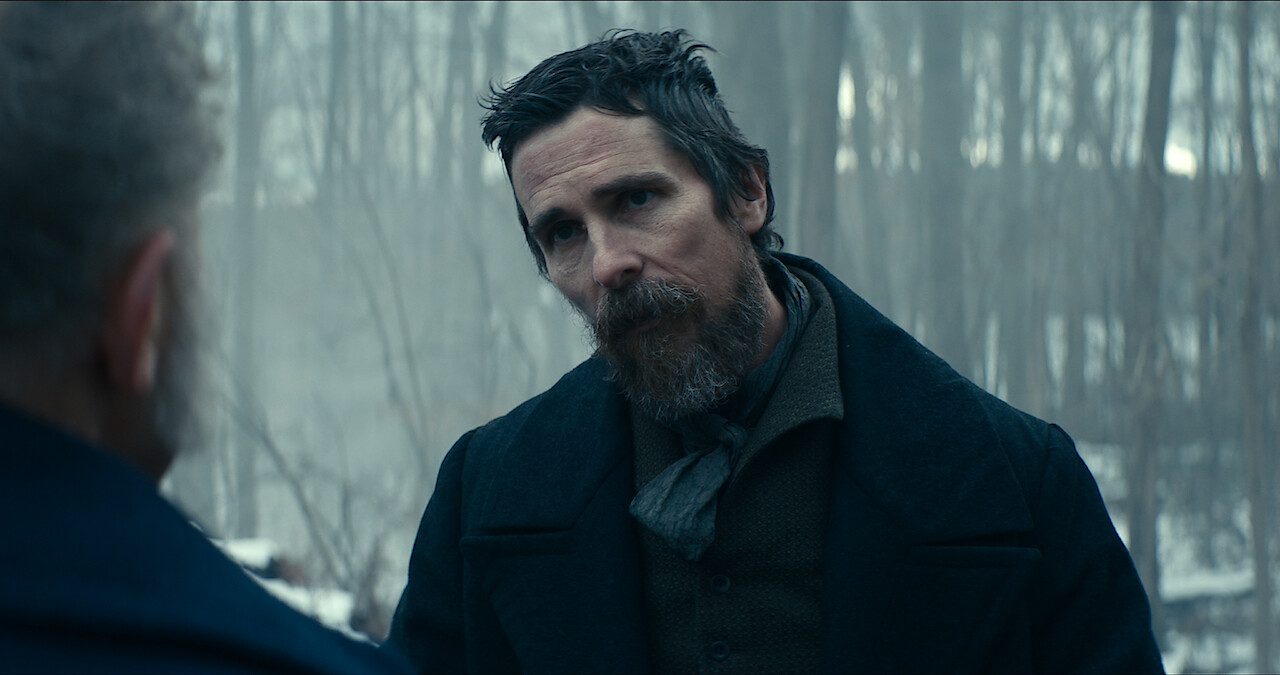
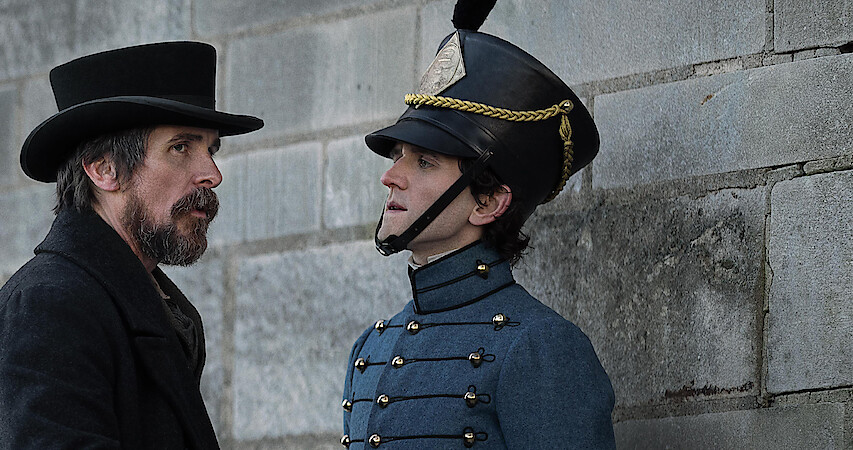
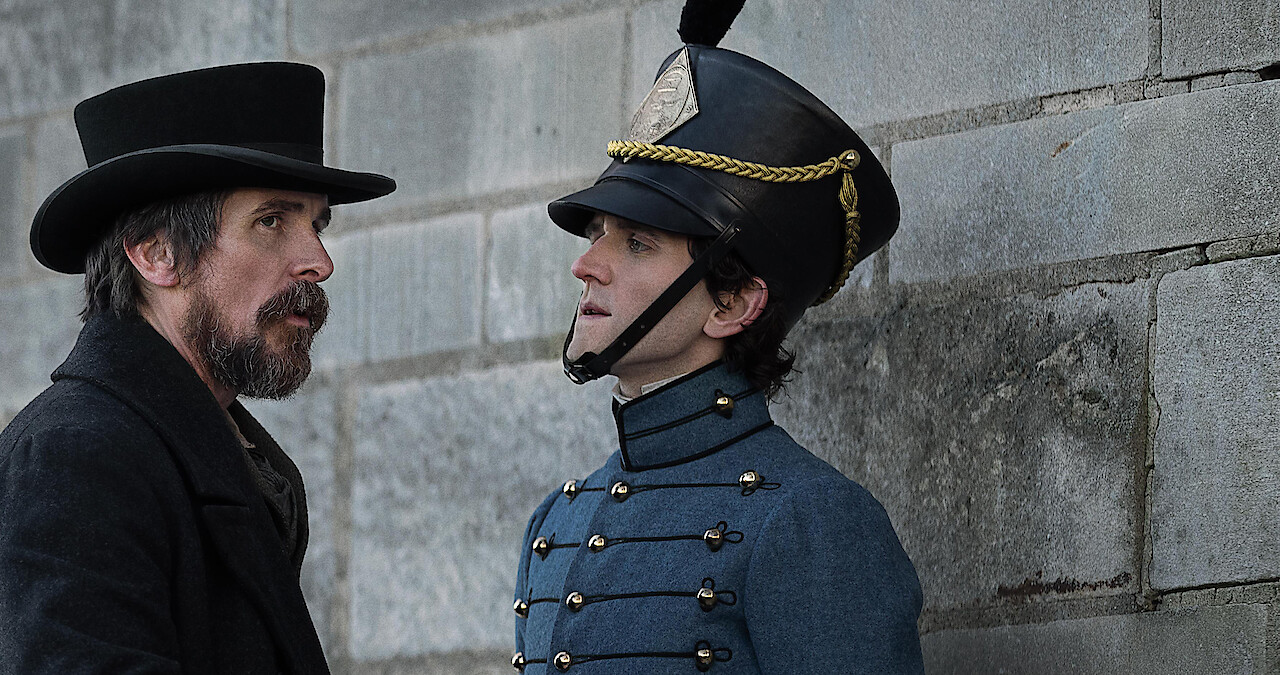
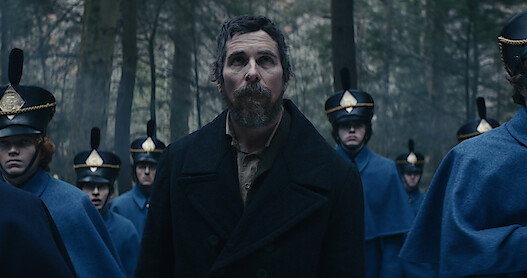
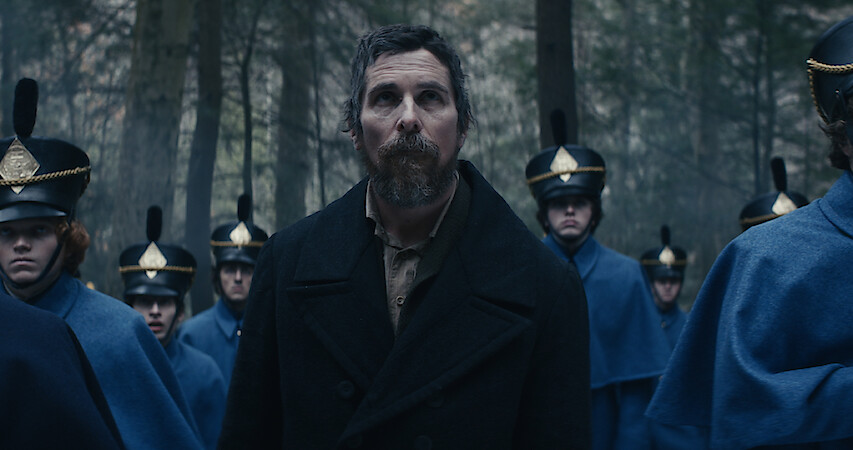
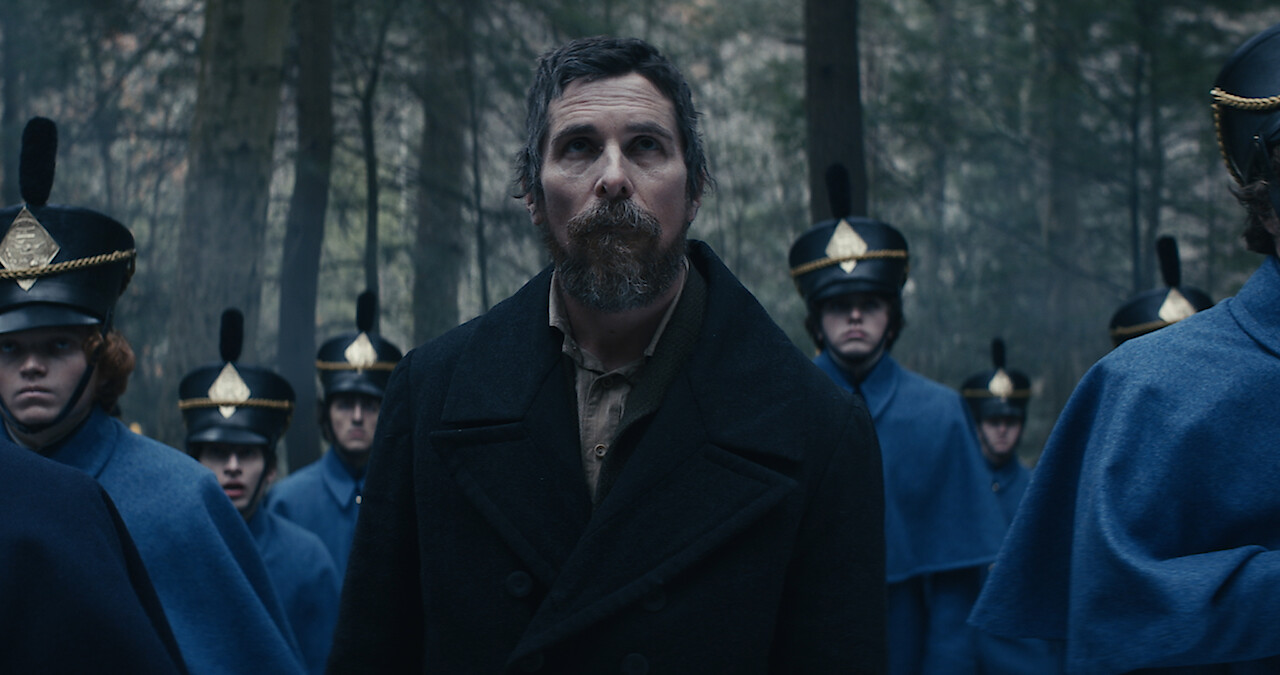
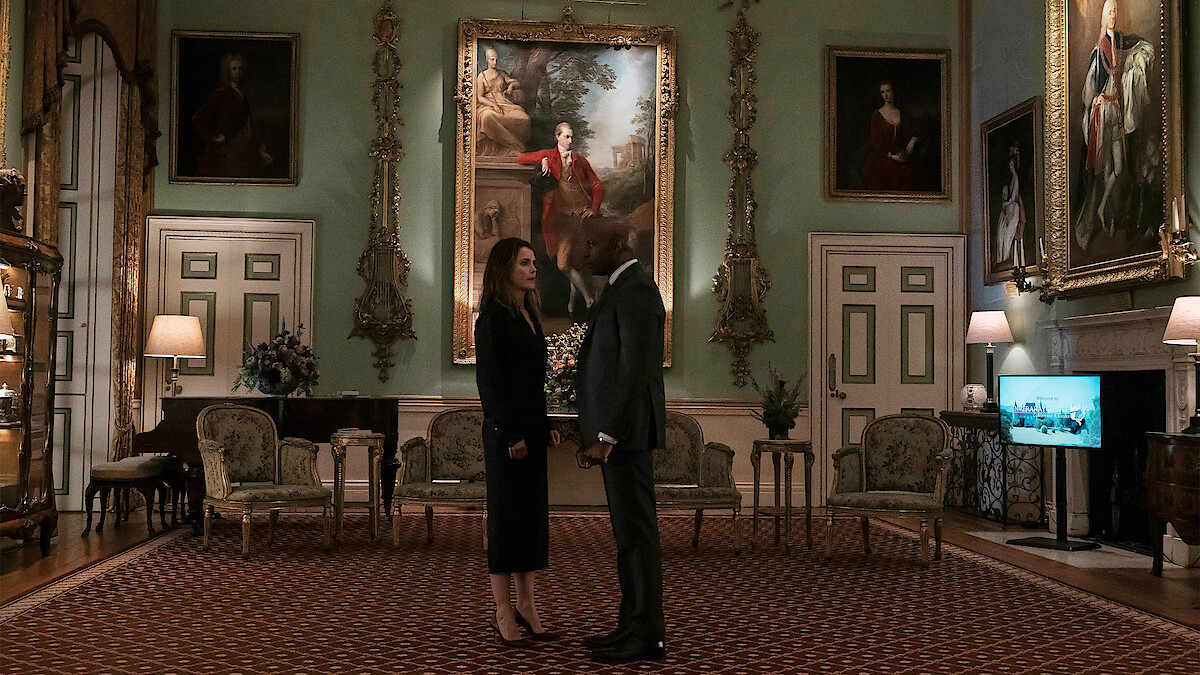
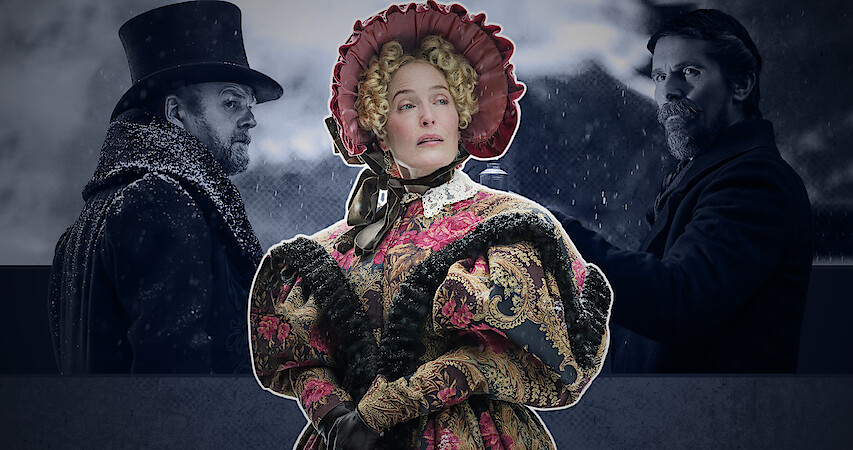
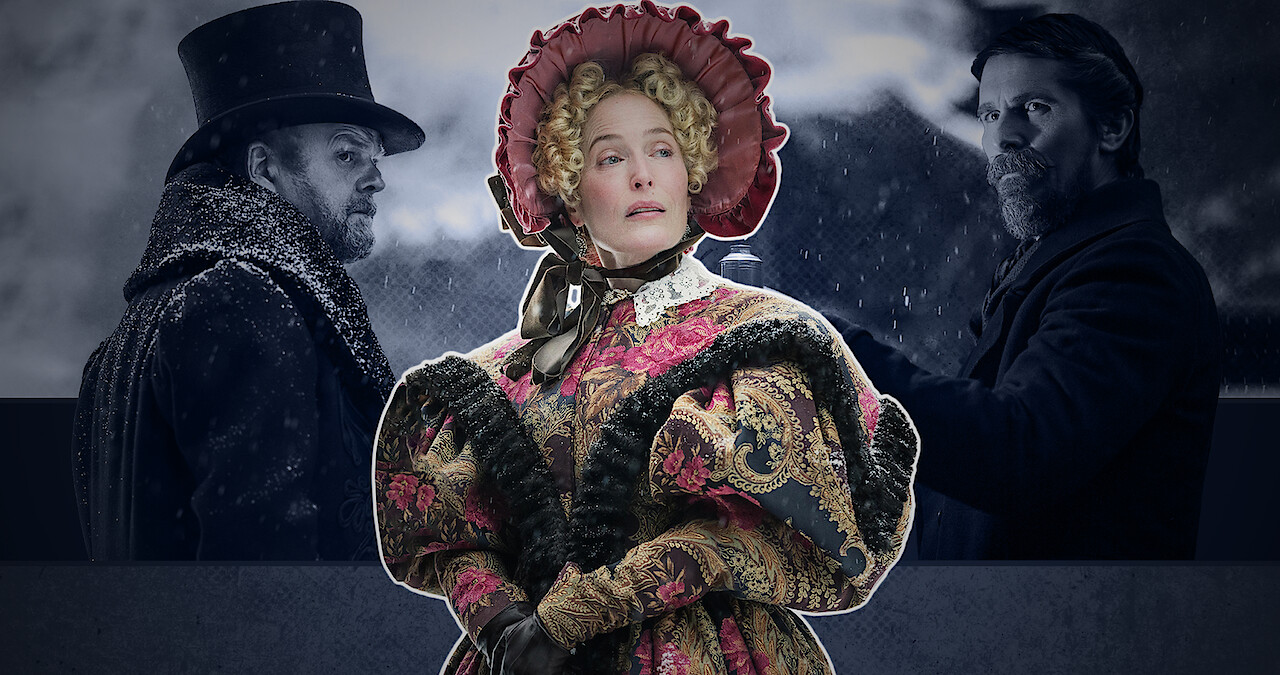
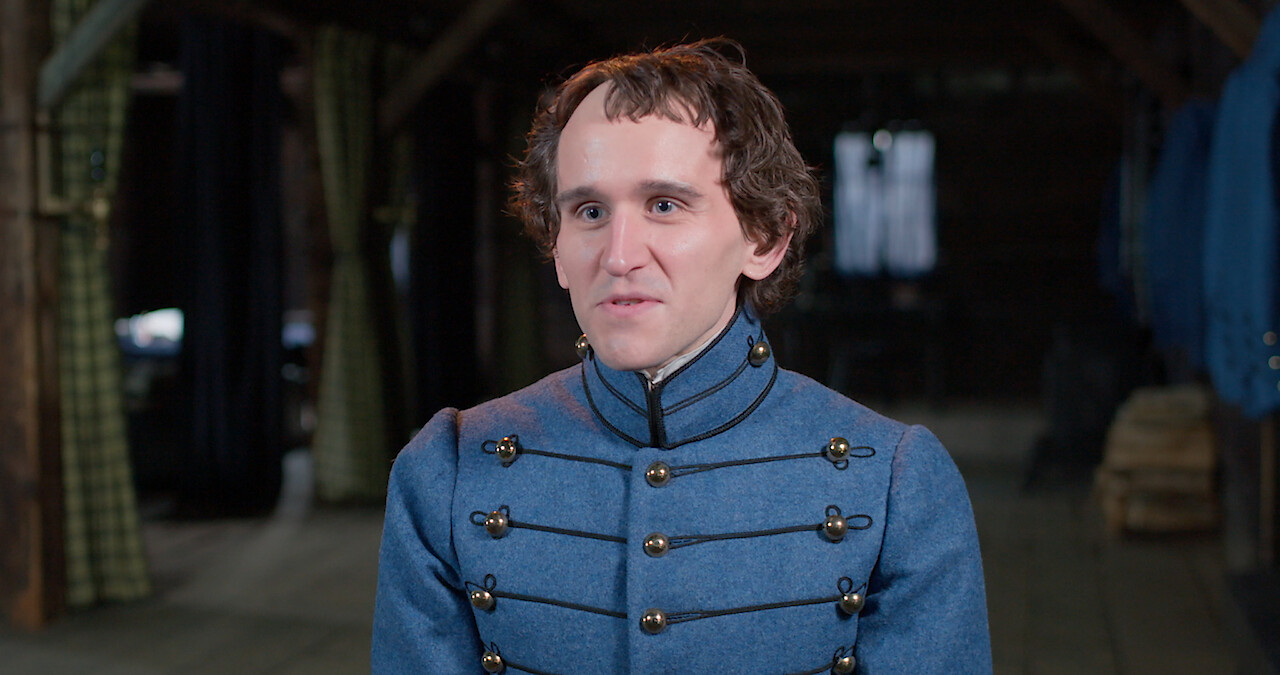
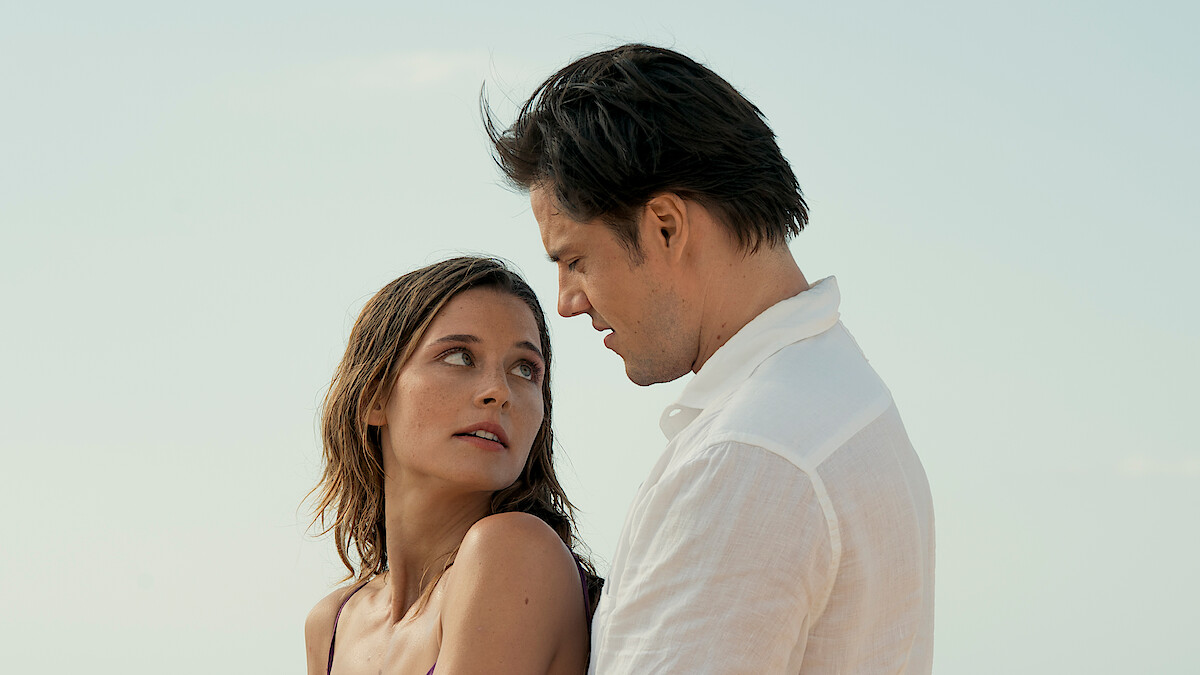
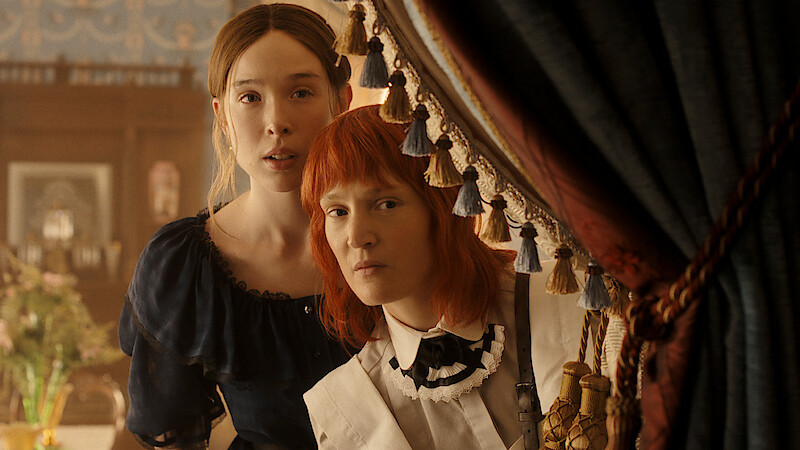
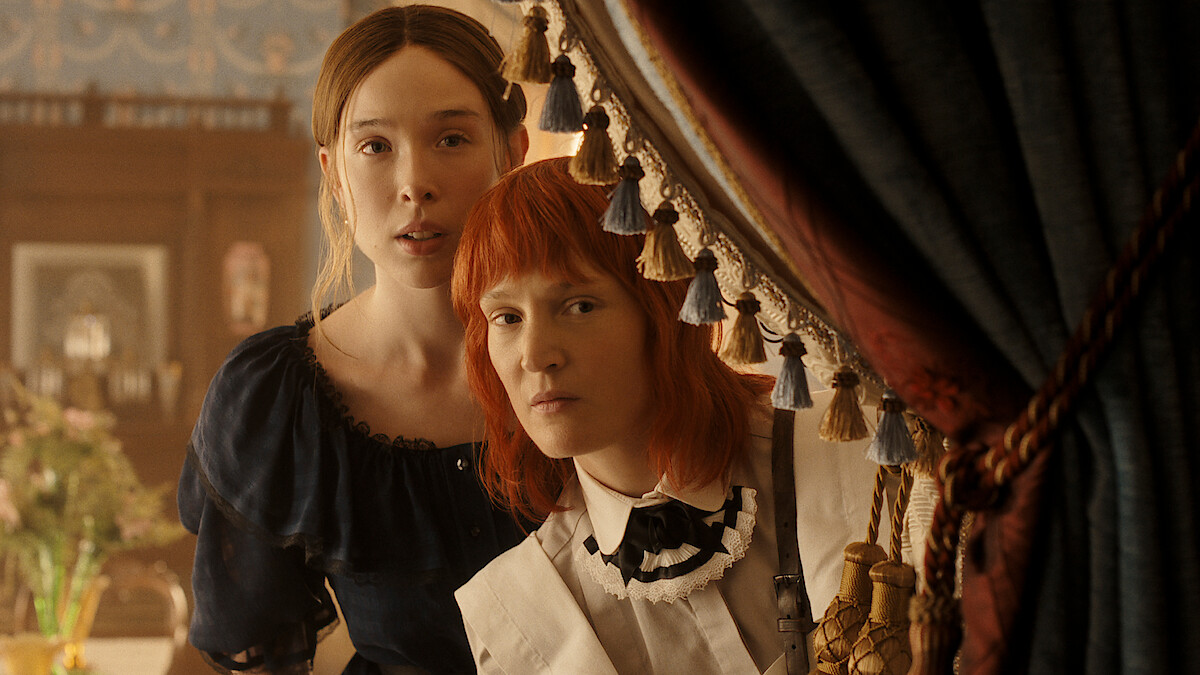
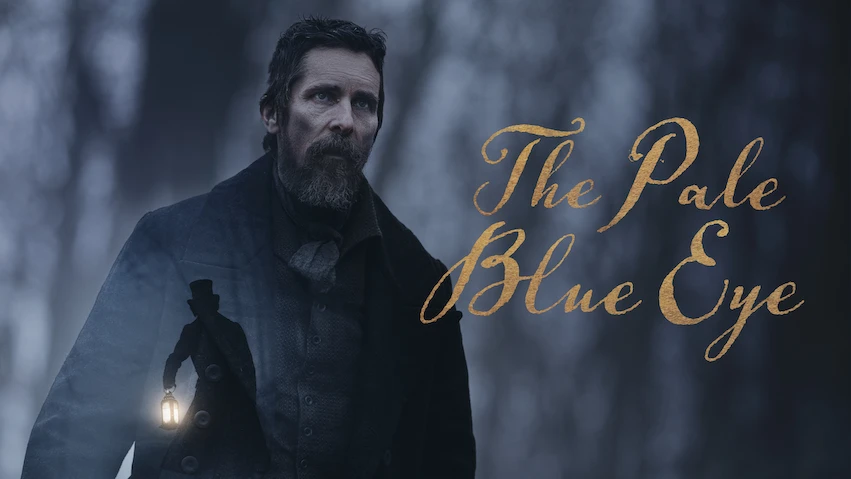
In Scott Cooper’s moody and macabre period mystery The Pale Blue Eye, nothing is as it seems. As Christian Bale’s detective Augustus Landor investigates a series of gruesome murders at West Point Military Academy in 1830, he unravels a case that threatens his very soul — not to mention his safety. Along the way, he meets a young cadet named Edgar Allan Poe (Harry Melling). It’s a famous moniker now, but Landor meets the young man before he becomes synonymous with tales of terror. The future is not yet written.
The Pale Blue Eye is a fictional story, based on the novel of the same name by Louis Bayard. But it does draw from a few crucial historical details — none of which, alas, include Poe hunting a serial killer alongside a grizzled investigator…
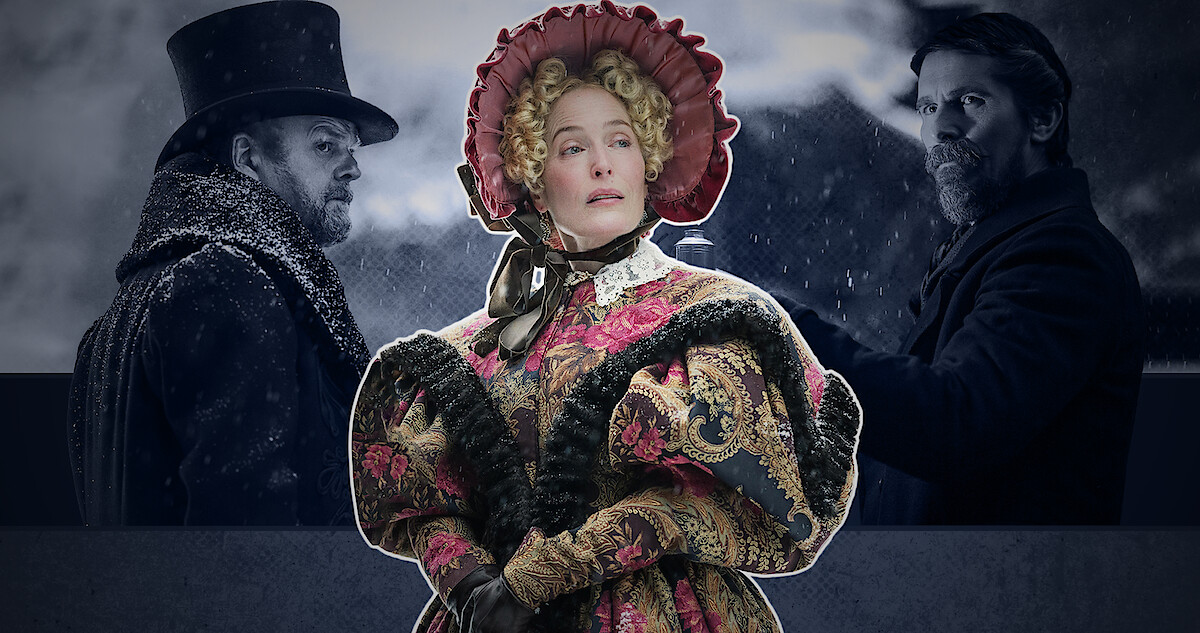
Any grade school English student knows Edgar Allan Poe as the iconic poet behind “The Tell-Tale Heart” and “The Raven.” They probably don’t know the name Augustus Landor, however, because Landor is a fictional creation from Bayard’s novel. “I needed a detective, somebody who could be Poe’s mentor and father figure as they solved this crime together,” Bayard tells Tudum. “The name Gus comes from C. Auguste Dupin, who was the detective in Poe’s stories ‘The Murders in the Rue Morgue’ and ‘The Purloined Letter.’ ” Landor’s last name comes from another Poe short story, ‘Landor’s Cottage,’ which Bayard also drew from when sketching out the detective’s home.
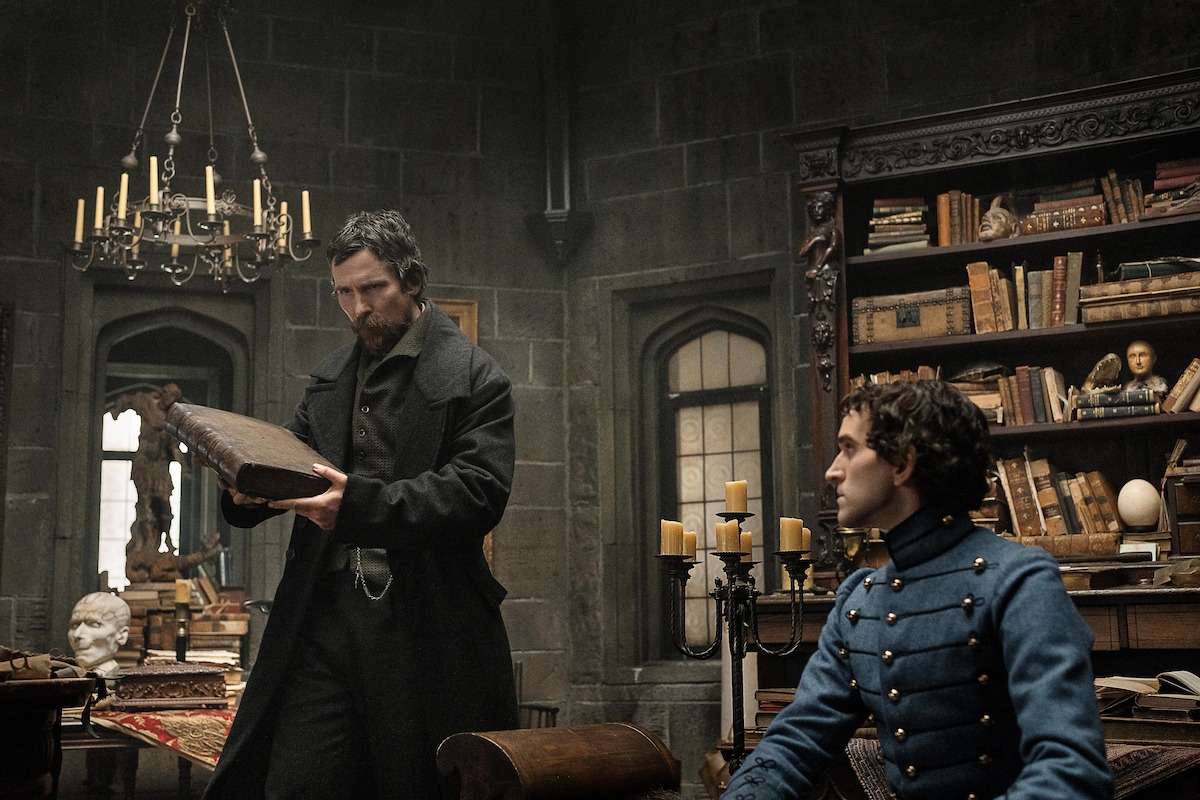
Poe and Landor’s relationship also had a more explicitly literary quality for Bayard. “These are the Easter egg qualities, but when I was writing the book, I saw them as opposite poles of the English language,” Bayard continues. “As anyone who’s ever read him knows, [Poe] writes in a very Latin vocabulary, very long words, very florid, highly lyrical, highly poetic. So I thought, ‘Well, Landor is going to be the opposite of that. He’s going to express himself in smaller, shorter Anglo-Saxon words. That really creates a more hard-boiled character.’ ”
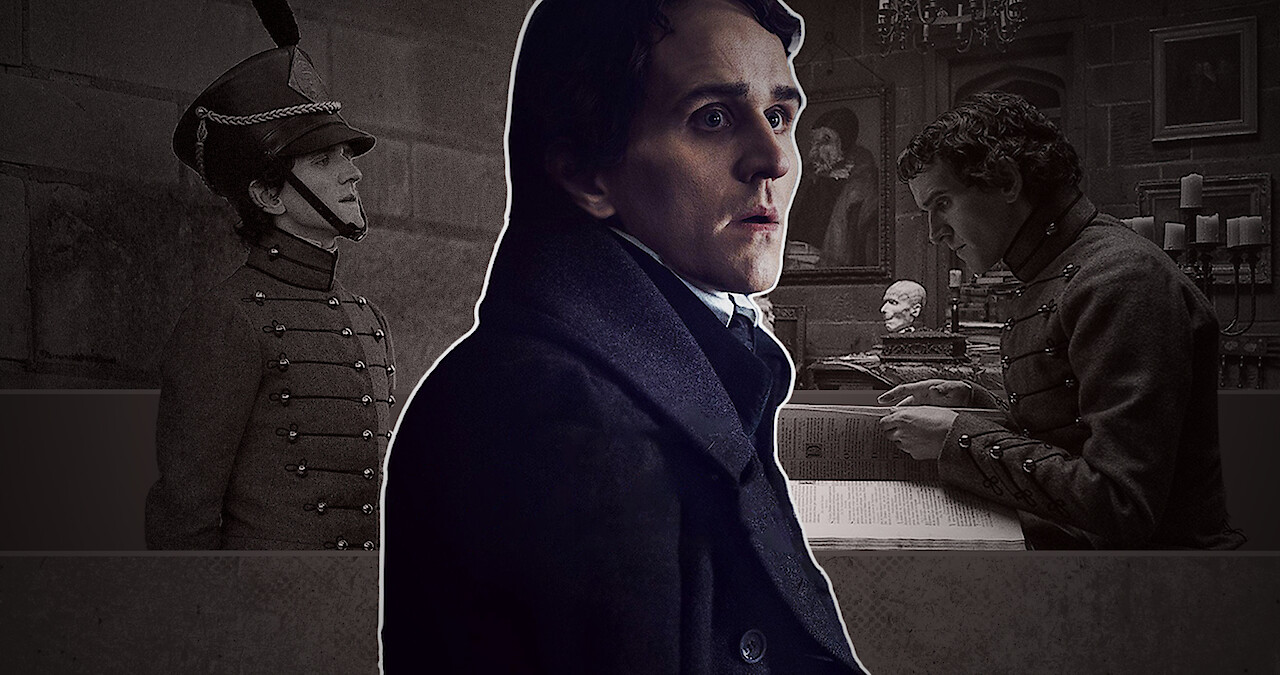
The Pale Blue Eye takes place during the brief six months that aspiring poet Poe would spend at West Point before he was court-martialed for gross neglect of duty and dismissed from the school’s ranks. “The only records that exist are the court-martial records,” Bayard says. “The rest of it just had to be filled in.”
“It was very clear that [Poe’s] romantic and poetic notions were not a good fit for West Point life,” says writer-director Cooper. Indeed, as Melling discovered, Poe’s motivations for attending the military academy soon rubbed up against the realities of his new career.
“I just loved the fact that he went there because he thought, ‘Oh, this is a great place, I can just kind of sit around and write,’ which is just hilarious because he did anything but,” Melling says. “He was doing drills all the time. He was doing classes. The one thing he didn’t have any time for was writing.”
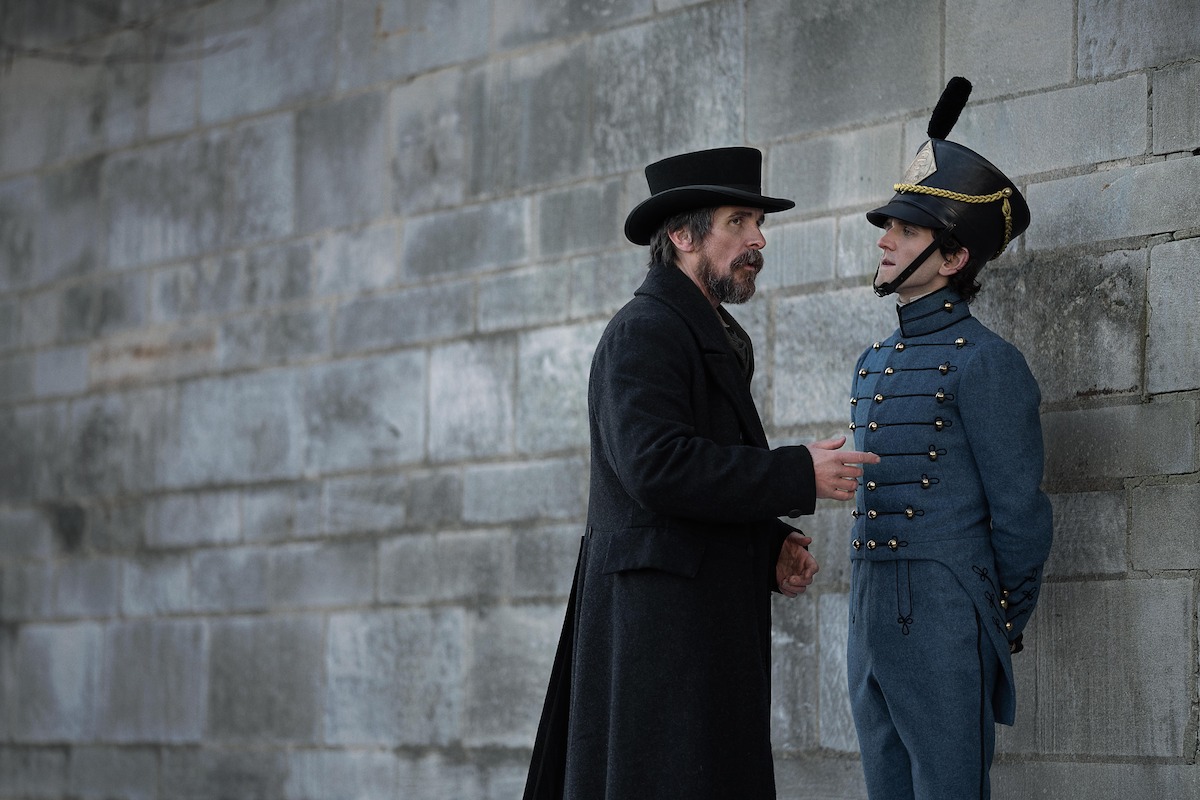
Of course, just as the real Poe had his life shaped by his brief stint at West Point, the fictional Poe finds himself rocked by the revelations that the tale’s mystery brings to the surface. “There are lots of Easter eggs salted throughout the book, starting with the title itself, which comes from ‘The Tell-Tale Heart,’ ” Bayard says.
As for Cooper, he saw The Pale Blue Eye as a chance to fill in an origin story of sorts for the young writer. “Of course, this is a work of fiction,” Cooper says. “What I’m saying is: these events that occur in our film shaped his worldview and helped him become the writer that he became –– with the recurring themes that deal with the questions of death, and the effects of decomposition and reanimation of the dead and mourning –– all those things that are considered part of his dark romanticism.”
In a case like this, it helps to be a writer of historical fiction. “The nice thing about being a historical novelist is you get to make shit up,” Bayard laughs.
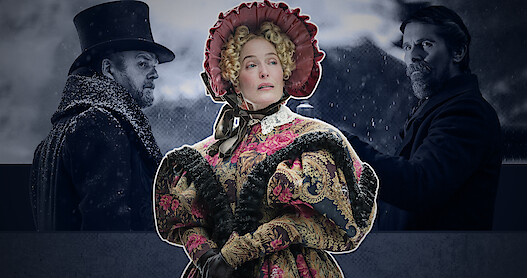
Alongside Bale and Melling, The Pale Blue Eye stars Gillian Anderson (The Crown), Lucy Boynton (Sing Street), Charlotte Gainsbourg (Melancholia), Toby Jones (Tinker Tailor Soldier Spy), Harry Lawtey (Industry), Simon McBurney (The Manchurian Candidate), Timothy Spall (Spencer) and Robert Duvall (The Godfather).
The Pale Blue Eye hits Netflix on Jan. 6.