Explainer
In Russian Doll, Time Travel Is More Than Just a Mystical Trope
New timeline, who dis?
May 14, 2024
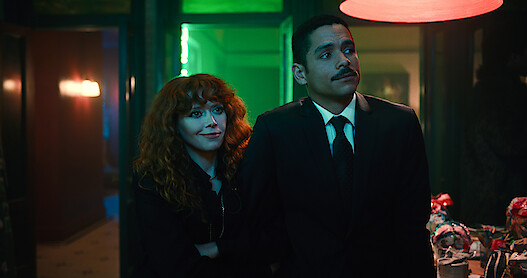
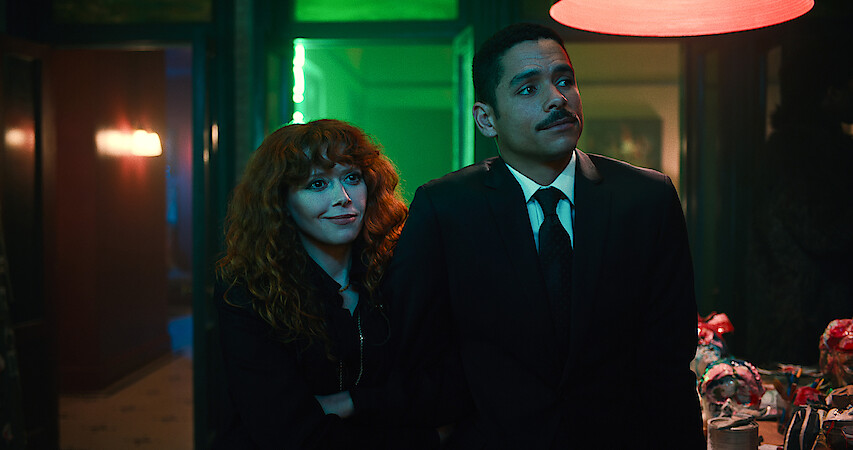
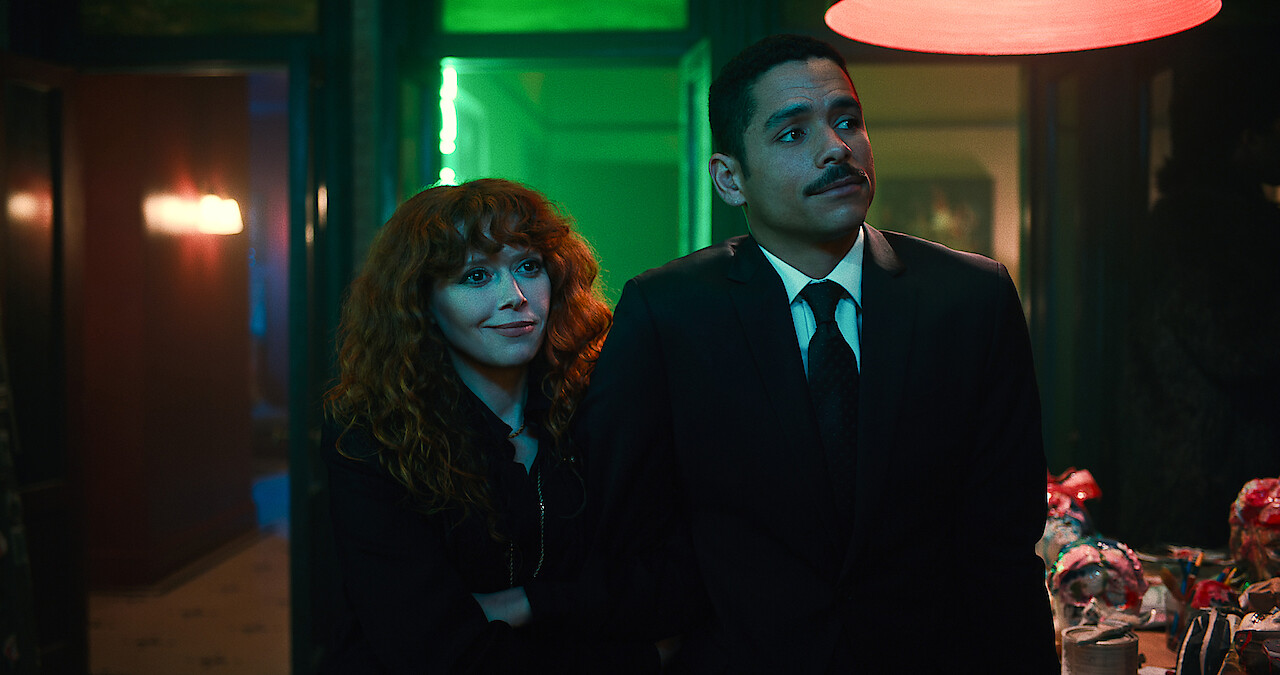
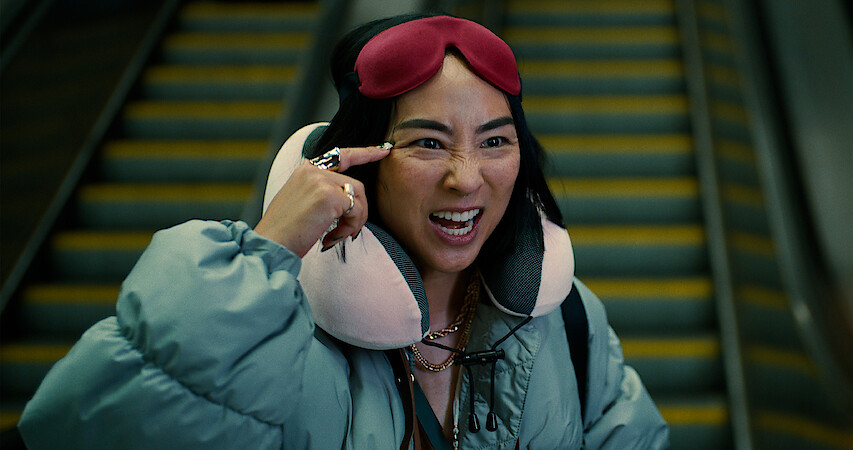
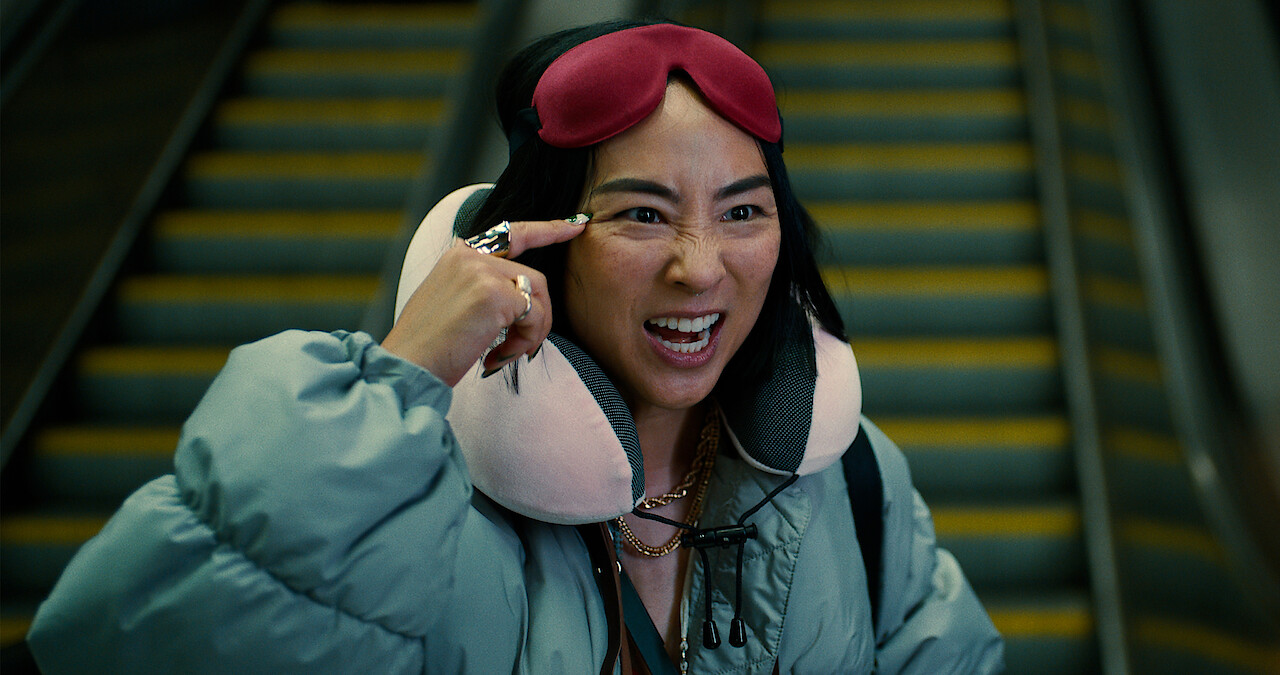
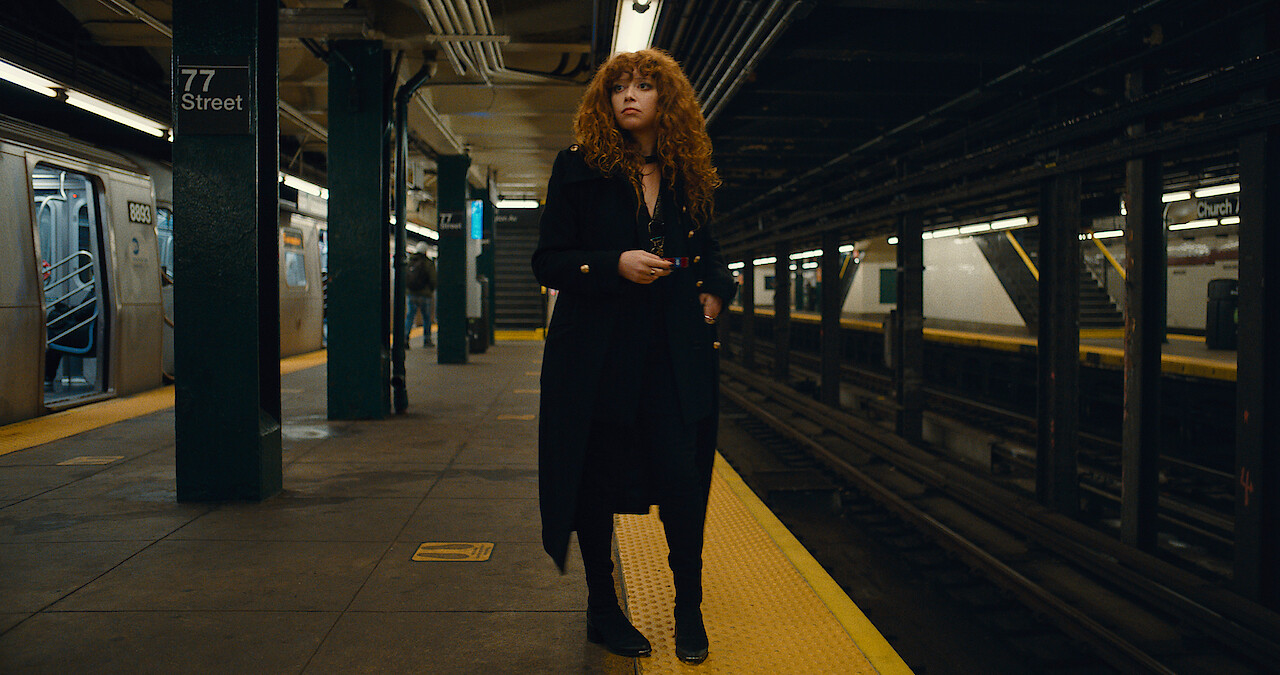
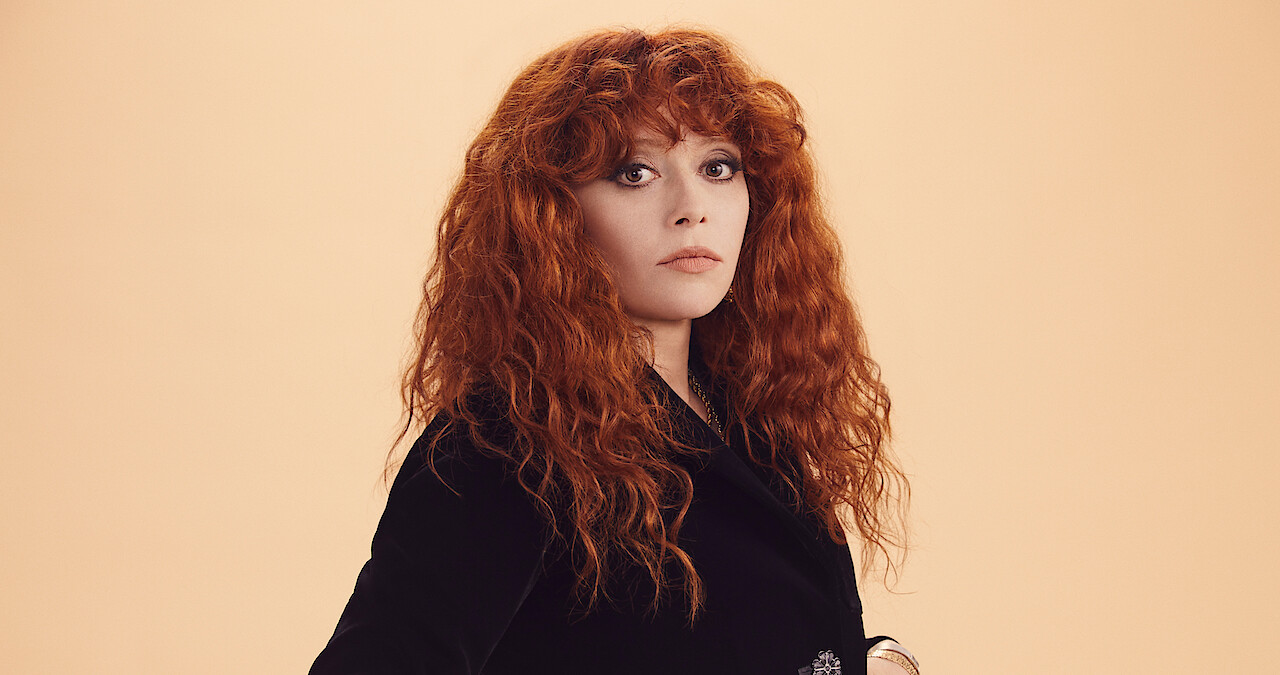
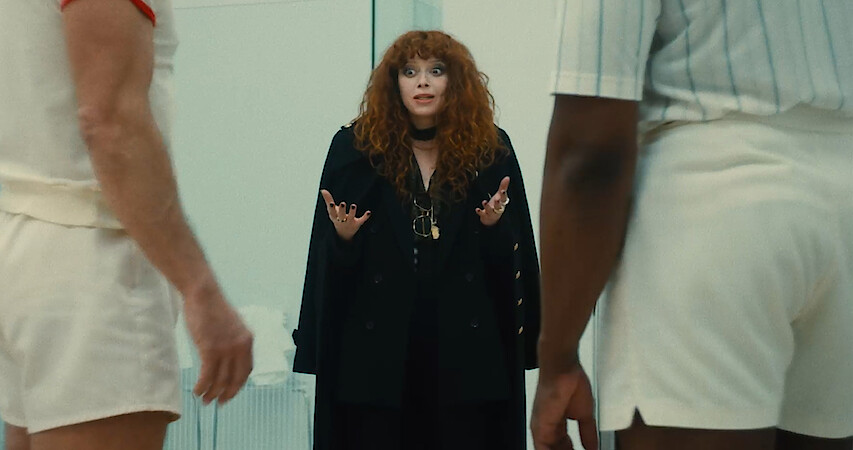
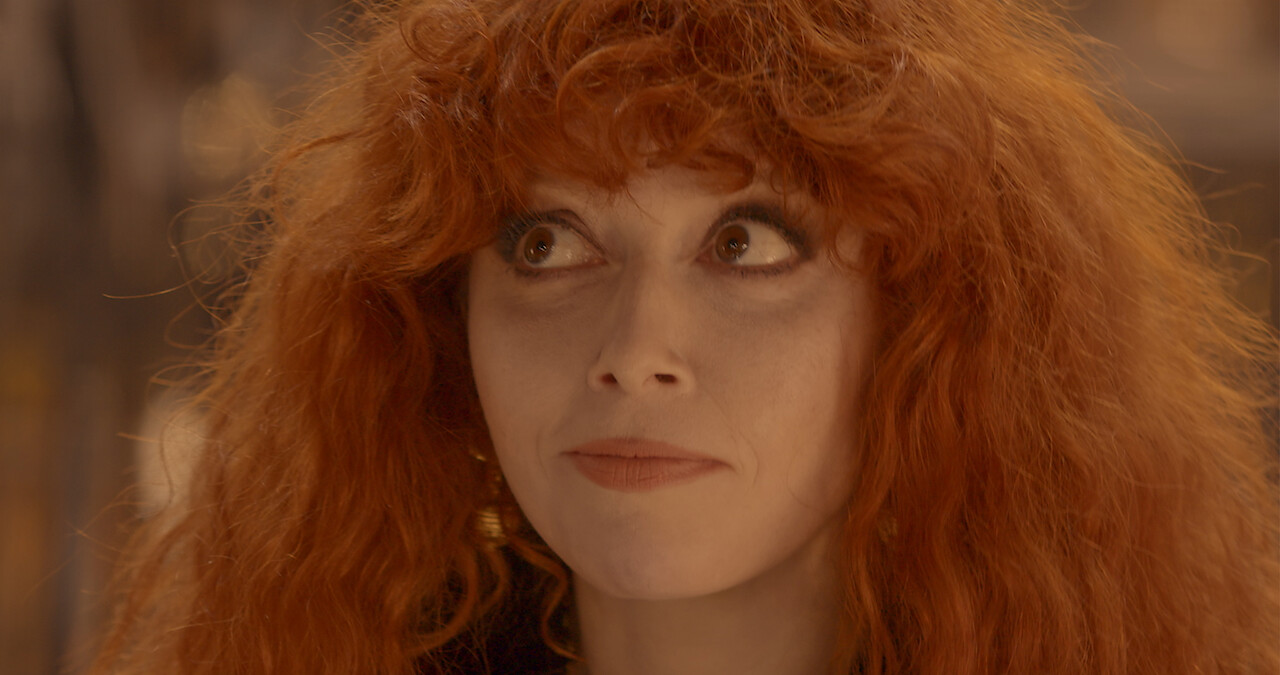
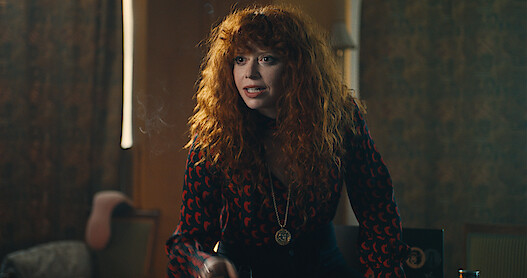
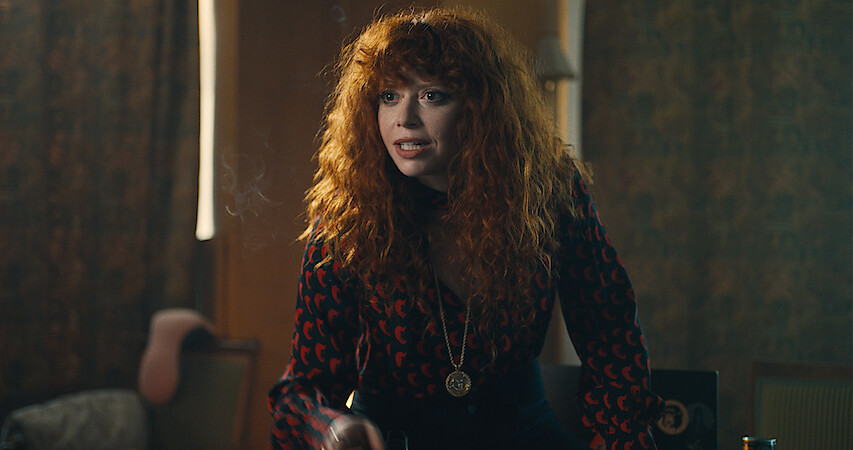
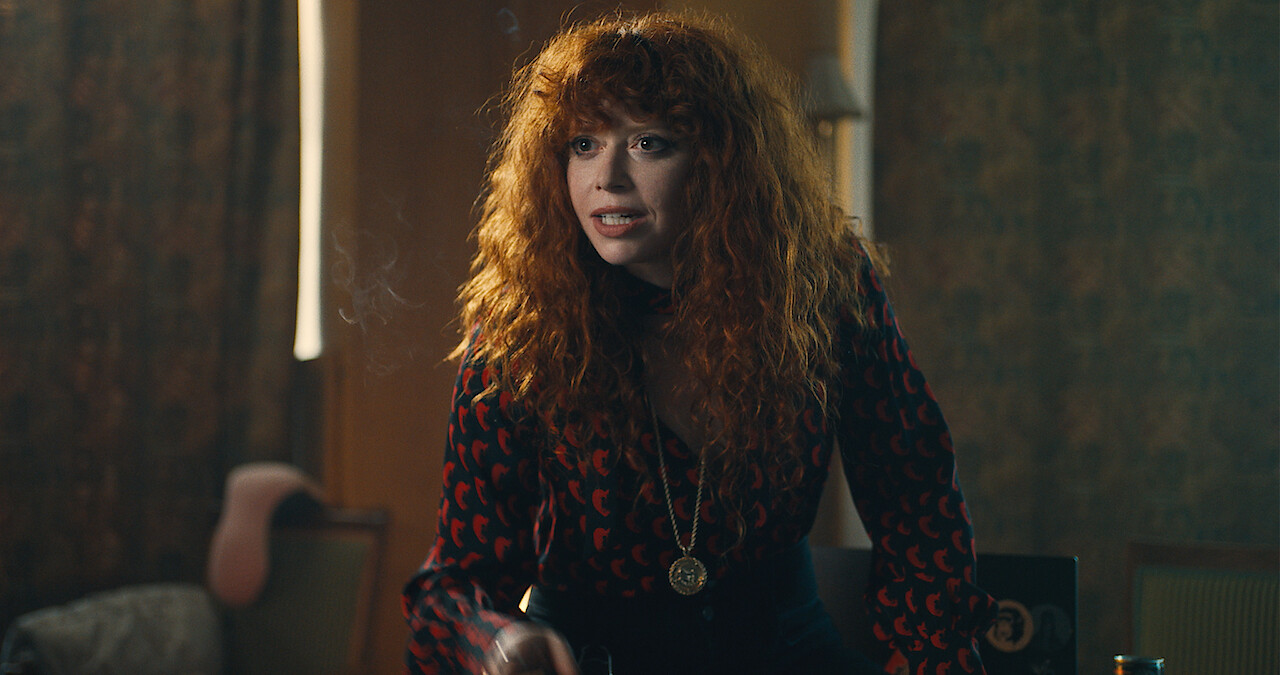
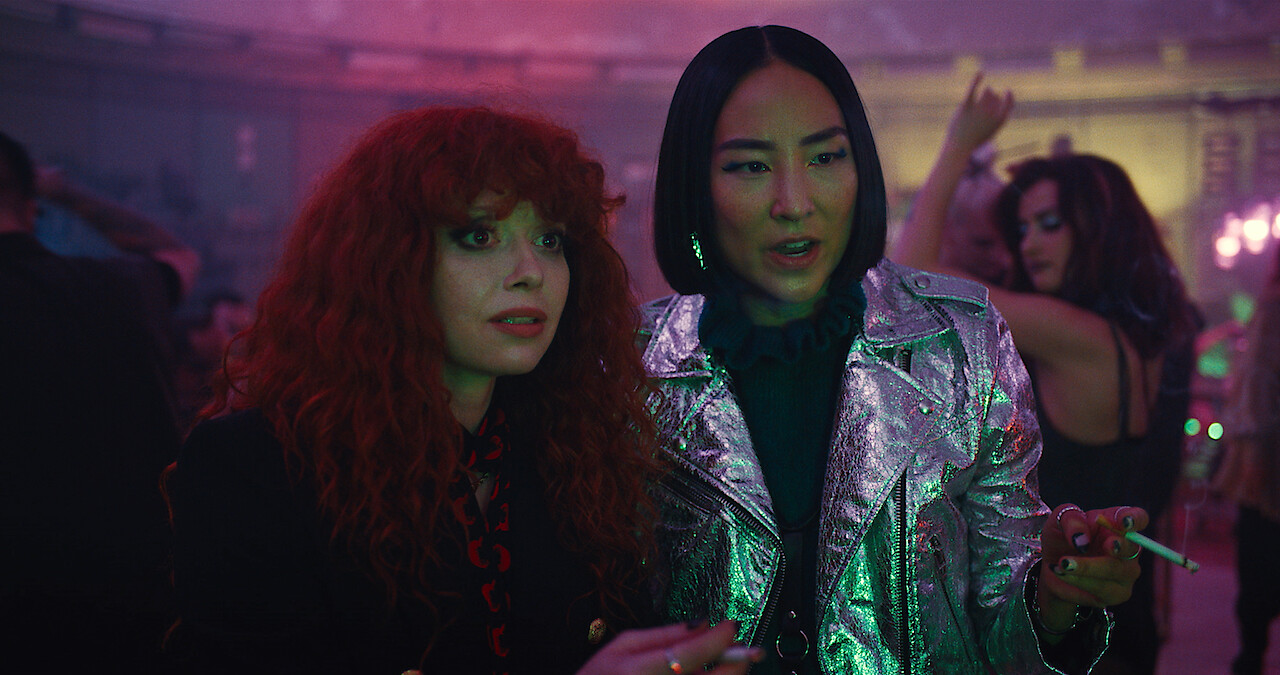
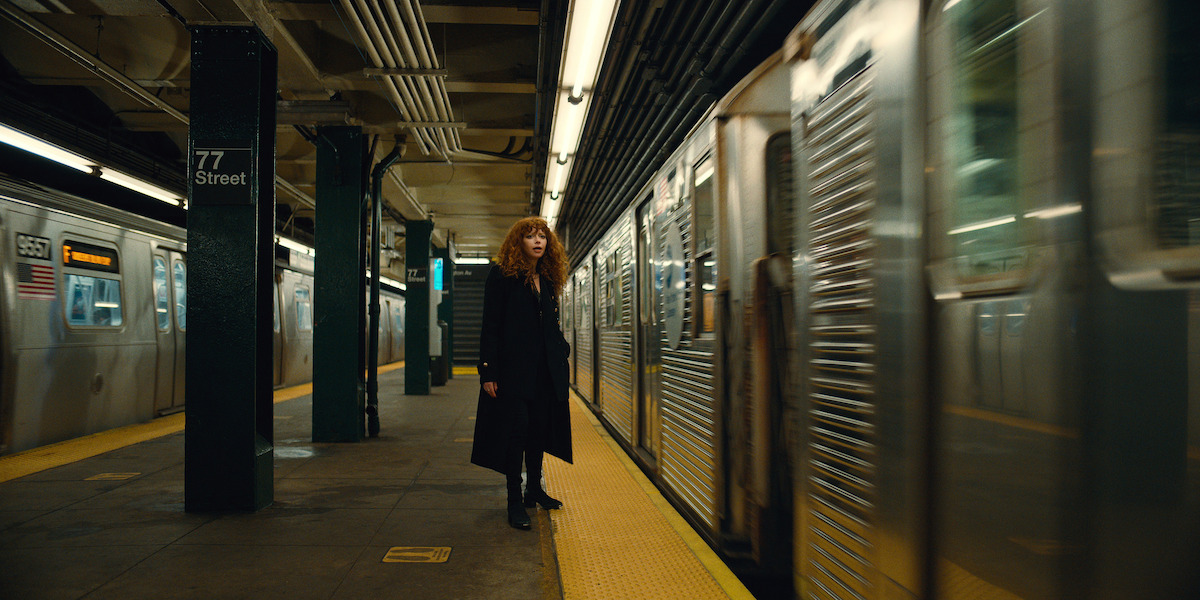
In the very first episode of Russian Doll, we meet Nadia (Natasha Lyonne), a native New Yorker celebrating her 36th birthday. She confronts her reflection in the mirror of her friend’s ornate East Village bathroom, questioning what her life has come to. Over the course of the episode, we see the series of unfortunate events that ultimately lead to her being hit by a cab and dying. But then something strange happens: She reawakens and is once again staring at that same bathroom mirror, in that same all-black outfit from the night before. Eventually it becomes clear to the viewers, and then to Nadia as she keeps reliving her “sweet birthday baby” night over and over again, that she’s stuck in a time loop.
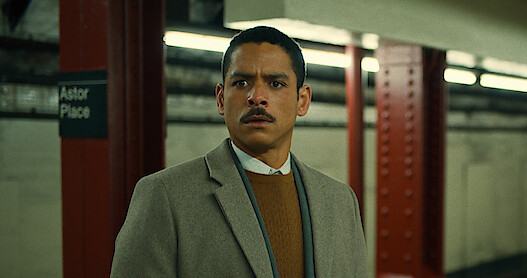
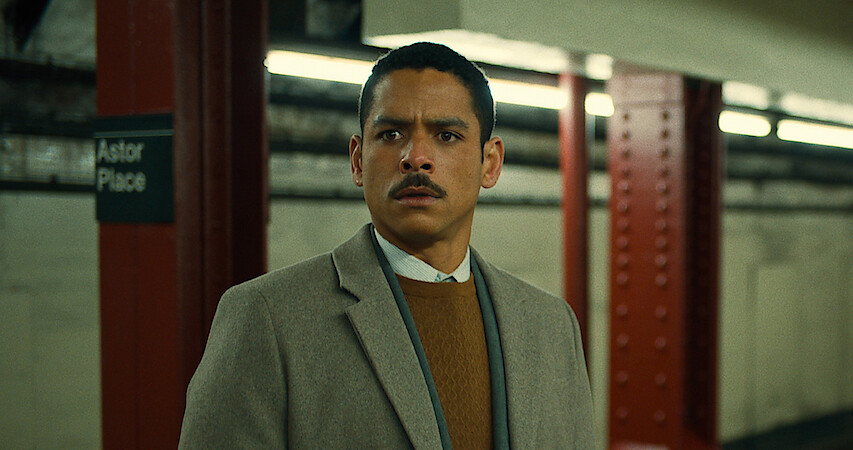
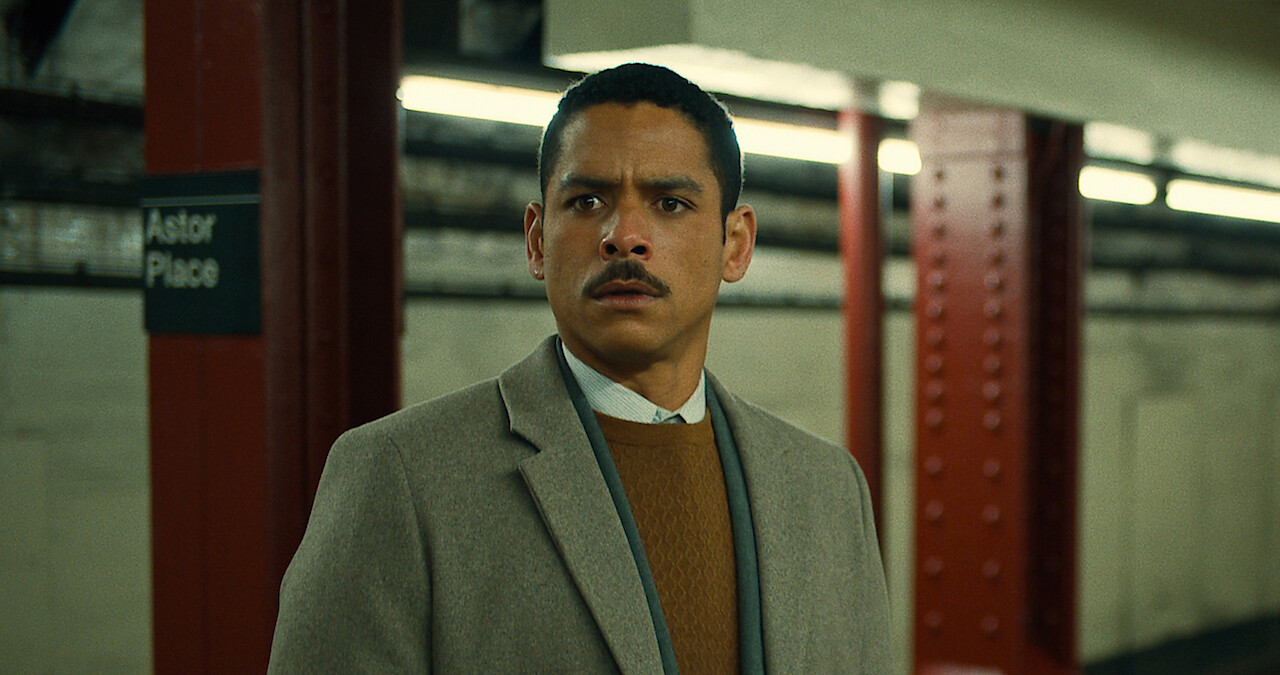
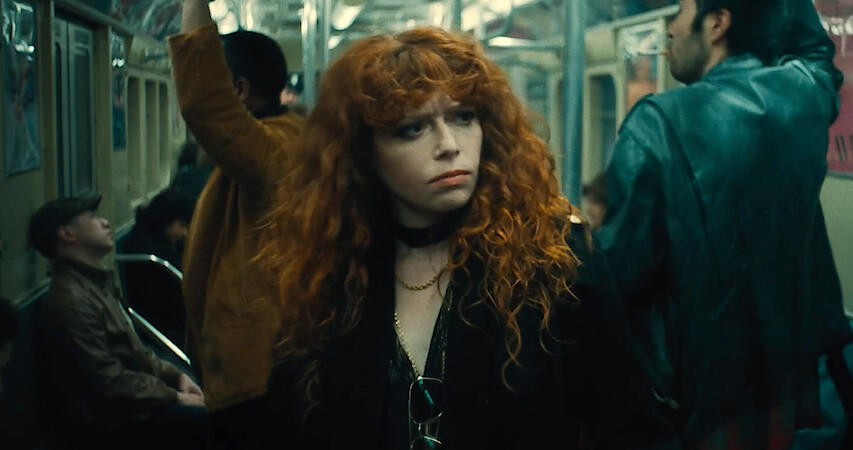
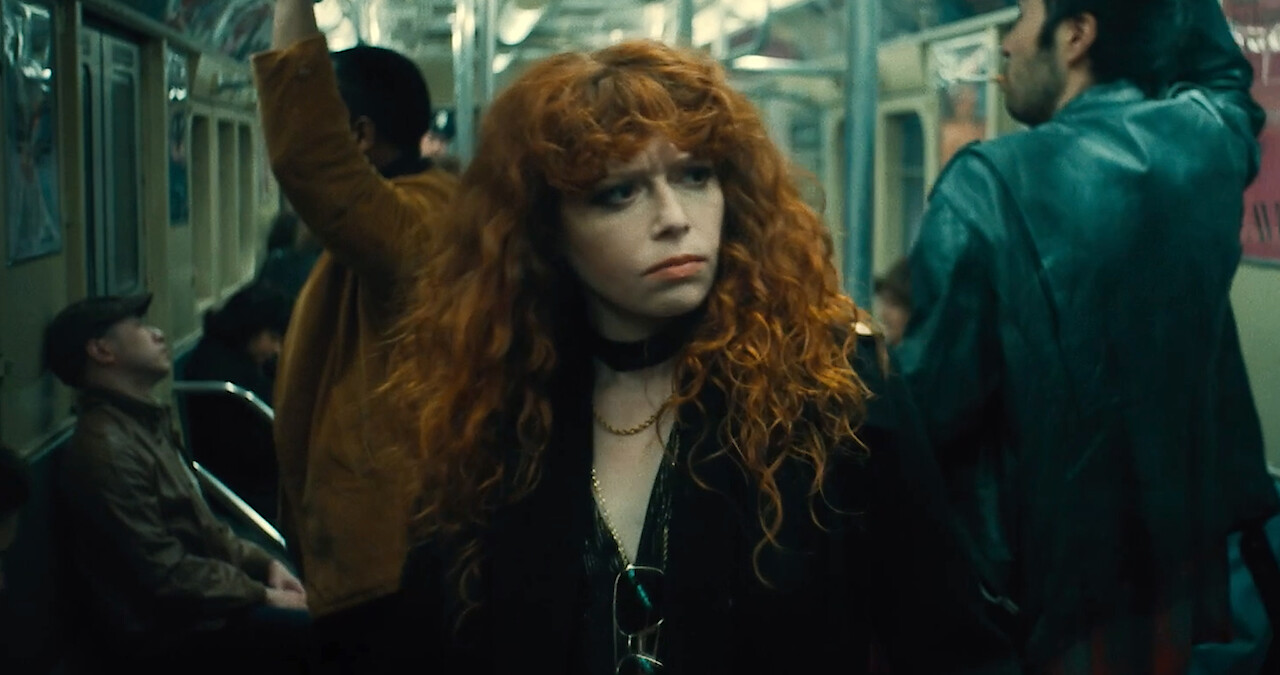
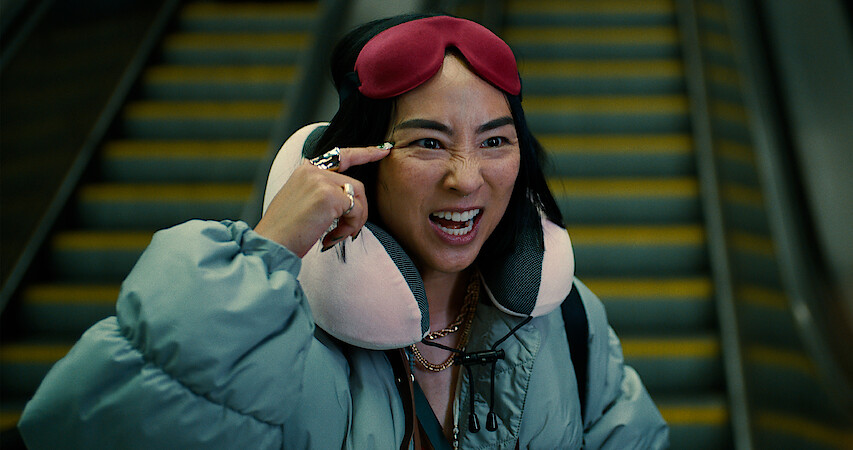
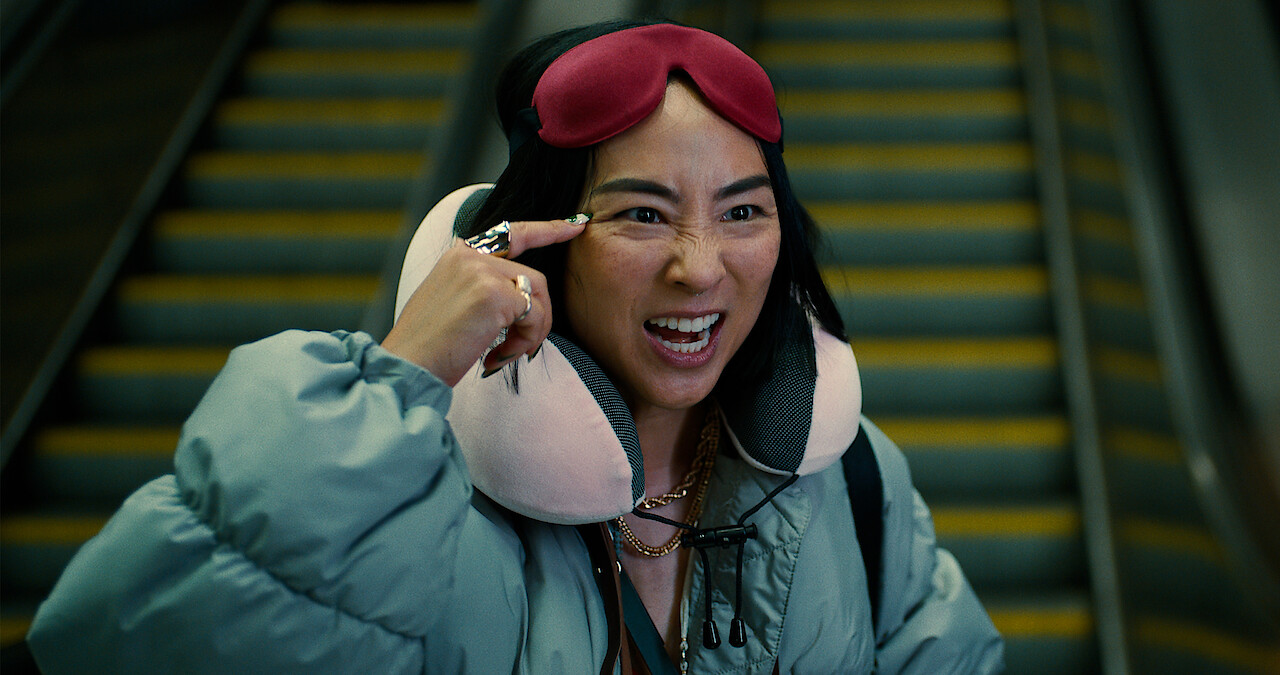
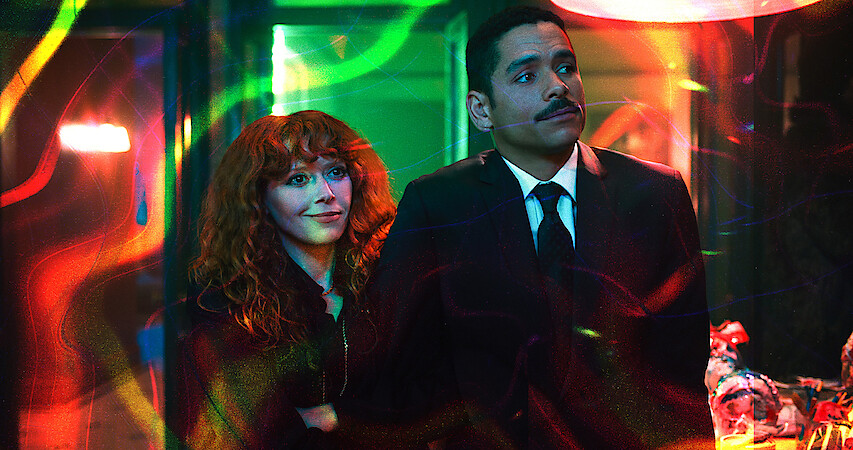
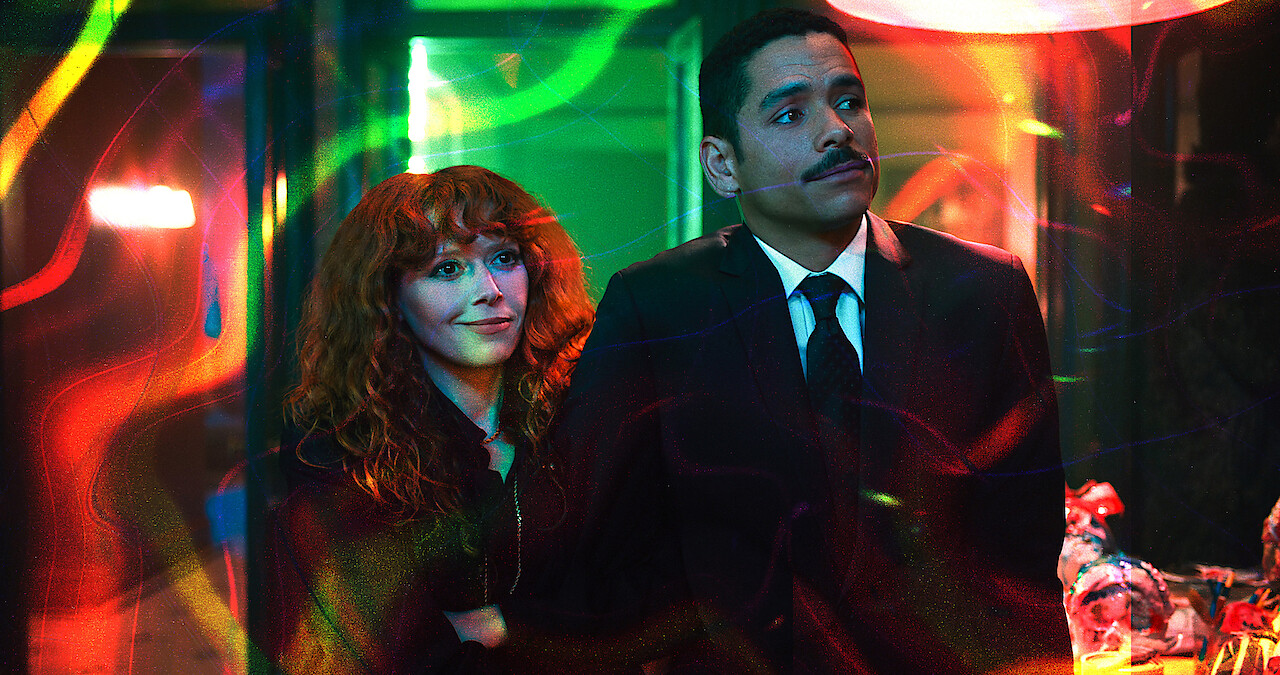
But how did that happen? And, more importantly, why? After colliding with a stranger, Alan (Charlie Barnett), Nadia realizes that the two are somehow stuck reliving the same day — and dying at the end of it. Together, they team up to right their wrongs, escape their deadly cycle and return to linear time as we know it. When we meet them in the second season, four years after that fateful night, a new timeline takes them to the past — the way, way past. This time, the newfound friends travel back in time into the bodies of their mothers and grandmothers via New York City subway’s 6 train. (Obviously, this show is also a comedy.)
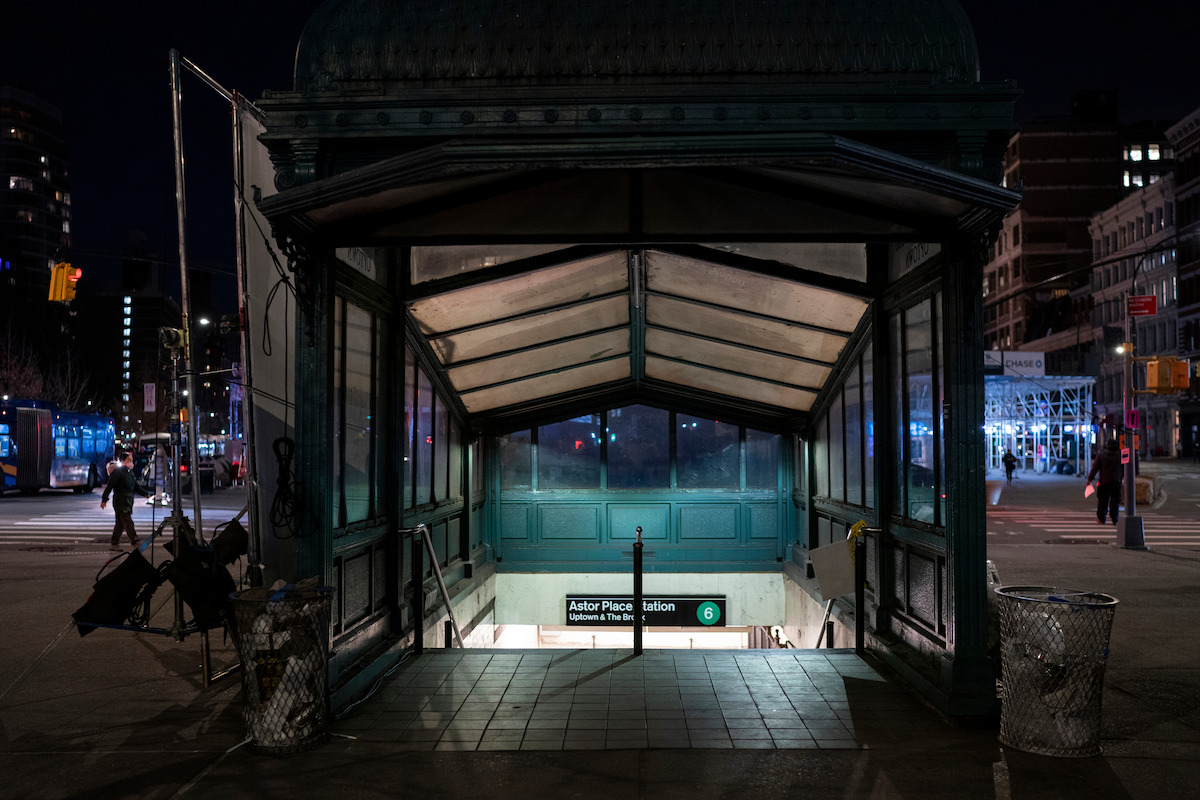
Like before, Nadia and Alan must team up to figure out what the hell is happening to them, and how to escape their time-twisted reality that leaves them trapped in the bodies of their own relatives. Again, we wonder, “Why is this happening?” And more importantly, “How is it happening?”
Rather than the standard Back to the Future tropes, Russian Doll’s time travel is a bit more intricate — particularly in Season 2, which splits into various timelines and sees our protagonists inhabiting other people’s bodies. But instead of completing some mission to change their past in order to fix the present, Nadia and Alan seek the clarity that will teach them how to truly live in the present.
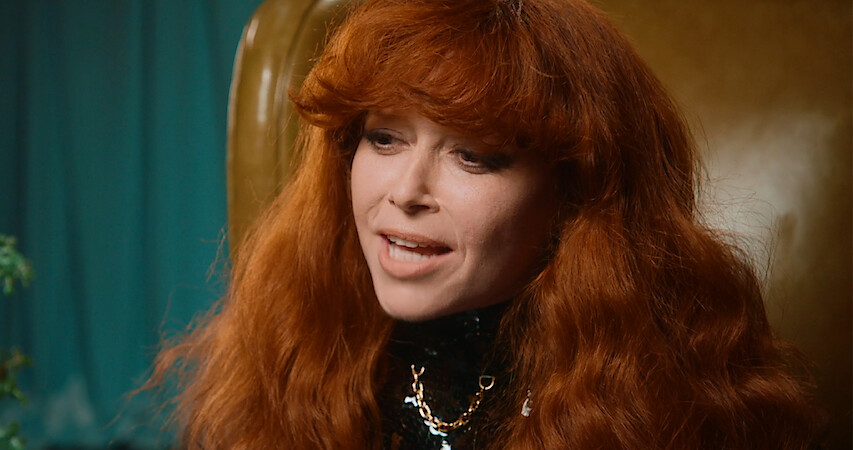
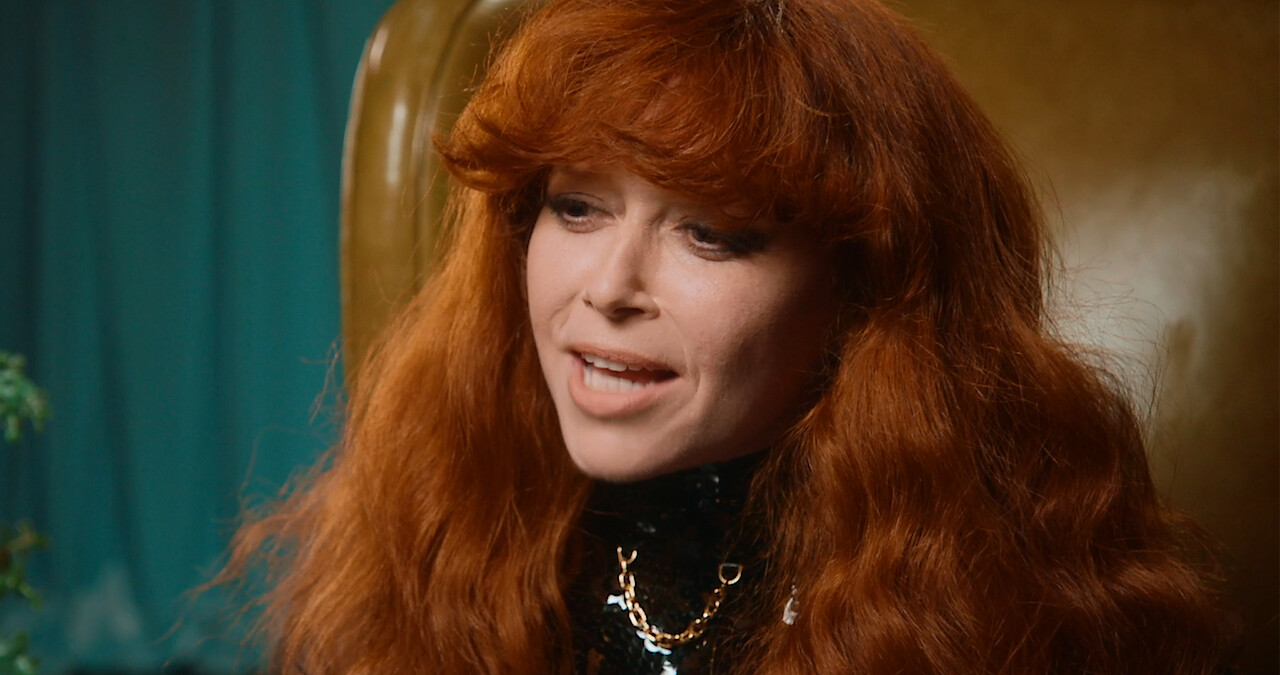
According to Lyonne, who is also the writer and producer of Russian Doll, time travel isn’t just some otherworldly, fantastical element brought into the show for entertainment. It serves a higher purpose — one that peers into the nature of each character’s very essence and unpacks why they exist in the timelines that they do. “Everybody has their own personal ‘if only’ in life; that one big ‘if only you had done this or that, and everything would be different,’ ” Lyonne told Netflix. “Well, what if you could get on the 6 train and go back in time and try to change that ‘if only’ and, in doing so, change your whole life?”
It’s this thesis that forms the basis of many a time-travel movie and the now-universal concept of the butterfly effect: that one small change can alter the course of history. But that’s not how it works here. The ramifications of changing the timeline in Russian Doll manifest themselves in a splintered perception of time itself, rather than the typical “what you do in the past affects the present.”
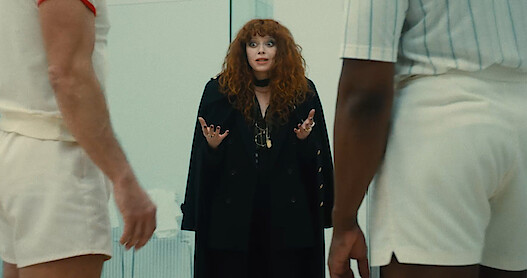
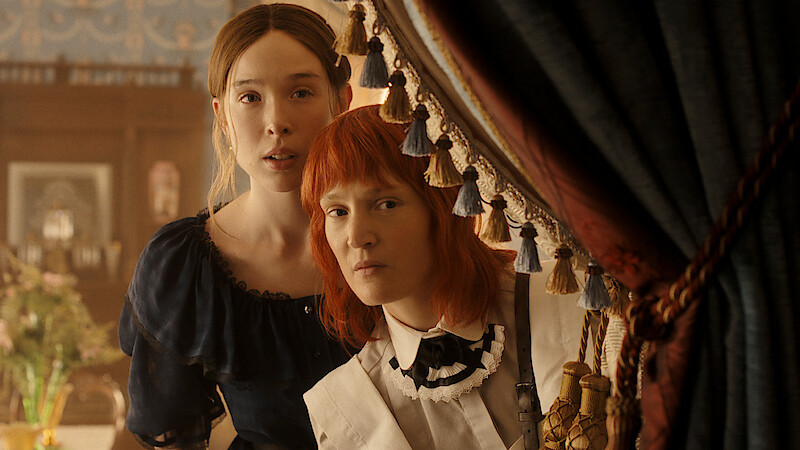
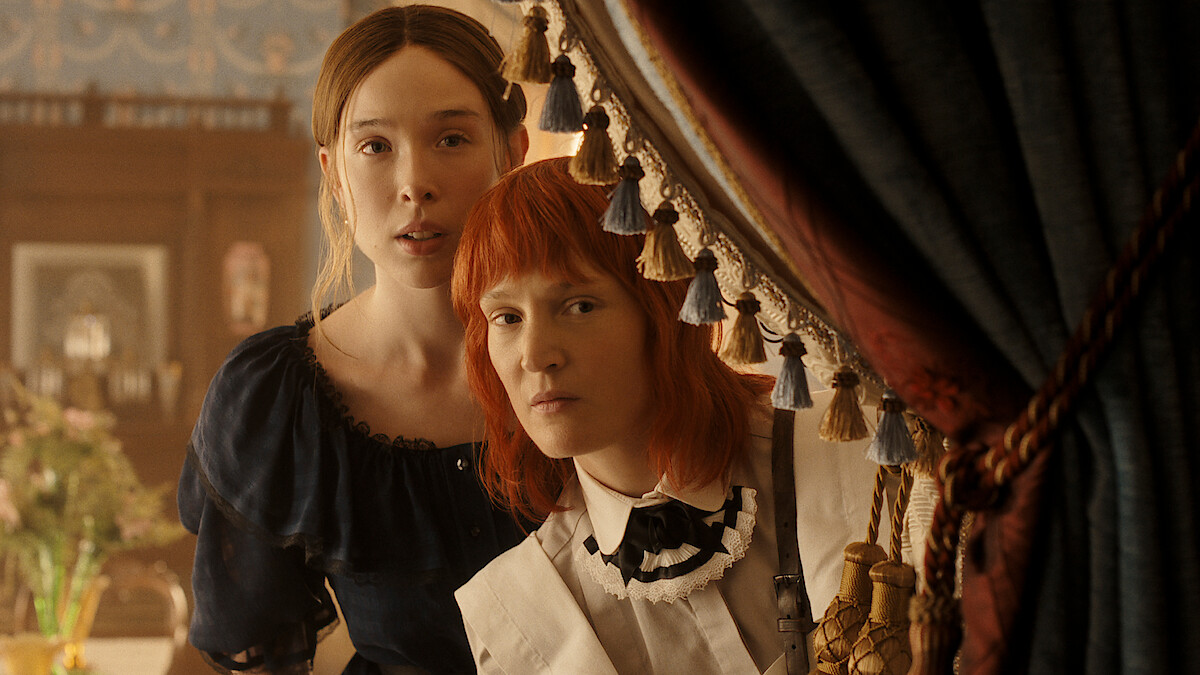
If Nadia changes one small detail about the past as she visits 1982, could she prevent herself from ever meeting Alan? If Alan doesn’t help his grandmother’s friends exit East Germany, will he prevent himself from even existing? It’s something that Barnett had to stop himself from thinking too hard about as his character traveled back to 1962 Berlin into the body of his Ghanian graduate student grandmother. He wondered if he was supposed to stop events from playing out or to let them run their course.
“Natasha kept telling me not to get lost on this,” he tells Tudum. “But I was like, ‘Wait. What if he is, like, my actual grandma? If I don’t [intervene], then am I not going to exist? How does this all intertwine?’ And she’s like, ‘It's not that, don’t worry about that.’ ”
According to Lyonne, required reading for the first season writer’s room included Douglas Hofstadter’s I Am a Strange Loop, in which the scholar posits that “the key to understanding selves and consciousness is the ‘strange loop’ — a special kind of abstract feedback loop inhabiting our brains.” For Season 2, everyone added theoretical physicist Carlo Rovelli’s The Order of Time to their reading lists. That book, much like the season, examines the nature of time itself. Put simply: The time travel here is more about answering existential questions than cementing a scientific order of operations.
“The bigger question I’m asking is if it’s true that we all have the ability, regarding past trauma, to reorient ourselves around it, or if in fact there is no free will, because it’s a set element of the universe, and therefore we must just radically accept the full weight of the past,” Lyonne told The New Yorker ahead of Season 2’s debut.
In that same interview, Lyonne revealed that she and the writers used “an app called Universe Splitter, which maps the repercussions of small individual choices using quantum theory, and explained that in the writers’ room they’d occasionally use it to ‘open up story ideas for fun.’ ”
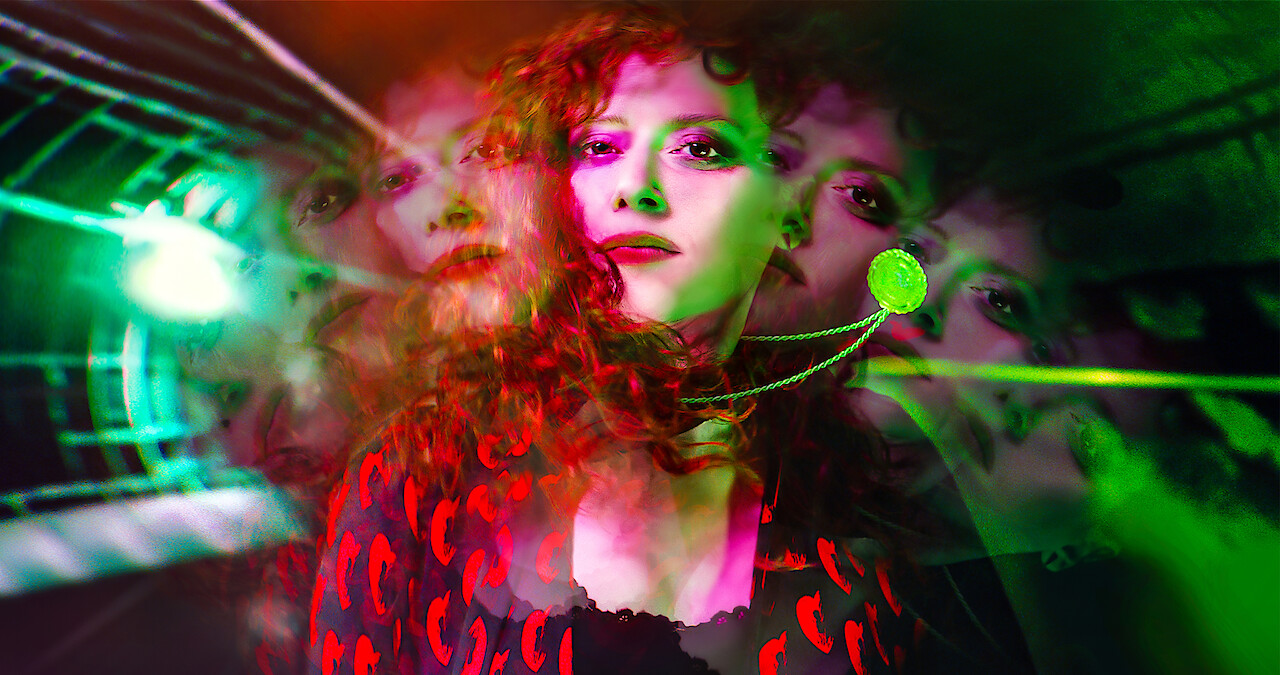
The writers called that nonlinear, hypothetical thinking the “time blob” (in a fun way, Lyonne says), but it’s more logical than that. “Emotionally, that is often how we as human beings experience the nature of time and trauma and regret and shame and love and hope and ambition: all at once. We experience all moments in time as single moments,” she told Netflix. “For Nadia and Alan, showing up for real life is a lot more complicated than taking the time-travel train and dropping out into fantasy. They are jumping into the past as a way to escape their present reality.”
But what the characters learn as they hop timelines, with Nadia inhabiting the body of her pregnant mother before her birth in 1982, and then her Hungarian Holocaust survivor grandmother in 1944, is that they can’t necessarily change the past. Much like in Season 1, as Nadia skips around the timeline, there are signs that things aren’t always going right: She develops sores on her arms, and bugs start to skitter across books she’s reading.
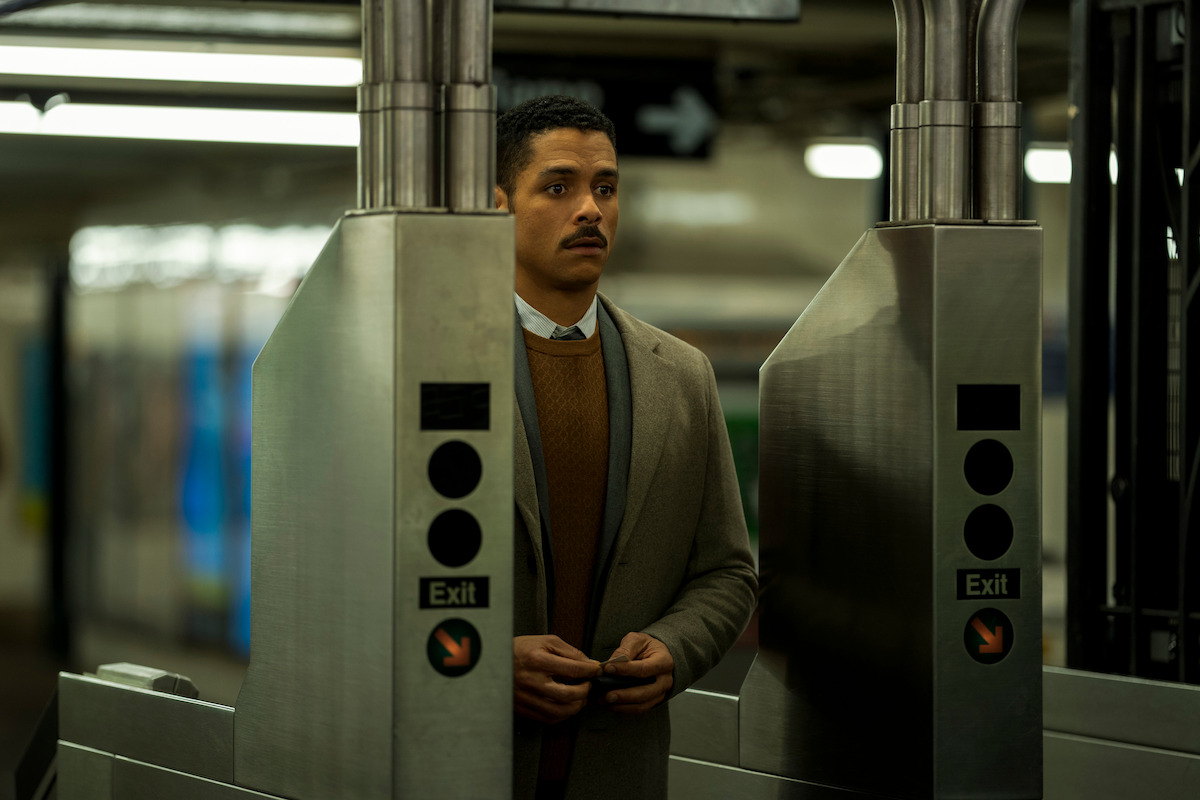
The longer she and Alan spend in the past, the weirder things get. While Alan enjoyed the security of knowing how everything was going to play out each day despite his behavior changes in Season 1, in the second season he finds comfort in learning that whatever new experiences he has as Agnes will not change his present-day life. Nadia, on the other hand, is on a quest to reclaim her family’s lost fortune of gold South African Krugerrands — but it seems she was always fated to lose them. The real consequence of her trips to the past is that she’s avoided dealing with unpleasant truths in the present.
“Season 1 is about life and death; it’s about mortality and self destruction, it’s more clear-cut,” Lyonne explained. “Season 2 attempts a nuanced and yet oddly more grounded distinction — it’s about the nature of time and how that impacts us in life. Despite the time-travel element, it’s actually about trying to reconcile with our limited time in the here and now.”