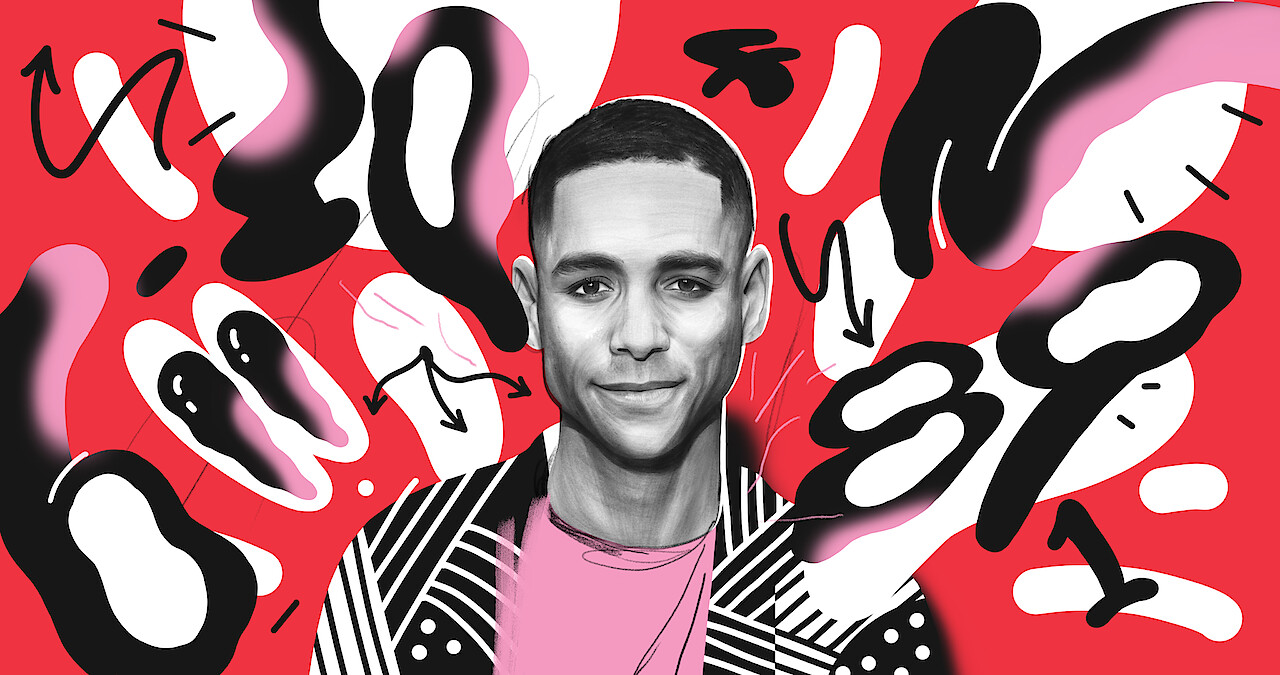
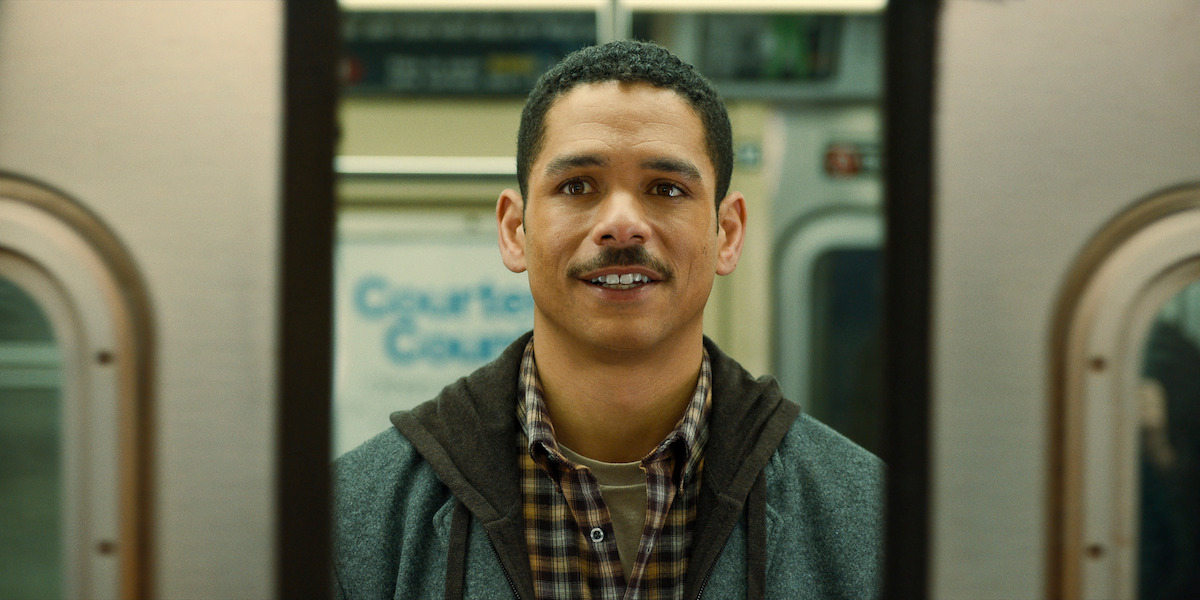
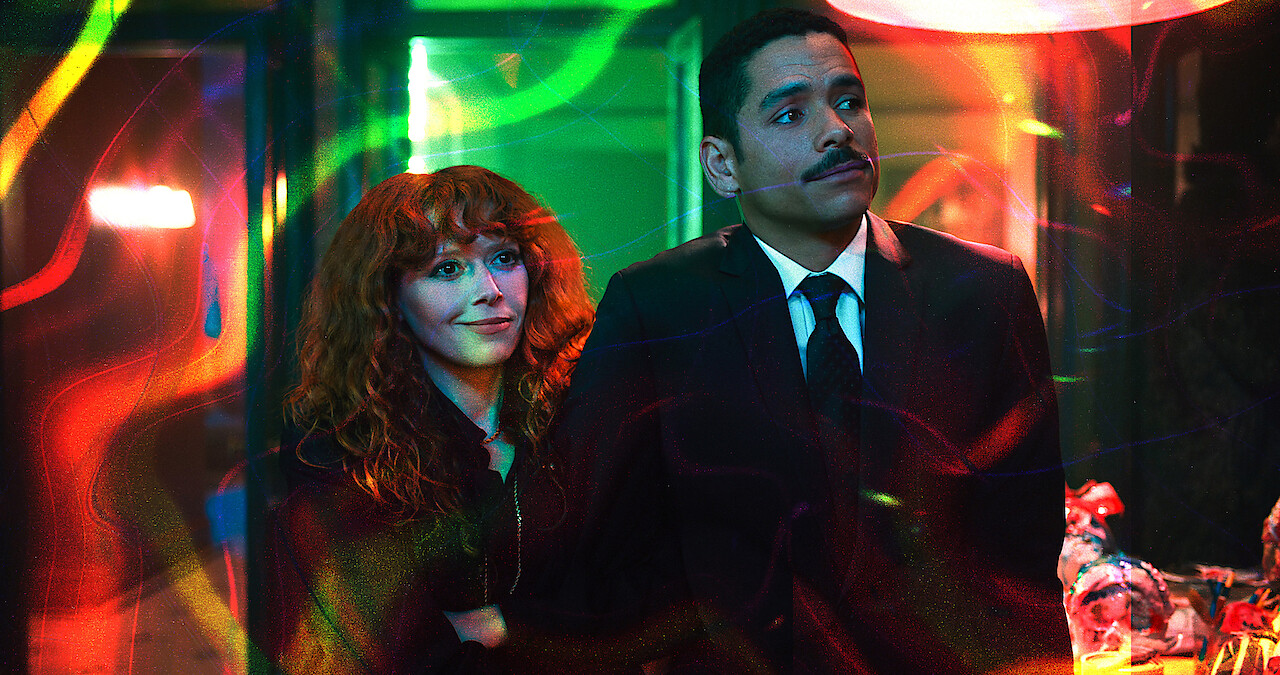
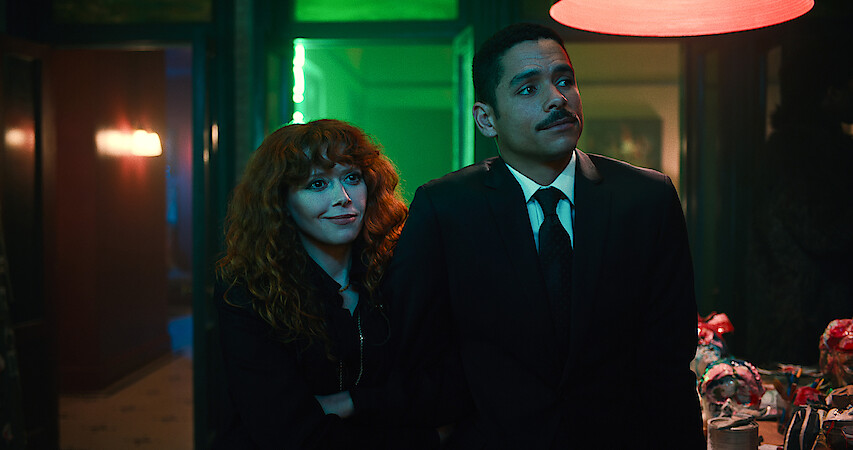
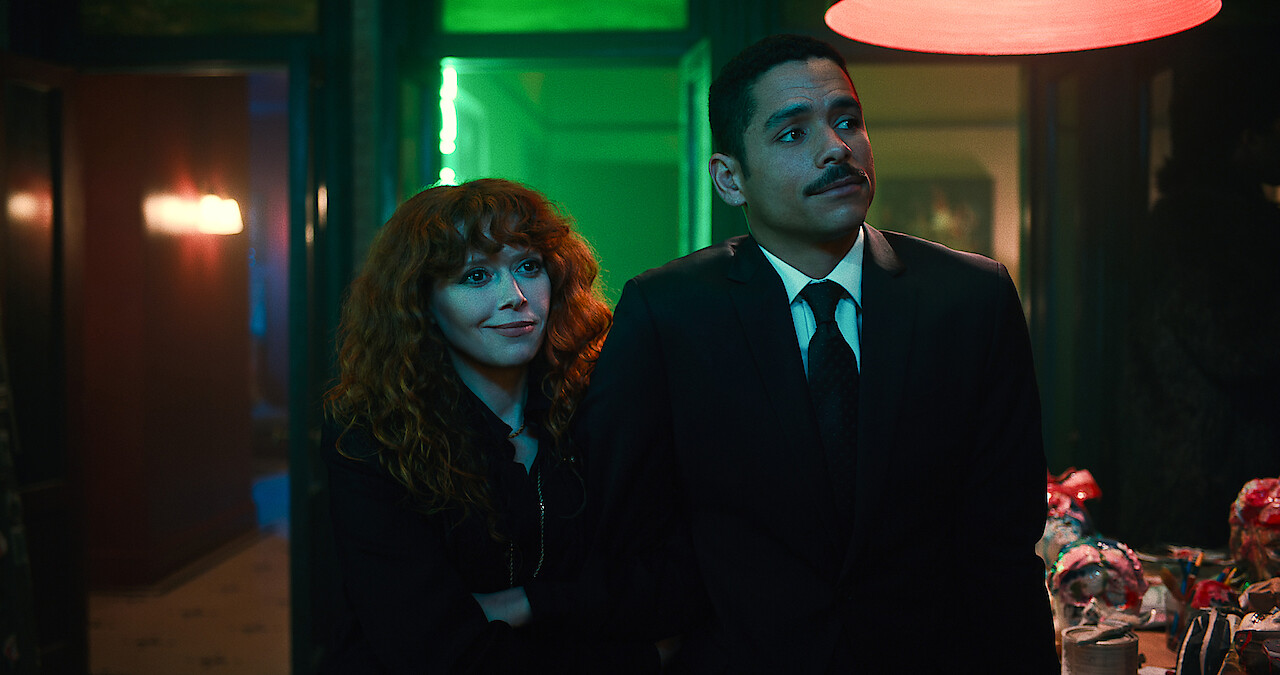
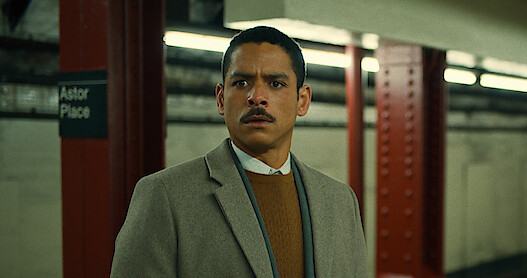
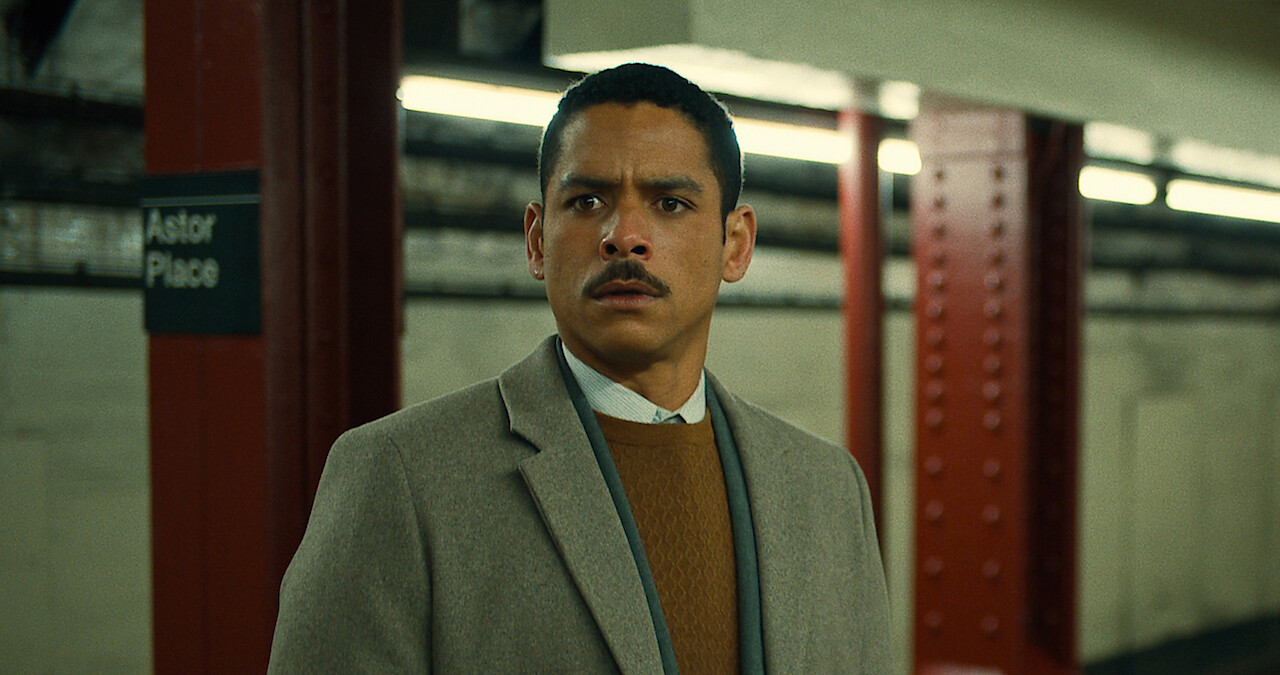
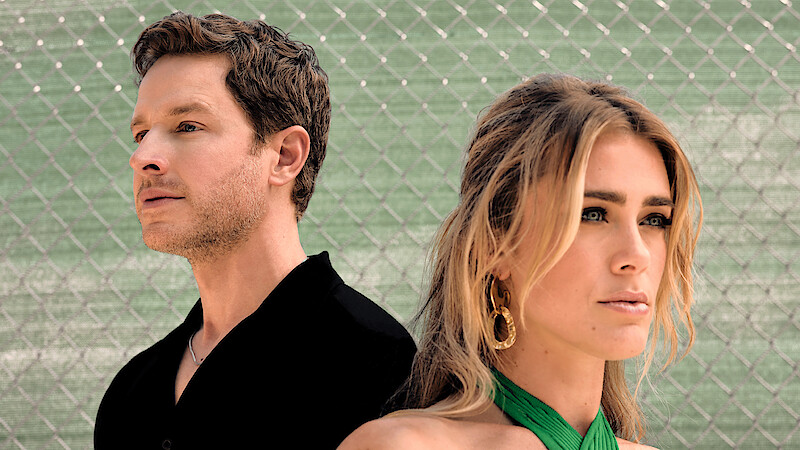
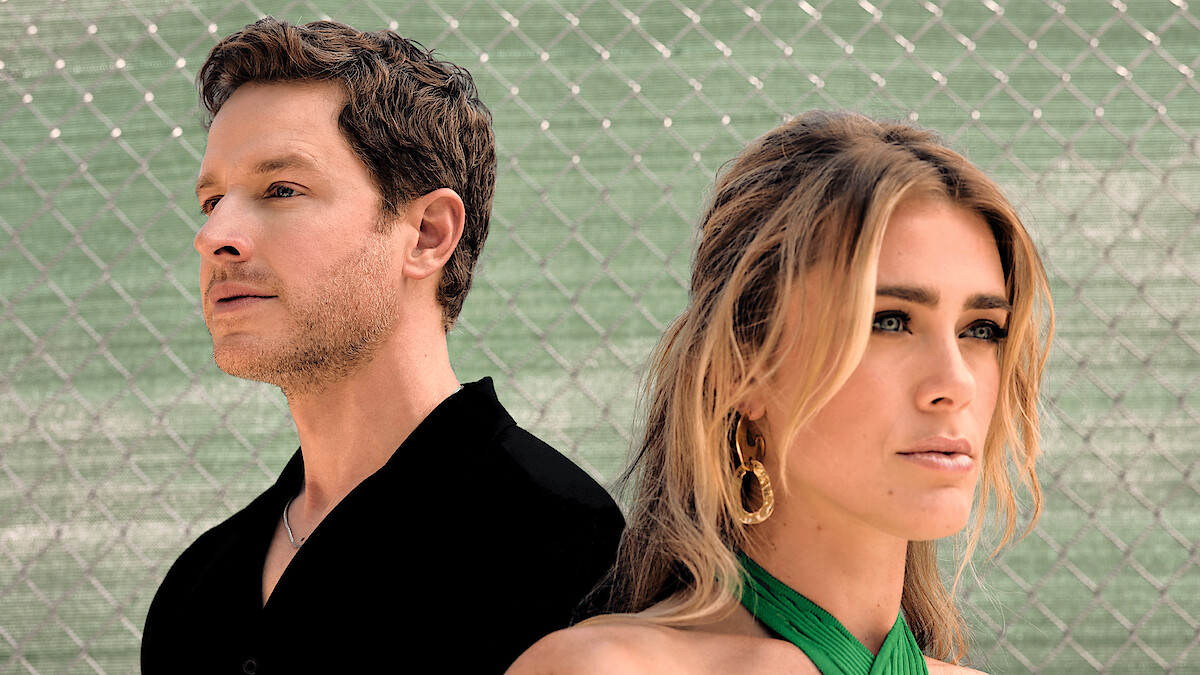
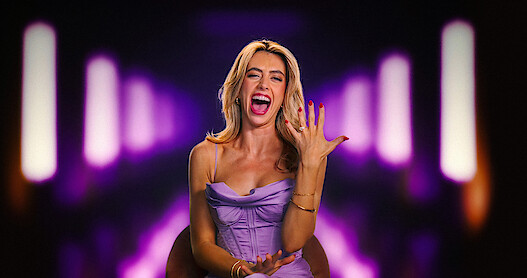
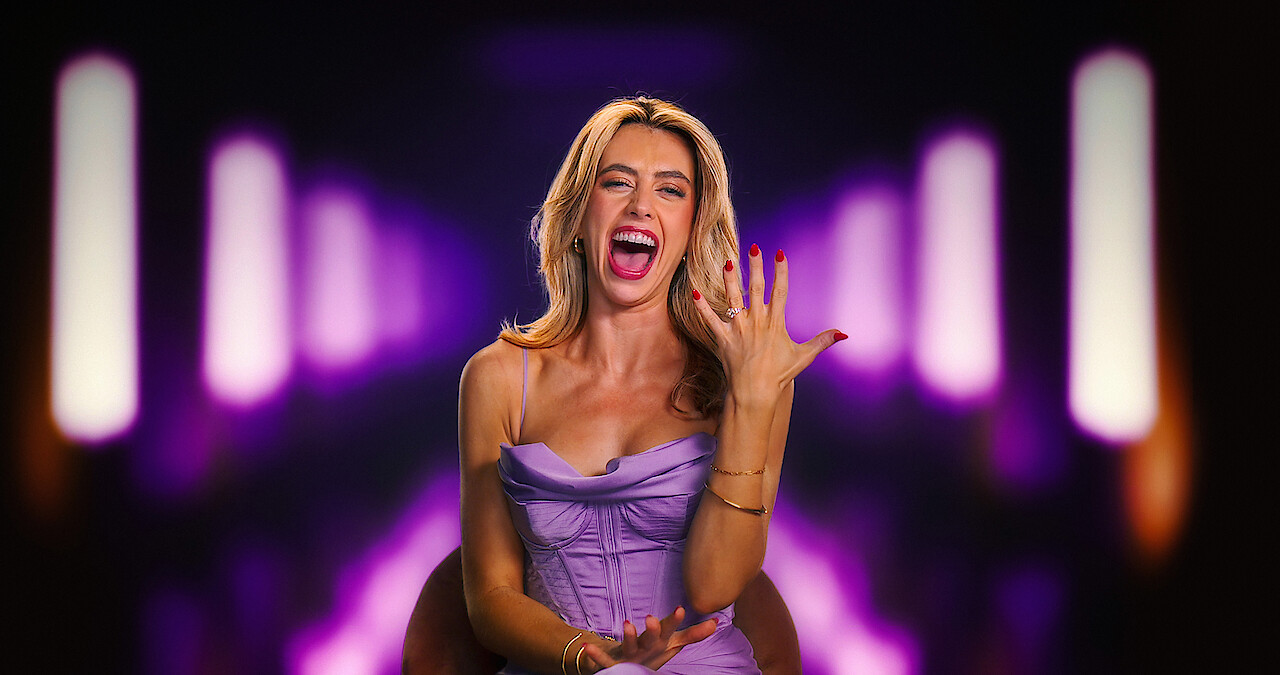
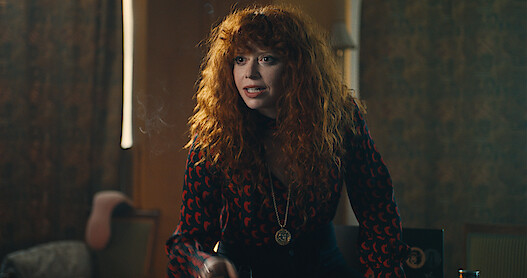
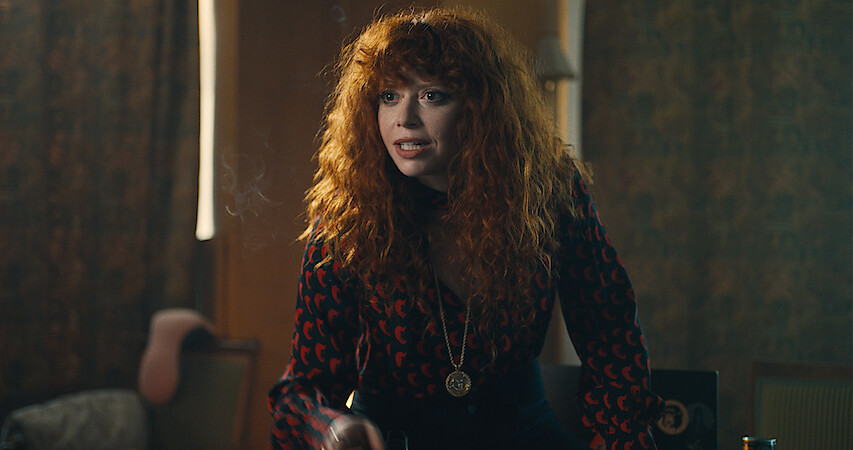
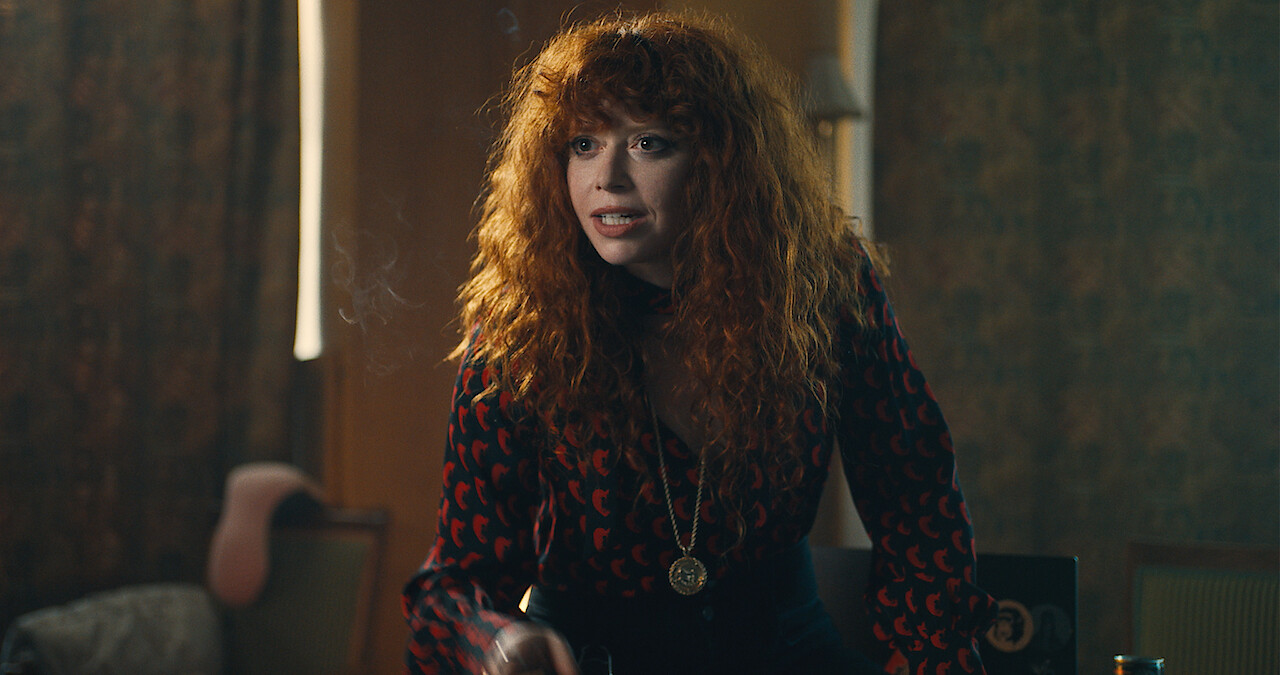
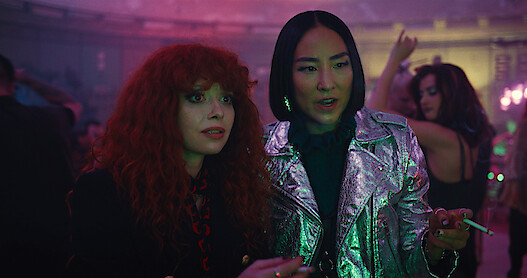
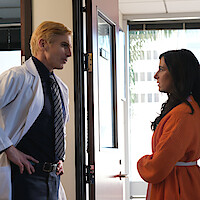
When Charlie Barnett gets nervous, he smiles. Actually, when he does most things, he smiles. “Smiling is my safety guard,” the Russian Doll star tells Tudum. “I smile a lot of the time to get out of situations, or when I’m uncomfortable — as much as it’s genuine. I’m also just a fucking smiley person innately. But I am also really dark.”
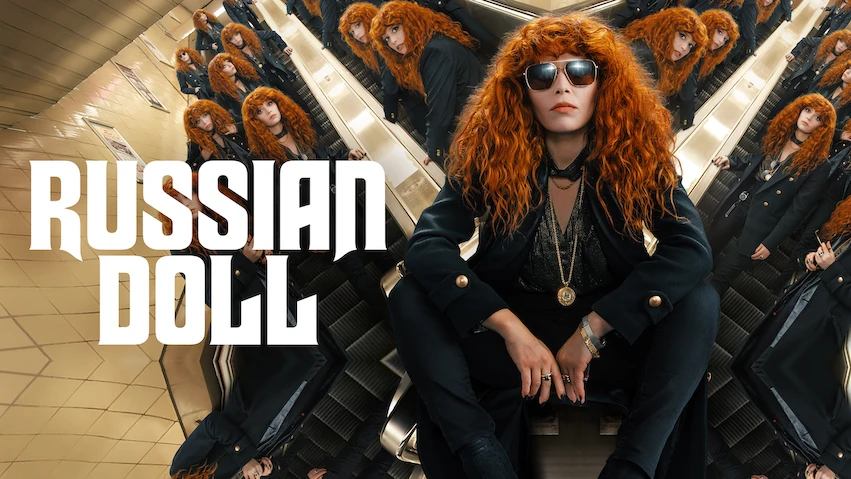
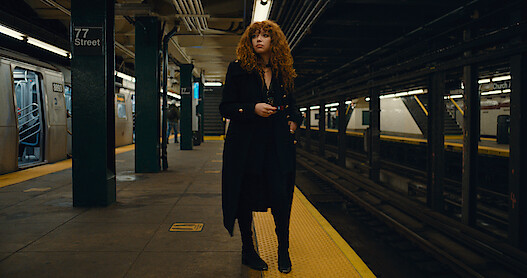
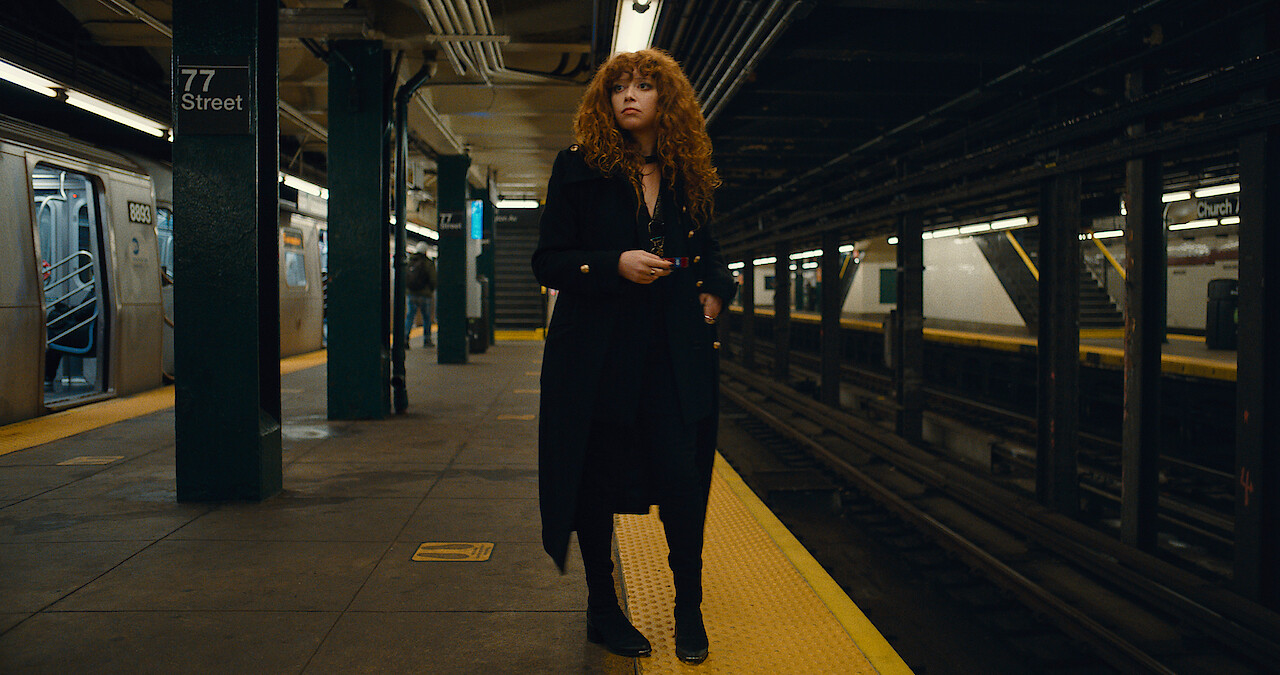
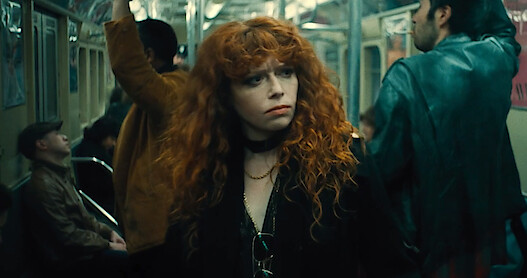
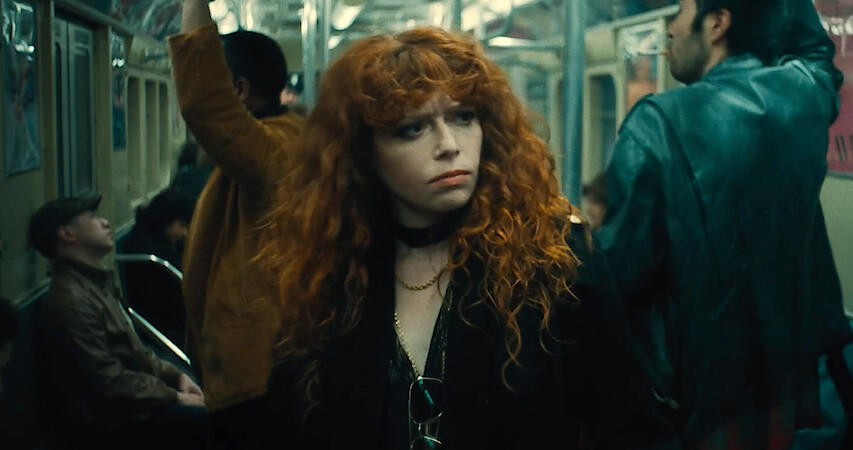
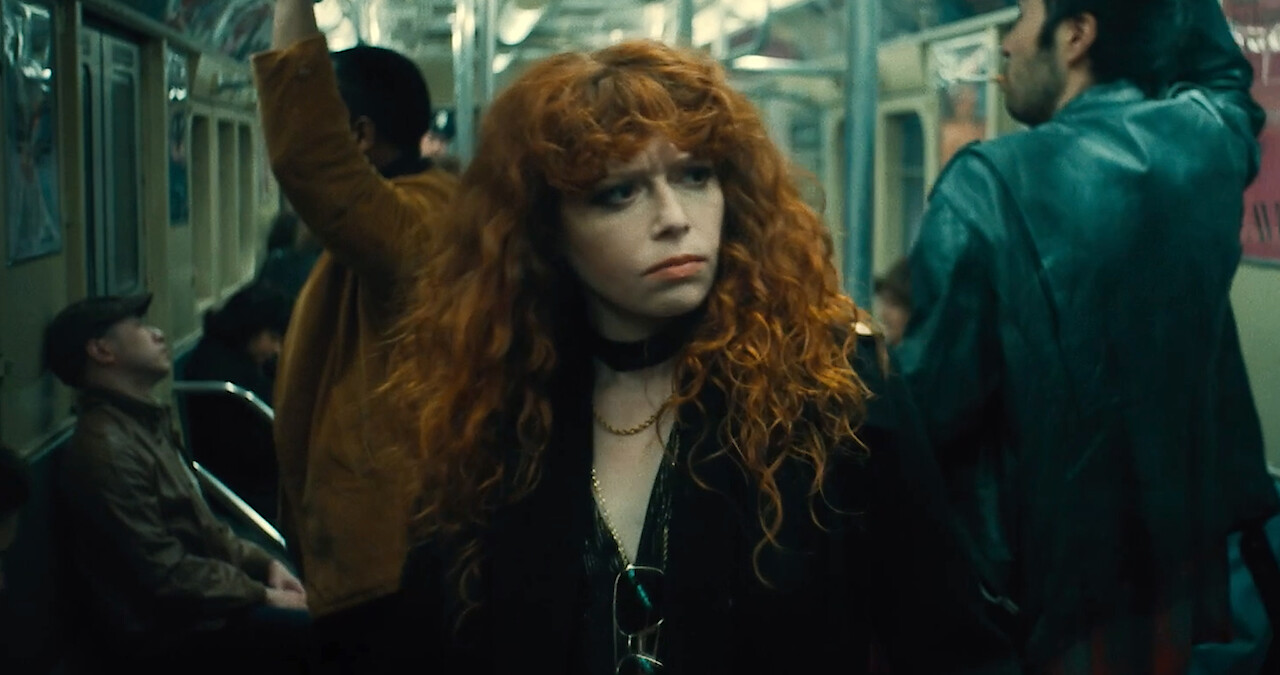
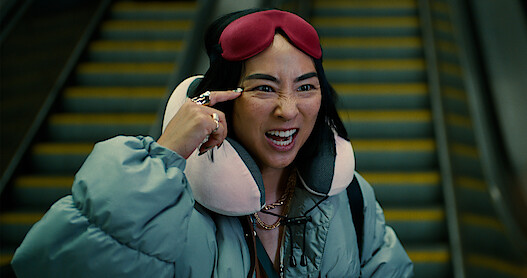
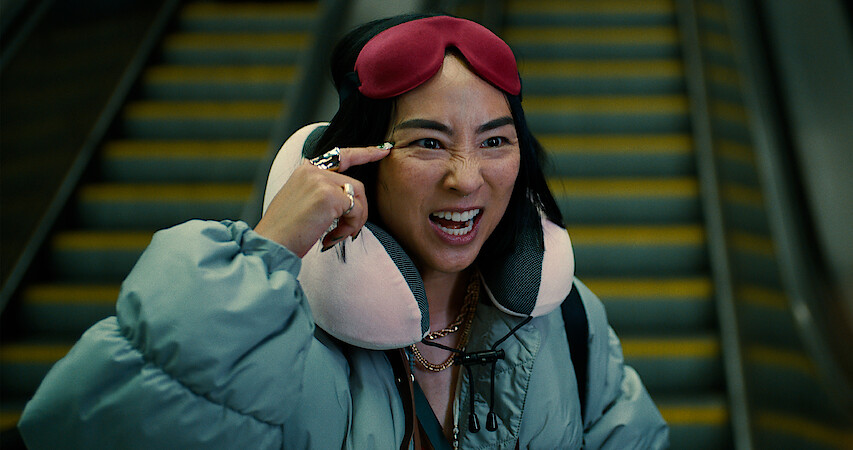
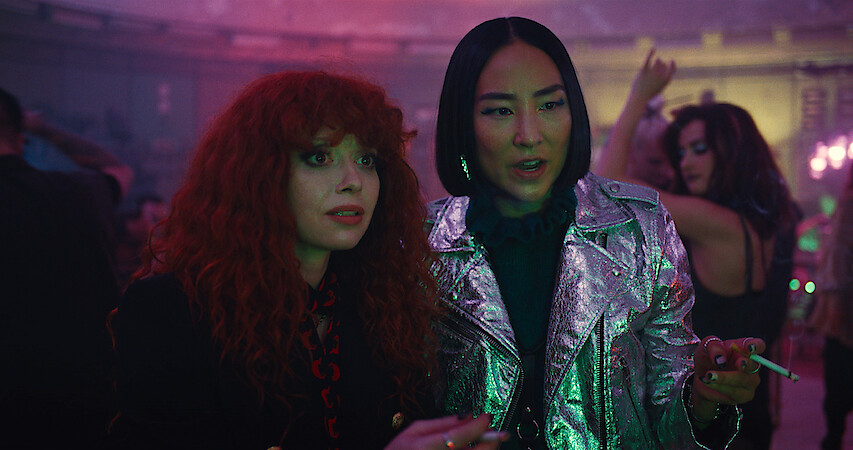
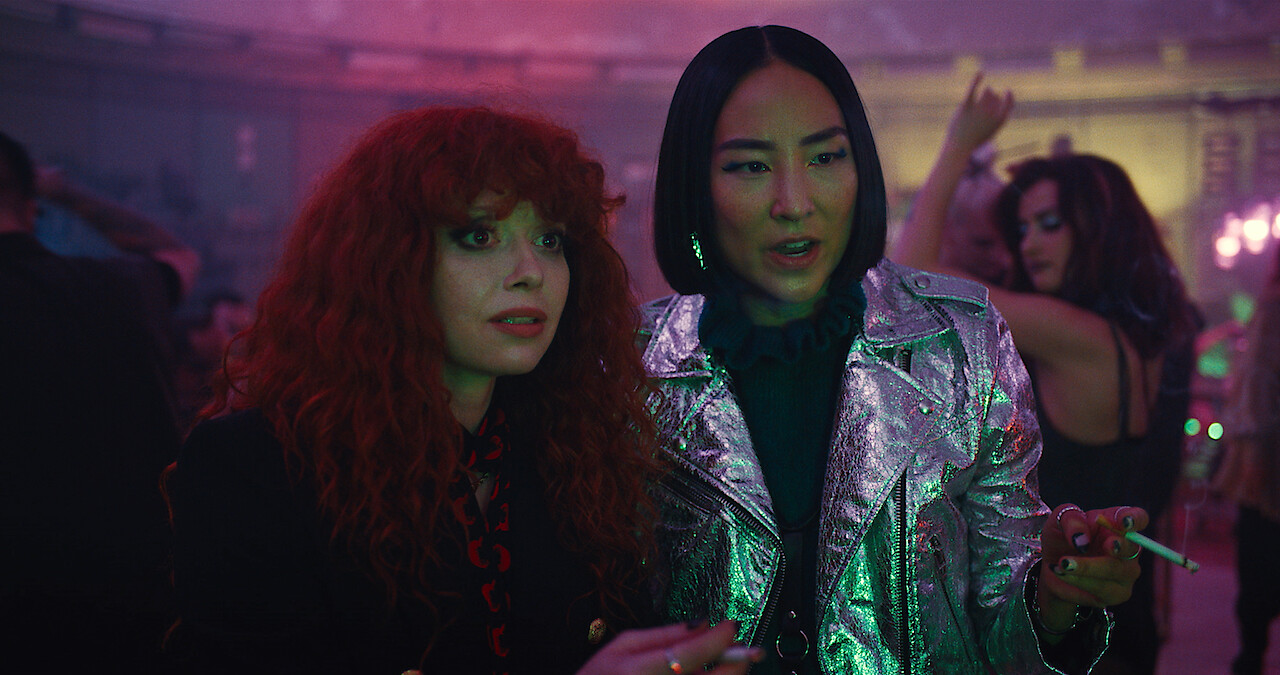
In the first season of Russian Doll, Barnett’s type A Alan and Natasha Lyonne’s New York mess Nadia try to escape a time loop, only to discover that the key to their exit is helping each other survive one fateful night. But in Season 2 (spoiler alert), the duo time travel to the past via the New York City 6 train (of course) to come to terms with their present reality, inhabiting their own ancestors in the process.
The key to Alan’s enlightenment in the first season, when he and Nadia relive the same day over and over again, is realizing he’d initially died by suicide. But in the second season, we re-meet Alan three years later, and his fulfillment comes from relearning how to live after wanting to die.
Much like his character, Barnett, too, has overcome darkness. “I deal with depression,” he says. “I’m open about my experience with suicide.” Through a great deal of personal work, including therapy, he’s in a much better place. “I visit that experience or those thoughts in a more healthy and a more capable way [now],” he says. “I have more tools under my belt now with help from my therapist and friends and family. The thing is, it doesn’t go away. I can face it a lot better. And I think that’s also where Alan gets to.”
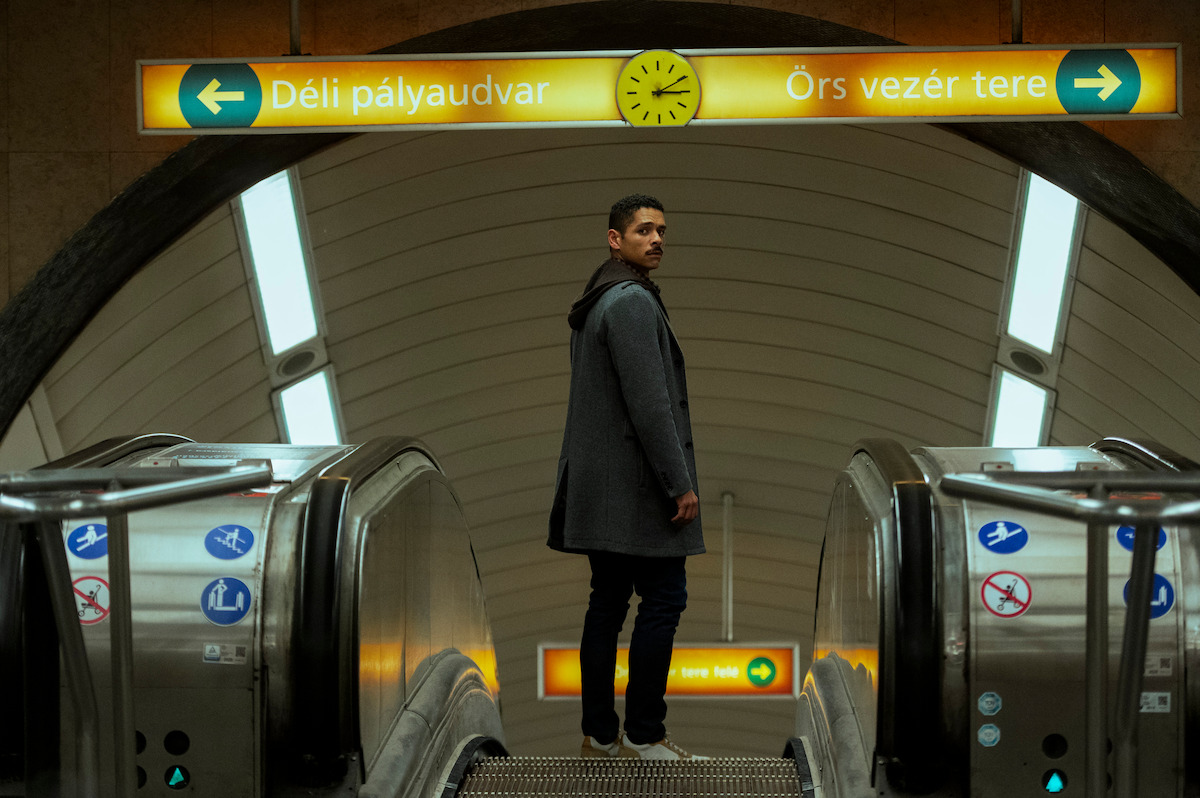
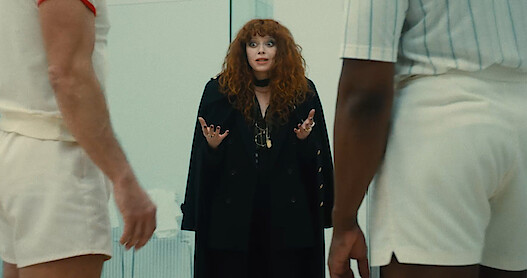
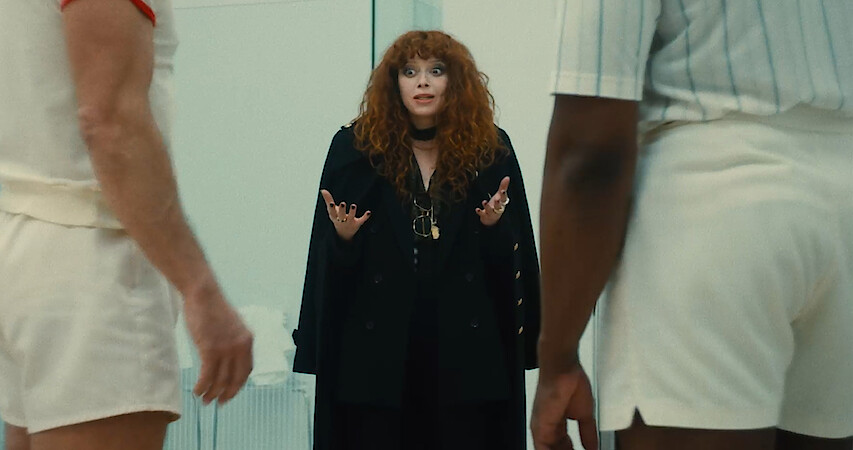
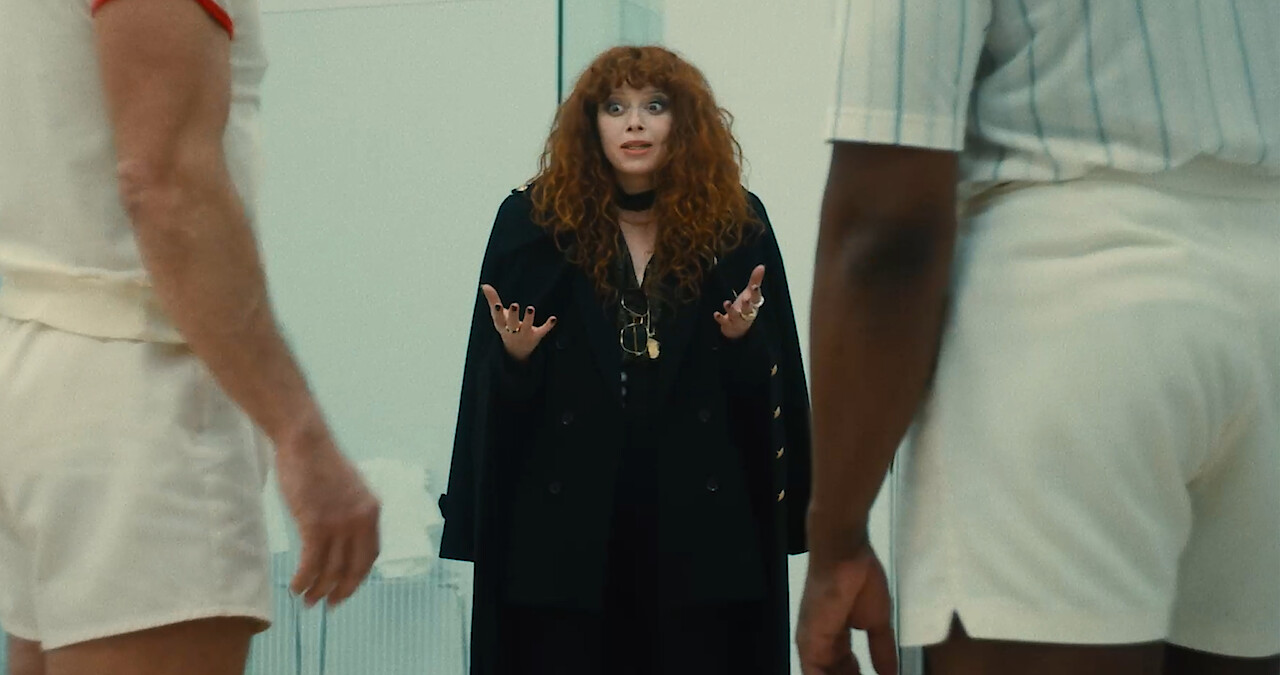
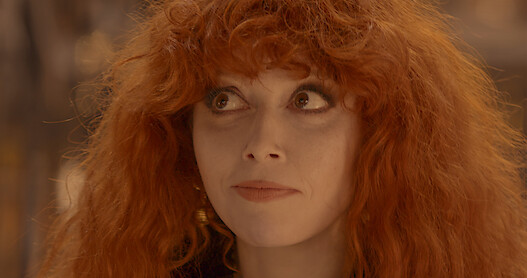
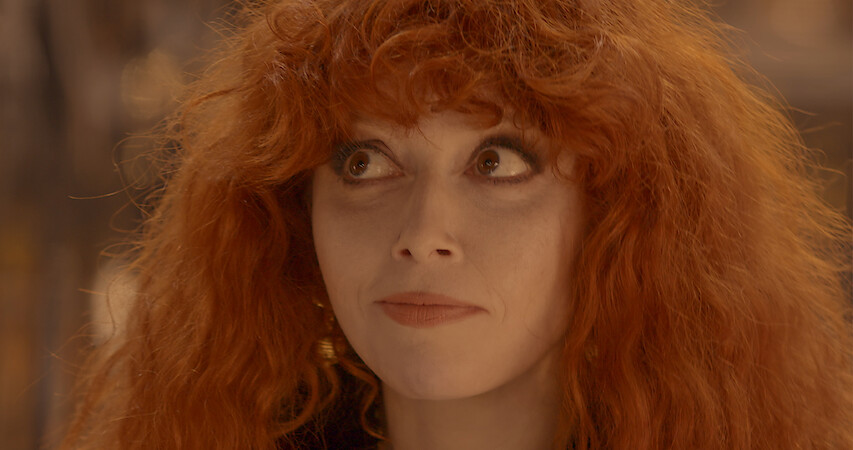
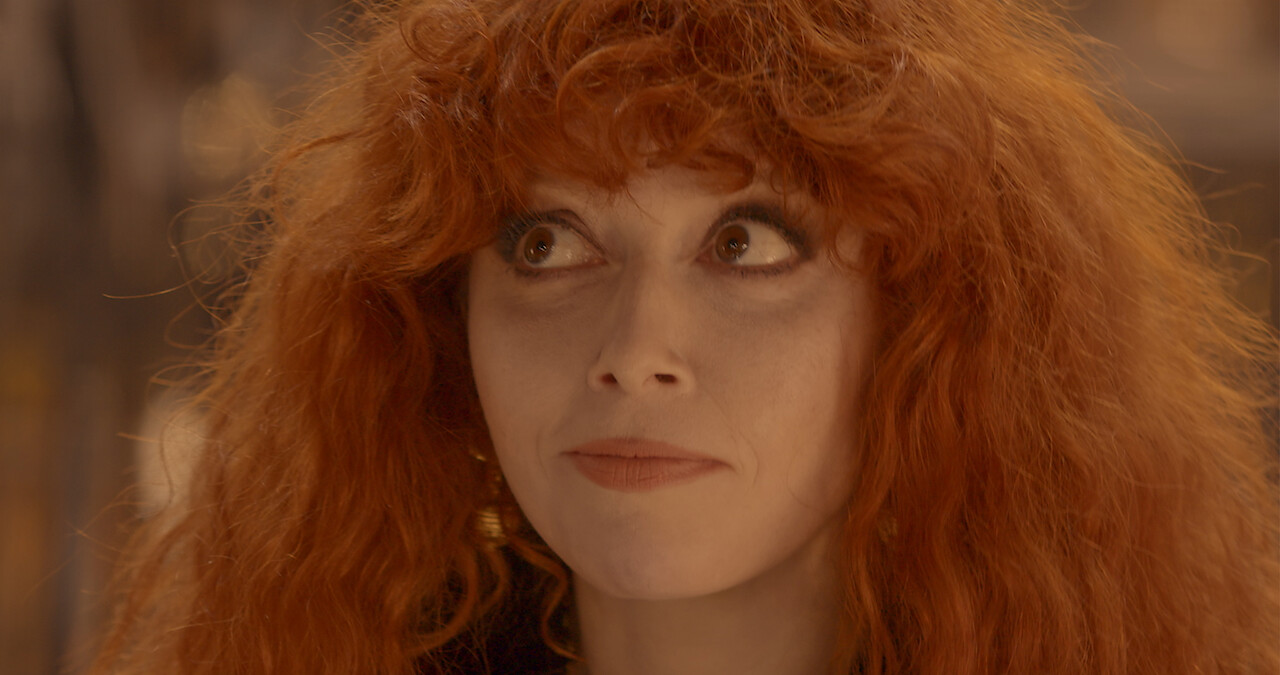
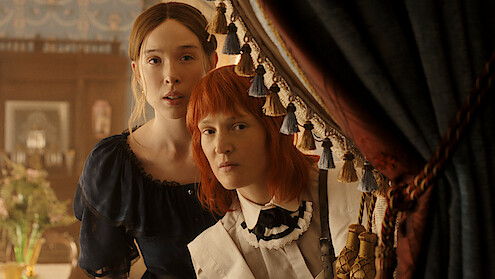
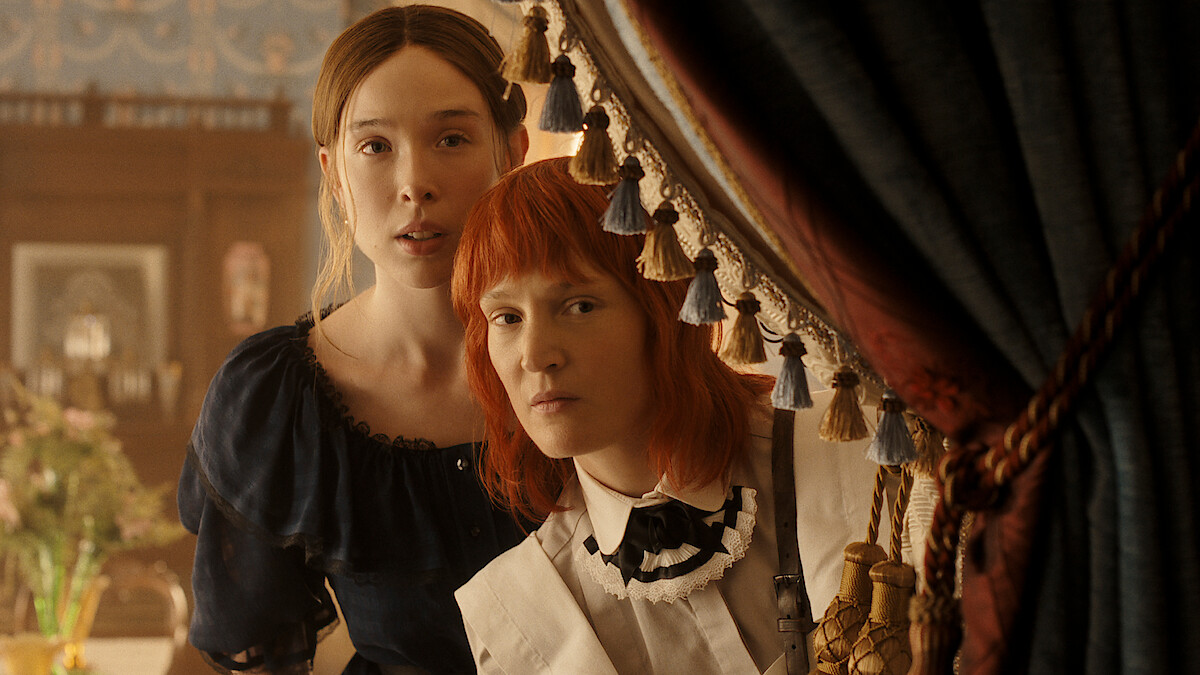
When Nadia first tells Alan in Season 2 that she’s been traveling to the past, he doesn’t want any part of it. (To be fair, taking the 6 train into the body of your own mother, as Nadia does, sounds horrifying.) But his curiosity gets the better of him, and he eventually makes it to 1962 East Berlin in the body of his Ghanian graduate student grandmother, Agnes. In our first glimpse of Carolyn Smith as the family matriarch, she gazes into the mirror as her mouth curls into a sly smile. Later, as Agnes walks to the subway, she and Alan (as Agnes) share the same beaming grin.
Barnett says his Juilliard instructors would ding him in class for that grin. But here, it works: Scared, obsessive Alan is coming out of his shell through this new experience (you know, of becoming his grandmother). What felt natural to Alan, though, posed a delicate challenge for Barnett. To start, playing a Black woman in the 1960s as a mixed-race, 21st-century man was something he wanted to treat both sensitively and respectfully. Instead of taking away from that voice, he worked with Smith — who is his friend and former classmate — to make sure their portrayals of this shared character were aligned.
“There is the other side of living within a woman’s space,” Barnett says. “I’m engaging in sexual encounters. I’m walking through a time in the world when it wasn’t safe to be a woman, to be a Black woman, to be an immigrant woman, to be a student. And it was scary.”
No matter how much Barnett guarded and protected himself while playing Alan, he felt he would never be able to fully encapsulate an experience that wasn’t his own. And that, in itself, is something he needed to bring to the character’s story.
Still, Barnett explains that Alan has been “given a gift from the universe to live through a different lens.” Through Agnes’ eyes, Alan gets to experience her earliest days of infatuation with her German boyfriend, Lenny, which also gave Barnett pause. The actor, who is queer, mostly worried that playing with Alan’s sexuality would change the substance of the character. “But I realized that sexuality is fluid, especially when you’re allowing yourself to explore,” he says. “The boundaries are a little less rigid when you allow yourself to just be like, ‘Hey, let’s try this.’”
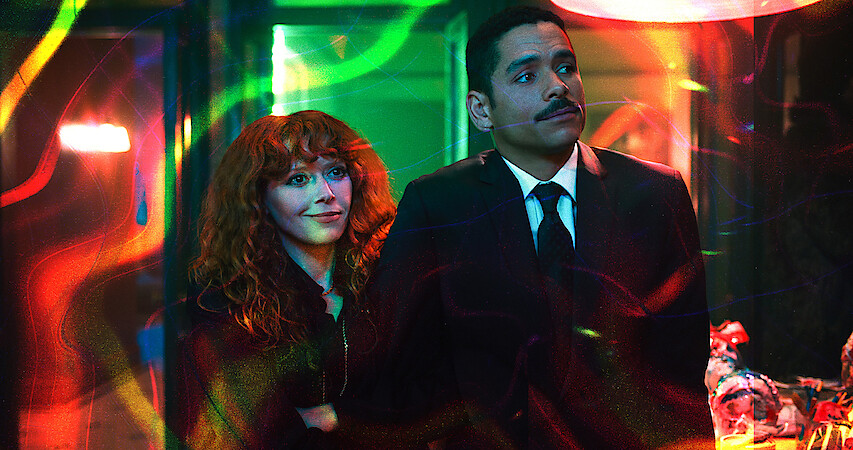
Barnett pulled that willingness to step outside of personal bounds from his own life, having grown up adopted and having not met his birth mother’s family until after she died. His relationship to his past is a crucial factor in his portrayal of Alan, just as his relationship with Lyonne is scattered throughout the show, too — she’s a mentor, a big-sister figure and the push he needed every once in a while both on and off screen.
“Just getting to sit around in Budapest when we were filming and talk [to Natasha], it was always really special,” he says. “I watched her growing up. But I’m a Cheerleader is one of my favorite movies, and it was so impactful for me on many levels, not just as an artist. It’s like, ‘How do I get outside of my own self while being in this incredible moment with her?’”
Barnett, to his credit, is more than just this character in this moment, despite how similar their timelines have felt over the course of making the show. “There’s a lot of personal aspects to these characters,” he says. “Natasha and I have openly committed a lot of ourselves to it and brought our own story into it. It sounds so cliché to be like, ‘It’s a superpower.’ But it really is, in a certain sense. Especially as an artist, it allows me to open doors that a lot of people are too terrified to go into. And I can expose them, and I’m not afraid to.”