This article contains major character and plot details.
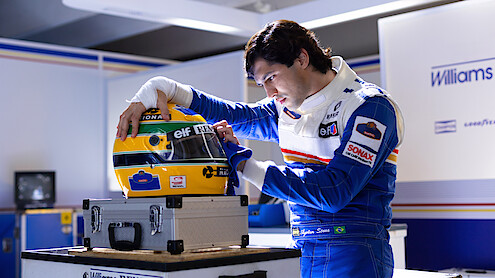
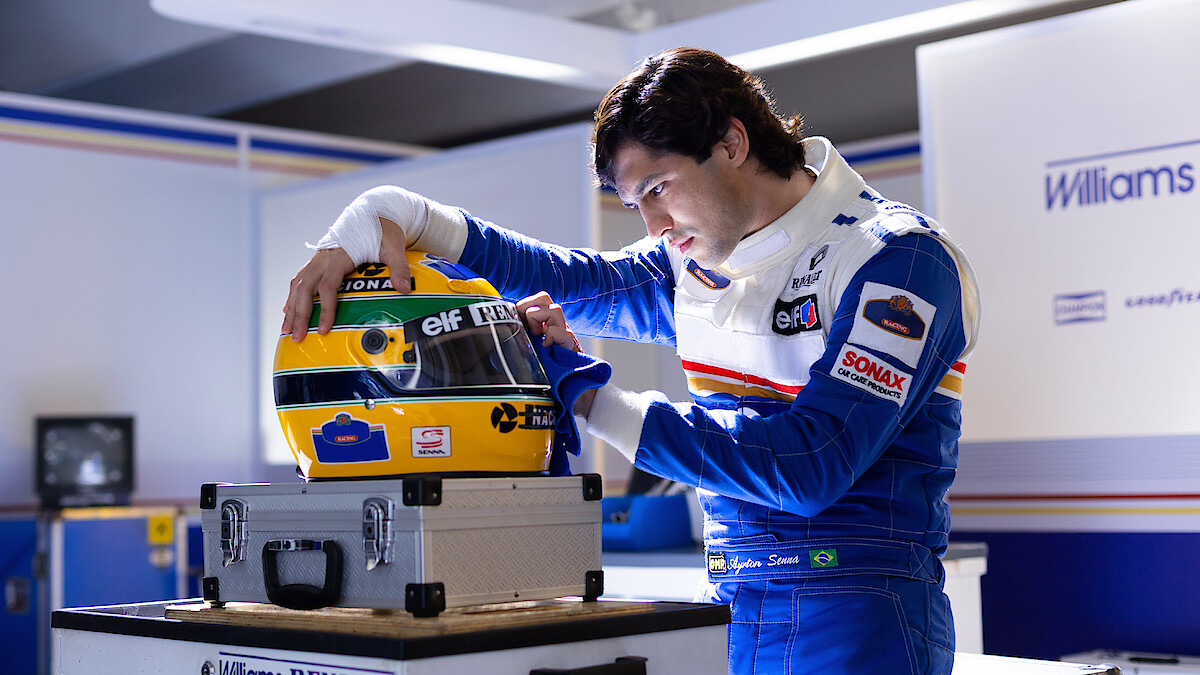
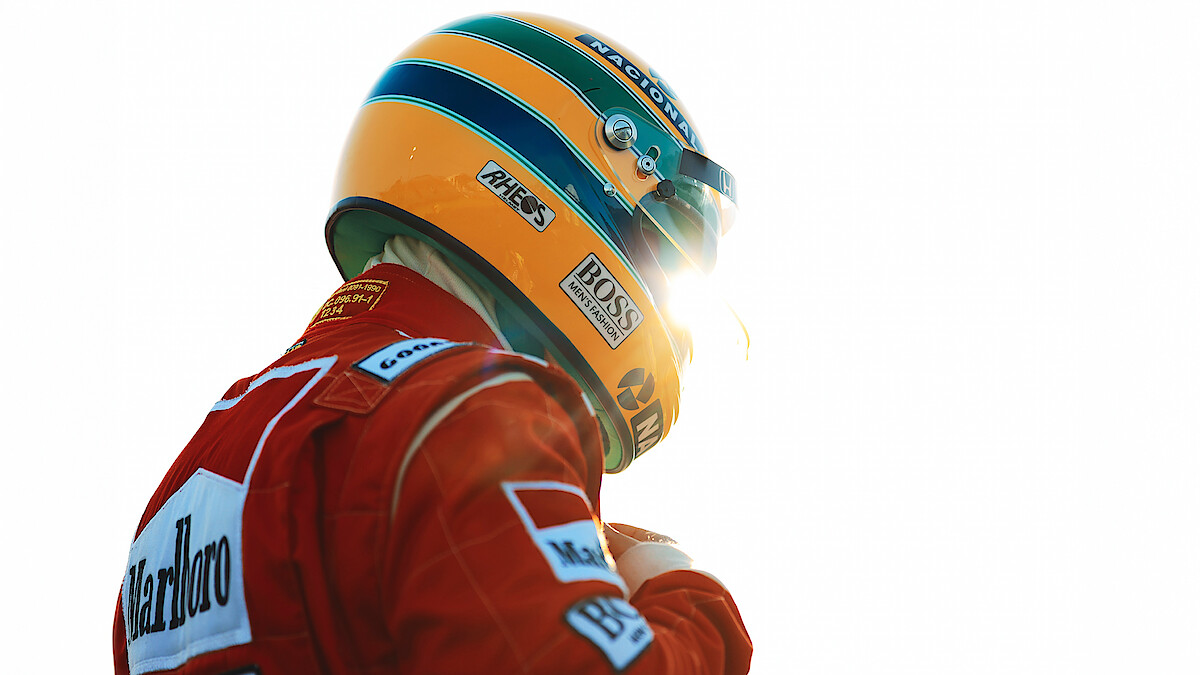
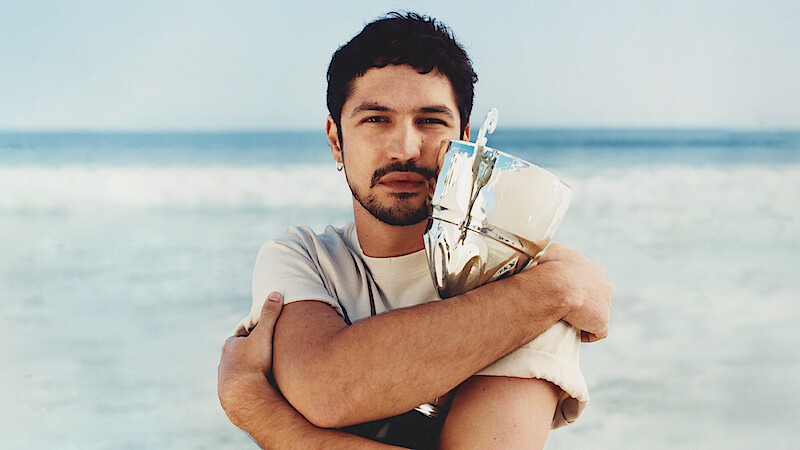
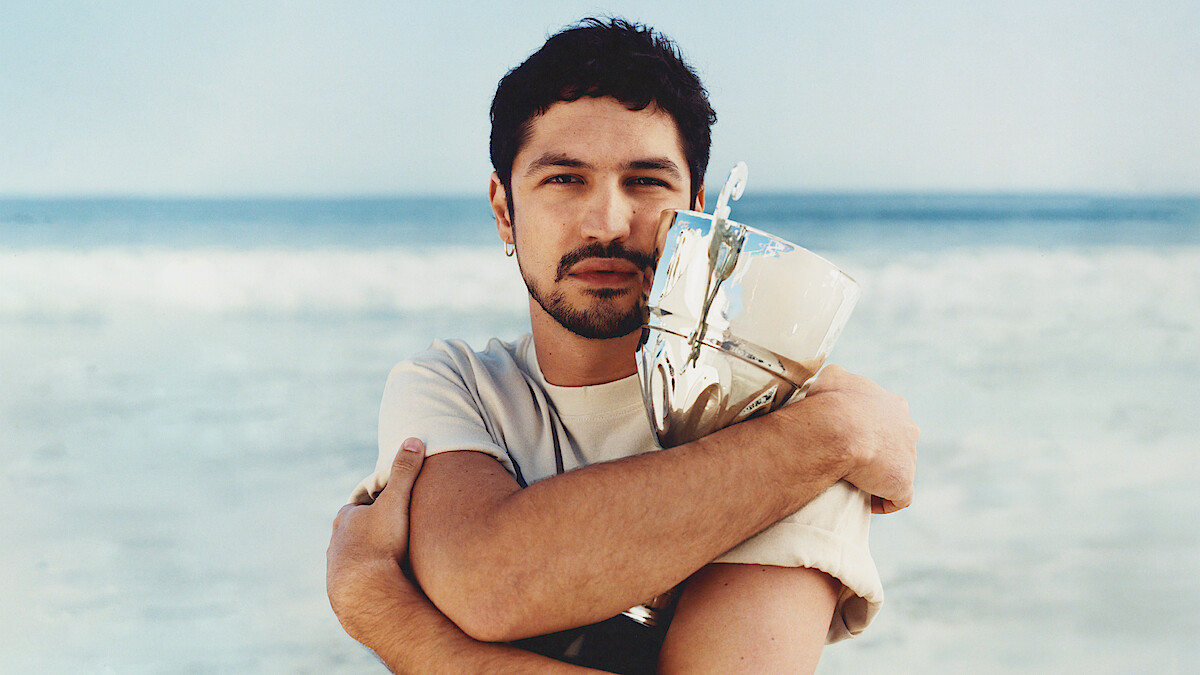
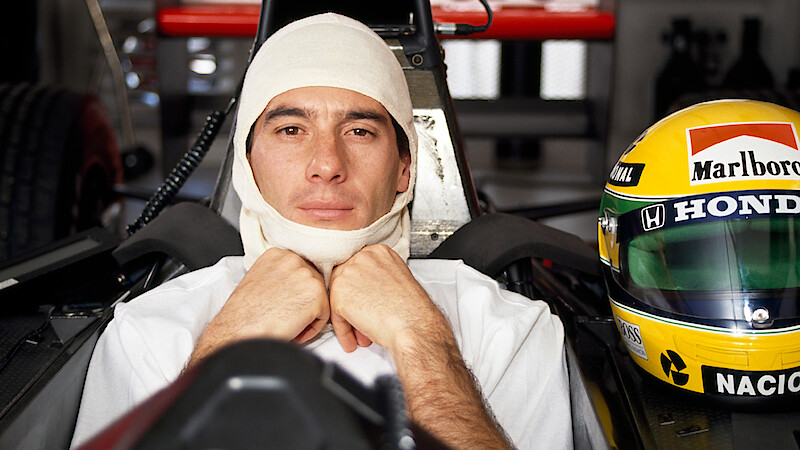
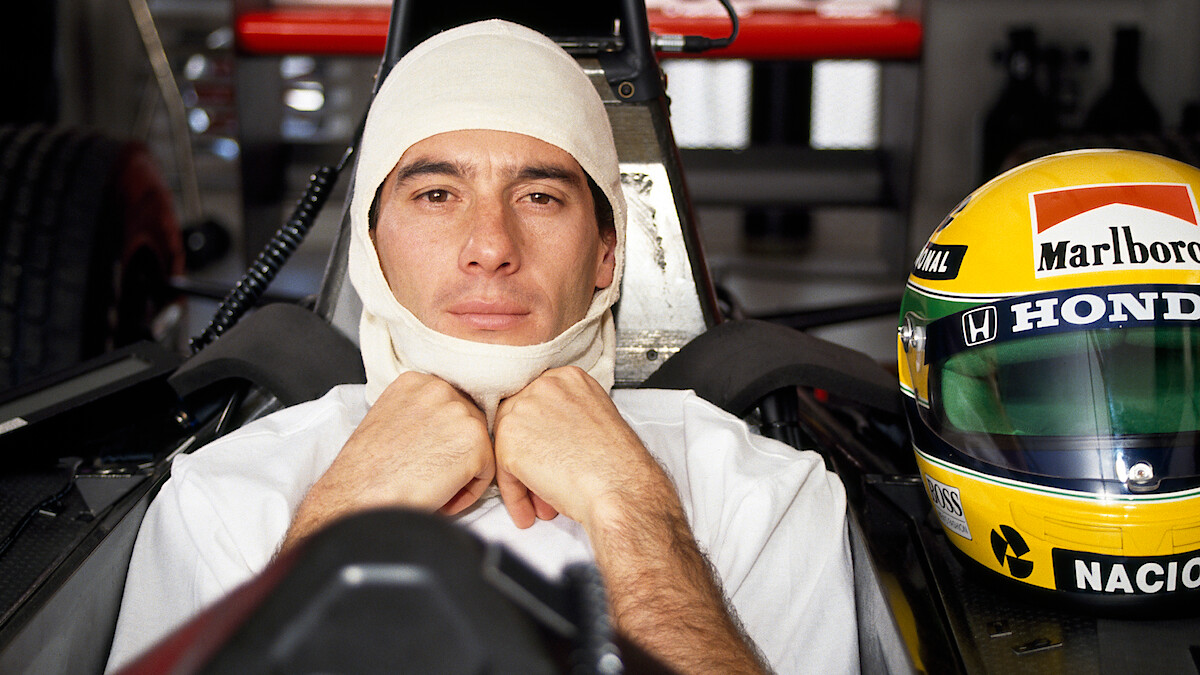
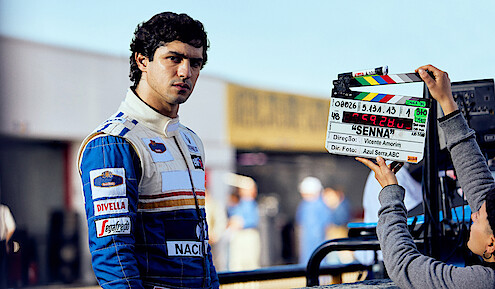
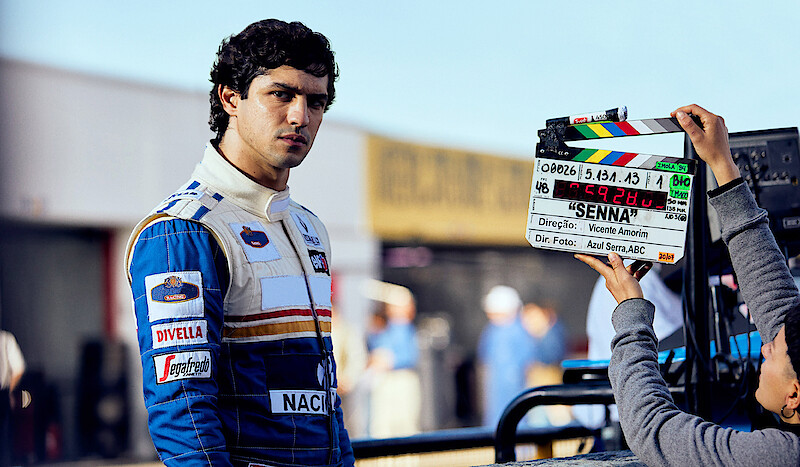
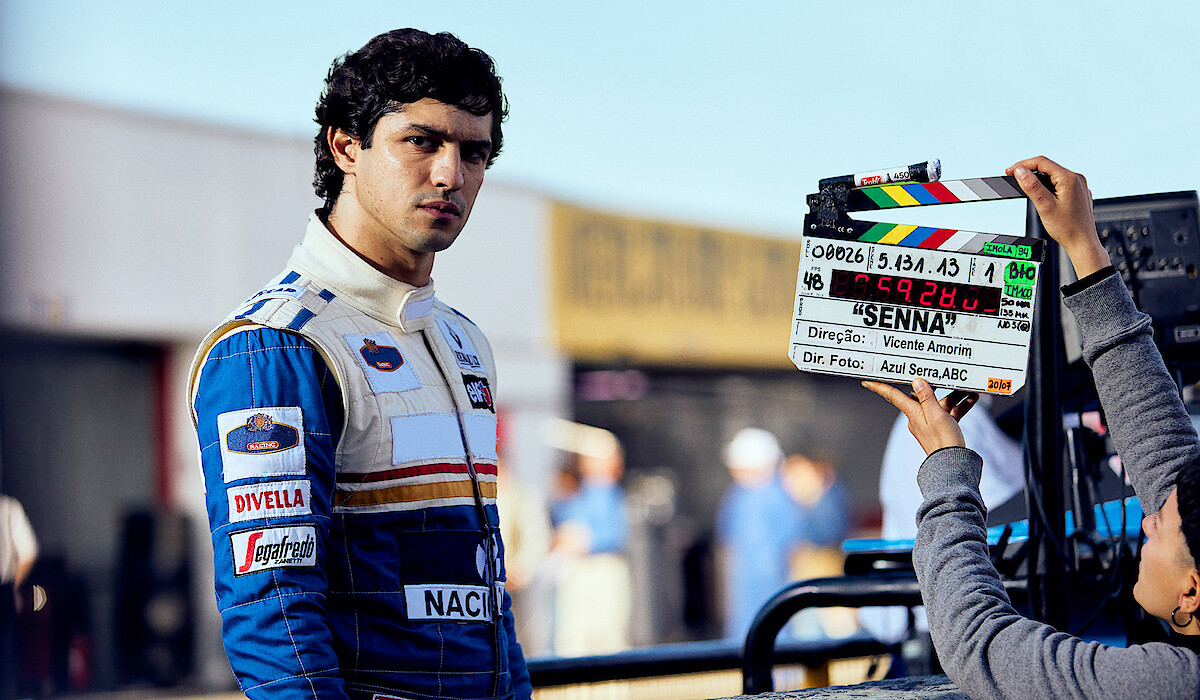
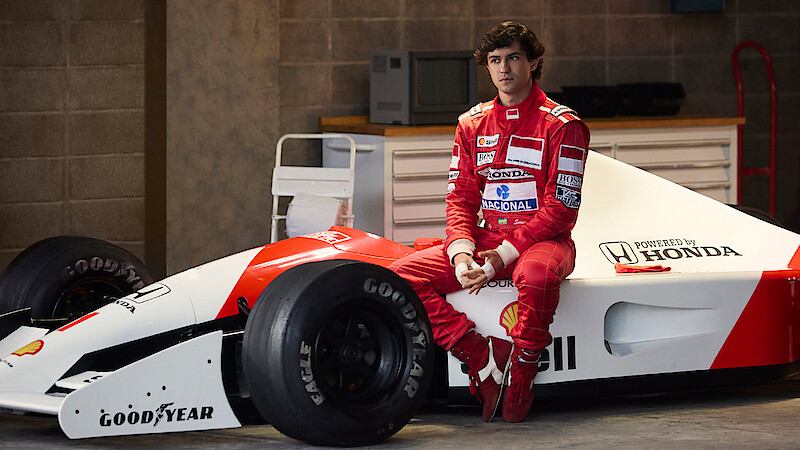
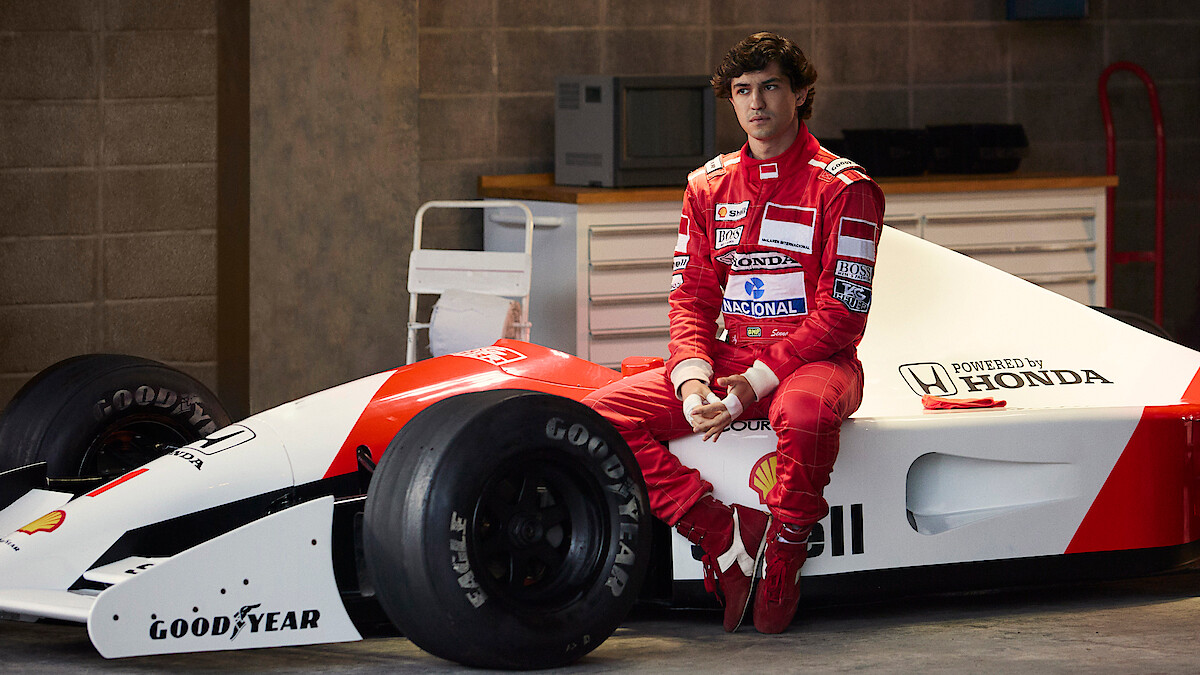
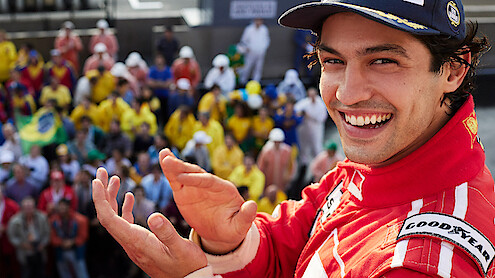
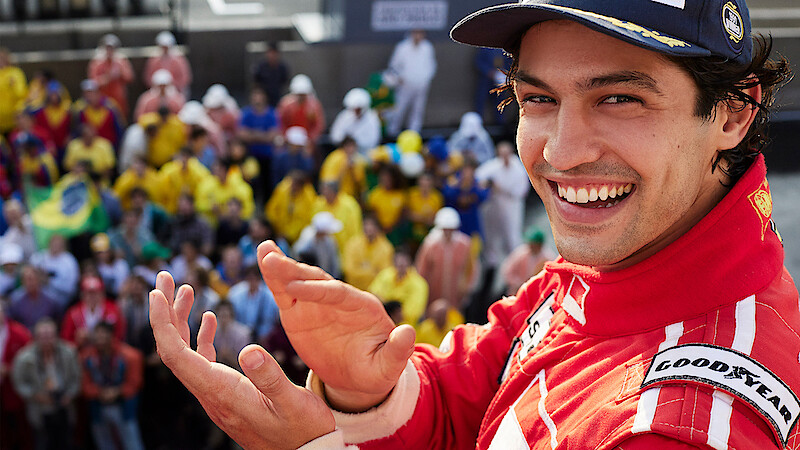
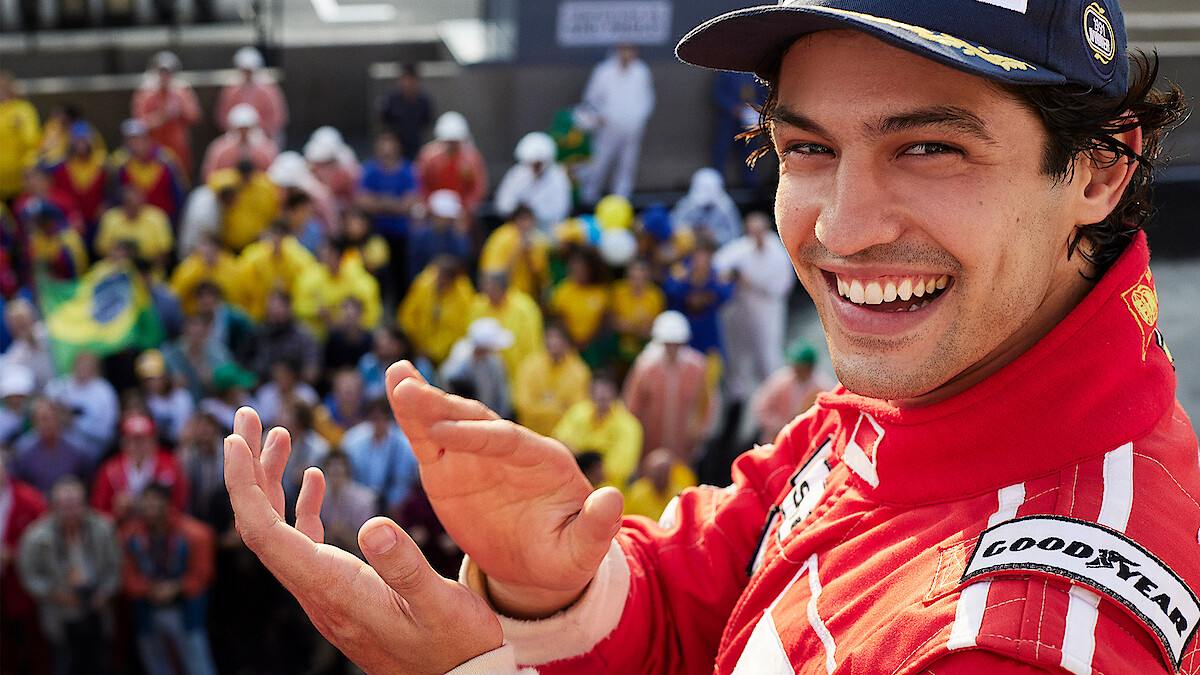
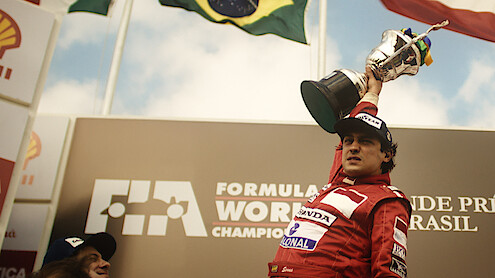
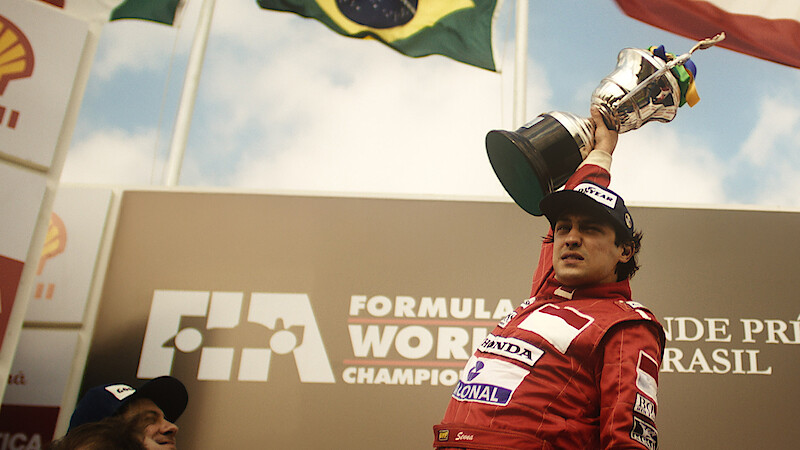
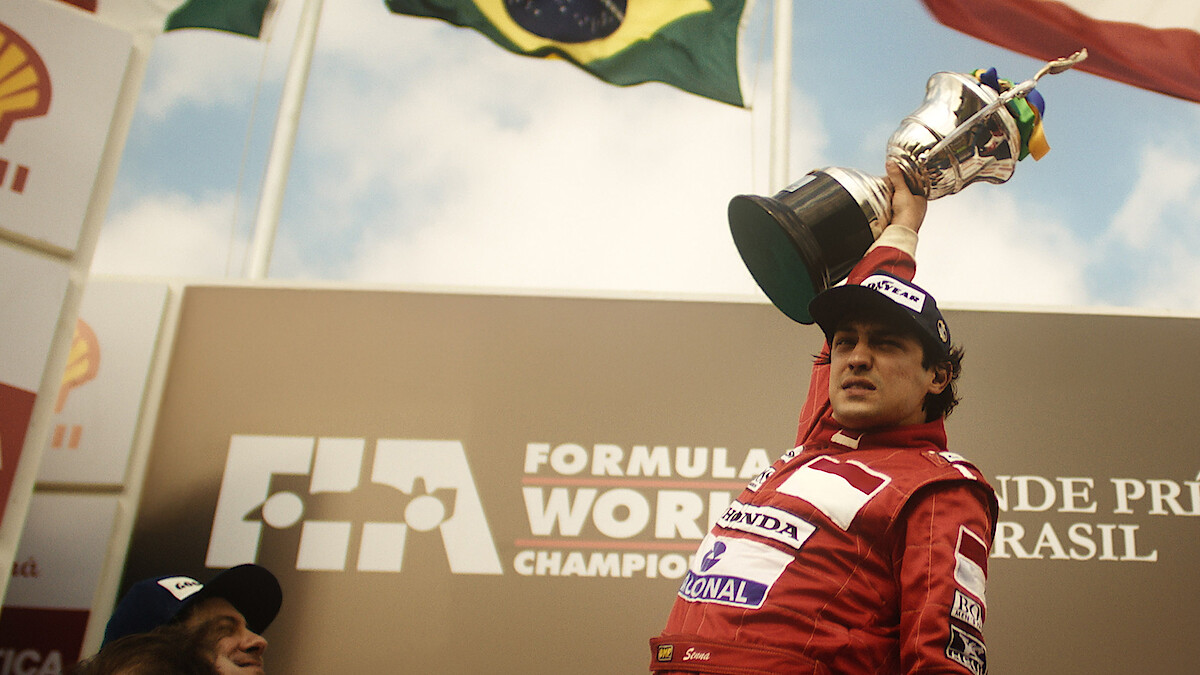
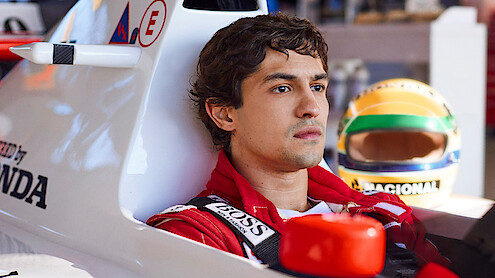
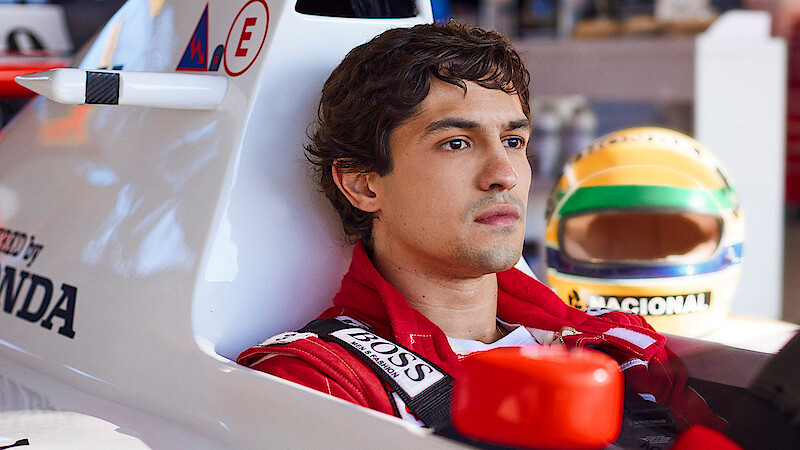
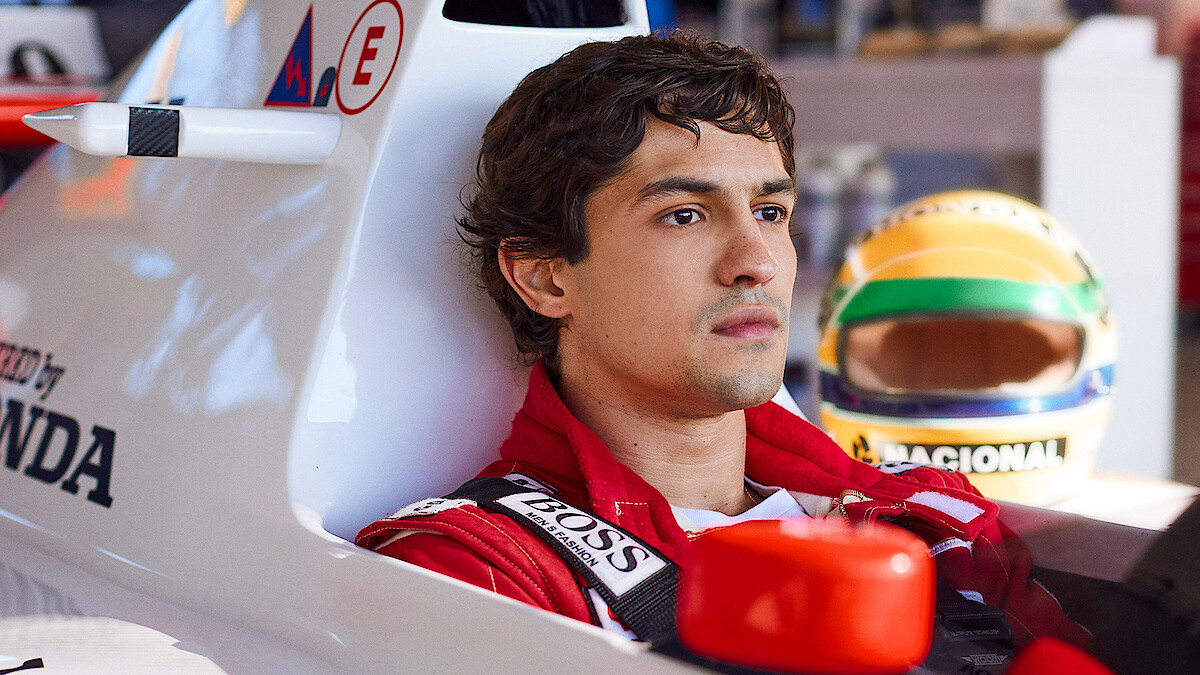
Even knowing that Senna, which chronicles the life, career, and death of iconic Brazilian Formula 1 driver Ayrton Senna (Gabriel Leone), will end in tragedy doesn’t make the limited series any less engaging or its ending any less devastating.
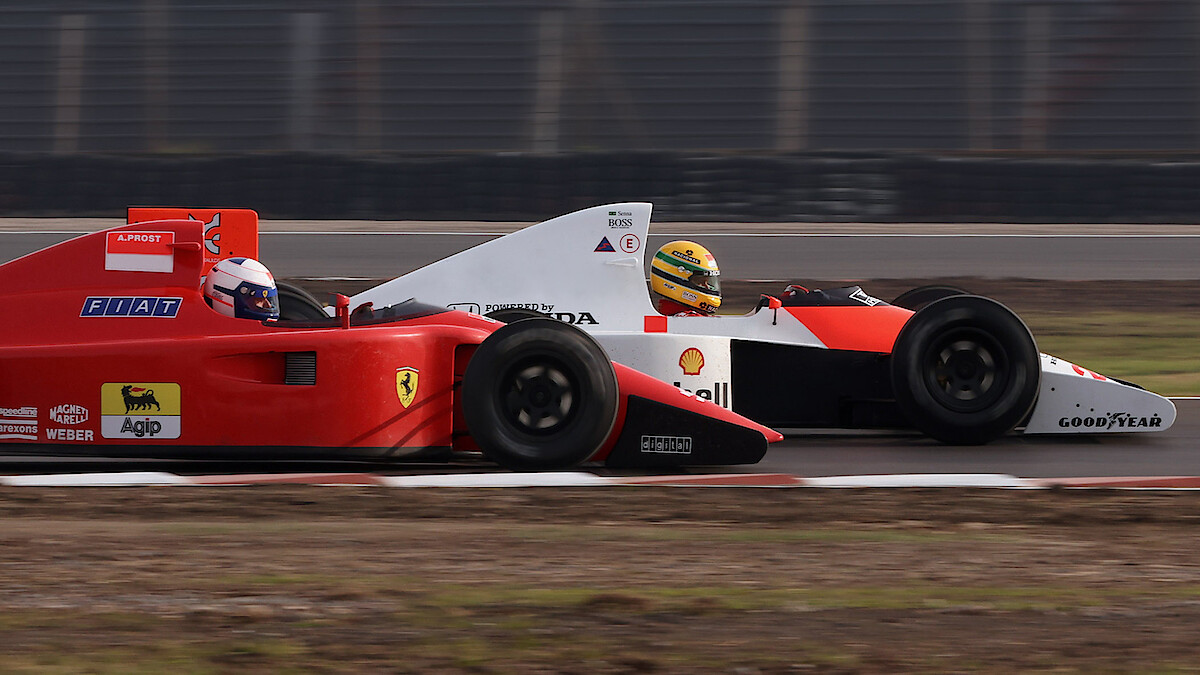
Senna’s six episodes begin as the eventual three-time Formula 1 champion moves to England to compete in Formula Ford; they continue through his fatal accident in Imola, Italy, during the 1994 San Marino Grand Prix. The series tells a fictionalized version of the beloved driver’s ride through life, but many of its elements — from some of the people around him to the lasting impact his death had on safety regulations in Formula 1 — are very real.
Showrunner Vicente Amorim told Queue that he remembers the sense of national pride he felt tuning in to Senna’s races every week while growing up in Brazil. “Every Sunday the country would come together to see this very special man do very special things,” he said. “What really captured me, I think, was that he wasn’t just a good driver — he was somebody that cared about being Brazilian, that cared about being Latin American.”
Read on to find out more about the true story of Ayrton Senna.
Alexandre Schneider/Netflix
What happened to Ayrton Senna in real life?
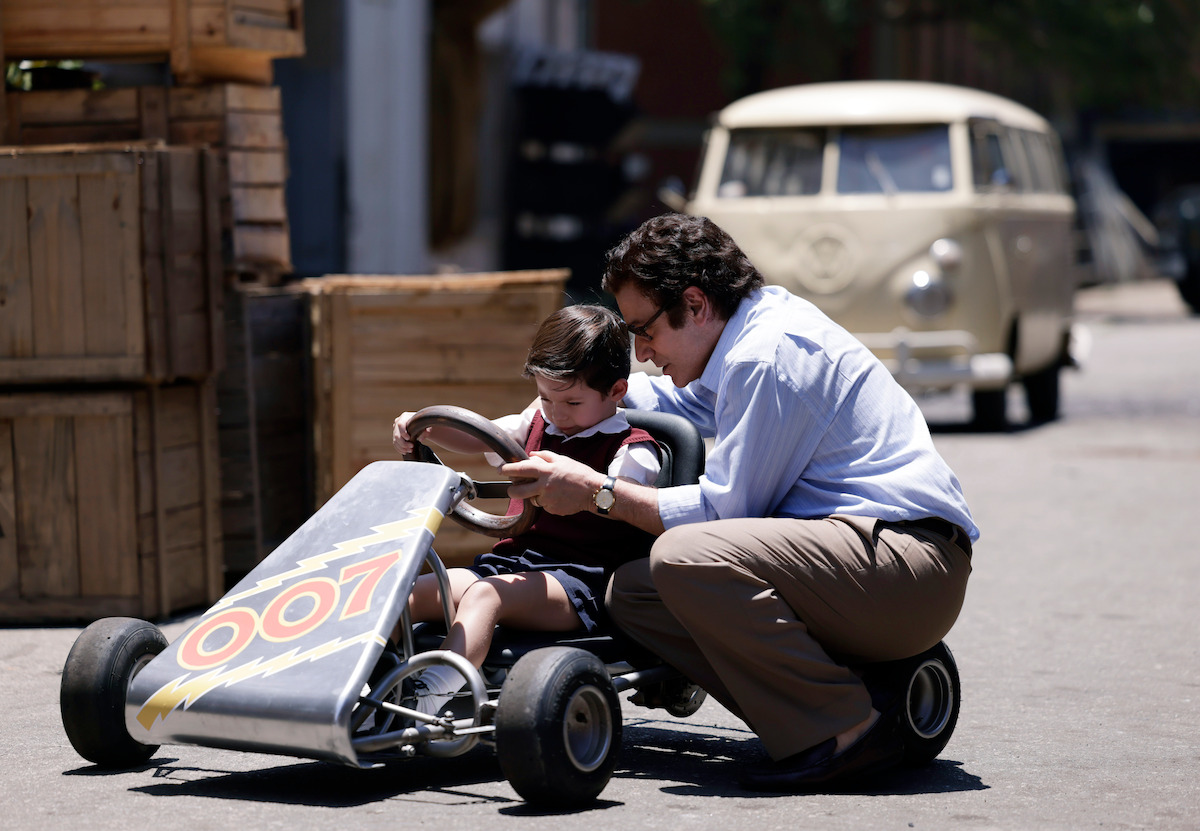
Ayrton Senna da Silva — nicknamed “Beco” by his family — was born in São Paulo, Brazil, in 1960. He began go-kart racing at 13 and won the South American Kart Championship in 1977, later finishing as runner-up in the World Championships in 1979 and 1980.
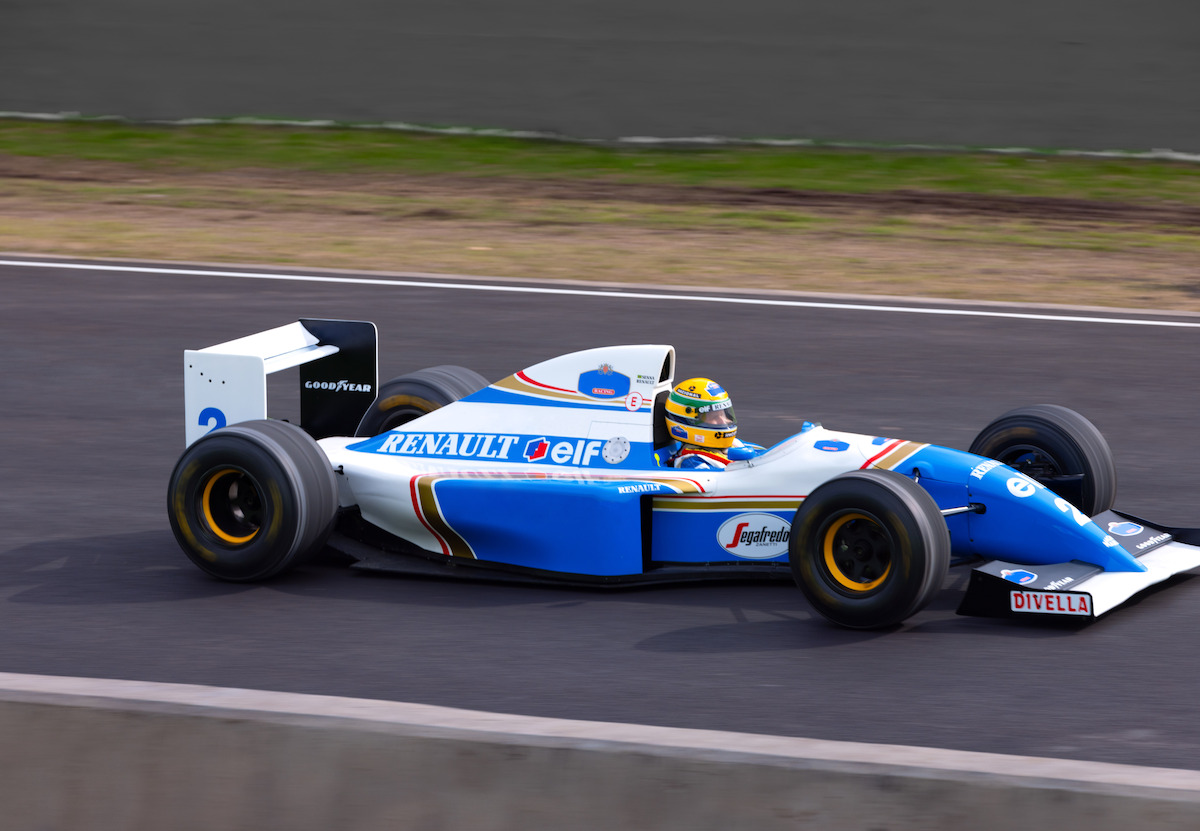
In 1981, he moved to England to compete in Formula Ford and later Formula 3, making his way to a seat in Formula 1 in 1984. There, he raced for Toleman Motorsport, Lotus, McLaren, and Williams, and took home three world championships, 41 victories, 65 pole positions, and 80 podiums between 1984 and his fatal 1994 crash.
Senna was revered in Brazil, and he was also treasured around the world because of the ways in which he raced and carried himself. Part of Senna’s appeal was that “he was a really truthful guy. You can feel when he was speaking, when he was giving an interview, that he was being sincere. He was just opening his heart,” Leone told Queue. “And that’s why lots of times he got emotional — because he was really talking about his feelings and his thoughts and always being so inspiring. He was a really competitive guy, and I’d say he changed Formula 1 because of the way he used to compete. Formula 1 is one of the most dangerous sports ever. Every time [some]one wins, there’s all of this [adrenaline]; it’s pretty intense. And Senna used to win a lot, and he used to let his emotions go and connect with us.”
Guilherme Leporace/Netflix
Did Ayrton Senna really raise concerns about safety before his final race?
Yes, he did. In fact, the FIA (Fédération Internationale de l'Automobile, the governing body of F1) overhauled its safety regulations following Senna’s death (and Austrian driver Roland Ratzenberger’s the day before).
The FIA immediately identified and removed the most high-risk corners at each circuit and added safety barriers and pit-lane speed limits. In the next three decades, the organization has added stringent safety equipment — including roll hoops on cars, a head and neck support device, and improved helmets. And Formula 1 drivers reinstated their union, the Grand Prix Drivers' Association.
Was Laura Harrison a real reporter?
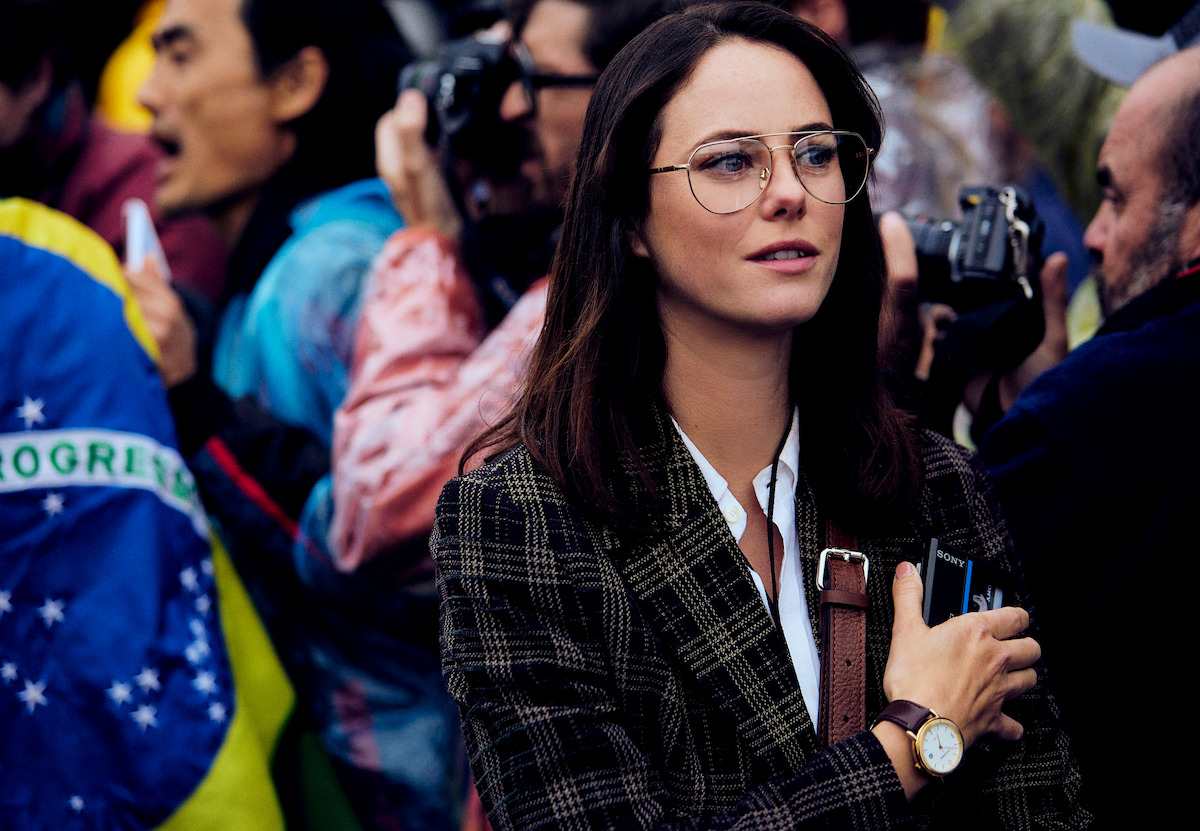
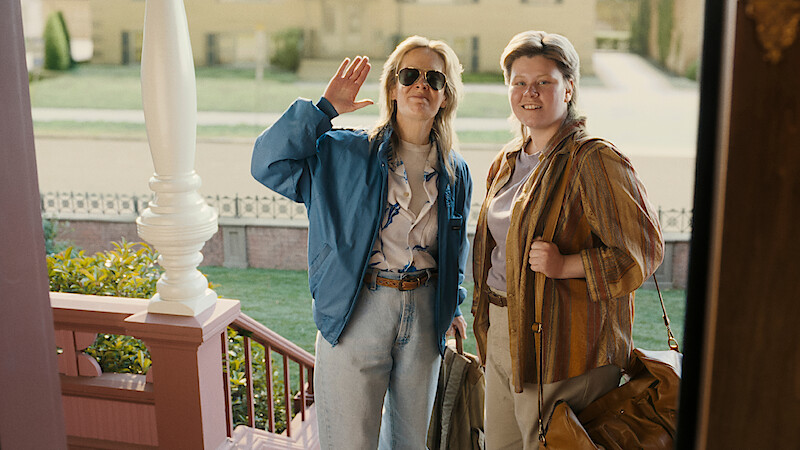
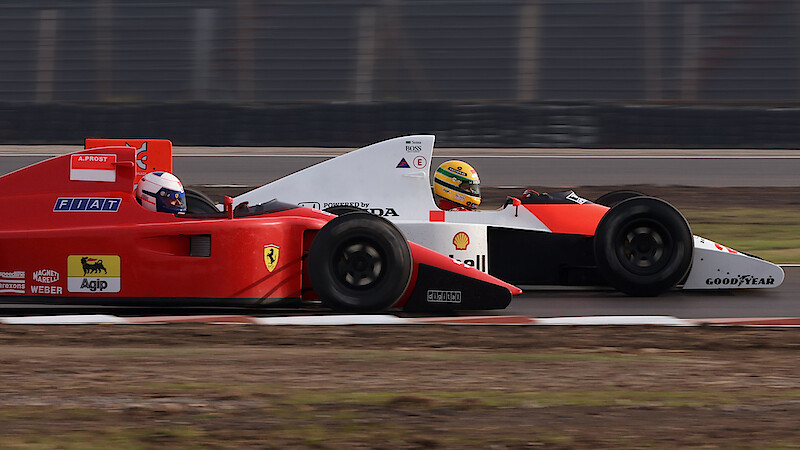
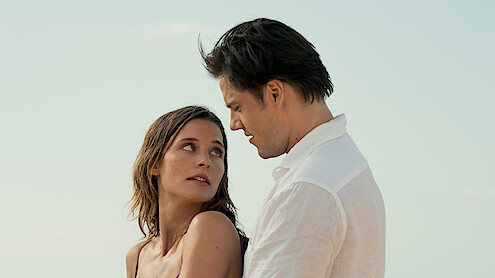
No, the reporter, played by Kaya Scodelario (The Gentlemen), is a fictional character created for the series. However, real-life figures in the show include Senna’s first wife, Lilian de Vasconcelos (Alice Wegmann); his sister, Viviane Senna (Camila Márdila); his friend Maurinho (Christian Malheiros); his TV-star girlfriend, Xuxa (Pâmela Tomé); his rival driver Alain Prost (Matt Mella); his father, “Miltão” da Silva (Marco Ricca); his mother, Neyde “Zaza” Senna (Susana Ribeiro); McLaren team principal Ron Dennis (Patrick Kennedy); Brazilian sports announcer Galvão Bueno (Gabriel Louchard); Brazilian driver Nelson Piquet (Hugo Bonemer); and Brazilian TV host and Senna’s last girlfriend Adriane Galisteu (Julia Foti).
Why has Ayrton Senna remained such an influential figure in Brazil?
“Formula 1 is a pretty elitist sport,” Leone told Queue. “It’s known to be a rich person’s sport — not only the drivers, but the audiences and stuff. Brazil is a huge country with loads of different social classes, especially in the late ’80s and the beginning of the ’90s. In the early ’90s, Brazil was having a hard time economically. Every Sunday when he was racing, it was a day to celebrate amid all the bad things that were happening to our people. It used to be a dot of joy amid it all. Senna always, more than anything, made sure that people around the world knew that he was Brazilian. He was so proud of being Brazilian. He was talking to Brazilians all the time. He was connected to Brazil all the time. So I think that’s what really connected him with our people.”
All six episodes of Senna are now streaming on Netflix.