Interview
Single All the Way Shows Real-Life Queer Family Dynamics
Writer Chad Hodge Reflects on How Netflix’s First Gay Holiday Movie Is Changing the Game
By Maria Sherman
Dec. 20, 2021
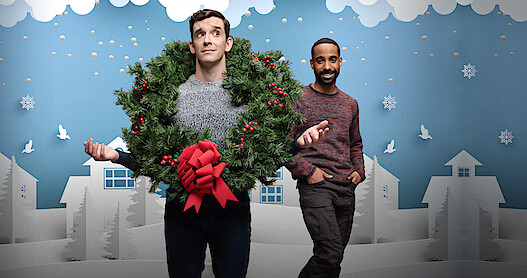
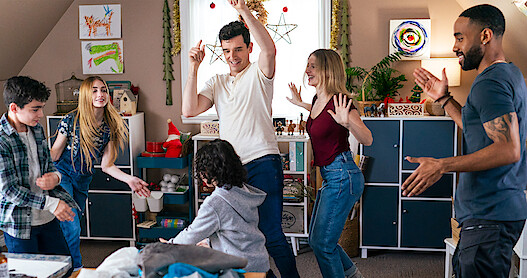
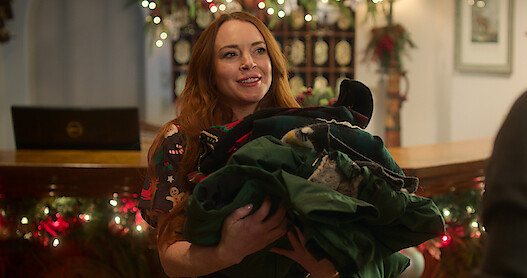
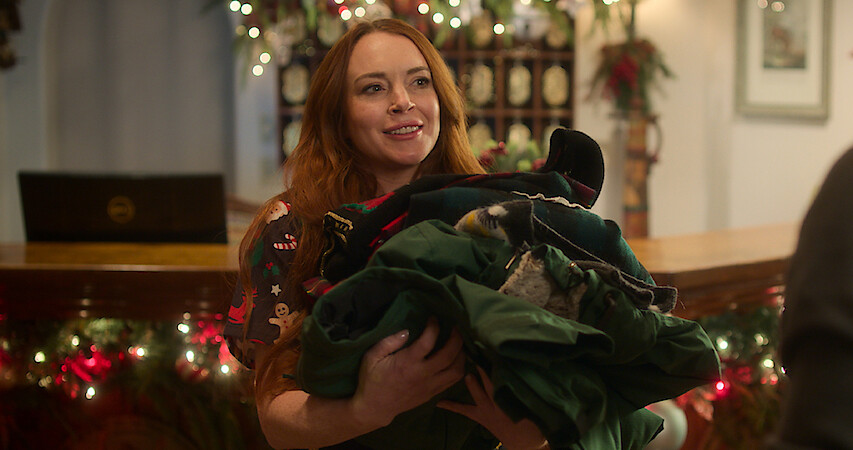
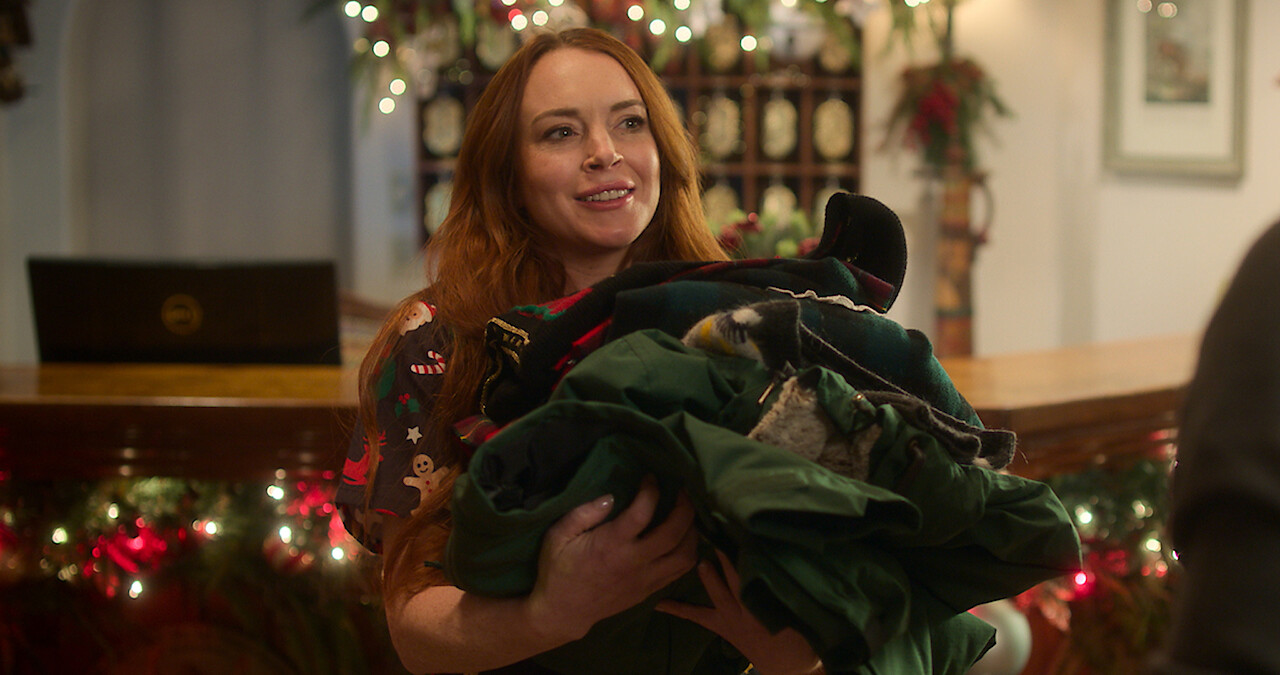
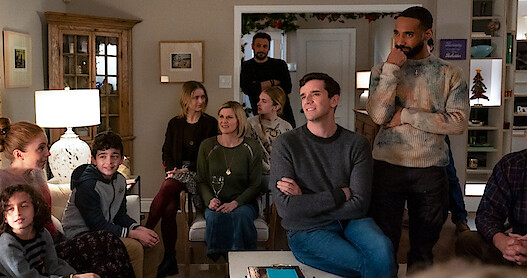
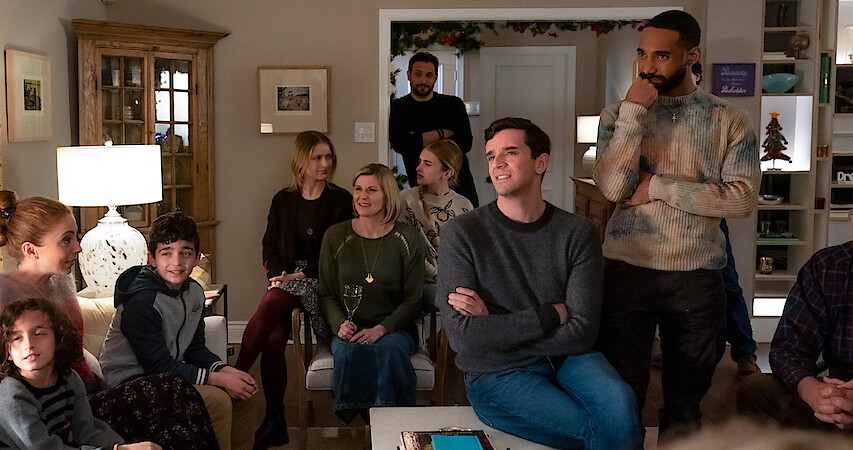
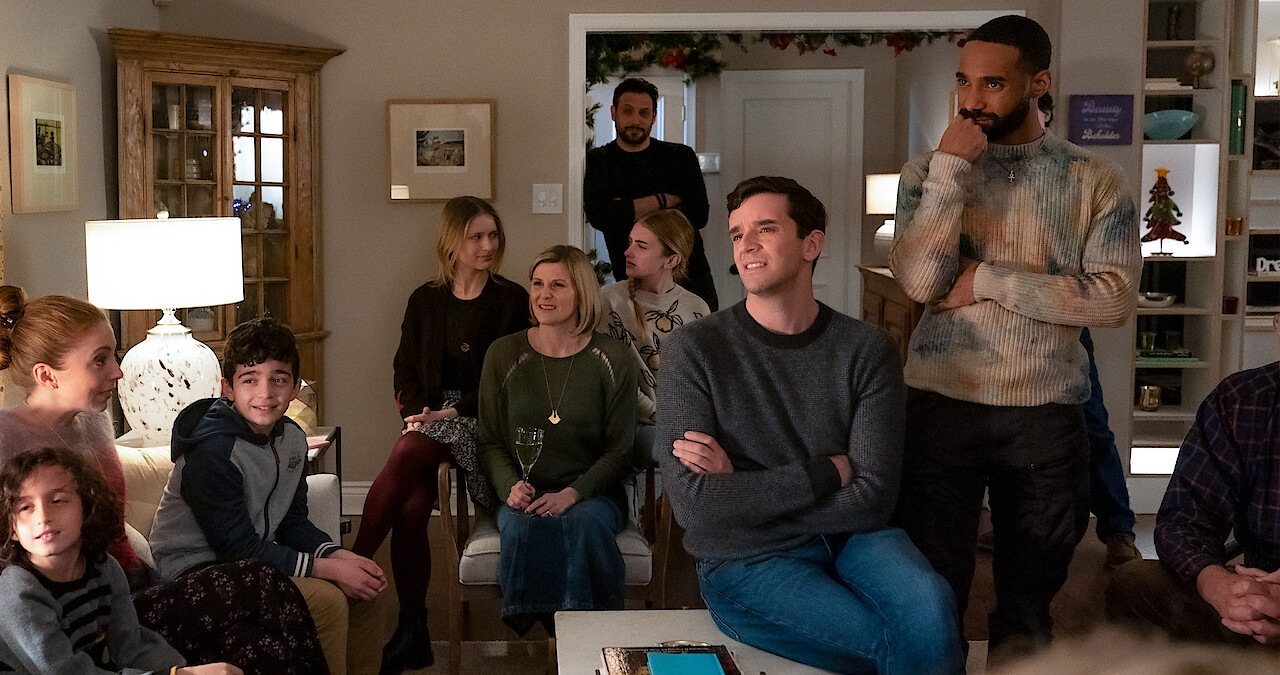
For far too long, queer movies have felt like cautionary tales riddled with the worst of humanity: obsessed with shame, intolerance, death and diseases. Gay holiday movies are nearly always about coming out: how to hide your sexuality from your parents or, worse yet, how to deal with abusive family members. Single All the Way, Netflix’s first gay Christmas movie, is none of those things. Instead, it’s a charming story about a love triangle, fake relationships and real connections — you know, like any other holiday rom-com. Best of all, Single All the Way shows us real-life queer family dynamics: what it looks like to have a straight, supportive family when you’re gay and just how totally mundane and wonderful that can be.
To learn more, we spoke to the movie’s writer, Chad Hodge, about his on-screen family, Jennifer Coolidge, representation and a lot of other stuff. His comments might surprise you.
Let’s talk about the casting. You have the iconic Jennifer Coolidge. Were you blessed by very generous and connected casting directors?
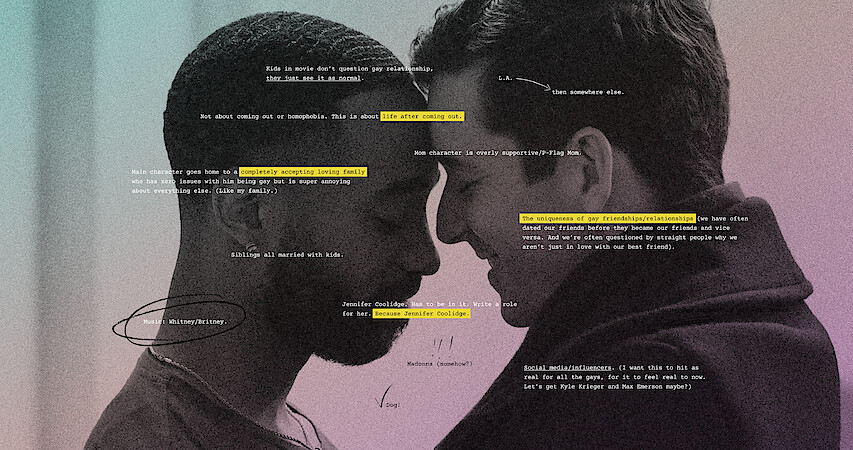
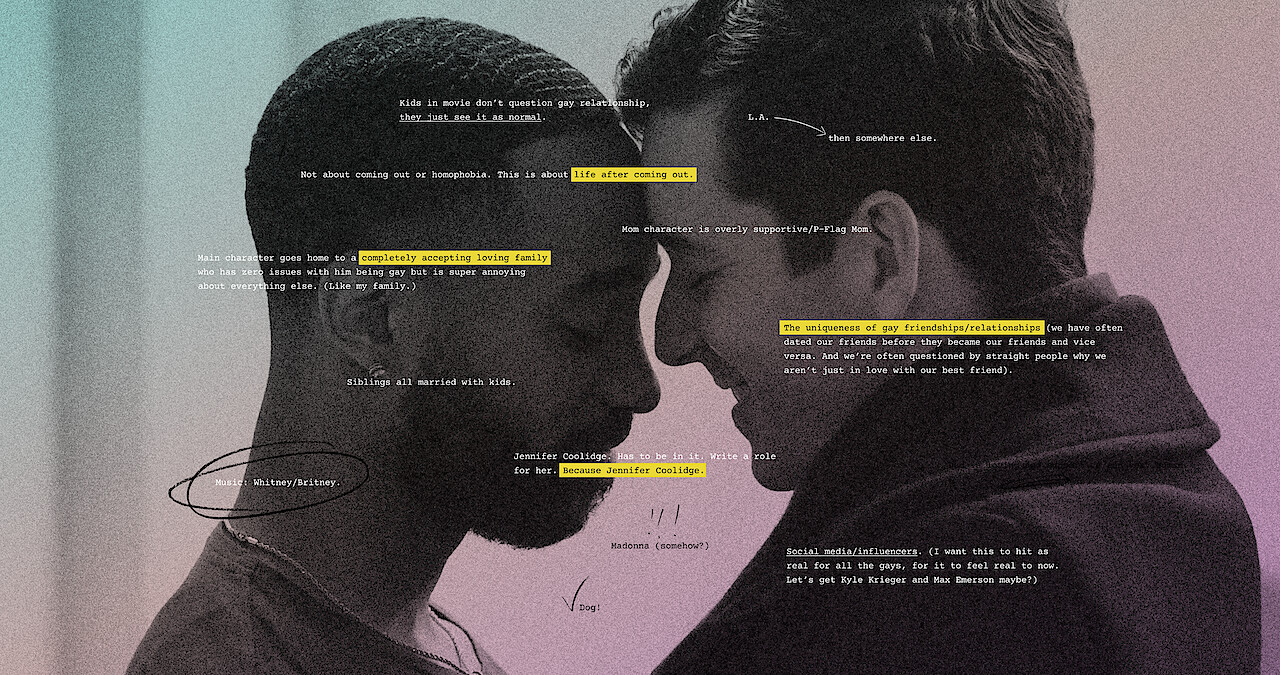
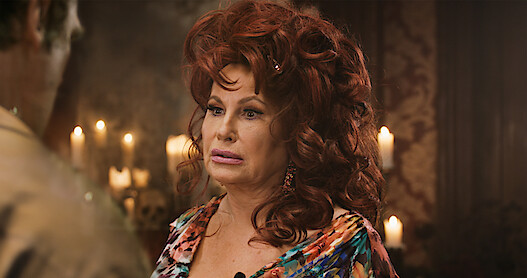
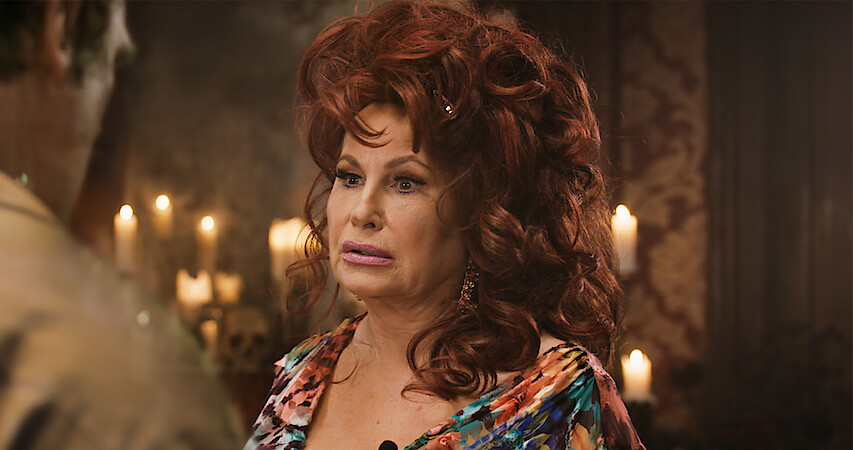
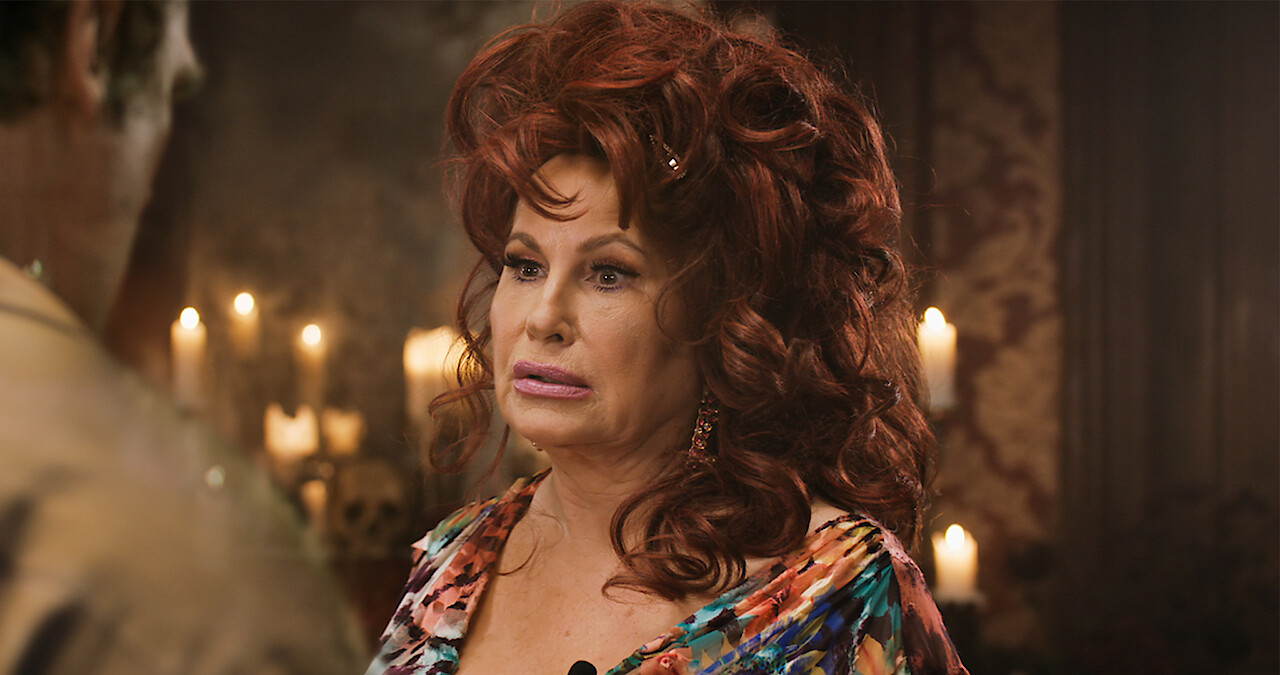
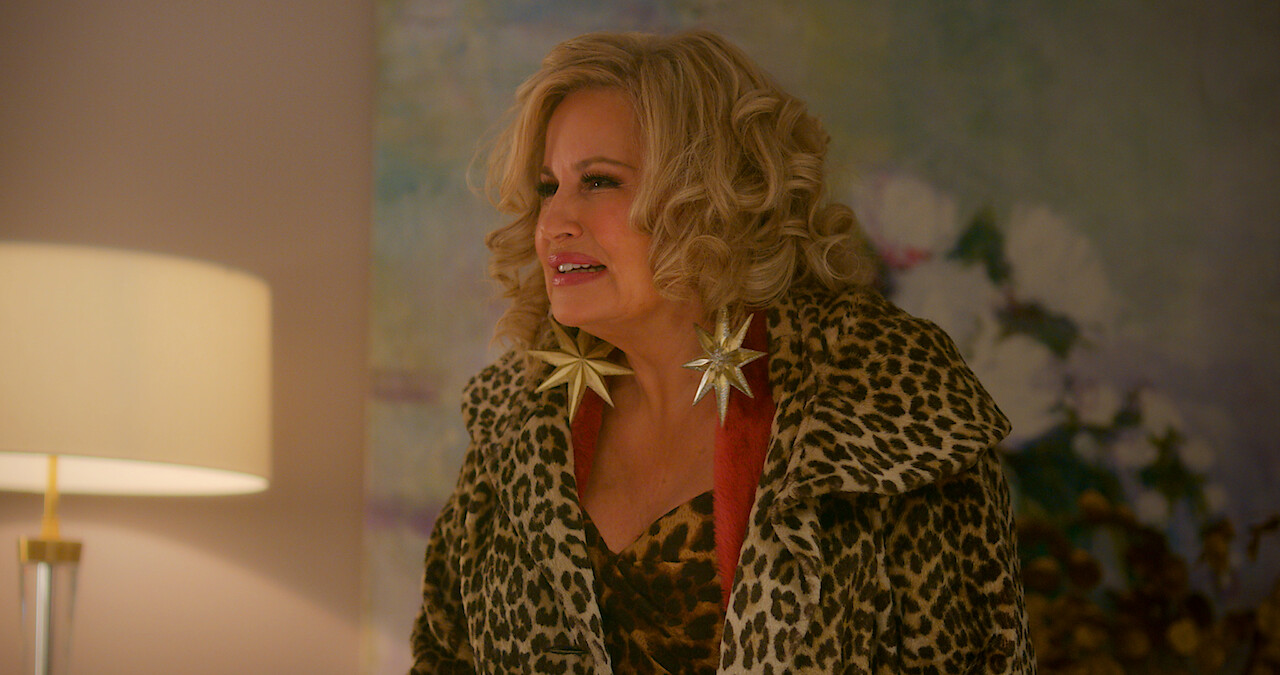
People always ask, “Did you have these actors in mind when you wrote it?” When I’m writing a script, I picture the characters. I don’t picture actors. I picture them, like, when you're reading a novel, and whatever the character looks like or sounds like or feels like, it just comes to you. So, I pictured my characters in that way, except for Jennifer Coolidge’s [character, Aunt Sandy]. I willed it [into existence]. When I sat down to write this movie, I made a list. What would I want to see in a gay Christmas movie? Jennifer Coolidge was one of those things. All those things made it into the movie.
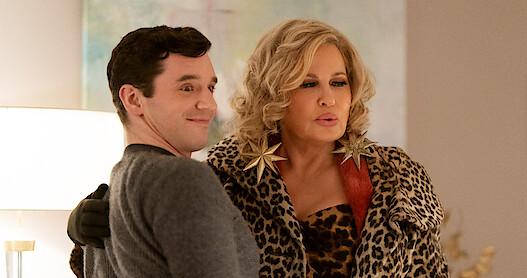
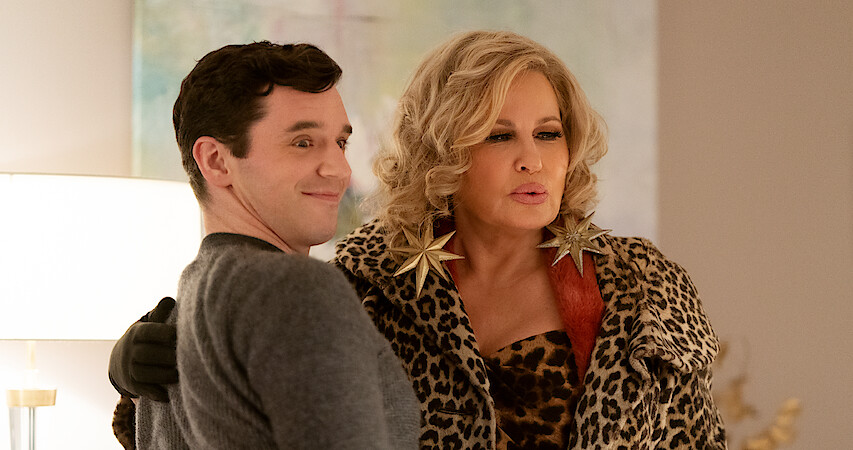
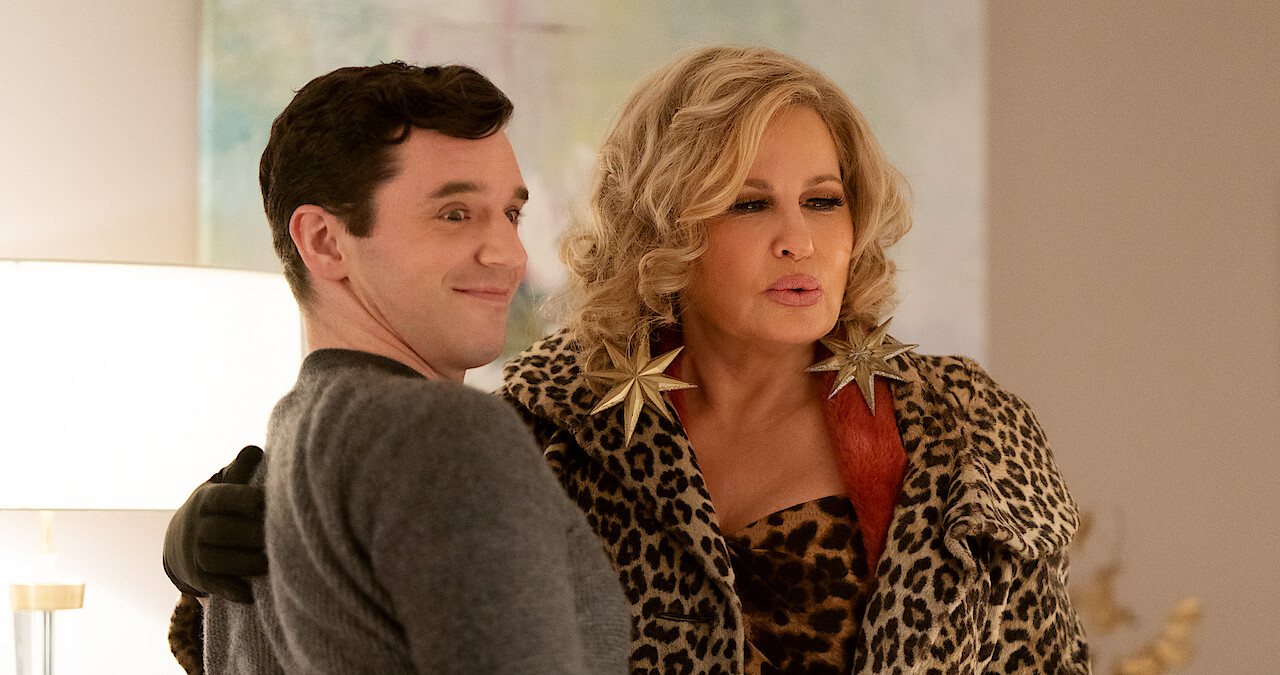
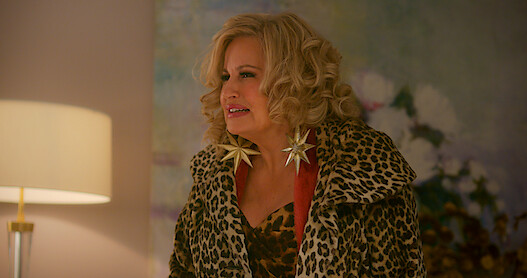
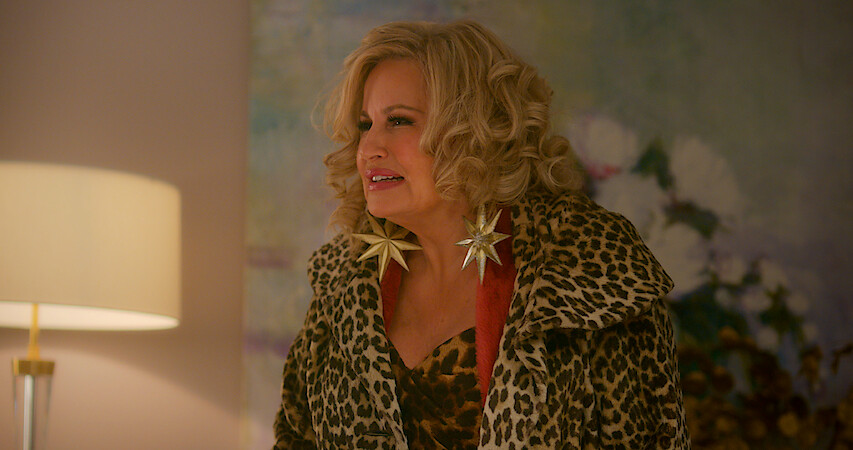
I had so much fun writing her character because she’s so specific [about] her intonation, the way she talks, the way she arrives at ideas. She’s a genius and a goddess, and there’s just something about when she walks into a room. When you think of Jennifer Coolidge moments in other movies, all the way back to American Pie or Best in Show or Legally Blonde, you instantly have a picture of what she did in that movie. Maybe you remember a line of dialogue. She’s just very commanding. So, yes, I did write the role and just hoped she would do it, which is advice I would give to no [one]. That’s very bad advice. Don’t do that. Usually that doesn’t work out and then you’ve written yourself into a trap. But I just thought, “She has to do this. She’s going to do this. And we’re going to figure out a way for her to do this.” If she didn’t do it, I would rewrite the role for someone else. But she luckily did it, and that was the best Christmas present ever.
Any other actor would’ve seemed like they were doing a Jennifer Coolidge impression.
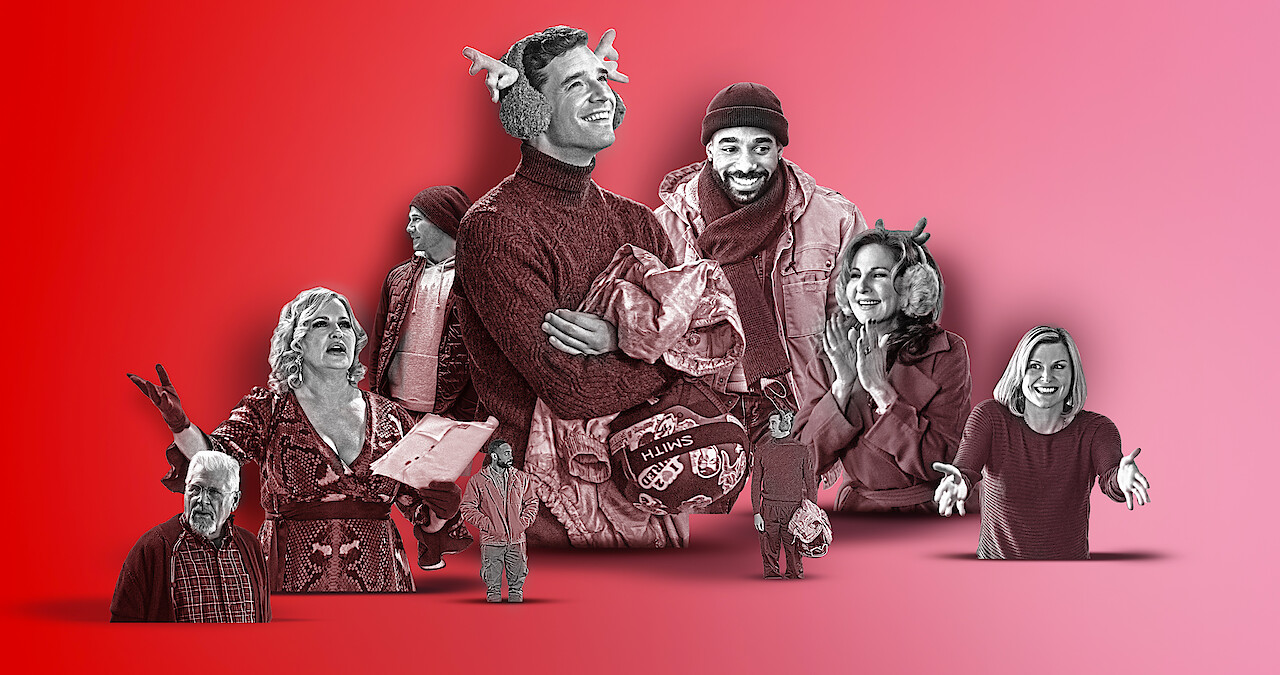
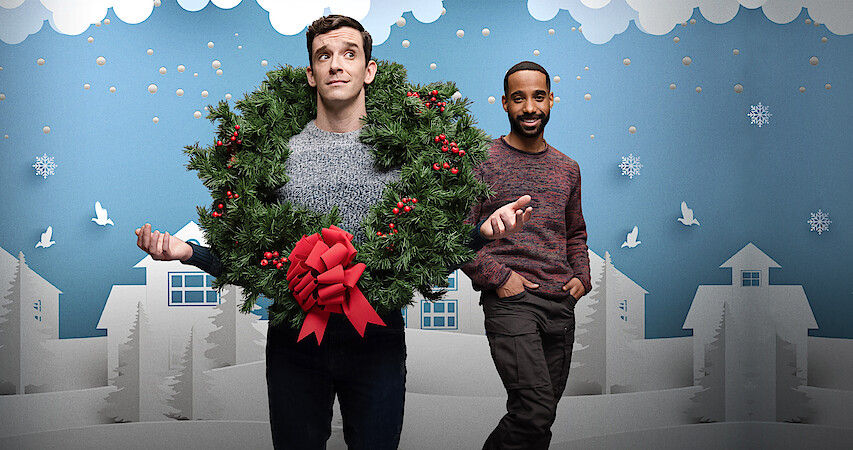
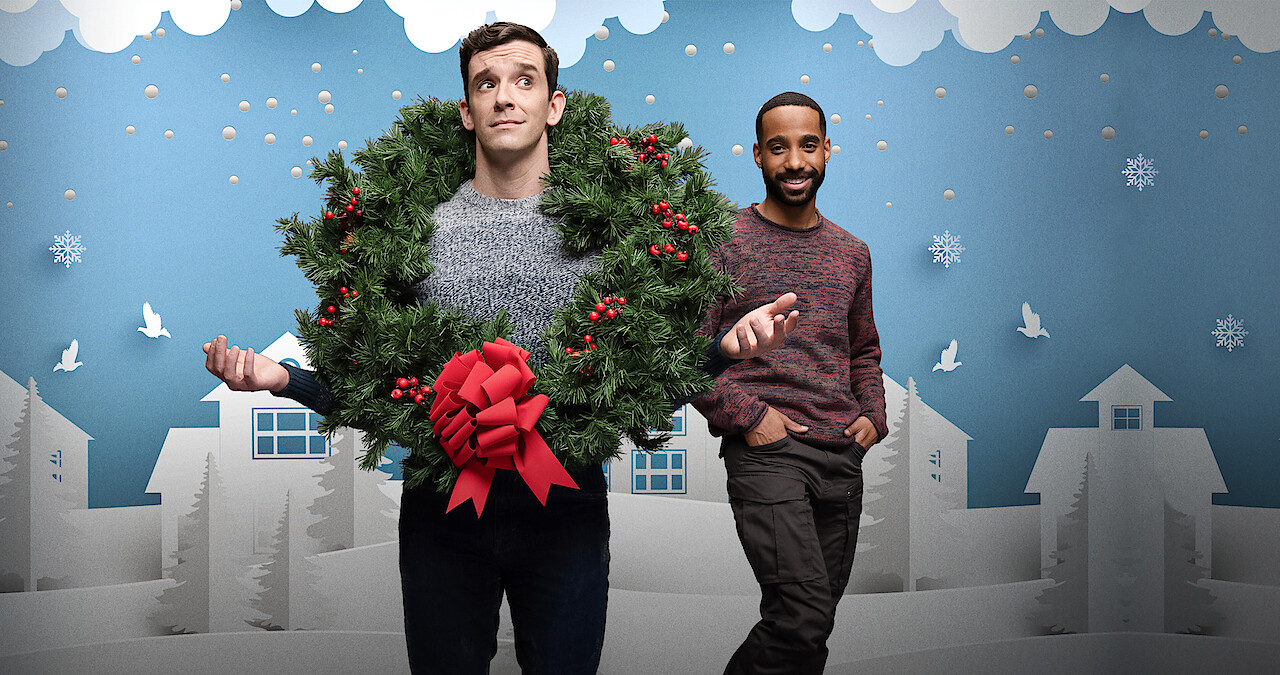
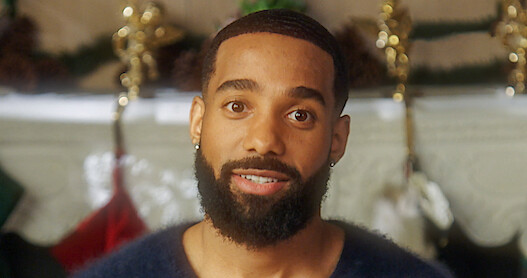
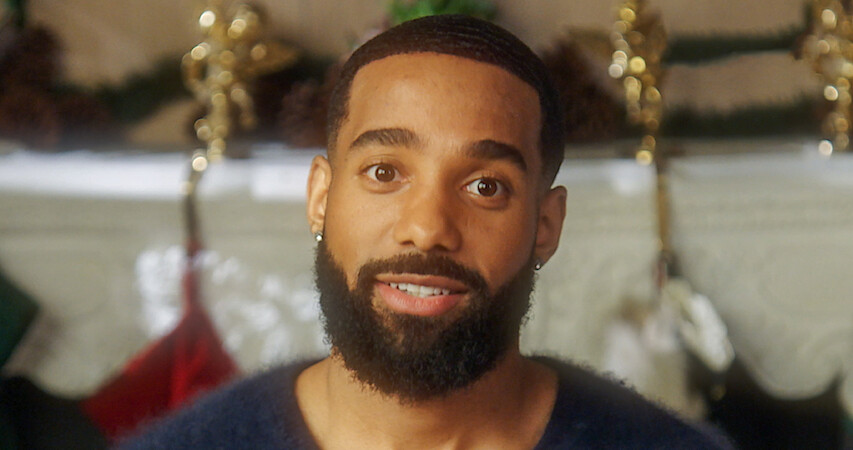
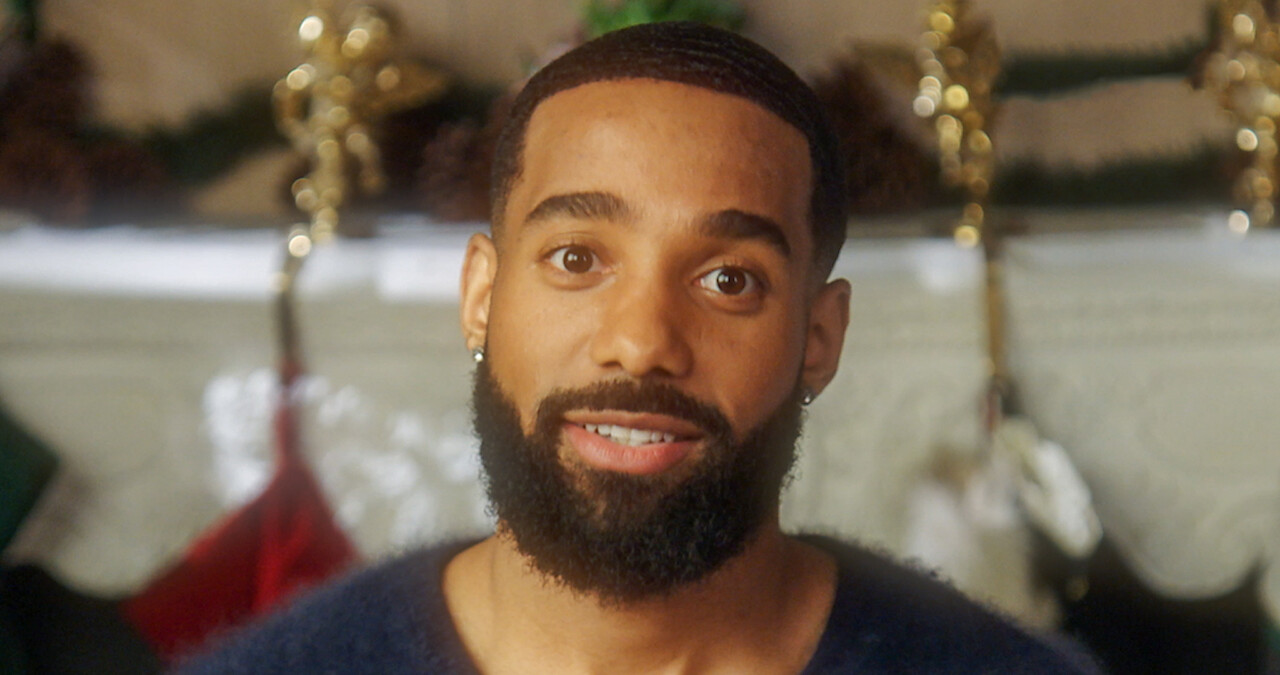
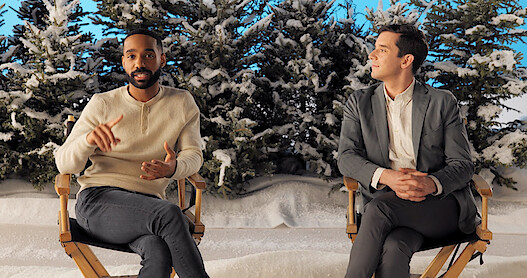
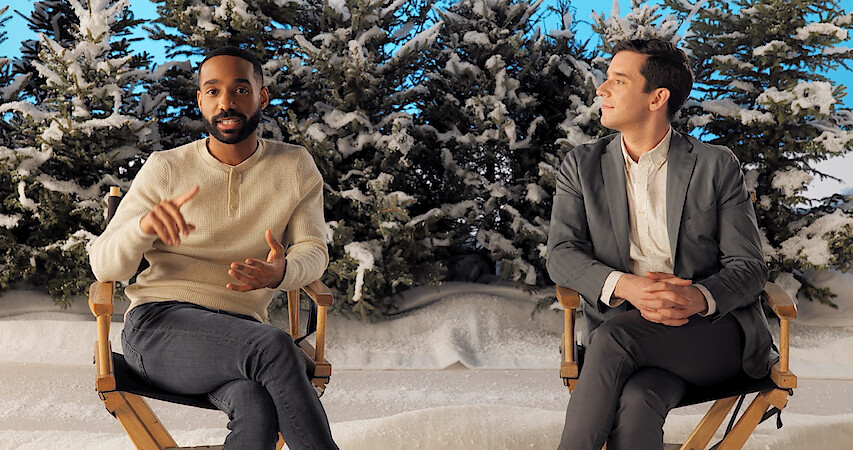
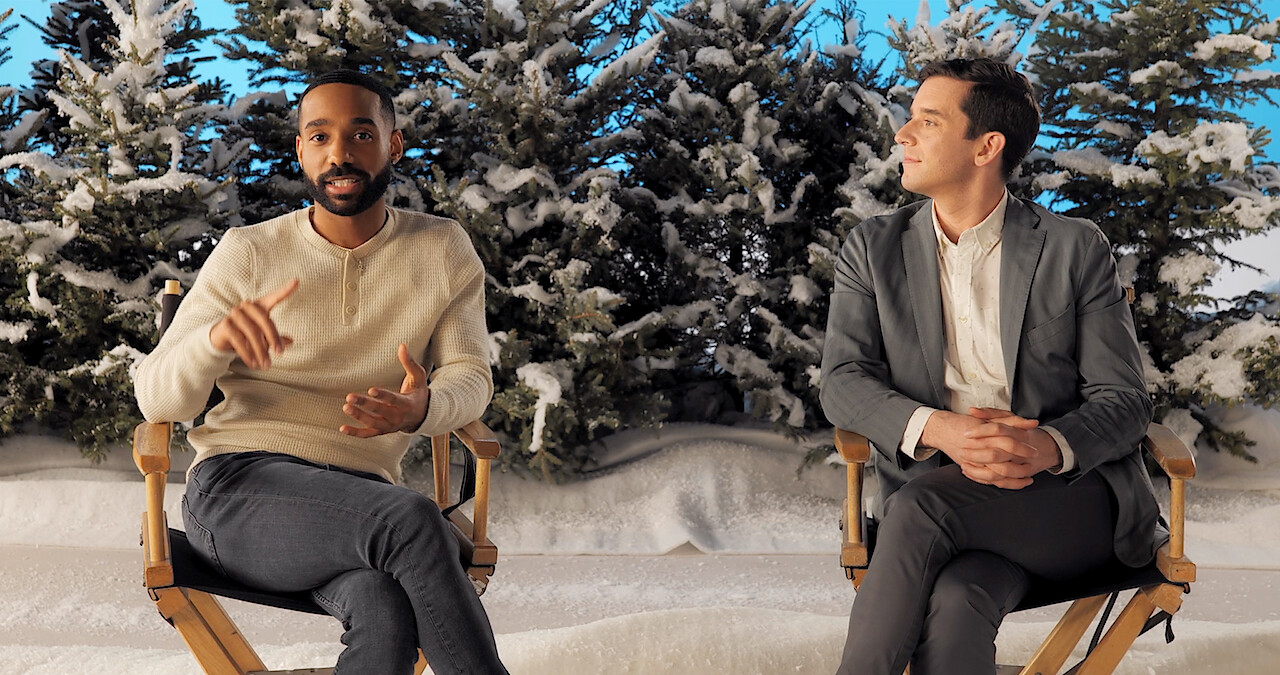
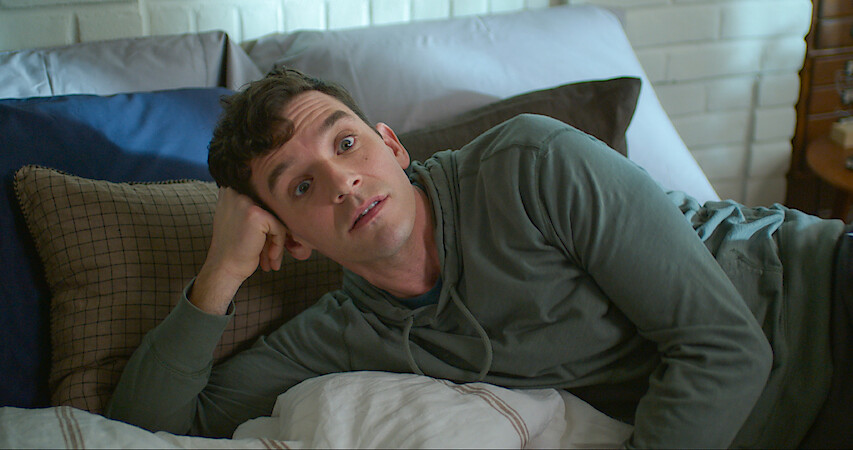
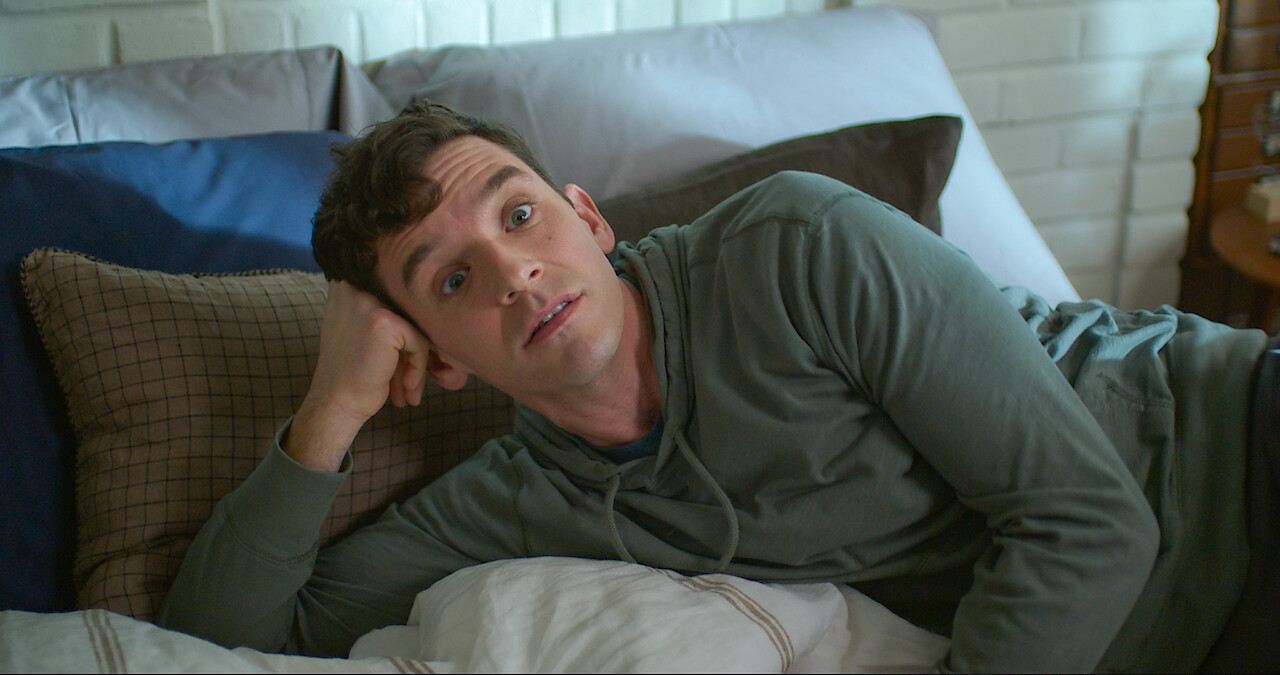
Which I didn’t want. But in terms of the rest of the roles, we had amazing casting directors. I’ve known Michael Urie [who plays Peter] forever. Luke Macfarlane [James], I've known forever. Kathy Najimy [Peter’s mom, Christmas Carole] has been an icon to me in the same way that Jennifer Coolidge is an icon to me. Our casting directors discovered Philemon Chambers, who plays Nick, and he’s awesome. He’s the best. He’s gonna break big from this.
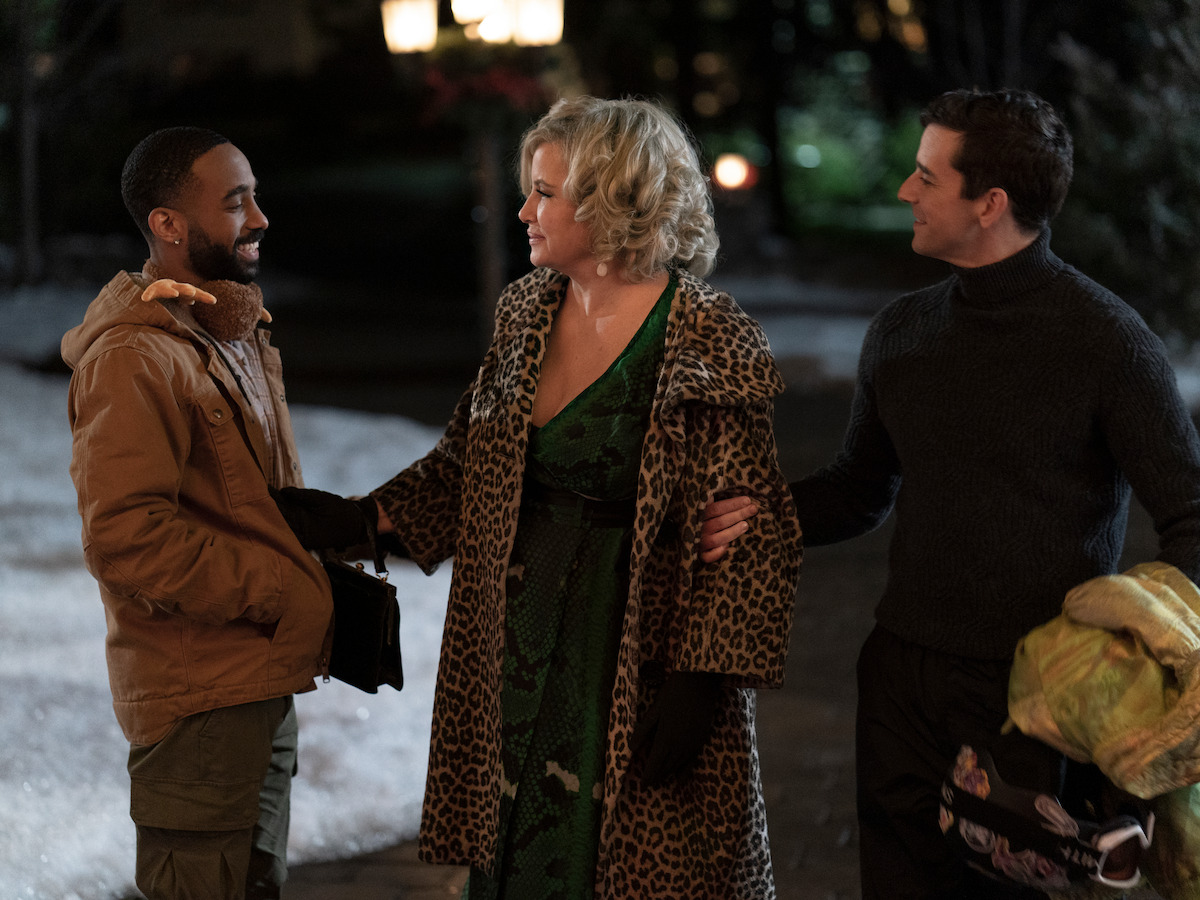
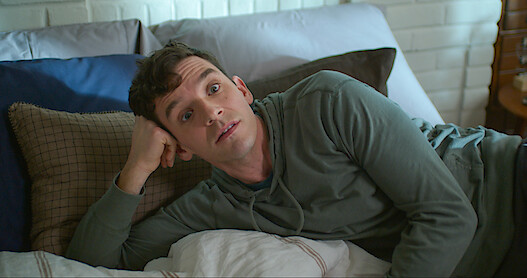
Single All the Way flips rom-com tropes, like the fake relationship. As soon as we see Peter and Nick, we get a sense that they’re going to end up together, but then the plot changes immediately when they go to New Hampshire. They stop pretending.
On the list of things I’d want to see in a gay movie, I wanted this story to be for all audiences. I didn’t want this movie to be like, “Only gay people are going to get this and everyone else is going to be like, ‘What’s going on?’” But I did want the love story and the friendships and the relationships between the gay leads to be unique to gay friendships and relationships. Not just, “Oh, this could be a guy and a girl and it would be the same.” I’ve had many best friends where my parents or other people are like, “Well, why aren’t you guys together?” A lot of straight people think that, “Well, you’re [both] gay and you guys are so close. What’s the deal?”
There’s always this assumption that you should be in love. I thought that [was] an interesting way in, because that’s not the way it is for straight men and women — flip that and then do the fake dating thing of, like, “OK, I’m the single one in my family. My parents are still married. My sisters are both married. They have kids. They’re always worried that I’m the single one.” A lot of people, no matter if you’re gay, straight, man, woman, whatever, [can relate to that].
[At the beginning of the movie], Peter is so excited that he can finally go home and show his family that he’s in a relationship. Then he finds out that person is married to a woman, lives in Pasadena and is a total liar. He’s just like, “Let’s just give my family what they want. They always ask why we’re not just together, [so] let’s just pretend.” To me, that’s a very specific story that can only really be told about two gay men. That’s how that came about. It was less [like], “Let’s take this familiar trope of pretending and then flip it.” It was more like, “This feels like a true gay story.”
A true gay story with an accepting family.
Right. I really wanted it to be an accepting family. I didn’t want there to be anything about coming out of the closet or there’s one member of the family who doesn’t like that he’s gay. The problem is that his mom is so desperate [and] just wants him to be in a relationship so badly that she sets him up with her new hot trainer [James]. She thinks she’s doing this amazing thing — which, you know, she’s trying — but she throws a wrench in their fake plan. It ends up being a fun twist on the familiar [trope], but it comes from an honest place of wanting to do a true gay love story.
No one in this film suffers because of their sexuality.
Nothing against films about coming out, but so many of our stories are focused on the pain and the suffering of it, the obstacles and roadblocks, [because that’s] all very real. But with this movie, I wanted to reflect some of what my experience of my family has been. I wanted it to be like, “There are accepting families out there.” I’ve gotten messages from people saying, “This is everything I didn’t know I needed. I just hope my family sees this movie because that’s my dream: to be able to bring my partner home and have a normal Christmas with my family.” I'm paraphrasing [the person] who texted me that, but I hope his family sees the movie. Even if it helps one family, that would be amazing.
Love triangles are a familiar trope, too, but the Single All the Way one feels very specific.
Every movie needs a story engine. You need that conflict. And one of the big differences for same-sex dating is we’re also all friends with each other. I have a lot of gay male friends. We’ve all probably dated at some point in our friendship. And we usually stay friends. That’s different than how it goes for most straight men and women. And so the idea of me having a crush on my best friend that I’m not sure what to do [with while] dating someone else? That’s very real in the gay dating world. So while it does feel like a familiar trope of storytelling, it's also a very realistic LGBTQIA+ dating situation.
And we twisted it a bit at the end. Usually, the guy who doesn’t get the guy did something wrong, pissed them off or lied. Or when they get broken up with, they're angry and they speed away. But I didn’t want that. I wanted the relationship with James [not to] work out and James is really cool about it. He’s 10 steps ahead of Peter, like, “I know you like me, but you belong with [Nick].”
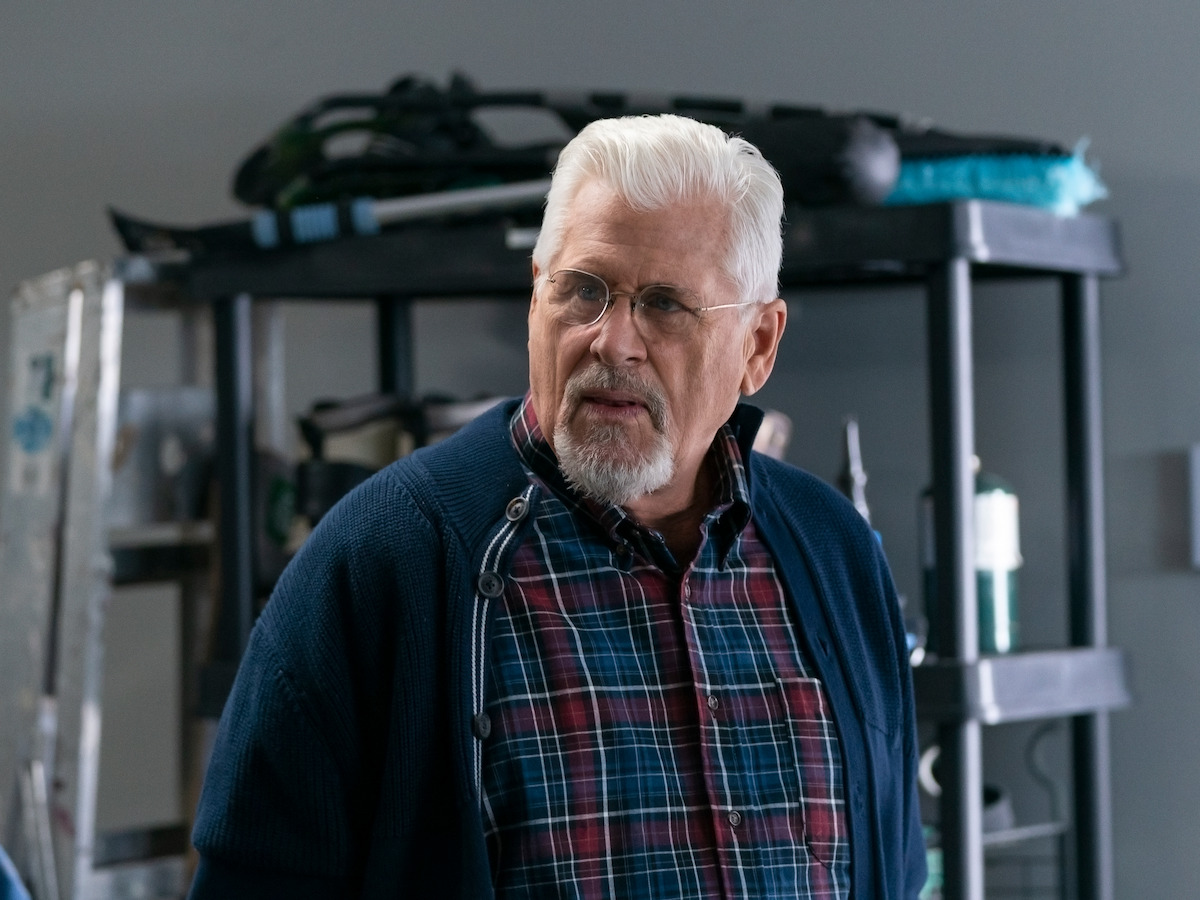
There’s a moment where Peter’s dad takes Nick into the garage and they have a heart-to-heart. Peter’s dad seems like the one in the family who might pass judgment, but he doesn’t. In fact, he sees the budding relationship between Peter and Nick before anybody else. Where did that come from? Is that drawn from real life experience?
I have two dads. They’re not gay. I have my birth father. My parents got divorced when I was five, and then my mom remarried, so I have a stepdad who I also grew up with. Both of [my dads] recognized early on, probably with the help of my mother, [that I was gay]. I was singing Whitney Houston songs in my bedroom at the top of my lungs when I was 10. I wouldn’t say they were super comfortable with the gay thing because of the generational gap, but they took it upon themselves to educate themselves and be ready for the day I would inevitably come out. They had their own lovely process of asking questions — “Well, what does this mean? And what does that mean?” They’re incredibly supportive and [have been] there for me through my relationships ups and downs throughout my entire life in a way that I never would’ve expected when I was younger. That emotional support definitely reflects my dads.
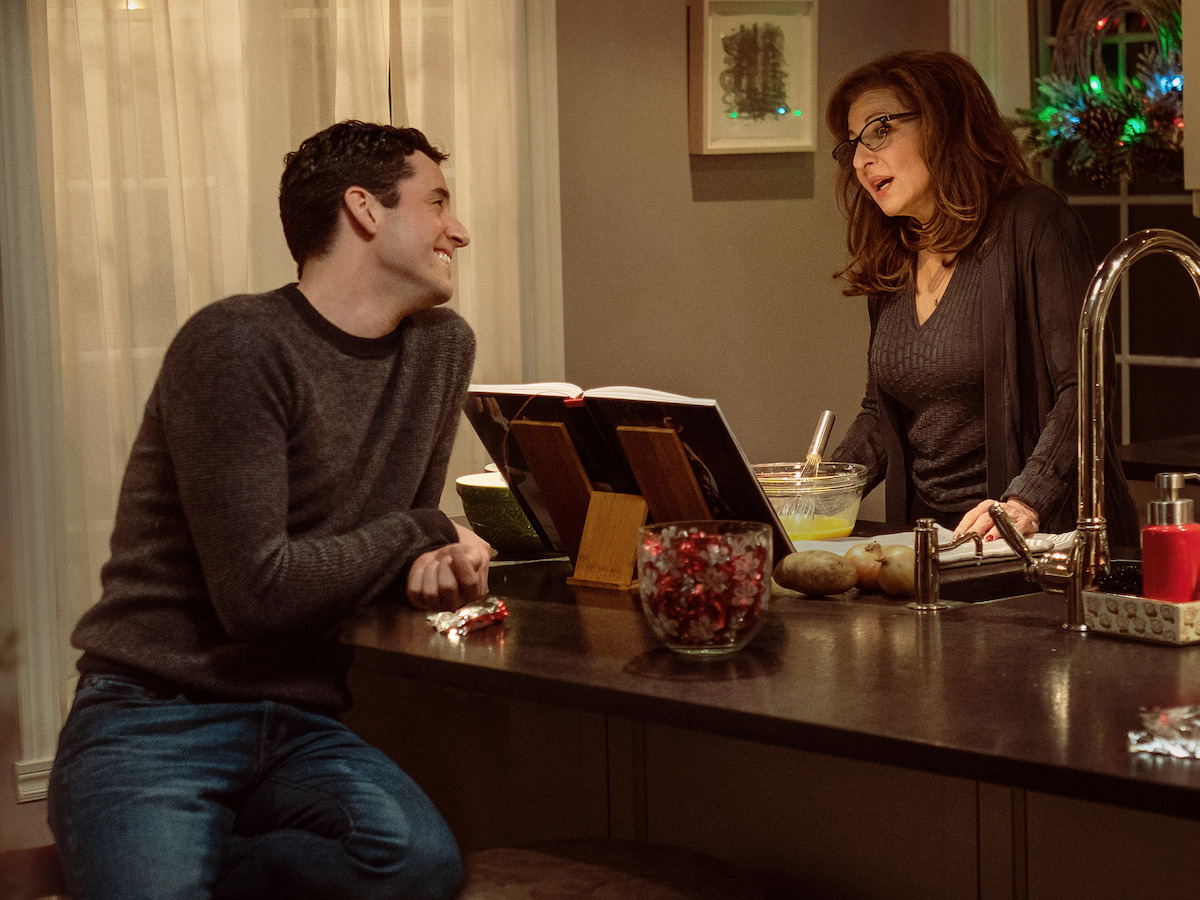
There’s the scene where Carole is in the kitchen and she says she’s reading a book on parenting a LGBTQIA+ child. Christmas Carole’s “Sleigh Queen” sign is another example. Nick jokes, “Did your mom just google gay Christmas signs?” It could be an eye roll of a moment, but it’s done with love. It’s very clear that she’s a loving maternal figure who’s trying very hard.
A lot of straight parents of gay kids come from a different generation and want to be supportive, but, like, “Slay queen,” that phrase, is never going to be in Carole’s brain. So she has to google it. But that whole sign-making thing comes from my stepmom. You walk in the door at her house and [see] those “live laugh love” signs everywhere.
You said you didn’t want to make a gay Christmas movie just for gay people, but you also didn’t make a gay Christmas movie for straight people.
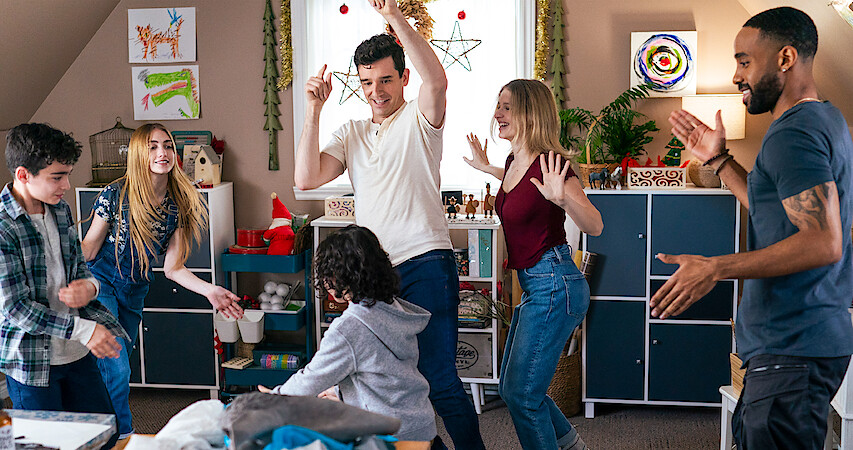
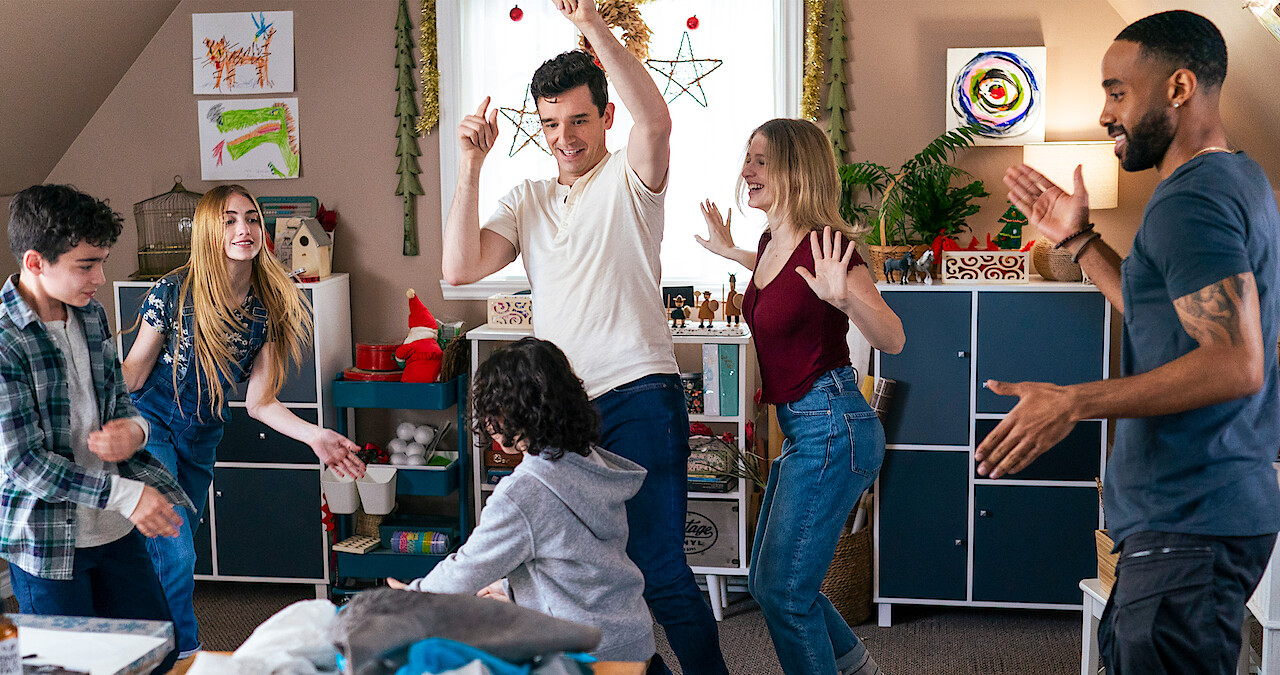
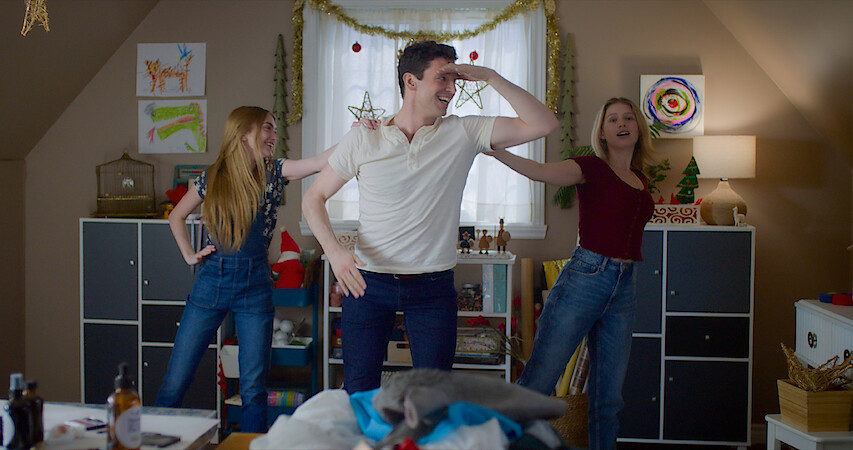
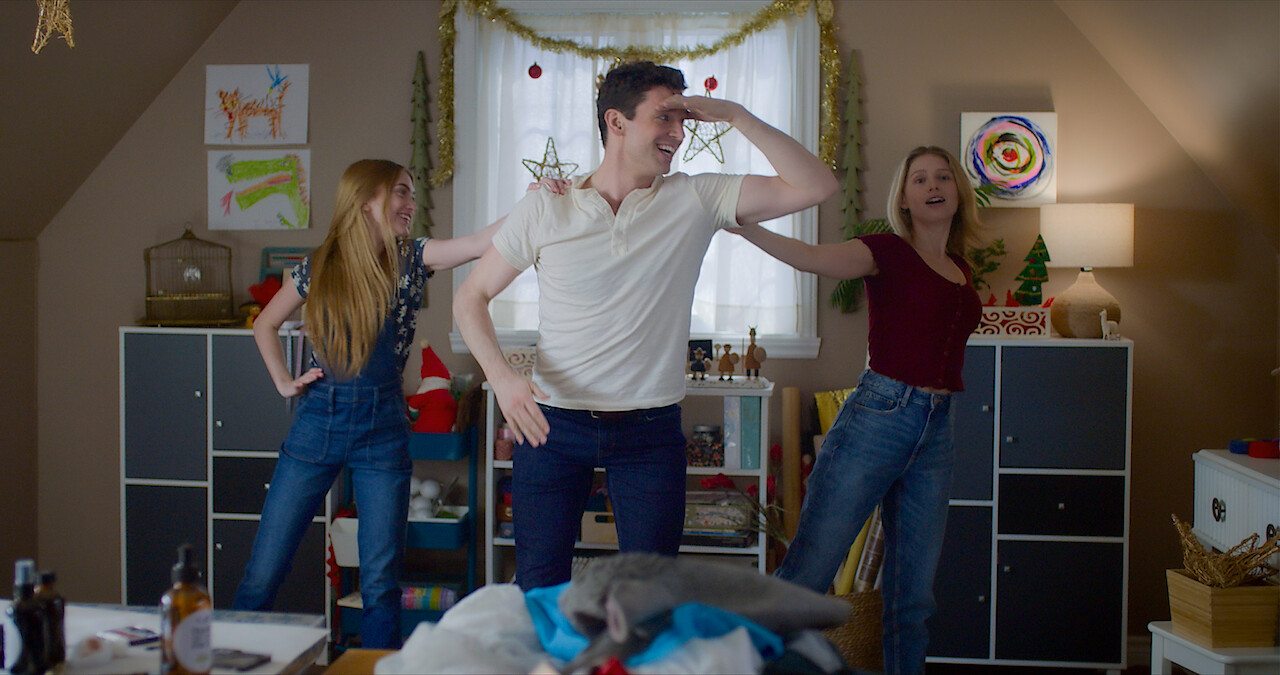
You have the gay love triangle at the center, and then you have the family around them. Everyone’s supportive, but the parents are probably a little clueless. [Peter’s] sisters are totally with it. The nieces are teenagers; they couldn’t care [less]. They’re trying to get Nick and Peter together. I was like, “I want this to be for everyone, but also, if the gay audience watches this and doesn’t think it rings true, then I will have failed.” I would rather have the gay audience recognize it as true then for everyone in the world to watch it. That’s why there’s so many things throughout the movie that are like, “The gays are just gonna get that.” But it’s a Christmas movie. Many people are home with their families. I wanted to do something a whole family can watch together, not just, like, “Oh, let me go sneak off and watch this gay indie movie that the rest of my family will definitely not get.” That’s not the point of this.
Is there anything you hope viewers get out of watching this movie?
I want people to have fun watching the movie and for it to be that movie you watch every holiday season because you love the story and the characters. It makes you laugh and it makes you cry. Messaging is usually a secondary thing for me because it’s not up to me to decide what people take away from it. But if people take away that there are loving families out there who totally support their LGBTQIA+ children and their relationships, and the gay aspect of it is not an issue, [that’s great]. They have other family problems and other family conflicts; they get mad at each other about stuff. If seeing this movie helps a family embrace their kids, their nieces, nephews, whoever and their partners in their adult life, that would make me feel good. This interview has been edited and condensed for clarity and length.