This article includes descriptions of suicide or self-harm. If you or someone you know needs support, there is help. In the US, you can reach the National Suicide Prevention Lifeline online here [links to https://suicidepreventionlifeline.org/] and by phone at 1-800-273-8255. Outside the US, you can find help at Netflix’s Wanna Talk About It? page.
The clubhouse of a major league baseball team has long been regarded as a sacred place where players can escape the fishbowl of life as a professional athlete. Typically uninhabited by the media outside of short interview sessions, it’s where players can let loose and say how they really feel about conflicts that arise over the course of a 162-game season.
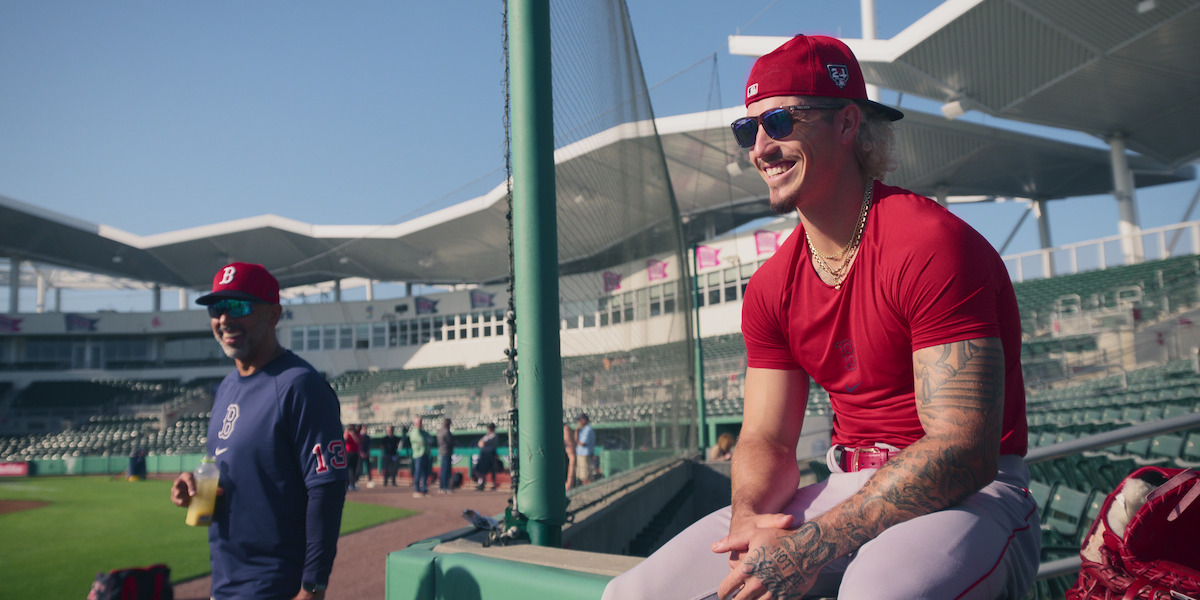
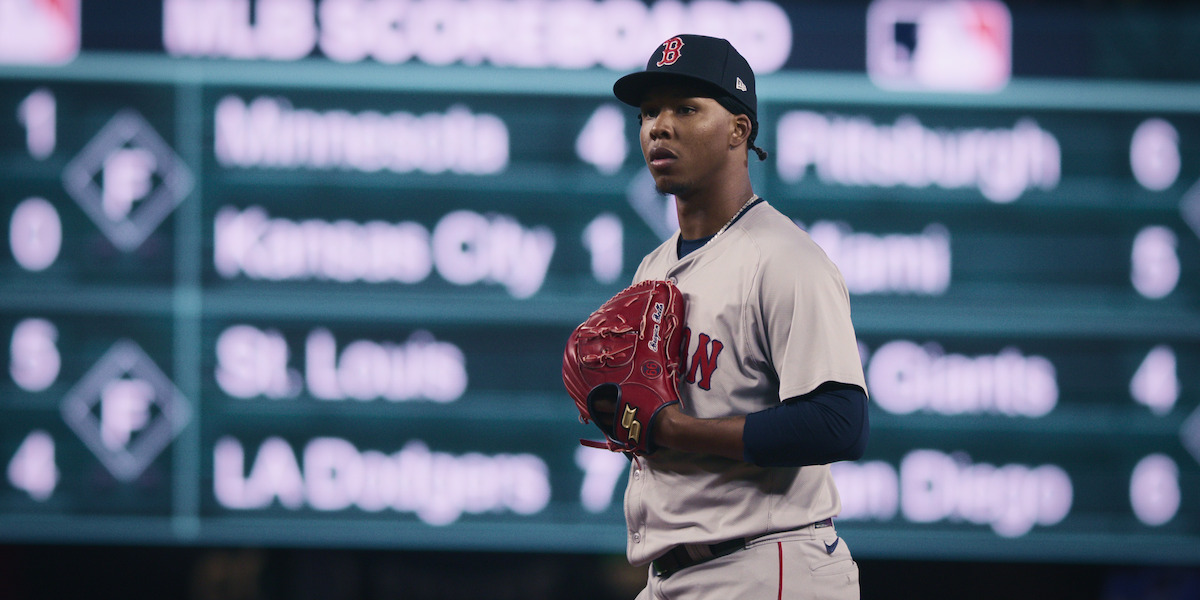
The Clubhouse: A Year With the Red Sox, directed by three-time Emmy winner Greg Whiteley (Last Chance U, Cheer, America’s Sweethearts: Dallas Cowboys Cheerleaders), provides an unflinching, unprecedented look inside that sacrosanct setting. The eight-episode series follows the Boston Red Sox during the 2024 MLB season as the young team fights through growing pains and the pressure that comes with playing in front of one of baseball’s most passionate fan bases.
The cameras are right with the Red Sox when they chat in the dugout, make key strategic decisions during games, go over scouting reports for opposing players, discuss potential trades, celebrate big wins, brood over losses, and fume over mistakes made by themselves and their teammates. There was even more pressure to succeed in Beantown than usual: Heading into 2024, Boston finished in last place in their division in three of the last four seasons, while being led by a new head baseball executive in place of his fired predecessor.
The mental toll of the sport
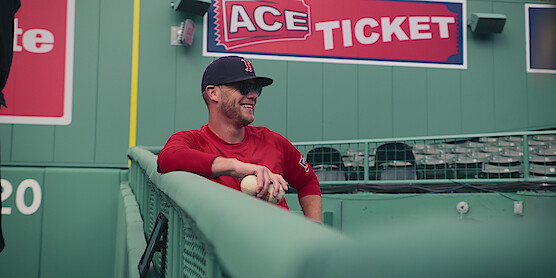
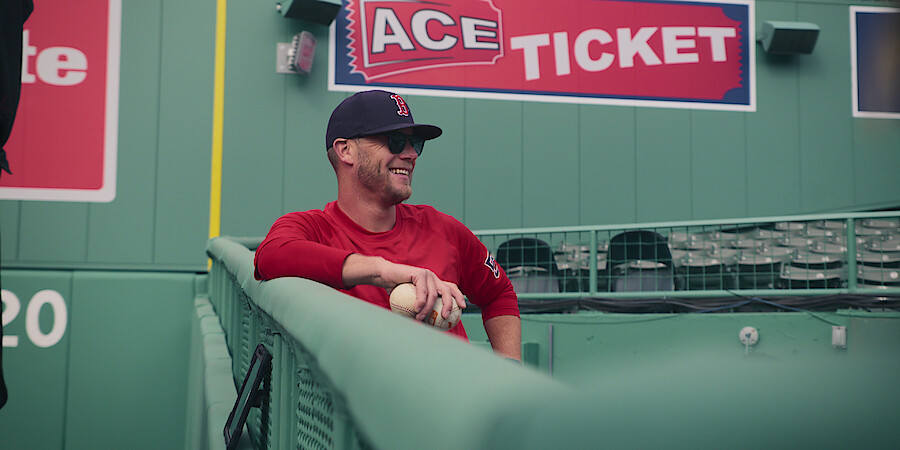
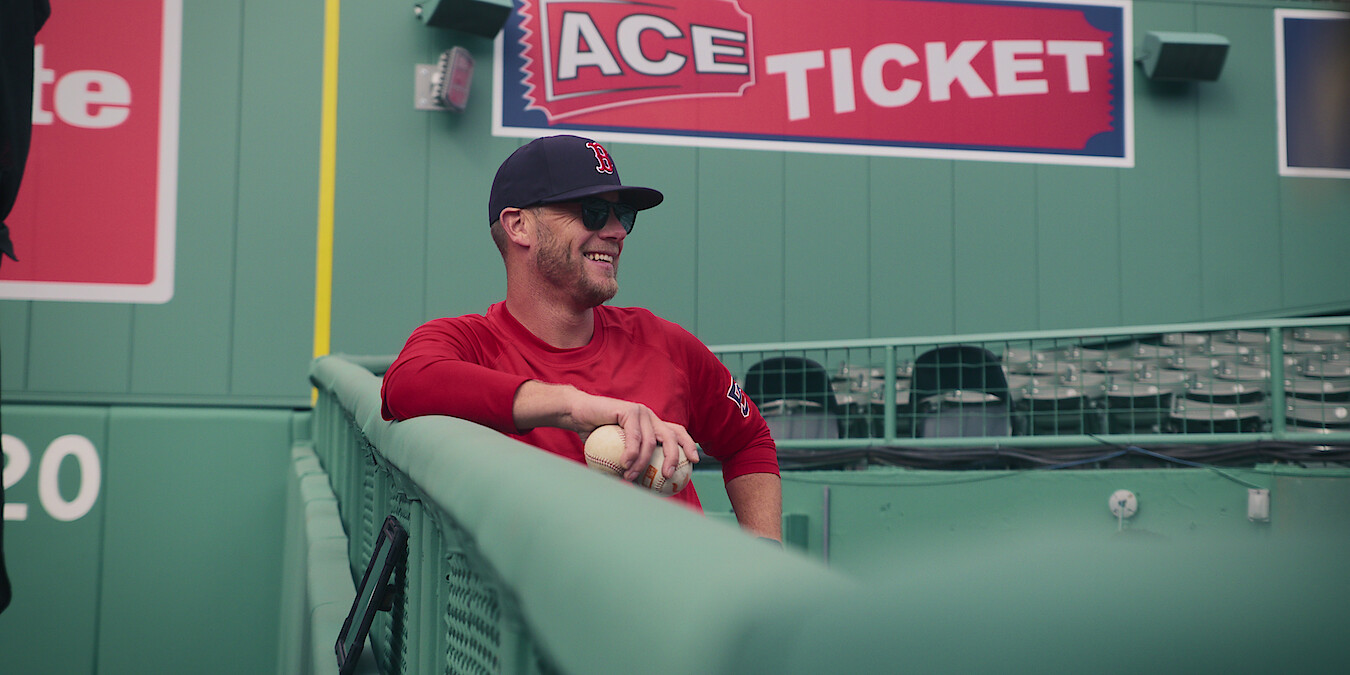
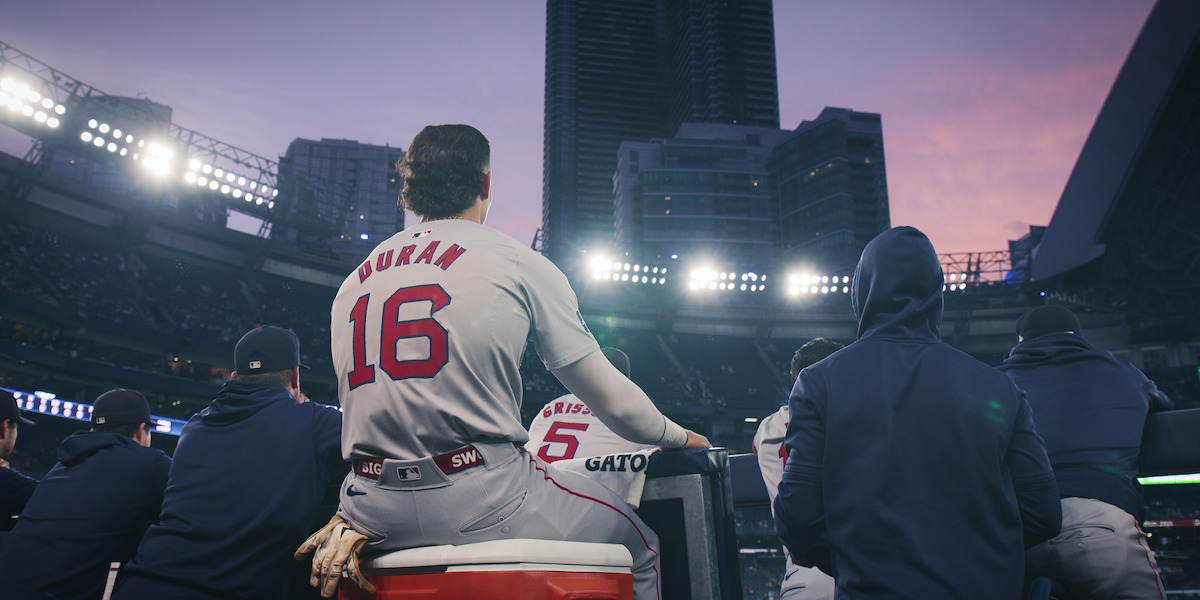
One of the series' most impactful storylines involves outfielder Jarren Duran, whose journey is as much about overcoming mental health struggles as it is about excelling on the field. Duran’s openness about his issues offers a glimpse into the personal battles that players face during the grind of a season while under immense pressure to perform. Even someone as talented as Duran, who was named an All-Star in 2024, regularly doubts himself in a sport so tough that a hitter succeeding 30% of the time qualifies as a triumph.
“It’s so easy to look past the positive things for me, and then to grab onto the negative things,” Duran says in series. “I don’t know what it comes from, but I just never feel like I’m that good. It’s just these inner demons that don’t let me love myself or want to be proud of myself.”
Pro athletes, who live so much in the public eye, have historically tried to keep their private lives private, but that’s changing with a new generation of players. In his career, Duran has always been open with reporters and fans about his struggles with mental health. In The Clubhouse, he reveals he attempted suicide early in his career while struggling to adjust to the major leagues, opening up to the cameras about the incident even more than he had to his parents. His remarkable willingness to share his lowest moment –– and how in the aftermath, he resolved to make a difference in the world –– will undoubtedly strike a chord with viewers.
“He’d come through the storm, and it felt to me that he was anxious to talk about it for two reasons,” director Greg Whiteley tells Tudum. “One, I think it’s the relief that you feel when you’ve done something very difficult, you’ve come out of it. I also feel like … Jarren has explained, he has a huge sensitivity towards other people that might be struggling in this same way.”
Duran’s vulnerability marks a stark contrast to the tough persona typically associated with professional athletes, though Whiteley was unafraid to present him as a complex character not without his faults. He’s simultaneously a sympathetic figure who was pushed relentlessly by his father to succeed while growing up, and a mercurial personality who’s still learning to control his emotions –– as seen in an incident where he directs an anti-gay slur to a heckler in the stands. Duran’s effort to capitalize on his talents while not succumbing to negativity is a theme that reverberates throughout the arc of the series.
“I felt like Jarren in many, many ways brought out the very best in me as a filmmaker and in our film crew,” Whiteley says. “I know that no one that I’ve ever filmed is perfect, but I find Jarren to be a really remarkable person and a person that I find very easy to root for in spite of whatever flaws he might have. I would anticipate the audience feeling the same way.”
The international pastime
The international prospects who leave their native countries to play baseball in America — often while still in their teens — are chasing a dream that has the potential to fulfill and transform their lives, but it also comes with many challenges. Teams provide translators for players, but relocating to a new country and a new culture remains a difficult transition.
“We as a sport totally underestimate the journey that these players go through,” Red Sox radio announcer Will Flemming says in the series. “Even under the brightest of lights, these players are individuals far from home. You don’t speak the language, you know none of the people, and you’re away from everyone you’ve ever known and loved in your life.”
In the first episode’s opening scene, 25-year-old outfielder Wilyer Abreu is chosen to pinch-hit against the rival New York Yankees, knowing his grandmother is near death in Venezuela. He comes through with a game-tying double in Boston’s eventual win, bringing Fenway Park roaring to life while no one outside the team knew of his inner turmoil.
“When I got here, I had nobody. I didn’t have my family, I had nothing,” Abreu says in the series. “I spent a lot of time alone. And the truth is, it’s really difficult to be this far from family.”
The grind never stops
Even when players are surrounded by their loved ones, the slog of the major-league lifestyle takes its toll on their personal lives and the people around them.
Kelly Shaffer Breslow, the wife of chief baseball officer and former Red Sox player Craig Breslow, says in the series: “It’s hard for others to understand what this life is like. … It’s a lot more isolating than I think people would think for the families. Players leave for all of February and March for spring training. And then there’s 162 games of being away from your family. That’s a lot of bedtimes to miss, birthday parties to miss, funerals to miss.”
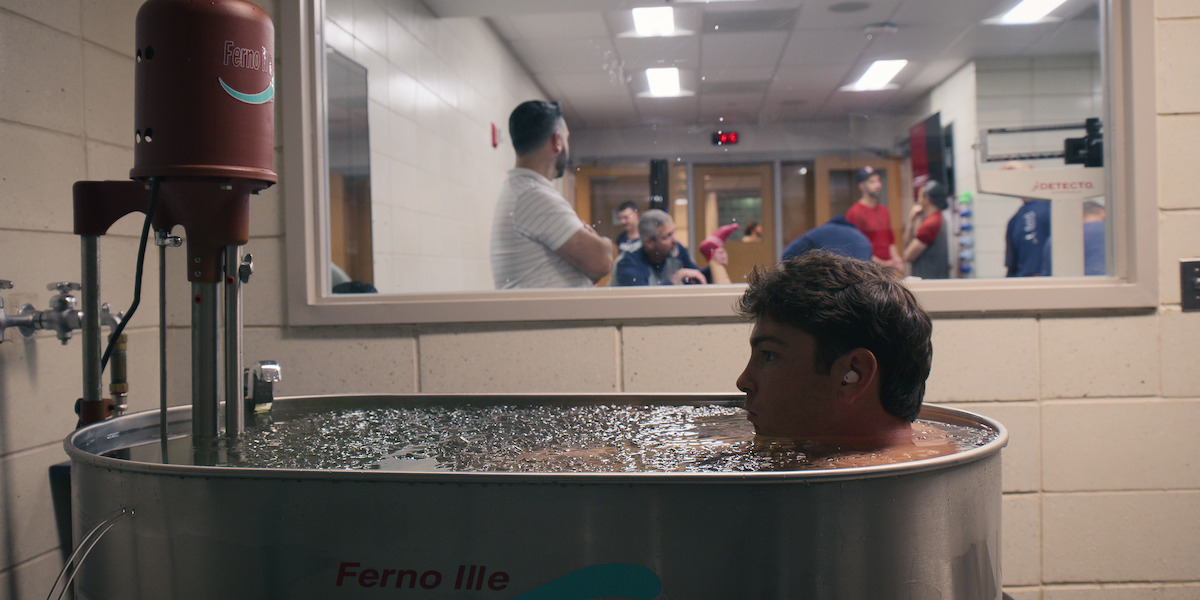
The constant activity even presented challenges for the crew of The Clubhouse as they worked to provide an all-encompassing look at the Red Sox while finding precious little time to film players away from the field. Even days without a game can be spent working out, watching films, or recovering away from the diamond.
“I would have thought being a baseball player is a pretty great life, it’s pretty chill, and it’s just not. It is the survival of the fittest,” Whiteley says. “I’m really impressed with the caliber of humans that we were allowed to film, and I have a new appreciation for just how difficult that sport is.”
Despite the obstacles faced by everyone involved in The Clubhouse, the series remarkably captures not only the determination of a major-league athlete, but the sacrifices one must make to succeed at the highest level — a lesson that transcends sports.
Watch The Clubhouse: A Year With the Red Sox on Netflix now.