Did You Know?
Meet The Only Girl in the Orchestra
The Academy Award-winning documentary short is a window into the trailblazing life of a low-key musical legend.
By Alex Frank
March 3, 2025
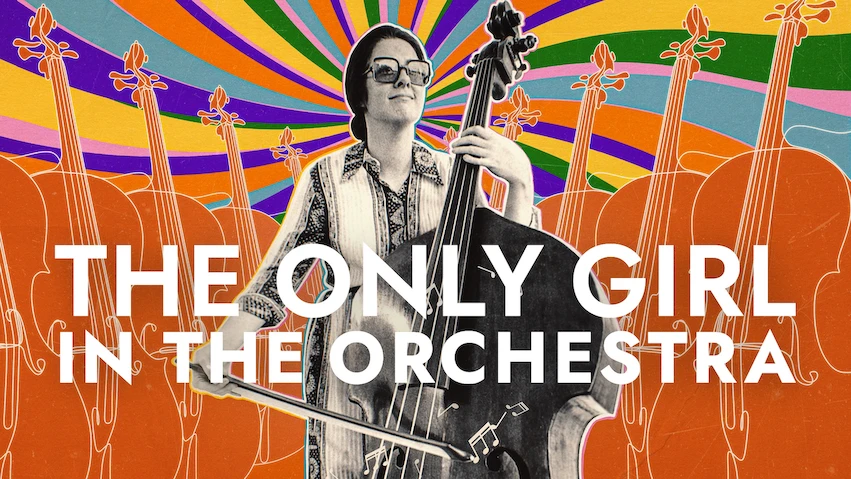
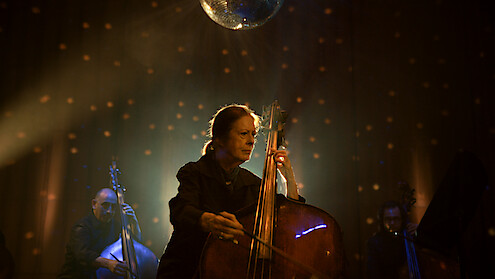
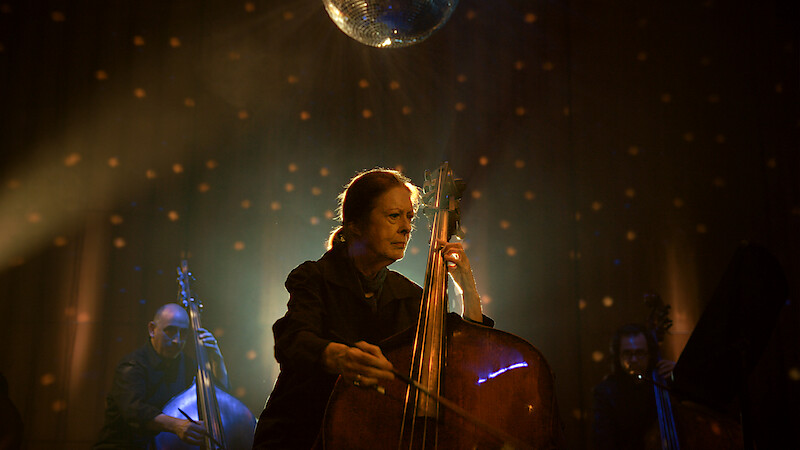
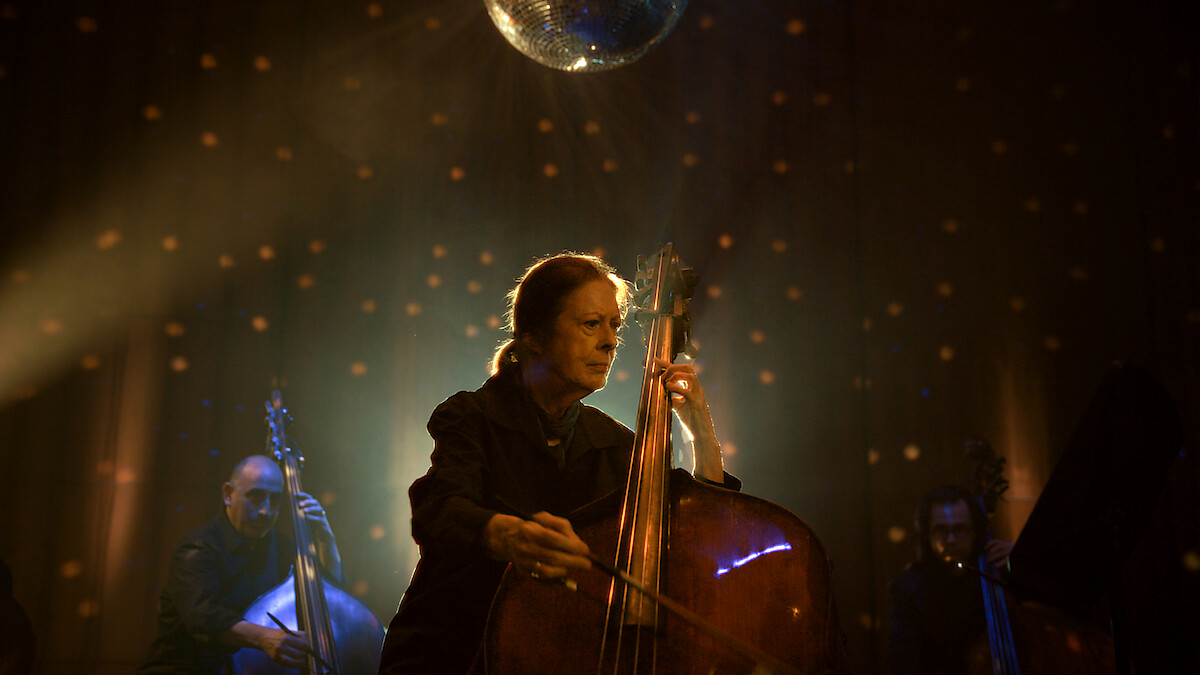
To be a first in any creative field is sometimes a heavy burden. But in the Academy Award-winning documentary short The Only Girl in the Orchestra, Orin O’Brien reveals that the intensity and joy of an artist’s craft can keep the candle of passion lit for a lifetime. O’Brien, a double bassist, joined the all-male New York Philharmonic in 1966, under the direction of the mythic Leonard Bernstein; she recently retired in 2021 after 55 years. The Only Girl in the Orchestra, directed by her niece, the Emmy-Award winning Molly O’Brien (American High), follows the trailblazer as she winds down an incredible career, one that’s inspired every generation of talent since. In her story, we see a lesson in how the deep love of music can produce an irrepressible brand of magic.
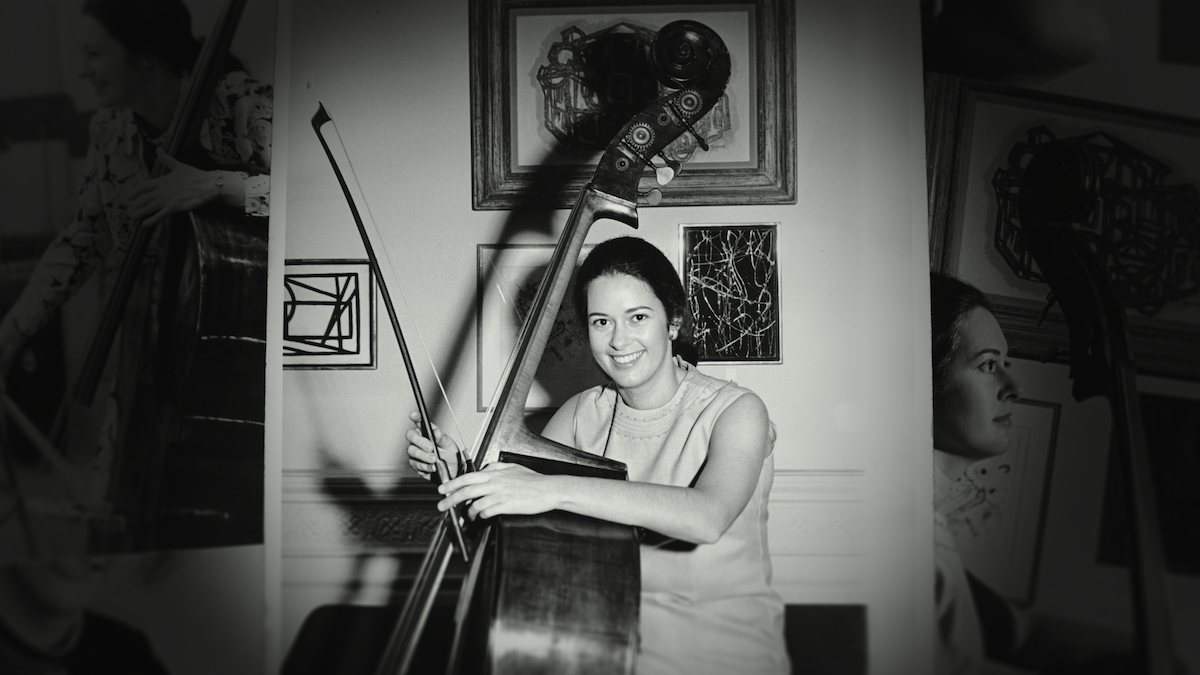
In the film — executive-produced by Errol Morris, the revered Academy Award-winning director behind docs The Thin Blue Line and The Fog of War: Eleven Lessons from the Life of Robert S. McNamara, and produced by Lisa Remington (Disclosure) — O’Brien is shown to be the most low-key of legends, a kind of undercover icon who consistently rebuffs her niece’s attempt to heap praise and adulation on her. She fell in love with Beethoven at the age of 13, practicing so vigorously that she had to soak her fingers in Epsom salt every night. Her 1966 appointment was controversial enough that some critics of the era felt compelled to write that “women have no place in the orchestra.” But she remained focused on the craft; even now, when her niece goads her to talk about her impact and influence, she demurs. It’s when she’s filmed actually behind the bass that her eyes light up with focus and excitement. This is a woman who Bernstein himself dubbed a “miracle,” but, as she says in the short, her strategy was always to just stay under the radar and commit herself to the daily work of playing those strings.
Molly O’Brien’s love and admiration for her aunt is the moving force that undergirds the entire film. “Growing up, Orin was the adult I admired most,” the filmmaker says in the documentary short. “She had the life I wanted for myself, a New York City artist’s life. An independent woman’s life.” The viewer can feel a niece’s desire to give her aunt her due. And in that process, it becomes clear that, at the core of it all, it’s the music that ultimately makes Orin a hero — not the public adulation or critical praise or even the firsts, but the love of craft so pure and passionate that she’d spend six decades dedicated to its sublimity. “I think it’s better to love something so much,” O’Brien says in the film, “you do it for its own sake.”