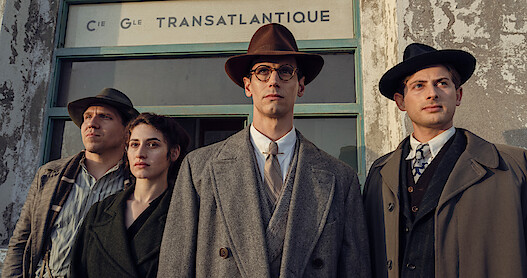
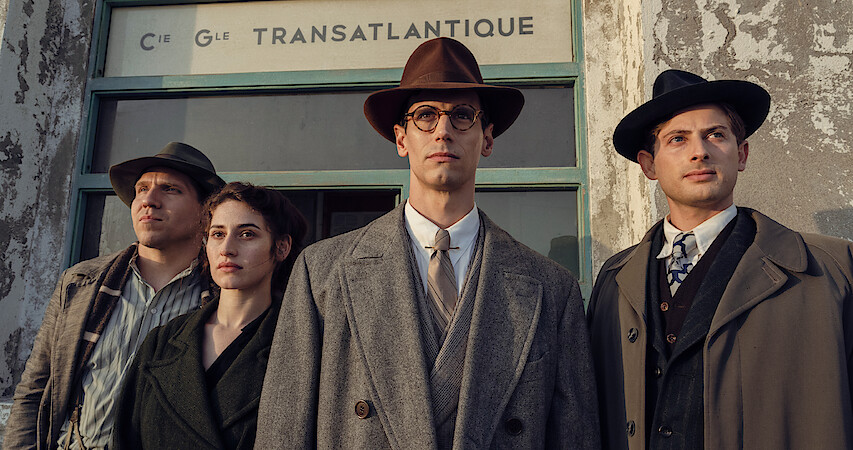
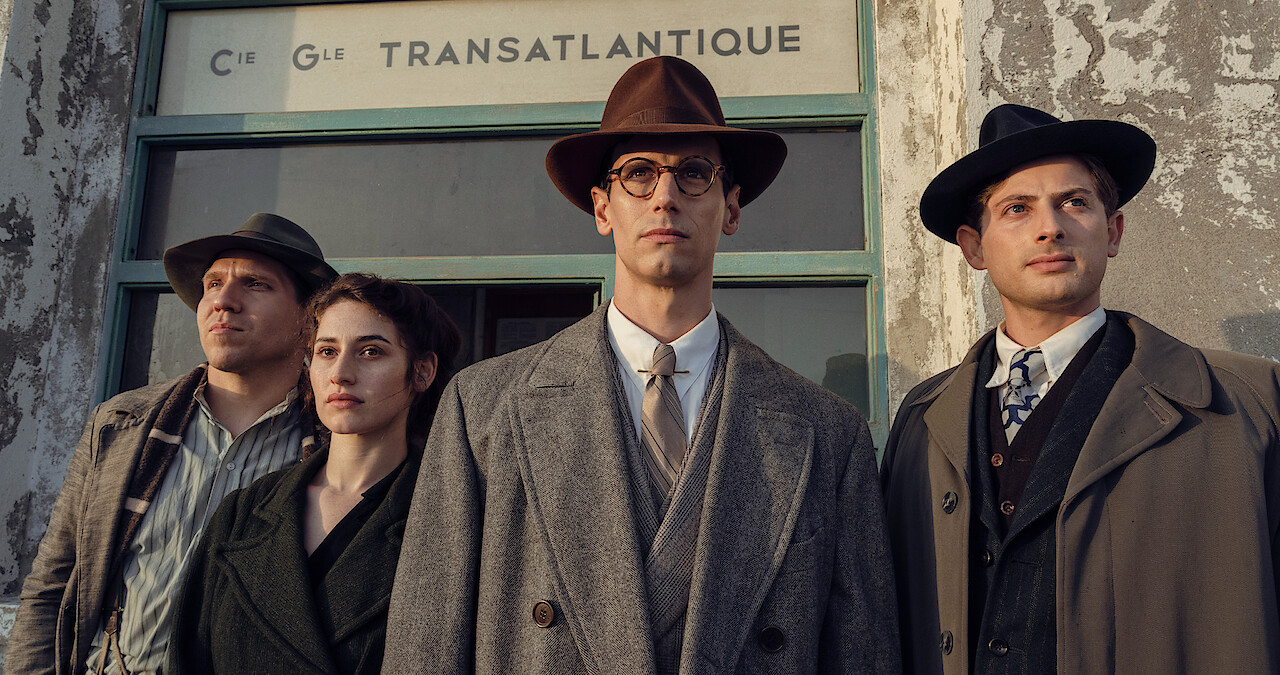
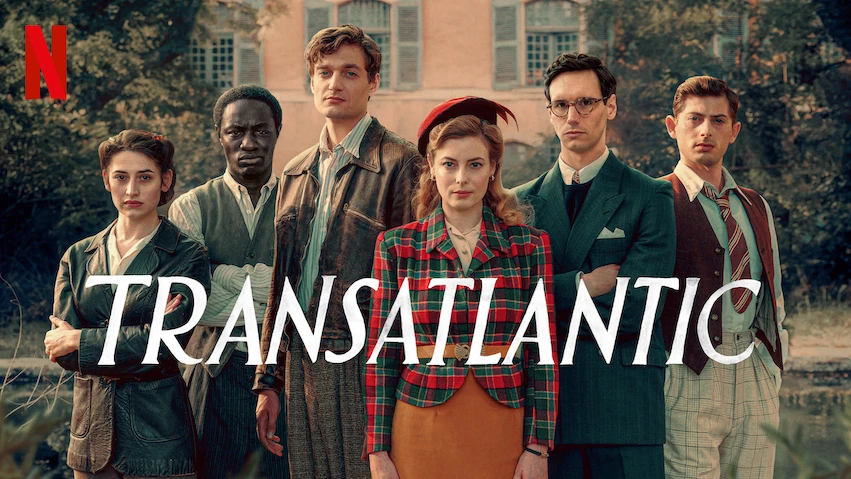
Marc Chagall. Marcel Duchamp. Hannah Arendt. Max Ernst. These are among the best known names of the 20th century — but without the help of some Americans and their European allies, they might have been lost to history. In the early years of World War II, American journalist Varian Fry, American heiress Mary Jayne Gold and German resistance fighters Albert Hirschman and Lisa Fittko, both Jewish refugees themselves, embarked on a mission to save a list of famous Europeans hiding from the Nazis in unoccupied Marseille, France. Now, their story is finally front and center in Transatlantic, a new series created by Anna Winger and Daniel Hendler.
Some of the world’s most celebrated artists, intellectuals and writers hiding from the Nazis and plotting their escapes at a gorgeous villa in the South of France? Sounds like pure fiction, but Transatlantic is rooted in actual, if under-celebrated, historical heroism. Winger, who previously created Unorthodox for Netflix, turned to Julie Orringer’s 2019 historical fiction bestseller, The Flight Portfolio, for a road map to blending the facts and the flourish. The result is equal parts thriller, drama and romance, all set on the breathtaking but harrowing shores of the Mediterranean as the Nazi-friendly Vichy regime starts rounding up so-called “undesirables.”
Ahead, meet the cast of Transatlantic and get a crash course on the incredible story they bring to life.
🤐 SPOILER ALERT 🤐
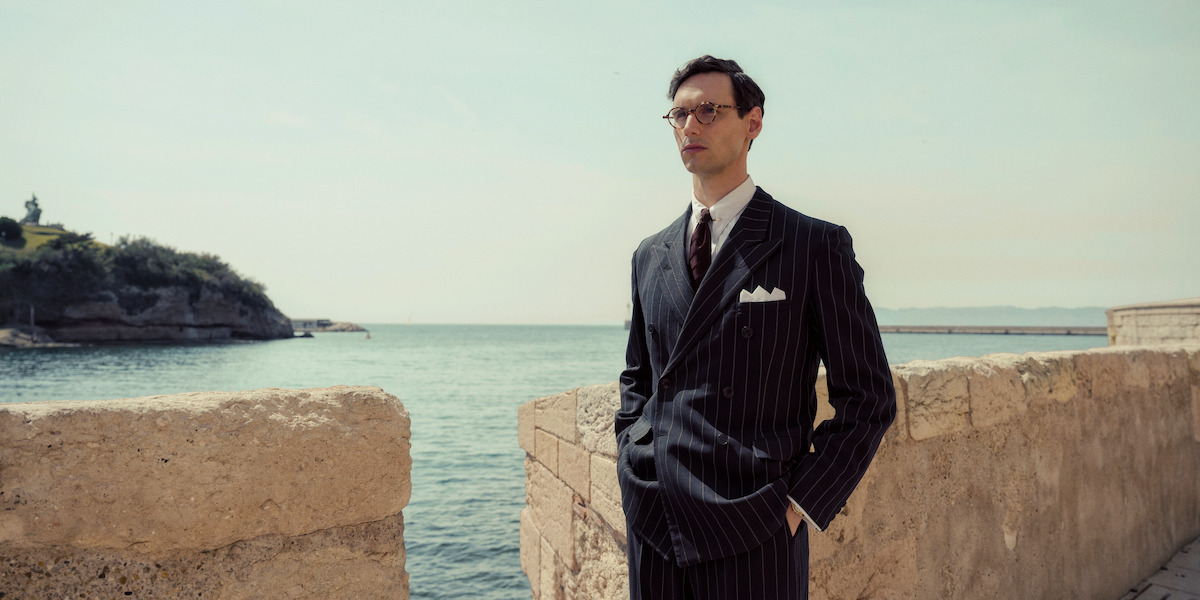
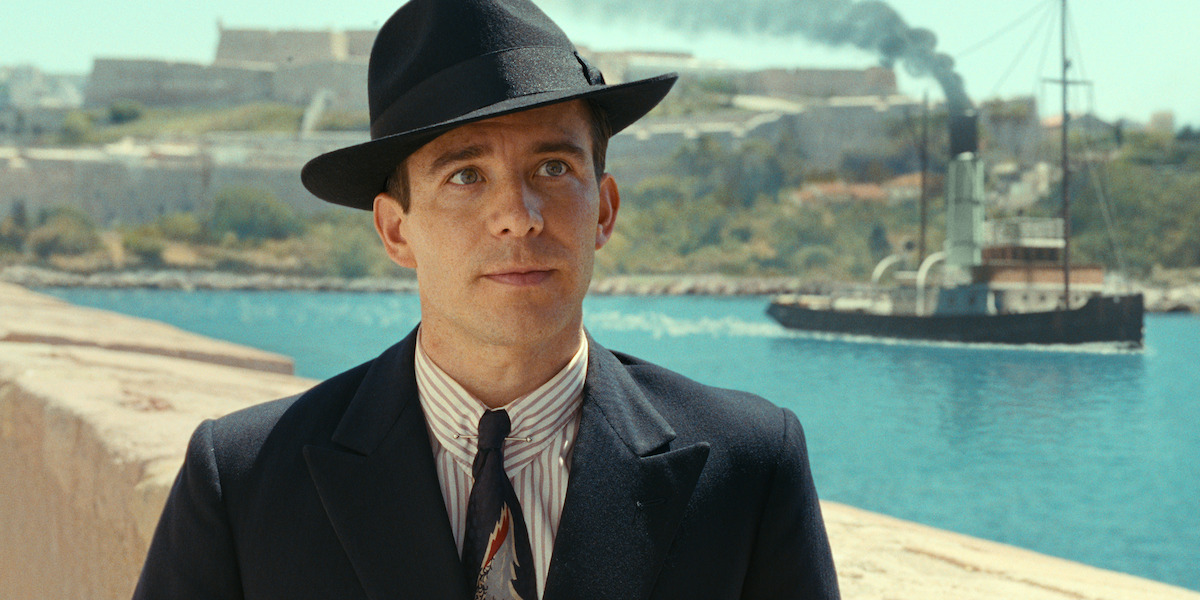
Varian Fry
Cory Michael Smith
A former journalist who reported on Nazi violence against Jews as early as 1935 for the New York Times, Fry was sent to Europe in 1940 by the Emergency Rescue Committee (ERC), a privately funded organization in New York determine to help save some of the most endangered (often Jewish) European intellectuals and artists. Though he came to France in 1940 planning to be there for just three weeks, Fry wound up spending the next 13 months leading an underground network, made up of activists including forgers and financiers, to carry out his mission. He was arrested, detained and ultimately given two hours to pack before being expelled from the country by the French police.
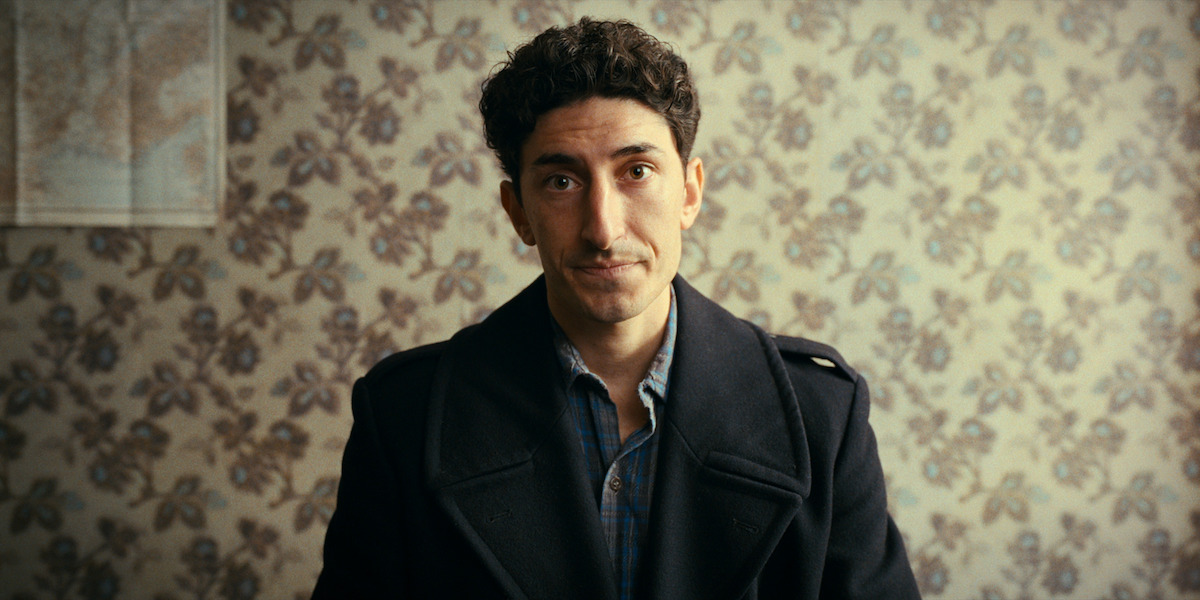
In the series, Fry is reunited with a former lover, the kibbutz-born British spy Thomas Lovegrove (Amit Rahav), whose magnificent Villa Air-Bel becomes the temporary home for refugees including artists Chagall and Ernst. “Varian is someone who had relationships with men,” Smith says in Making Transatlantic, a behind-the-scenes documentary about the series, adding, “though we are fictionalizing this particular relationship.” After a New York Times critic doubted Orringer’s portrayal of Fry’s sexuality, Fry’s son, James D. Fry, wrote a letter to the editor confirming that his late father had been a closeted gay man. “To tell a story about a man whose sexuality is as complex as most of ours are, I think, is quite beautiful,” Smith says.
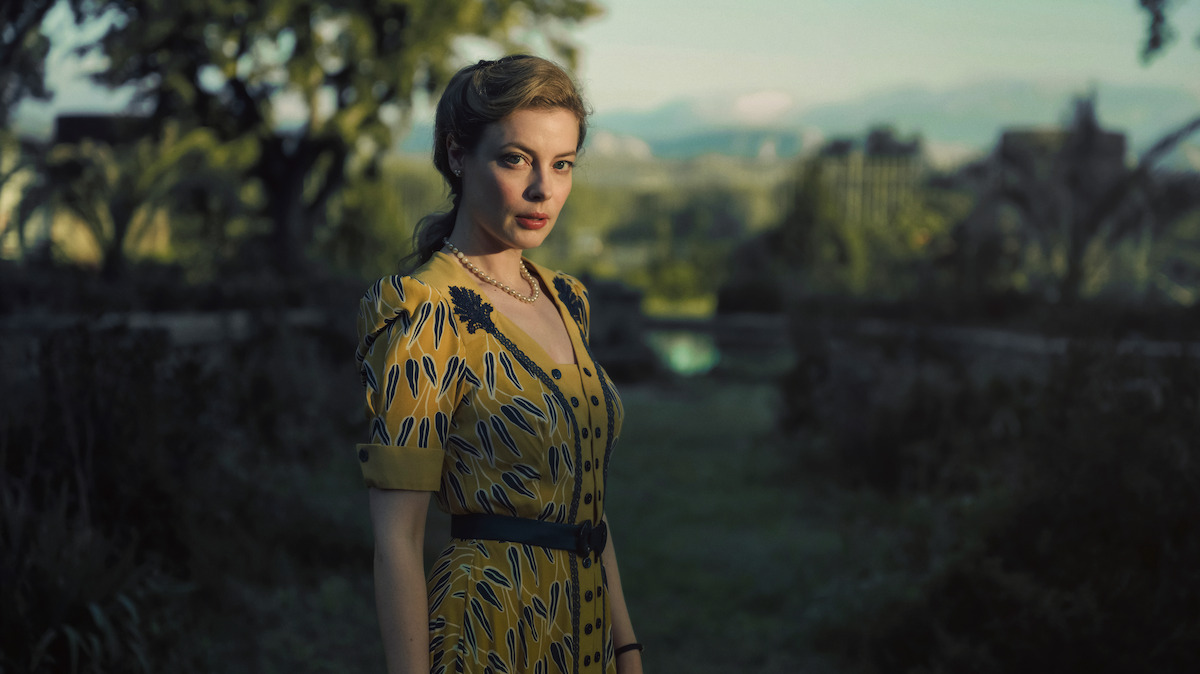
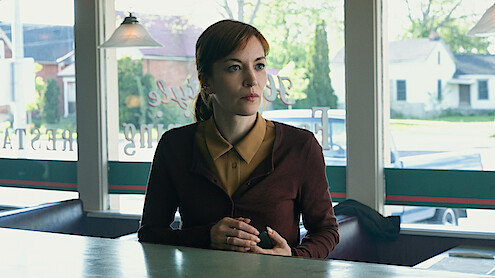
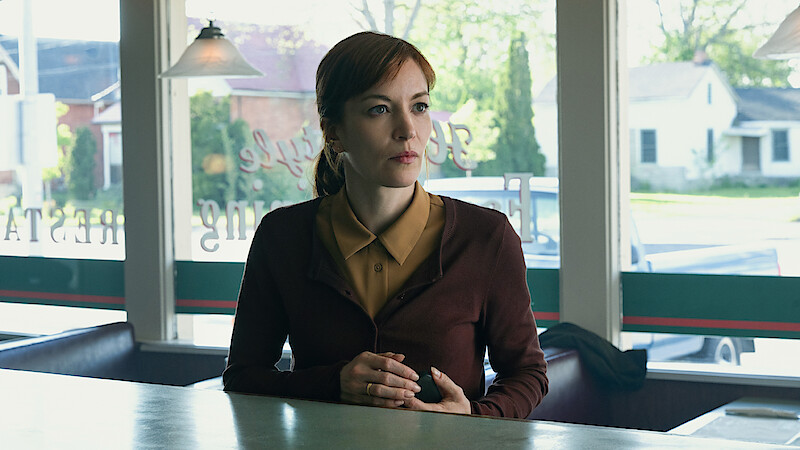
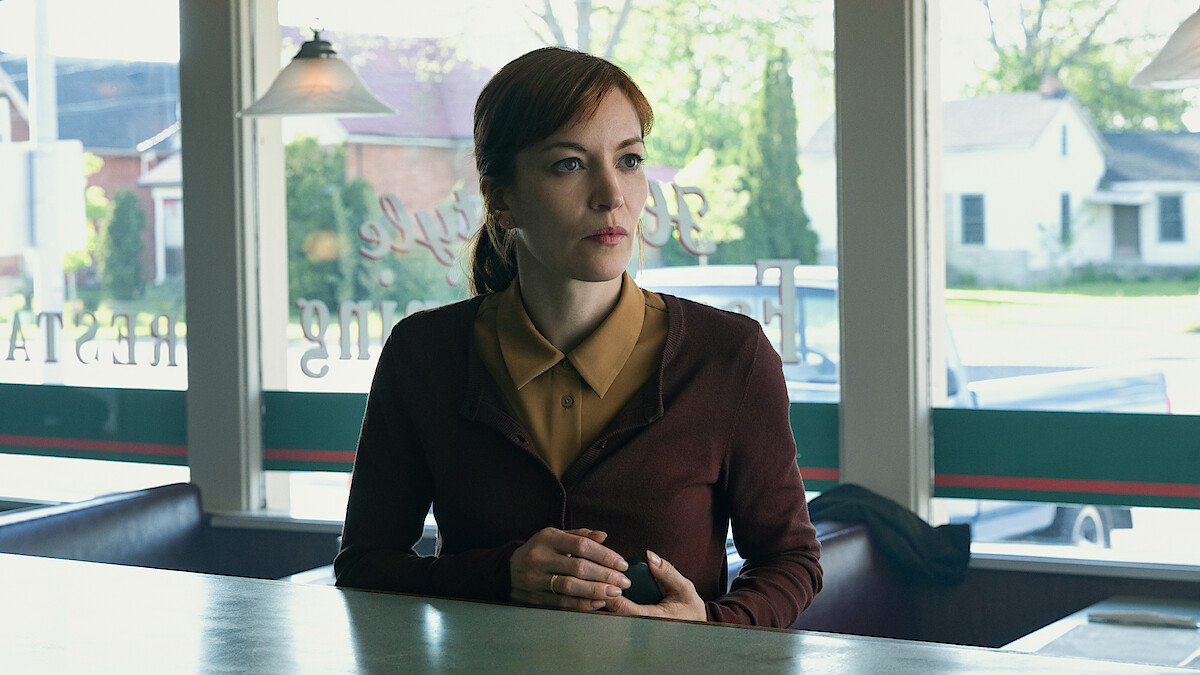
Mary Jayne Gold
Gillian Jacobs
Gold, an American heiress from Chicago (her grandfather invented the first cast-iron radiator) was living a bon vivant life in Paris when the Nazis invaded France in 1940. Instead of returning to the United States, she packed her couture-filled trunks and moved further south to Marseille, where she met Fry. From there, Gold chose to use her considerable bank account to pay for forged passports and otherwise subsidize the rescuing of high-profile refugees. “People think there’s nothing they can do to help so they do nothing,” Gold says in the series. “I do what I can.” In the series, that includes wielding a lipstick camera and swapping her très chic wardrobe, with that of a hungry refugee in a French café bathroom. Much to the dismay of wartime romantics, there is no evidence that Gold and co-resistance fighter Albert Otto Hirschman were actually a couple, but her constant sidekick in the series, a pup named Dagobert, was real.
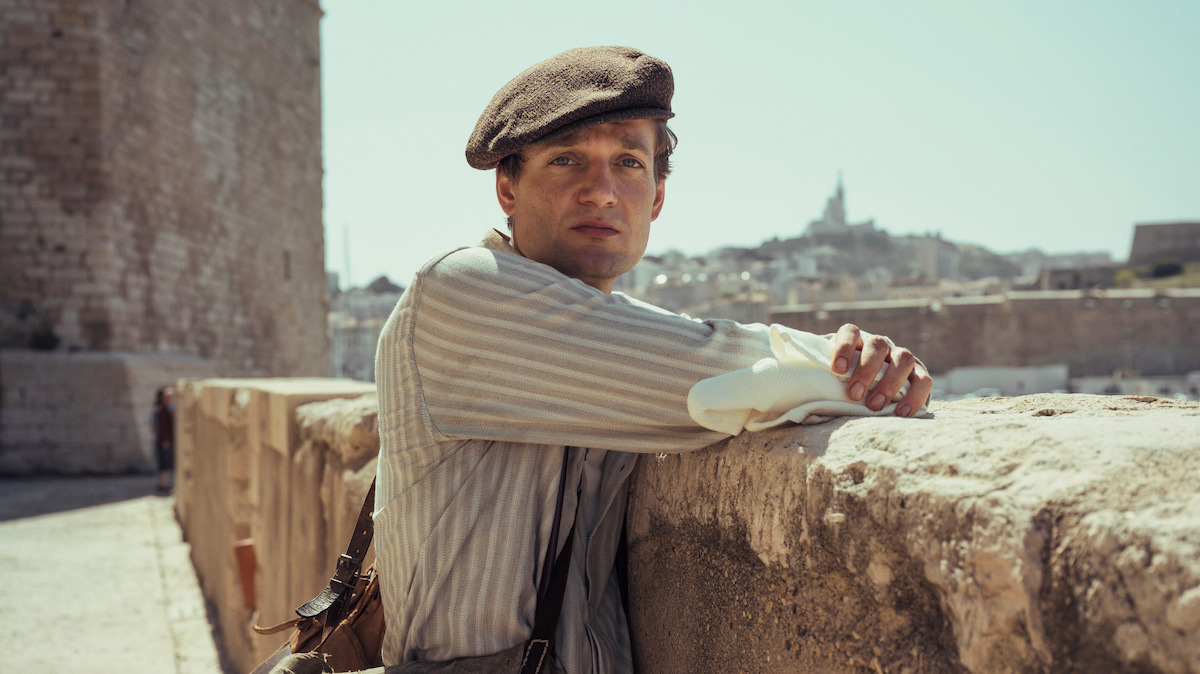
Albert Otto Hirschman
Lucas Englander
Hirschman was a German-born Jew who studied in London and fought for the anti-fascists in the Spanish Civil War. After that war, he returned to France to continue the fight alongside Fry, securing forged Czech, Lithuanian and Polish passports for refugees. According to Worldly Philosopher: The Odyssey of Albert O. Hirschman, a 2013 biography by Jeremy Adelman, he also helped map out an escape route over the Pyrenees into neutral Spain, a path he ultimately took to escape himself in 1941. In the US, he became an influential economist, philosopher and author.
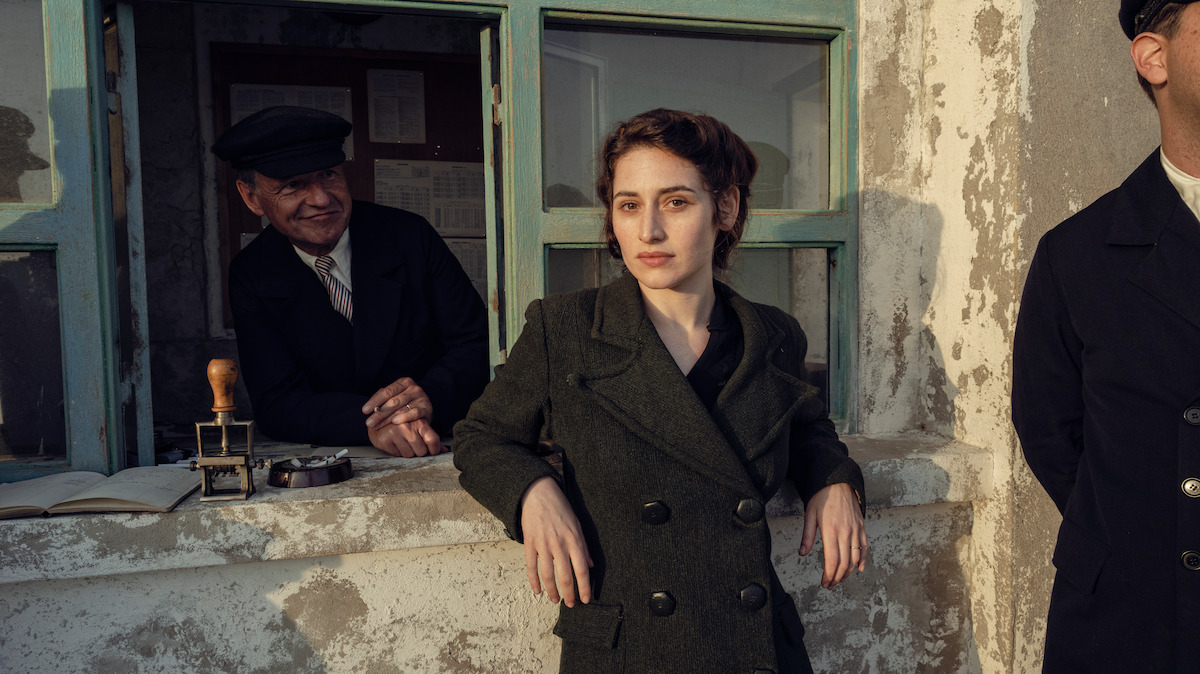
Lisa Fittko
Deleila Piasko
The Hungarian-born activist who grew up in Berlin forged the path over the Pyrenees (named the “F” route by Varian Fry) to walk refugees from France into Spain. Fittko is most famous for escorting real-life philosopher Walter Benjamin (played by Moritz Bleibtreu in the show) over the mountains. Benjamin famously carried a briefcase over the Pyrenees before his death in Portbou, Spain, the contents of which were never recovered. (In the series a room cleaner finds his briefcase and pulls out a snow globe). Transatlantic has Fittko falling for fictional hotel concierge and resistance fighter Paul Kandjo (Ralph Amoussou), but their affair is interrupted when Fittko’s husband, who was thought was dead, turns up in a nearby prison camp. Fittko’s husband Hans (played by Hanno Koffler in the series) did indeed survive; in real life, the two escaped to Cuba and ultimately settled in the US.
Graham Patterson
Corey Stoll
As the fictional American consul in Marseille, Patterson dines with Vichy officers, entertains American businessmen and threatens Fry — all in the name of representing America, which hadn’t officially entered the fight against the Nazis. “The United States has taken a neutral position in this war,” he says in the series. “Don’t forget that.” Though Patterson isn’t a real historical figure, he sure sounds a lot like the similarly named Hugh Fullerton, who held the same role in real life and, to put it mildly, also did not approve of Fry’s efforts. (To put it less mildly: Vice consul Hiram Bingham once complained that Fullerton fostered an “anti-Semitic atmosphere” in the consulate.)
Hiram “Harry” Bingham
Luke Thompson
In Transatlantic, vice consul Bingham defies his boss Patterson’s resistance to issue legal entry visas to the United States, but Patterson figures out that Bingham is going into their offices late at night to forge signatures on visas. The actual Bingham may have been similarly exposed, because in April 1941, the State Department unceremoniously transferred him out of France. Nonetheless he provided a remarkable number of stateless refugees, among them Chagall and Arendt, with the official American-sanctioned paperwork they needed to escape.
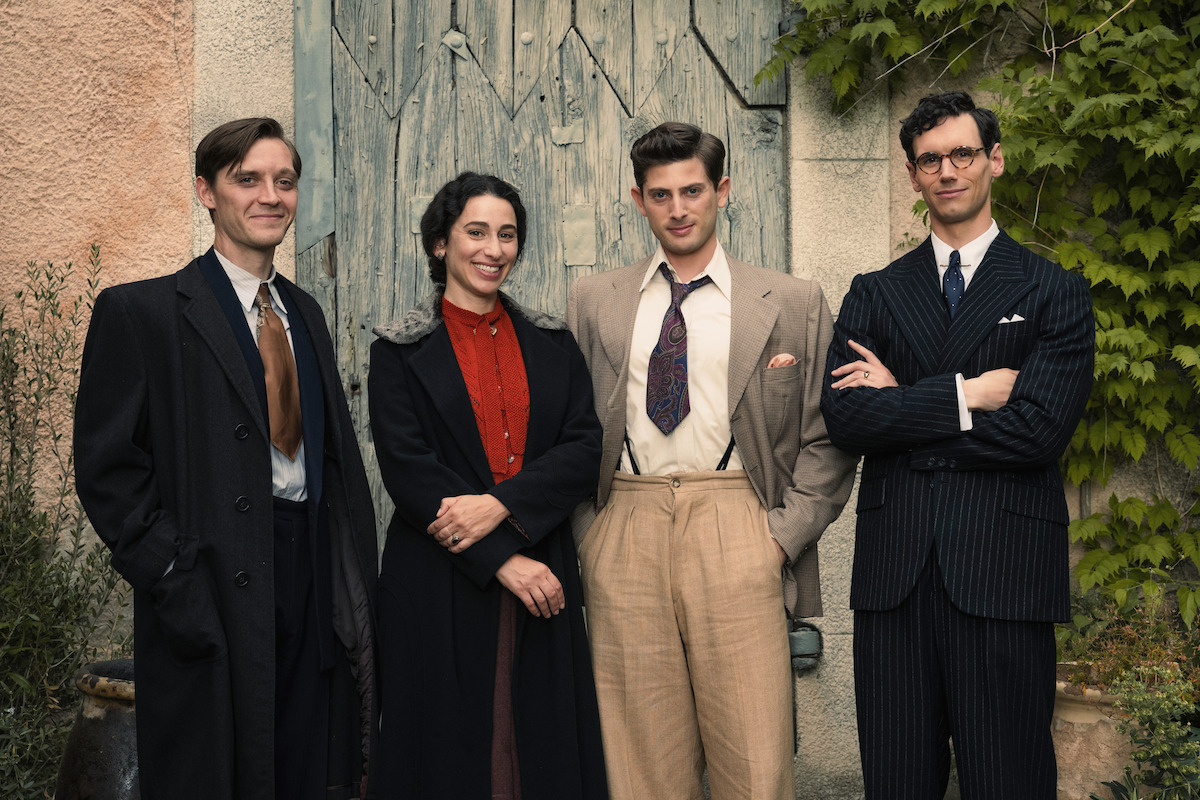
Jonas Nay as Walter Mehring, Alexa Karolinski as Hannah Arendt, Amit Rahav as Thomas Lovegrove and Cory Michael Smith as Varian Fry
Anika Molnar
Marcel Duchamp, Marc Chagall, André Breton, Hannah Arendt, Walter Mehring and Max Ernst
Ralph Martin, Gera Sandler, Louis-Do de Lencquesaing, Alexa Karolinksi, Jonas Nay, Alexander Fehling
This who’s who of the greatest artists and intellectuals of all time might not have survived were it not for Varian Fry and his team helping them all escape from France to safety across the Atlantic. While it’s true that Chagall waited to leave France until May 1941 — when it was almost too late — and that philosopher Arendt first met Fittko when they both escaped from an internment camp, we can only guess as to whether Mehring really belted out his anti-Nazi satirical songs in the Hotel Splendide, or whether Ernst liked to go skinny-dipping at the Villa Air-Bel.
Philipe Frot
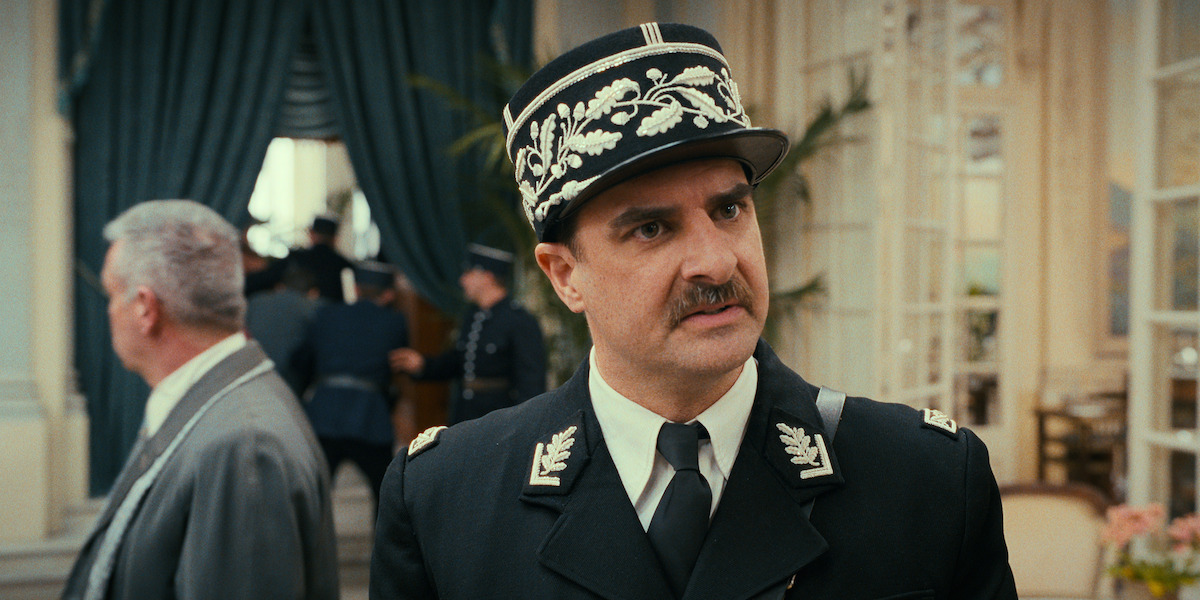
Grégory Montel
Though Frot is a fictional character, he represents the many Vichy regime-led soldiers in southern France. The Vichy government, led by Marshal Philippe Pétain, was not officially under the Nazi regime, but the two often worked in concert. You see as much in the series, when French authorities detain Fry and his friends aboard a ship in the Marseille harbor ahead of a visit from Pétain.
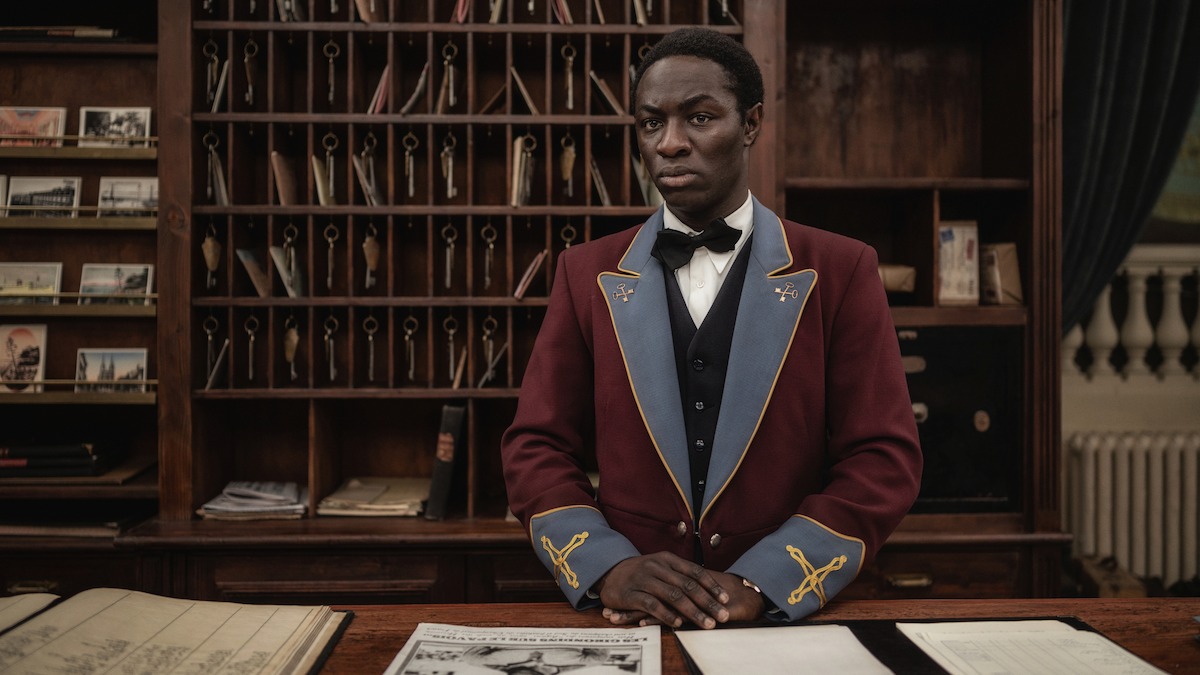
Paul Kandjo
Ralph Amoussou
“We were interested in excavating all the stories that haven’t been told,” co-creator Anna Winger says in Making Transatlantic, about including fictional characters like Paul Kandjo. He represents the many Africans from French colonial regions who helped mount the anti-fascist resistance. The Hotel Splendide where Paul works as a concierge, on the other hand, was the real hotel where Fry began his work and hid refugees. SatiristWalter Mehring lived there for several months until Fry was able to get him out of France. “It puts people who look like me back in the picture,” Ralph Amoussou says in Making Transatlantic about playing Paul in the series.
Bill Freier
Nadiv Molcho
Bill Freier (also known as Wilhelm or Bil Spira) was an Austrian cartoonist who had been working in France before the Nazis invaded, and became an important identity card forger for Varian Fry. As Fry wrote in his memoir, “He could imitate a rubber stamp so well that only an expert could have told it had been drawn with a brush.”
In Transatlantic, Freier seeks out Fry to ask for help escaping France, and ingratiates himself by drawing a caricature of Fry and offering his forgery skills to the mission. We last see him in a prison break alongside the fictional Paul Kandjo. The real Freier was arrested and eventually sent to Auschwitz, but survived. His shocking drawings from inside the camp were among the few images to be smuggled out.
Peggy Guggenheim
Jodhi May
One of the most important names in the history of modern art, Peggy was an heiress (her father died on the Titanic) who famously became an influential gallerist and art collector. Working with Varian Fry, she helped artist Max Ernst escape and married him a year later in the US.
Did the real Peggy Guggenheim once walk fabulously bejeweled into Villa Air-Bel declaring: “Victor and I just cleaned out Picasso!” as she does in the series? We’ll never really know — but hey, we can dream.