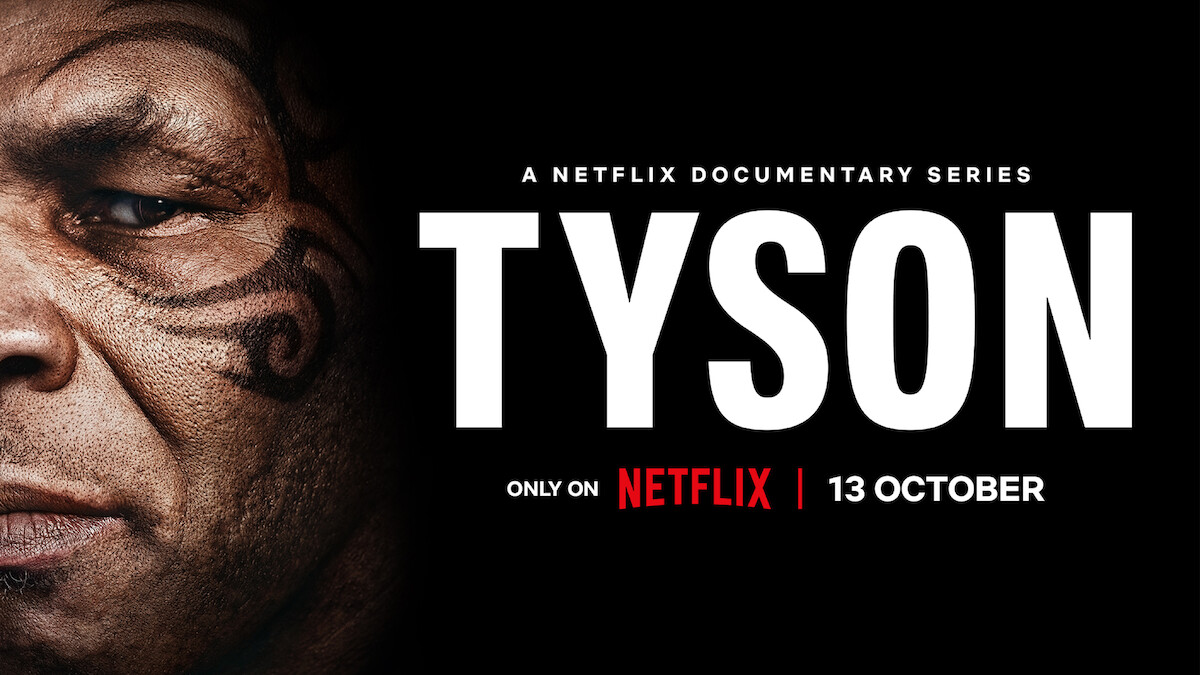
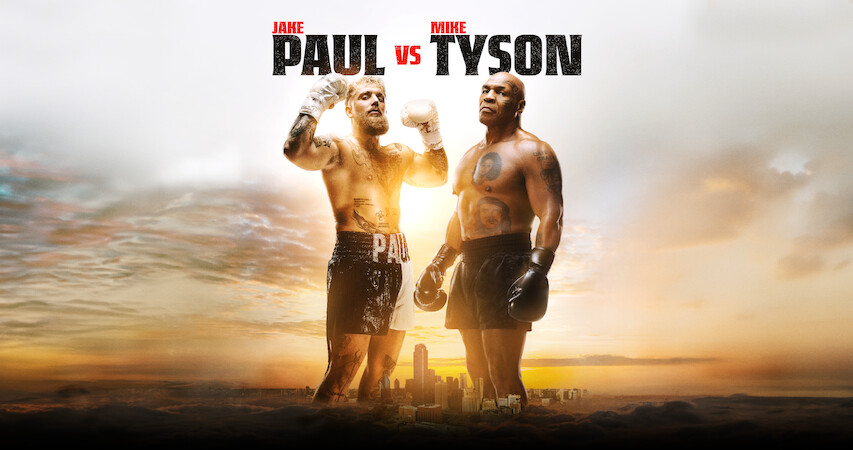
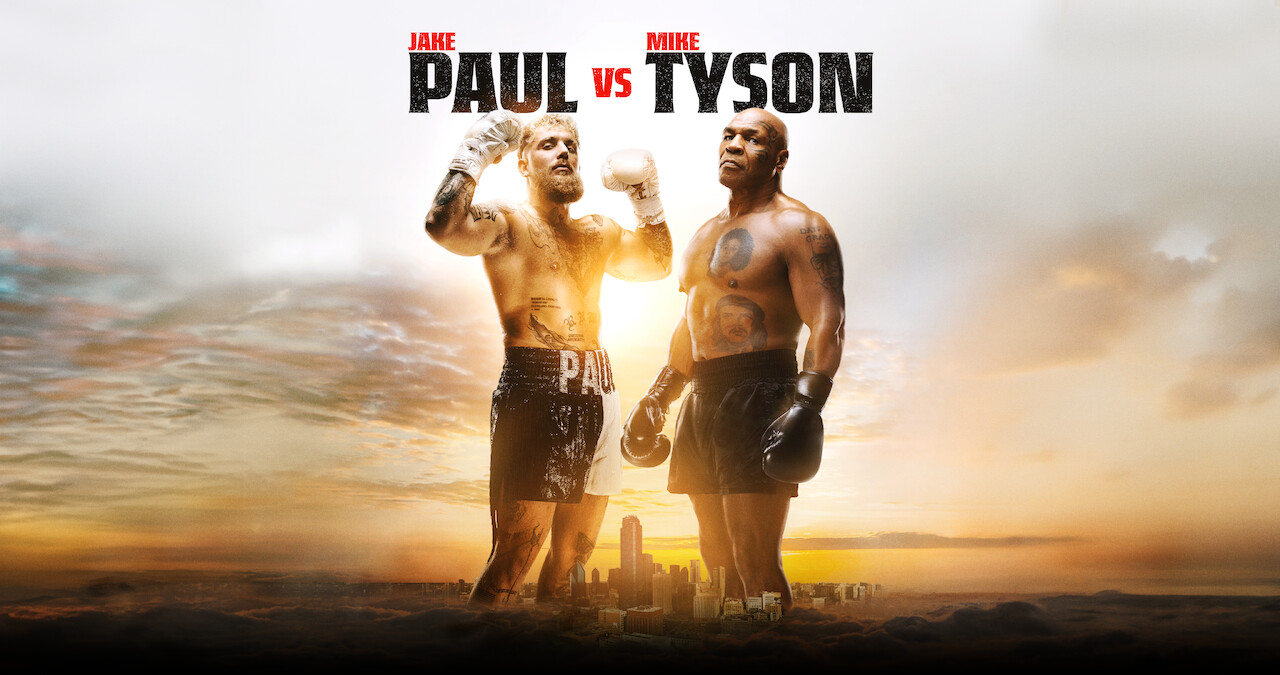
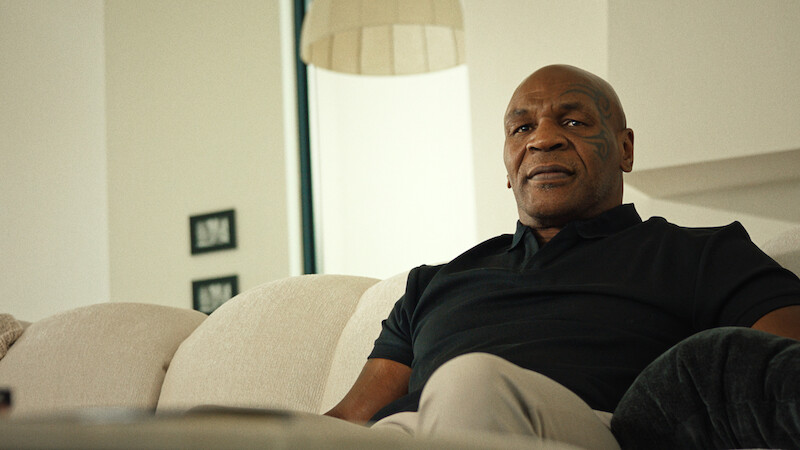
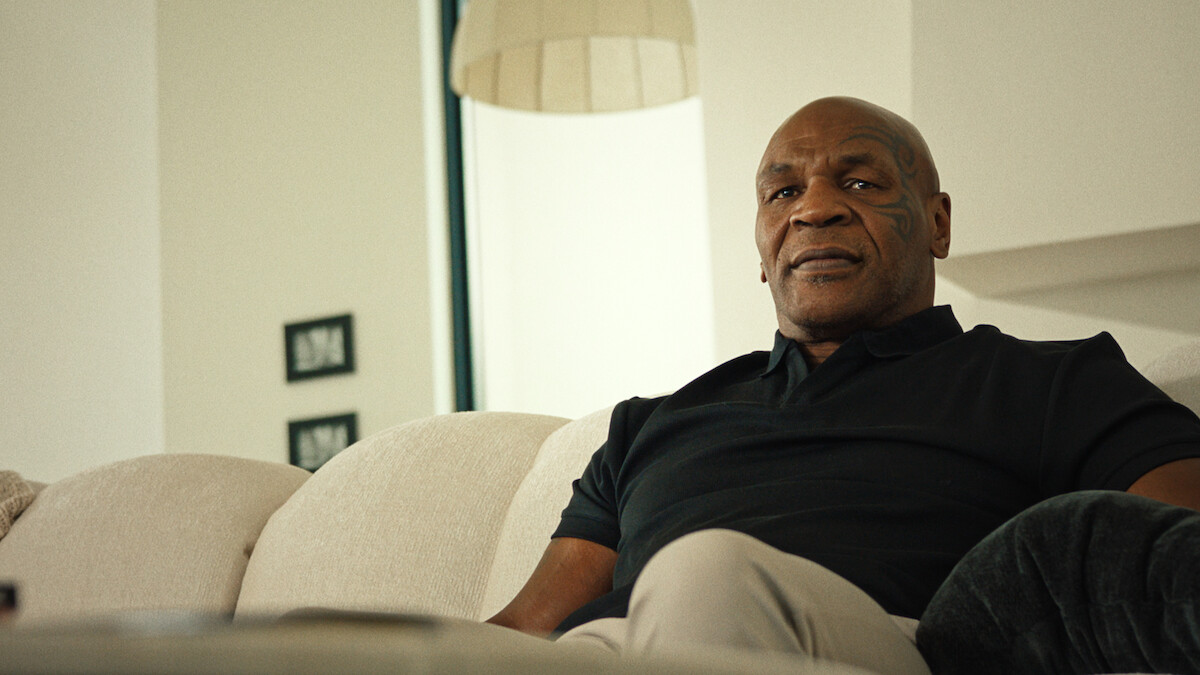
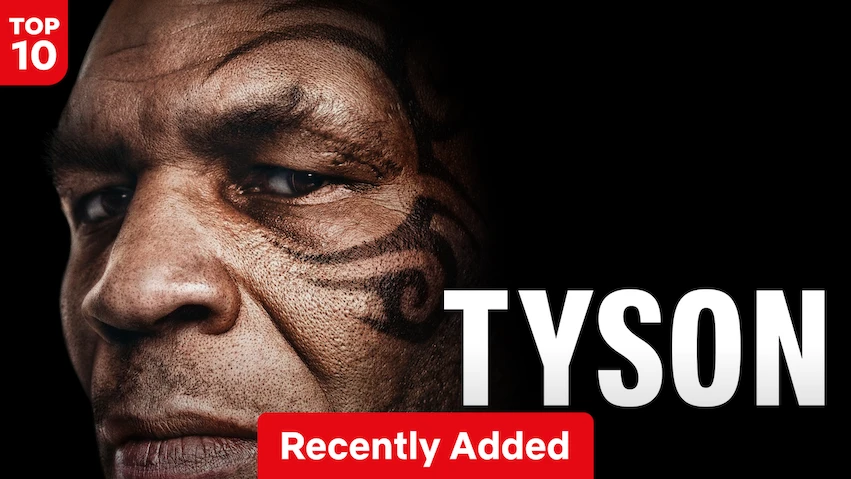
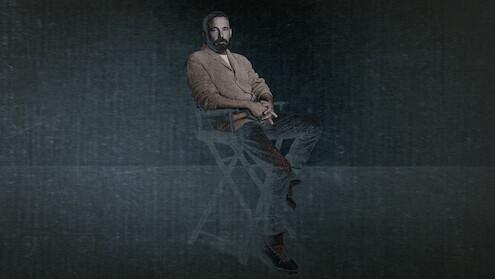
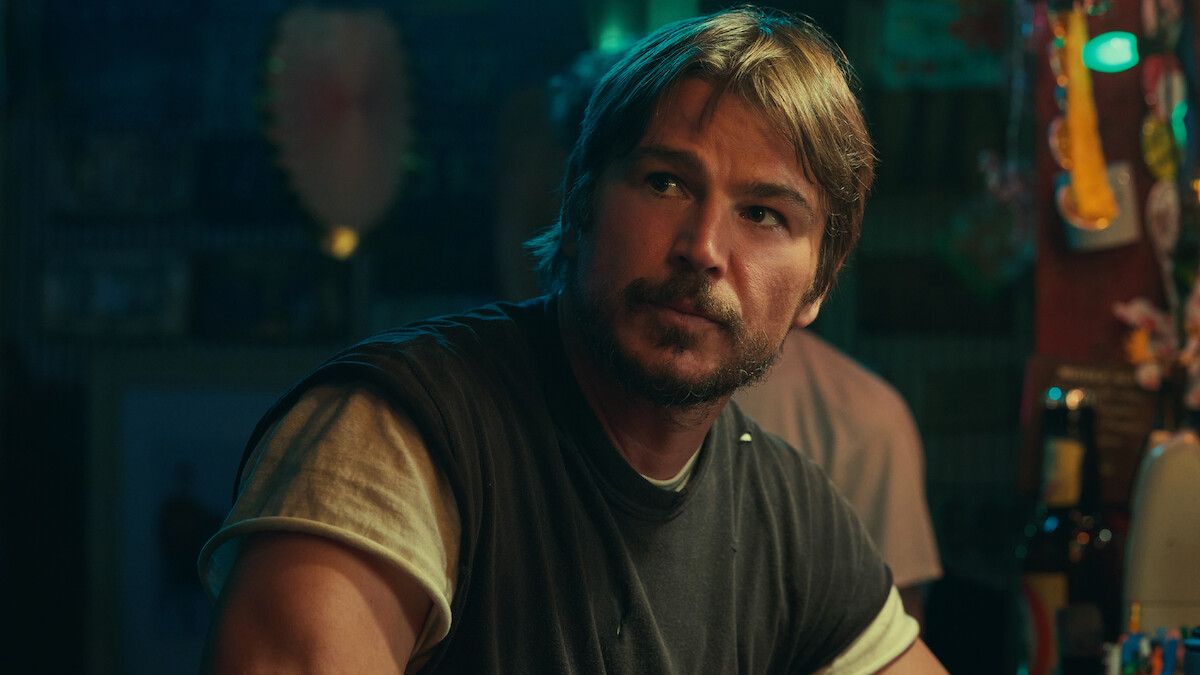
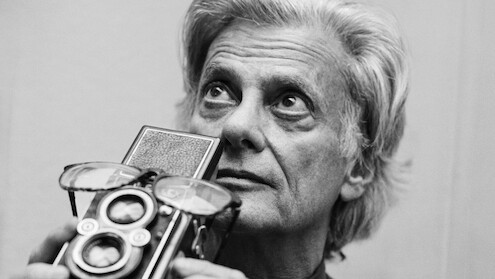
Mike Tyson’s boxing career and his life outside the ring have been well-documented for decades, but in TYSON his story is presented in ways previously unseen. Across four hour-long episodes, the documentary by director Floyd Russ (Untold: Malice at the Palace, American Manhunt) follows Tyson as he reflects on triumphs, losses, controversies, and the personal challenges that have shaped his legacy as a fighter and the person he is today.
During his reign of dominance as the youngest heavyweight champion in history, Tyson was known as “the baddest man on the planet.” TYSON shows the side of the boxer outside of the accolades, with interviews from Tyson’s confidants and colleagues who know him as a son, friend, husband, and father. “It’s a new perspective because he just turned 60,” Russ tells Tudum. “[Tyson’s] been California sober, off hard drugs and liquor for over 10 years now. The goal was to unlock his perspective — that became clear very early on.”
Getting there was an monthslong process, including visiting the places and spaces that made Tyson who he is, as well as a psychedelic journey Russ didn’t see coming. Below, the director opens up about his first meeting with Tyson, the subjects Tyson was reluctant to discuss, and what happened when Tyson invited him to try the toad.
What were the keys to telling Mike Tyson’s story in a way that hadn’t been seen before?
I came to the project with fresh eyes because I only knew the highlights of Mike's life: the ear bite, the baddest man on the planet. I came into it as a documentarian seeing what to do with unprecedented access. I have access to one of the greatest, most controversial athletes and cultural figures of our time. What do we do with a person’s story like that?
After meeting [Tyson] and getting a vibe check, you go into research, you read everything you can; his autobiographies, everything online. You watch everything that’s been made before, and then you try to forget all of that — which is kind of impossible, but you want to make sure that he gets comfortable and tells [his story] from a perspective that feels new.
What was it like meeting Mike Tyson for the first time?
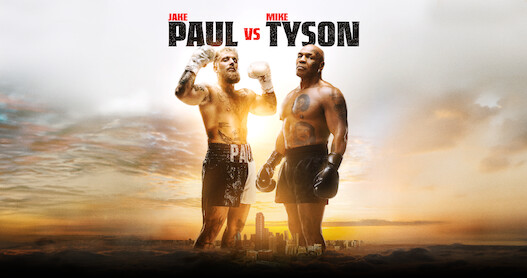
The first thing we did was a Zoom call. I think it was two weeks before the Jake Paul fight. I was nervous. I get on camera. He gets on 15 minutes late and doesn’t turn his camera on. It’s just a black square. He was between training sessions and he was pretty grumpy, stressed about the fight, I think. When he’s in training, he gets like that. Our talk was only two minutes long; it was direct, straight to the point.
I knew from the beginning, you shouldn’t bullshit Mike Tyson. Never be overly nice. I have to get his respect. I have to be honest with him. So, I told him right away, “Hey, to be honest, I don’t know a lot about you and I’m here to discover who you were and who you are now.”
We clicked right away. He was basically like, “Cool, I can’t wait to get started.”
How did you make TYSON compelling for viewers who don’t watch boxing?
I don’t want this to be a sports documentary. Mike’s a cultural icon. He’s done everything from becoming a fashion icon to being in the media for controversy. I wanted to showcase what his life means culturally. What does it show about our culture, and our country, and maybe even the whole world, in terms of how we consume celebrities and media?
How many times did you interview Mike Tyson during the making of this documentary?
We probably interviewed him eight times, spread out over eight to 12 months. Some of those were sit-down interviews; some were follow-along moments where we went to Brownsville, [or to] the Catskills gym where he learned to box. We went with him to Vegas, a formative place, and we visited him in Florida, at his current home.
Mike Tyson has been a prominent public figure for decades and is heavily documented. How did you approach selecting from an abundance of archival footage?
It always goes back to how we’re going to make people feel. I don’t care if footage has been used before. If it’s good, if it’s relevant, I’m using all of that to make you feel something. The archival team was so big. We had four archival producers working for 16 months, gathering everything.
One thing I love that we do is intercut our current interviews with historic interviews. Now the audience is empowered to see the full arc of his life. That’s what makes this doc special. I don’t care about the stuff before — none of them had access to Mike Tyson at age 60, when he’s fully able to reflect on his life.
Near the end of Episode 4, you and Mike Tyson both take the toad — a psychedelic drug that occurs naturally in certain amphibian species. How did that come together?
We were in the car, I’m sitting in the front seat, he’s in the backseat smoking, and I’m like, “Why did you fight Jake Paul?” He leans forward and says, “The toad told me to.”
I was like, “Huh? What are you talking about?” I’d never heard of the toad, like most viewers, probably. He was like, “Every time I have to decide something important, I consult the toad.” He told me when he had addiction problems, one overdose was so bad, he was desperate to try anything to help. Someone suggested the toad. Sometimes it helps people with addictions and trauma.
[Tyson] said, “Ever since I smoked the toad, I haven’t done cocaine, I haven’t drank.” He told me he thinks he might be dead if he hadn’t found the toad.
I asked, “What is it like?”
He was like, “Why don’t you do it with me?”
I wasn’t sure if that was a serious proposal. Then, a couple weeks later, I was told, “Mike would love to do Toad with you. He’s available on this date.”
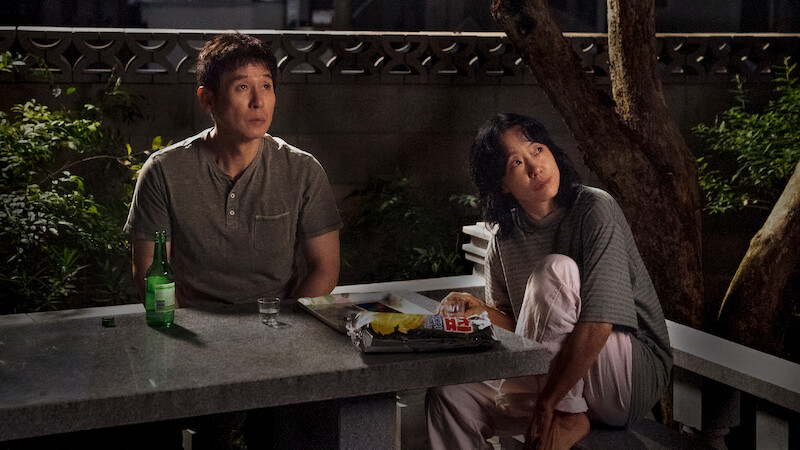
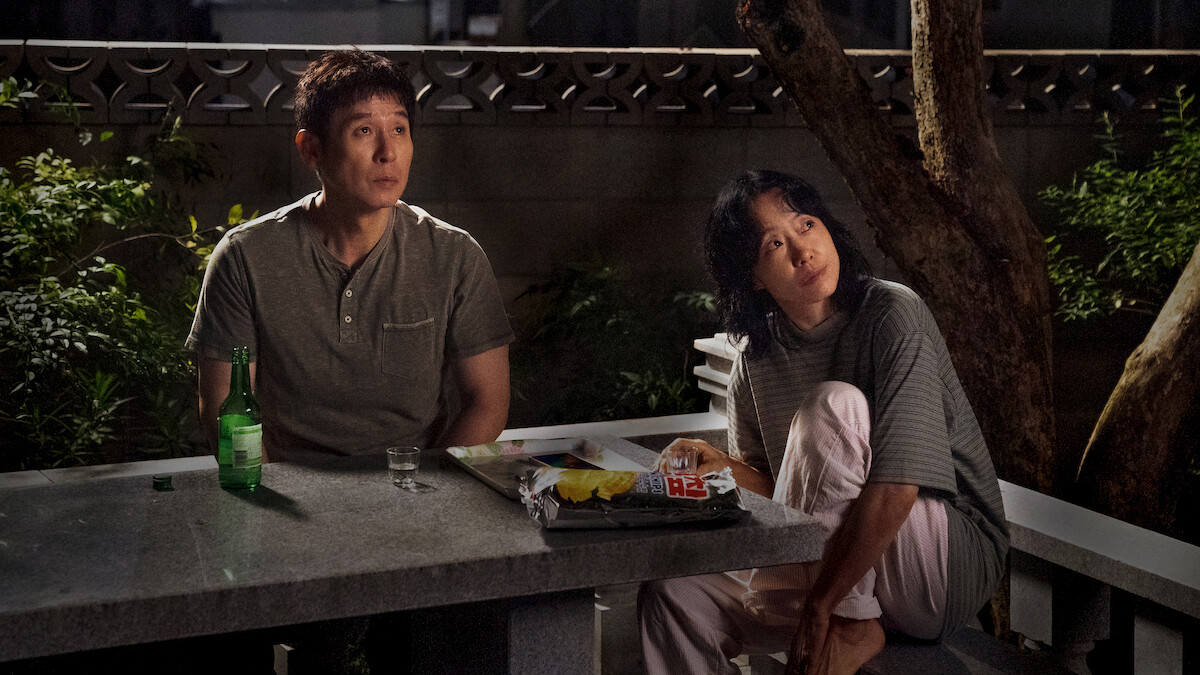
I had to talk to my wife for a long time to make sure it’s OK and safe. I did a lot of research, and three weeks later, we were laying on a blanket in a backyard going to new places I’d never been before.
How do you stay present as a documentarian while experiencing the toad?
It’s funny, because I was like, “I’d rather just watch you do it and document, then ask you questions.” Right away, Mike was like, “If you do it, you’re going to be able to understand and ask me much more relevant questions.”
So, it was like if you do this with him, you’re entering an understanding and a circle of trust. The biggest stress I had from day one was, how in the world are we going to end the doc? What is the ending to a Mike Tyson full-life, epic documentary? [Doing the toad] was special to me because we found that in the documentary. We never researched it, we never planned it — it happened while we were filming, and that’s what a documentary needs to do. It needs to document, and it can’t be written.
It’s not about, “We’re doing drugs and that’s cool.” It was a spiritual journey.
65 million households around the world tuned in live to watch the epic showdown.
“We have to be able to face the man in the mirror.”
The docuseries retells the harrowing 100 hours after the bombing via the people who lived through it.
Were there topics Mike Tyson didn’t want to discuss?
When I would ask him about Don King, I would not get answers. For the first three or four interviews, it was just like, “I don’t want to talk about Don, let’s move on. Next question,” or really short answers.
Don was a whole ’nother thing we had to work through and figure out, because the trauma he has from Don is a thing that I was not aware of. It was just about breaking down those layers so we could get him to talk about Don. And hey, after we did the toad, he talked about Don.
What were the most challenging parts of interviewing Mike Tyson?
You can only talk about one or two topics a day with Mike, and then it’s done. It’s over. He’s done, he wants to go somewhere else, and you have to go again the next day. You have to go on a psychological ride with him. For me, the biggest challenge was every single day I would get to set, or see him, and I would just be like, “I wonder what mood he’s going to be in today.”
What do you hope viewers will take away from watching TYSON?
I feel like the whole doc is a roller coaster, building up, tearing down. When you thought you knew somebody, you realize there’s a whole other side to them. That’s the ride of the four episodes. The screening we had of Episode 1 in the theater, there were moments people were laughing, and I was like, “Whoa, I never thought it would get laughter.” Then, in the climax, people were crying. And that’s just Episode 1. It’s a reflection of how dangerous the power of fame can be.
TYSON is now streaming on Netflix.