Images: Eric Liebowitz/Netflix
Explainer
Let’s Talk About the Ending of The Watcher
Bobby Cannavale and Naomi Watts break down that final scene.
May 14, 2024
🤐 SPOILER ALERT 🤐
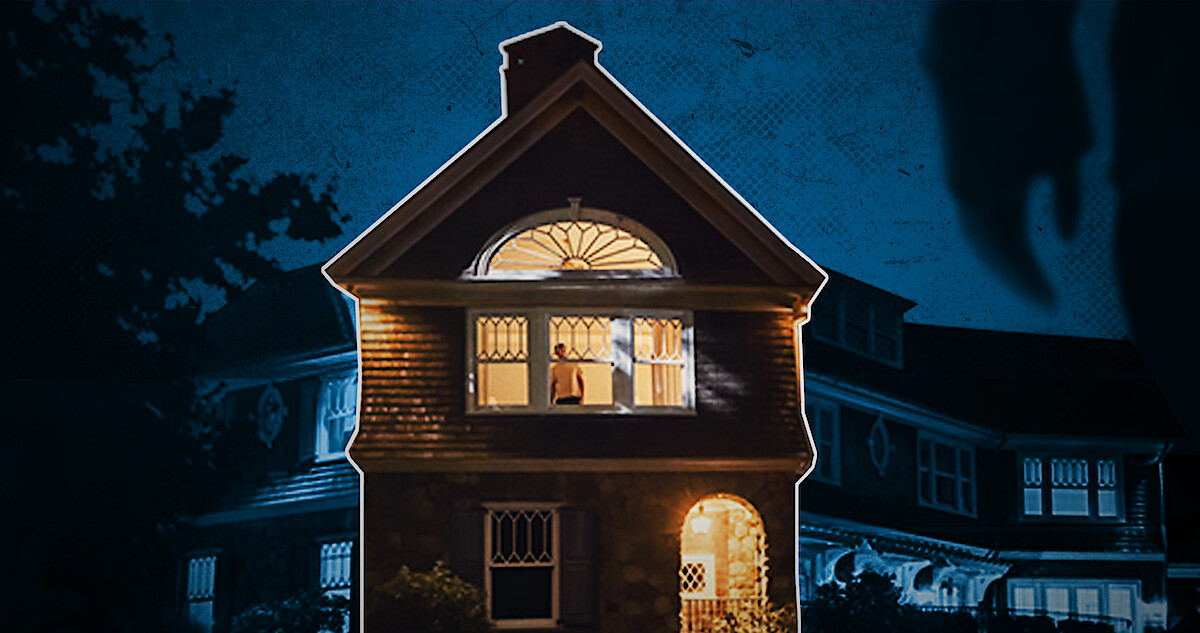
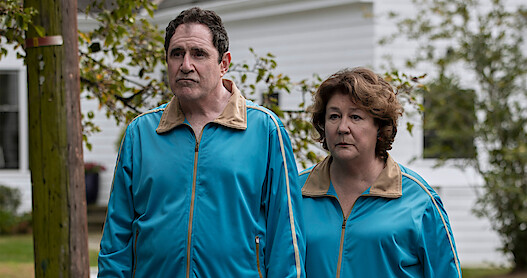
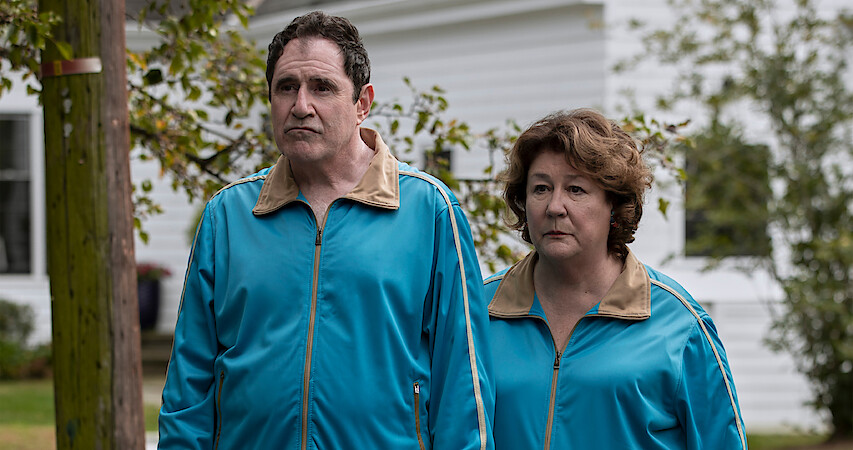
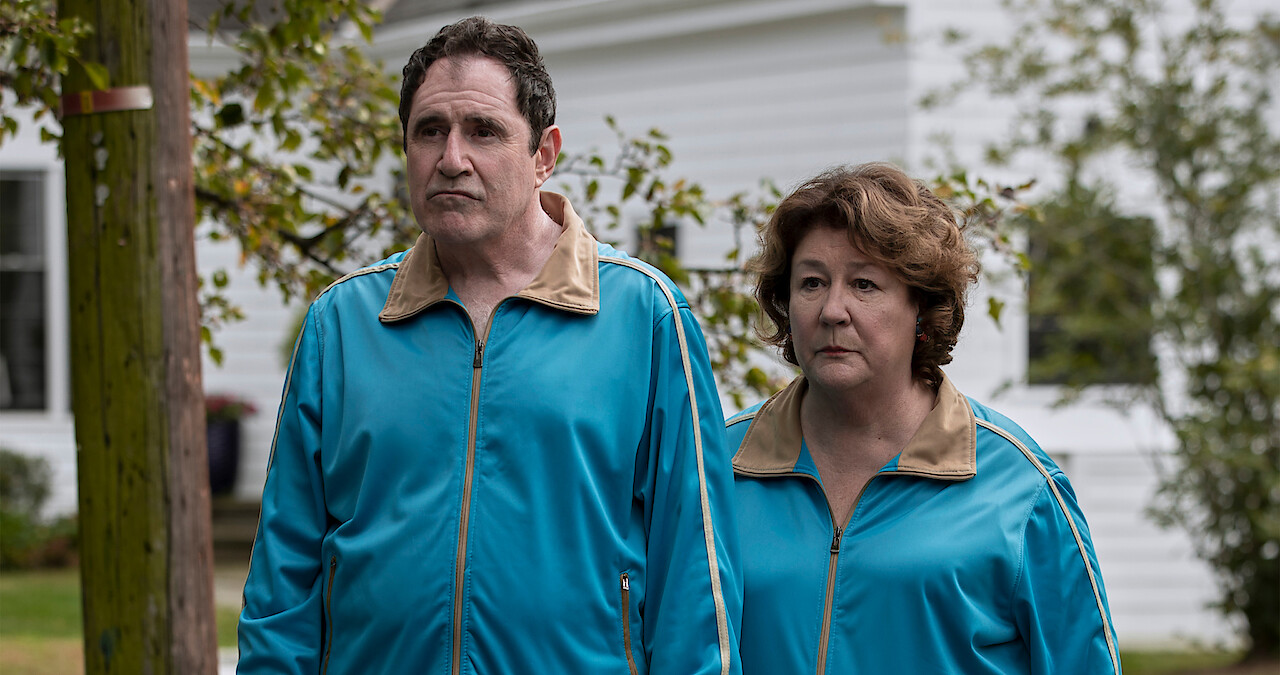
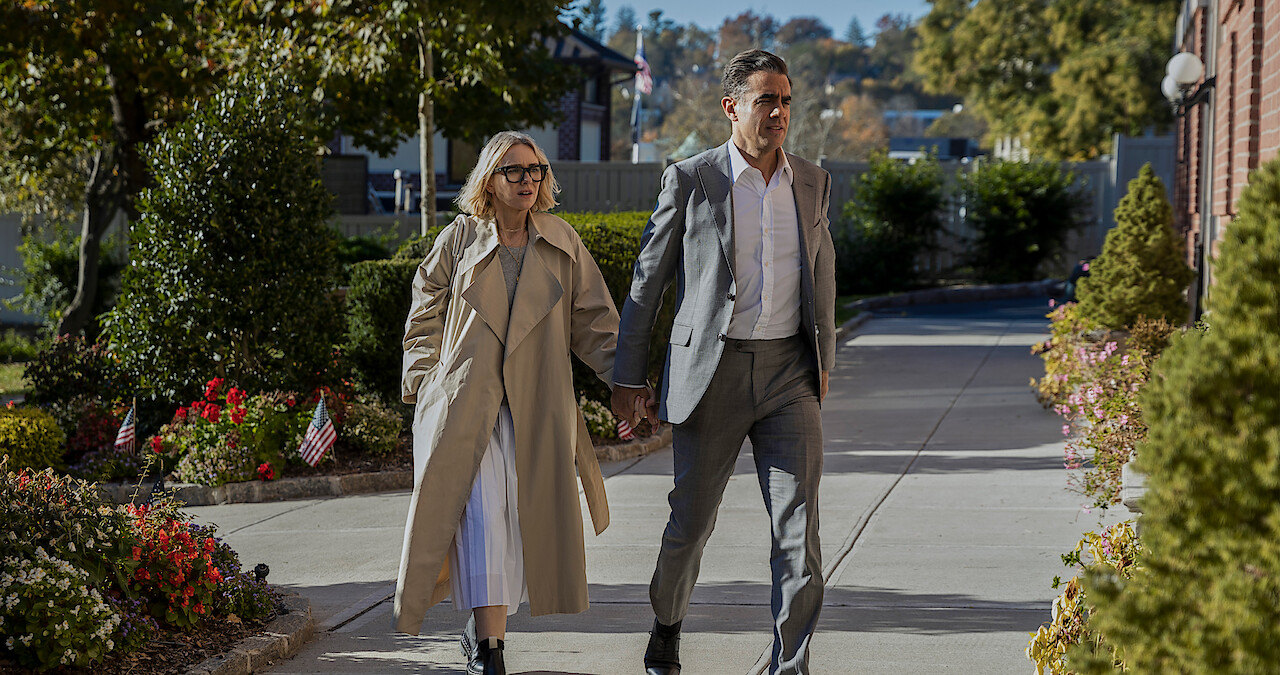
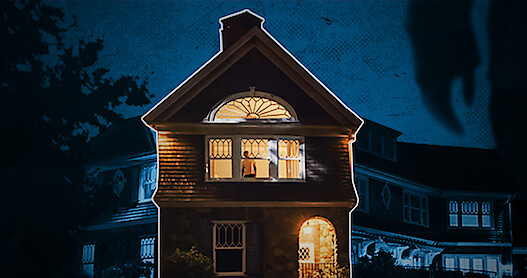
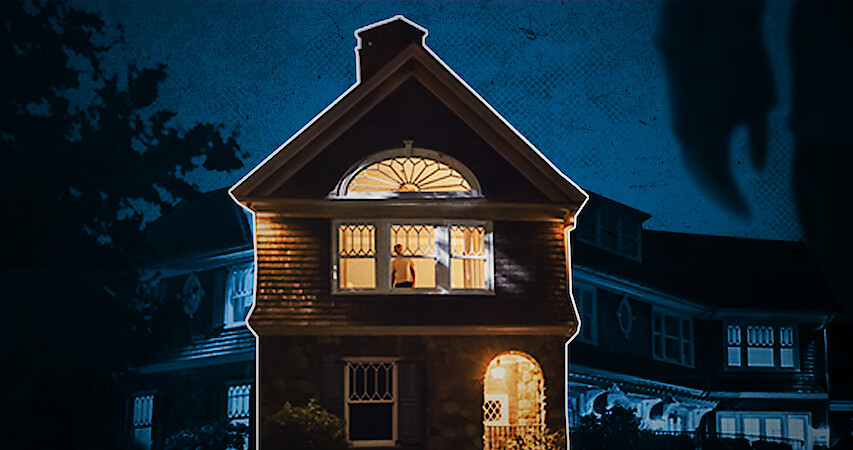
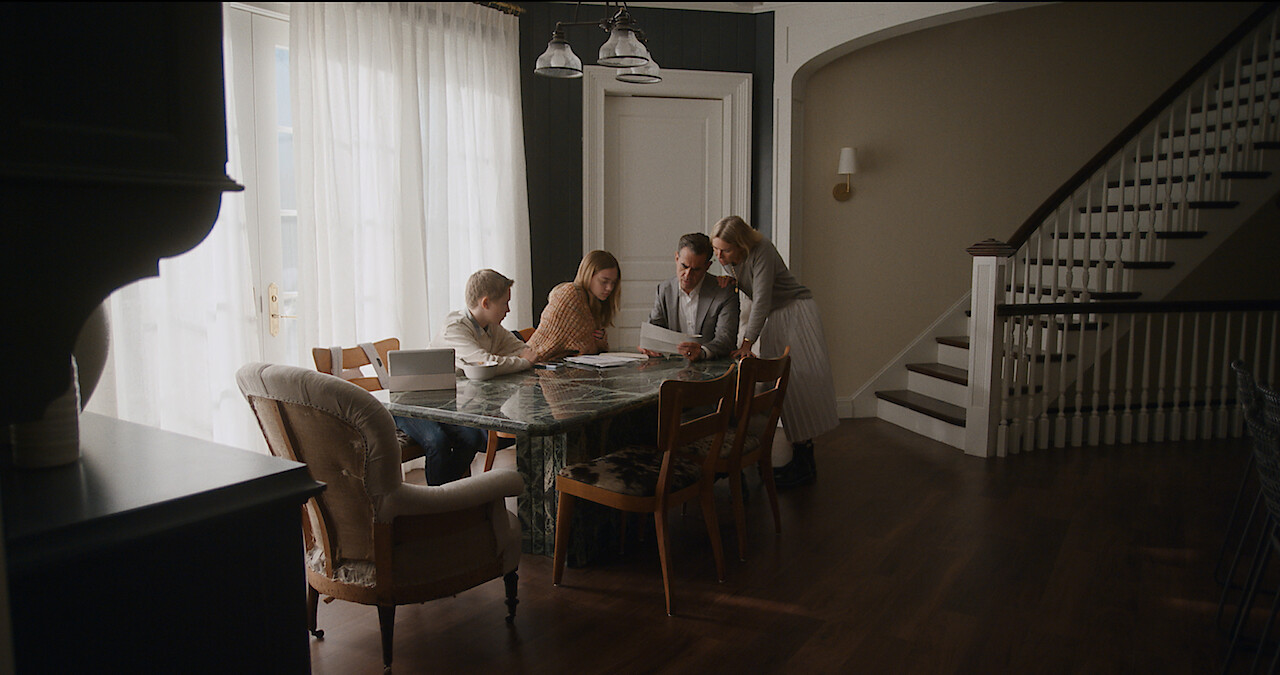
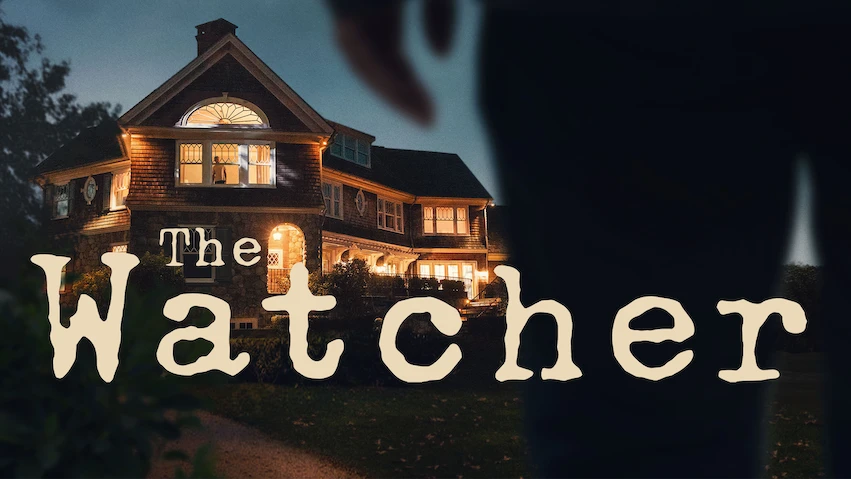
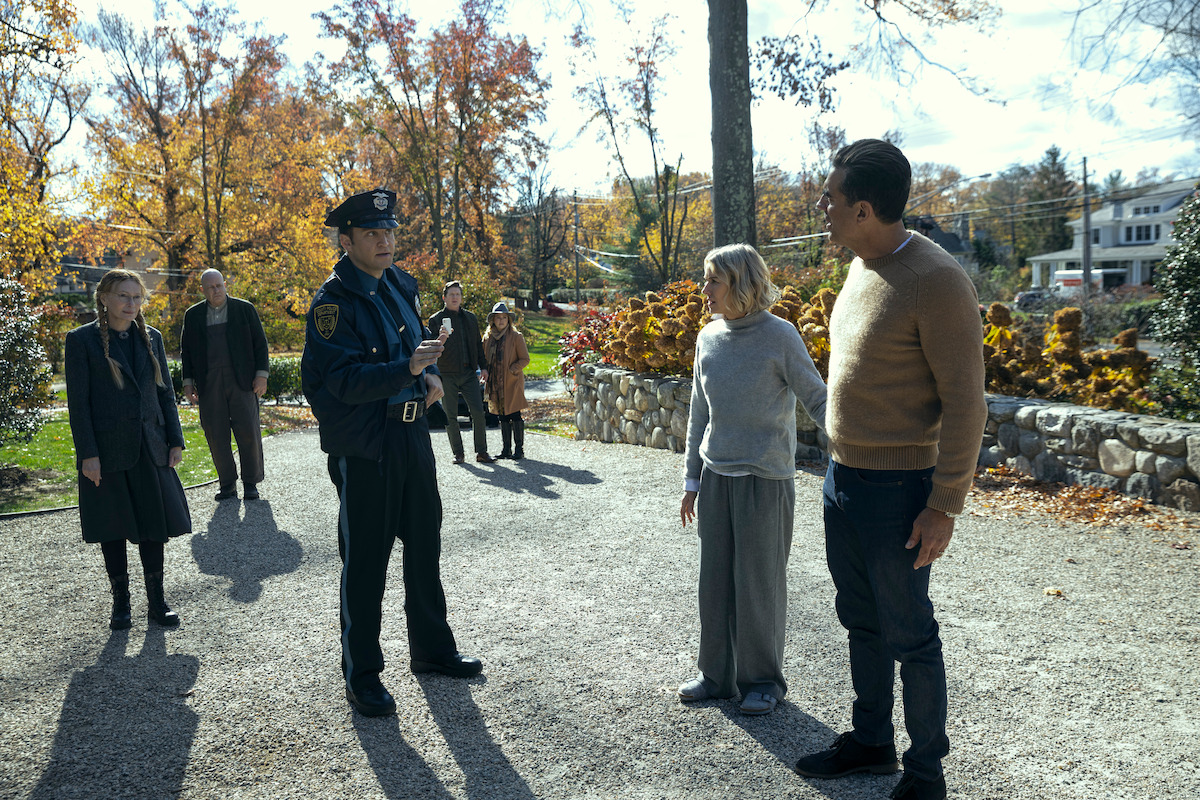
The final episode of The Watcher ends on a mysterious note. After selling 657 Boulevard and moving back to New York City, Dean Brannock (Bobby Cannavale) still can’t let go of the need to understand who was behind the creepy letters that drove him and his family away. Despite half-hearted claims to his therapist that he’s over it, Dean drives to Westfield, New Jersey, and parks outside the house. Another family has moved in and Dean runs into Ben, the new owner, at the end of the driveway. When Ben asks if he lives in the area, Dean — who just introduced himself as John, as in John Graff, the man he was so convinced was the Watcher — answers in the affirmative. “See you around then?” Ben asks. “Definitely,” says Dean.
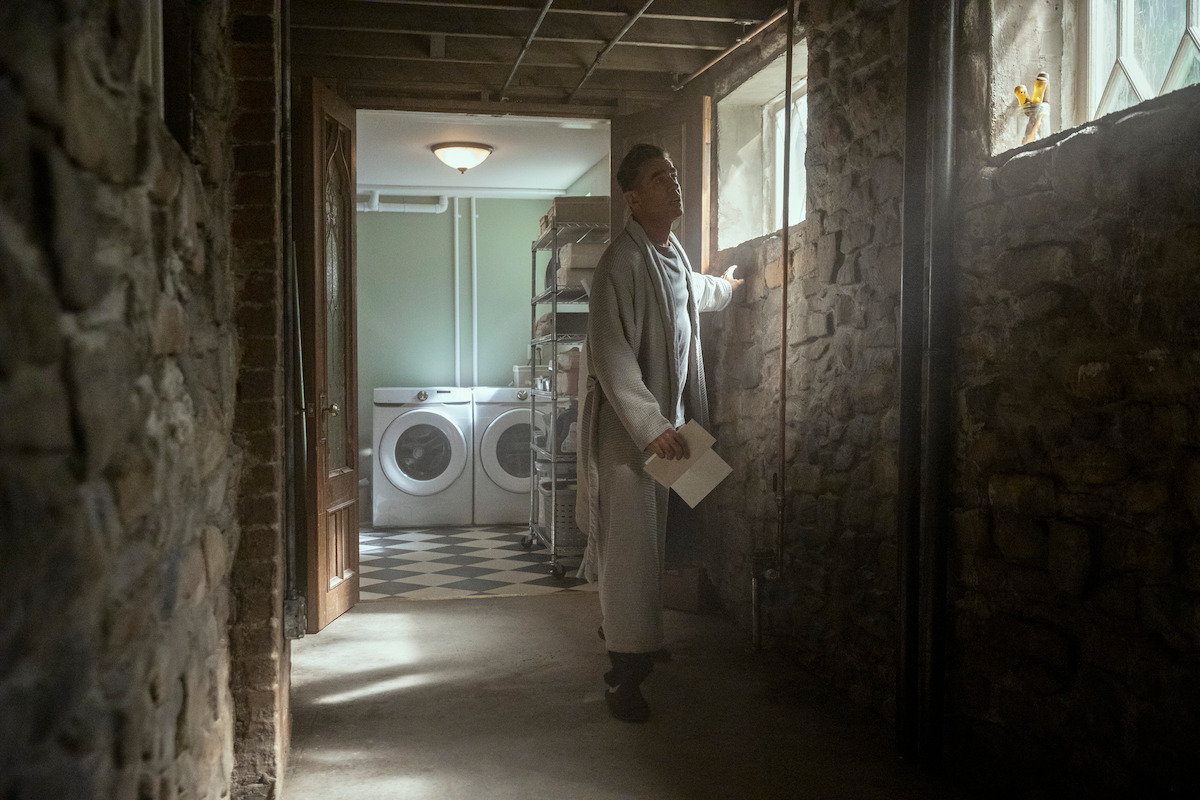
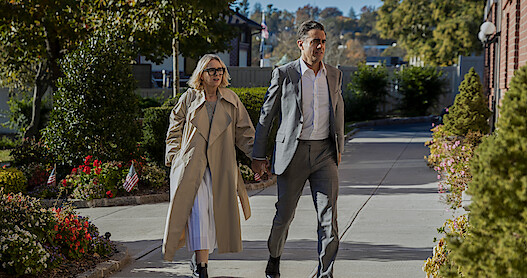
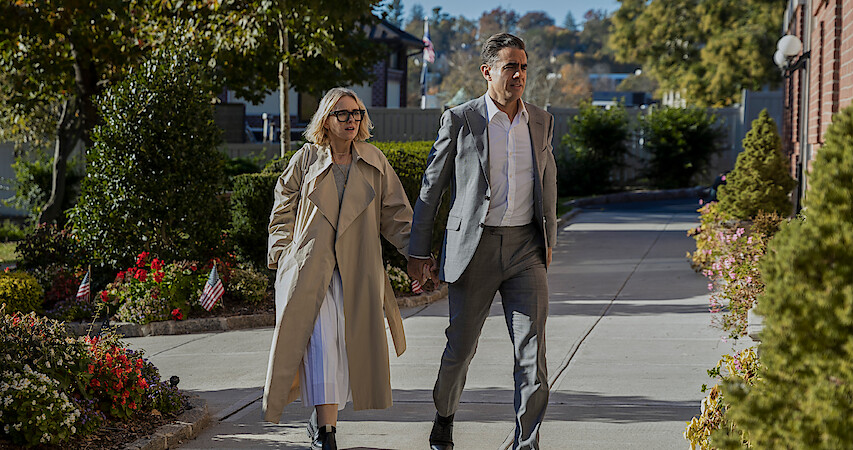
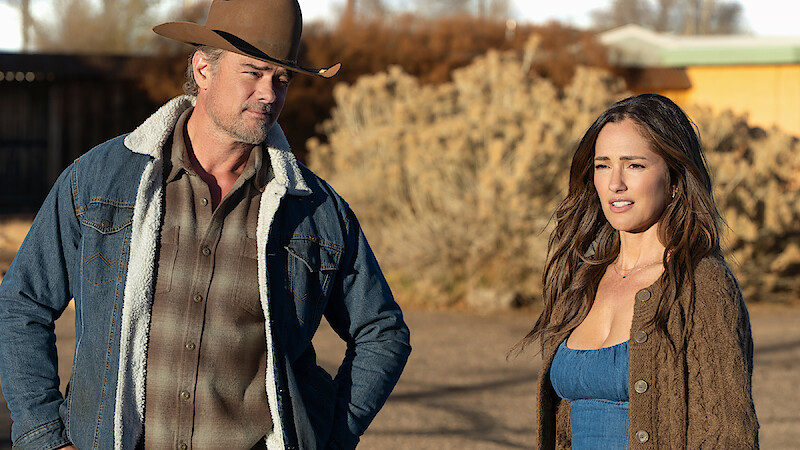
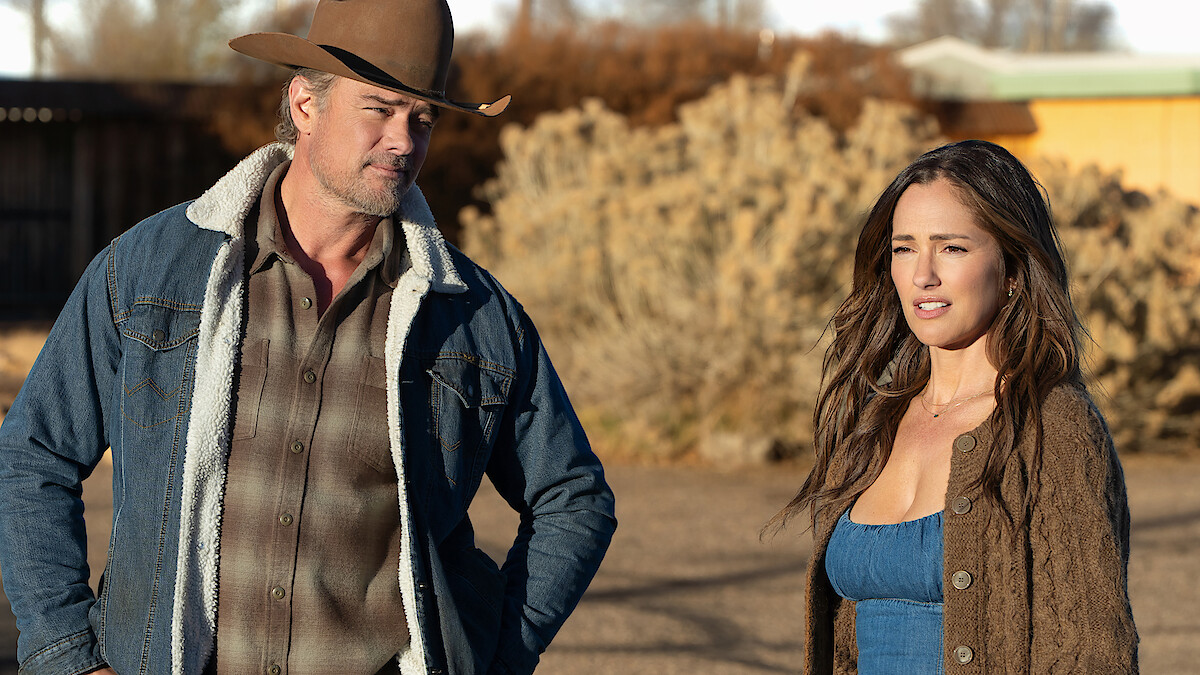
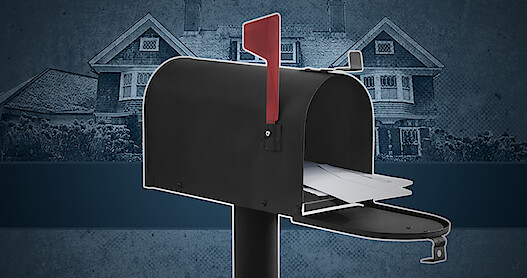
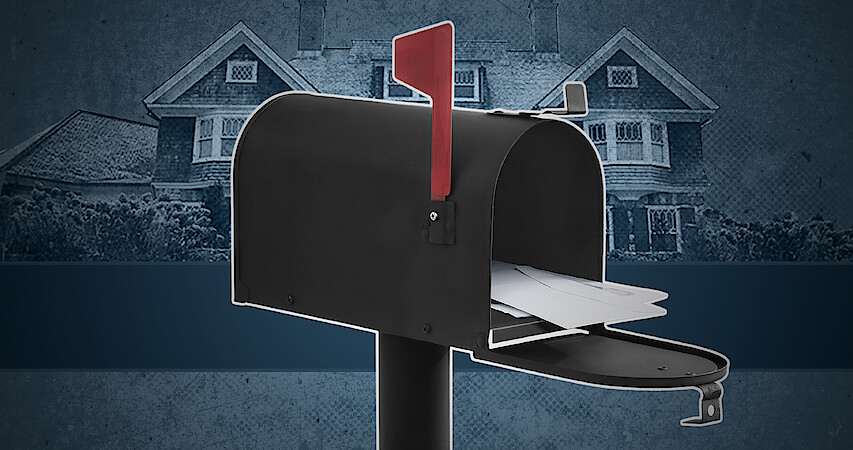
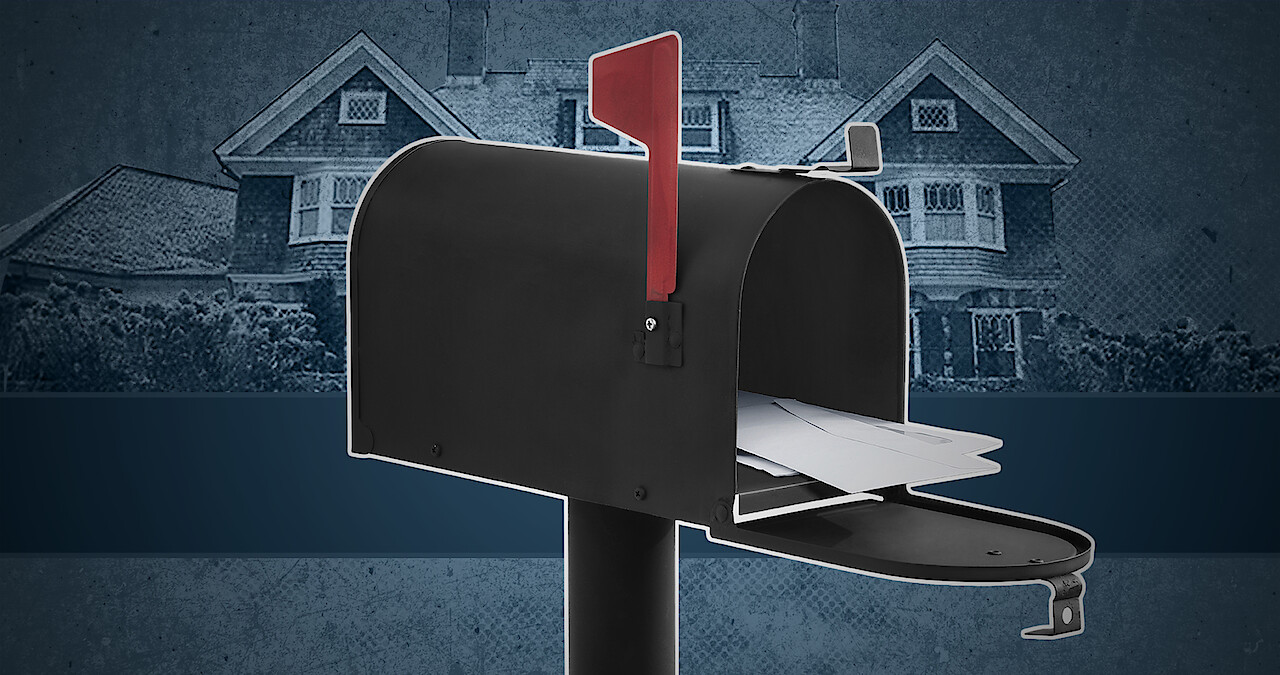
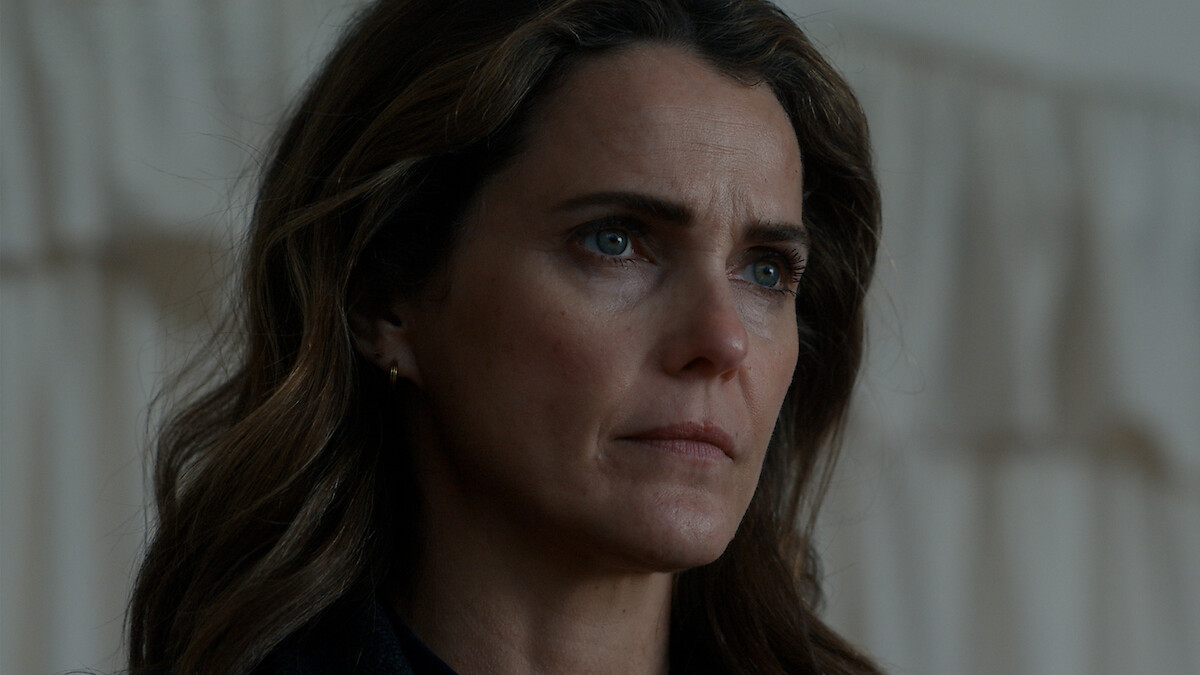
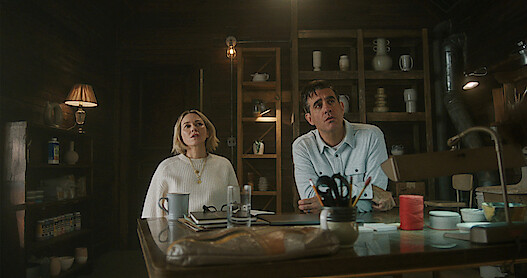
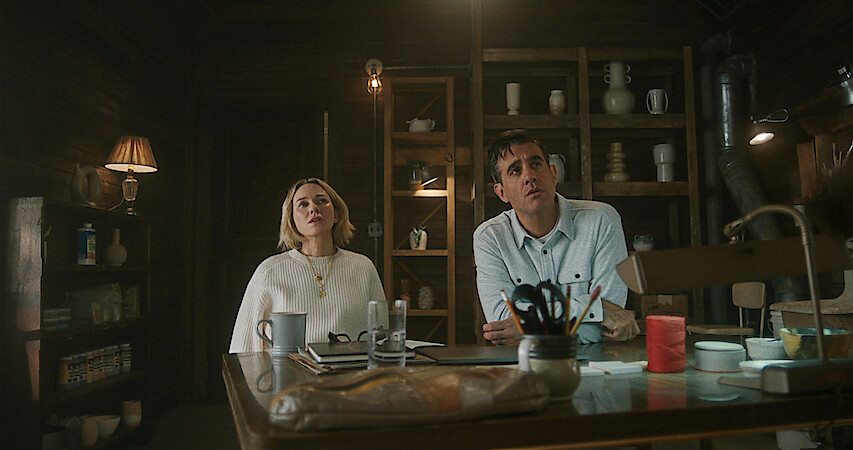
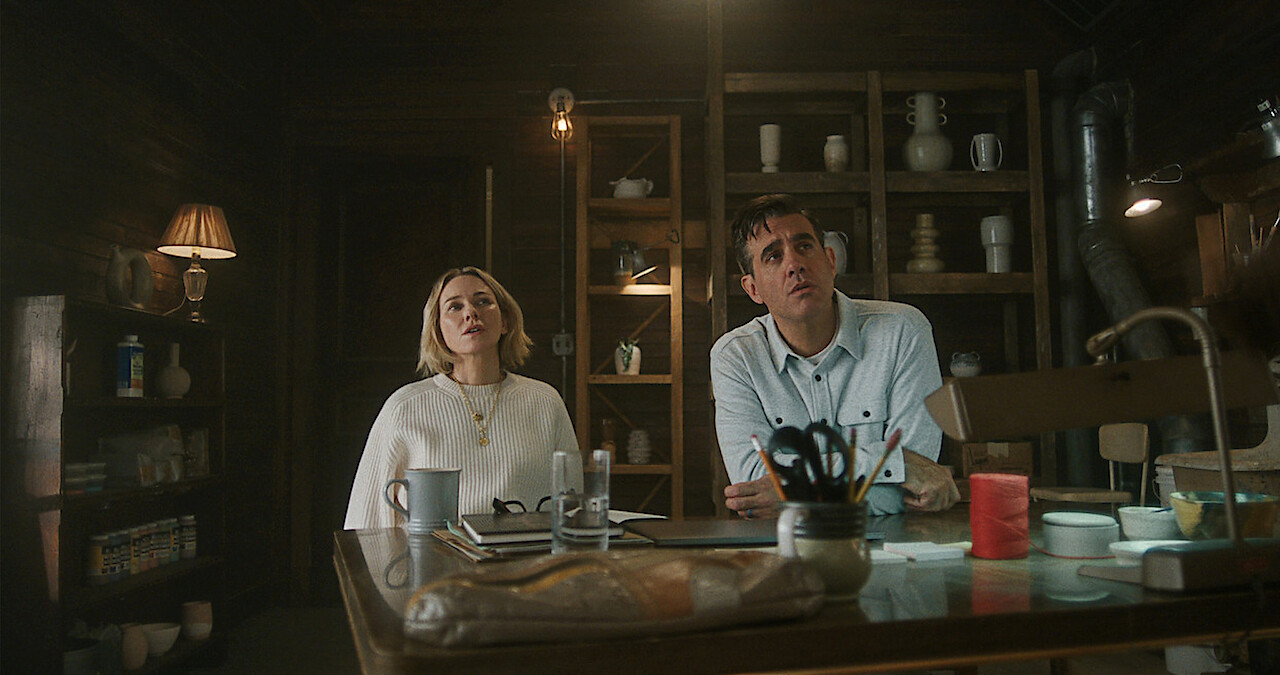
When he returns to the car, he sees Ben open the mailbox and remove some letters. Could one of them be from the Watcher? And if so, did Dean put it there? Suddenly, Dean gets a call from his wife, Nora (Naomi Watts), who seems to think he’s interviewing for a job rather than lurking in their former yard. The two share a bittersweet moment when Nora tells him how proud she is of how he’s dealt with the situation, and they both end the call saying, “I love you.” But as Dean drives away, Nora’s car pulls up right behind him. While he’s been watching the house, she’s been watching him.
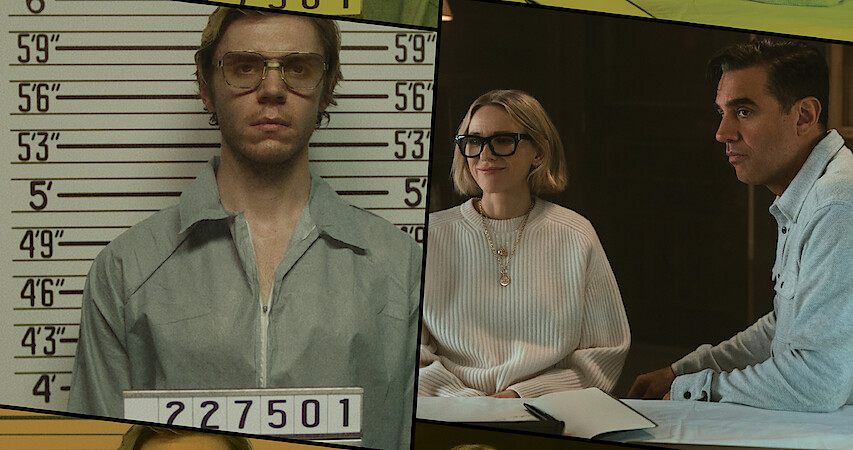
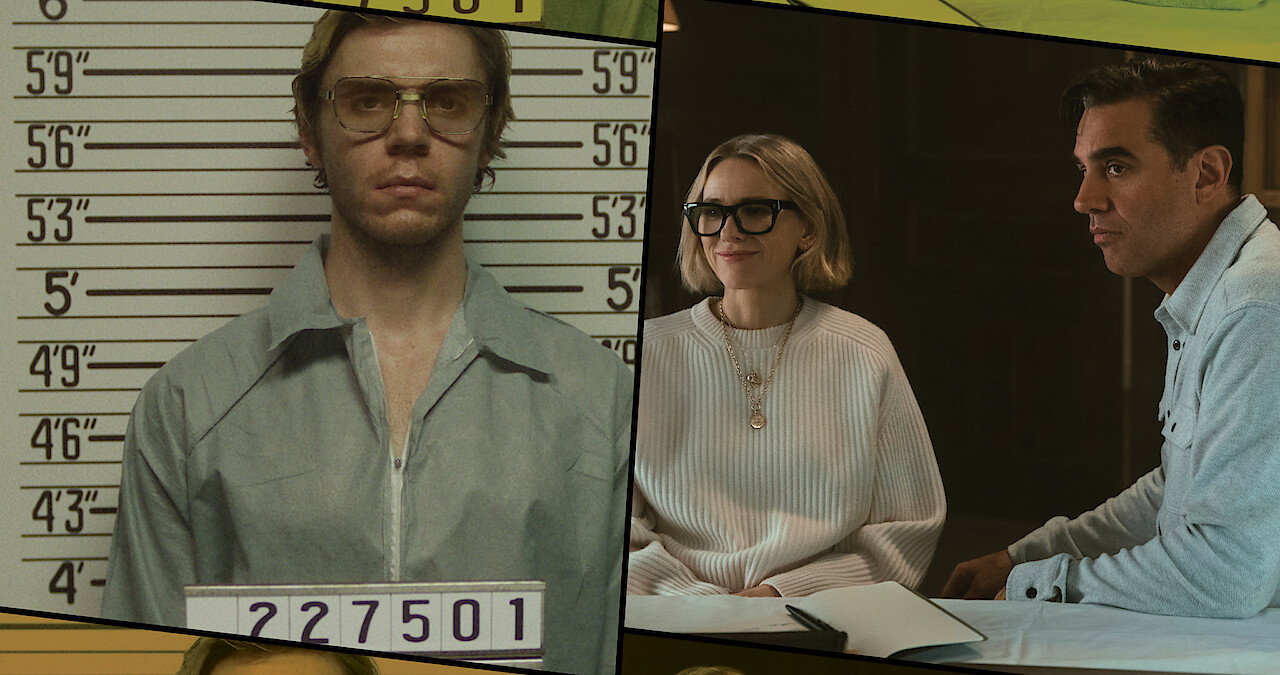
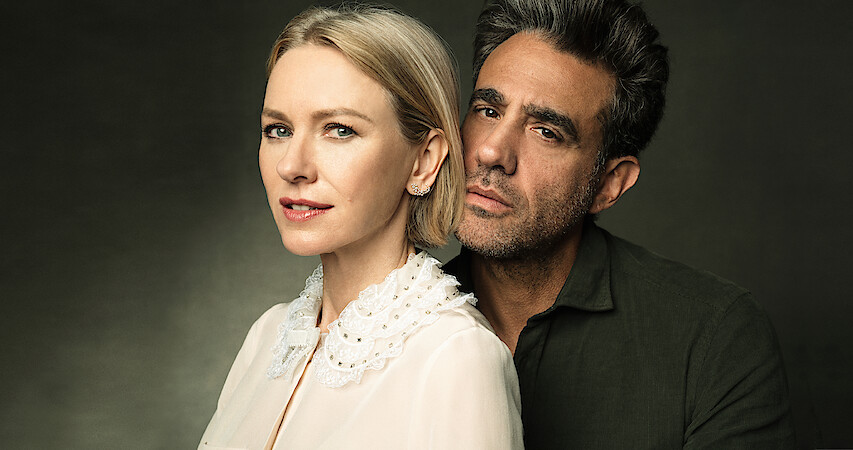
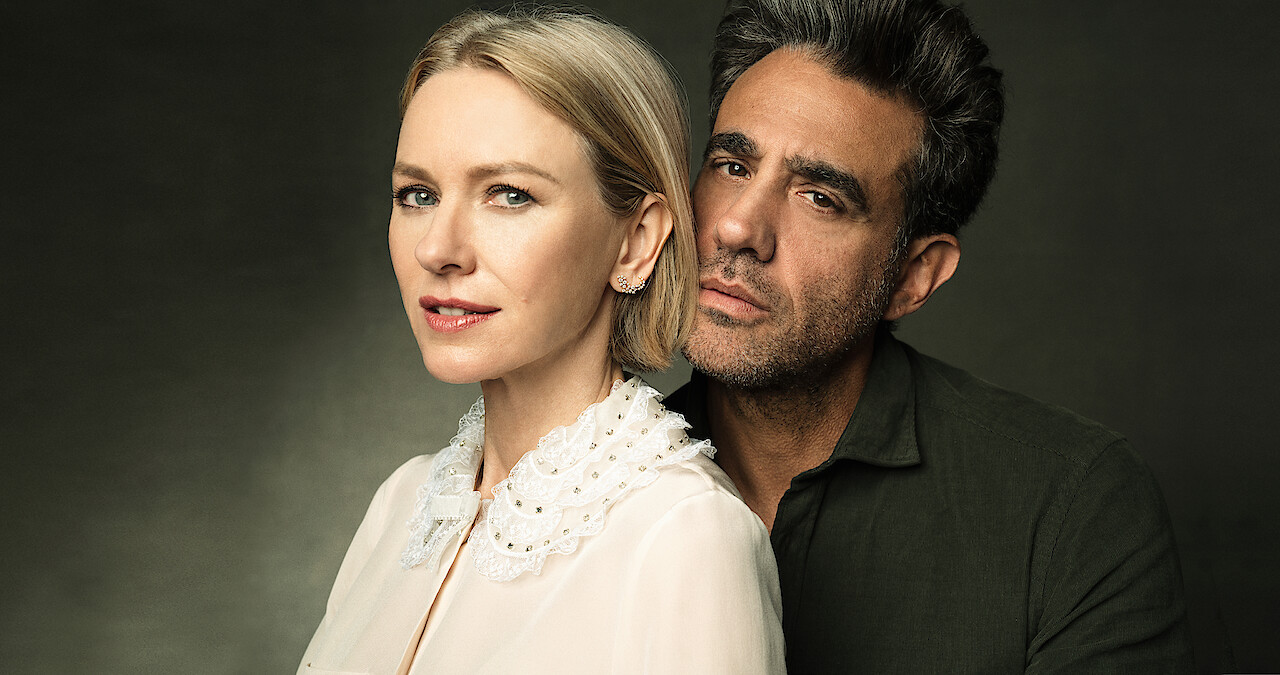
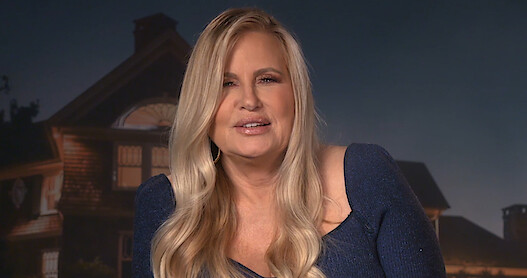
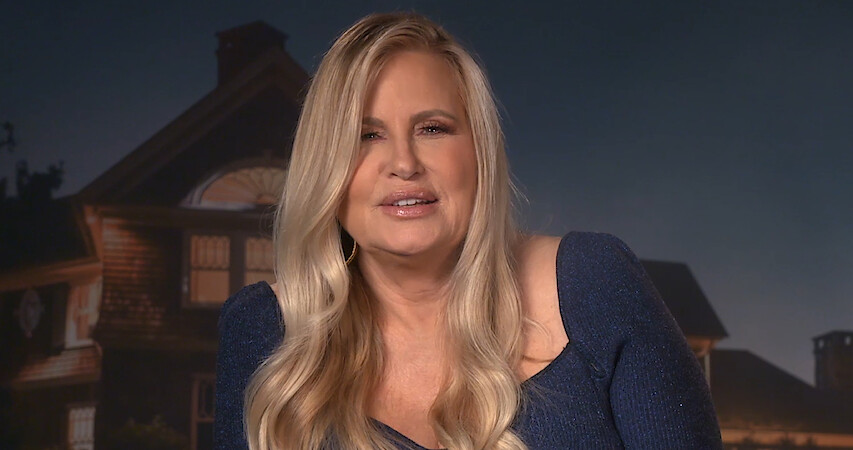
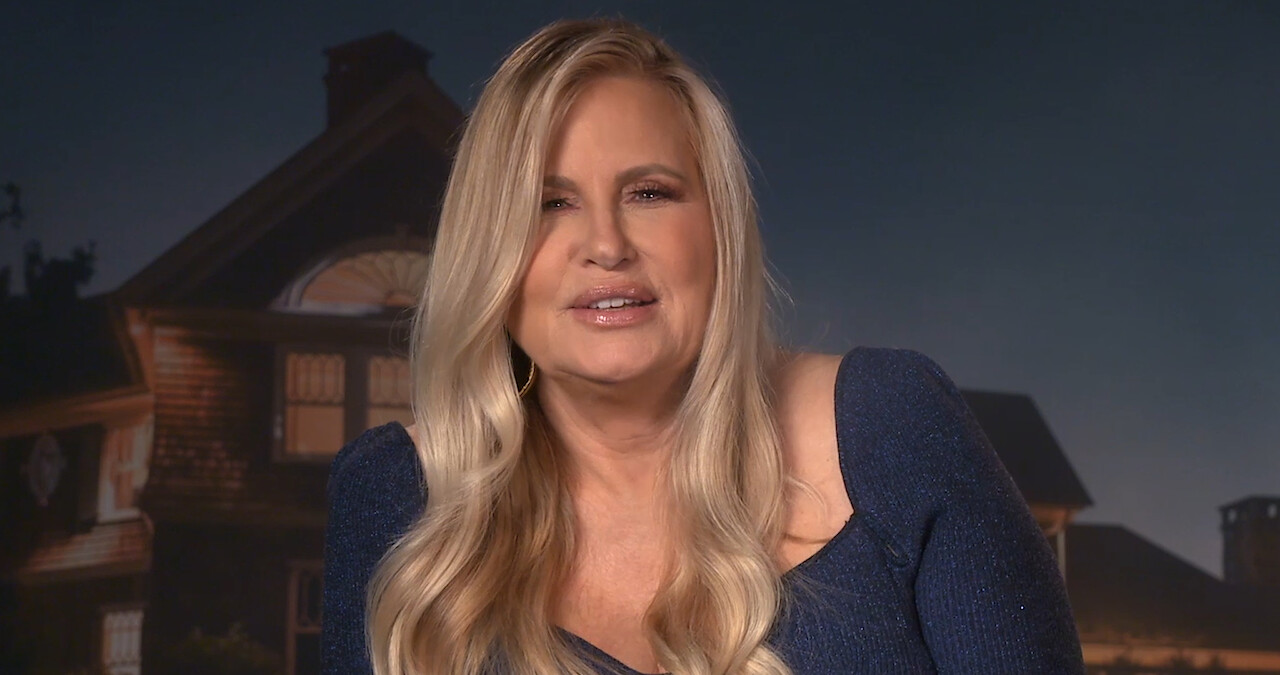
“Things have really broken down,” Naomi Watts tells Tudum about the ending. “We've seen too much and it's been too many lies.”
As the episode ends, a title card appears, pointing out that “the Watcher case remains unsolved.” According to Bobby Cannavale, that fear of never being able to trust again is what consumes Dean in those final moments. “That sense of paranoia has seeped in,” he says. “You just never know. Everybody can be a suspect. Even the person you love most can be the person you need to be careful of.”
Both actors had theories about who could be the Watcher over the course of filming — at some point, they each even believed their respective characters to be guilty. But ultimately, not knowing is the point, Cannavale says.
“It's an interesting ending and it depends on what you bring to the party,” he adds. “I think everybody will take a different meaning from that ending, depending on who you are, what your value system is, where you come from, what your history is, what your relationship to material wealth is, what your connection to your family is. I kind of love the ending because you can be really cynical and you can really just throw your hands up and go, ‘Well, you never know.’”
In the end, he adds, the Watcher’s actual identity doesn’t really matter. Far more important is the impact that this intrusion has on the Brannock family and each individual character. “I'm glad it doesn't end on a real disclosure of who it was,” Cannavale says. “I think it's less important who the Watcher is and really who you are and what's important to you. I hope that by the end, people will walk away from it really [taking] stock.”
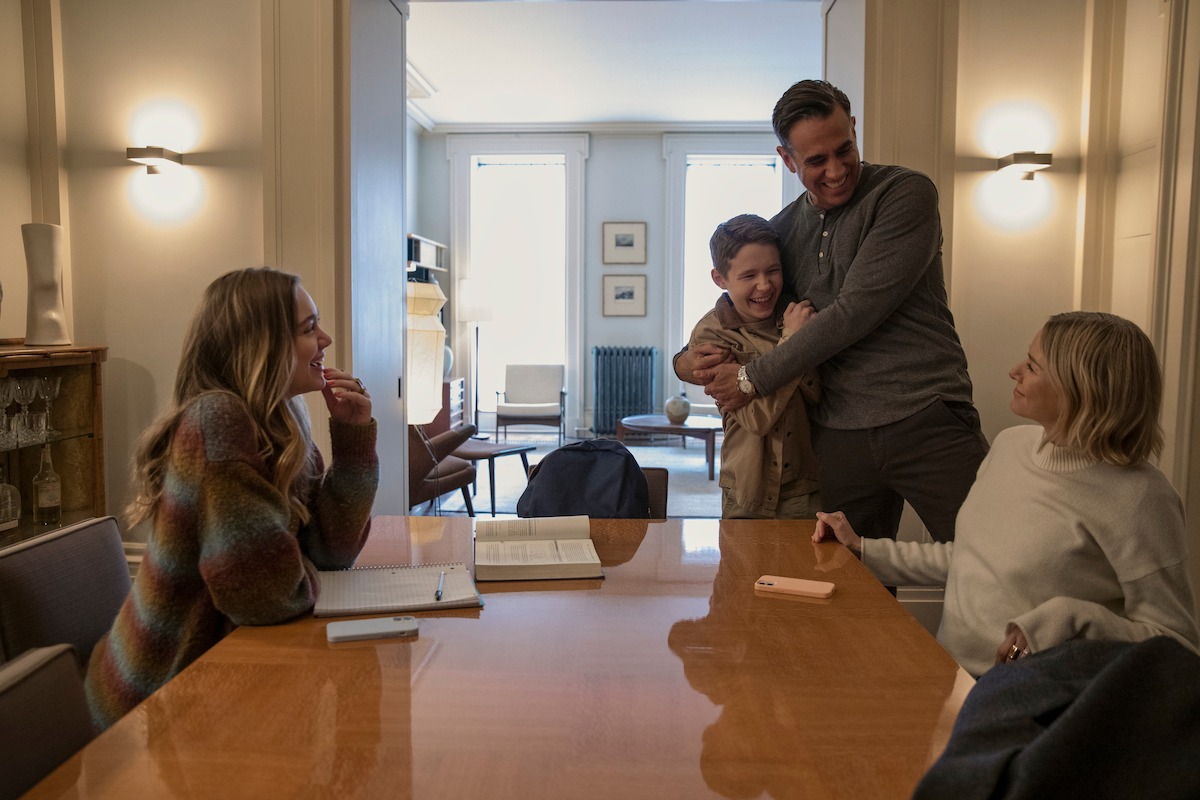
The Brannocks moved to Westfield in pursuit of their version of the American dream: perfect house, wealthy neighborhood and more material comforts for their children. What the Watcher’s letters end up exposing, Watts says, is that those things are superficial. “They have this realization that the dreams are shattered and perhaps you chased something that didn't need to be chased,” she says. “Why did we get seduced into this thing that we really didn't need?”
“You’ve got to live for the moment,” Cannavale concludes. “Your family's health and the health of the family dynamic is really what's important — not the things you can buy.”