News
Why Isn’t the Tinder Swindler in Jail?
Netflix’s new podcast answers one of your biggest questions.
Feb. 18, 2022
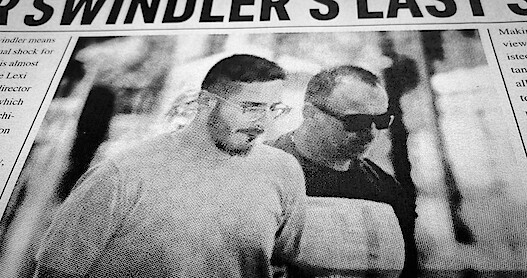
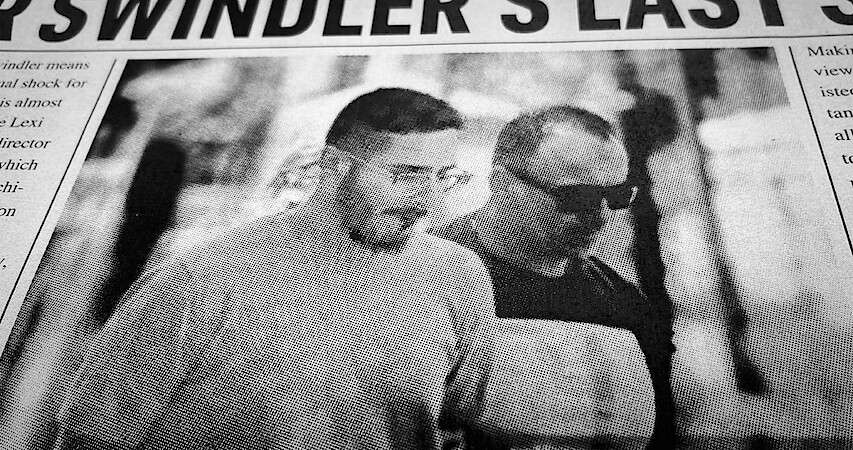
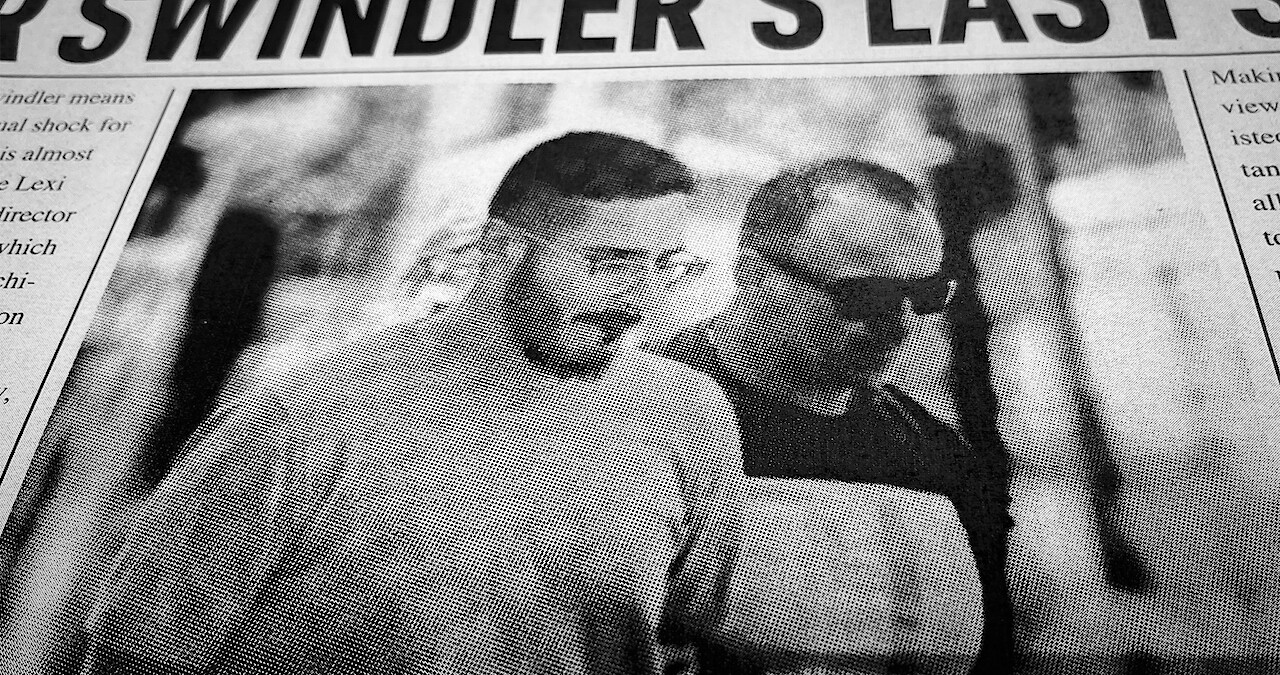
Watching The Tinder Swindler means living in a state of perpetual shock for almost 2 hours. It is almost guaranteed you will look like Lexi from Euphoria by the end of director Felicity Morris’ documentary, which follows the alleged romance ponzi scheme of convicted con man Simon Leviev (born Shimon Hayut, with no relation to the actual Leviev diamond family). But the new documentary — which unravels Leviev’s globe-trotting romance con — is only the beginning when it comes to the mess around its subject. That’s where The Making of a Swindler comes in. The Netflix podcast, which debuted Feb. 9, allows Morris and producer Bernadette Higgins to go even deeper into Leviev’s secrets.
The Making of a Swindler tracks down old acquaintances of Leviev, who allegedly used Tinder to entrap women into a love-based fraud. He allegedly used their funds to bankroll his luxe lifestyle — and impress his next victim. Tudum has also gotten its hands on a bonus interview from the podcast that explains the burning question many fans have when the doc ends: Why isn’t Leviev in jail for his alleged crimes against Cecilie Fjellhøy, Pernilla Sjöholm and Ayleen Charlotte, whose shocking stories are the heart of the film? The simple answer is that Leviev’s crimes are too vast — and too complicated — to legally pin down for prosecution.
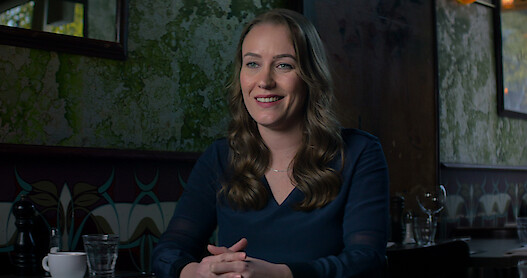
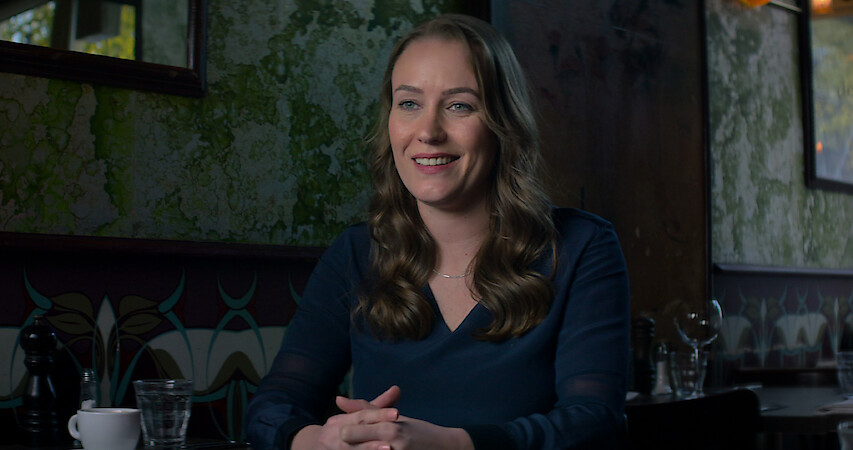
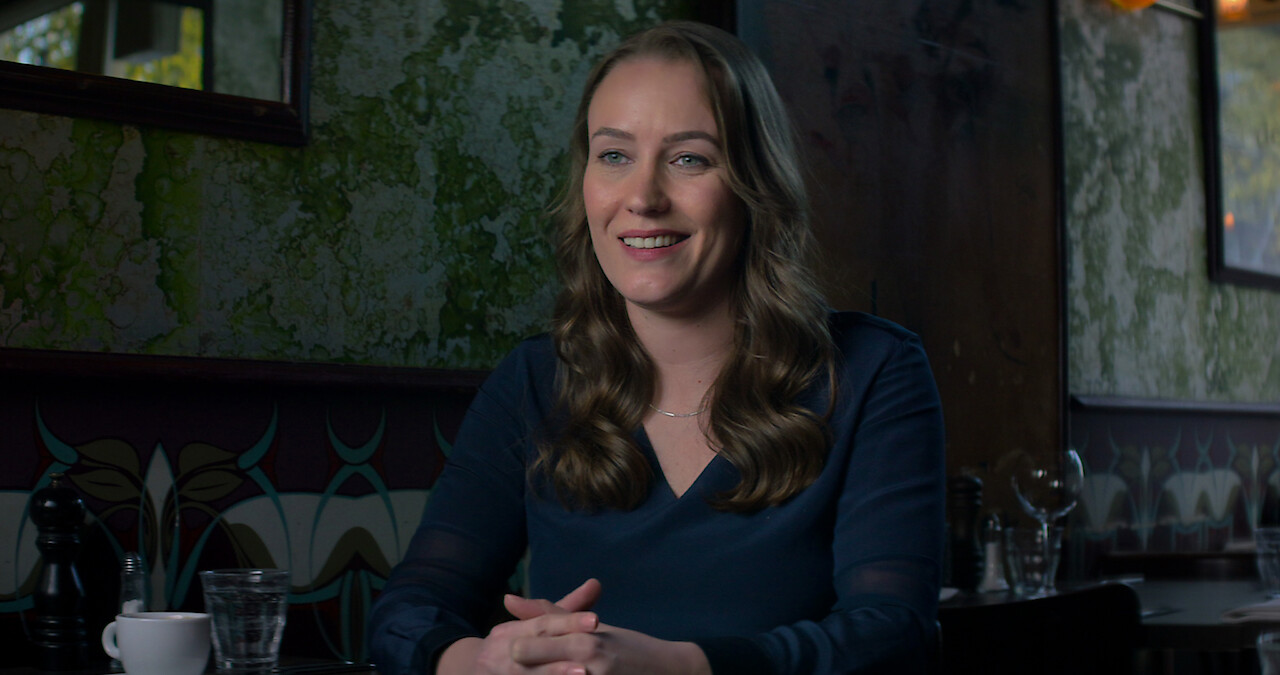
“I don’t think anybody suggests that what he did was in a moral gray area. Or even necessarily in a legal gray area,” London barrister and international criminal law expert Ben Keith tells The Making of a Swindler hosts Morris and Higgins. It is just “very difficult” to gather enough evidence against someone who allegedly committed so many crimes across various jurisdictions. By spreading the supposed malfeasance across multiple countries (Fjellhøy was a Norwegian national in England when she met Leviev, Sjöholm is Swedish and Charlotte is Dutch), each individual case has less legal weight. The swindling is an international issue — not a national problem, which is easier to prosecute. Notably, the first time Leviev was successfully imprisoned for fraud, it was for crimes against three women specifically in Finland.
“While there is a European public prosecutor and a European police force — Europol — who might help with the investigation, they are really designed for large-scale people trafficking, drug trafficking, terrorist networks,” Keith tells The Making of a Swindler. “[Leviev] is not the sort of individual that they are seeking to prosecute.” Capturing a single person like The Tinder Swindler is seen as “a waste of their resources,” according to Keith.
To make matters even trickier, Leviev was allegedly skilled at making his marks “complicit” in his crimes while keeping them in the dark about his true motives. As seen in The Tinder Swindler, Leviev used Tinder to create intense relationships — whether romantic or platonic — with his victims, and then convinced them his life was in danger from shadowy “enemies.” His survival, he claimed, relied on their ability to supply him with thousands of dollars, whether via loans, credit cards or, as he famously suggested to Ayleen Charlotte, pawning their cars.
“He's obviously lying to them about being in trouble. But then gets them effectively to commit fraud on credit card companies and loan companies to allow [the women] to get a higher limit to allow him to spend it,” Keith continues. “So actually he’s made the woman he’s dating an accessory to his fraud. To prosecute him in isolation of them is not as straightforward as it might seem.”
Apparently, the only way to get Leviev on trial for his Tinder Swindler-specific crimes — it’s believed he fleeced up to $10 million from an unknown number of international singles — is for the story to grab the attention of the justice system. “If there’s enough information for a prosecutor to think this is interesting and [there are] enough victims, then they will have a go,” Keith predicts. A hit Netflix show and a podcast might just do the trick.
You can listen to all the shocking truths of The Making of a Swindler here on Simplecast — and you can catch the pod’s complete interview with Ben Keith right here.