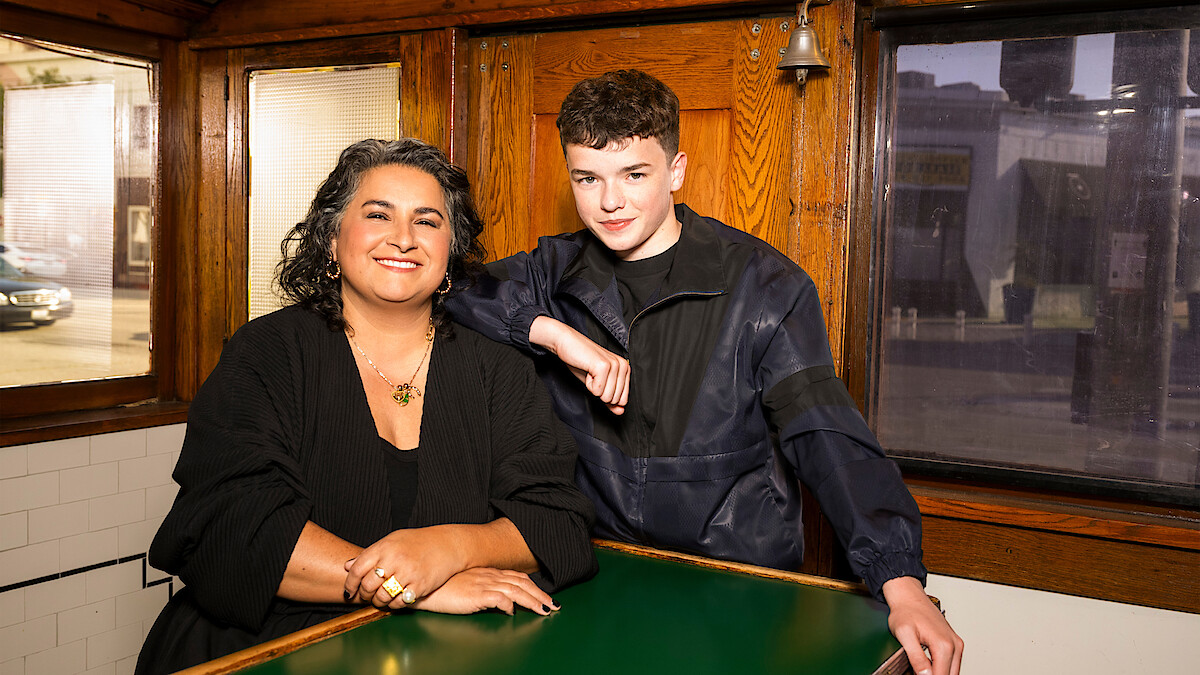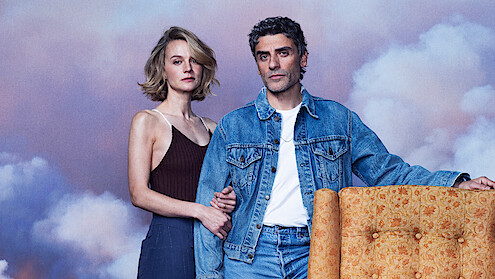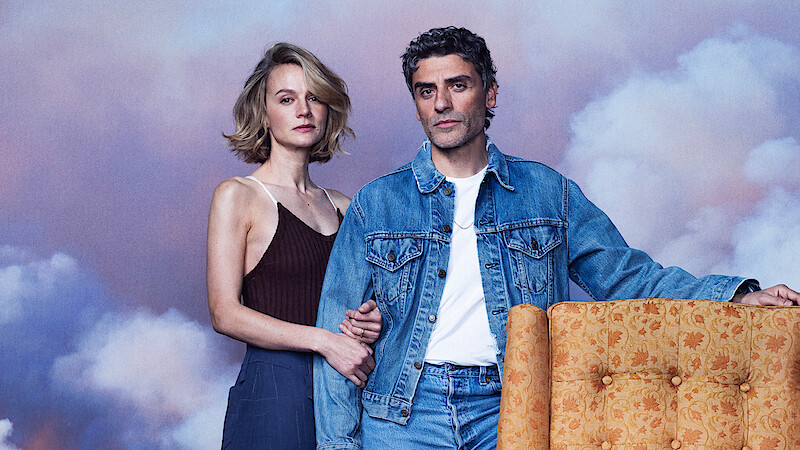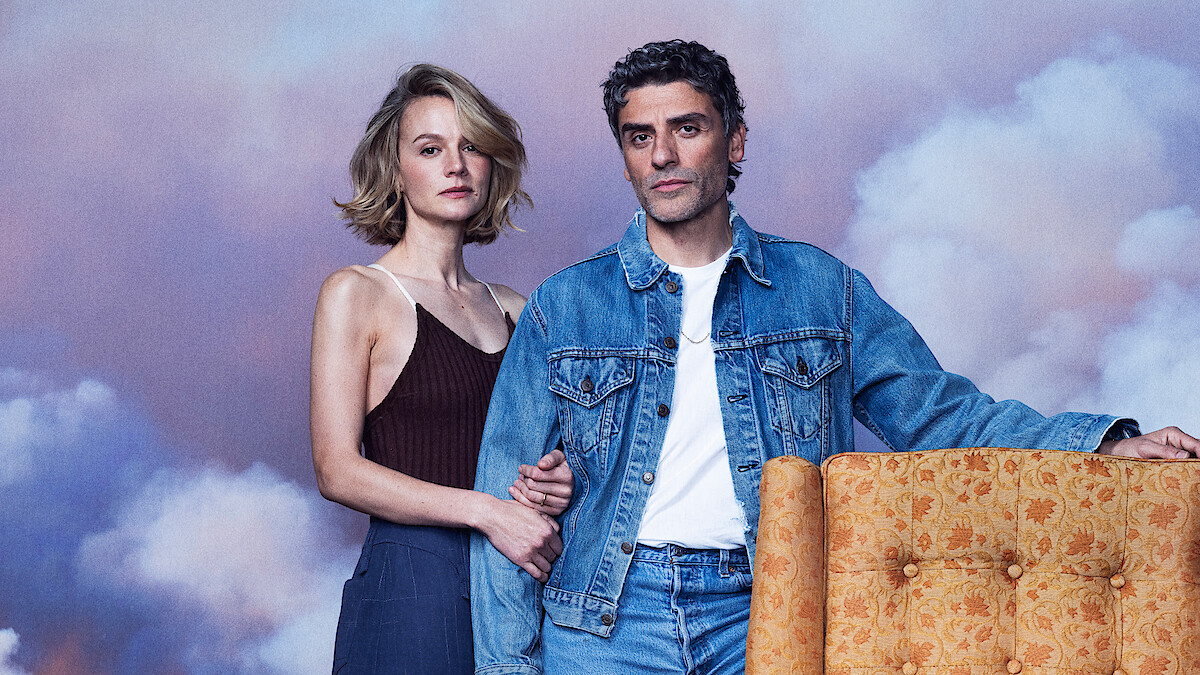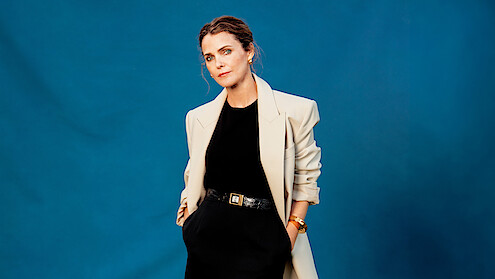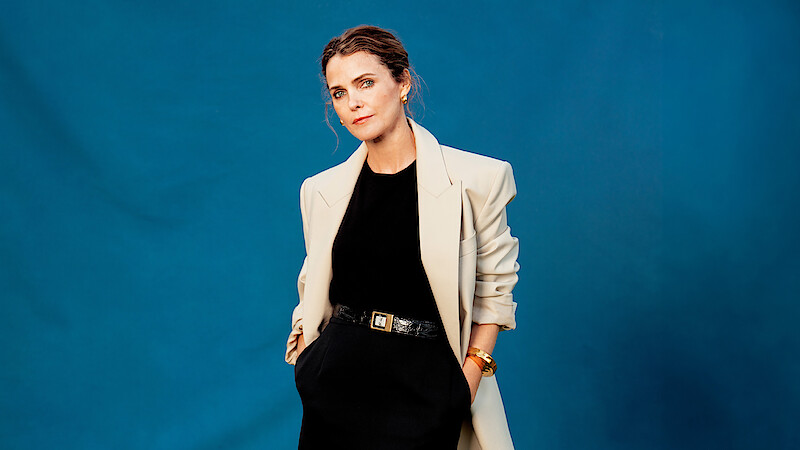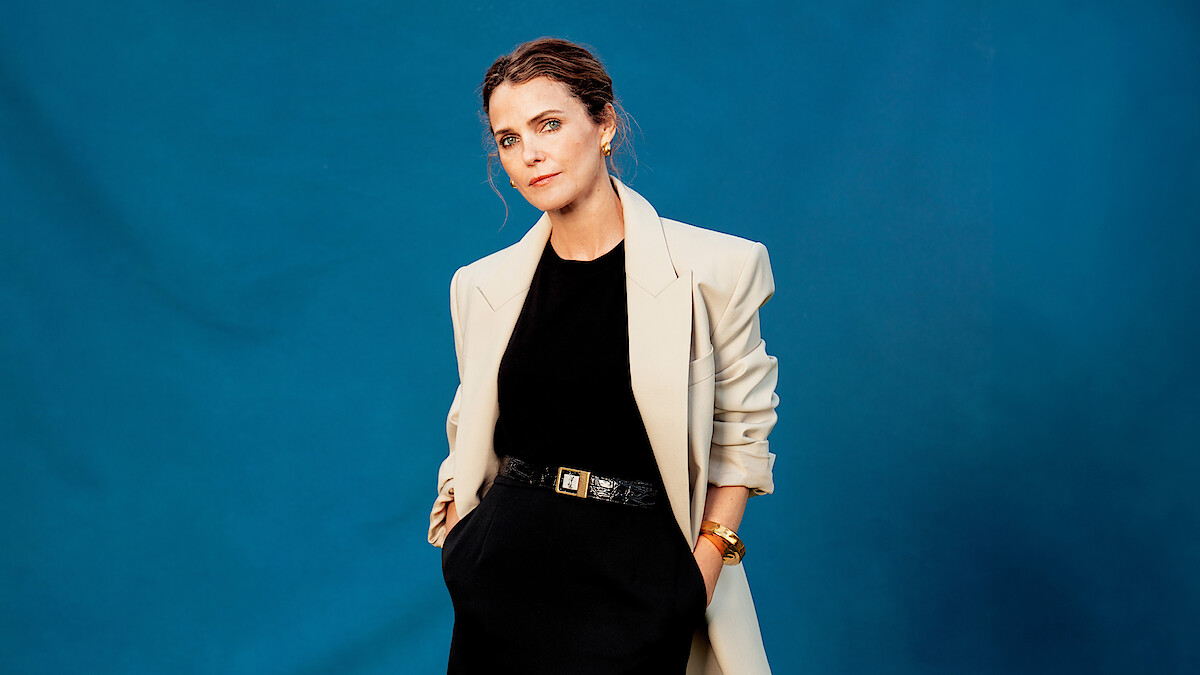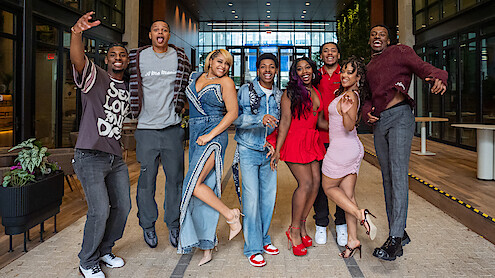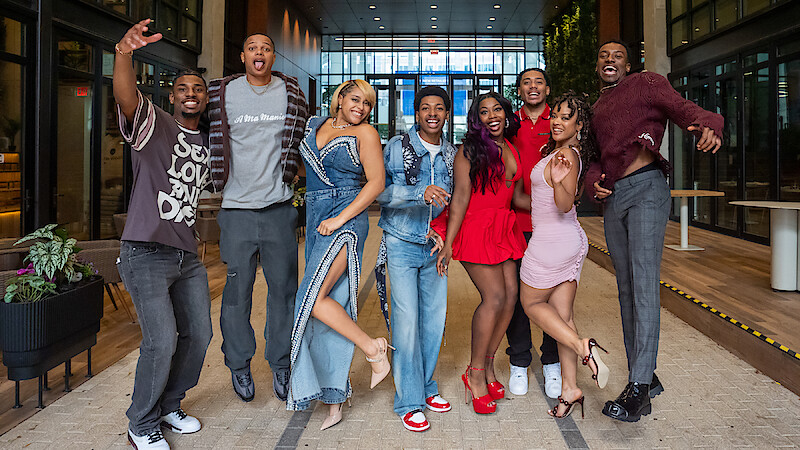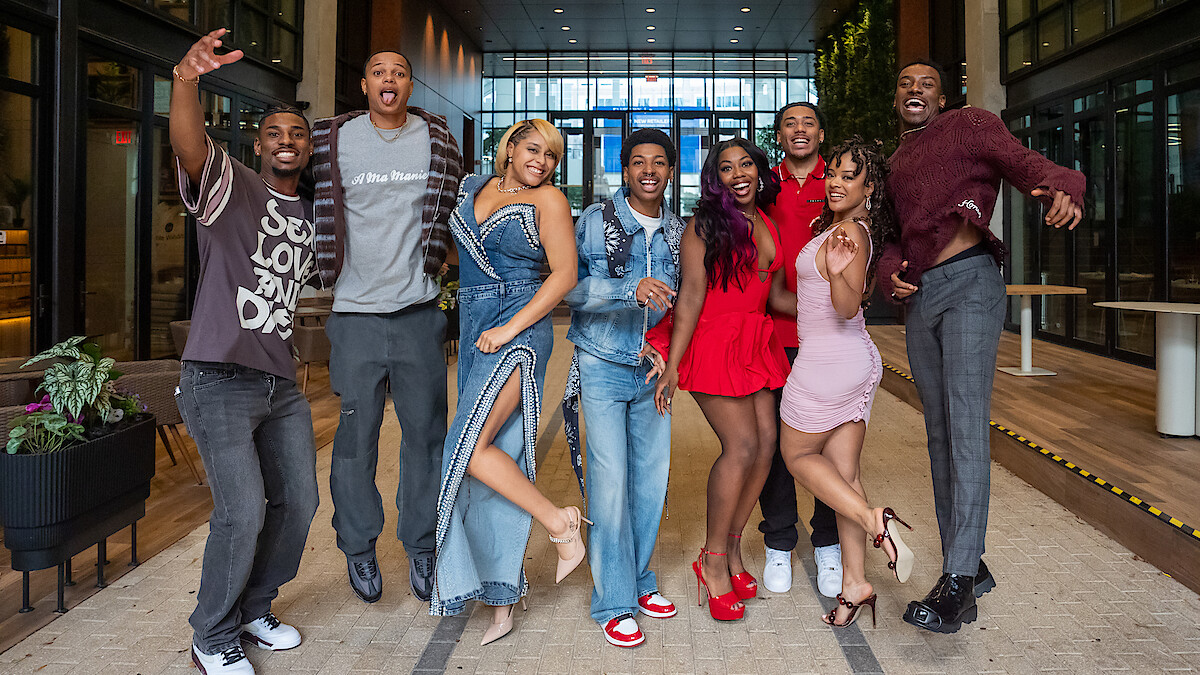


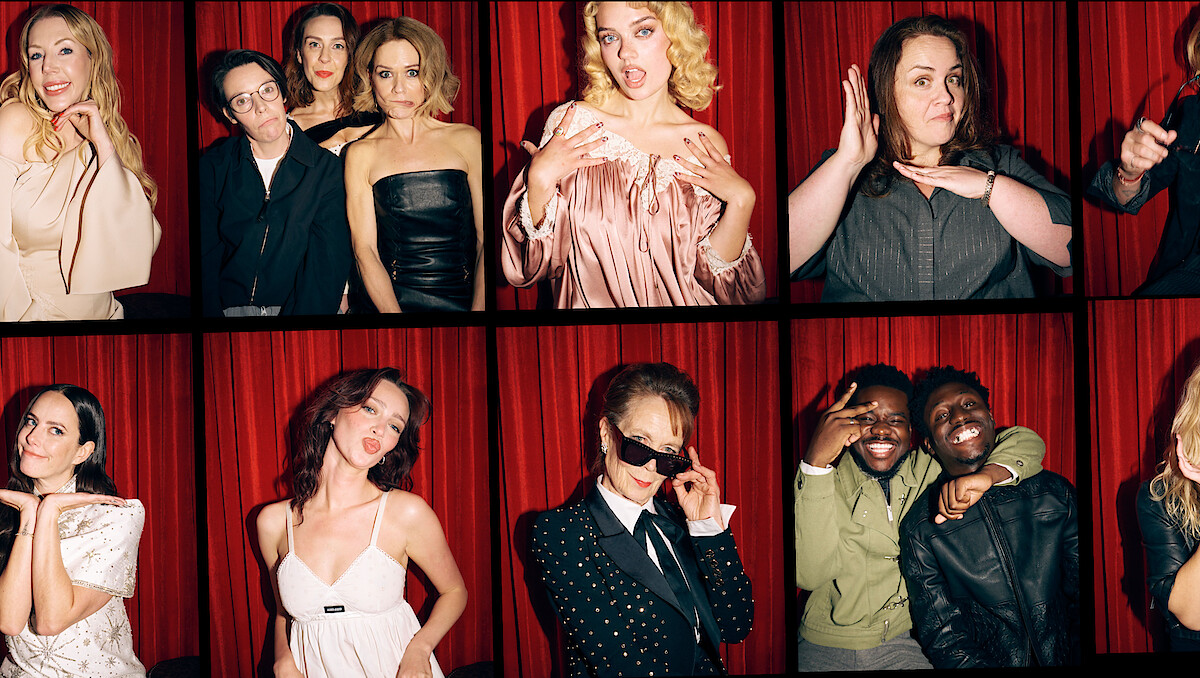
Netflix and British Vogue hosted the event honoring the BAFTA TV nominees.

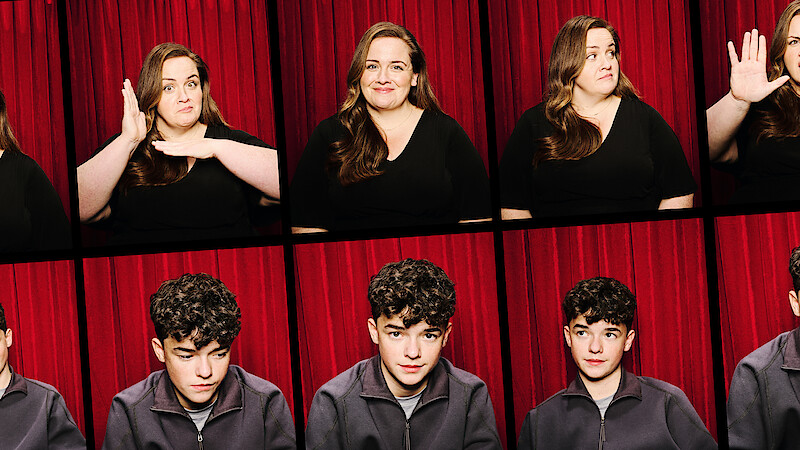
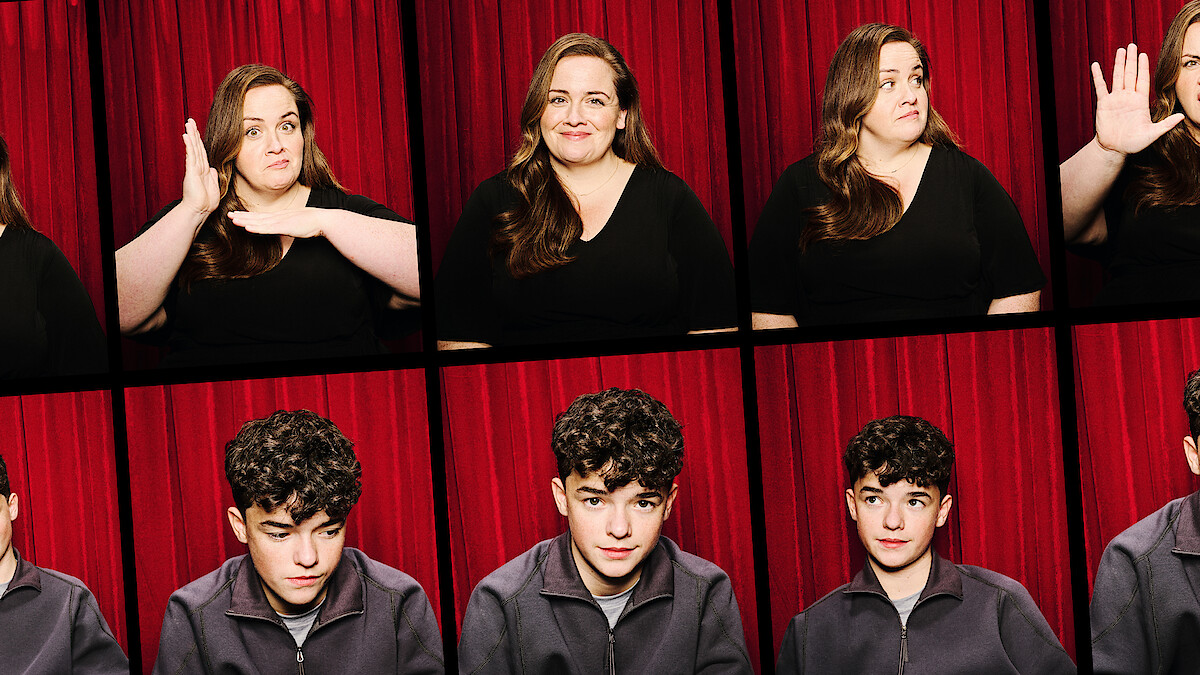
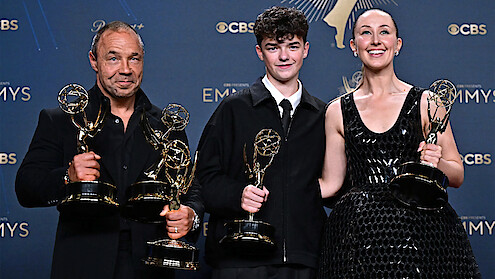
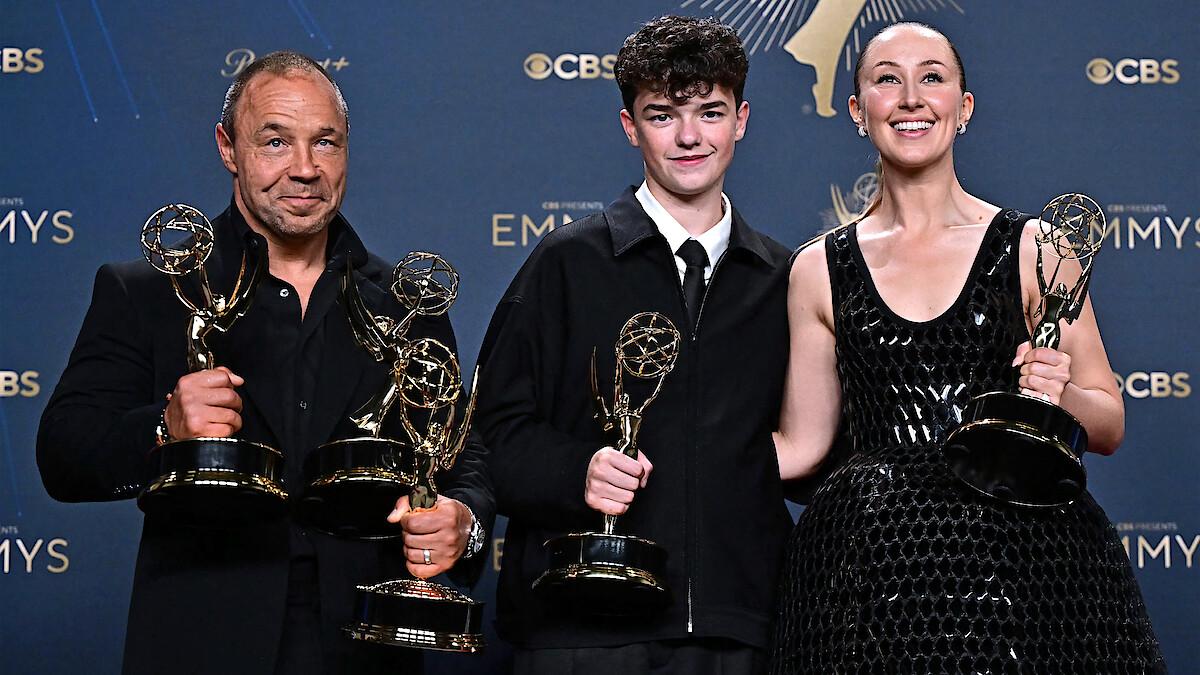
Stephen Graham, Owen Cooper, Ashley Walters, and Erin Doherty discuss the impact of the Emmy-nominated show.
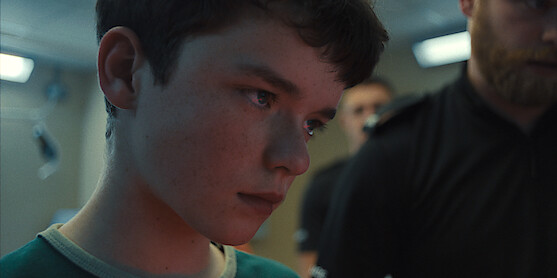
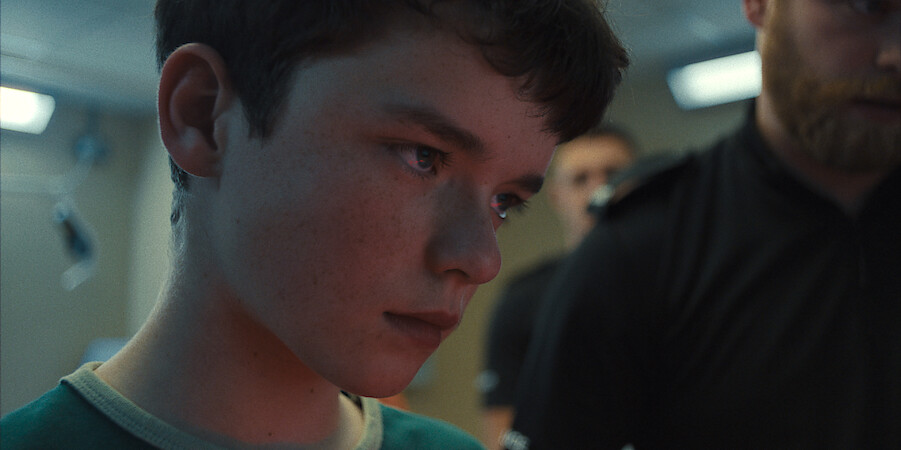
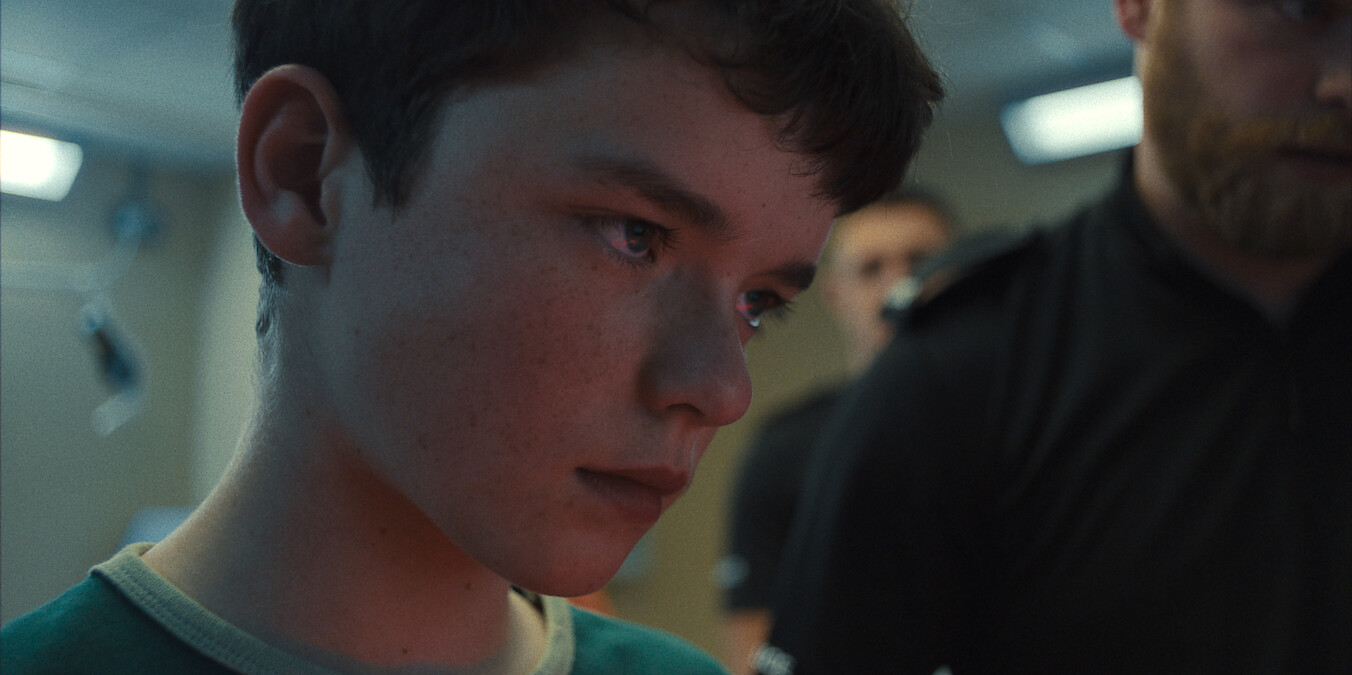
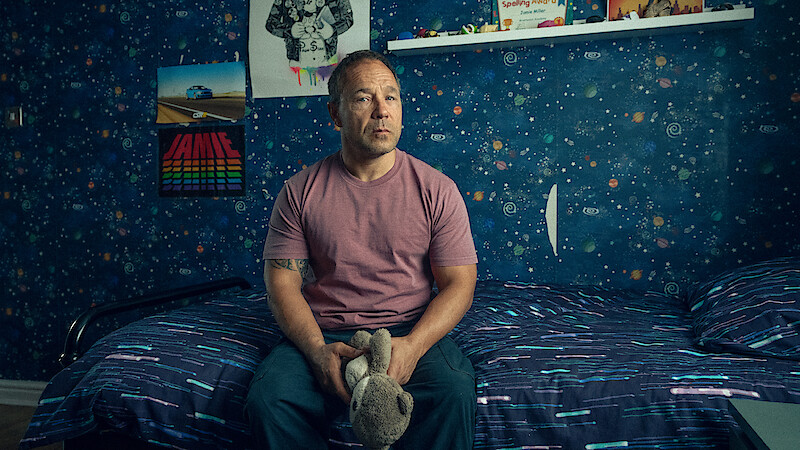
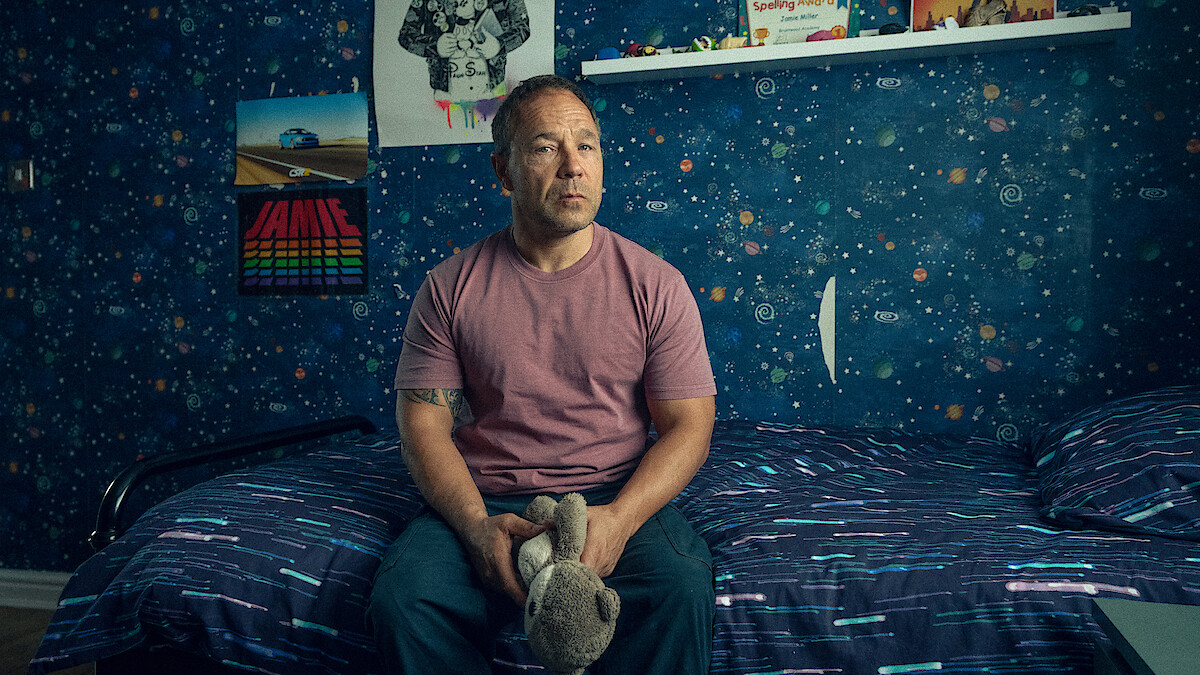
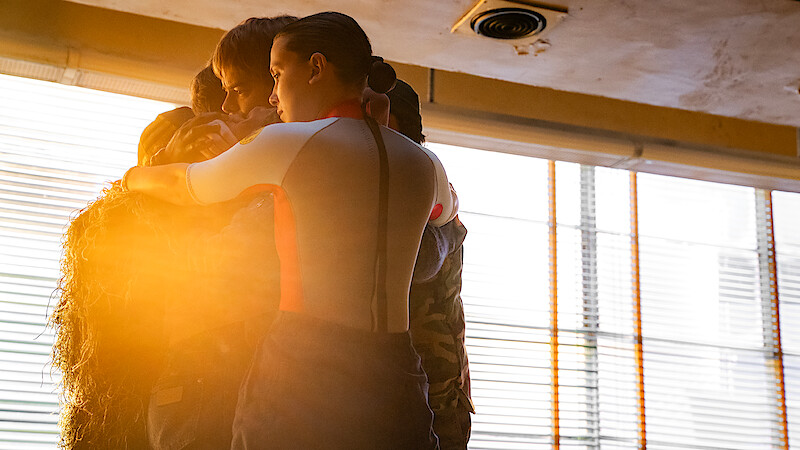
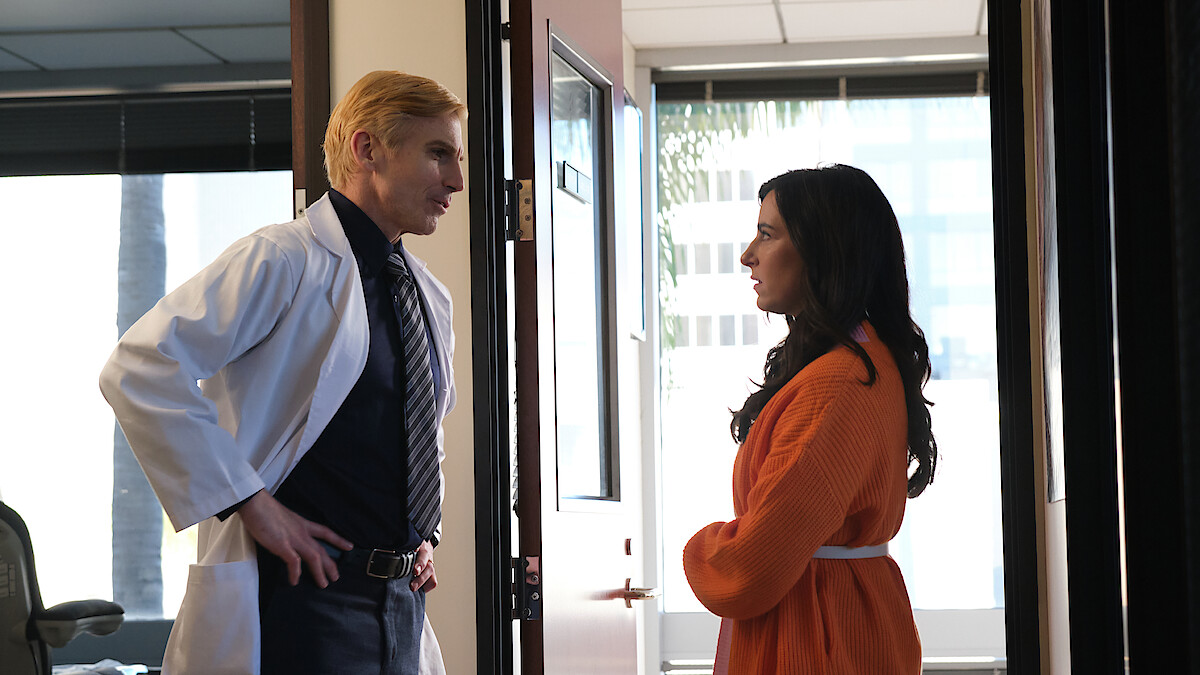
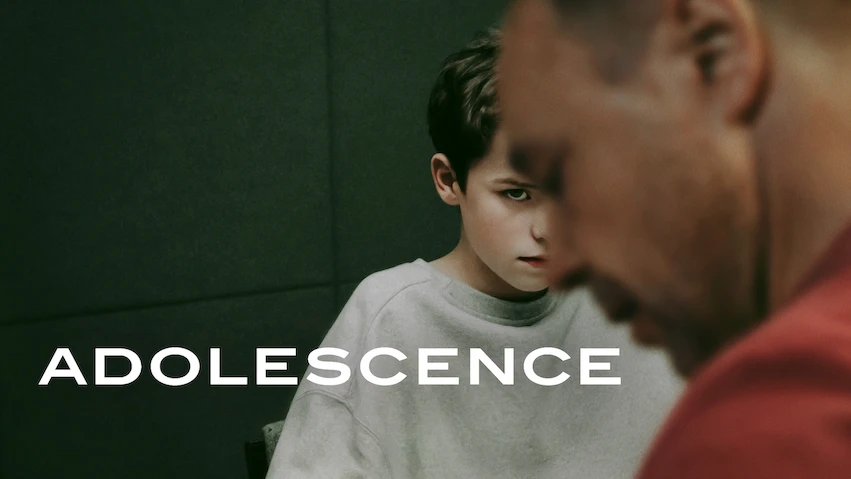
The 13-time Emmy-nominated Adolescence has sparked conversation, inspired political debate, and resonated deeply with audiences worldwide, making the four-episode series the second-most-watched English-language series in Netflix’s history to date. Adolescence, created by Jack Thorne and Stephen Graham, is the story of Jamie Miller, played by Owen Cooper in his first ever professional acting job, a 13-year-old boy arrested for the murder of one of his female classmates. Ultimately, Jamie’s story is shared with the people along his journey: his parents, Eddie (co-creator Stephen Graham) and Manda (Christine Tremarco, The Responder); Detective Inspector Luke Bascombe (Top Boy’s Ashley Walters); and clinical psychologist Briony Ariston (The Crown’s Erin Doherty). All five of the actors have earned the first Emmy nomination of their careers for their work on the show.
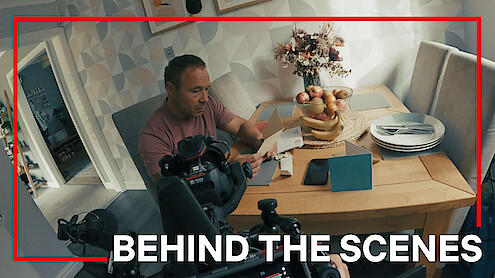
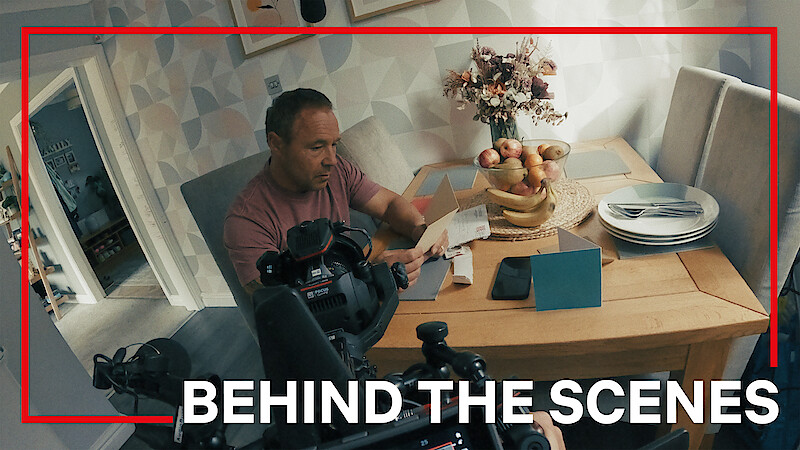
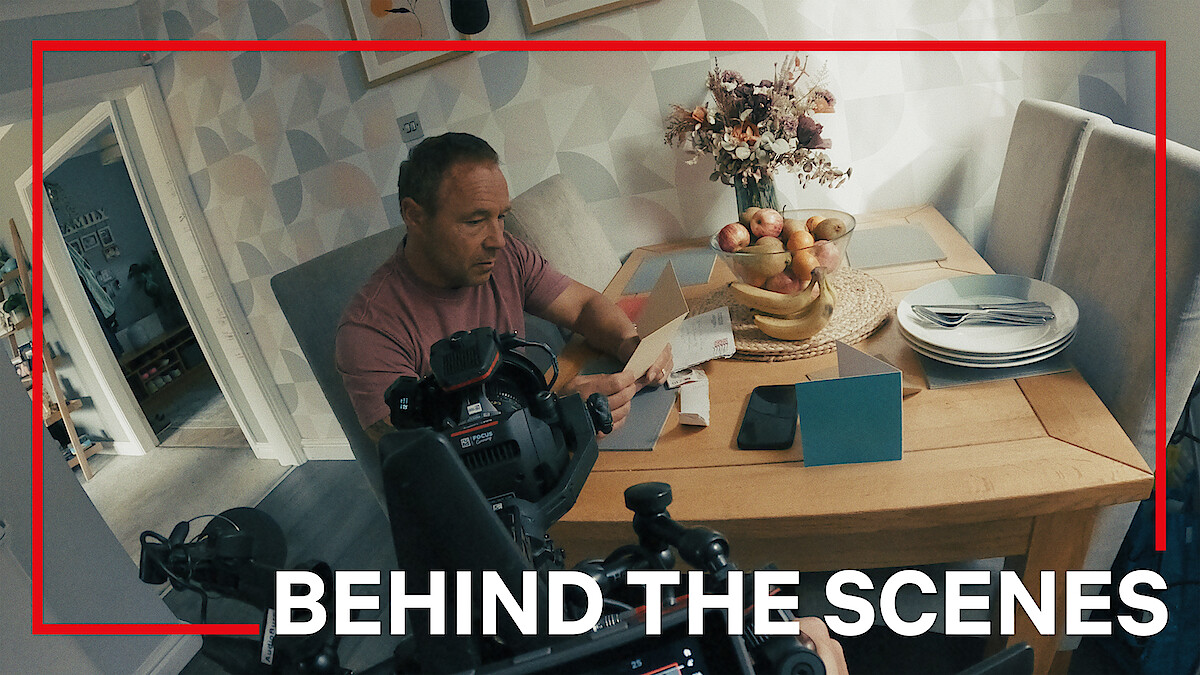
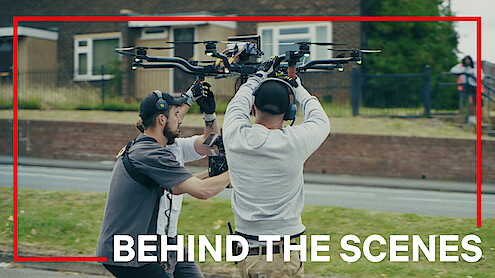
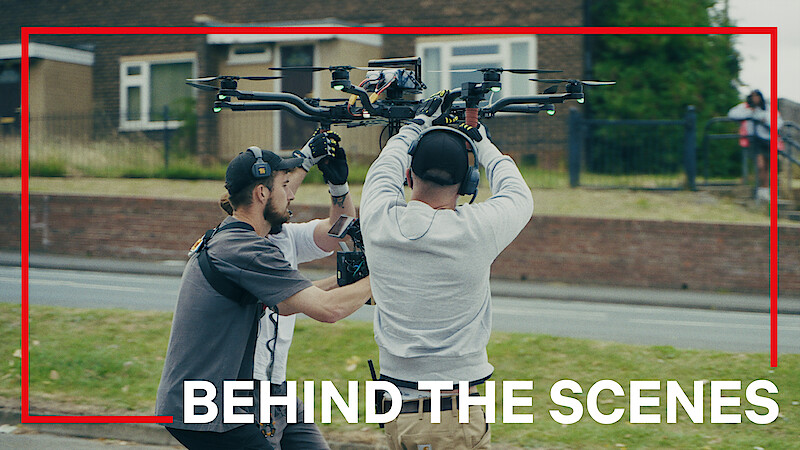
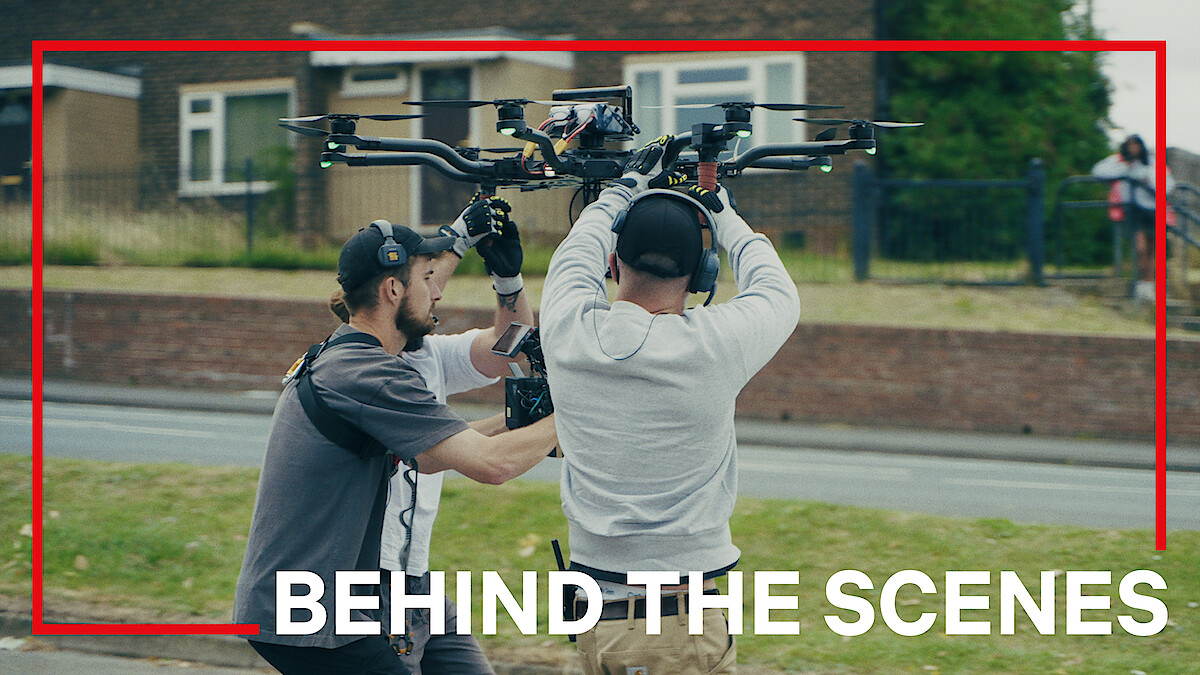
Adolescence’s overall nominations span the casting, cinematography, contemporary costumes, editing, sound mixing, writing, and directing categories, highlighting the technical excellence of the series, each episode of which was shot in a single continuous take.
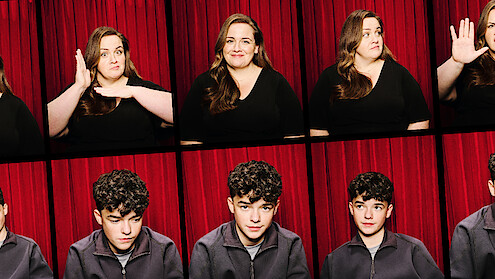
Here, Graham, Cooper, Walters, and Doherty gathered for a panel discussion of the series to dive into their collaborative efforts and the impact that Adolescence has made on the world.
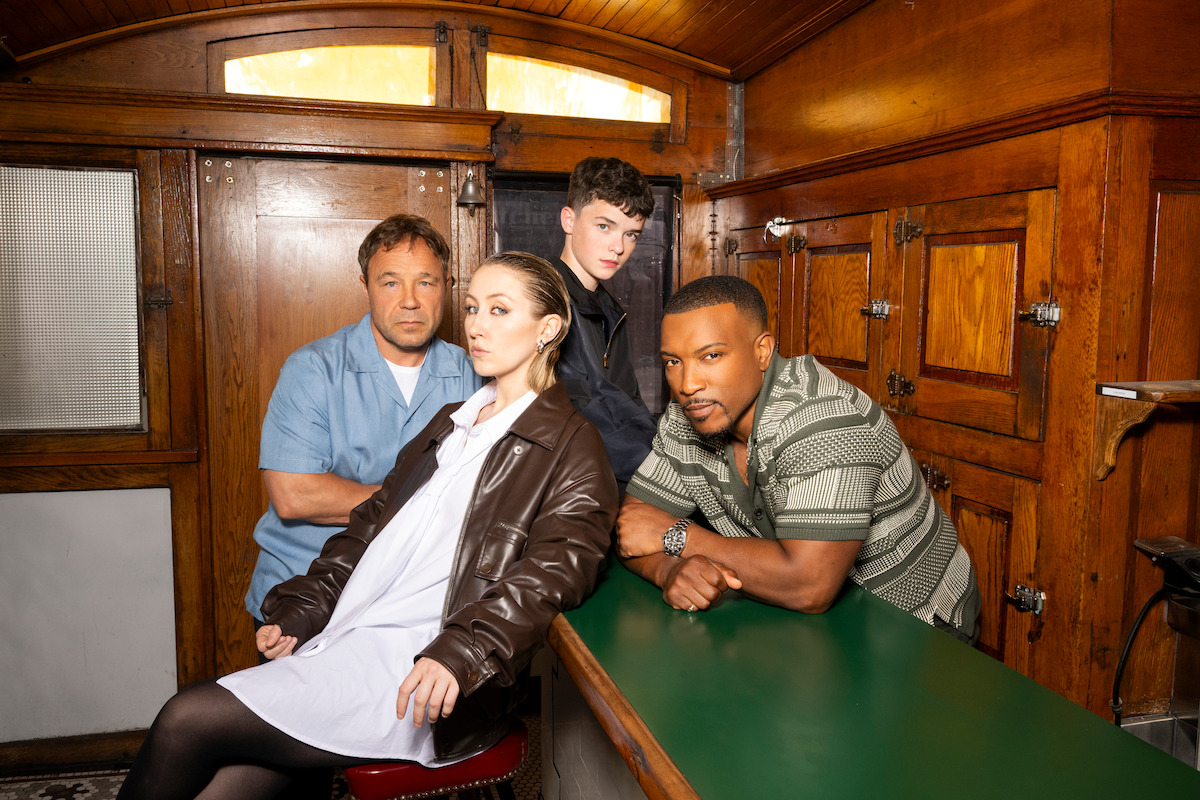
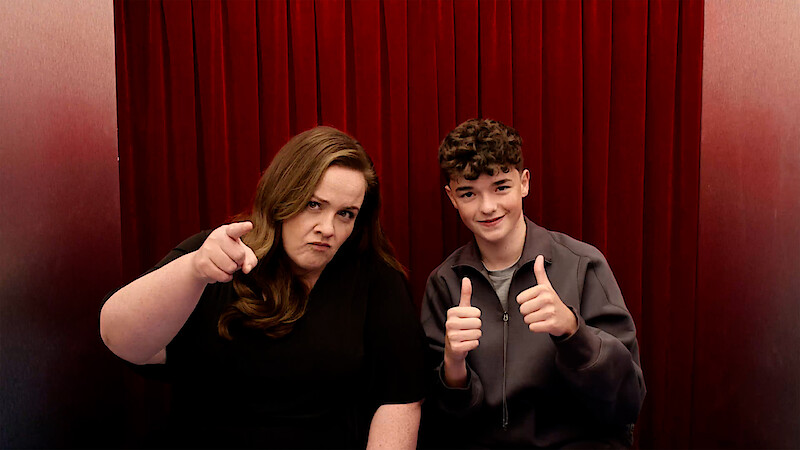
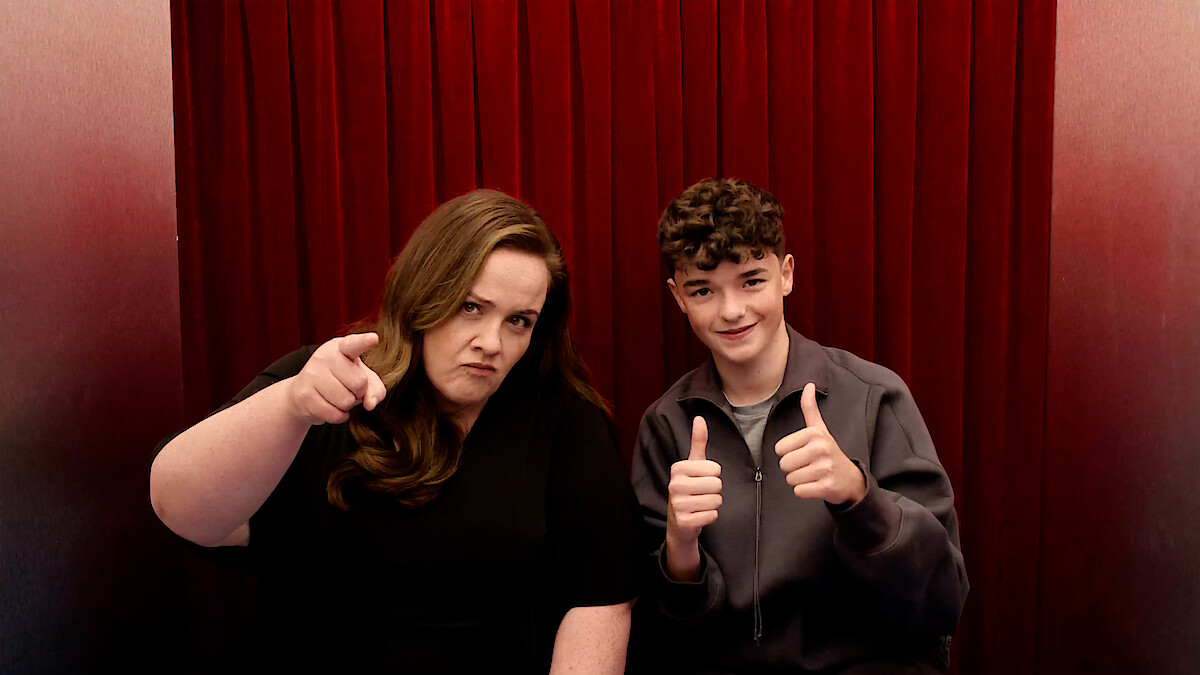
Stephen Graham, Erin Doherty, Owen Cooper, and Ashley Walters
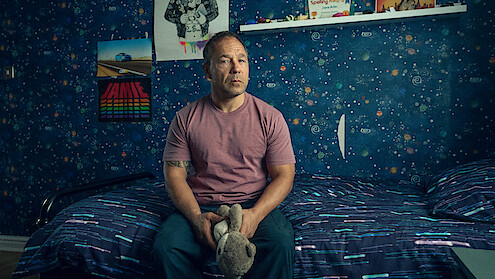
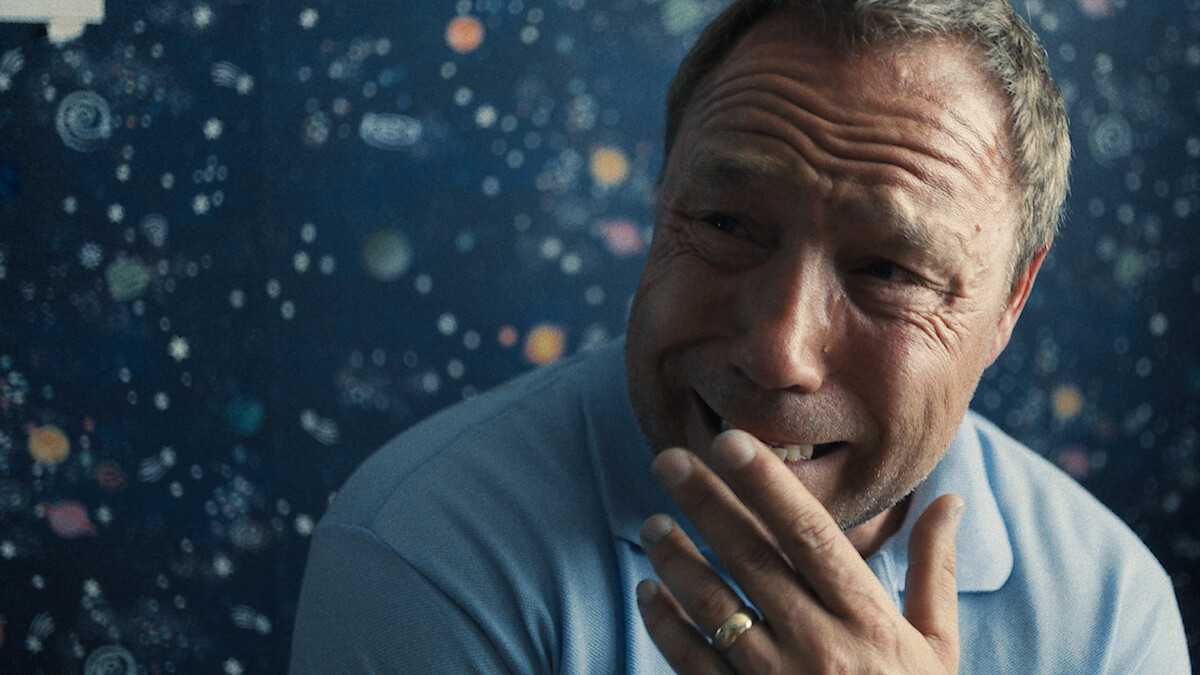
Stephen Graham: It blew our minds, really. It’s a little colloquial drama that we made in a place called Pontefract, and it was made with love and respect to what we were making it about, but we never imagined it to have this kind of impact. It’s really special when someone approaches you and says how you have created a conversation in their house with their children, and that goes from everyone, all walks of life. For years, Jack [Thorne]’s called the television the empathy box, and we have an opportunity, a rare opportunity as actors and artists and performers, to be able to go into households and hold a mirror up to society. And if we can create debate and conversation, then we’ve achieved that objective. That’s what’s been the biggest gift from this, communication and conversation, which is what it’s all about, and which is where Eddie and his wife and the whole family go wrong with Jamie. They're not communicating with him.
Owen Cooper: The first day back [at school] was a bit chaotic. My whole school knew that I was doing it. I only had told a few friends, and then I walked into assembly one day and my head of year was going on about, “This boy's doing some amazing Netflix work,” and I was like, “Oh my God.” And then they shouted my name, and this was a week before I was going on to do it. So it was a big shock to everyone.
Erin Doherty: If anything, what’s lovely is people genuinely want to come up to you and have a discussion about it. That’s what’s so amazing. Normally it is people just being like, “You were great in that thing.” But the difference with this show, which I’m so grateful for, is that in a weird way, people can compartmentalize the fact that you were a part of it or you played a character. They just want to chat to you and have that actual discussion. It is so rare that you get to genuinely talk about a piece of work from that lens.
Ashley Walters: It’s created a lot of conversation. It’s great to not be shouted at in the street anymore. That’s what I get usually: “Dushane! Dushane!” [Walters’ character on Top Boy] But here you really get to have, especially with other parents, real in-depth conversations about the internet, about dangers, about your children. And I feel like that’s why it resonated so much, because there’s loads of parents around the world who are worried about their kids. It’s pretty simple. So yeah, it’s really connected. We’re very proud to be a part of it.
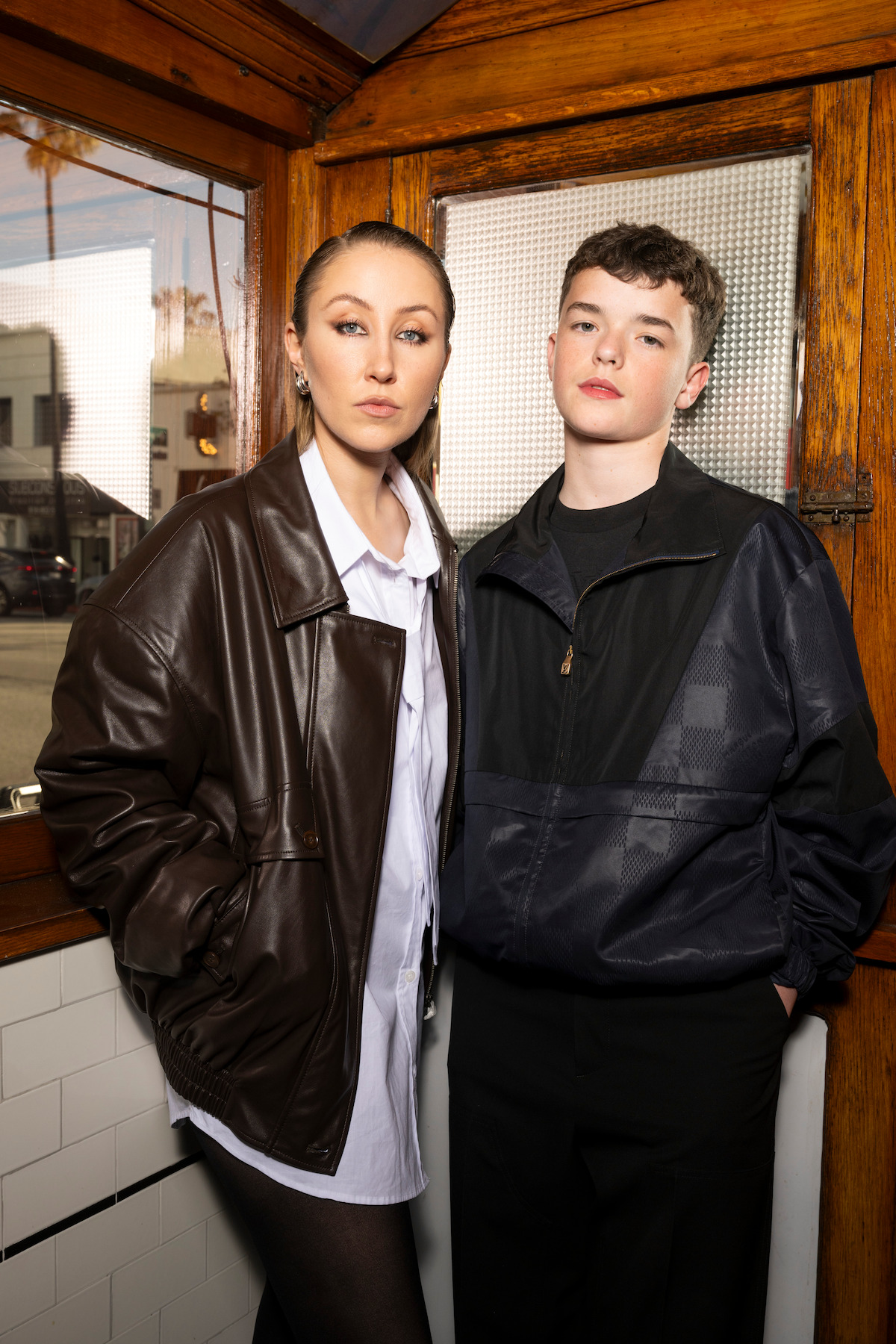
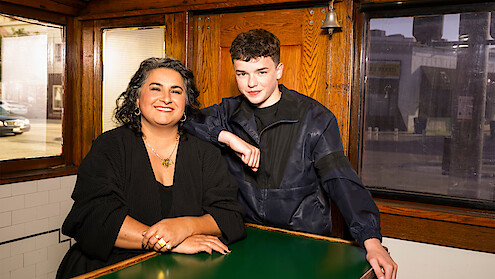
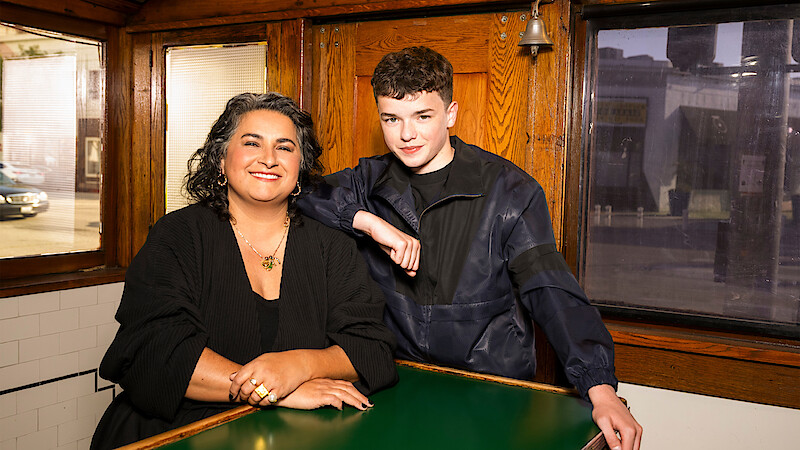
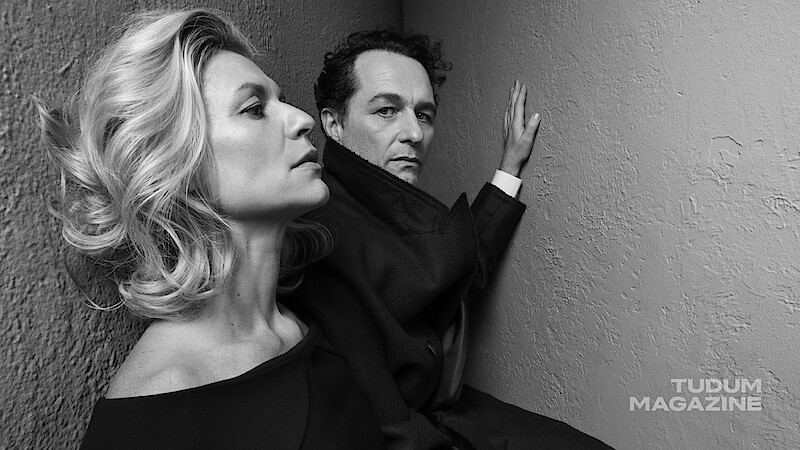
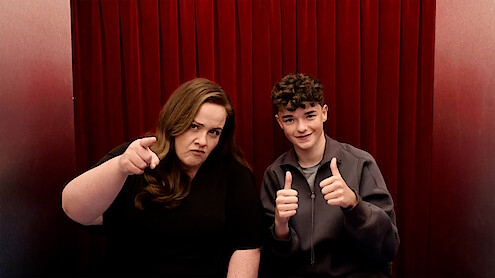
Erin Doherty and Owen Cooper
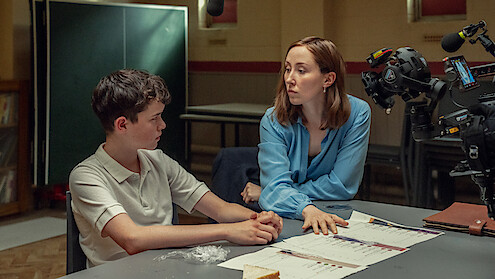
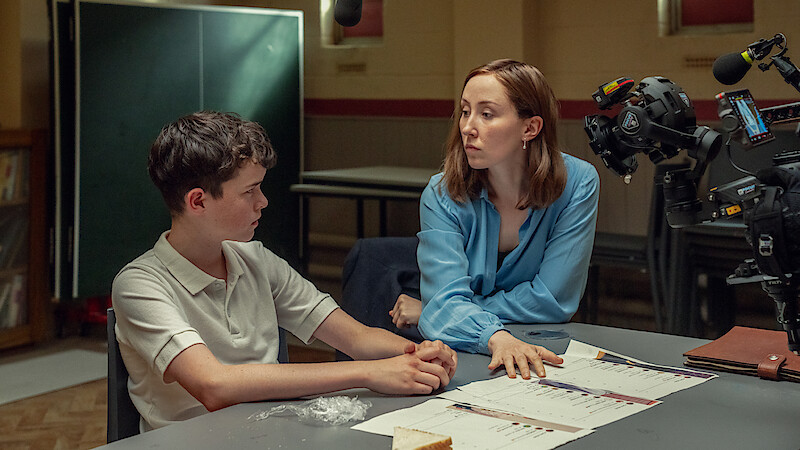
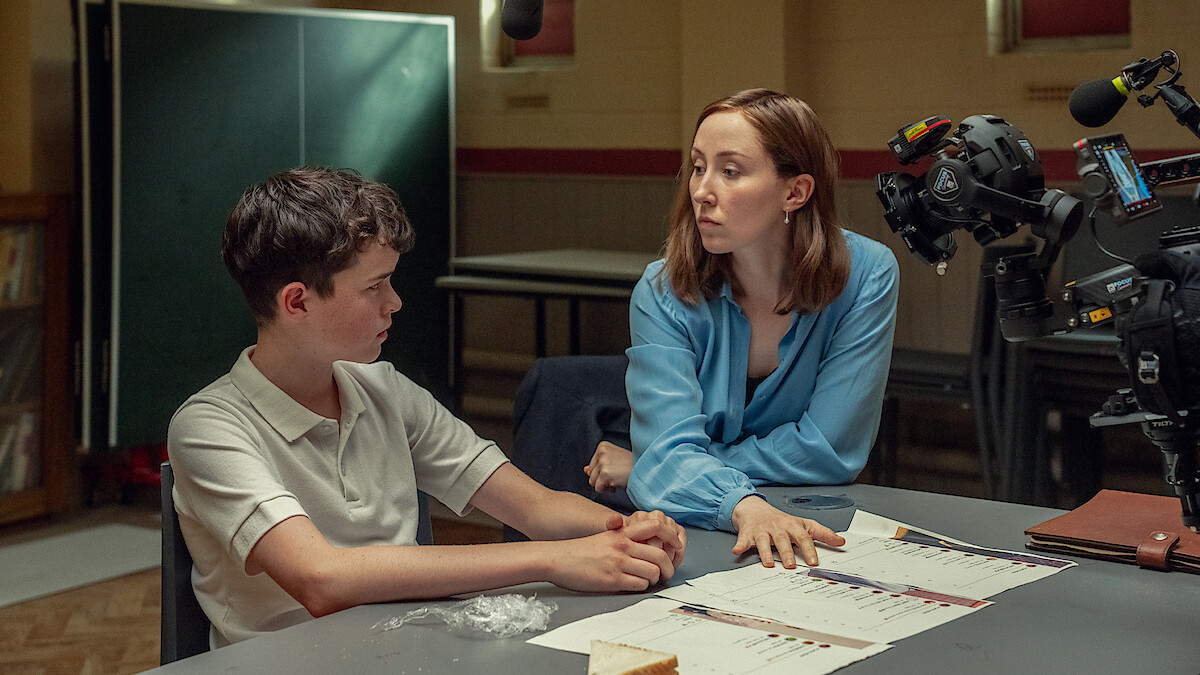
Doherty: [Owen and I] hadn’t met before rocking up and starting rehearsals.
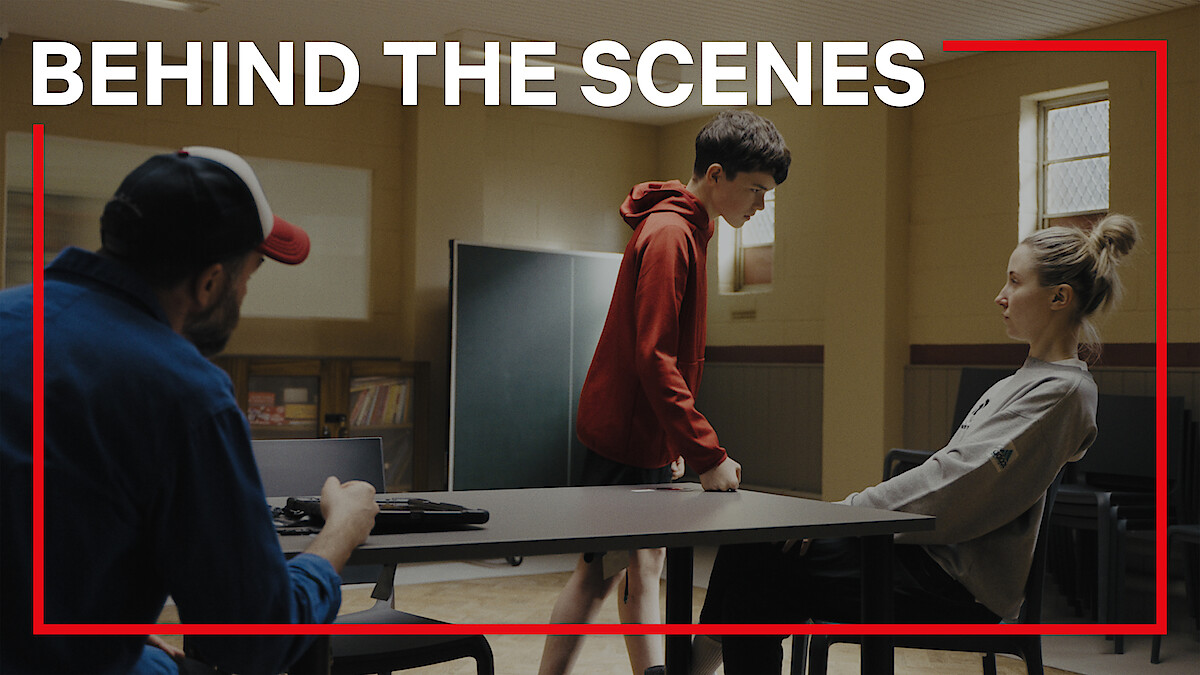
Cooper: Yeah, the first day of rehearsal, we met first and just clicked instantly. We didn’t take it so seriously — it is an intense, dark episode, but on set, it was like we were doing a comedy. Everyone’s lovely, everyone’s dead kind. It was dead calm on set. Me and Erin just got on well. We were rehearsing for two weeks and then by shoot week, we didn’t even worry about the scripts, really. We just changed it up every take. We didn’t want a take to be the same [as the previous one], because what’s the point? That’s just a waste of a take. Me and Erin wanted to change it up, have fun, and the freedom that Phil, the director, gave us was perfect really. It’s what any actor would want to have.
Doherty: You are the perfect scene partner. You are everything that an actor dreams for. You’re just present and you’re generous. And as you say, literally just then you wanted to play. Some people are so rigid in their perspective on a character and a story, and they’re like, “No, this is the way it needs to be done.” Whereas you are so special in that sense that it was just a playground, and we wanted to see what we could do with this incredible script that we were given.
If the words aren’t there on the page, then you don’t get that opportunity. It genuinely was just a joy. I remember going home, exhausted, but so excited to come back and see what else we could find.
Walters: Everyone was like going home, “I just couldn't wait to come back the next day.” I didn’t feel that. I was shitting myself. It was a lot. But it was such a beautiful experience. The main thing was for me, I was obsessing over the words. I was obsessing over the words. As an actor, I never really do that, but I was like, “I need to learn it. I just need to learn it so I can be off book.”
But actually, it was all about your partner. It was all about the people that you’re in the scene with and being present with them, forgetting the words, because I knew those, they were in my head already. And just responding to what I was seeing, finding the heart of my character, because I didn’t need to worry about being a policeman. It was about being a dad, and I’m a dad. I have the tools that I needed already, but it took me a minute to knuckle down to that. But what a beautiful experience.
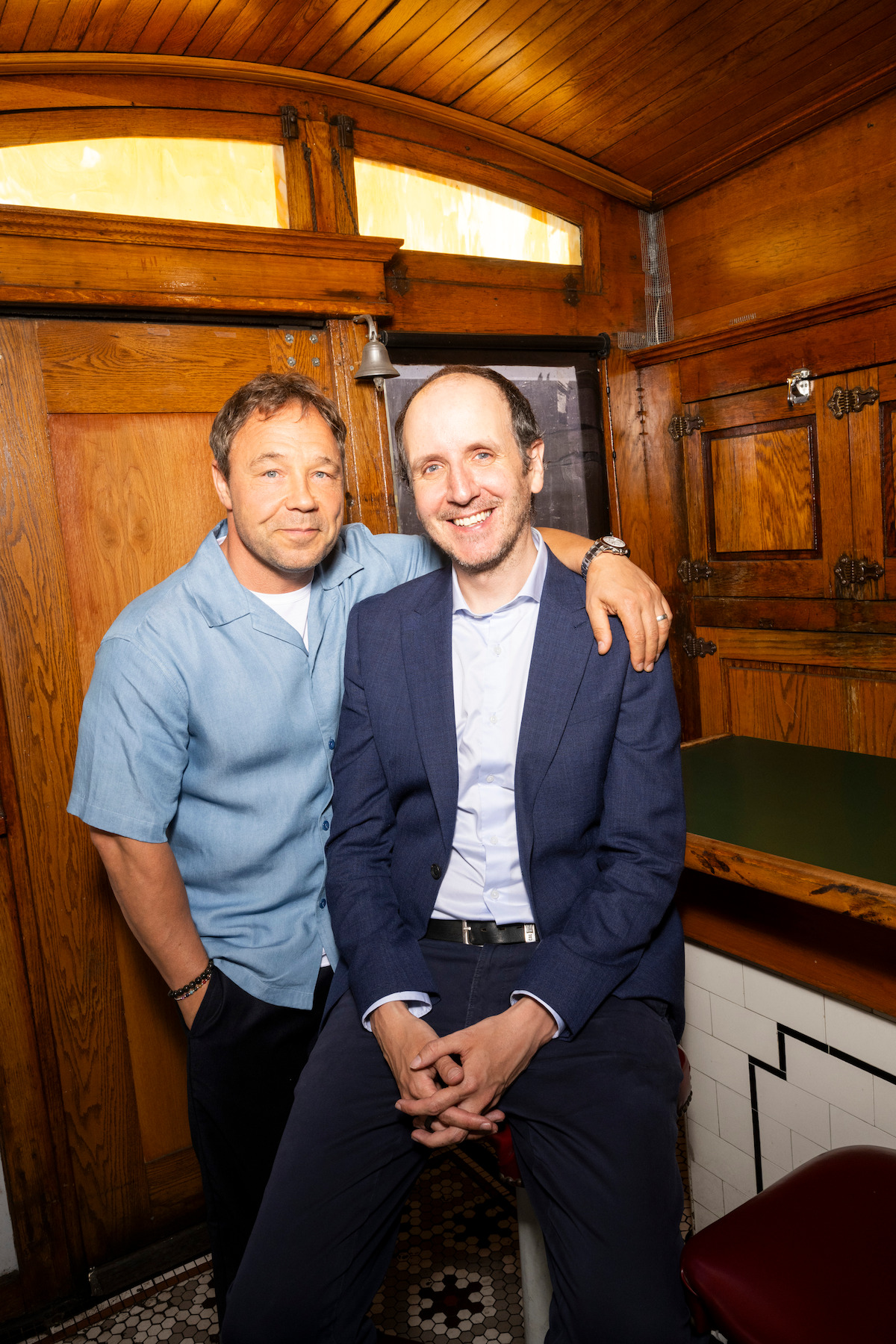
Stephen Graham and Jack Thorne
Doherty: I was buzzing. I could not wait. I’m a theater kid, so the idea of rocking up and someone calling action and then it’s yours, and you’re not going to get interrupted ... The opportunity to start a scene and to organically feel those emotions from start to finish is an actor’s dream. It is just everything. You can’t fake it. You’re forced to be a better actor, because if you fake it, you see it and you can call it. It was everything that I wanted the experience to be. It will stay with me forever.
Walters: There were a few moments, well, one particular moment for me was Episode 2, when we got to the end, I’ve done all that running at the end of the episode, I’m walking back to sit in the car, and I called my character’s son the other kid’s name. And Phil [Barantini, the director] was so lovely, he came up to me after, he’s like, “No, it’s fine. It’s fine, it’s fine. Because it’s like you’re a bit discombobulated.” And I was like, “We got to go again.”
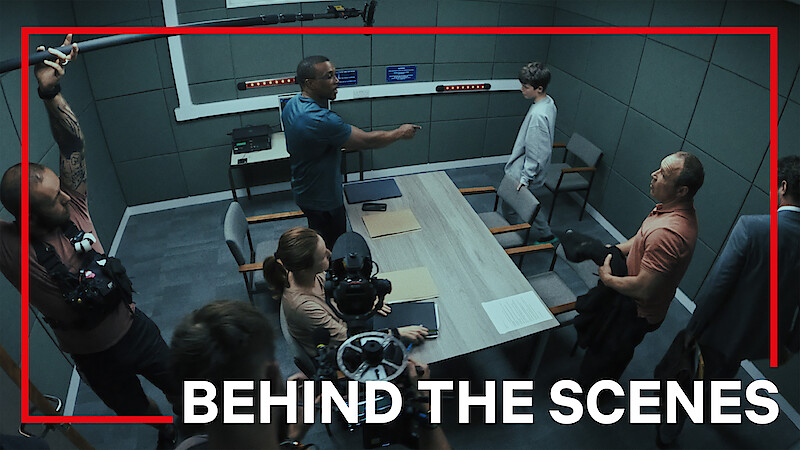
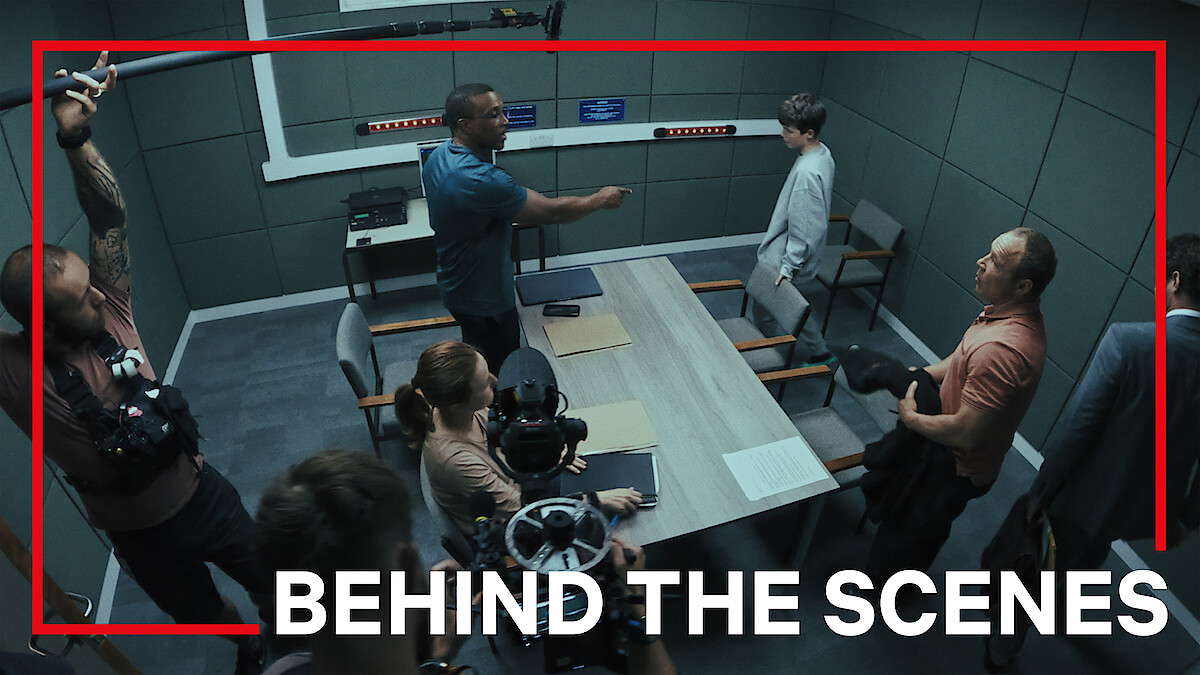
So that was tough. It was intense having to always hold that ball. That was the first time I was doing anything like that in many, many years. I don’t think I understood what I was getting into. When Steve called me and said, “You’re doing this job,” I was like, “I can’t wait to work with Phil when I’m working with Steve again.” And then I got there and I was like, “Hold on.” But like Erin said, it made me a lot better. That scene at the end of Episode 1 with me and Faye [Marsay, who plays Detective Superintendent Misha Frank] and Steve and Owen in the interview room was just magical. That camera spinning around you and everyone on their A game and offering you different things. It was just beautiful.
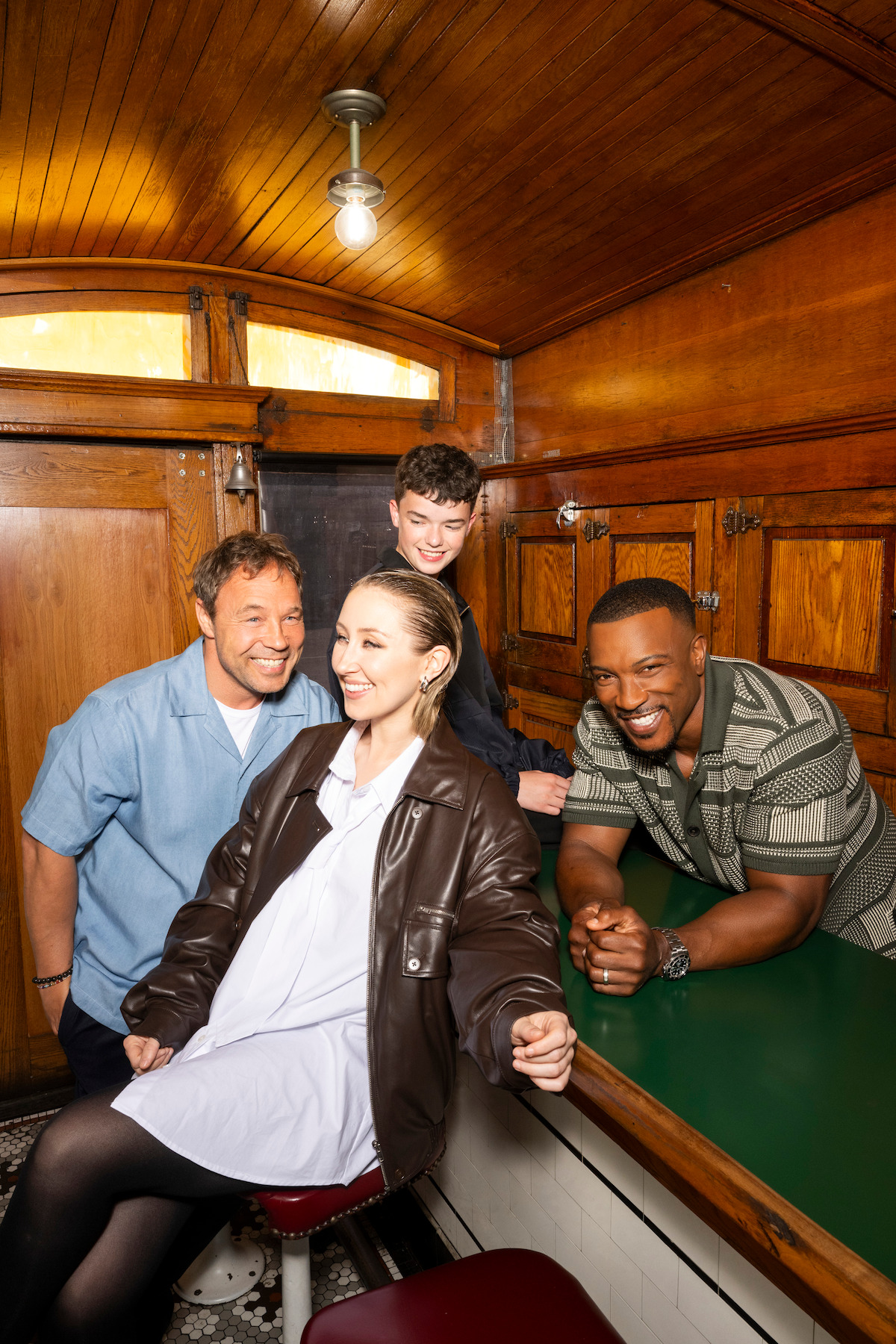
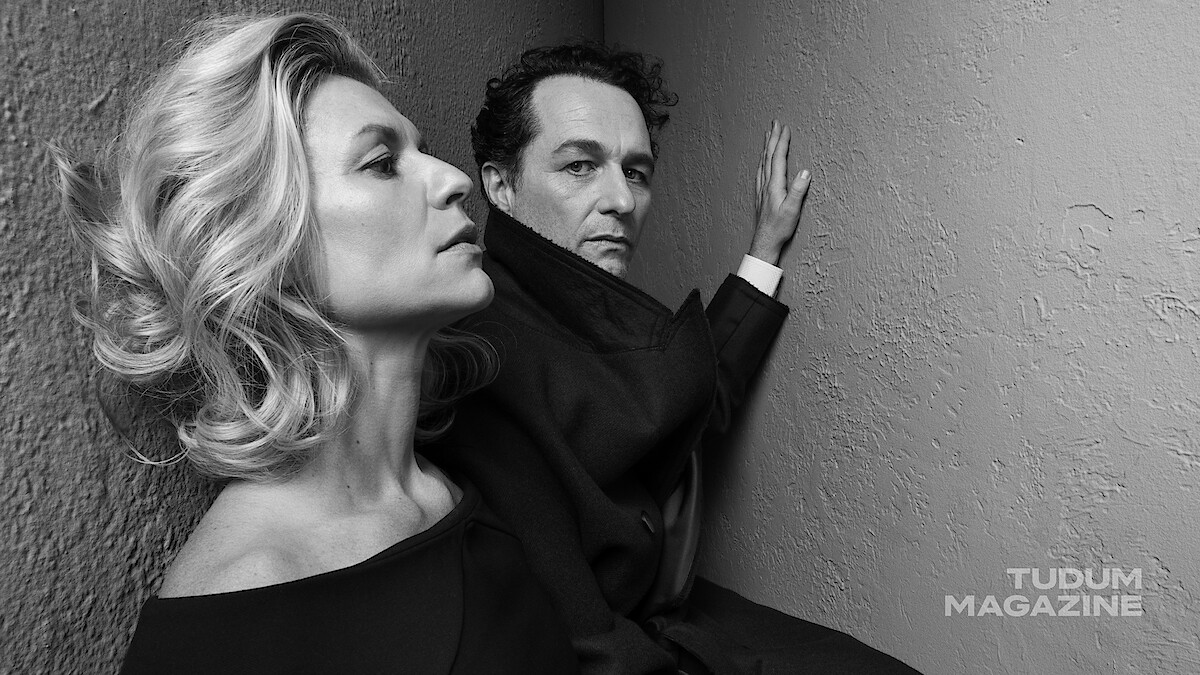
Stephen Graham, Erin Doherty, Owen Cooper, and Ashley Walters
Cooper: I had a child psychologist on set and I had a chaperone, and he was my tutor as well, and we got on really well. I was perfectly fine by the end of the day. Jamie just didn’t stay with me. It was weird, because when Stephen talks about Eddie, Eddie takes a bit of time to get away from you. Jamie isn’t me. Jamie’s completely far from me. He’s nowhere near my actual personality. It was easy to get into it because I was speaking and bouncing off Erin … and Stephen and Ashley and all the cast was so helpful, so I could easily get into Jamie. But getting out of Jamie, it wasn’t even thought of really. As soon as they called “Cut,” I was perfectly fine. I’d just go upstairs, play swingball, and then I’d get back into tutoring.
Graham: We had a lot of things to do. We had a lot of support and it was a kind of job where there were no egos on set. I mean that completely, and that’s a rarity in our industry. It was a set where every person was integral, behind the camera and in front of the camera. We were all one big group and there was a lot of support from everyone. Each piece of the jigsaw was integral because without each person, you wouldn’t have that beautiful quality that we managed to find as a collective. It was very much an ensemble. It’s very much like a footy team: Each person has their job and serves their duty completely. There was so much fun. We had such a great time on set, and there was so much camaraderie.