

These shows and movies are indeed hotter than the bluest flame.

The Oscar winner finds her dream role in the Jacques Audiard film.
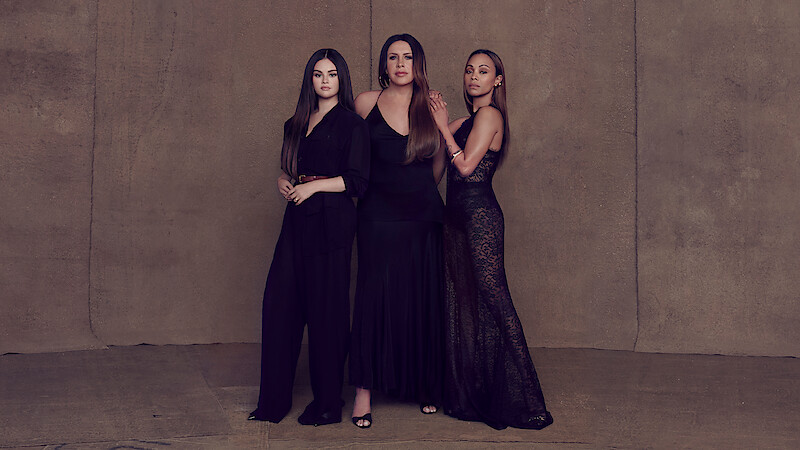
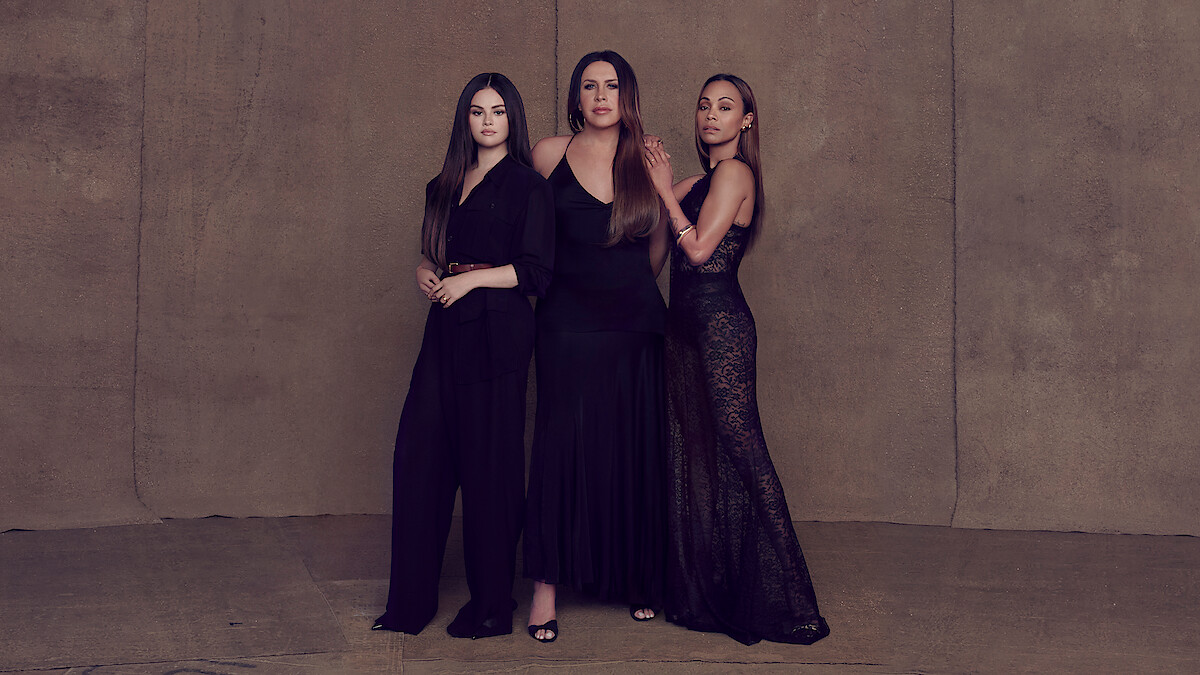
Zoe Saldaña knows how to make all the right moves. Since she first exploded onscreen as Eva Rodriguez in the 2000 ballet drama Center Stage, which married her extensive training as a dancer with a love of storytelling through acting, the performer has brought a sense of strength through vulnerability to characters in films like Crossroads and Drumline. As Neytiri in the Avatar films and Gamora in Guardians of the Galaxy from the Marvel Cinematic Universe, she embraced each role with a signature passion, all while helping to carry two of the highest-grossing franchises of all time.
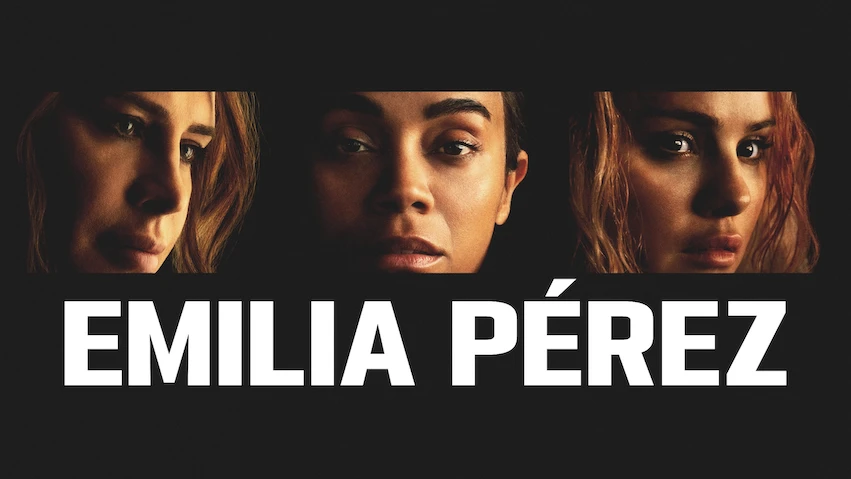
But it wasn’t until a script for a musical crime drama from renegade auteur Jacques Audiard called Emilia Pérez came her way that she realized there was a dream project that had yet to be fulfilled. “I kept feeling for the past couple of years like ‘something is missing.’ I was just missing incorporating all these mediums of art that make me feel whole,” Saldaña says. “I really needed Emilia Pérez. I had no idea how much I needed it.”
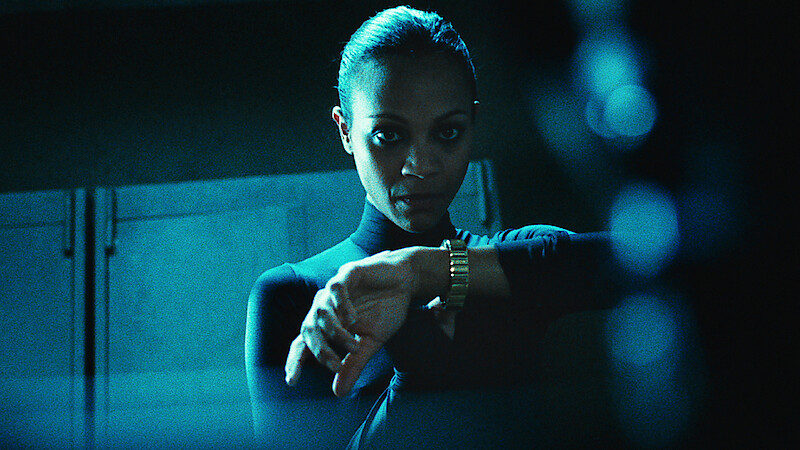
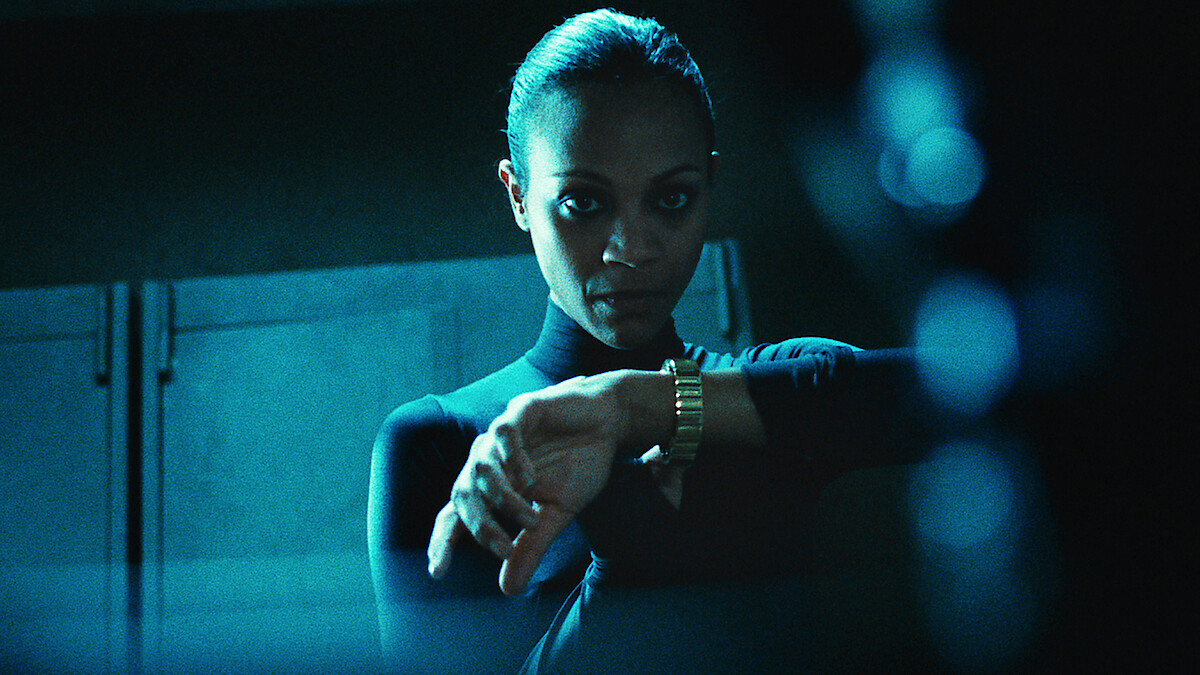
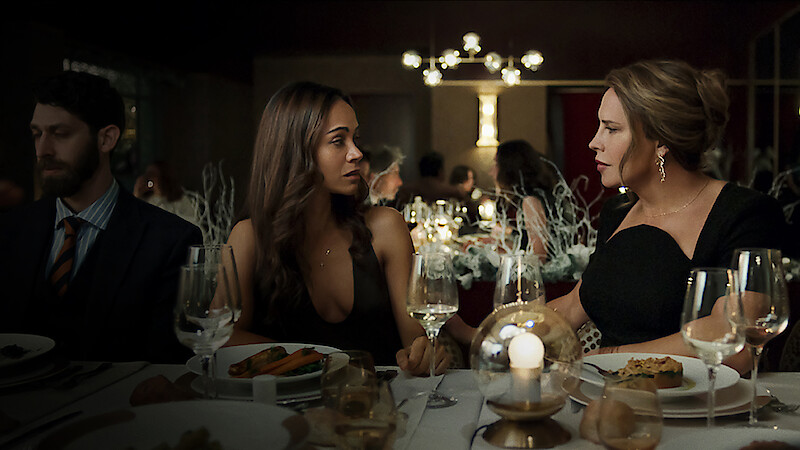
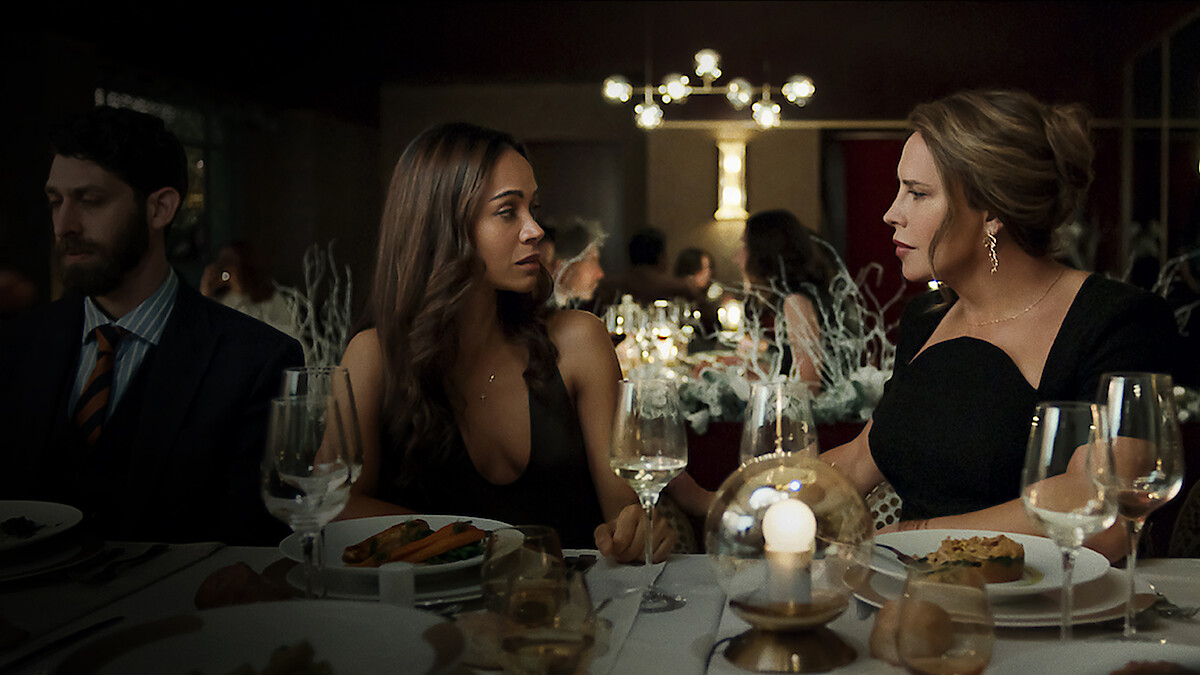
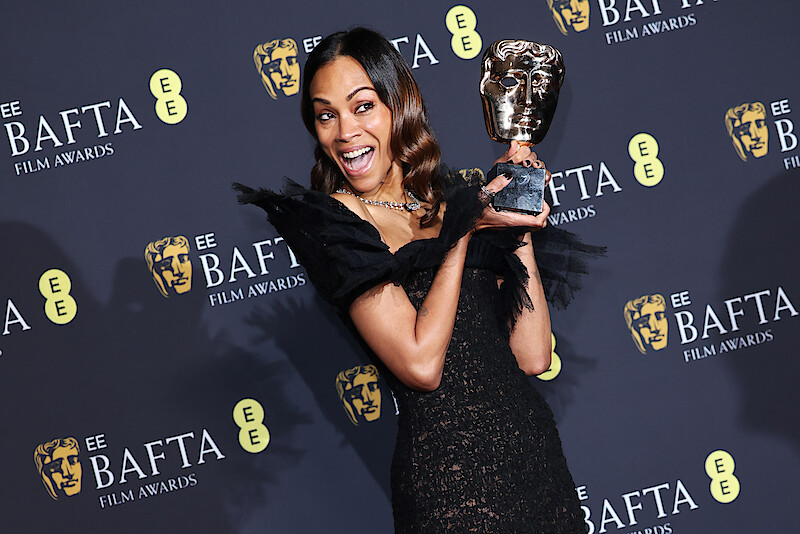
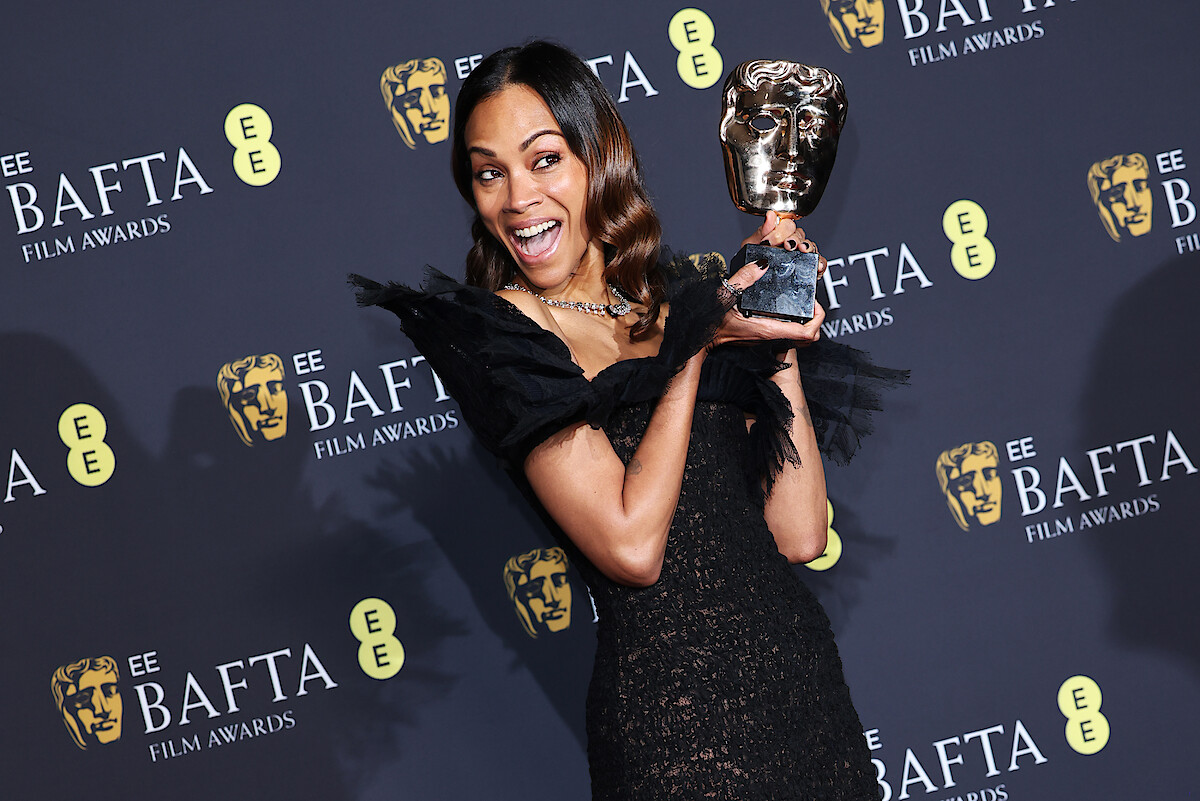
In the Spanish-language film, Saldaña’s ferocious talent is on full display – a true showcase for her triple-threat abilities. Playing Rita Mora Castro, an undervalued criminal defense attorney searching for agency and purpose, allowed her to reconnect with her balletic roots, a challenge she had long been craving. “There were moments in which I would leave the set or the studio, and I would go, ‘I don’t know what I left out there, but I hope they can make something out of it,’ ” reflects the star. “All I know is that I gave it [my] all.” Her showstopping turn has already earned her a Golden Globe win, and now, an Academy Award for Best Supporting Actress. But for Saldaña, the journey of making Emilia Pérez was a reward in and of itself. “It was rejuvenating. It was a rebirth,” says the actor. “Getting this opportunity to go back to who I truly believe myself to be, it just felt like I was right at home.”
An edited version of the conversation follows.


After I watched Emilia Pérez for the first time, I think I told you that it just feels like everything has come together for you in this film.
It really felt [like] coming back full circle for me. And it’s Jacques Audiard — I remember being a teenager and going to the Angelika Theater [in New York] and watching his films and thinking, “My God, if I ever go into this business, he’s the kind of filmmaker that I want to work for.”
You get the call, you read the script, you go to audition. Tell me about your process, getting the part and then arriving on set that first day.
It was an opportunity for me to redeem myself. By the time Emilia Pérez came knocking on my door, I was at that crossroads. Do I try to reconnect with myself, with the feeling that I used to have when I got into this town for the very first time, and I was so hungry and I was so curious? Do I do that or do I keep just kind of in my way giving 80%, knowing that I can give 120%?

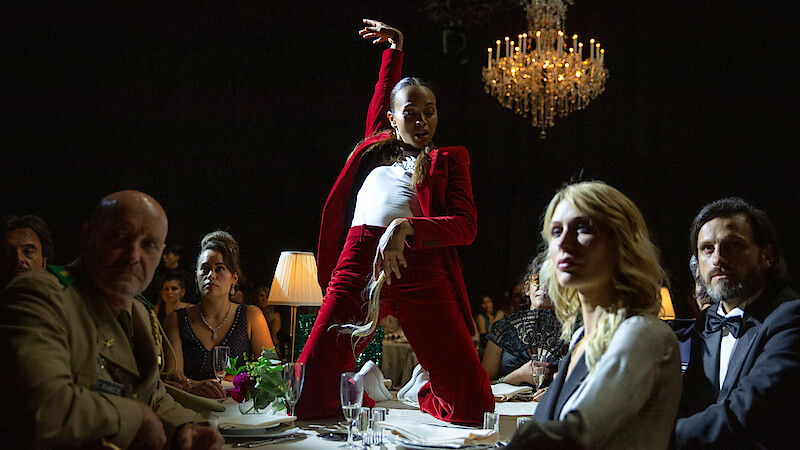
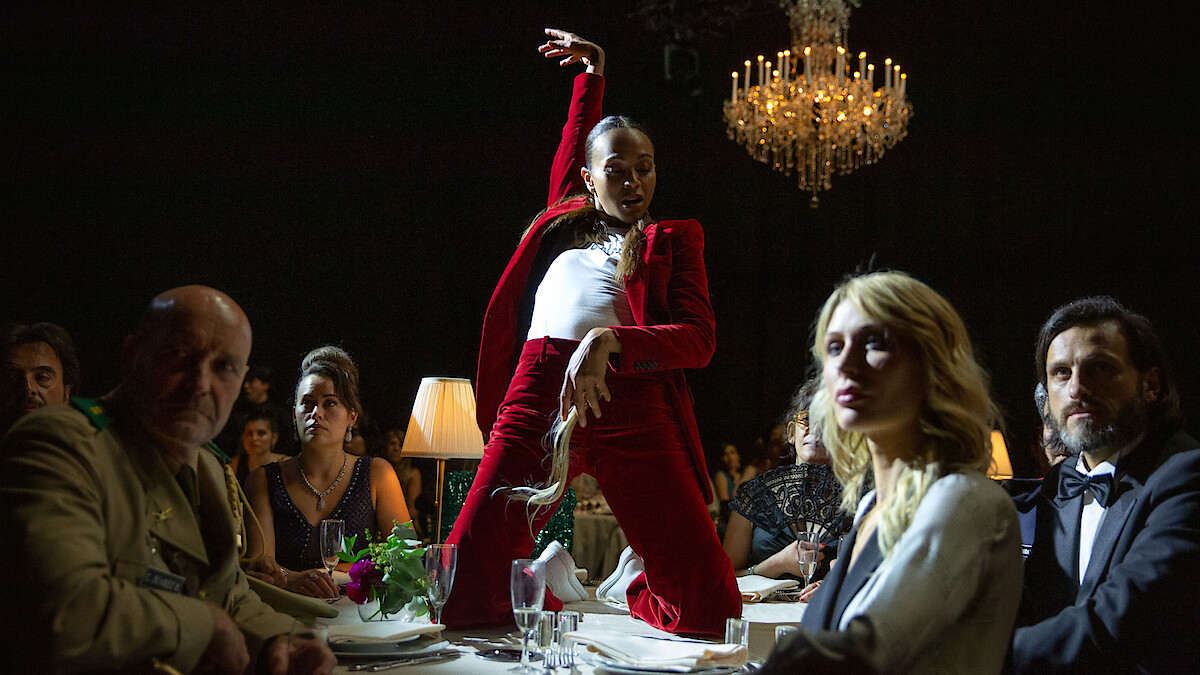
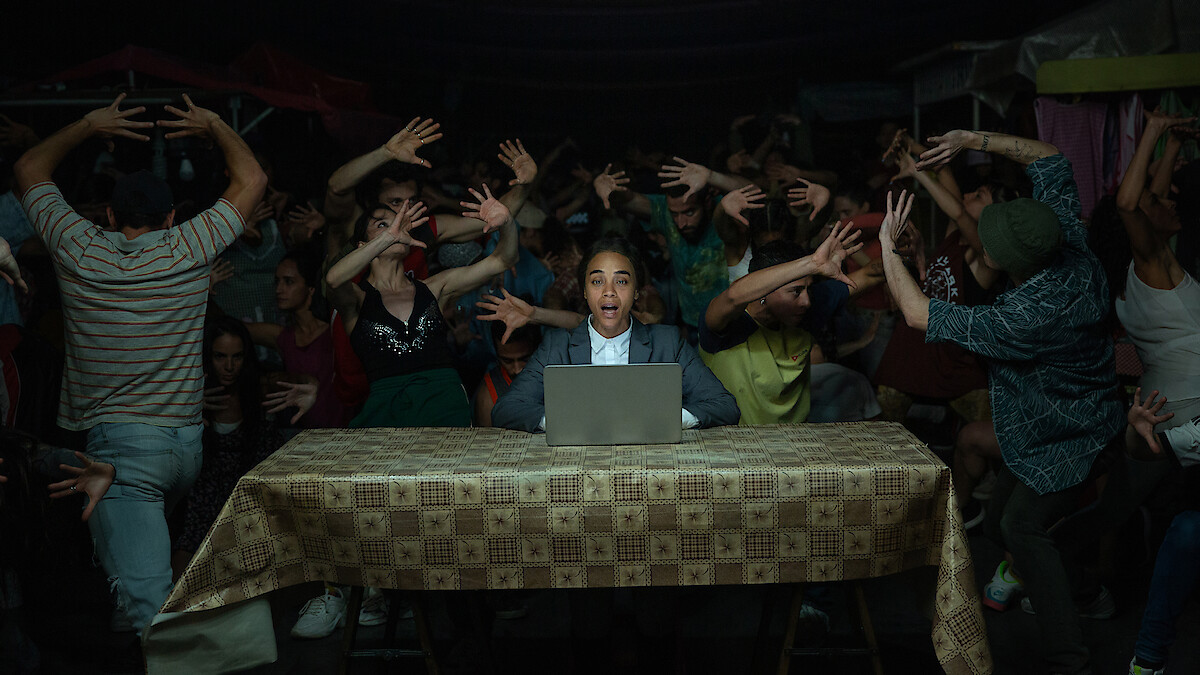
I want to talk about the “El Mal” scene – what was it like for all of that to come together for you?
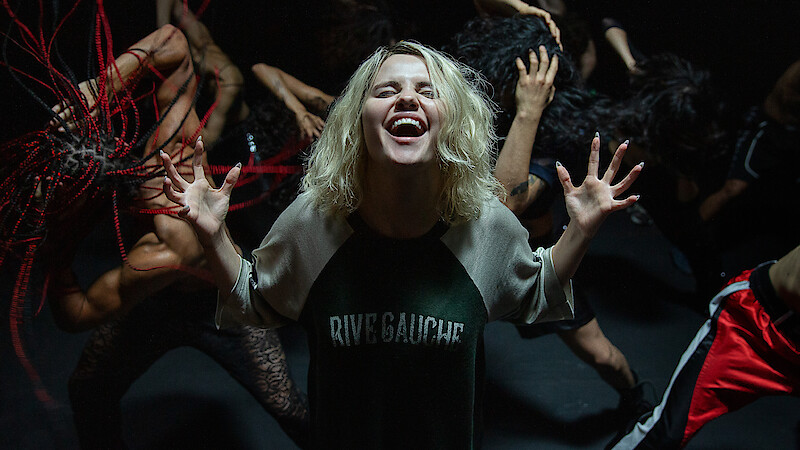
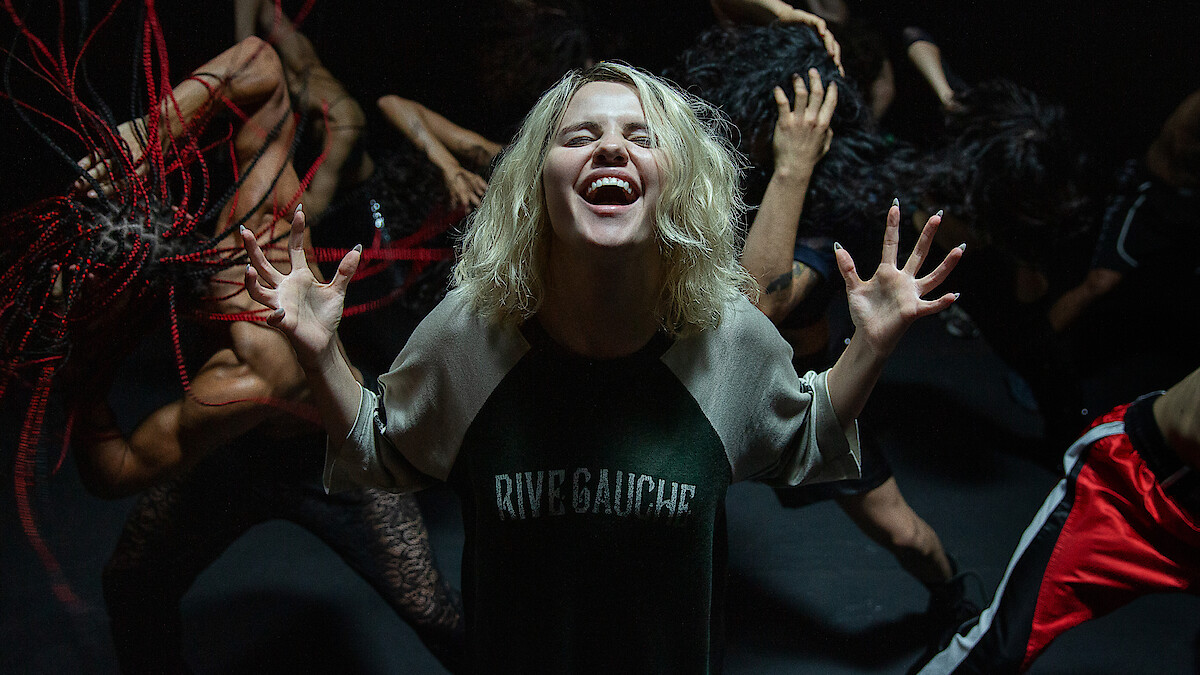
My God. Freeing. Living in Rita was hard because a lot of what Rita really thinks and feels, she doesn’t have Emilia's courage to say. And that’s why she admires Emilia and just wants to be more like her. Even though she’s afraid of her, she wishes she can be like Emilia.
Every now and then, when she believes that nobody is listening, she truly comes out. And this was a thought that she was having. What is it that she truly thinks about these fucking people here? How does she feel about this environment that is filled with corruption and lust and just a debauchery of excess? If she had the power and the right to cast justice, to sort of rectify all this, what would she do? So that dance really represented that. Jacques and I really enjoyed that, giving Rita that kind of freedom under all the safety nets that she had, which is just to live in her head.
Your first thing out of the bat obviously, was Center Stage, and that was using you as a dancer. A few years later, Crossroads came out with Britney Spears, followed by the movie Drumline, which is about a street drummer from Harlem who enrolls at a Southern university. What do you remember about that time for you, that moment in your life?
I can’t even tell you what Center Stage meant to me because it was sort of like a prayer that had been answered. I was asking for guidance. Like, “Universe, do I stop? Do I go back to dance? Do I do this? Do I do that?” And it’s like, well, the universe gives me Center Stage to play a dancer, but in a film. I understood, I got the message, I was grateful, I ran with it. After I figured [that] out, it was about really accepting the auditions of characters and scripts that I felt drawn to.
I’m fortunate enough that I was hungry enough, and I worked hard enough that I got the respect and the attention of these prolific filmmakers who would take a chance on me. Little brown girl from Queens. James Gunn, J.J. Abrams, James Cameron — I owe them so much because they saw me.

What do you hope audiences take away from Emilia Pérez?
I hope that we remain curious about trans lives and how important they are, no matter who they are or where they come from. I hope that we gain understanding that women have different versions of achieving their freedom and that needs to be honored and celebrated. These are four women that, by all means, should have been invisible, ostracized, judged, and yet they all deserved happiness. They all deserve their version of freedom, and so I really hope that people continue to take that away with them. [Jacques] just allowed these women to find their journey and their versions of freedom, which was beautiful.