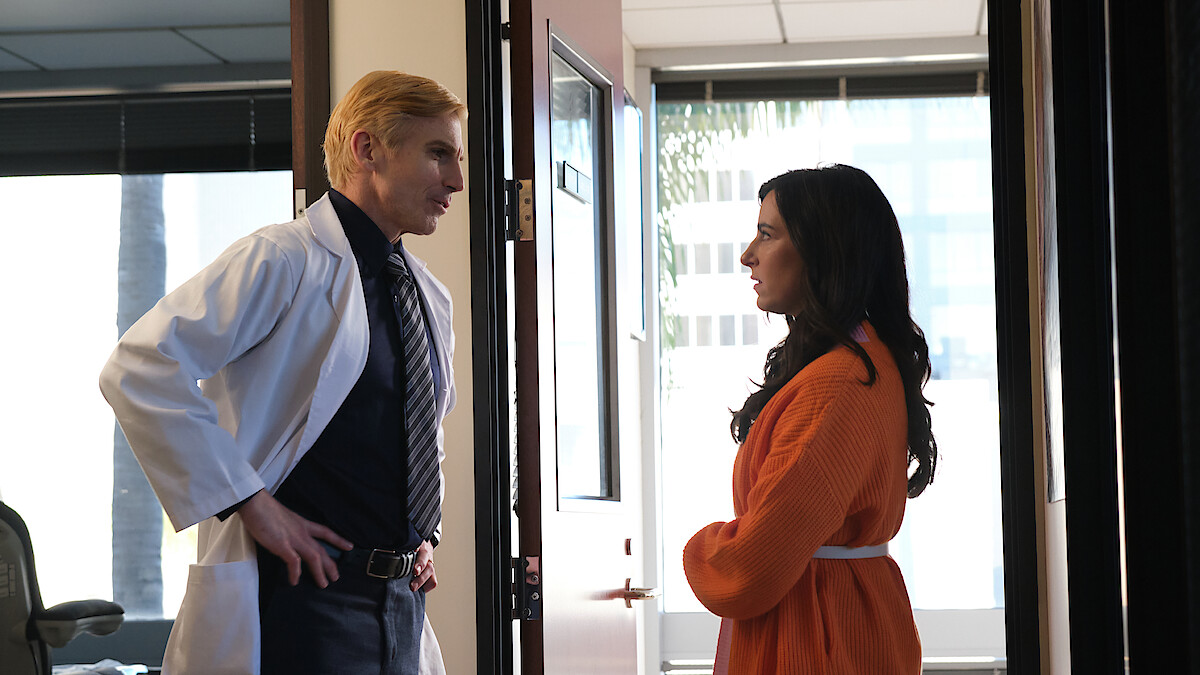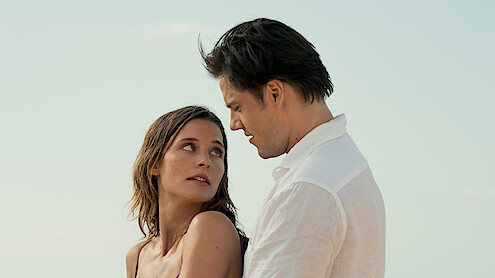
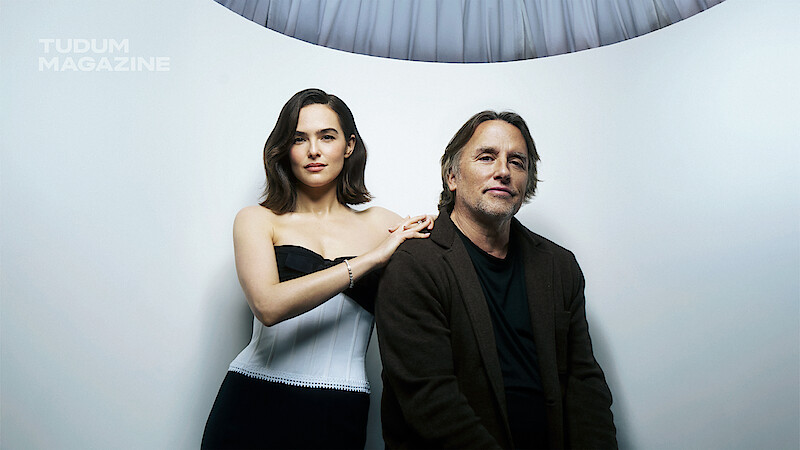
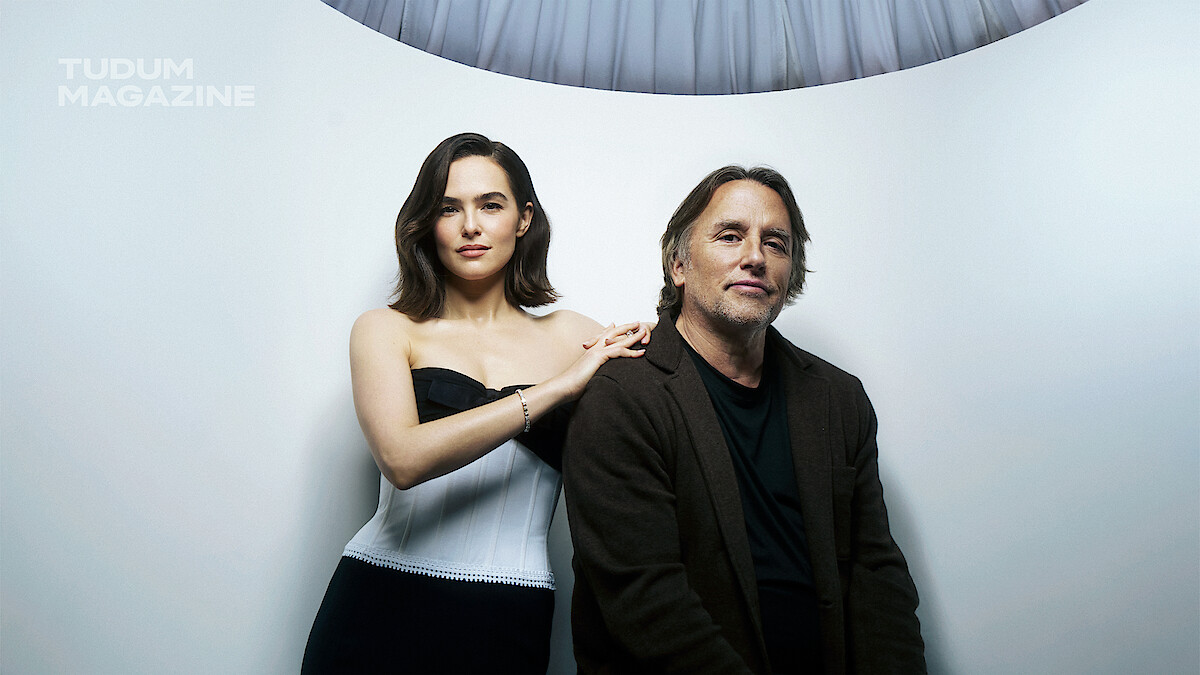
The duo discuss the reimagining of Jean-Luc Godard’s process in their film.

The actress steps into the shoes of a screen legend — and delivers a performance worthy of the legacy.
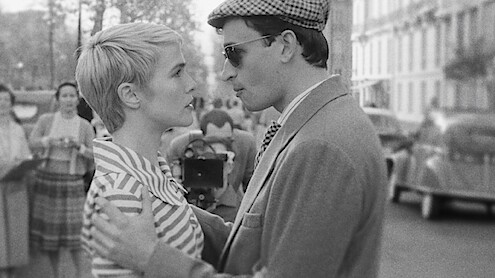
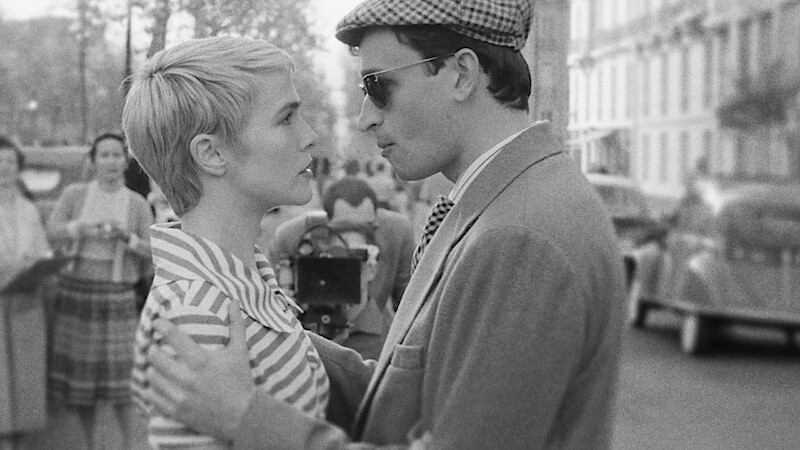
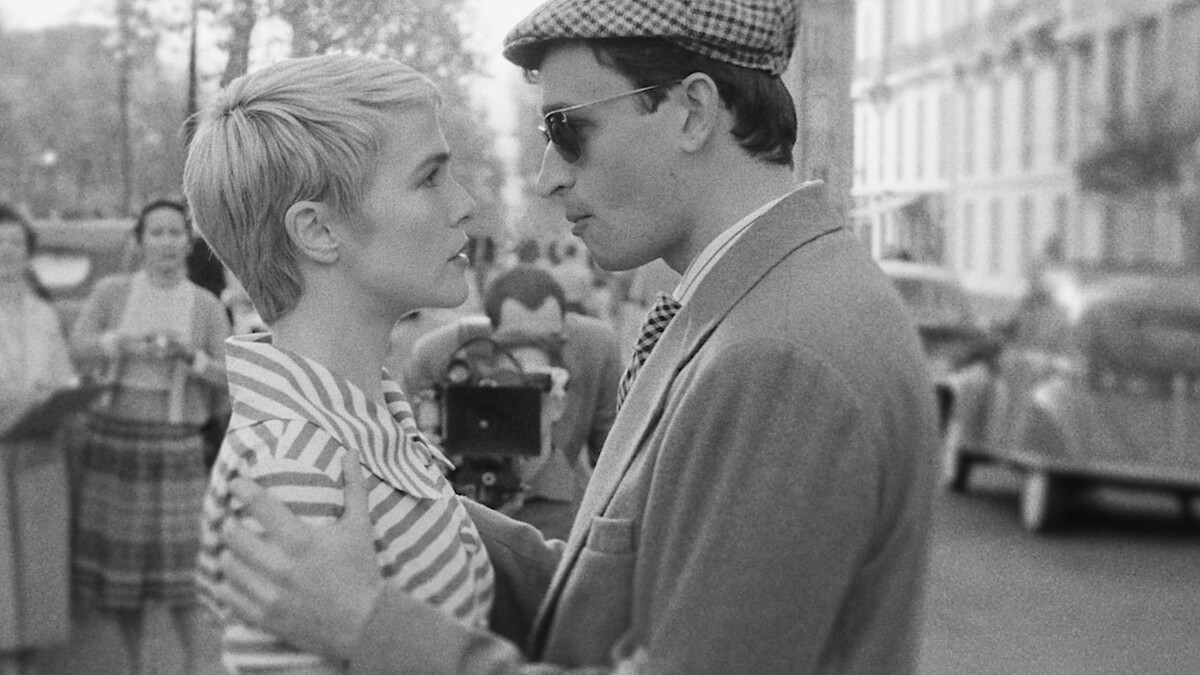
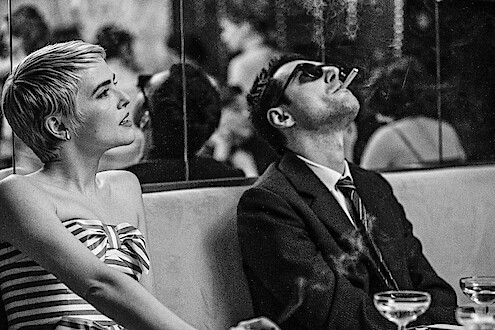
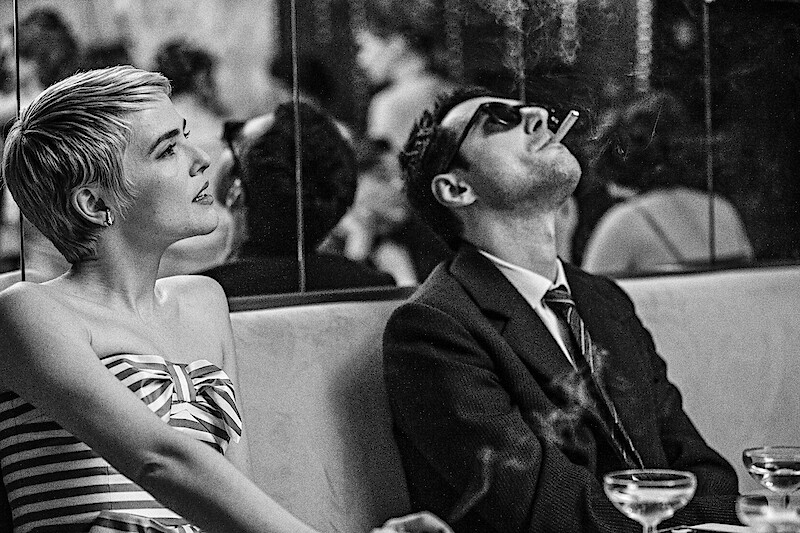
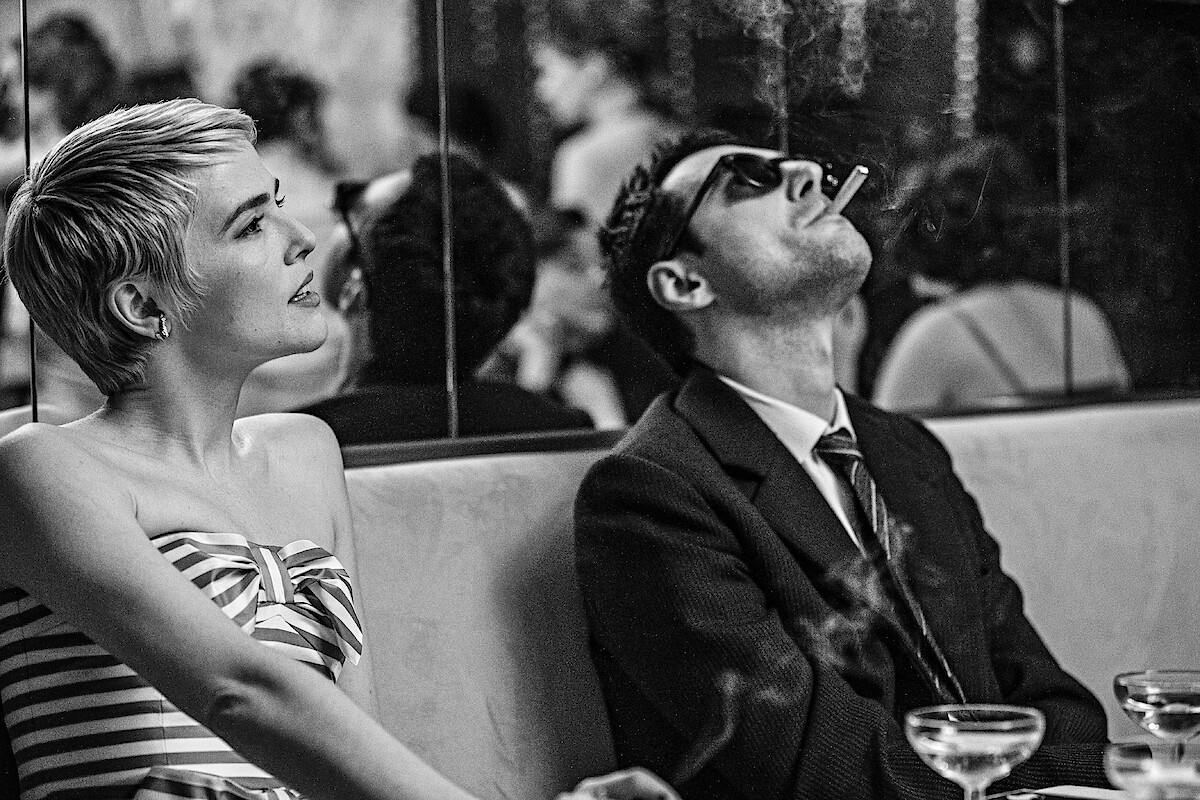
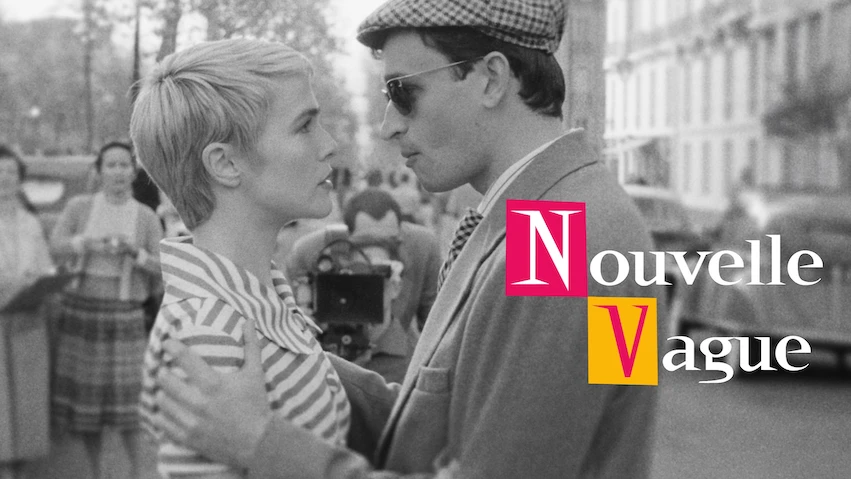
Zoey Deutch faced a daunting challenge in Nouvelle Vague, Oscar-nominated Richard Linklater’s ode to the French New Wave. She was to play an icon within an icon — a process also a bit like unstacking a cinematic Matryoshka doll. The film reimagines the making of Breathless, the 1960 classic that crowned Jean-Luc Godard a pioneer of global cinema, while simultaneously peeling back the curtain on the film’s creation. Deutch plays the film’s luminous star, Jean Seberg, but also inhabits Patricia, Seberg’s gamine Breathless heroine. “I realized there were all these different versions: I was playing Jean, I was playing Patricia, and then I was playing Jean playing Patricia,” says Deutch. “There were almost three different characters.”
As Nouvelle Vague explores, Breathless — Godard’s first feature — was born out of youthful rebellion and creative chaos, shot in an off-the-cuff, improvisational style. In one key way, Linklater mirrored Godard in his choices: Aside from Deutch, known for bringing quick wit and rom-com charm to movies like Set It Up and Not Okay, as well as her turn in the recent Broadway revival of Thornton Wilder’s Our Town, the cast is made up of lesser-known actors. Guillaume Marbeck steps into the role of Godard, while Aubry Dullin plays Jean-Paul Belmondo, Seberg’s effortlessly cool though still burgeoning co-star in Breathless. Otherwise, Linklater’s approach to filmmaking couldn’t be more different — especially when it comes to preparing his actors. Deutch, who first worked with him on 2016’s wistful Everybody Wants Some!!, knew the drill: Linklater is a stickler for rehearsal, insisting on days, even weeks, of practice before the cameras roll, a far cry from Godard’s habit of creating dialogue on the fly. “It’s a non-negotiable,” says Deutch. “There are always weeks of rehearsal. If you’re doing Richard’s movie, you’re spending time together and getting on the same page. His genius is that you rehearse so much that by the time you’re on set, those words are yours.” She added, “I’ve never in my 17 years [acting] ever gotten to go to the location, rehearse the scene in the location — except with him.”
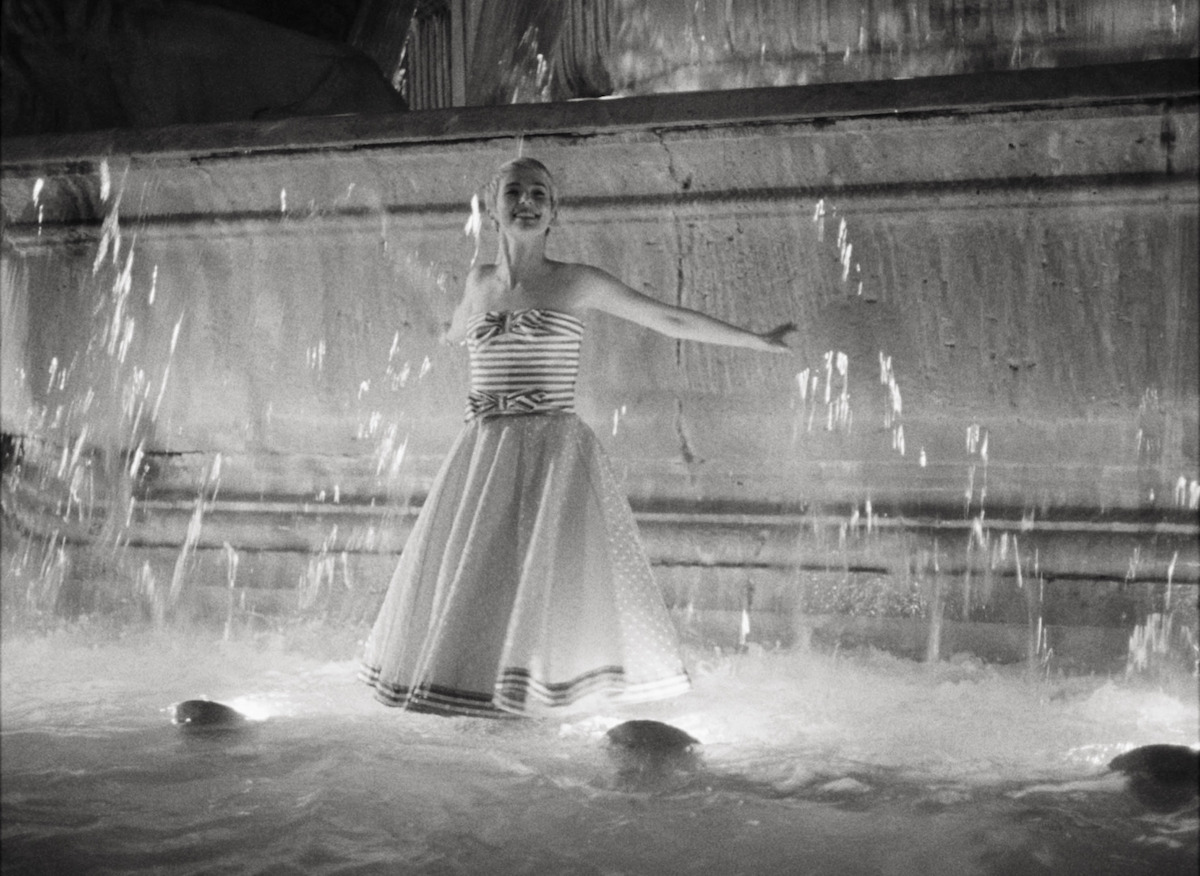
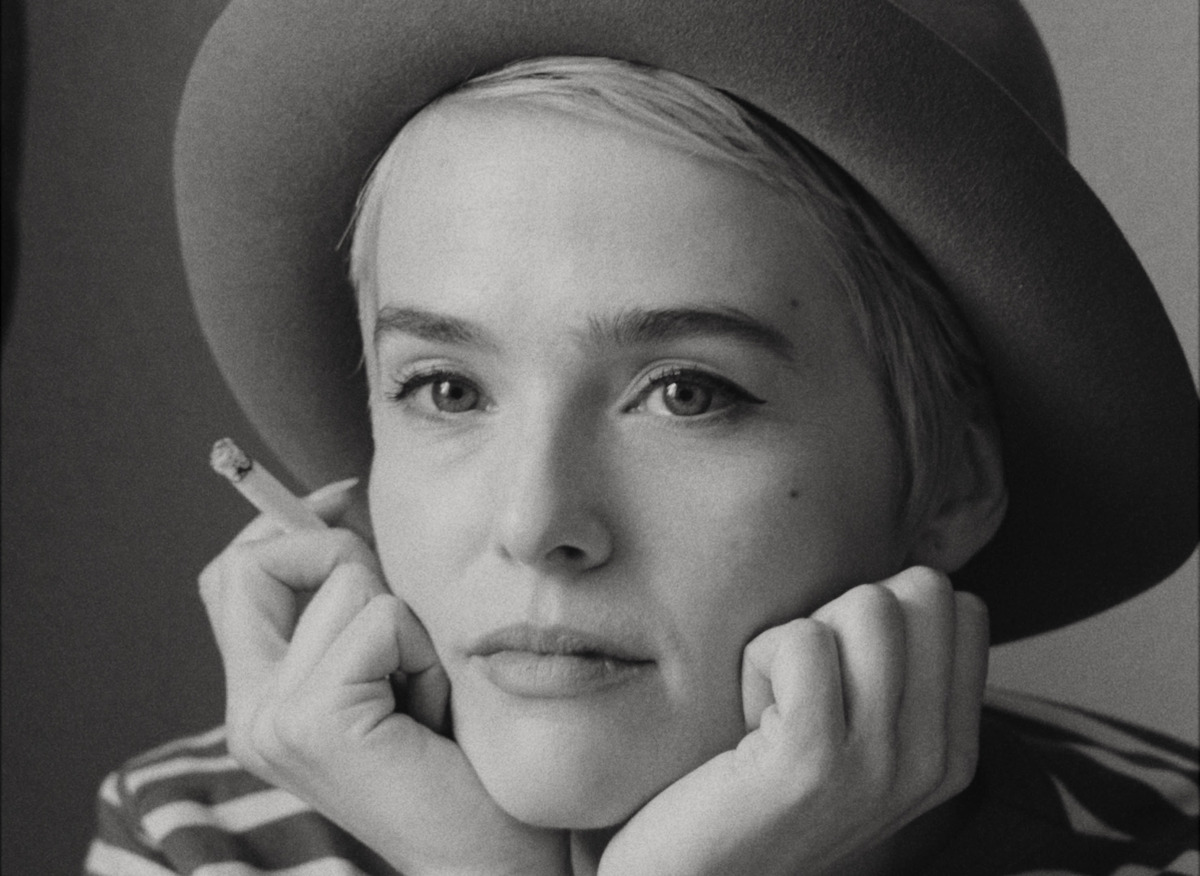
Different as their methods may be, Godard and Linklater share the ability to conjure pure cinematic magic — stories that sparkle with wit, romance, and an almost ineffable sense of delight. If Breathless endures for its daring charm, Nouvelle Vague carries a sweeter, more sentimental note. It’s an adoring ode not just to cinema, but to the artists like Seberg — not to mention the cinematographers and producers, who are also lovingly portrayed. “Richard is the perfect person to have made this movie. It’s a love letter to cinema, but it’s also a love letter to an artist doing things their own way. And there are very few other filmmakers who have maintained such integrity from the start,” Deutch says. “Richard has never wavered from what truly inspires him.”
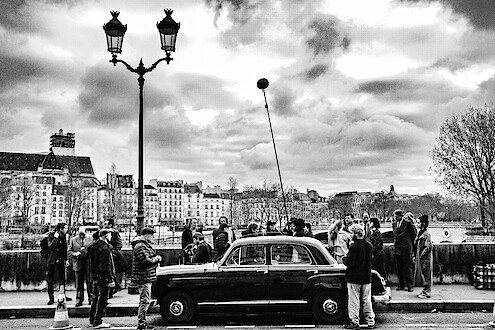
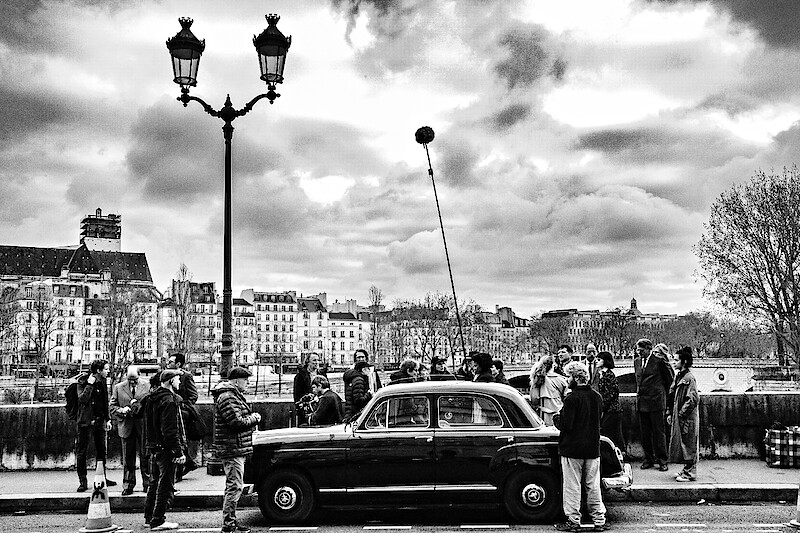
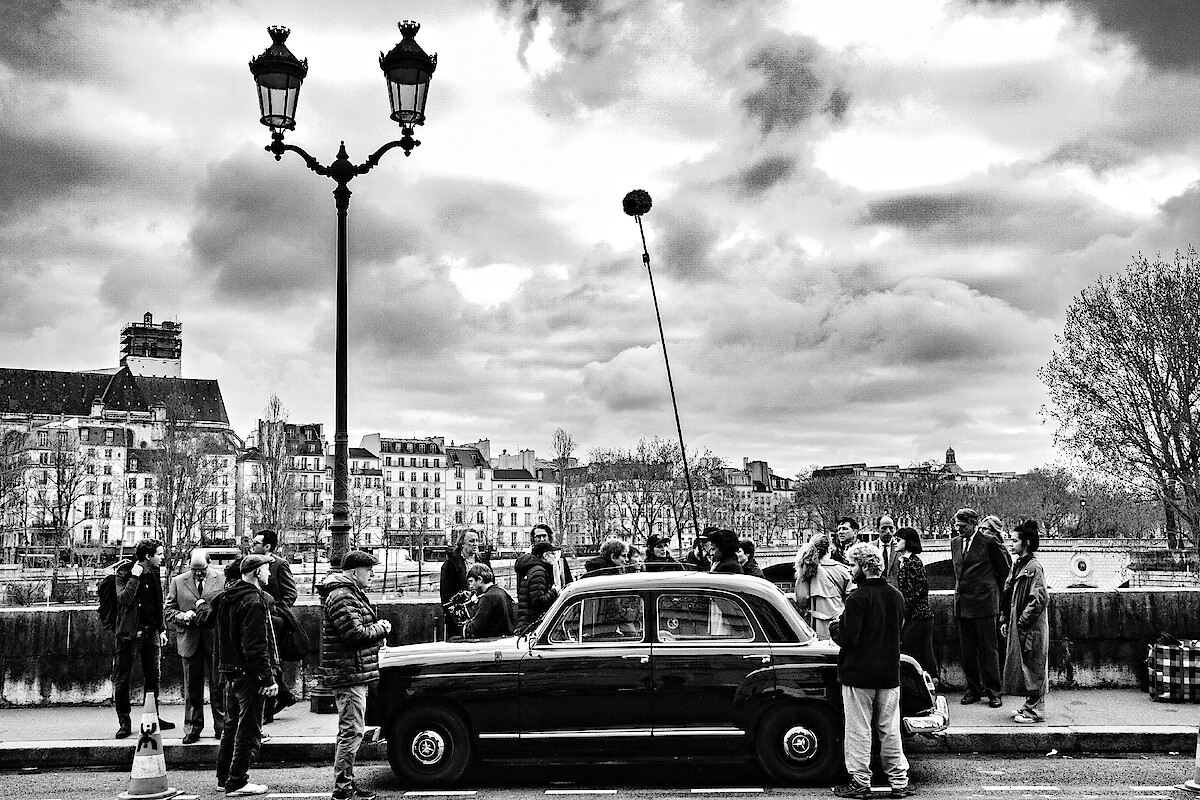
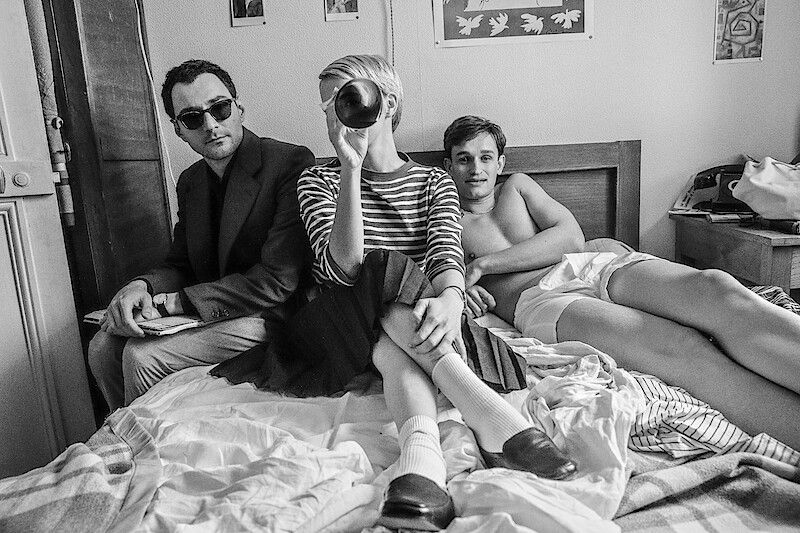
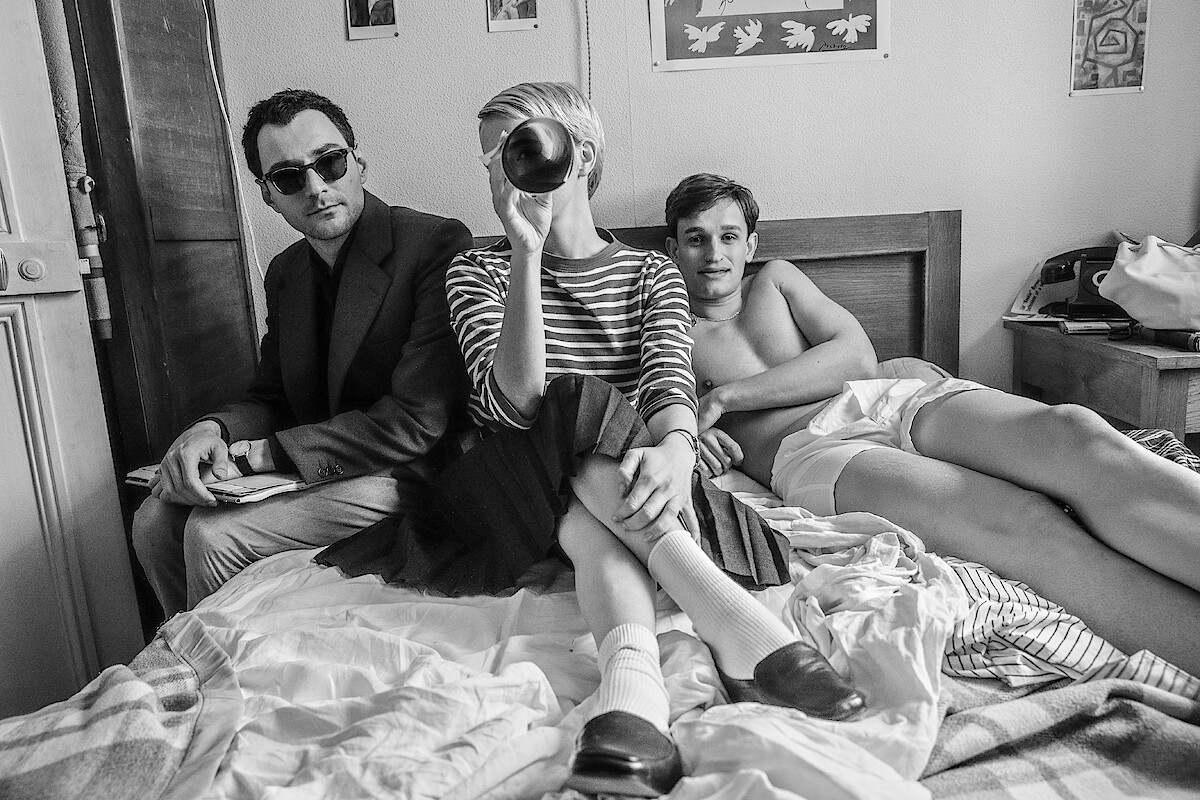
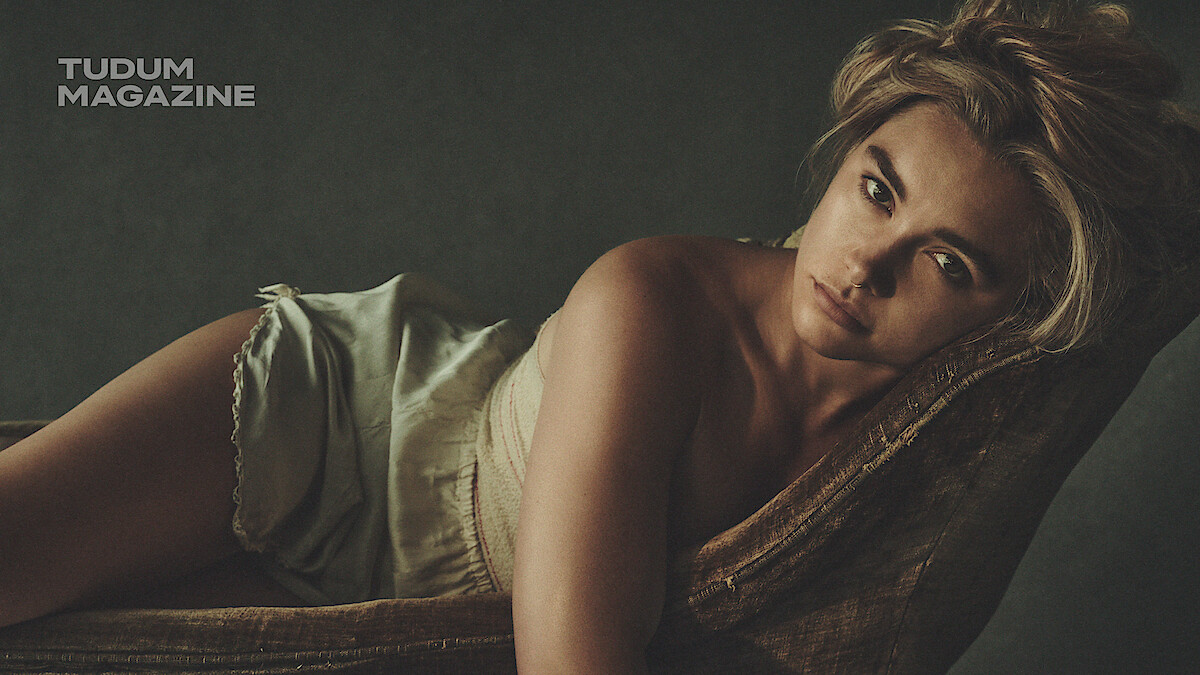
Filming on the streets of Paris — just as Godard did to make Breathless — the Nouvelle Vague team obsessed over every detail to capture the essence of the city in its midcentury vibrance. “It’s a very special moment in history we were taking on,” Linklater says. “Everyone felt the obligation to get it right.” For Deutch, that meant adopting Seberg’s signature style: a blonde pixie cut, and sleek, simple, smart outfits that felt radical when the film debuted and remain iconic today. Patricia’s androgynous, Breton-striped looks in Breathless were a reflection of Seberg’s personality. In keeping with a tight budget and Godard’s push for realism, the actor largely dressed herself for the film. “The styling was mostly her own,” says Deutch. “That minimalist wardrobe — the [New York Herald Tribune] T-shirt, the cropped pants — was largely her choice. And it absolutely helped make her a fashion icon.” For Nouvelle Vague, the costume team, led by Pascaline Chavanne, worked with no less than Chanel to re-create some of Seberg’s looks. And when it came to her character’s hair, Deutch embraced the transformation. “I had very long, thick, dark curly hair,” Deutch recalls. “I was so excited to do this movie that I didn't feel much about cutting it all off.”
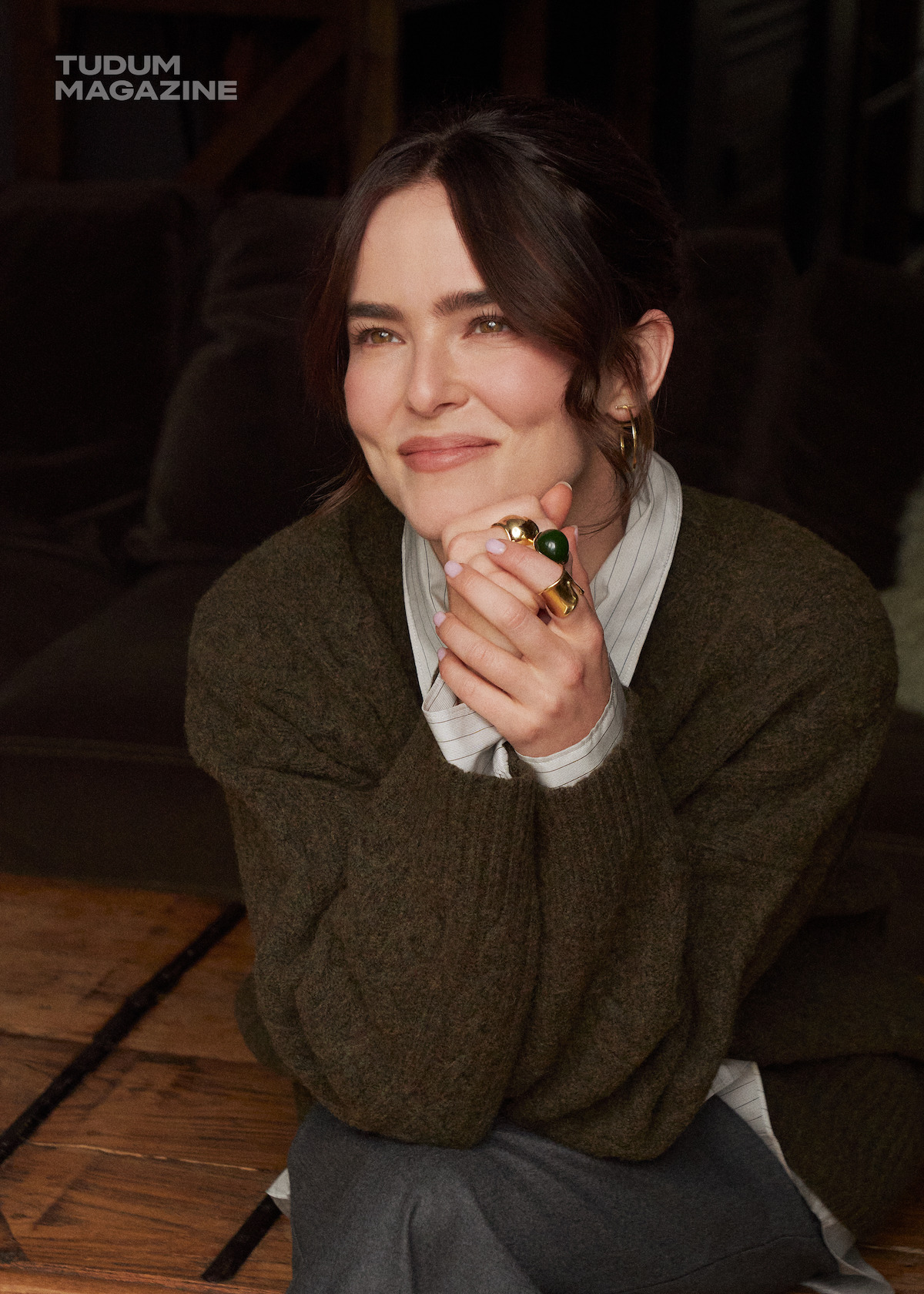
Deutch did loads of research to prepare for the role, poring over Seberg’s work and steeping herself in New Wave films — watching a different one every night she was in Paris, in fact. But she also knew that there’s something inherently unlearnable about a character like Patricia-cum-Jean. “You can talk all you want about how a person is — the essence that they have, their energy — but to actually put it into practice and find a tangible way of playing it is a different thing,” Deutch says. “There’s this quality of mystery.” Linklater agrees. “Zoey brought so much to the part, but mostly she brought herself. Yes, you get the hair right, the accent… you watch and listen to everything you can get your hands on, but at the end of the day, you’re honoring her not by doing an imitation, but finding that place where you are confidently her, because you’ve internalized everything and are now just completely being yourself as her. It was stunning to be around.”
What comes across most palpably, then, is not an exact replica of a fabled performance, but the expression of the enthusiasm Deutch has for the art of creating cinema and the pure, essential jeu d’esprit that makes great cinema come to life. “The movie is about authenticity — doing things your way,” says Deutch. “Call me an optimist, but I am of the mindset that film is more alive than ever. It’s up to us to go forth and conquer — and make things that we want to make.”
This feature originally appeared in Issue 22 of Tudum Magazine.