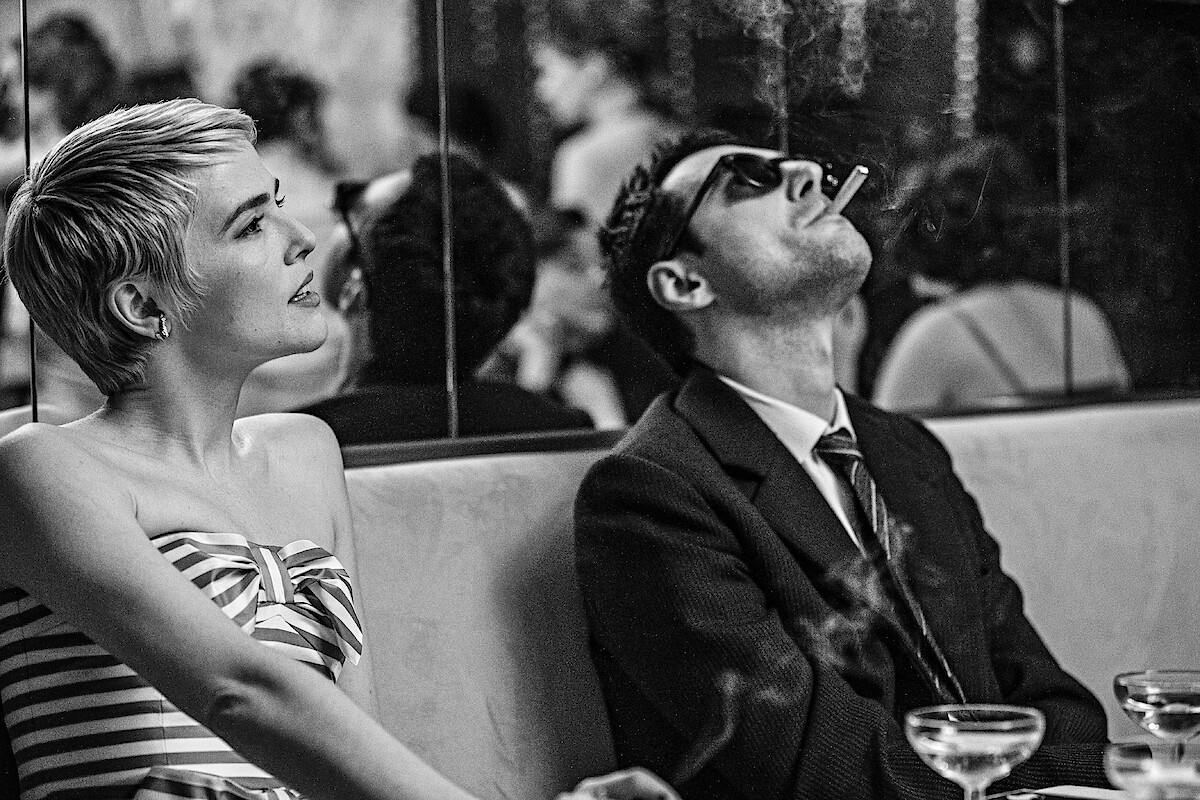
Jean Luc Godard’s Breathless (1960) may be one of the most iconic films in cinema history, its look and feel an inspiration for generations of artists, but it was also the product of daily, dexterous work by a tight-knit crew. Nouvelle Vague is a tribute to that effort — a paean to the behind-the-scenes joy of filmmaking, and a portrait of the personalities who give a movie its soul. To bring this visually stunning homage to life, Richard Linklater assembled his own team of extraordinary French craftspeople.
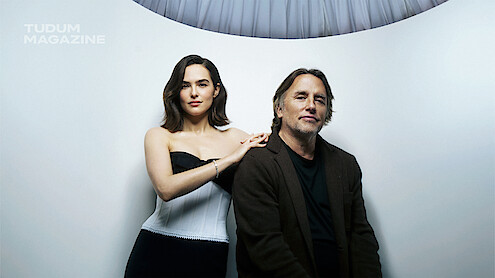
“I was the only American on the crew,” Linklater says. “I wanted the best, most experienced French department heads we could find, and I feel so grateful to have worked with such a dedicated group. I think our sincere enthusiasm opened a lot of doors.”
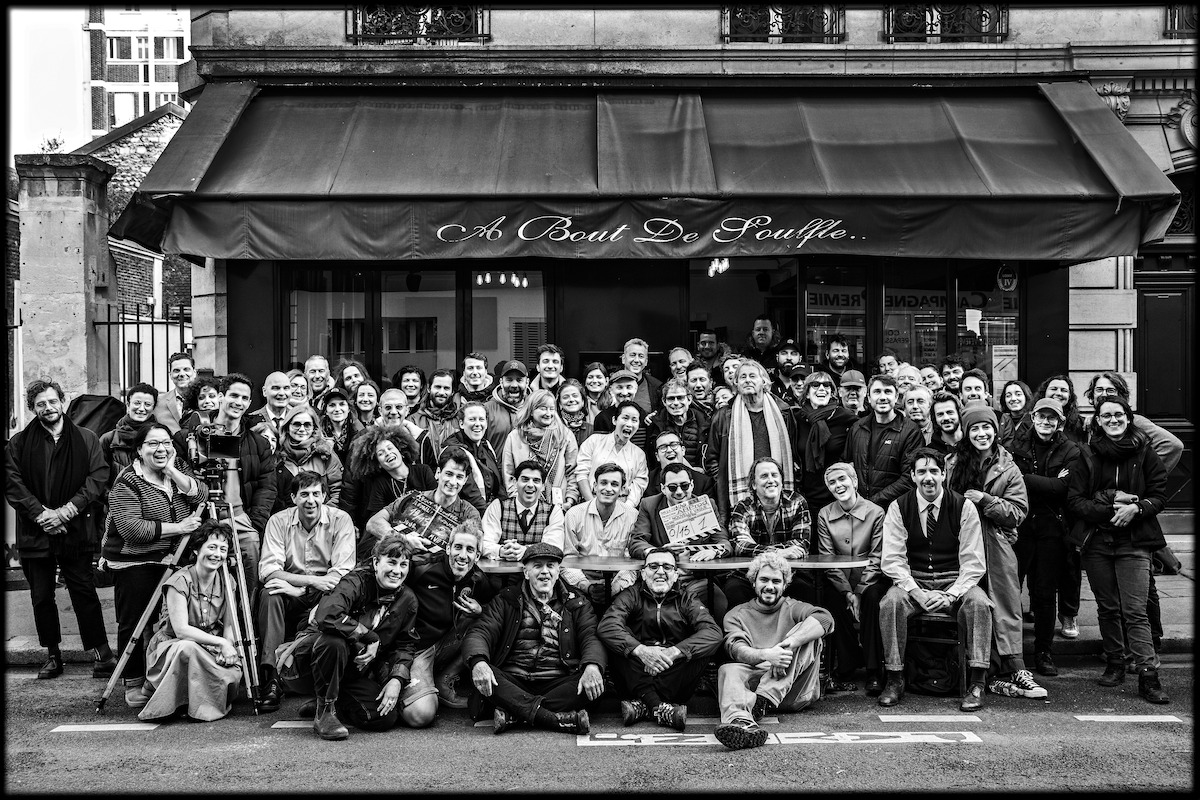
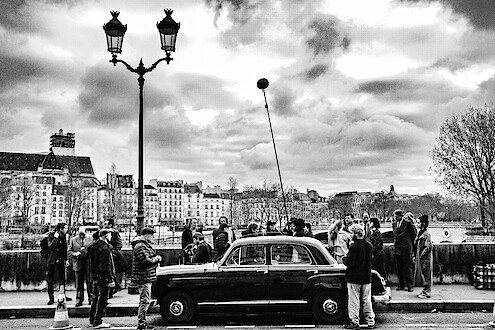
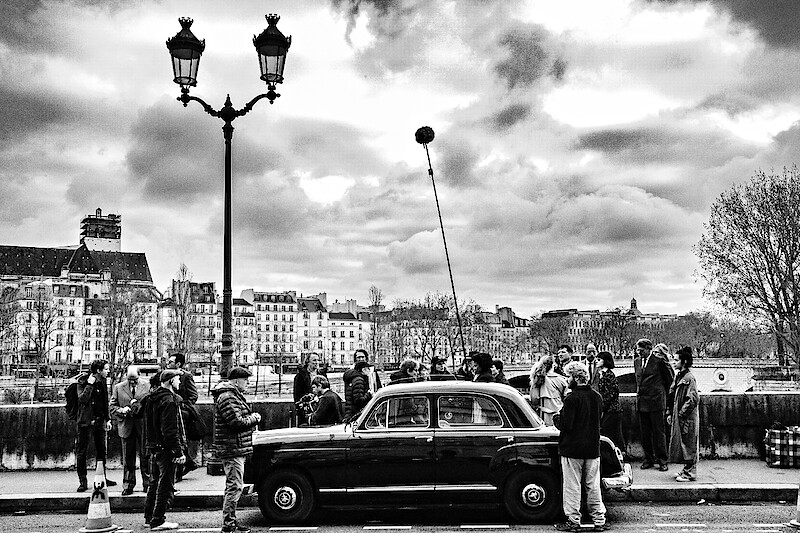
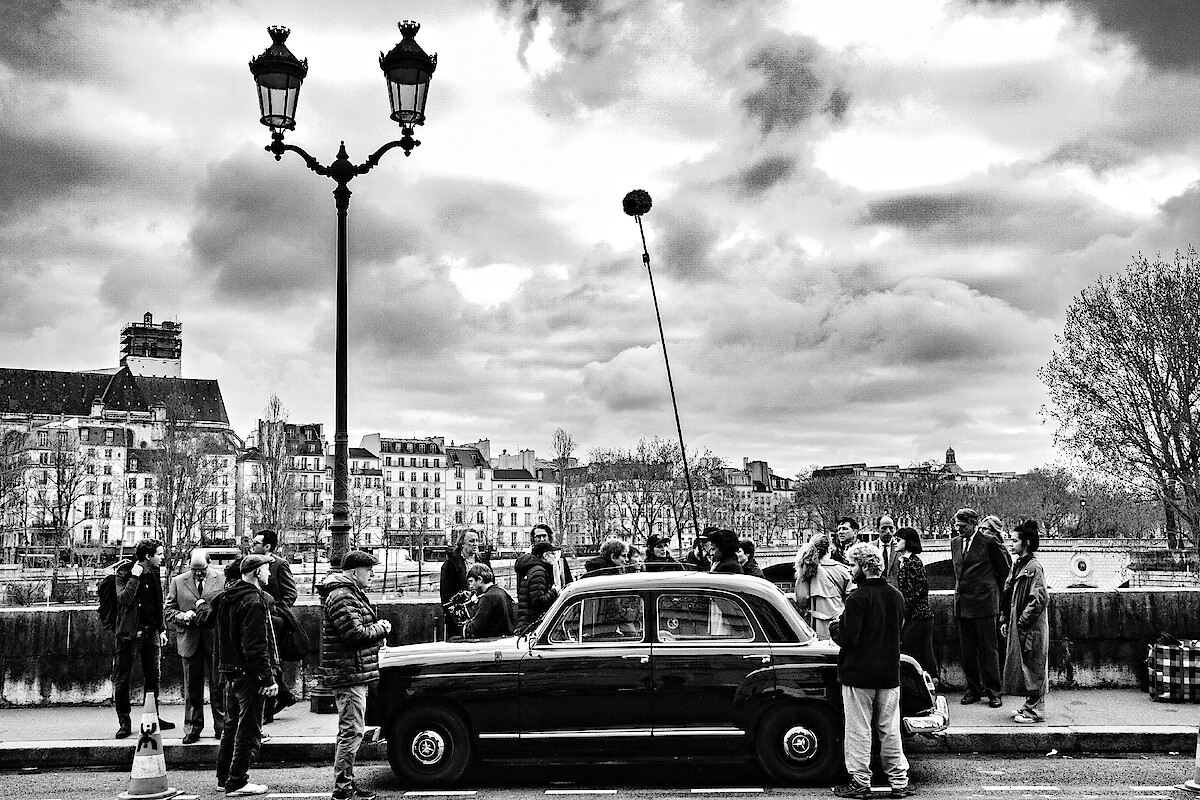
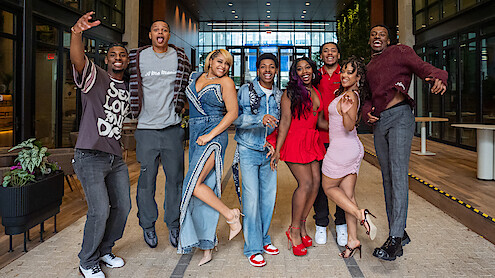
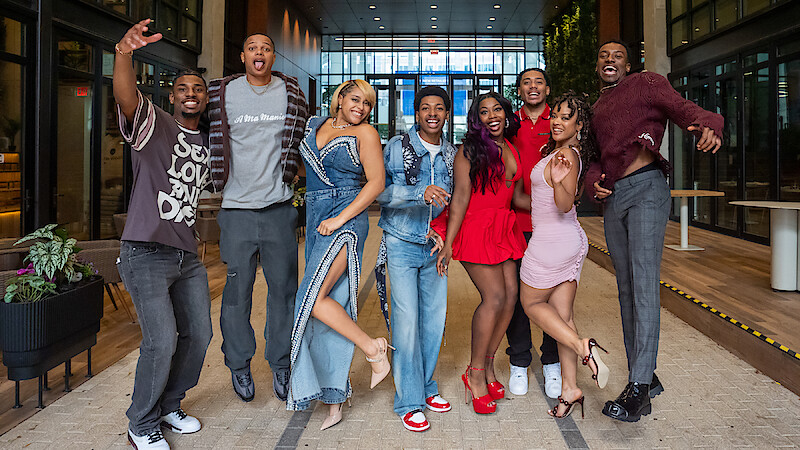
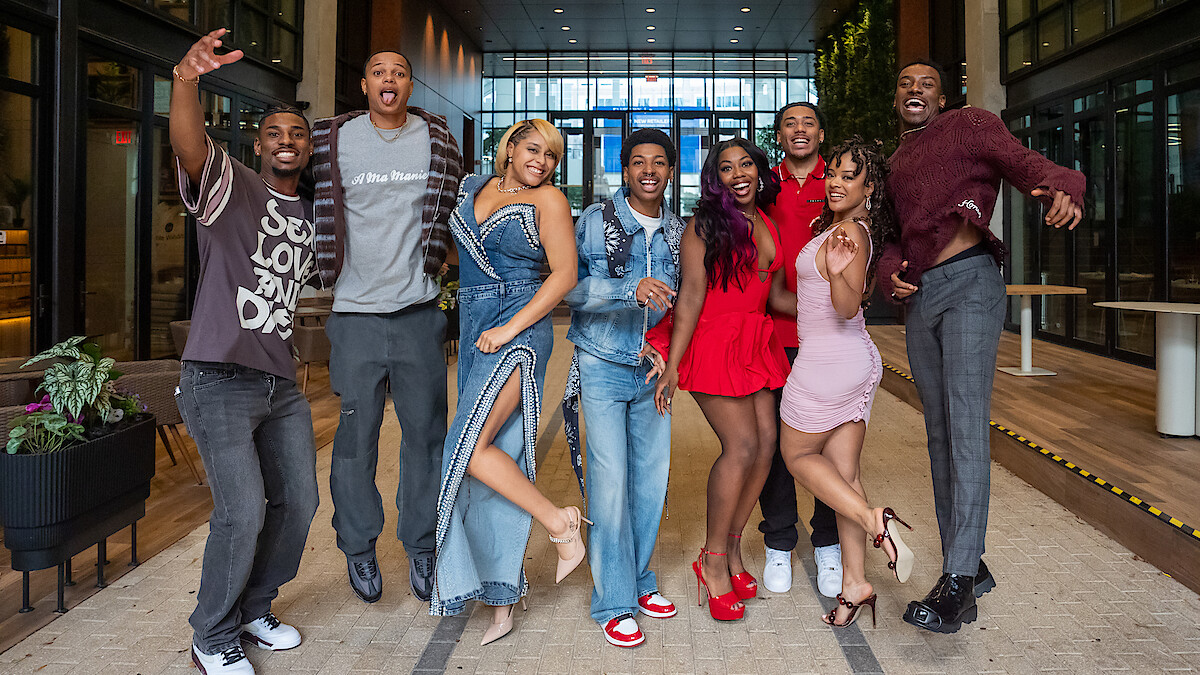
The crew of Nouvelle Vague.
Because Nouvelle Vague is based on the making of a real film, authenticity was essential. Whether on the street or in a smoke-filled bistro, every scene had to faithfully reflect the Paris of 1959. “The one thing everyone had in common was an absolute commitment to getting every detail right,” Linklater says, “and a reverence for what we were depicting.” Luckily, the production of Breathless is exceptionally well documented, from Raymond Cauchetier’s behind-the-scenes photography to camera reports, letters, memoirs, and interviews. “I could tell you how many takes they did of any shot, what they did on any given day,” Linklater adds. “Everyone working on our film was passionate — obsessive, even — about getting it right.”
Here, meet some of the craftspeople who worked with Linklater to perfect each detail of his vision.
Cinematographer David Chambille
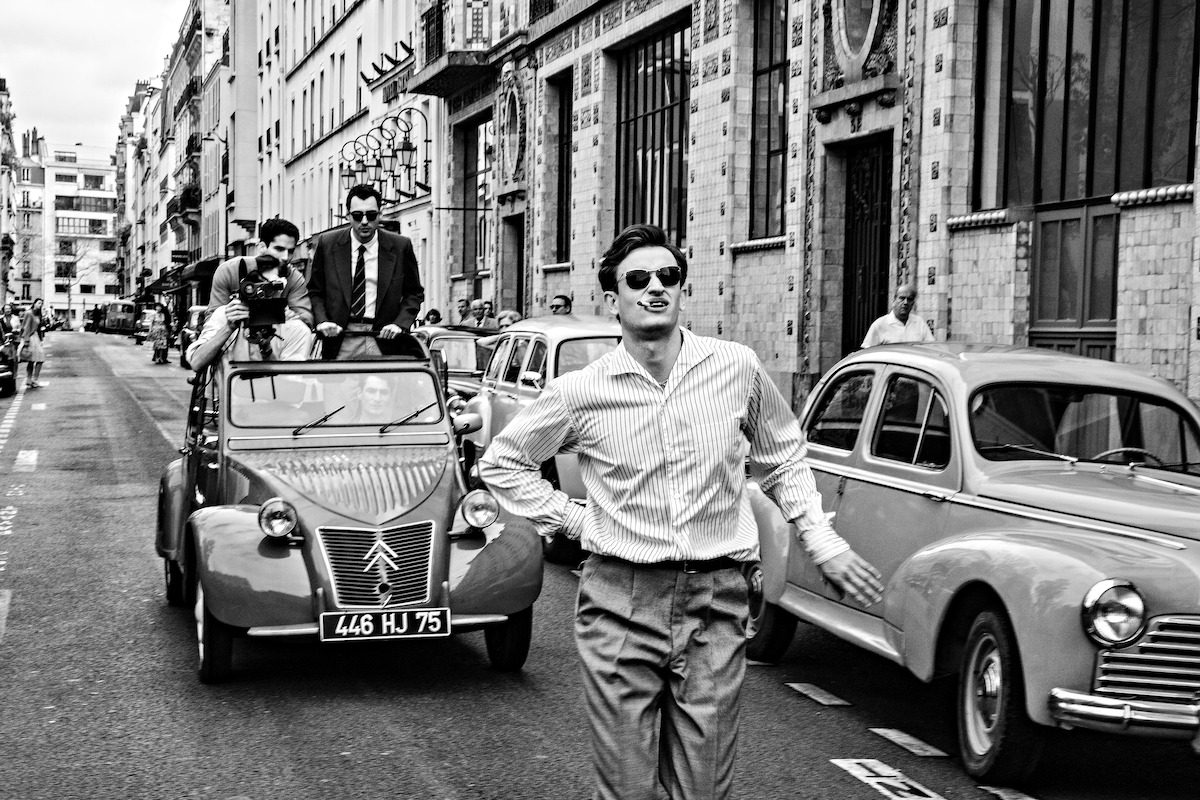
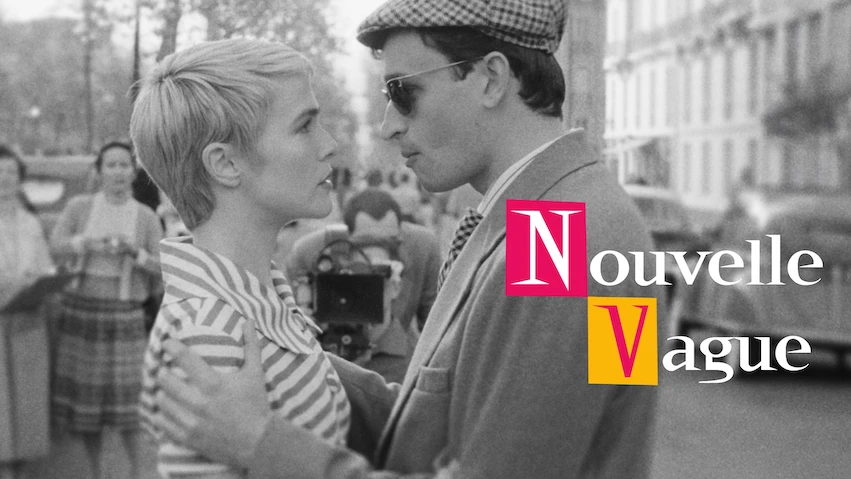
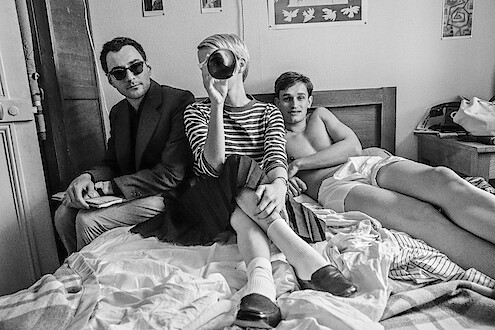
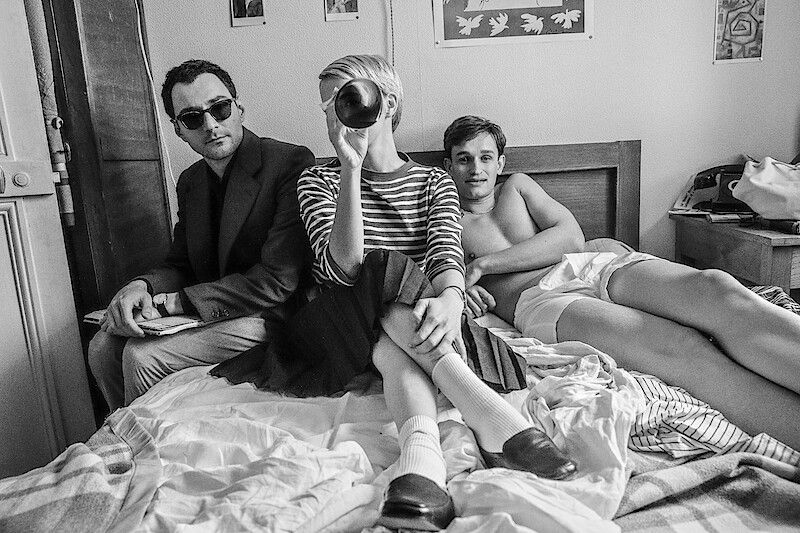
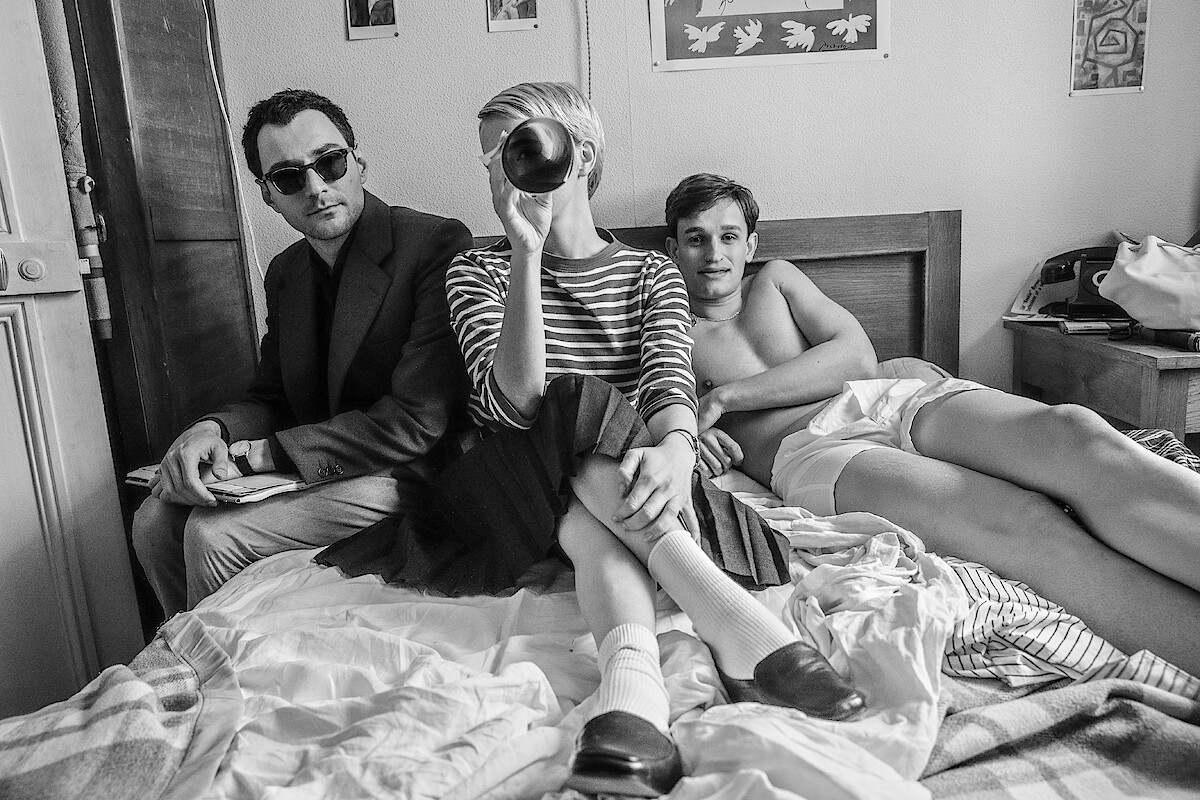
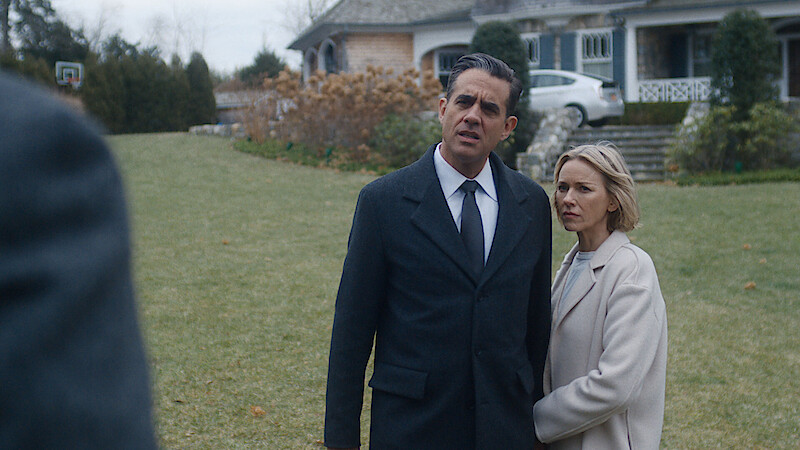
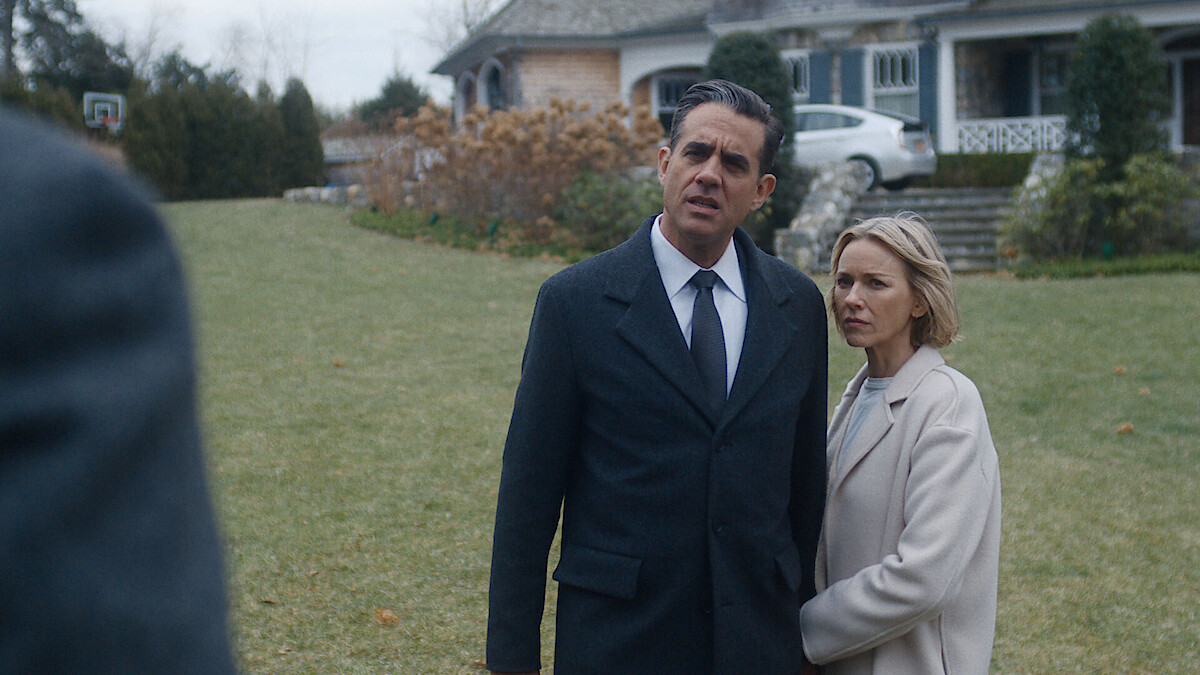
Jean Luc Godard (Guillaume Marbeck) and Jean-Paul Belmondo (Aubry Dullin)
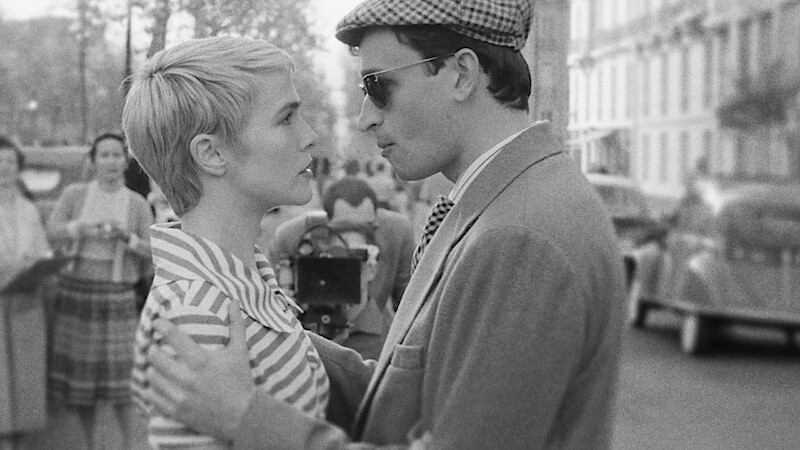
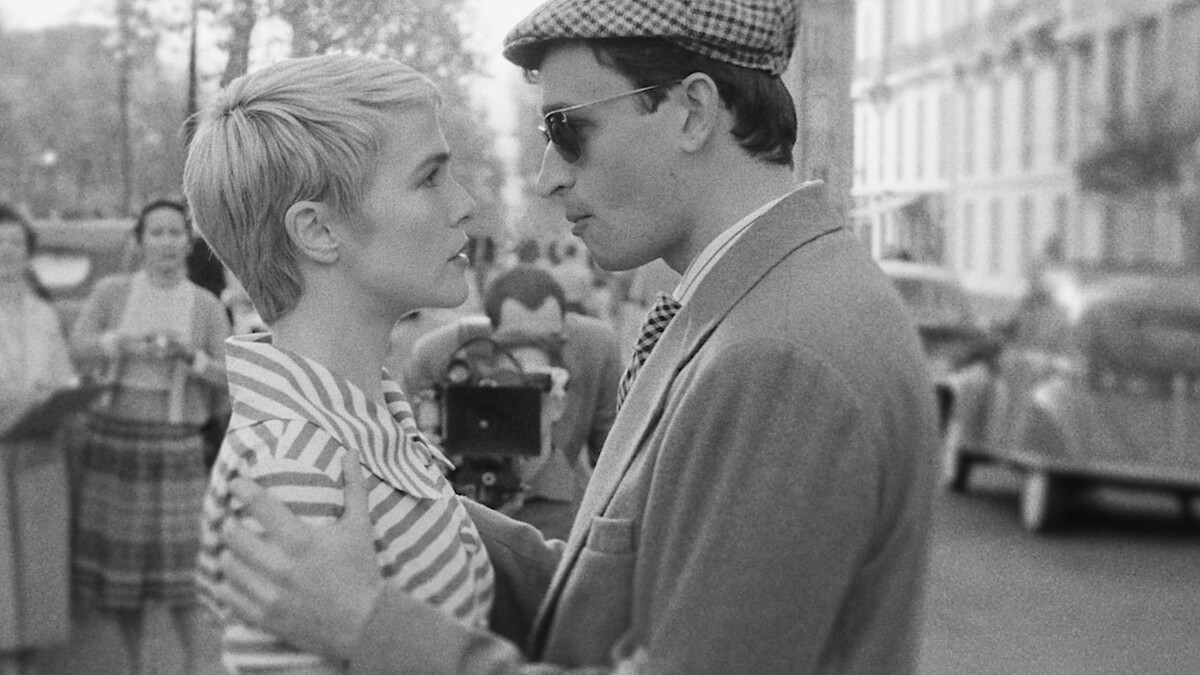
At the heart of Richard Linklater’s vision for Nouvelle Vague, the director’s reimagining of the making of Godard’s masterpiece Breathless, was a desire to transport audiences straight to Paris circa 1959. “Although I knew it would be difficult to achieve, I always wanted this movie to look and feel like one shot in Paris at the time of Breathless — an insider account of the vibe on set,” he says. “And of course, it would be in black-and-white.”
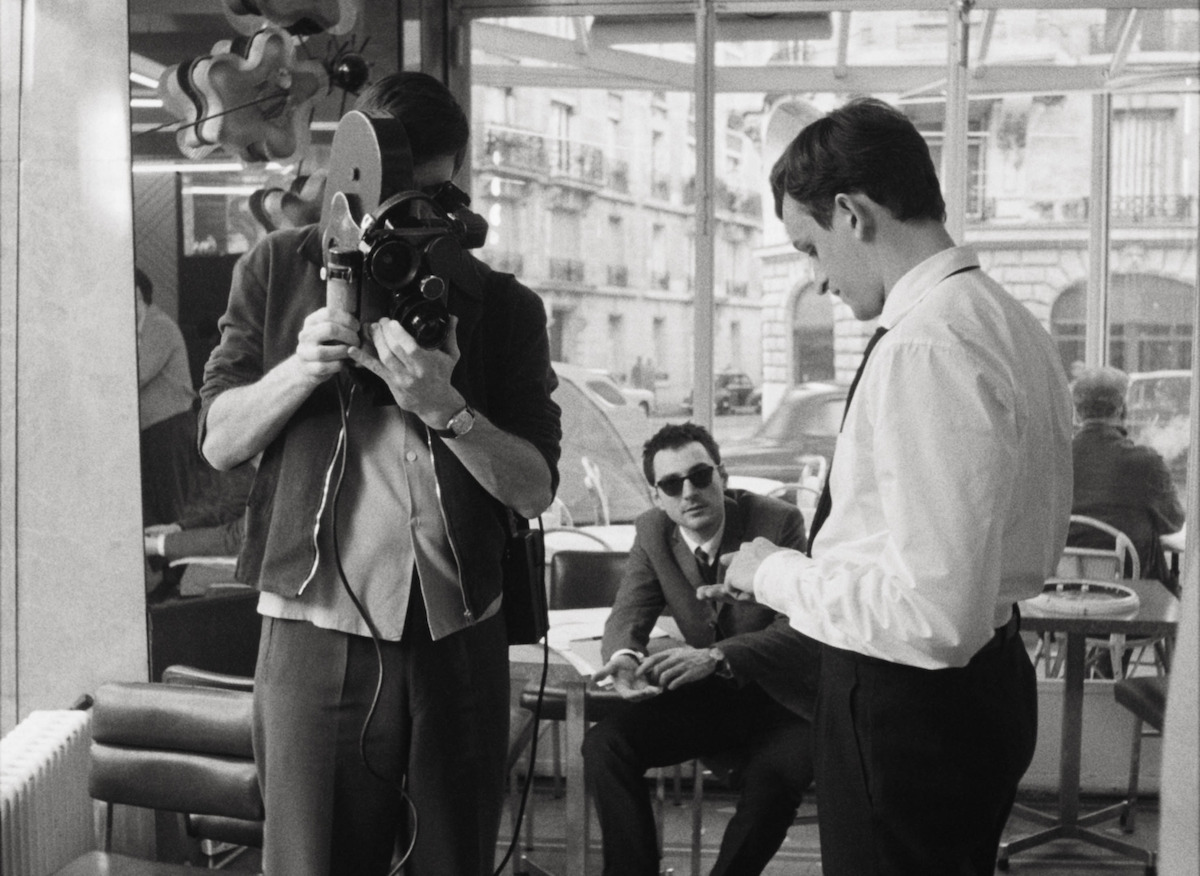
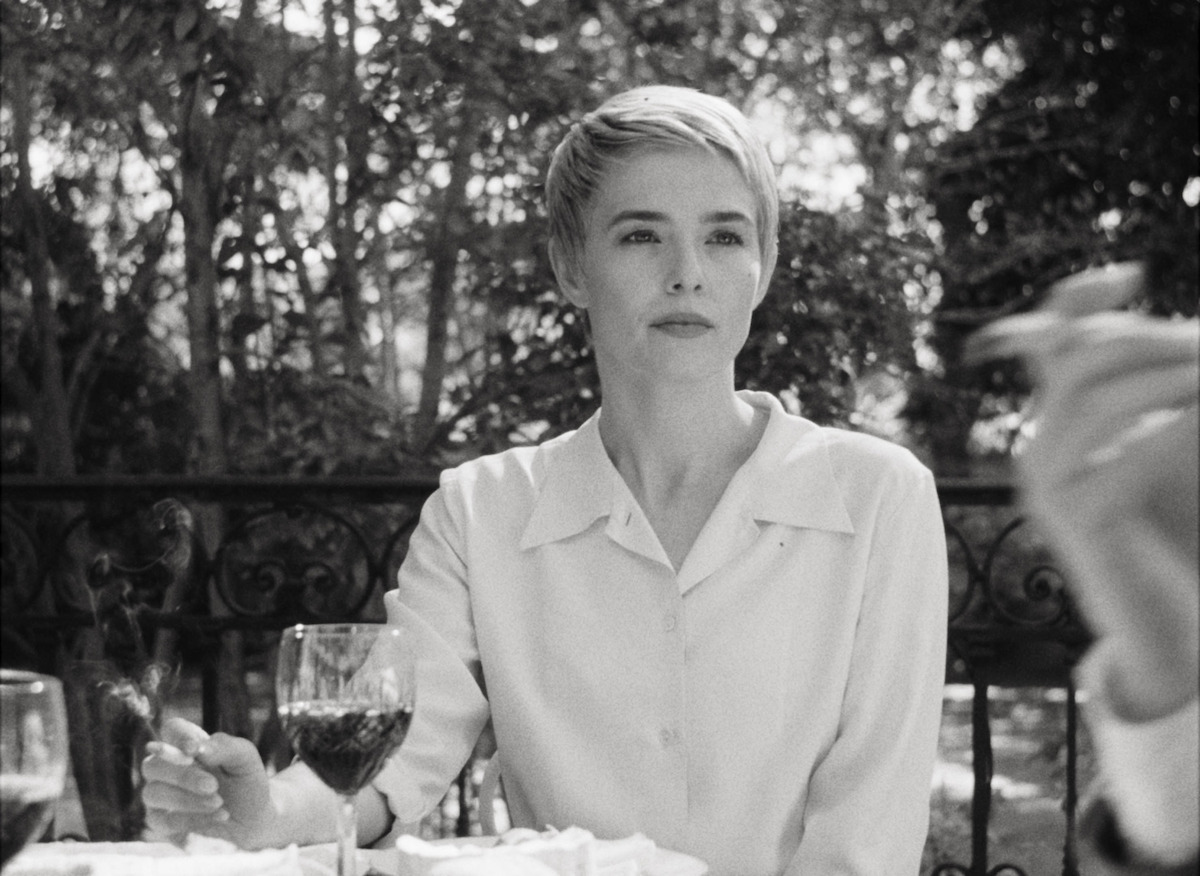
Shooting in monochrome influenced every aspect of production. Visually, the film draws from the radical language of Breathless, a movie that shattered convention with its spontaneous style thanks to Raoul Coutard’s nimble cinematography. “The cinematography was revolutionary because it was light and simple,” says Nouvelle Vague cinematographer David Chambille (Borgo, L’Opéra). “All the gear had to fit in a car. Godard literally demanded it.” That meant no bulky lighting rigs, no traditional sound equipment — just a flexible camera and a philosophy of freedom, all of which were adapted to work with the unique demands of black-and-white imagery. Shadows, contrast, and textures had to be meticulously planned: Every light, every surface, every color was analyzed for how it would translate into shades of gray.
Production design, led by Katia Wyszkop (The Beast, Farewell, My Queen), extended beyond Breathless’s original onscreen locations to constructing a richly detailed Paris of 1959, from lively cafés and intimate apartments to the re-created offices of the film magazine Cahiers du Cinéma, the intellectual heartbeat of the New Wave. To film Nouvelle Vague, Linklater and Chambille strove to replicate Coutard’s approach. “From the very beginning, Richard told me he wanted it to look like an old movie, exactly as if it had been shot in 1959,” Chambille says. They avoided Steadicams and atmospheric haze, relying on natural light and subtle bounced photofloods. When additional lighting was necessary, HMIs and LEDs were used sparingly, calibrated to mimic the hot summer sunlight of late-’50s Paris.
Nouvelle Vague was shot using a 1.37:1 aspect ratio, vintage lenses, and film stocks including Kodak 5222 and Ilford HP5. In post-production, digital grain, gate weave, and fine scratches were added to evoke the patina of a well-worn archival print. Key locations from Breathless were lovingly revisited — the Champs-Élysées, Boulevard Saint-Germain, and the Cinéma Mac-Mahon — while the tiny hotel room where Patricia and Michel share some of the original film’s most intimate moments was painstakingly reconstructed on a soundstage. “We brought in the same radio, the same mirror, the same posters,” Chambille recalls. “It felt like stepping directly into Breathless. It’s one of my favorite memories from the shoot.”
Costume Designer Pascaline Chavanne
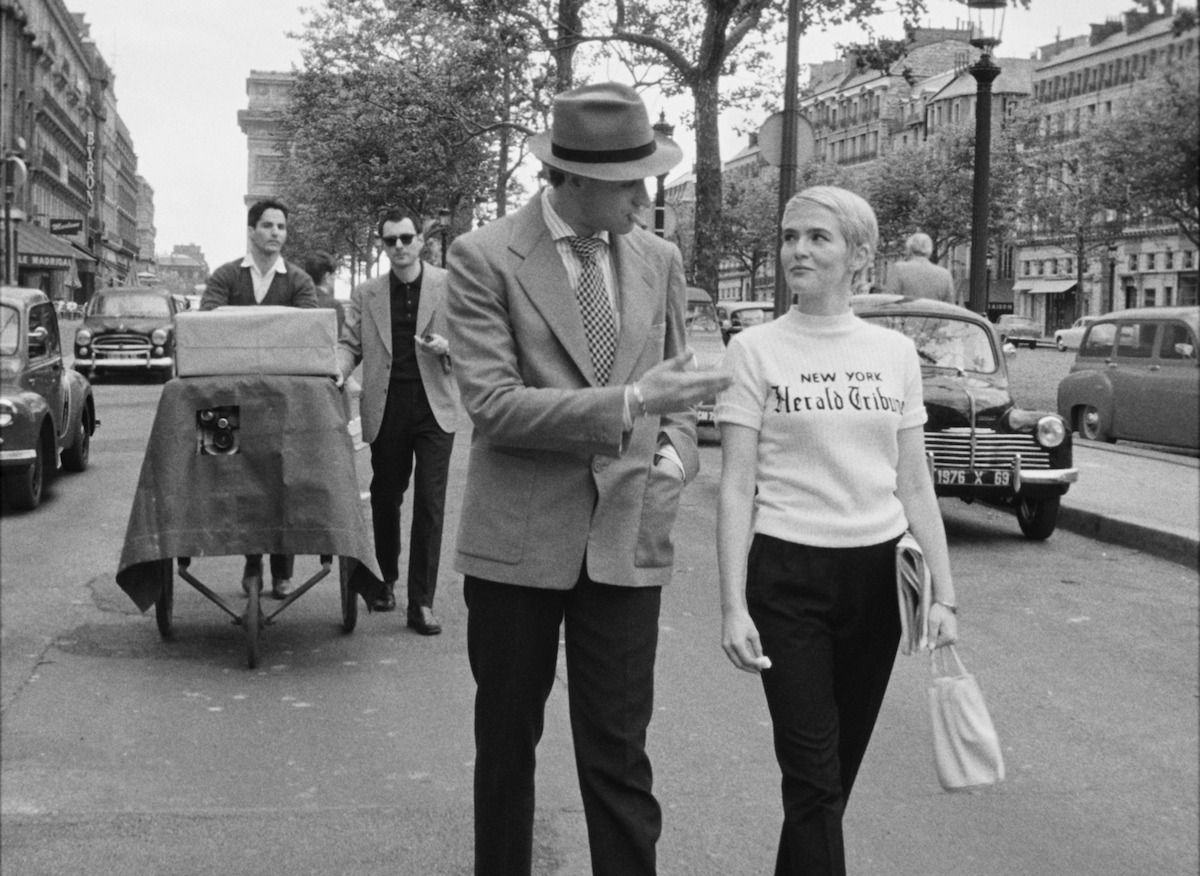
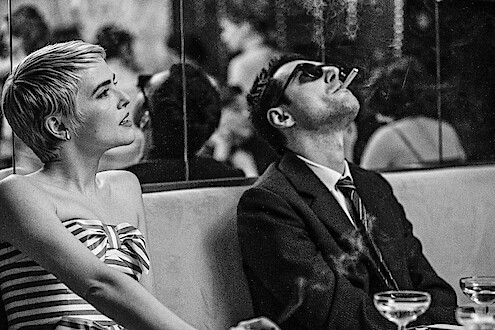
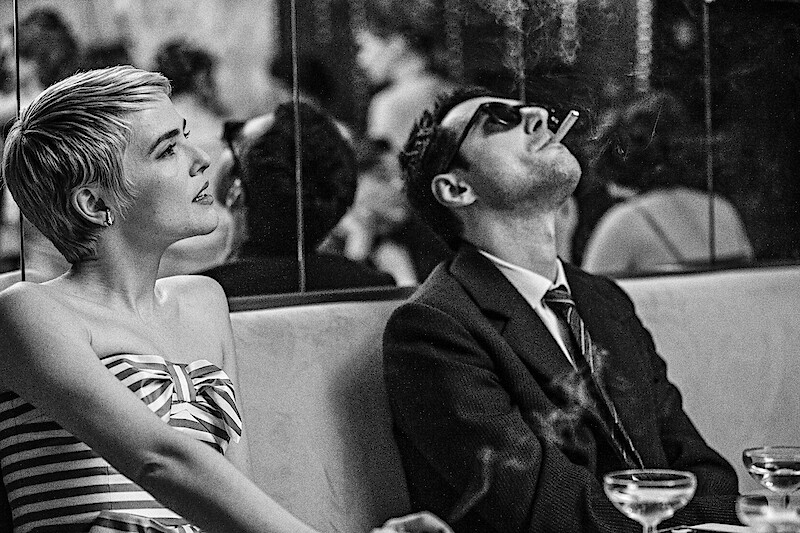
Godard (Marbeck), Belmondo (Dullin) and Jean Seberg (Zoey Deutch)
The characters in Breathless embody a mid-century chic that has staying power. “It’s forever a modernist work, even though it’s now 65 years old. There’s something magical about it that’s hard to describe,” says Linklater. And in order to bring that enchantment to life now, the wardrobe had to be just right. “I wanted to keep a sense of lightness during the fittings — nothing dusty,” says costume designer Pascaline Chavanne (8 Women, An Officer and a Spy). “Obviously, our actors couldn’t wear their own clothes, but it was important to me that they felt connected to the wardrobe. When [stars] Guillaume [Marbeck], Zoey [Deutch], Aubry [Dullin]— and everyone — said, ‘Oh, I’d love to wear this in my everyday life,’ I knew we had succeeded.”
At the heart of the iconic Breathless look is actor Jean Seberg, whose wardrobe as the character Patricia set trends — and sparked a cultural movement. Her insouciant style, anchored by the now-legendary New York Herald Tribune T-shirt she wears in her first scene casually strolling down the boulevard, defined bohemian chic for a generation. Godard insisted on realism, and Seberg often dressed herself for her scenes. “The styling was mostly her own,” says Deutch, who plays Seberg. “That minimalist wardrobe — the T-shirt, the cropped pants — was her choice. And it helped make her a fashion icon.”
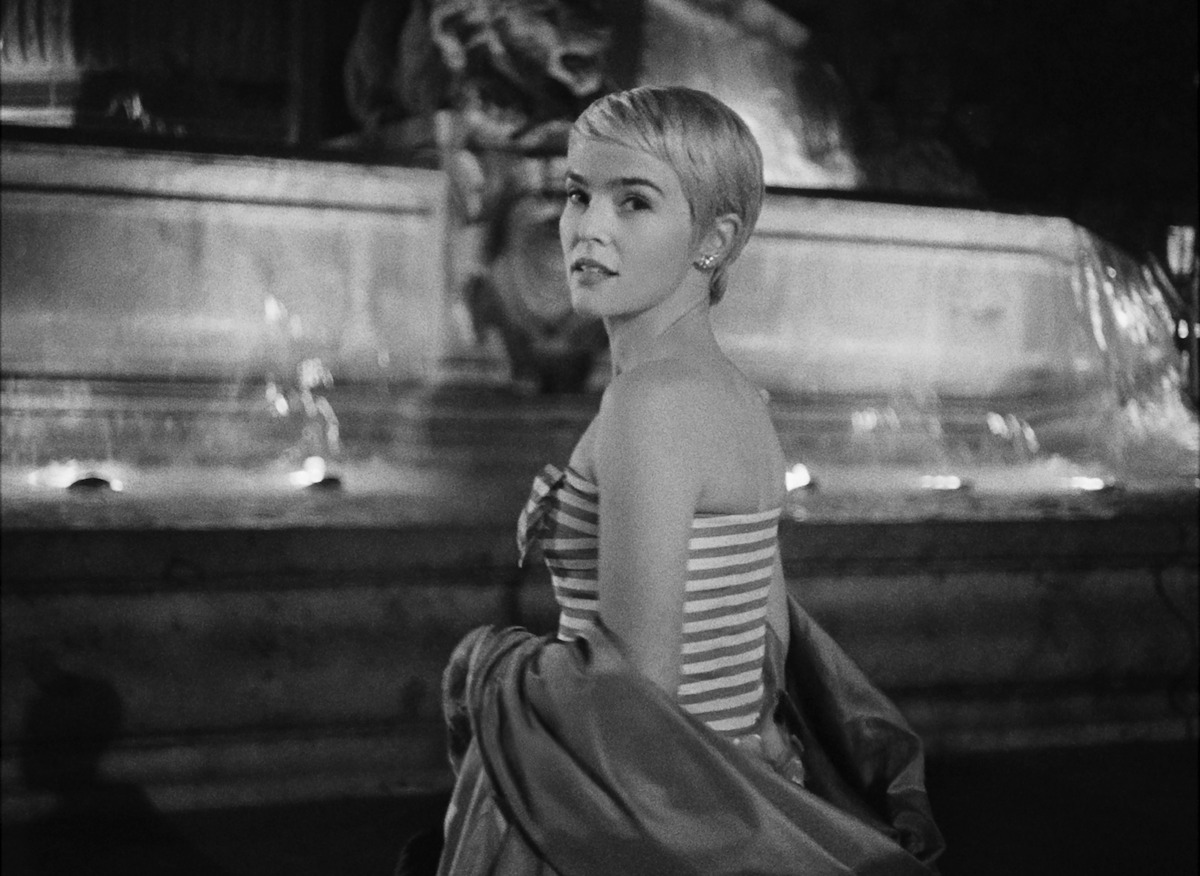
To re-create another of Patricia’s famous outfits — a striped dress with a belted waist and flared skirt à la the “New Look” style of postwar Paris — Chavanne went straight to the archives. “We found the original invoice for the dress Jean wore in Breathless. It had been purchased by [Godard] at the Prisunic [retail store] on the Champs-Élysées,” she says. From there, she turned to Chanel, one of Seberg’s favored houses. “I was invited to the Chanel archives and studied collections from the summer of 1959,” Chavanne recalls. “The studio’s workshops re-created the dress, shoes, handbag, and stole. It was a truly tailor-made creation for Zoey.”
The pièce de résistance was that Herald Tribune T-shirt — the one Patricia wears while hawking papers on the Champs-Élysées. Worn with cropped slacks, it’s a symbol of the character’s independence, and contrasts sharply with the conventional femininity of ’50s cinema. “It’s so emblematic,” Chavanne says. “Like archaeologists, we studied every detail — the fabric, the stitching, whether the letters were printed or embroidered, the font, the spacing between letters.” With most replicas missing the mark, Chavanne’s team built theirs from scratch, sourcing vintage knits and dyeing them to achieve the perfect shade of ecru. “After about 10 tests — printing, flocking, embroidery — we finally got it right.”
Hair Stylist Franck-Pascal Alquinet
Seberg’s pixie cut in Breathless became one of the most defining hairstyles in cinema history — for its sharp, boyish charm, and for what it represented. Cropped close and effortlessly chic, it signaled a break from the polished, ultra-feminine glamour of ’50s Hollywood and embraced a rebellious modernity. The cut embodied the spirit of the French New Wave: bold, fresh, and unapologetically unconventional, capturing the essence of youth and freedom that made Seberg — and the film — iconic. “She was the first actress to dare to cut her hair that short,” says Nouvelle Vague head hairstylist Franck-Pascal Alquinet (In the House, Certified Copy). “It was revolutionary then, and it remains iconic.”
Which is to say, the hair was as important to get right as anything else in the film. “I wanted the best, most experienced French department heads we could get,” Linklater says. Deutch embraced the transformation completely. “Zoey arrived in France with a short haircut already, because she wanted to get used to her new look,” Alquinet says. “My job was to rework the cut to get as close as possible to Seberg’s look.”
Meanwhile, mastering the locks for Seberg’s co-star Jean-Paul Belmondo, played here by Dullin, required slightly more maintenance. “[Dullin] has curly hair, so I had to straighten it every morning,” Alquinet says. “The actors all played along. They had a lot of fun transforming.” He was buoyed by the creative camaraderie on set, the coming together of artistic minds to make a film come to life, a sense of shared purpose that fueled every detail. “It was a team effort, with the makeup artist and costume designers, not to mention the production team,” Alquinet says. “I really enjoyed working with Richard, who trusted me. It was a wonderful experience.”
Makeup Artist Turid Folvik
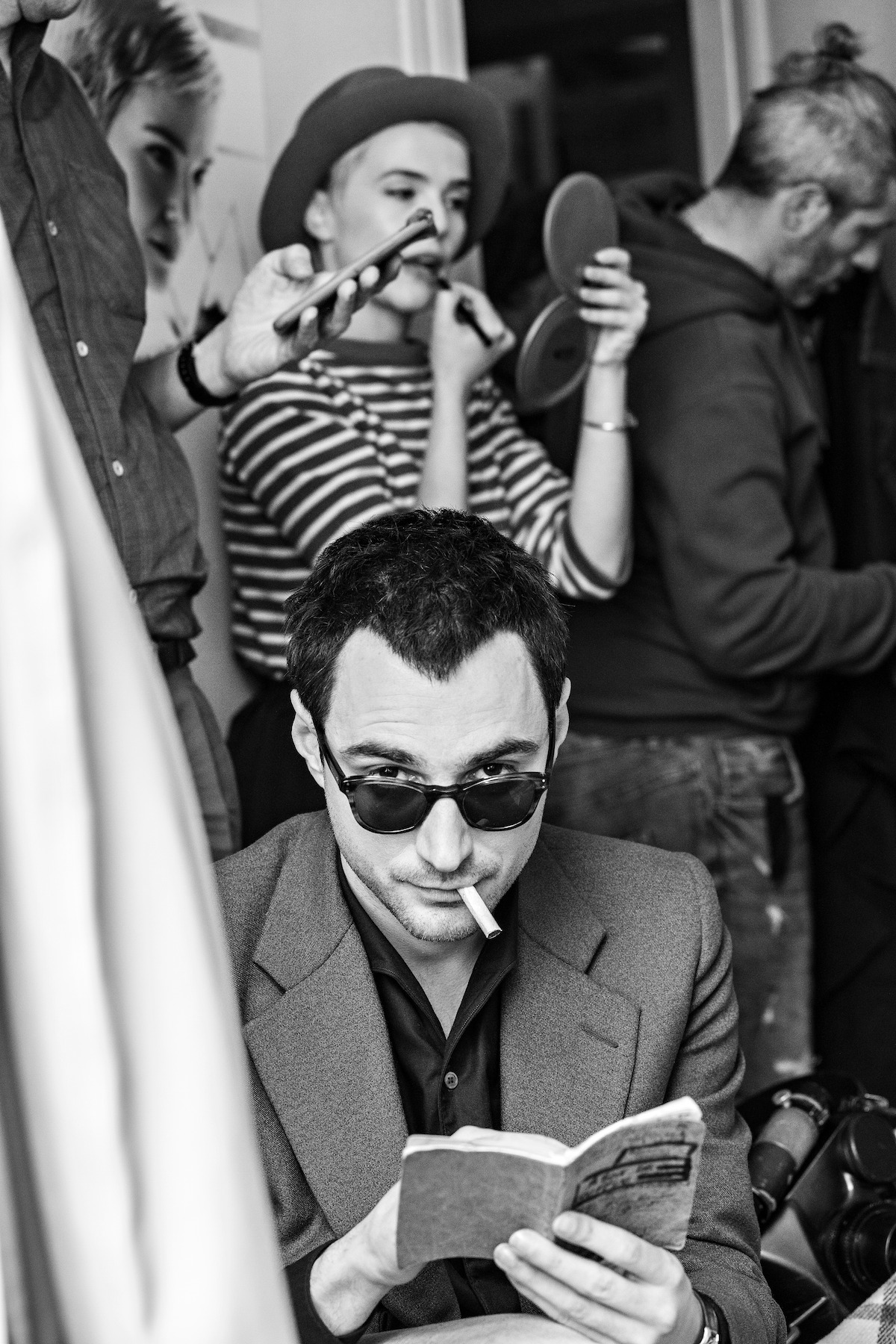
BTS of Deutch and Marbeck on set.
Makeup in Nouvelle Vague is less about surface beauty than about intimacy — the dialogue between face and feeling. Nowhere is this clearer than in a tender scene in which Seberg insists on having her makeup artist close at hand, a small act of self-preservation amid Godard’s pursuit of raw, unvarnished realism. In that contrast — the filmmaker seeking imperfection, the actor craving a sense of care — Nouvelle Vague discovers something deeply human: the way art lives not only in the camera’s gaze but also in the little gestures that help an actor step into the light. “This scene shows the special bond between an actor and their makeup artist,” says head makeup artist Turid Folvik (Stars at Noon, Pasolini). “The transformation before a shoot really matters.”
Linklater picked the right blank canvases for these metamorphoses. “Richard did a great job with the cast, choosing young, unknown French actors who had a great resemblance to the original actors. He did not want overly complicated transformations with prosthetics,” Folvik says. “I was concentrating on the shape of the eyebrows, nose, and mouth — the volumes of the face.” For the role of Godard, portrayed by Marbeck, every detail was conceived as a tribute to the radical spirit of the original film. “The three-to-four-day beard was rather revolutionary in 1959 and 1960, when all men shaved every day,” Folvik notes.
Deutch, the only actor in the trio who wasn’t a newcomer, made a few specific requests to complete the effect: small dental prosthetics and Seberg’s signature long nails. “Those touches helped align her even more closely with Jean,” Folvik says. “We had the original movie as a reference for the intensity of the makeup — the eyeliner, the lipstick — in each scene.” Of course, the most fascinating constraint was the period touch of making the film in black and white. “The fact that we did the movie in black and white was very interesting, because you have to analyze the colors in a different way,” he says. “If you put on a lipstick that is dark red, it will turn out dark gray, almost black, so I did a lot of color tests with photos that I transformed in black and white before using them on the set.”
This feature originally appeared in Issue 22 of Tudum Magazine.