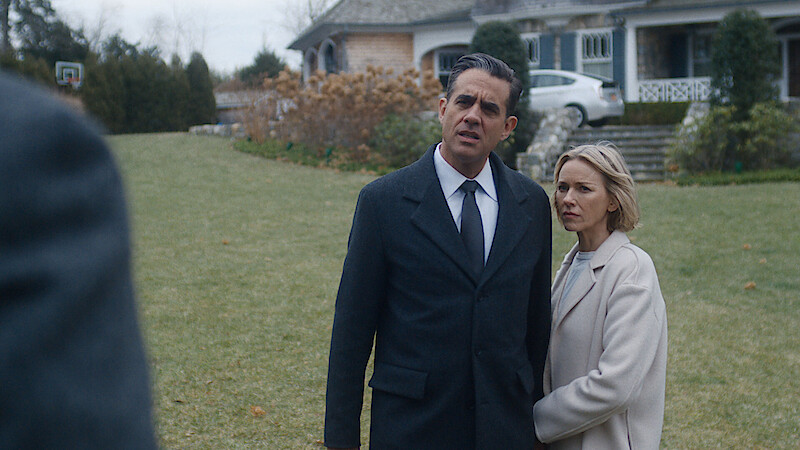
Authenticity was key for filmmaker Kathryn Bigelow when she embarked on A HOUSE OF DYNAMITE: the extensive research process behind former journalist Noah Oppenheim’s screenplay, the casting of performers with military backgrounds, and the detailed replication of real-world locations that few civilians ever get to see. The result of this commitment to accuracy is an immersive, propulsive experience defined by the Oscar-winning director’s commitment to examining hidden truths.
Here, Bigelow’s behind-the-scenes collaborators look back on the making of A HOUSE OF DYNAMITE.
Casting Director Susanne Scheel
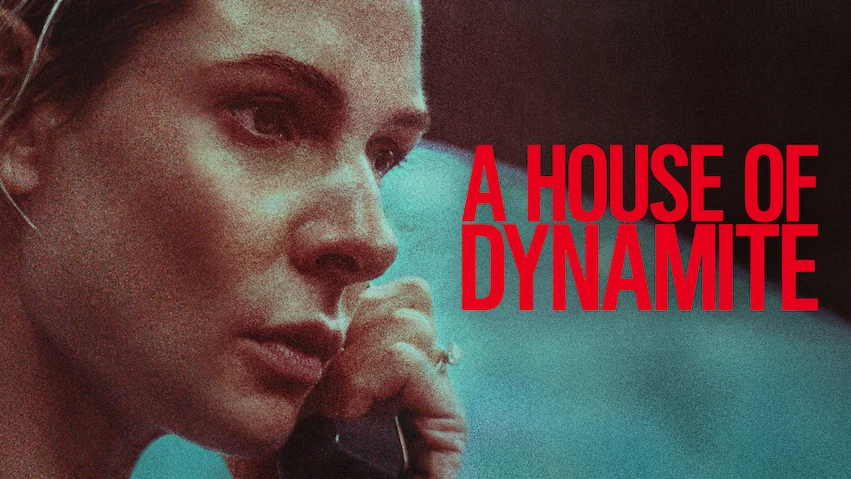
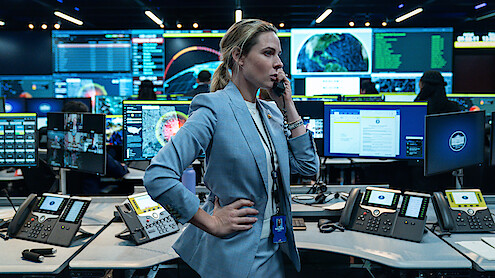
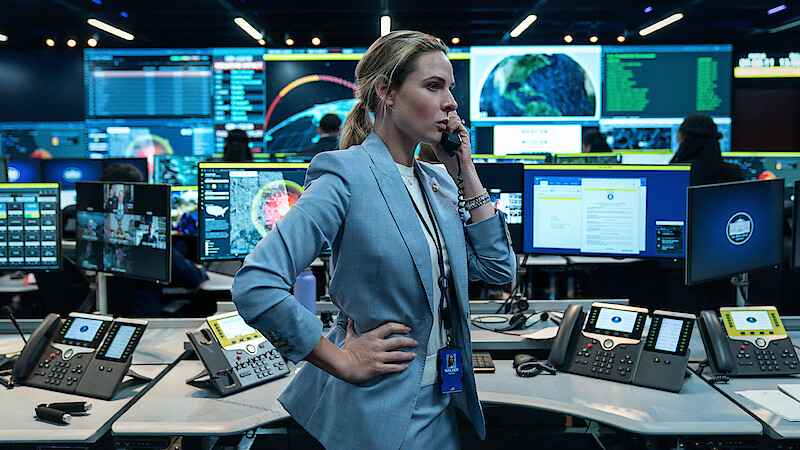
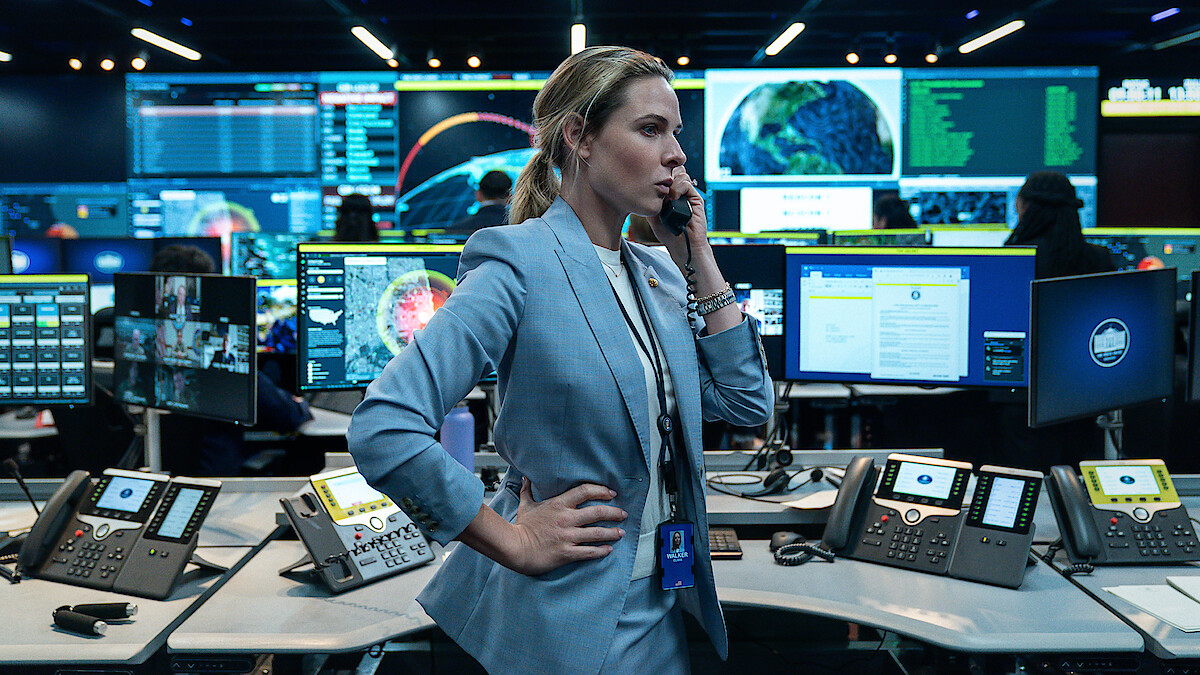
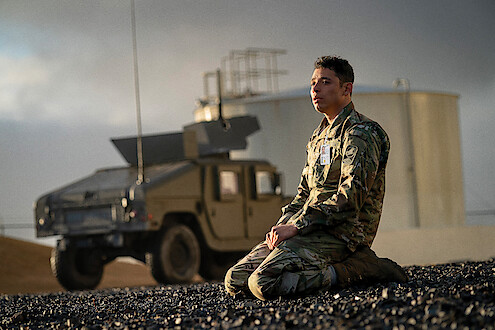
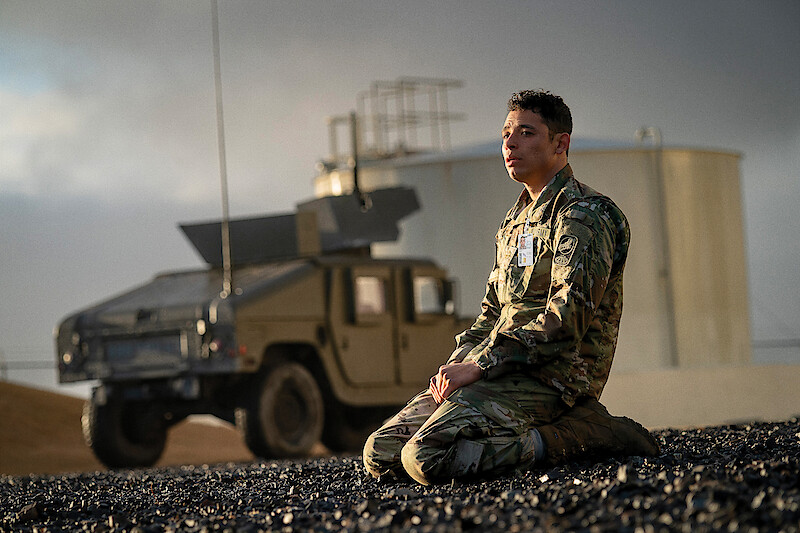
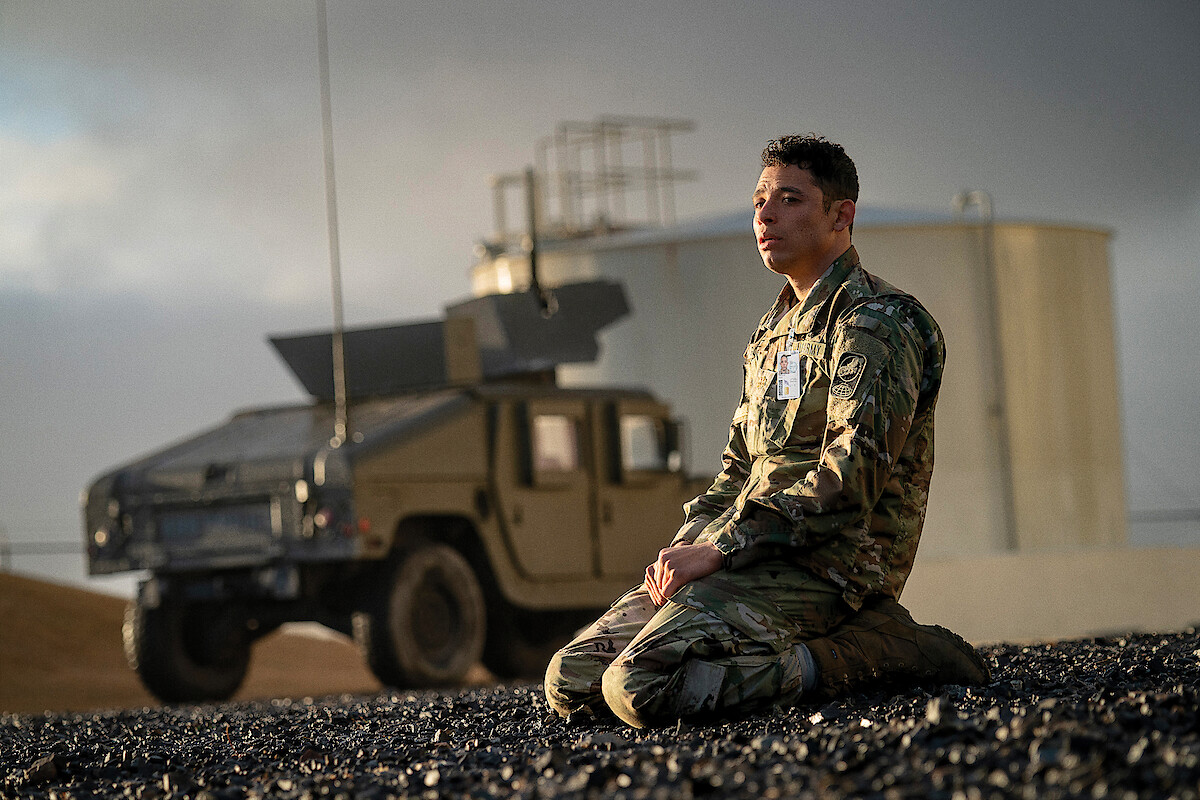
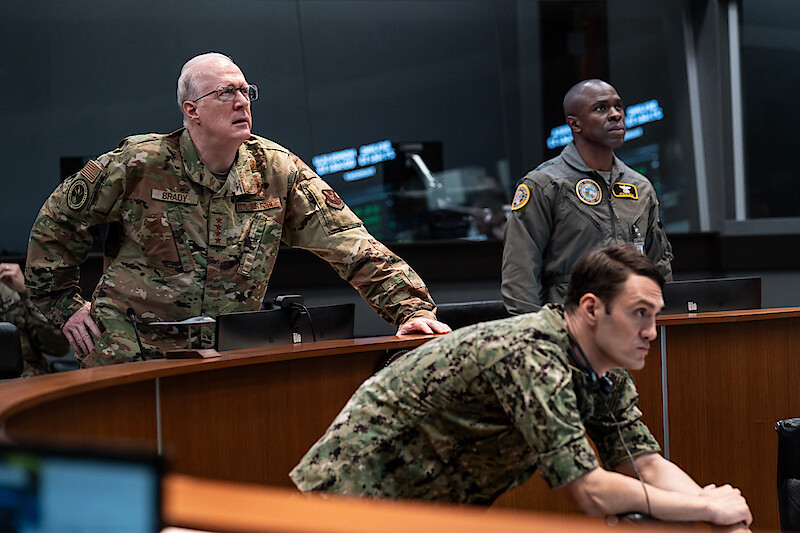
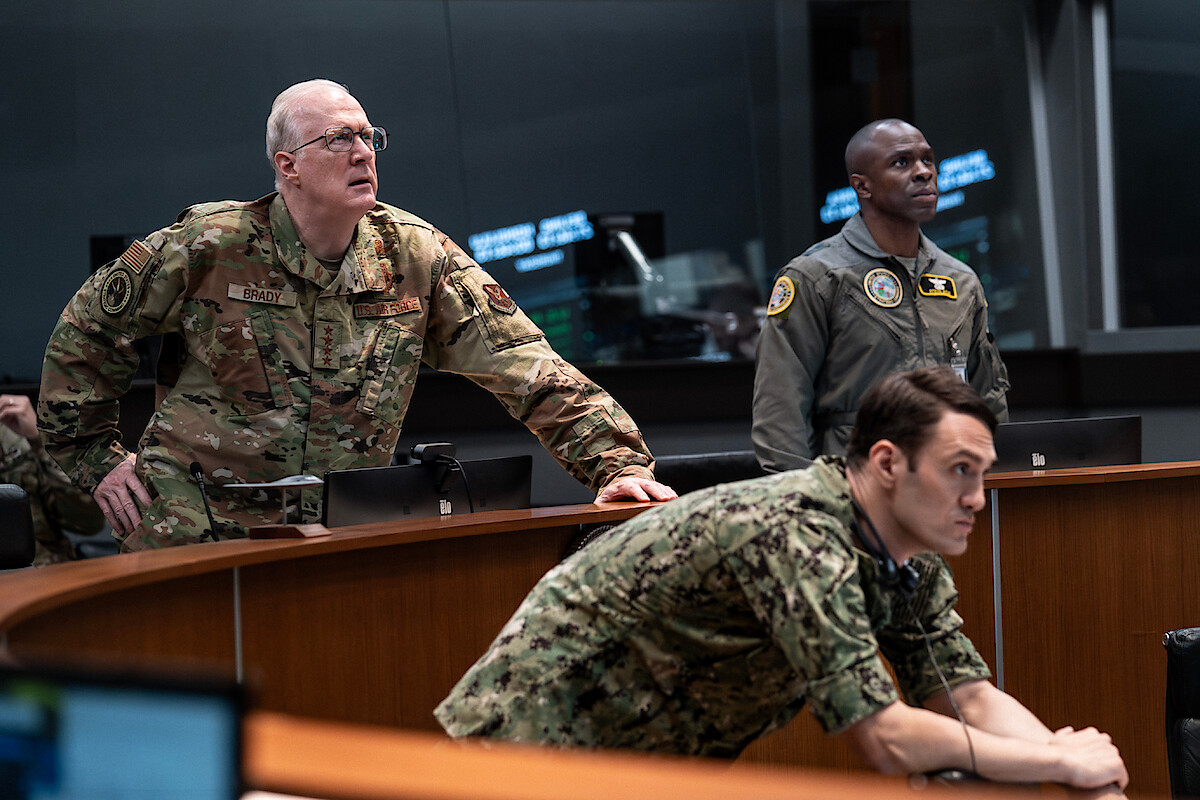
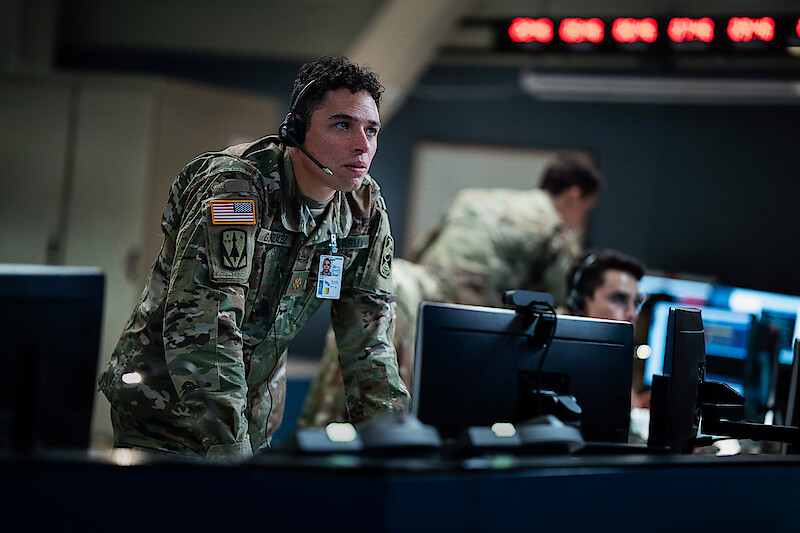
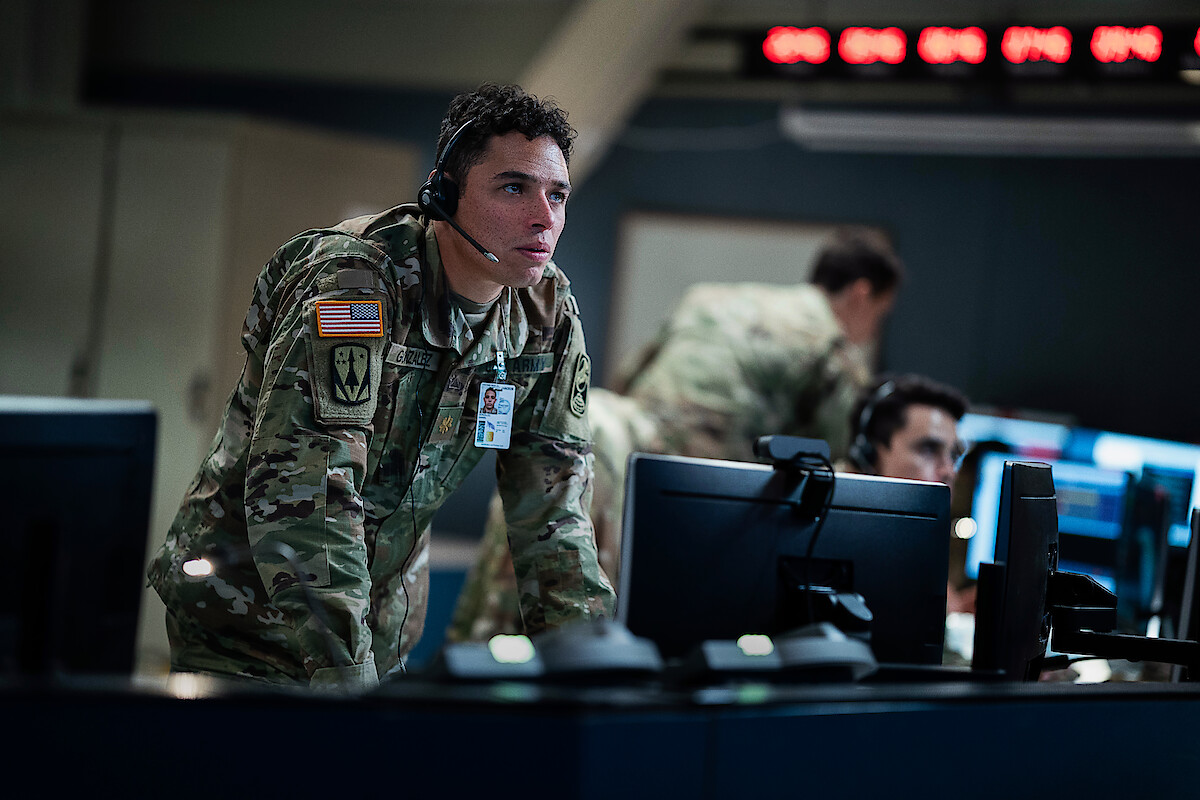
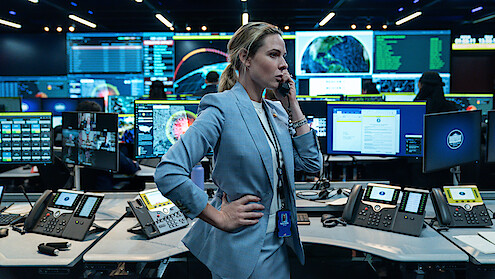
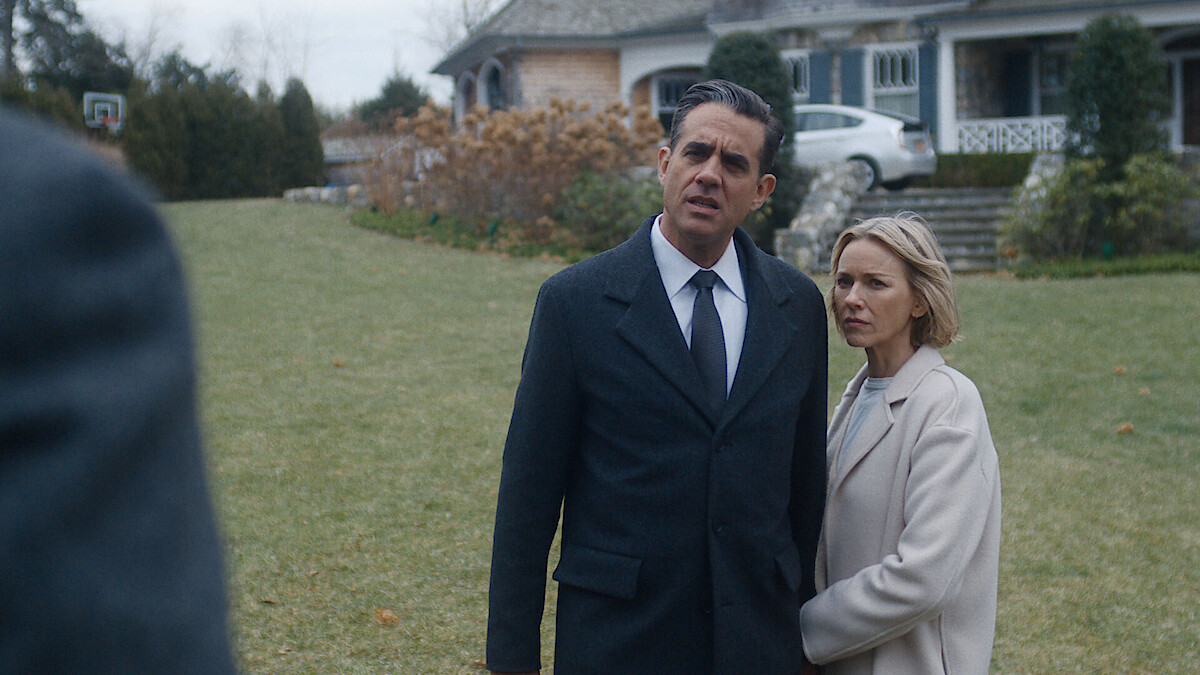
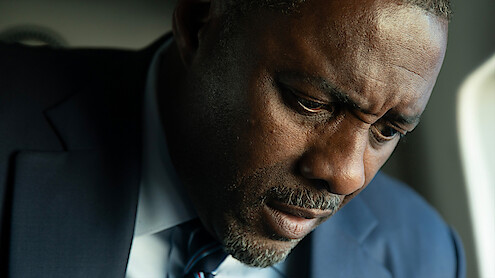
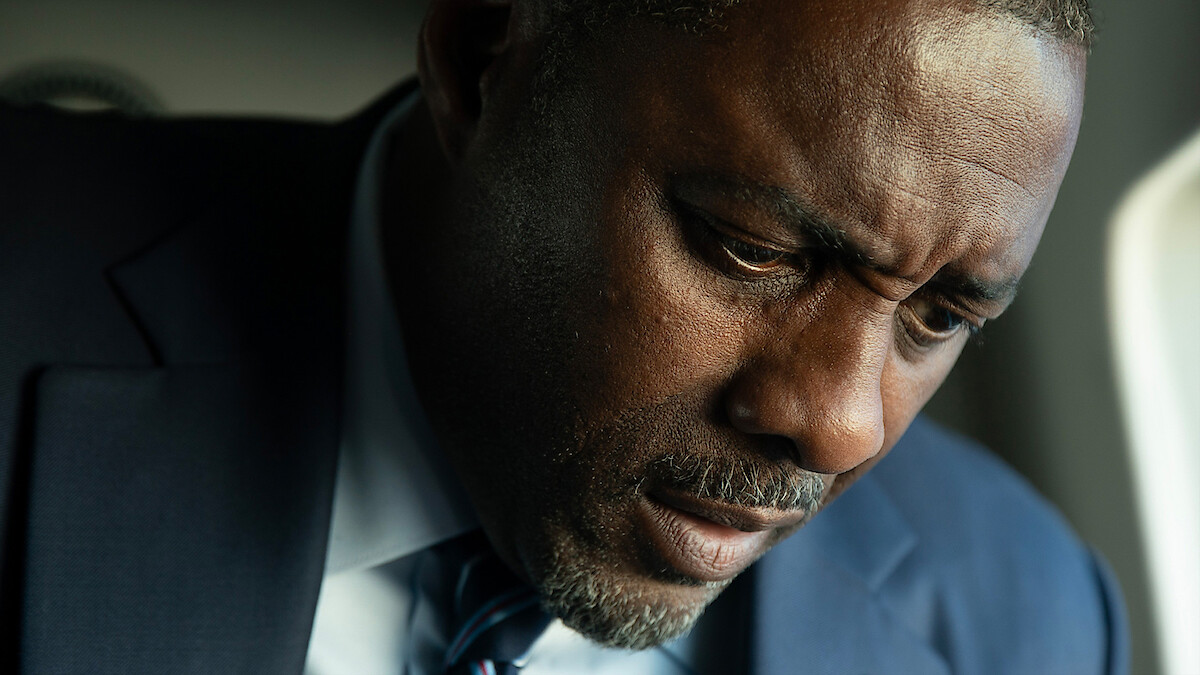
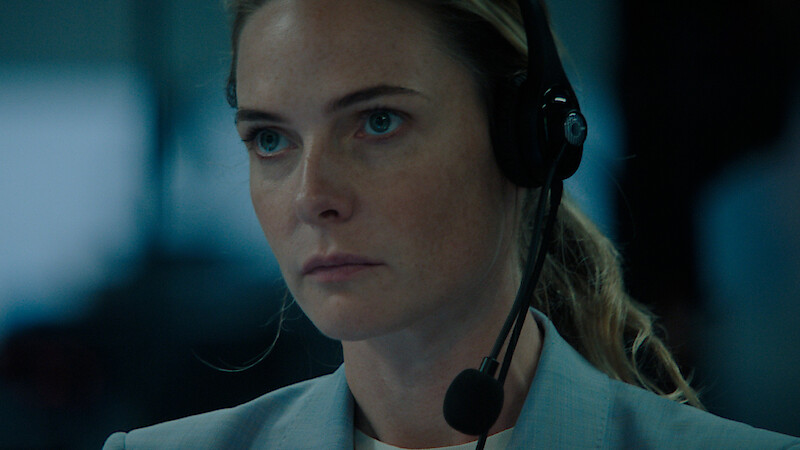
When casting the political thriller A HOUSE OF DYNAMITE, which tells the story of a nuclear crisis through the eyes of those working at the highest levels of US government, Academy Award–winning director Kathryn Bigelow (The Hurt Locker), producer Greg Shapiro, and casting director Susanne Scheel assembled a deep bench of talent. Scheel (Past Lives, The Tragedy of Macbeth) zeroed in on a singular ensemble that includes Idris Elba as the president of the United States, Jared Harris as the secretary of defense, Tracy Letts as hawkish STRATCOM Commander General Brady, and Rebecca Ferguson as the senior officer of the White House Situation Room — alongside Jason Clarke, who starred in Bigelow’s Zero Dark Thirty, as Ferguson’s commander, Anthony Ramos as a military officer stationed in Fort Greely, Alaska, and Greta Lee as a national intelligence officer. “Because Kathryn Bigelow is making the movie, everyone feels lucky to be a part of any film that she’s doing,” says writer and producer Noah Oppenheim (Zero Day).
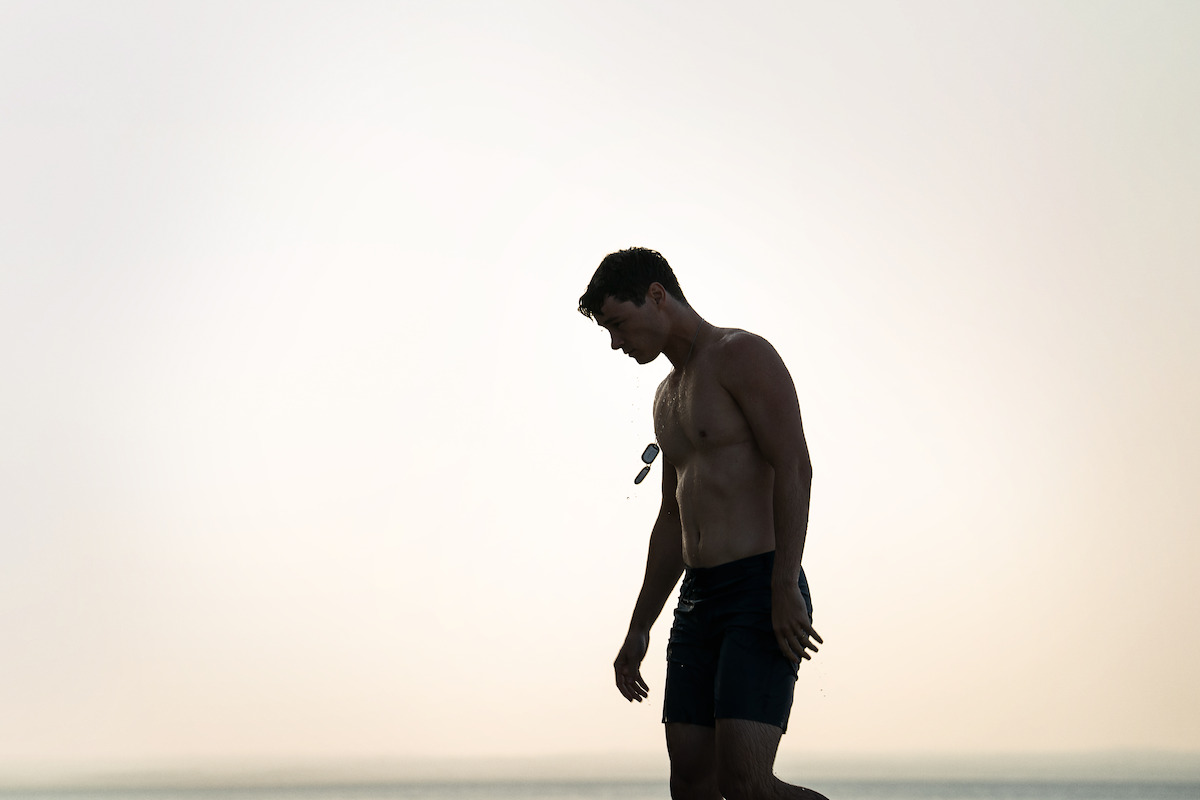
The production collaborated with expert consultants who helped the actors shape their performances and advised on the particulars of their roles. But the cast also featured performers familiar with the meticulously re-created spaces they were inhabiting. “A lot of our actors actually have a military or government background,” Scheel explains. “For instance, Gabriel Basso and Malachi Beasley were in the United States military, and the majority of the extras that you see are ex-military or currently serving.”
Populating the call sheet with performers who have real-world experience grounds A HOUSE OF DYNAMITE’s intensity. “That was incredibly important to Kathryn, given the context of the film — making it as authentic and specific as possible, to make sure we didn’t misstep or include some procedural detail that was phony,” Scheel says. “I don’t see that care being taken by every filmmaker, and that came from Kathryn on day one.”
Production Designer Jeremy Hindle
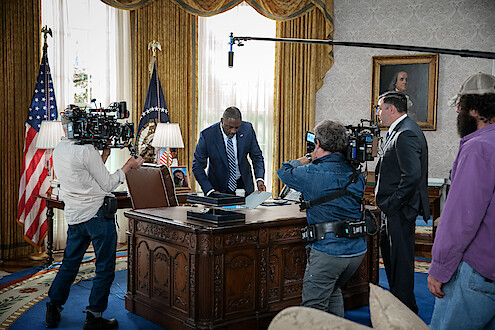
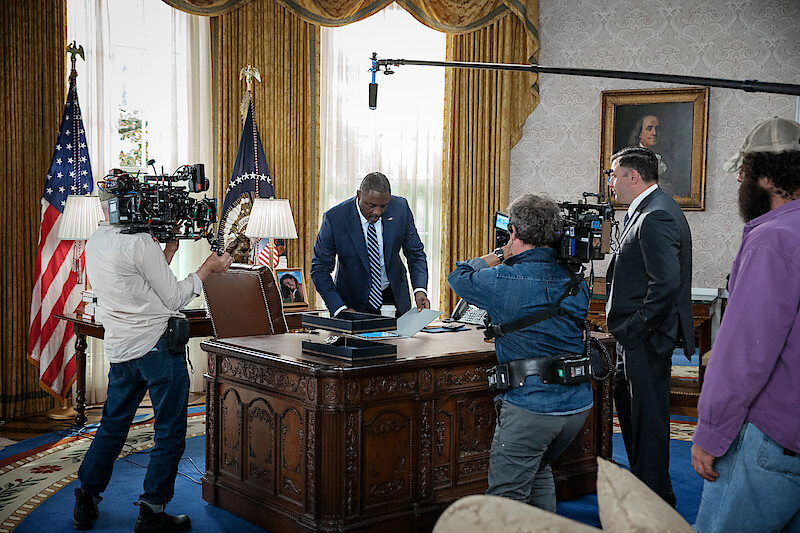
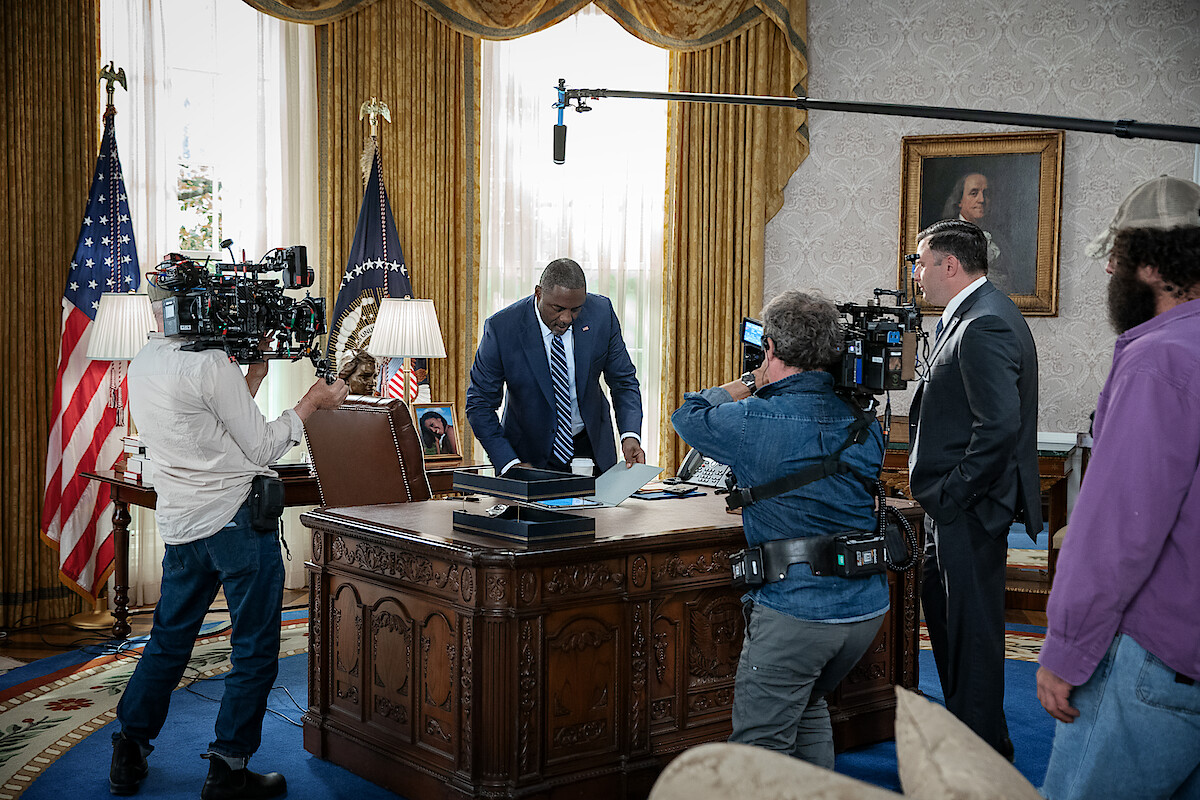
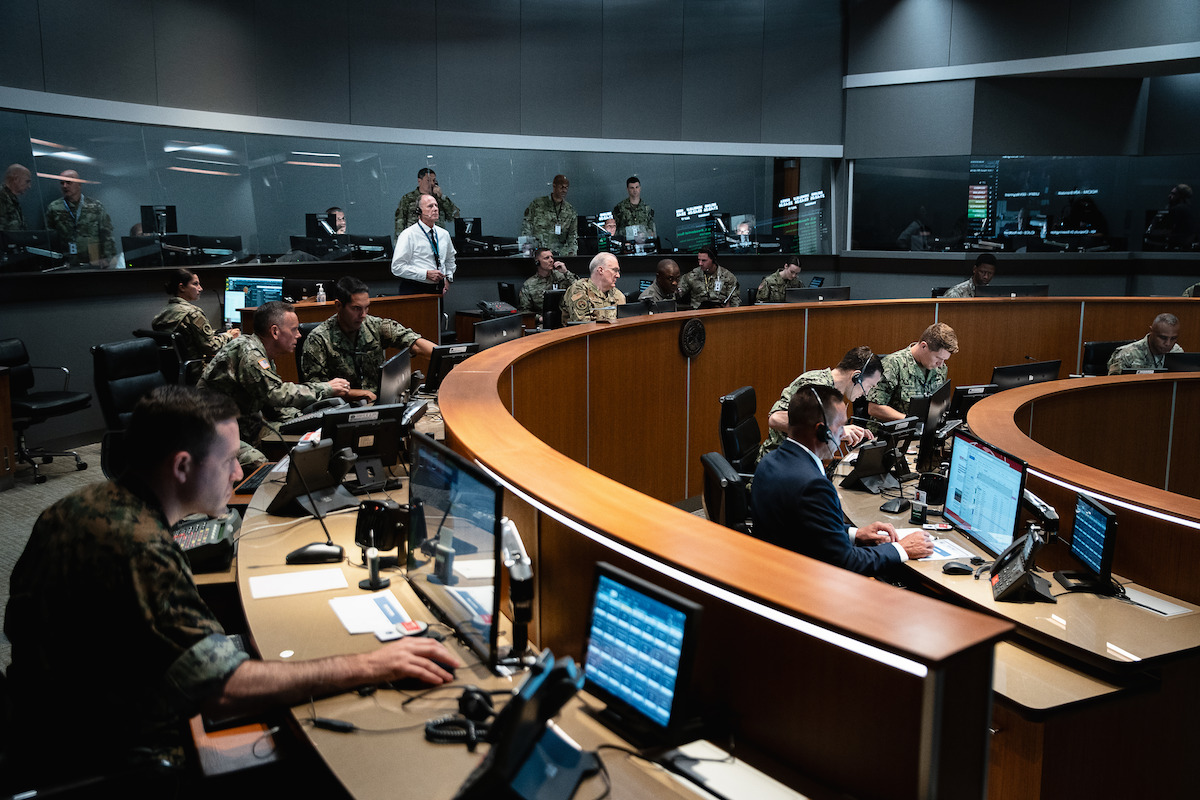
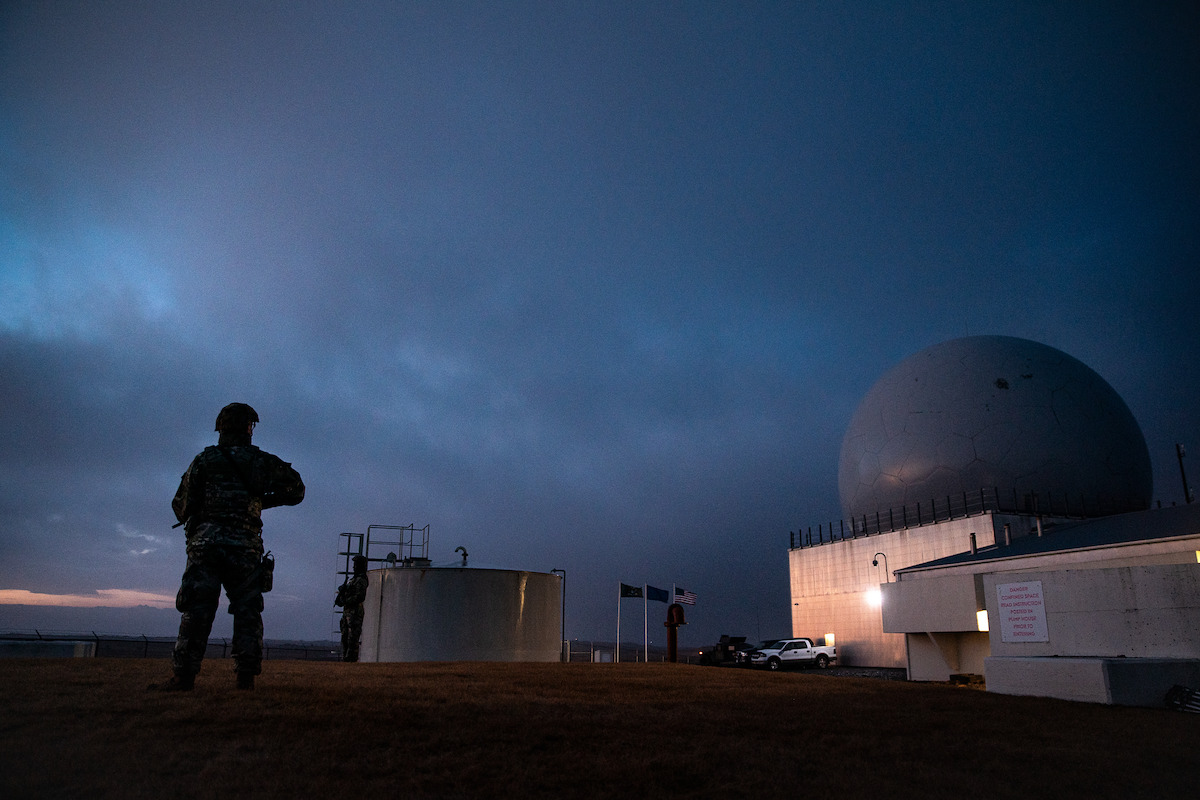
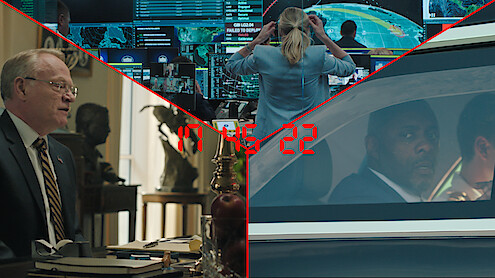
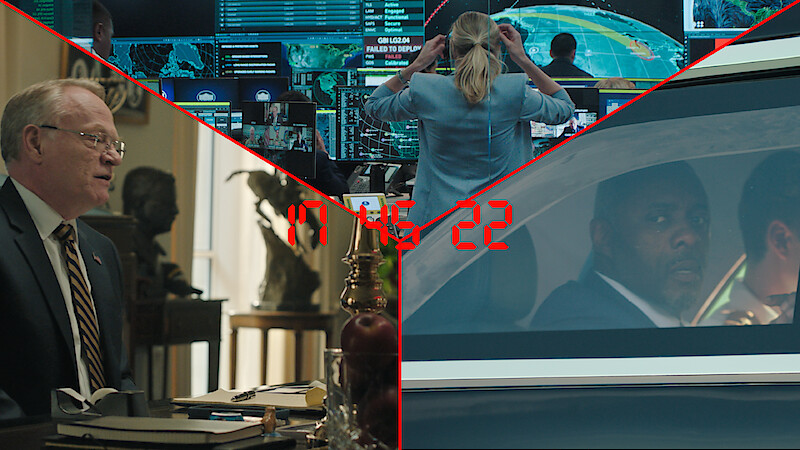
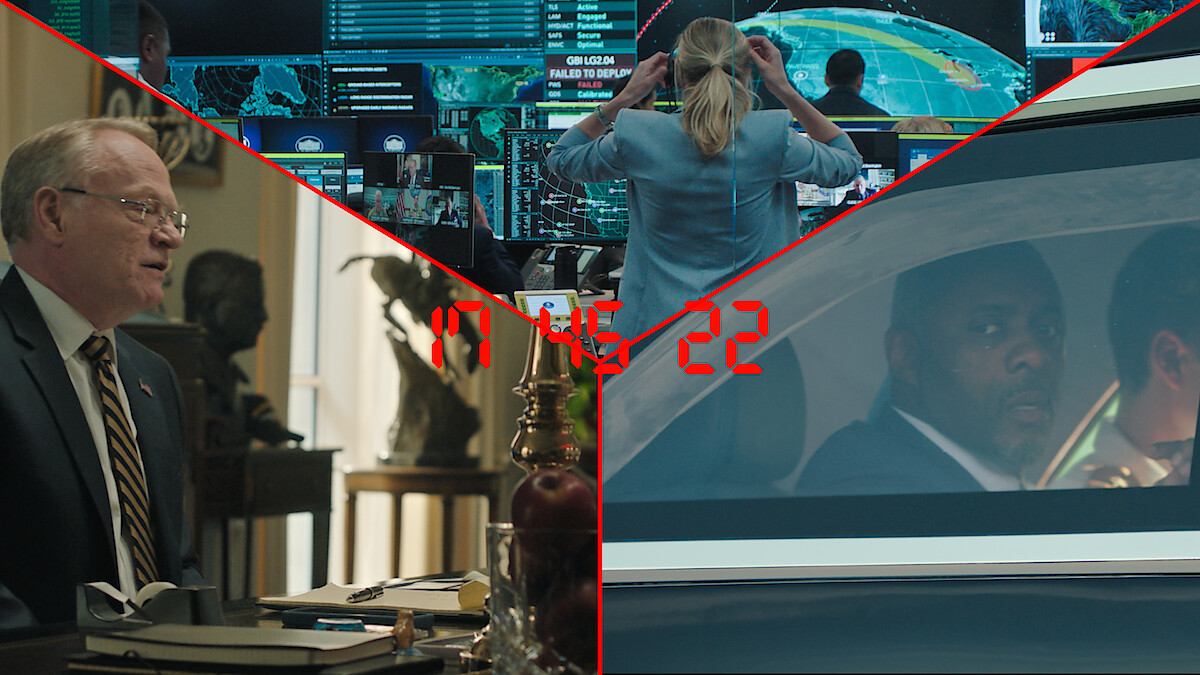
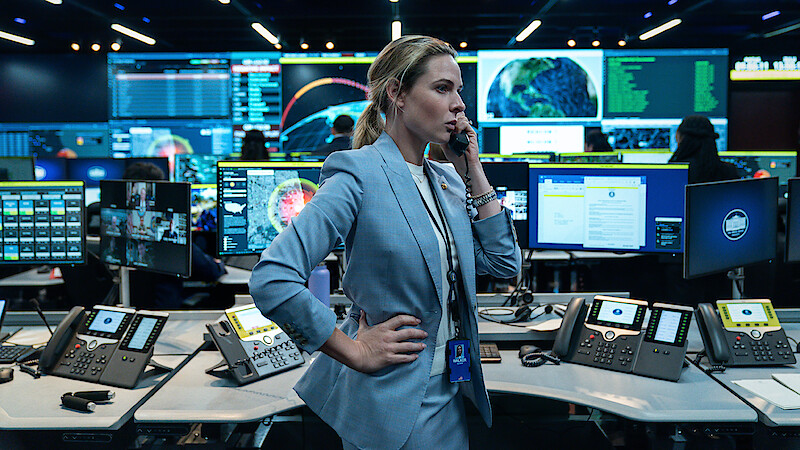
Initially, there was discussion of shooting the propulsive drama on location, but it was decided that Emmy-winning production designer Jeremy Hindle and his team would construct three separate sets in New Jersey — representing the White House Situation Room, United States Strategic Command (STRATCOM), and Fort Greely military base in Alaska — so that production could take place on all three sets simultaneously. “Technically it was incredibly complicated because we had cameras in simultaneous sets running all at the same time,” says Shapiro, who credits first assistant director Simon Warnock with keeping everything running “like a Swiss watch.”
To build the sets, Hindle, who had worked with Bigelow before on Zero Dark Thirty and Detroit , toured the White House Situation Room and STRATCOM, in Oklahoma, with the director, at the invitation of Daniel Karbler, a former chief of staff at the latter facility. “Obviously very few people get to visit the battle deck of STRATCOM, but Dan Karbler came on board as technical advisor, in large part because he knew Kathryn’s work. It’s helpful when you’ve seen The Hurt Locker and Zero Dark Thirty and know that a filmmaker is going to treat the military with respect,” says Shapiro. Hindle, who also serves as a co-producer on the film, was in awe of the space he was tasked with re-creating. “The battle deck is multiple stories underground. I’ve never been in a more secure place in my life. You feel the intensity of those rooms. It’s a machine, and its accuracy is incredible, and how it’s designed,” the production designer says. “There’s a wallpaper in there that’s very textured and metallic-looking. I got to touch it, and it is real metal. The whole room is a Faraday cage, to block electromagnetic charges. Just showing the seriousness of what they deal with every day, to me, is the most important thing.”
Total accuracy was important for Hindle, with paper in every desk drawer and each cabinet full, allowing the actors to step into a world close to reality. “It’s not a political story, it’s a story that I think everyone needs to know,” he says. “Who are these people that are watching over us, and what are the protocols, and are they safe enough? What are the decisions? Who gets to make them?”
Cinematographer Barry Ackroyd
To shoot A HOUSE OF DYNAMITE, Bigelow reunited with her Oscar-nominated collaborator on The Hurt Locker, director of photography Barry Ackroyd. “I probably wouldn’t have made the movie if he wasn’t available,” she says. “That’s how important he was.” Ackroyd, who also lensed United 93 and The Big Short is informed by a preference for minimal preparation and a background in documentary filmmaking, including 1995 Academy Award winner Anne Frank Remembered.. The cinematographer stepped onto Hindle’s 360-degree sets and then lit them so the actors could move freely in any direction. The cameras then stayed deep, out of the circle, often equipped with Ackroyd’s favored Angenieux 24-290-foot zoom lens. Normally used for concerts or sporting events, the lens allowed him to capture even the subtlest movements and shifts in body language.
“It’s about understanding the humanity that’s in front of the camera, whether it is for a documentary or drama, so you can feel the emotion — the intensity and the love and the happiness, and the fear and the danger. There’s a fluidity to it,” says Ackroyd. “It’s something that we actually evolved with Kathryn. When we did The Hurt Locker, it was three cameras. Now it’s four cameras. And we shot simultaneously with all these cameras, handheld, moving them around and capturing everything.”
Bigelow and Ackroyd’s process allowed the ensemble to truly live in the moment of any given scene, whether in the kinetic Situation Room or the contemplative quiet of a military base in collective shock. “When the actors realize that they’re not being told to hit their marks on the ground so that the light is right, they will often say, ‘I didn’t know where the cameras were. I was in the scene and I didn’t know.’ I think that’s the biggest gift you can give to the actor,” he says. “Feel free. Do your best thing. We’re just there to capture it. And once you’ve got that amazing stuff happening, you don’t have to cut and stop. Nobody says, ‘Let’s do that again.’ It’s more like, ‘Keep doing it, it’s great, I love it.’”
Editor Kirk Baxter
To cut the film, Bigelow enlisted two-time Academy Award–winning editor Kirk Baxter, known for his collaborations with David Fincher on The Social Network and The Girl with the Dragon Tattoo. “He is the best film editor working today, as far as I’m concerned,” says Oppenheim. Baxter had previously worked with Bigelow on an Apple commercial and had been struck by the warmth of her respect for her team. He considers himself fortunate that scheduling necessitated he join A HOUSE OF DYNAMITE after principal photography wrapped. This meant that, for the first time in his career, he was able to edit a film in story order — from beginning to end.
“I was more frightened by the film in written form. It’s so complicated. But the actual execution of it I embraced and is why I wanted to be part of it,” says Baxter. “The movie was always intended to be a three-act structure repeating the same events, because Kathryn wanted it to be told in somewhat real time. Once you’re aware that this missile’s in the air, you’ve got about 18 minutes until it hits, and she wanted to play out in real time the intensity and the insanity of how you’d react to that.”
For Baxter, choices made in the editing room were greatly informed by the collective work of the team, from the actors and Oppenheim’s script to the cinematography. “Barry shoots with movement, so in the edit itself, you cannot hold on things. You’ve got to keep moving and crosscut between different worlds within the scene. But I love that,” Baxter says. “When the story becomes focused on the president later in the movie, there are also less places to be, and it changes from that kinetic energy to raw emotion. You want to make sure you’re doing justice to the performance. When the performances are good, they dictate where you want to be and it’s almost a crime to move away from it.”
Composer Volker Bertelmann and Sound Designer Paul N.J. Ottosson
Early in post-production, Bigelow told Baxter, “You’ve got to watch Conclave and listen to the score. I’d really love to work with Volker Bertelmann.” The German composer had first come to Hollywood’s attention with his Oscar-winning score for 2022’s All Quiet on the Western Front. “Kathryn doesn’t typically use much traditional scoring in her films,” says Baxter. “She leans more into sound design.” With Bertelmann, however, the two elements are fused. The composer prefers to mic his instrumentalists at extreme proximity and record them in different-sized rooms, capturing every breath, scrape of a bow on a string, and click of woodwind keys. The effect is percussive, intimate, and urgent — sound design and score in one.
A HOUSE OF DYNAMITE also reunited Bigelow with another frequent collaborator, sound designer Paul N.J. Ottosson, who won Oscars for The Hurt Locker and Zero Dark Thirty, to fill out the pulsating soundscape. “When you put Volker’s music together with the sound editing of Paul Ottosson, there are various inflection points where you ask, ‘Is this music or is this sound design, or is it a place where they converge?’” says Bigelow. “It’s a whole other category of storytelling.”
The captivating balance of the epic and overwhelming with the quiet details has come to define Bertelmann’s work. “I love to have the full scope of a big orchestra, the equivalent of cinema’s big widescreen shots, and at the same time, to go into a microscopic world where you hear every little noise and every breath,” he explains. “Opening up the film there are string themes that express the longing for a more peaceful world, and then there are themes that are much more like tonalities that create tension. You just feel like it can explode every second.”
The composer’s work mirrors the film’s devastating emotional journey and implications. “A HOUSE OF DYNAMITE is intended to create conversation. The music is doing that, too. Volker instinctively knew it had to be an evolution through the movie,” says Baxter of Bertelmann’s contributions. “We layered a couple of elements that are slowly repeating and spiraling up, getting faster and more intense, and then at some point they break off and then you are just left with the silence,” adds Bertelmann. “That is something that I really love, when the film gives me opportunities to cut everything away sharply and put the focus on the moment where the music stops. It can give you goosebumps. You are left alone, with the silence and the actors.”
This feature originally appeared in Issue 22 of Tudum Magazine.