Deep Dive
How Shawn Levy Crafted the Epic, Emotional ‘All the Light We Cannot See’ Series
“It’s such a rich tapestry of characters and events.”
Sept. 7, 2023
An uplifting tale of human connection, hope, and courage is sweeping onto Netflix this November.
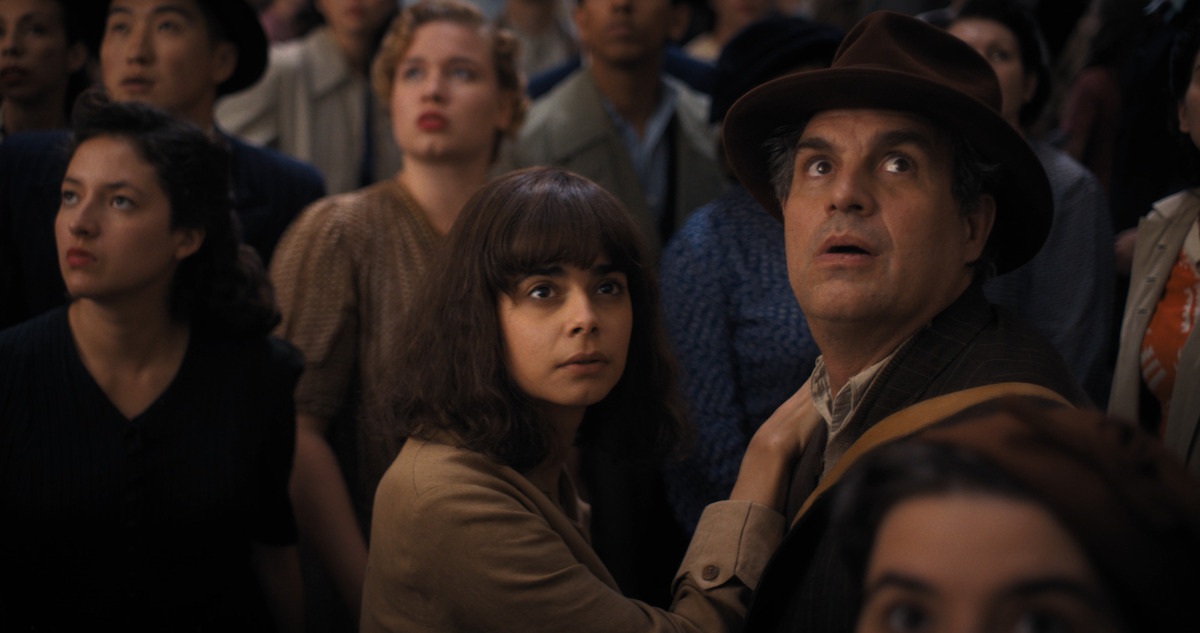
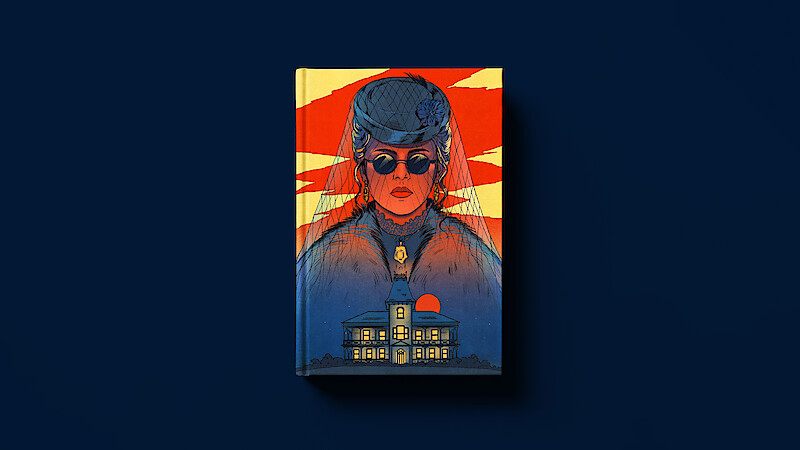
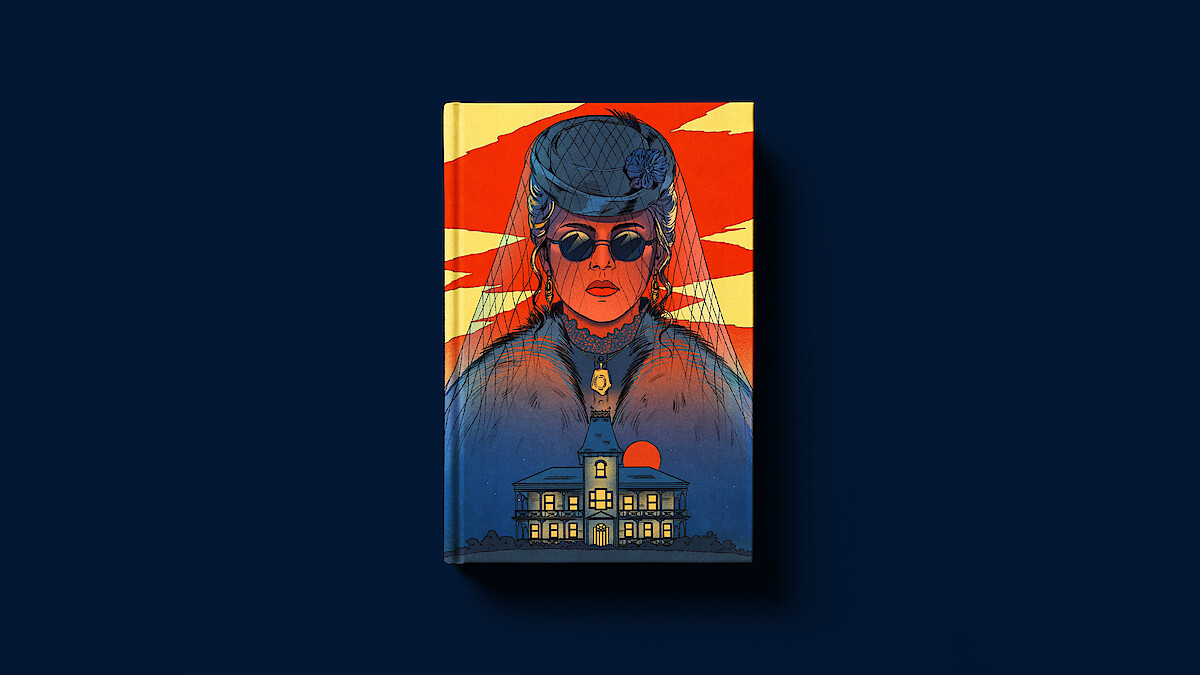
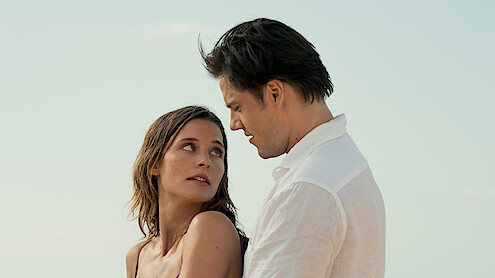
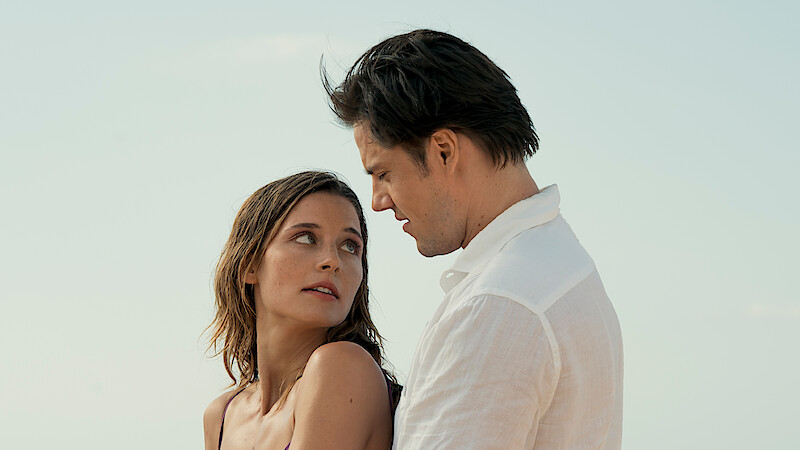
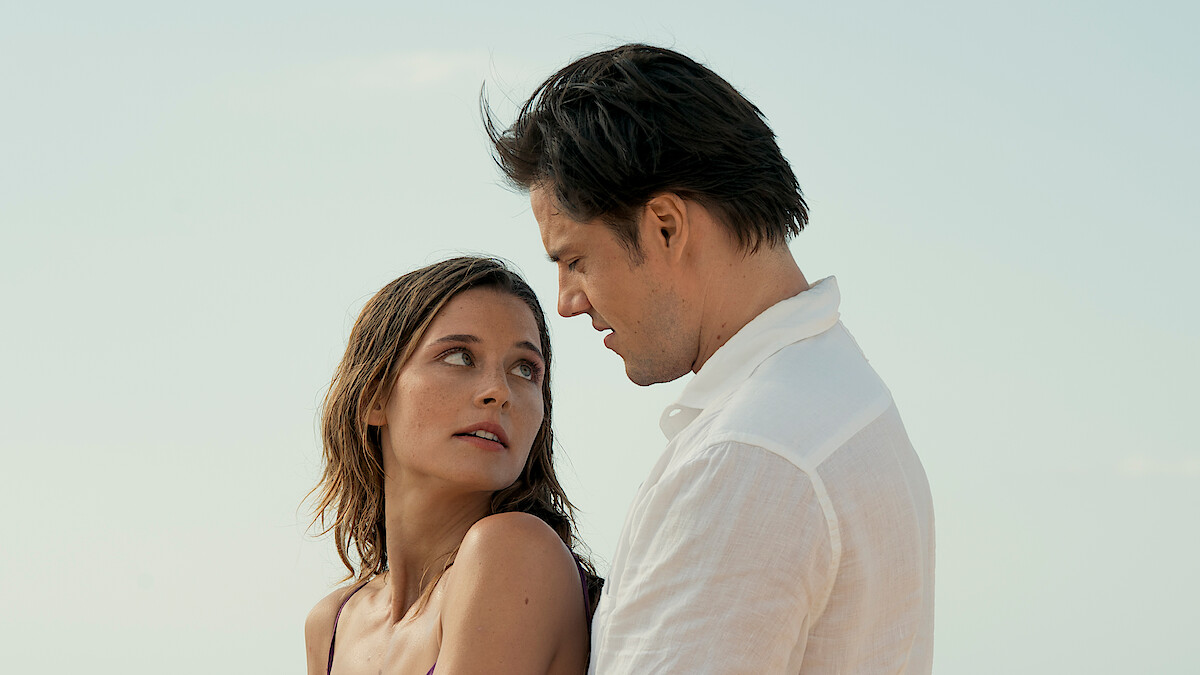
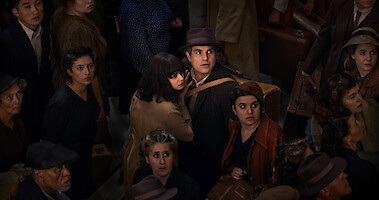
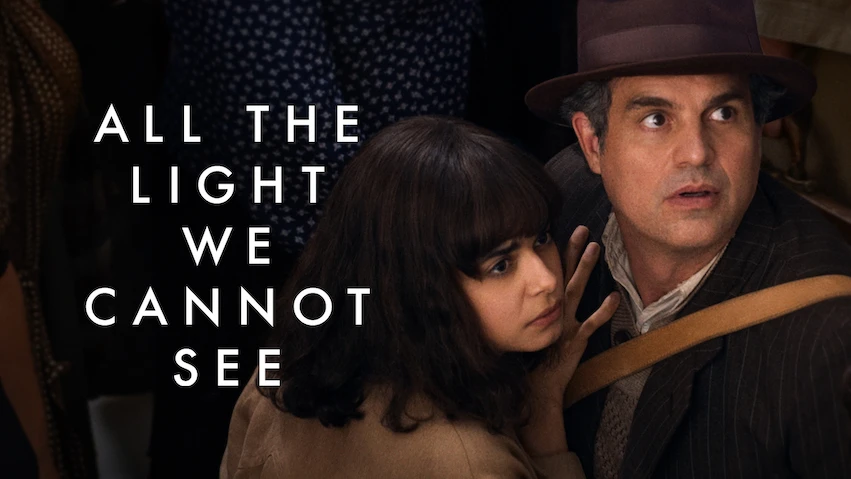
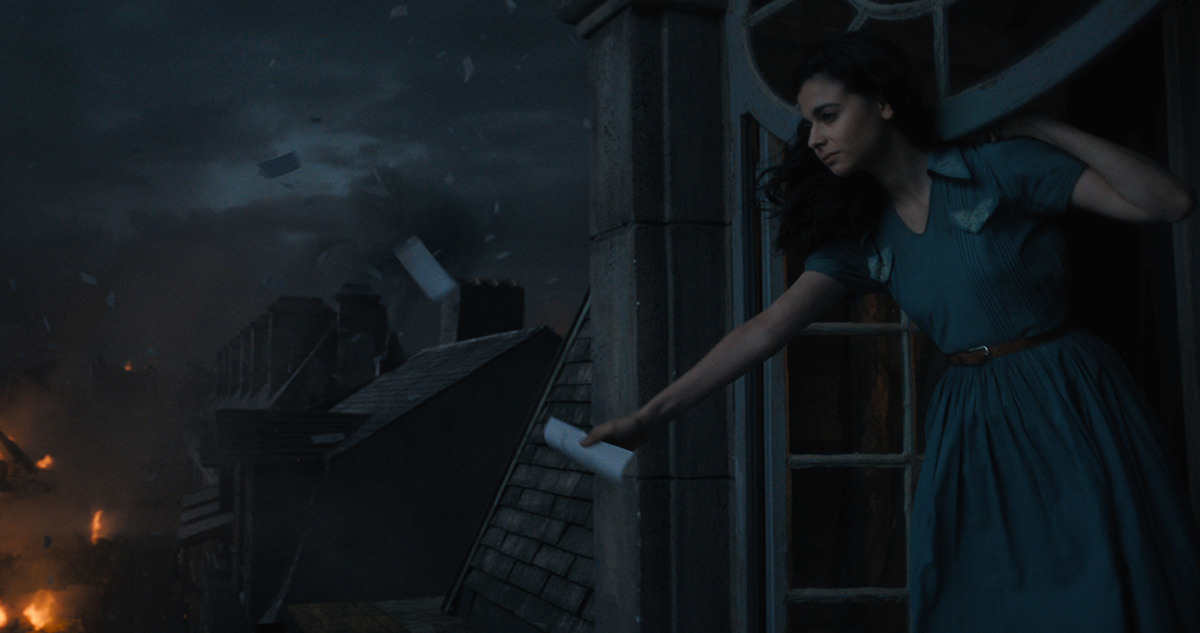
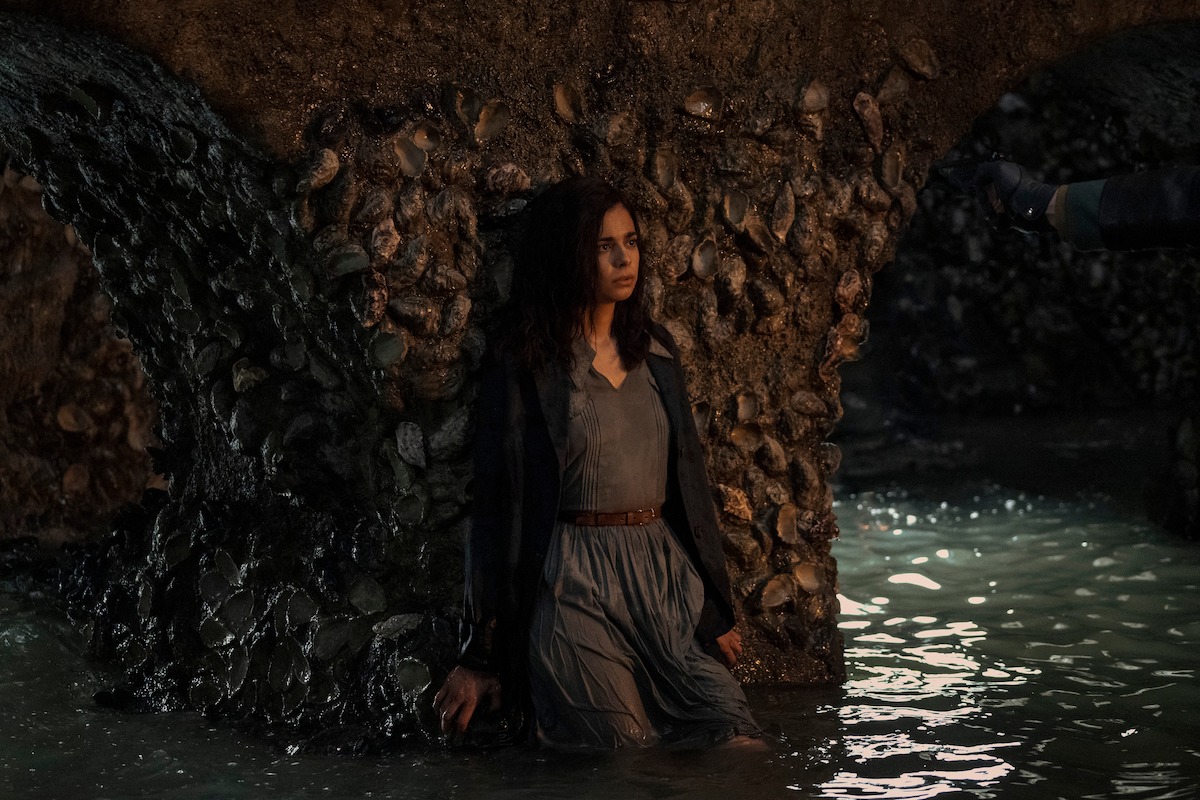
Director and executive producer Shawn Levy (Stranger Things, The Adam Project) has deftly adapted Anthony Doerr’s novel All the Light We Cannot See with groundbreaking casting, soaring cinematography and inspiring characters. Written by Steven Knight (Peaky Blinders), the four episode limited series follows Marie-Laure (Aria Mia Loberti), a blind French girl and her father, Daniel LeBlanc (Mark Ruffalo), who flee German-occupied Paris with a legendary diamond to keep it from falling into the hands of the Nazis. Relentlessly pursued by a cruel Gestapo officer who seeks to possess the stone for his own selfish means, Marie-Laure and Daniel soon find refuge in St. Malo, where they take up residence with a reclusive uncle (Hugh Laurie) who transmits clandestine radio broadcasts as part of the resistance. Yet here in this once-idyllic seaside city, Marie-Laure’s path also collides inexorably with the unlikeliest of kindred spirits: Werner (Louis Hofmann), a brilliant teenager enlisted by Hitler’s regime to track down illegal broadcasts, who instead shares a secret connection to Marie-Laure as well as her faith in humanity and the possibility of hope. “It’s such a rich tapestry of characters and events,” said Levy.
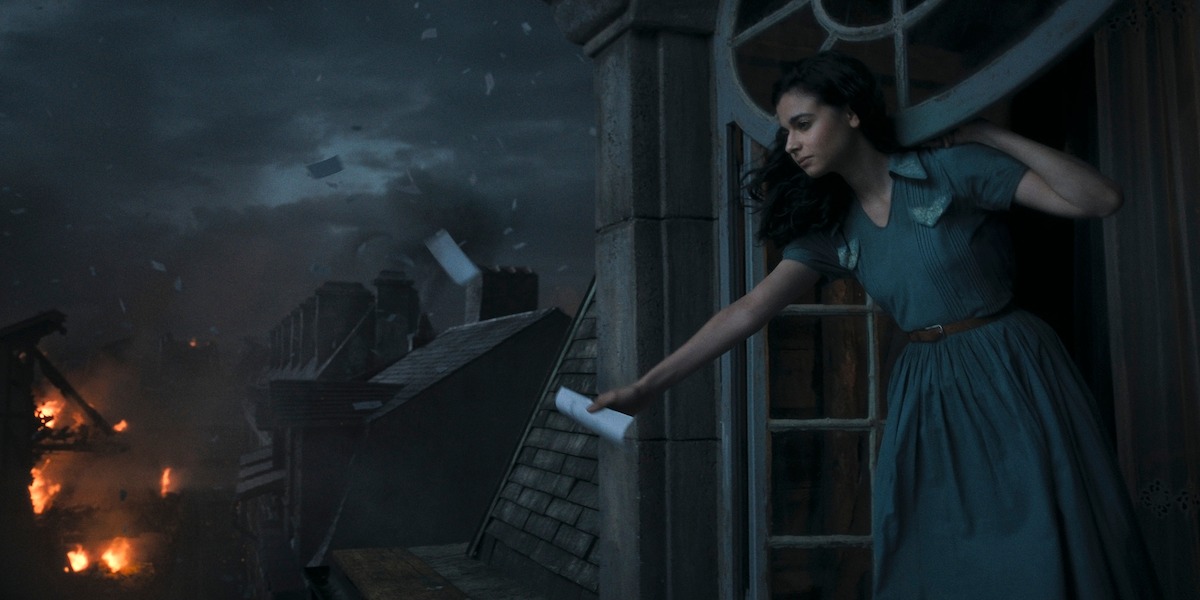
But as the director began production on the series, the biggest question he faced was: Who will be Marie? “The question was always how do you represent a disability on screen in a way that feels authentic and equitable to people with that experience?” said Levy. “The answer, of course, find someone who is actually blind or low vision.”
Enter newcomer Aria-Mia Loberti. “Aria is someone who understands this character in her soul,” said Levy. “She's never auditioned, she's never thought about being an actress and she got the part.” The director described finding Loberti — who responded to Netflix’s global casting call for blind or low-vision actors — as a “unicorn of a discovery.” He commended her innate understanding of this character and passionate love of the book before an on-screen adaptation was in the works.
“I wish I had a character like this when I was younger,” Loberti told Netflix in May 2022. “And now I get to be that person for someone else through someone like Shawn, who has a track record of making a cultural shift happen, which is really cool.”
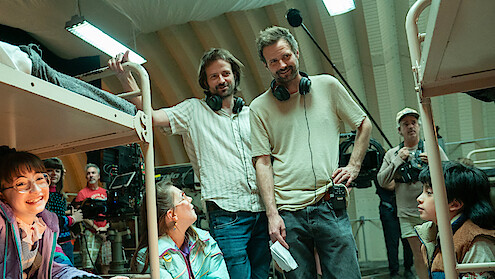
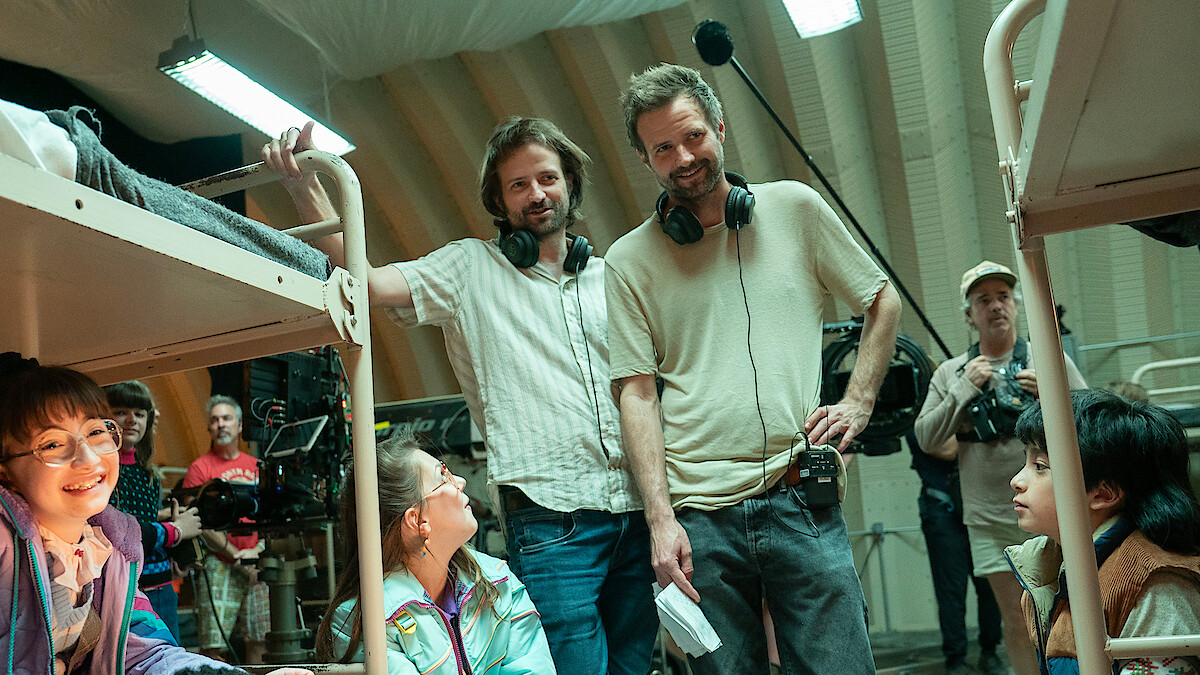
Finding blind actors to play Marie, both a younger and an older version, was paramount to Levy, Doerr, and to the rest of the production team. Casting 7-year-old Nell Sutton, who’s legally blind, came first, and was a big inspiration for casting Loberti as the older Marie. During production, Levy told Sutton, “Because I met you, I was sure I needed the older actress to play Marie to also be someone who has lived life with the real experience of being blind. So I’m really grateful to you because you were the person that really showed me how special this project could be.”
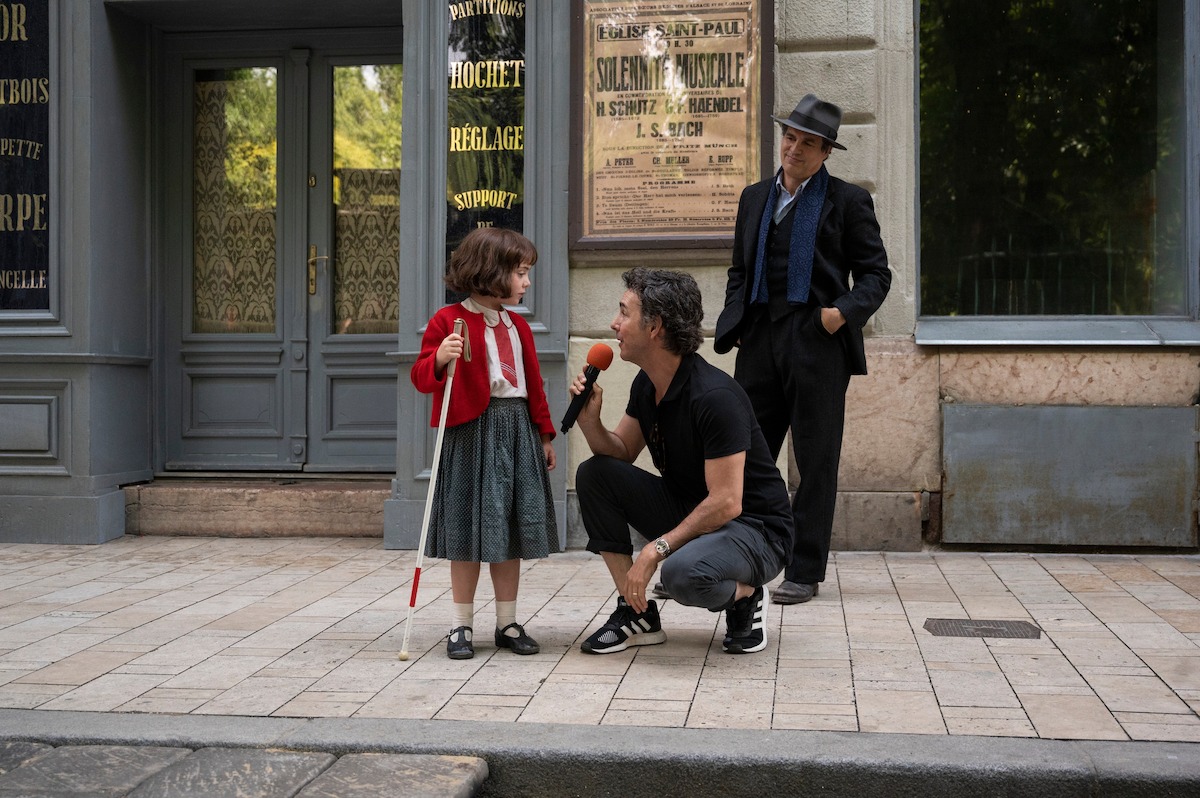
Sutton, who vowed during filming that she was “gonna keep Marie in my heart,” wasn’t a professional actor before All The Light We Cannot See — and neither was Loberti. For both actors, the audition for this project was their first ever.
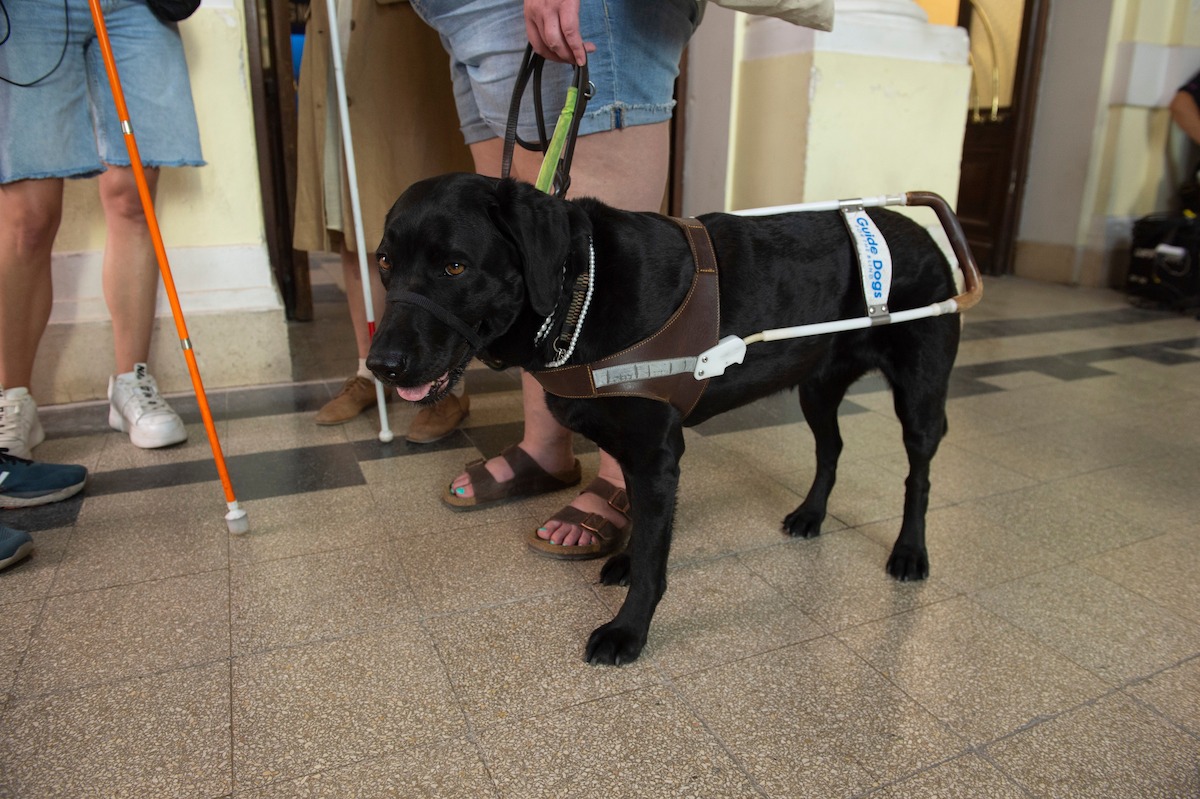
Before the actors even stepped on set, associate producer and accessibility and blindness consultant Joe Strechay (Daredevil) had already begun ensuring the production was inclusive, from suggestions on scripts to accessible formats for blind performers during the audition process. His team even distributed information to dispel misconceptions about blindness — down to guide dog etiquette, as Loberti utilized her beloved guide dog, Ingrid, on set. “This is pretty much the culmination of what I’ve been working towards over the last decade working in the film industry,” he said. “It was hard for me to get into the industry as a person who’s blind. And the people who used to do my work were people with sight. So helping someone who didn’t have that opportunity end up being a lead on a television show just blows my mind.”
To accurately portray the close bond of Marie and her father, Ruffalo spoke extensively with Loberti’s parents about her upbringing. He would often check in with Strechay about every way he could be respectful to Loberti and Sutton’s blindness and better show Daniel’s connection with his daughter. “I have two daughters and I really related to the way Daniel cares for Marie and how he would do anything for her,” said Ruffalo during production. “That connection is the heart of the [series].”
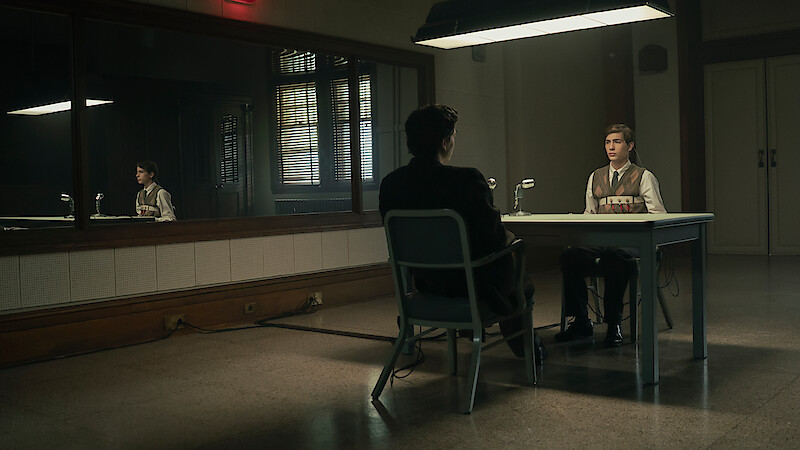
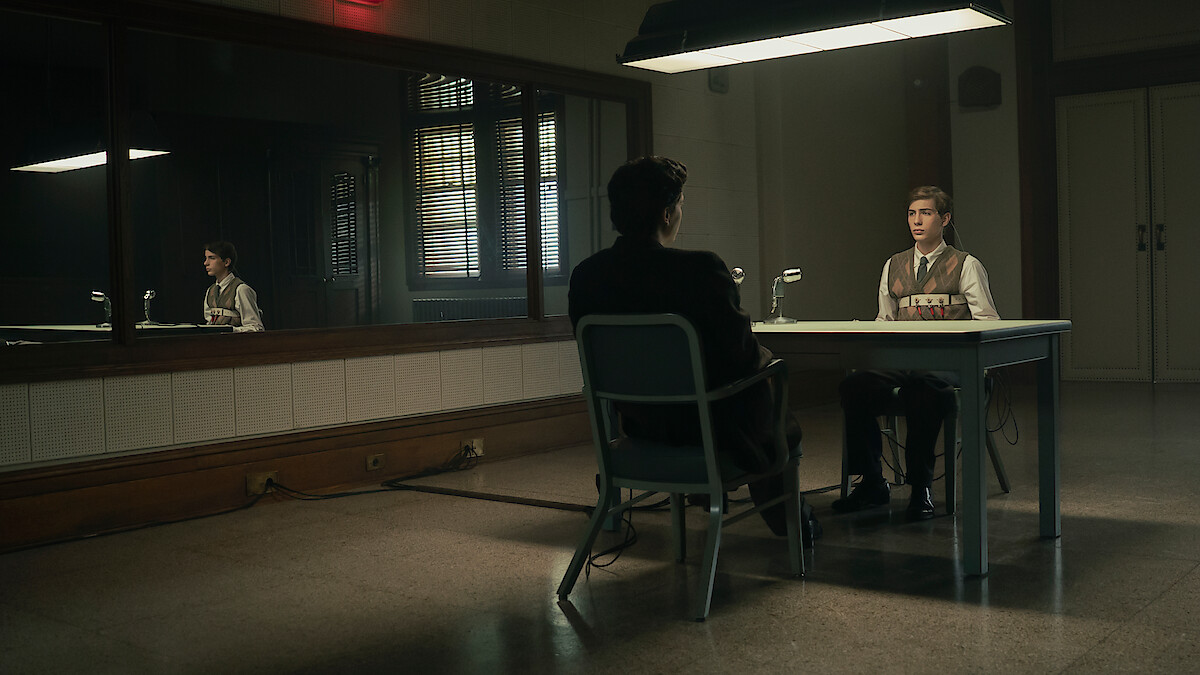
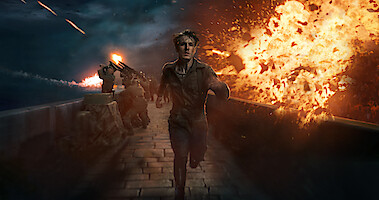
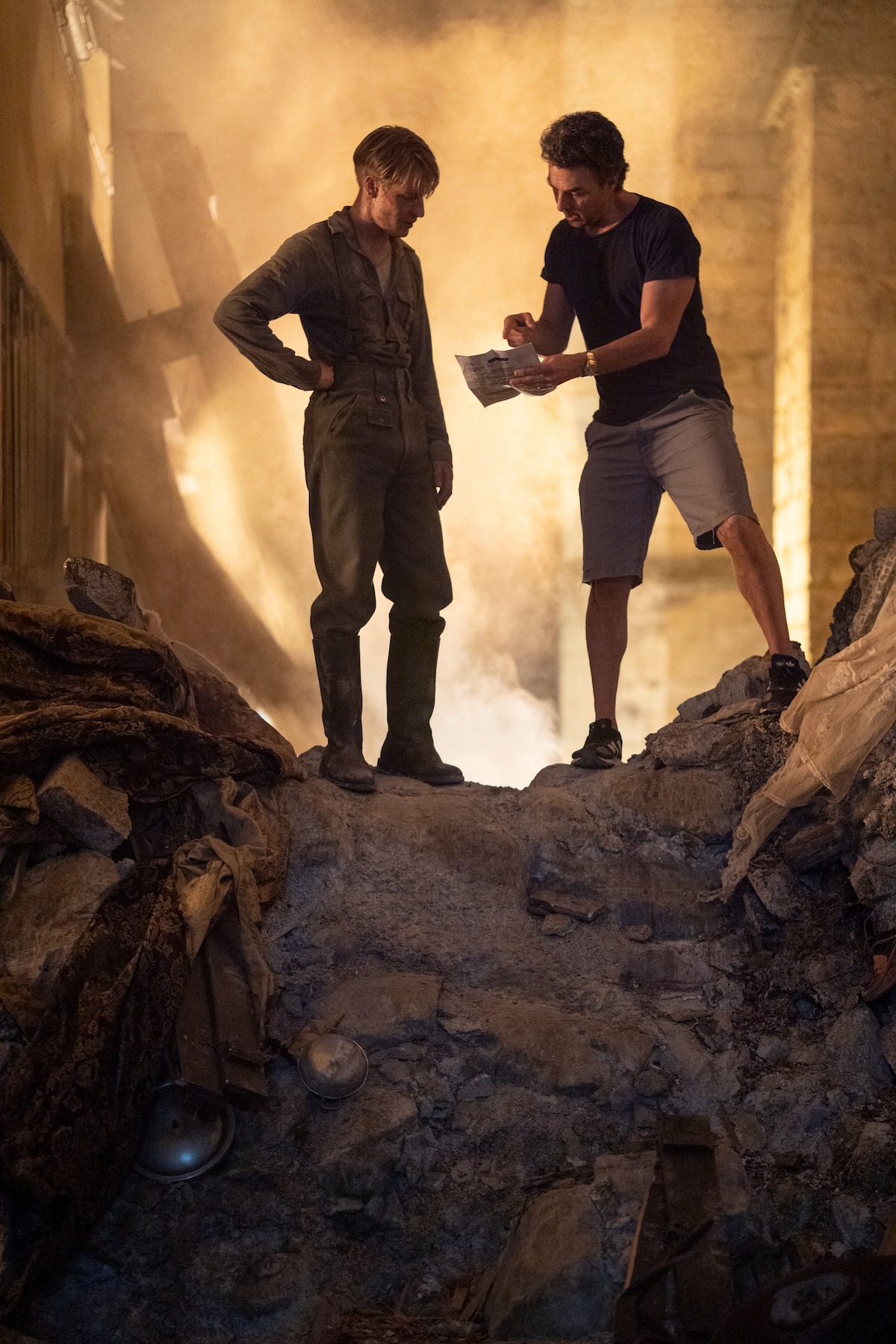
Marie and Daniel’s story intercuts with Werner’s. A German orphan, who shows an aptitude for radios, Werner is “something of a prodigy,” said Levy. “The Nazi Party notices him and they pluck him out of the orphanage and put him in one of the very real, historic Nazi youth training centers where young Germans were indoctrinated, brainwashed, trained, and really diabolically shaped and molded into Nazi soldiers. Werner, who’s struggling to keep his soul pure in the midst of a country, and a time, that is disgustingly impure, is roped into the tide of war. And with that, you have this German orphan soldier who’s being swept west towards St. Malo, towards Marie. Throughout it all, the book and our series, there’s the question of, ‘Will they meet and what will that intersection be like?’”
Both Marie and Werner are acolytes of the “Professor,” a radio broadcaster who teaches his listeners about science, art, and humanity via a shortwave 13.10. “He’s this lightness in a time of darkness,” said producer Dan Levine. “It’s what brings them together.”
Levy saw at least 1,000 actors for the role of Werner before Dark actor Hofmann was cast. He captured the “romanticism, gentleness, [and] feeling of being swept away into a riptide of circumstance over which you have no control,” said Levy. Hugh Laurie, who plays Marie’s reclusive uncle Etienne, described Hofmann as a “movie star on the workbench finally being assembled because he has it all.”
Hofmann sees the radio as Werner’s form of solace to escape the bitterness in the world because “when he listens to the radio [and] he hears the Professor… that’s where he connects with beautiful things and the truth.”
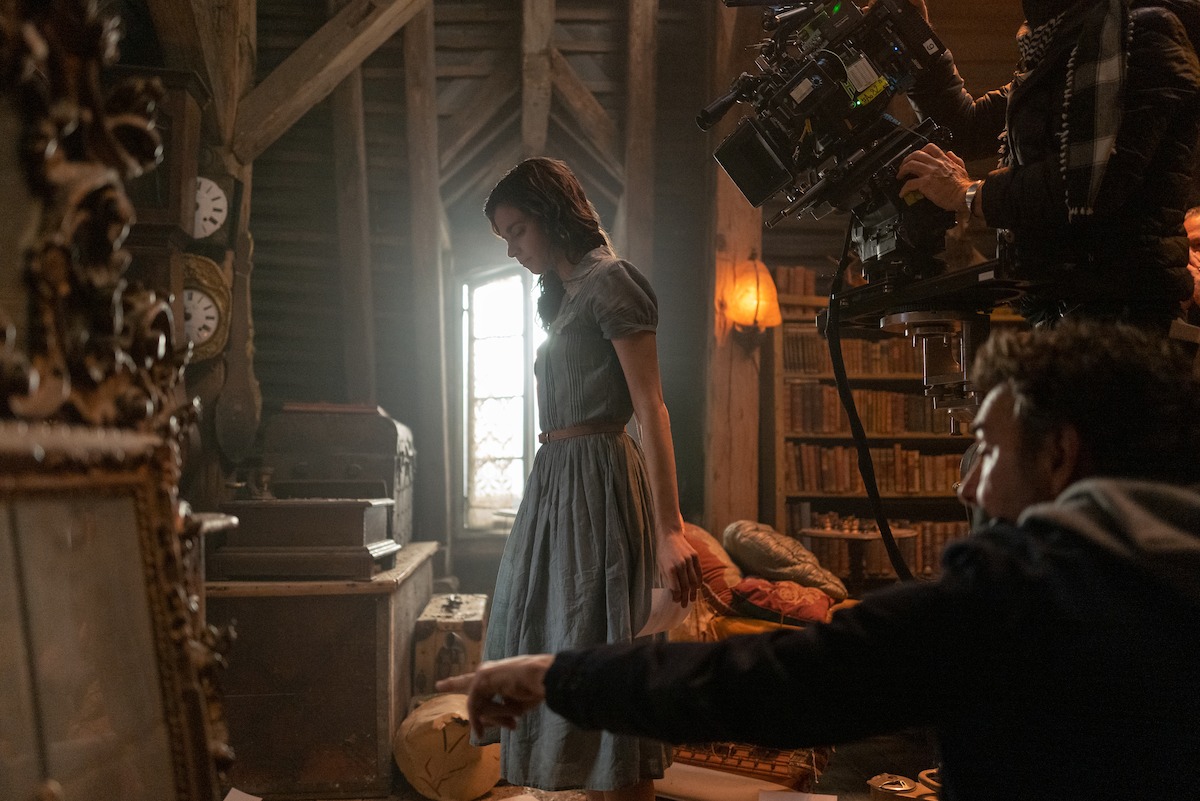
The story ultimately reflects how “war affects the young soul profoundly,” said Doerr. “All these decisions adults and politicians are making really affect and change the trajectories of these two curious people who just want to learn things and be allowed to educate themselves. And the war prevents them from doing so.”
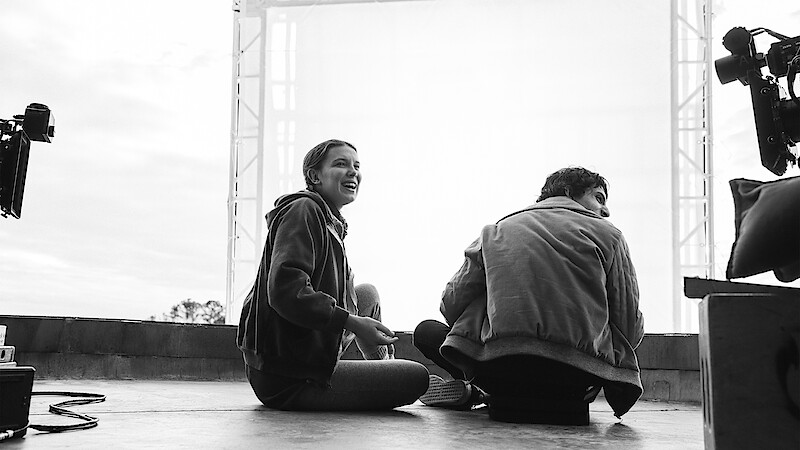
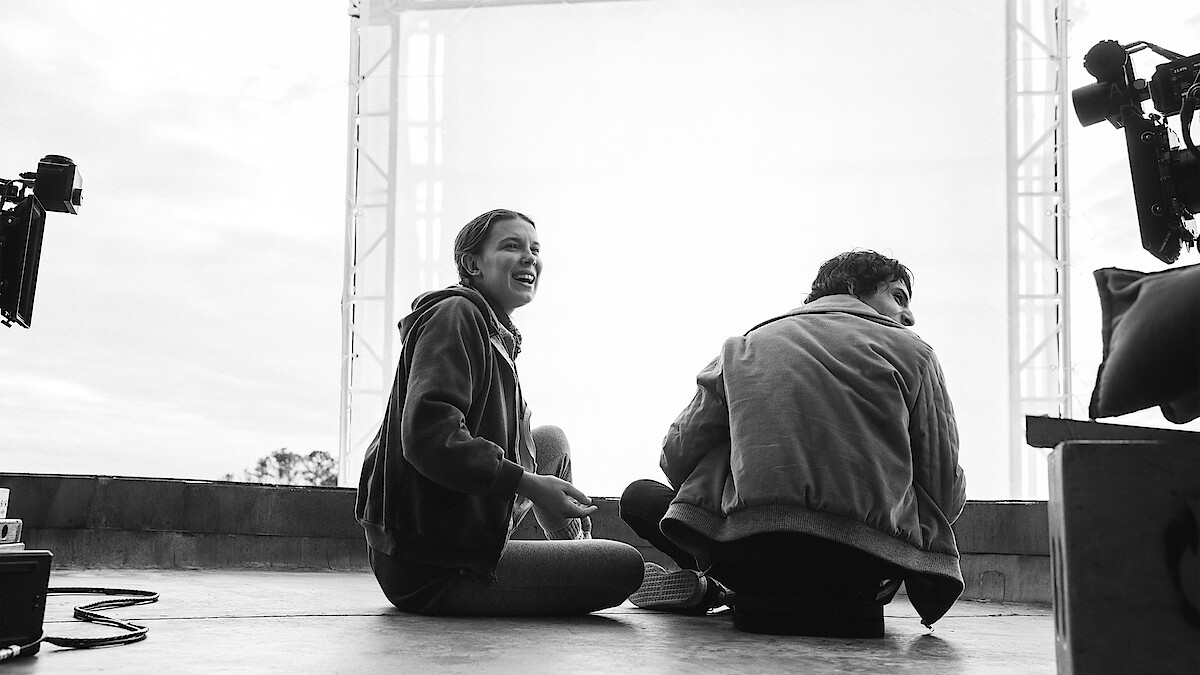
Doerr’s visit to the set was an overwhelming moment for Levy. “It was one of the great thrills of this experience to be there with a novelist whose work I revered,” said the director. “And to see him there as he touched the model of St. Malo, as he saw these characters go from his head to standing there in the room with him. He was so happy to know that we had done this right, to know that we had honored his creative work with our creative work. It meant the world to me.”
Levy’s infectious passion and grasp on the characters’ need for connection endeared Doerr to the prolific filmmaker. “Shawn tells stories that no matter how many pyrotechnics and hijinks are going on, there’s real human connections at the base of them,” said Doerr. “That’s how it got started. Just my sense that the project would be in good hands.”
Doerr hopes the story opens all of our eyes to the stories we can’t see of children at war. “Now from Ukraine to Syria, all the way back to the Second World War and before. These are often the stories that get swept under the rug.”
At its heart, Doerr said it’s a “way to continue to remind people what kindness can do during times of intense trauma.”
All the Light We Cannot See premieres on Netflix Nov. 2.