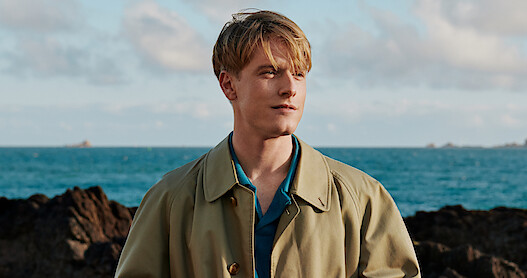
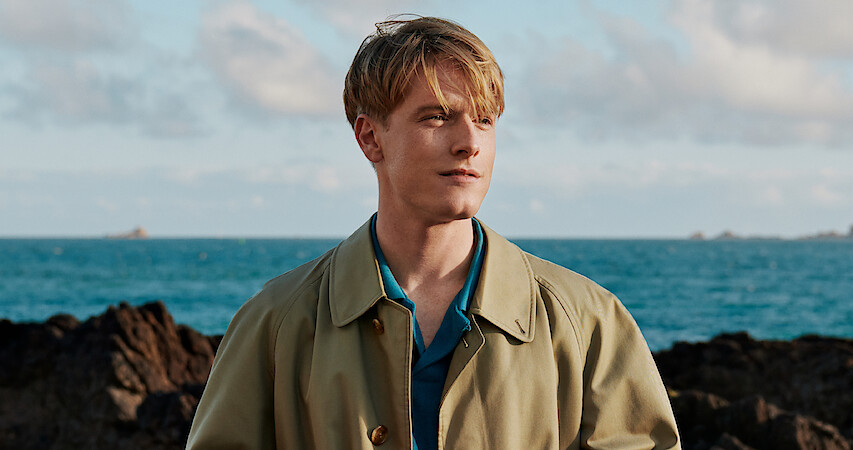
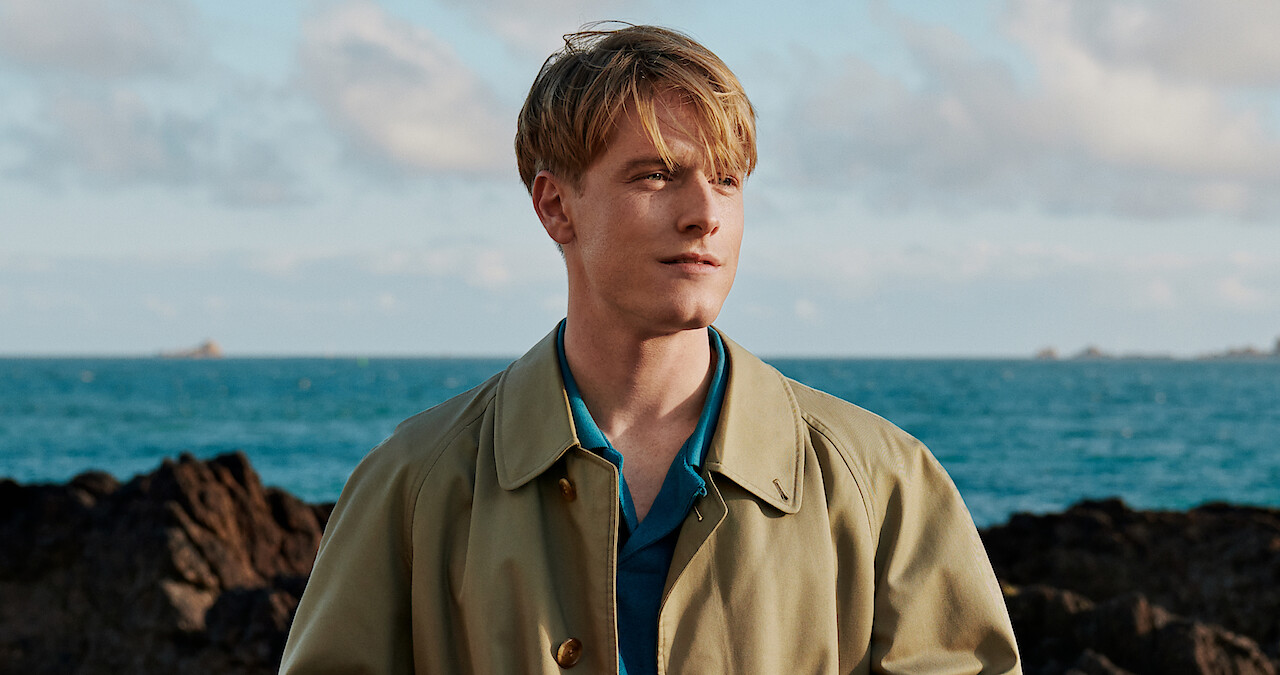
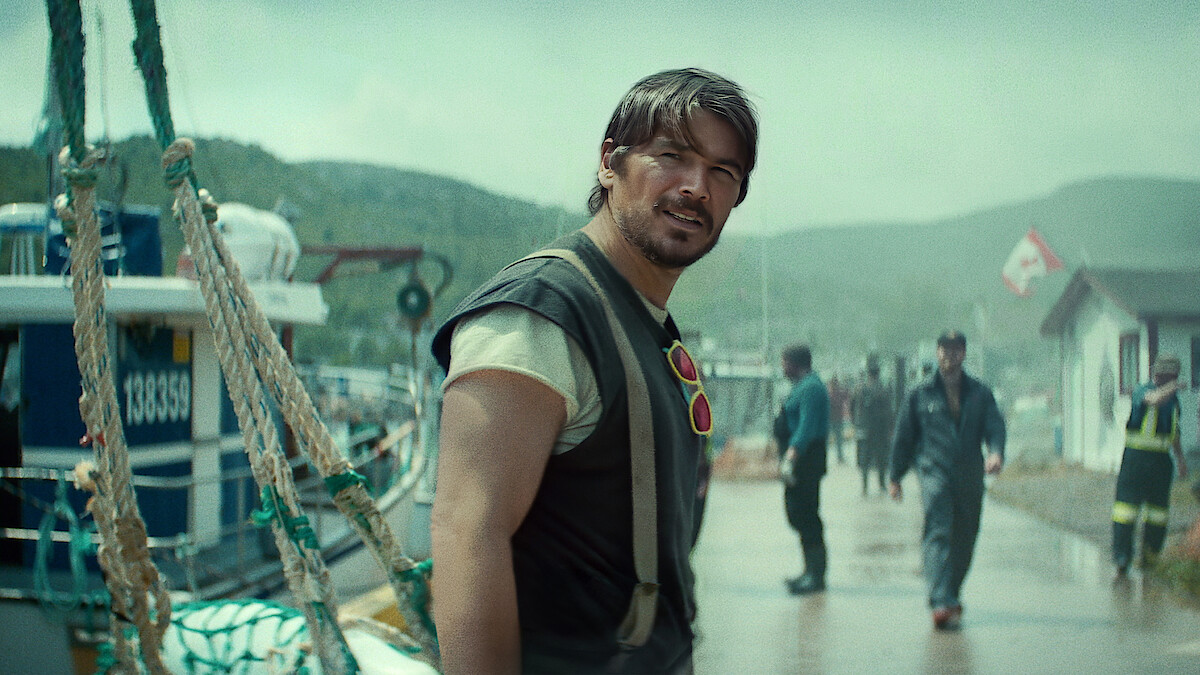
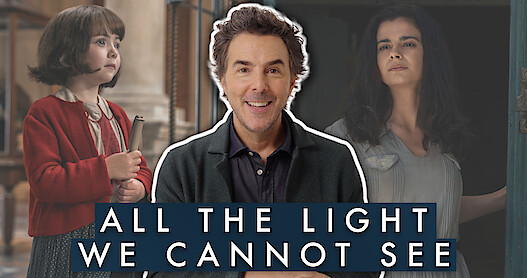
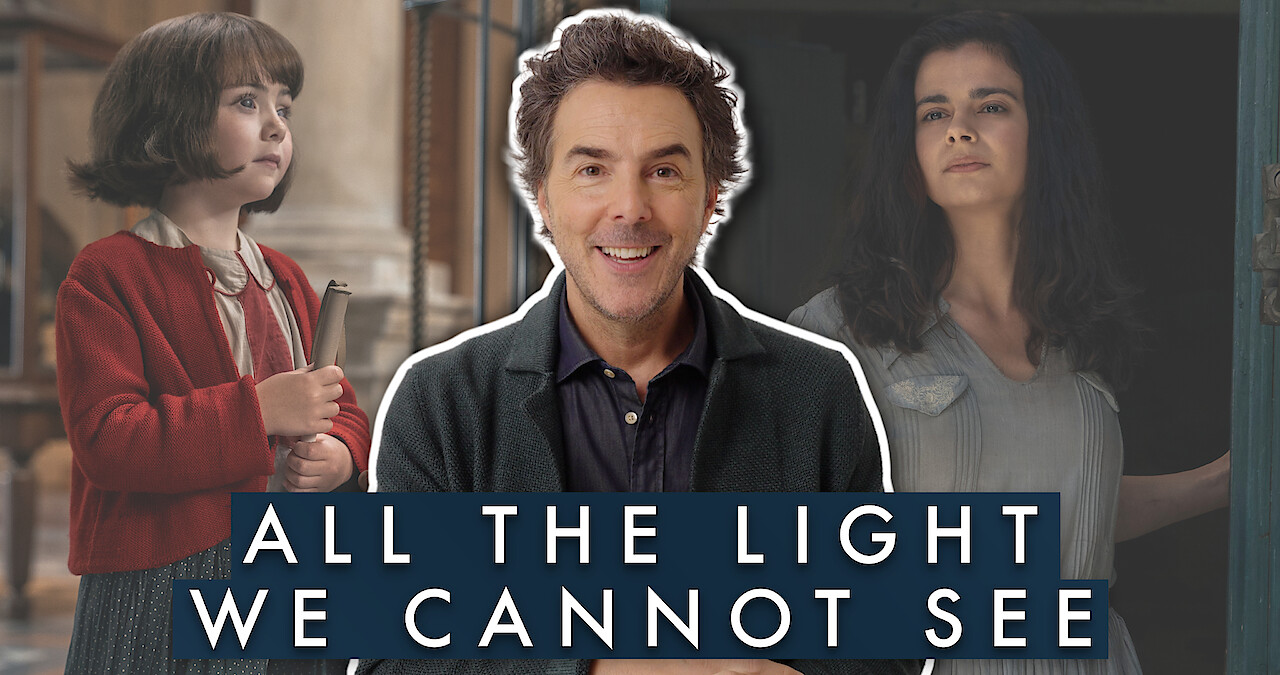
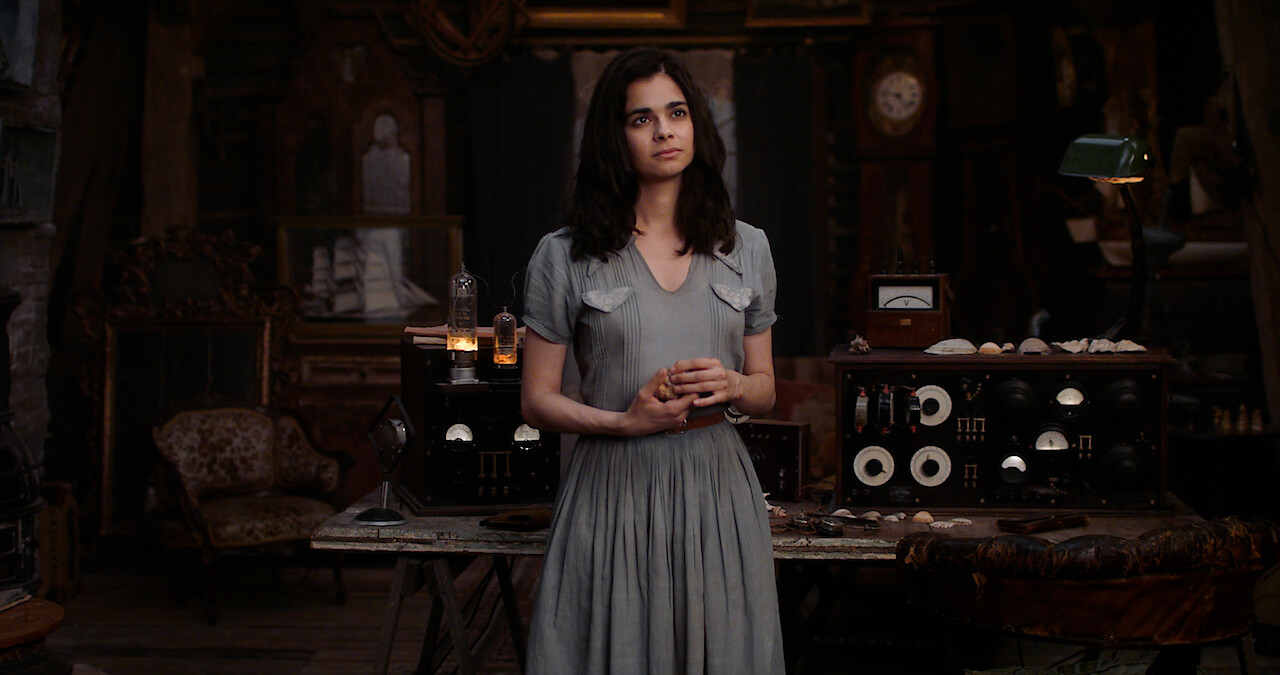
When Louis Hofmann arrived on set of All the Light We Cannot See a week early to learn how to properly assemble World War II-era radios like his character Werner Pfennig does, director Shawn Levy and the rest of the department heads knew they’d cast the perfect person. Hofmann had already wowed the production team enough to secure the coveted leading role in the limited series over a thousand other hopefuls, but that dedication really drove home their decision.
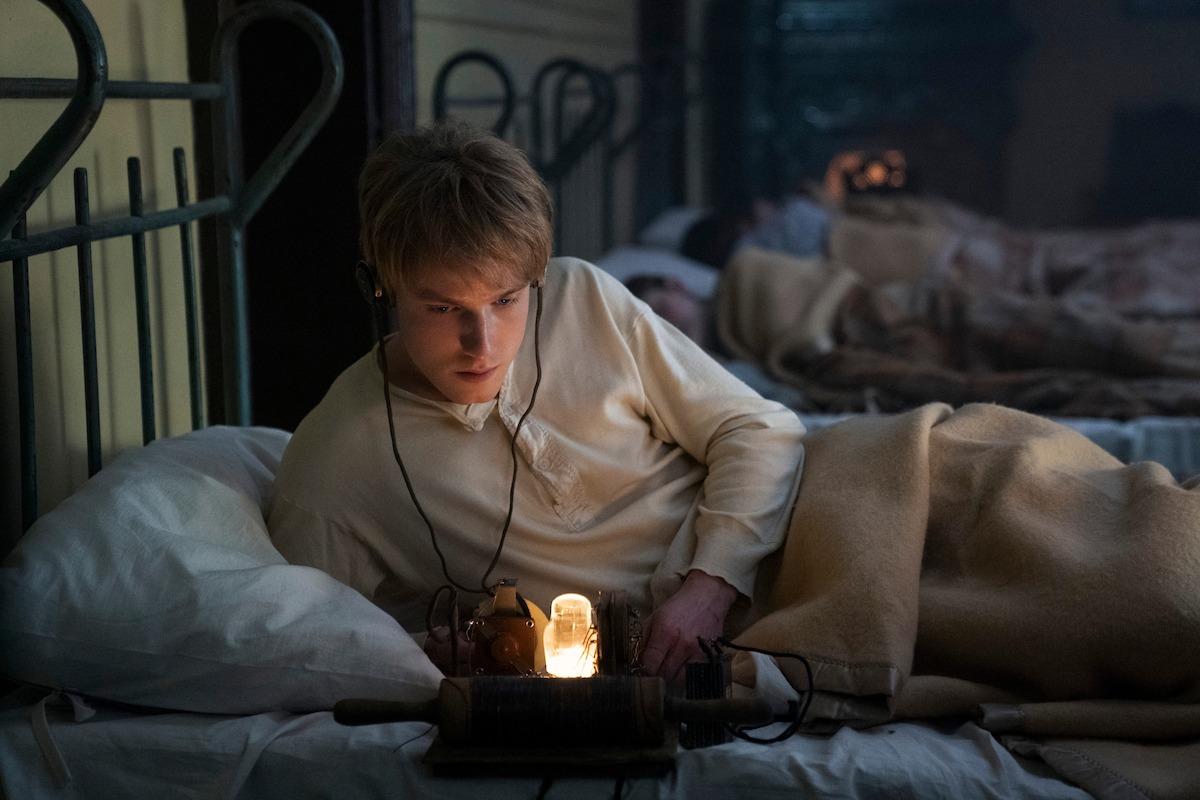
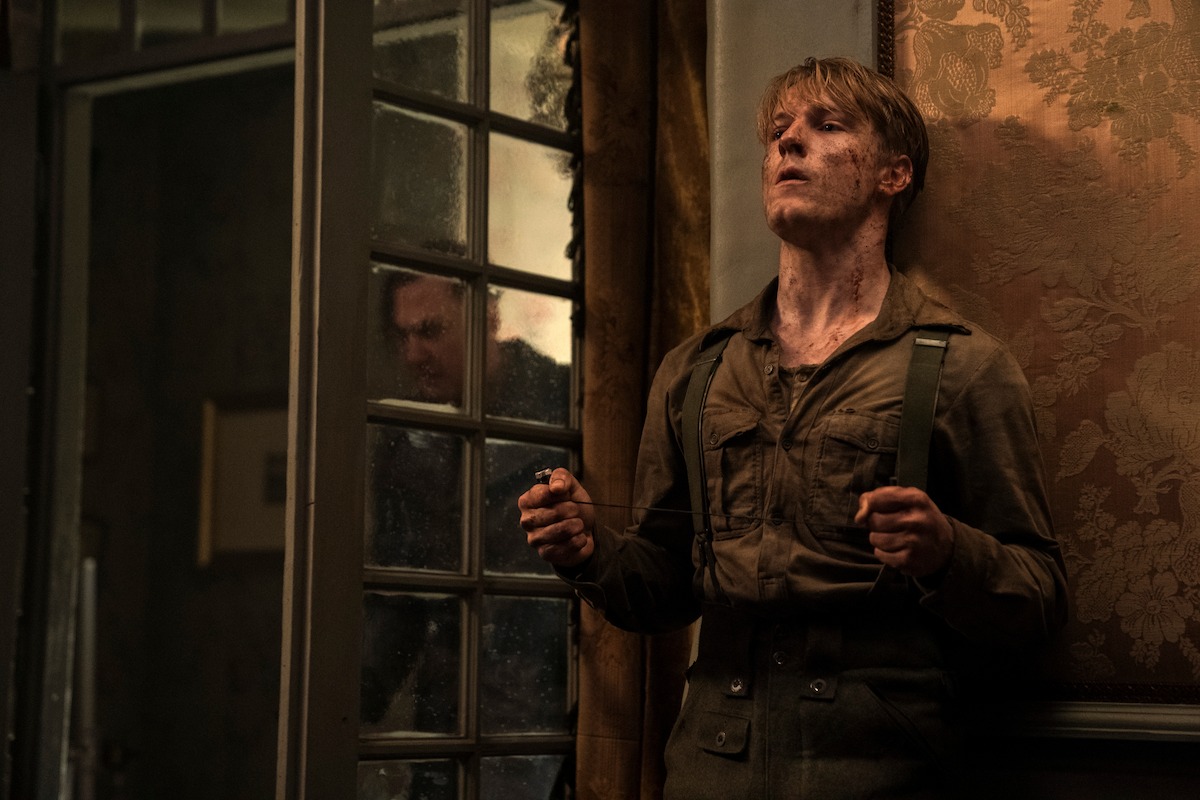
“My preparation for any character is usually quite intellectual, but when there’s something that a character does physically, you become closer to them simply by practicing physically what they’ve been practicing,” Hofmann, 26, told Netflix during production. Already a star in his native Germany and best known to Netflix audiences as Jonas in the twisty sci-fi thriller Dark, the actor worked very closely with the series’ prop master, Márton Szalay. “[He] gave me a weeklong crash course in building a radio,” said Hofmannn. “It was a beautiful way of finding the character and tapping into it.”
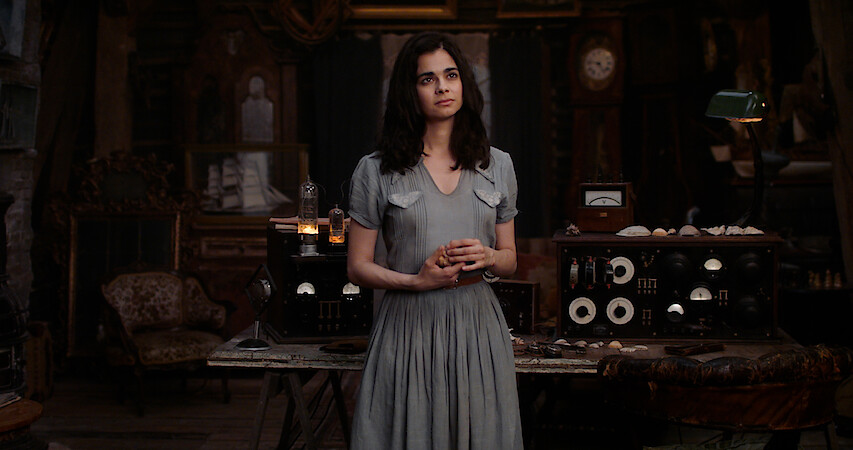
Szalay, who also worked on Netflix’s Shadow and Bone and The Witcher, went above and beyond, sourcing real World War II radio equipment from a collector in Italy to use in filming. “What you see in the series are all original pieces, pieces of history,” he says. He was impressed that Hofmann was as committed as he was to doing justice to the time period and specifics of the character.
“There are some actors who, when you give them a prop, they’ll use it for filming and then they put it down and then they go away and forget it,” says Szalay. “Louis came in and he wanted to understand the whole process. He was practicing everything. He did not give up, and he learned and understood what was behind his movements.”
Szalay adds that Hofmann snuck in practice time whenever possible and after just that first week in Budapest he was able to build a 1940s-style radio in 56 seconds — a scene which Levy then incorporated into the series.
“When you do something physically that the character does, it connects you to the character so effortlessly without having to think about it too much, which I really, really enjoy,” said Hofmann. “And then tapping into the character becomes unconscious.”
In addition to mastering Werner’s technical expertise, Hofmann said he connected to the character’s sensitivity and humility.
“All the Light We Cannot See is about goodness, love, hope, and innocence — all of which are things you can’t see, but you can transmit and pass on to someone else,” he explained. “And I appreciated a story that always comes back to the good in people. The story is just wonderfully told and I was extremely interested in it straightaway.”
Atsushi Nishijima/Netflix
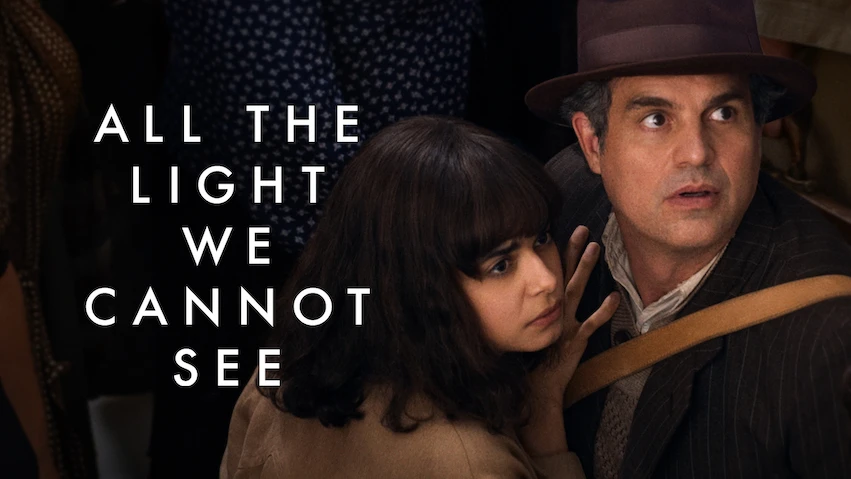
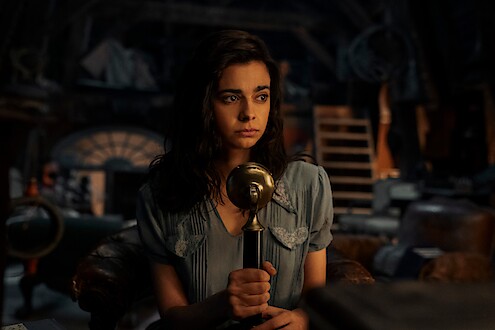
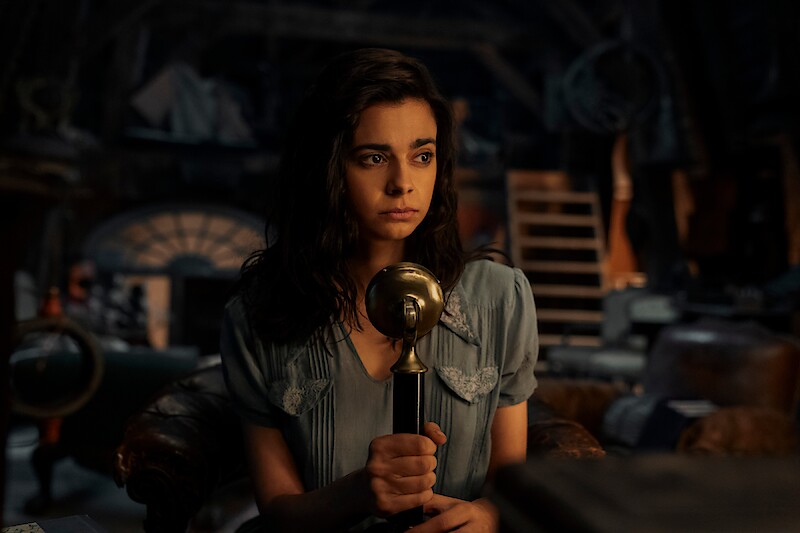
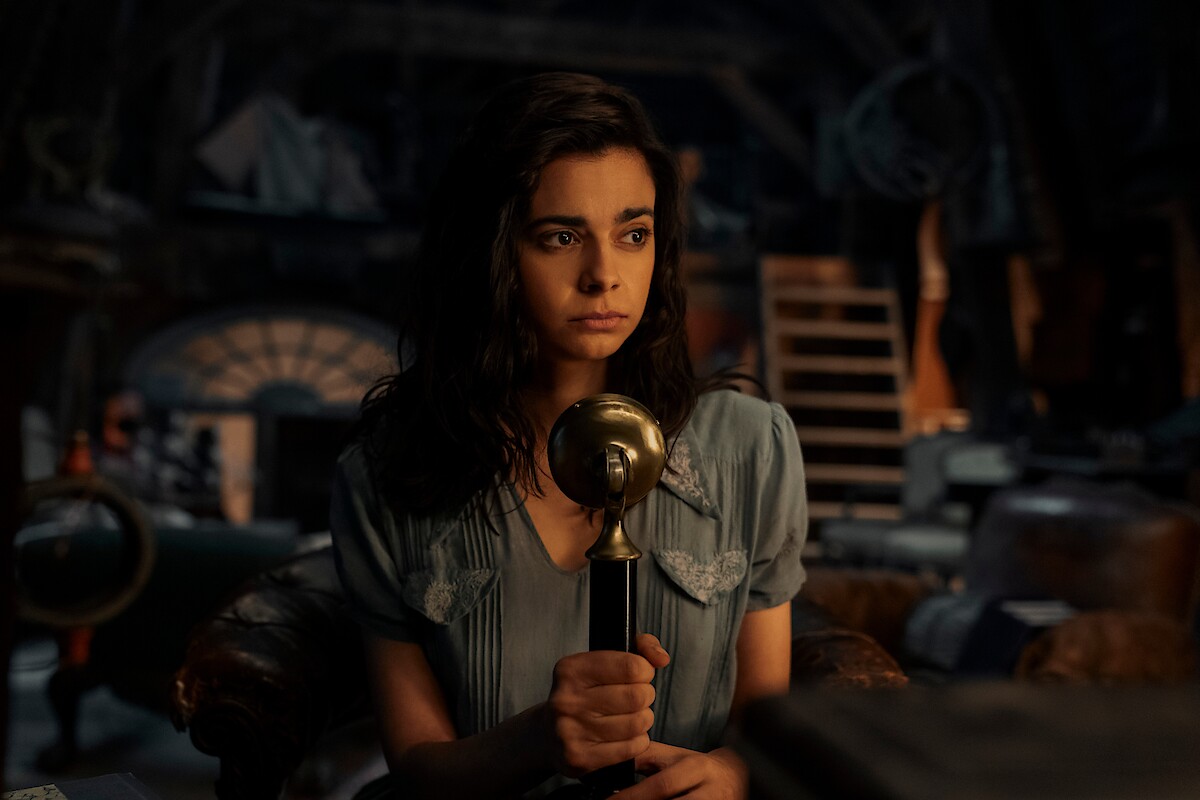
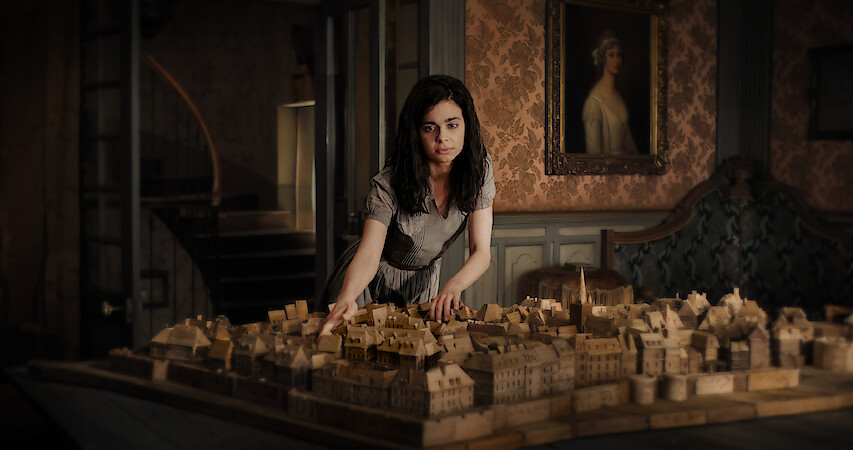
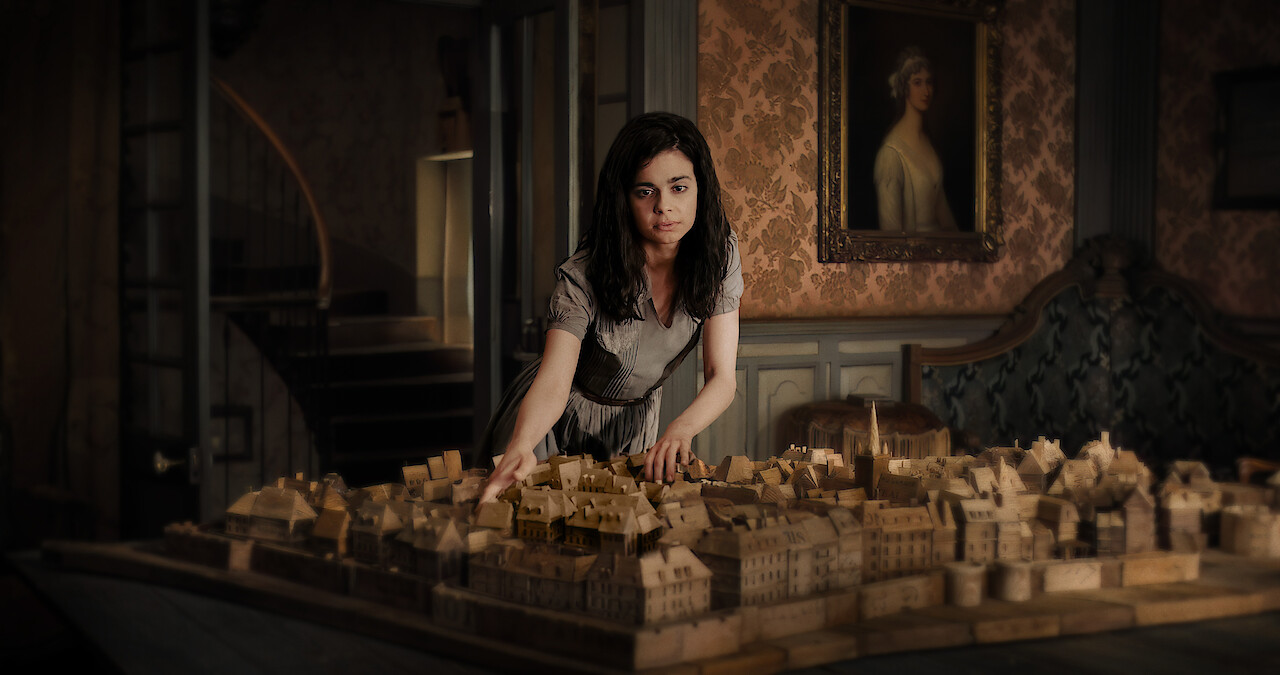
The series which is based on the Pulitzer Prize-winning novel of the same title by Anthony Doerr, revolves around Marie (newcomer Aria Mia Loberti), a blind girl living in German-occupied France during WWII, and Werner, a reluctant Nazi soldier taken from an orphanage because of his technical skill with radios. “I hope that fans will be moved by Marie and Werner’s spirit of pure curiosity, which the series brings beautifully to life,” Doerr told Tudum. “These are two kids who long for reason and truth in a time of violence, uncertainty, and disinformation, and that feels as relevant now as it felt during the 1940s.”
Although Hofmann was not initially familiar with the novel upon which the limited series is based, he devoured the book after getting the part and “picked everything that would help me figure out who this person was,” he said. “Werner is very sensitive, but also very broken. He’s got this beautiful gift of being a genius, and I always find it interesting when something so positive brings about something so negative. He’s a genius with radios, but it becomes a burden when the Nazis make use of his skill, and he suffers under the regime. The beautiful thing is — he keeps on trying to hold onto what’s good, and that eventually leads him to Marie.”
For director Levy, Hofmann’s performance was also a beautiful thing — in fact, he considers it a “revelation.”
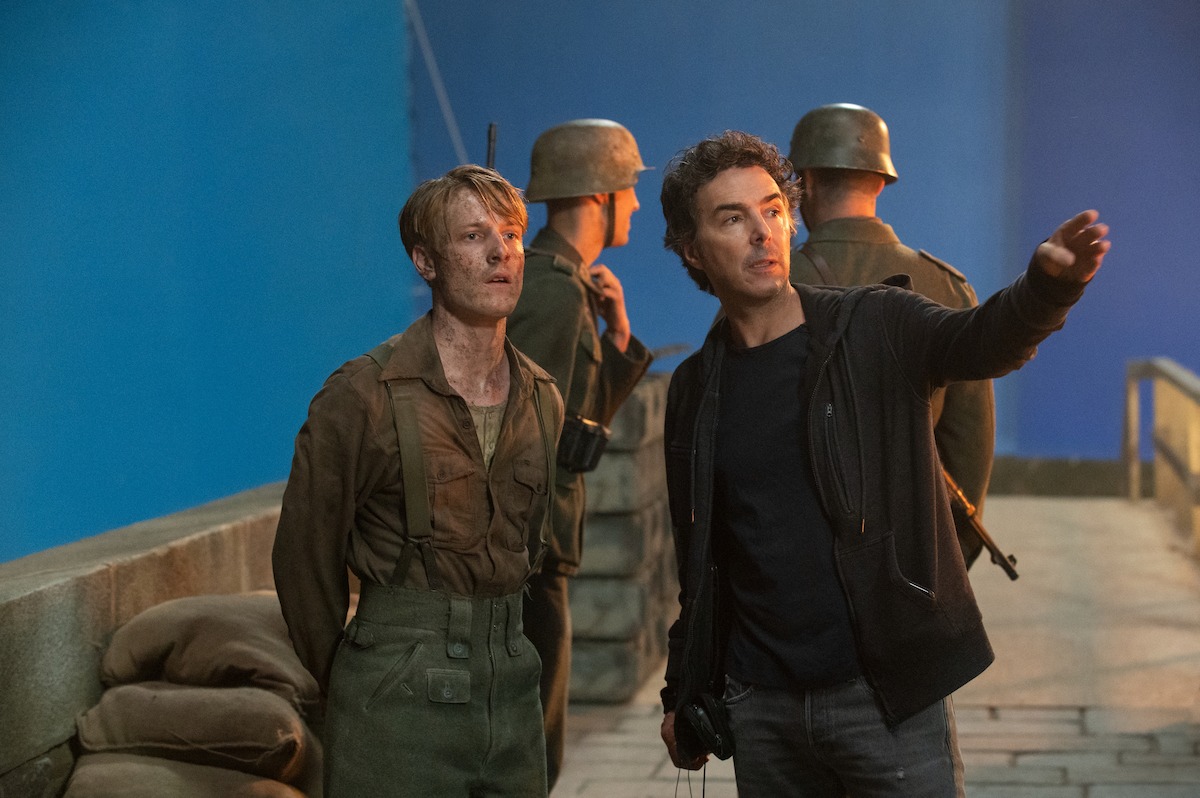
“We really mustn’t overlook the revelation that is Louis Hofmann,” says Levy. “I saw at least a thousand actors for Werner and when Louis auditioned, he was so clearly in command of his craft in a way that you don’t expect from someone so young. He just had this innate understanding of Werner — the romanticism, the gentleness, the feeling of being swept away in a riptide of circumstance over which you have no control.”
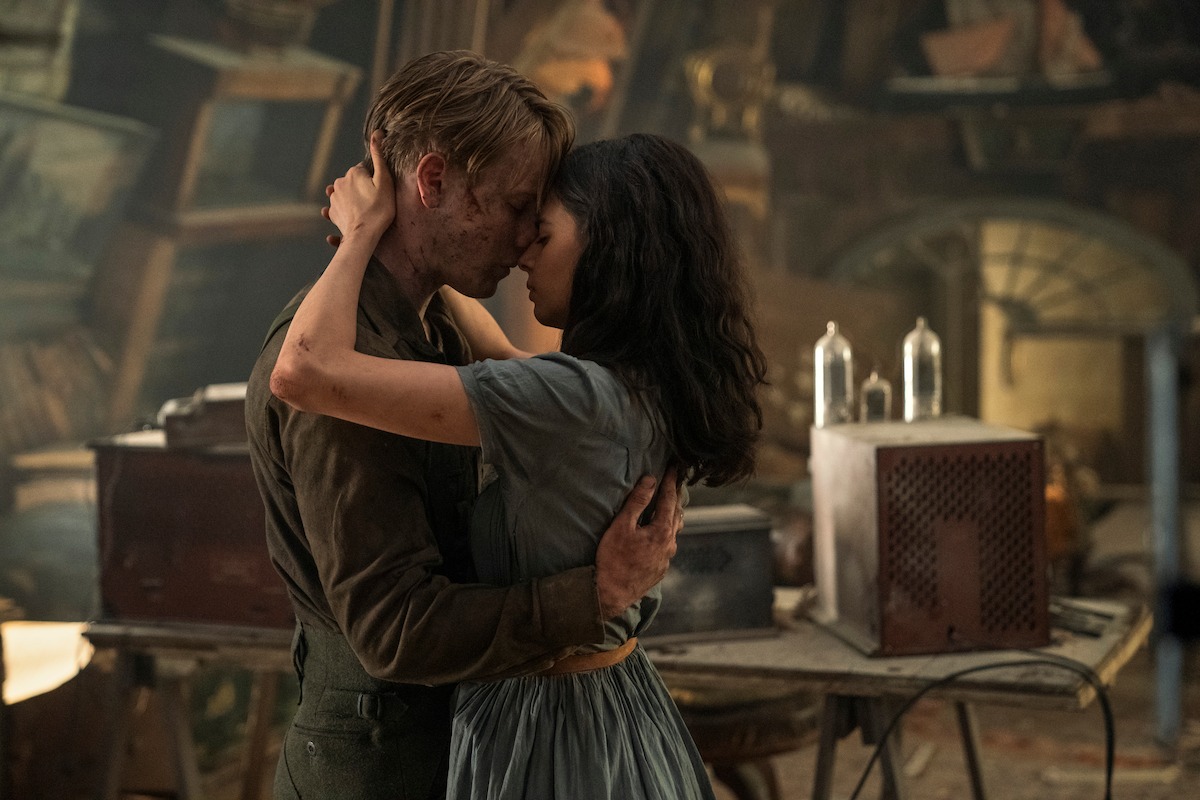
Born and raised in Cologne in western Germany, Hofmann was bitten by the acting bug early. He was 9 when he first appeared on camera reviewing theme parks for a German television show, had representation by age 11, and earned his first leading role at 13 in a German adaptation of Tom Sawyer. He’s been working steadily in film and television since, but All the Light We Cannot See is the biggest production Hofmann has worked on to date, and he relished the challenges he faced with the character and the opportunity he had connecting with his co-star Loberti, who was acting in her first role.
Atsushi Nishijima/Netflix
“Aria came onto set pretty much at the same time as I did, even though the first five weeks of filming was only me and my scenes. I think it was very helpful for her to just get to know the set and how it works, but also to hang out with me,” Hofmann recalled in a conversation held with Loberti and Levy in early June. “I grew up in the industry. I was 11 when I started acting and I was always the youngest [on sets], and I would cling to people who would act as tutors for me. I always appreciated that. So from the first moment I found out about Aria, I wanted to be there for her as much as I could and tried to help her as much as possible. And she’s amazing.”
Loberti, who is legally blind, said she is grateful for Hofmann’s support, directly addressing him: “I have to give credit to [you,] Louis, because if I didn’t have the three weeks of watching you, I would not have found that fortitude within myself. And I’m just so appreciative of you as a mentor and a friend. You really took the time with me when you had to also do so much work as an actor and prepare for your character. And you took the time with me to essentially explain to me what it means to be an actor.”
Though he was happy to offer advice, Hofmann countered that in the end she didn’t appear to need any extra help. “You picked up on everything so quickly, it was quite amazing,” he told her. “All I wanted was to make you feel safe and then to see someone who’s never done anything like that before, not even audition, and then carry that whole amazing ensemble like it’s nothing. So I was really in awe of you.”
Stream All the Light We Cannot See now.