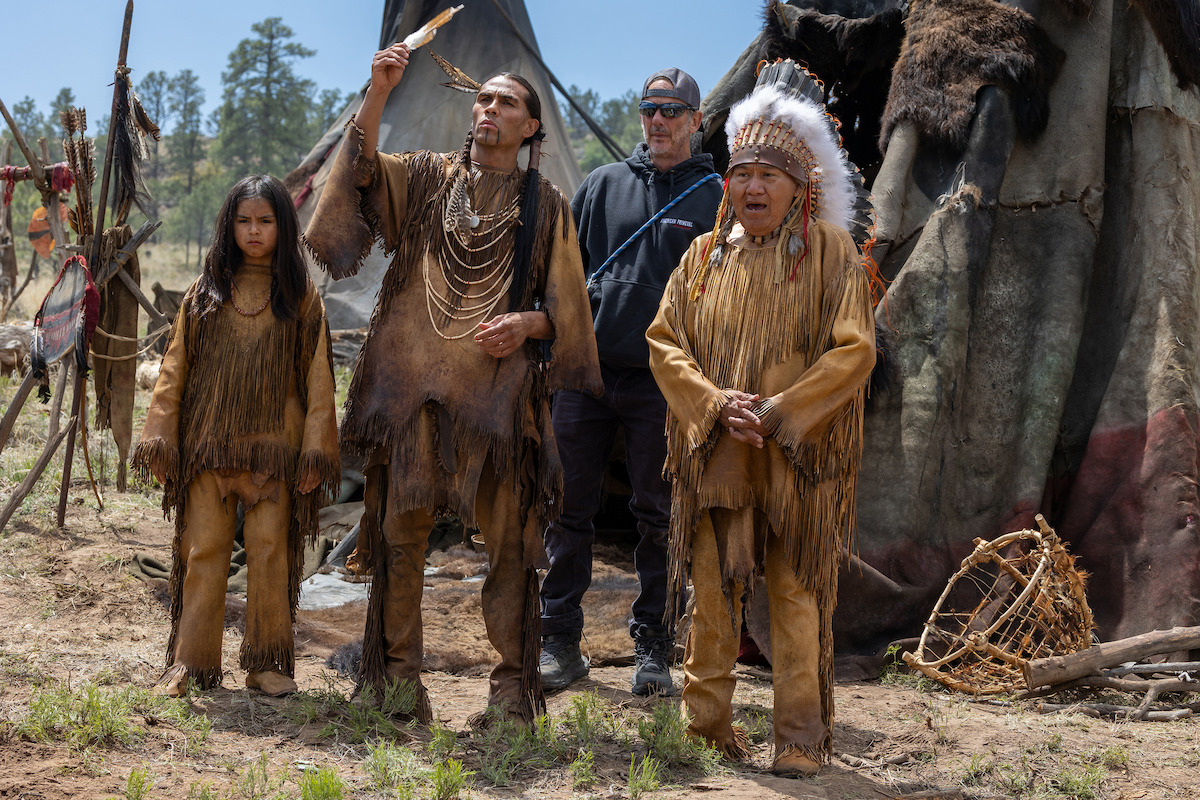
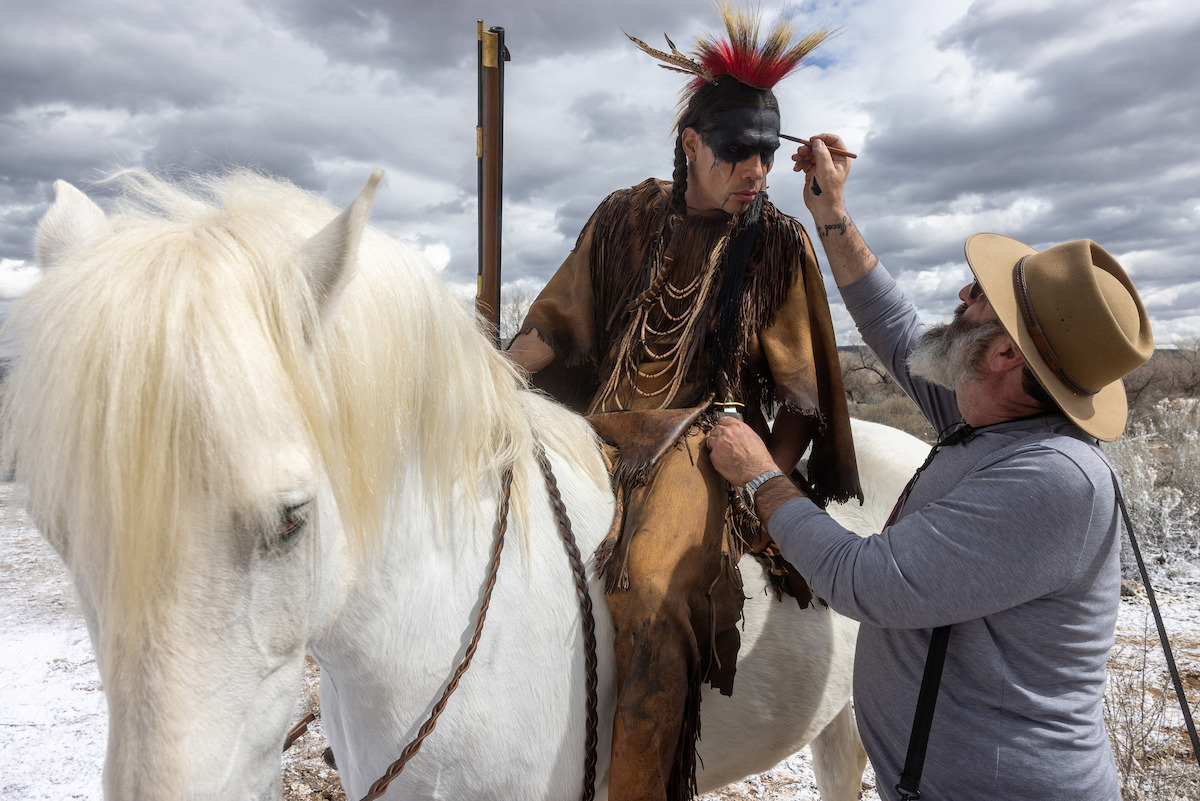
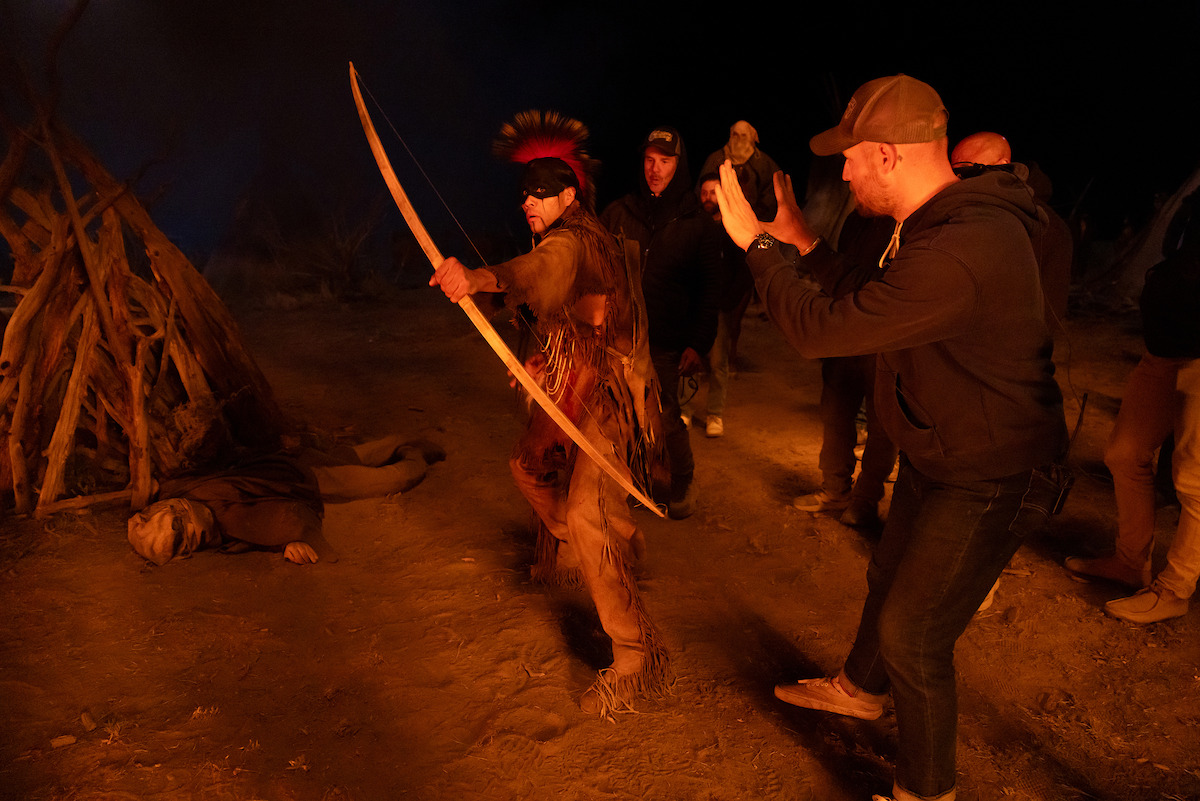
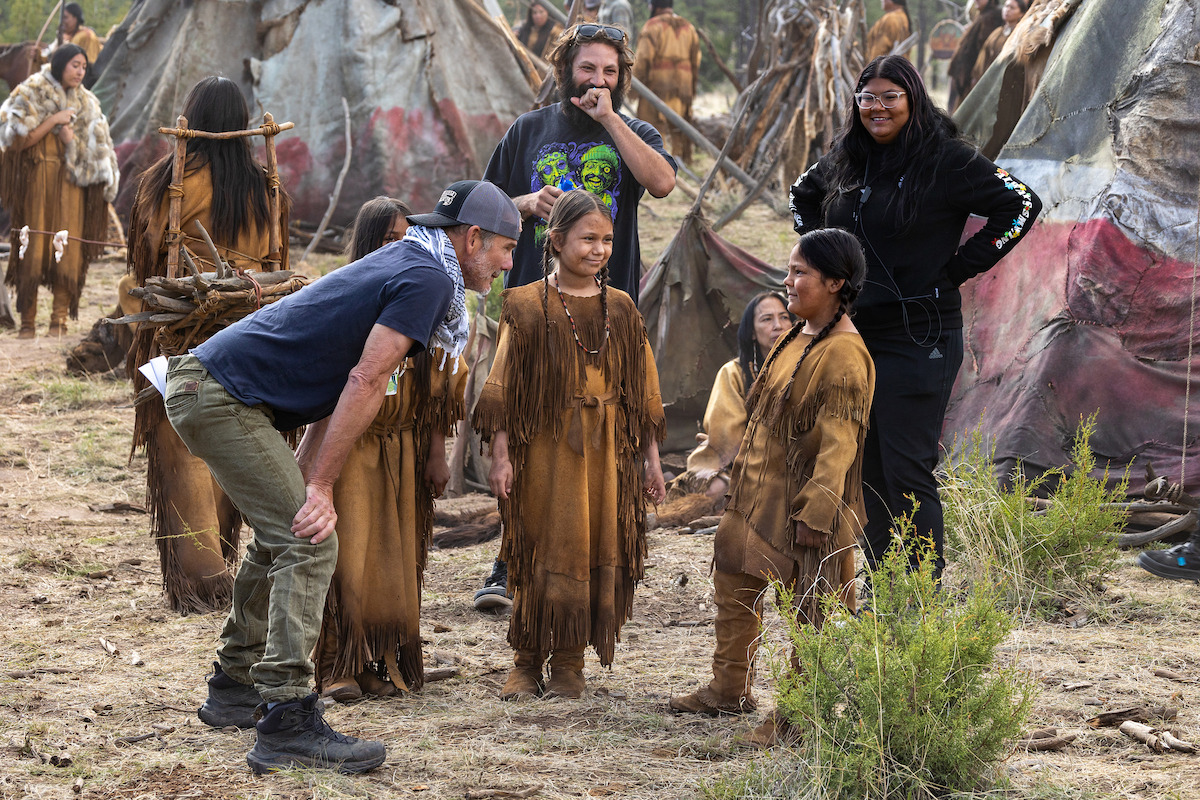
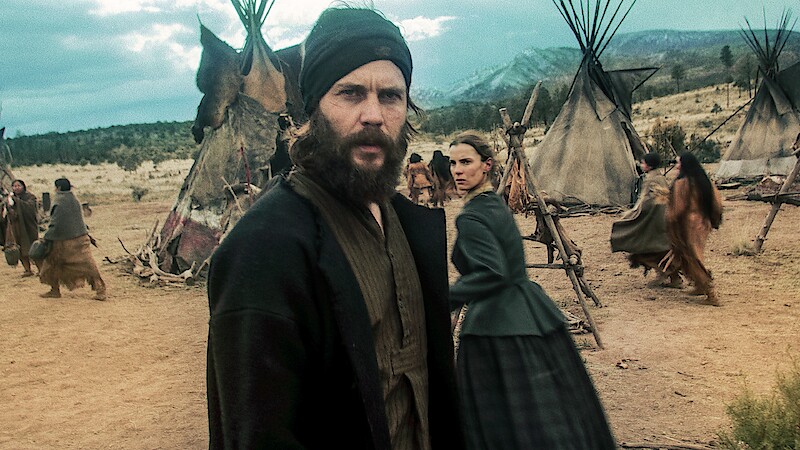
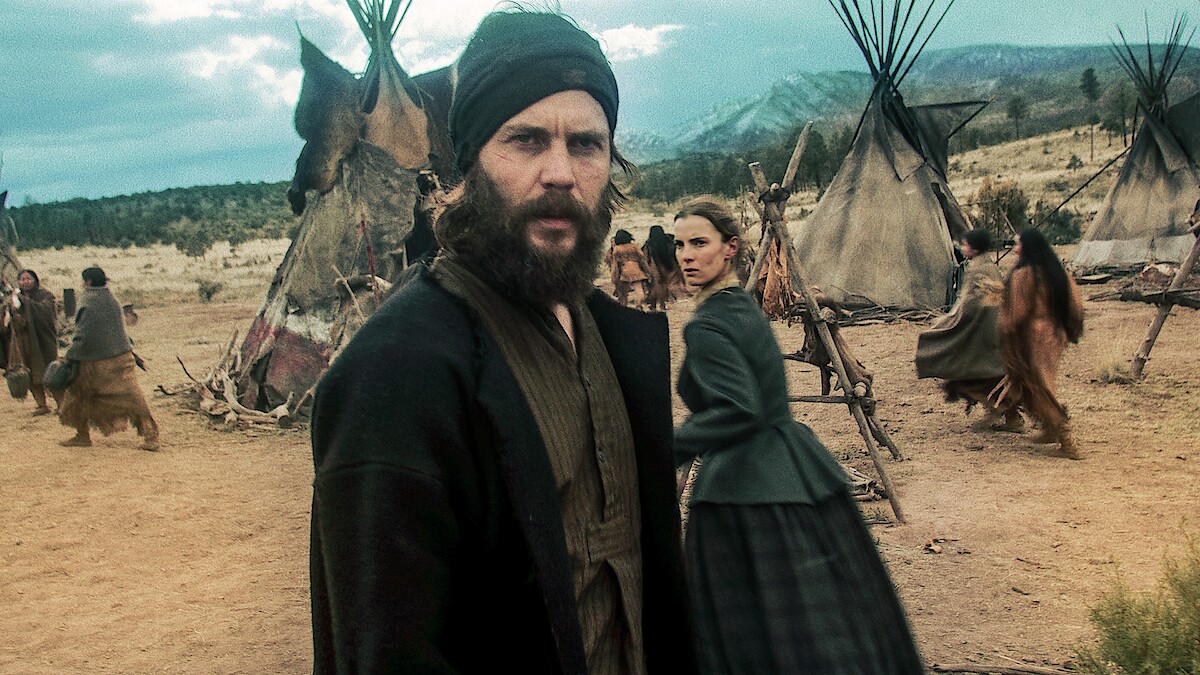
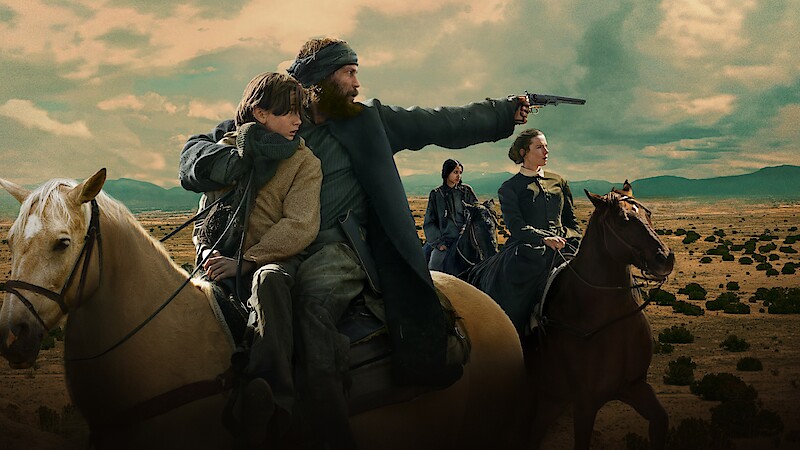
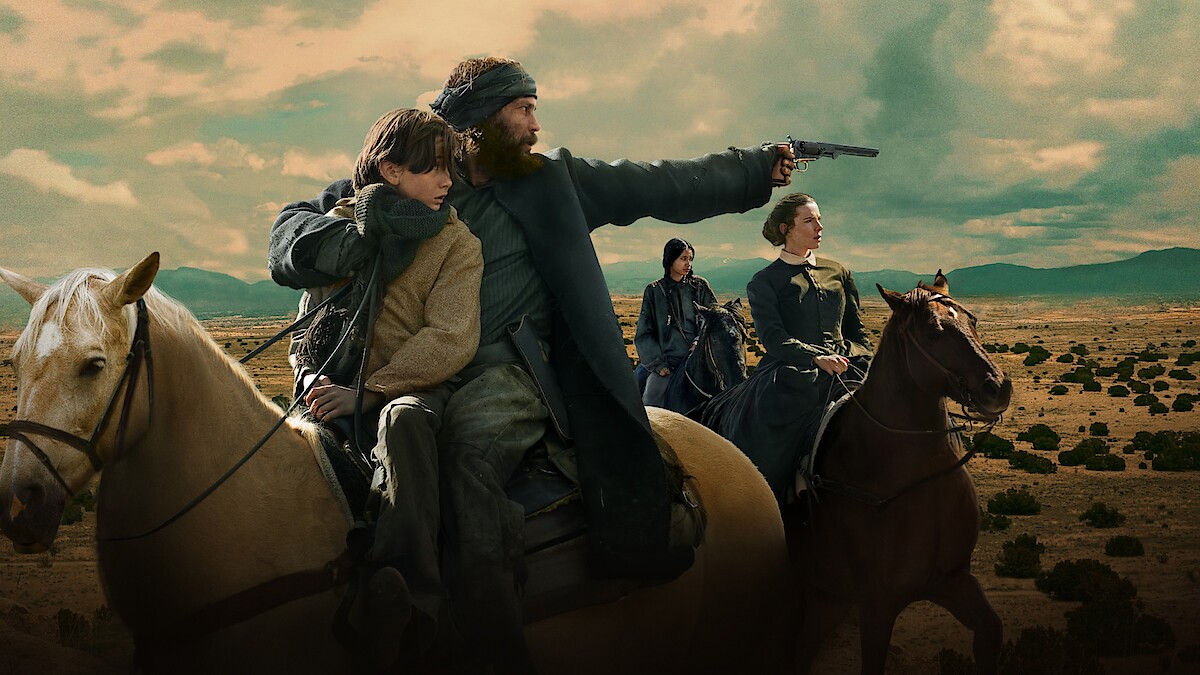
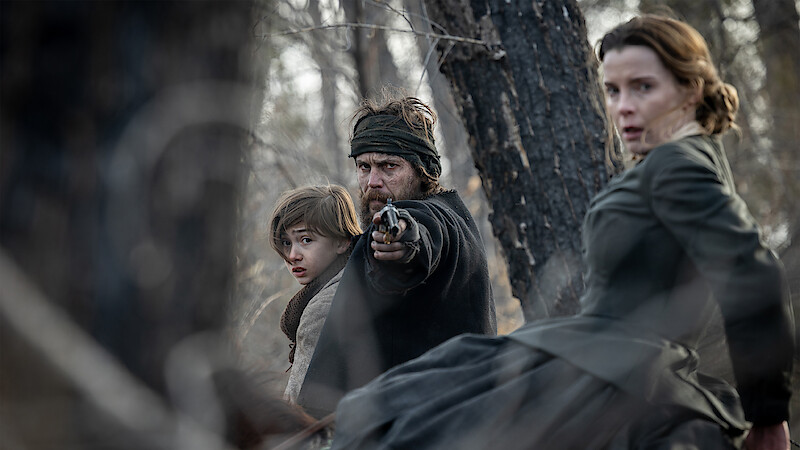
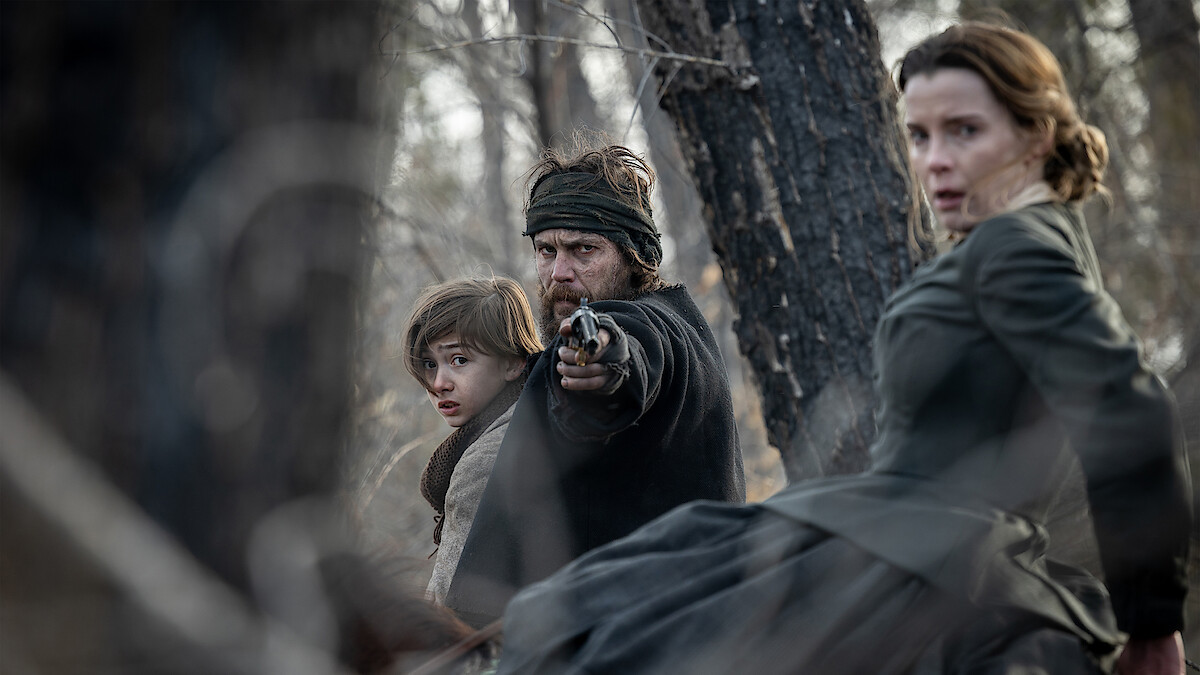
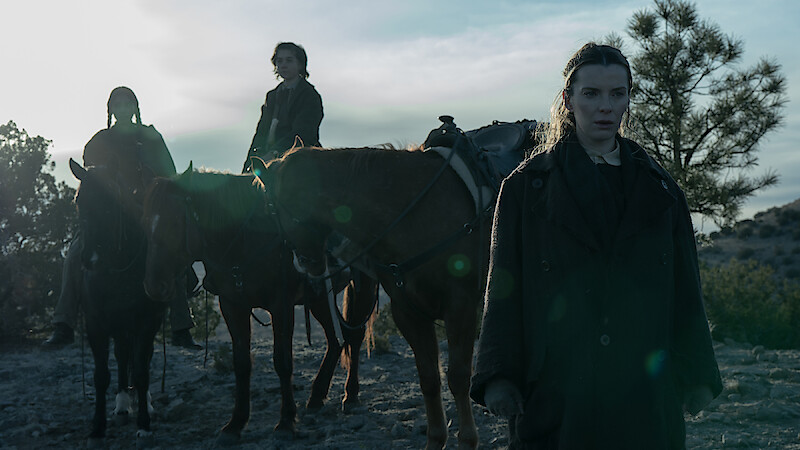
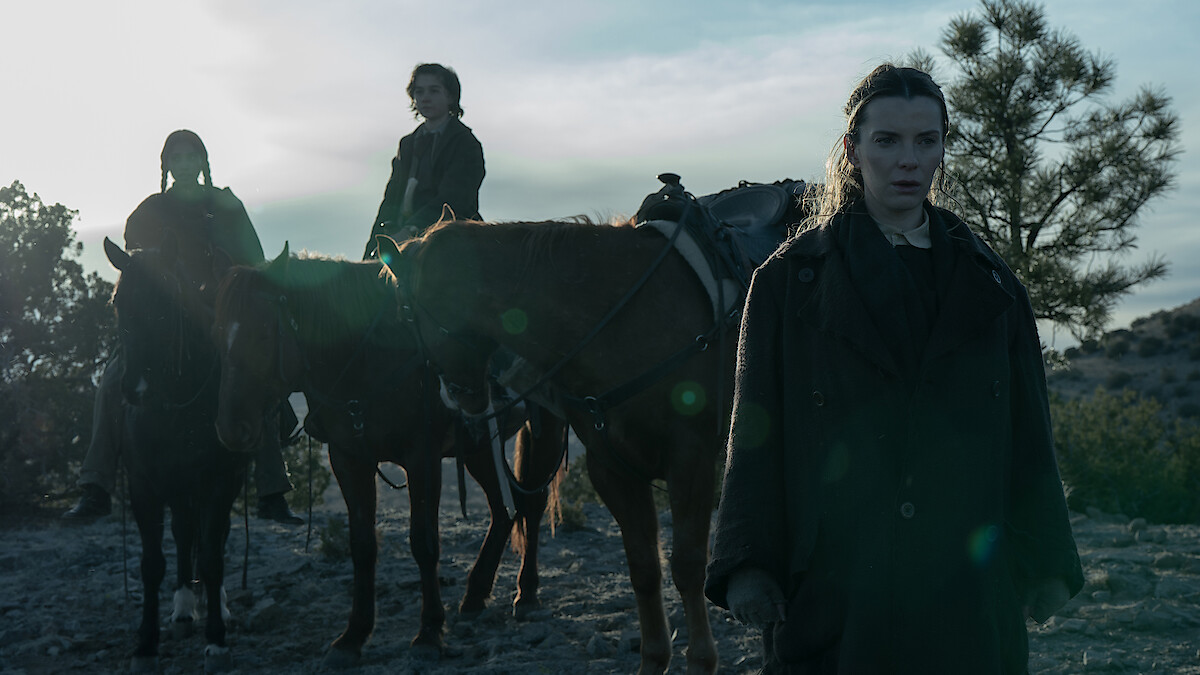
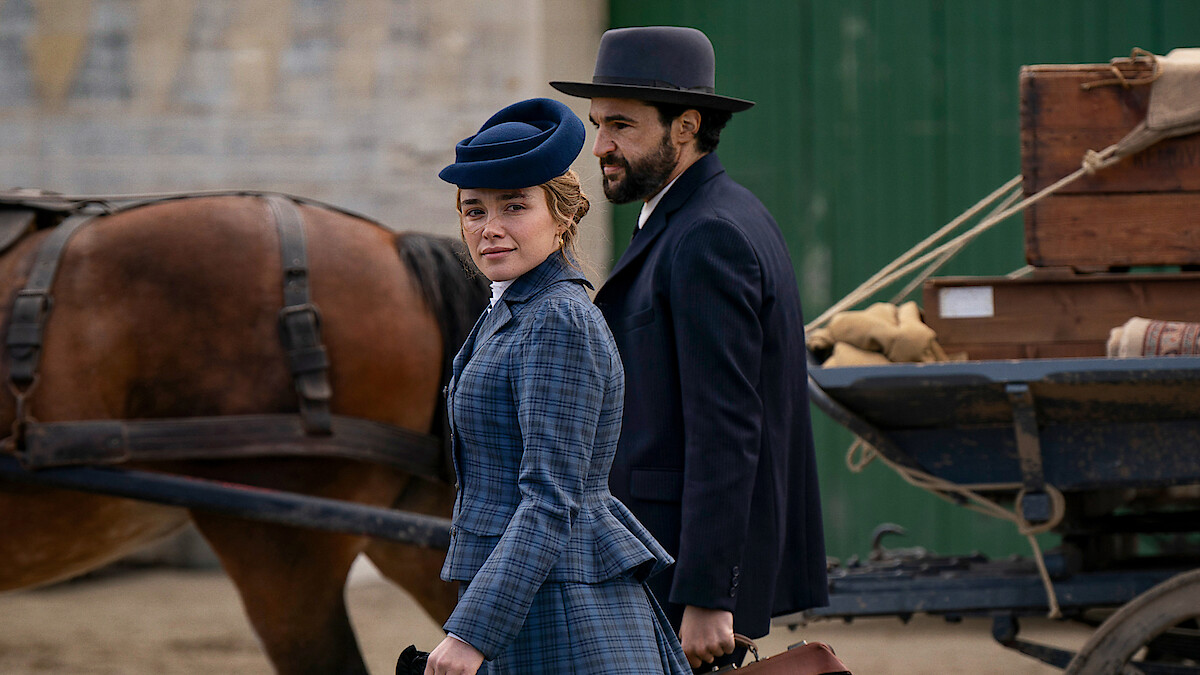
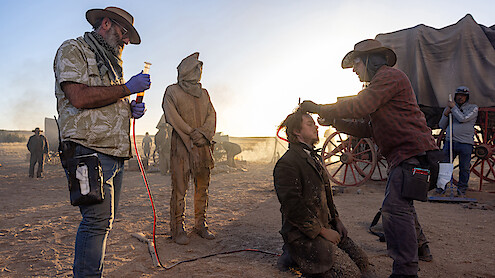
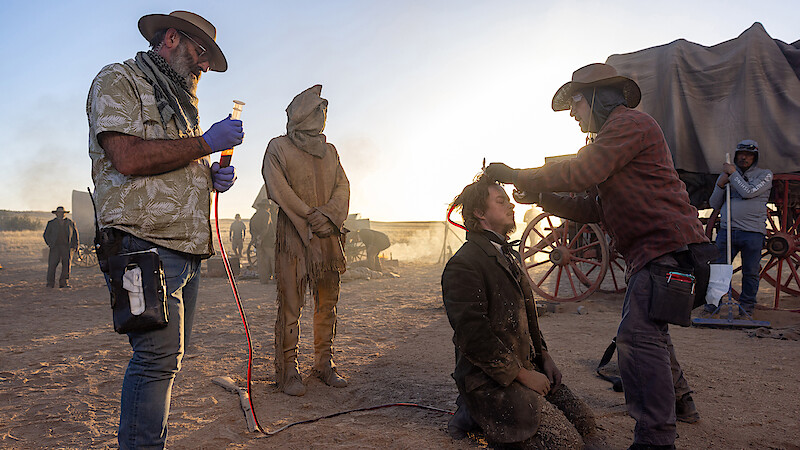
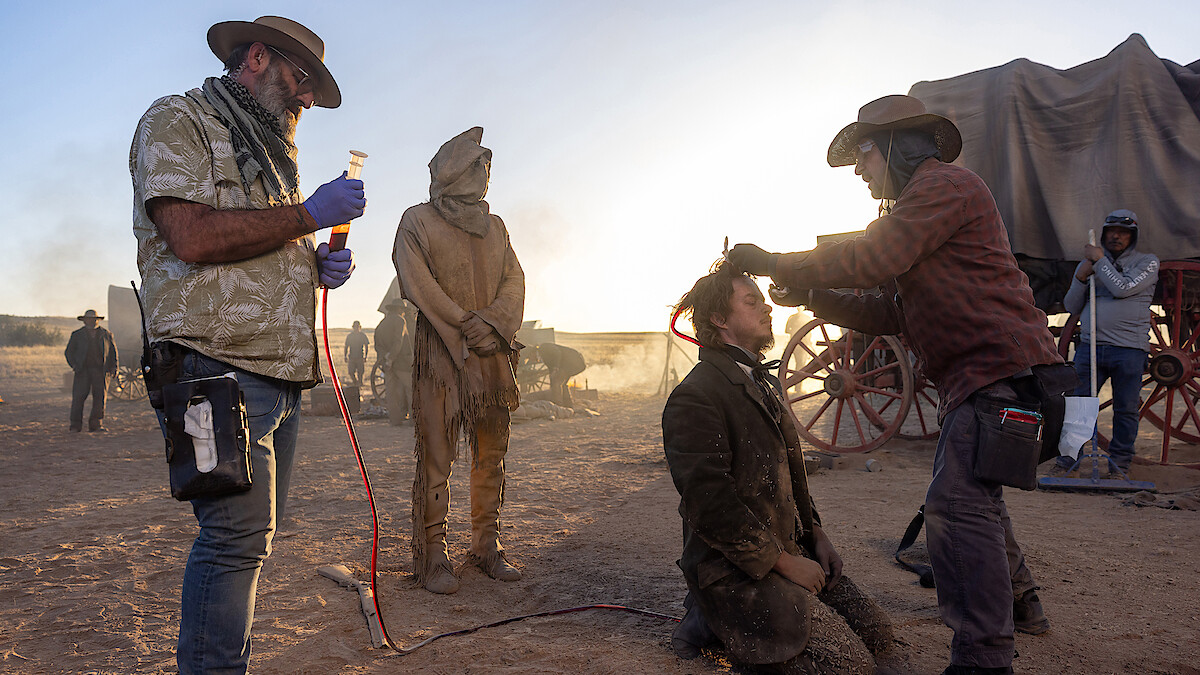
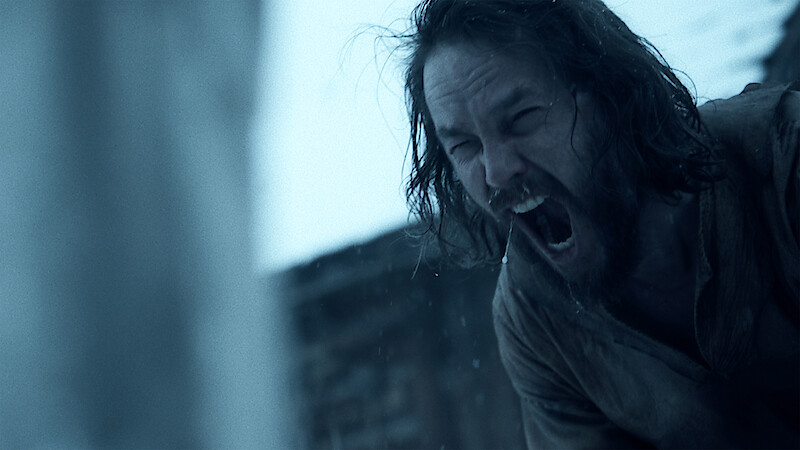
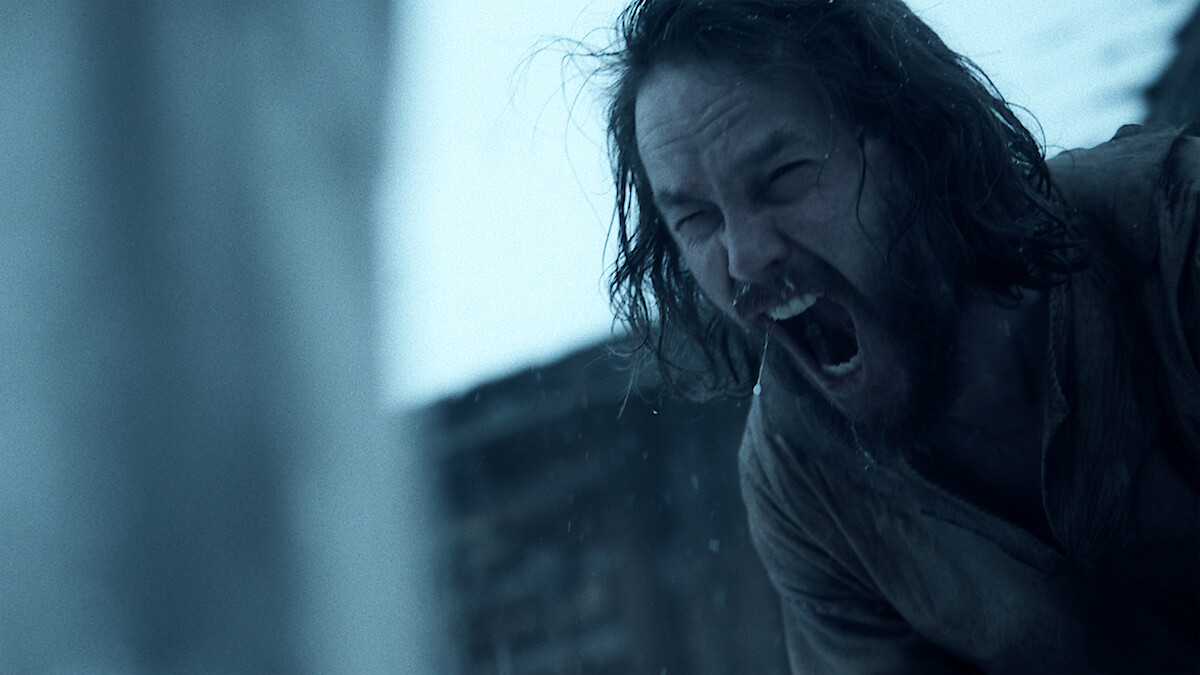
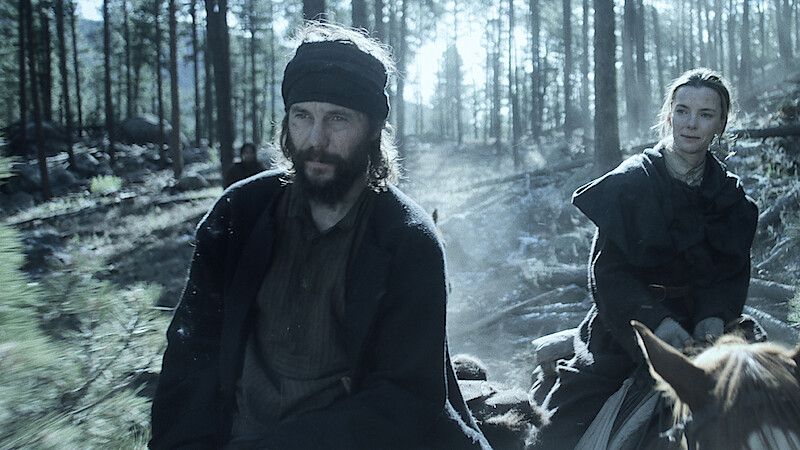
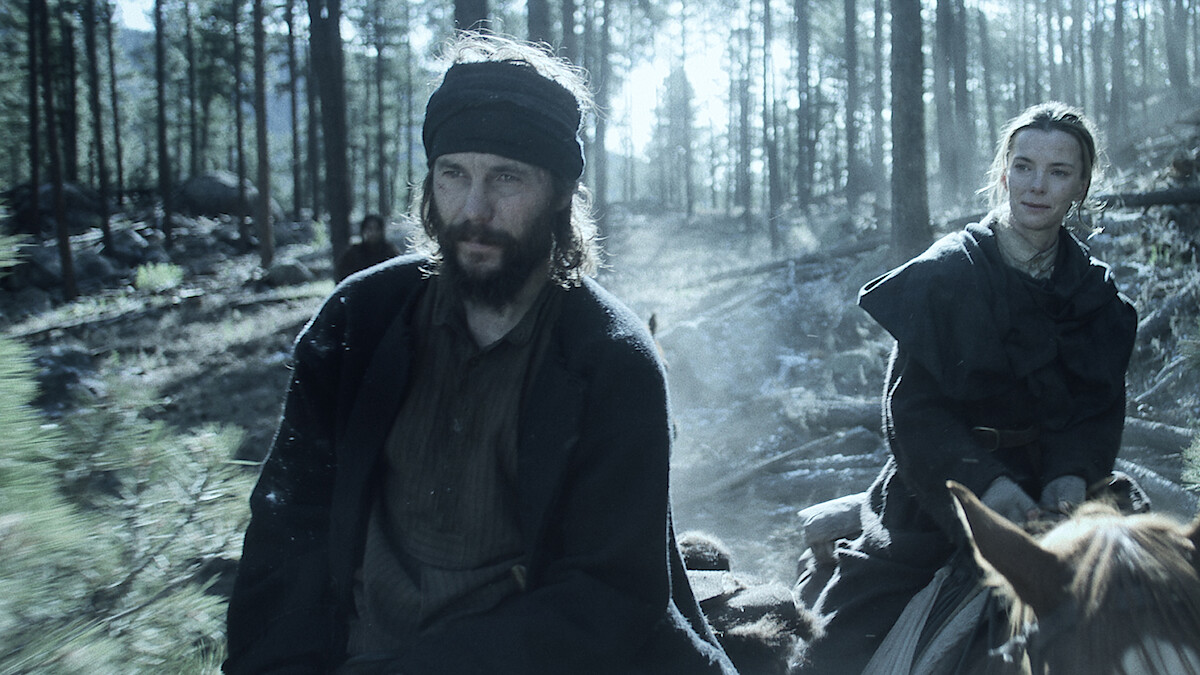
In the upcoming limited series American Primeval, authenticity is key across all storylines and world-building elements — especially when it comes to the on-screen portrayal of Native storylines.
Written by Mark L. Smith (The Midnight Sky, The Revenant, Overlord), with Eric Newman (Griselda, The Watcher, Narcos, Narcos: Mexico) serving as showrunner and executive producer, American Primeval is a fictionalized dramatization set in 1857. The limited series is also an examination of the violent collision of culture, religion, and community as men and women fight and die to either keep or claim the lands that make up the brutal American frontier. Among those men and women are multiple Native Tribes who have long occupied the lands — the Shoshone, Paiute, and Ute.
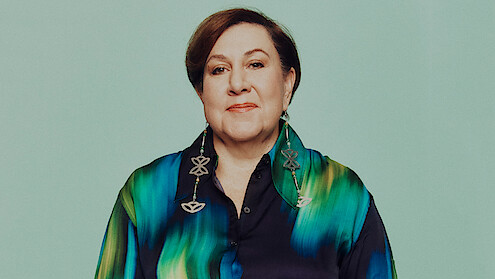
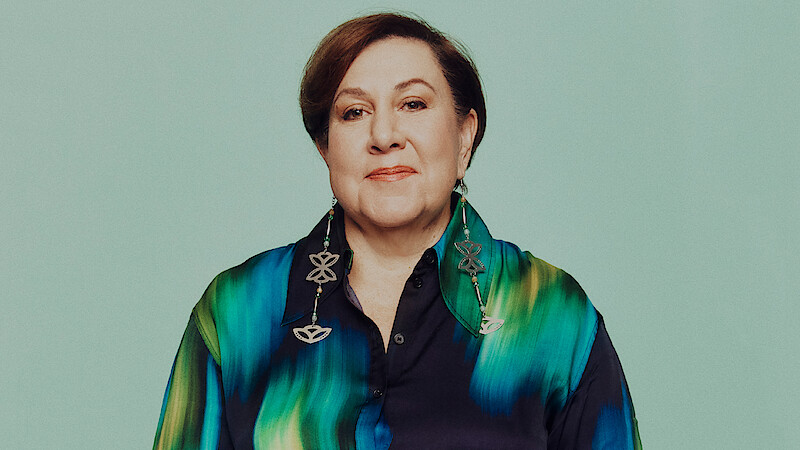
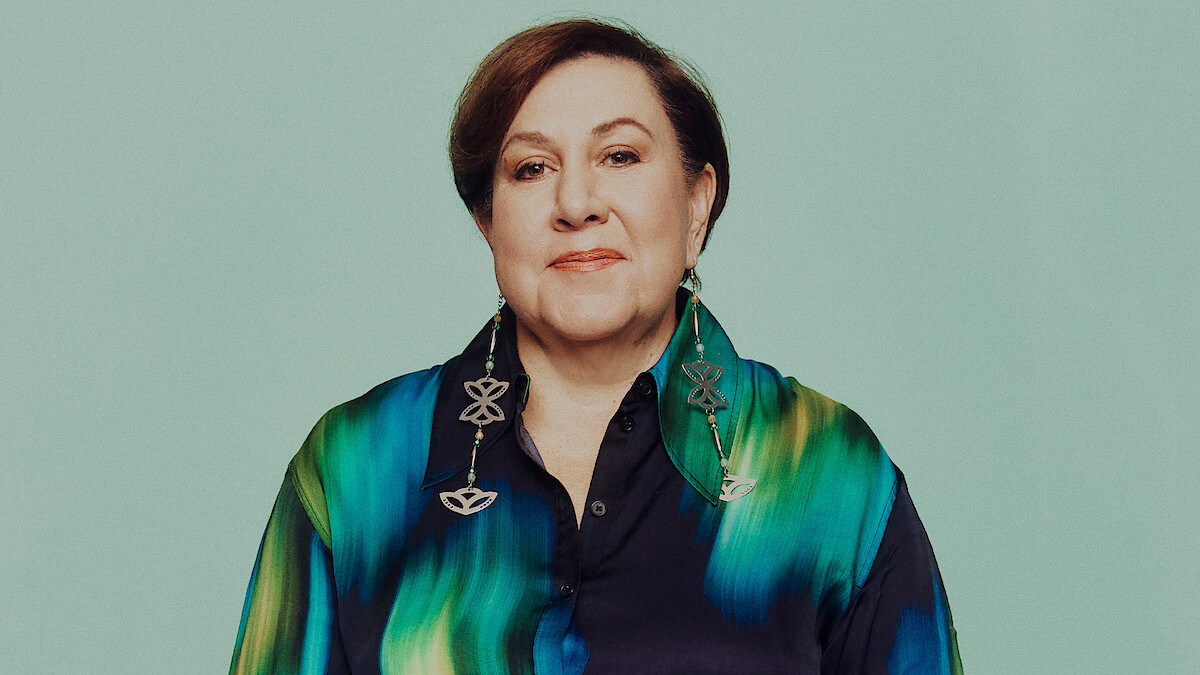
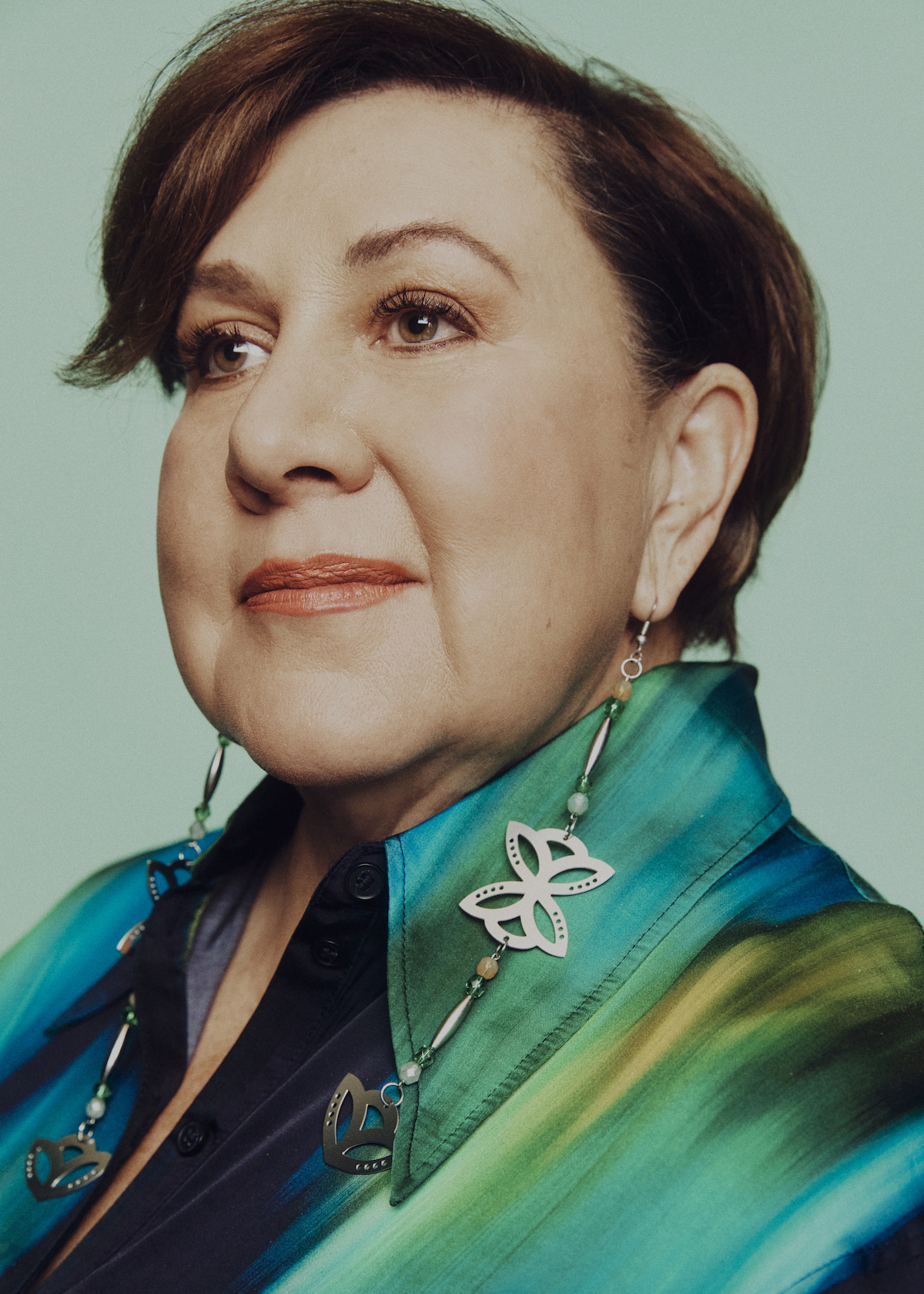
Julie O’Keefe, the Indigenous cultural consultant and project adviser on American Primeval, lent her expertise to the production to ensure authenticity across the Native storylines spanning the vast, epic story.
Director and executive producer Peter Berg (Painkiller, Friday Night Lights, Lone Survivor) says, “Julie was there every day making sure that we got it right — that we got the hair right, the jewelry right, the clothes right, the language right, the behavior right, for the time period and Nations. I knew what I didn’t know, and she was extremely valuable in helping us all make sure that we did get it right. We’re very mindful of how important it is that all of these different groups are honored, that our research and depictions are accurate.”
Below, O’Keefe shares all the details behind her meticulous work across American Primeval.
Tell us how you first got involved in American Primeval. How were you approached to lend your expertise to this story?
I received a call from Virginia Johnson, the costume designer, in January 2024. She was looking for some items to be made and had spoken with Jacqueline West, the costume designer from Killers of the Flower Moon, about a recommendation for a Native consultant regarding costume development and buying. Three different Tribal Nations are involved in the story. The time period is 1857. The department heads had been working since October on the project, had cultural questions about symbols, tipis versus longhouses, language, warbonnets, hairstyles, style of moccasins, props, food, burial rites, clan names — everything pertaining to the culture of how these three different Tribal Nations lived. My approach comes from an academic approach focused on authenticity. It is assumed by the majority in Hollywood that one person can answer any “Native American” question. There are 574 federally recognized Tribal Nations in the US, so that is literally impossible. The goal for a Native consultant, even though I refer to myself as an “Indigenous cultural consultant,” is to make sure the director and all departments are provided with the accurate information so that different Tribal cultures are not borrowed or mixed together to portray some kind of a hodgepodge of cultures that have nothing to do with the Tribe being portrayed. Imagine if you buried the Pope in lederhosen with a Buddhist nun officiating Catholic rites, while everyone danced with a Union Jack flag. That is what it looks like to see your culture misrepresented.
What’s your specific background in your area of expertise? Tell us a little bit about your knowledge base and particular skill set, and how it applies to American Primeval.
I have a background in product development in fabrics and furniture. A lot of the skills that are used to produce products can be used to produce anything. I began importing fabrics and designing clothing for Osages in my Tribe and opened a small design shop called the Cedar Chest. I produced traditional Osage clothing. I also sat on the Counsel of the National Museum of the American Indian Smithsonian in Washington, DC. That connection allowed me to research their archives and, as a Native art consultant, I work with a lot of well-known Native artists all over the country. I worked with American Primeval department heads using my network of Native artists in every medium to produce 3,000 items for the show in costuming, for the art department, for set, and props. I set up three workrooms in each of the Tribal Nations involved in the story. Any overflow went to other Tribal artisans throughout the US. So not only did Netflix support the Tribal artisans in Shoshone, Southern Paiute, and Ute communities, but also Tribal artisans across the US. Each one of the department heads was committed to authenticity, which is what brings cultural richness to the story.
As a consultant, what was your specific level of involvement on the show? Did you work with the actors and creative teams like production design and costuming, and did you come to the set?
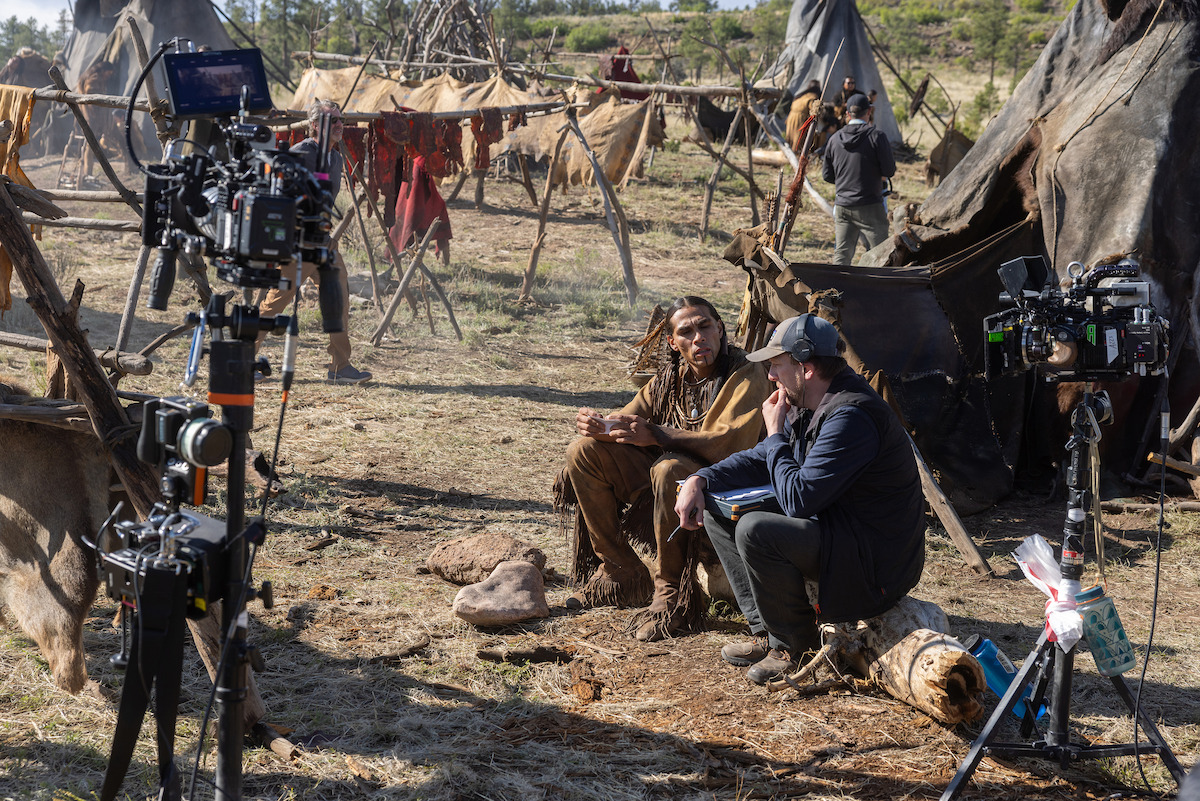
My job on the show was to manage organized teams of cultural experts from [the] Tribes involved. Artisans, traditional language speakers from each Tribe, and cultural experts were engaged to create and advise every department. I also researched and used my network to create authentic camps for the Shoshone, Southern Paiute, and Ute with Renée Read for set design, and I worked with Virginia Johnson to help produce period-specific traditional clothing for principal characters and background characters. Also, I resourced materials such as buffalo hide, elk skin, buckskin, beads, broadcloth, and blankets, following photos and research done by Virginia and the other department teams.
What characters and storylines did you advise on specifically?
I had Tribal experts read through the script to give advice on any changes that should be made to the script. When Native language was involved or changed, that usually happened on set. As you know, when a director is working behind the camera, sometimes what is on paper does not come across the same as what we see on camera. Pete Berg added a lot more Shoshone language into the dialogue, which is wonderful for Native communities to see. There is nothing better for a Native person than to see our languages that we struggled to maintain portrayed accurately for audiences. Pete Berg and Netflix were committed to authentic language in the production.
Coming off of your work on Killers of the Flower Moon, what do you feel differentiates American Primeval from past depictions of Native culture you’ve seen and/or been involved with creatively?
I left the research of the creative department heads to create their own depictions of historical figures. They are all artists in their own right, and as a Native art consultant I do not believe that anyone should ever tell an artist what they should do. As an Indigenous cultural consultant, I focus on teaming with each department head and helping them find the right network of people to help achieve their vision of these figures. Commitment and integrity in telling a story has to start at the very top. Netflix, Apple, and Hulu, to name a few, are setting a standard and have made a conscious decision to put their money into authenticity and accuracy involving the portrayal of Native characters. Directors and producers work together to establish the story and then bring in consultants from the actual Tribes involved in the story. These consultants work with the director and the writers to achieve the goal. Native consultants must always start at the beginning of the process, which a lot of people in the industry are just now learning. The days of Gunsmoke and Bonanza are over. No more brown paint or weird symbols painted on people’s faces. Language is authentic. Clothing is not all fashioned after Geronimo, and not everyone is running around in a headdress. Not all Tribes live in tipis — or if they do, it’s not the same type of tipi which you will see in American Primeval.
There’s some extreme violence in the show. In the world of the show, is the level of violence normal for the time period and setting?
As far as the violence in the show, after reading historical accounts of what happened to Native people of that time period, the violence in American Primeval is tame.
The Mountain Meadows Massacre seems like a particularly grueling and intense scene to film. Talk to us about any planning for this that you were involved in and, generally, how you saw it all come together.
For that particular scene, everyone in my department had their nose to the grindstone. Language, war calls, sounds, placement of the camp, costumes, props. All the items that were produced by Natives are in that scene. My place on set is in the script supervisor’s tent. When Pete began to film, and I could see it all coming together on camera, it was mind-blowing.
As an Indigenous cultural consultant and project advisor, how do you advise on the historical accuracy of a story? What’s your source of truth — especially if there aren’t recorded histories of certain populations?
I research and engage the most respected and knowledgeable Native expert from each Tribe involved in a story. Many of our histories are told through storytelling, song, and dance. It’s important to always engage the actual cultural experts and historians from a Tribe. Also, I engage college academics and fluent Tribal linguists.
Could you give us any examples — small or big — that you advised on in order to lend more authenticity to the Native storylines in the show?
American Primeval has a Shoshone “getting ready for war” scene. I went into Sam Tischler’s office one morning — he was our line producer — and said that he should talk with Pete about adding traditional Shoshone singers to the scene. Sam got back that afternoon and said Pete was interested in adding that to the scene. Wayland Bonatsie, who was one of our Shoshone historians, had a drum group that sang traditional Shoshone songs. I worked closely with Virginia Johnson to design the singers’ costumes. I found a Shoshone artist to make a traditional warbonnet for the head singer. Native songs are not written on sheet music. It is all passed down from generation to generation. These songs are hundreds of years old. All the drummers were fitted with costumes. A few weeks later, they drove down with their drums from Crowheart, Wyoming. The first day on set, I took the singers out early so they could see what a set was like — base camp, meals, shuttles, set — and explained what the director would be asking of them. They had their drums set up on set and sat down to practice. The whole set transformed. All the electricians, gaffers, camera crew, everyone stopped what they were doing and just listened. It was amazing! That scene is one of my favorites.
Multiple creative voices on the show have talked specifically about Derek Hinkey’s (Red Feather) amazing contributions to the show. Did you work with him?
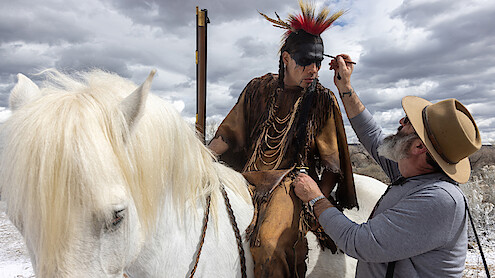
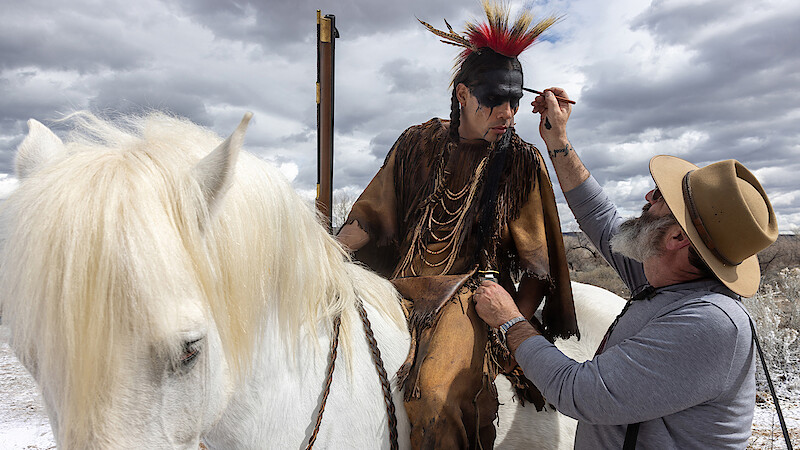
Derek is fabulous! He is dedicated to his work and the Native culture. I worked with artisans for special breastplates for him out of heshe shell that were replicated from the Bill Cody Museum. He also had a fantastic roach (headdress) that he wore made by a master roach maker in Oklahoma. It’s made of porcupine quills, and he used to ride by on his horse and shake his head at me! Dondie Howell, the Shoshone language historian, worked with Derek on language lines and mannerisms.
You’ve spoken specifically about the use of Native language in the show. Can you tell us a bit about that element of your team’s work, and of the storytelling?
For Natives, that was the first thing that was broken in our children through military and mission schools, when we were being acclimated into this culture that was being forced on us: our language. And these children would be placed into military schools and missionary schools and basically not be allowed to speak their language. So we have struggled to maintain those threads, because if you don’t have a language, you don’t have a culture. I don’t think that people realize that you can actually lose your language in three generations. That blows my mind. Who would you be if you didn’t have your language to express yourself? And now we’re able to bring our language back, and a lot of Tribes have immersion schools and different programs within; some of them are federally funded now and are on their reservations. These Tribal programs are working with our children to become fluent speakers again. There’s a huge push. The amount of Native language that is used in American Primeval is breathtaking, and it is such a gift. And I get a little bit teary when I think about it, because for the 574 Tribal Nations that are out there, Netflix and the team on American Primeval were advocating [for them], because they’re helping us push something that we almost lost and a lot of Tribal Nations have lost. Many are scrambling to find who they are. And so that’s one of the elements I’m most proud of within the authenticity of American Primeval; that was something that became paramount in telling this Native part of the story.
Is there any other element of your work on the show that you’re most proud of or most excited for audiences to see?
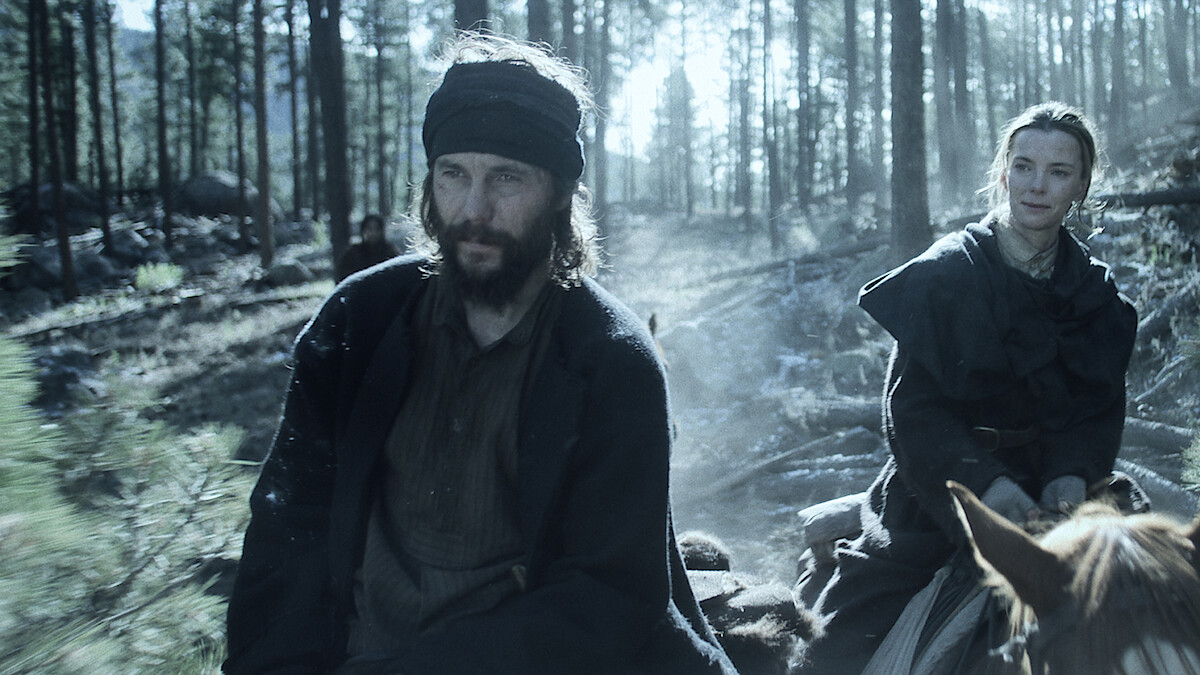
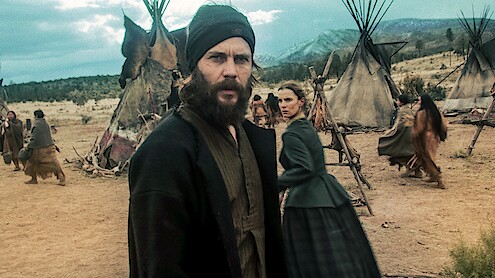
Honestly, all of it! Abish’s (Saura Lightfoot-Leon) dress is replicated from one that Virginia and I found in NMAI Smithsonian photographs from that time period. The beading is traditionally done by well-known artist and Oglala Lakota beader Molly Murphy Adams. There are three particular tipis you see in the Shoshone camp. Renée Read asked if I could have them made in actual hide. I had a well-known tipi maker make two in elk hide and one out of actual buffalo hide, which is rare. Each tipi is made of between 37–40 hides; 120 hides were hand cleaned, cured, waterproofed by fire, and stretched traditionally; 500 pairs of traditional Shoshone moccasins were made out of another 300 hides and made by Shoshone moccasin makers. Virginia researched blankets and replicated them from old trade cloth photos we found at NMAI. Those blankets and cloth items were trade goods that were traded and sold at Fort Bridger. Traditional food was prepared for props, along with war shields replicated from Shoshone war shields that were hundreds of years old. The color selection of red ochre and yellow came from natural plants or nut shells for paint. Winter Bird’s (Irene Bedard) dress had actual elk teeth. What I am most proud of is that Netflix allowed me to work with 150 different Native artisans and consultants. Because of their commitment to authenticity, the art, set, prop, and costume departments put money back into these Native communities, and in return, Natives delivered craftsmanship, authenticity, history, culture, song, dance, dedication, and pride to be able to help Peter Berg and Netflix produce a story that should be told with truth.
What are you hoping your role can do for the Native community at large when it comes to entertainment and representation, and what do you hope to achieve through your role on American Primeval?
I look at my role in the industry as a conduit, connecting the vision of the director and producers to tell their story and engaging the actual Native nations involved in the story to provide accurate information from historians, cultural experts, and linguists from each Nation. My hope was to provide accurate information for the entire production through engagement with Tribal consultants from each one of the Tribes involved. Also, to provide every department in the production access to the Tribal consultants for authenticity for writing, art, set design, makeup, hair, costuming, props, music, and language. And hiring Tribal consultants to be present on set for any language needs or questions from the director and other department heads. I also think it is important for streaming companies like Netflix to put their money back into these communities. Gone are the days when our stories were told from a non-Native perspective. Also, by engaging artisans in these Tribal communities, streaming companies are putting money back into these communities. They are not just ripping off stories but engaging and hiring citizens of the Tribe.
Below are some of the many Native artisans and experts on O’Keefe’s team who contributed to American Primeval:
Hovia Edwards-Yellowjohn (Shoshone Bannock-Navajo)
Pete Yellowjohn (Shoshone Bannock)
Georgette Running Eagle (Shoshone Bannock)
Kugee Supernaw (Quapaw and Osage)
Son Supernaw (Quapaw-Osage and Caddo)
Joe Cheshawalla (Osage)
Debbie Cheshawalla (Choctaw)
Molly Murphy Adams (Oglala Lakota)
Wayland Bonatsie (Eastern Shoshone)
Quinlin Hernandez (Shoshone)
Lyle Oldham (Shoshone)
Whitman Niedo (Shoshone)
Darin Surrell (Shoshone)
Randy’L Teton (Shoshone Bannock)
Bryan Hudson (Eastern Shoshone/Southern Paiute)
Dondie Howell (Eastern Shoshone)
Shanandoah Anderson (Southern Paiute)
Lynette St. Clair (Eastern Shoshone)
AJ Kanip (Ute)
Joetta Bitsuie (Ute)
Donald Yellow Eagle (Comanche)
Robert Perry (Shoshone Bannock)
Georgette Yelloweagle (Shoshone Bannock)
Watch American Primeval on Netflix, Jan. 9.