
Deep Dive
American Primeval Takes a New Look at the Old West
Pete Berg, Taylor Kitsch, and Betty Gilpin on making the riveting frontier series.
By Miranda Tsang
Jan. 13, 2025
The American West of the 1850s has often been depicted in films and television in a simplified, almost naive fashion: as a world of ambitious pioneers in their rustic boomtowns. But there are so many knotty, unseen layers to this chapter in history, and Emmy Award–nominated director Pete Berg is hoping to bring light to some of them with the limited series American Primeval, starring Betty Gilpin and Taylor Kitsch.
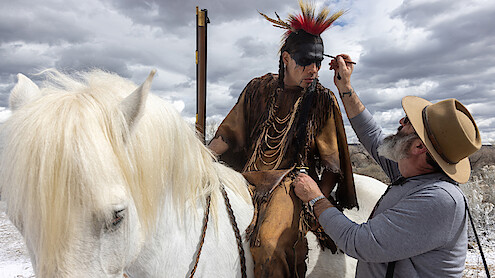
“I read an article on something called the Mountain Meadows Massacre,” Berg explained of the story that led him to American Primeval. “A group of Mormons [got] into a very violent altercation with these pioneers from Arkansas trying to get to California.” It’s a rough, nuanced tale with tricky twists and turns, including brutal violence and a Mormon militia dressing up as members of Shoshone, Paiute, and Ute tribes to trick their enemies. The massacre was part of the Utah War, an 1857 conflict between the US government and Mormons, then a relatively new religious group, who worried that the federal government wanted to restrict their way of life.

This dark moment in history was clearly rich with cinematic potential, and Berg, who’s helmed such series as Painkiller and Friday Night Lights, sought out a screenwriter who would underscore its high stakes and write characters to illustrate the changing times. Mark L. Smith (The Revenant) had expertise in the time period and in creating just the sort of tension Berg was looking for. “I just felt that he had the kind of sensibility to figure out a way of putting a lot of adrenaline into it — making it a great history lesson, but also very entertaining and very emotional,” said the director.
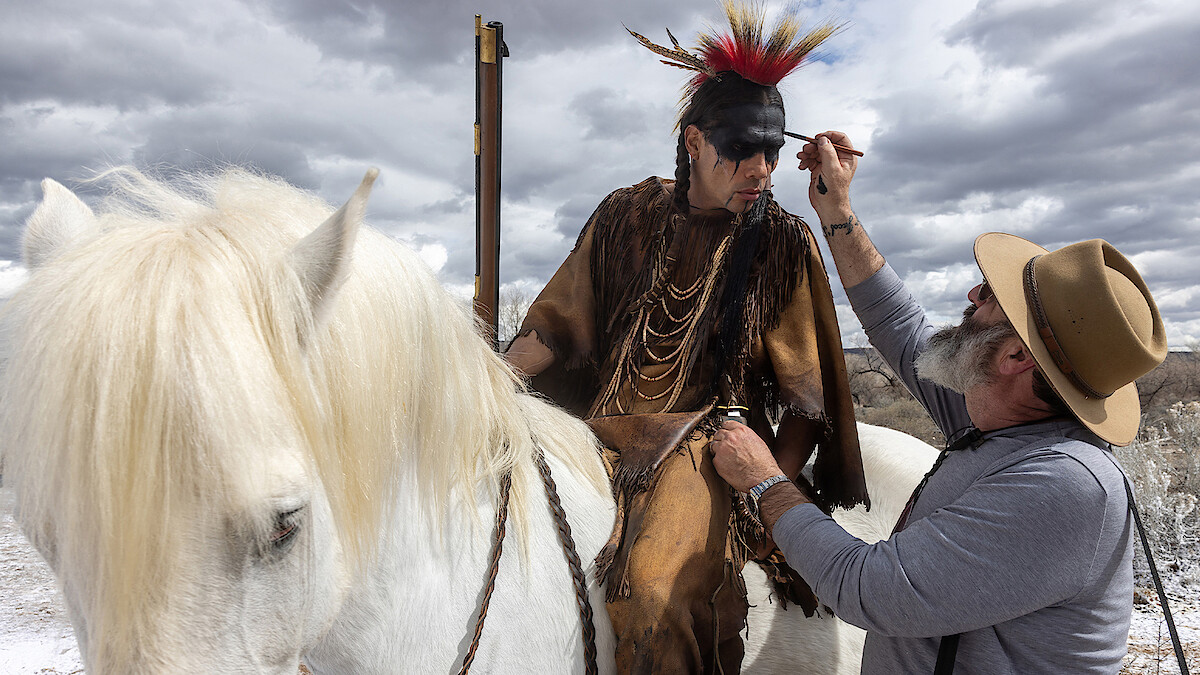
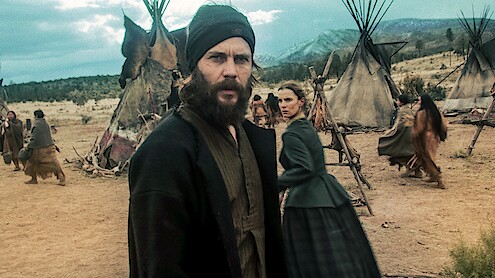
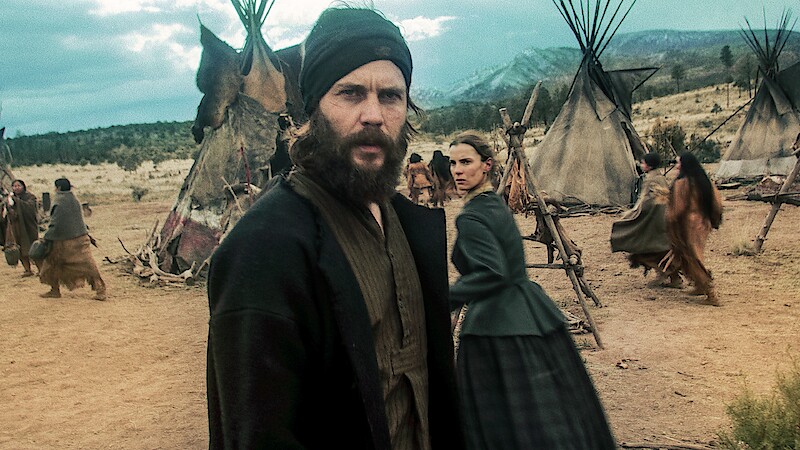
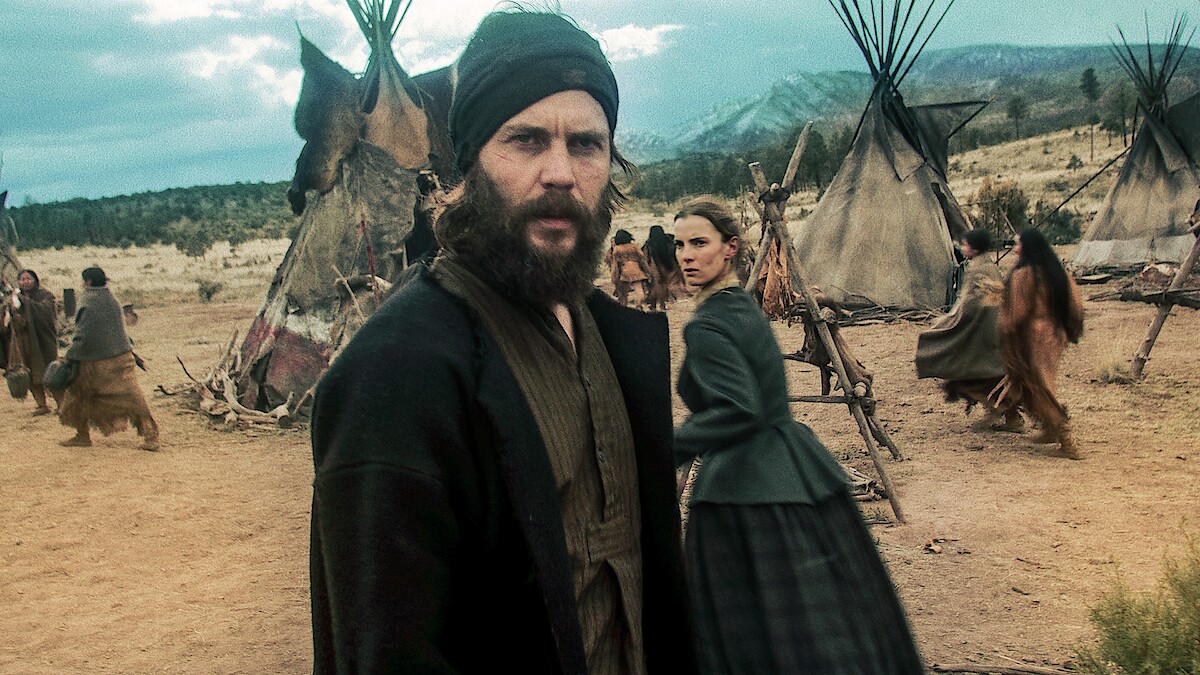
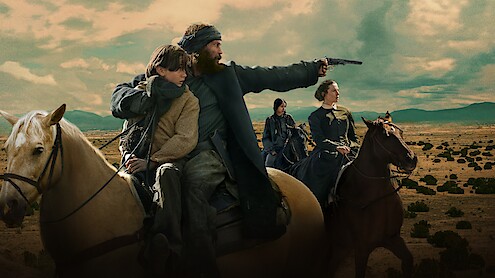
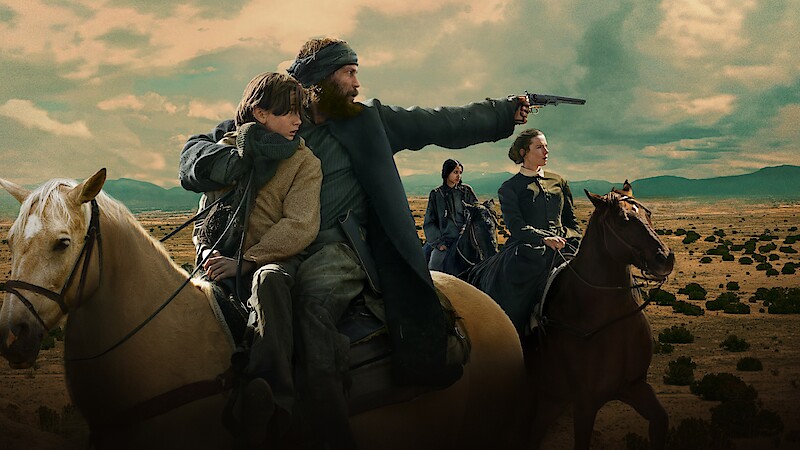
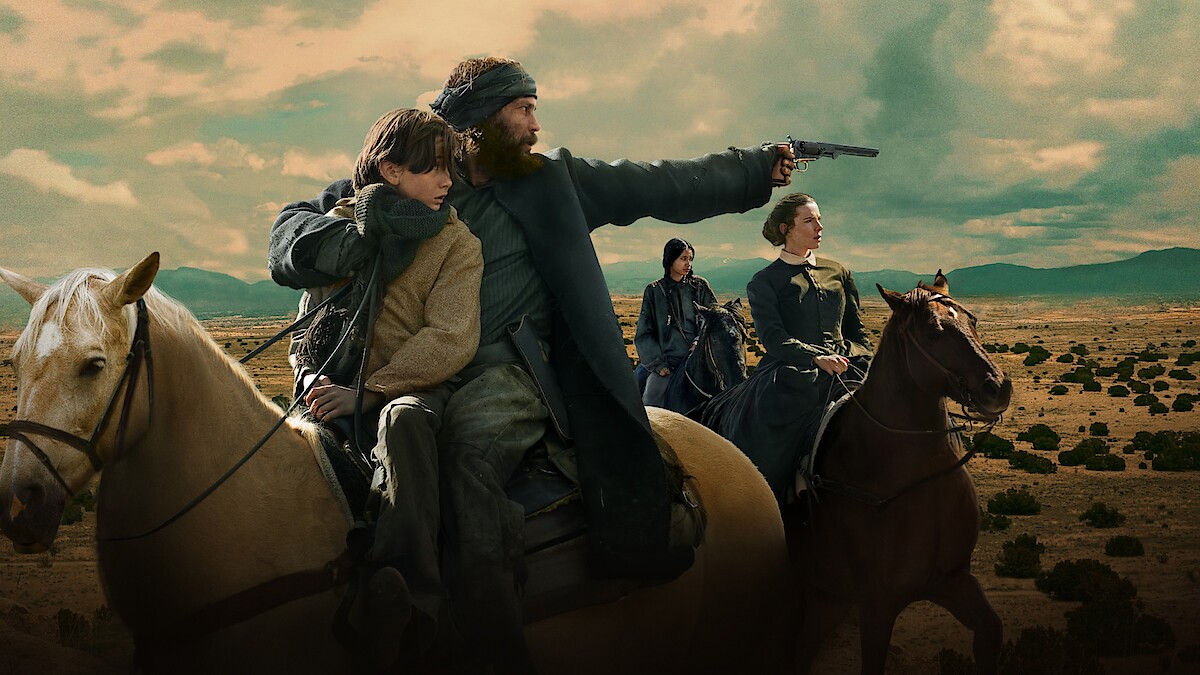
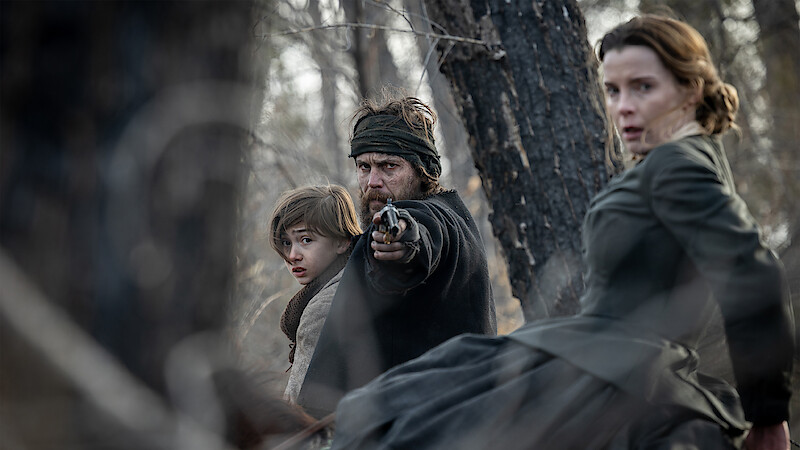
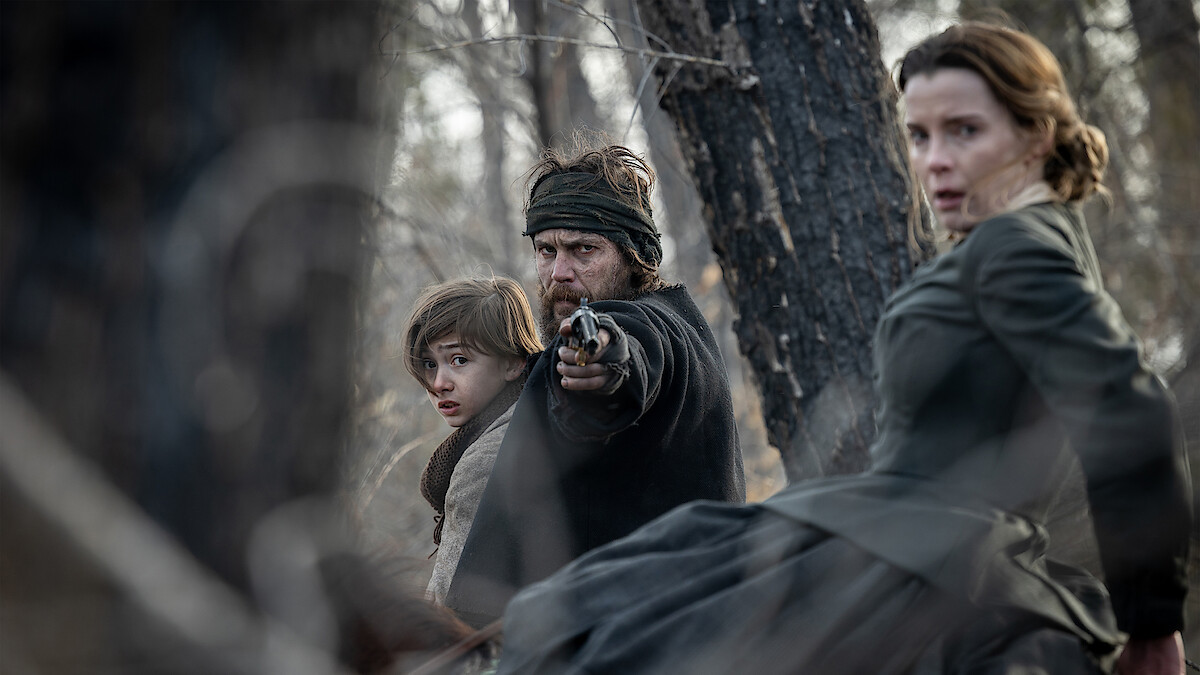
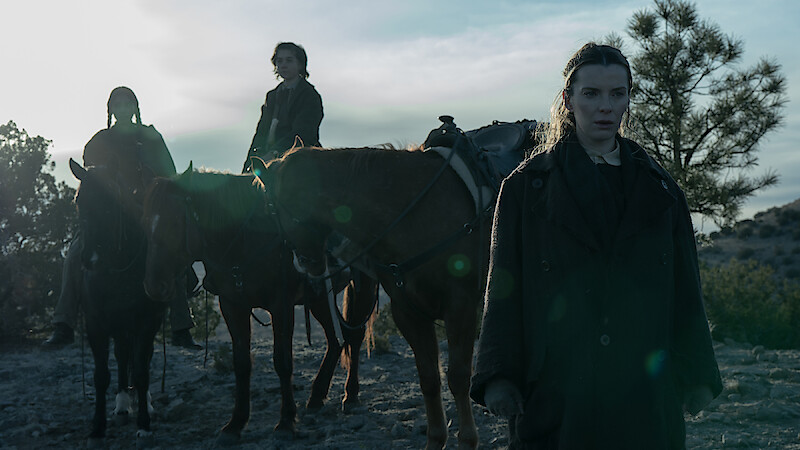
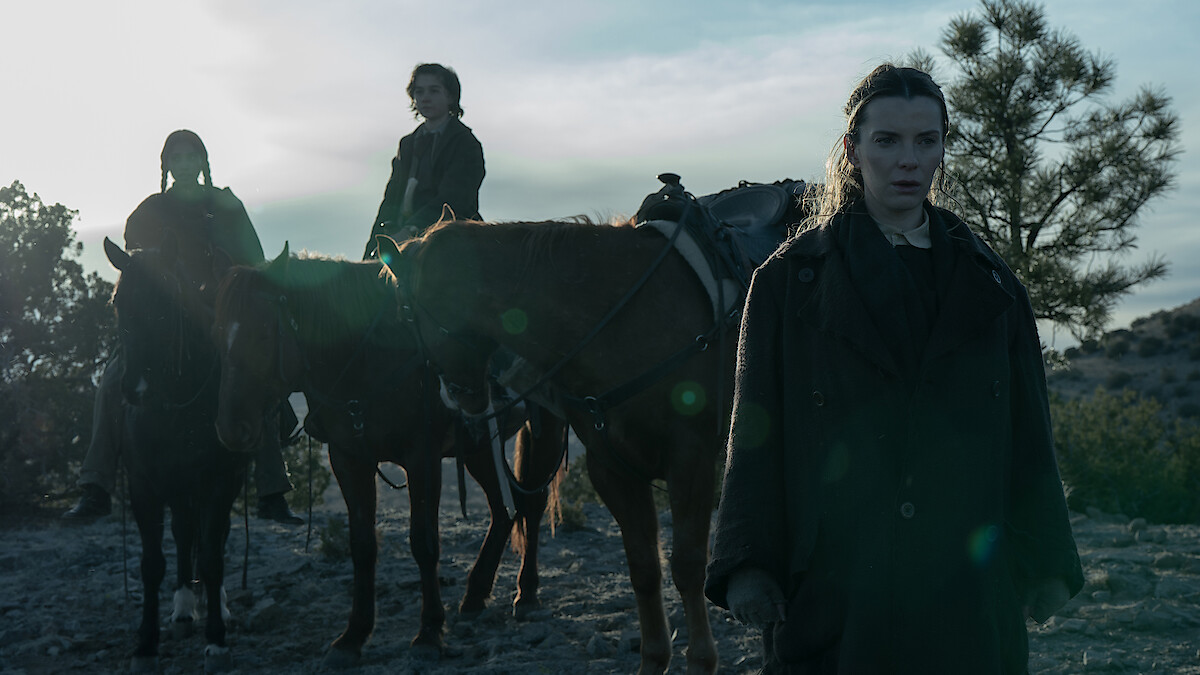
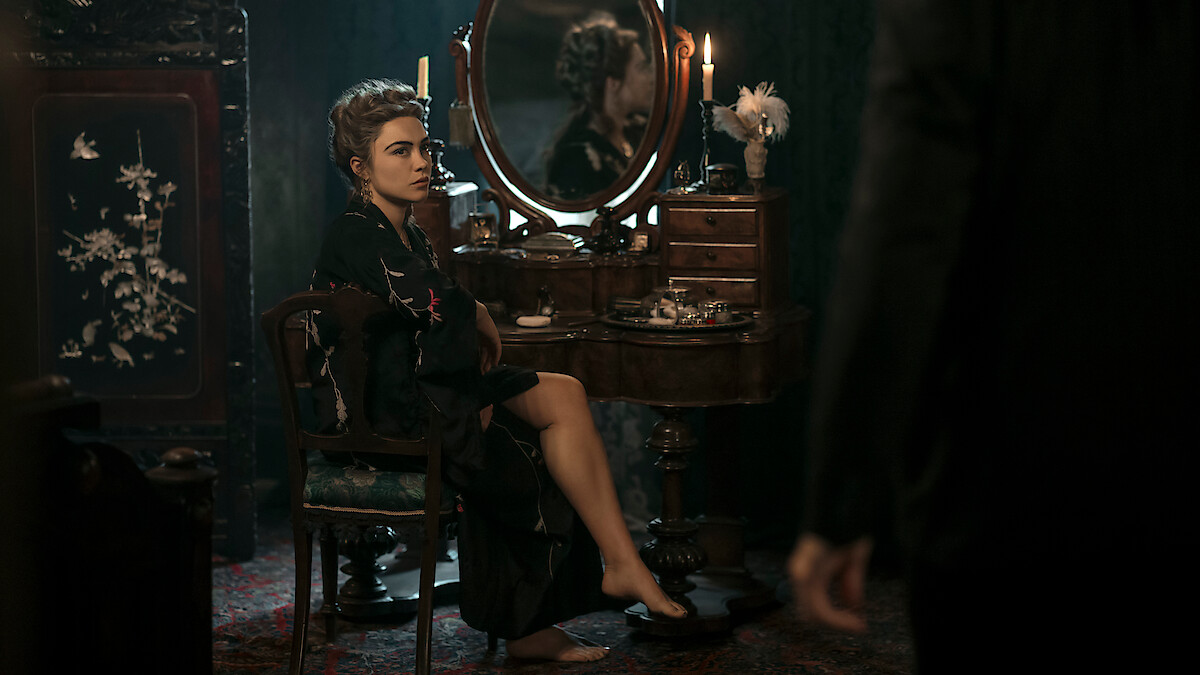
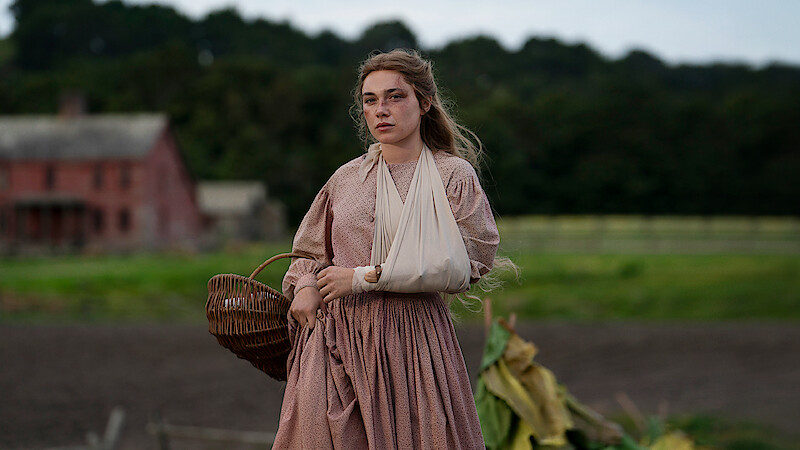
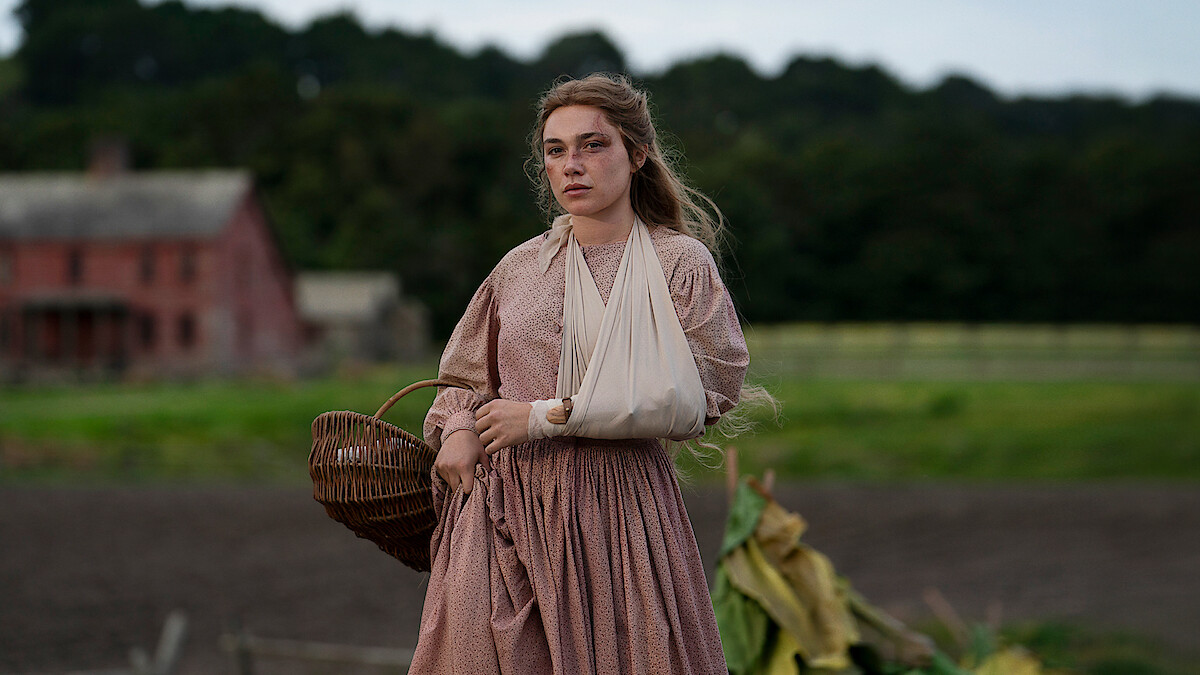
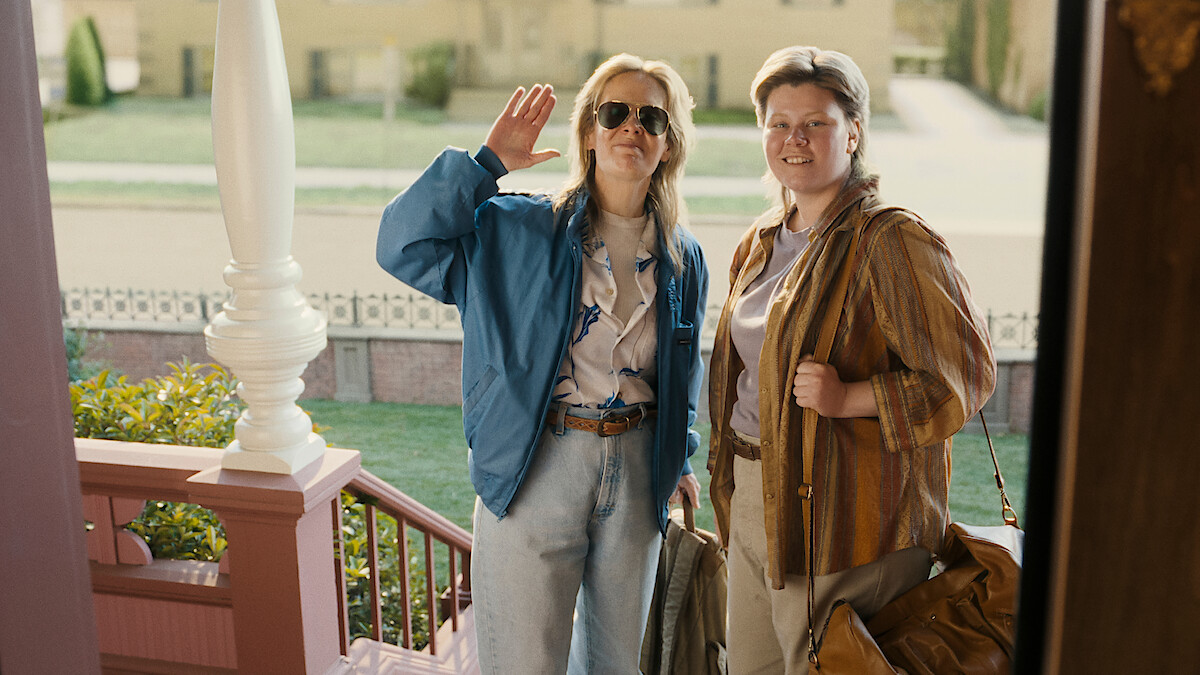
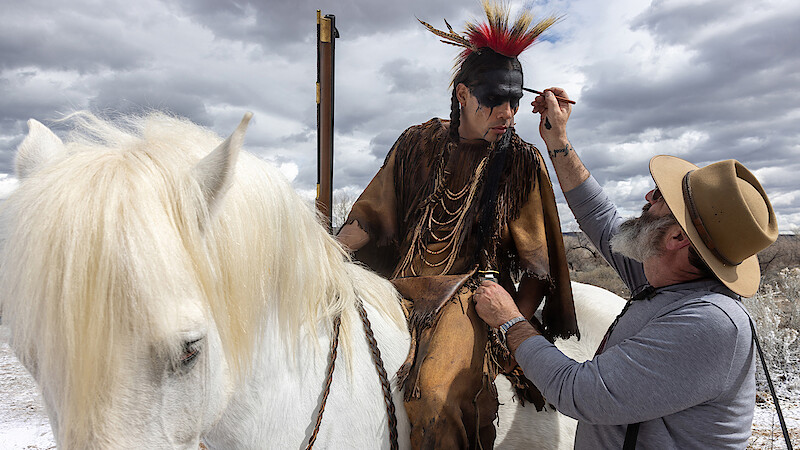
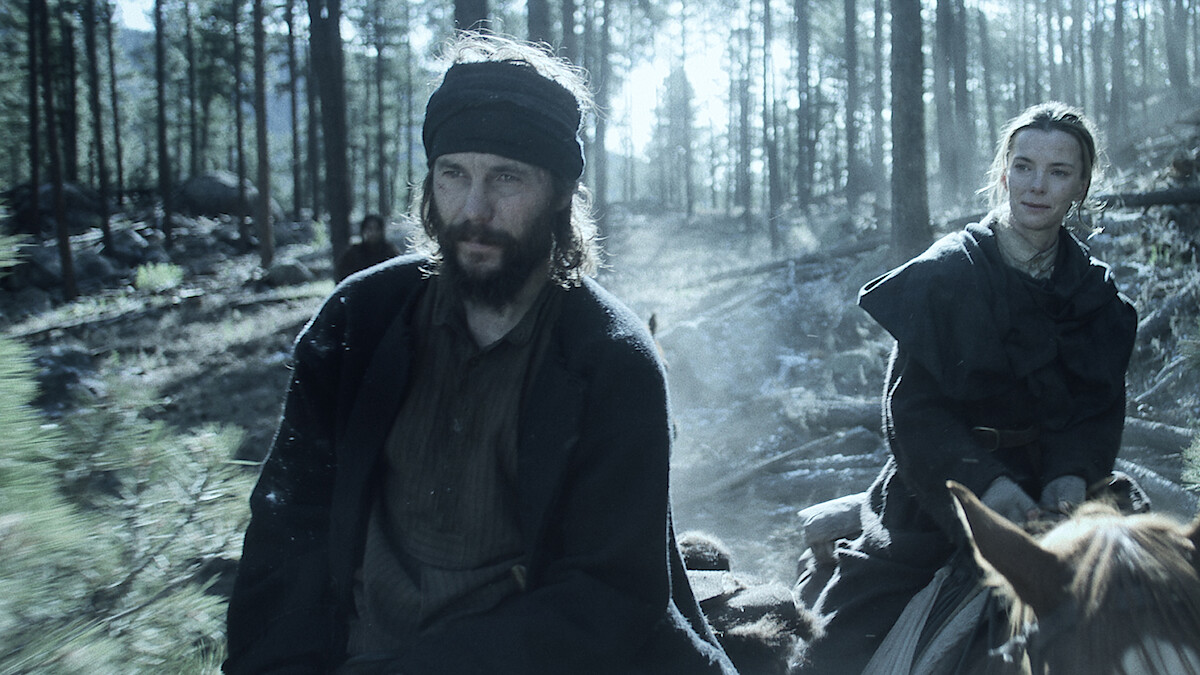
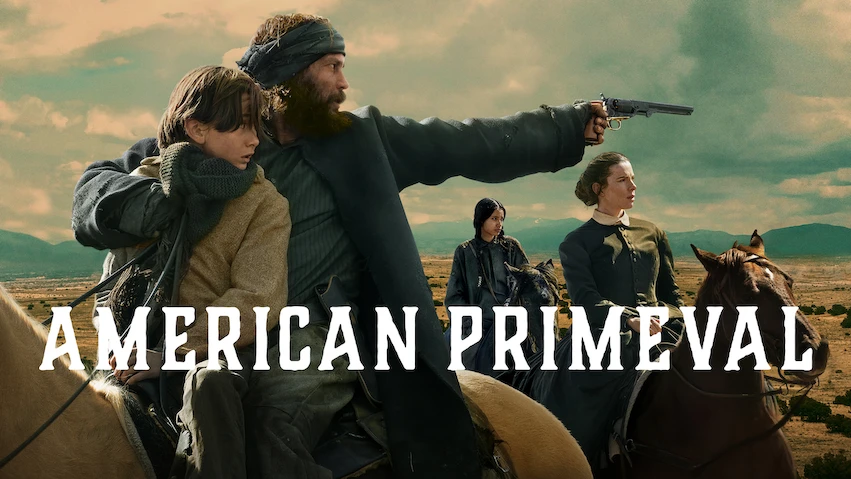
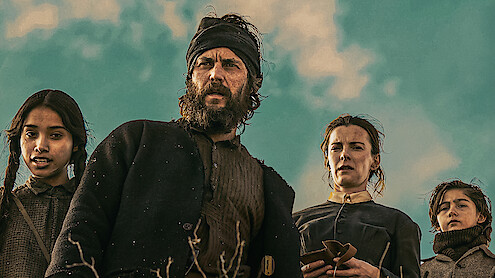
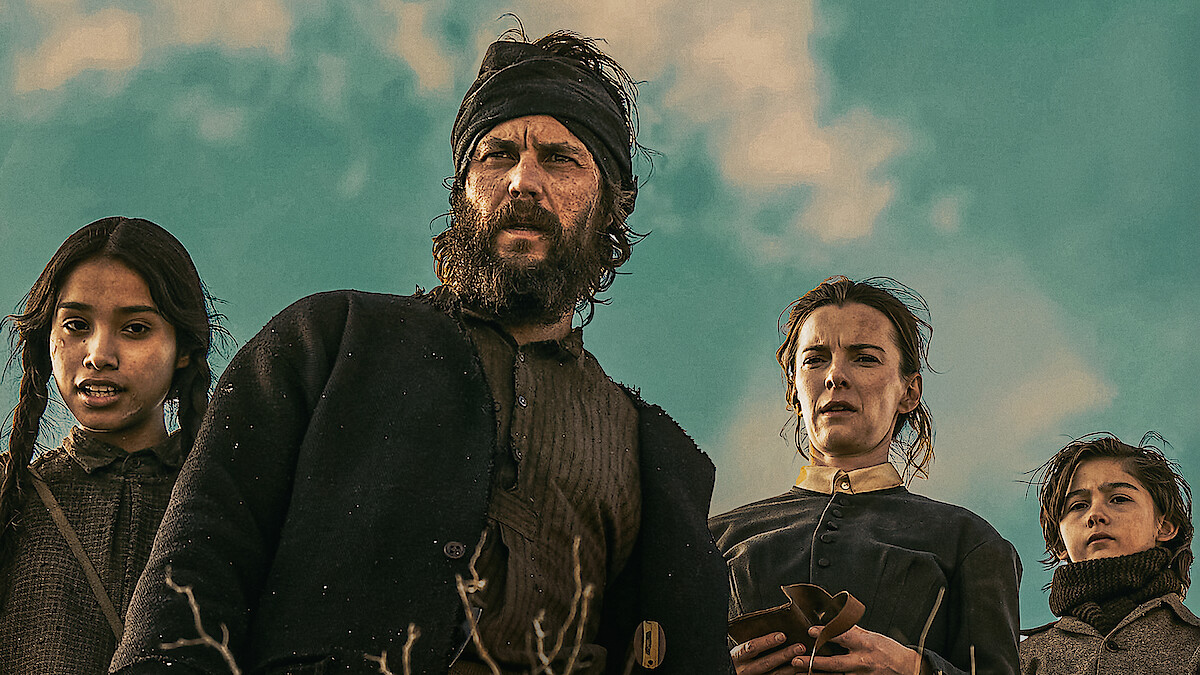
Berg and Smith worked with cultural consultants to depict both the peoples and the period as accurately as possible, while taking creative license to center the story around the fictional Sara (Gilpin) and Devin (Preston Mota), a mother and son hurriedly journeying across the frontier to Utah, where the boy’s father lives. Along the treacherous route, they enlist the hardened, Shoshone-raised white man Isaac (Kitsch) as their guide, forging an unexpectedly close connection with him along the way. They also add a stowaway to their party, who Devin finds hidden beneath the canvas cover of their wagon: Two Moons (Shawnee Pourier), a Shoshone teen who, like Sara, is fleeing a dark past. Together the group moves across a contested Western landscape, battling bandits, profiteers, and the elements at every turn.
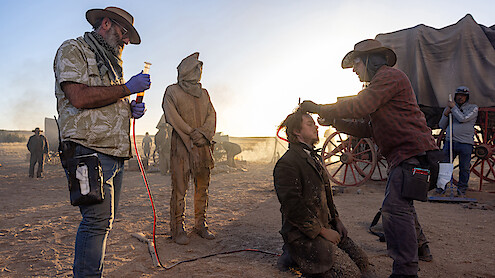
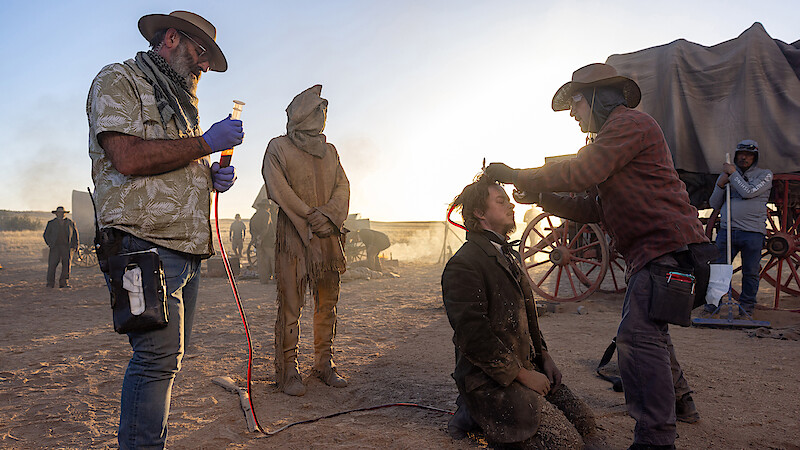
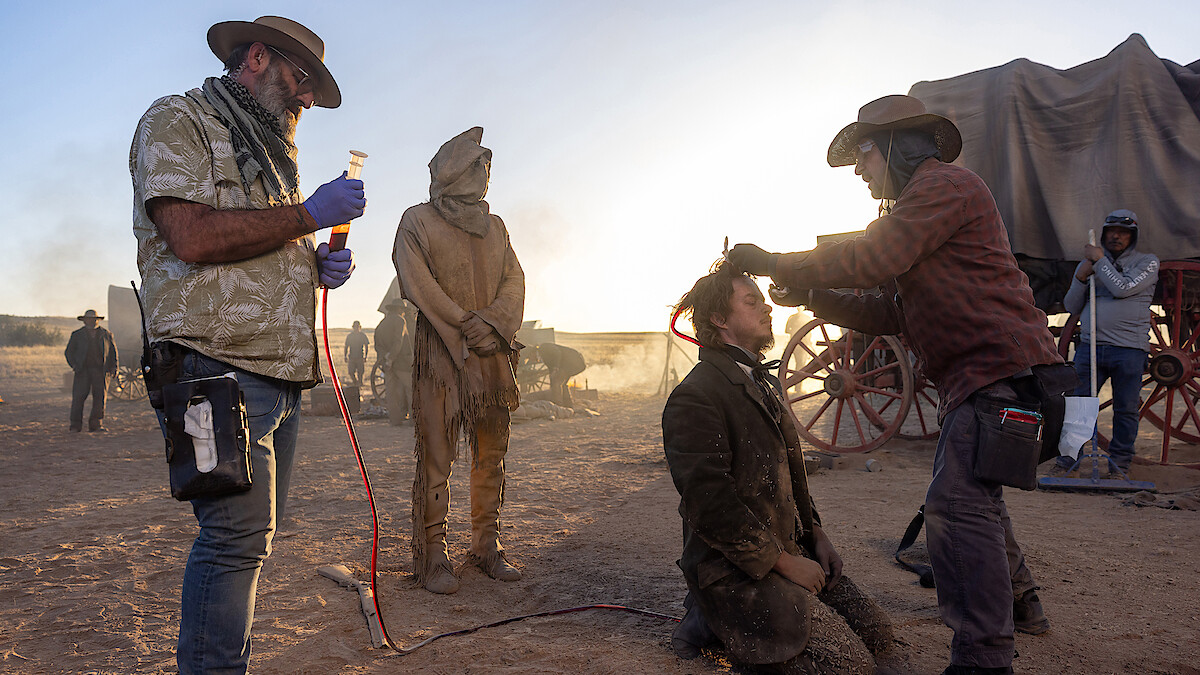
Filming the sweeping epic was an exhilarating challenge for Gilpin, one that involved horseback riding lessons and getting accustomed to doing stunts in corsets and petticoats. “I’m used to controlled soundstage environments and because we were out in the New Mexican elements, the weather one second looked like Palm Springs, and the next second looked like we were in a hurricane. But Pete Berg just rolled with it,” said the actor. “It felt very collaborative, and it felt like going back to acting school almost, where you really had to think on your toes and be ready for anything.”
Berg had been a fan of the Emmy-nominated Gilpin, who starred in the comedy-drama GLOW and the existential science fiction series Mrs. Davis, long before he cast her in American Primeval. “She’s so believable, and there’s nuance and complexity,” he reflected. “I knew she was good, but I didn’t realize exactly how good she is, and working with her was a really great experience for me.” As Gilpin prepared for her role, she researched the rigid society Sara would have come from — upper-class New England — before finding herself in the ever-changing, violent landscape of the territories of the American West. “I liked playing with the idea that in this horrible environment, she was able to access a primal self that she’d had to suffocate in those high society environments,” said the actor. “One that was always there.”

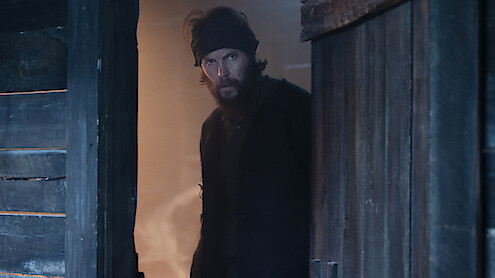
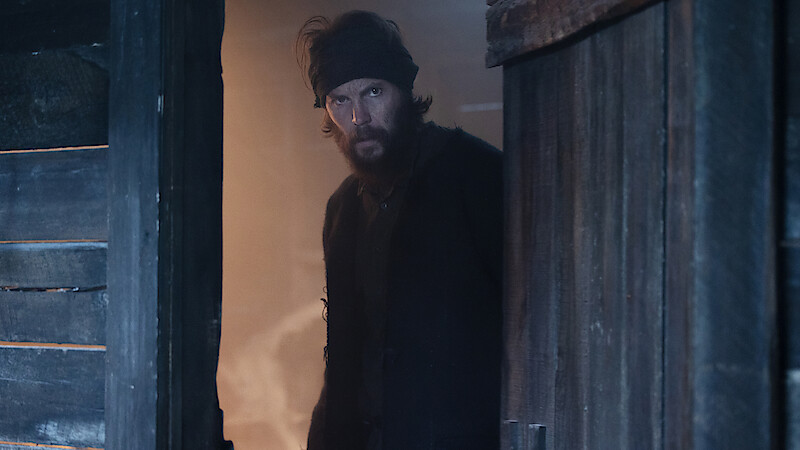
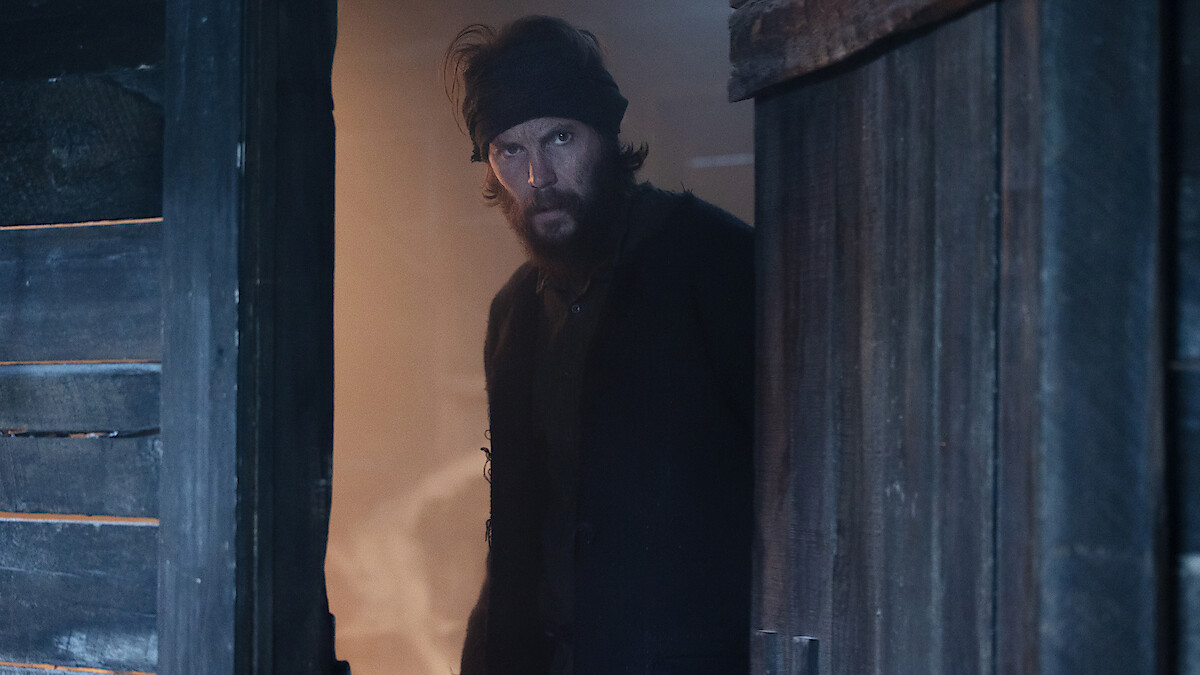
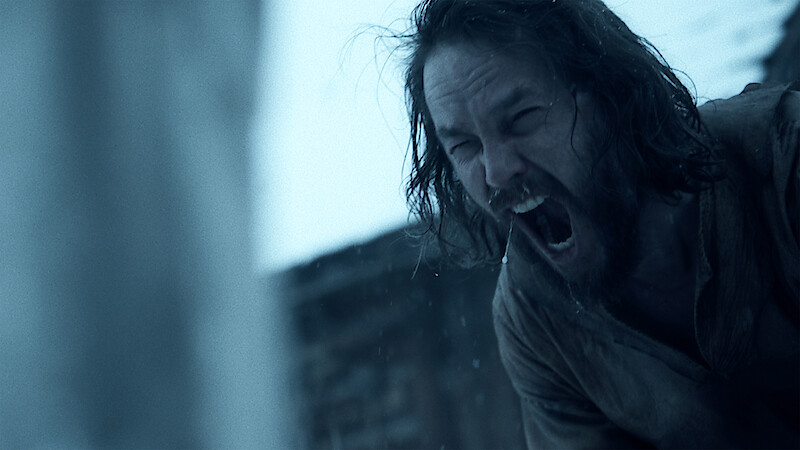
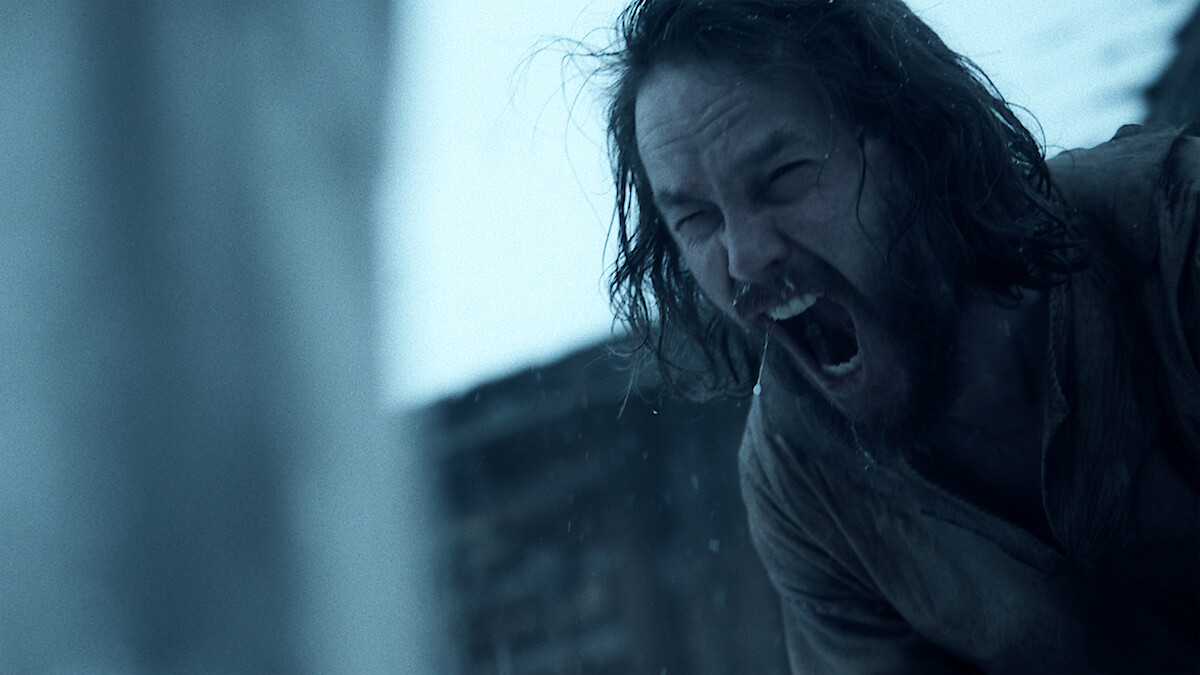
To cast the role of mountain man and guide Isaac, Berg turned to longtime collaborator Kitsch. Ever since Kitsch played fullback/running back Tim Riggins in the hit series Friday Night Lights, he and Berg keep finding more ways to work together. In 2024, the actor earned a Critics Choice Award nomination for his performance in Berg’s series Painkiller, about prescription drugs and pharmaceutical companies in the opioid crisis. The role of Isaac required a strong actor who could not only learn the customs of the Shoshone but also bring together his character’s motley party. As Berg explained, “He really is the rock of the show, in that Isaac is the guy who reluctantly agrees to put his demons aside to try and help this woman and her son get through this violent area.”
Kitsch fell in love with the role when Berg sent over the script. “There’s something tragically beautiful about Isaac, or at least that’s how I felt,” he said. “Isaac was raised by the Shoshone from an early age, and playing him turned into one of the most transformative experiences I’ve ever had.” Kitsch spent hours working with cultural consultants to get his character’s backstory and mannerisms to be as authentic as possible, especially since Isaac speaks Shoshone. “I never felt more like Isaac than when I was speaking Shoshone, so I loved it. To service the language in any way, I was so proud of that,” he said.
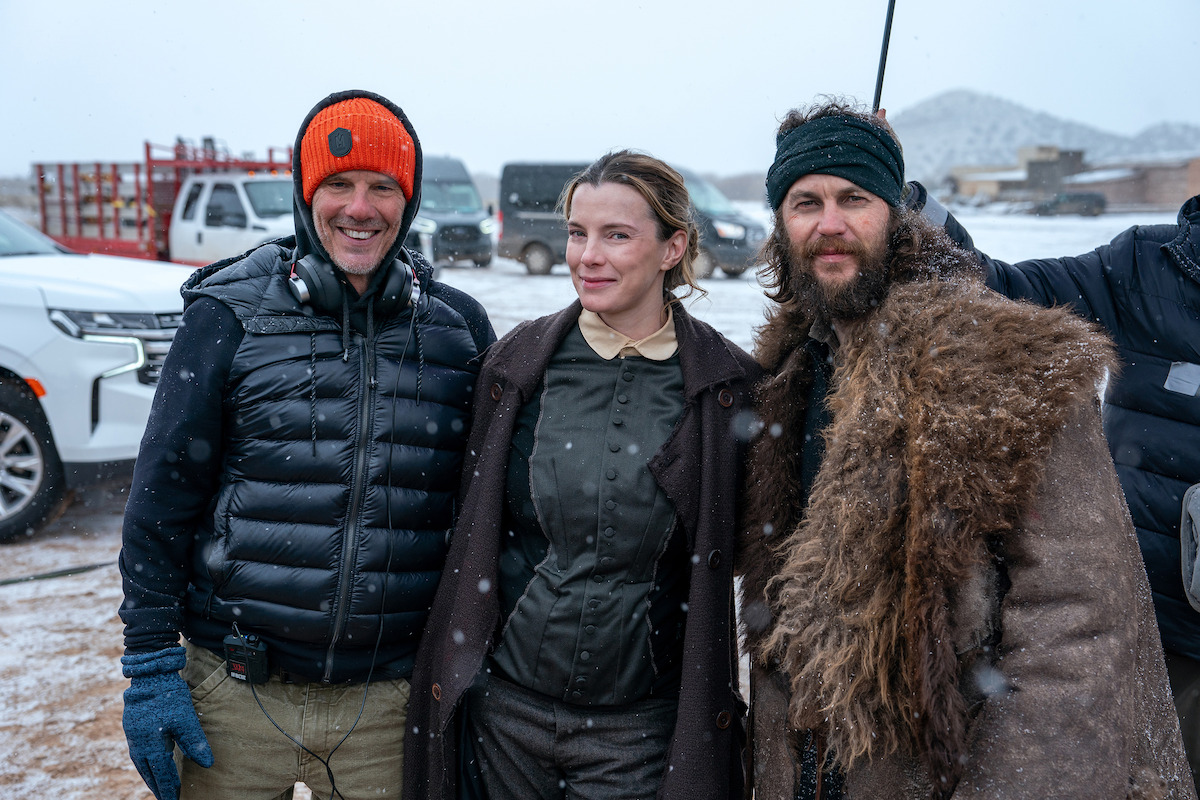
Throughout American Primeval, Sara, Devin, and Two Moons have to rely on Isaac’s expertise to navigate as they interact with Native communities, settlers, Mormons, and grifters. But what Gilpin related most to was Sara’s devotion to her child. “Even though this is a story about a woman in 1857 who’s hiding a secret very different from my own experiences, I am a parent,” she said. “To me, her storyline is a lot about what it feels like to be a parent in 2024; that it’s just about protecting your child at all costs.”
American Primeval is a thrilling journey into the Wild West as it has never been seen before. But at its core, the series is an intimate story of survival and the beauty of coming together. “It’s interesting to watch a transactional relationship turn into a very legitimate, emotional relationship, and that’s what you get with Isaac and Sara and Devin and Two Moons,” Kitsch said. “It’s really the formation of a family.”