Ask an Expert
Are Bees Jerks? We Asked an Expert
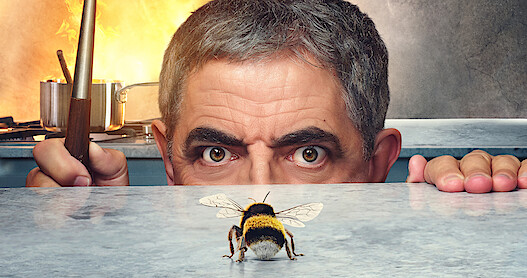
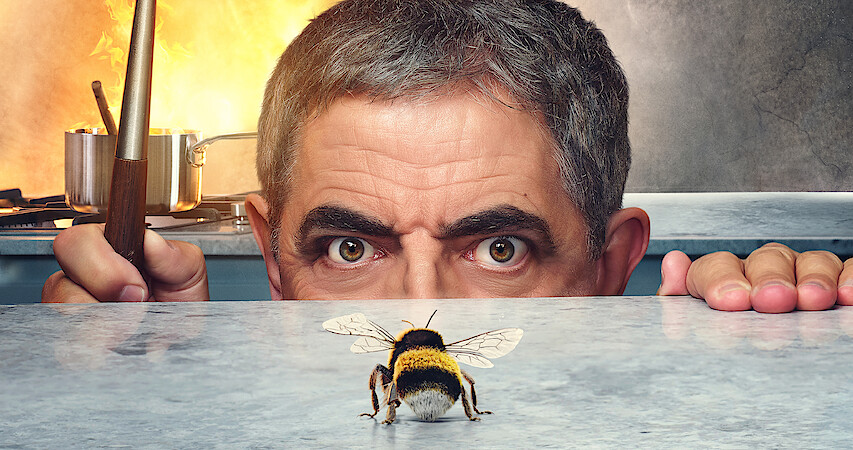
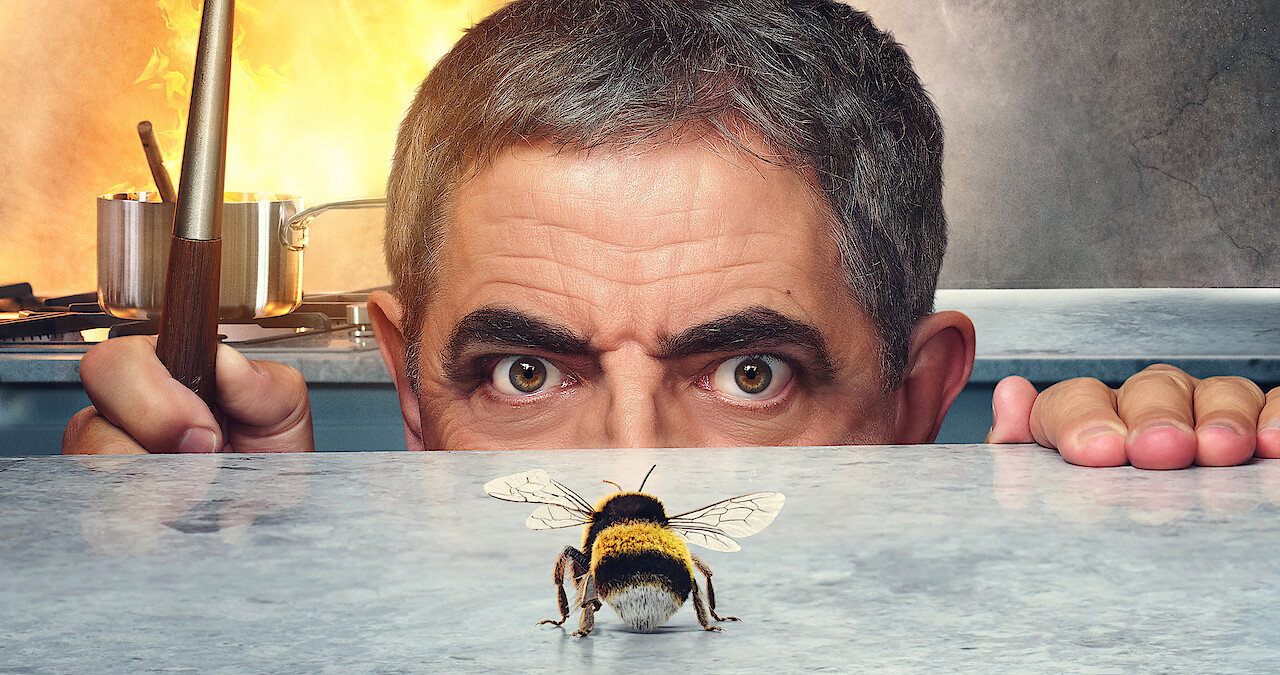
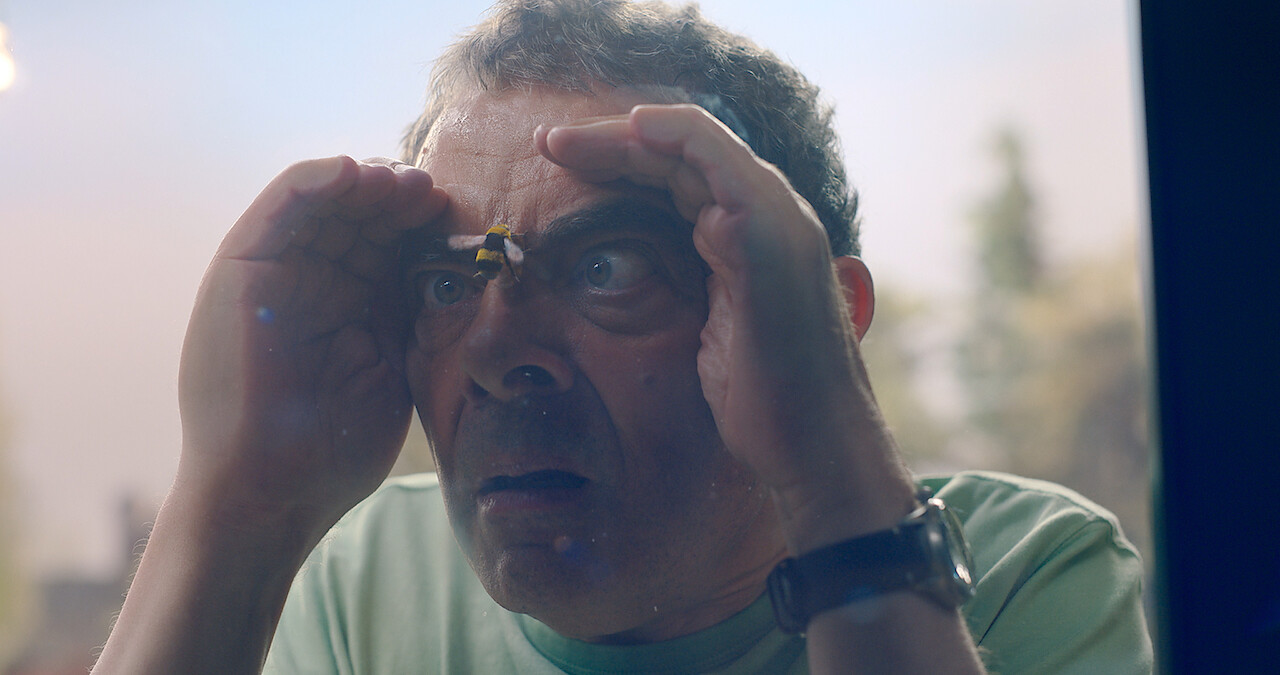
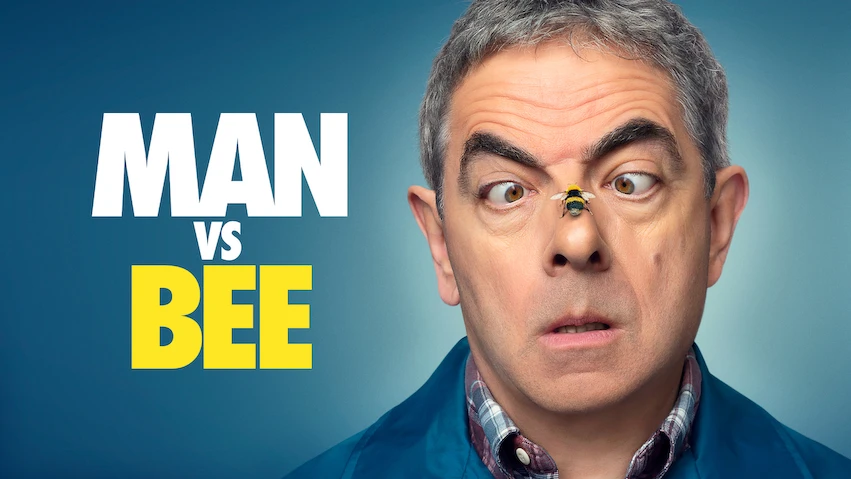
In Man vs. Bee, Rowan Atkinson enters a battle of wits with a bumblebee... but would that happen in real life?
By Marah Eakin
June 25, 2022
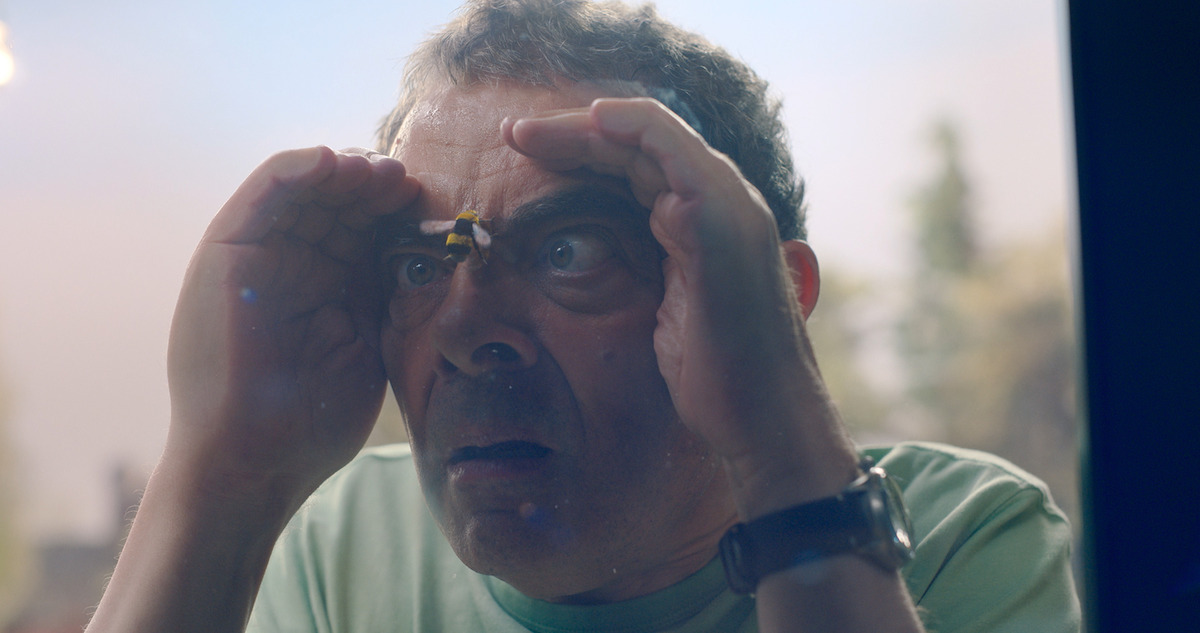
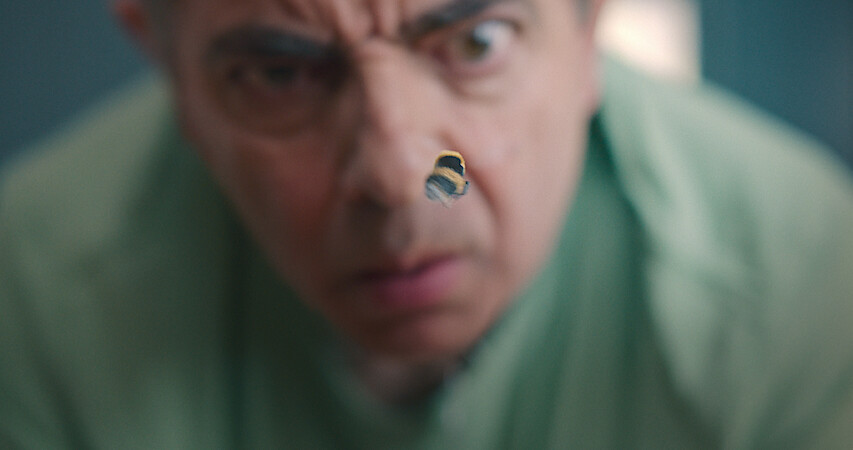
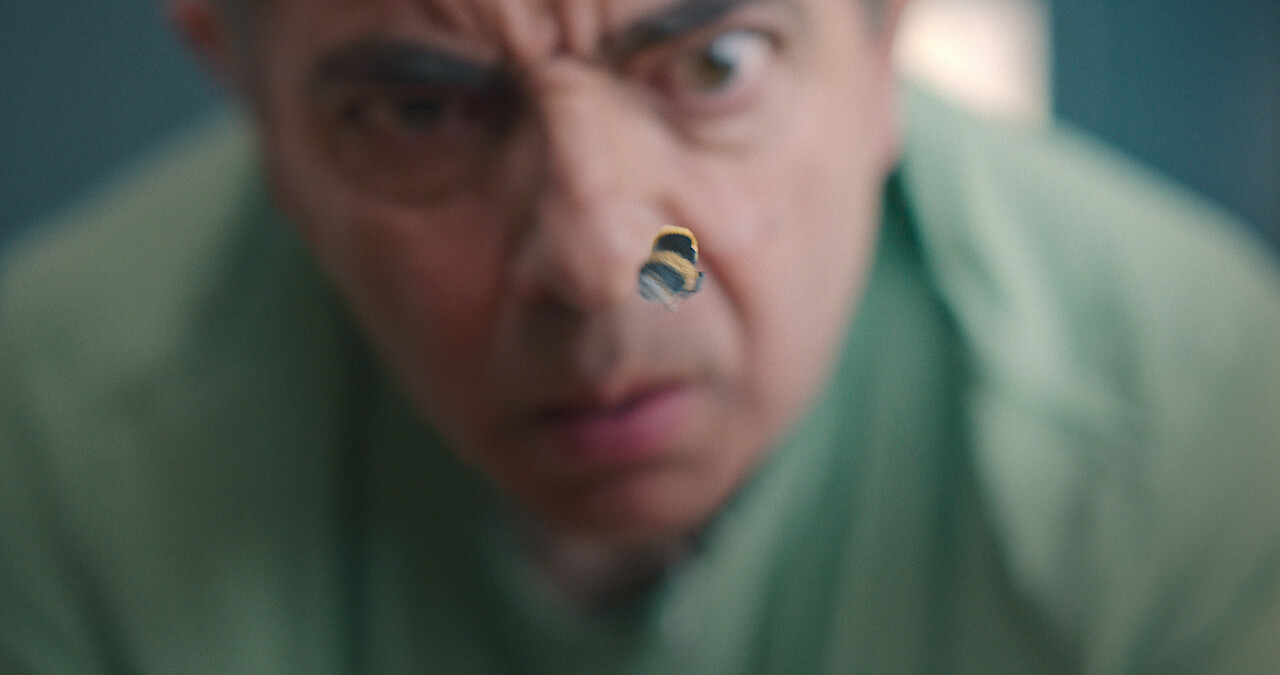
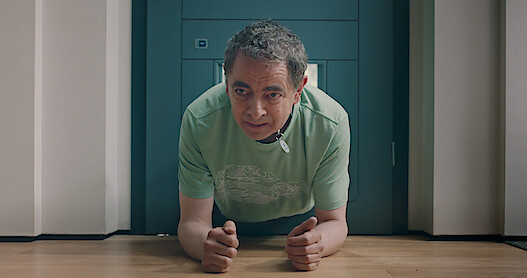
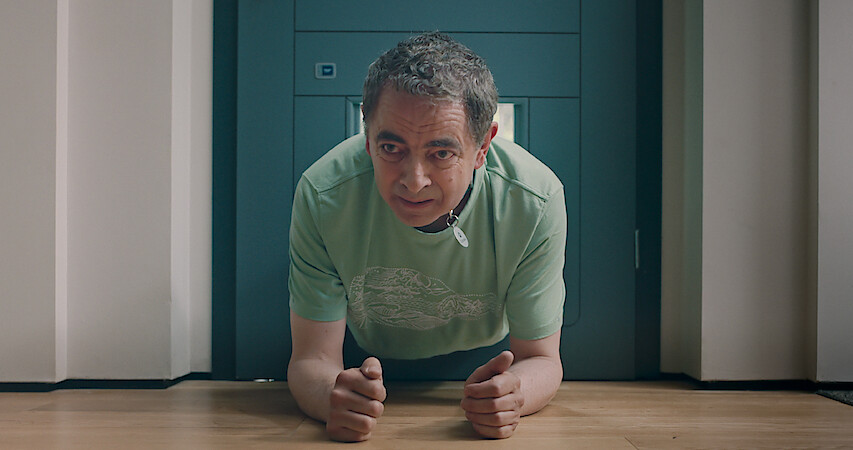
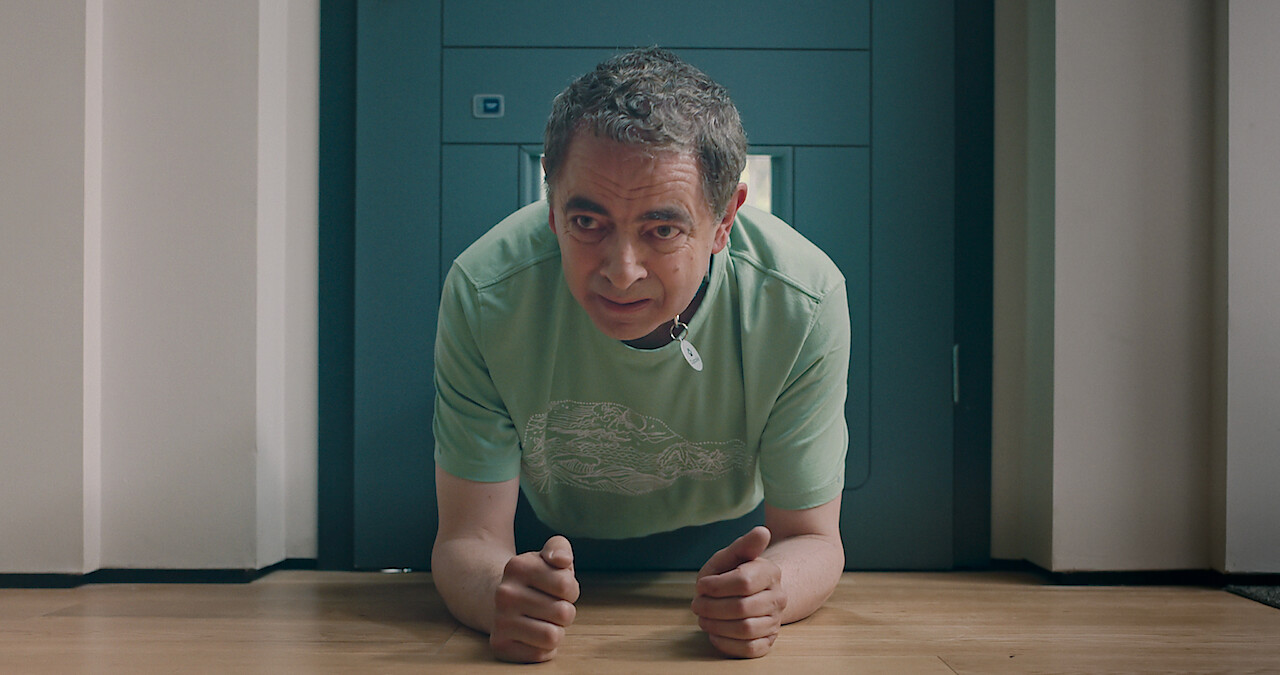
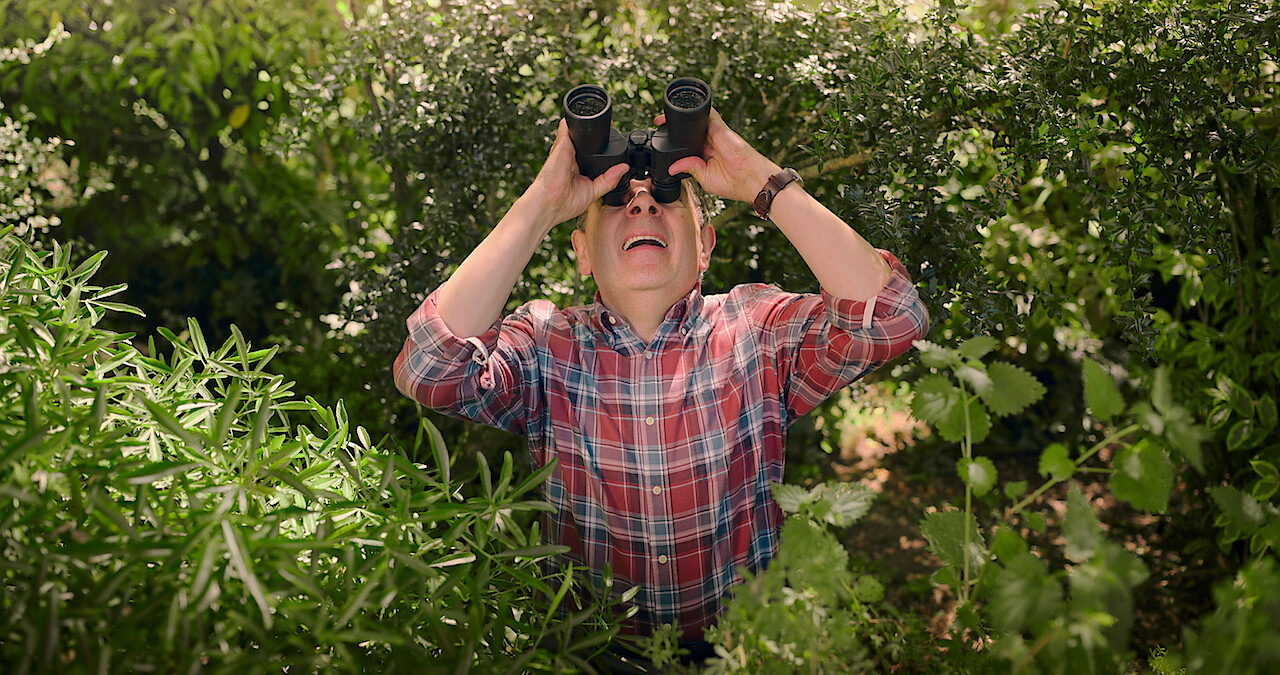
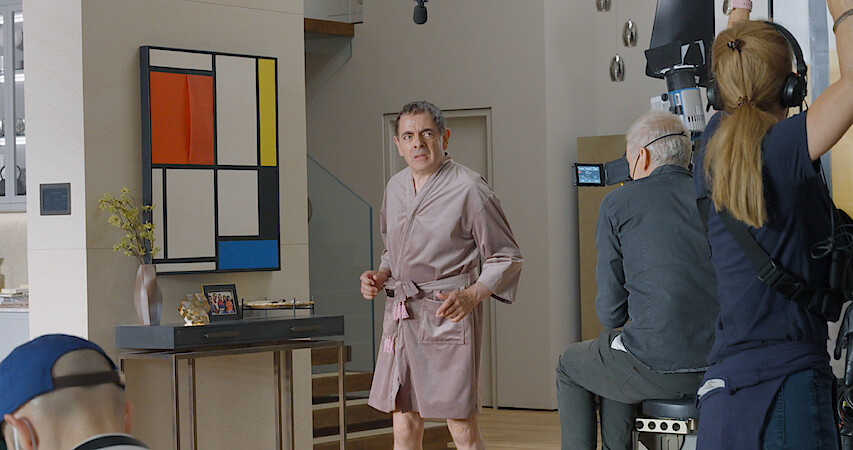
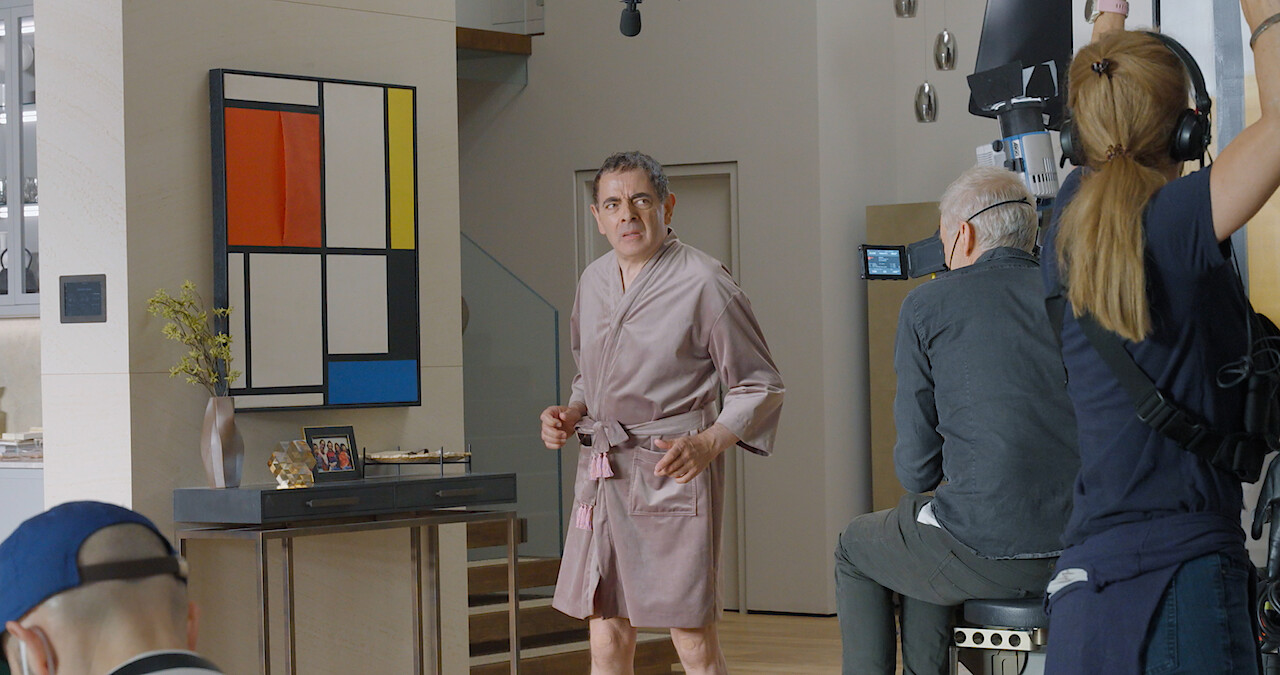
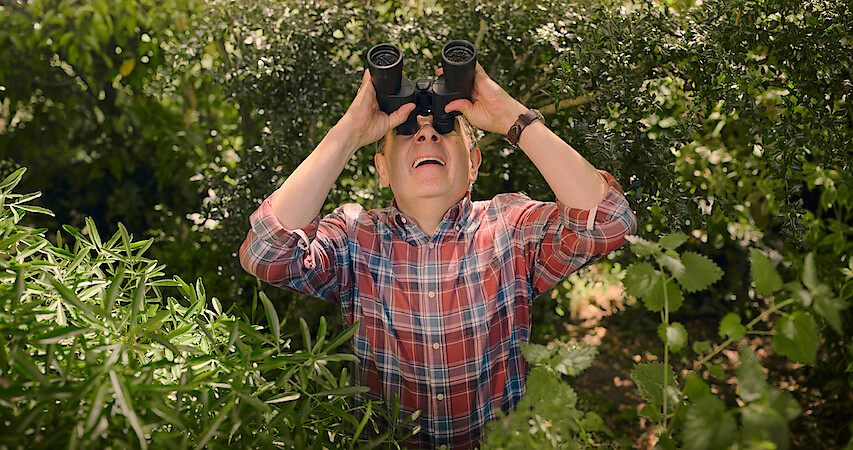
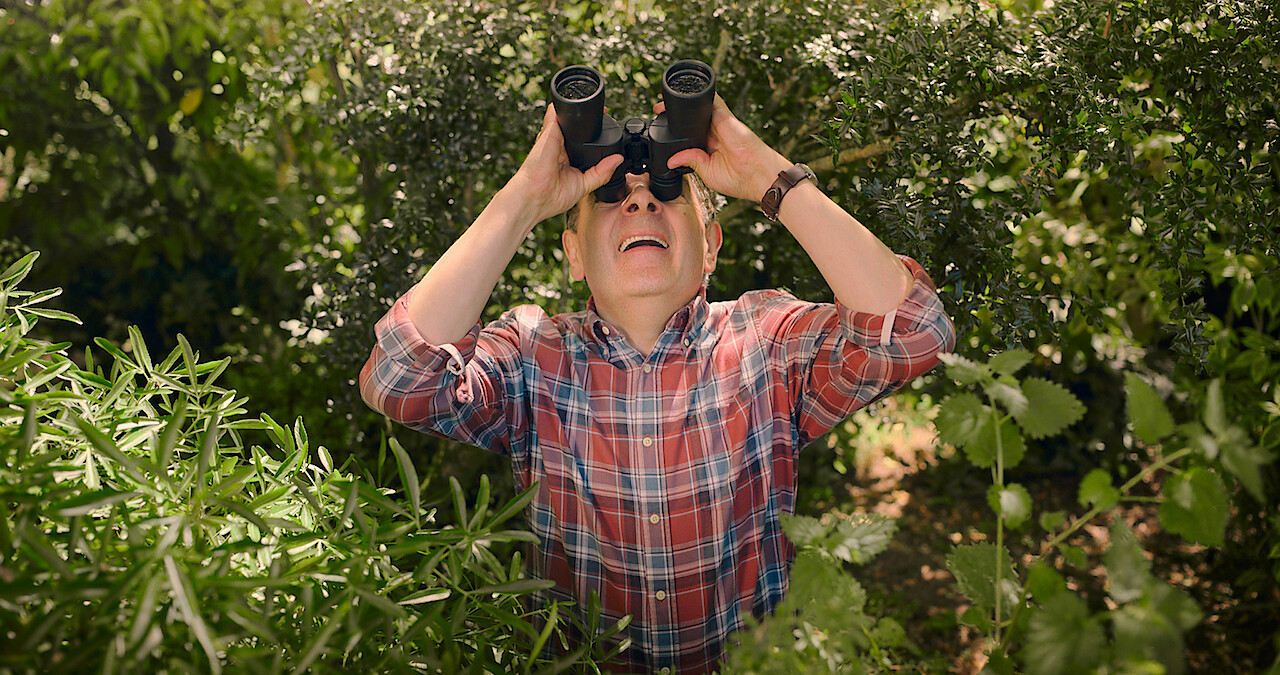
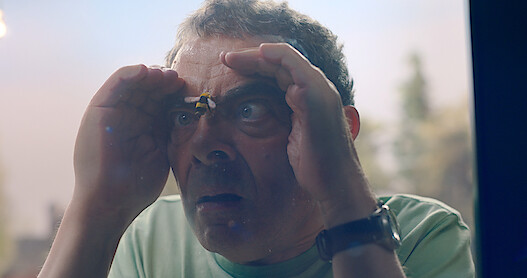
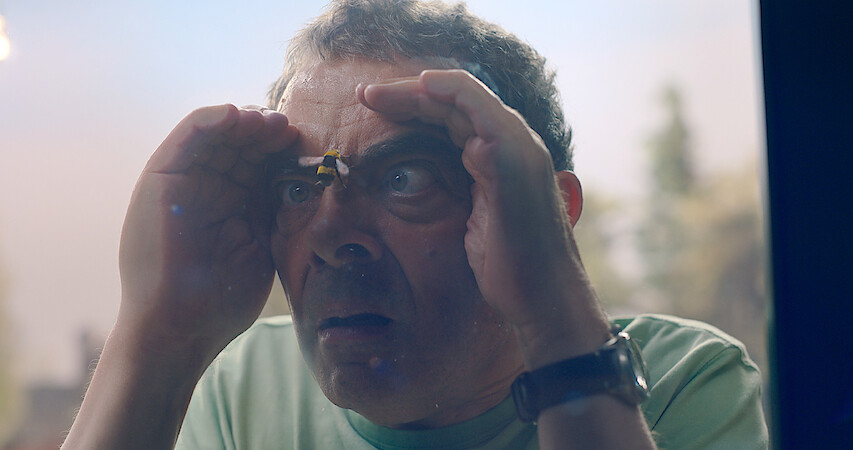
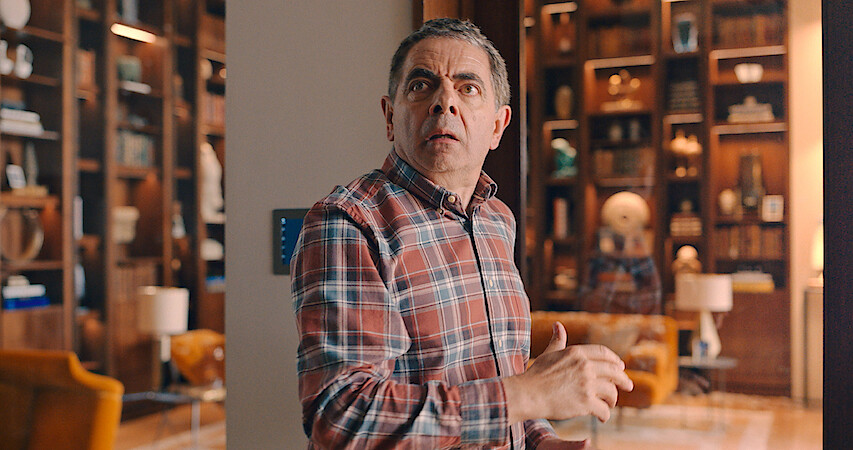
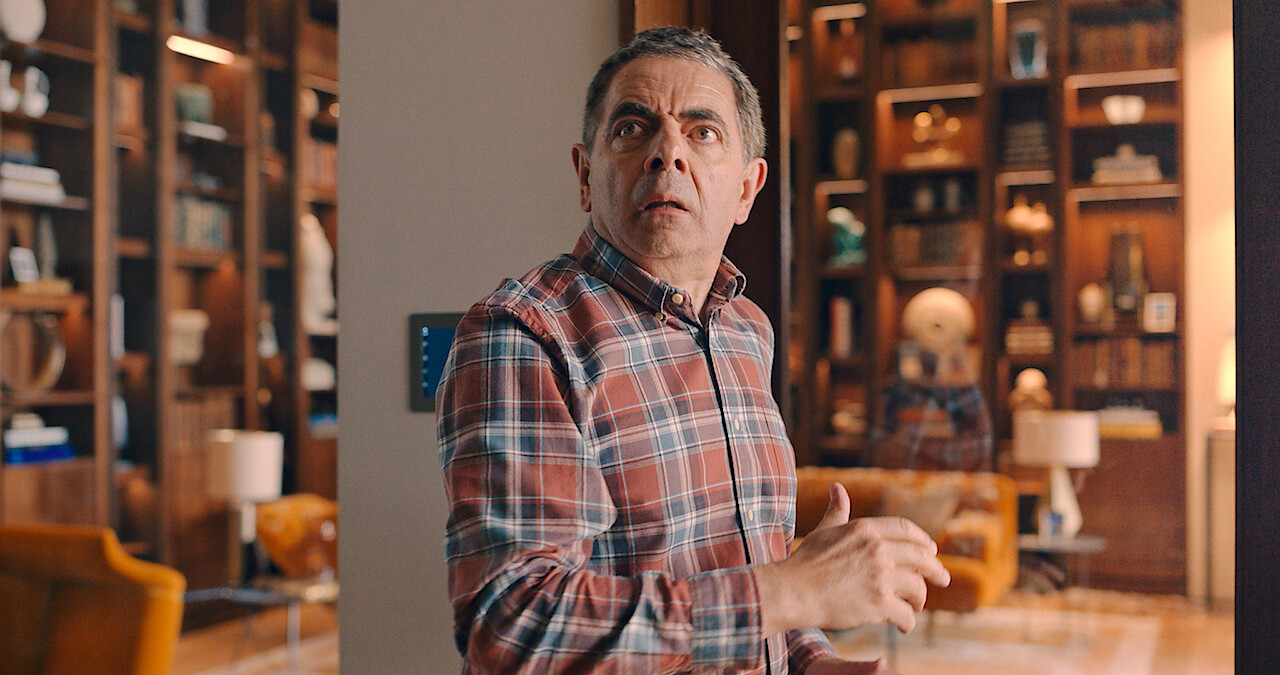
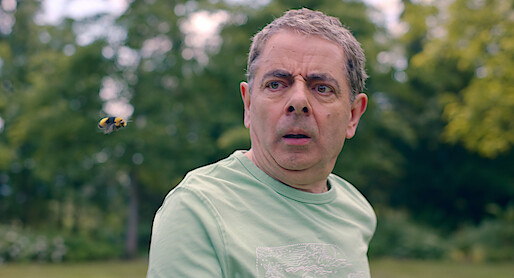
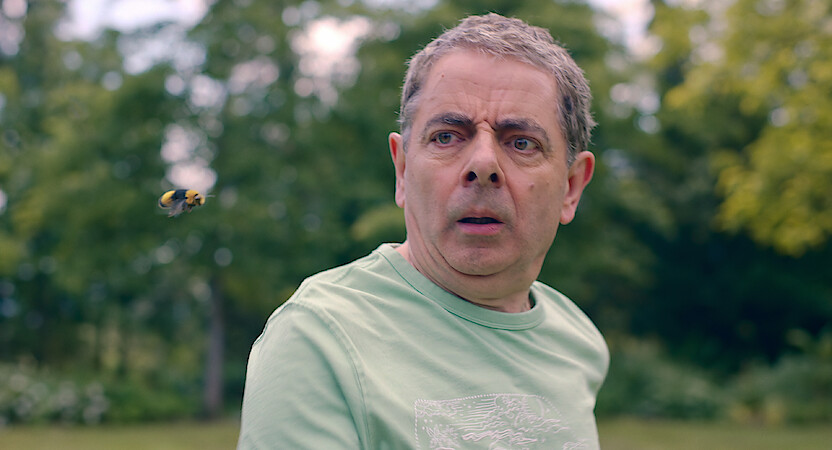
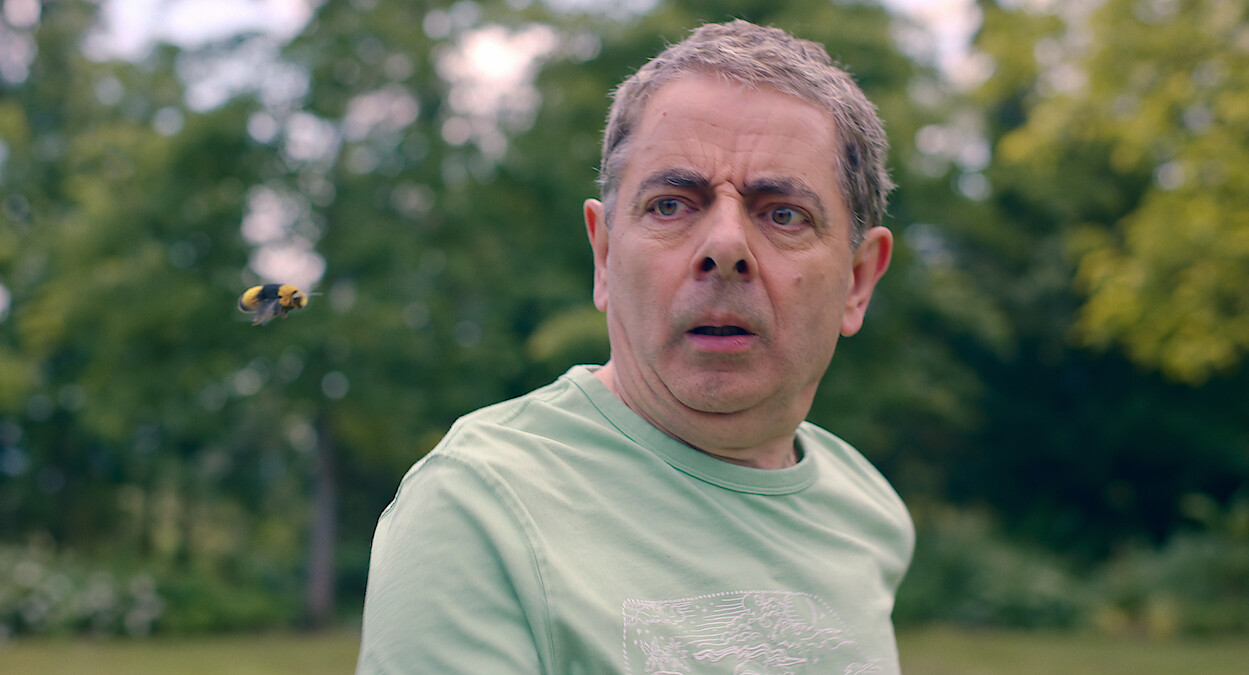
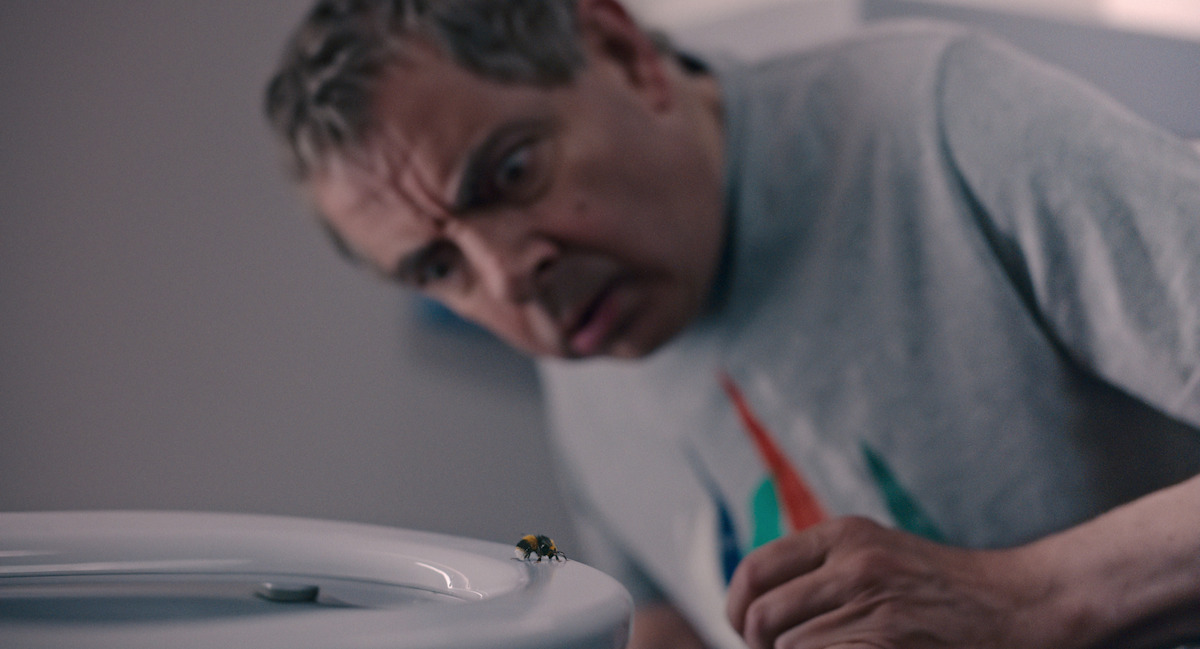
In Rowan Atkinson’s new series, Man vs. Bee, the actor best known for playing Mr. Bean attempts to outwit an annoying bumblebee trapped in the mansion he’s house-sitting. Whether the bumblebee is an active combatant in this battle is up for debate, but the fact remains: Atkinson’s character, Trevor, truly hates it.
Throughout Man vs. Bee, we see our tiny bumbling pal dodge all manner of dangers thrown at him by Trevor, including pounding piano keys, an oven trap and even a souped-up bug bomb. But could Man vs. Bee’s bee actually survive all those perils, and would a normal bumblebee ever get him or herself into this many close calls? We had to ask an expert.
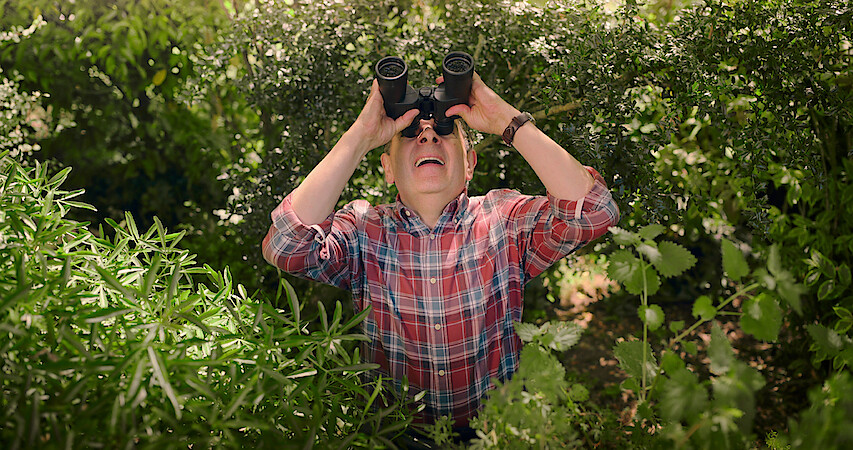
Enter Boris Baer, professor of entomology at the University of California, Riverside, who studies bee reproduction and immunity, all with the goal of developing more disease-free and robust honeybees. (He’s also a member of the university’s Center for Integrative Bee Research, which is doing some great things.) Tudum sat down with Baer to ask him all of our burning Man vs. Bee questions, and he humored every single one. Grab a honey straw and read on, especially if you want to learn a lot more about the smart, noble and humble bee.
Would a bee fly into a house on its own? Wouldn’t it try and get out? The bee that Man vs. Bee depicts is a bumblebee, and they are social. Honeybees are also social creatures. Those bees want to be by the rest of their colony. When a queen bee starts the nest, all of a colony’s bees try to stay close to where the nest is. They go out and collect food, but they then return to that location.
But bumblebees are particular in the sense that they have a solitary phase and a social phase, and they switch between those.
Can a bee have malice? Would they taunt someone? If you enter their sphere. They’re mainly concerned about their nest. If they have an area they desire, then they will defend that and will try to get you away. They’d just fly around you, though. Only as a last resort do they typically sting. Bumblebees can sting repeatedly. But for honeybees, the worker can sting once before it dies, so it’s a pretty heavy sacrifice. If the bee doesn’t have to do that, it wouldn’t.
Are bees attracted to some humans more than others? There are odors that bees are attracted to, and there are odors that bees find repellent, and there are odors that make bees aggressive. They have alarm pheromones.
[Entomologists] observe that depending on what kind of [detergent] we use, bees can react to that. We release smells naturally, or we release them through perfumes or washing powder, and there can be interactions.
For example, I had a female colleague in Australia, and she worked on the bees every day. She was convinced that when she had her period, the bees were more aggressive. One time when I was working with bumblebees, I had a sore throat. I used menthol or something with a very strong odor in the prescription, and the bees went nuts.
Are bees more drawn to sweet foods and scents than to savory? We know of incidents where beekeepers went to their hives to extract honey, and the honey was bright yellow and orange, and they couldn’t understand that because the honey didn’t look at all like what it was supposed to. It took awhile until they figured out that the bees were flying to a factory close by that produced gummy bears and were coming in contact with different colors of glucose syrup. They’d transport them home. So things like that can happen.
I don’t think a bee would go for peanut butter [like in the show]. Basically, bees have two things that they want to feed on. One is nectar, so sugar water or a sugar source. The other is pollen, which is a protein source.
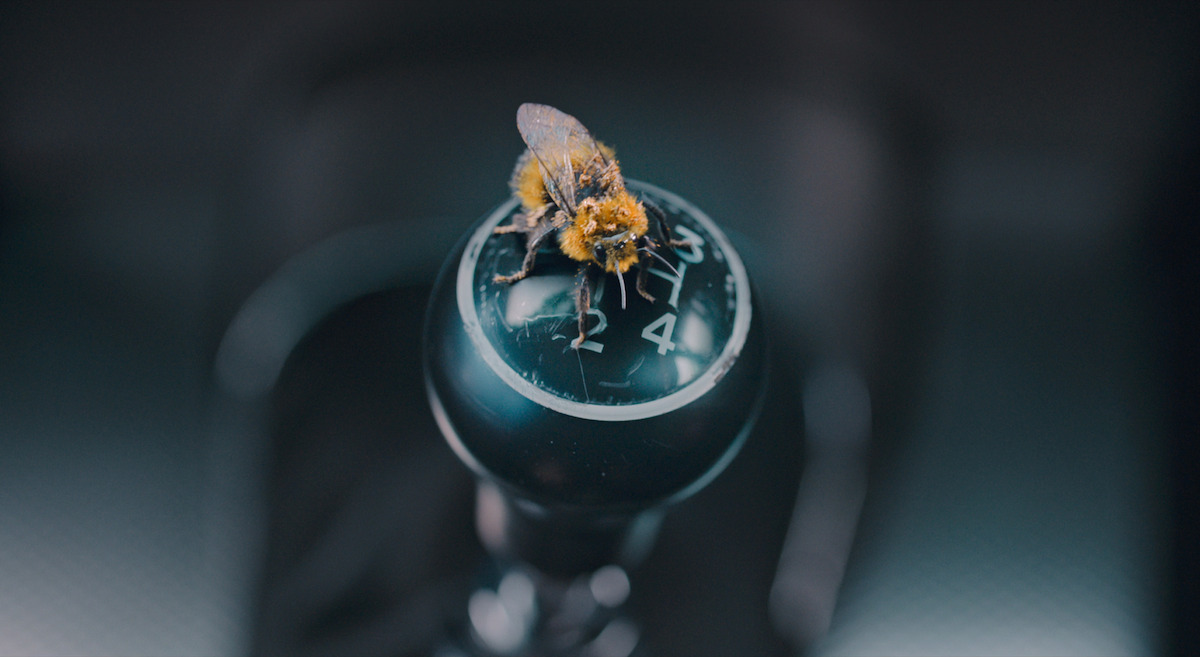
Everyone knows that ants can lift or haul items that are many times their size. How strong are bees? Bees are very strong. They have different cargo holds where they pack the pollen. You can see them sometimes. They also have a special part in their gut called the social stomach, and that’s where they transport the nectar. They can transport decent amounts back, even though flying is energetically very expensive.
Of course, the amount of pollen and nectar that a bee can transfer around is nothing compared to the weight of a plastic drinking cup [like in Man vs. Bee]. I doubt a bee would have the ability to move that around, but bees can do things like that. You can train bees, for example, to play football [or soccer in the States]. They move little balls around, and they teach that to other bees. So bees can teach each other how to play football.
Bees are good learners in general, because they have to be. They learn where food is, and in the case of honeybees, they can fly out seven miles, find some food, then go back and dance for the other bees so that they can accurately locate where that food source is and know how much is there. Then they recruit the other bees to go down. They will know exactly how many bees should go down, and they tell them what type of crop or what type of flower they should look for.
There’s also some discussion at the moment as to how much personality each bee has. I know from my own experiences that each hive has some form of a character. It’s an individual, but I see that at the superorganism level. Now in bumblebees, there’s someone in Germany and someone in England that’s studying how much individualism or personality these individual bees have. There are indications that bees have individuality and are individually different from each other.
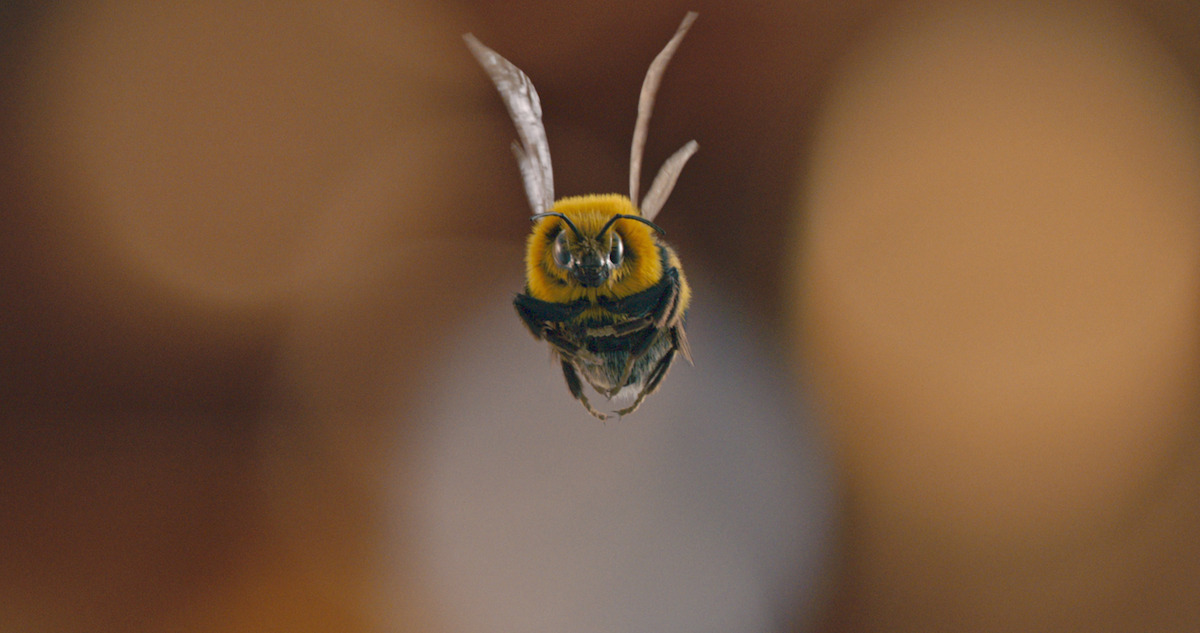
What’s the best way to make a bee go away? Bees react really viciously to movement, especially in contrast, like our eyes, or if [as beekeepers] we have some black shirt and we fiddle around, that is the wrong thing to do. That’s why beekeepers wear bee suits, because it provides very little contrast.
Bees force you to calm down because the calmer you are and the less hectic you’re moving around, the more relaxed bees are. So if you are annoyed by a bee, the last thing you should do is wiggle your arms and wander around. That’s basically just saying, “Here I am and obviously I’m scared,” and the bee gets attracted to you.
I know that people struggle with this, but it’s the case with many animals. If you stay calm, the chances that you get attacked or that you have a negative impact actually decrease.
How far can bees fly? Could a bee fly hundreds of miles away, to the Isle of Wight, for instance? The distances that bees can go really differs between species. When I said seven miles before, that’s the foraging distance for a honeybee hive. For most of its time, a honeybee hive is a sessile organism. It’s in one spot. But other bee species actually migrate, and they can migrate over hundreds of miles. They pack everything up and they fly into the mountains when it’s too hot in the lowlands, and then return to the same spots later, kind of like birds.
Bumblebees, and especially the queens, can disperse as well. They’ve found them in really high altitudes, even crossing the Alps and stuff like that. So bumblebees are different to honeybees in that the colonies produce virgin queens, and they mate outside and then they disperse to look for a place to spend their winter. During that phase, they can fly large distances.
So, as I said, it depends a bit on the species of bee, but some bees can travel large, large distances.
Man vs. Bee is streaming now.
This interview has been edited for length and clarity.