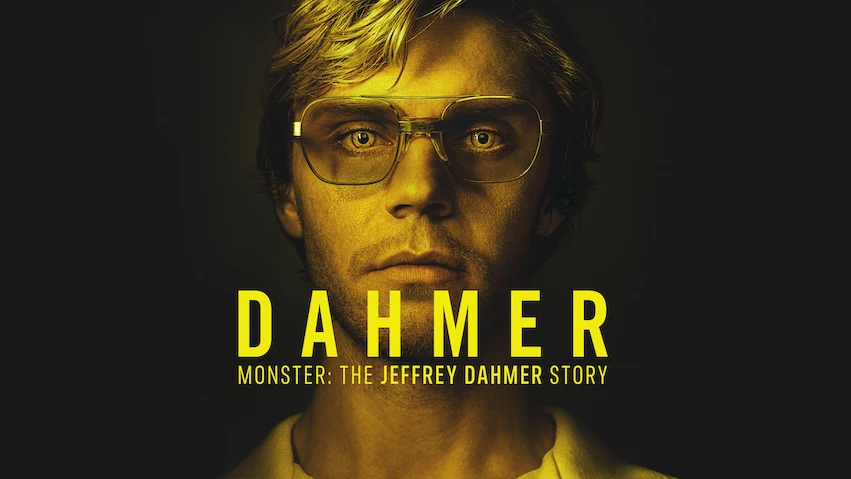
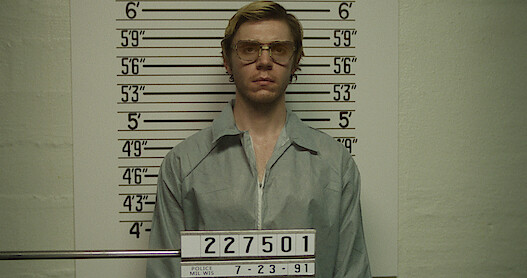
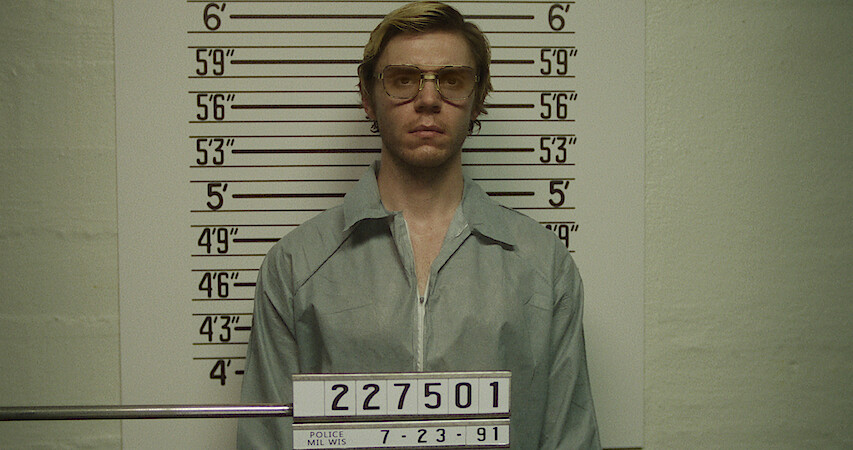
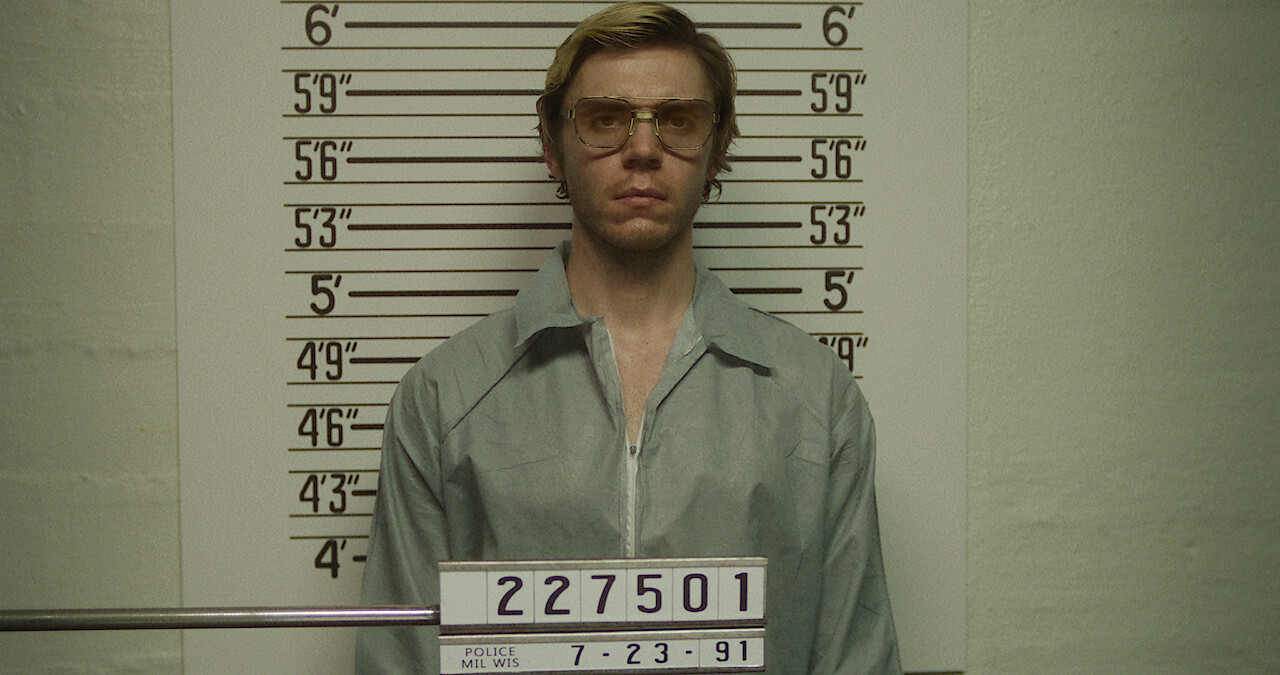
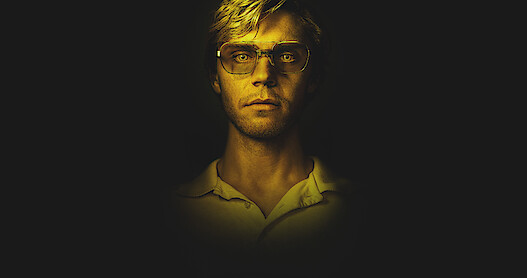
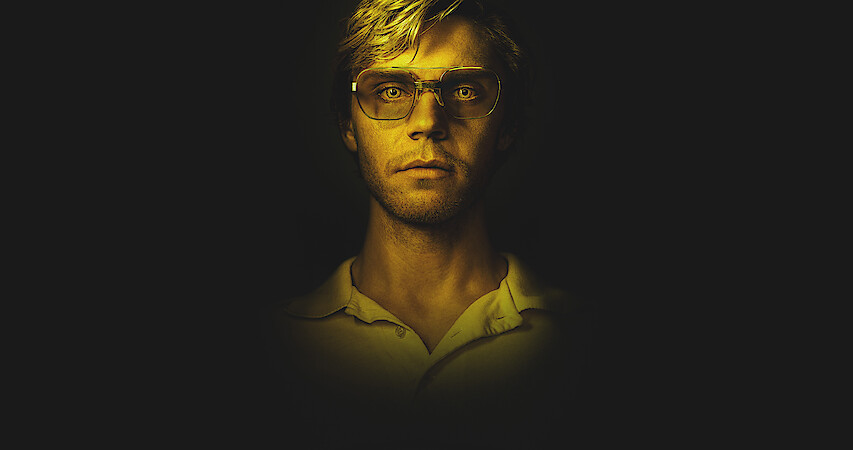
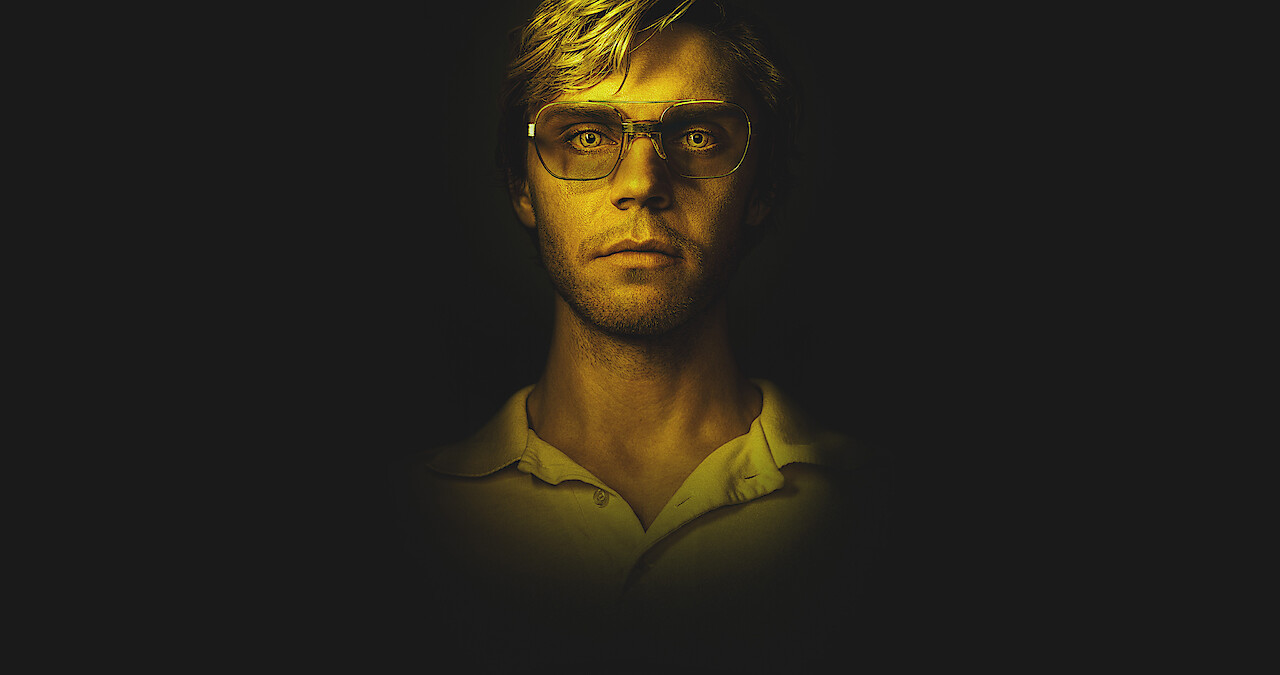
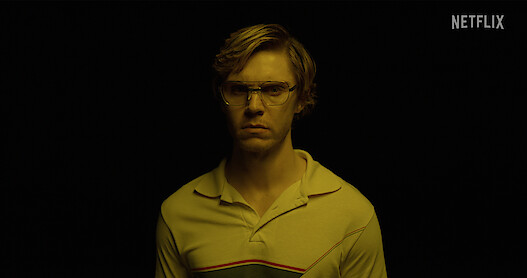
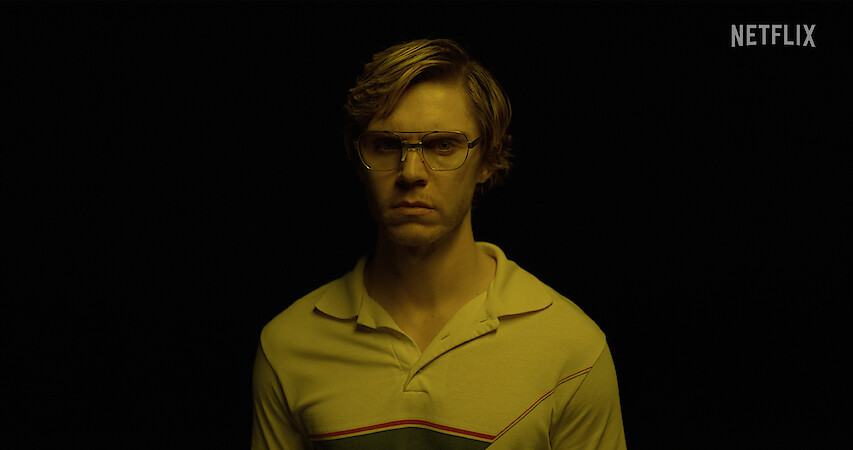
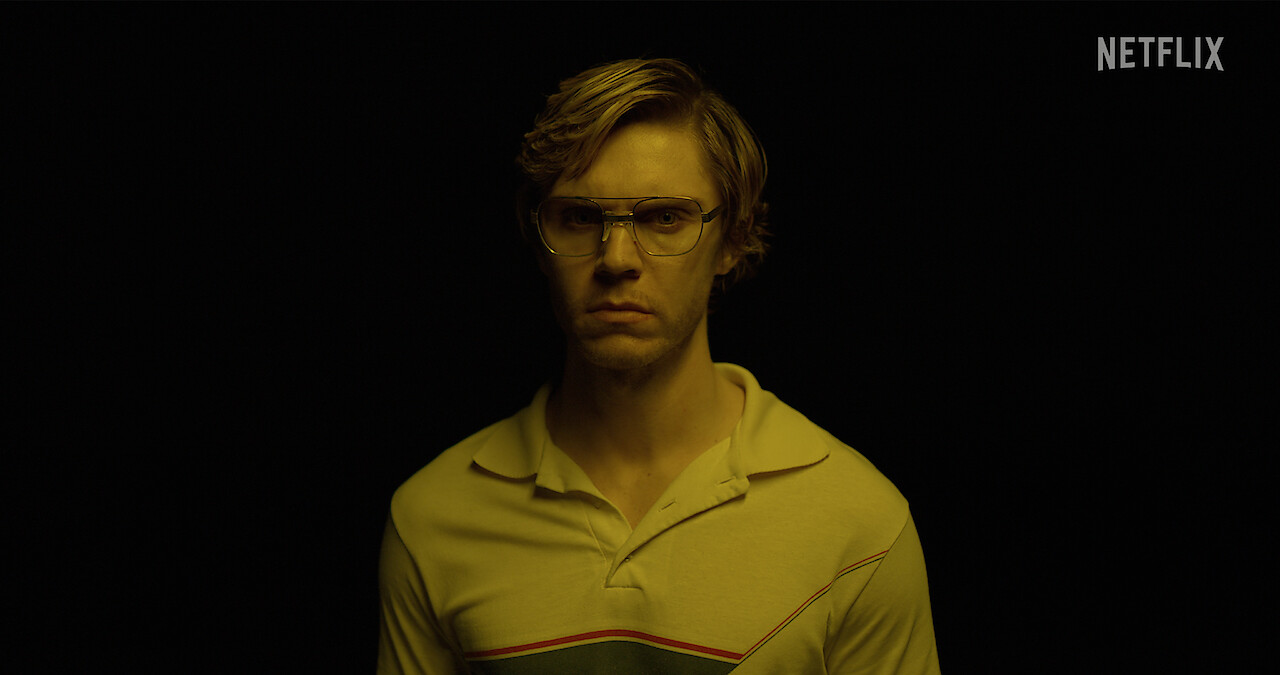
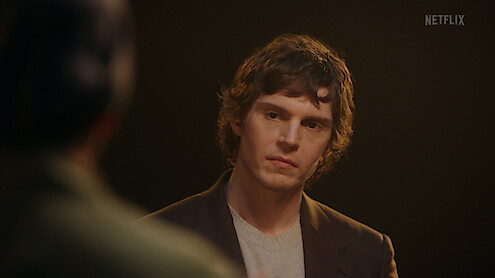
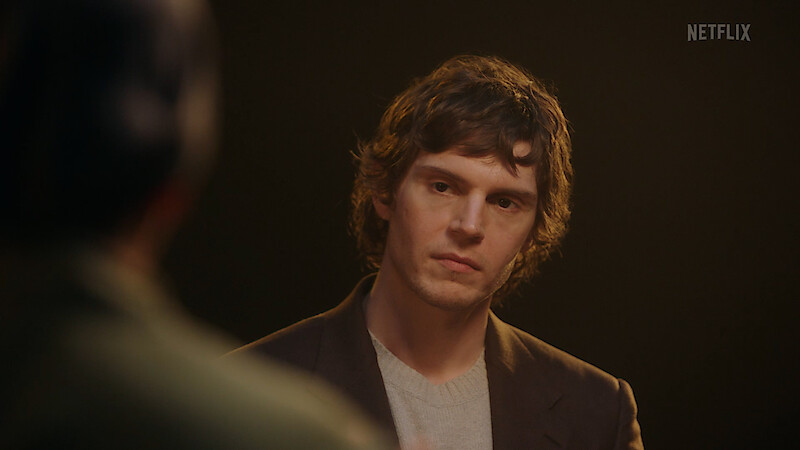
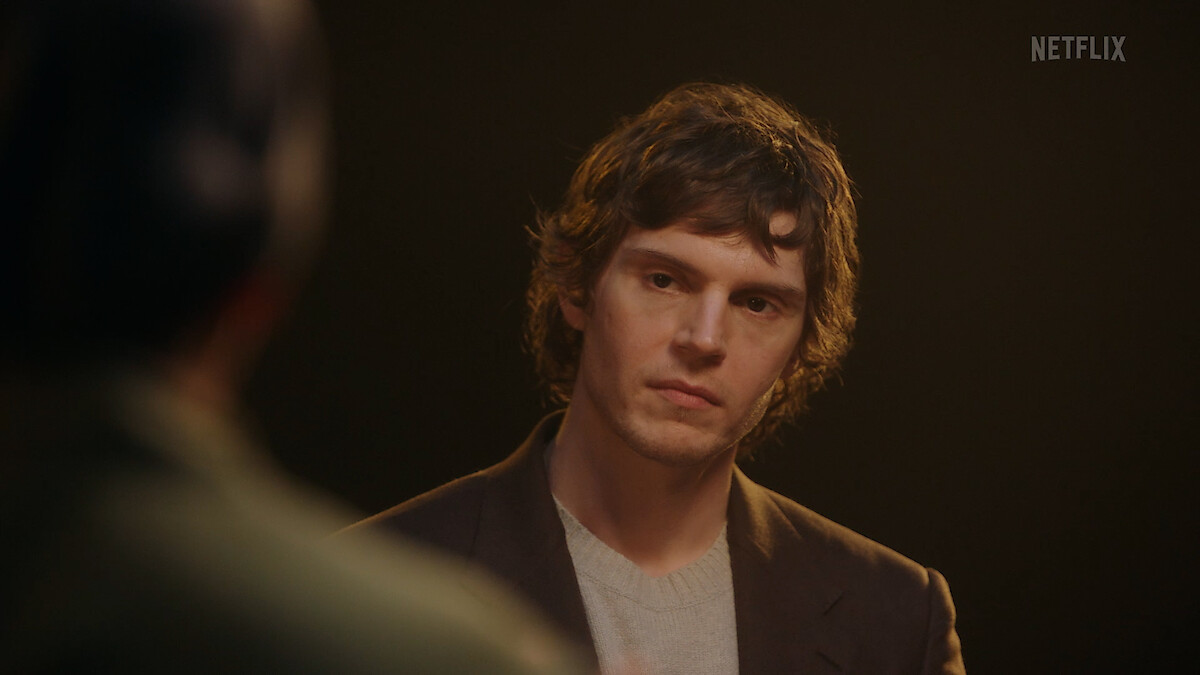
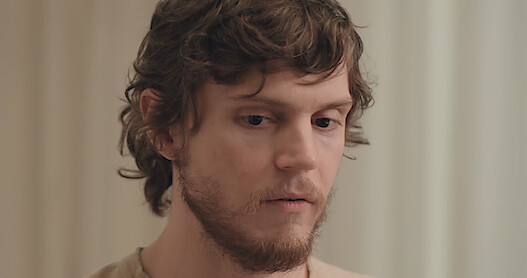
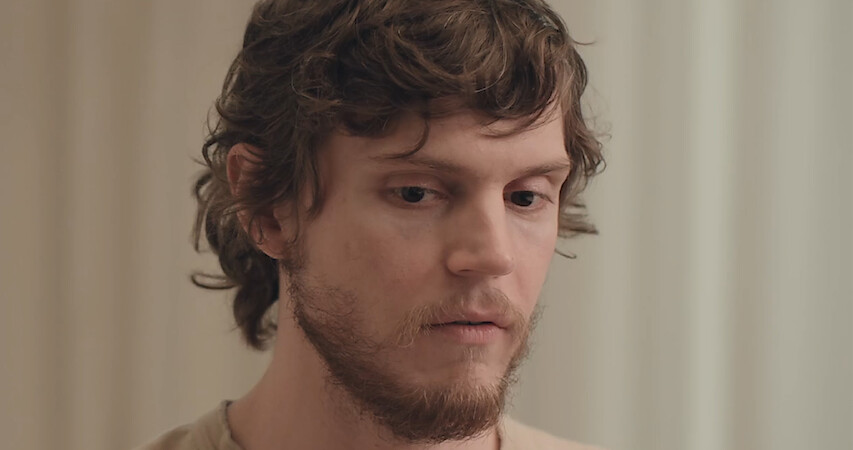
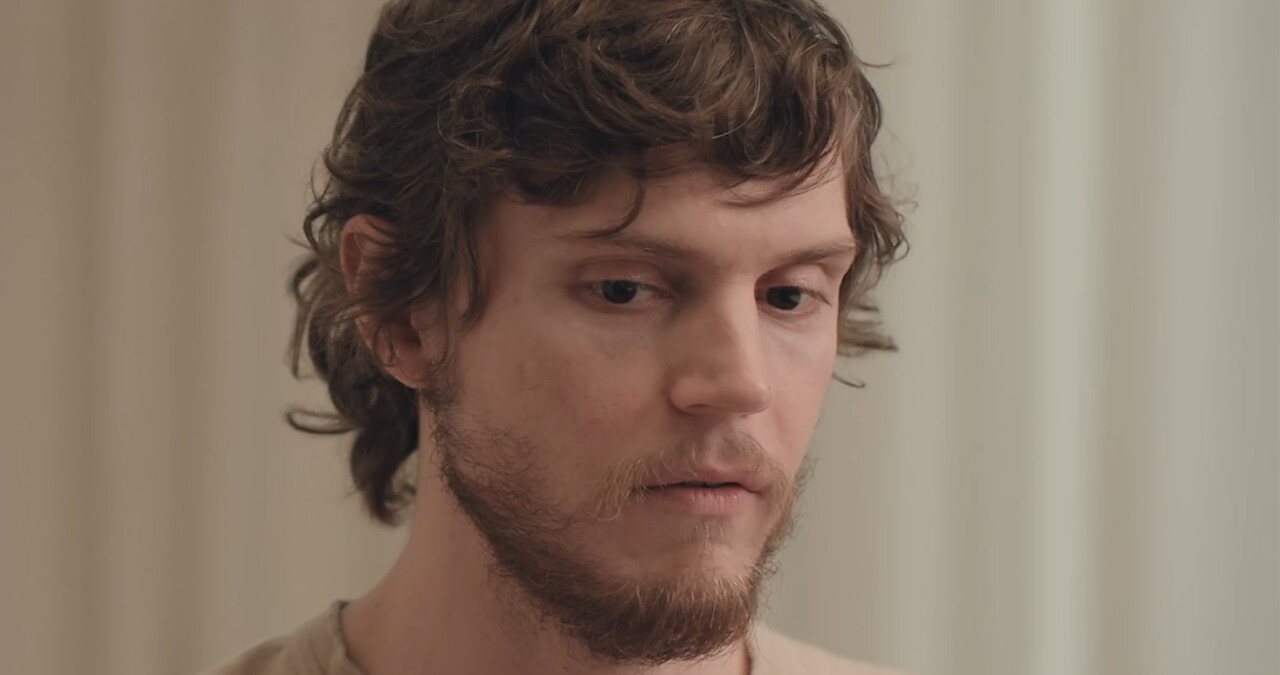
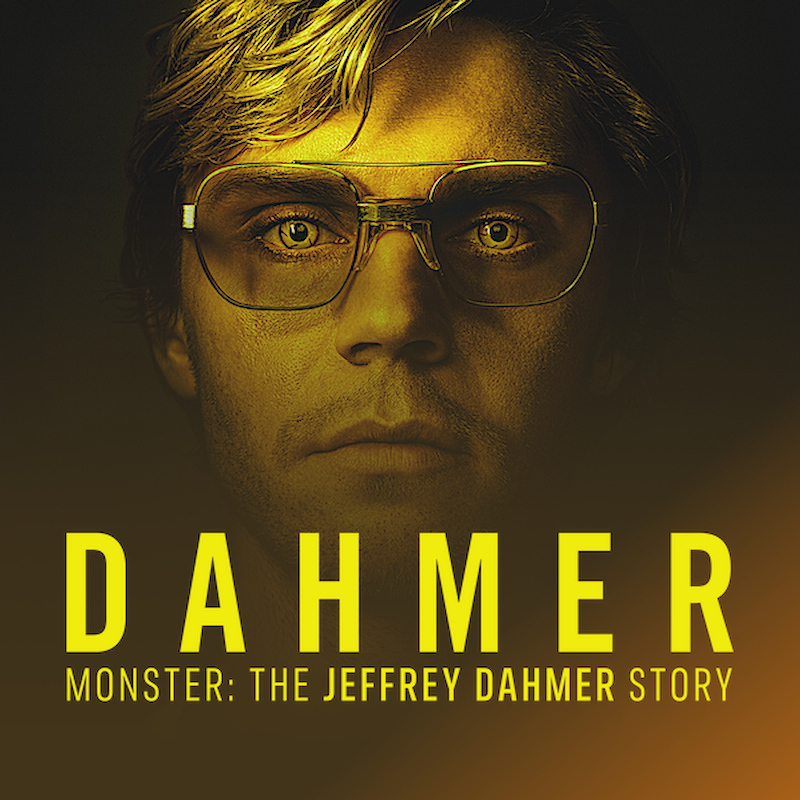
From 1978 to 1991, Jeffrey Dahmer murdered 17 people, many of them young gay men of color. Why did he do it? And how did he get away with these gruesome crimes for so long? Those are the thorny questions DAHMER — Monster: The Jeffrey Dahmer Story explores over the course of 10 episodes.
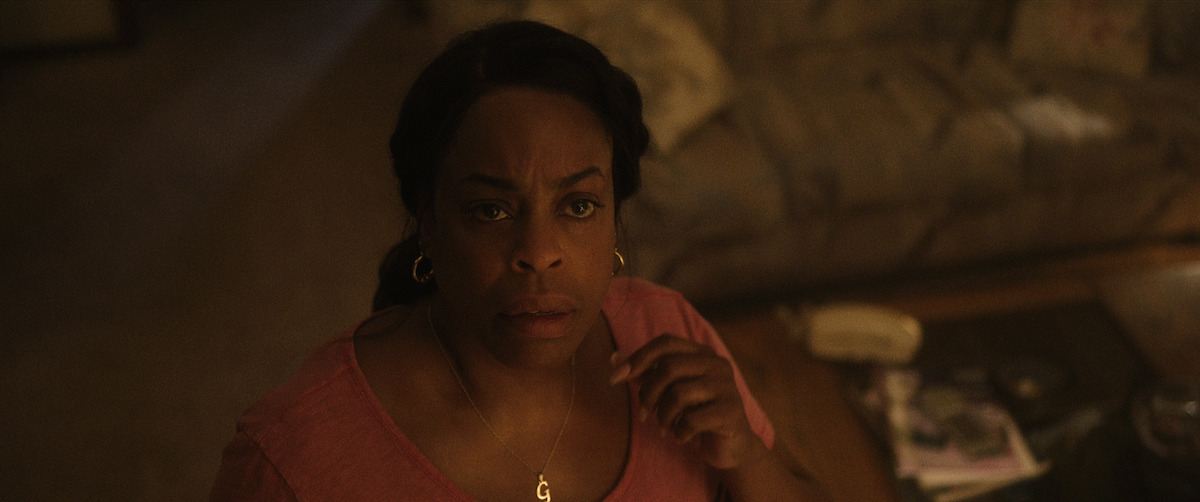
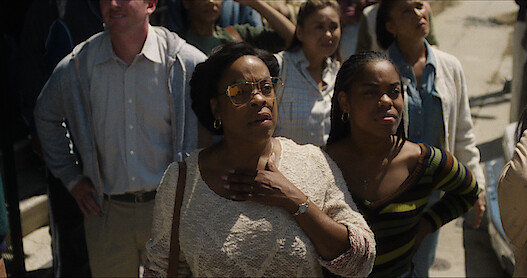
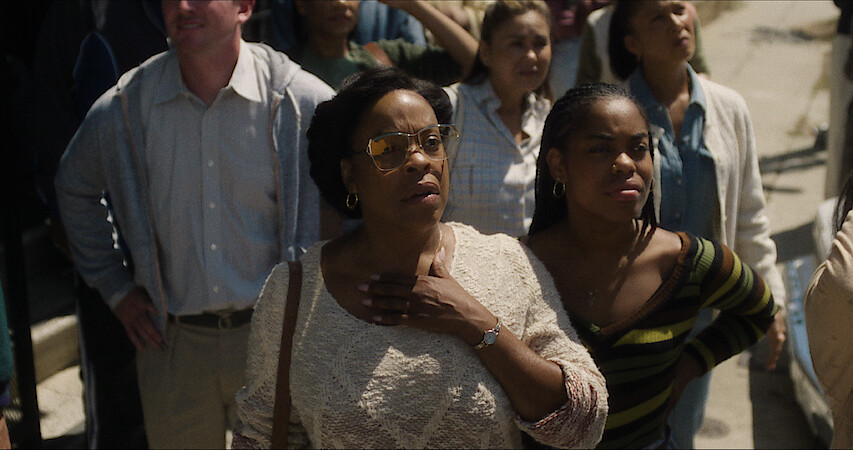
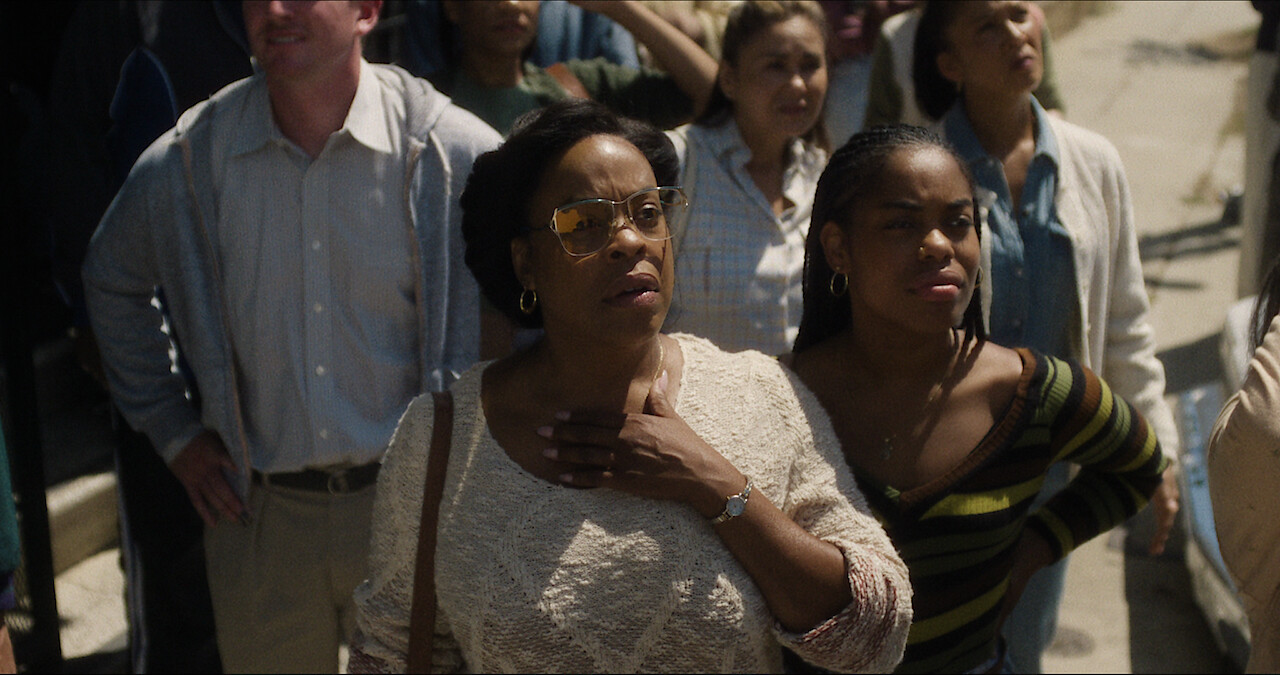
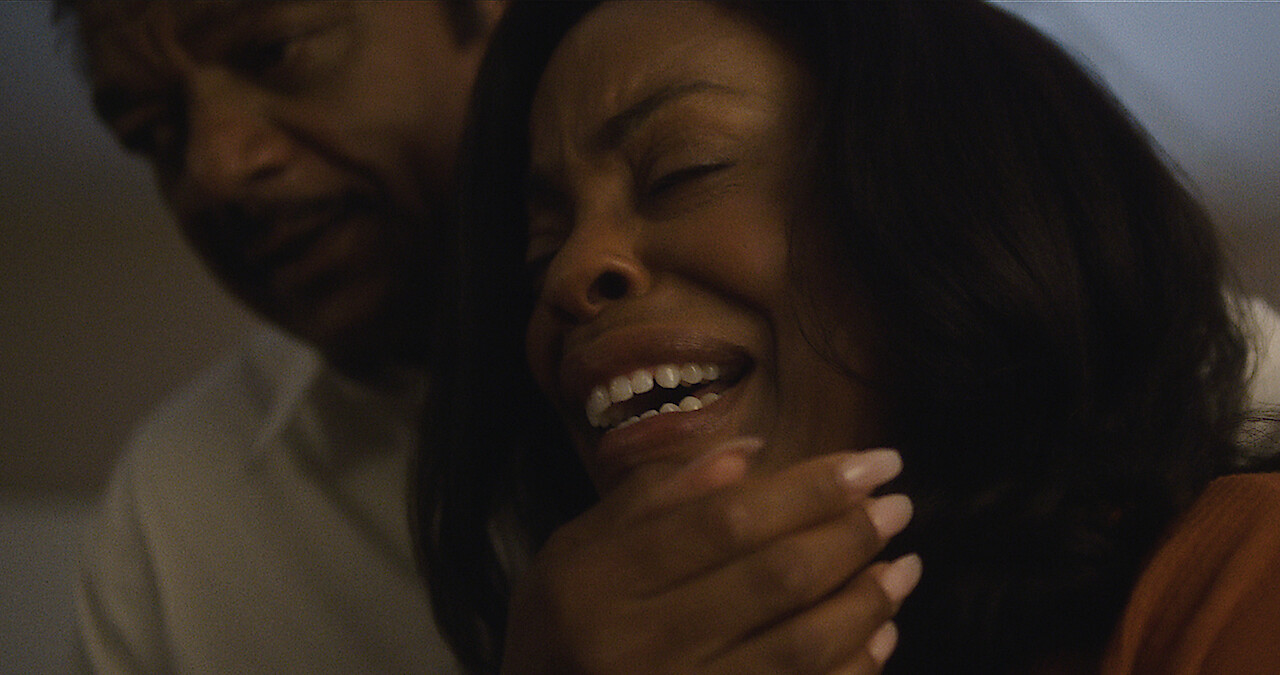
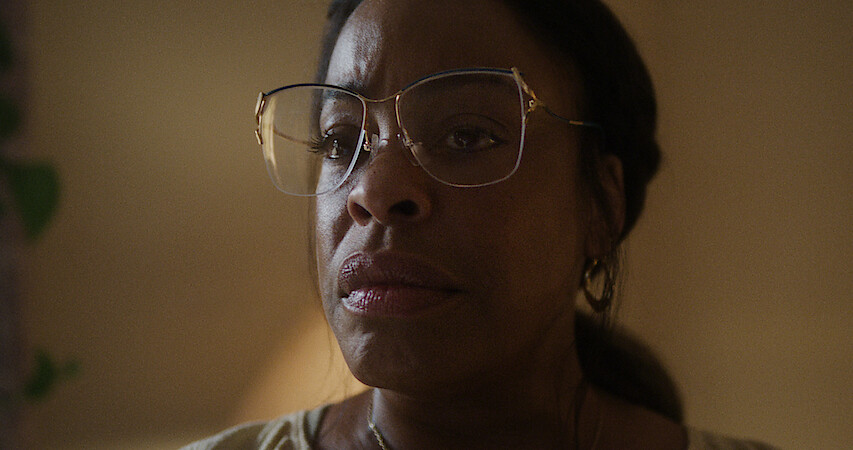
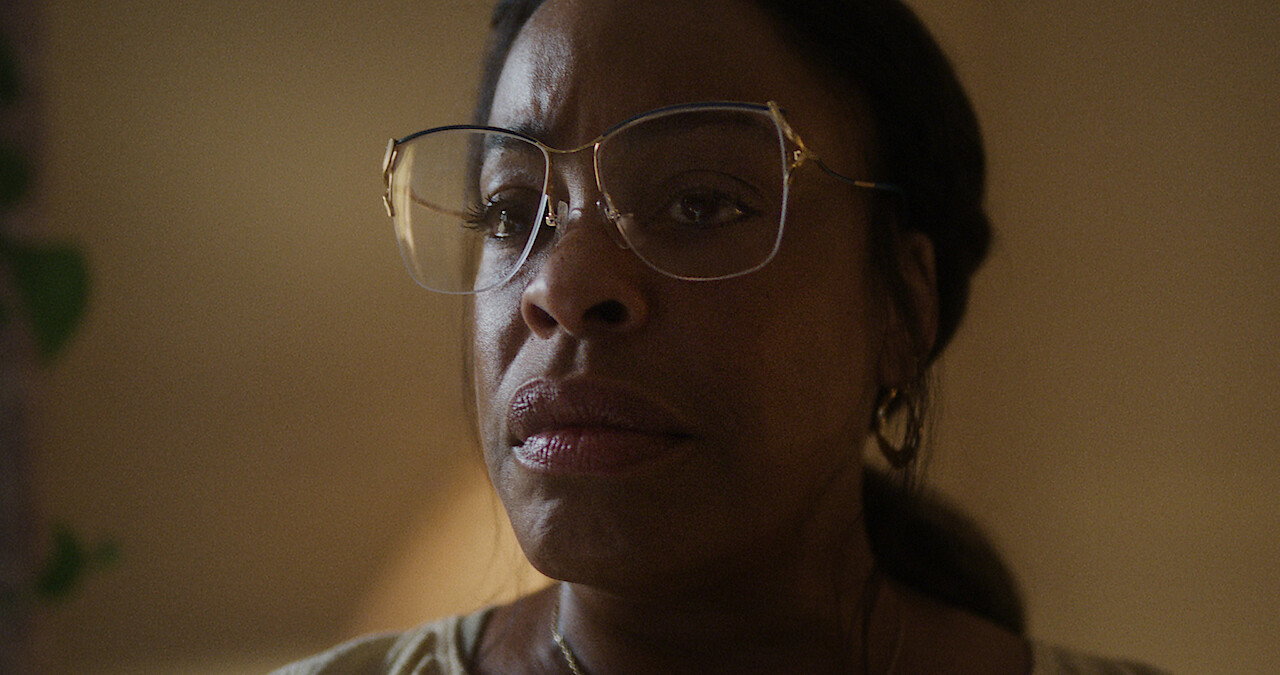
Created by Ryan Murphy, the series unravels the notorious serial killer’s past, while simultaneously exposing the systemic racism, homophobia, white privilege and institutional failures that allowed him to continue his killing spree for more than a decade. But crucially, it also gives voice to the many victims Dahmer (played by Evan Peters) left in his terrible wake. Among them is Glenda Cleveland (Niecy Nash), Dahmer’s next-door neighbor who tried to warn the authorities about his suspicious behavior but was repeatedly ignored.
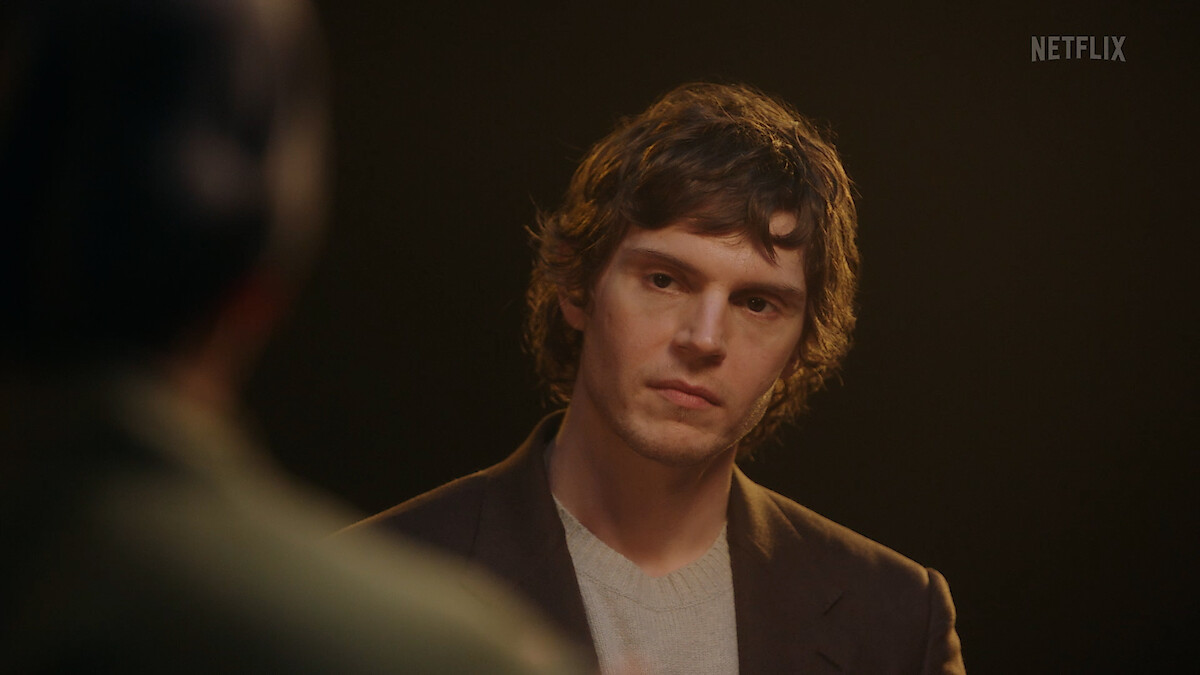
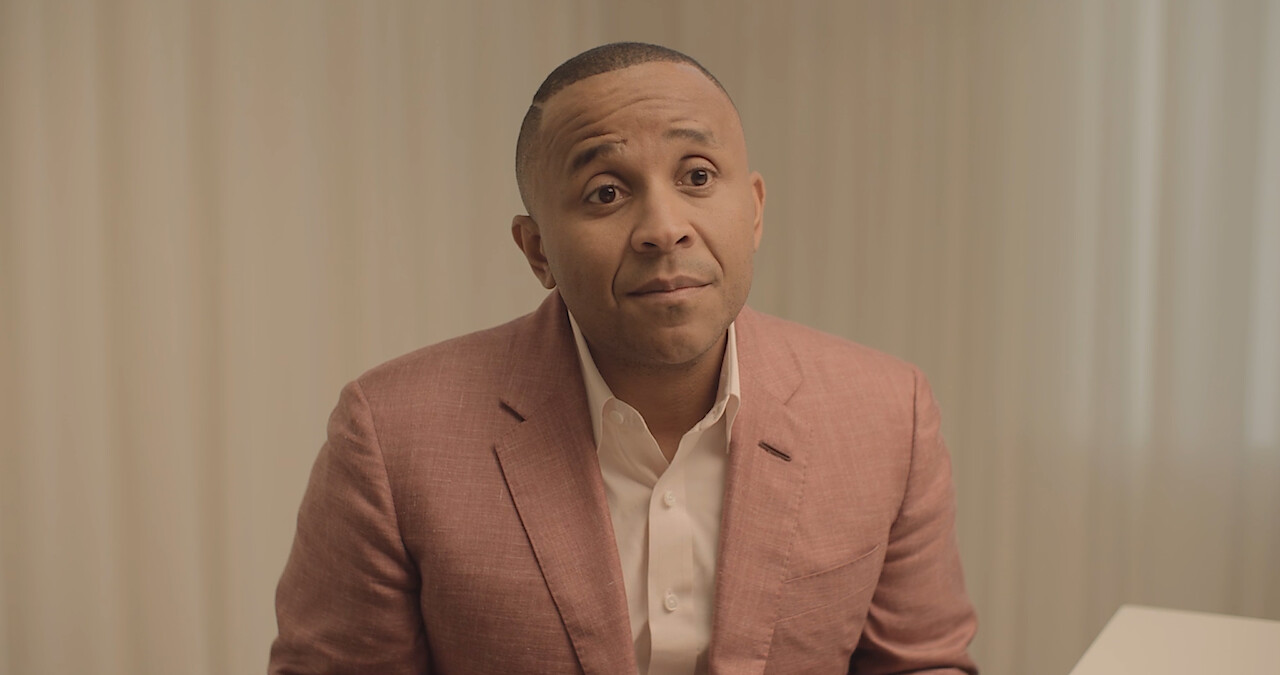
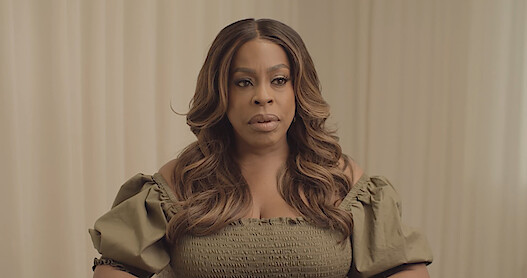
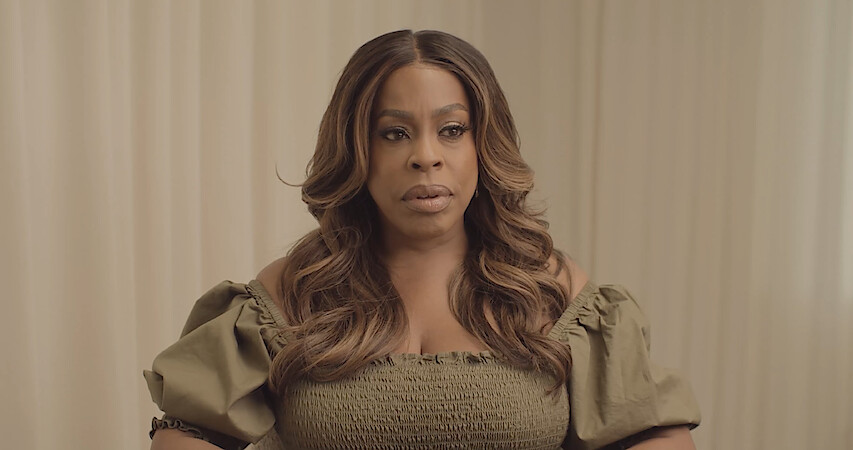
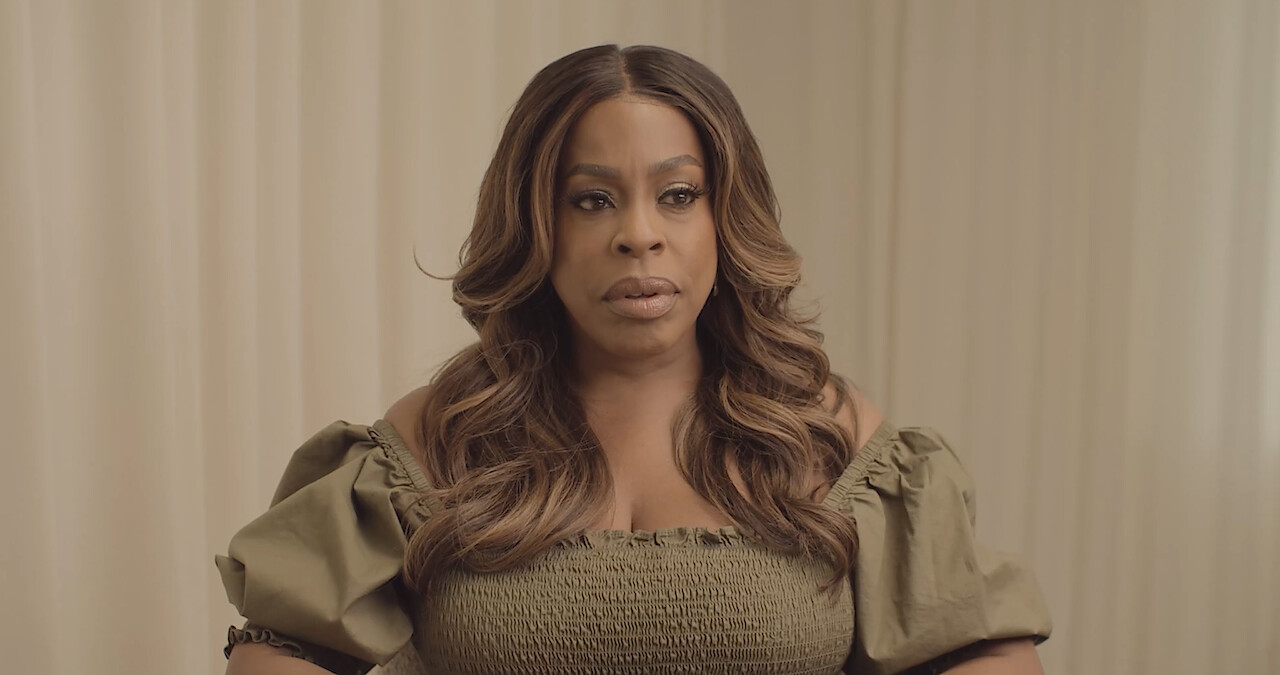
Following DAHMER’s massive streaming success — and shortly before its two-season renewal as an anthology series — Murphy hosted a roundtable discussion with Peters and Nash, as well as Richard Jenkins, Penelope Ann Miller and Molly Ringwald, who play Dahmer’s father, Lionel; his mother, Joyce; and his stepmother, Shari, respectively, in the series. Below are eight takeaways from their conversation, which you can watch in full above.
1) DAHMER has been nearly a decade in the making.

Ser Baffo/Netflix
Murphy has been contemplating how to tell this gruesome, devastating and tricky story for quite some time. “I’ve been working on this, I think, for close to a decade,” he says in the roundtable. “It took me a while to get it made.”
So, why the delay? “It was way outside my comfort range,” he says, adding that the show “really is about the power of white privilege, how this person got away with this 10 times and counting because of how he looked, who he was in society. It’s about homophobia. It’s about racism. It’s about all of these things.”
Still, DAHMER’s exceptionally challenging subject matter was also the reason Murphy couldn’t let go of the idea. “Everybody who was involved in this was obsessed with it, and loved it, and knew it was really hard,” he says. “And everybody wanted to do it because it was hard.”
2) Evan Peters tied lead weights to his hands in rehearsal.
Ser Baffo/Netflix
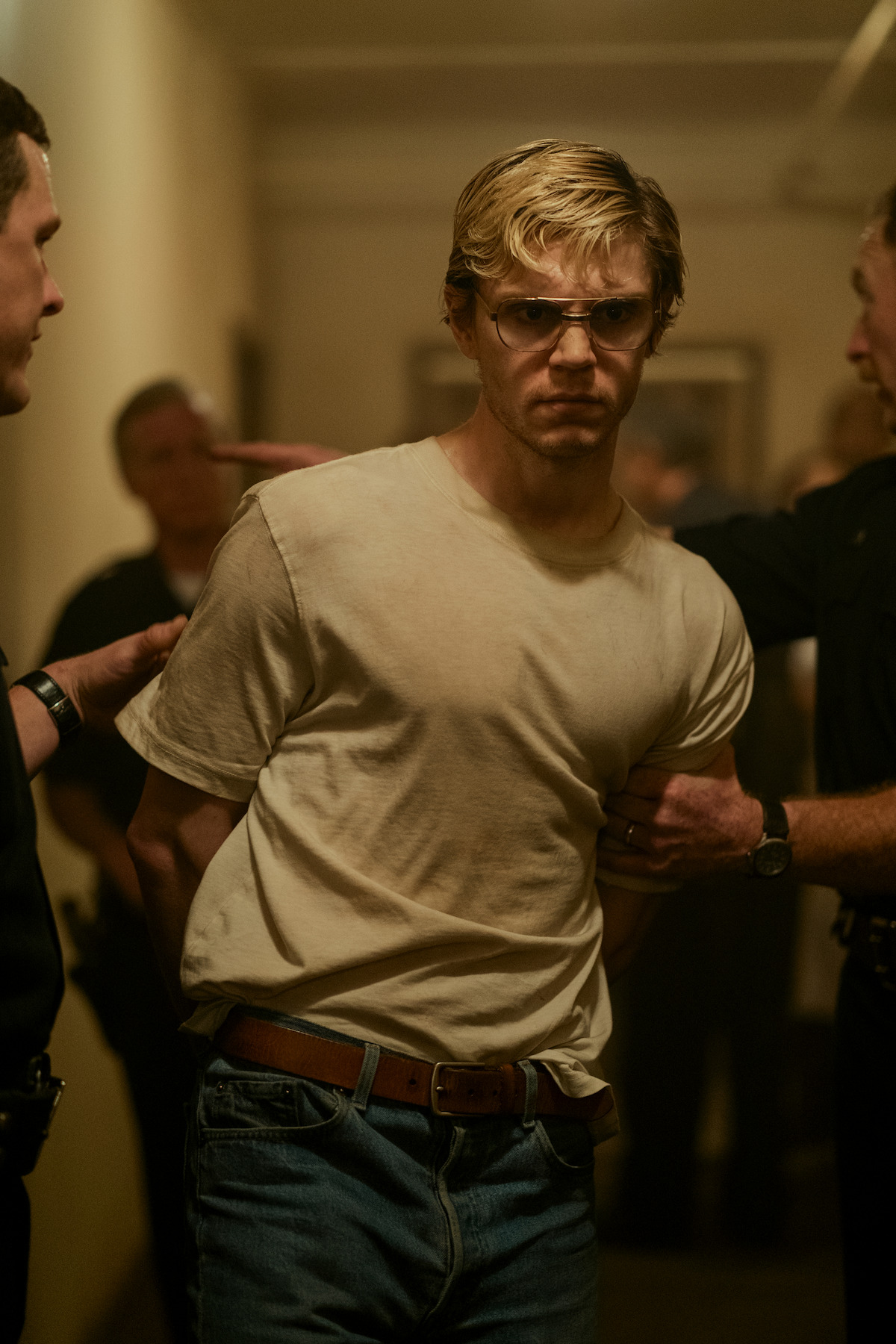
Peters’ transformation into Dahmer took him to some dark places psychologically. But before diving into the serial killer’s mind, he first had to nail down his physical movements. Peters watched hours of footage, and even compiled a 45-minute reel of Dahmer talking to listen to every day and capture his diction.
“I watched all the footage I could find, the [Stone Phillips] interviews, [from the] courtroom, and I sort of studied how he moved. He had a very straight back. He didn’t move his arms when he walked.”
To nail that unusual posture, Peters wore lead weights around his hands. “It was important for me to get how that felt,” he says. “In the beginning I wore [the] wardrobe: [the] shoes and jeans and glasses, and I had a cigarette in my hand at all times, just trying to get all of these [to be] external second nature, so I wasn’t thinking about it when we were shooting.”
3) Niecy Nash gave Evan Peters some very personal advice.
Peters stayed in character for months while playing Dahmer, which means that he had little opportunity to bond with his castmates. In fact, Nash jokes that when people ask her what it was like to work with Peters on the show, she says, “I don’t know.”
“We did not connect at all during the filming. And at first, I felt some kind of way because I felt like, ‘Well, who doesn’t like me? I’m a very likable lady,’” she jokes. “And then I realized, I’m like, ‘Oh, this is his process. I’m so sorry.’ ”
Still, she did offer him a valuable piece of advice, which Peters admits helped him get through a difficult shoot. “I’m such a huge fan of yours, and it was really a pleasure to work with you,” he tells Nash, recalling that she shared a saying from her grandmother while he was “really struggling.”
“I told Evan she always said, ‘Hang tough ’til you get enough. And when you get enough, still hang tough.’ She used to say, ‘Pull up, and push through, and never look like what you’re going through,’” Nash says, tearing up. “The reason why it makes me a little bit emotional is because that’s my grandmother, who passed away recently [and was] from your hometown, St. Louis,” she adds, looking at Peters. “Thank you for even reminding me of her words because they still serve me too.”
4) Evan Peters watched Step Brothers to get out of character.
Everett Collection
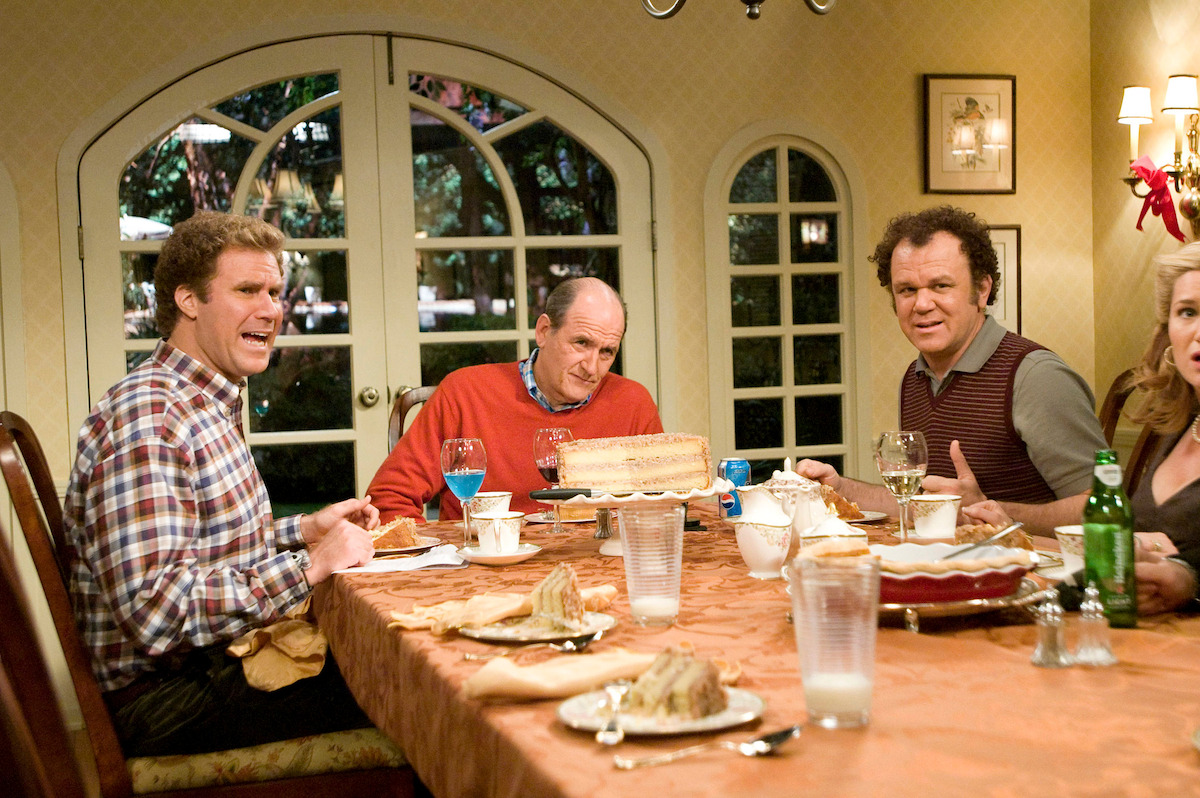
Richard Jenkins as Robert Doback (center) in Step Brothers.
Peters was so committed to his performance that his castmates admit they were a little worried about him. Richard Jenkins, who plays Jeffrey’s father, Lionel, was especially concerned that Peters might burn out. So, it’s only fitting that after giving “120%” of himself to the character, Peters unwound by watching Jenkins play a more lighthearted version of an on-screen dad in Step Brothers.
“I put in so much negativity and darkness to portray the character, that I just thought, ‘Okay, once this is done, all that goes away, I have to get back into the light, and start filling myself back up with comedies, and romance, and all sorts of things like that,” he says.
Molly Ringwald, who plays Dahmer’s stepmom, Shari, is quick to support her on-screen husband. “I just watched that too!” she jokes.
5) Niecy Nash still cries when she thinks about Glenda Cleveland.
Nash, who first worked with Murphy on his cult camp series Popular, said yes to the role of Glenda Cleveland before even reading the script. But it wasn’t until she started shooting that she realized the true weight this performance carried.
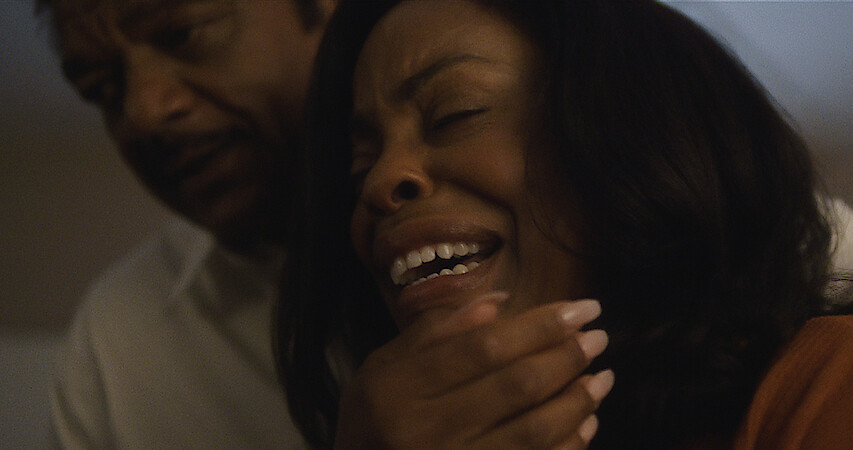
“To be the face and the voice of so many Black women who go unheard and unseen...” she starts, before asking for a tissue. “My tears often come when I wonder where Glenda’s spirit is right now. And she knows that the world has shown up and taken note of what she was trying to get people to [realize].”
Nash is also grateful that the role allowed her to showcase her range as a performer. “The industry... said, ‘You have a lane, you do comedy. That’s what you do. And you stay over there.’ So, to be able for the world to see that I’m more than one thing was a gift.”
6) Ryan Murphy wanted the lighting in Dahmer’s apartment to be “urinal cake yellow.”
“That smell is worse than ever,” Glenda tells her creepy neighbor in the DAHMER series premiere. Indeed, there’s a pervasive sense of rot in this series, a feeling that everything smells off all the time. But how do you convey that on-screen?
Murphy explains that while researching DAHMER, he came across a police photograph of the empty hallway in the killer’s apartment. “It was very yellow,” he says. “And that’s our palette.”
“That’s what I heard when I got there was ‘urine yellow,’ ” says Ringwald, who adds she could “smell that room” just by looking at it.
“It was urinal cake yellow,” Murphy continues. “We talked a lot about that in the lighting of those scenes: What is the particulate in the air? What is the humidity?”
Penelope Ann Miller’s take? “It was putrid.”
8) Richard Jenkins had to answer a difficult question to play Lionel Dahmer.
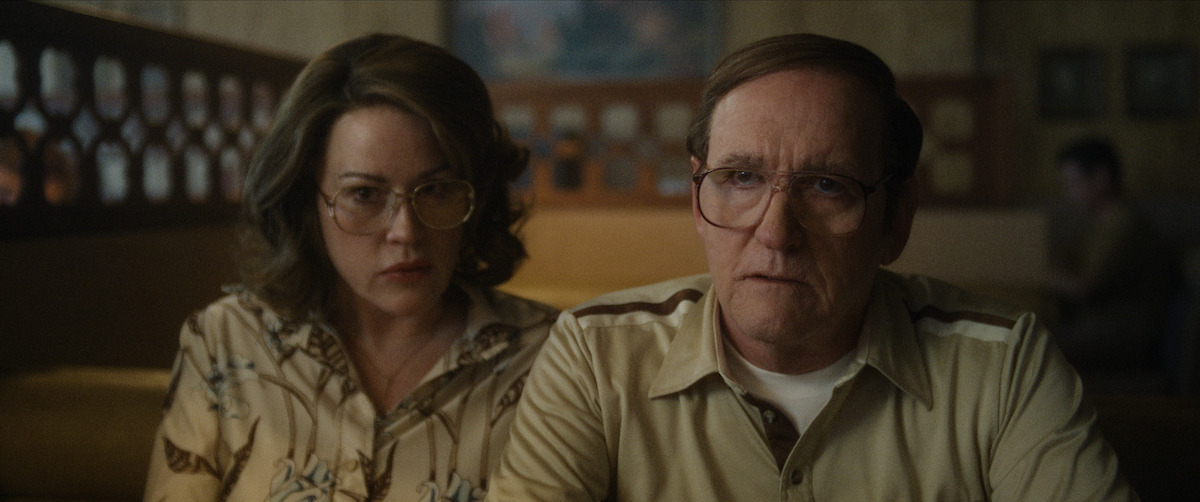
Richard Jenkins as Lionel Dahmer (right) in DAHMER — Monster: The Jeffrey Dahmer Story.
Murphy wrote the character of Lionel Dahmer for Jenkins, whom he first directed in his 2010 film Eat Pray Love. “There’s a lot of my father in Lionel,” he says, adding that he was sure Jenkins would refuse the role.
Instead, Jenkins immediately accepted. “I only read three episodes — that’s all you had written,” he says, visibly moved. “And the question for me was, if Jeffrey Dahmer is your son, do you stop loving him? And the answer is no.”
His No. 1 priority was to convey a man who was as relatable as possible. “This is a true human being that is not just one thing,” Jenkins adds. “He’s a father filled with everything fathers are filled with: terror, love, hate, anger, bitterness.”
9) Molly Ringwald’s son didn’t recognize her in the show.
Ser Baffo/Netflix
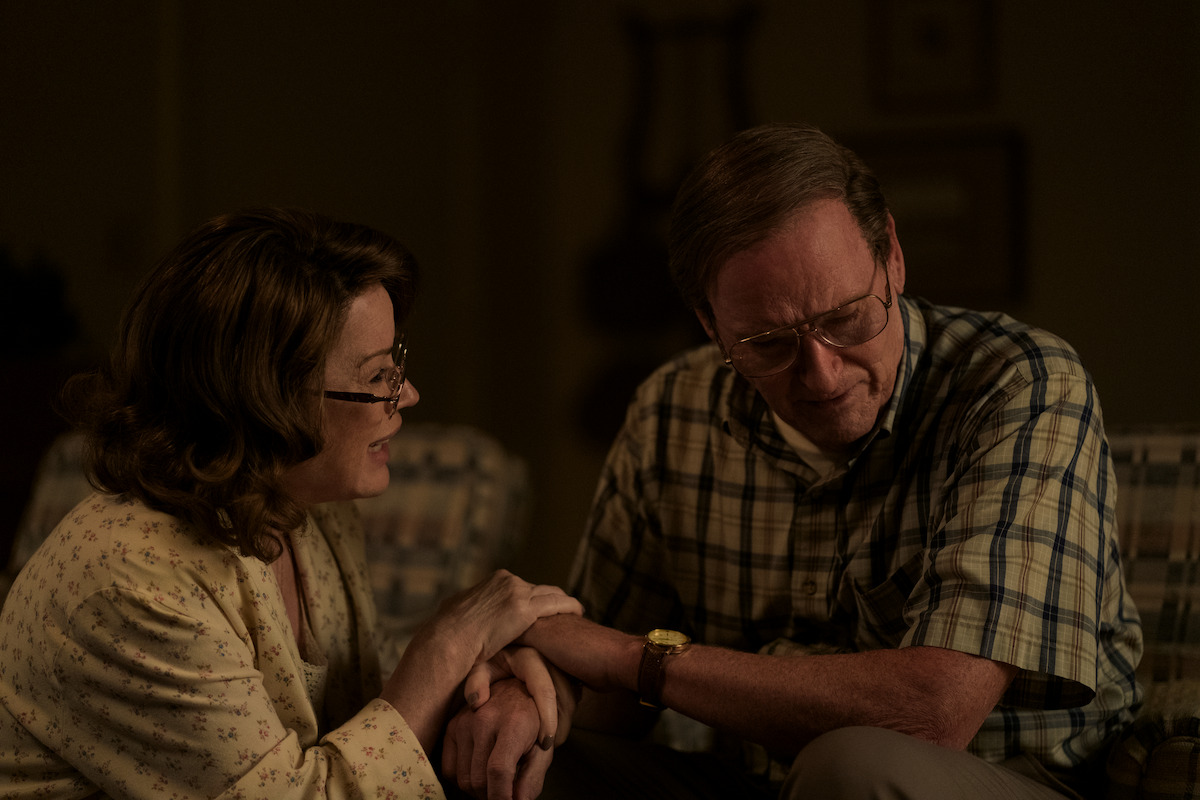
Molly Ringwald as Shari (left) in DAHMER — Monster: The Jeffrey Dahmer Story.
If you didn’t immediately recognize Ringwald as Shari, know that you are not alone. “My 13-year-old son found out at school that I was in DAHMER,” she says. “[He] came back [and] he’s like, ‘You’re not in DAHMER, are you?’ ‘Yes, I am. That’s me.’ ”
The Breakfast Club star adds that the opportunity to appear in a very different kind of role was part of the appeal of the project. “I really like the fact that people have seen DAHMER who have seen me for years and didn’t know that it was me at first.”
DAHMER — Monster: The Jeffrey Dahmer Story is now streaming on Netflix.