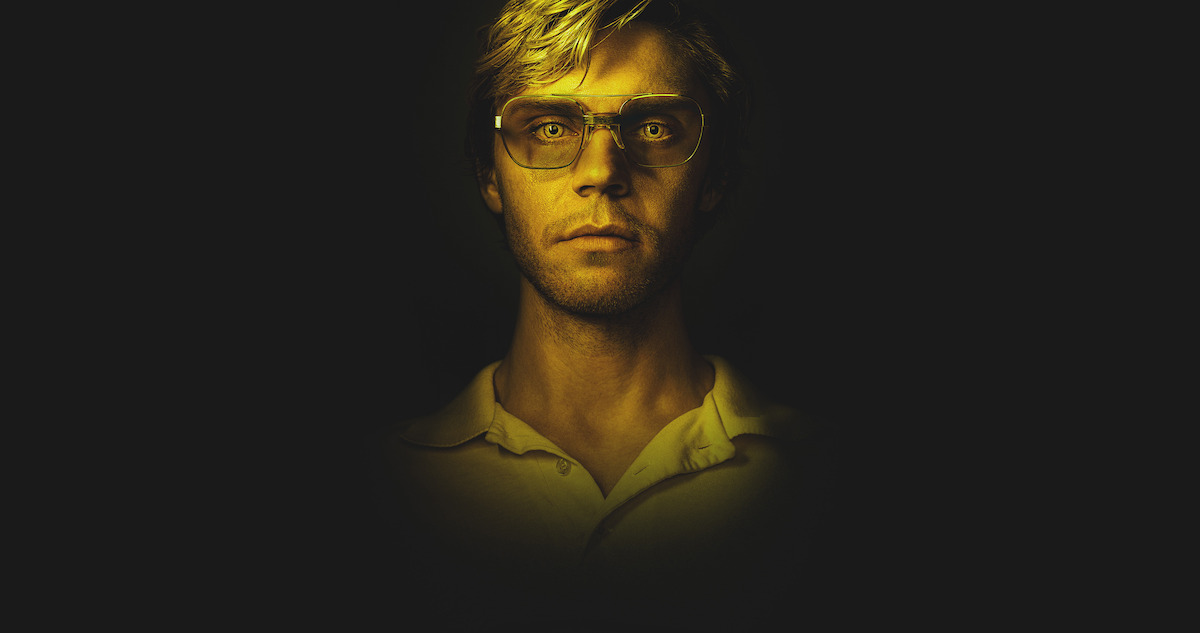
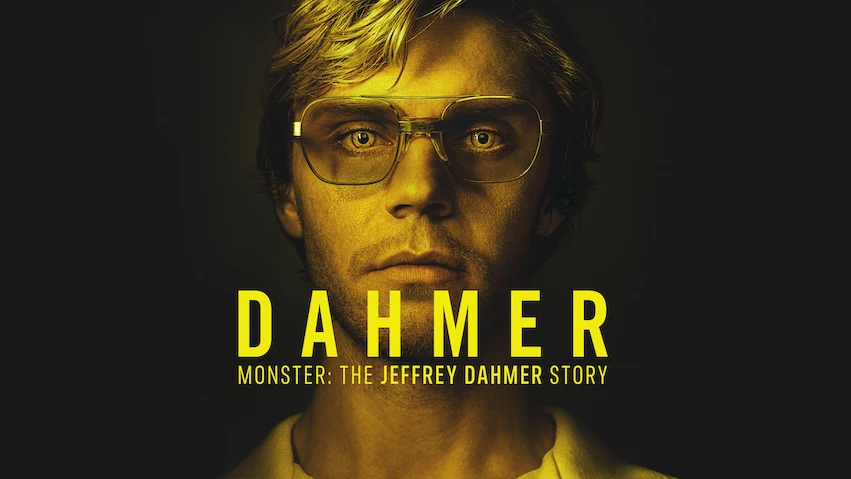
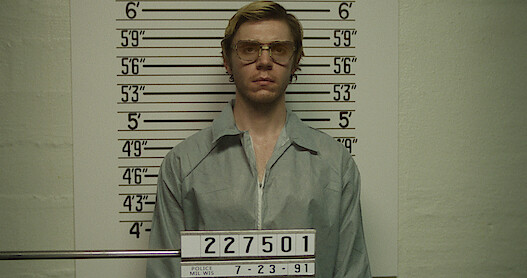
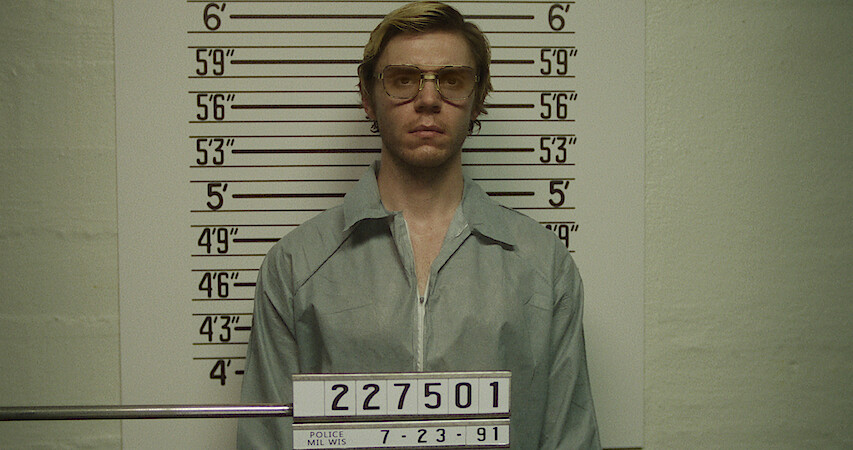
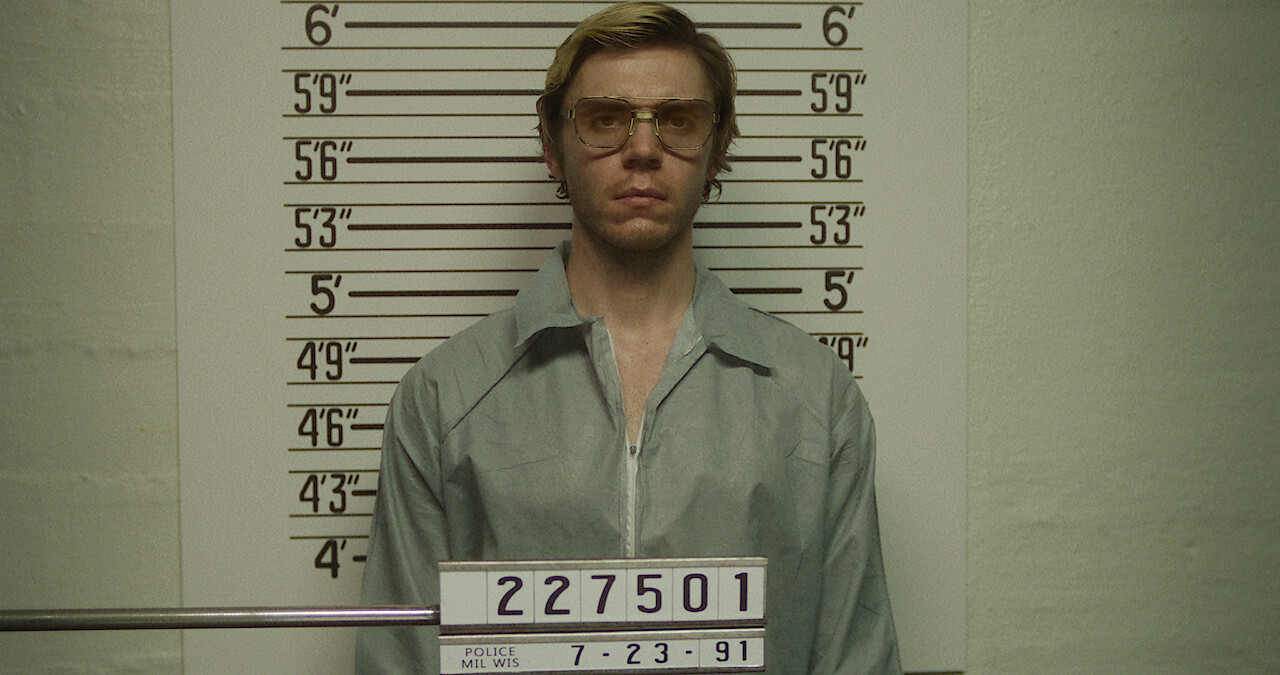
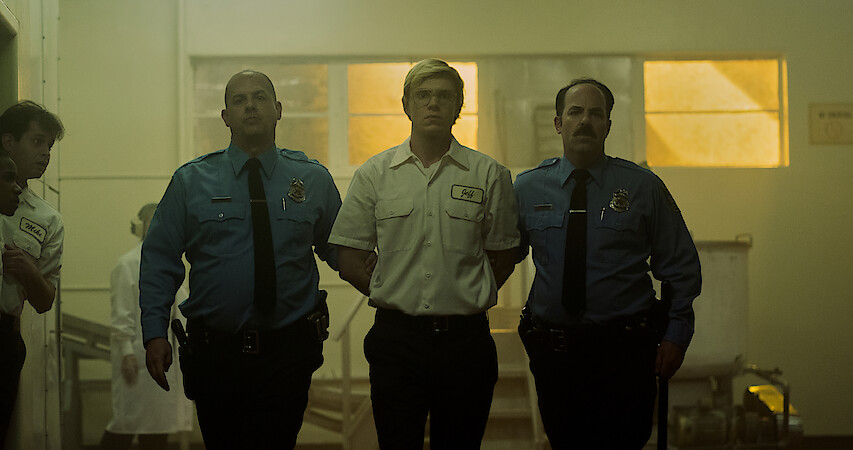
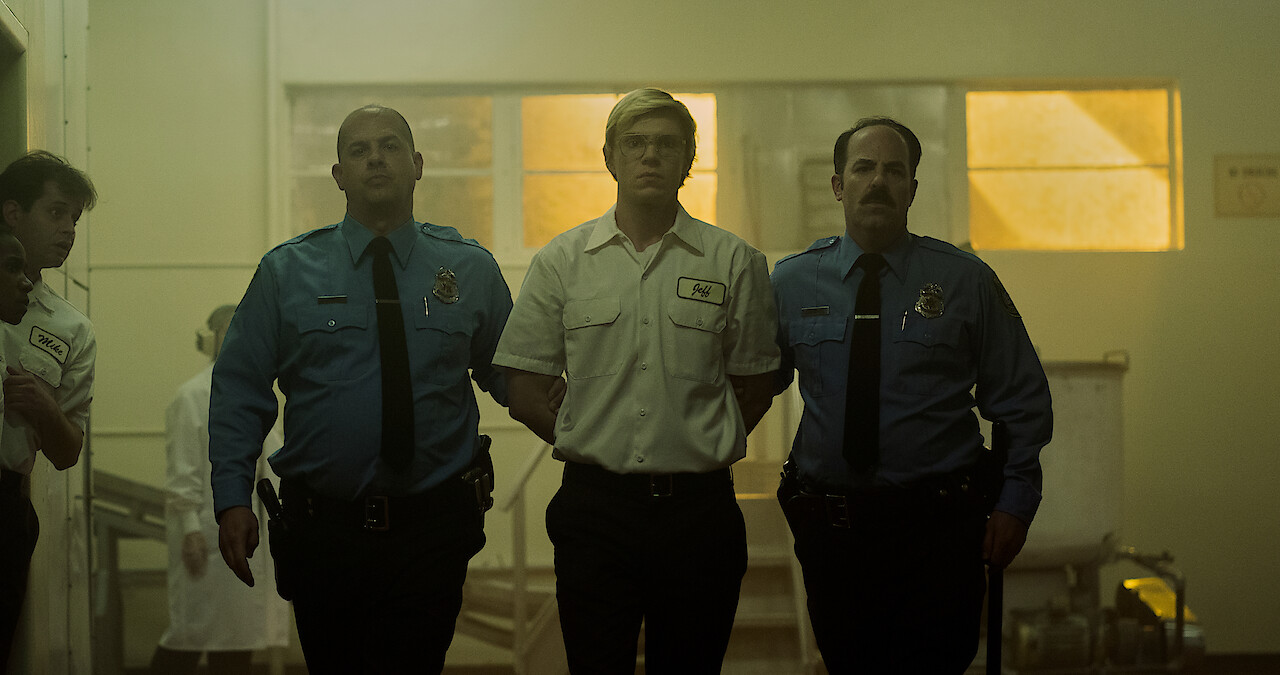
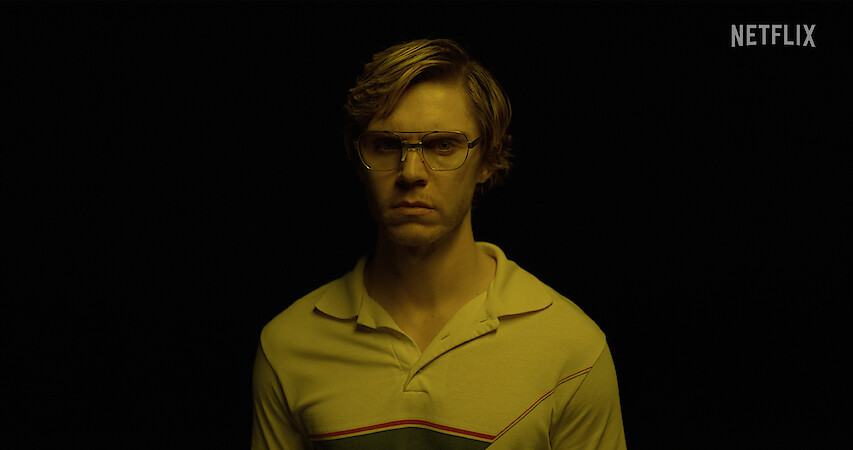
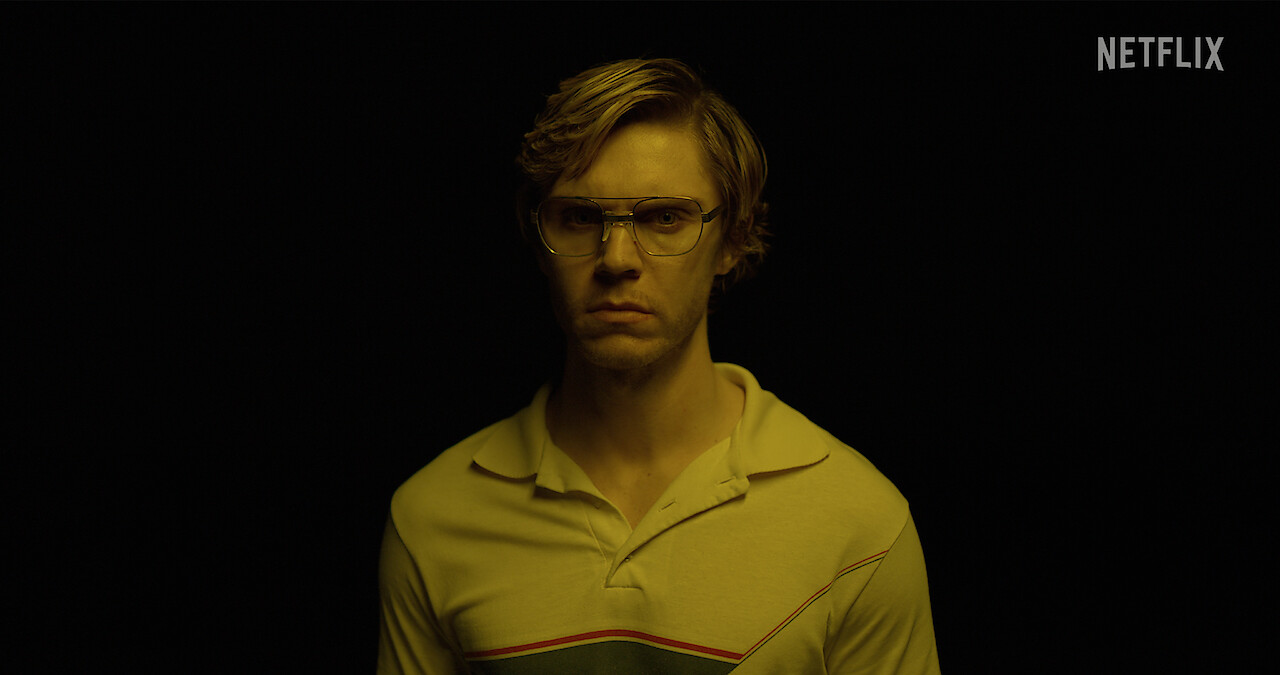
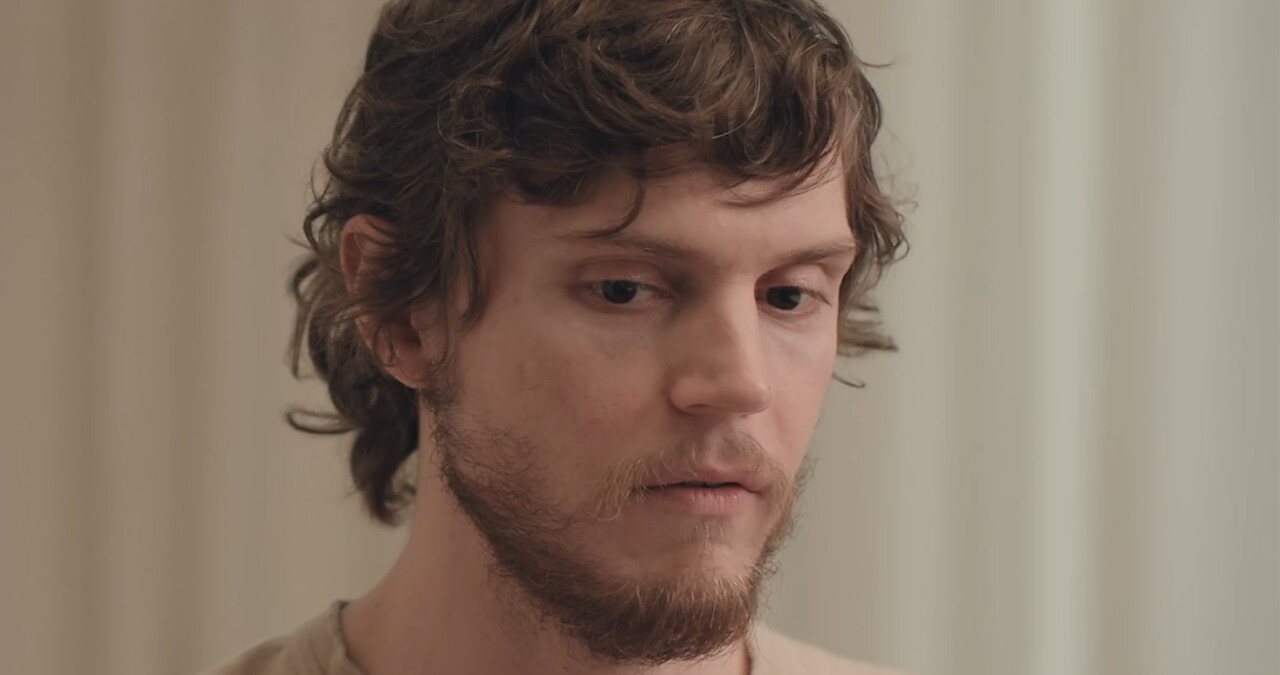
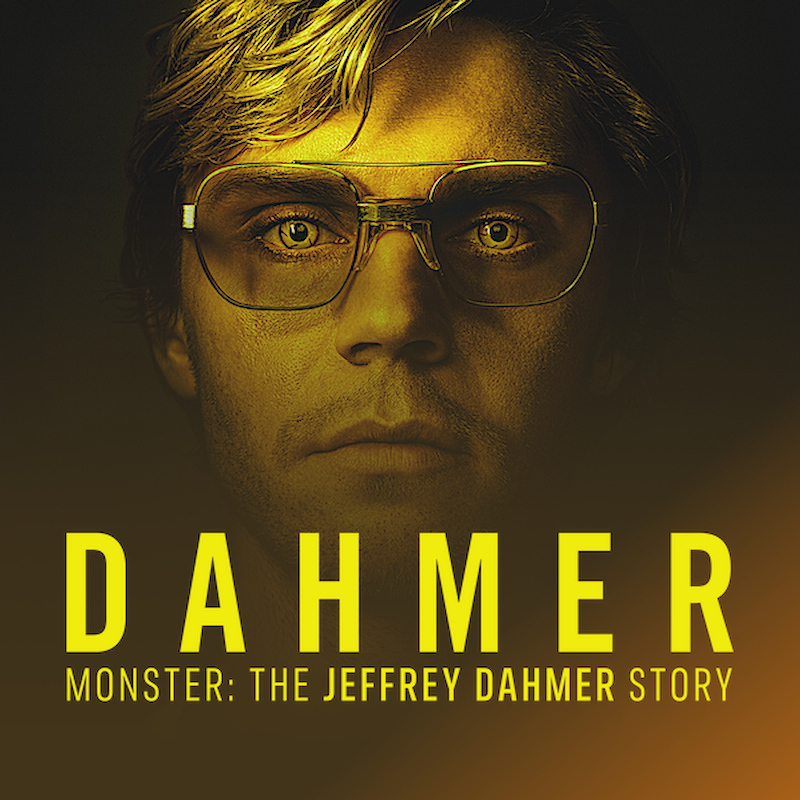
“You’ve got your whole life ahead of you,” a police officer tells an 18-year-old Jeffrey Dahmer (Evan Peters) in the second trailer for DAHMER — Monster: The Jeffrey Dahmer Story, which you can watch above. “I’m not going to fuck that up by arresting you tonight.”
Despite the suspiciously full trash bags visible in the back seat of his car, Dahmer is sent on his way, free to continue the spree of murders that would leave at least 17 young men dead.
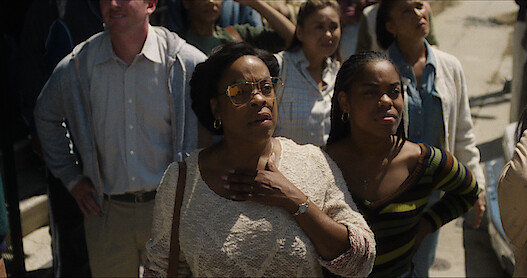
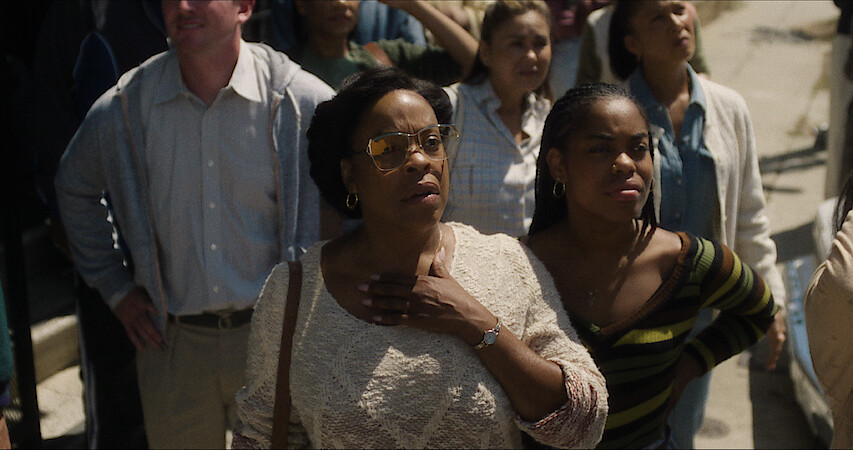
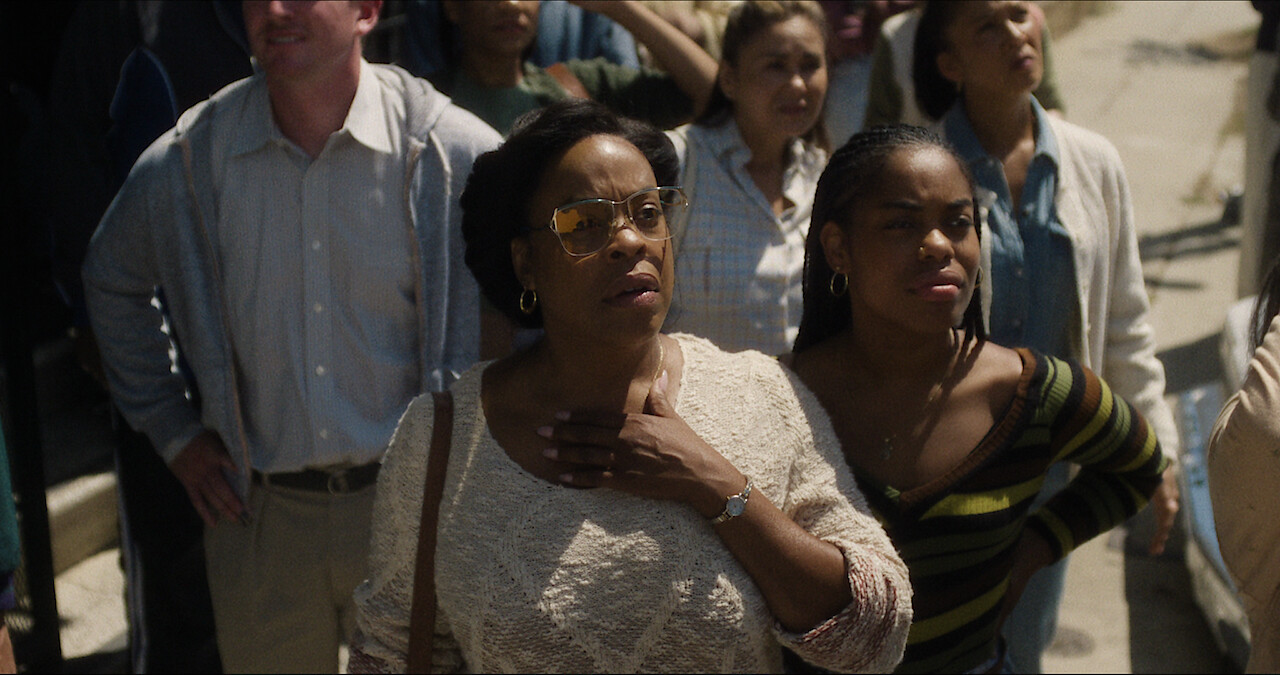
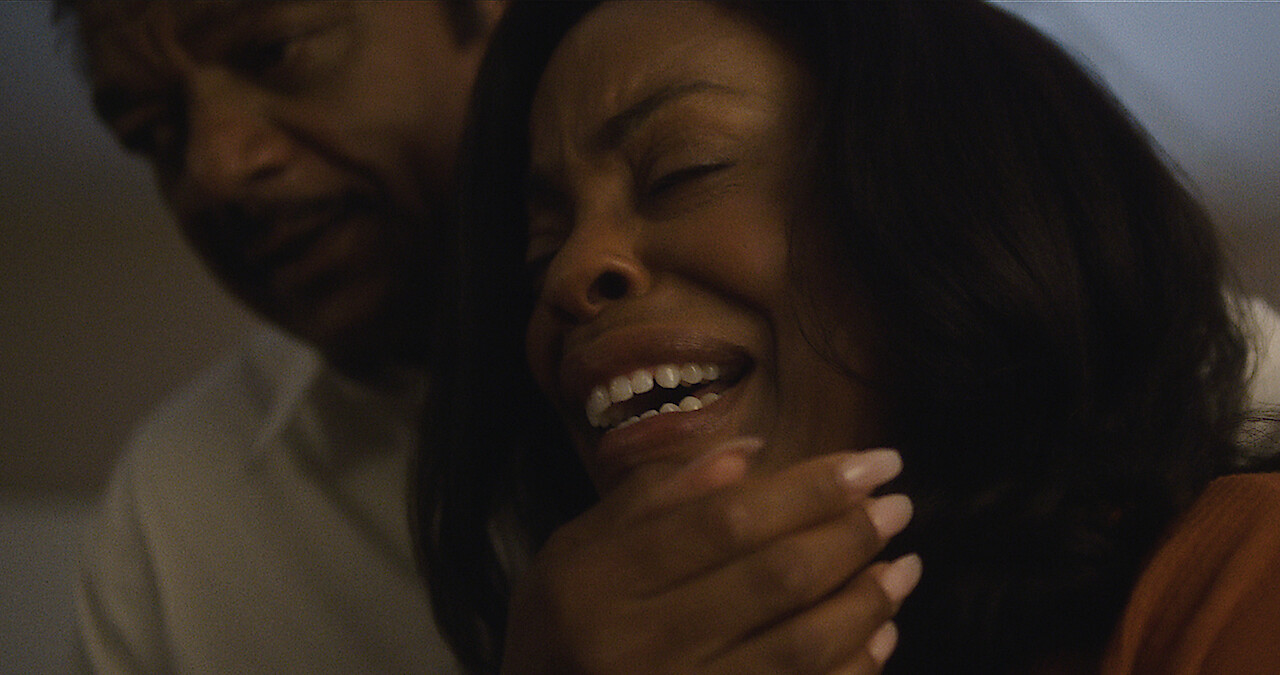
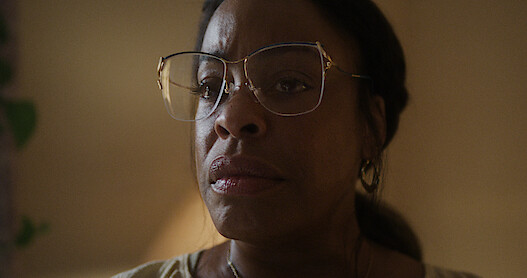
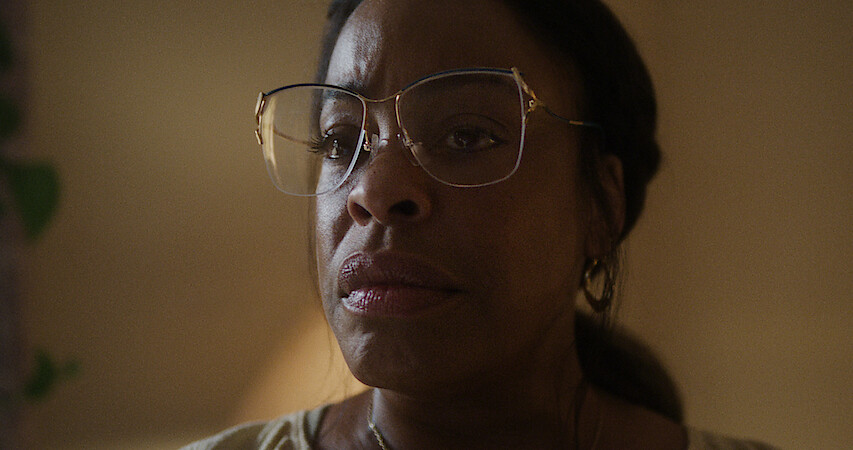
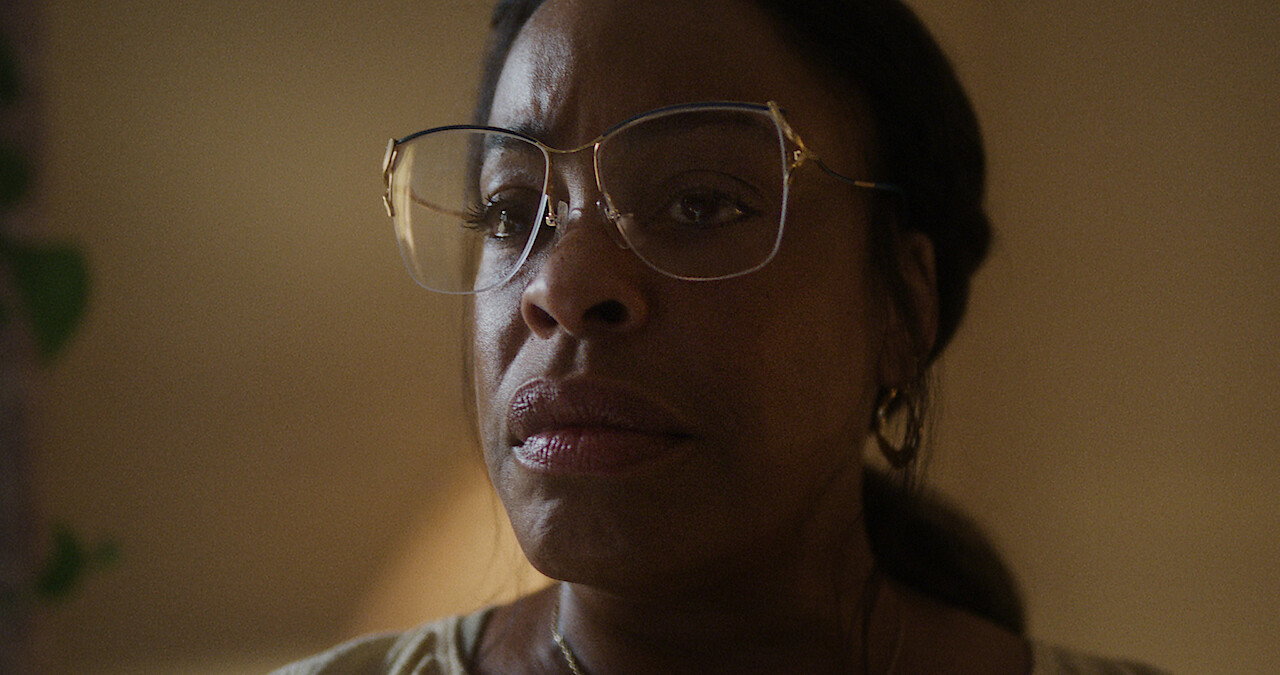
Created by Ryan Murphy and Ian Brennan, DAHMER exposes the notorious serial killer’s gruesome crimes, but also the continuous institutional failures and pervasive systemic racism that enabled him to carry them out for over a decade. Throughout the trailer, you’ll hear the voice of Dahmer’s neighbor Glenda Cleveland (Niecy Nash), who calls the police on him multiple times, at one point even explicitly stating “somebody is either being hurt or killed” — to no avail. And then there’s the judge who proudly declares that he’s going to give Dahmer “a second chance,” so that he can learn his lesson and get his act together. That chance turns into another, and still another, as Dahmer racks up kill after kill while those in charge turn a blind eye. Why? Because he is white, while his victims are overwhelmingly young gay men of color.
“Our people don’t count,” Cleveland says in the trailer. “No matter what we do, they never listen.”
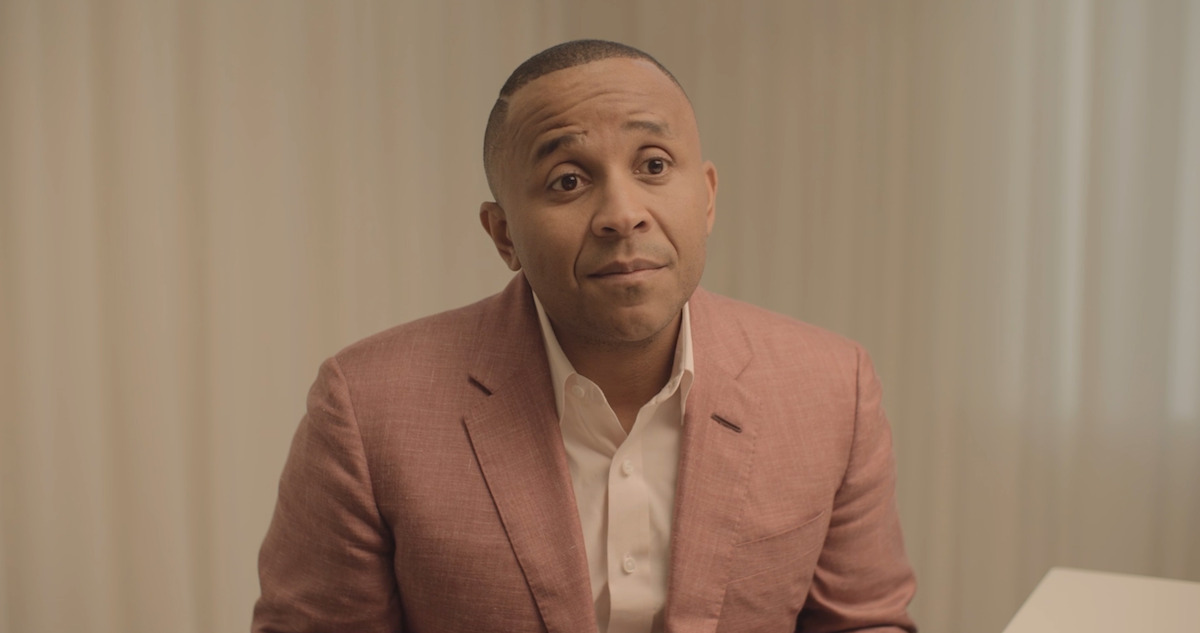
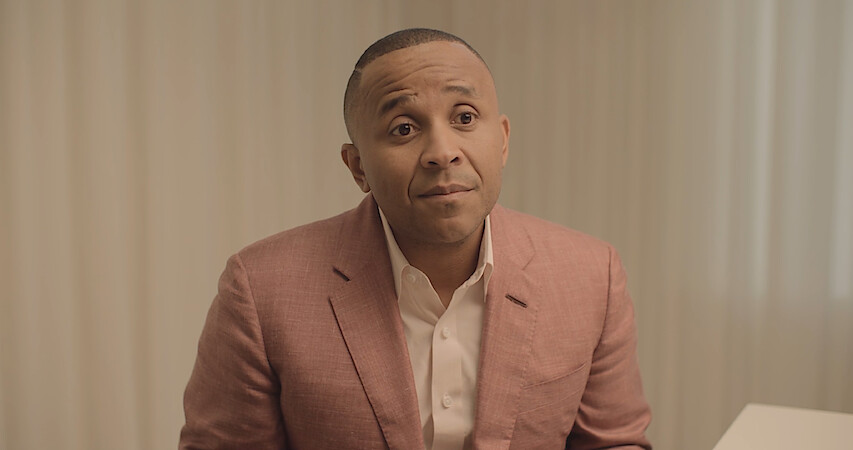
For Rashad Robinson, the president of nonprofit civil rights advocacy organization Color of Change, that stony institutional silence in the face of marginalized communities’ repeated calls for help is the real crux of this narrative.
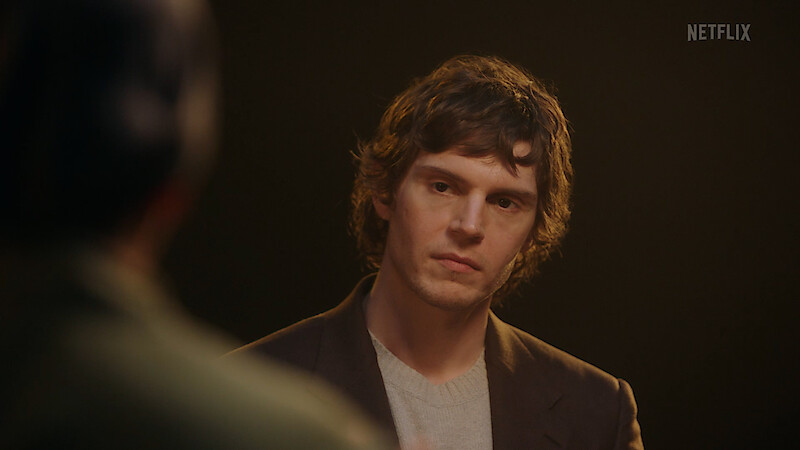
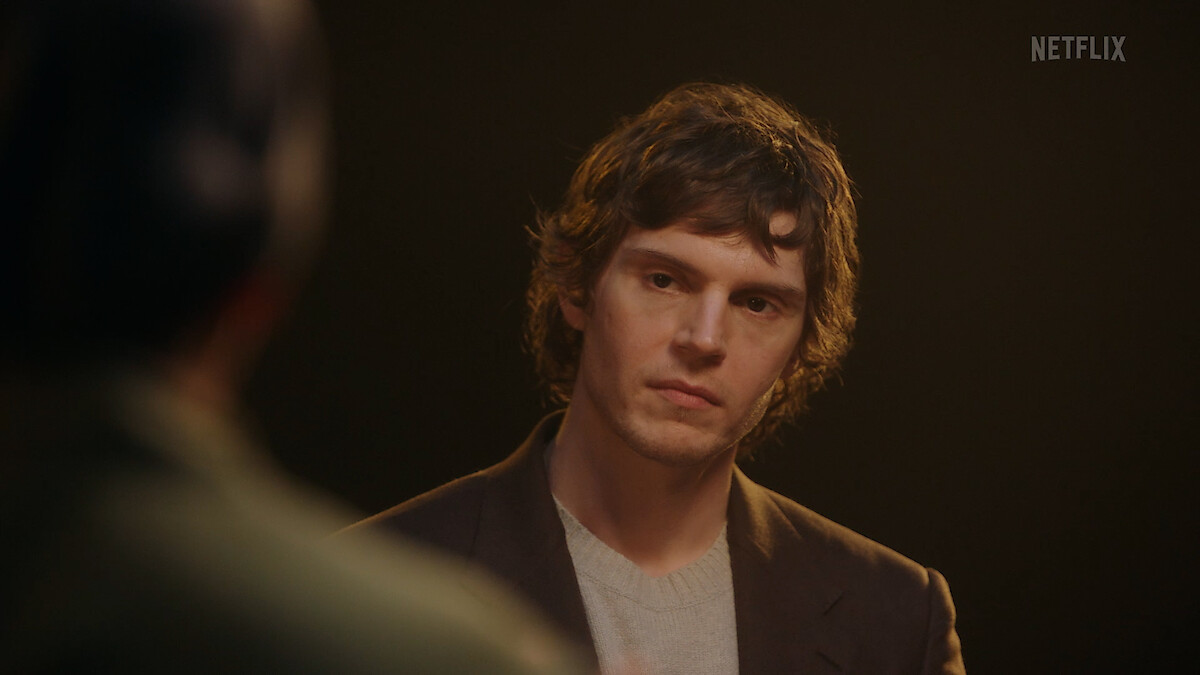
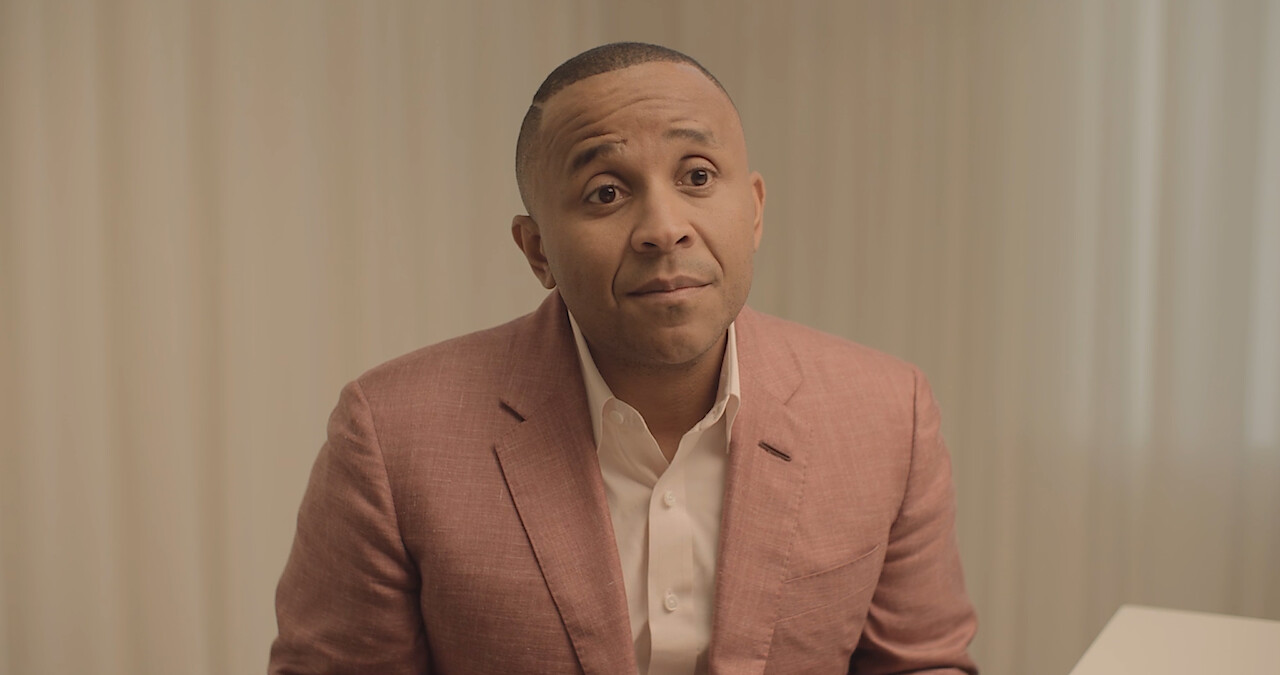
“This is a different story than the stories that have been told,” he says in a new featurette. “Because yes, it is a story about Dahmer, but it’s also a story about the victims. It is a story not just about the victims who were murdered, but about the community, about the chilling impact of not just what Jeffrey Dahmer was able to do in all the harm, but all the ways in which the police, the larger leadership in Milwaukee, the media and so many others in society were complicit.”
As a consulting producer on the series, Robinson worked with Murphy to ensure that the victim’s stories — and their brave activism — would not only be heard, but emphasized. Moreover, he stressed the importance of spotlighting the egregious judicial failures that allowed Dahmer to roam free for over a decade. “I wanted to make sure that we really enhanced the deep understanding of the systemic racism in the Milwaukee Police Department, that we really enhance all the ways in which policing failed throughout each and every stage, the incentive structures that allowed a blond-haired, blue-eyed guy to continually kill and harm people, particularly Black and brown people.”
“This was not a situation of a lone wolf, which is oftentimes the story that gets told about Dahmer,” Robinson adds. “And so what makes this different is that we get to understand and see the humanity of those who were murdered by Jeffrey Dahmer. But we get to understand and see it not as unfortunate, but as unjust.”
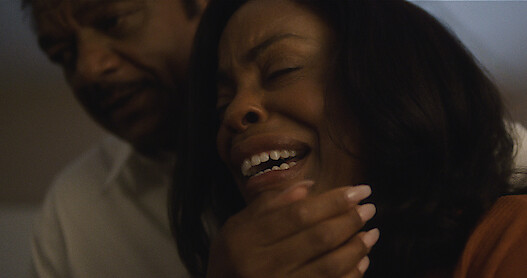
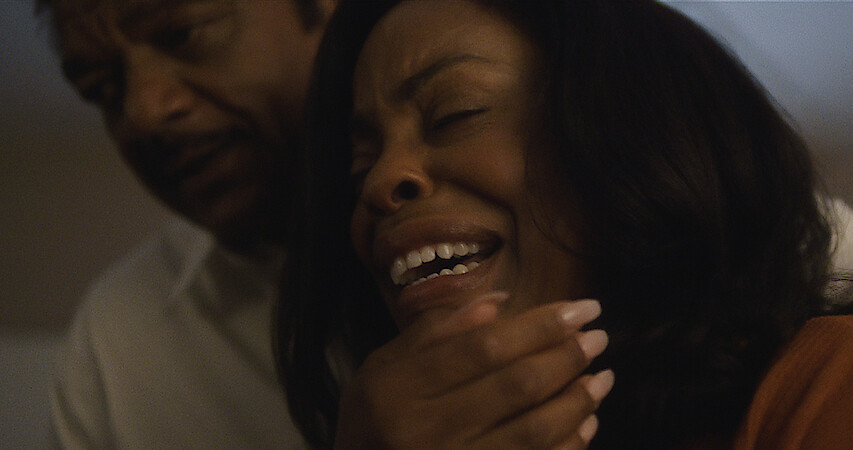
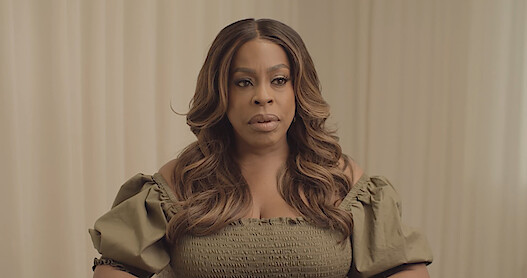
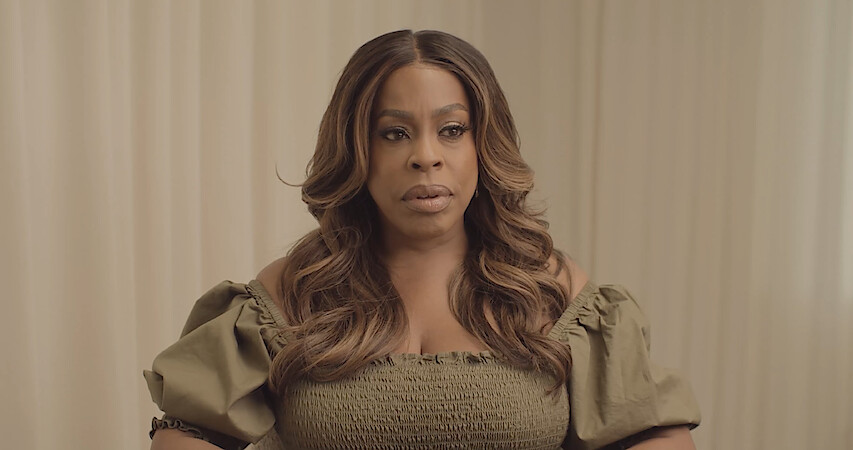
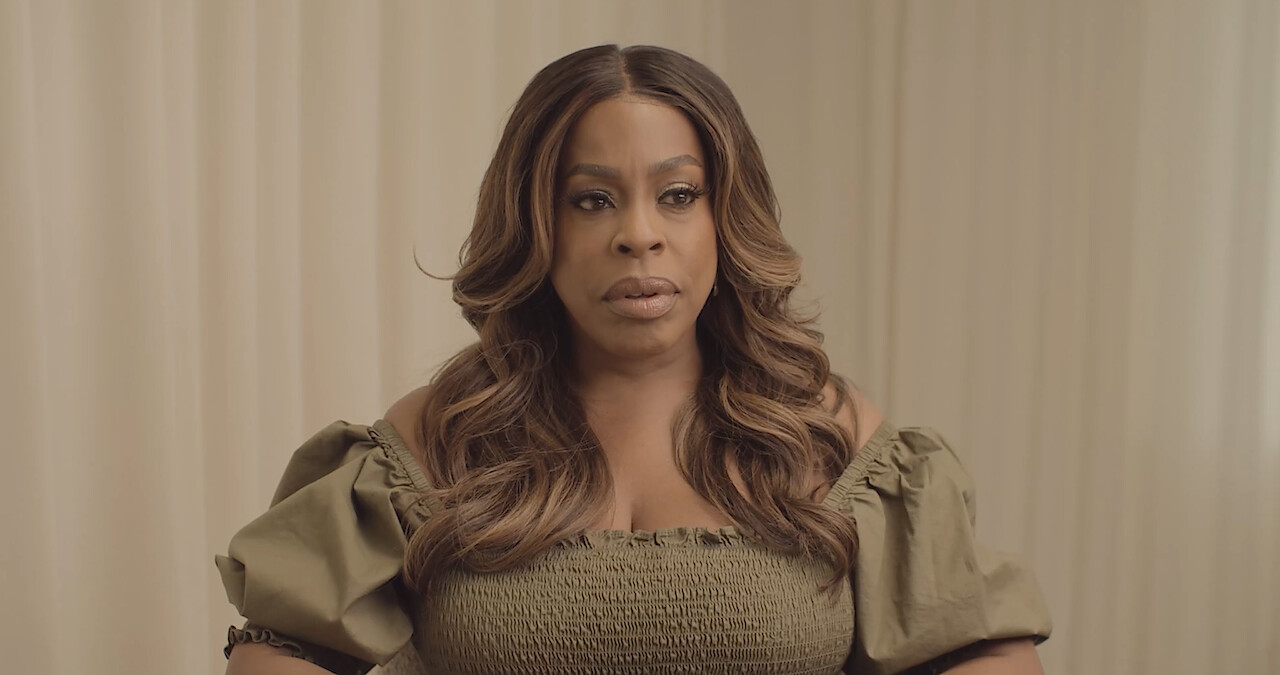
That injustice is all too present in Cleveland’s storyline, which has long been missing from the popular understanding of Dahmer’s crimes. “Glenda was one of his victims too,” Nash told Queue. “And her story has been told the least.”
That story is incredibly harrowing. As explained in Queue, the police had multiple opportunities to investigate Dahmer. Cleveland first complained of a pervasive smell in the building to her landlord. When he refused to act, she started calling the cops. In one especially tragic instance, Cleveland called in to report that she had seen 14-year-old Konerak Sinthasomphone stumble naked and distressed out of Dahmer’s apartment. The police arrived on the scene and, taking Dahmer’s word that the boy was his lover, escorted him right back inside.
“I wanted to enforce the humanity of these victims and their families,” Robinson explains. “I wanted to make sure that we, as viewers, got to truly sort of understand how a situation like this takes place, not just through [Dahmer’s] eyes, but through the eyes of people who had their own hopes and aspirations and dreams.”
DAHMER — Monster: The Jeffrey Dahmer Story premieres on Netflix on Sept. 21. You can watch the full interview with Rashad Robinson below: