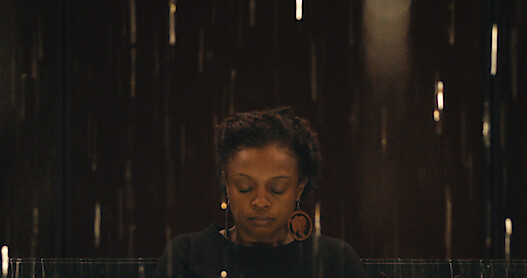
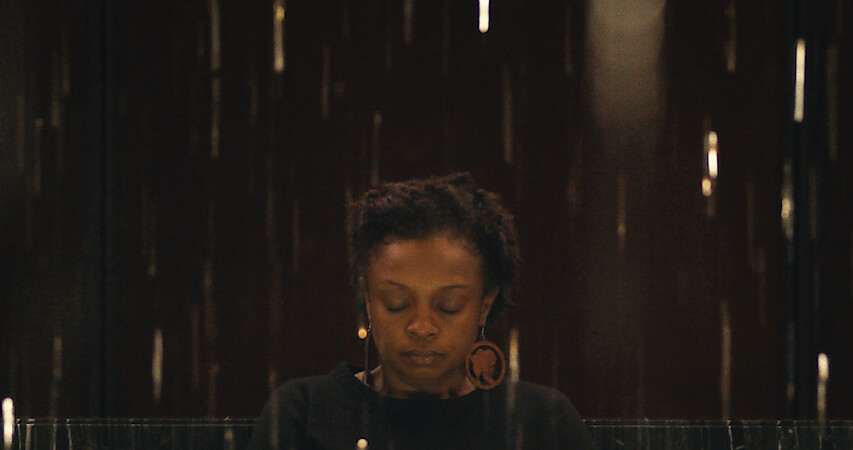
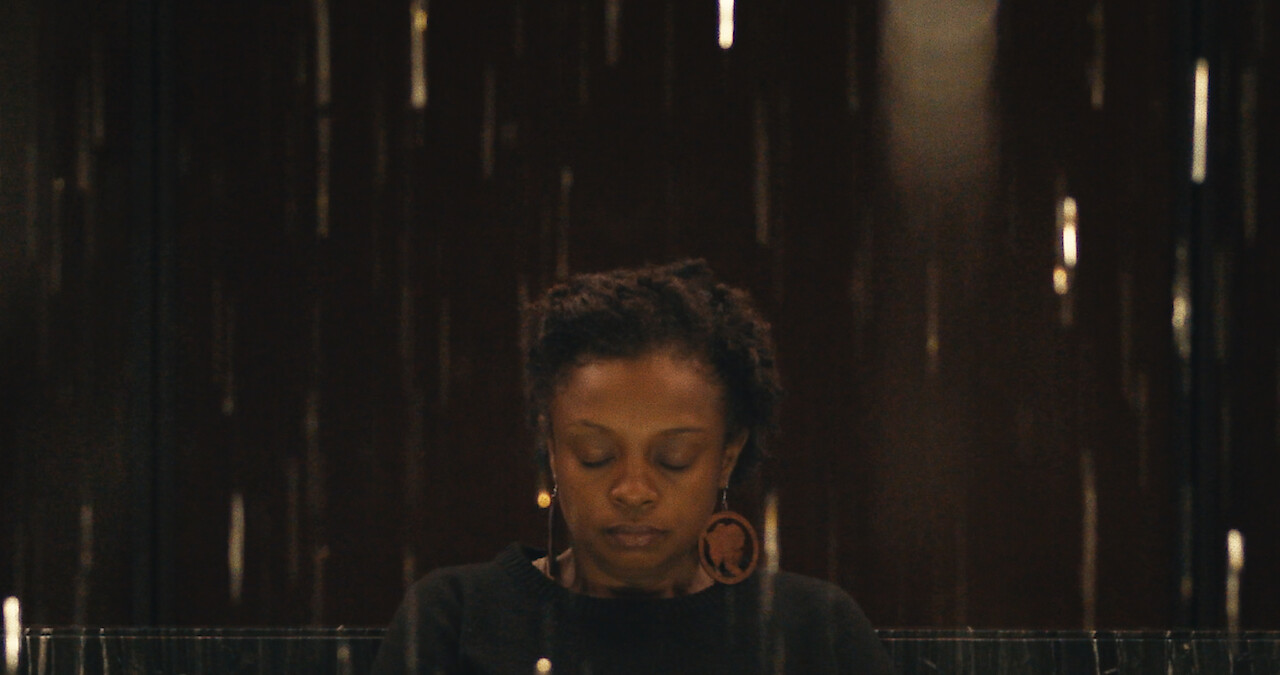
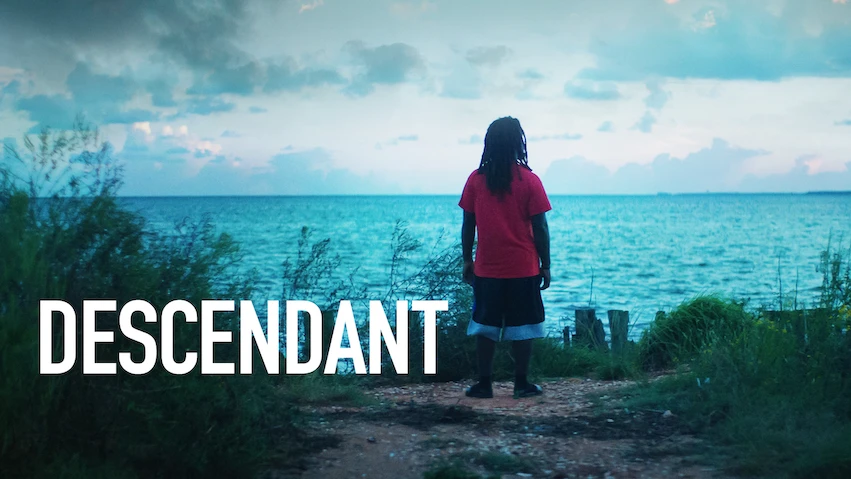
Joycelyn Davis, a lifelong resident of Africatown in Alabama, maintains a packed schedule. During the week, she works with children with autism and Down syndrome at an elementary school, and she maintains a part-time job on weekends. She attends Union Missionary Baptist Church, which was founded by her ancestors, and she’s currently working to organize the fifth annual Spirit of Our Ancestors Festival. “I do many things and I love my community,” Davis tells Tudum. Her love for Africatown is evident throughout the new documentary Descendant. She’s seen attending community events and calling her neighbors directly to inform them of the discovery of the Clotilda, the ship that illegally transported her ancestors from Africa to America.
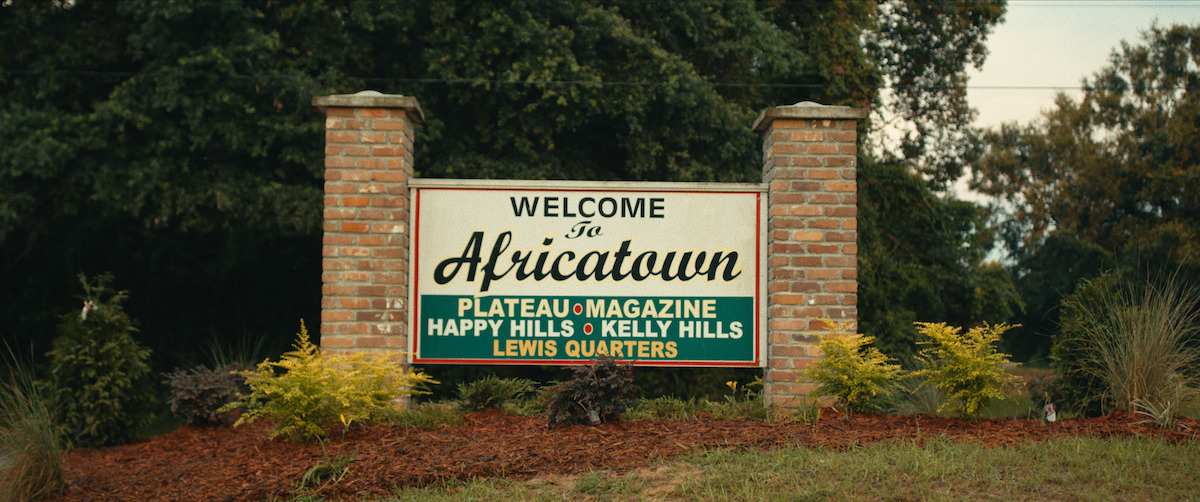
The discovery of the Clotilda shipwreck gave Africatown’s residents a national spotlight. But along with this acknowledgment of Africatown’s history comes the potential for people outside the community to profit off of the descendants’ story. “It’s a capitalist society. People are going to come out of the woodwork,” says Dr. Kern Jackson, director of the African American Studies program at the University of South Alabama, as well as a co-writer and co-producer of Descendant. “Once a historical narrative is out there, it’s open for people to do what they do, whether it’s healthy or not.” Davis and her neighbors are working to ensure that they can harness this wave of interest in a way that benefits themselves and future generations of Africatown residents.
Davis credits Mary Elliott, a curator at the Smithsonian’s National Museum of African American History and Culture (NMAAHC), for deepening her dedication to her community. Elliott began engaging with Africatown residents in 2017 as a liaison of the Smithsonian’s Slave Wrecks Project. “I was talking to folks to explain what was happening, but also trying to get the lay of the land and see what was going on in the community and how this history could be told and elevated,” Elliott explains. Davis was intrigued by a workshop Elliott presented at her church and approached her afterwards to talk more. Davis found herself reminiscing about all the work her aunt, Lorna Woods, had done for Africatown as its resident historian. “[Mary] was like, ‘Well, what are you doing?’ I needed that push.”
In Descendant, Davis travels to Washington, DC, to the NMAAHC for a personal tour of the Slavery and Freedom exhibit from Elliott, who curated it. In one particularly moving moment, Elliott regales Davis with the saga of one Black family who gained their freedom at the end of the Civil War and ended up traveling to Oklahoma after a confrontation with the Ku Klux Klan. In Oklahoma, they eventually had hundreds of acres of land, a bank, a hotel and a chain of department stores, one of which burned in the 1921 Tulsa Race Massacre. As Elliott talks, her hand covers the placard until she reveals that the family she’s describing are in fact Elliotts, her own ancestors. As Eilliot describes it, it’s “history in plain sight.”
“[Jocelyn] takes the charge Mary gives her and she executes it,” says Dr. Jackson. “She came back to Mobile, she’s got the Spirit of Our Ancestors Festival… she’s got a film festival that she’s starting. She’s got a bunch of [local] adolescents who she’s trying to get paid for being Africatown docents. I mean, she’s really doing it.”
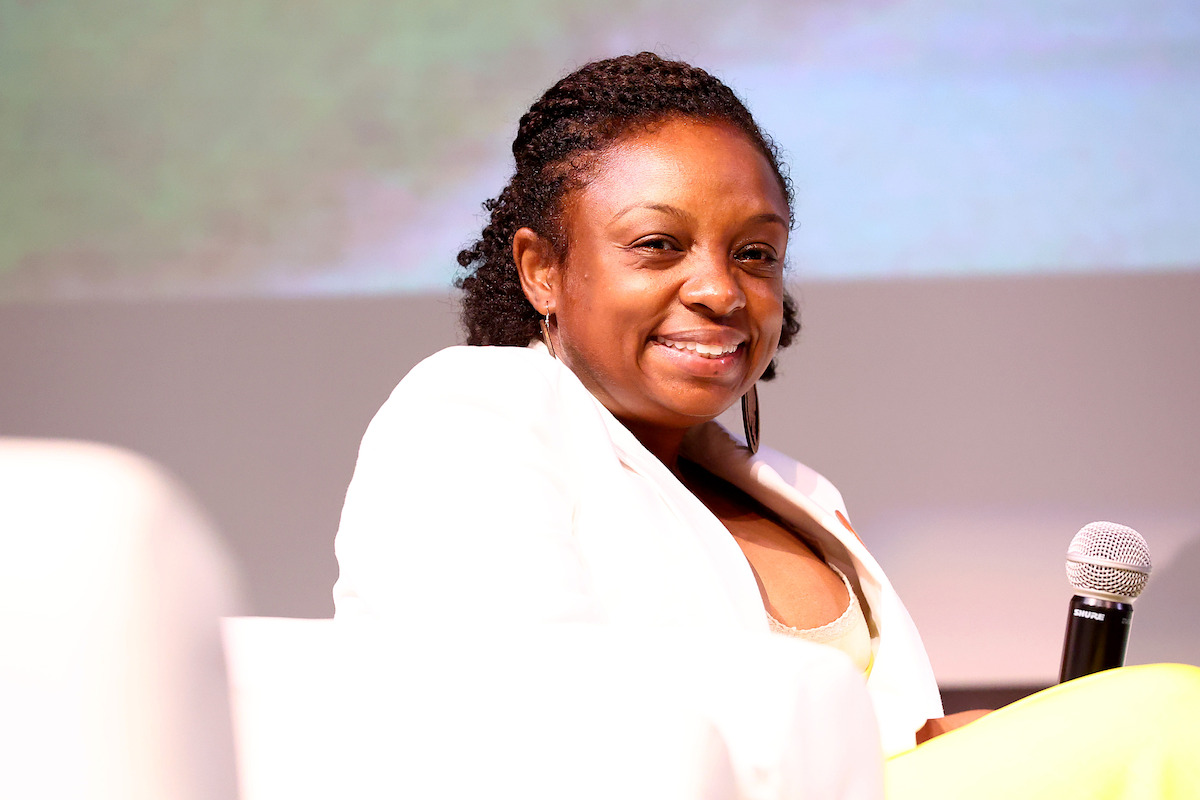
Arturo Holmes/Getty Images for Netflix
“A lot of people my age and younger have moved away,” Davis says of what fuels her relentless drive. “What can I give back? What can I do to leave that mark?” When she thinks about building up Africatown to receive a new wave of visitors, her vision is clear. “Africatown doesn’t resemble Africa. I would love to see some type of African art. I want people to know more about the other survivors of the Clotilda. More murals, somebody drumming, somebody singing… just to see Africatown back to what it was when I was a younger girl.” As for how she wants visitors to feel when they visit, Davis says, “I want them to visualize my childhood of blackberries and pecans and pear trees and my grandmother playing her blues every Saturday and my great-grandmother, who lived to be 97, telling the story of resilience, courage and pride.”
Tourism will help support the local economy, but Davis points out that there’s an opportunity to use the funds to redevelop Africatown to be more self-sustainable. “We had a corner store, there was a post office, there was a laundromat,” she says, describing the Africatown of her youth. “We didn’t really have to go outside the neighborhood for anything.”
Making her dream for Africatown a reality is a massive undertaking, one that Davis, a cancer survivor, doesn’t take lightly. “I know I have this second chance at life,” she says. Still, she has no intentions of running herself into the ground. “I will say no to certain things. Look, I can’t do everything.” Luckily, she has the assistance of her community and the spirit of her ancestors to bolster her — as well as a wellspring of support in Washington. “Mary just sent me an email this morning,” Davis says of their ongoing friendship. “She was like, ‘You’re not gonna get rid of me. I’m your sister.’ ”