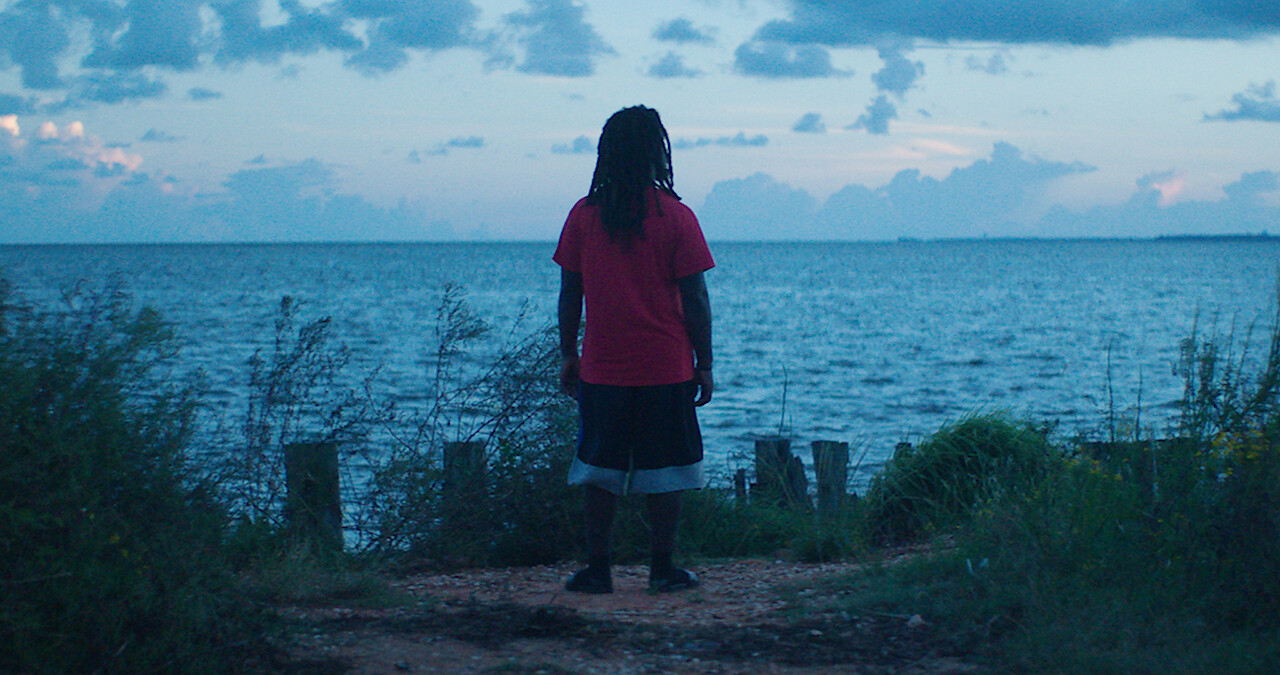
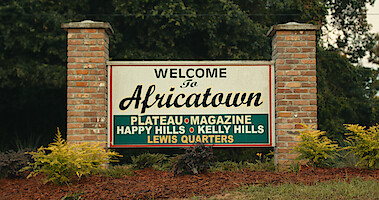
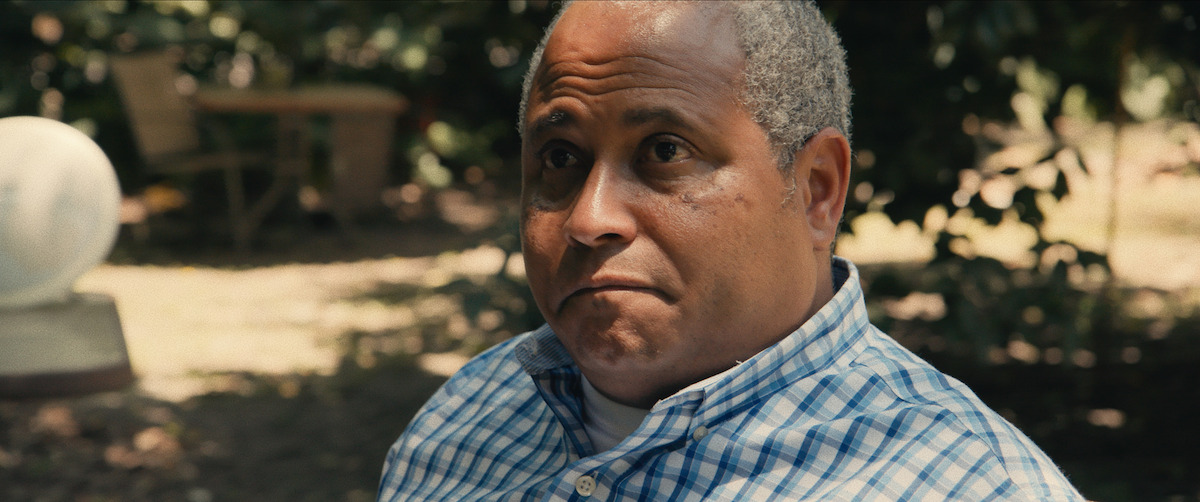
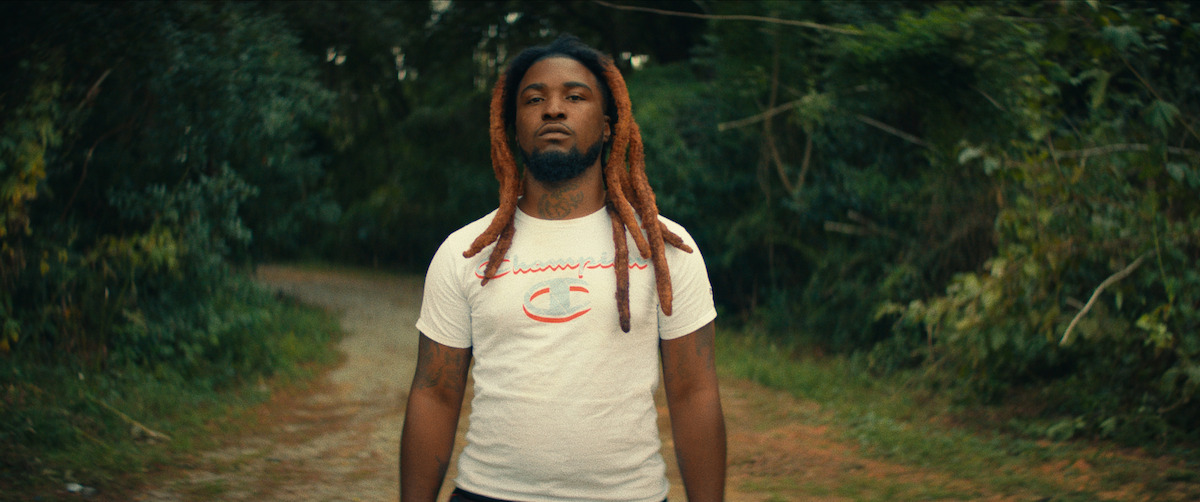
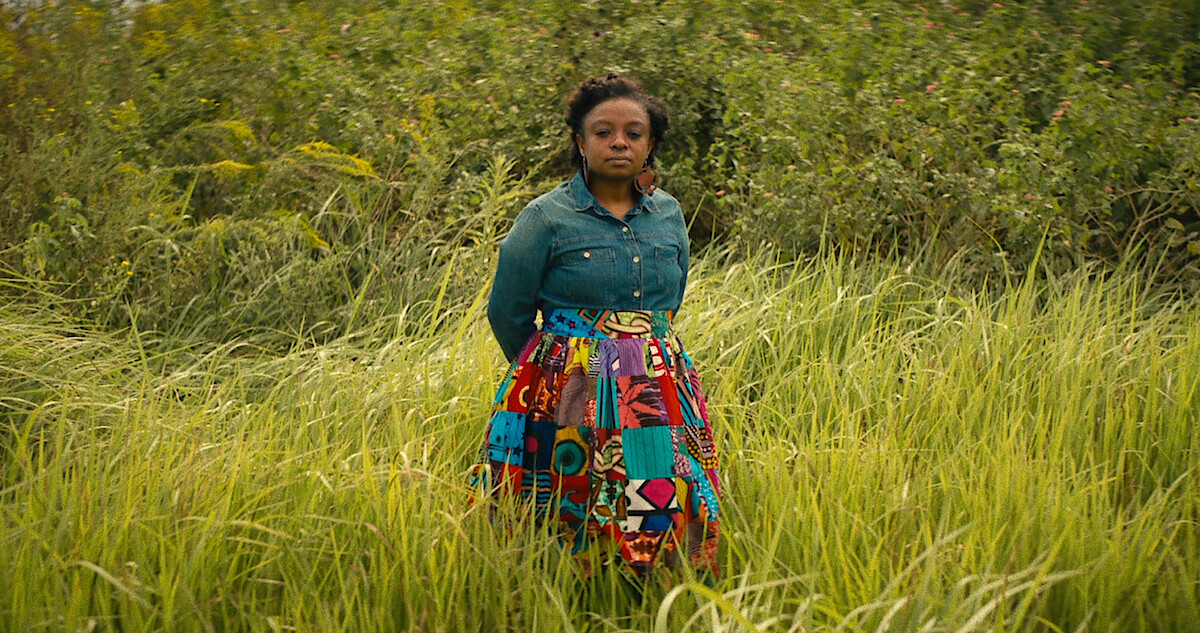
In Africatown, a tight-knit community just north of Mobile, Alabama, history seems to live around every corner. Many of its residents are the direct descendants of more than 100 Africans who were brought to America in 1860 as captives on a ship known as the Clotilda. The international slave trade had been outlawed in the US decades earlier in 1808, but the Clotilda illegally set sail, galvanized by a bet that enslaver Timothy Meaher wouldn’t be able to do it. Once the smuggled captives got to Alabama, they were sold into slavery; after the Civil War, a number of them worked together to purchase the land that would eventually become Africatown.
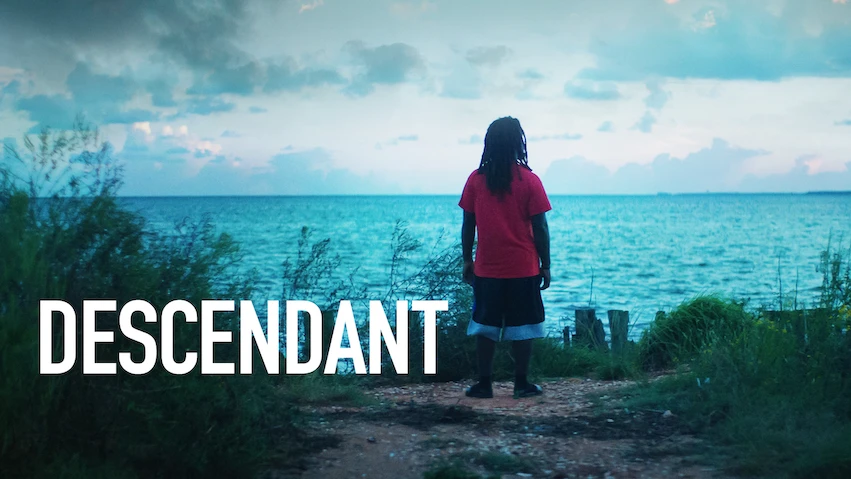
The new documentary Descendant, directed by Mobile native Margaret Brown, traces the ongoing stories of Africatown’s current residents. Many of them kept their history alive through word-of-mouth until the belated publication in 2018 of Zora Neale Hurston’s Barracoon. It presents an oral history of Cudjoe Lewis, one of the last surviving passengers of the Clotilda, 90 years after the acclaimed author first conducted her interviews. In addition to making sure their history is no longer hidden, many of the Clotilda’s descendants are spotlighting the continued harm perpetuated upon their communities — in some instances, by the descendants of Timothy Meaher himself.
Inspired by the black-and-white images of Cudjoe Lewis featured throughout the doc, Los Angeles-based photographer Adam Davis invited descendants and Africatown residents to sit for tintype portraits to honor the community and those who shared their stories."
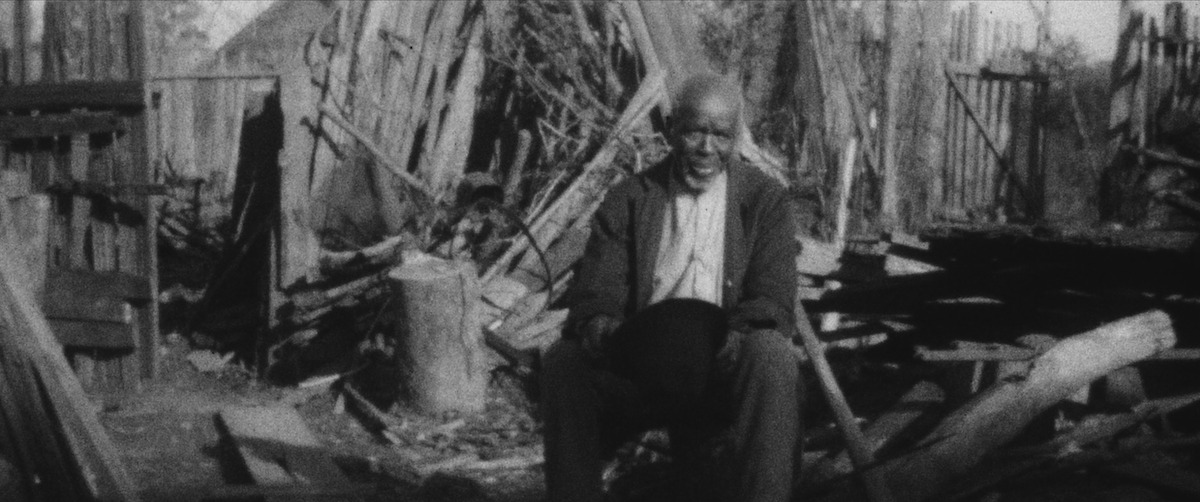
Cudjoe Lewis
Born Oluale Kossola, Cudjoe Lewis was one of the last survivors of the transatlantic slave trade, and one of more than 100 African captives that came to the United States in 1860 aboard the Clotilda. After five years of forced labor, Lewis and his newly freed fellow survivors attempted to raise enough money to return home to Africa. When it became clear that this wouldn’t be possible, they instead purchased the land that would become Africatown.
Later in life, Lewis shared his memories with writers and folklorists, including Hurston, who in turn preserved the story of the Clotilda survivors, allowing it to spread far beyond their own community and claim its rightful place in American history.
Zora Neale Hurston
In addition to being one of the great American authors of the 20th century, Hurston was an anthropologist, folklorist and filmmaker. Beginning in 1927, she conducted a series of interviews with Lewis to document his recollections of life in Benin, his harrowing capture and journey to the United States, time spent in bondage and subsequent years in the community of Africatown, which he established alongside other formerly enslaved Clotilda survivors.
Hurston’s decision to render Lewis’ story in his own dialect caused her manuscript to languish in obscurity. While it was completed in 1931, it sat unpublished for several decades. It was finally published by HarperCollins in 2018.
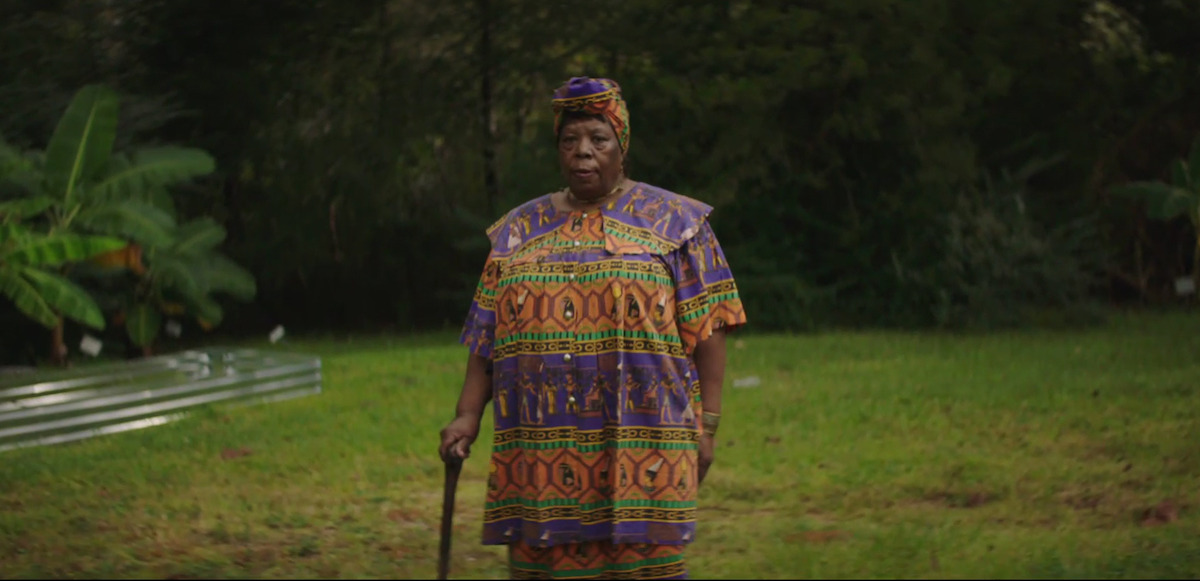
Lorna Woods
A pillar within the Africatown community, Lorna Woods was and remains instrumental in preserving the story of the Clotilda and its survivors. While her ancestors were warned to keep these stories to themselves for fear of retribution, Woods — a descendant of Charlie Lewis, the oldest of the captives brought from West Africa — became a local historian, keeping her neighbors close to these crucial stories and memories, and paving the way for a broader recognition of their significance.
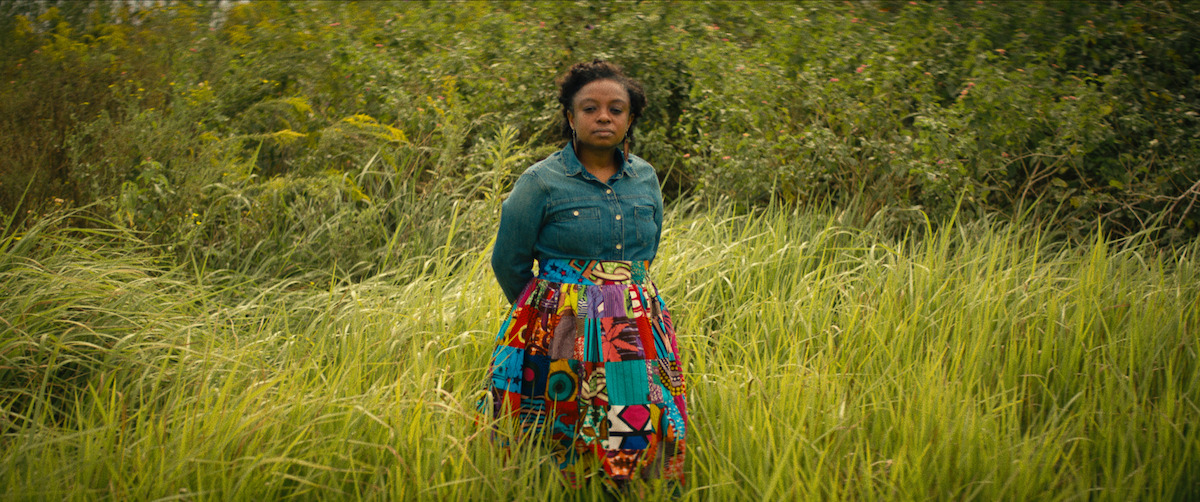
Joycelyn Davis
A direct descendant of Clotilda survivor Charlie Lewis, Joycelyn Davis is a lifelong resident of Africatown. Growing up, she was steeped in the history of her ancestors as told to her by her family and members of the community, and she’s a living testament to the ripple effects of the injustice that brought her forefathers to Alabama. Environmental racism has resulted in zoning that’s allowed a series of industrial sites to encroach on Africatown, bringing pollution and disease to its residents. Davis herself is a cancer survivor.
Working with the Clotilda Descendant’s Association, Davis remains deeply involved in the preservation of her community’s history and heritage.
You can follow her on Instagram.
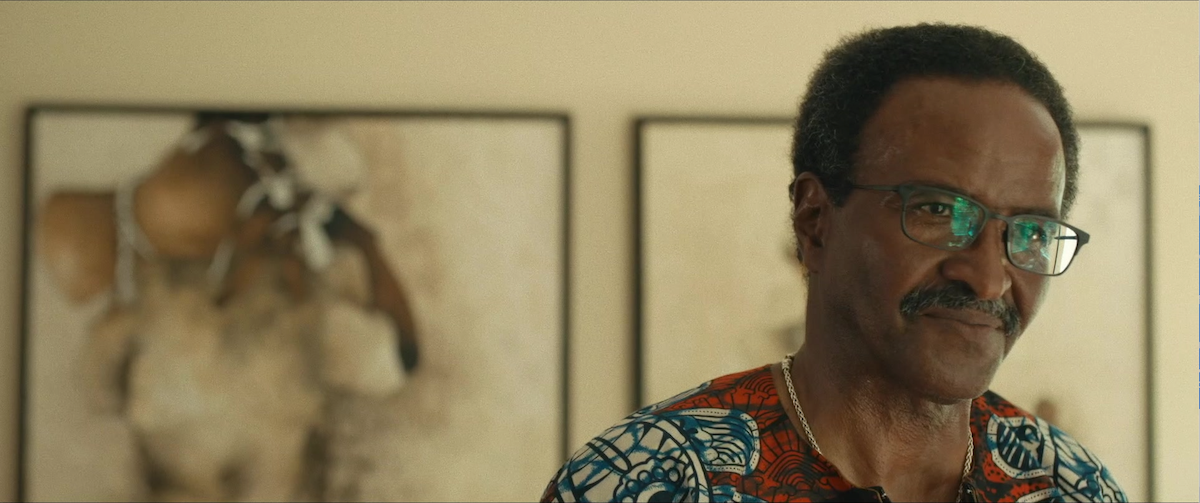
Kamau Sadiki
Formerly the president of National Association of Black Scuba Divers, Kamau Sadiki is a marine archaeologist who visited Africatown to help locate and unearth the Clotilda from the Mobile River. Despite the fact that some 12,000 vessels were involved in the international slave trade, only five or six were entered into the historical record. “Each one of those vessels has a unique story to tell,” Sadiki says.
As a diving instructor and advocate, Sadiki works to train future generations to preserve Black heritage by tracking down the submerged remnants of African slave trade shipwrecks. In 2015, Sadiki was part of the team that discovered artifacts from the São José-Paquete de Africa, a slave ship that sank off the coast of Cape Town in 1794, killing more than 200 persons held captive.
Mary Elliott
Mary Elliott is an advocate and advisor to the Clotilda descendants as they grapple with issues such as how to make sure their voices are counted among those in the rush to build a memorial commemorating the ship. As a curator at the Smithsonian’s National Museum of African American History and Culture, Elliott created its “Slavery and Freedom” exhibit in 2016.
Like Africatown’s residents, Elliott’s connection to history is deeply personal. As she details in the documentary, her family lost everything they’d built for themselves in the 1921 Tulsa Race Massacre. Researching her own ancestors led her to consider the countless untold stories that make up the rich tapestry of Black history, which she’s now made a career of working to preserve.
Dr. Kern Jackson
Dr. Kern Jackson — a co-writer and co-producer of Descendant — grew up in Washington, D.C, and spent summers in Mobile, Alabama, where his grandmother worked as a teacher in Africatown. While Jackson was pursuing an advanced degree in folklore during the ’90s, one of his godmothers urged him to learn more about the neighborhood of Lewis Quarters, named after Cudjoe Lewis, a suggestion that led him to make Mobile the subject of his dissertation.
Dr. Jackson is currently the director of the African American Studies program at the University of South Alabama. He’s worked with Descendant director Margaret Brown on her previous documentary The Order of Myths. Descendant features some of Jackson’s ’90s VHS footage of Africatown elders.
Emmett Lewis
Emmett Lewis is a great-grandson of Cudjoe Lewis. In the documentary, he’s one of several descendants that read aloud from Barracoon, which chronicles his great-grandfather’s life story. Now a father himself, Lewis is taking care to pass down the family history that was instilled in him as a child to his own daughters.