Deep Dive
Everything You Need to Know About ‘Descendant’
Events that unfolded more than a century ago continue to have lasting repercussions several generations later.
By Roxanne Fequiere
Oct. 19, 2022
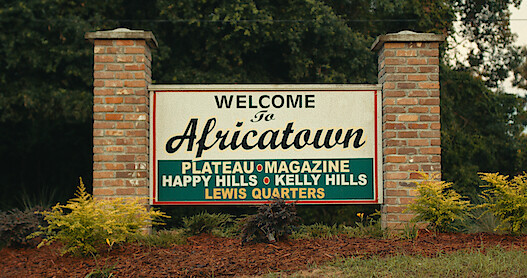
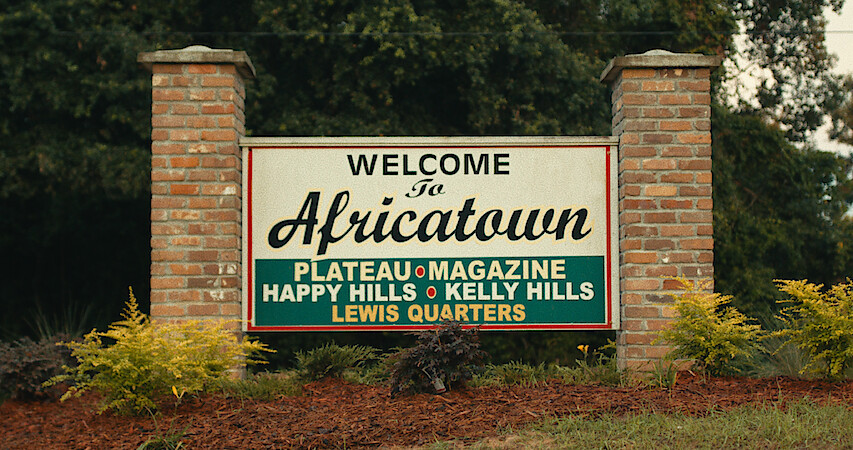
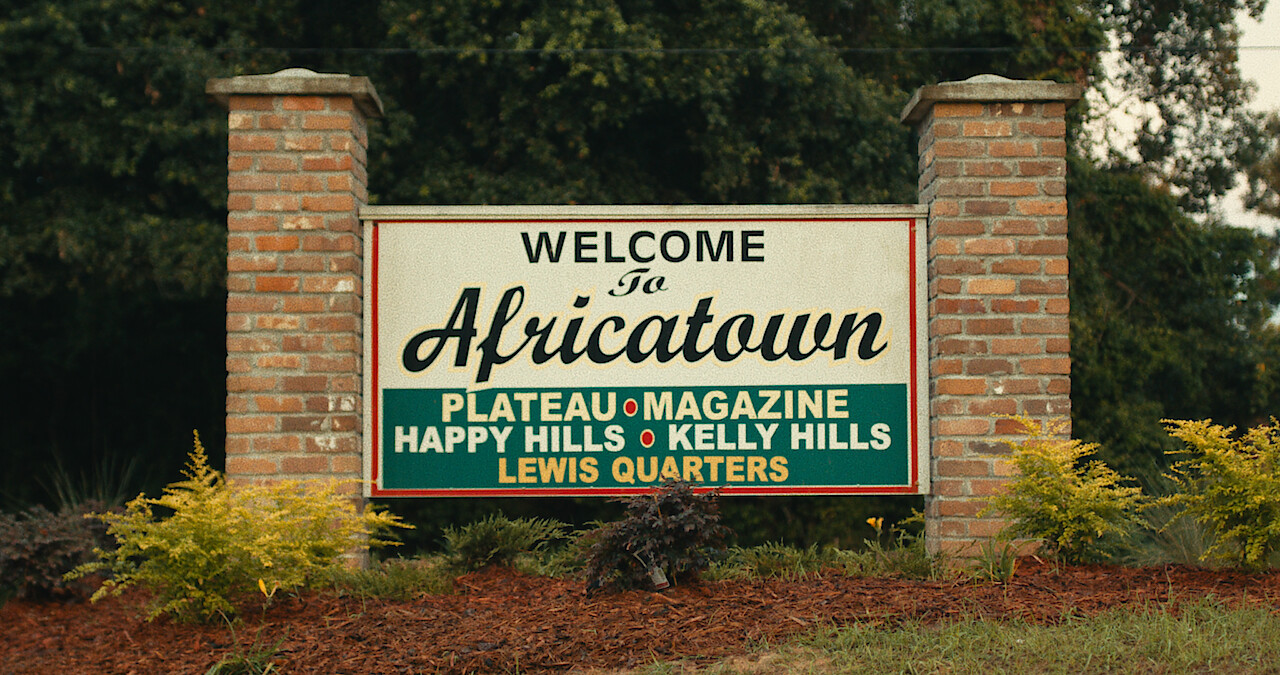
On July 9, 1860, more than 100 captive Africans were brought to the shores of Mobile, Alabama, on a ship named the Clotilda, under cover of darkness. The international slave trade had been made illegal in the US in 1808, but human trafficker Timothy Meaher made a bet that he could get around the law with his ship. Today, the residents of Africatown, just north of Mobile, count the Clotilda survivors among their ancestors.
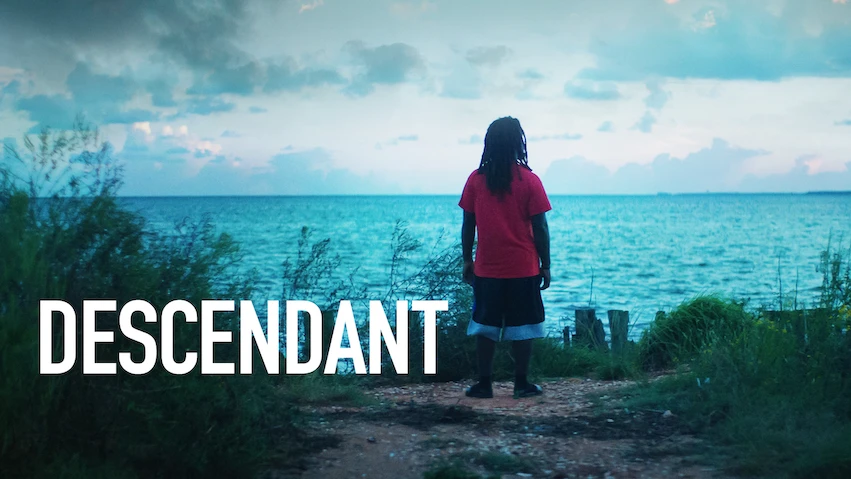
The new documentary Descendant, from director Margaret Brown, brings their stories to light as they grapple with a growing spotlight on their community following the discovery of the sunken Clotilda. The film shows how events that unfolded more than a century ago continue to have lasting repercussions several generations later.
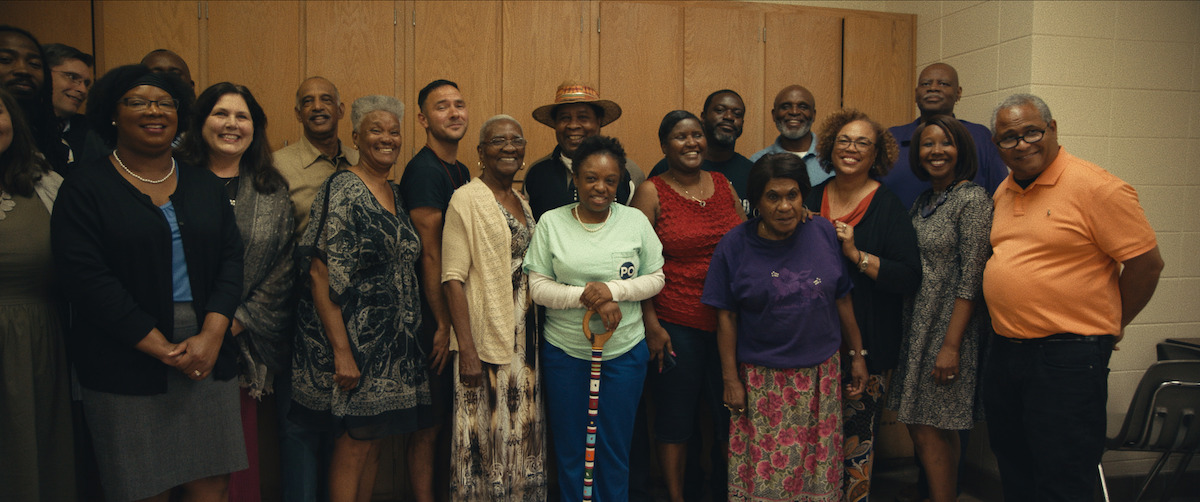
Many of the subjects are direct descendants of the Clotilda survivors who banded together to buy a plot of land and establish the community of Africatown. For more information, read this guide.
While the story of the Clotilda has been kept alive in local lore through oral storytelling, the discovery of the actual sunken ship brought an unprecedented degree of attention to the area. Descendant follows Africatown community leaders as they try to figure out how to best honor their ancestors, share their story and do right by their neighbors, many of whom have been grievously affected by the pollution from local factories. Some of these factories were owned by descendants of Timothy Meaher.
Fourteen years ago, while working on another documentary about Mobile’s racially divided Mardi Gras, director Margaret Brown became acquainted with both a descendant of Timothy Meaher and a descendant of one of the Clotilda’s African captives. “My hometown of Mobile, Alabama, is a city of closely guarded secrets,” Brown explains. “But what underpins all that storybook Mobilian lore is the darkest, most painful and indeed most American of secrets: the brutal reality of slavery.”
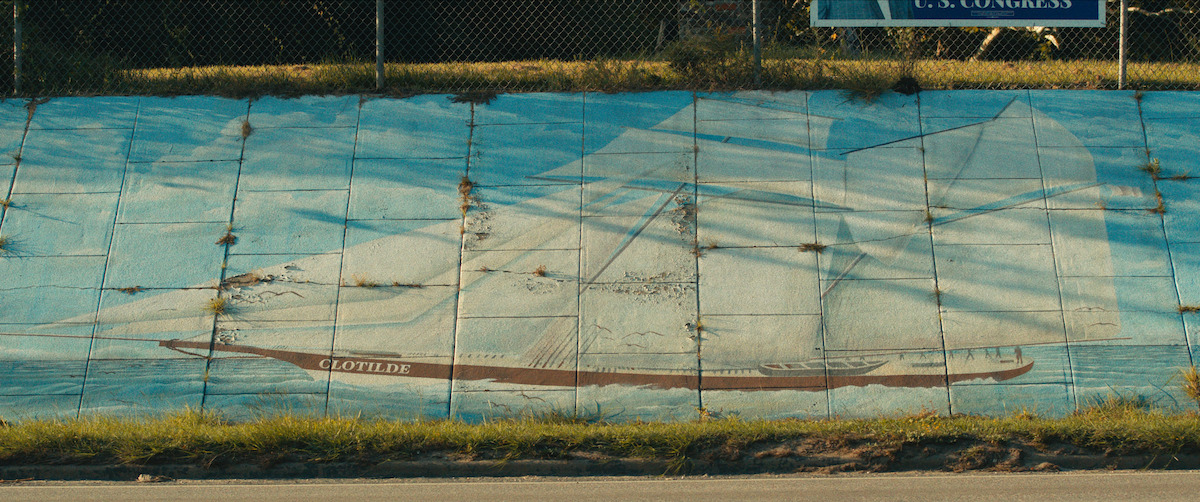
When Brown learned that wreckage from the Clotilda had been found, she became interested in discovering how Black and white Mobilians would respond to this piece of local lore being proven as documented history. “What I found instead was that white people, most particularly those directly connected to the story, didn’t want to talk about this story at all. Silence,” she says. “Africatown, on the other hand, was a community brimming with pride, deeply connected to its history, celebrating and conjuring its story in present and dynamic ways as it confronts current-day challenges.”
Working with Kern Jackson — a folklorist at the University of South Alabama with extensive knowledge and footage of Africatown’s oral histories — Brown set out to tell these stories, while documenting how the community’s leaders are working to shape its future.
Descendant takes place primarily in and around Mobile, Alabama — particularly within the historic community of Africatown.
One of the last surviving passengers on the Clotilda, Cudjoe Lewis, was interviewed by Zora Neale Hurston. Her book about Lewis, Barracoon, was published in 2018. Passages from Barracoon are read throughout Descendant.
You can also keep up with Africatown via the Clotilda Descendants Association.
A number of the subjects featured in Descendant are quoted in this Smithsonian article, which details the search for the wreckage of the Clotilda.
You can help Africatown’s community organizations preserve the legacy of their ancestors, combat environmental injustice and spur economic transformation. Learn more about the organizations and ways to get involved here.
Descendant will be available to watch on Oct. 21.