Slumberland director Francis Lawrence was already defining pop culture long before he made his first feature film, Constantine, in 2005. As a music video director, he’s worked with Britney Spears, Beyoncé, Lady Gaga, Janet Jackson, Jennifer Lopez and many more artists. You could step into a club and see his music video for “Bad Romance” playing on TV screens or walk into a theater and be transported to the dystopian world of The Hunger Games.
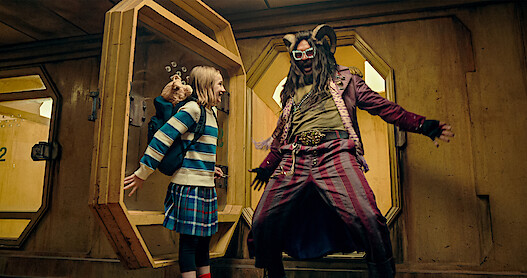
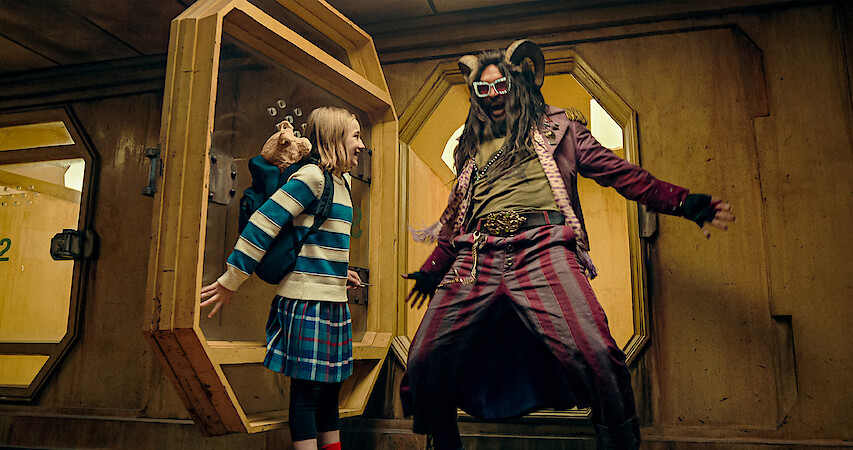
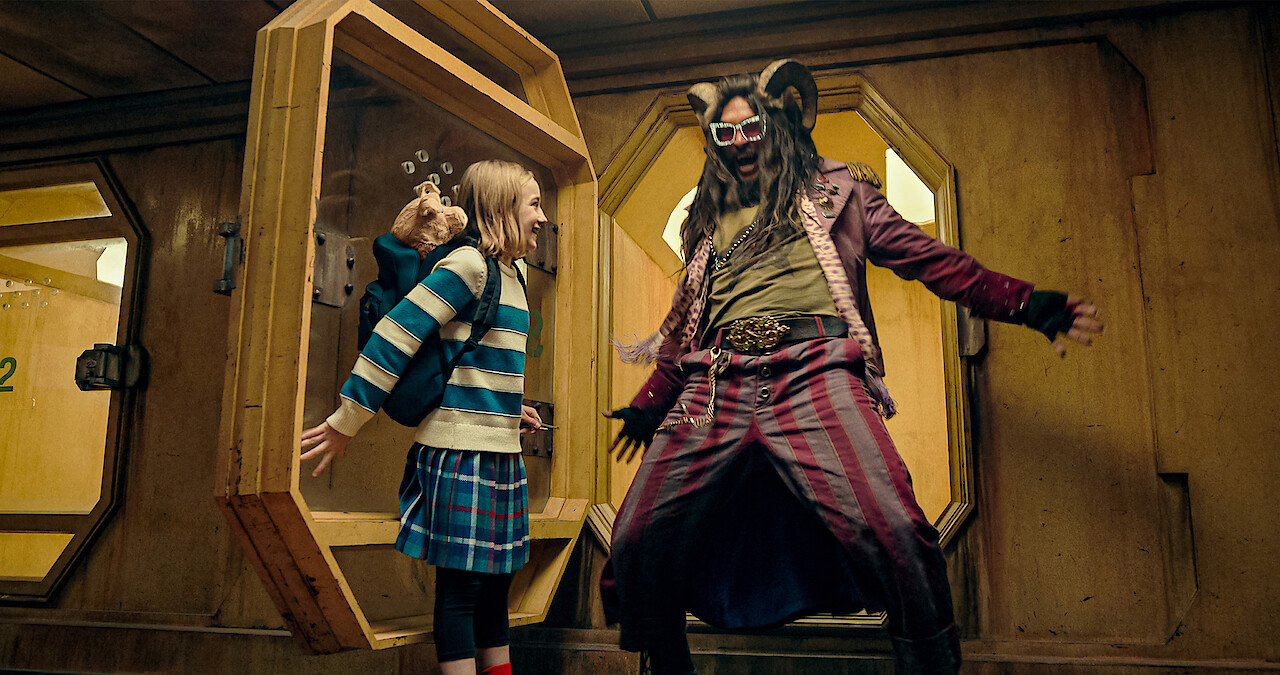
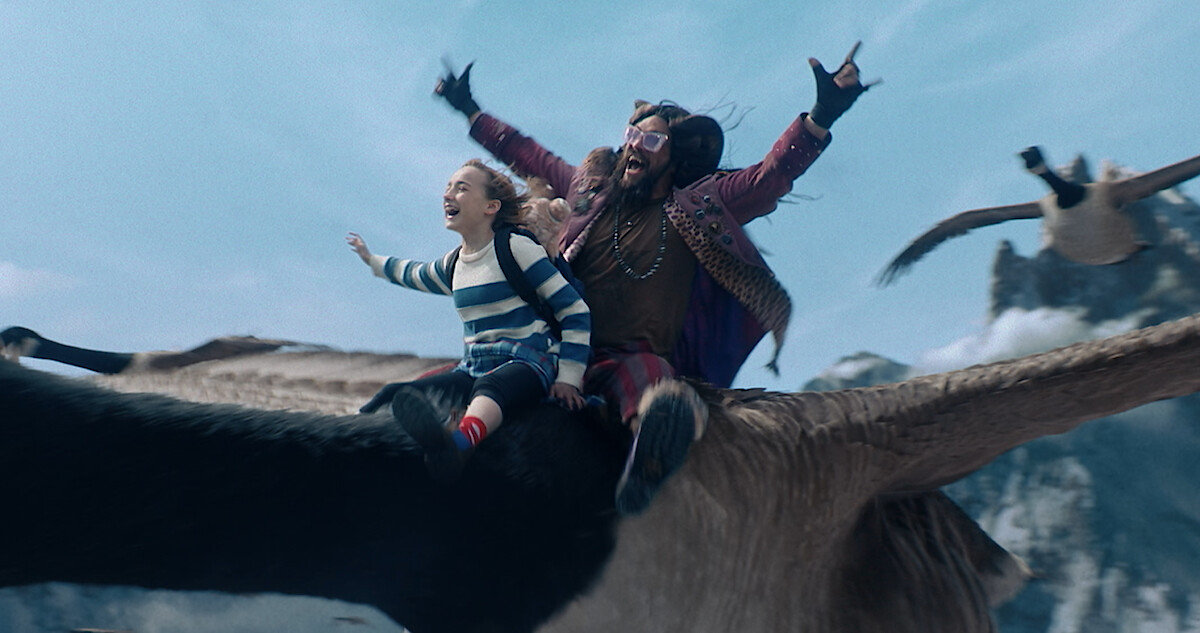
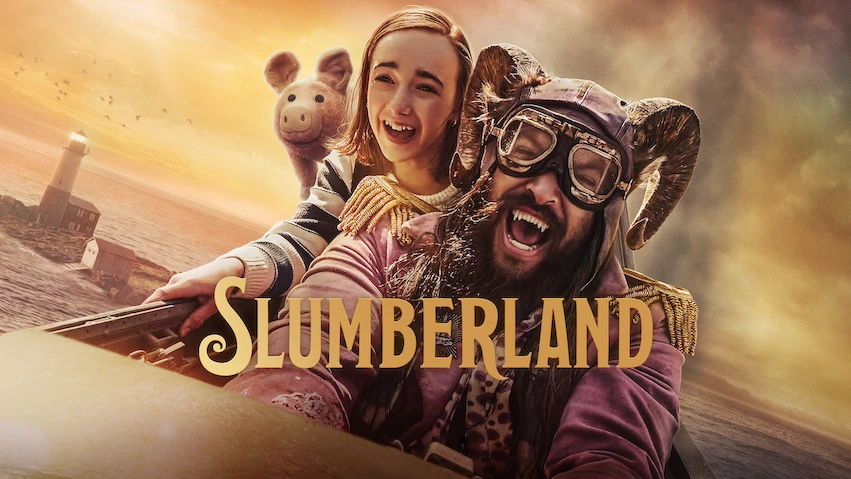
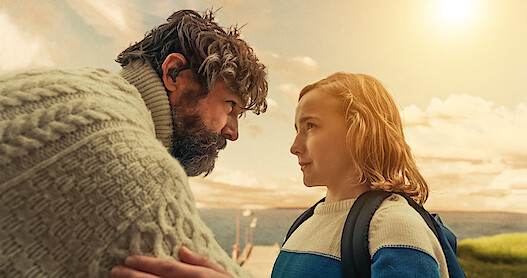
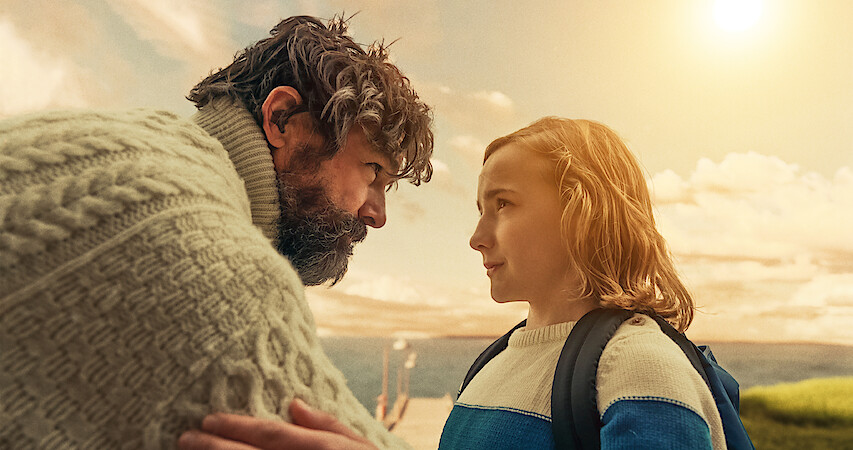
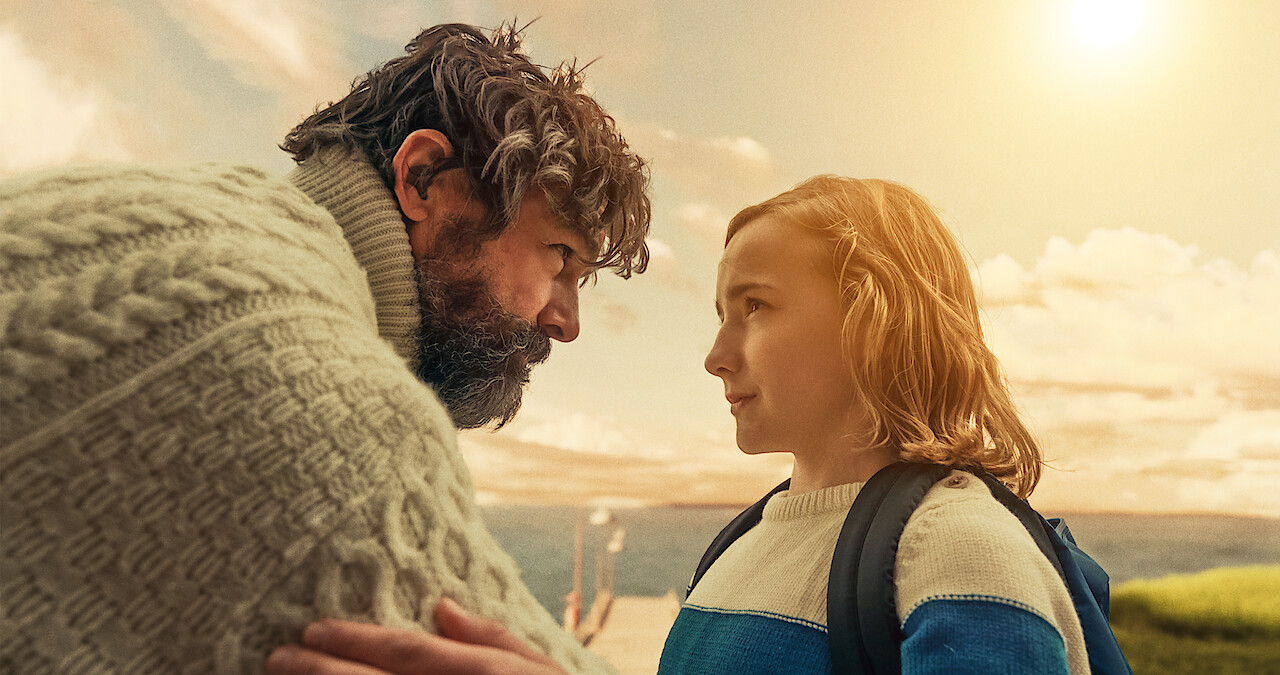
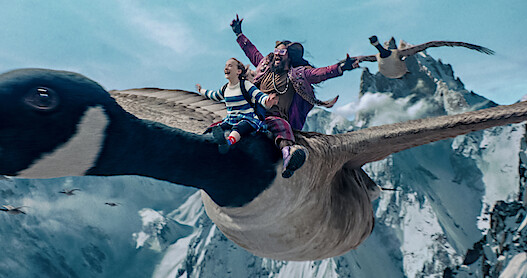
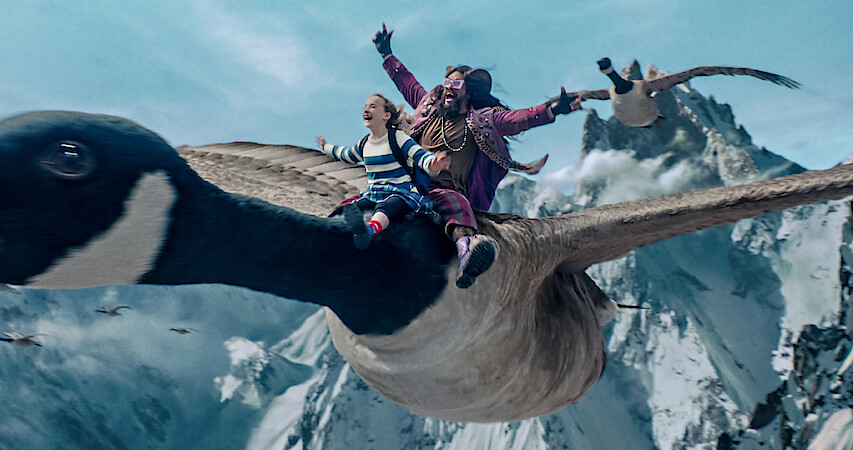
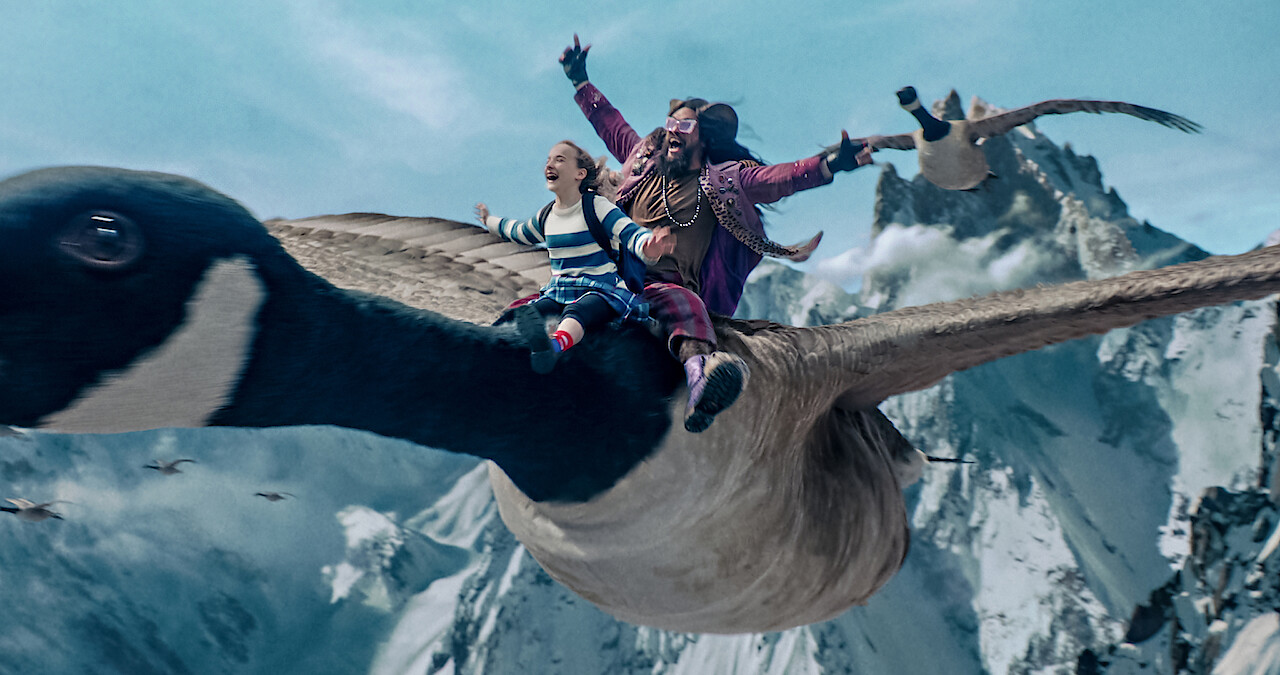
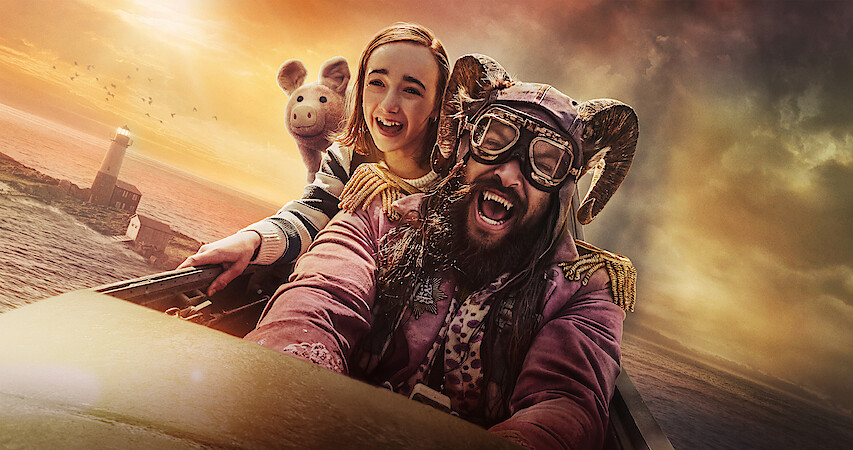
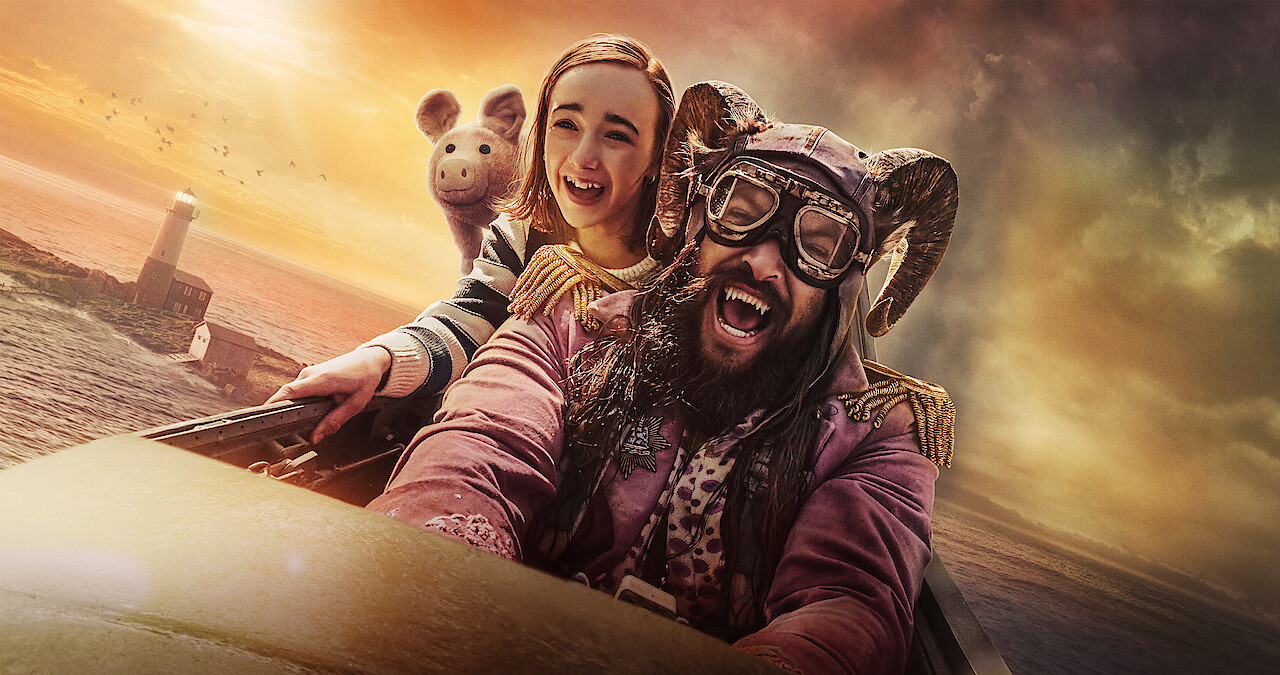
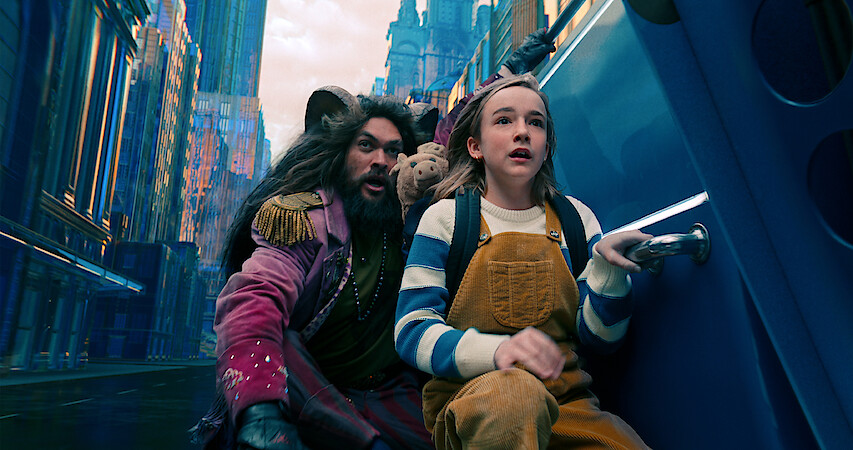
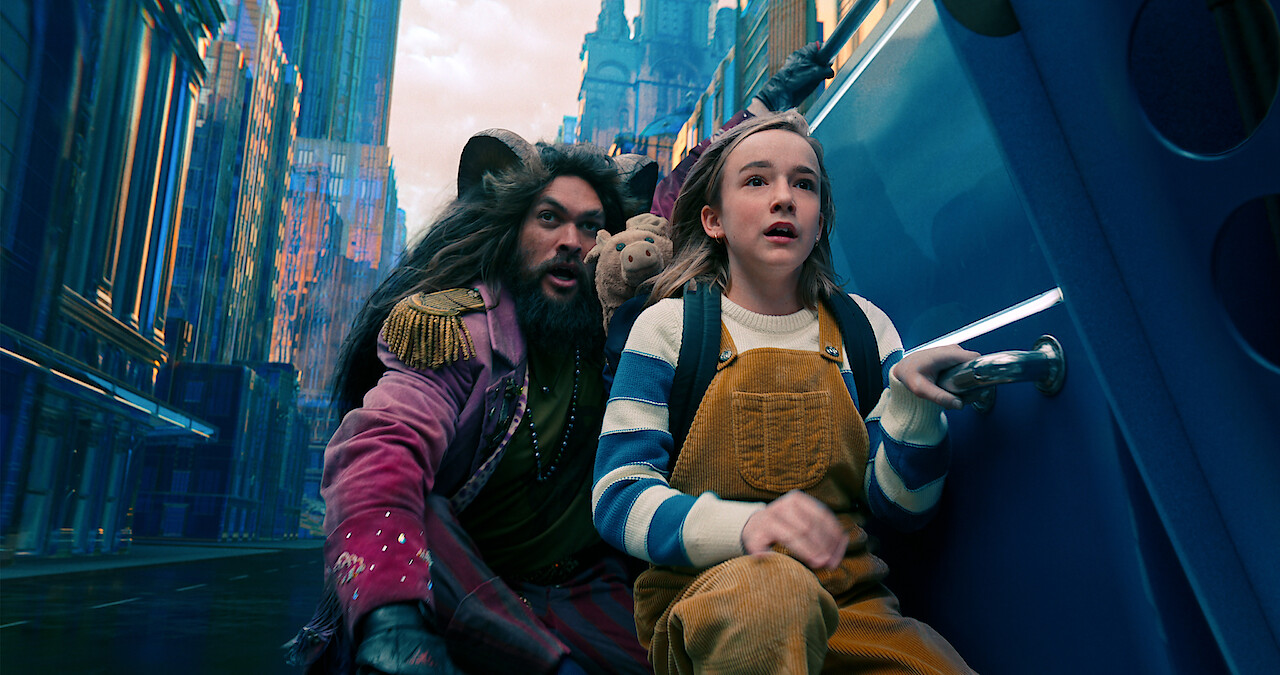
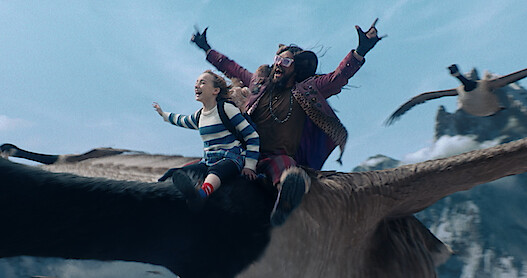
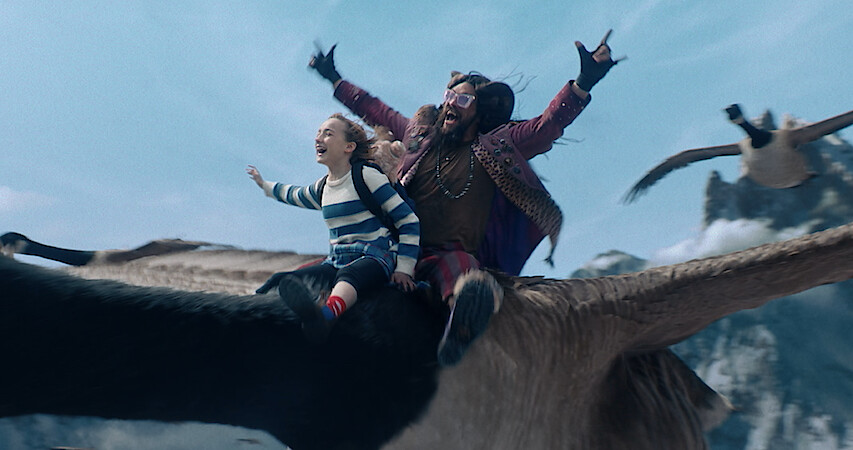
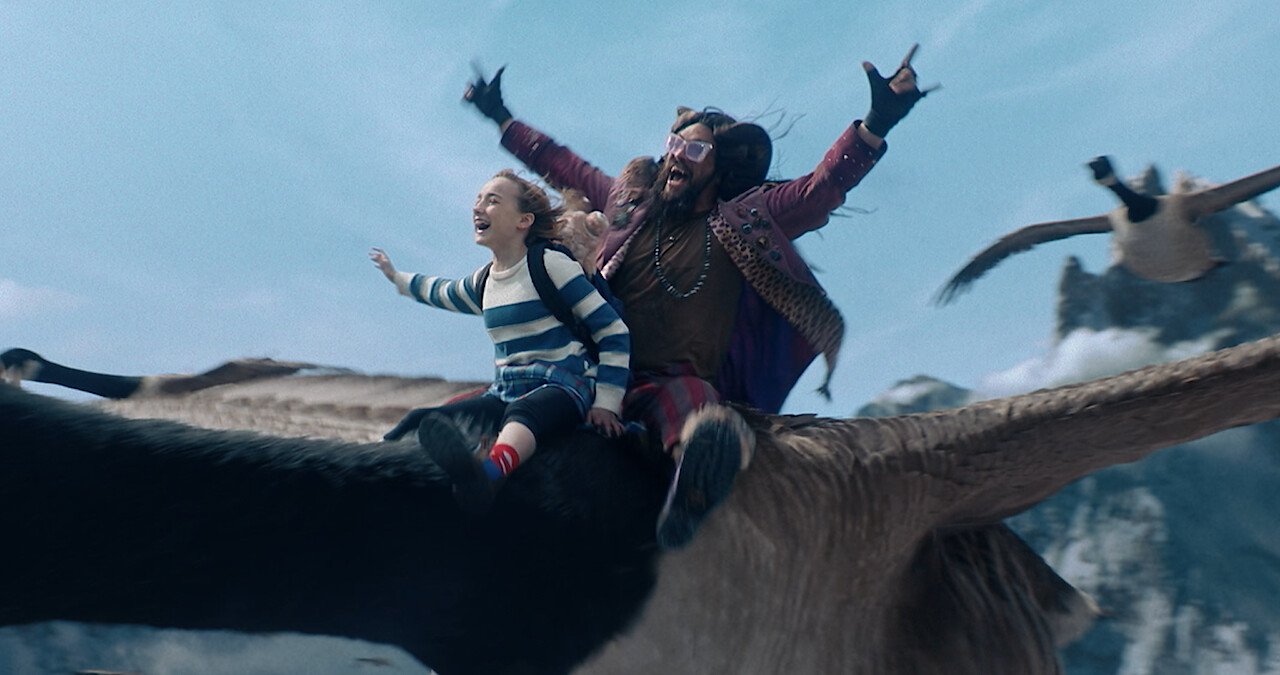
With a career spanning over two and a half decades, Lawrence has nailed the creative art of filmmaking. He possesses a keen eye for details like a choreographer developing a dance routine. In his new family adventure film for Netflix, Lawrence brings cartoonist Winsor McCay’s comic strip, Little Nemo in Slumberland, to life with rising star Marlow Barkley and Jason Momoa. After losing her father at sea,11-year-old Nemo (Barkley) traverses through the world of Slumberland with the friendly outlaw Flip (Momoa), hoping to reunite with her dad again.
In this installment of “Director’s Cut,” Lawrence sat down with us to talk about his approach to creating the complex world of Slumberland, as well as the key to directing a family film about grief and loss.
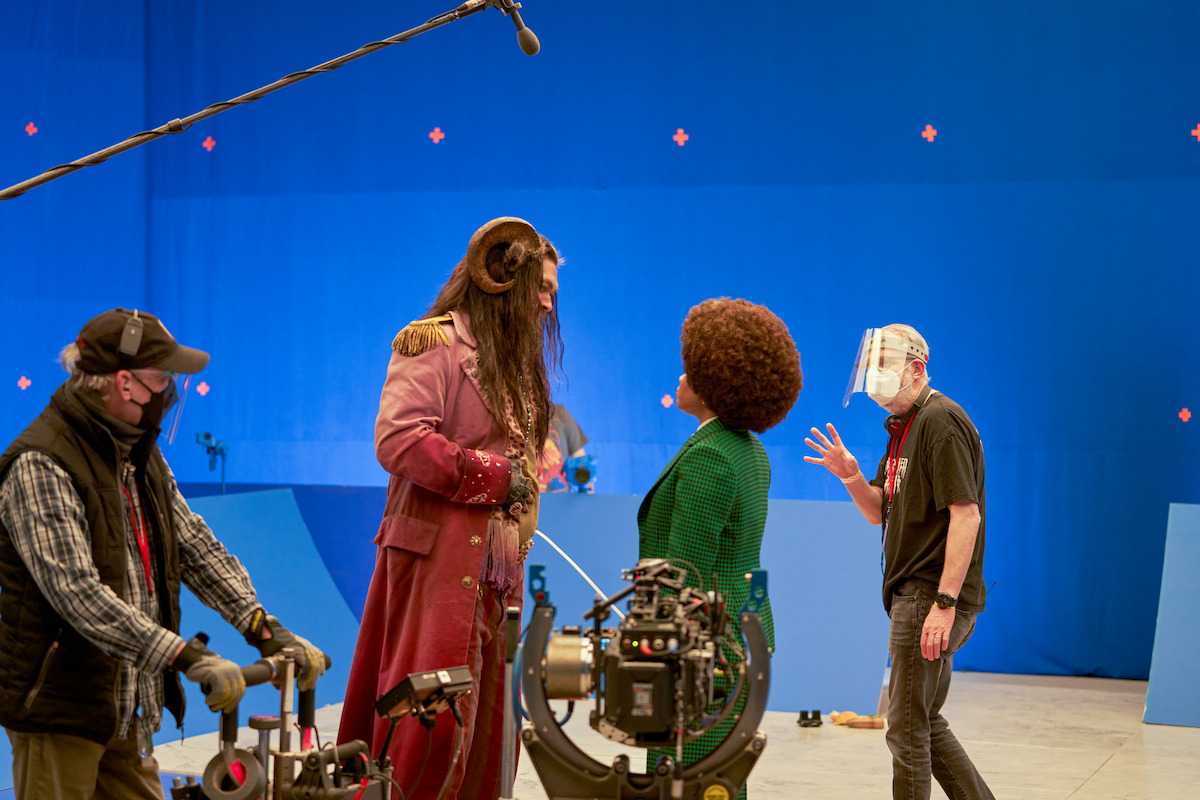
Alan Markfield/Netflix
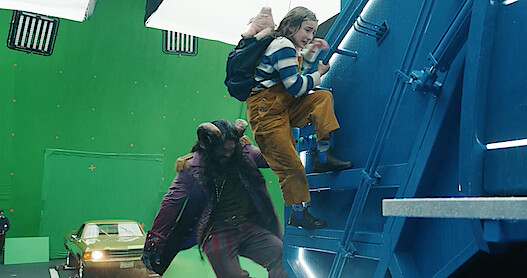
Lawrence directs Jason Momoa (Flip) and Weruche Opia (Agent Green) on set.
Slumberland’s world building is so elaborate, which is a skill you’re known for. From I Am Legend to The Hunger Games sequels, you pay close attention to detail. How do you even begin your world-building process, and where do you find inspiration?
Anything can be inspiring. Dreams are tricky because you can, in some situations, do anything you want. I wanted to give myself parameters so I made it really character-based. What became important with the creation of [Slumberland’s] worlds is figuring out who the dreamer is, why the dreamer is having this dream, what’s the narrative going on within the dream and building out from there.
Even with something like [The Hunger Games sequel] Catching Fire, if you were trying to build what the Capitol looks like, where is it? Why is it built the way it’s built? What are they using certain things for? What does the culture look like? What’s the hierarchy? You figure out all these things and it helps you start to build it all out.
Just as complex as the world of Slumberland is the film’s exploration of grief and loss. Adults tend to water down the language of these topics when talking to kids, but your film doesn’t do that. How did you create a family film while staying loyal to the weight of those themes?
Quite honestly, I think that’s what makes it a family film. Ideally, I want to make movies where a whole family can watch it together. Kids can watch it all the way up to their grandparents and have fun, be moved by it and maybe understand what we’re talking about thematically. [They] can have discussions about it.
And it’s a very touching film for both children and adults alike. Were there any particular moments in the film that touched you the most?
There certainly were. There were a few moments that I actually teared up a little bit on set watching [Marlow’s] performance.
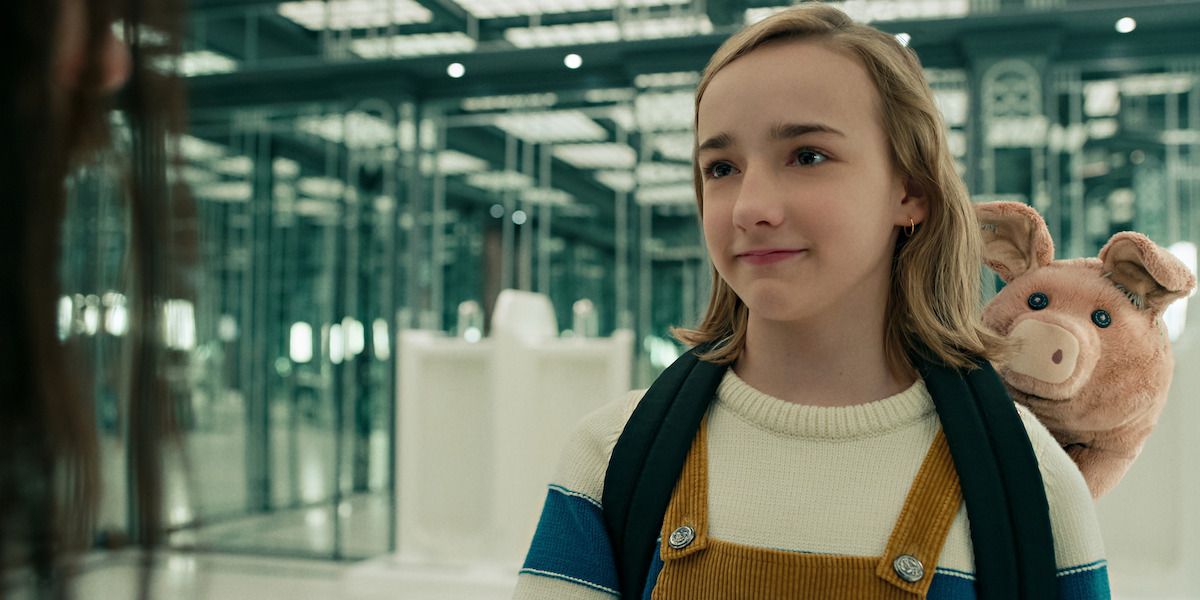
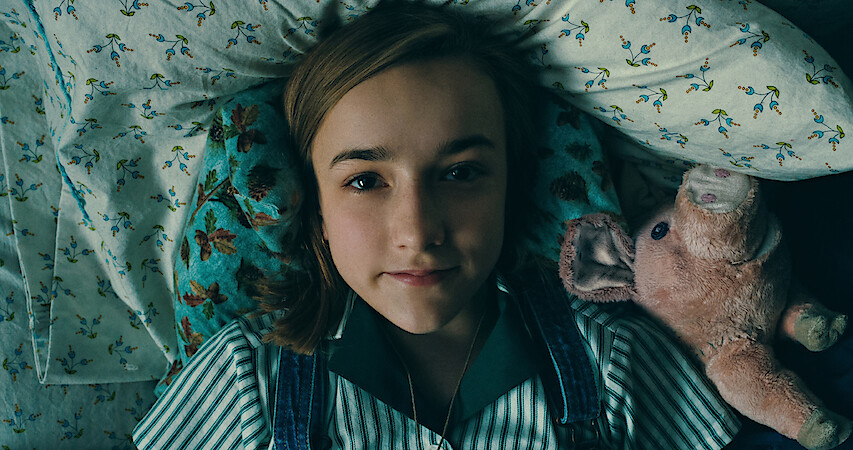
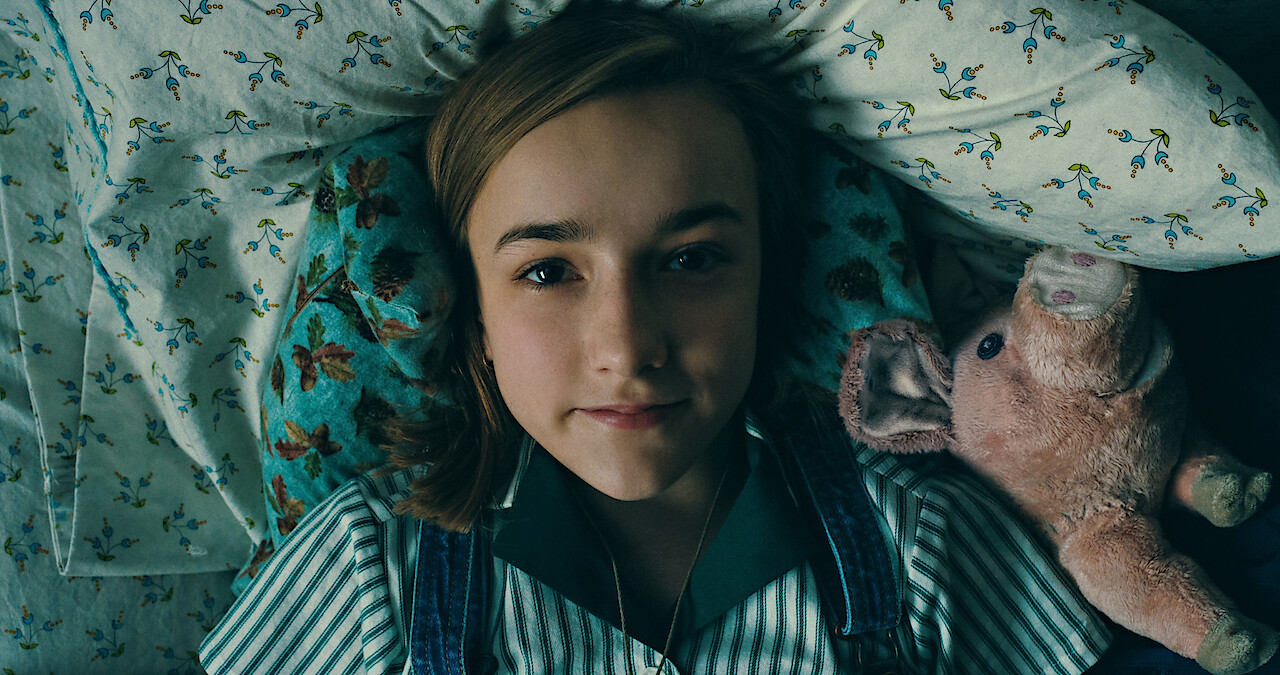
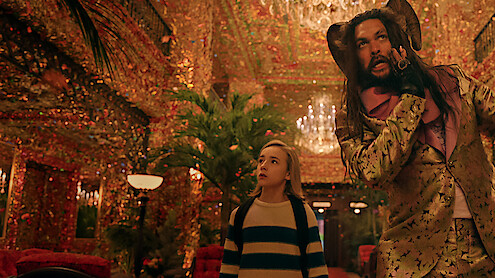
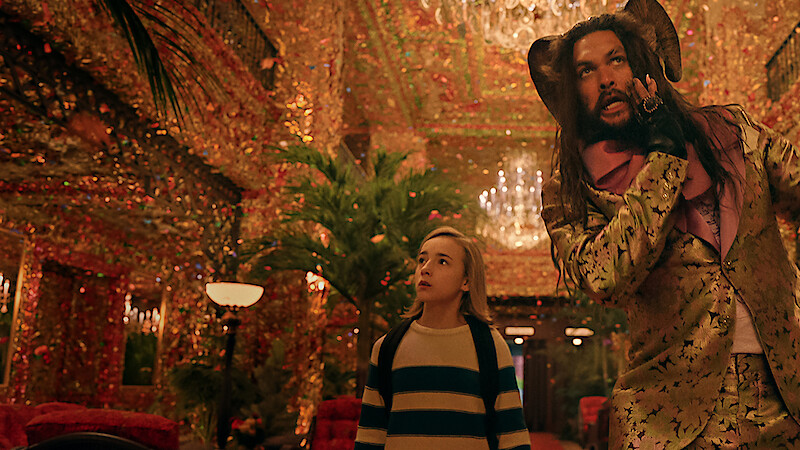
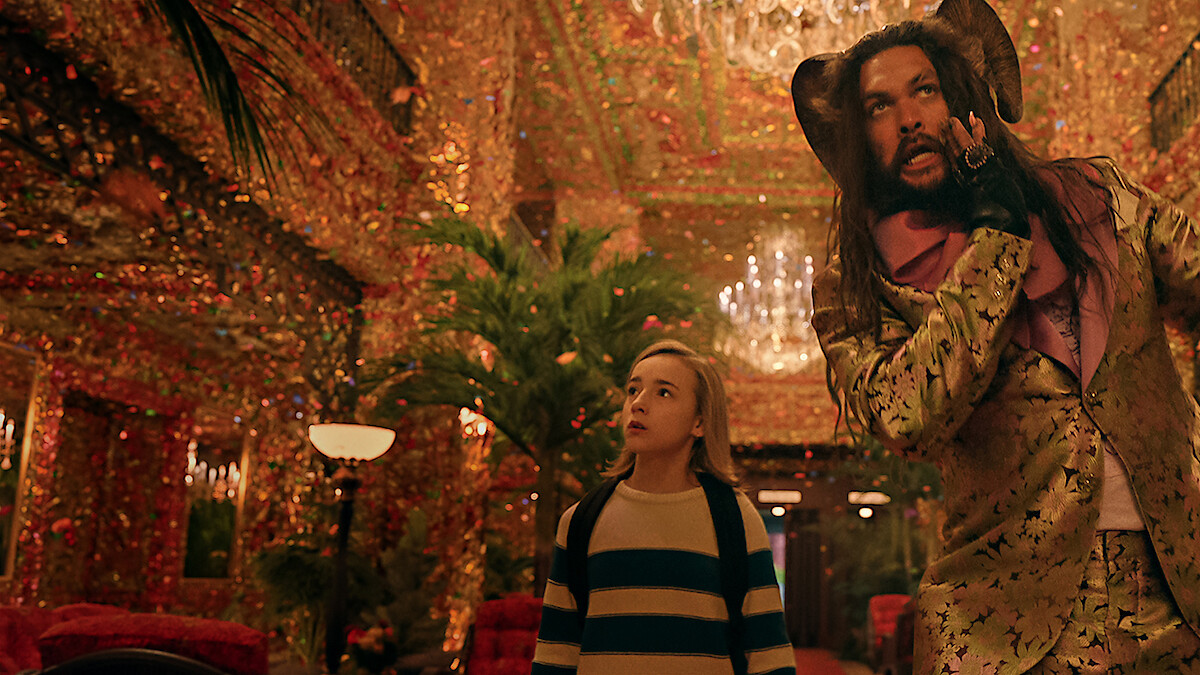
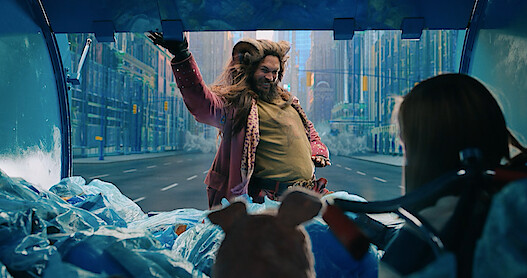
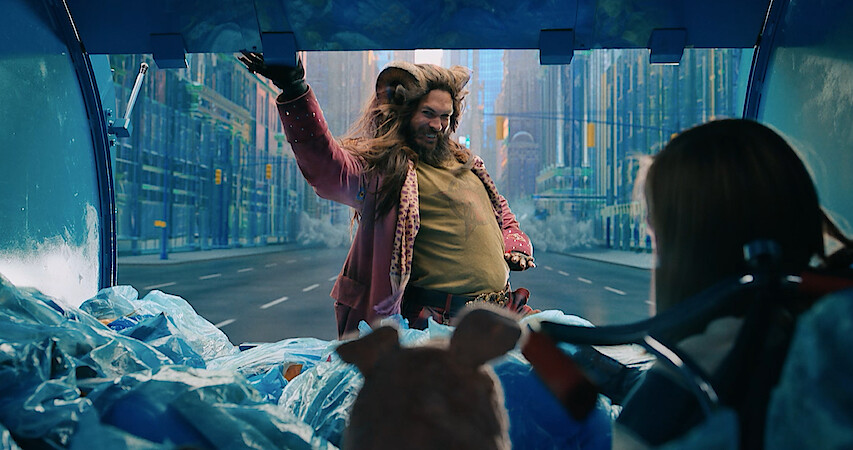
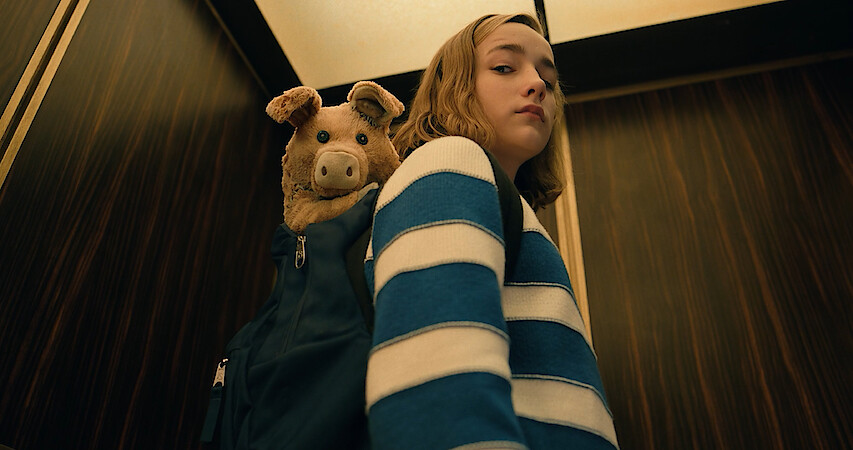
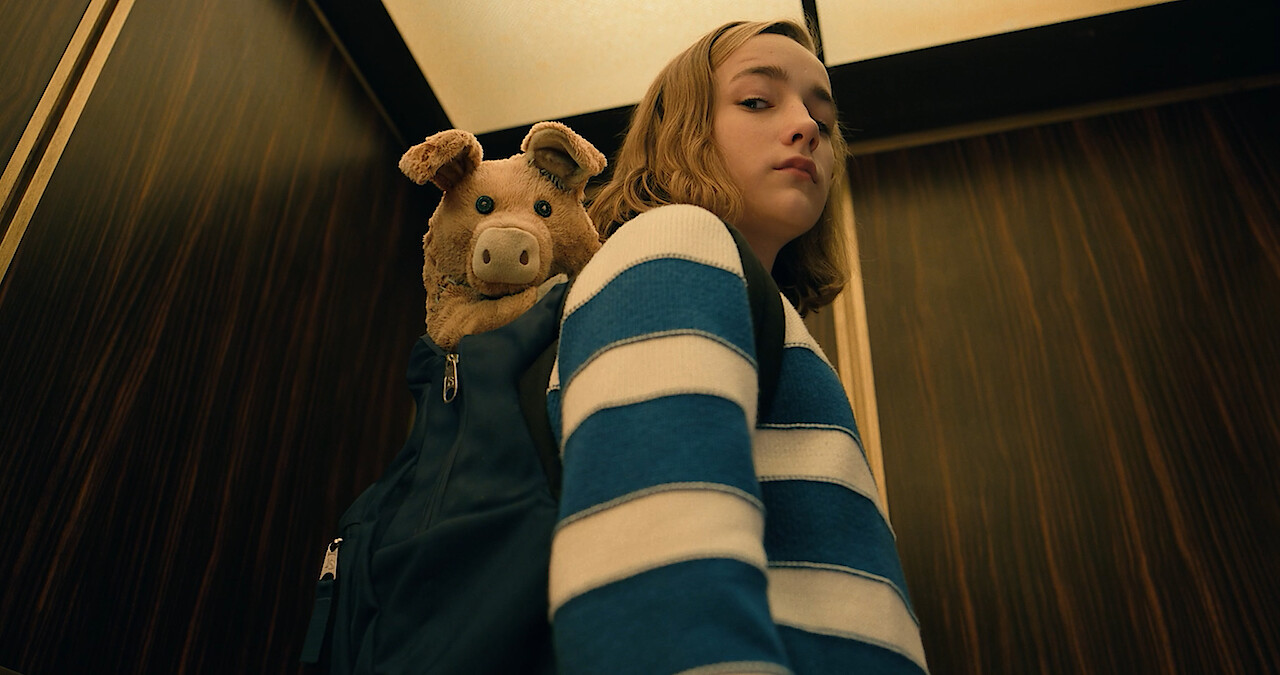
Nemo (Marlow Barkley) and her sidekick Pig team up with Flip (Momoa).
She was such a pro. What was it like directing Marlow and Jason Momoa, two actors with very different career spans?
They’re both great in different ways. Your worry is you’ve got this kid at the core of your movie who hasn’t really been in features, so you aren’t really positive of what they’re capable of — and she was just fantastic. We got so, so, so lucky with her. She’s so talented. Also, kids’ hours on movies are really tricky, and she’s in every scene except one in the movie. We basically had to get everything every day within nine and a half hours on set.
Jason’s great, too. He and I had worked together before and it was just really fun to use a different side to him than we had before.
You got your start directing music videos and you’ve worked with artists like Lady Gaga, Beyoncé, Britney Spears, Michelle Branch and so many more. For these pop stars, who might’ve been publicly misunderstood or maligned, your video concepts serve as vehicles for them to be a more authentic version of themselves. Do you find that you gravitate toward this theme of escapism often?
I’ve never thought about it that way. Escapism is just a huge part of moviemaking in general. Ideally, you want to put yourself in somebody’s shoes. For example, a movie like I Am Legend — part of the fun of that movie is trying to imagine yourself as the last person in New York. What would you do? People do that with Katniss in The Hunger Games movies, trying to imagine how they would react if they were in these kinds of situations. I think there’s always an element of escapism, but I’d never thought about that with my music video work.
But there’s no denying that a lot of your work has had a real impact on culture and the world. The “Bad Romance” music video with Lady Gaga changed the landscape of pop music videos in the 2010s. In 2014, Thai protesters used the three-finger salute from The Hunger Games. In Slumberland, are there any elements that reflect our world today?
I did [Slumberland] because I wanted to do something very different and something that had more joy, hope and humor. We ended up making it during the pandemic, which was perfect for us as a group to be able to focus on something that was just as hopeful and warm as this movie. I don’t think it was any kind of statement or anything. Sometimes I don’t really understand why I choose the things that I choose. You just do, and then you hope it connects.
Did filming the movie during the pandemic affect any creative choices?
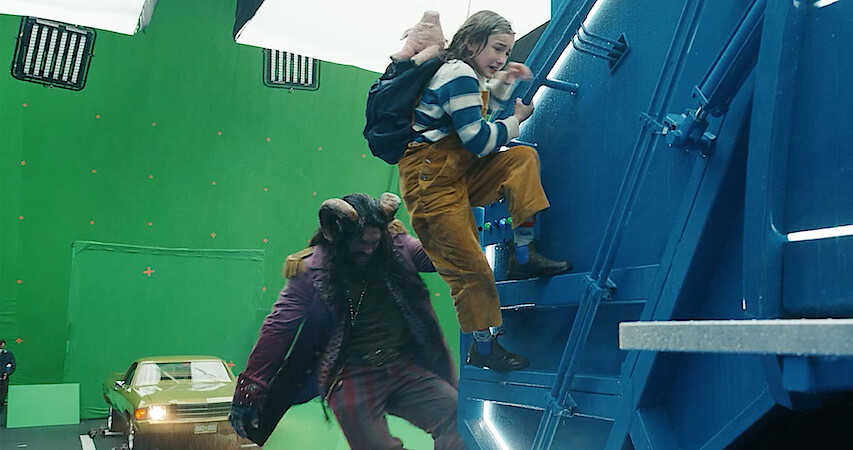
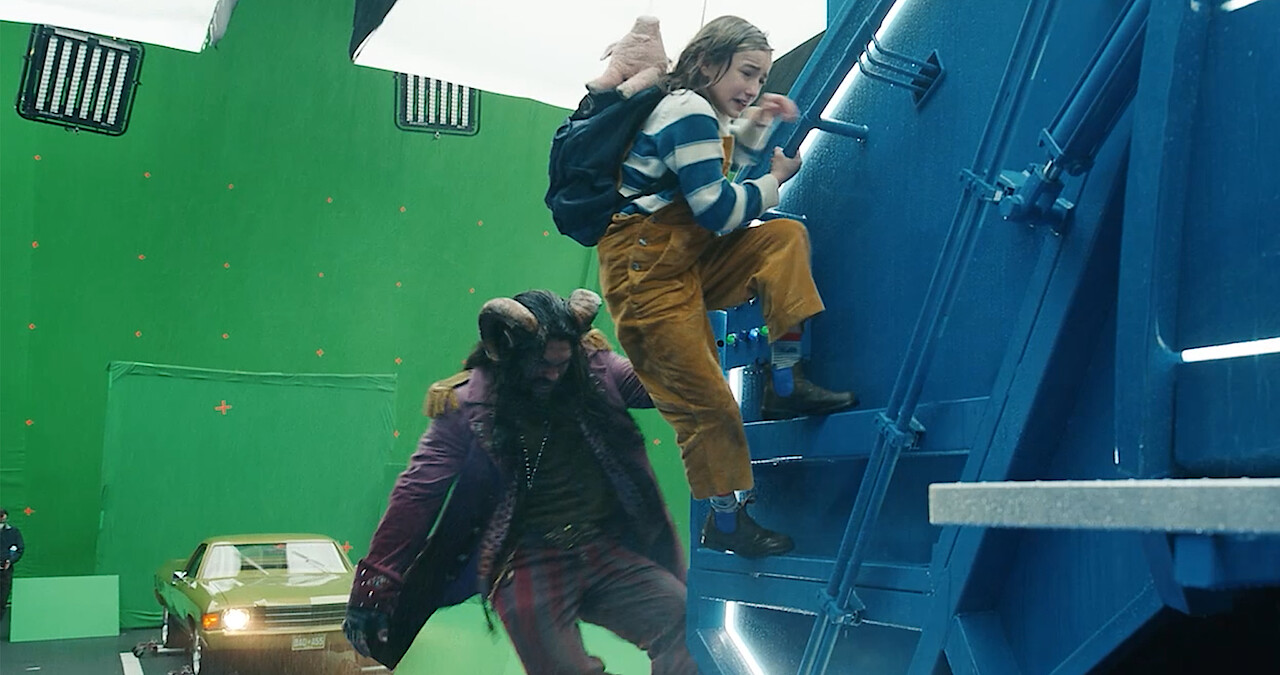
Yeah, certainly. One example is in the Cuban dream with all the dancers being made out of butterflies. The idea of the dancers being made out of butterflies was purely because we were in total lockdown in Toronto and we couldn’t have more than 50 actors on set at any time. It was just a rule. There was no way we could fill this ballroom with dancers, so we decided to make them all virtual.
That’s genius, plus it looked beautiful.
It’s a cool idea and it totally works, but it was completely a COVID decision.
Are there any movies that inspired you to pursue filmmaking?
Lots of movies are formative, such as the ’80s Amblin movies like E.T. and The Goonies. I didn’t look at those movies when making these movies, but obviously they’re a part of who I am. I grew up with those movies, so I’m sure they influenced me in the making of this somehow.
You’ll be directing BioShock for Netflix next. Is there anything you can share about the project for fans of the video game series?
We’re working on the screenplay right now. We’re really, really, really excited about it. It’s been something that’s been hovering around in my world since 2009. I’ve been in touch with it and away from it and in touch with it and away from it. This seems like it’s the closest we’ve been, so I’m really excited about it.
This interview has been edited for clarity and length.