Screen Time
What ‘Slumberland’ Taught My Family About Death and Loss
Sometimes you lose someone important, and an unlikely someone else comes in to fill the void.
By Clint Edwards
Dec. 2, 2022
🤐 SPOILER ALERT 🤐
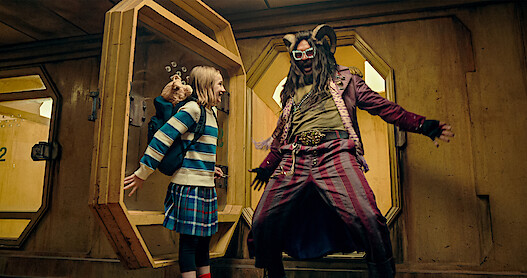
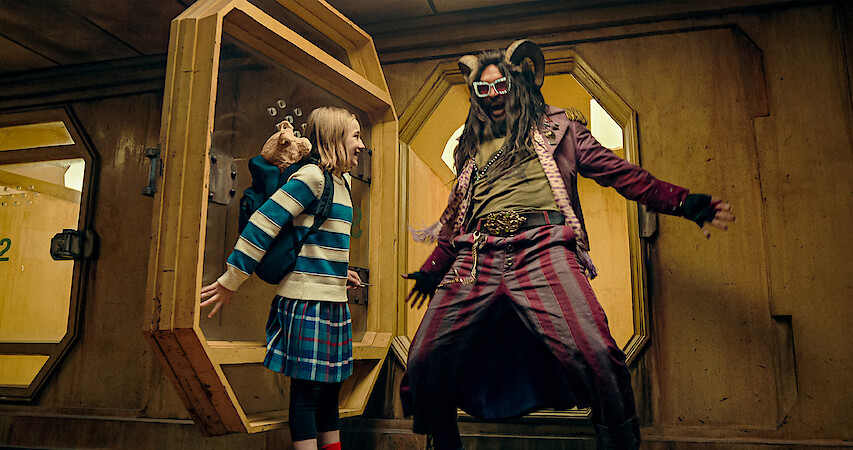
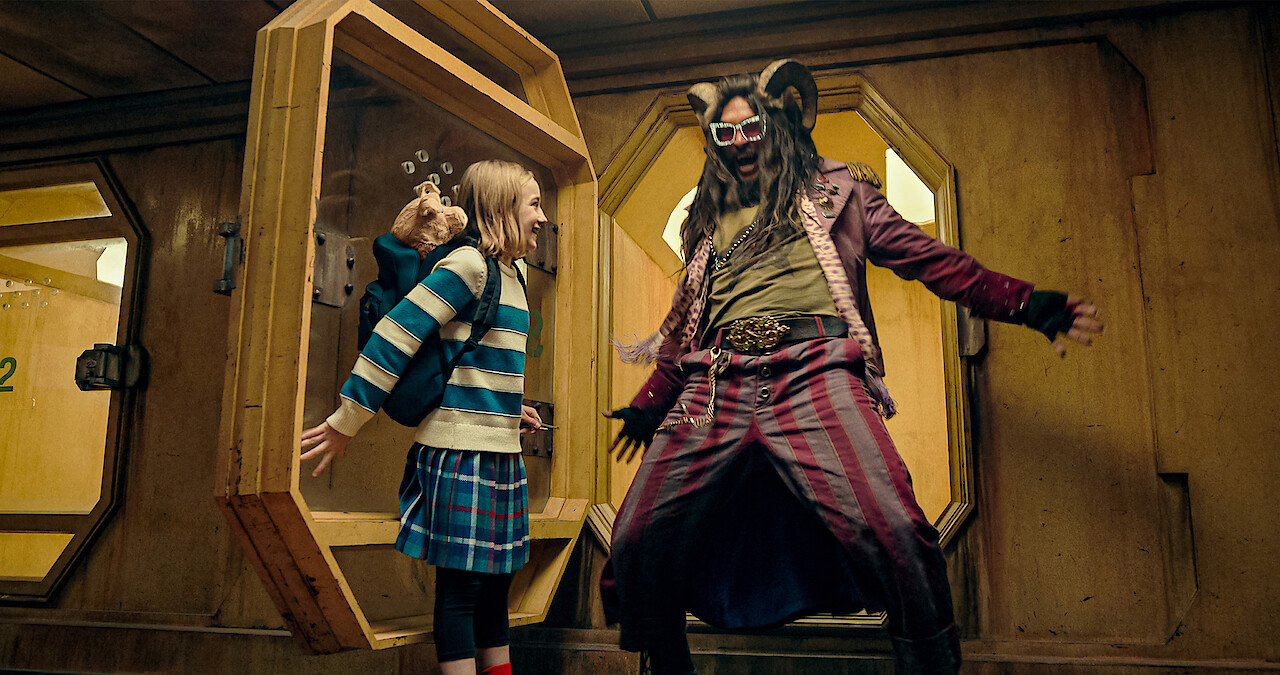
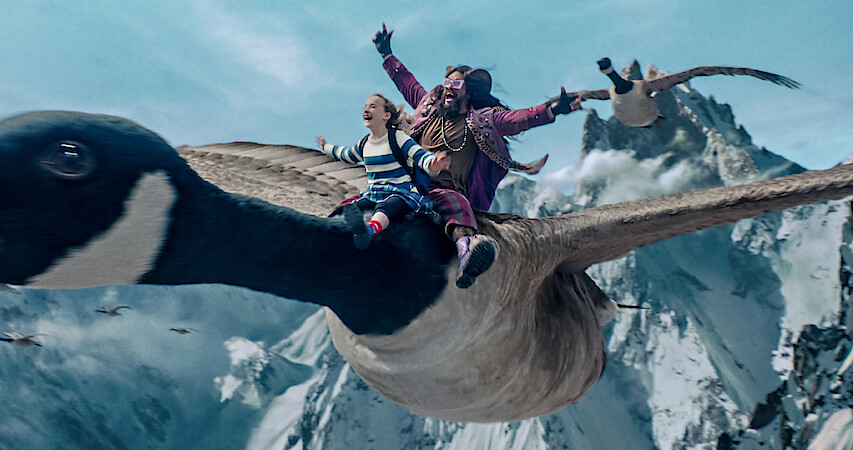
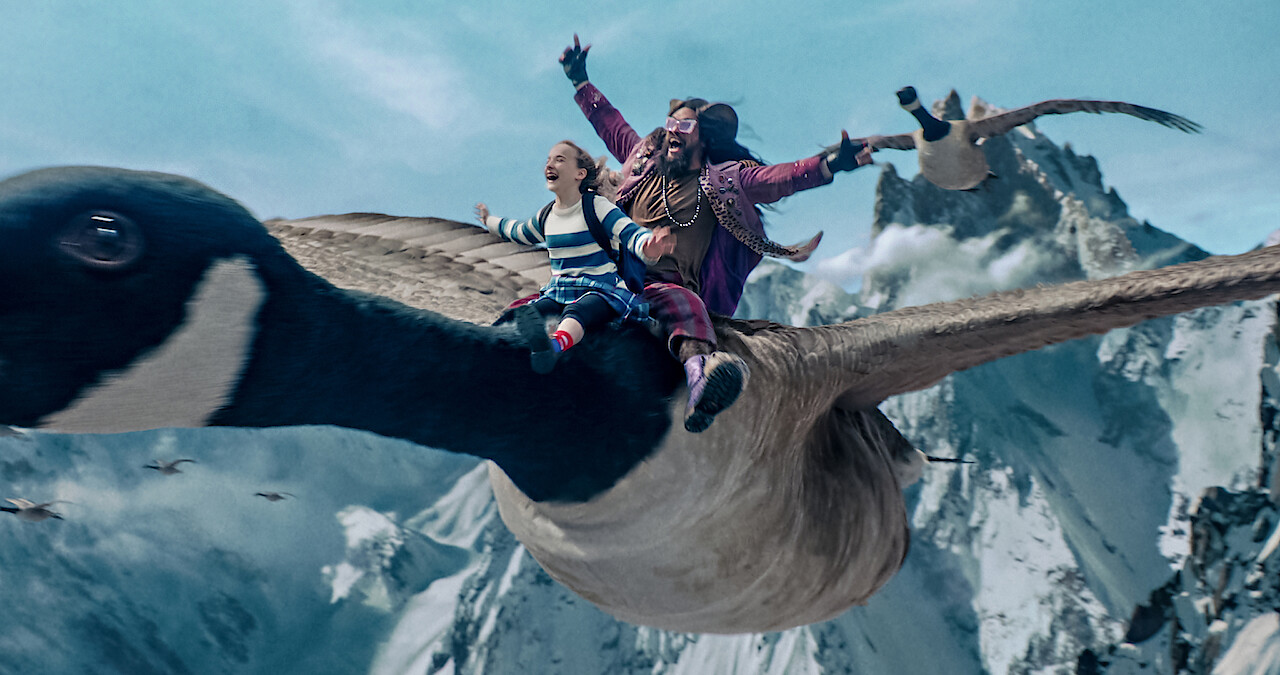
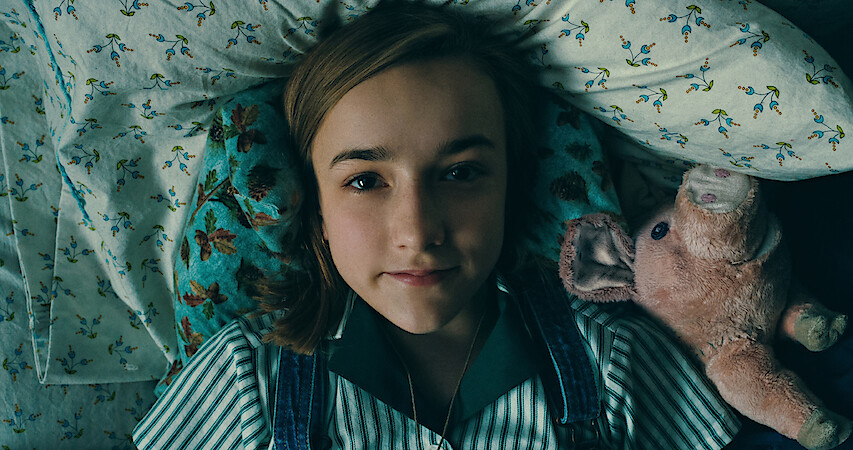
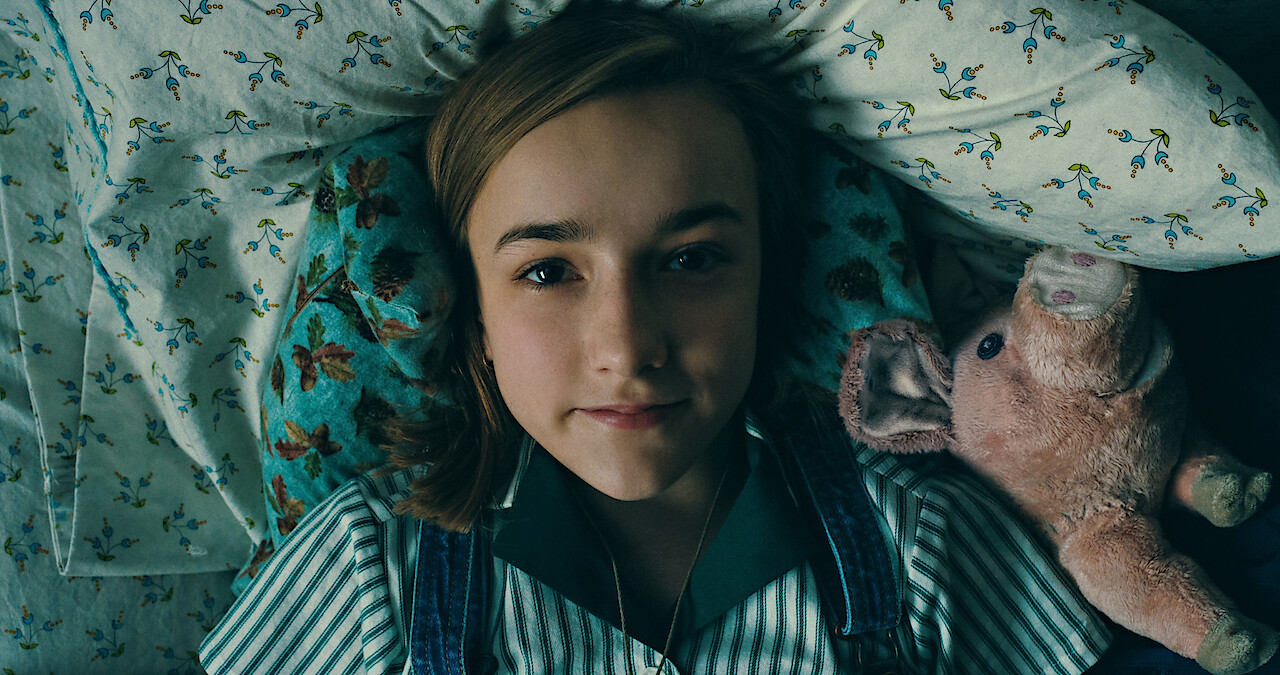
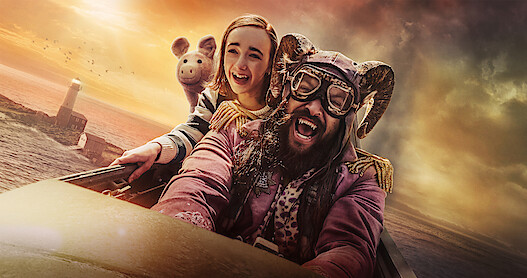
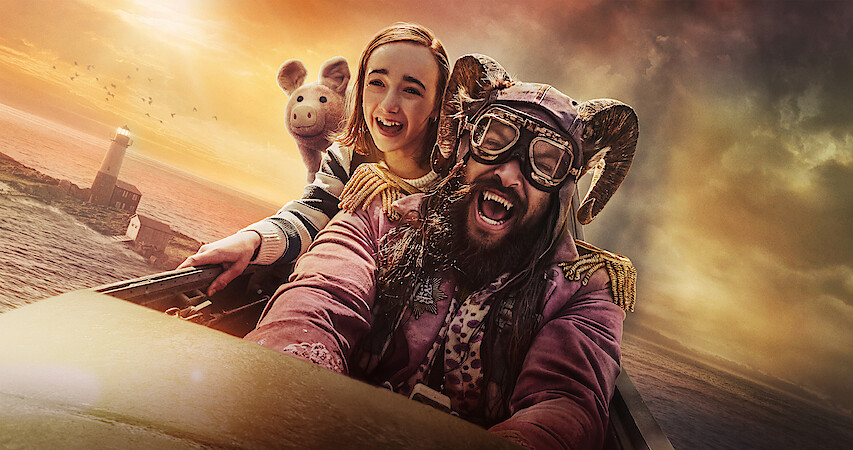
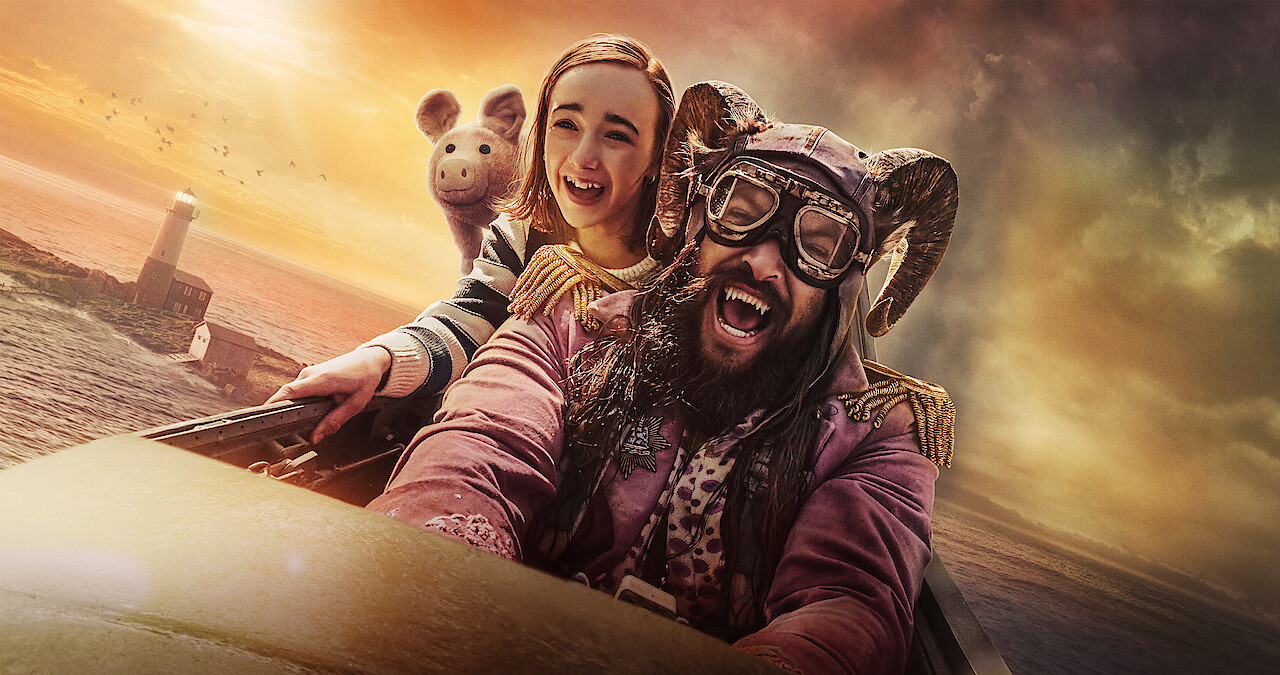
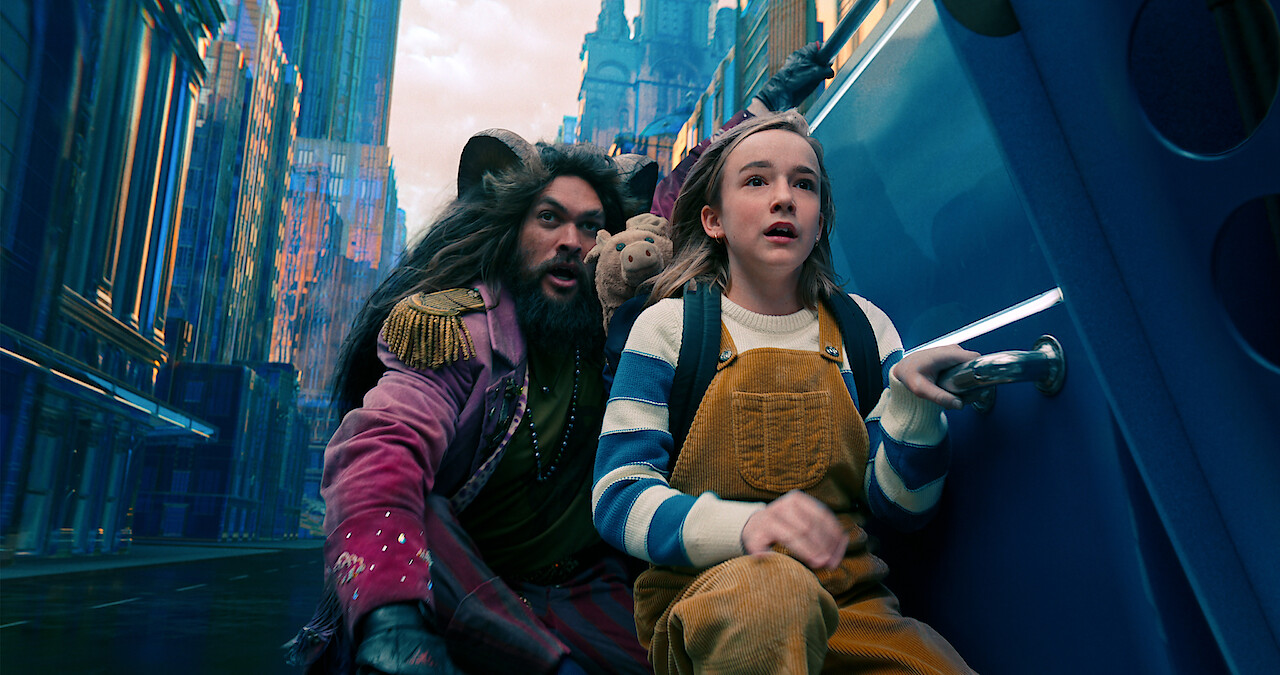
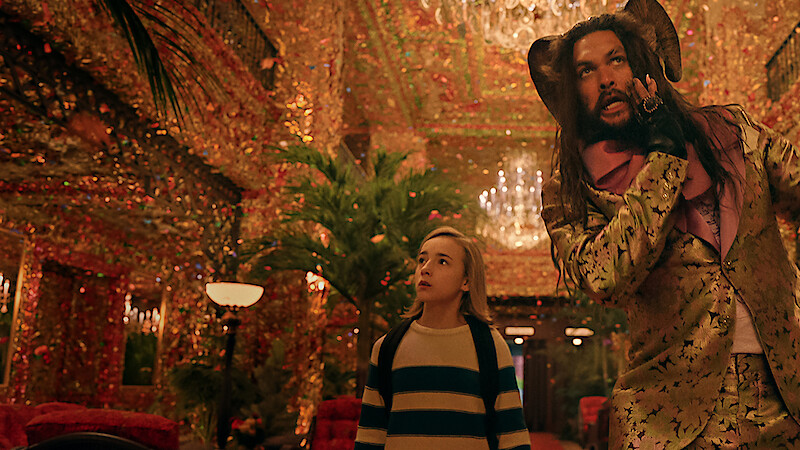
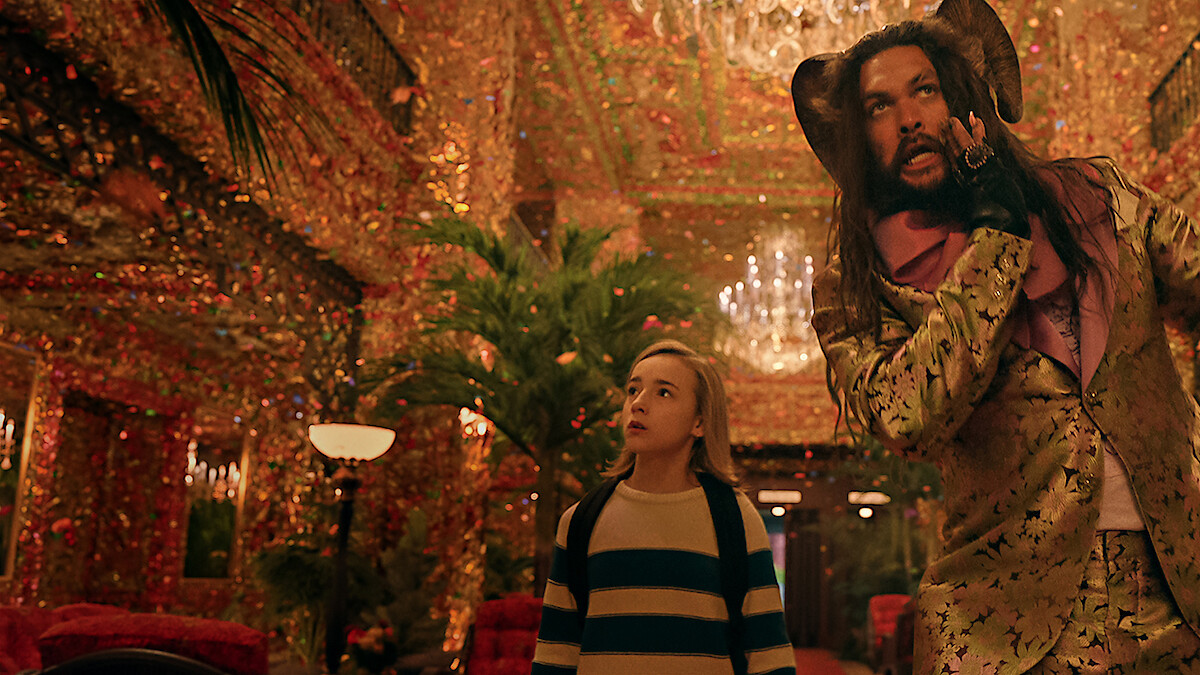
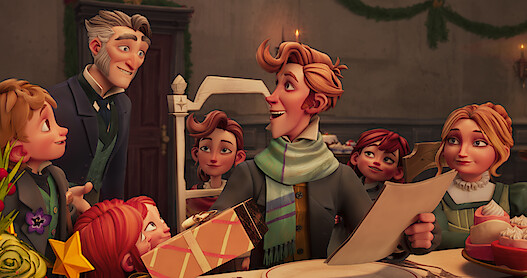
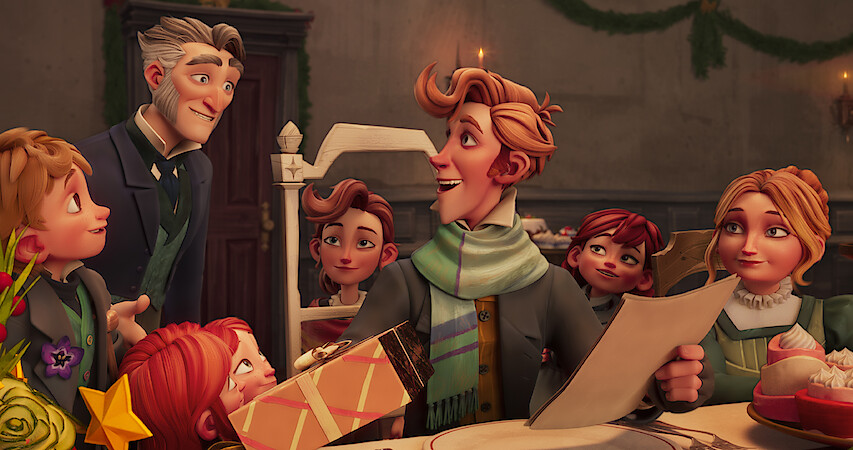
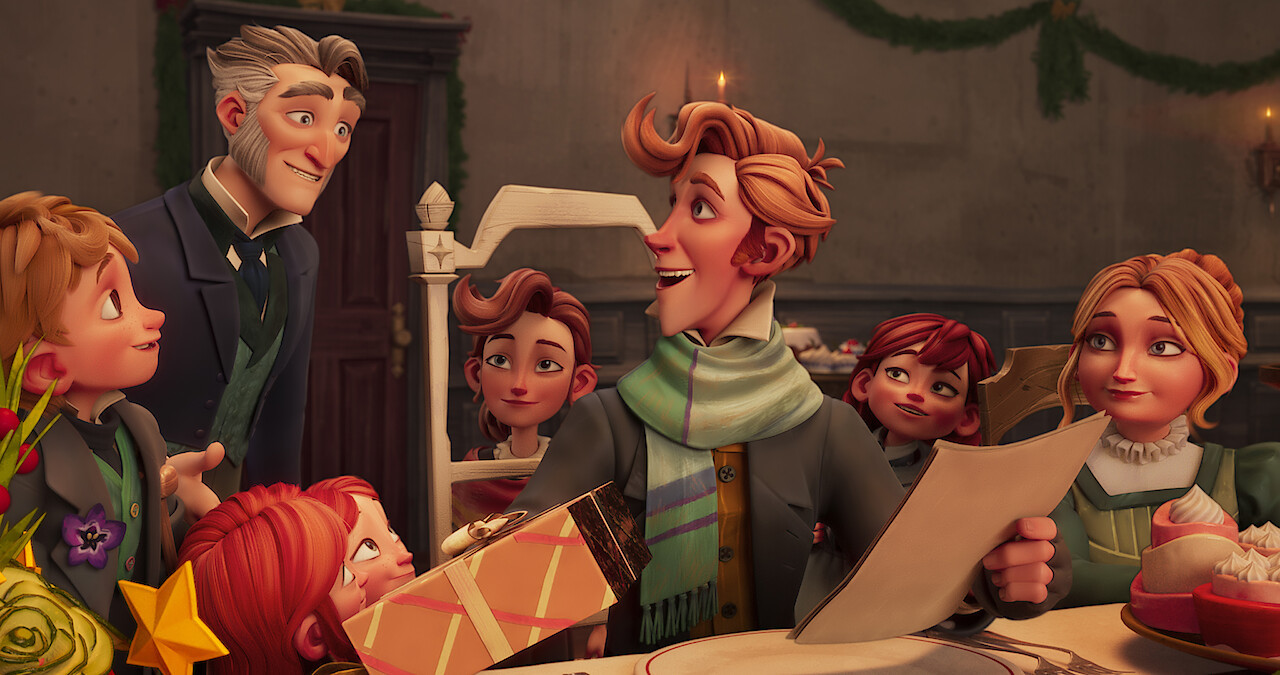
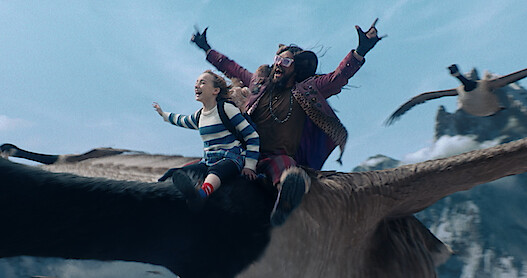
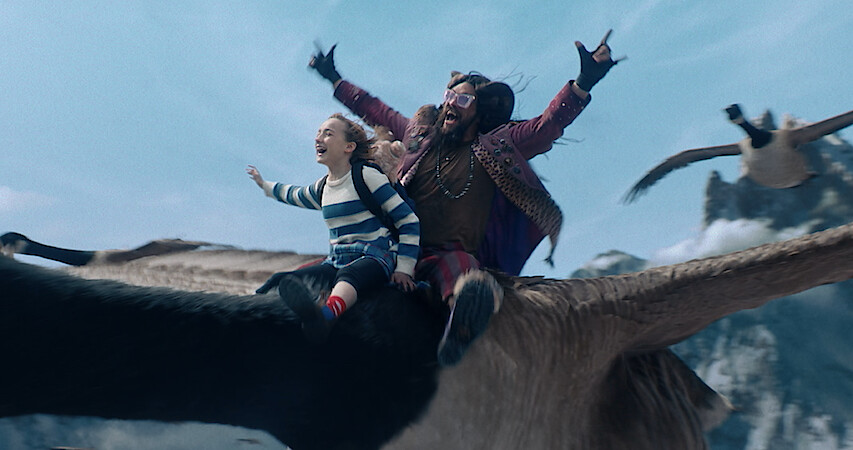
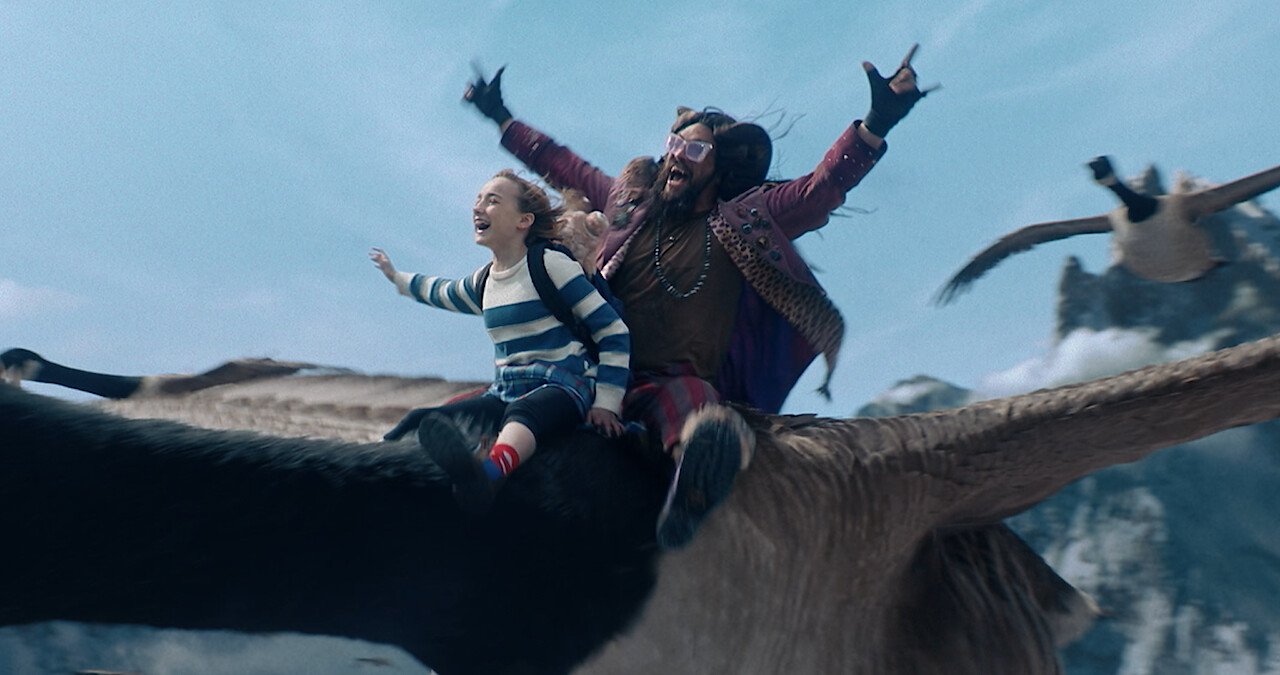
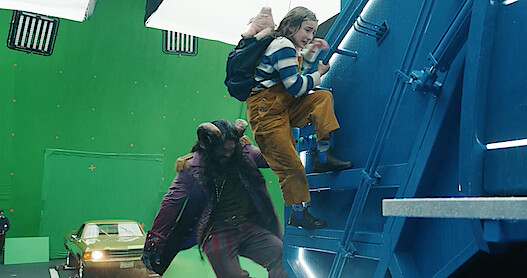
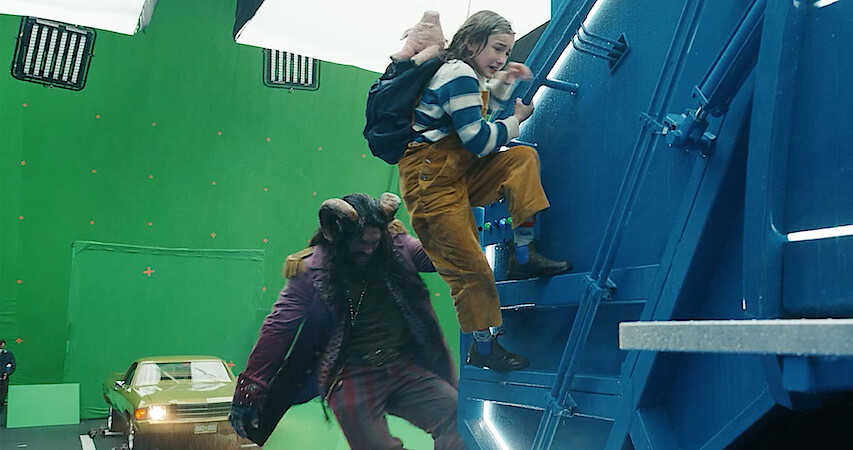
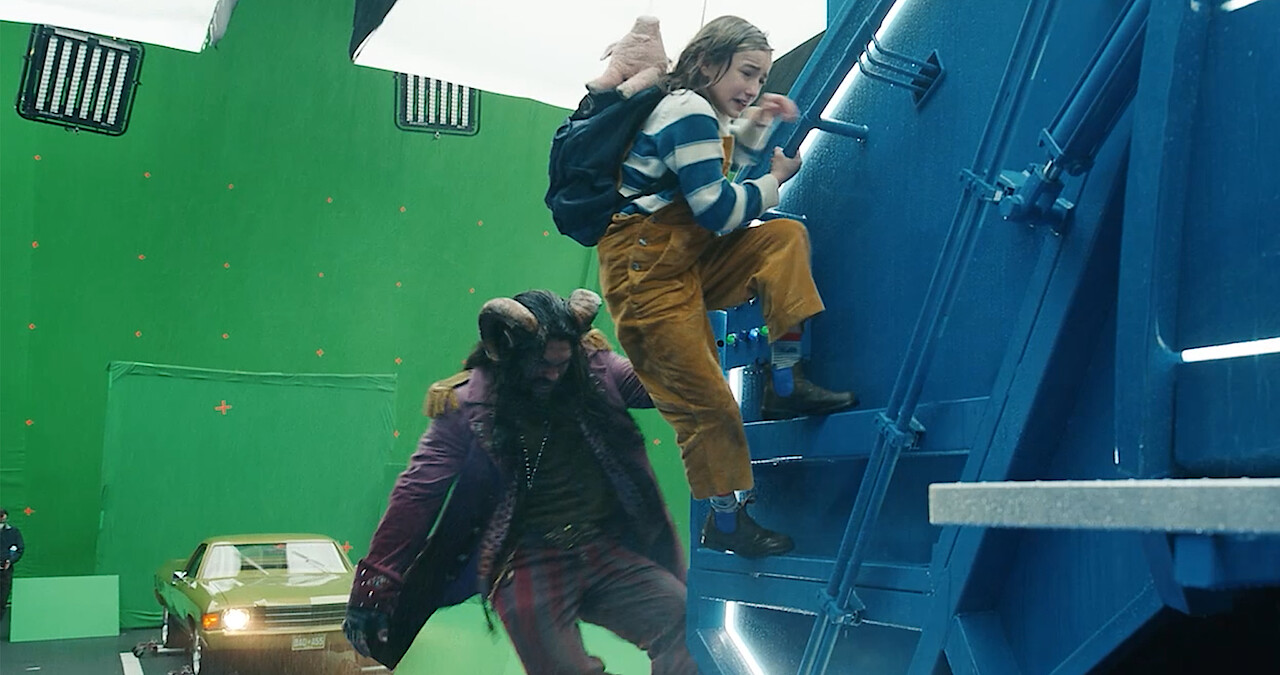
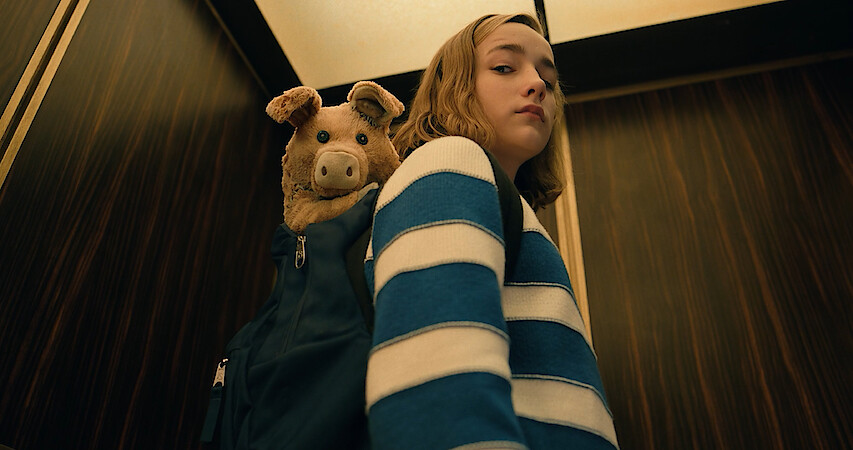
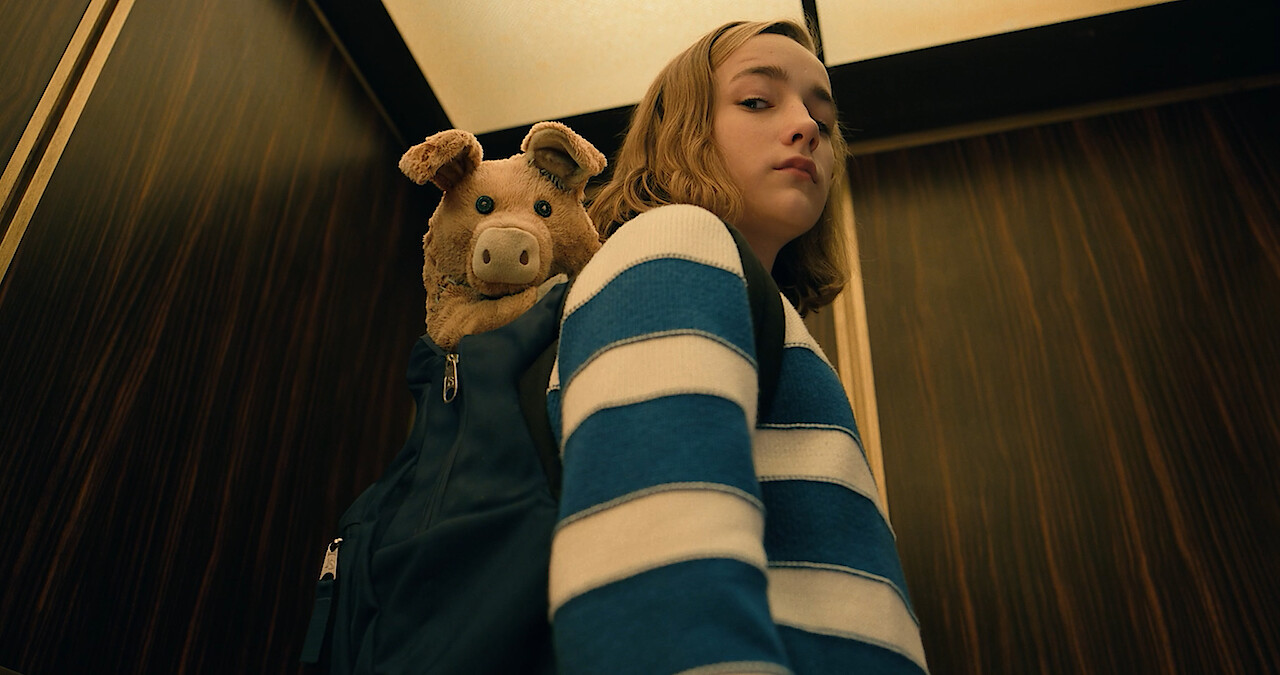
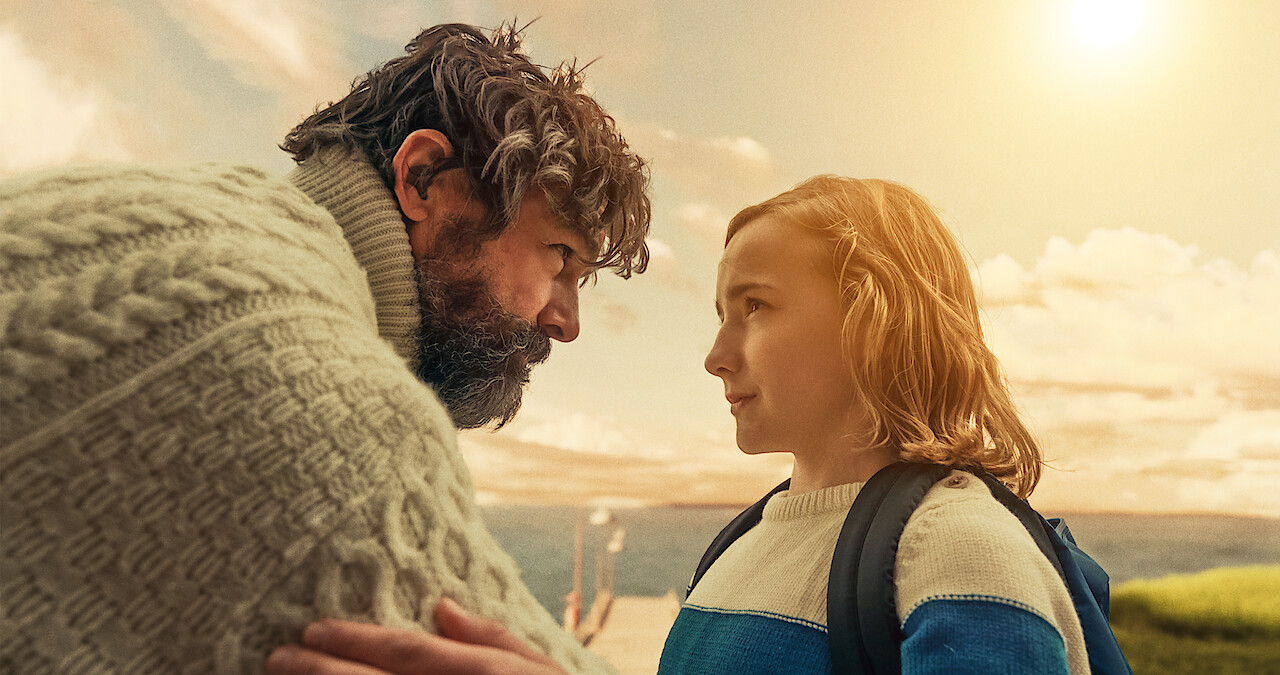
When Slumberland was released on Nov. 18, that very evening, my two daughters asked if we could watch it for our Friday movie night. Honestly, I didn't know what to expect. They dragged me over to the sofa, going on about how they’d seen the trailer and it looked really awesome, and next thing I knew I was sitting in the middle of two little girls, ages 8 and 13, with popcorn on our laps, learning about 11-year-old Nemo’s life in a lighthouse. And I guess I should say that I wasn’t a completely blank slate. I was aware of the original comics, but I didn’t know what to expect from the Netflix film. And I truly didn’t expect the conversation it sparked with my 13-year-old daughter, Norah.
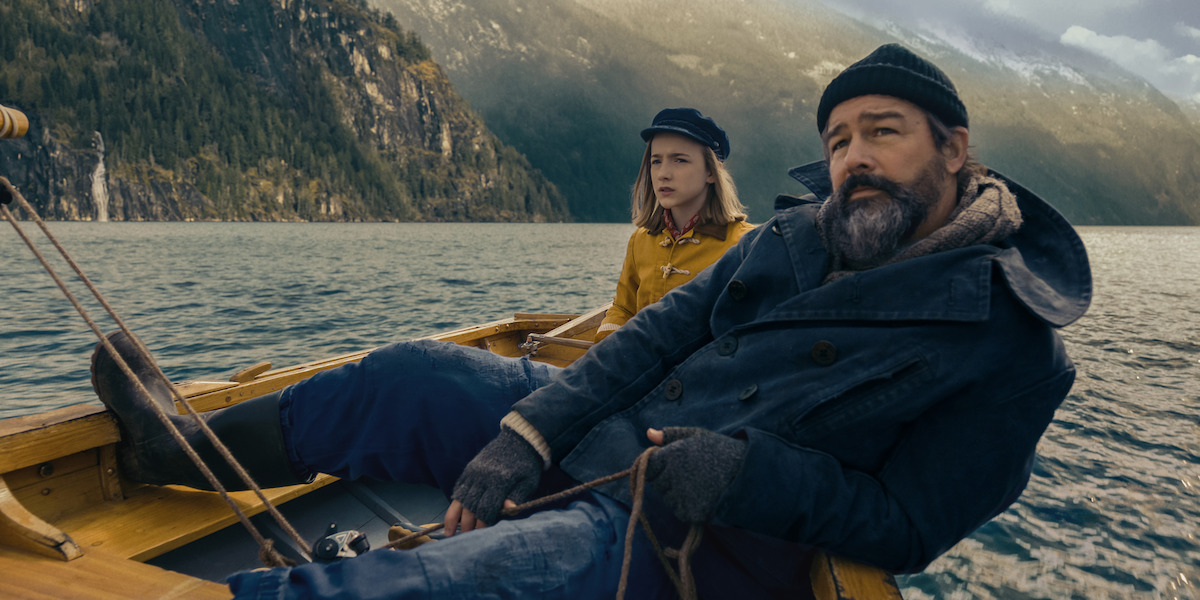
We watched the early scenes about Nemo’s charming life with her father, just the two of them living on an island and caring for a lighthouse. We heard bedtime stories about Nemo’s father’s adventures with the mysterious, adventurous Flip in Slumberland. But then Nemo lost her father in a horrible sea storm. The mood in my living room became somber, and my two daughters were deep in empathy, wondering what it would be like if they lost their father. After the funeral, as Nemo was being picked up by her uncle, a doorknob salesman and a stranger to her, Norah looked up at me. “How old were you when your dad died?” she said.
She’d never asked me about that before. This isn’t to say that I hadn’t told her about the death of my dad. I had. I’d also told her about his addiction to painkillers, how he was an early victim of the opioid epidemic and how, sadly, the best relationship I had with him as a teen was when he was in jail because I always knew where to find him. I always knew he’d call me because he’d burned most bridges, and I was one of the only people who would still pick up the phone.
Norah looked up at me, her blue-green eyes curious behind turquoise-framed glasses, waiting for an answer. “I was a late teen when he died,” I said. “Nineteen. Quite a bit older than Nemo.” Then I thought for a moment and went on: “But really I lost him when he left my mother. I was 9. He’d been addicted to drugs for a couple years, and he just wasn’t the same person anymore. In fact, 10 years later, when I attended his funeral, I wasn’t all that sad that he’d died. What hurt the most was that knowing now he’d never have the chance to clean up his life and become the father I knew he could be.”
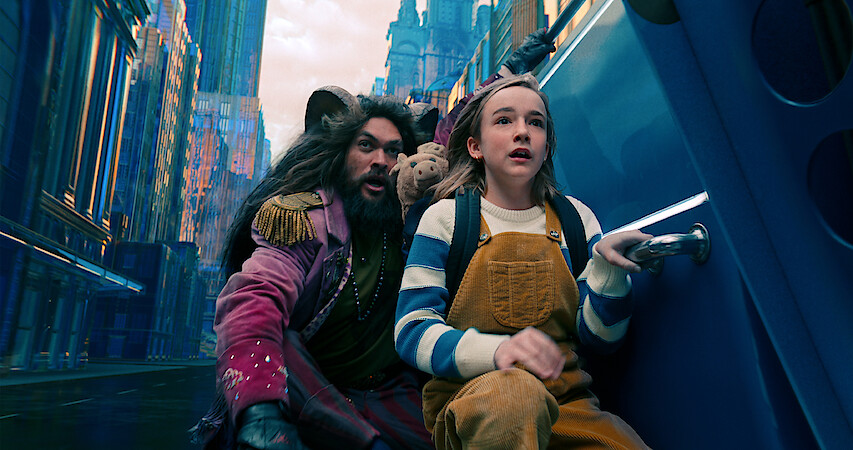
I shrugged, and Norah looked at me, quiet, her lips twisted to one side. We turned our attention back to the movie. Nemo moves off the island. She starts school in the city. She moves in with her uncle, who clearly has no idea how to raise a child, or show much emotion, and we all laughed a little as he googled: “How to raise a child.” I let my daughters know that even though I’ve been a father for 15 years (I also have a son), I still sometimes google that question. “He’s not alone,” I said.
As Nemo’s relationship with her uncle continues to get more awkward in the film, my daughter asked me another question that gave me pause. “When you moved in with your grandmother, was it kind of like Nemo and her uncle?”
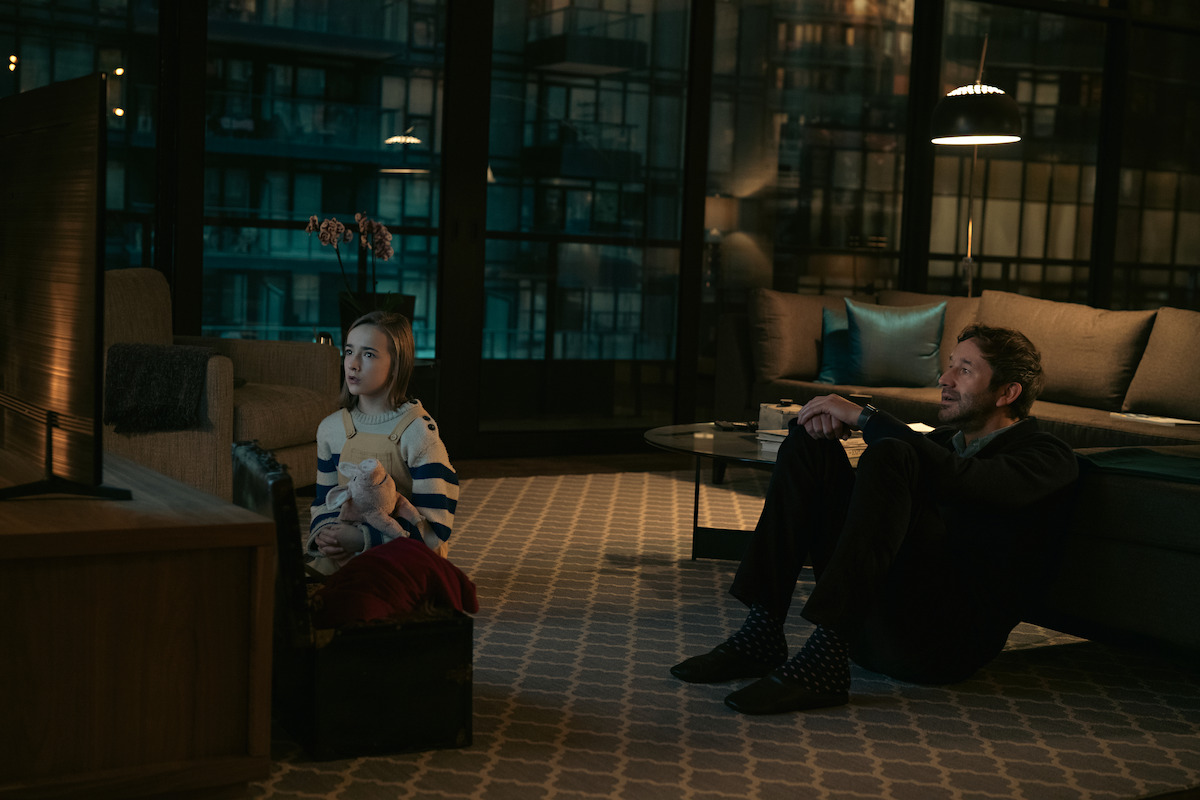
And once again, I’d definitely told Norah about how, when I was 14, and my father’s addictions were close to their worst, and my relationship with my mother was at an all-time low, I moved in with my grandmother. She got me through high school. But Norah had never asked me about my relationship with my grandmother, and I told her it was about as awkward as the one we were watching in the film. “I mean, don’t get me wrong. I knew my grandmother before I moved in, unlike Nemo and her uncle. But she was in her late 70s, close to 80. I was a teenager and all those years between us made things awkward and quiet. And if Google had been around, I’m confident she would have been asking it ‘how to raise a child.’”
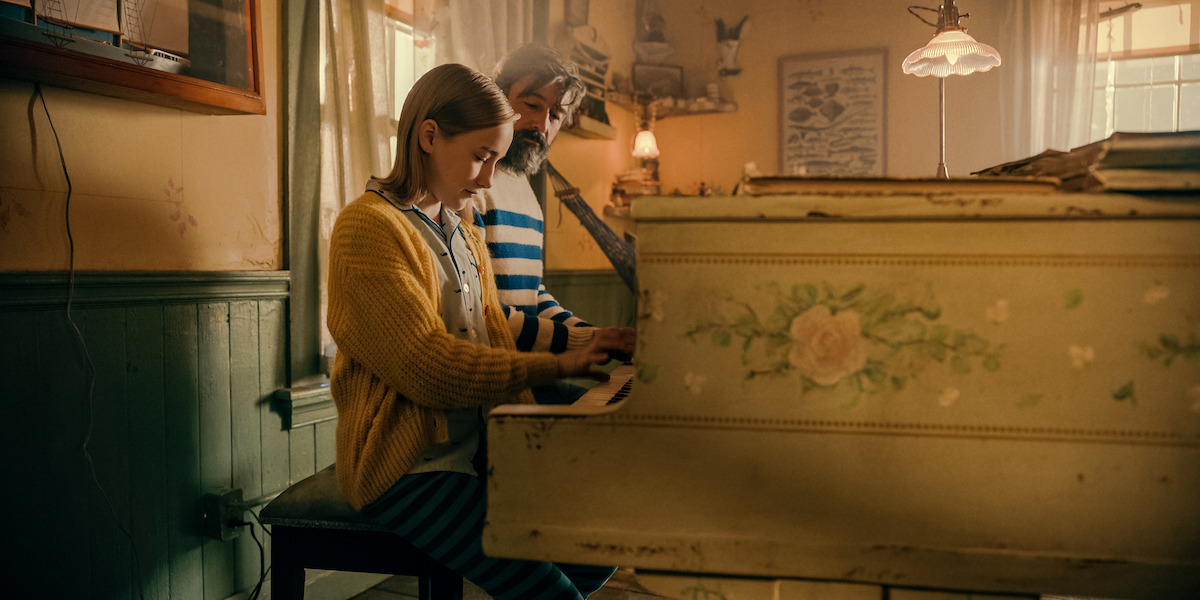
Norah giggled. Then we were quiet again. Later, as Nemo and her uncle began to connect, she asked, “Is that what happened with you and your grandmother? You two started to get along?”
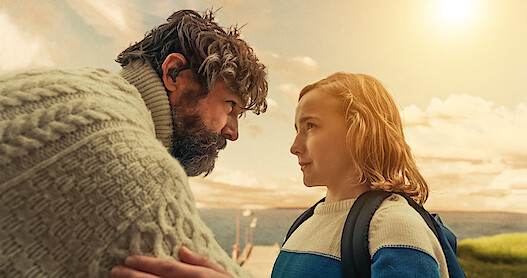
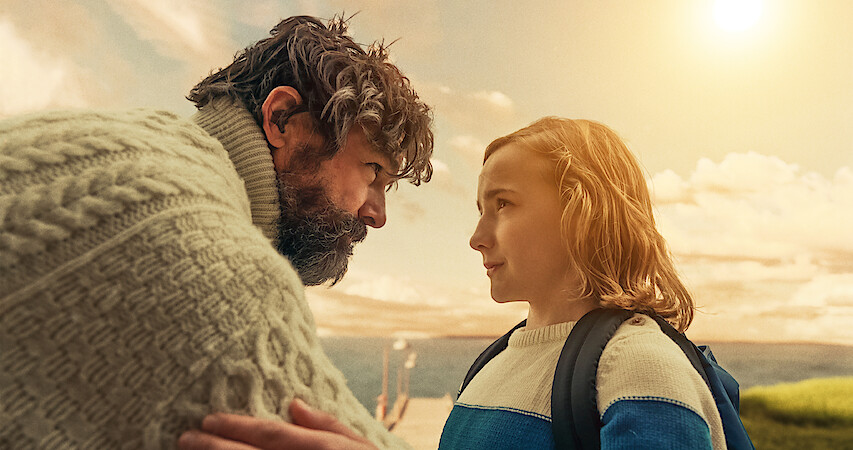
I nodded. “Eventually she became the best thing in my life,” I said. “Looking back, my grandmother taking me in really saved me. Sure, my father wasn’t able to take care of me and that was terrible. But I gained something truly special with my grandmother. Just like Nemo did with her uncle. Life’s like that sometimes. You lose someone important, and someone else, maybe even an unlikely someone, comes in to fill the void.”
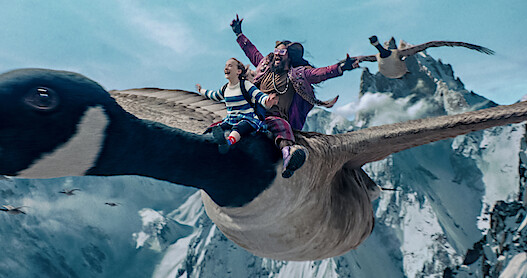
Norah nodded, and smiled. Near the end of the film, after Nemo’s dreamworld quest with Flip to find her father, Nemo’s uncle dives into the ocean to save her. Norah leaned into my side, and it felt like she better understood me because she better understood my childhood. Somehow, this fantasy adventure film helped me explain something real and important from my childhood that I’d never really had the words for, and I couldn’t help but feel closer to my daughter because of it. Maybe one day my youngest, who was fully wrapped up in the film, will be asking these questions too. For now, I put my arms around my daughters, and we sat just like that until the credits rolled.