Screen Time
How ‘The School for Good and Evil’ Taught My Daughter a Valuable Life Lesson
Good and evil? It’s never that simple.
By Clint Edwards
Oct. 21, 2022
🤐 SPOILER ALERT 🤐
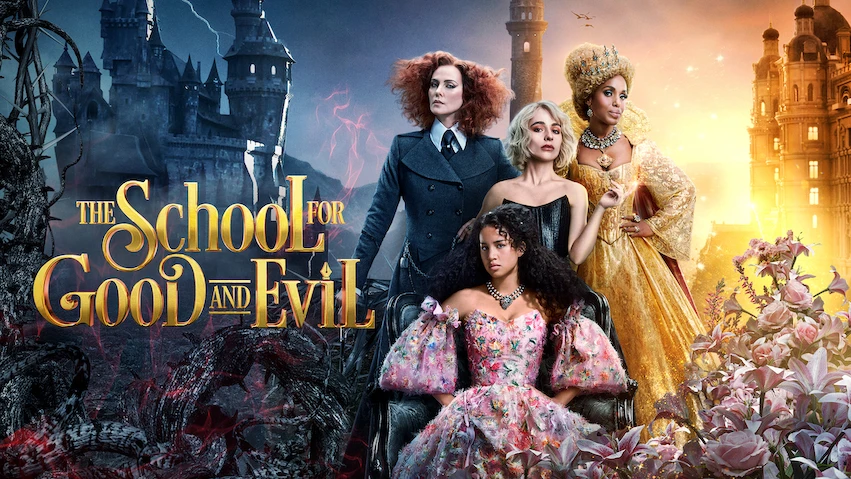
It was about a week before Halloween. My 13-year-old daughter and I were looking for a way to get into the spooky-season spirit, and naturally, the movie that stood out as the perfect fit was The School for Good and Evil.
Why? Well… it has magic and witches and wizards and knights and monsters and all the things a good Halloween flick should have. But the real reason Norah was literally squealing with excitement is that she’s a huge fan of The School for Good and Evil book series, which she says she’s read all the way through “at least five times.” Not that this is unusual — parents of readers know this series is kind of a big deal. The first book alone sold over 3 million copies.
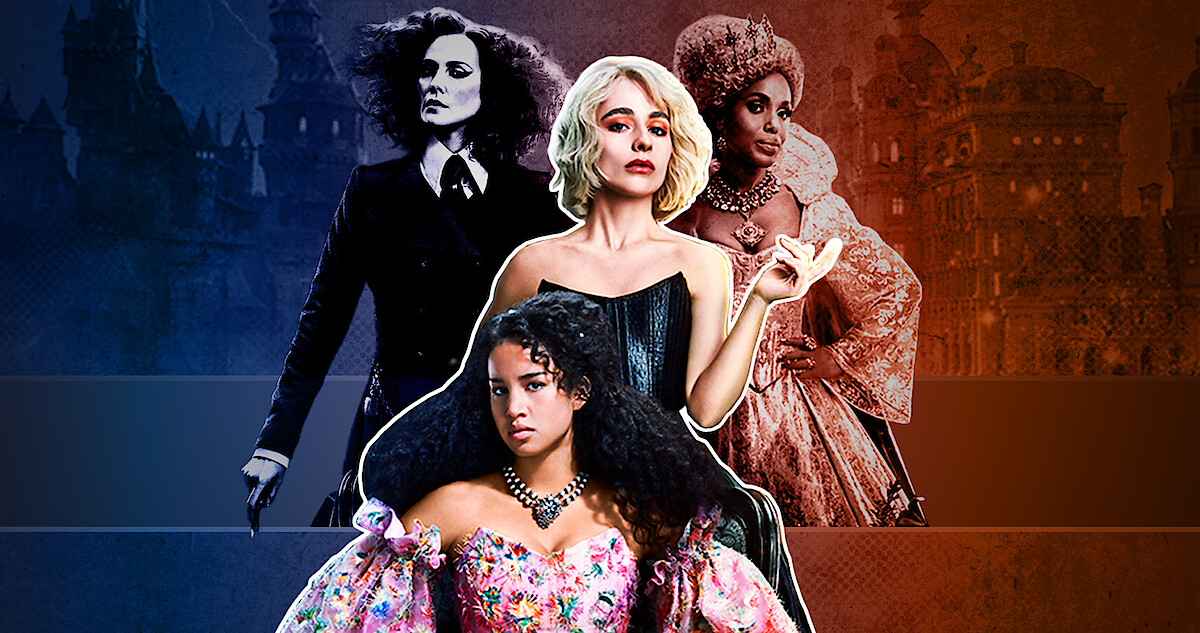
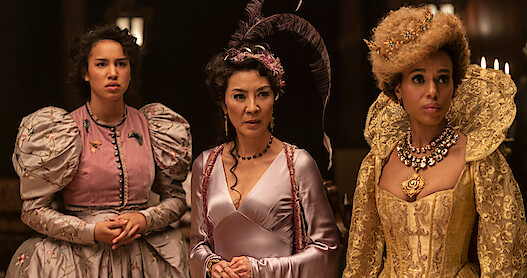
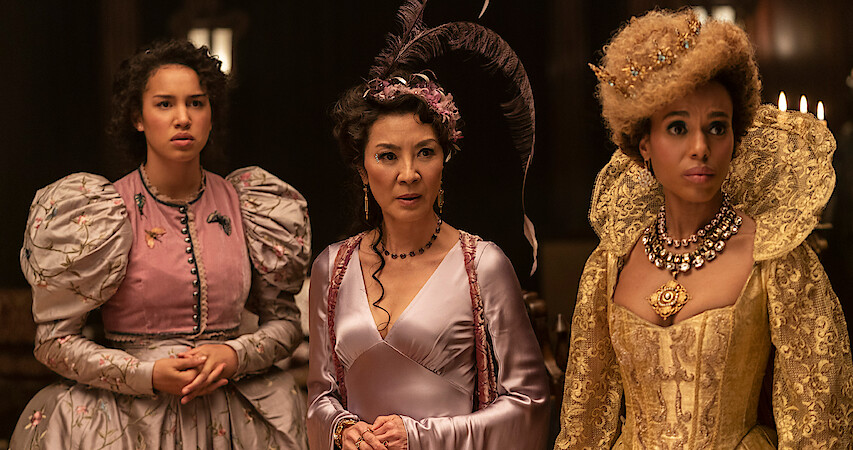
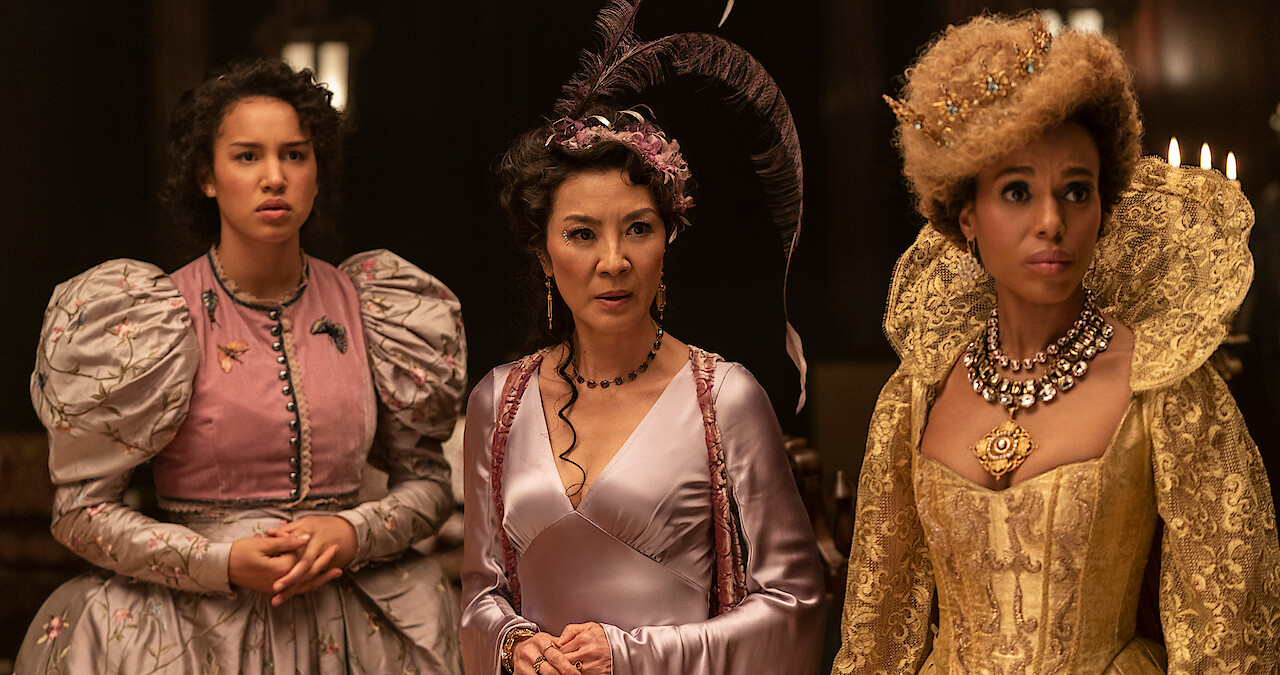
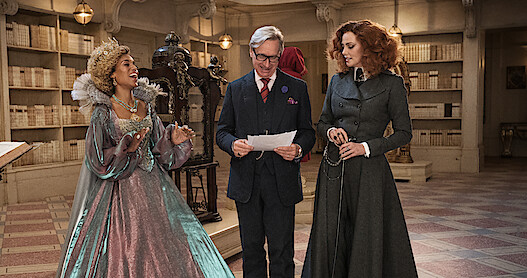
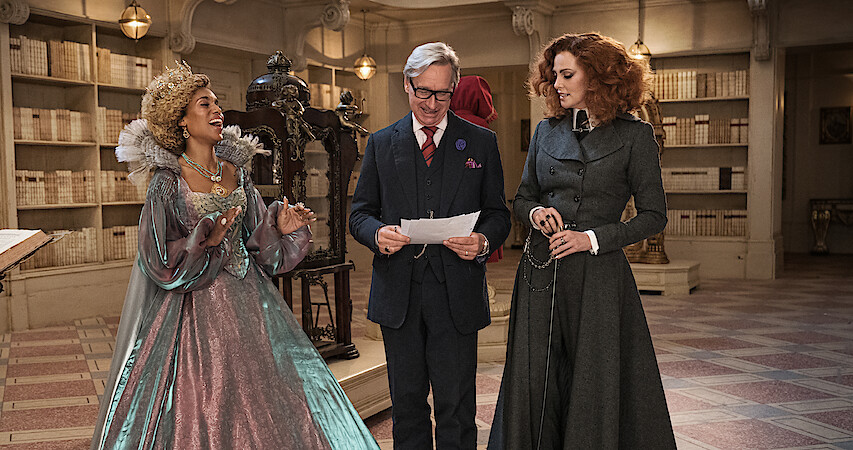
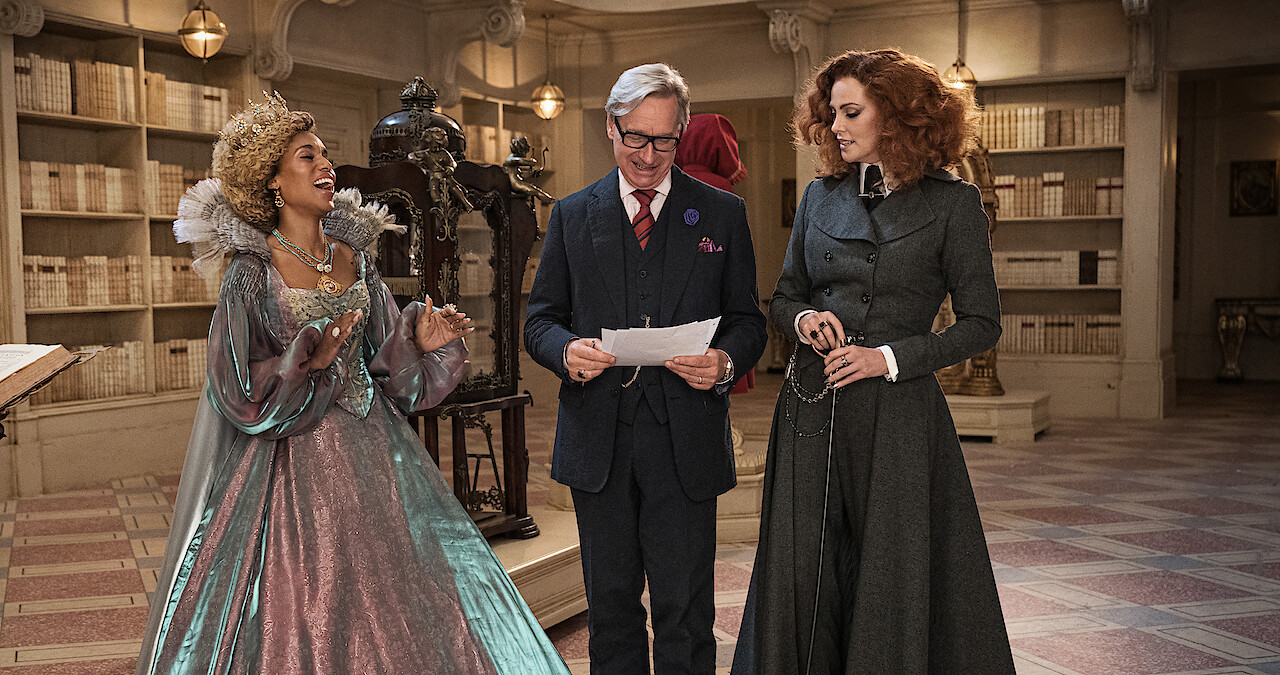
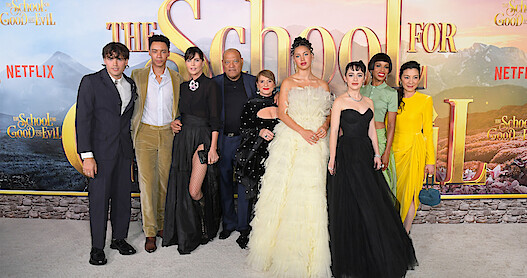
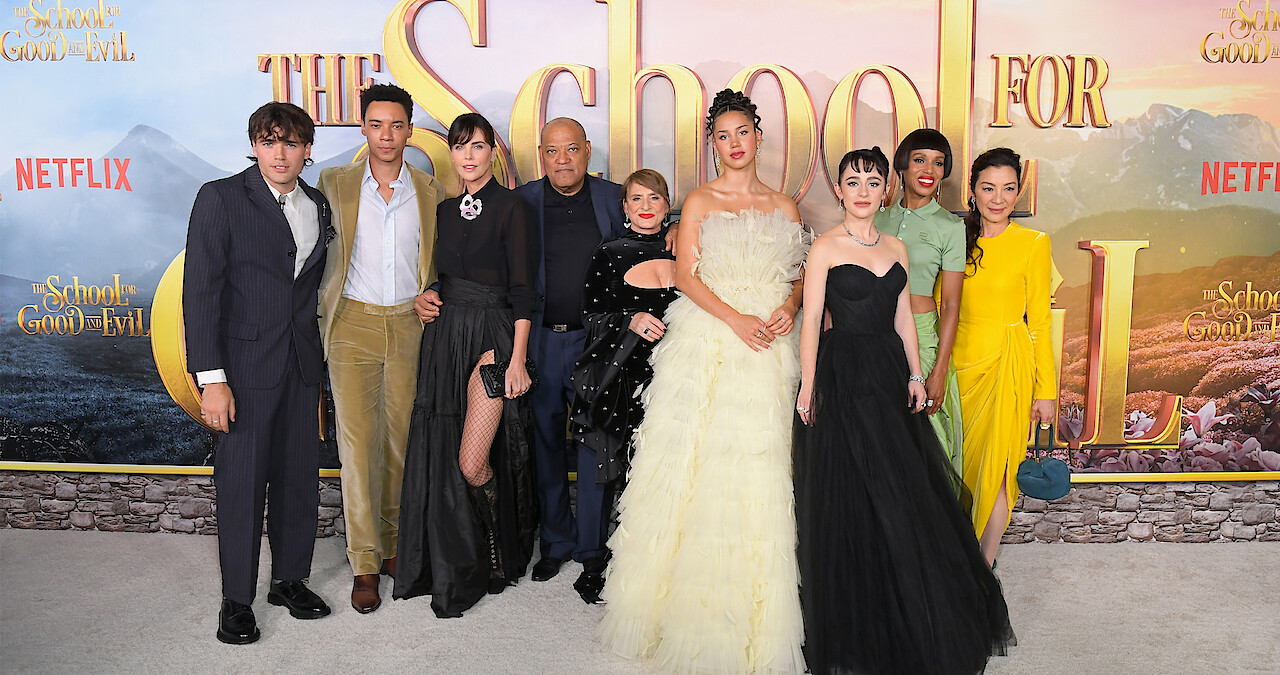
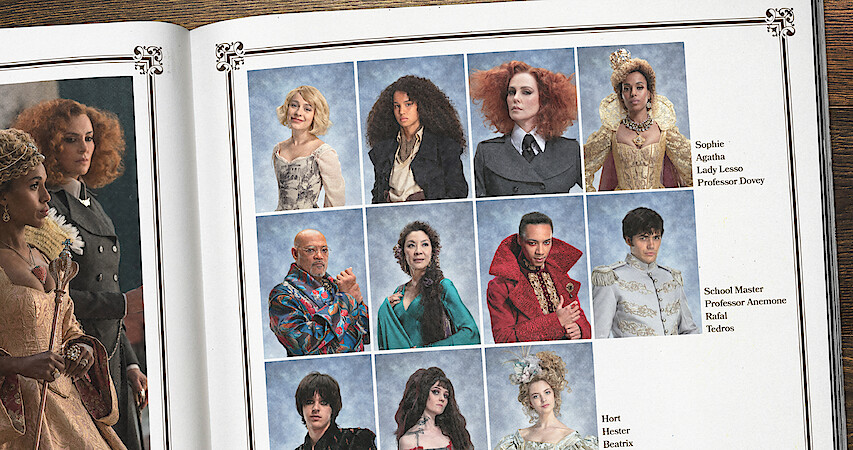
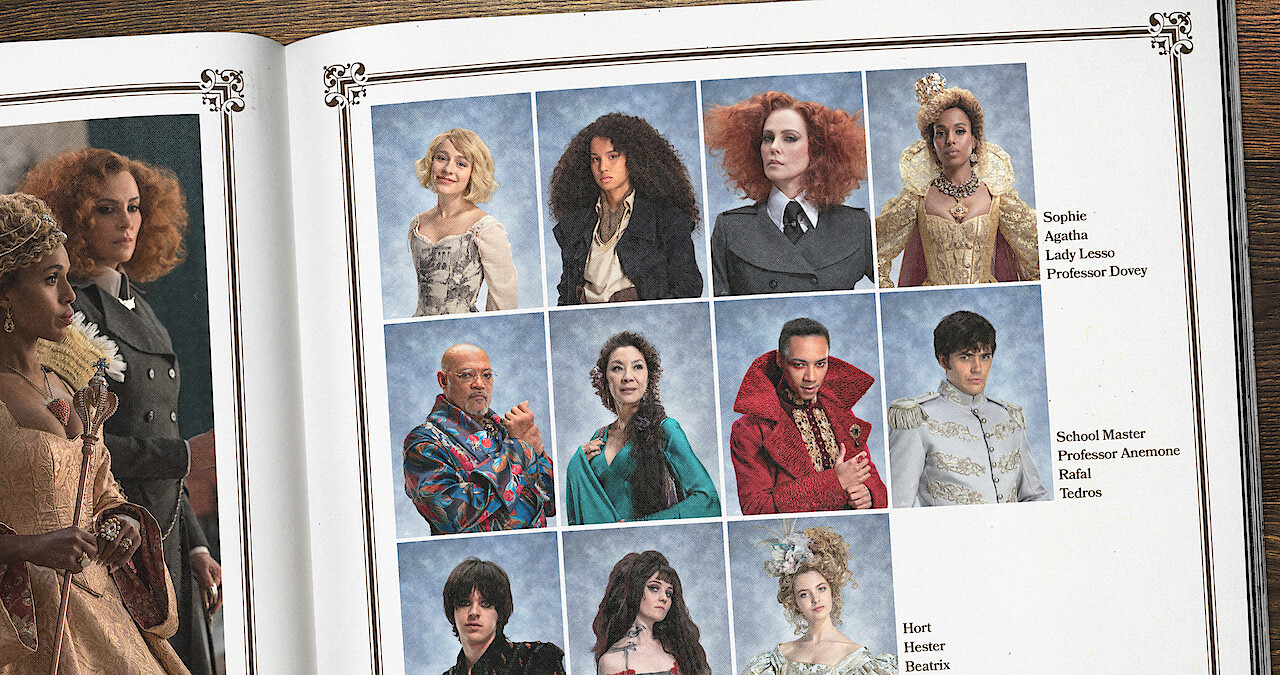
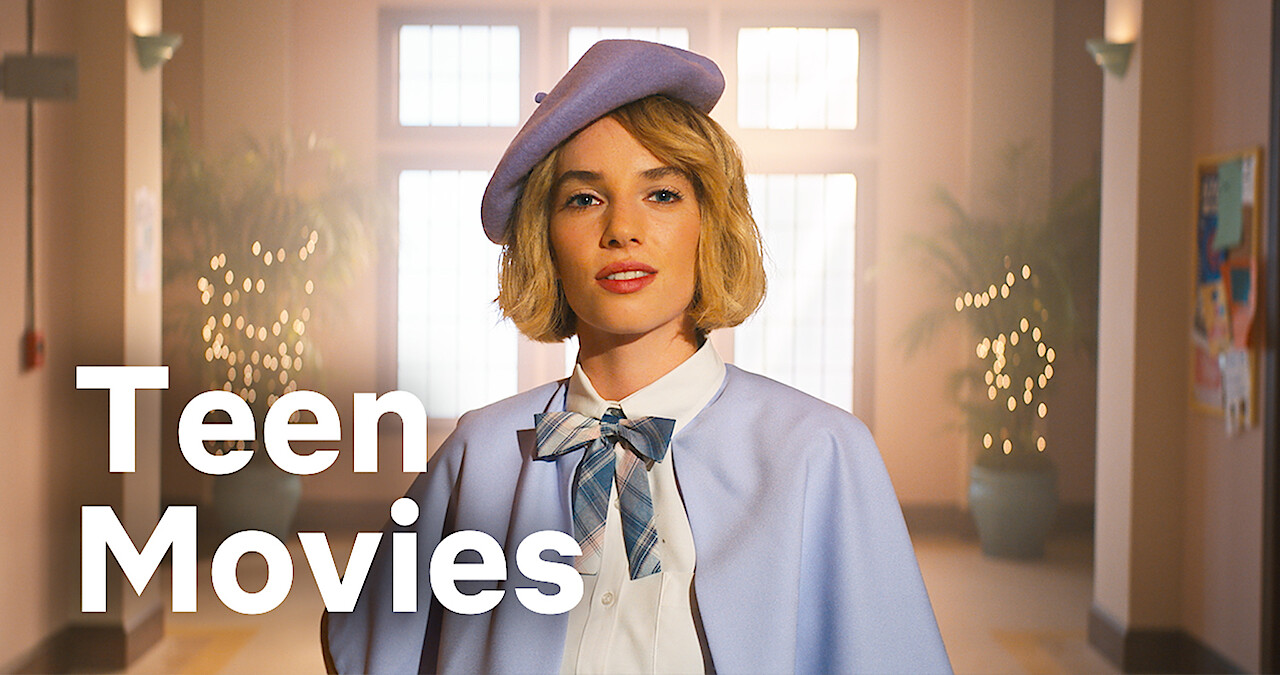
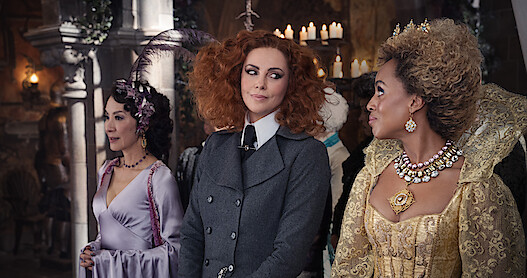
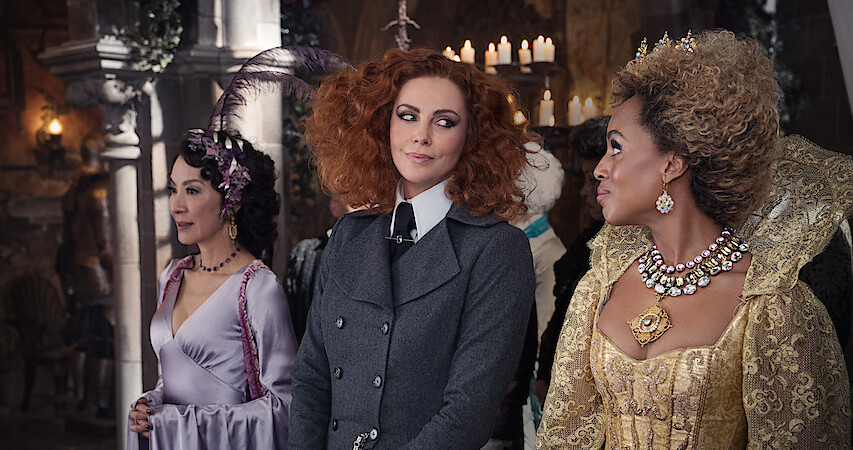
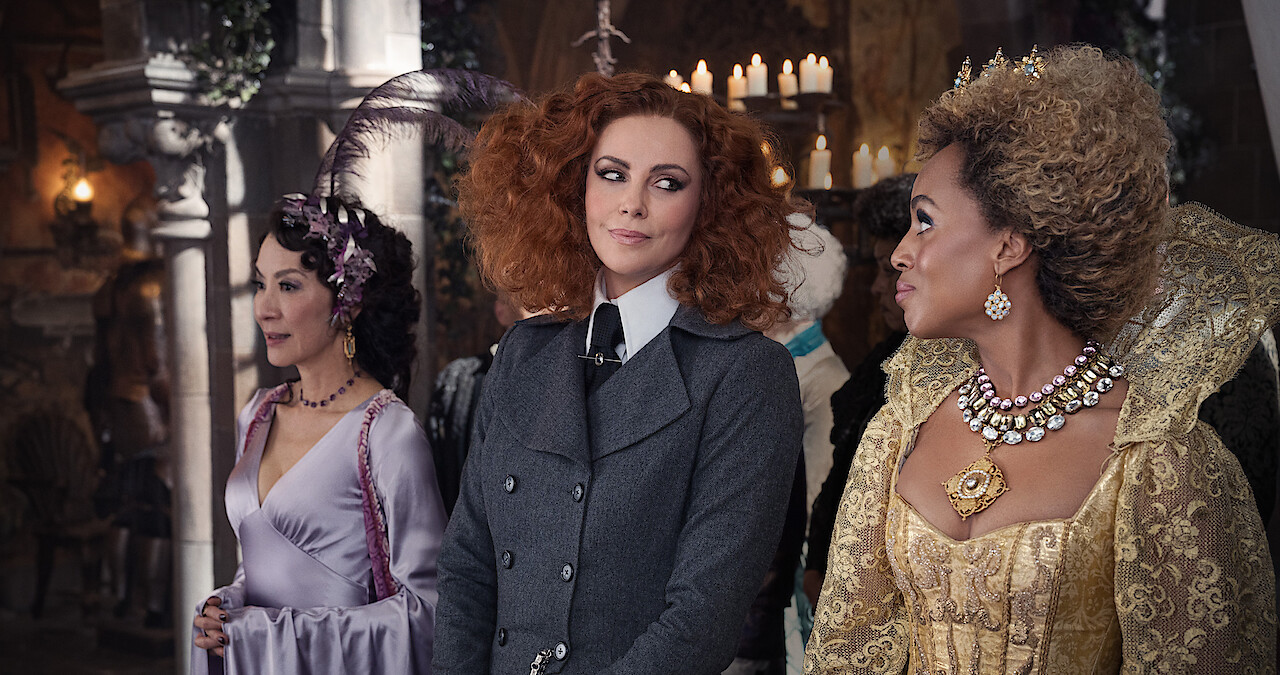
We watched the movie side by side on Norah’s bed, backs to the wall and leaning against massive Squishmallows, with a bowl of popcorn in Norah’s lap. She commented on which parts happened in the book, and which didn’t, and we talked about which characters looked like she imagined them. (Sophie and Lady Lesso, played by Sophia Anne Caruso and Charlize Theron, were just right.)
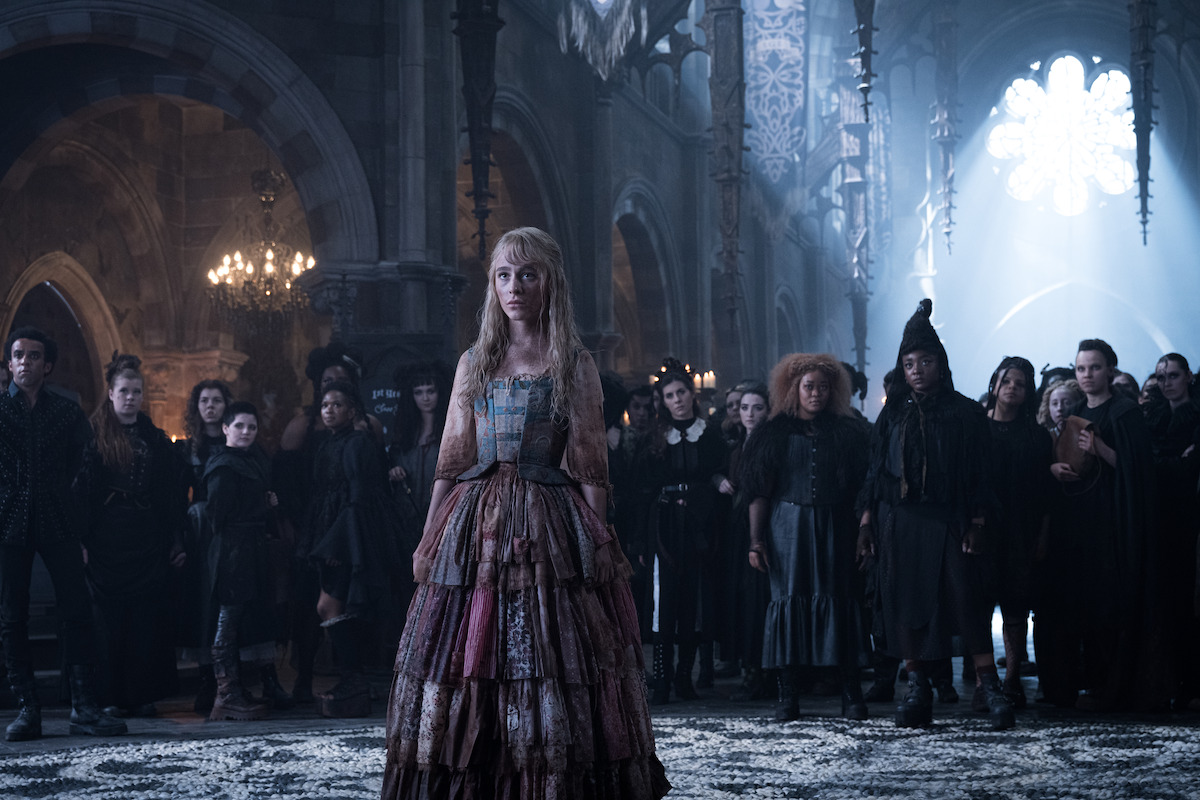
As the movie pressed on, she started telling me about the two schools in the film — one for good and one for evil, which I’d gathered from the title — but I didn’t respond. I just listened as she told me about this world she loved reading about. And to be honest, with a 13-year-old, one of the best things I ever learned to do was just listen.
So Norah talked. She told me how the schools worked, their history, their founding, the headmaster, and then she made this very astute observation: “The really fun part is that just because someone is in the school for good doesn’t mean they’re actually good. And just because they’re in the school for evil doesn’t necessarily mean they’re actually all that bad.”
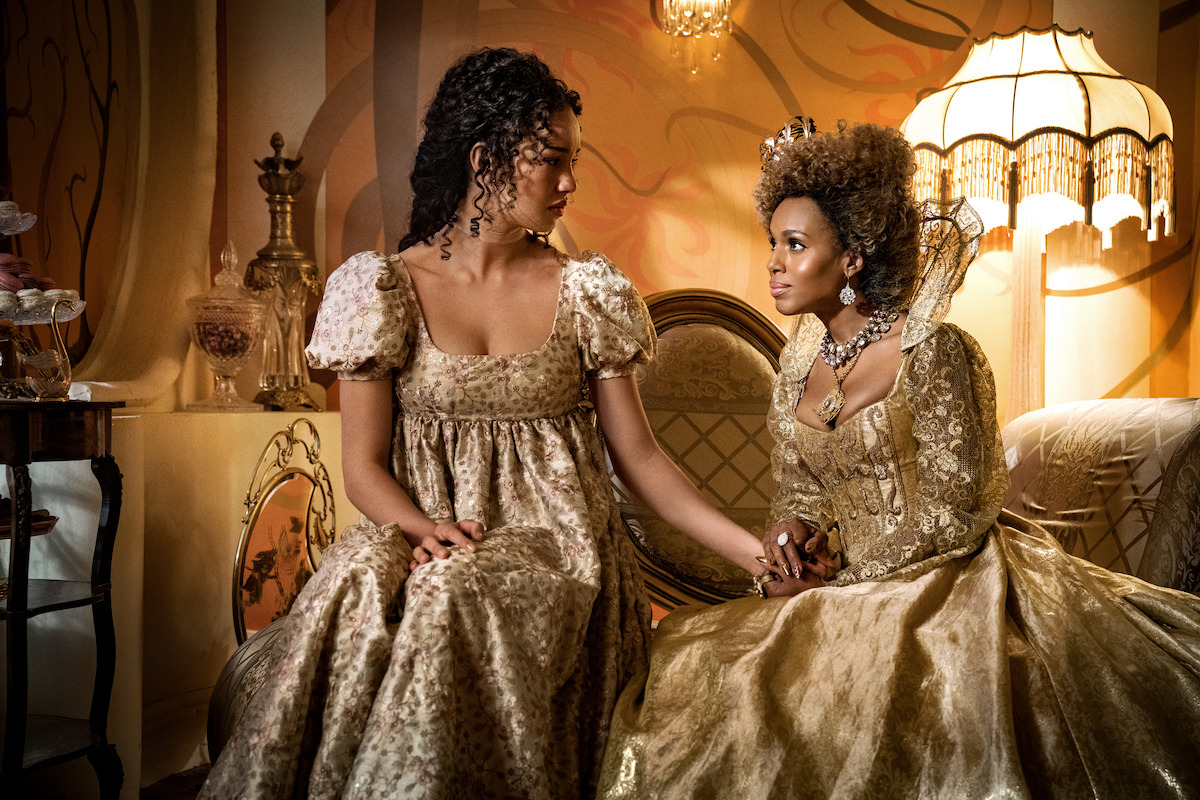
We were halfway through the movie when Agatha (Sofia Wylie), one of the main characters, says something to the tune of, “I don’t believe anyone is good or evil because everyone is complicated.” Suddenly, I saw my moment — or at least, I hoped I did. I felt like there was so much in The School for Good and Evil rooted in morality, labels and characters being very different from who they were supposed to be. I looked at Norah and said, “You’re right. The cool thing about this movie is that it shows how sometimes ‘good people’ are not always all that good, and ‘bad people’ ” — I made air quotes as I spoke — “are sometimes the kindest.”
Norah looked up at me in her blue-framed glasses, curious.
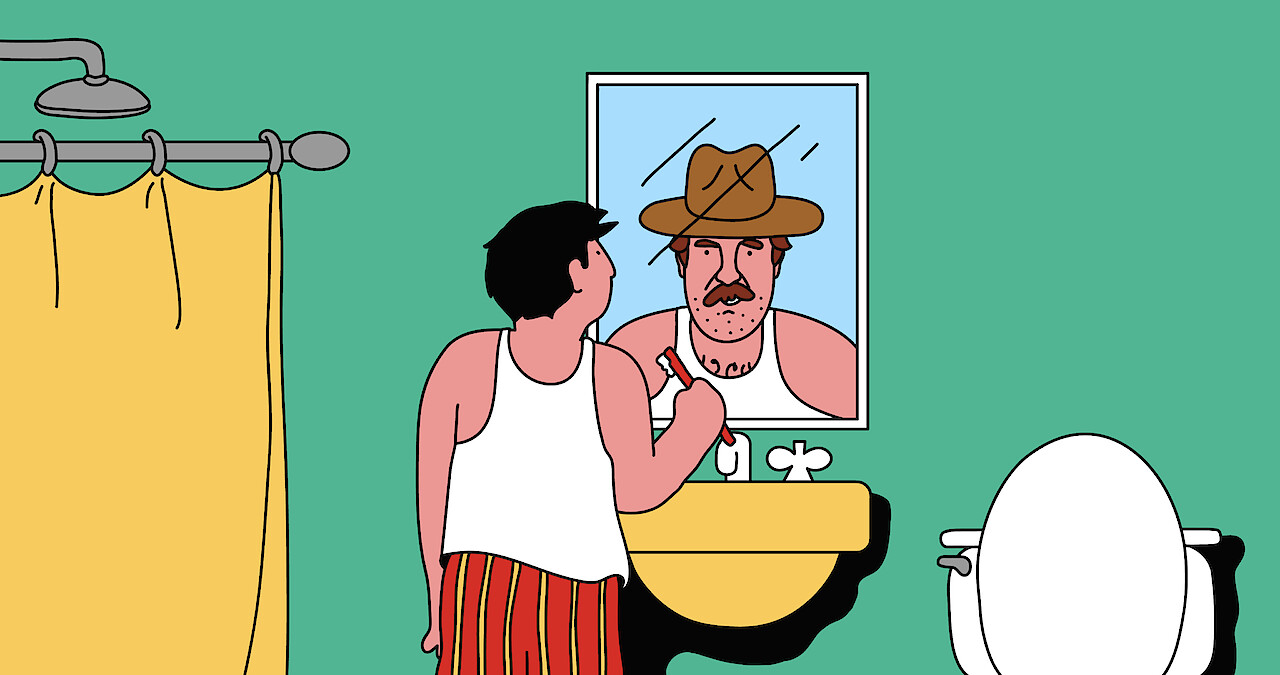
“I guess what I’m trying to say is, it’s not always as easy as putting one group of people in the bad school, and they’re for sure bad, and putting good people in a good school and assuming they’re all good,” I told her. “Life really isn’t that cut-and-dried, and everyone’s a little bit of good and bad. Some people are more of one than the other, but ultimately, that’s what makes us human.”
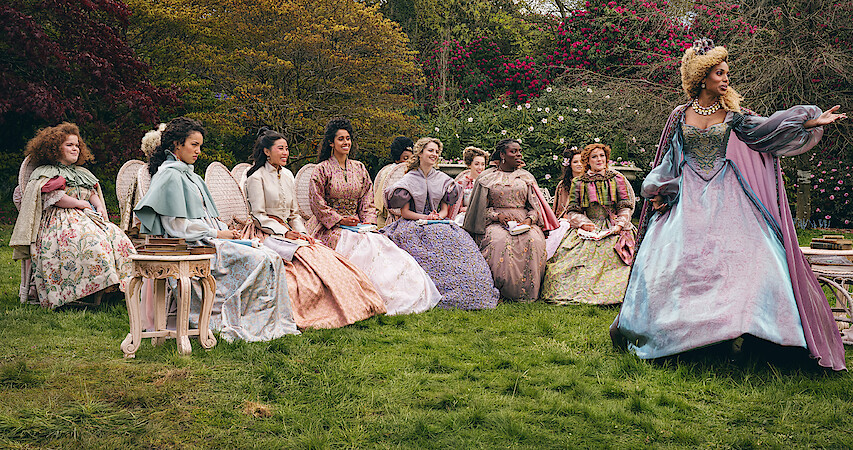
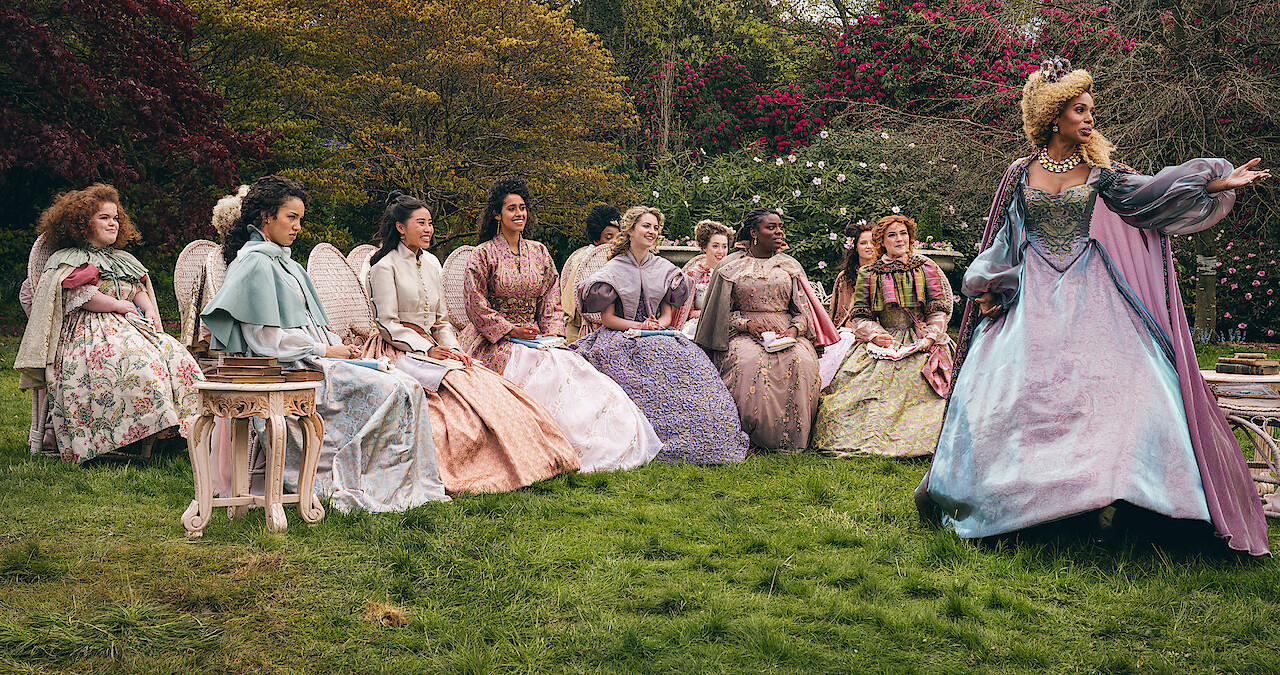
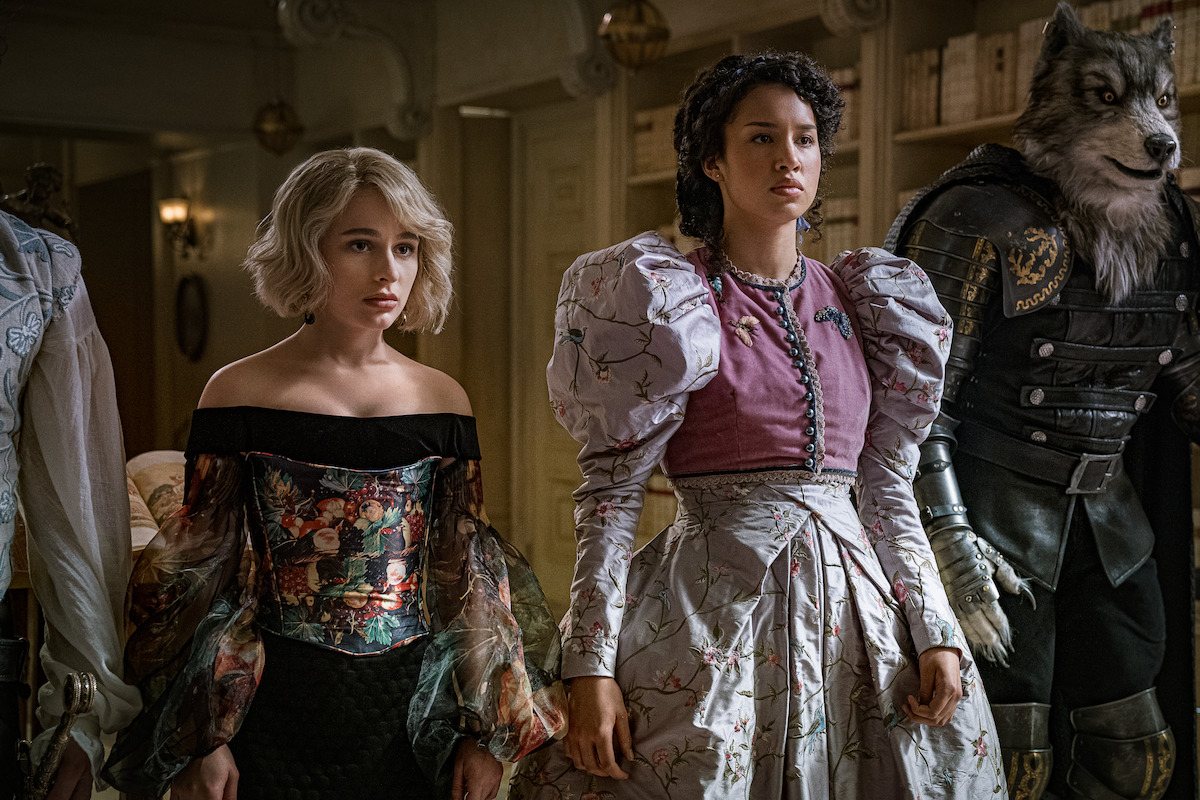
We talked about some of the characters who were good at first, and I used the example of the main protagonists, Agatha and Sophie. We talked about how Agatha was cast as an evil witch in her small village, and yet she went to the school for good. And Sophie, who clearly viewed herself as destined to be a princess in the school for good, slowly developed, with the help of the very sinister Rafal (Kit Young), into the most evil villain of the movie.
Finally I said, “I mean, don’t get me wrong, there’s a lot of fantasy in this movie — lots of magic and make-believe — but there’s also a lot of truth about humans.”
Norah wasn’t talking at all now. She was simply listening, and for a 13-year-old, listening to your father is a big deal.
“So I guess the best thing to do is not make assumptions about people or put much stock in labels, and just look for the good in everyone, because the real magic in this world is empathy.” Or at least, that’s what I tried to say. I don’t know if it came out that perfectly. But that was the gist, and Norah, bless her heart, leaned into my side and said, “You’re pretty smart, Papi.”
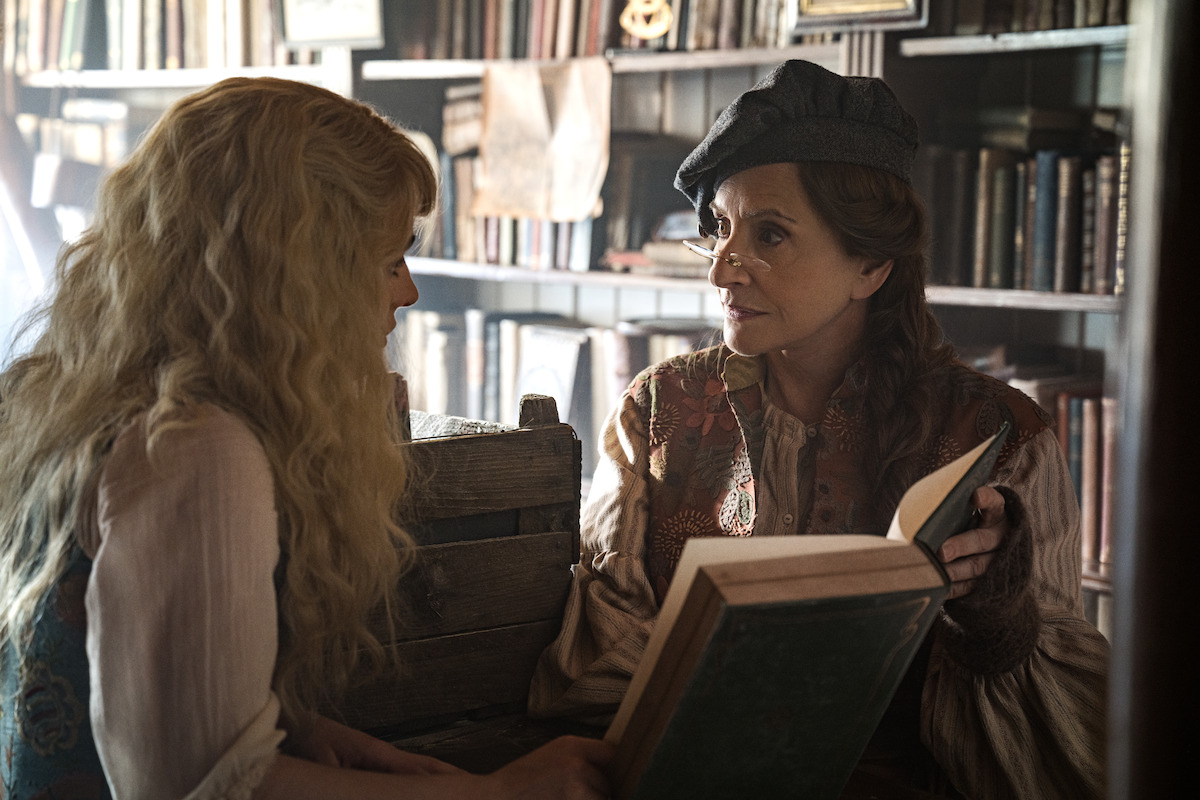
I’ve heard a lot of things from my kids over the years, both positive and negative, but I must say, this one really pulled at the heartstrings. It was a warm moment of connection mixed with a life lesson.
Norah and I didn’t talk much after that. We just sat, munched our popcorn and finished the movie. As the credits rolled, I asked Norah if the movie was as good as the book, and she just smiled and asked if we could watch it again next weekend. It seemed clear that the answer was yes.