Gilles Mingasson/Netflix
Deep Dive
‘The School for Good and Evil’ Ending Explained
We’ve got the answers… Class dismissed.
By Bill Keith
Oct. 22, 2022
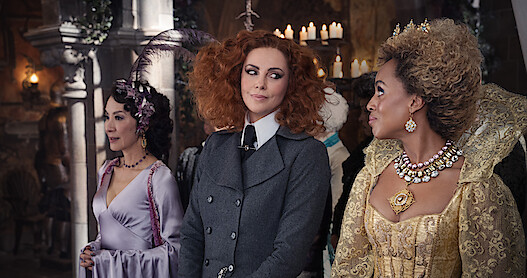
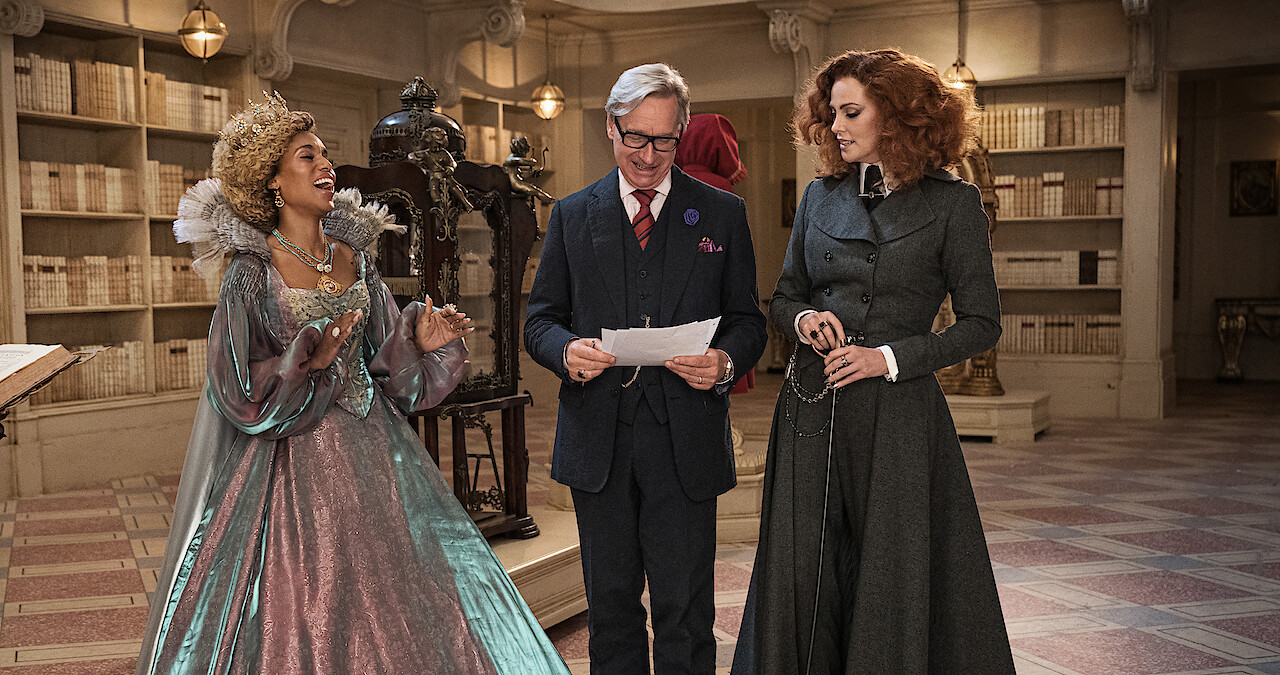
When author Soman Chainani began discussing the film adaptation of his New York Times bestselling book series The School for Good and Evil, it should have come as no surprise that he wanted to make sure that the ending tethered as close to his novel as possible. “I wanted the big action scenes at the end to really stay pretty much the same so we could see good and evil blurring,” Chainani tells Tudum. Director Paul Feig agreed. Which is why you see one final ball scene where students and teachers from both schools mingle freely for the first time.
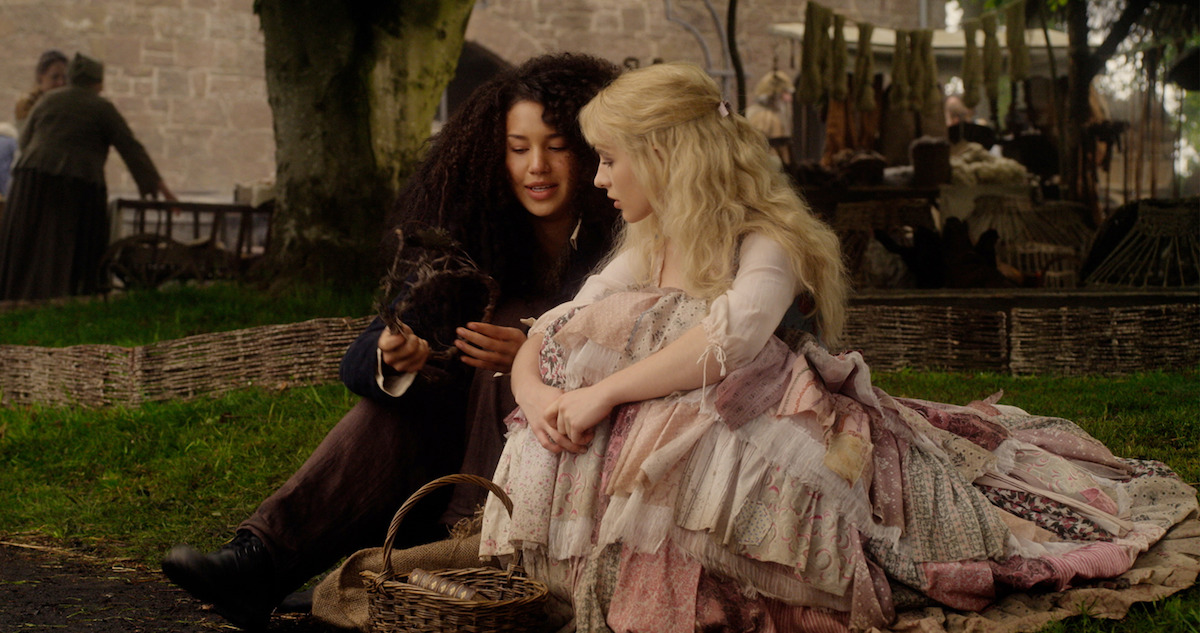
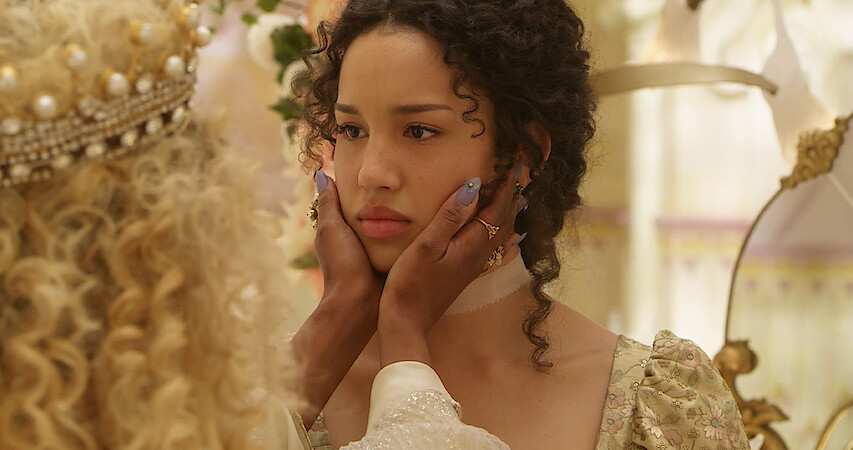
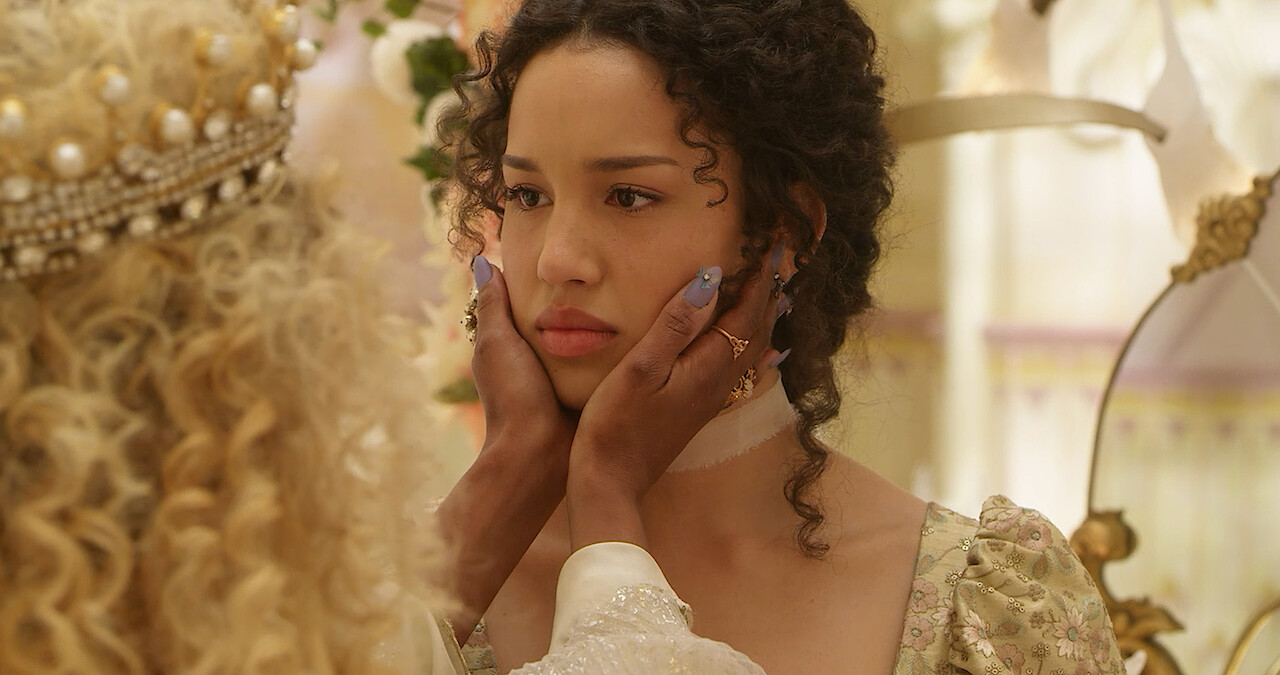
But it wasn’t just establishing the message that no one is all good or all evil that was important to Chainani. He also wanted to underscore the importance of friend love over romantic love. “It was very important to me that the kiss at the end between the two girls was as impactful and deep as it was in the book,” the author says. “Friendship being the deepest bond of love was the whole theme of the book.”
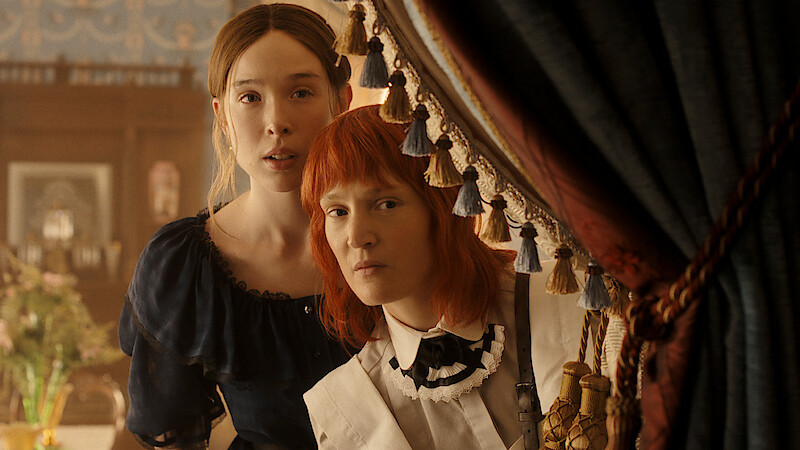
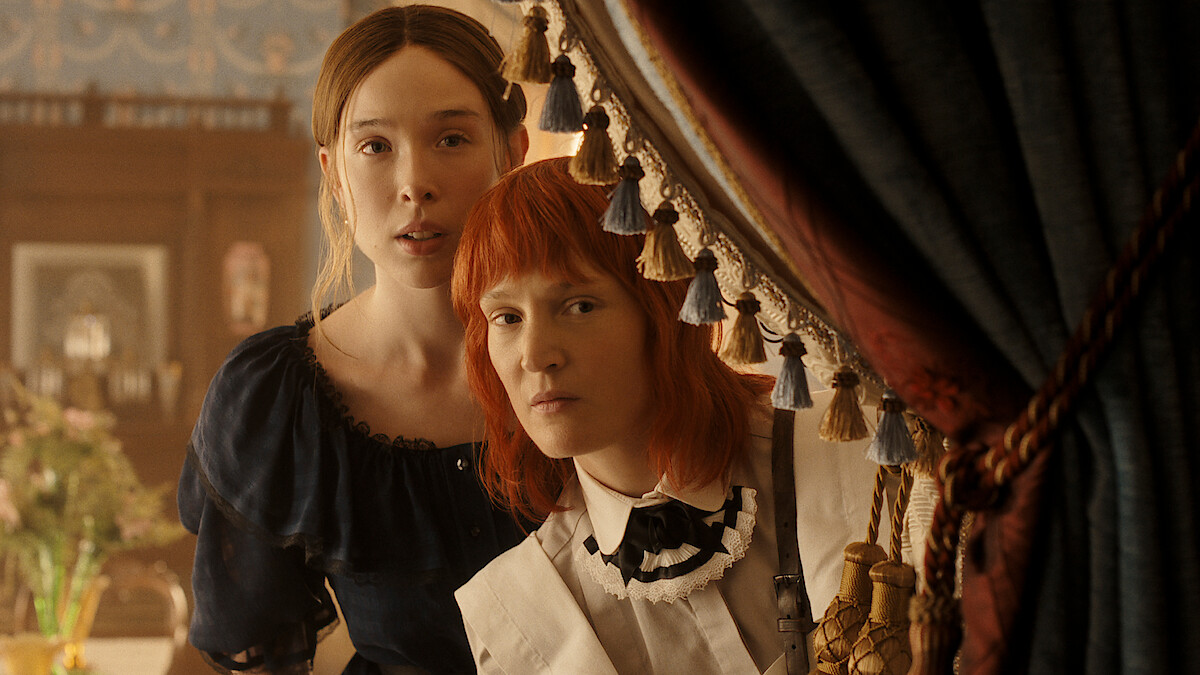
As Agatha says just before the final battle that appears to end Sophie’s life, “Do you know why good always wins? Because we fight for each other and care for each other. That is what good love is. Evil only fights for itself and that is the furthest thing from love on Earth.”
That “good love” is why Aggie turns down Sophie’s offer to return to their school, Gavaldon, to take care of Aggie’s mom so she can stay and be with Tedros. And when the pair return to their village, they could have had a version of happily ever after, until, as Cate Blanchett’s narrator says, Tedros’s arrow “pierced the vortex between their worlds and it became clear that this was only the beginning.” So just what can Aggie and Sophie expect next? We’re glad you asked.
Chainani wrote The School for Good and Evil as the first of six books in a series, meaning there’s much more in store for these characters. And if the name of Book 2 tells us anything, the theme of friendship only becomes more central. A World Without Princes was published just two years after Chainani’s first installment and it appears the author got his wish when he said, “I wanted to hold onto this idea of ‘Who needs princes in our fairy tale when two friends have each other?’”
Chainani has said that the entire reason he came up with this series was to upend the idea that the world can be cleanly separated into good and evil. So viewers shouldn’t expect that things are all peace, love and happiness just because the two schools have now mixed. Unfortunately, reshuffling the world order has opened up an entirely new range of ways that people can align with — and against — one another, making the possibility for conflict (and the complex reasons why conflicts occur) increase exponentially.
At the end of The School for Good and Evil, Tedros says that he needs Aggie to return to help him sort through it all, because, unlike Sophie, whose motivations wavered, Aggie remains true to her mission to do the right thing. “Agatha’s heart and empathy are the emotional center of her journey and they guide [The School for Good and Evil],” Chainani says.