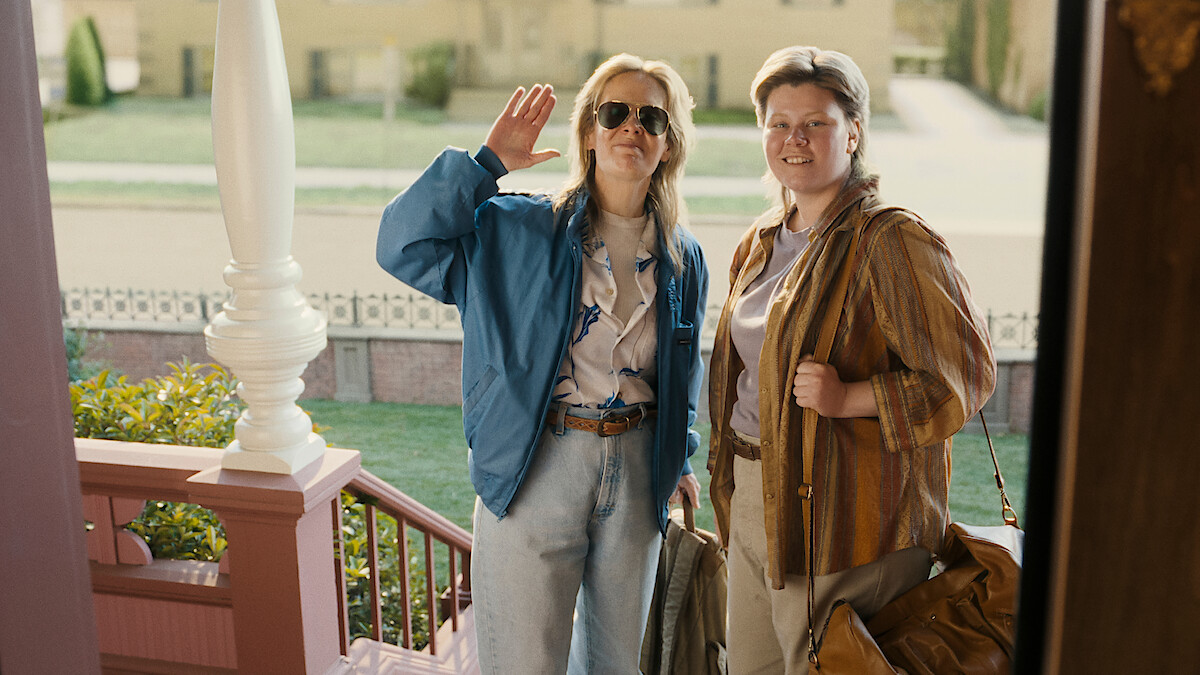

Brian Roedel/Netflix
Deep Dive
Hit Man Ending Explained: Who Was the Real Gary Johnson?
Here’s how the cast and director constructed that killer ending.
June 10, 2024
You know the story: Boy meets girl, boy advises girl not to kill her abusive husband, boy meets girl again, boy loses girl, boy gets girl back by killing a corrupt police officer. Get some new ideas, Hollywood!
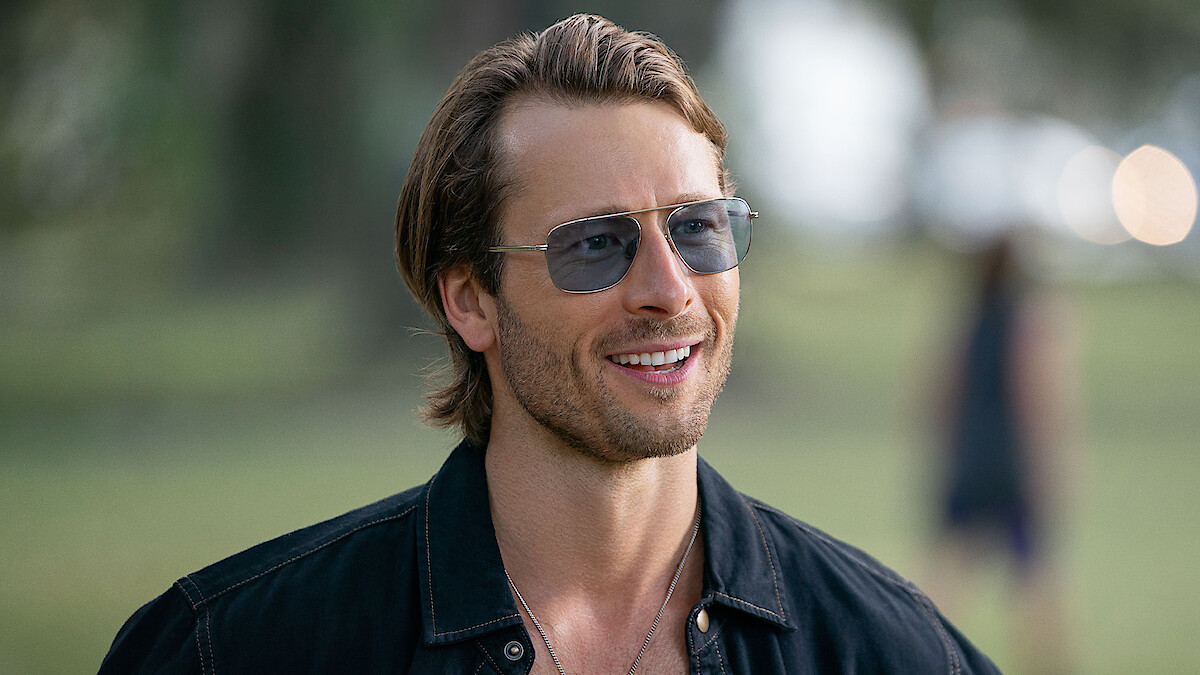
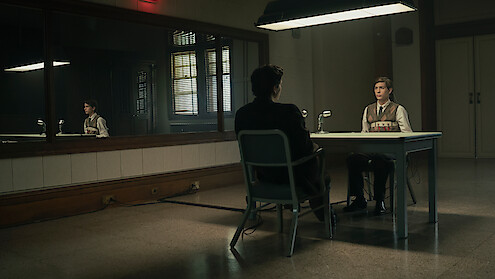
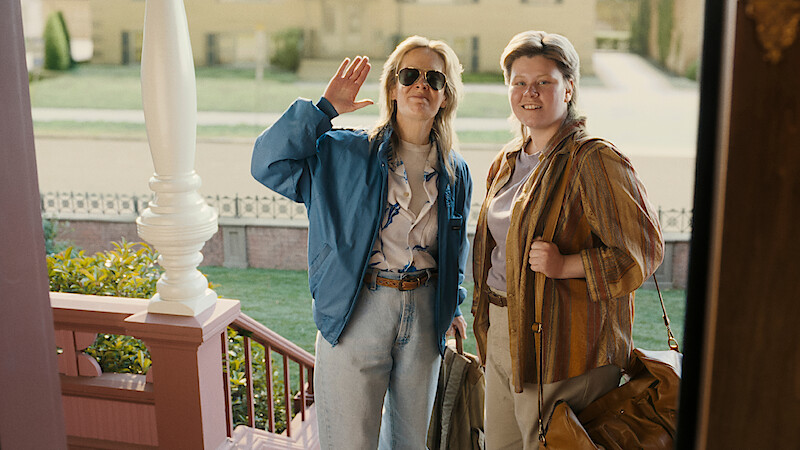
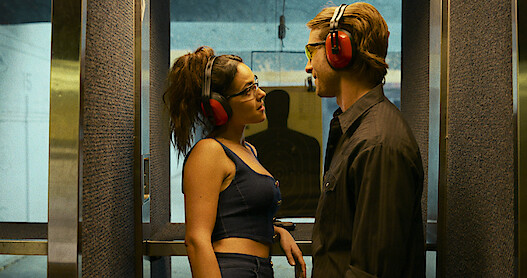
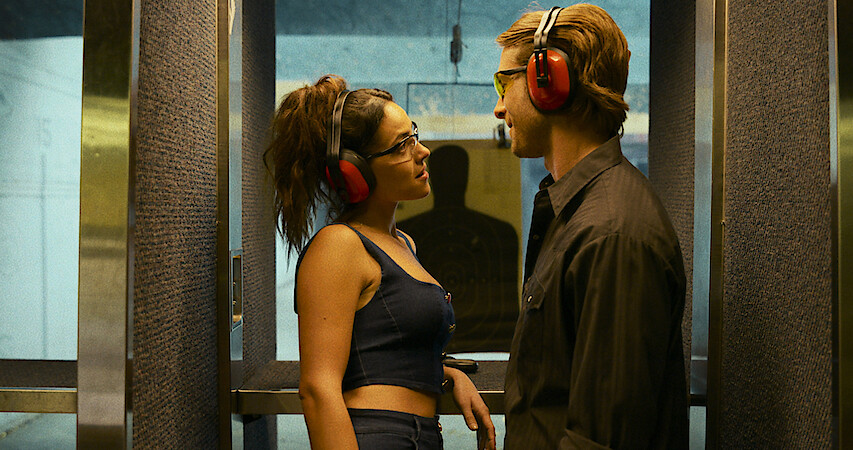
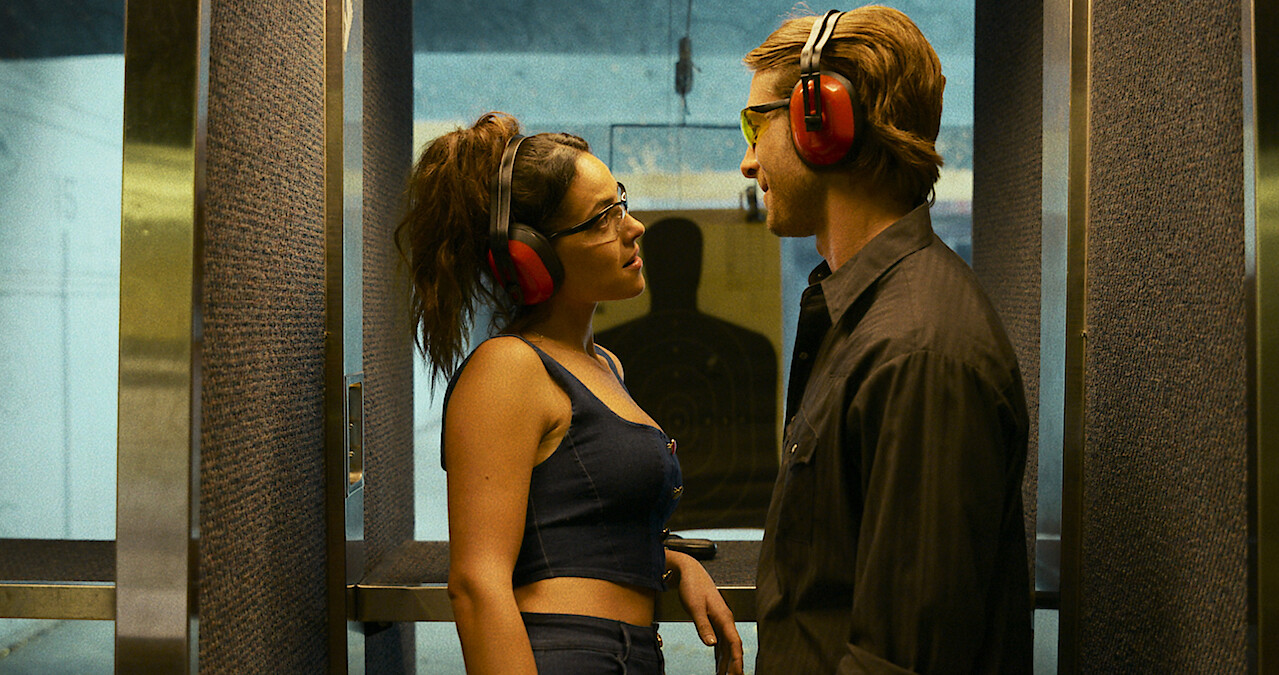
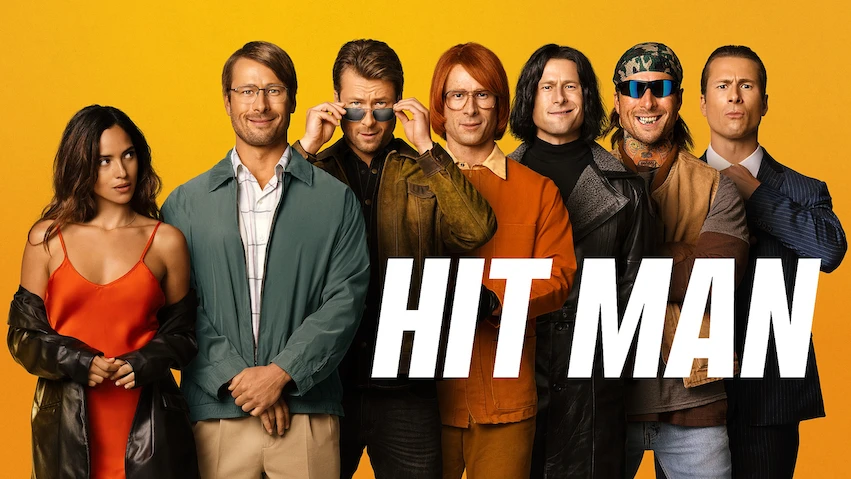
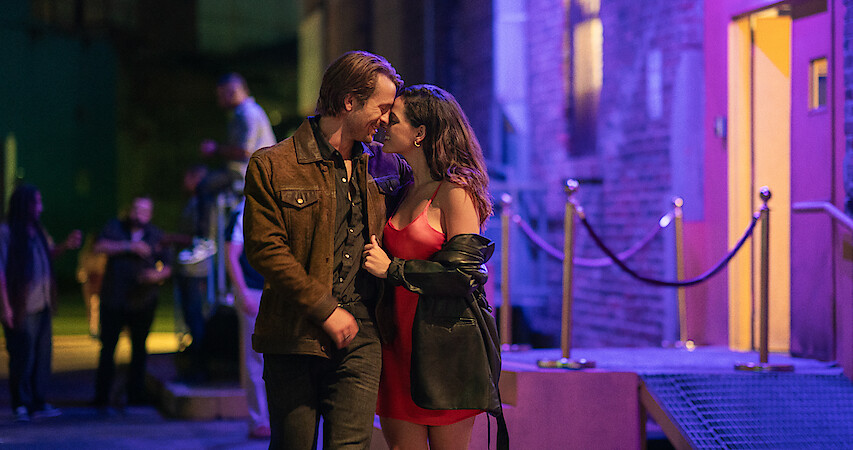
Richard Linklater’s Hit Man puts a fresh spin on that classic tale. Co-writer and producer Glen Powell also stars as Gary Johnson, a solitary, mild-mannered college psychology professor who moonlights as a fake hit man in sting operations for the New Orleans Police Department. He soon racks up an impressive amount of arrests — before Madison (Adria Arjona) walks through the door, asks him to kill her husband, and turns his world upside down.
In a crucial conversation just before Gary meets Madison, his ex-wife, Alicia (Molly Bernard), notes that she doesn’t think Gary was ever passionate enough in their marriage to kill. “You’re saying it like it’s a bad thing,” he responds. And maybe it is — although, as Alicia observes, people can change their personalities well into adulthood. Gary’s undercover job allows him to cater to the bloodthirsty fantasy of the hit man, initially from a dispassionate angle — until his own fantasy enters the picture, and he’s able to evolve into the person who gets the girl (and maybe aids and abets a murder or two along the way).
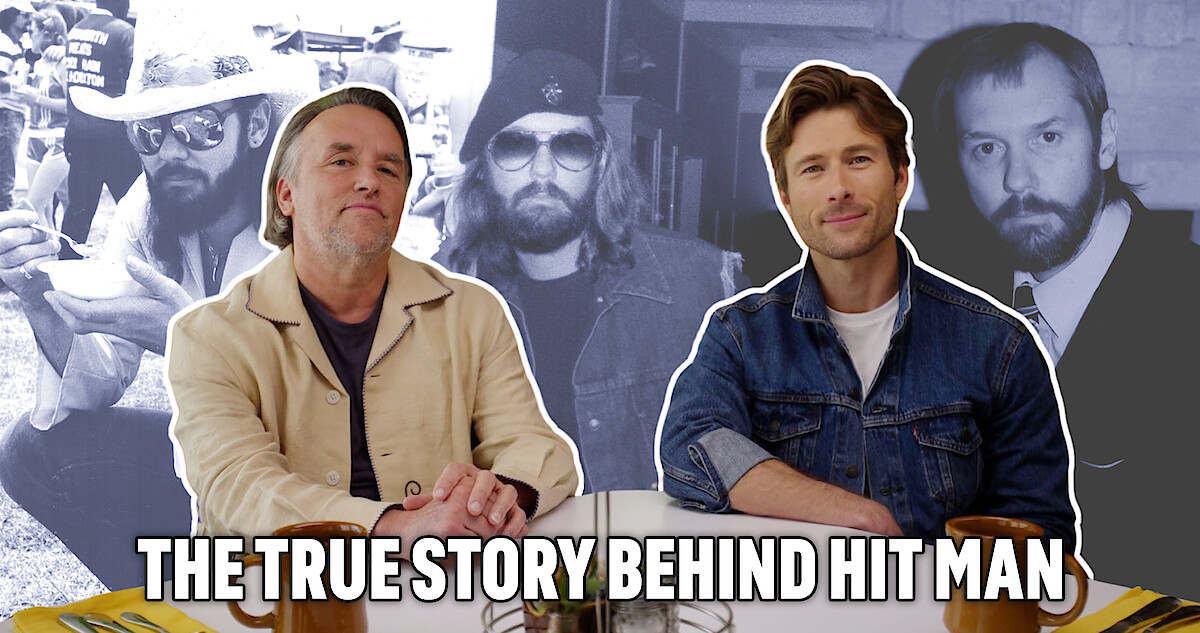
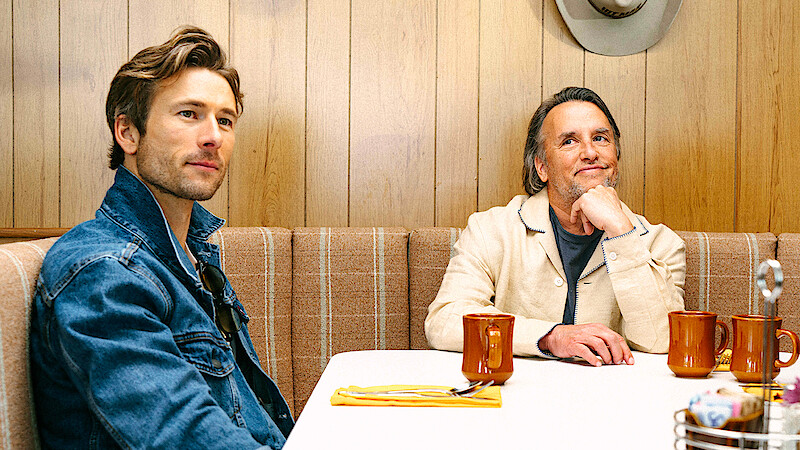
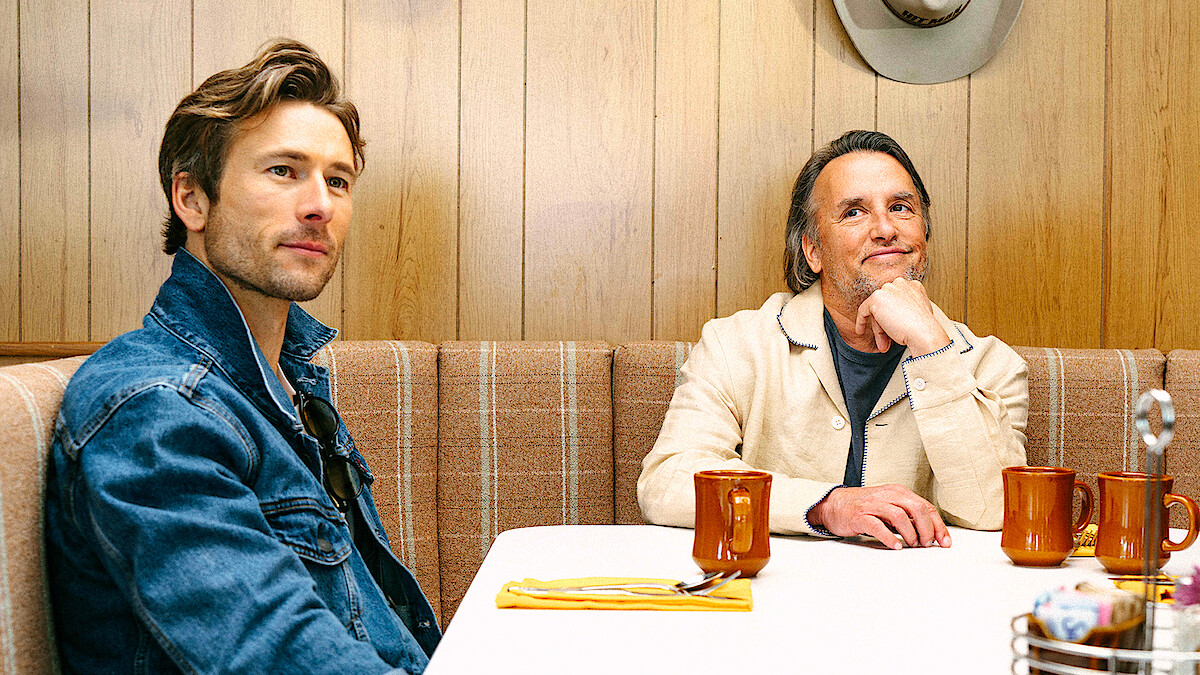
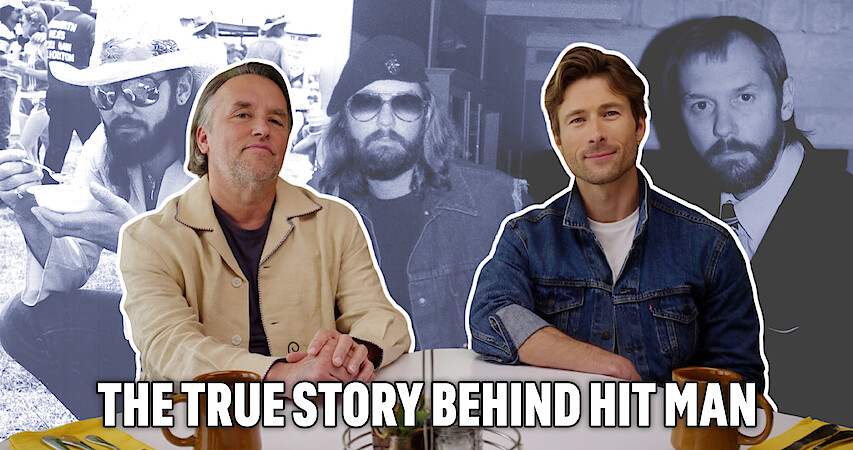
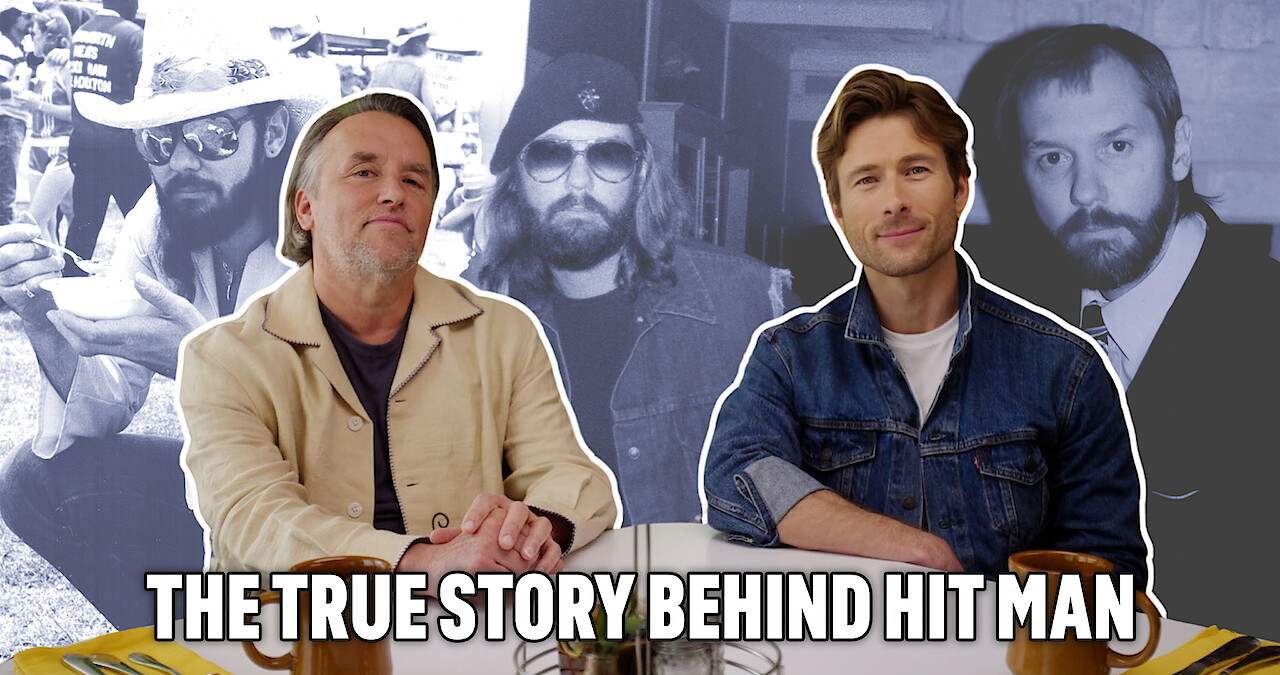
The real Gary Johnson (who died in 2022) originally caught Linklater and Powell’s attention when his work with the police was the focus of a Texas Monthly article by Skip Hollandsworth. Linklater, who had previously adapted another Hollandsworth piece for his 2011 film Bernie, was intrigued by the concept but struggled with finding a central arc that could carry the story. “It was kind of the same thing over and over, and I didn’t really know,” Linklater recalls. “It was on a back burner in my mind for sure.”
Then, nearly two decades later, Powell called. The pair had spent the interim years collaborating on Fast Food Nation, Everybody Wants Some!!, and Apollo 10½: A Space Age Childhood, and soon they began writing Hit Man together. “I remember Glen saying, ‘Well, what if we just don’t stick to the facts? What if we cut loose once?’ ” Linklater says. He and Powell zeroed in on a brief anecdote from the article, in which Johnson declines to set up a police sting to catch a woman who’s hired him to kill her abuser. In the film, Gary begins a relationship with this prospective client, still in his hit man disguise. By leaning into the fantasy, Linklater and Powell were able to get at the core fascination of Gary’s story.
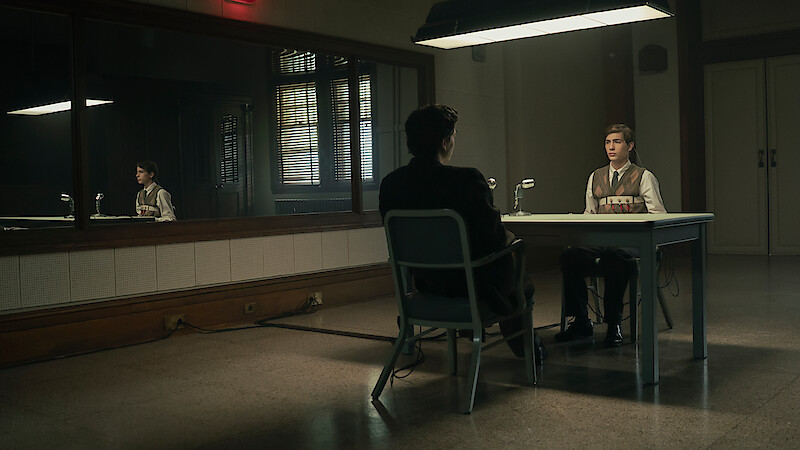
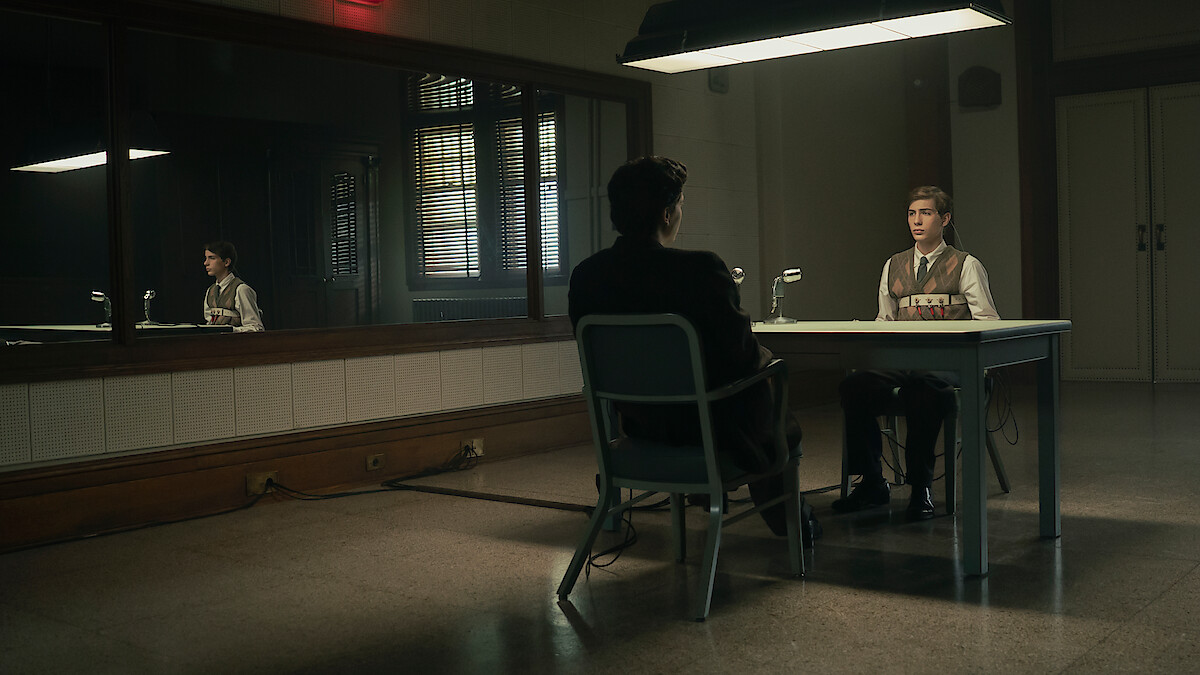
Powell pushed for one of the most memorable parts of Hit Man: the absurd disguises that Gary adopts in his various contract killer personas. “It was Glen who really ran with those false identities that Gary creates for each of his cases,” Linklater says. “The real Gary did slight disguises, but not to the extent that we see in the film. I was like, ‘Should we really do a Russian accent?’ But Glen just pushed all of that to the max, and I love how it came out.” Still, the most prominent disguise in the film isn’t as cartoonish as Gary’s besuited American psycho or redheaded killer: It’s the man who’s everything Gary wishes he was.
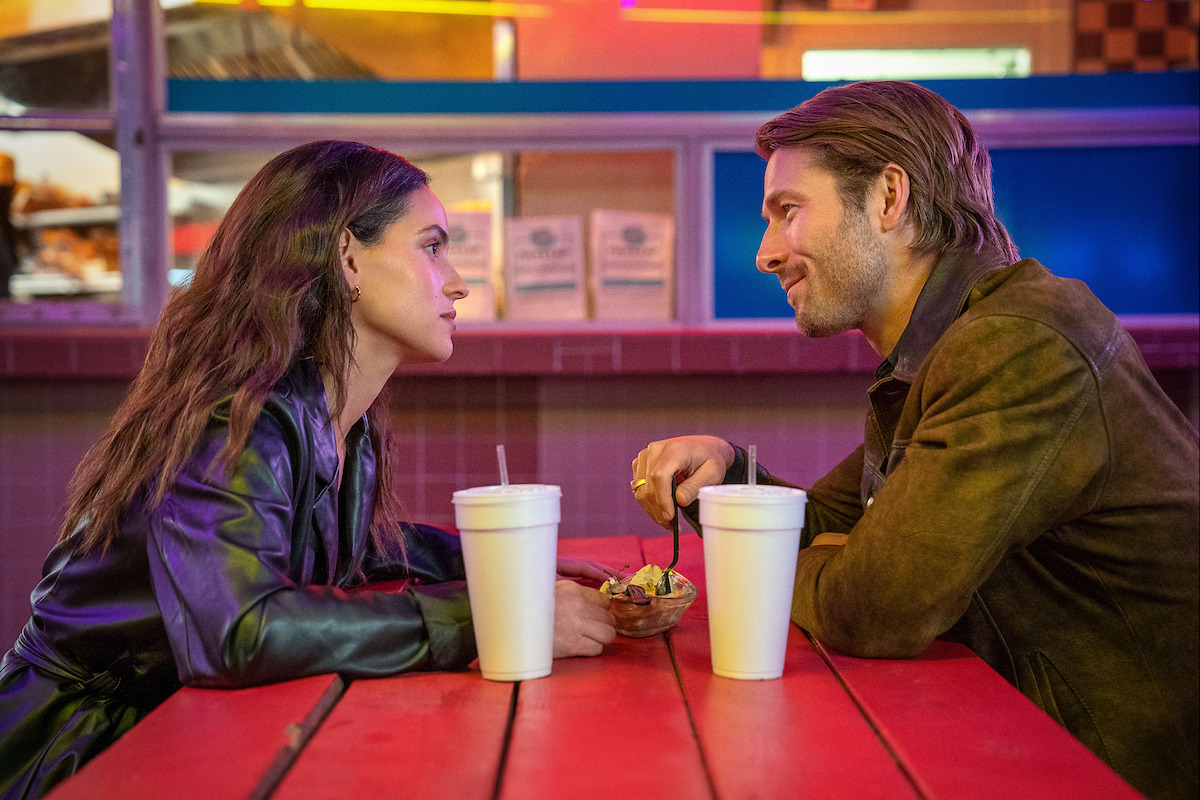
In the original article, the introduction of “Madison” (unnamed in Texas Monthly) is nowhere near as crucial as it is on-screen. “It’s a kinda throwaway thing,” Powell says, but it got him and Linklater thinking.
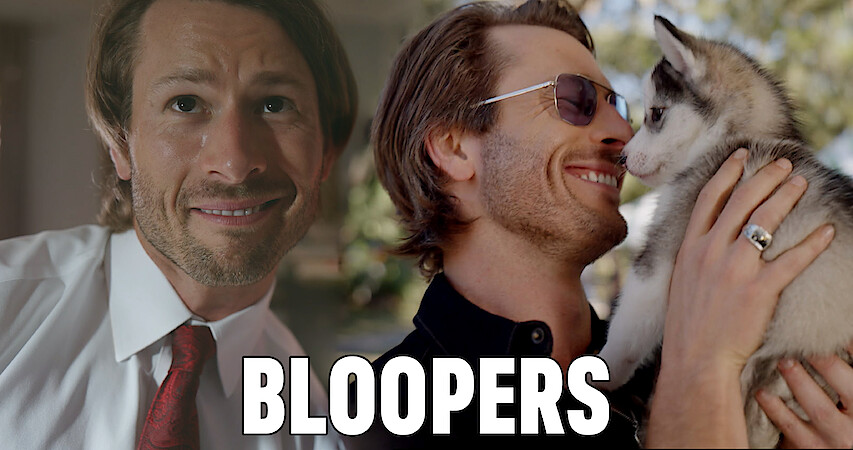
So after Gary carefully dissuades Madison from getting her husband killed, Hit Man becomes a sort of body-swap comedy, with Gary taking on the concocted identity of suave hit man Ron while he’s with Madison.
“His life seems so safe and binary for doing such a weirdly dangerous job. And then all of a sudden you’re like, ‘Oh, what if this person got stuck as a dangerous hit man, and what would that look like? How would that change the man?’ ” Powell says. “There’s kind of an inherent desire to experience this other life.” Gary is a cat person; Ron loves dogs. Gary struggles with confrontation; Ron excels at it. Gary would never in a million years dream of getting entangled with a woman who recently tried to become an accessory to murder; Ron does it with style.
“Once we jumped into fiction and we started making stuff up, that’s when it got really interesting,” Linklater says. “Suddenly we were in a film noir, suddenly it was a screwball comedy. We were kind of playing off these genres and really having fun with it, and we could really tweak up the walls closing in, the way this couple is painted into a corner.”
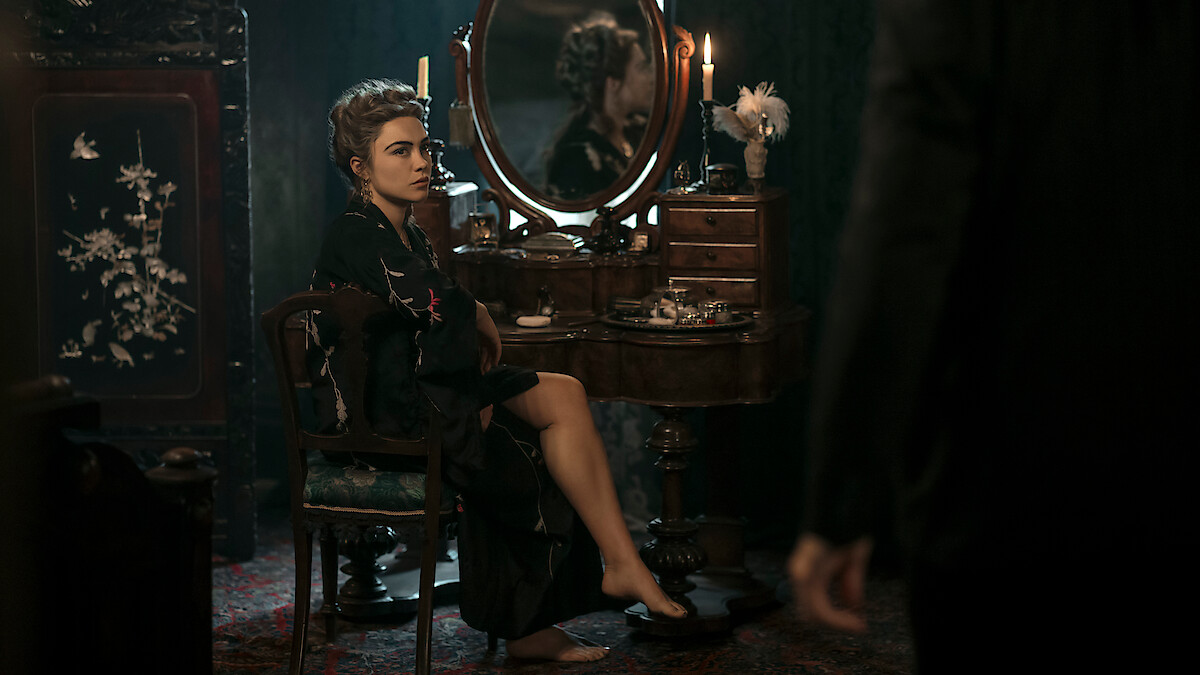
There’s an element of wish fulfillment on both sides of the Gary and Madison relationship. “I think Madison is very much acting like the femme fatale, and you can see that at the beginning of the movie where she’s a little more timid,” Arjona says. “You can tell she’s coming from trauma, then becomes this femme fatale, and then kind of molds these two characters together and finds the best version of herself towards the end.”
Arjona had the opportunity to build Madison’s character alongside co-writers Linklater and Powell. “They were kind enough and generous enough to sort of be like, ‘Look, she’s almost like an outline in a way,’ ” Arjona says. “ ‘We want to really develop Madison.’ And I was like, ‘Oh, are you guys going to get another writer?’ They’re like, ‘No, you’re going to be the one to develop it.’ ” Much like Madison herself, Arjona shaped her character’s identity.
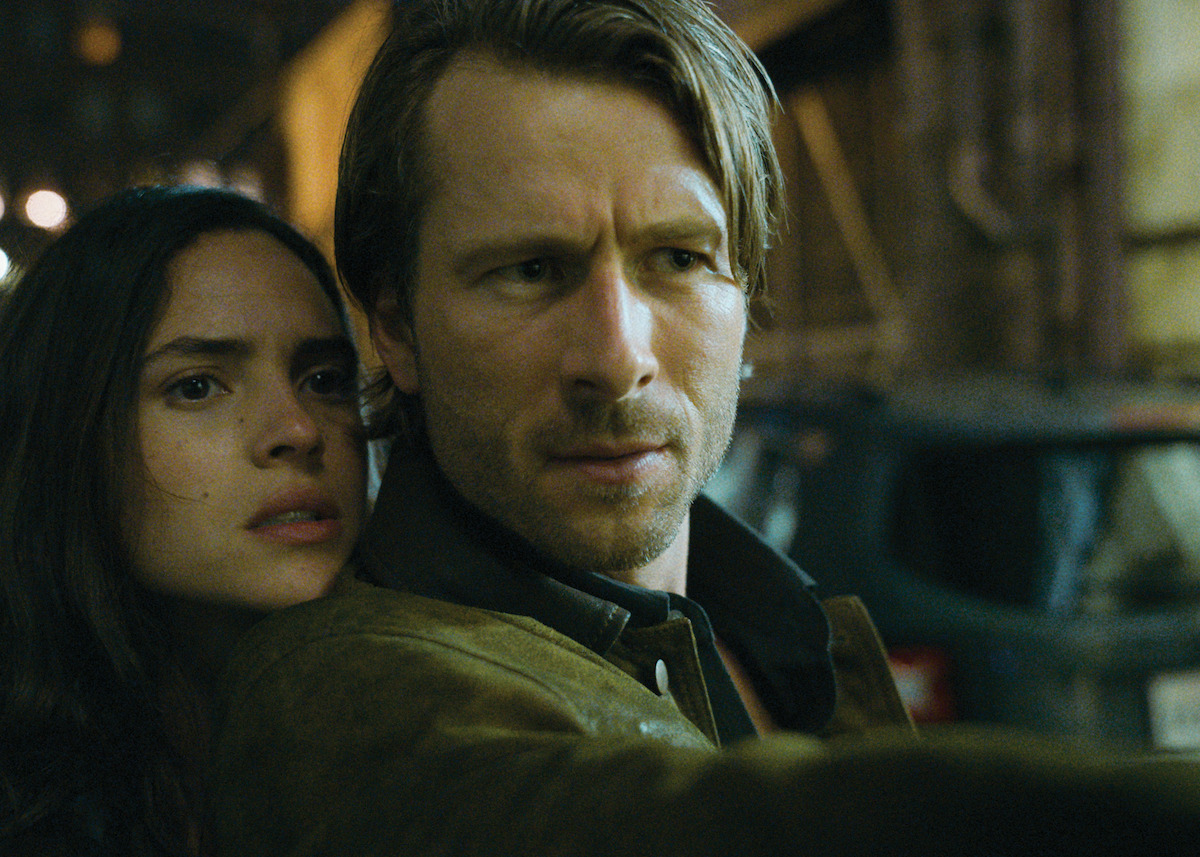
“Once Madison comes into the picture, there’s another degree of doubling down on this lie that gets really fun and complicated,” Powell says. Up to now, Gary has kept his hands clean, with his police colleagues swooping in to arrest his prospective clients once they incriminate themselves. But being Ron around Madison — a woman, remember, desperate enough to hire a hit man in the first place — requires more commitment to the bit. A series of inconvenient encounters with Gary’s dirty cop colleague Jasper (Austin Amelio) and Madison’s estranged husband Ray (Evan Holtzman) jeopardize Gary’s Ron persona. Everything comes to a head in a nightmarish meeting where Ray tries to hire Ron to kill Madison — and Gary as well.
Gary is only a fake killer. “At the beginning, [Gary] says in his narration, I could never get worked up enough to kill or die for anything,” Linklater says. “He admired the naivete of people who could.”
Love makes fools of us all, even even-keeled prof Gary, who warns Madison that her ex is out to kill her and advises her to take off. But she convinces him things will be fine, and she’s right — in a way. Not long after, Ray turns up dead in the bayou, under a set of circumstances suspiciously close to the kind Gary previously bluffed his way through explaining. When Madison reveals that she killed Ray herself, the game is up, and Gary has to confess his own secret. He was never a real hit man, but now she’s a killer, and the pair have a blow-up fight that seems to end their relationship for good.
“That’s what happens when you get all passionate about things,” Linklater says. “You’re more vulnerable in the world. You’re making commitments. When sex enters the picture, you get highly vulnerable. That’s what drives people crazy, can drive you to murder.”
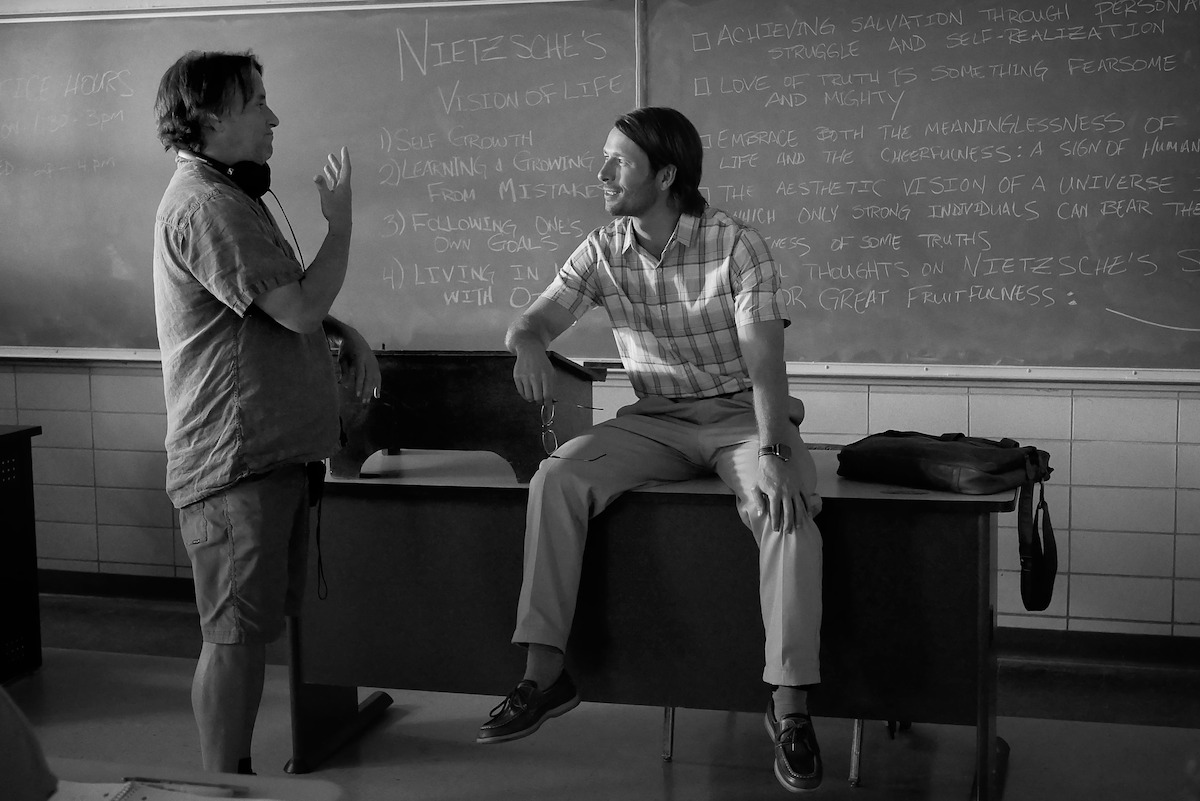
Soon Gary’s team is on Madison’s trail, and Gary is scrambling to keep up. The conniving Jasper finagles a final sting operation, wherein Gary-as-Ron will try to get the real story out of Madison. The police know that Ray increased his life insurance policy by one million dollars not long before his death, with Madison as the sole beneficiary.. What they don’t know is that the new Gary is quick on his feet and ready for anything.
With Jasper in the passenger seat, Gary has no way of warning Madison about what’s coming (an earlier draft of the scene had him frantically scribbling on the solitary drive over to her house). “You needed Jasper to join that moment for him to not be able to think on the go, for that to feel claustrophobic,” Powell says.
So Gary speedily whips out his iPhone as he walks around the corner and taps out a hurried script in his Notes app. (He’s a dark mode kind of guy.) He raps on the door and holds up his phone so Madison can see the screen, which reads: POLICE ARE LISTENING. FOLLOW MY LEAD. WE’RE ON THE SAME TEAM.
What follows is the most electrifying scene in the film, a make-up scene like you’ve never seen before. “All the chips are on the table,” Linklater says. “She’s risking prison, and if they get this wrong, they’ve really just broken up in their last scene and they haven’t spoken [since]. So you don’t know what’s going to happen in that scene.” As Gary guides Madison through a confrontation that will hopefully absolve her in the eyes of the police, the two are also repairing their fractured relationship — albeit in moderately criminal fashion.
Powell and Arjona never rehearsed the scene before shooting it, which lent the performances exactly the spontaneity they needed. “The first time we were actually able to perform, it was on the day [of filming], and all these little surprises started coming out, like Glen’s hands gesturing and my kind of freaking out,” Arjona says.
The multiple layers of communication within the scene makes it “a high-wire act, and it’s doing something that is pretty unusual,” Linklater says. “What the actors are saying and acting is very different than their body language and their gestures and how they’re communicating.”
So while the scene took only about half a day to film, it still required a great deal of skill. “There were layers to that performance,” Arjona says. “It was the vocal element. And then the other one was the physical element. And then the third one was acting while trying to act as well.”
Those layers are an apt metaphor for what Gary is going through as the film progresses, climaxing with this grand showcase: id and ego working together, Gary and Ron finally becoming one. It’s like Alicia tells Gary earlier in the film: “You just need to find someone who’s a little fucked up in a way that you like.”

With the police off Madison’s back after the pair’s performance, all seems well — but Jasper isn’t so easily convinced. “Jasper totally has Gary,” Linklater says. “If it was a chess game, he played his last thing and said, ‘Check.’ ” But Linklater is careful to point out that that isn’t necessarily the end of the game. “He didn’t say checkmate, he said check,” he adds. “So it’s up to them to weasel their way out somehow.”
And so they do. When Jasper confronts the pair at Madison’s home, he demands his share of Ray’s life insurance money for his silence — only for Madison to drug him. A shell-shocked Gary (or is it Ron?) is left baffled, with only one choice: follow her lead. So he does what at the beginning of the film he could never imagine doing, and ties a plastic bag over Jasper’s head, leaving him to suffocate on the floor. “I just love that the guy who couldn’t get worked up enough to kill or die for anything, by the end, [he’s] doing it for love,” Linklater says.
Jasper’s obvious sliminess makes him an easy target for a guilt-free killing. “We have the privilege of stacking the deck against the two guys who end up no longer with us by the end,” Linklater notes. (Ray is an abusive husband, and Jasper a dirty cop.) “I love the power of cinema. You kind of throw your moral compass in the river and just go with it.” The man who started out getting people arrested for murders that never happened has gotten away with one that did. Call it another fantasy, the kind you can only get away with in the movies.
The film ends on that note of optimism: Gary imploring his college class to be open to transformation as he raises two children with Madison (crucially, the lifelong cat person now owns two dogs). It’s a conclusion that tips a little bit further in one direction of Hit Man’s genre cocktail than the others. “The film noir rules would be usually [that you wind up] dead, or in prison, or reduced, or [there’s] something you’ve paid for your sins,” Linklater says. “So we thought it’s kind of more darkly funny to get away with it. More screwball comedy for sure. So I thought that was a better resolution, more hopeful, optimistic.”
Of course, as the credits roll, Linklater slips in one more strategic gag, spotlighting the real Gary Johnson’s accomplishments — including zero murders. (They made that part up.) “I noticed from an early screening, people were asking questions: ‘Well, if it’s based on a true story and there’s this murder, did he get away with it? Is he a murderer?’ And it’s like, ‘Oh no, we made that up,’ but I realize you can’t say that to every audience member.”
If audience reactions are anything to go on, viewers tend to side with Gary and Madison. “I think people just want to root for love at the end of the day,” Powell says. “That’s sort of the secret sauce to this, [that this] is a guy who lives a solitary existence, who doesn’t put himself out there, and you see if he’s on that path, he’s never going to meet anyone or live a fully developed life. So it’s really fun to watch this guy get caught up in all of this danger and find love at the end. And I think that’s kind of the magic: that even though there’s murder at the end of this thing, you’re rooting for the love.”
Hit Man is now streaming on Netflix.