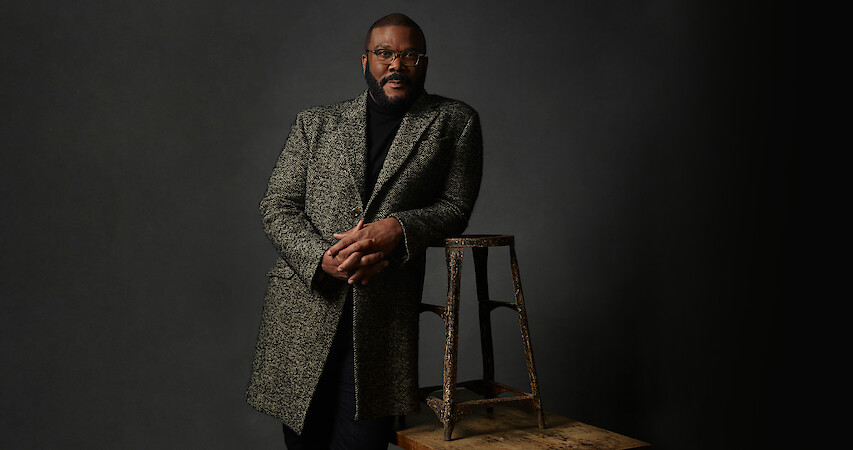
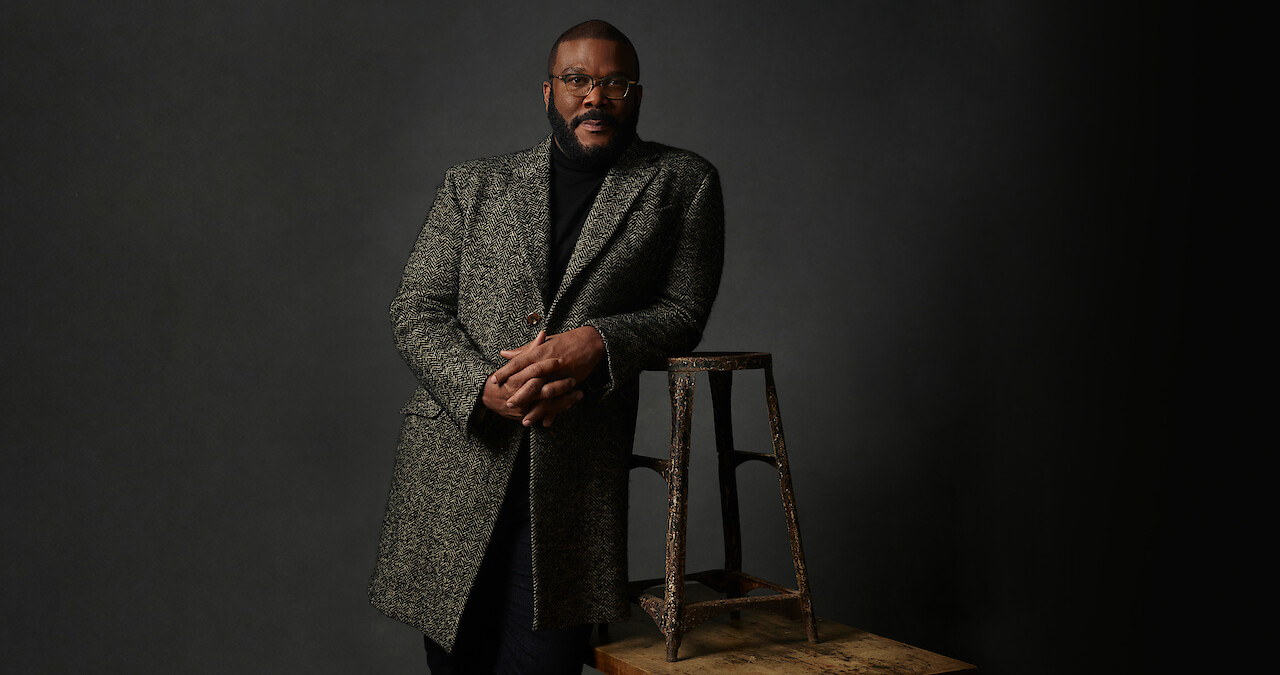
Mark Seliger/Netflix
Explainer
How Pain and Love Inspired Tyler Perry’s Madea
Madea is the Black matriarchal superhero for a reason.
By Monique Jones
March 5, 2022
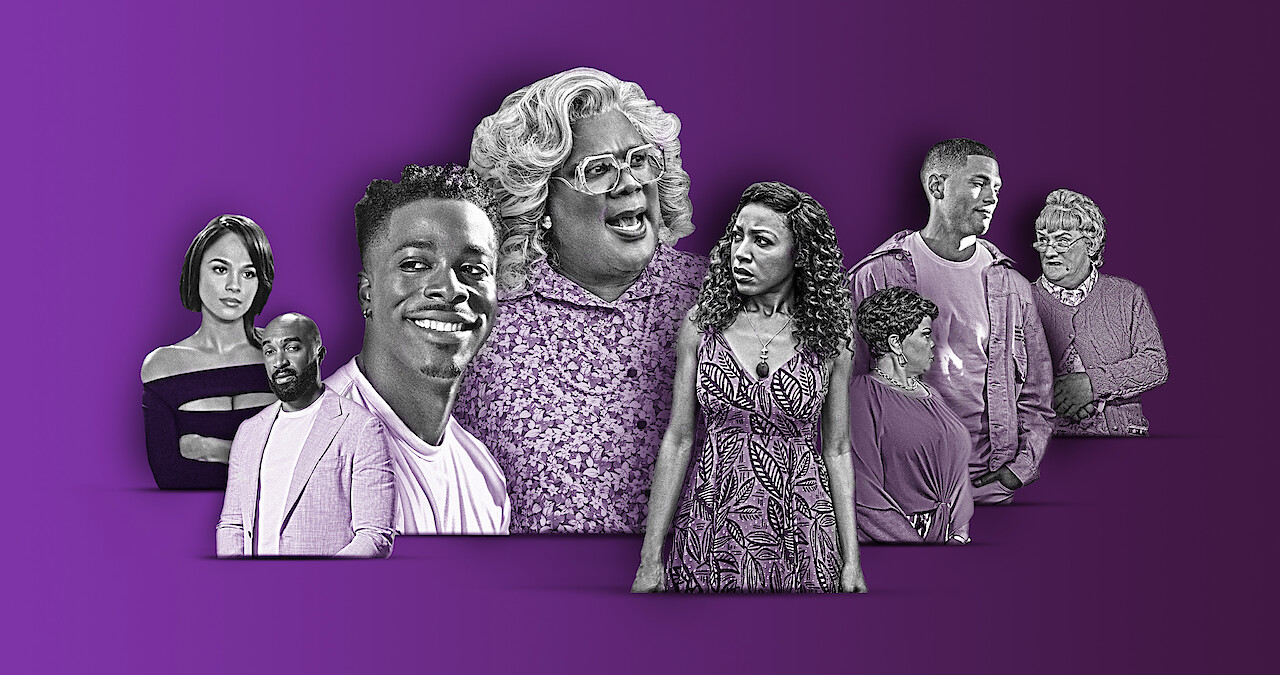
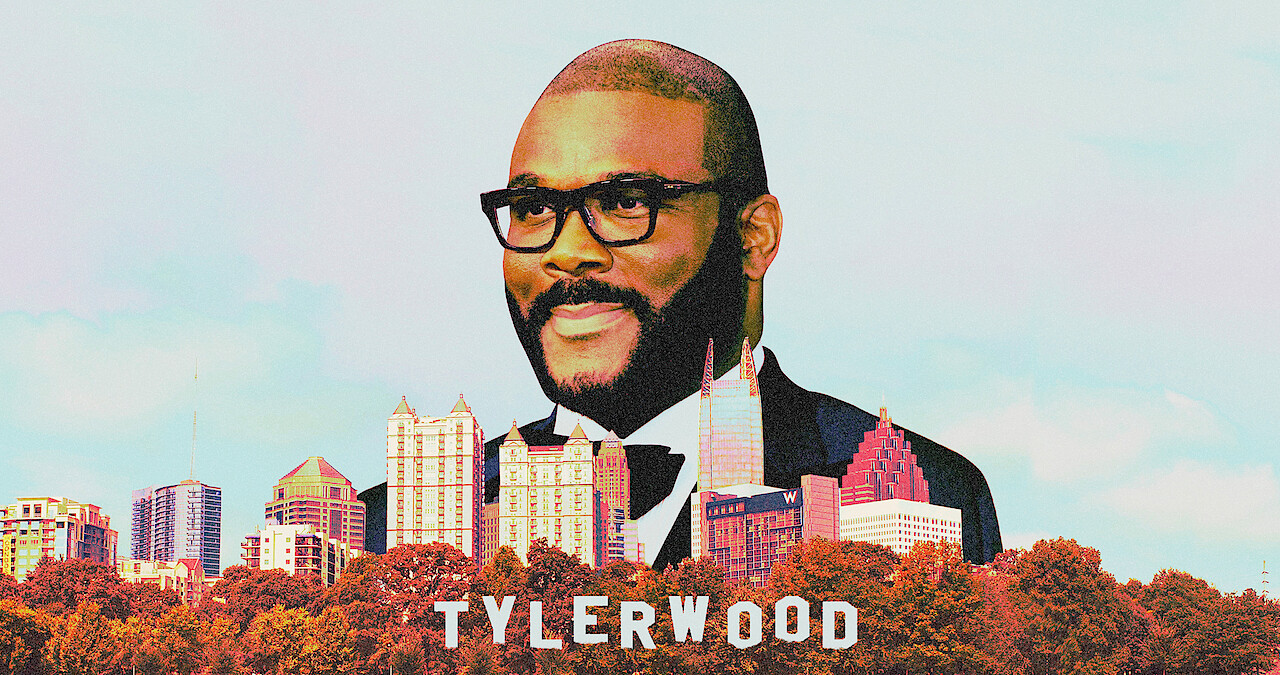
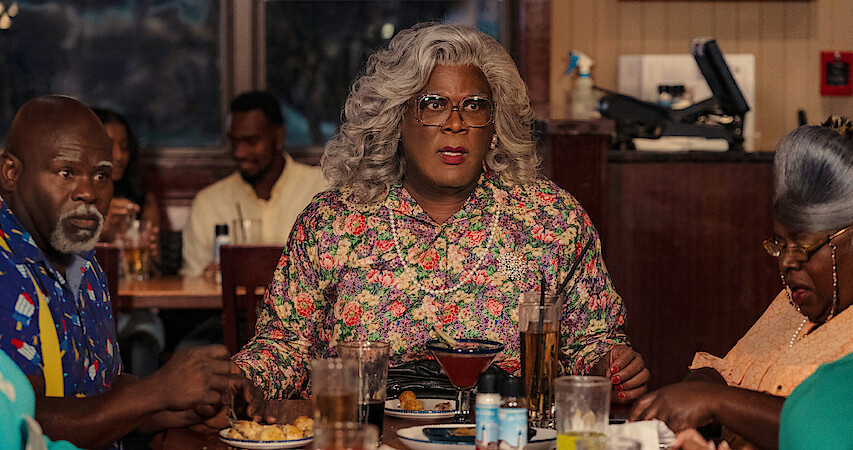
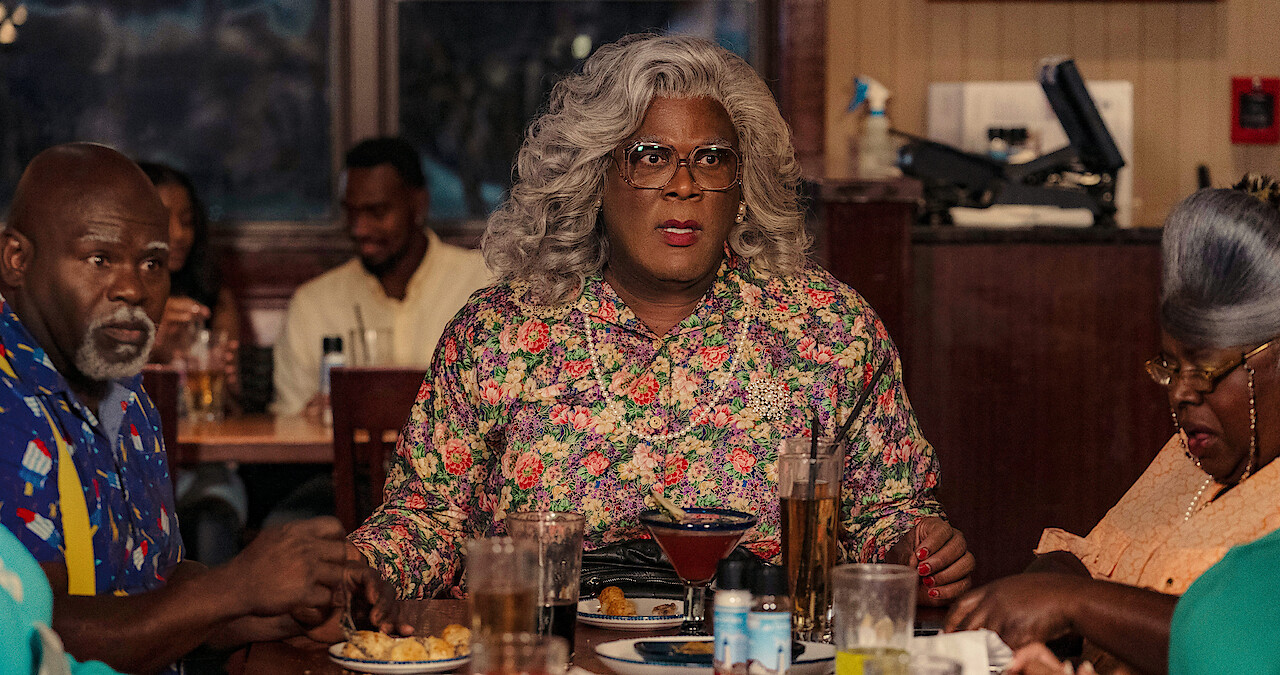
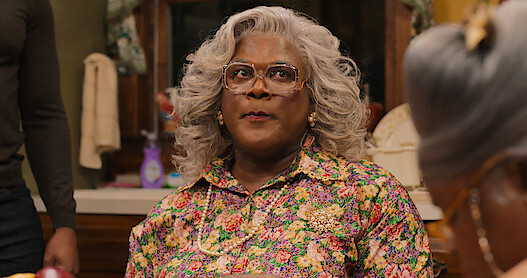
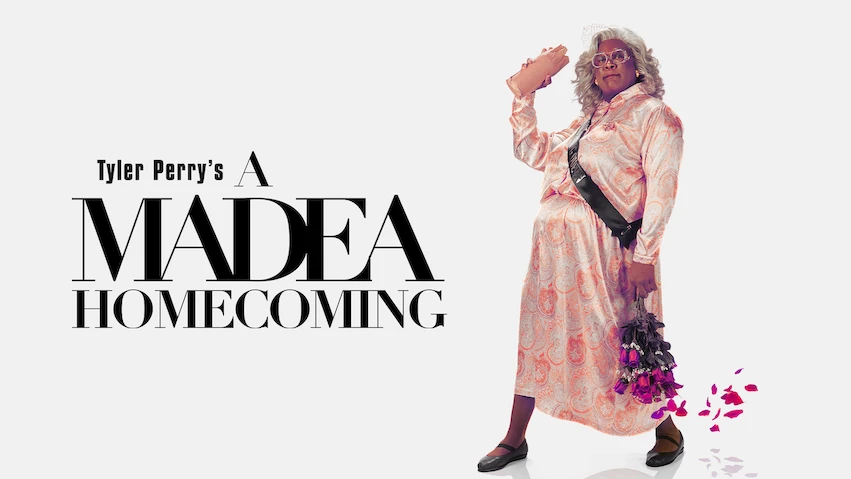
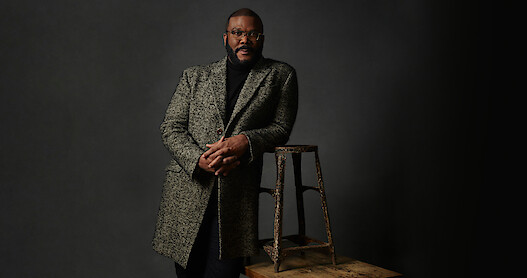
Madea is loved around the world for her hilarious, bombastic, no-holds-barred approach to life. But some might not realize that Tyler Perry’s beloved character was born from equal parts pain and reverence for his past. Madea made her debut in Perry’s 2000 stage play I Can Do Bad All By Myself, but Madea’s roots are grounded in Perry’s real life.
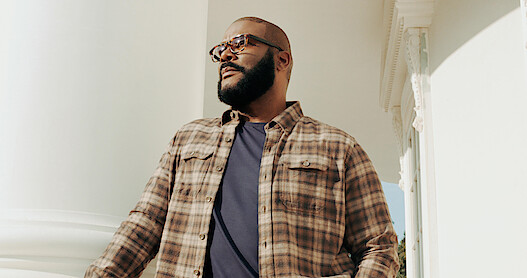
Tyler spoke with People magazine in 2019 about his troubled childhood, describing how his father was abusive and battled with alcoholism, saying that his father “once beat [him] so severely with a vacuum cord that it ripped the skin off his back.” He further added, “I don’t think I ever felt safe or protected as a child.”
He also shared in the same interview that by the time he was 10 years old, he had been sexually abused by four adults, all of them acquaintances of his family. He kept his emotions bottled up, but his mother, Maxine, introduced him to church, which provided a positive outlet for him.
“If I wouldn’t have had that, I don’t know where I’d be,” he said. “That was our North Star, the Bible faith, church.”
In addition to finding a refuge in the church, writing and creating stories also helped Perry cope with his past.
“It wasn’t until I really dug down into writing and started understanding the motivation of characters that helped me to understand my own behaviors,” he told Oprah Winfrey in a 2010 episode of The Oprah Winfrey Show. “I could untie some of those strings and get to full healing.”
It was through that writing that he was also able to channel and pay tribute to his biggest inspirations: his faith and the women in his life. Namely his Aunt Jerry. She told Winfrey that she got so upset over learning of Perry’s abuse at the hands of his father that she picked up a gun.
“I’m not proud of the fact, but I did, and I went around the corner to their house. I met [Tyler’s father] on the sidewalk, and I pointed the gun at him.” She also said she told Perry’s mother to never leave him alone with his father again.
Perry’s mother intended to leave his father but was unsuccessful in her plan. She showed strength in the way she managed to endure so much trauma but still kept her faith. As a testament to the love he had for his mother, Perry never spoke publicly about the family’s problems until after she died in 2009.
“She suffered so much horror in her life: surviving breast cancer, the abuse from my father, the belittling, the beatings. And I just could not be a source of pain,” he told Winfrey. “I knew if I spoke about this, that she would be hurt. So I didn’t.”
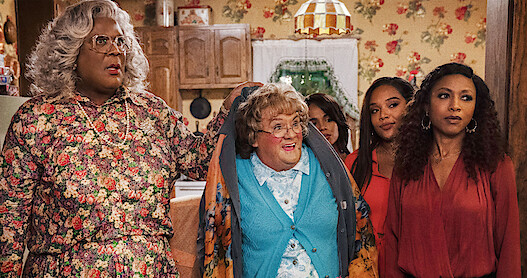
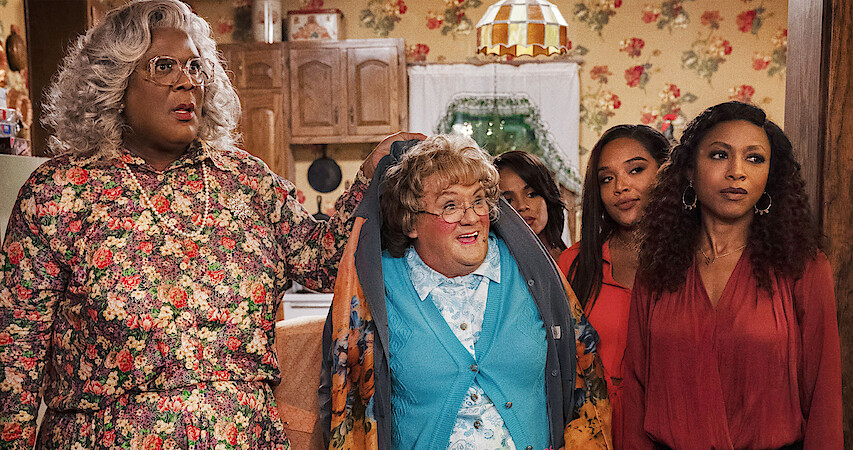
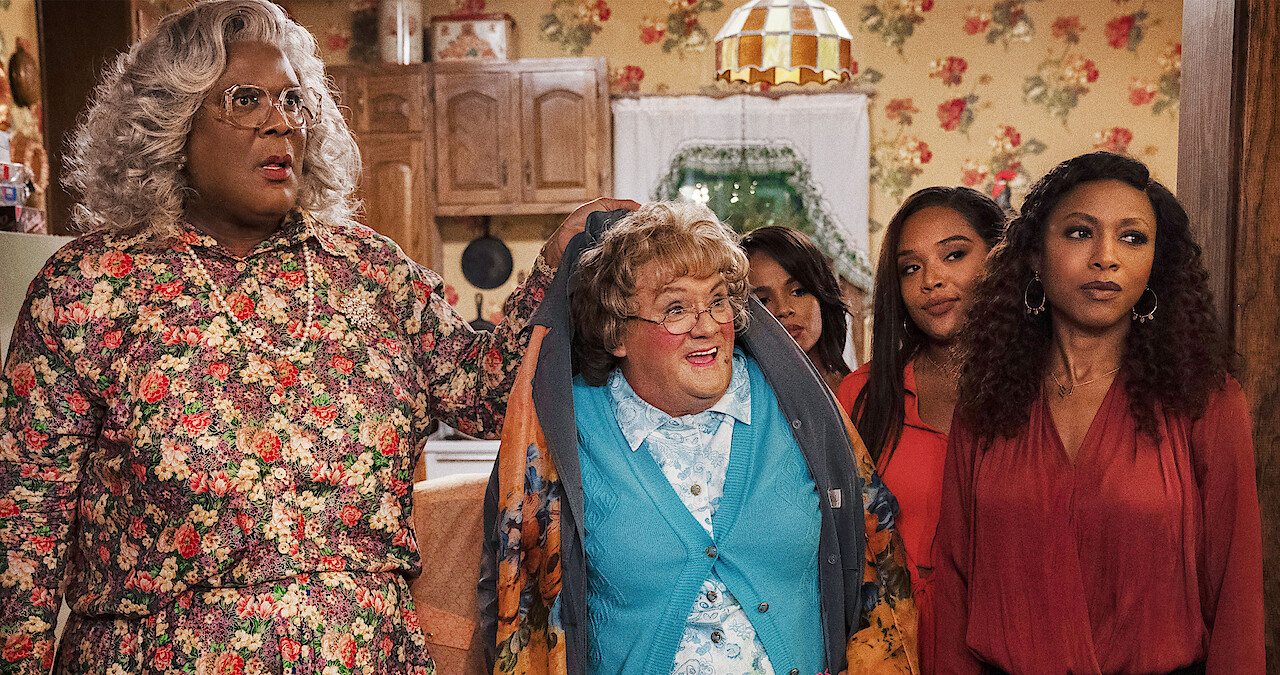
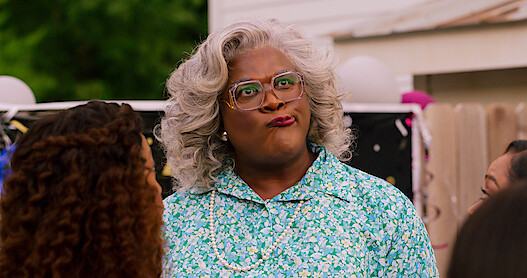
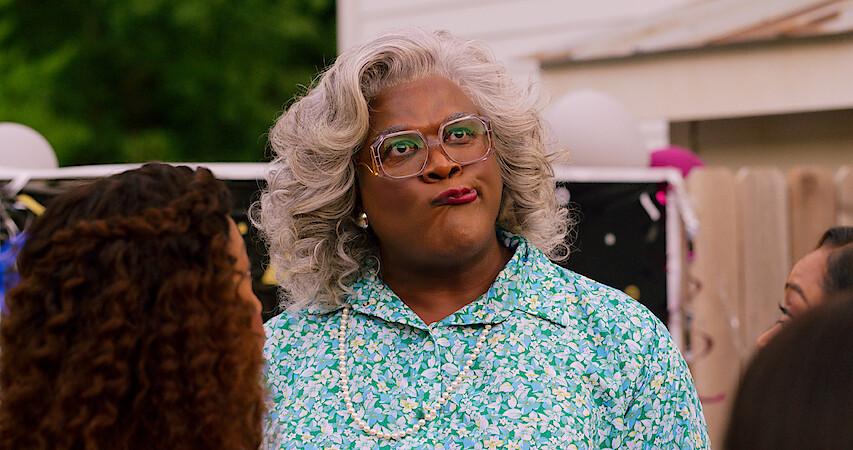
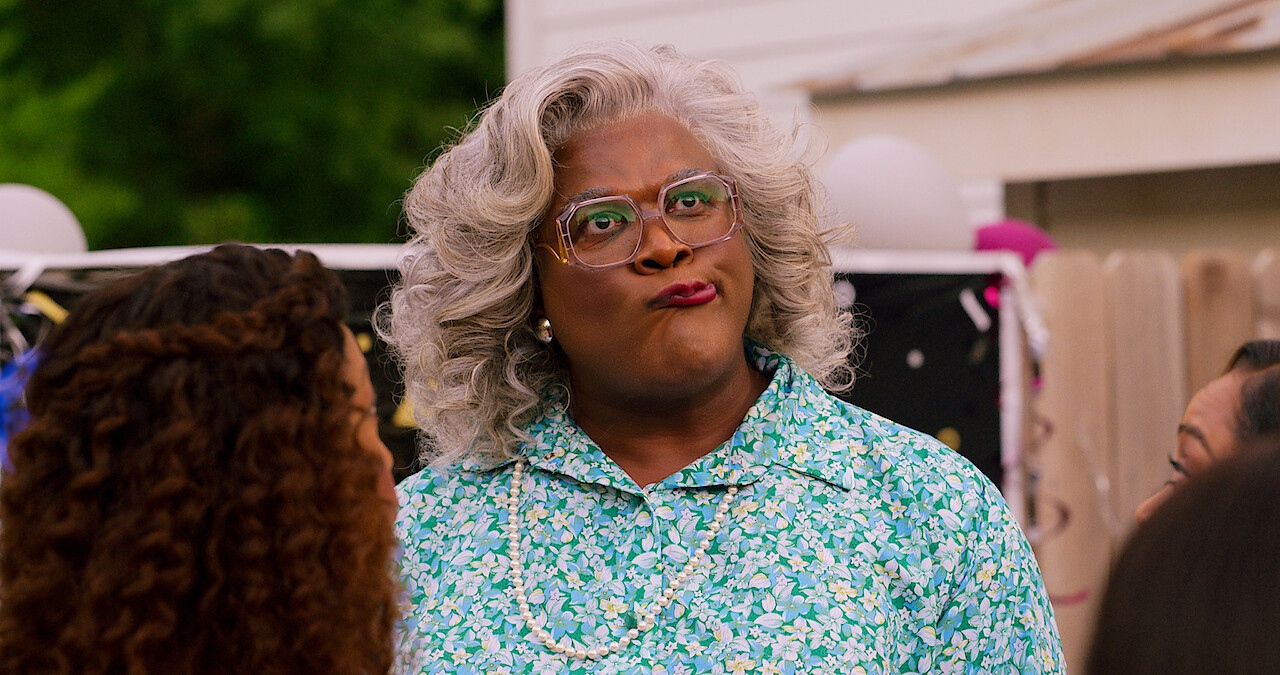
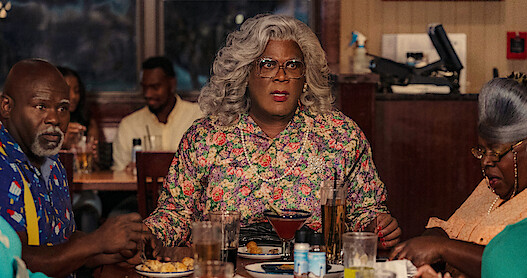
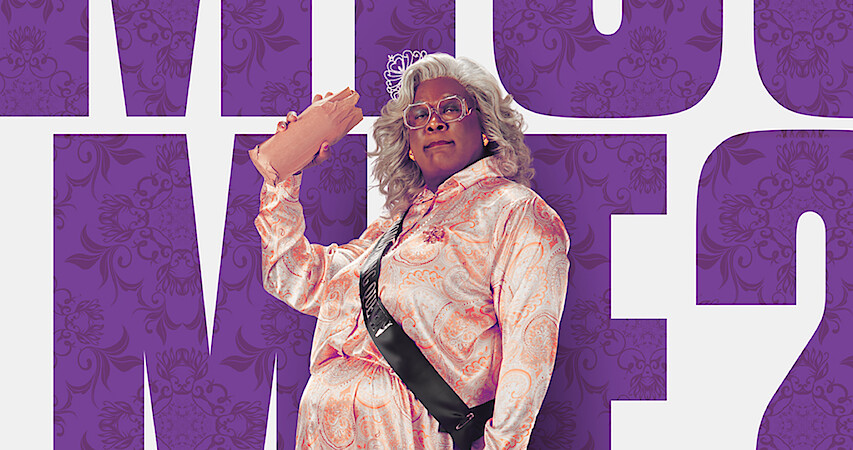
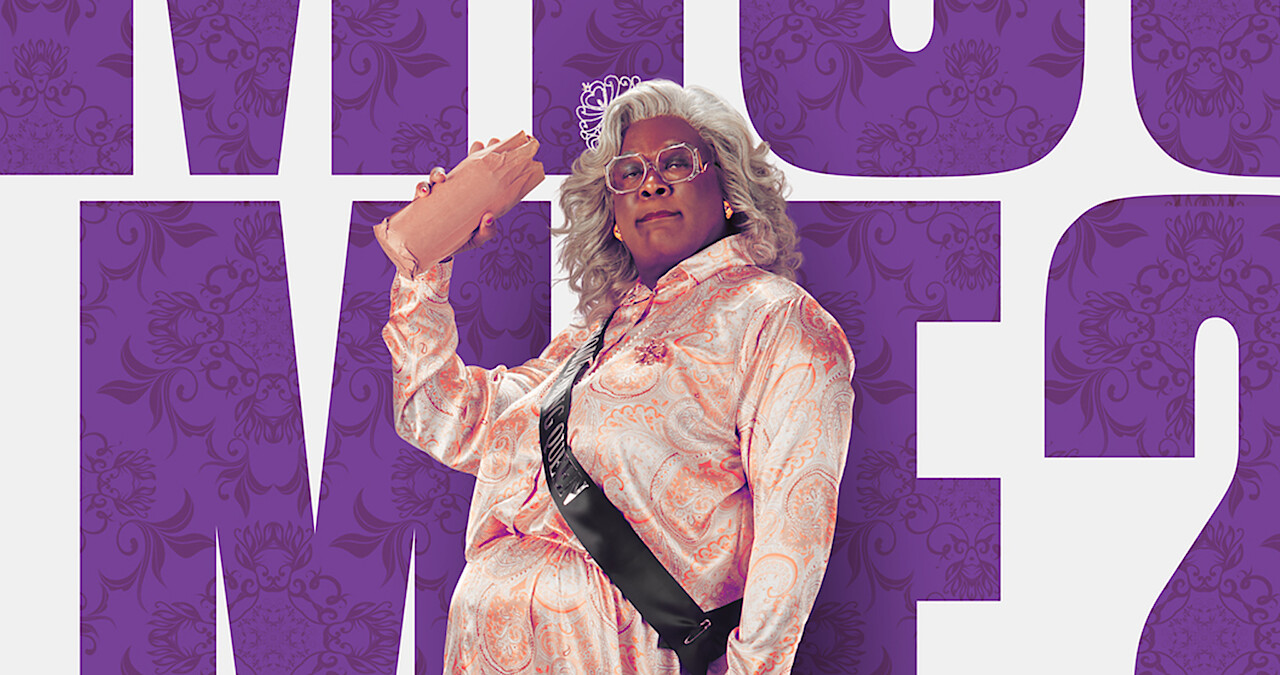
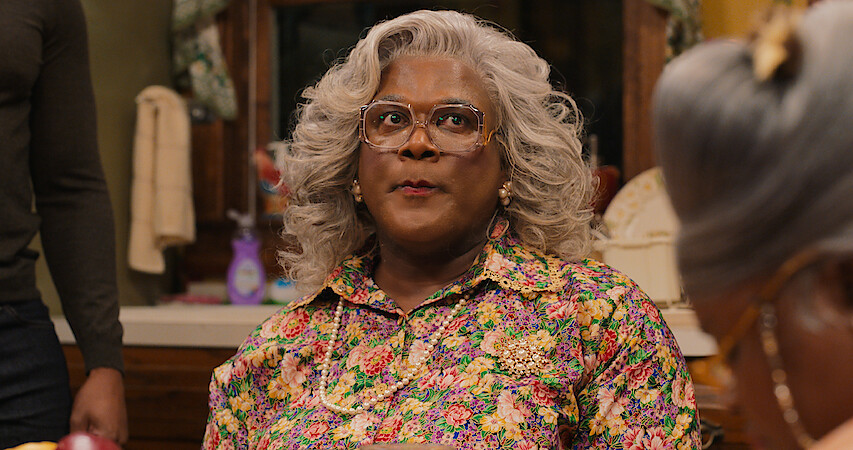
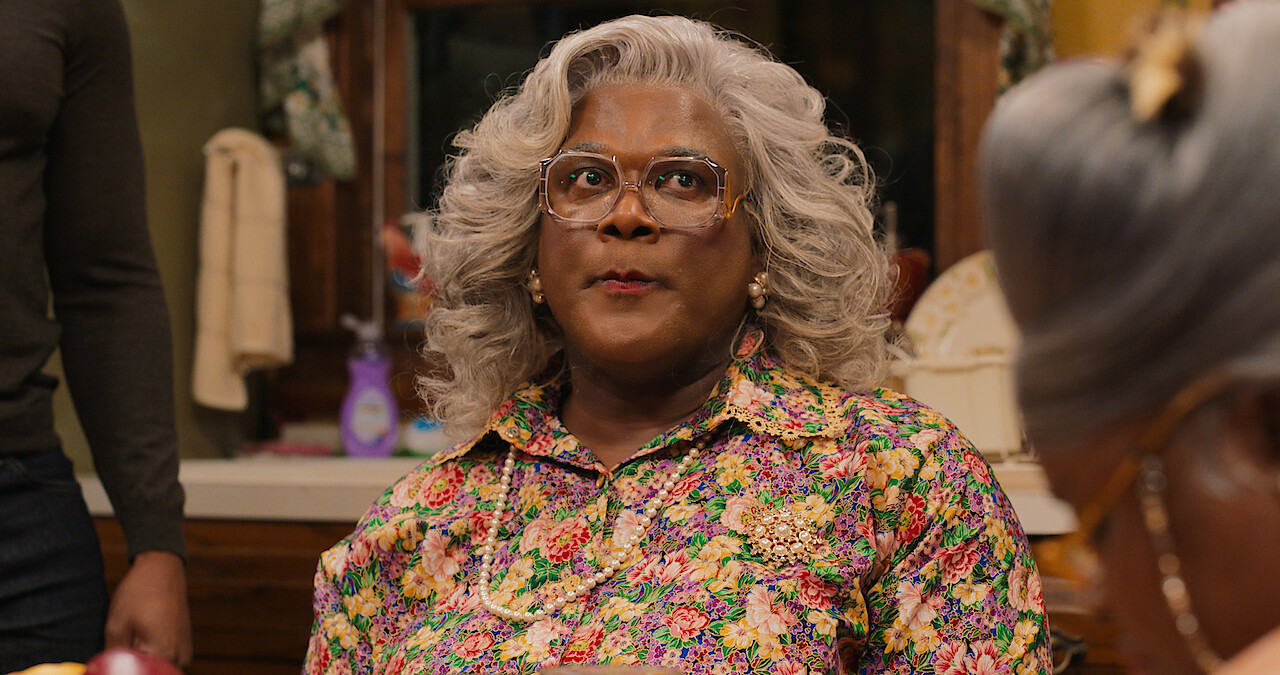
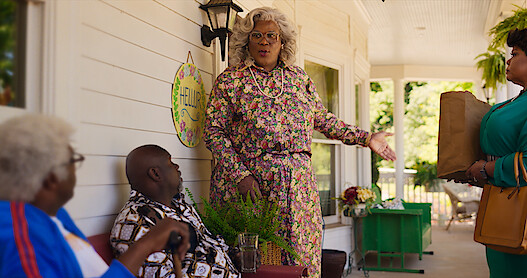
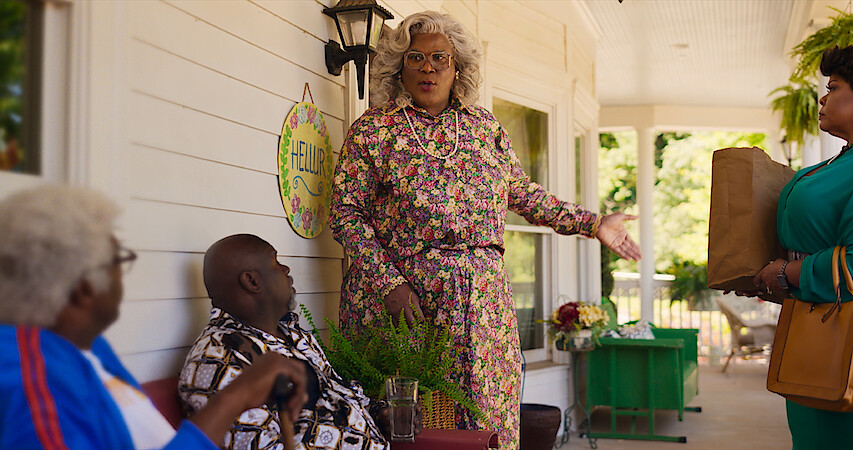
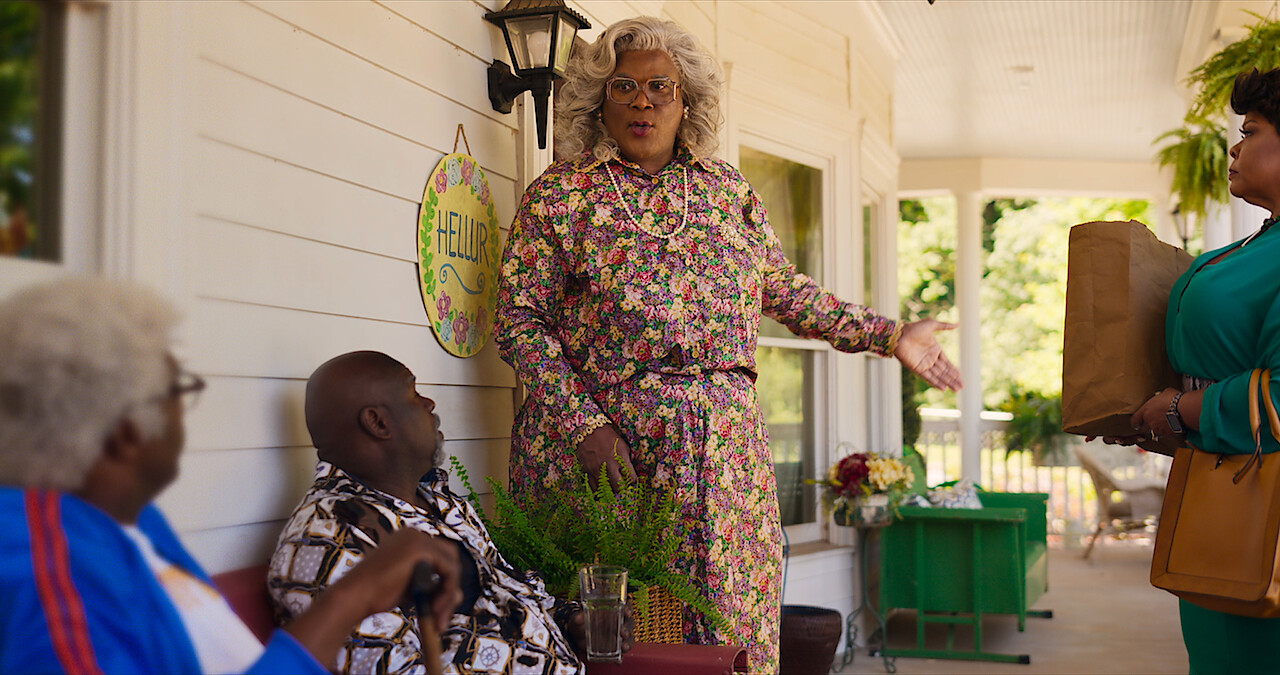
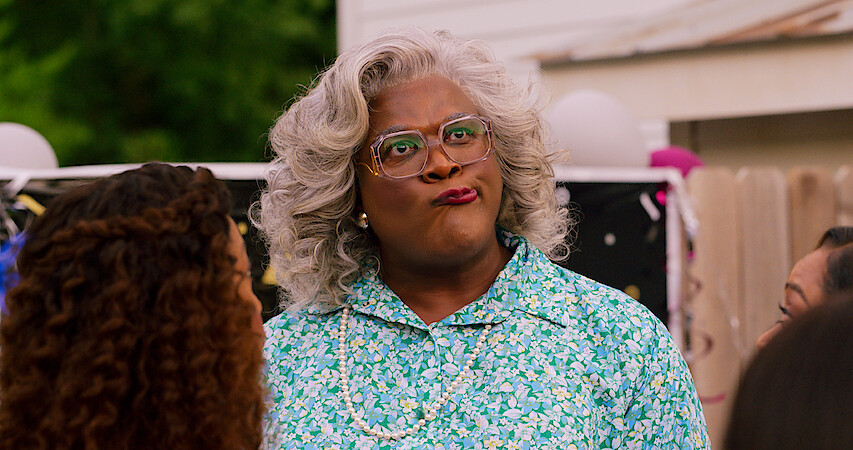
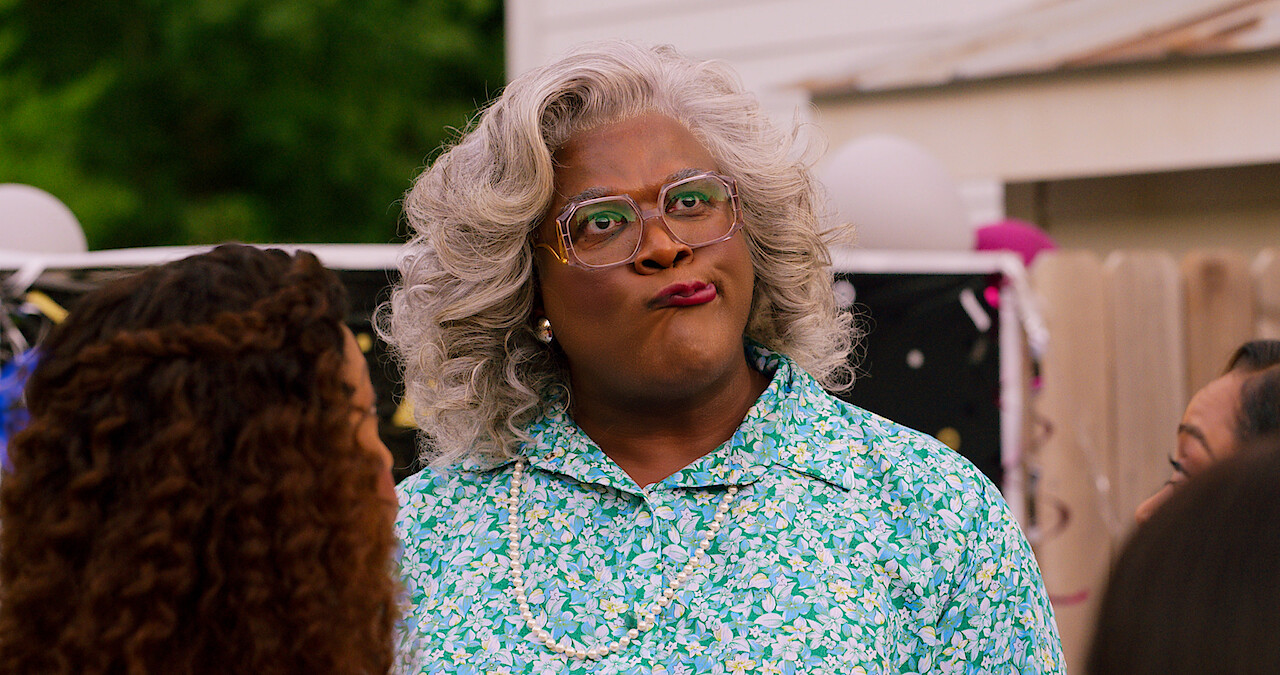
It’s easy to see elements of Perry’s aunt and mother in the character of Madea. Even though we’ve yet to get the full backstory of Madea’s life, it’s inferred that Madea has been through some tough times through the amount of wisdom and life lessons she doles out in Perry’s movies and plays. It’s also clear that Madea, like Aunt Jerry, is a fierce protector of those who need a superhero in their lives.
Someone like Madea is instantly relatable to many of Perry’s African American viewers. A lot of us have had that type of matriarch in our families, one who doles out good advice coupled with harsh truths. She may also have a potty mouth even though she lives in the word of the Lord each Sunday. These women were shaped by their environments as much as they were led by their internal compass, faith and hope for a better tomorrow. It’s a strength that’s hard to define but easy to feel. Perry managed to capture that familiarity in Madea, making her his most enduring character ever.
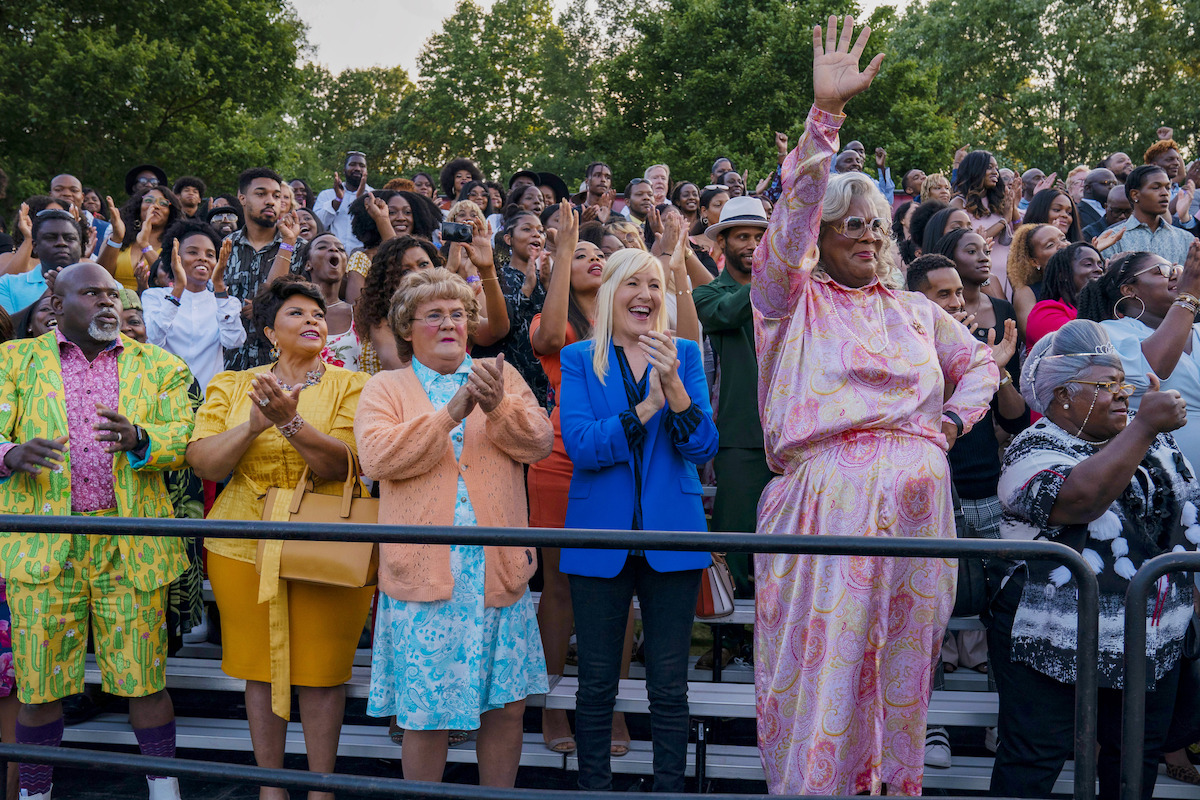
“Madea is a cross between my mother and my aunt,” he told USA Today in 2019. “She’s the type of grandmother that was on every corner when I was growing up. She smoked. She walked out of the house with curlers and her muumuu and she watched everybody’s kids. She didn’t take no crap. She’s a strong figure where I come from. In my part of the African-American community. And I say that because I’m sure that there are some other parts of the African-American community that may be looking at me now going, ‘Who does he think he’s speaking of?’ But for me, this woman was very, very visible.”
His writing was also influenced by other Black women he would observe as a child, which is the reason why so many of his films are told from a woman’s perspective.
“[M]y mother, who was trying to protect me from him as best she could, she took me everywhere with her, which gave me a tremendous amount of sensitivity to the things women go through,” he told Fresh Air host Terry Gross in 2012. “I would spend more time at the laundromat and [clothing store] Lane Bryant than any young boy should. [In my writing,] I’m speaking from the little boy who’s at her apron, looking up at the world and seeing all that I’m seeing these women go through.”
A lot of love went into creating Madea. That love is evident to see once Madea comes on screen; each time, she is as electric, as alive, and as hilarious and meaningful as the last. As much as Madea was created from the pain Perry lived through, she also carries the hope and strength of the women who helped protect Perry the best they could during his tumultuous upbringing. Through Madea, Perry’s matriarchal figures live on, watching over us just like they would watch over the neighborhood kids, helping us feel safe, seen and deeply cared for/loved.