Interview
The Beauty of Madea as Told by Six Black Grandmothers
Tudum talked to a few grannies about what the Tyler Perry matriarch means to them.
By Peter A. Berry
March 3, 2022
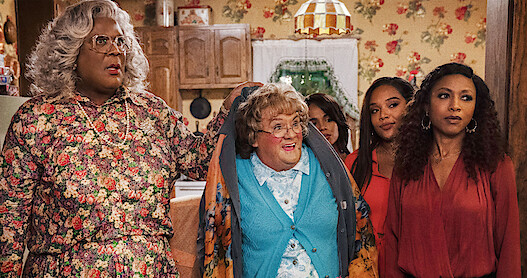
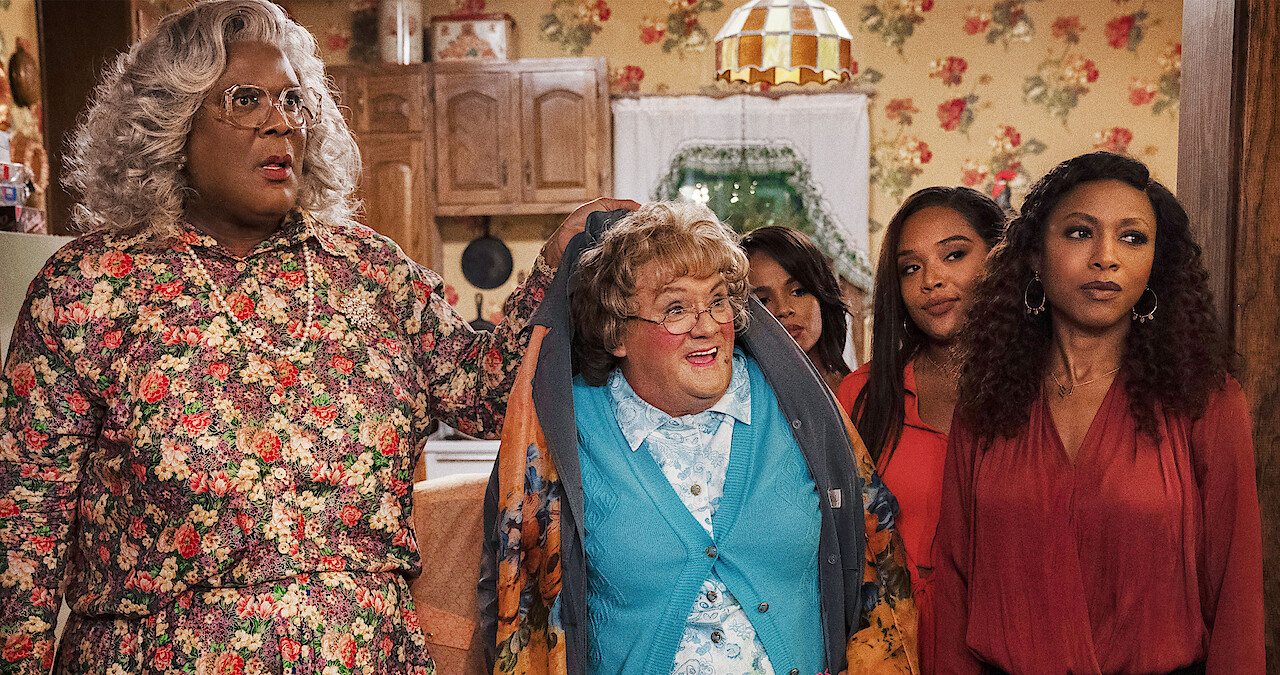
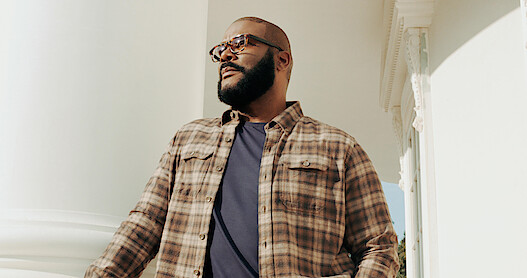
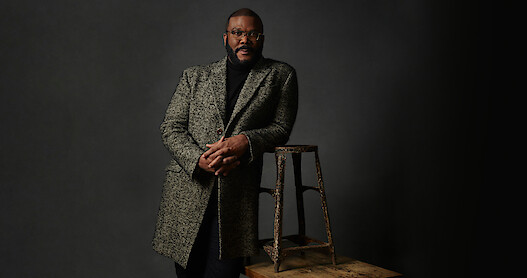
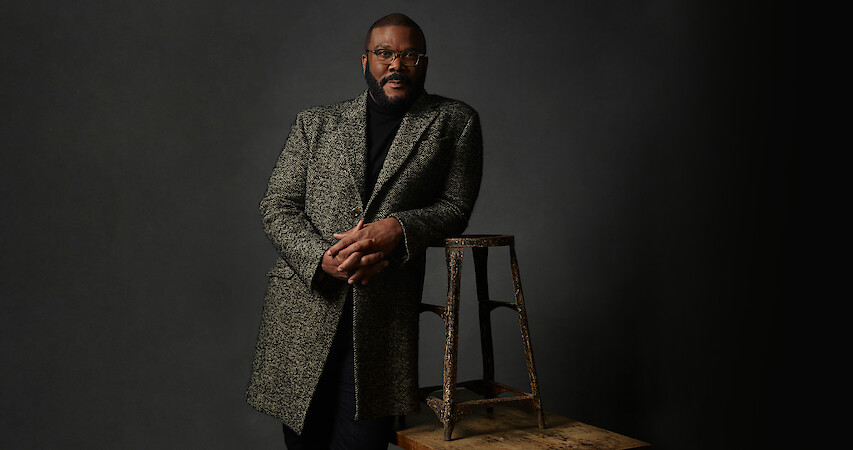
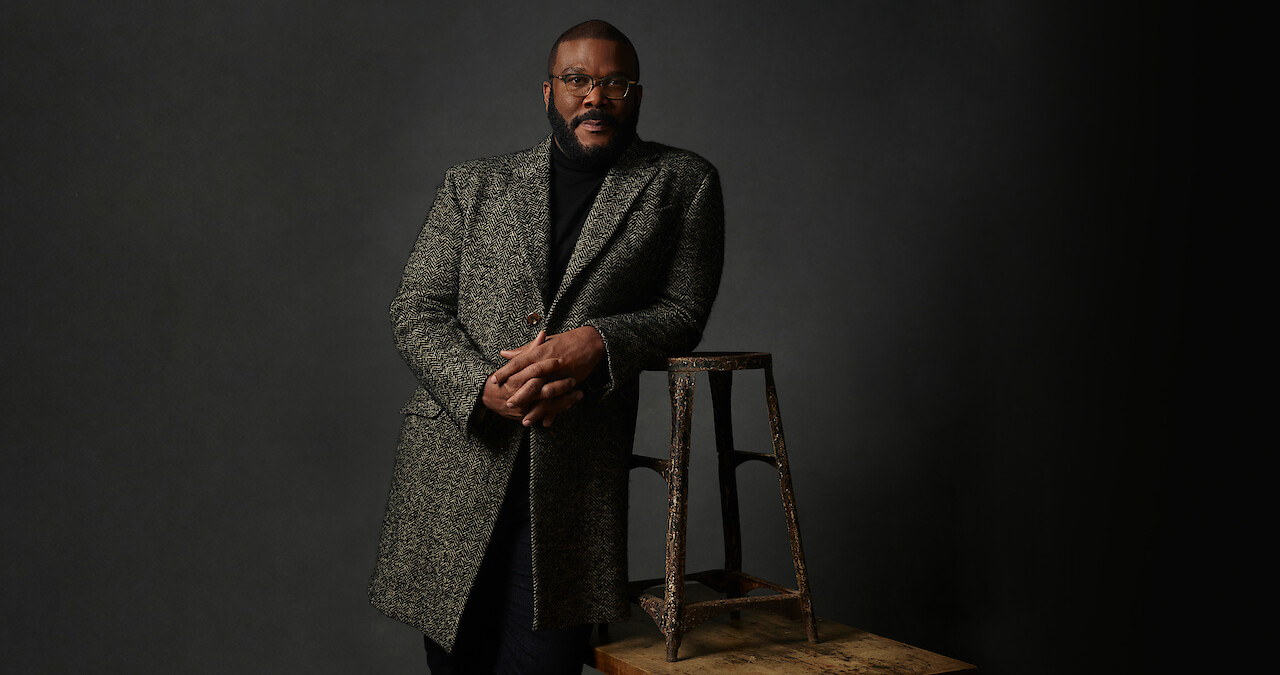
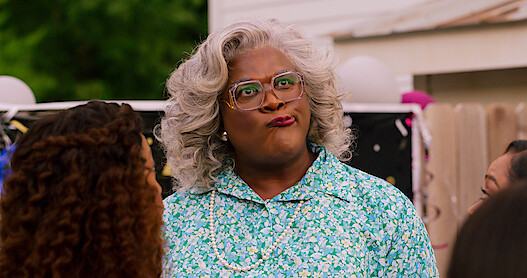
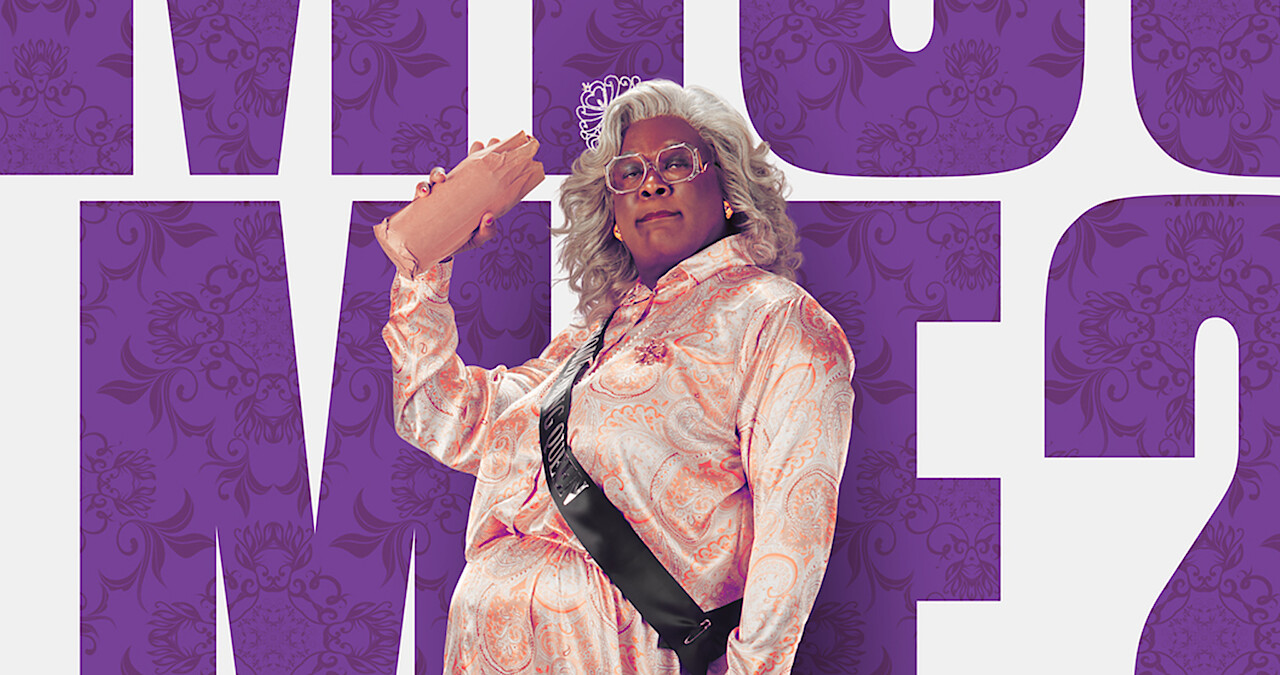
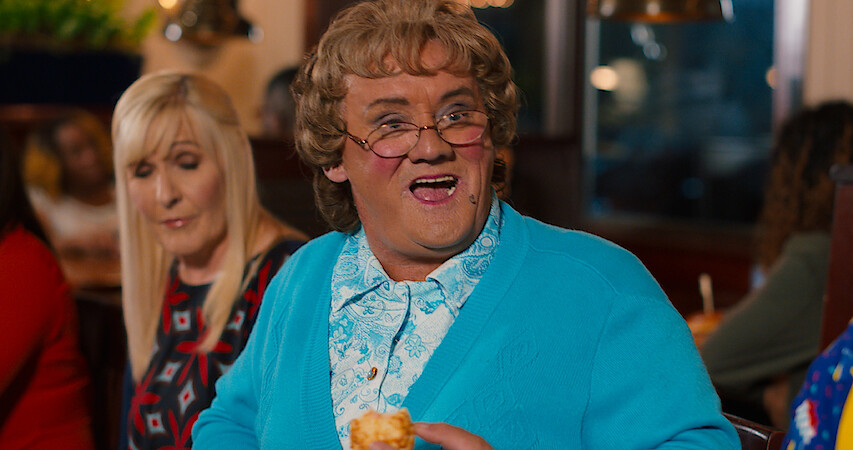
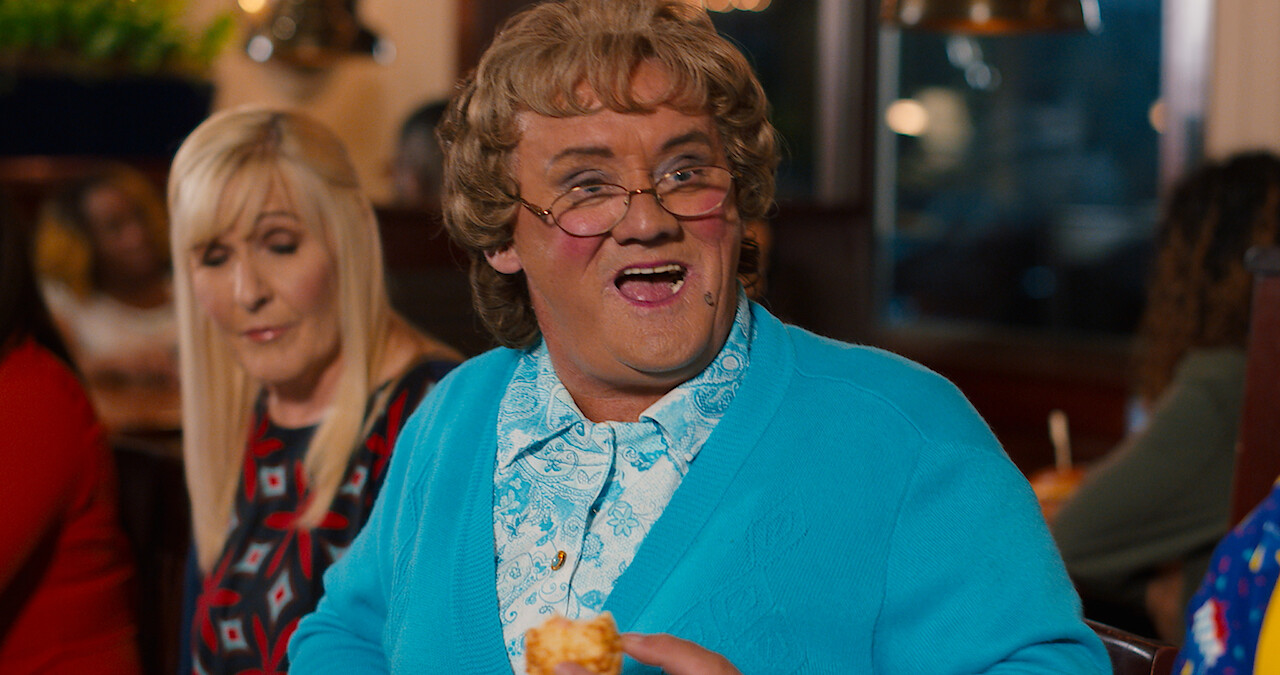
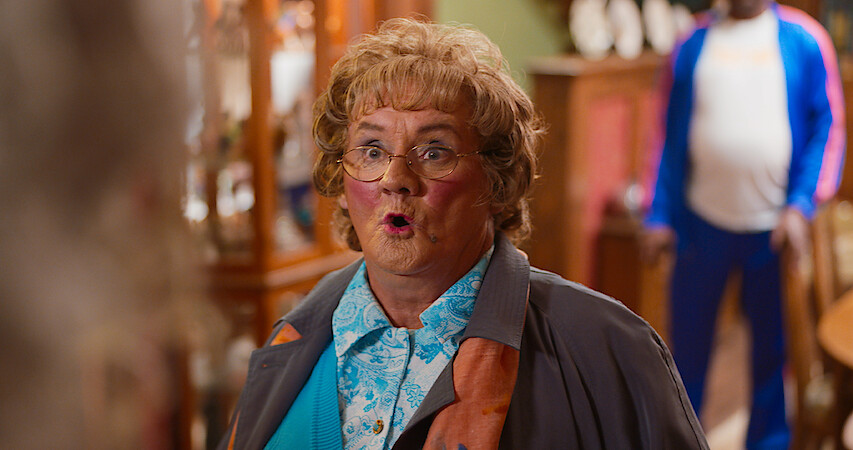
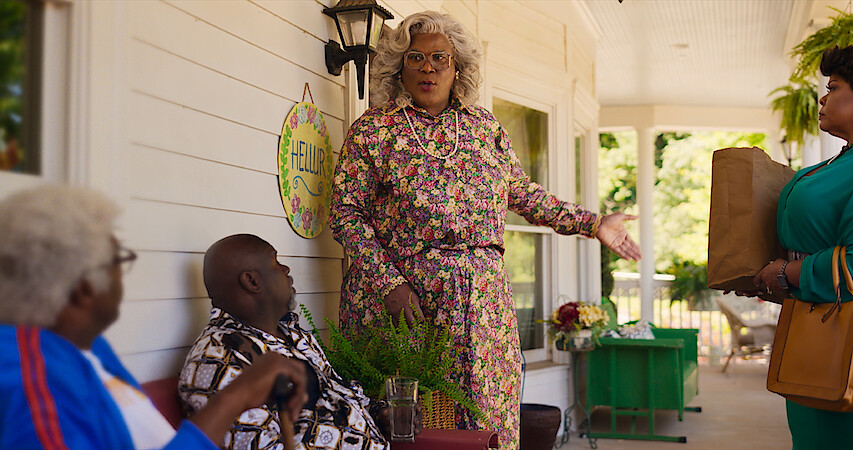
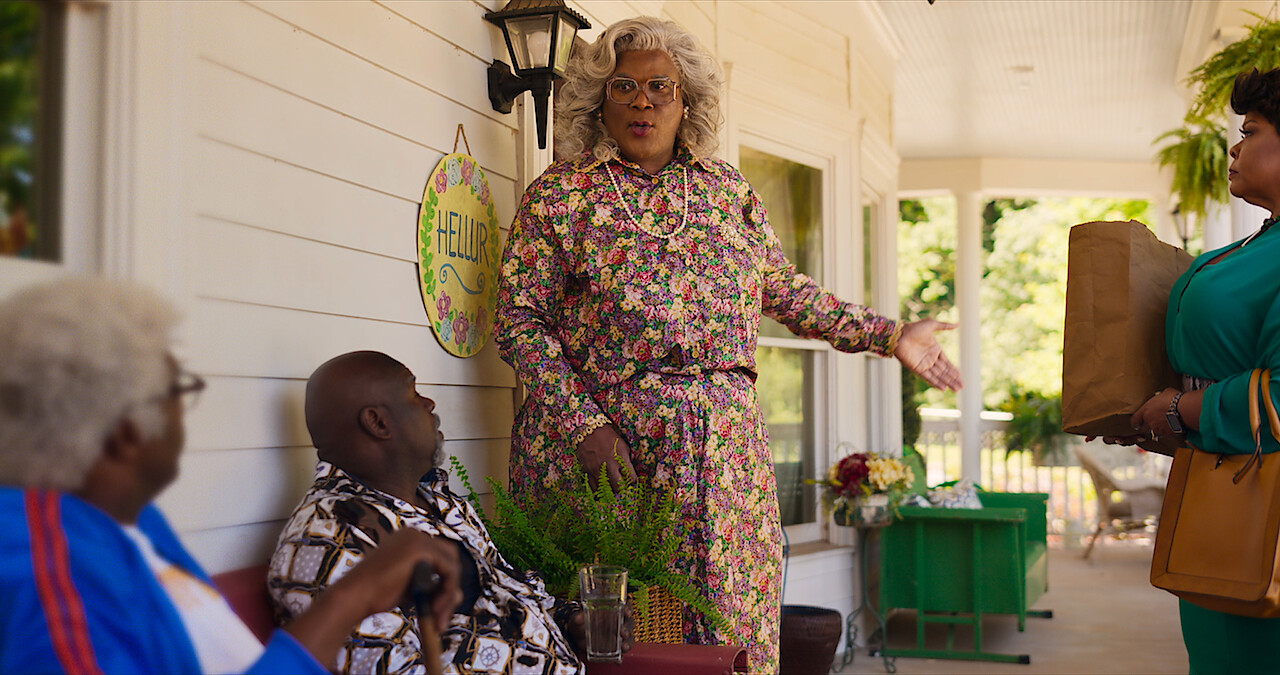
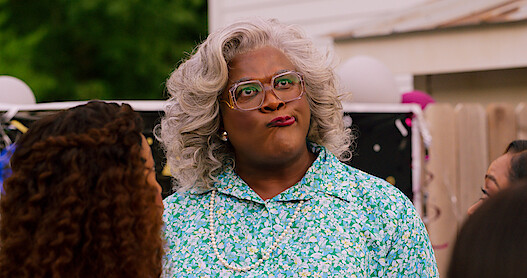
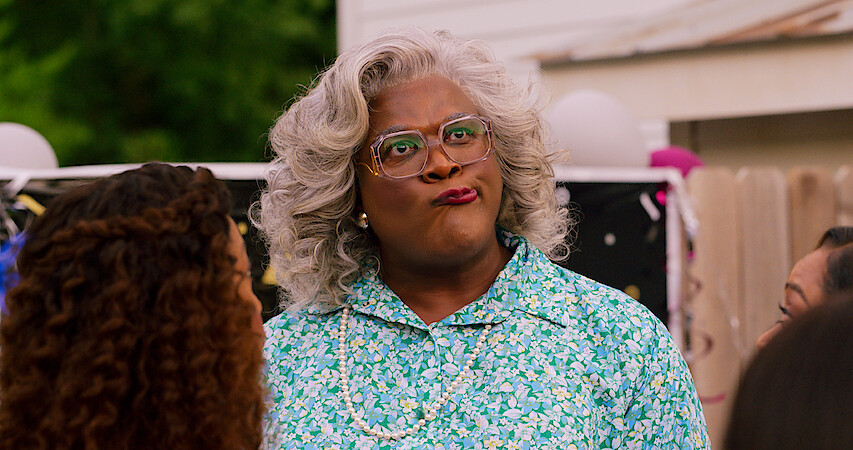
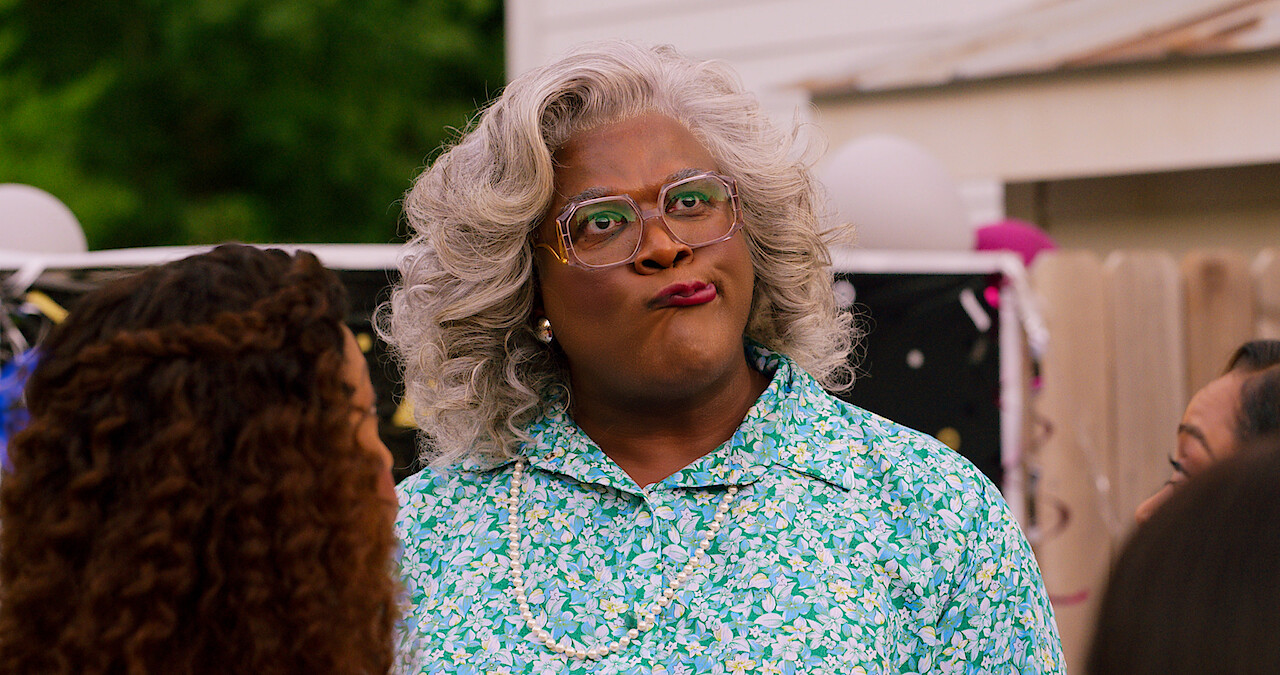
Tyler Perry was well into his 30s when he created Madea, but, in a way, he’d known the character his entire life. In 2006, he told The Atlanta Journal-Constitution that Madea, the rambunctious but loving grandma, is inspired by his mother, Willie Maxine and Aunt Mayola, with his mom embodying Madea’s sage wisdom and Mayola capturing the character’s brashness.
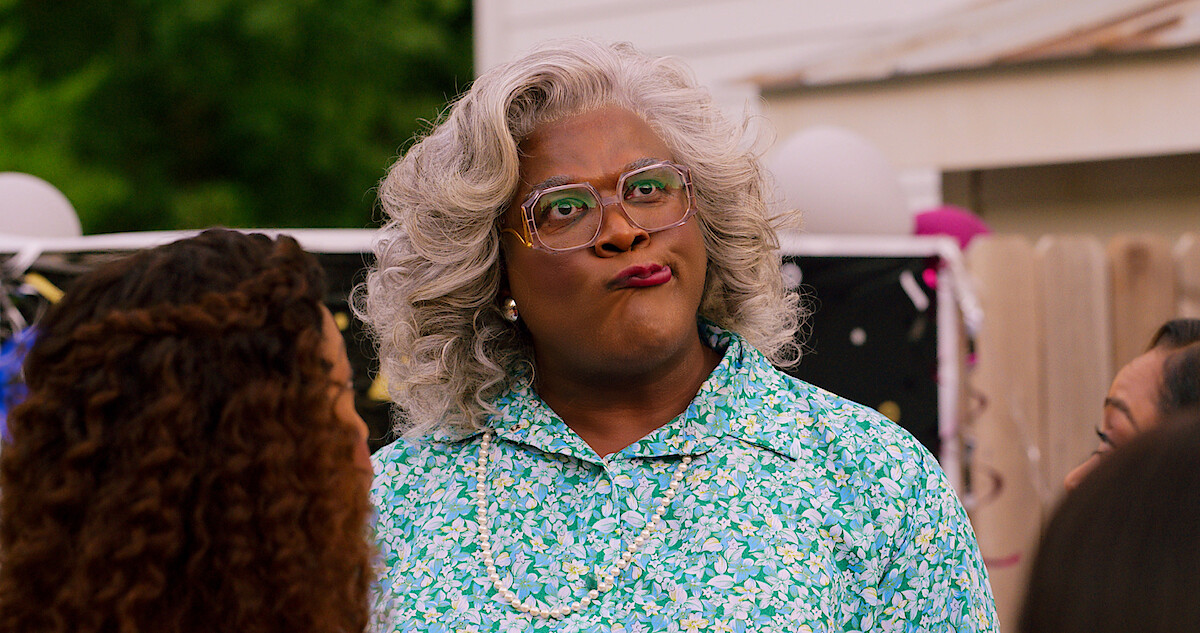
“Everyone knows her,” Perry told Jet in 2003. “We watch with nostalgia when we think about this type of grandmother.”
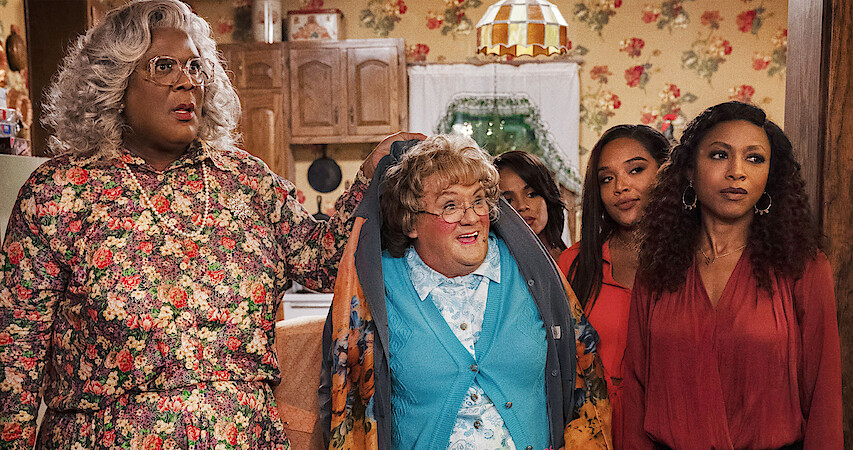
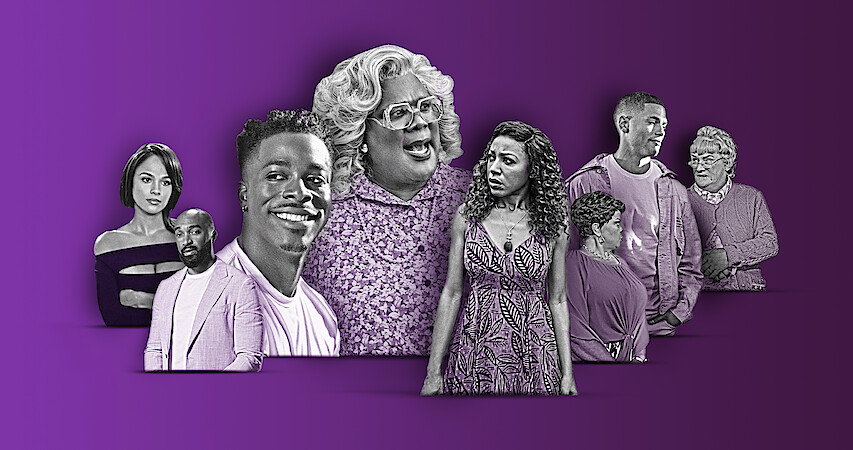
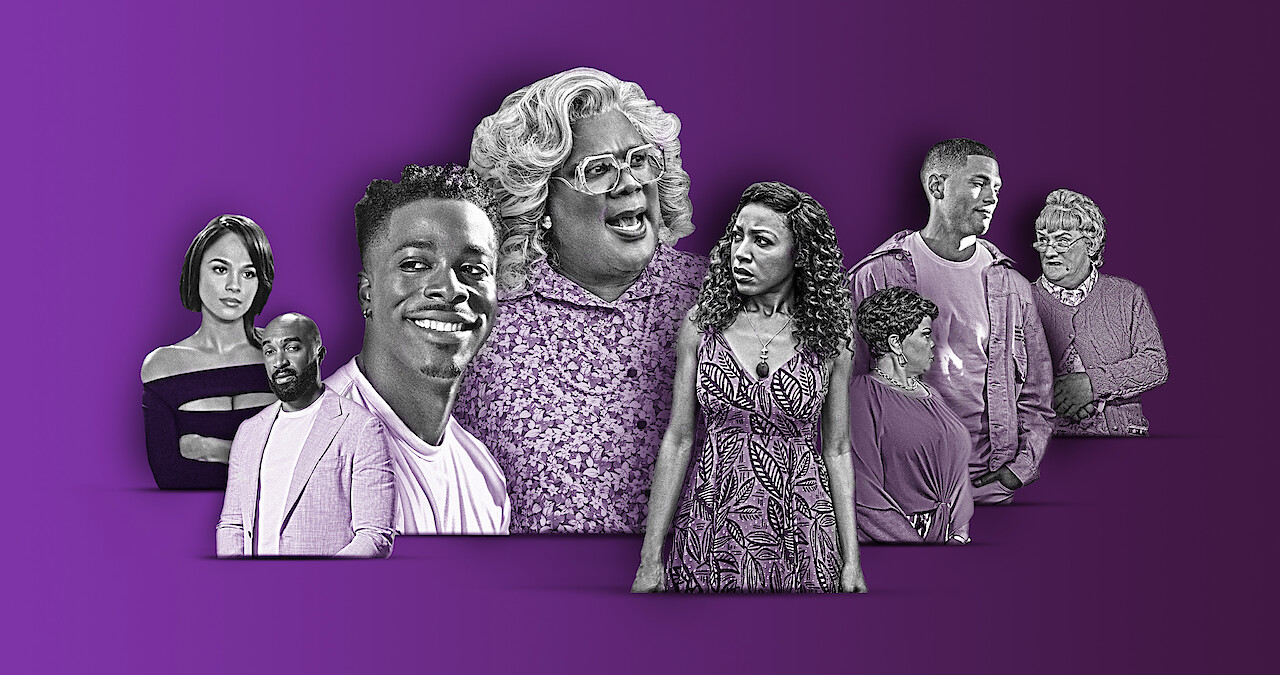
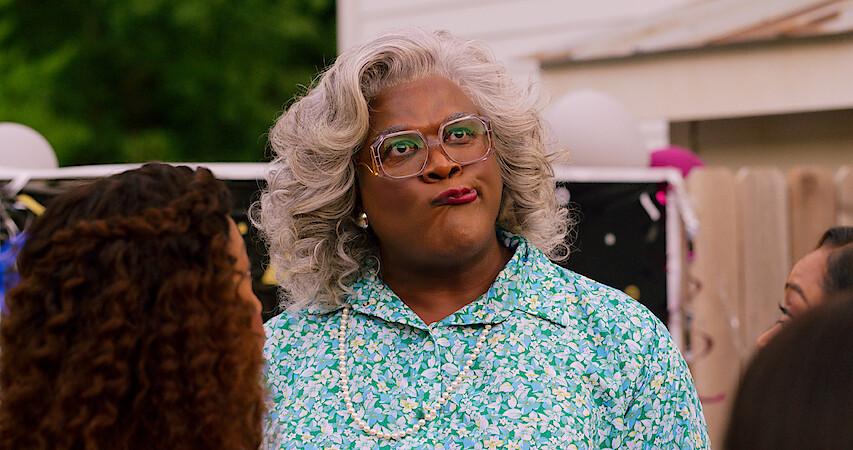
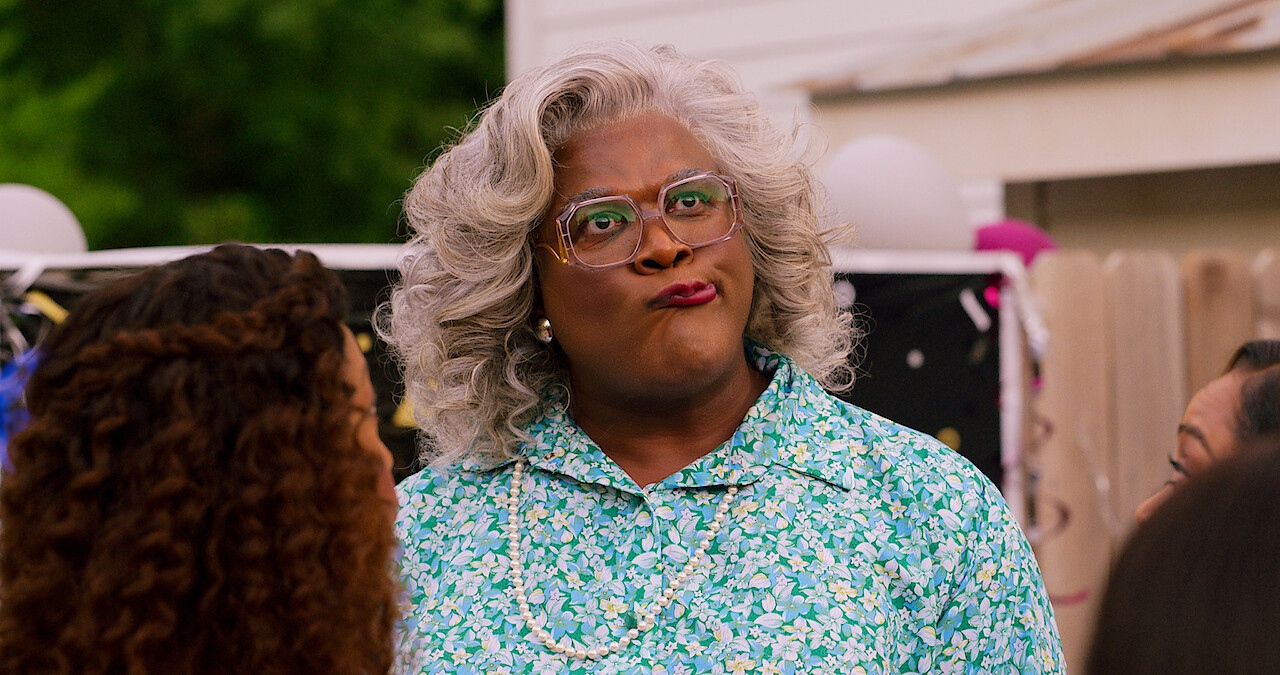
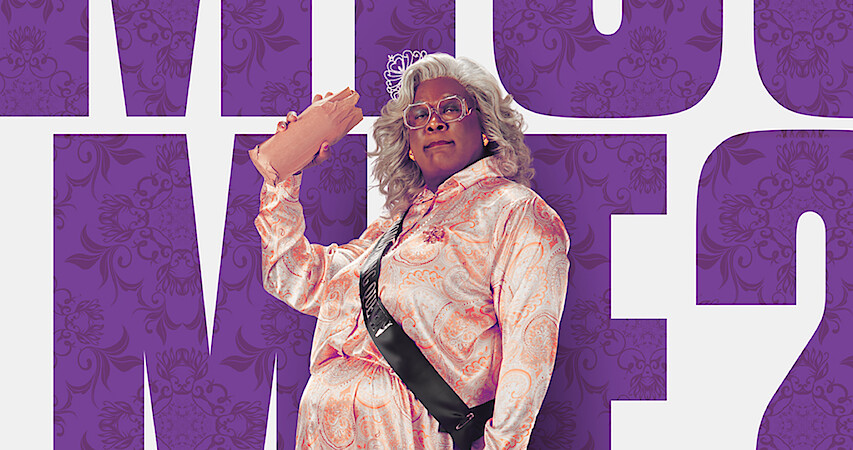
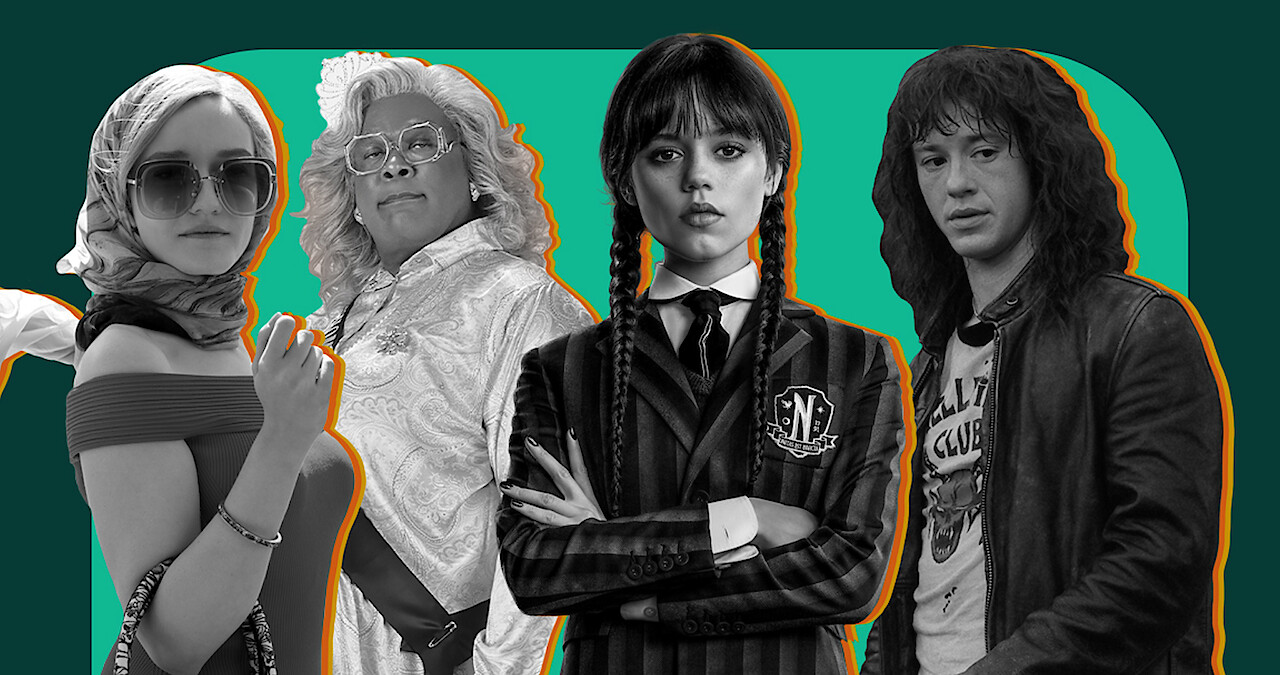
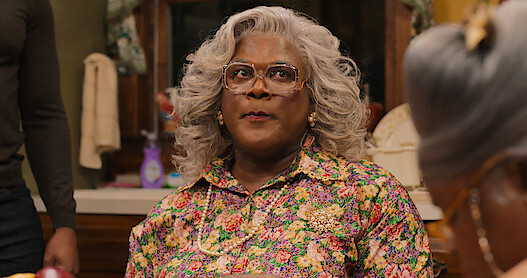
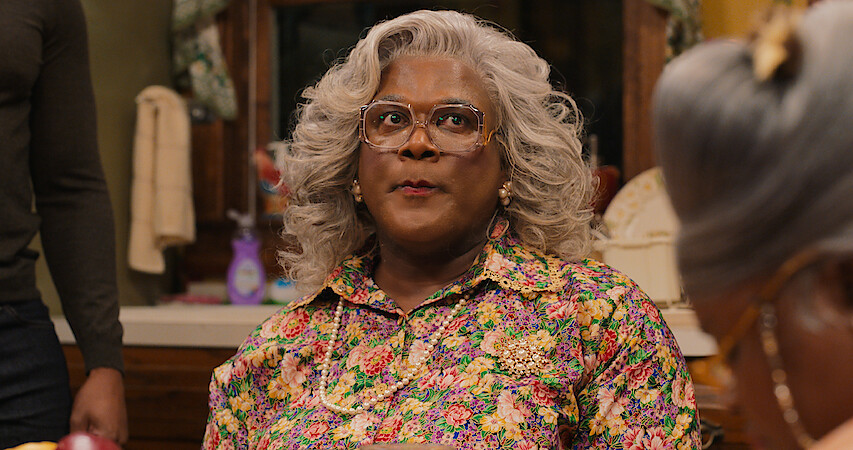
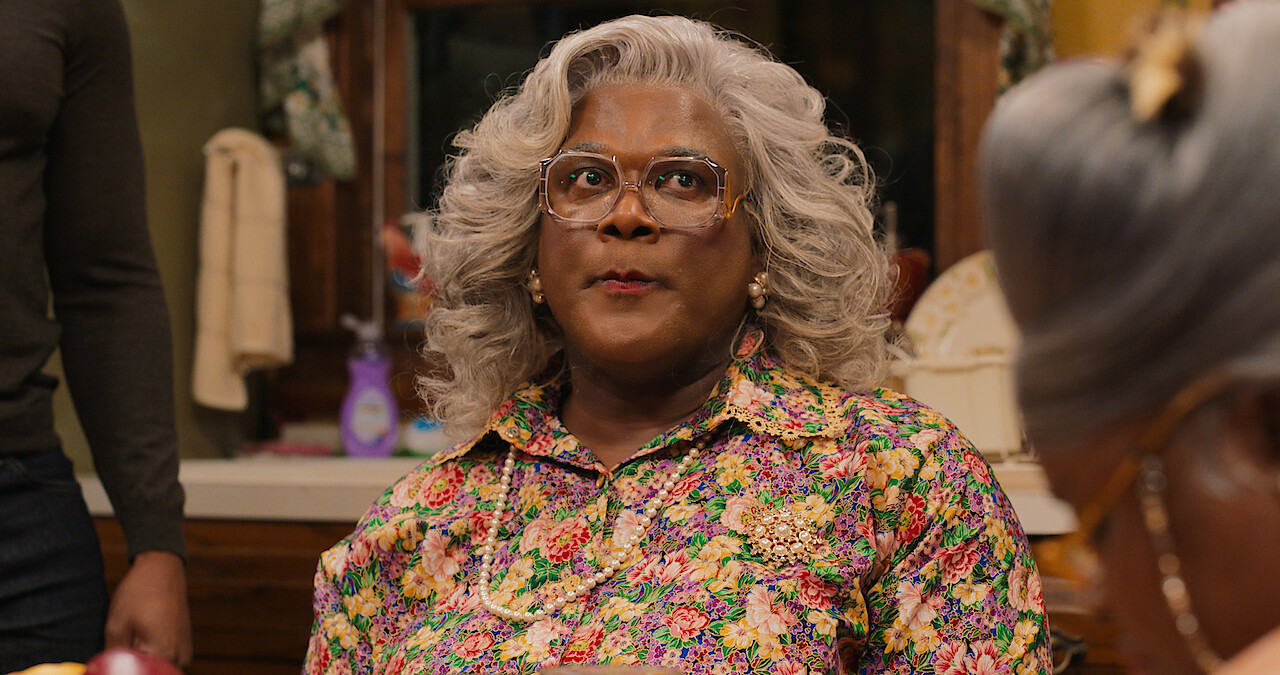
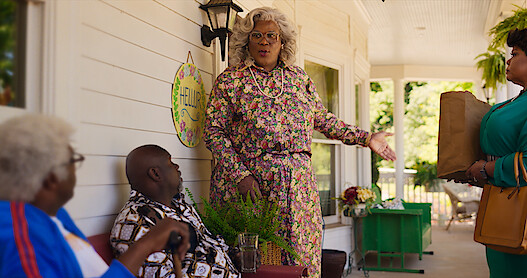
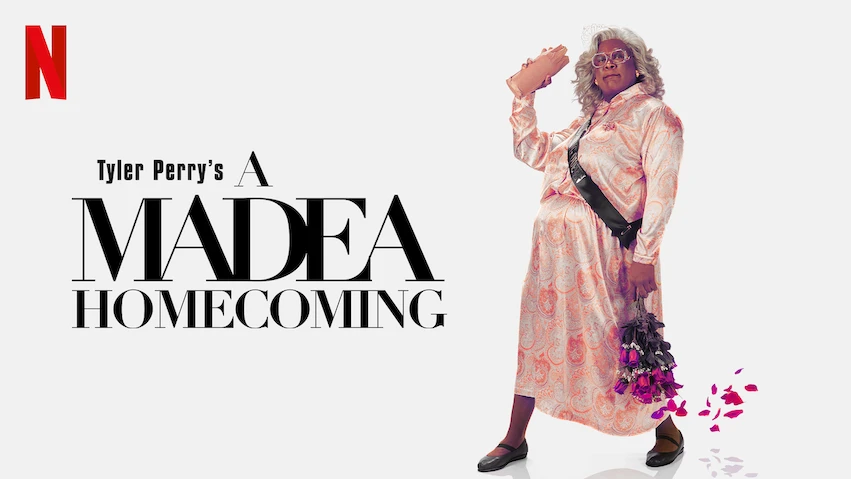
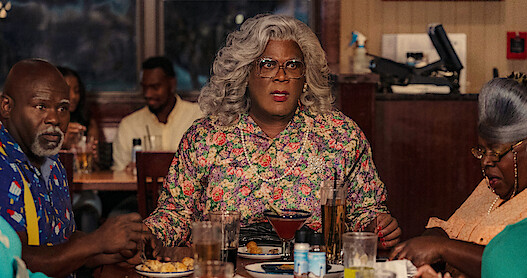
While the movies have fans of all ages, that nostalgia is particularly resonant with Black grandmothers who might’ve known a Madea or maybe even see themselves in her. Today, in honor of the newly released A Madea Homecoming, Tudum talks to six grandmothers about what Madea means to them.
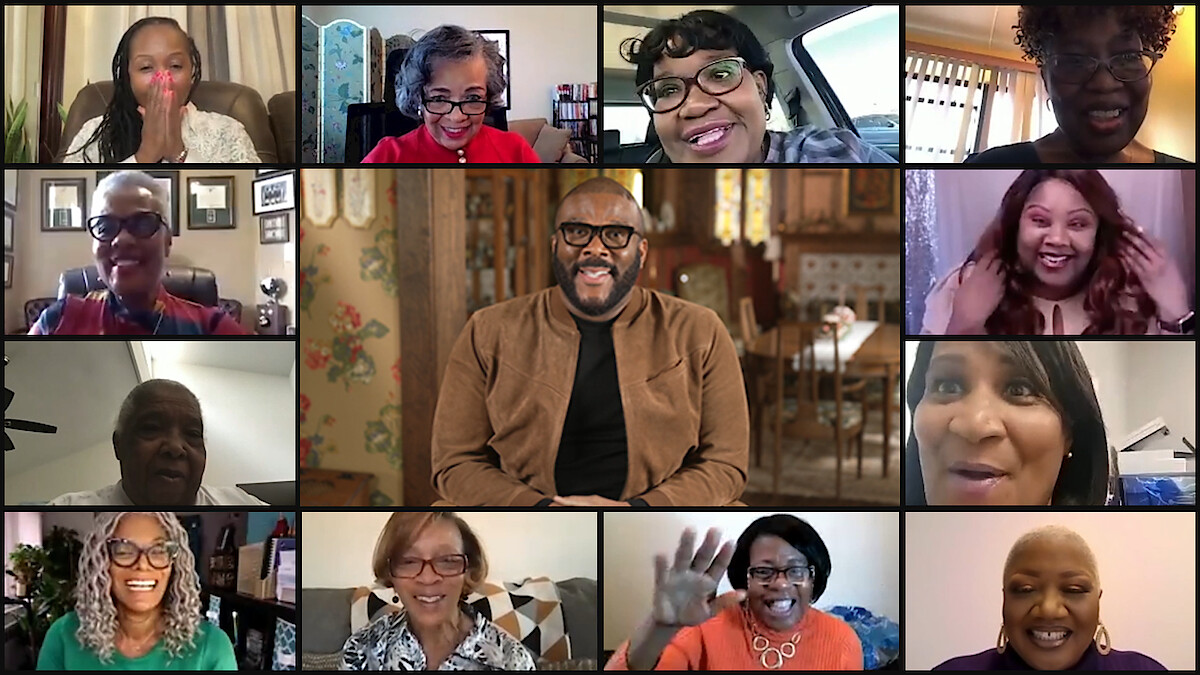
“Madea was an old-school grandma. Old school just like I grew up. She reminds me of my mother, who passed away about 20 years ago. My mother came from a little town called Sunny South, Alabama. She came up here back in the early '50s. She taught us to love each other, to respect each other, to listen to each other. No matter what, you are down for your family. Every Sunday, that was family time. Grandkids came to visit. Kids came to visit. Their friends came by to visit, sit down and break bread together after church. Whenever you see Madea, you go back to your childhood and think, ‘Yeah. That's how it used to be.’ It's just the way she says things. It's what she stands for — life lessons, respect and honor. I see a little bit of myself in Madea because I see a little bit of my mother. ” —Sonia Henry, 66, Connecticut
“The first time I ever saw Madea was at the Fox Theater in St. Louis. It must have been about 20 years ago. It was a live play, Meet the Browns. I just thought it was sheer genius. I was very, very proud of Tyler and happy to be there. She reminds me of a lot of people I knew growing up in Jackson. I bet a lot of people had a Madea in their family. We called my grandmother ‘Madea,’ too. I think Madea stands for bringing people to understand where we are in history, our trials and troubles. Making people aware. She’s assertive, maybe even a little bit aggressive. Just down to earth, says what's on her mind. It's a thing that springs from the culture that you're living in: the hardships, restrictions, jobs that don’t pay a living wage, housing, segregation, Jim Crow, poverty, the heartaches, the future just looks dim. It just makes you want to tackle the problems that you see happening around you. Hard times make people do a lot of drastic things. This is not all fun and games; this is a hard life. This is how we deal with it.” —Mary Ann Smith, 80; Chesapeake, Virginia
“The first time I saw Madea, I could not stop laughing. She was great because of her actions and how she addressed things, and she’s just a beautiful soul. Madea reminds me of myself. She takes care of Joe. I love that. My brother and I live together, and some of the stuff they do, I can relate to it. I laugh at myself because it sounds so much like what she'd say or do. I like Madea being strong because I'm a grandmother and I'm strong. I tell these kids what I have to tell them, and that's that. I think society thinks grandmothers should not be strong. They should be loving, little old ladies that crumple up and cry the minute somebody says something to them. But Madea is just a strong, Black woman. She deals with it as it comes. She sends a message. A lot of people, especially older people, can relate to that message. And in today's time, we need to laugh.” —Carol Johnson, 78; Whispering Pines, North Carolina
“Madea is a strong, strict Black woman, very heavy-handed and very set in her ways. My mother's mother was like that. She raised my mother by herself because her husband died when my mother was very young. I know that she passed away when she was in her middle fifties, but she was raised in the South. A lot of her extended family or support was in the South. When my mother came north,she had to be strong to be a single parent with no support. She was very warm and caring, but she was also the type of person that, when she said something, she meant it. All she had to do was give you a certain look and you knew you better back down. But the other side of that was that she was caring and soft and loving. Madea represents a strong woman set in her ways. But, under all of that hardness, she is a really soft, caring person. She is someone to look up to. In most of her movies, the young women may have had a bad start, but they always end up coming around to Madea's way. I'm a quiet type of a person, but there are instances when I can be those things that Madea is and I can be loud. I can be forceful and stubborn. But, basically, that's not me. That's who she is all the time.” —Cassandra Kennedy, 74; Buford, Georgia
“Madea reminds me of my maternal grandmother, Spicy. She was always about putting family first. Loving, kind to everybody. But she didn't take a whole lot of mess. The cooking spirit she had in the kitchen, feeding everybody and just overall taking care of everybody. I think it was her upbringing. I think she had a hard life coming up, and the world's lessons made her tough. The reason why Madea movies were so successful is because it's a part of real life. It's so much of what really happens in real life to Black people in everyday life.” —Regina Christopher, 70; Hampton, Virginia
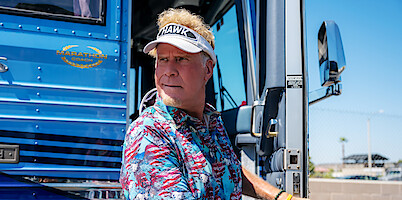
“Madea’s hysterical. When Tyler Perry is in costume, all you can see is Madea. You don't even think it’s Tyler Perry at all. You don't think of him as a guy dressing up as a Black woman. He really envelopes the character so much that we are watching a maternal, older Black lady helping her family. I love it. She's everybody's Big Mama. She's definitely all about family. Even if you mess up, she's going to take care of it. My great-aunt, Jo, always kept the family together no matter what, all reunions and things like that. She helped you out, even when you messed up, and she talked very frank, which is what Madea does. She calls you out when you need to be called out, but the love is there and the humor. Madea’s Family Reunion with Cicely Tyson is my favorite. It’s funny, but it hits home. I'm in my 60s, but even the younger kids, I think, like Madea, so it hits the different age groups, too. It's just nice family humor that the whole family can watch and get something out of.” —Lisa Worthington, 62; Phoenix, Arizona
Interviews have been edited for length and clarity.