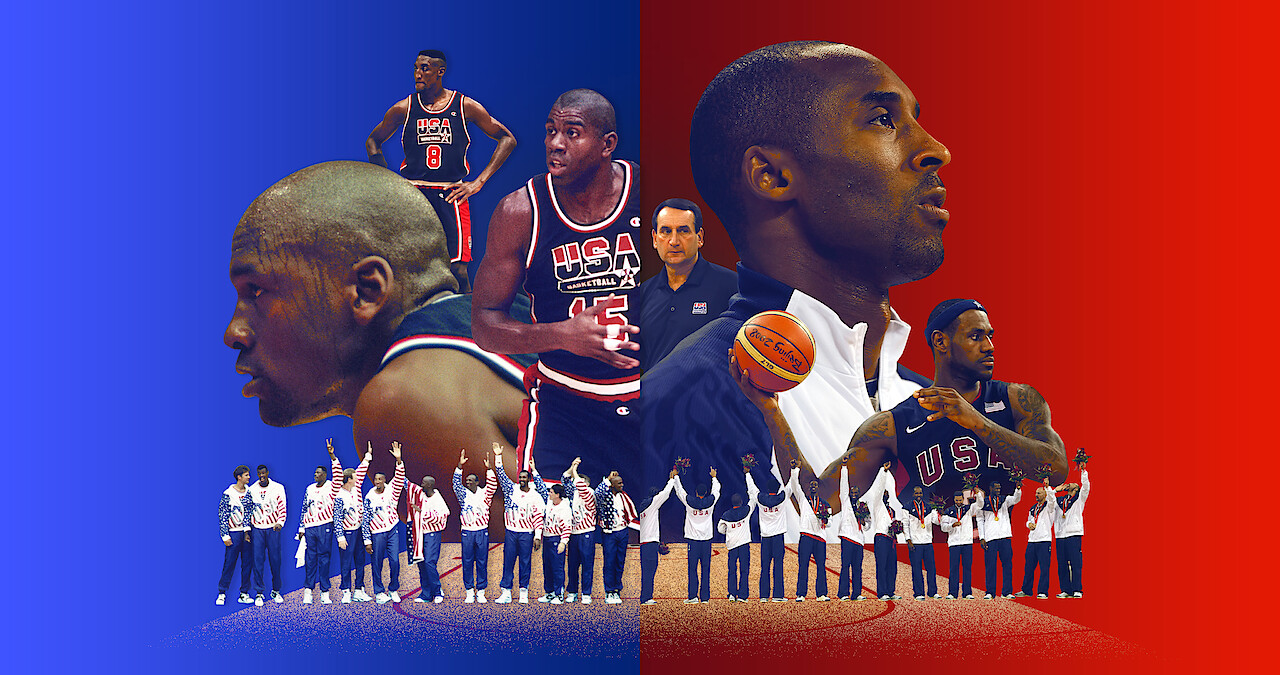
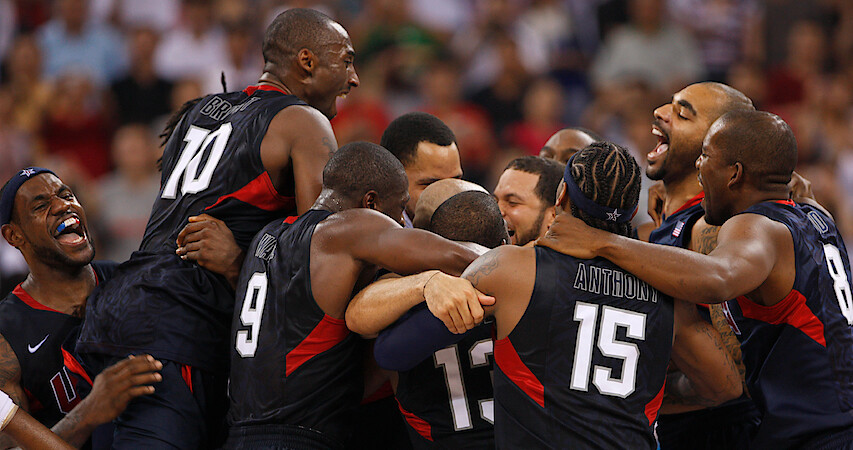
Aside from his wedding and the birth of his children, the highlight of Jon Weinbach’s life was running onto the floor when the Lakers beat the Celtics at the Forum in 1987. “I mean, I'm a real basketball fanatic,” Weinbach tells Tudum.
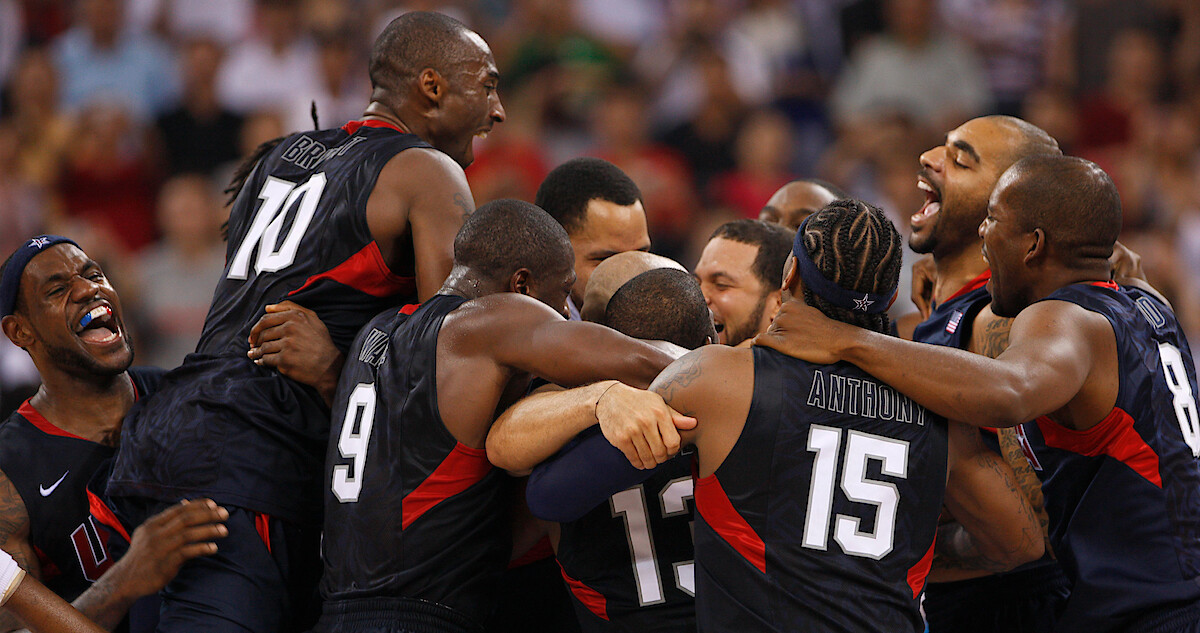
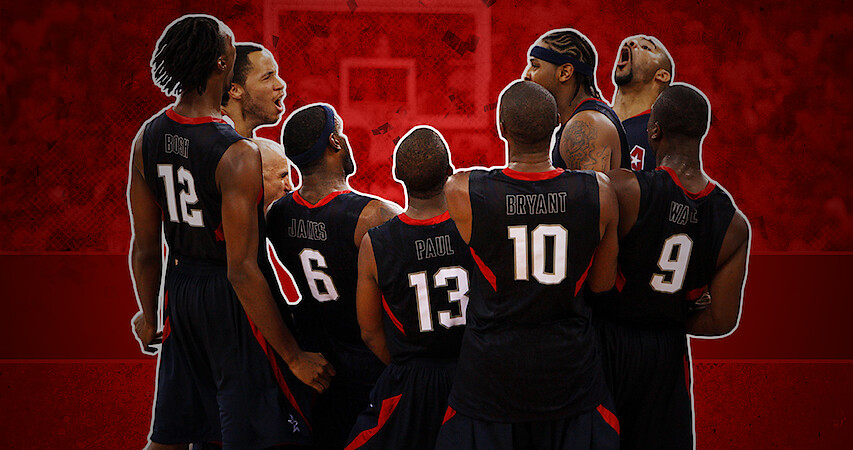
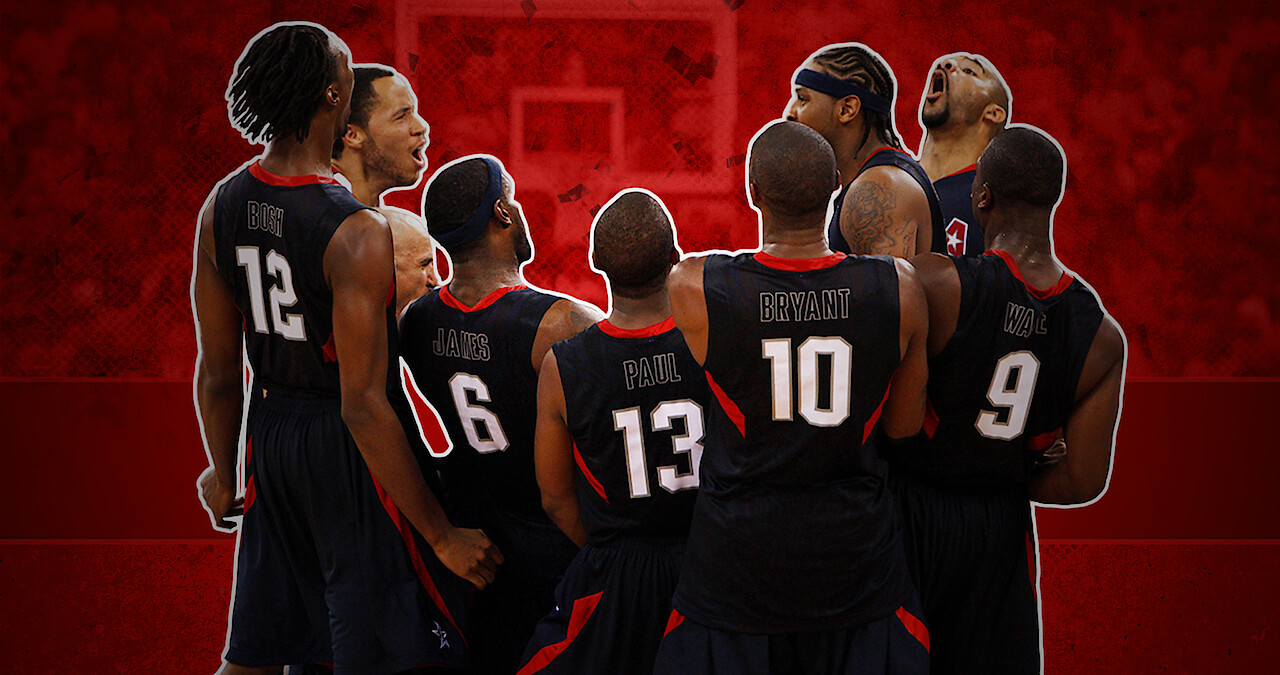
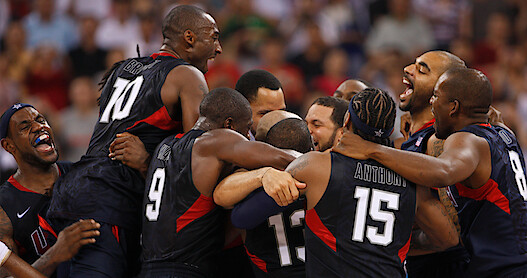
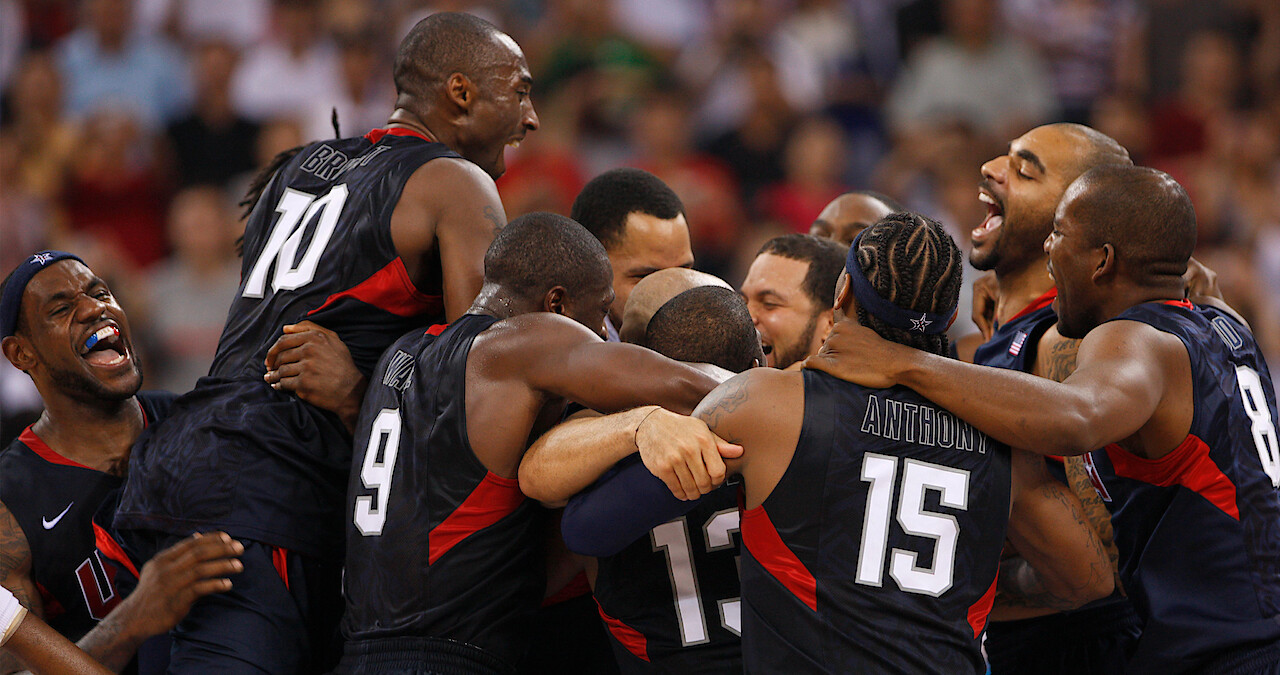
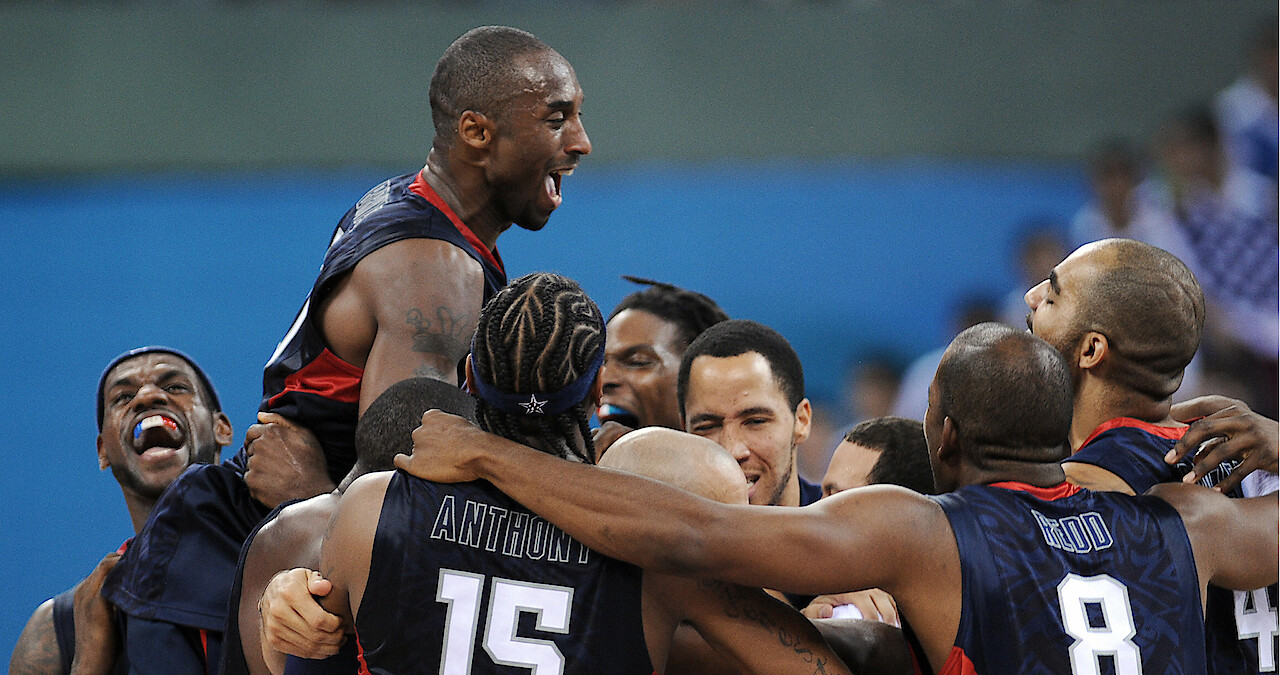
A self-proclaimed “one-percenter of sports geekery across the board,” Weinbach is now producing basketball documentaries including The Other Dream Team and The Last Dance. His latest film, The Redeem Team, was born close to home. In the summer of 2008, when Weinbach was caring for his eight-month-old son, he turned on the Beijing Olympics to watch Kobe Bryant, LeBron James, Dwyane Wade and the rest of the US men’s basketball team fight to reestablish dominance. “I [was] holding my son in the middle of the morning, watching this great game,” he recalled. “Kobe’s on the team, there were multiple great teams from around the world, all of it. I always had this real fascination with this team. [I] brought all that to bear making it.”
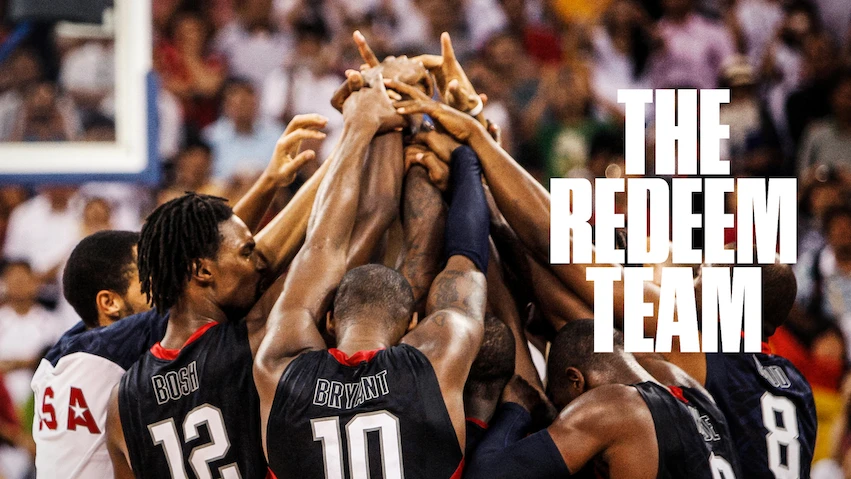
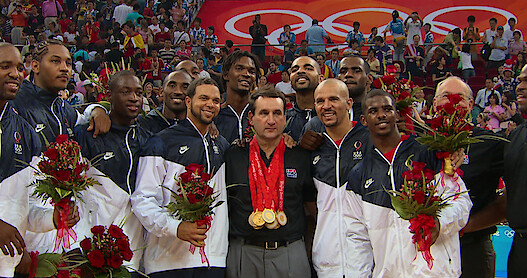
Fifteen years after that morning, Weinbach has finally turned his passion for the story into The Redeem Team, which follows the 2008 US men’s team through changes in personnel, strategy and drive. Here, Weinbach explains what made the Redeem Team one of the best American Olympic teams in history.
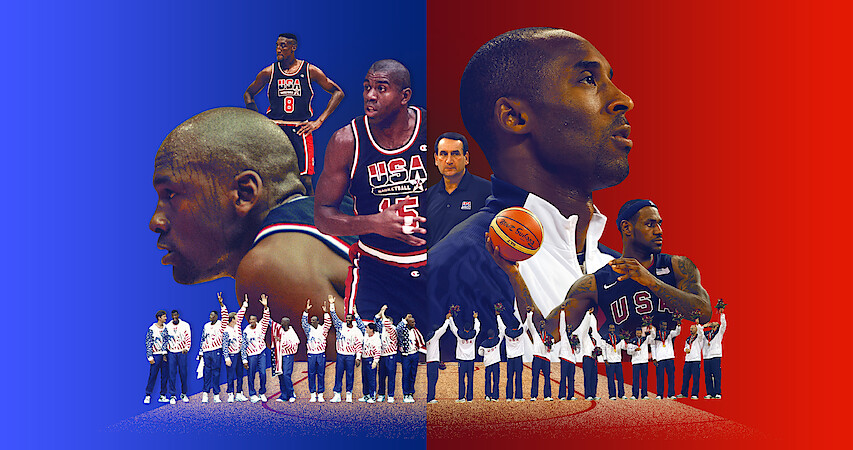
What makes a team like the Dream Team, the Other Dream Team (Lithuania's inspiring basketball team that returned to Olympic competition in 1992 after the country reestablished independence from the Soviet Union) — and now the Redeem Team in this documentary, one of those teams? They have a name; they have a place in history. What are the qualifications to be that?
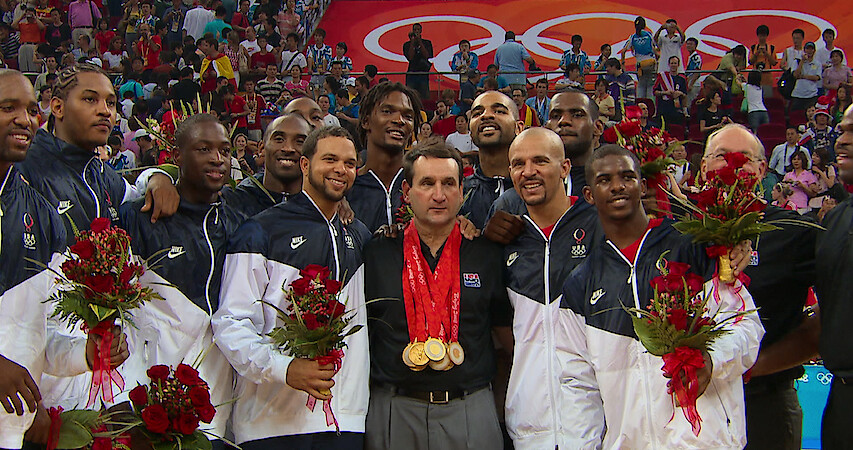
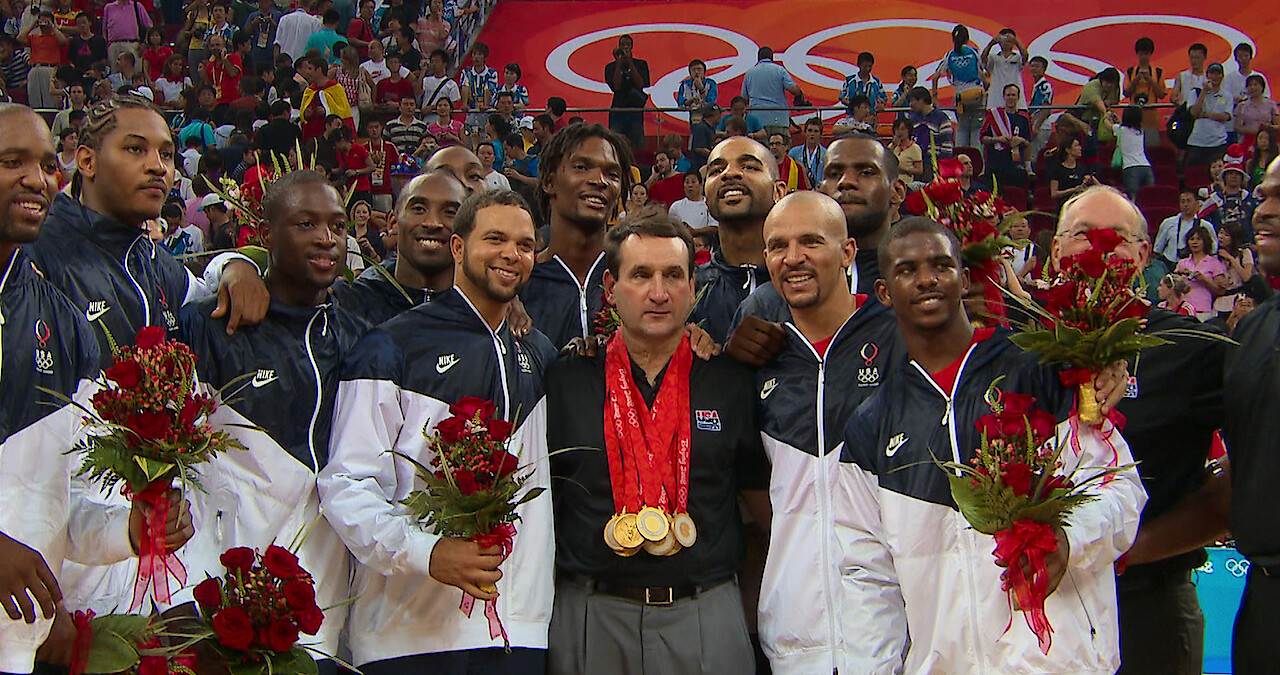
I think it's the same bar that makes any great sports story fodder for a documentary. It’s a human story that happens to be framed around sports. The Redeem Team is a combination [...] of the Dream Team and the Other Dream Team. Unlike every American basketball team until then, these guys had lost. They had lost not once, not twice, three times. The ’02 team had lost in the world championships. The ’04 team had “lost” by only winning bronze at the Olympics. The ’06 team had lost. And it’s about the different notions of success. And when you’re an American basketball team, there is only one metric for success: It's winning.
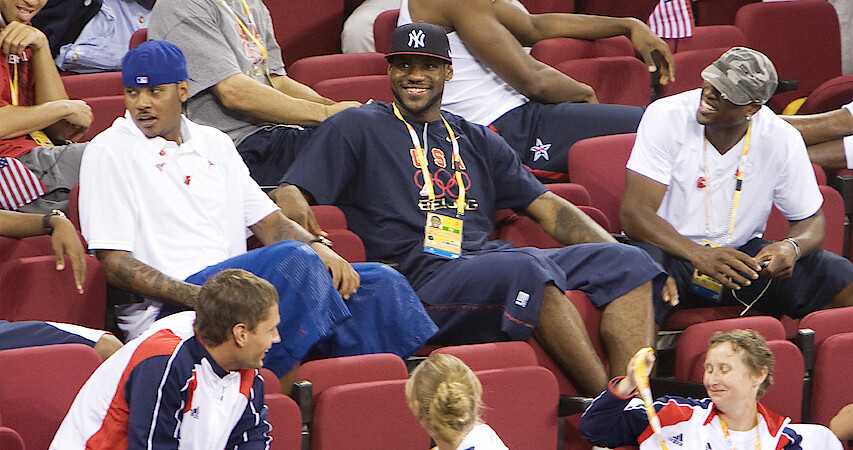
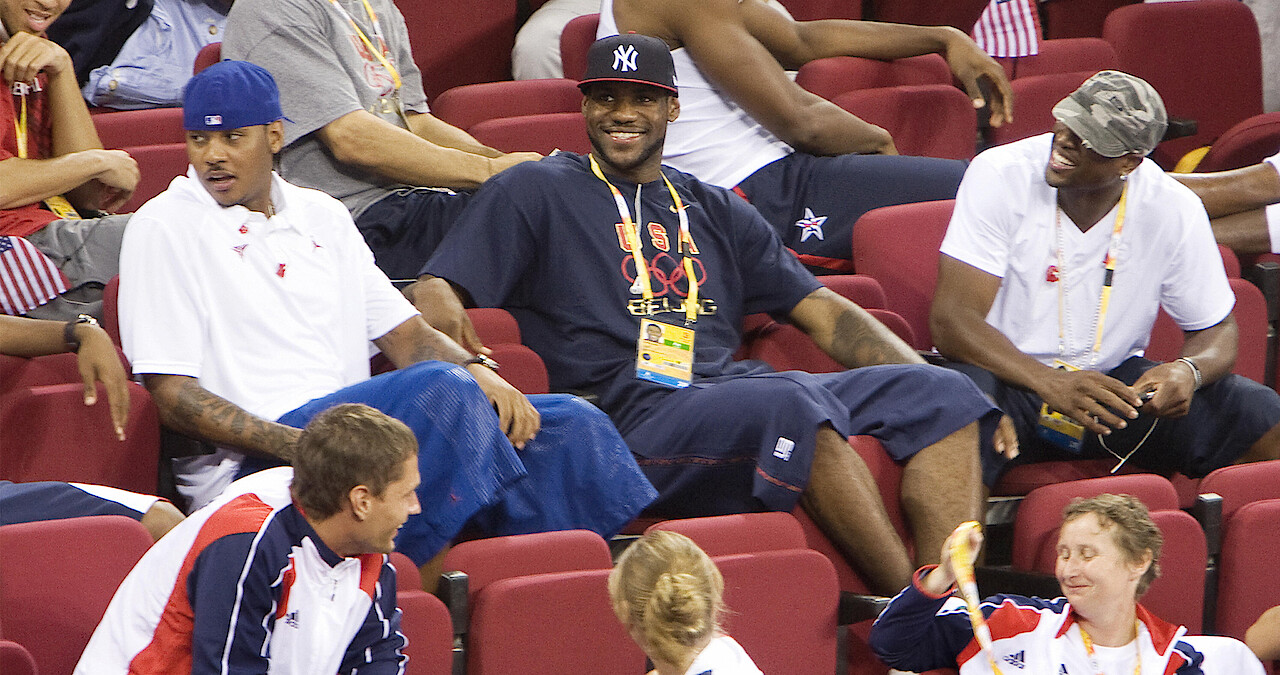
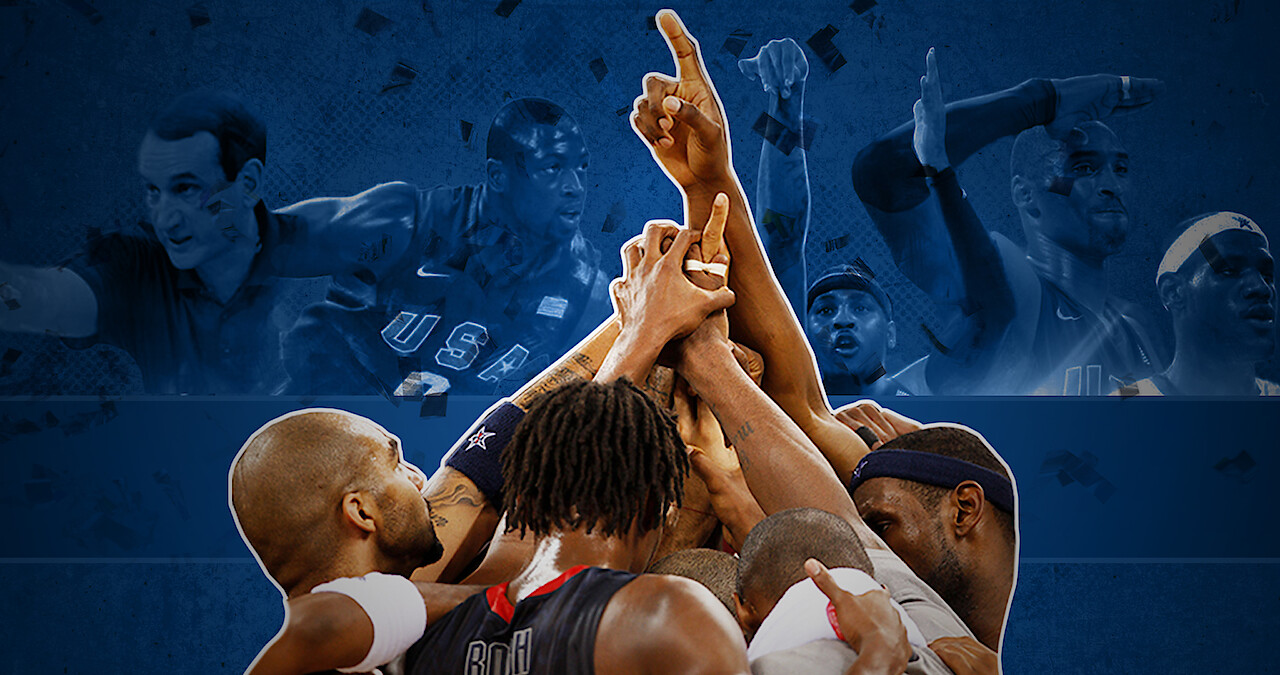
But the part that made this [story] attractive to me, not just as a sports story, but as a film, is that the main guys in the film — LeBron, Carmelo [Anthony], Dwyane Wade, Kobe, Coach K [Mike Krzyzewski] — all had different things they were trying to redeem in Beijing.
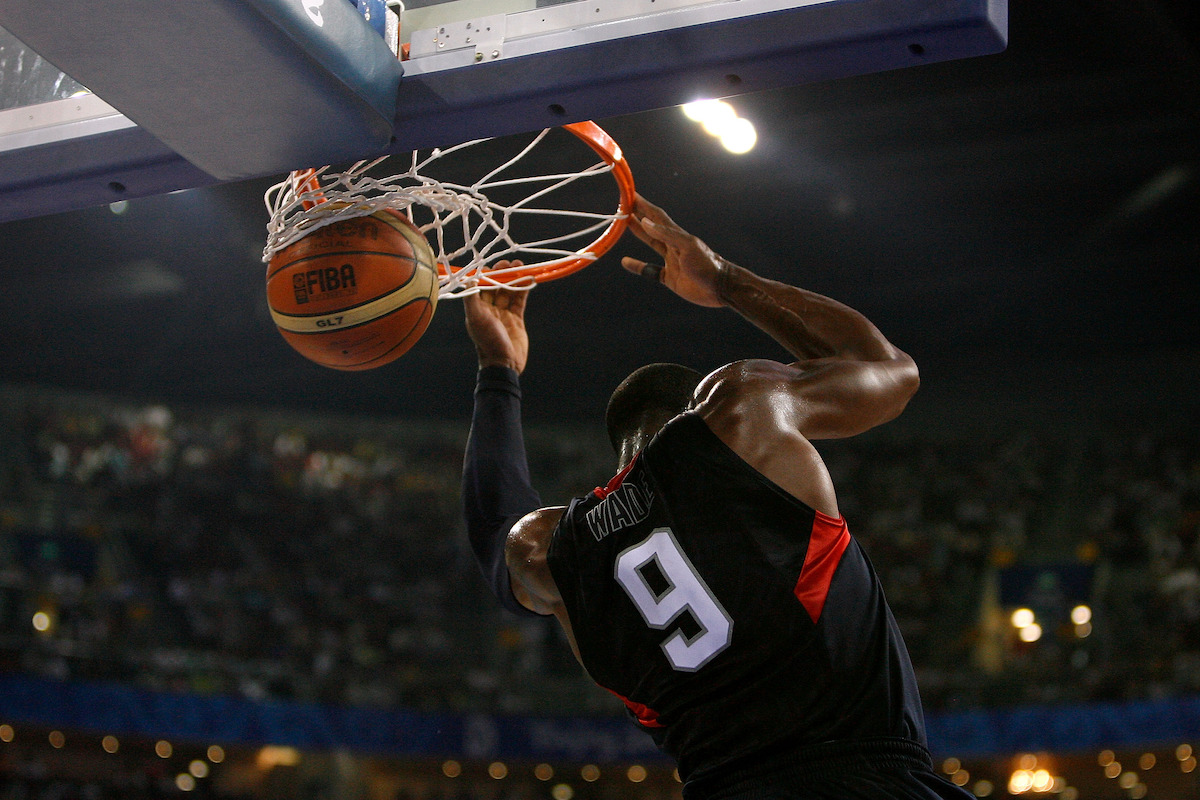
Harry How/Getty Images
The NBA is, in many ways, the ultimate destination for a basketball player. In the early aughts, playing for the national team at the Olympics had lost its appeal. How did the Redeem Team make Team USA an honor again?
Part of it is winning, and part of it was building a culture. I mean, it’s an overused term, but they built a culture that was, if you’re going to play and you’re going to wear these colors, it can’t just be something you do once. You’re going to be expected to play as a team. And you may play a slightly different role on Team USA than you do playing for your NBA team. A subtle basketball thing that Coach K realized was, like, “Wait a minute. My 12th player’s probably as good as anybody else in the world, or certainly could start. We should play everyone.”
So it was like, “Hey, you’re going to play for Team USA. You’re not going to be playing 40 minutes a game. You’re not going to necessarily have the ball the same way [you’re used to]. You’re not going to have the same usage rate on Team USA. And we’re going to play as a team, and play intensely.”
The American basketball identity [used to be] just like, “Oh, we’re just bigger, better and faster than you.” And then Coach K came and said, “Well, actually, let’s have something of a distinctive identity where we’re going to press the ball in half-court defense. We're going to be able to shoot three-pointers. We’re going to play at pace.” That helped create something that was attractive.
Who was your first interview?
We went to Dwyane Wade. We had breakfast. He’s like, “I'm in.” He was awesome, [and said]: “I can’t find this game. I can’t watch this game. I want to show it to my kids. They’ve never seen this game, that tournament.” We interviewed Dwyane Wade on the day the world ended in March [of 2020], that Friday, [March 13th].
You have such a strong memory of the game happening in real time. Was there anything that you knew you absolutely had to highlight?
One thing I knew I wanted to remind people of was why it was a redemption. It wasn’t just that they needed to win a gold medal. That wasn’t the only thing they were redeeming. We had to get the personal stories right, and we had to get the emotion of it so that it didn’t just become, “Well, they went to Beijing and they kicked everyone’s ass and they had a tight game.” This team, because of its personnel, because of how they won and because these guys had lost, really set this new paradigm for how an American basketball team can play on the international stage.”