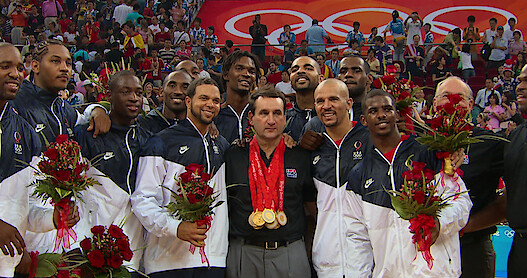
If you’re unfamiliar with the rules of the International Basketball Federation (FIBA) used in the Olympics and how they differ from the rules of the NBA, you’re not alone. Over the decades, many players in the US men’s basketball team didn’t have the firmest grasp, either — until a disappointing bronze-medal showing in the 2004 games and a shocking loss to Greece in the 2006 semifinals of the FIBA world championships made embracing the differences between international and NBA games critically important.
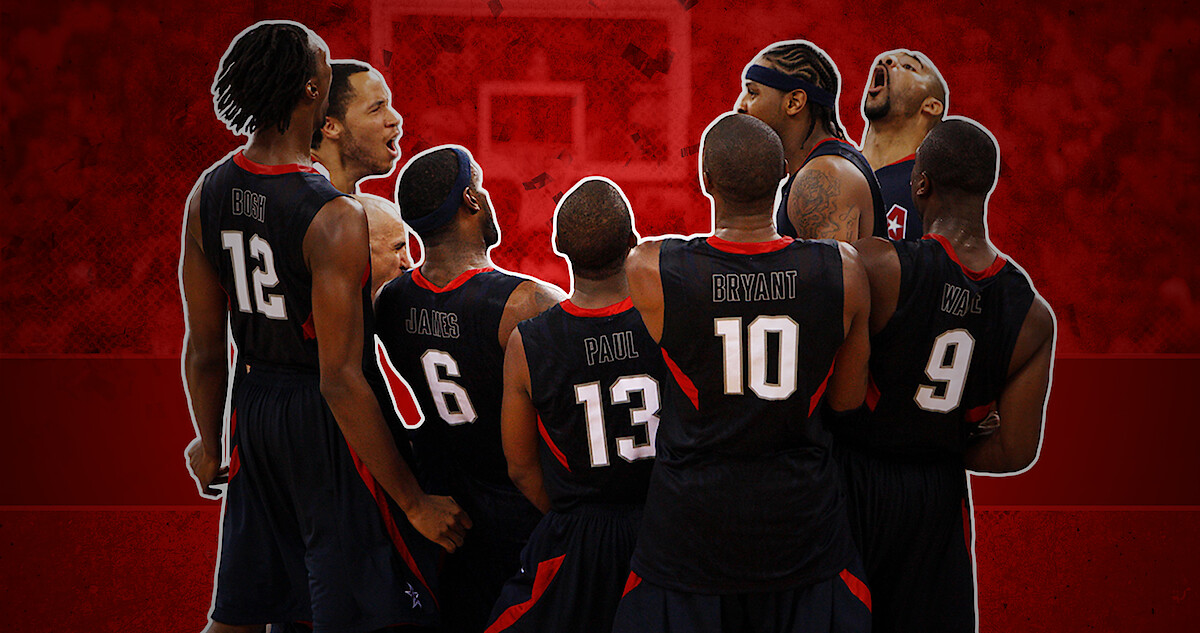
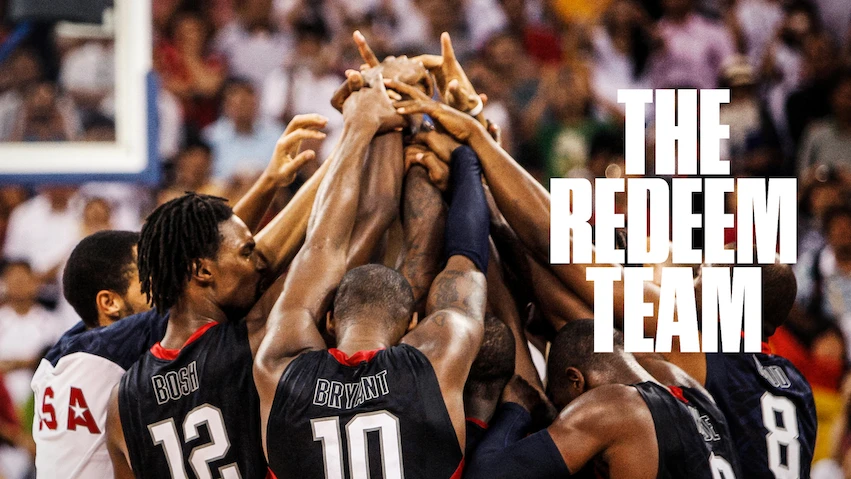
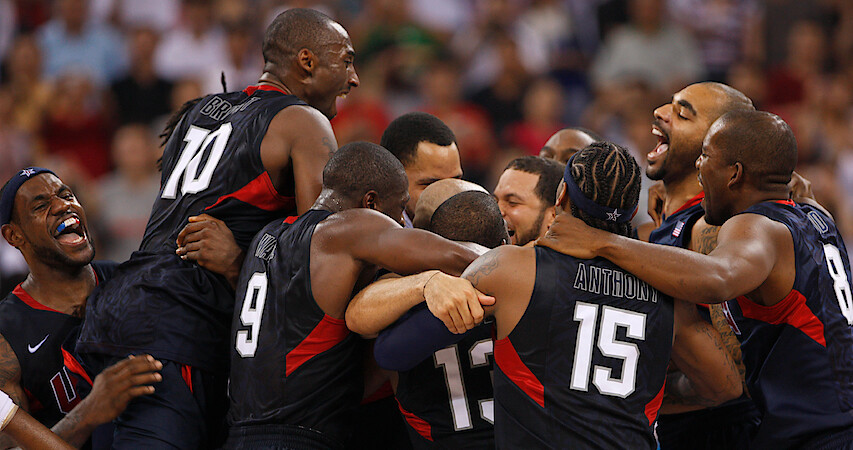
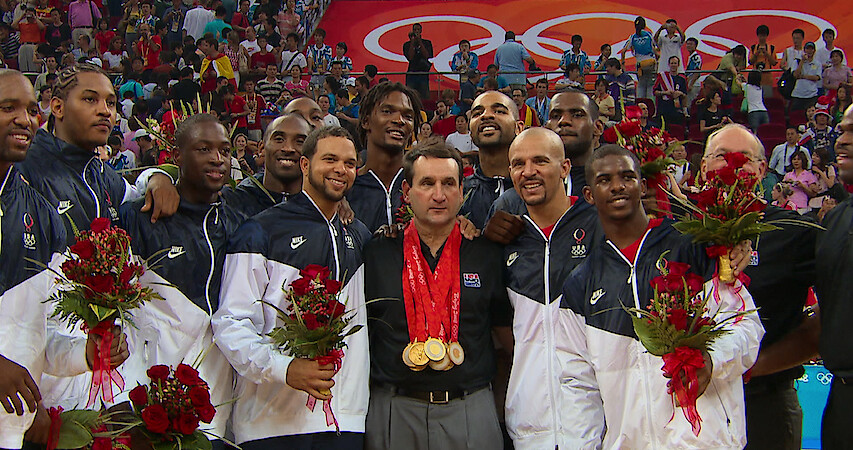
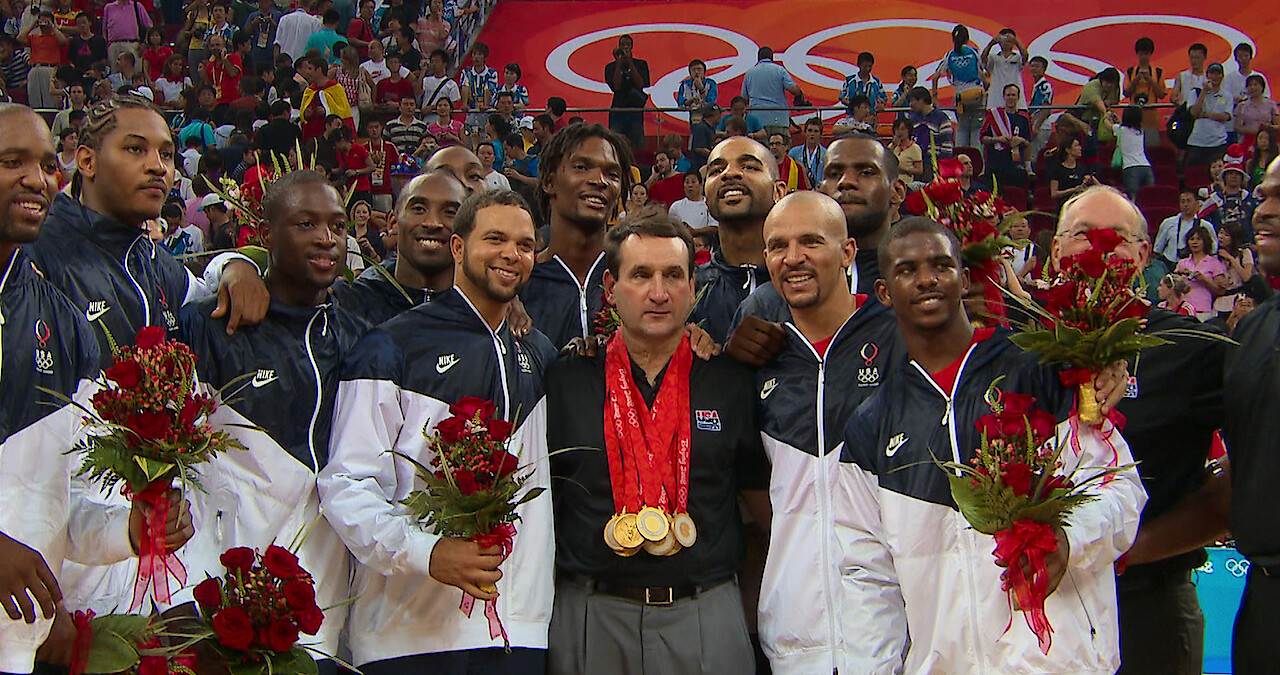
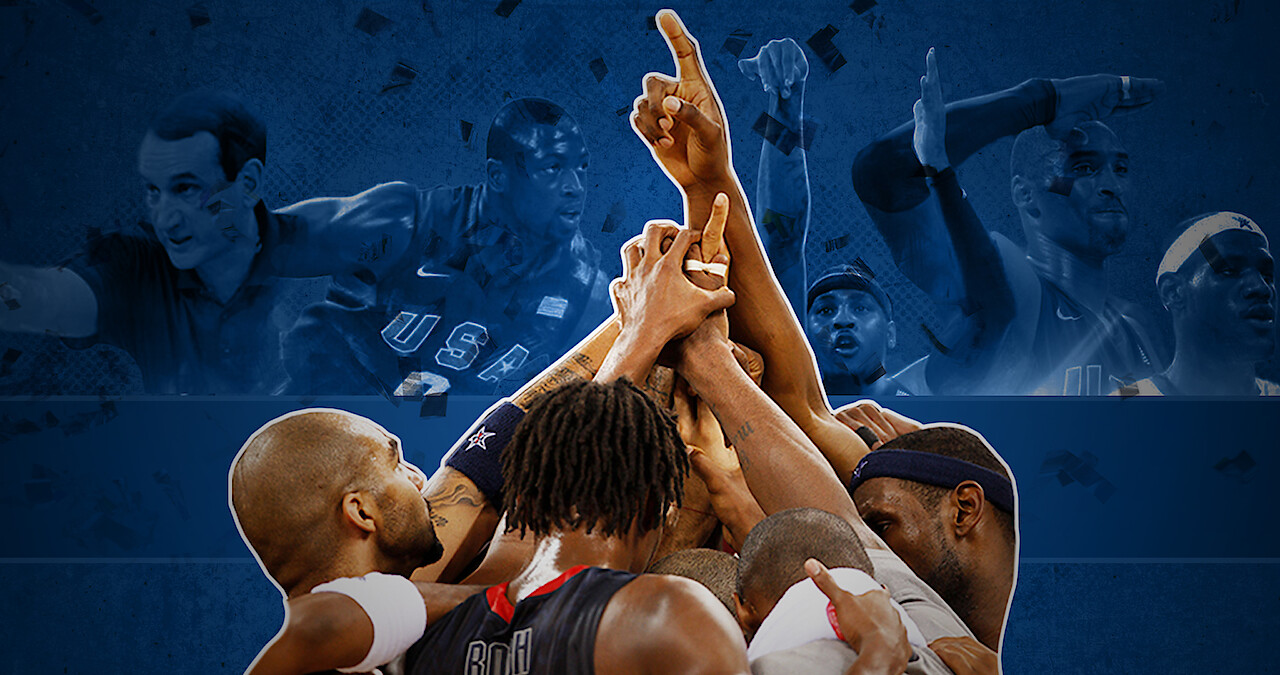
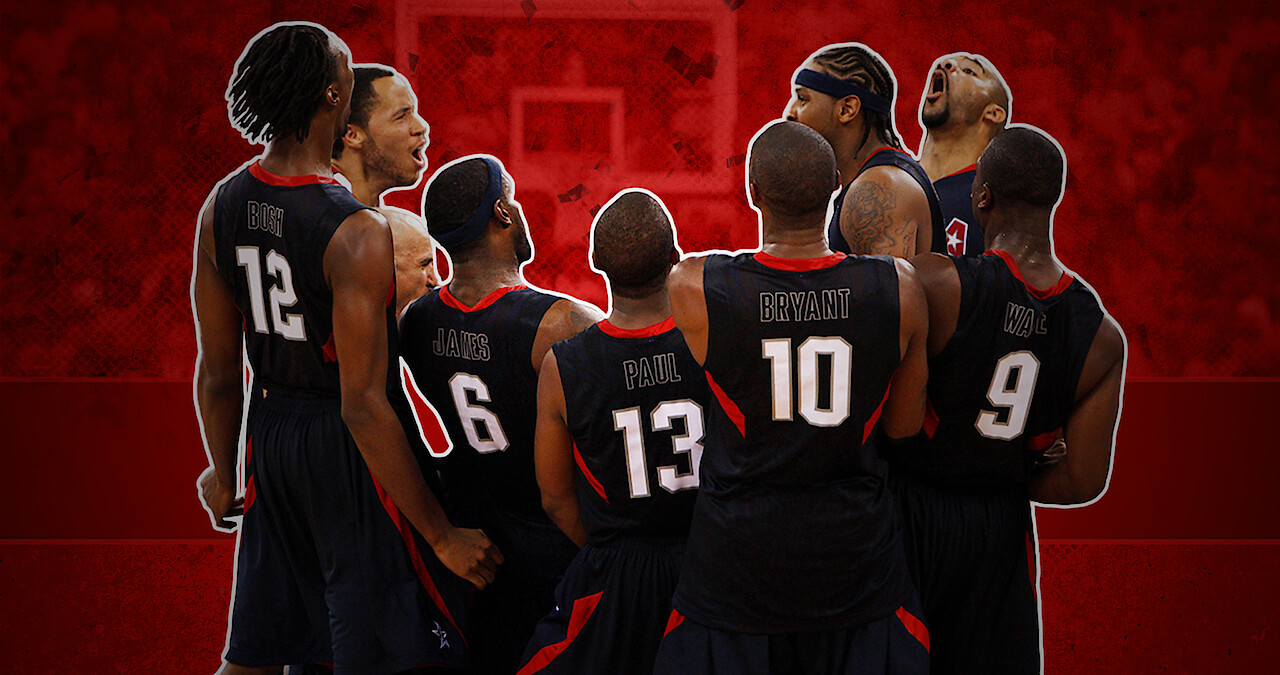
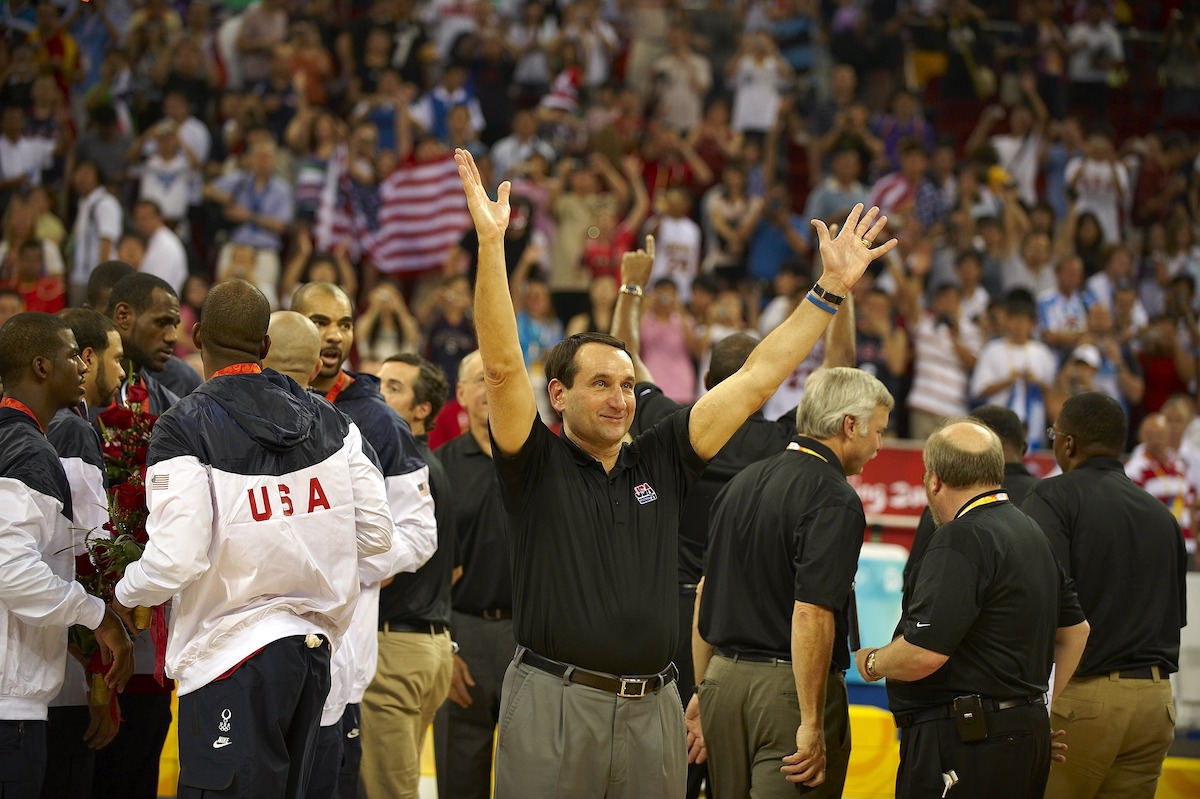
“We lost in ’06 because we thought we knew the landscape, and we didn’t,” says former US coach Mike Krzyzewski in the new documentary The Redeem Team, which focuses on the obstacles the 2008 squad overcame to win gold in Beijing.
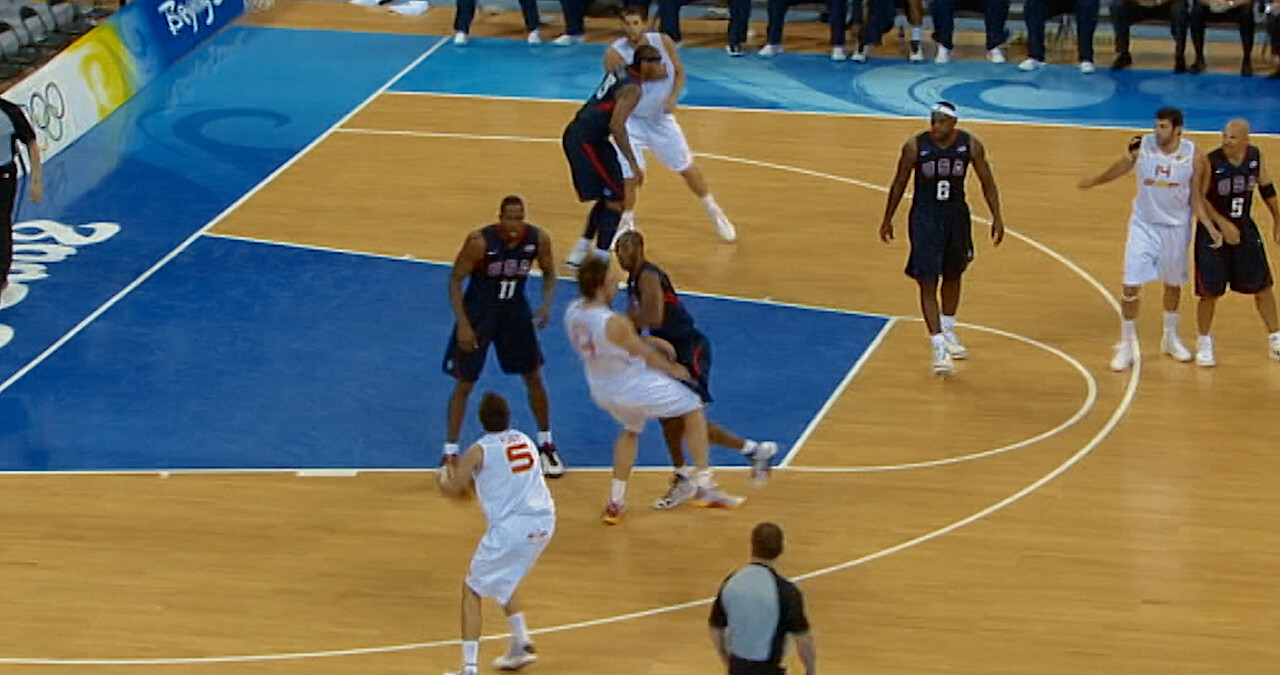
To start, imagine everything about an NBA game just a tad condensed: the clock is shorter, the court is narrower, the 3-point line is closer. The fouls are different. Goaltending, as we know it, and the defensive 3-second rule don’t apply. Europeans also tend to wear their hair longer!
Just one of these changes would be enough to throw off a group of pros. For the Redeem Team to live up to its namesake and reclaim what was lost in 2004, Krzyzewski understood how important it was not just to welcome FIBA rules but to embody them.
Here’s a short list of what the team was dealing with when it came to rule differences:
A whole different ball
The disparity is technically minor: A FIBA ball has 12 panels, while a regulation NBA ball has eight. The two are the same overall size with a 29.5-inch circumference. But after the 2006 loss to Greece, American fans and journalists were convinced the international ball was smaller.
The lane is open
During free throws in the NBA, the basket doesn’t count if a player steps into the lane before the basket is made. But FIBA rules allow players to walk through while someone is shooting. The time a player is given to shoot is also different. In the NBA, players have 10 seconds to take their free throws — a fact that’s lodged into the minds of all viewers and fans who watched Giannis Antetokounmpo’s 2021 postseason. In FIBA, players only have five seconds.
In both the NBA and internationally, free throws play a major role in close games. You can imagine the confusion that comes with a player’s time being cut in half, and bodies wandering into zones where they’re usually not allowed.
While we’re on the subject of freedom in the lane: There’s also no defensive 3-second rule in the international game.
Bob Rosato /Sports Illustrated via Getty Images
Basket interference
If you’ve yelled, “Goaltending, ref!” at the TV during an international game, you may be entitled to financial compensation. This rule is the most jarring to American viewers and, as Dwyane Wade’s expression indicates as he’s talking about the subject in the documentary, it was confusing to players as well.
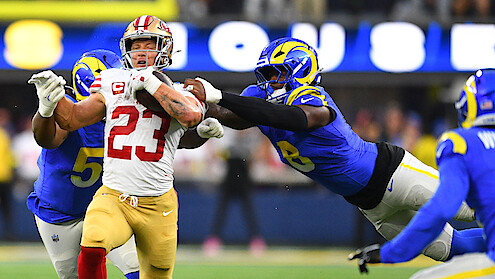
In the NBA, the ball can’t be touched so long as it’s above and within the “imaginary cylinder” of the rim. If a player tries to engage, he’ll hear the whistle and see the official’s right arm fly upward to signal interference. FIBA rules are quite different. The ball is fair play once it hits the rim, meaning players are free to tip it in or swat it away.
It’s hard to change something that’s become instinct, and you can see that when watching Americans play international ball. If a player isn’t totally comfortable, there’s a hesitancy that follows in that split-second after the ball has touched the rim. Coach K was determined not to lose any size or height advantage due to any indecisiveness. Even a slight delay could mean missing out on a possession.
The number of fouls
There are differences between the NBA and FIBA in what constitutes a foul, but one rule that stands out is what gets a player removed. In the NBA, a player is allowed six fouls before he’s ejected from the game. In FIBA, a player is only permitted five. This changes time management for coaches and makes getting too many fouls too early a more pressing issue. Although, to that point…
The game is shorter
FIBA quarters last 10 minutes compared to the NBA’s 12. The game’s duration is just 40 minutes.
It’s a smaller court
The overall FIBA court is smaller, measuring 91 feet–10 inches by 49 feet–2.5 inches compared to the NBA’s 94 feet by 50 feet. But the main challenge is with the 3-point line. In the past, Coach K has called the international game “not so much a paint game,” or a fight fought below and around the basket, but a “lot of 3-point shots.” (Validation of that opinion can be found in the origin story of the Redeem Team: In its 2004 Olympics semifinal match for a chance at the gold, Team USA badly lost the 3-point battle.)
When Krzyzewski took over in 2005, the NBA was certainly not as consumed by the 3-point game as it is today. He faced two challenges: First, to integrate more outside shooting to keep up with the play style of other countries and, second, to adjust to that outside shooting coming from an unfamiliar place. At the Olympics, the 3-point line is slightly closer. (The NBA’s exact measurements are 23 feet–9 inches at the top of the arc and 22 feet at the corner, while FIBA measures 22 feet–1.75 inches at the top of the arc and 21 feet–7.75 inches at the corner.) It appears like a minor difference but outside shooting is a precise art, and players can feel every millimeter.