Burning Questions
The Redeem Team vs. the Dream Team
The new basketball documentary begs an eternal (and impossible) question: Who would win in a match-up?
By Haley O’Shaughnessy
Oct. 7, 2022
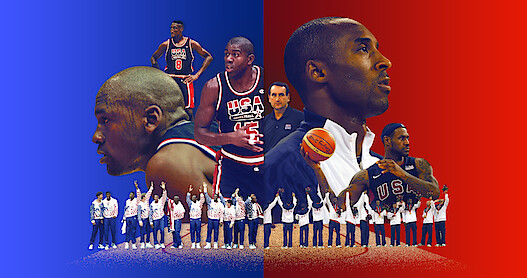
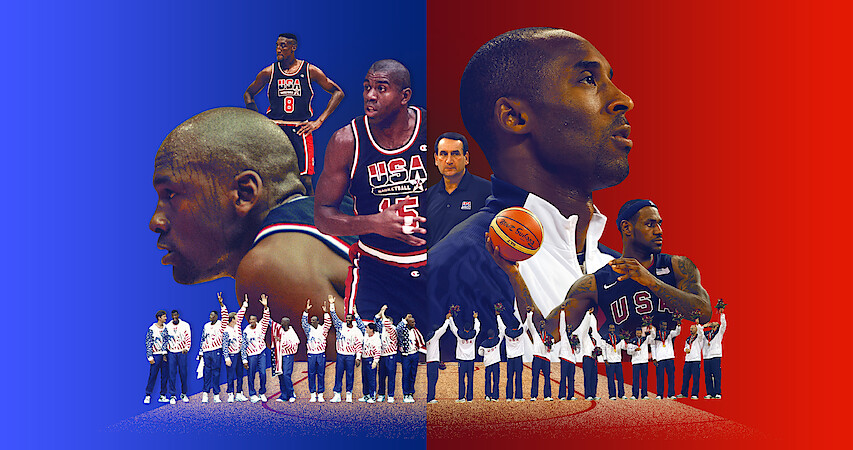
If there’s one thing that sports fans will continue to do, it’s to debate which basketball team was the best in history. Will we ever reach consensus? No. Do we still need to break down the intricacies of who would win if there could be a contest between the 2008 US Olympics squad affectionately called the Redeem Team and their 1992 predecessors, the Dream Team? Please take a seat.
Granted, Redeem Team point guard Chris Paul might be a little biased, but he’s already been thinking it through: “Redeem Team over the Dream Team, for sure,” he said in a cutting-room-floor clip from the documentary, The Redeem Team. “You got to realize, like me, [Dwyane] Wade came off the bench. Like we was coming with a clip. So yeah, I'm taking us.”
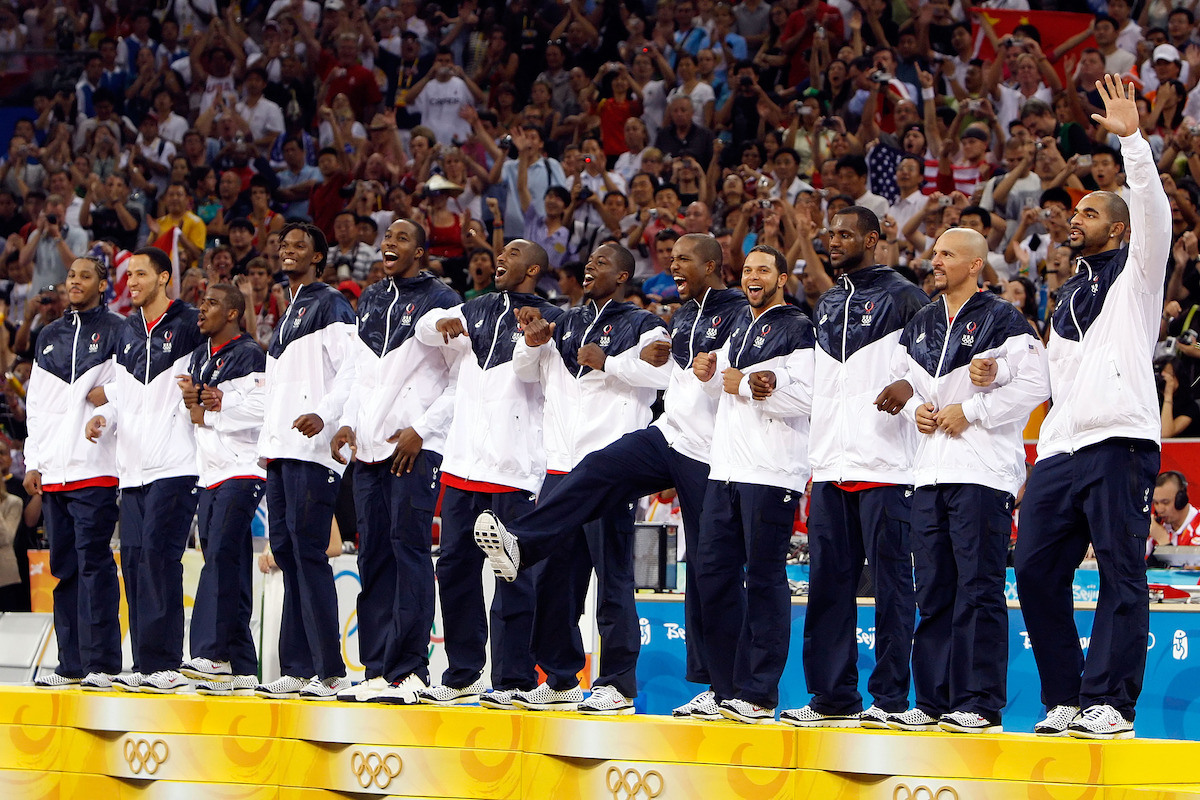
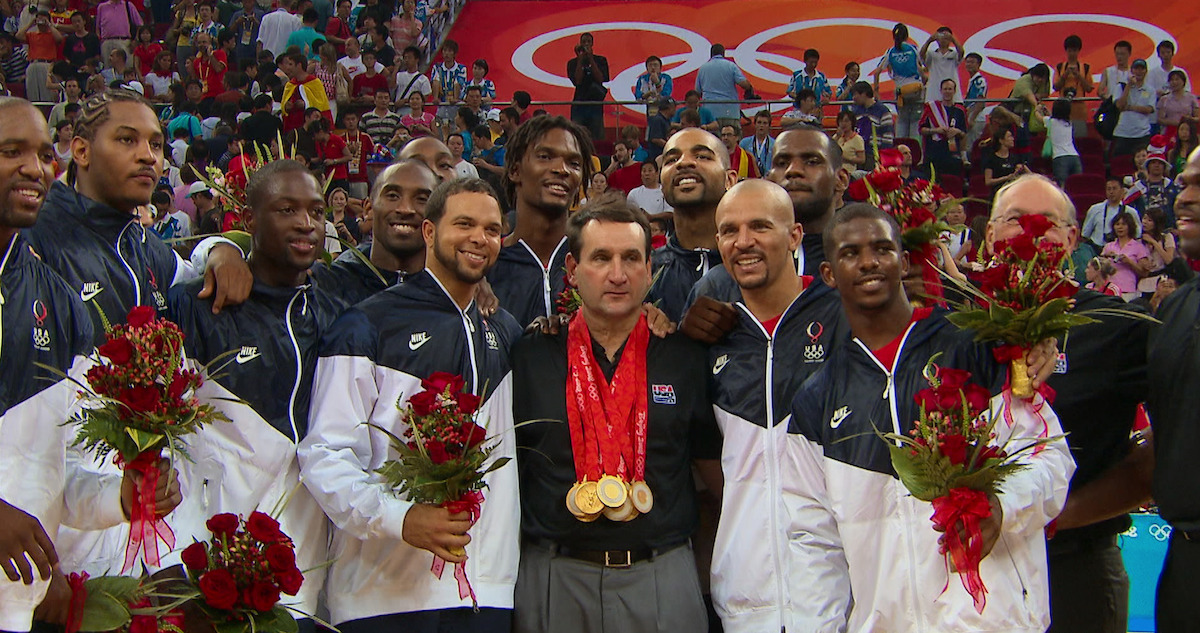
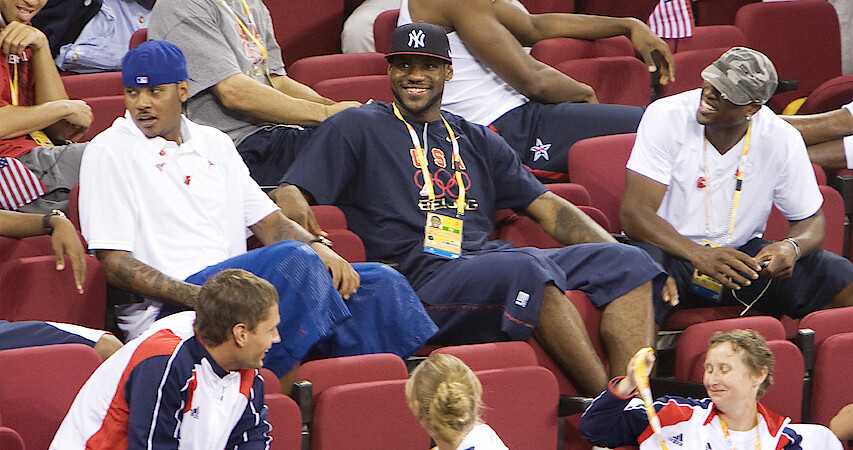
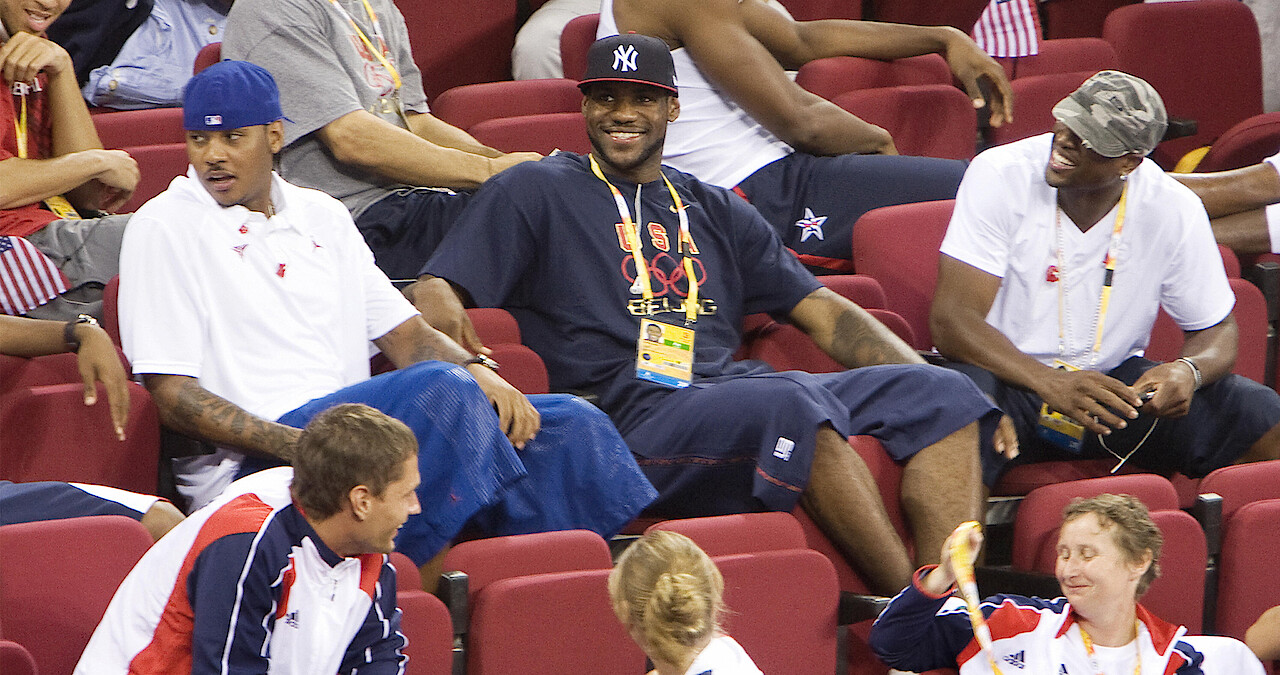
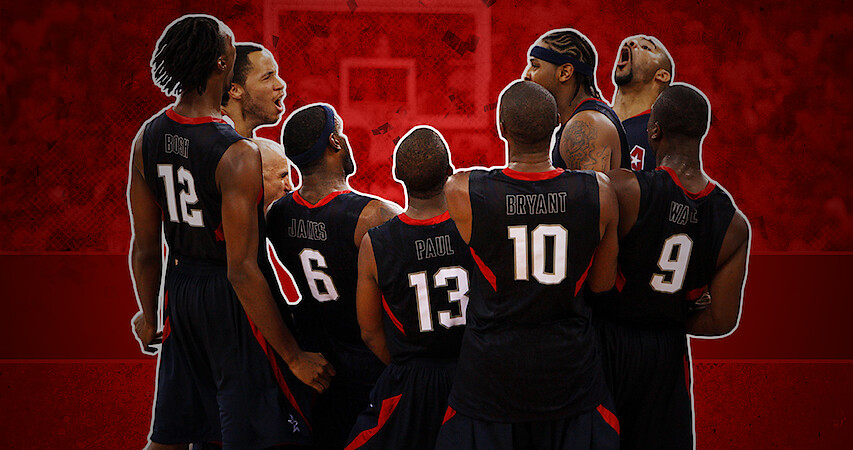
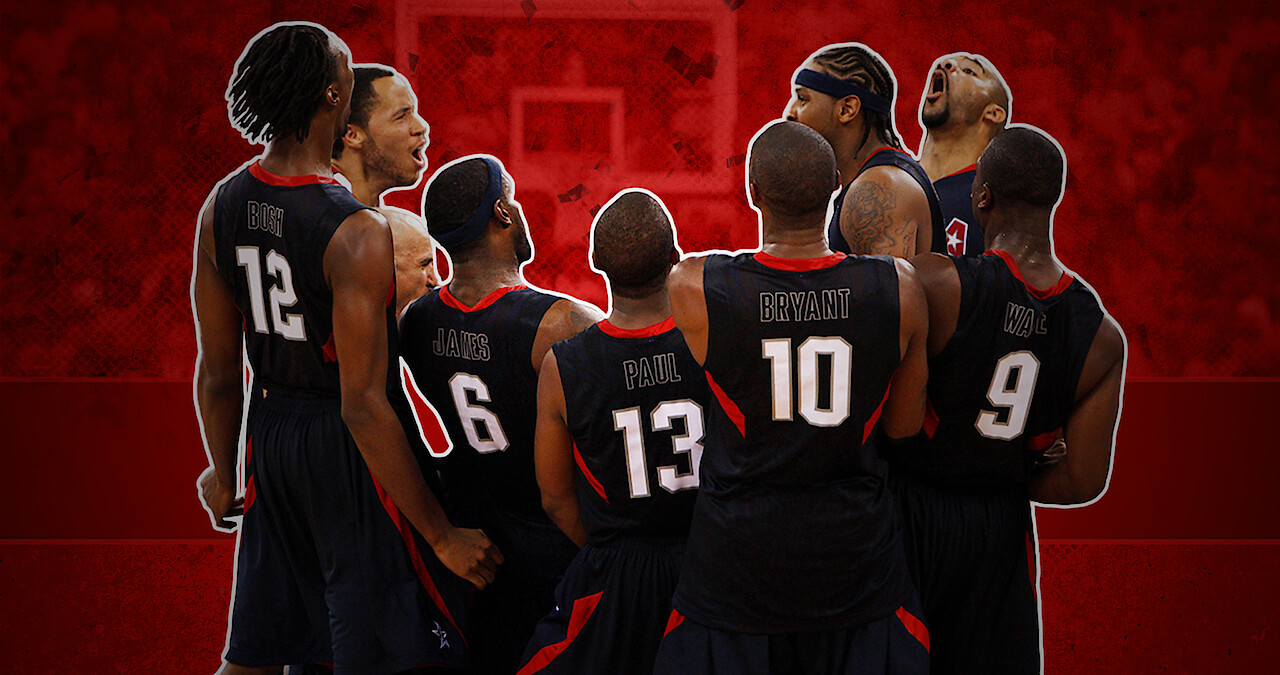
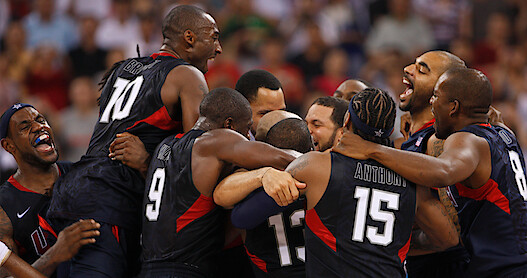
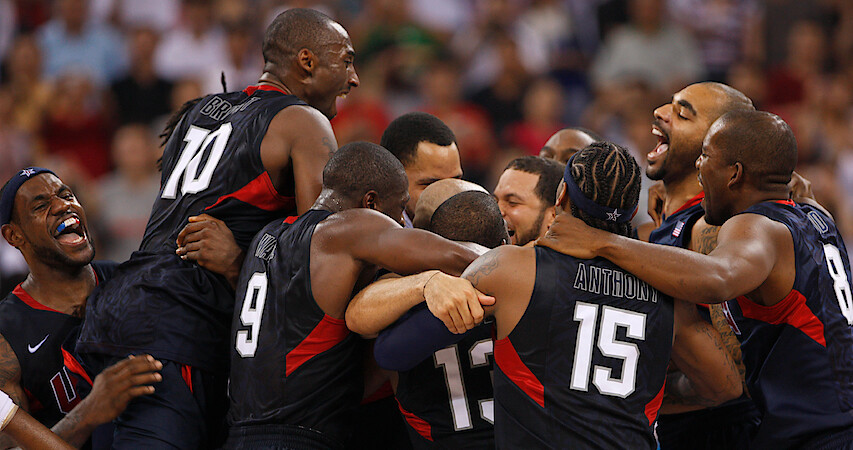
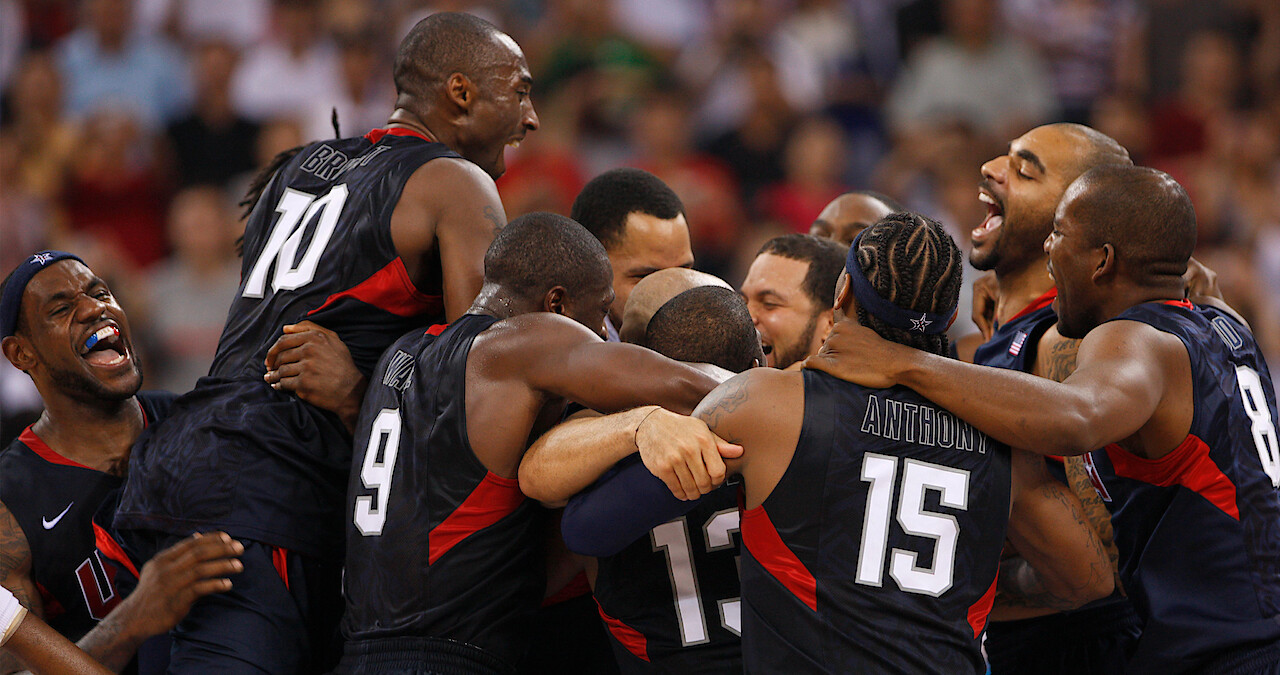
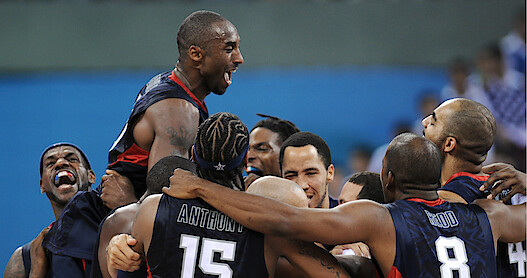
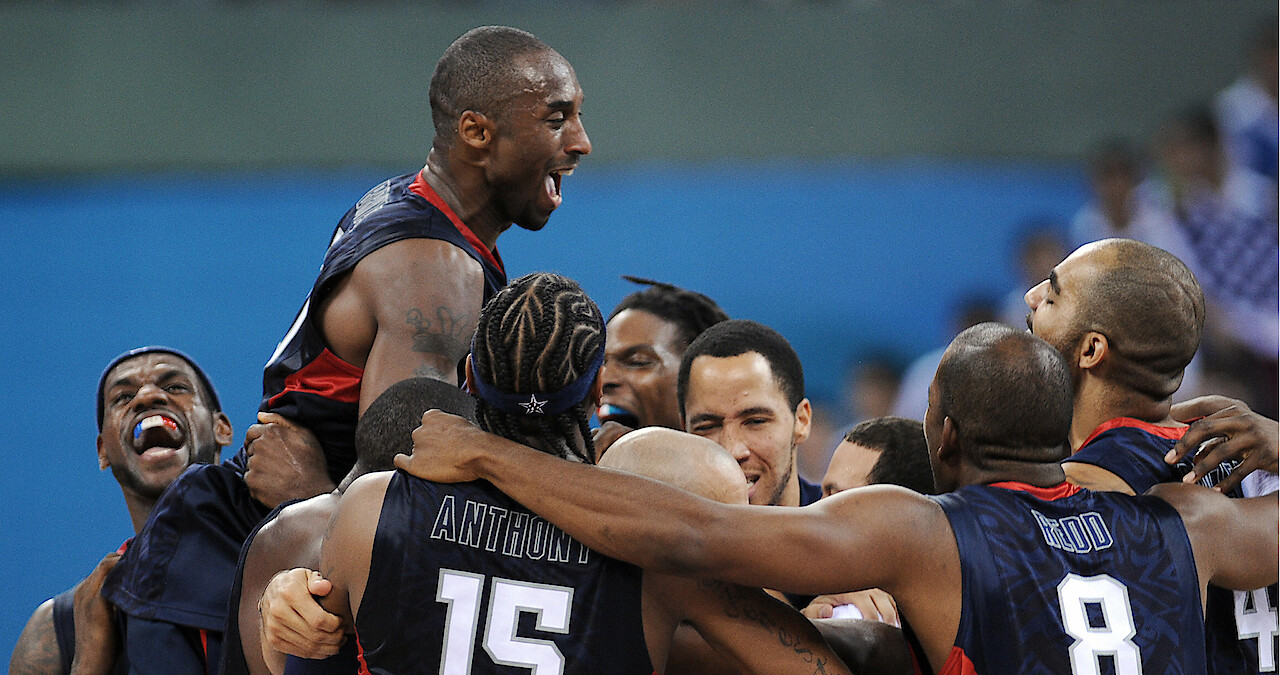
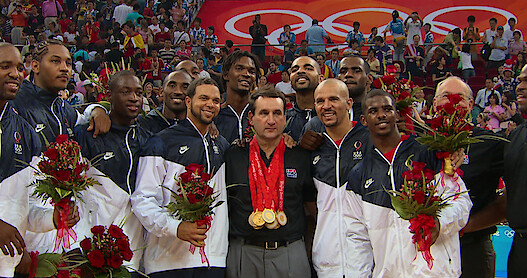
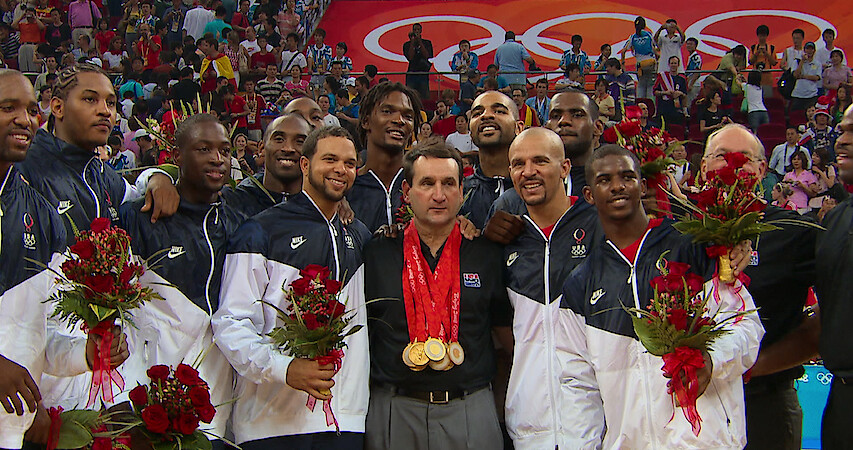
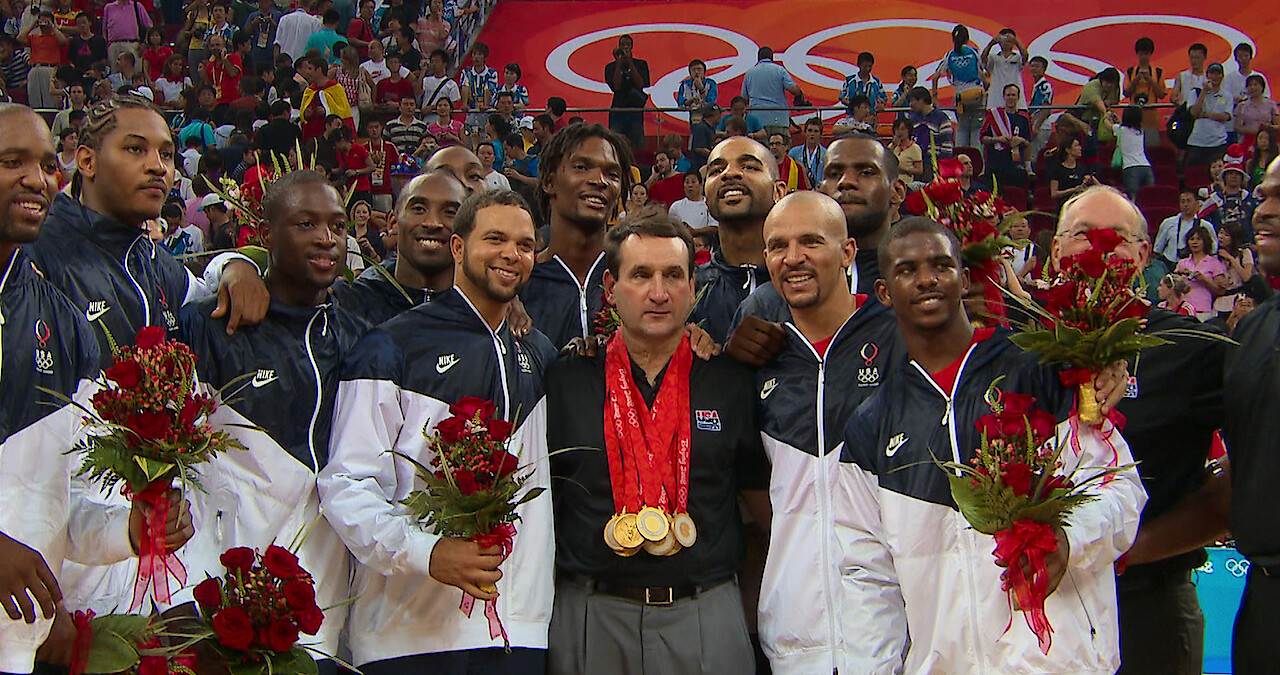
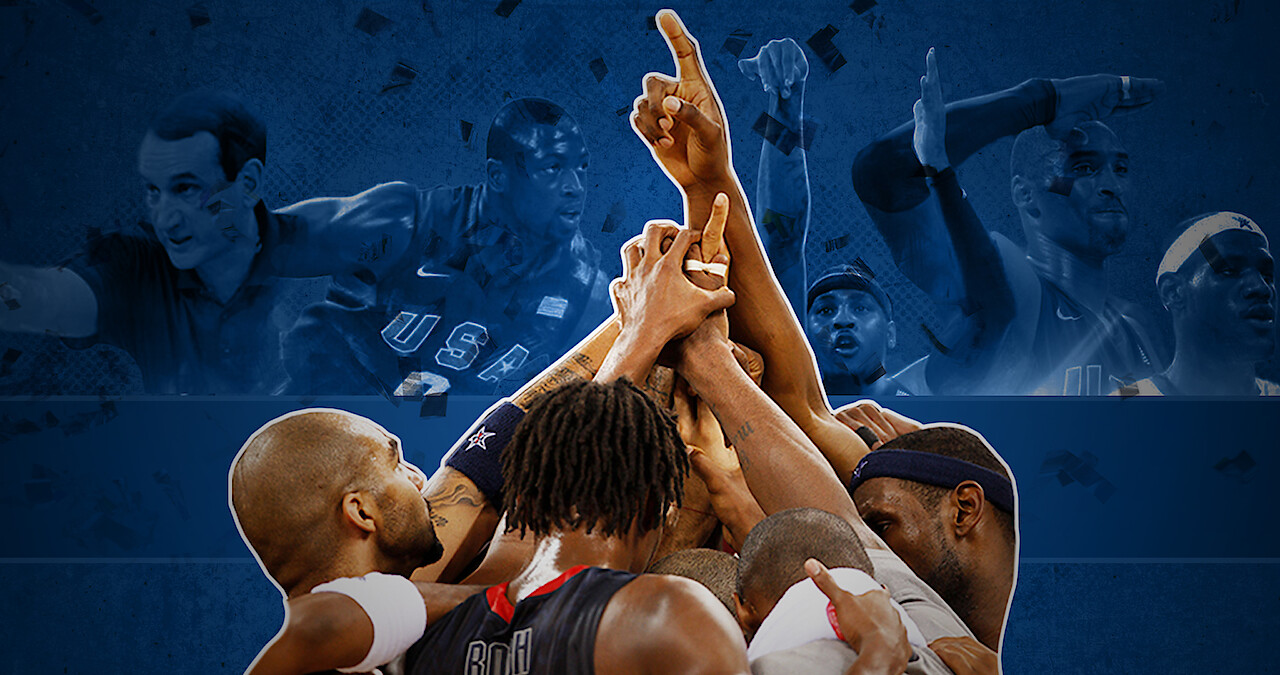
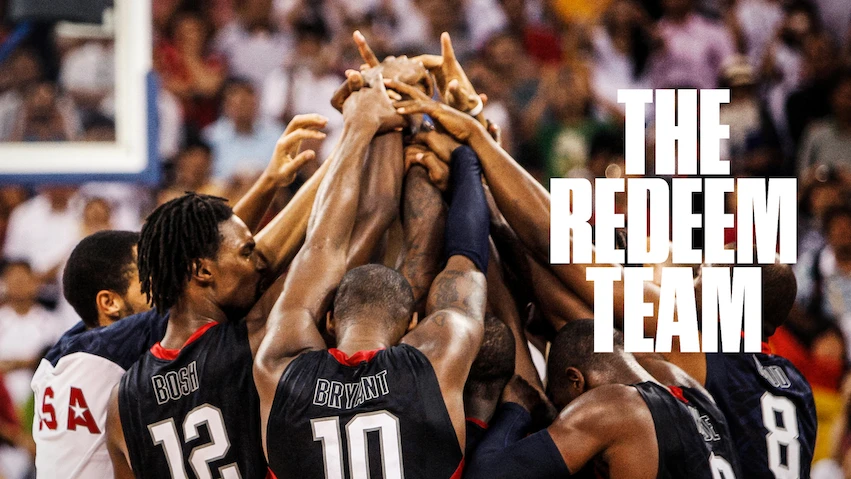
The mission of the Redeem Team was right there in the name. Assemble a court-shattering roster with enough heart, buy-in and starpower to return Team USA to glory in the 2008 Beijing Olympics. The young players — LeBron James, Dwyane Wade, Carmelo Anthony, Chris Bosh and Chris Paul, among others — accepted the challenge and committed themselves to US basketball.
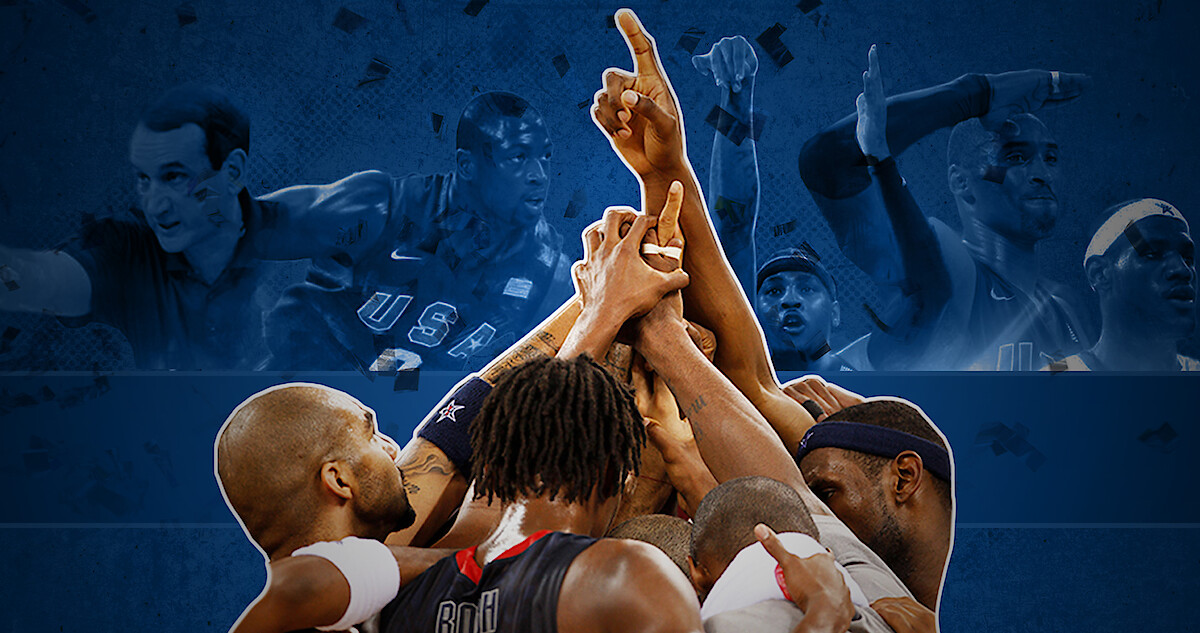
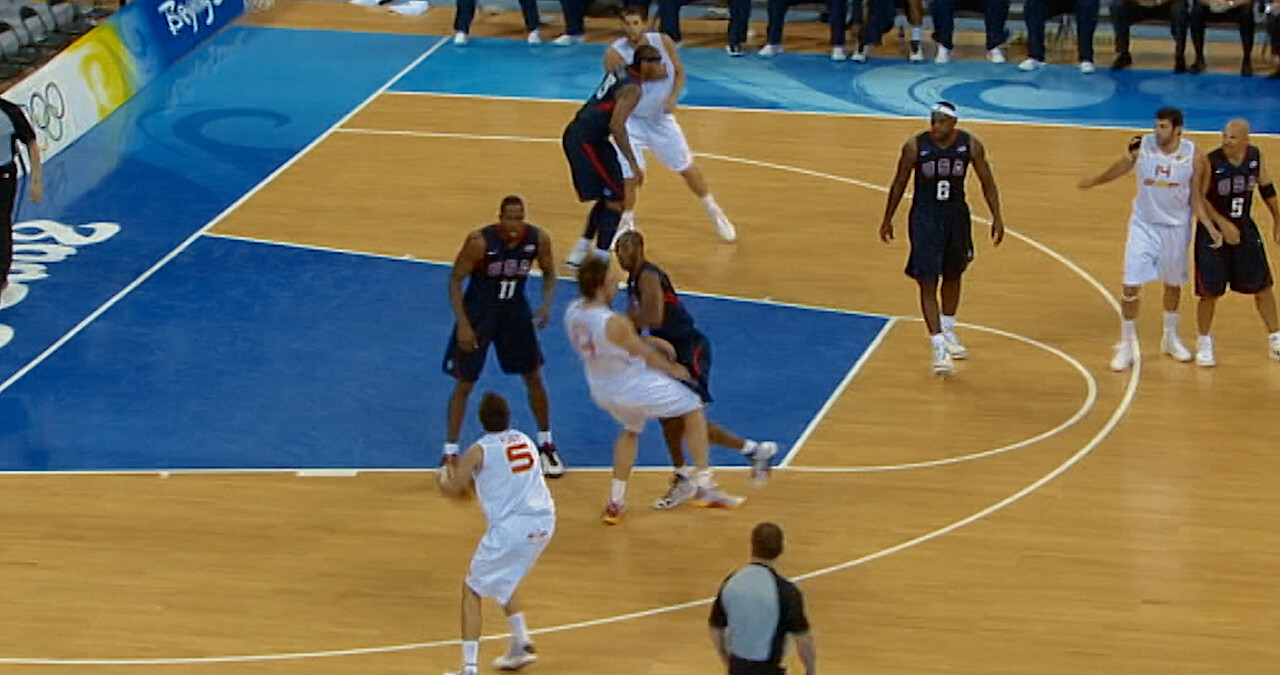
With then–Duke University coach Mike Krzyzewski guiding them, the team adopted a new approach around what they were playing for (their country, for one; Coach K is a West Point grad who instilled a level of patriotism among the players) and how they played for it (by focusing on international rules and international play–style, for starters). It was no small task getting that many personalities to move as one, and the result was a gold medal at the 2008 Olympics — and redemption. But to really understand that 2008 team, you first need to know the original team that set the standard.
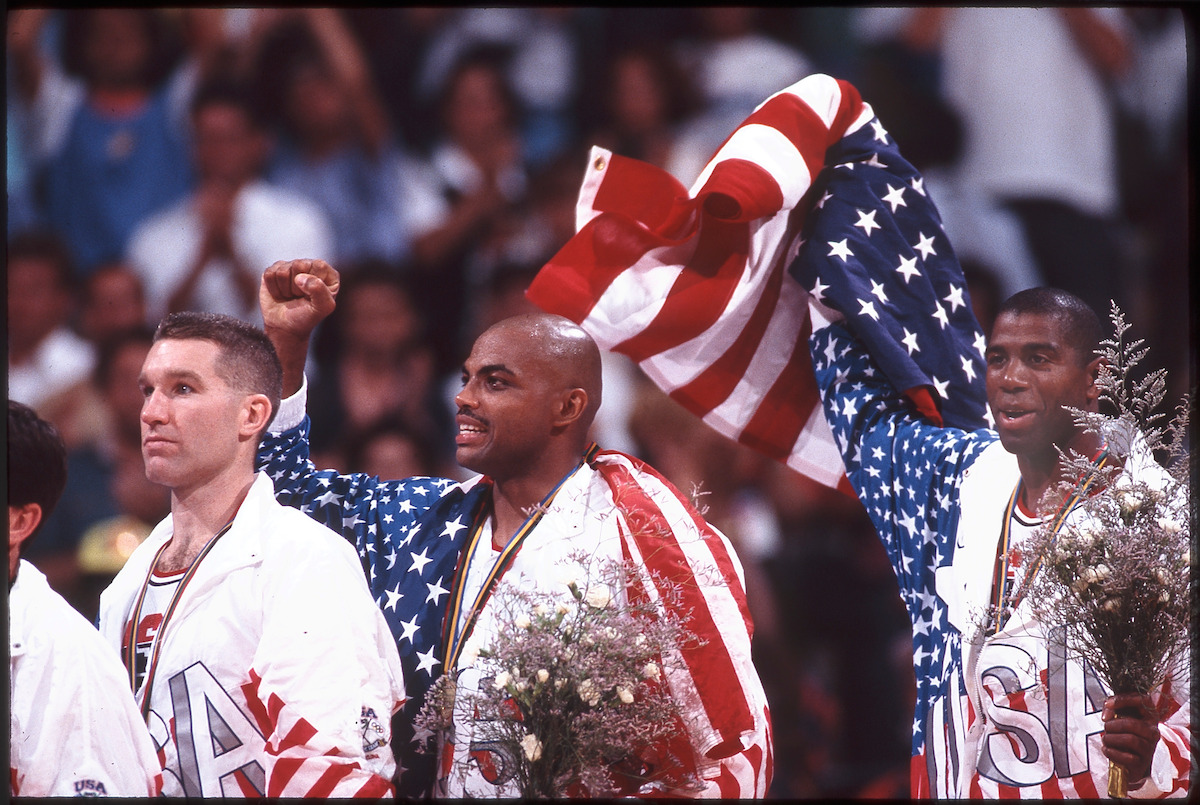
The Dream Team represented a new era in Olympic basketball. Before the 1992 Olympics, no NBA players were allowed to compete for Team USA. However, this was not the case for other countries — players from their respective professional leagues were permitted. After 1986, the only pro league whose players were prohibited from competing in International Basketball Federation (FIBA) tournaments was the NBA. The old rule symbolizes how advanced the US has always been in basketball compared to its global counterparts.
With newfound freedom in roster selection, the US committee was now charged with the task of recruiting. Could they convince NBA players that representing the United States in the Olympics was worth being away in the off-season, dedicating their only downtime to a separate team with separate goals? They eventually succeeded, building what many called and still call the greatest basketball team to ever play the game.
Just one name carried over to the 1992 roster from the previous Olympics, when the US lost to the Soviet Union: David “The Admiral” Robinson, who had been drafted in 1987 by the San Antonio Spurs, but maintained amateur status until 1989 because he had deferred his first two years in the league to serve in the US Navy. Robinson and nearly all the rest of the roster are all-time legends: Michael Jordan, Charles Barkley, Larry Bird, Magic Johnson, Clyde Drexler, Patrick Ewing, Karl Malone, Chris Mullin, Scottie Pippen and John Stockton. (Ewing, Mullin and Jordan had played together in the 1984 Olympics when none of them were yet NBA players.)
Team USA dominated, winning by an average of 43.8 points per game. Against Angola in the opening game, the US went on a 46–1 run. (That lone point for Angola came from a free throw after Charles Barkley elbowed Angola’s Herlander Coimbra in the chest. Coimbra would later say that the Dream Team were on another level: “A galaxy far, far away.”) Starstruck opponents would even ask for their pictures with Johnson or Jordan.
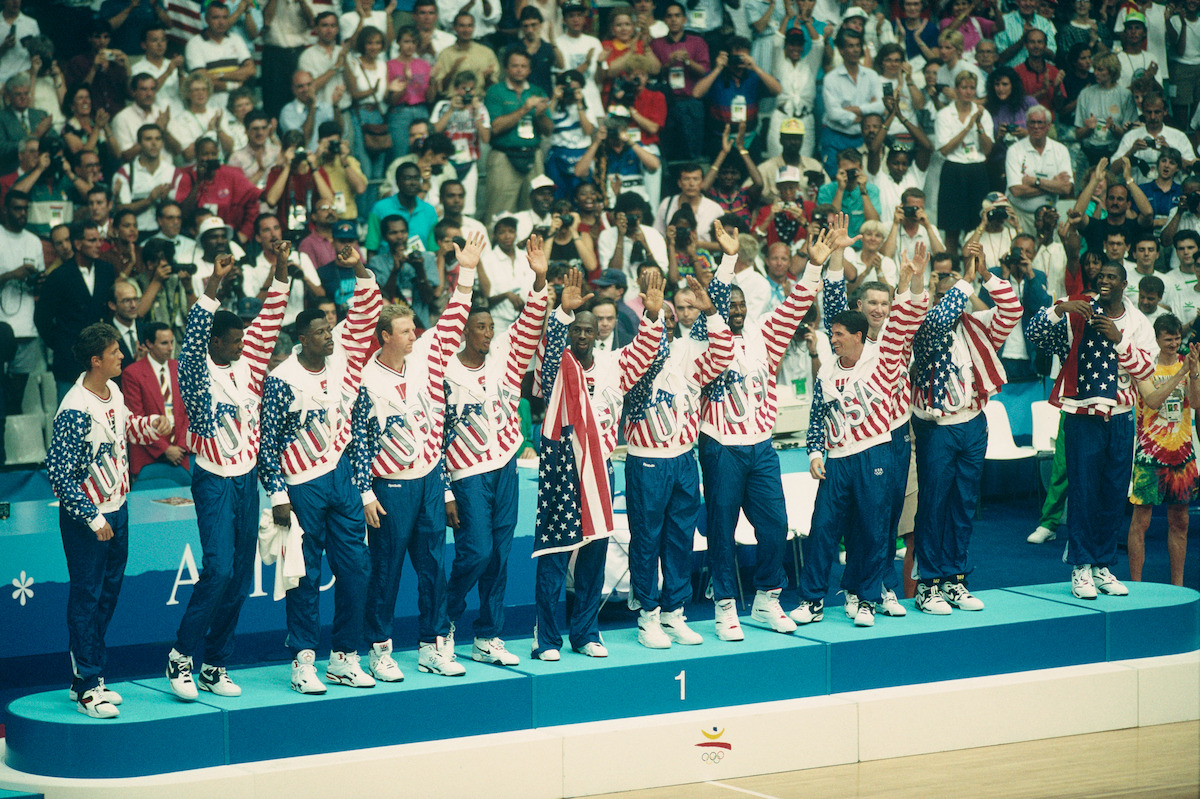
The Dream Team’s legendary status is the reason there was a precedent to redeem in 2008. Both squads were historically dominant and decorated with all-time greats, which brings us to the question as impossible to stop thinking about as it is to answer: Who would’ve won had the Dream Team faced off against the Redeem Team?
Members of the 1992 roster have responded nonchalantly to the question. In 2012, Larry Bird joked, “They probably could [beat us]. I haven't played in 20 years and we're all old now." Barkley said on Philadelphia sports radio, “Other than Kobe, LeBron and Kevin Durant,” — who wasn’t on the 2008 team, but was with Team USA in 2012 — “I don’t think anybody else on that team makes our team. That’s no disrespect. I ain’t got to bad-mouth them. But like I said, their point guards weren’t going to beat us. That’s a no-brainer.” (Five mainstays from the 2008 team — Kobe Bryant, LeBron, Paul, Anthony, and Deron Williams — were also on the 2012 team, which was still being referred to as the Redeem Team.)
Carmelo Anthony argues that his 2008 team’s youth is precisely what would give them the advantage. “We would have got the edge,” he said in another clip that didn’t make the film. “And I say that because we would have been playing close to today's game, not [the] 1992 game. We're faster, more athletic today. [...] We was all in our young 20s. They was 30, 34.”
Anthony is correct that there’s an inherent advantage in the 2008 team’s intimate familiarity with how the game is played today. But the Dream Team members weren’t necessarily the dinosaurs he’s making them out to be: Of the five players who totaled the most minutes on the court during the 1992 Olympics, only Clyde Drexler was 30. Jordan and Barkley were 29; Mullin’s 29th birthday came during the tournament; Pippen, born in September, was still 26. (Anthony perhaps has a point when it comes to Bird, who played the sixth-most minutes: He was 35 years old at the time and had a bad back.)
“I guess we'll never know,” Jordan told the Associated Press in 2012. “I'd like to think that we had 11 Hall of Famers on that [1992] team, and whenever they get 11 Hall of Famers, you call and ask me who had the better [...] team. Remember now, they learned from us. We didn't learn from them.”