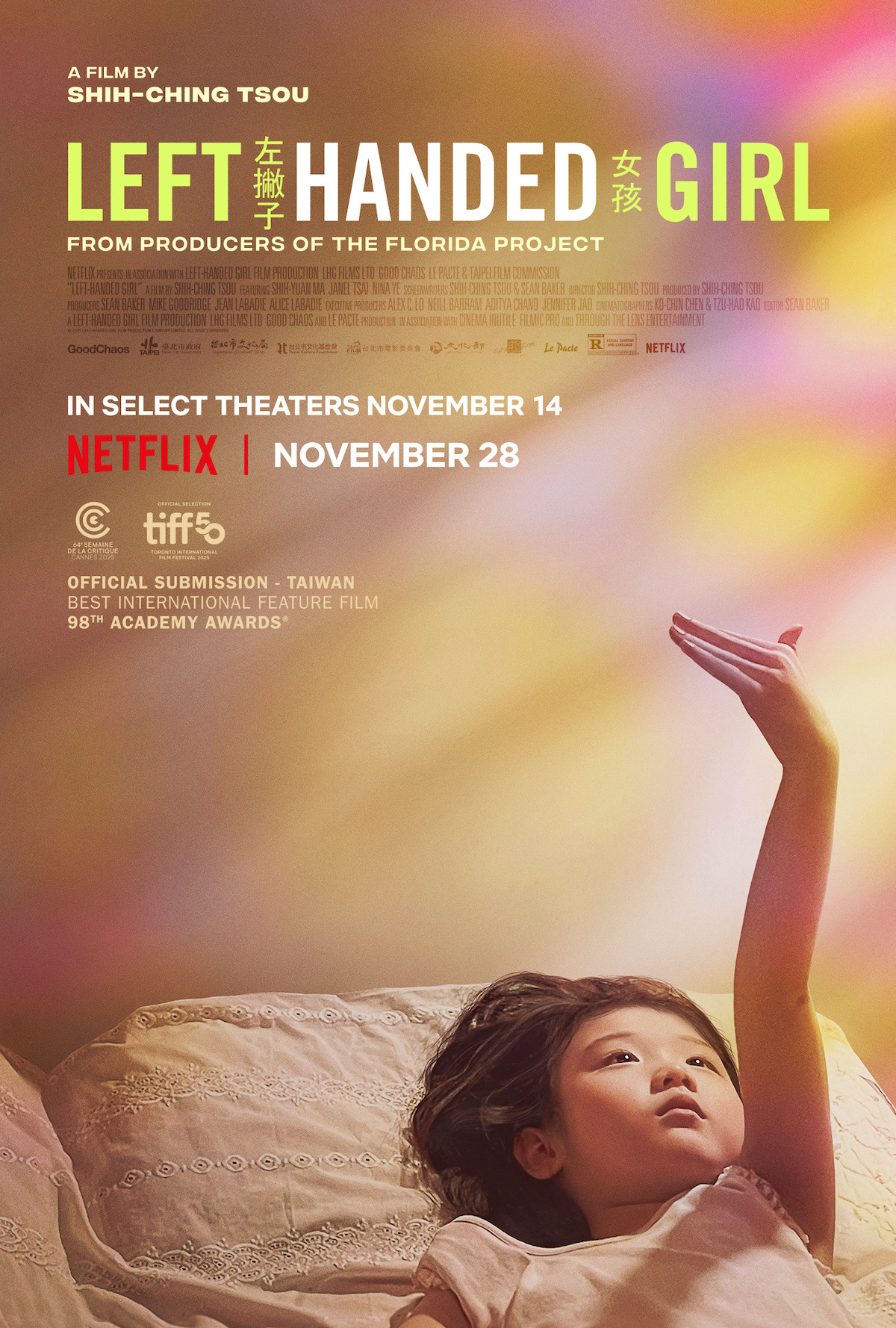
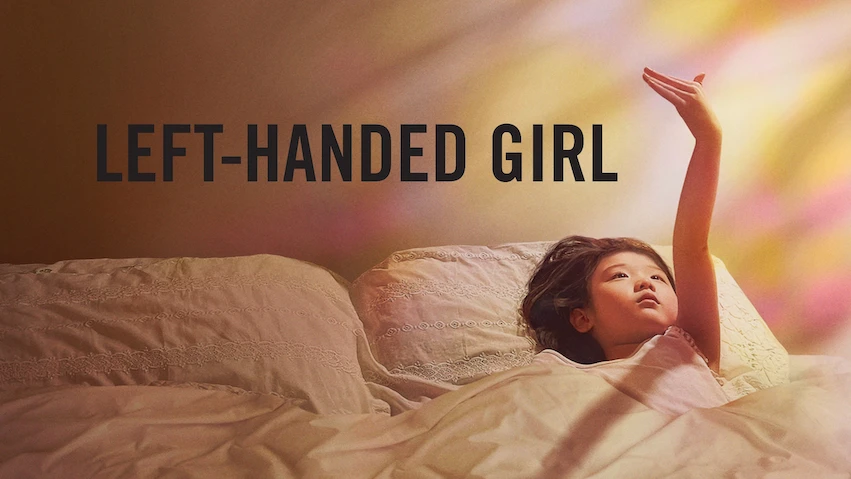
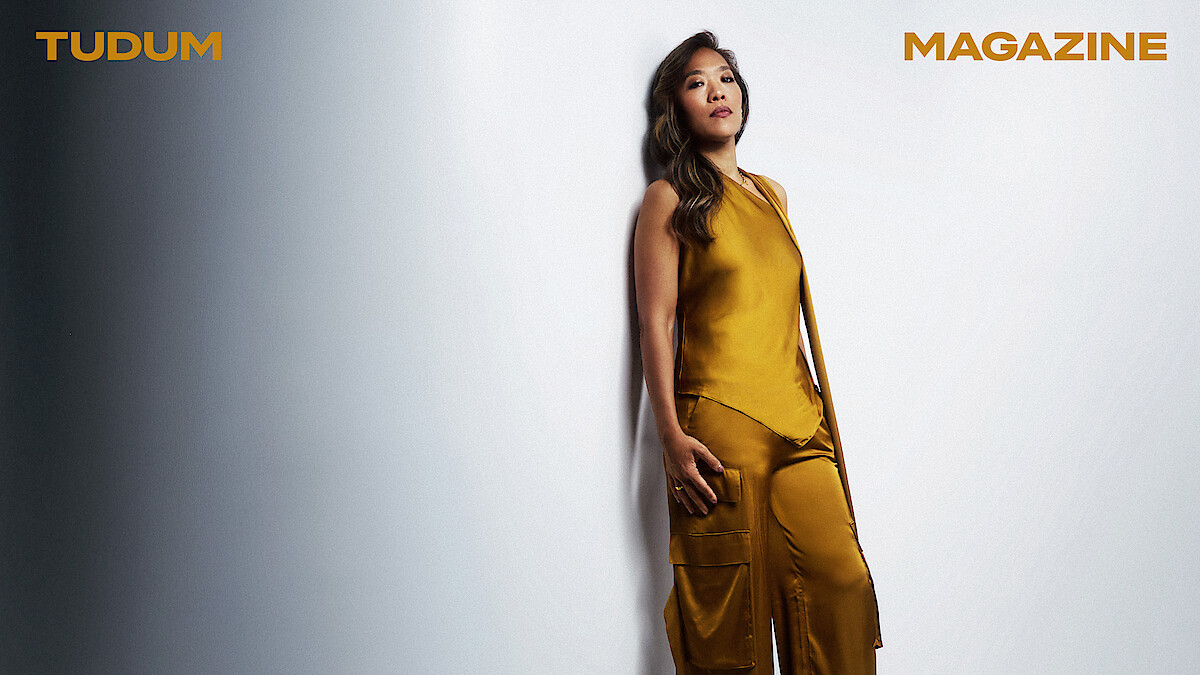
Director, producer, and co-writer Shih-Ching Tsou returns to her childhood in Taipei in the deeply personal Left-Handed Girl, which marks her first film as a solo director. The intimate, intergenerational drama first premiered at the Cannes Film Festival as part of the Critics’ Week section. Inspired by vibrant memories from Tsou’s upbringing and stories from friends and family, it is co-written, produced, and edited by Sean Baker (Anora), a frequent collaborator of Tsou’s dating back to 2004’s Take Out, which the two co-directed. The film is Taiwan’s submission for the Best International Feature Film category at the 98th Academy Awards.
Read on to find out more about Left-Handed Girl.
What’s Left-Handed Girl about?
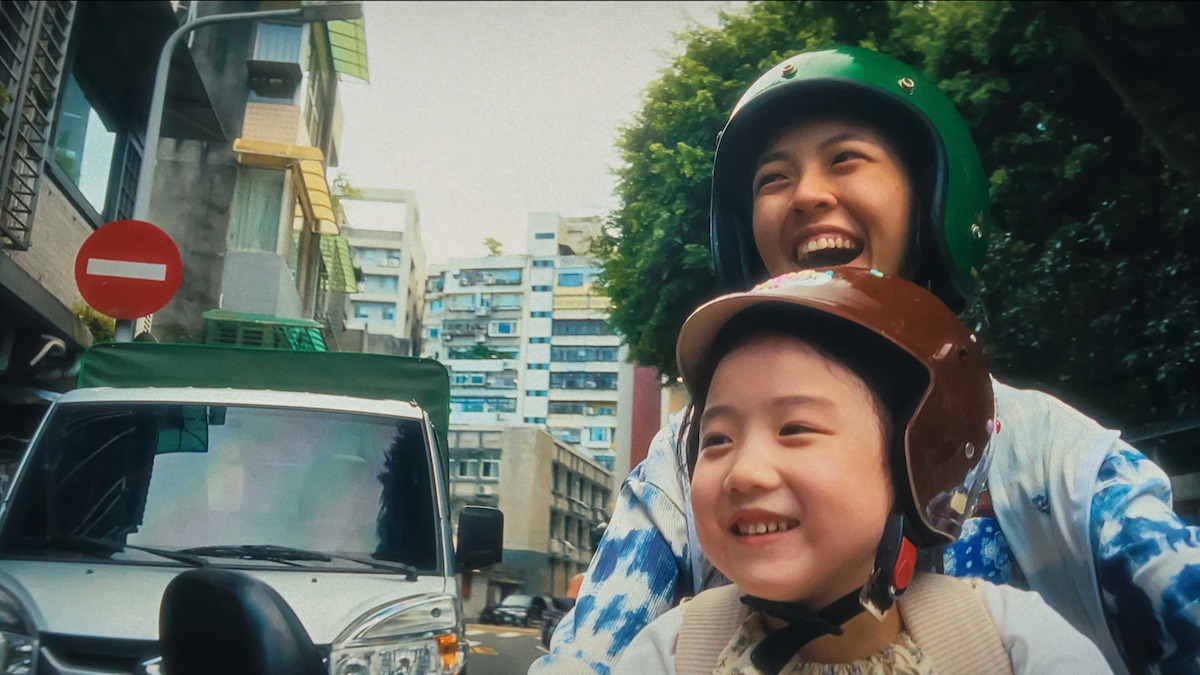
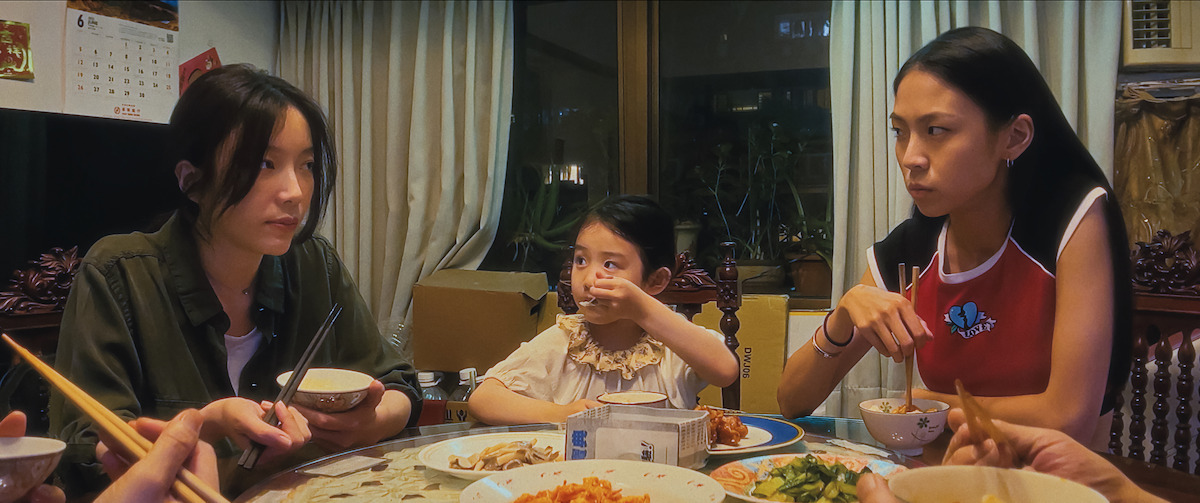
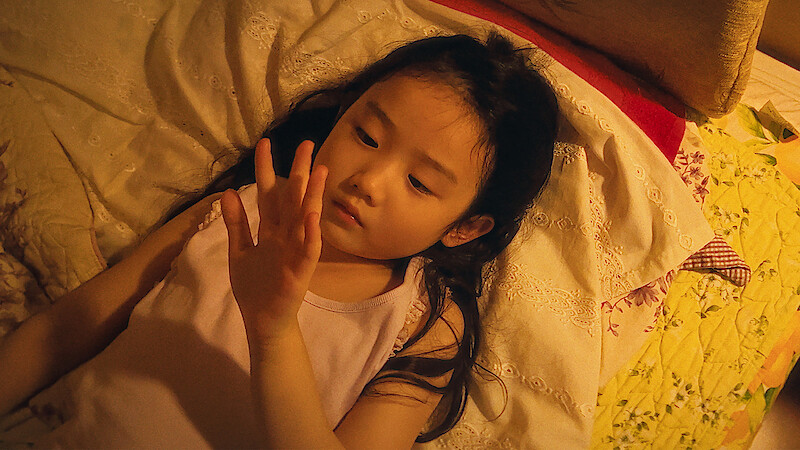
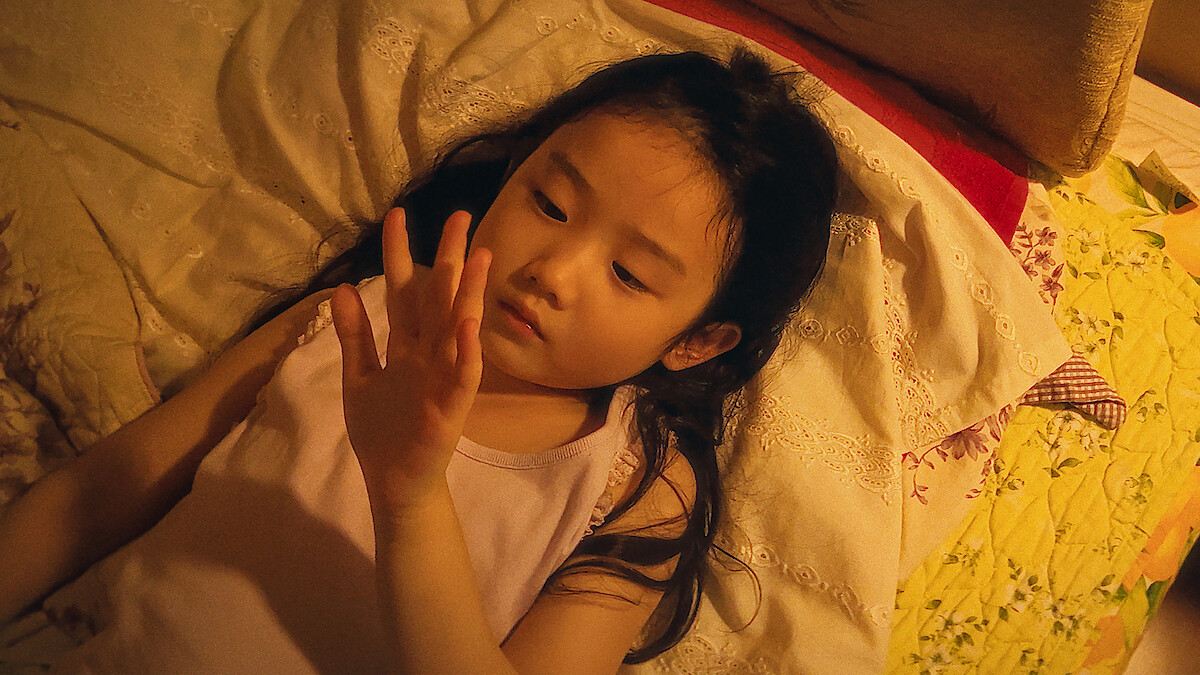
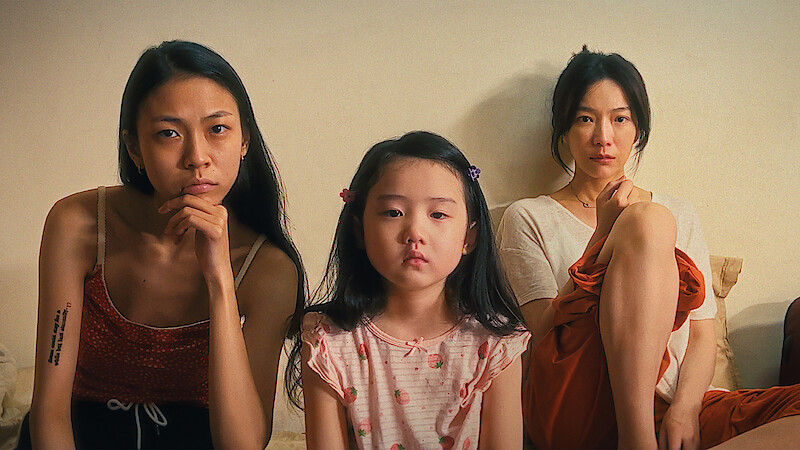
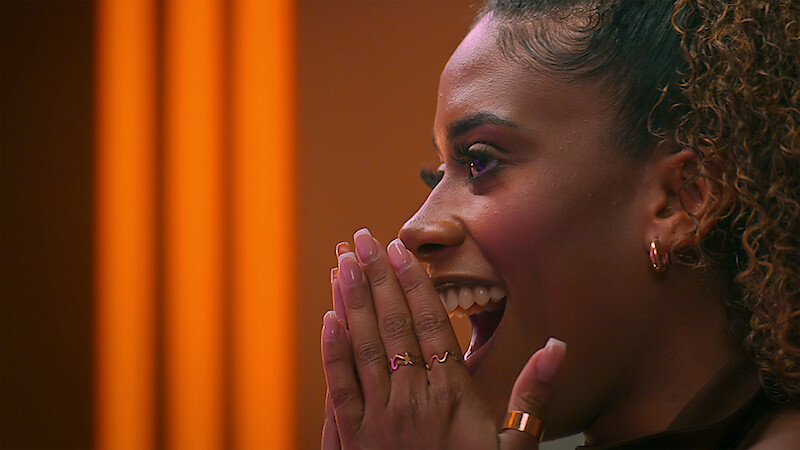
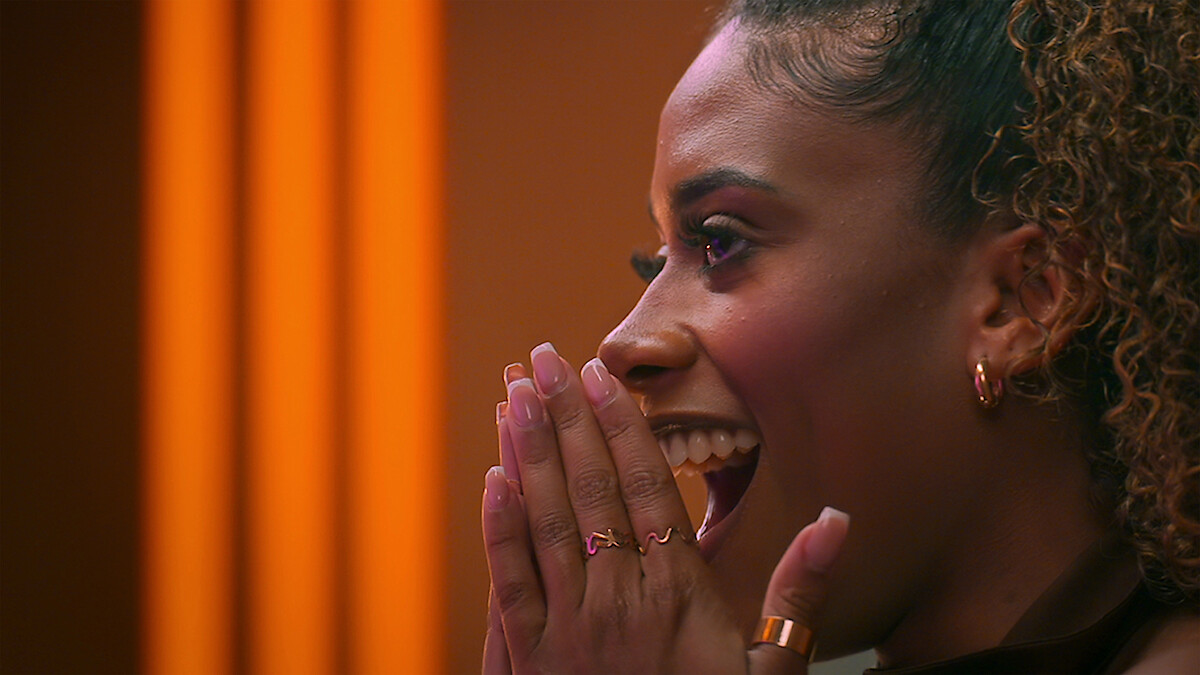
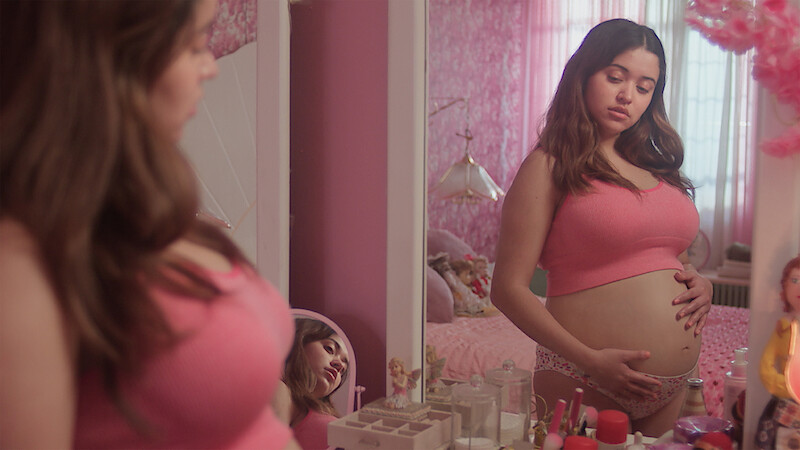
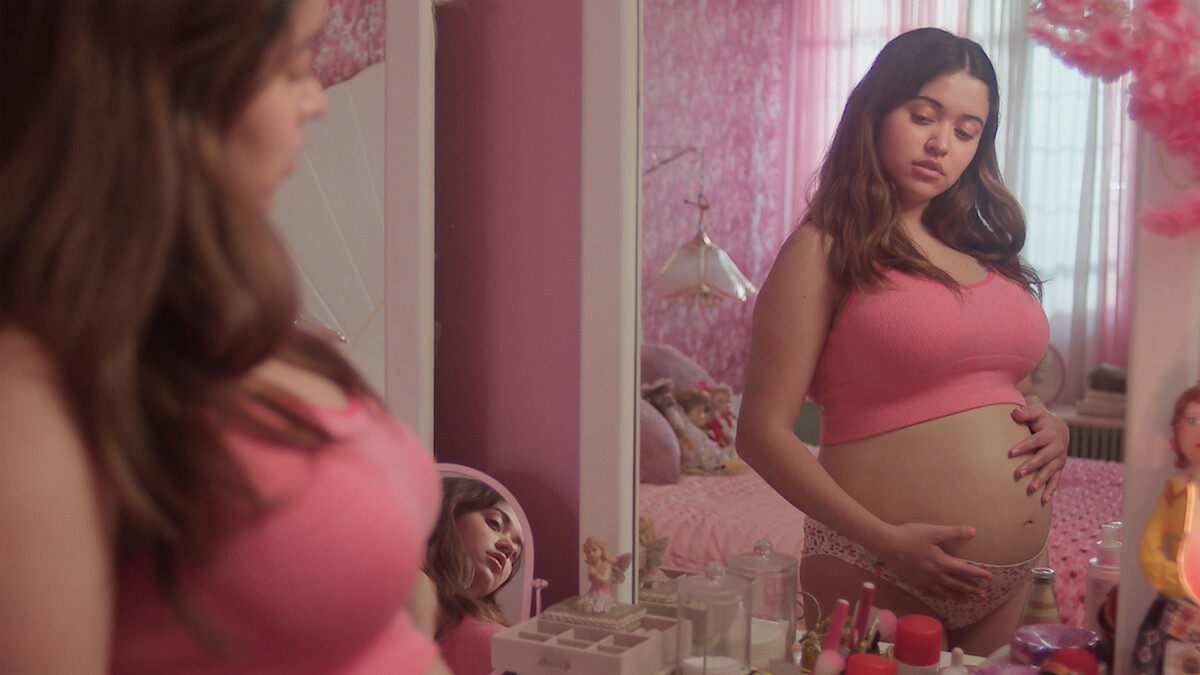
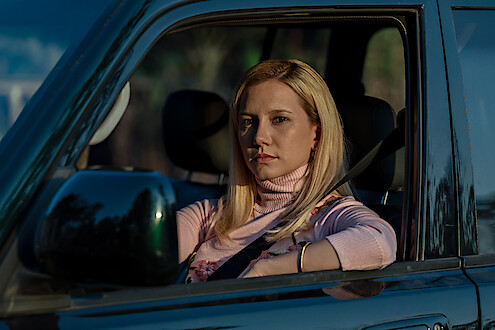
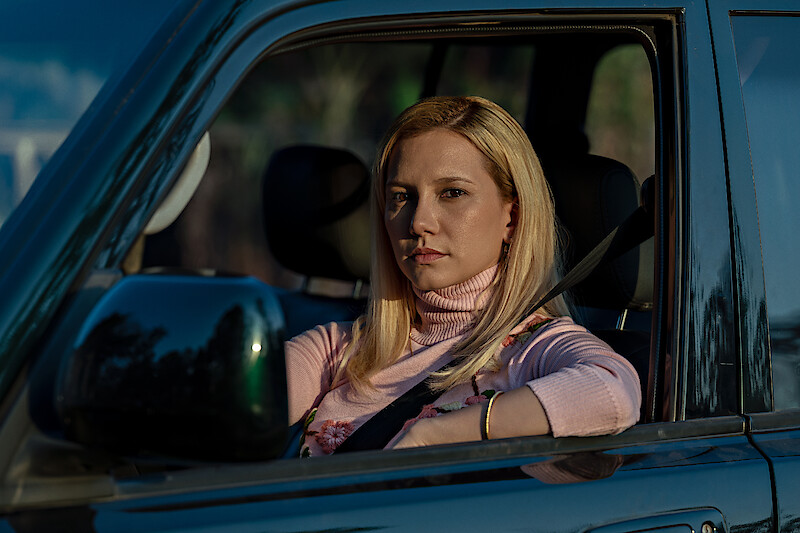
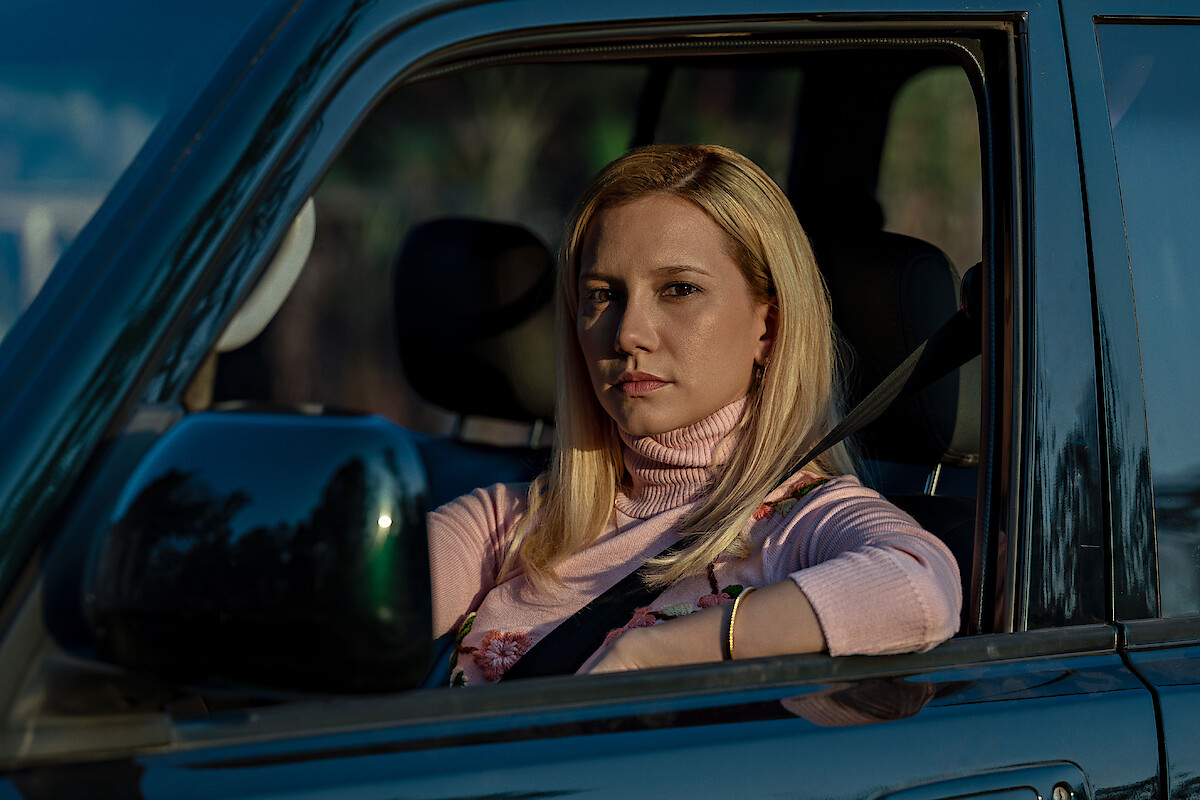
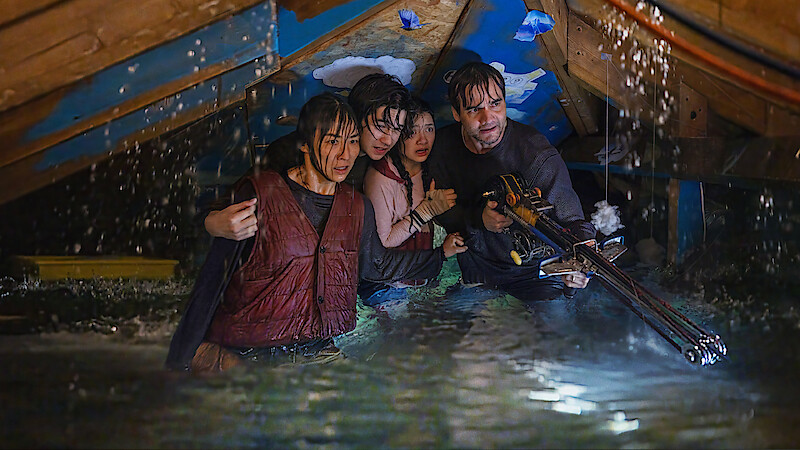
In Tsou’s coming-of-age portrait, a single mother (Janel Tsai) and her two daughters (Nina Ye and Shih-Yuan Ma in her acting debut) return to Taipei after several years of living in the countryside to open a stand at a buzzing night market. Each in their own way have to adapt to this new environment to make ends meet and maintain the family unity. But when their traditional grandfather forbids his youngest left-handed granddaughter from using her “devil hand,” generations of family secrets begin to unravel.
Who’s in the cast of Left-Handed Girl?
The cast of the Taipei-set film includes:
- Shih-Yuan Ma as I-Ann
- Janel Tsai as Shu-Fen
- Nina Ye as I-Jing
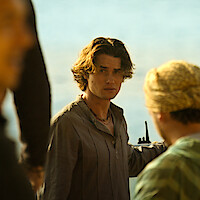
- Teng-Hui Huang as Johnny
How did filmmaker Shih-Ching Tsou find the cast of Left-Handed Girl?
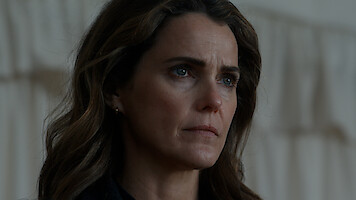
At the center of Left-Handed Girl is a mother and two daughters, each searching for acceptance in a society that does not value differences. At the helm of the family is mother Shu-Fen, played by Janel Tsai. An award-winning Taiwanese actor, Tsai was looking for a challenge when the role in Tsou’s film came her way. “I first reached out to Janel Tsai after seeing an interview where she talked about wanting to take on a role she hadn’t done before,” says Tsou. “Shu-Fen required something raw, less polished; something that felt close to real emotional exhaustion. I did my homework and watched most of her past work, and she surprised me in the best way. She peeled back layers I hadn’t seen from her before and brought such depth and vulnerability to the character.”
Tsou looked in an unconventional place for the eldest daughter, I-Ann — Instagram. The filmmaker was searching for an actor who could capture the character’s simultaneous vulnerability and intensity — she found that quality in first-time actor Shih-Yuan Ma. “For I-Ann, I was looking for someone who could hold both quiet strength and internal chaos, someone you could sense was always holding something back,” says Tsou. “The moment I saw [Ma], I knew she was perfect. She had that natural presence, strong but guarded, that made I-Ann feel completely real.”
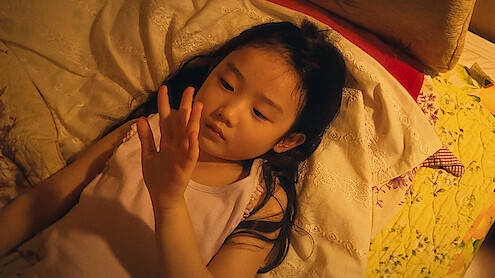
Finding the right performer for the titular left-handed girl, I-Jing, was crucial for the project. “We started with street casting through social media [for I-Jing], and watched over 50 audition clips, but no one truly spoke to me. Then, just one month before shooting, a commercial casting director recommended Nina Ye. The moment I saw her, I knew — she was I-Jing,” remembers Tsou of casting Ye. “Watching her step into the role felt like the character we had written quietly came to life right in front of my eyes.”
Who are some of the film’s other collaborators behind the scenes?
Renowned filmmaker Sean Baker — fresh off his 2024 romantic dramedy Anora and four Academy Award wins for Best Picture, Best Director, Best Screenplay, and Best Film Editing — continues his exploration of kinetic, vérité-style storytelling as editor, producer, and co-writer of Left-Handed Girl. Two decades ago, creative collaborators Tsou and Baker began shaping what would become the screenplay for the film, inspired by Tsou’s childhood in Taipei. After Baker’s 2021 film Red Rocket, which Tsou produced, the filmmakers focused on Left-Handed Girl next.
“Left-Handed Girl was heading into production as I was headed into production on Anora, so the biggest difference in this collaboration is that I wasn’t present during principal photography,” explains Baker. “Before editing, after all the years it took to get this project off the ground, I spent time with her in Taiwan while co-writing a new draft of the script, then refined it until it was ready to be shot. After that, I stayed out of the process until the dailies came in. It was very strange to edit this film, though, because it was the first time I’d done it for someone else.”
Baker and Tsou frequently collaborate; they co-directed 2004’s Take Out, and Tsou has produced a number of Baker’s acclaimed films, including Tangerine and The Florida Project. In many ways, they share a creative sensibility, so even though Baker wasn’t around when the cameras were rolling, helping realize Tsou’s ultimate vision for her solo directorial debut came naturally. “As with all our other films, the starting point was the desire to tell a story at a human level, with highly embodied characters,” he says.
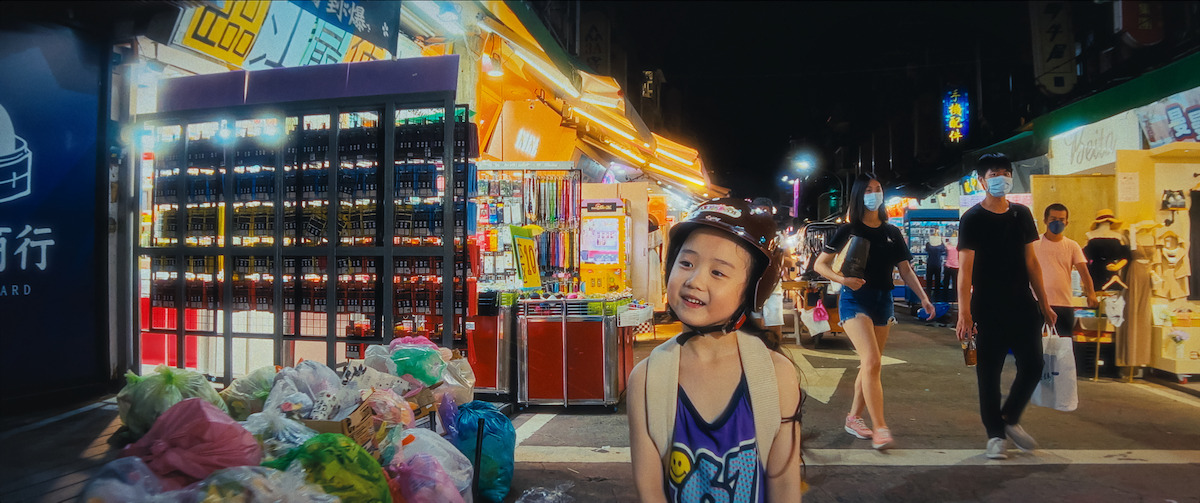
One of those characters is 5-year-old I-Jing, a fierce, precocious girl who spends her time wandering around the bustling and colorful night market where her mother, Shu-Fen, works. Her point of view was a major influence on Baker’s approach. “There was something telling me that I needed a fast pace to this film, to be in that hyperactive space of just seeing the world through the eyes of a child. Everything is a little more chaotic and loud and big, because that’s how she was seeing the world,” he says. “I think that it allowed me to just keep the momentum moving.”
Baker’s agile, attentive interpretation underscores something more profound: the shared cinematic language between him and Tsou. “In my films, I draw on the authenticity of details from encounters, and this was no different, except that we drew on Shih-Ching’s background to create a story and dramatize it,” says Baker. “She wanted it to tackle the question of equality between men and women in society, because she felt that during the years she lived in Taiwan, this fed a certain frustration in her. The last part of Left-Handed Girl is clearly a catharsis for her and for the characters.”
Where was Left-Handed Girl filmed?
The place where she grew up was the ultimate source of inspiration for filmmaker Shih-Ching Tsou’s debut as a solo director. “Shooting the film in Taiwan felt like rediscovering the beauty of my home country,” Tsou says.
The director, who based the tender drama on her own childhood and stories from friends and family, says she discovered the film’s vibrant home base early on in the creative process with co-writer and editor Baker. “We added Tonghua Night Market to the story back in 2010, when Sean and I traveled to Taipei for one month to find inspiration and write the script,” remembers Tsou. “It was electric, lively, chaotic, and held together by the warmth of a close-knit community. Over the years, I kept returning, made friends with vendors, and was amazed by how quickly people became connected. The whole night market feels like one big extended family.”
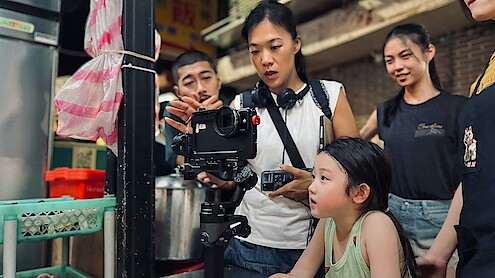
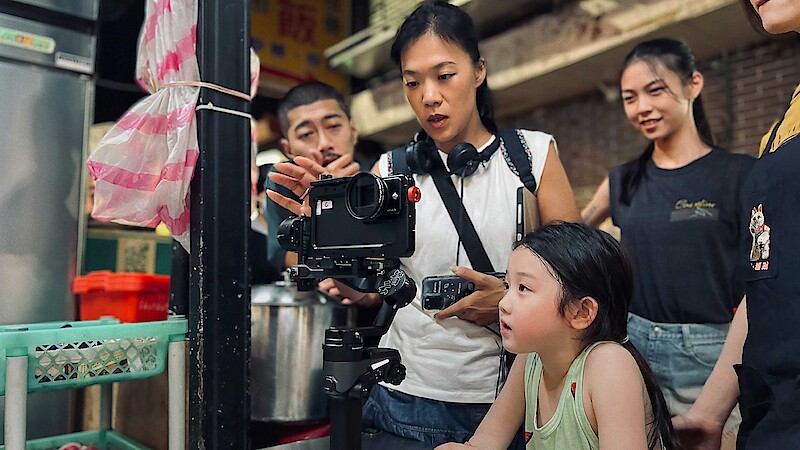
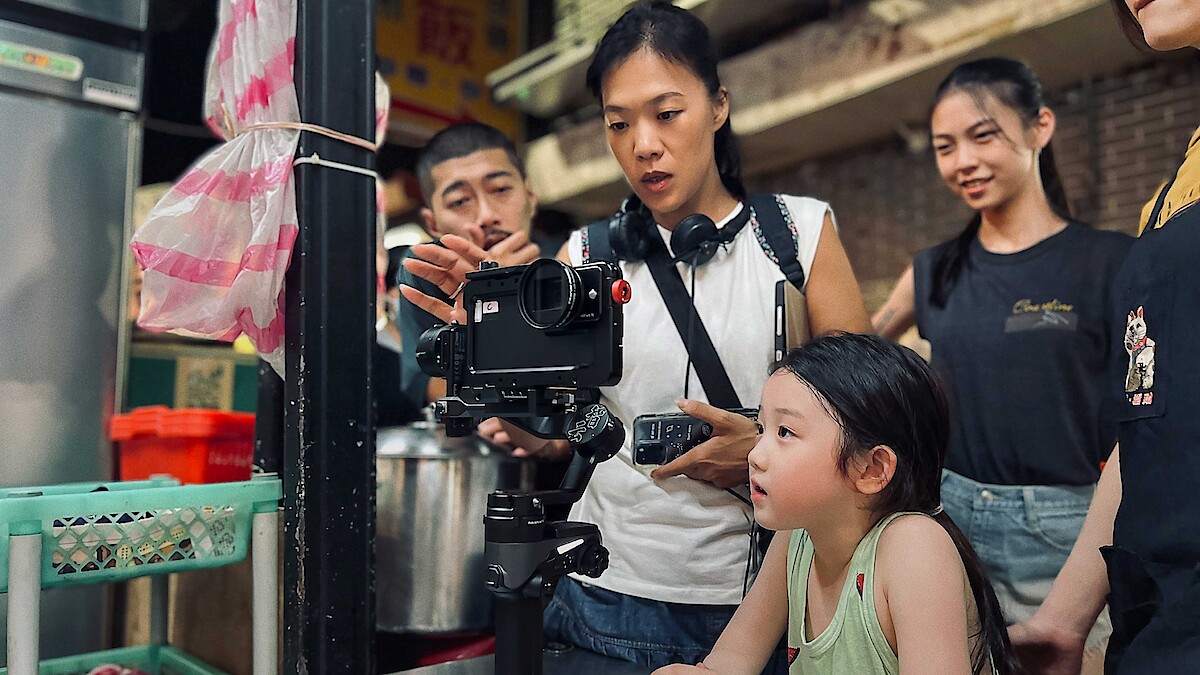
Keeping a minimal footprint with a small crew, Tsou and her ensemble fully embraced the bustling marketplace and the hectic streets of her upbringing. “We weren’t just shooting in these places; the locations weren’t just backdrops, they were living characters in the story,” says the director. “We managed to capture the spirit of the real night market without disrupting it.”
Tsou and cinematographers Ko-Chin Chen and Tzu-Hao Kao sought to capture the neon-soaked city in a raw and realistic way, with minimal set design. They blended into cramped apartments, brightly colored betel nut kiosks, and the fast-paced night market like locals. Tsou and Baker center Taipei as the propulsive force in Left-Handed Girl, just as they centered the locations for the New York–set film Take Out, which they co-directed, and for The Florida Project and the Los Angeles tale Tangerine, both of which Tsou produced alongside Baker as director. “In all our films, locations are characters in their own right, and that’s especially true here. The night market was an ordinary place when I was growing up in Taiwan. But after living in New York City for many years, everything started to feel special again,” Tsou says.
In Left-Handed Girl, 5-year-old I-Jing takes in her new kaleidoscopic metropolis with joyous wonder and awe, admiration mirrored by Tsou as she found herself back in the place she was brought up. “My cinematographers kept asking why I wanted to capture certain details, like the green pavement the girls walk across after leaving the pawnshop, or the classical music drifting from a garbage truck reminding people to take out their trash,” explains the filmmaker. “These are small, everyday things — but they’re so uniquely Taiwanese, and I find them beautiful now.”
When will Left-Handed Girl be on Netflix?
Left-Handed Girl is now on Netflix.