This article contains major character or plot details.
There are random, singular moments from childhood that stick with all of us. For filmmaker Shih-Ching Tsou, it was an admonishment from her grandfather. “My grandfather forbade me from using my left hand and called it the ‘devil’s hand.’ That moment stayed with me, not just as a memory, but as a feeling, a quiet shame I carried without fully understanding why,” explains the writer-director.
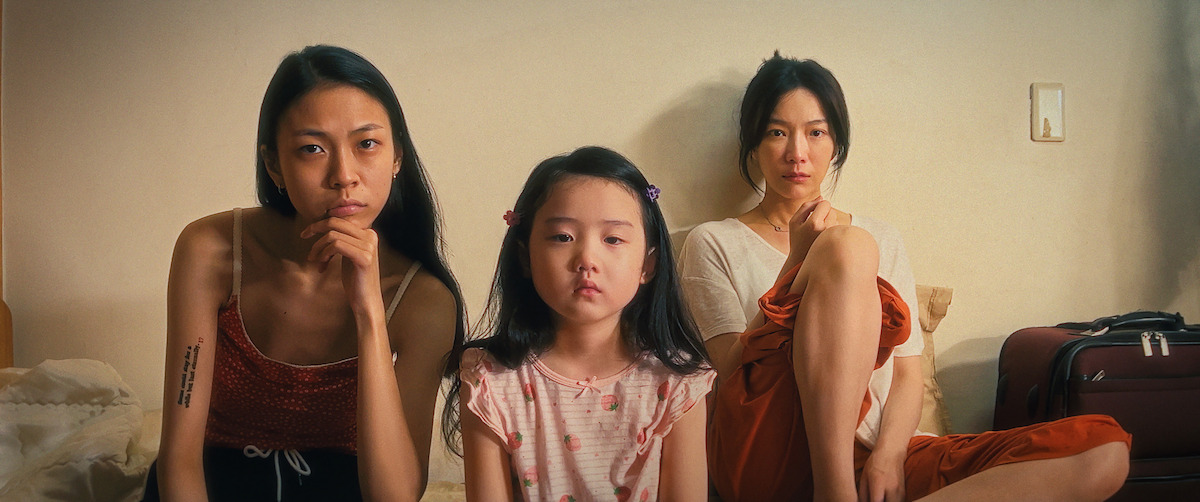
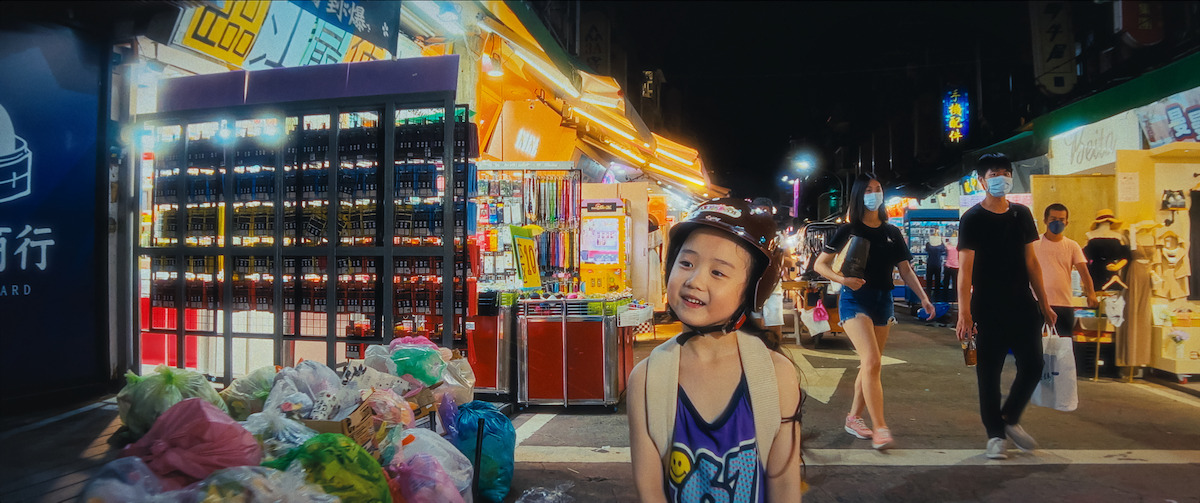
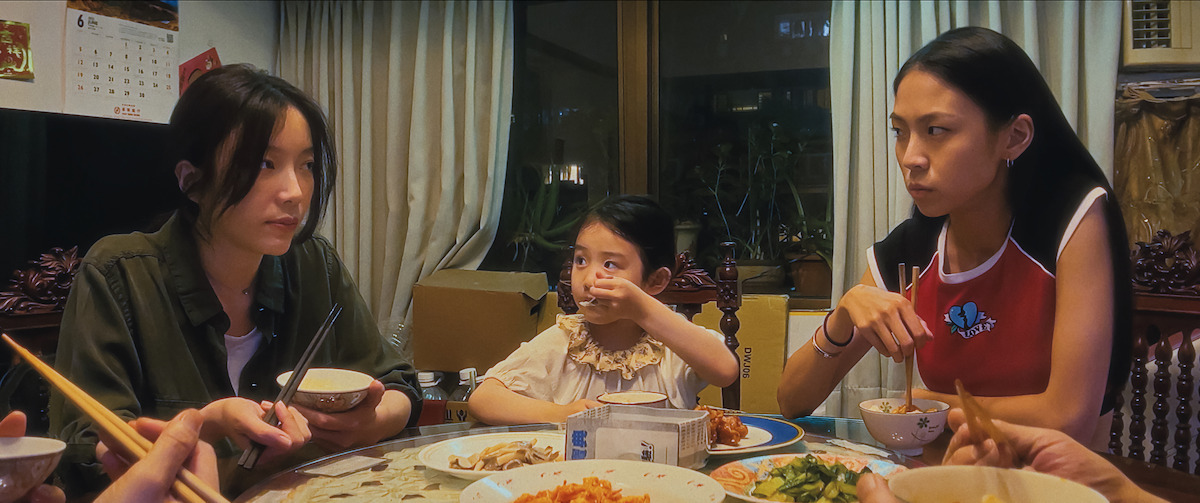
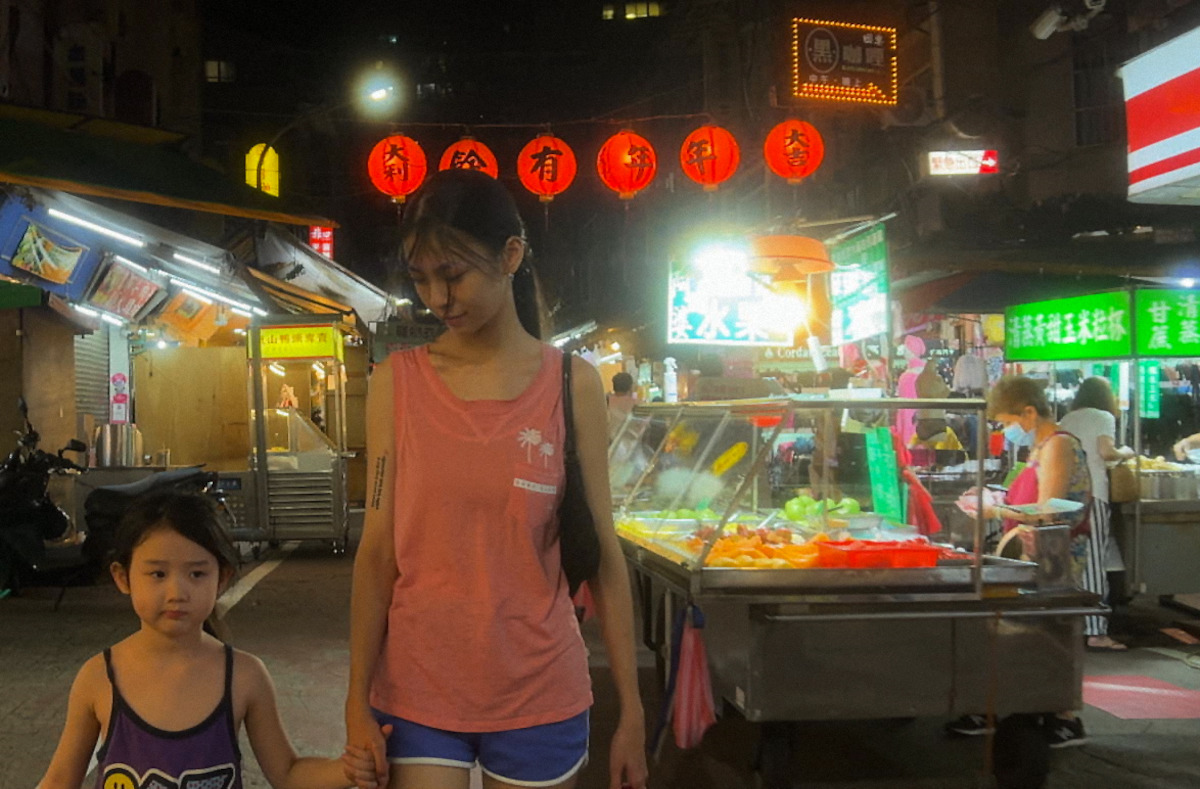
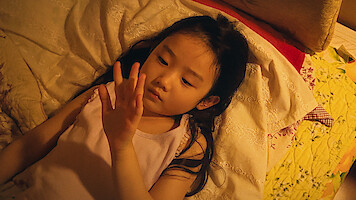
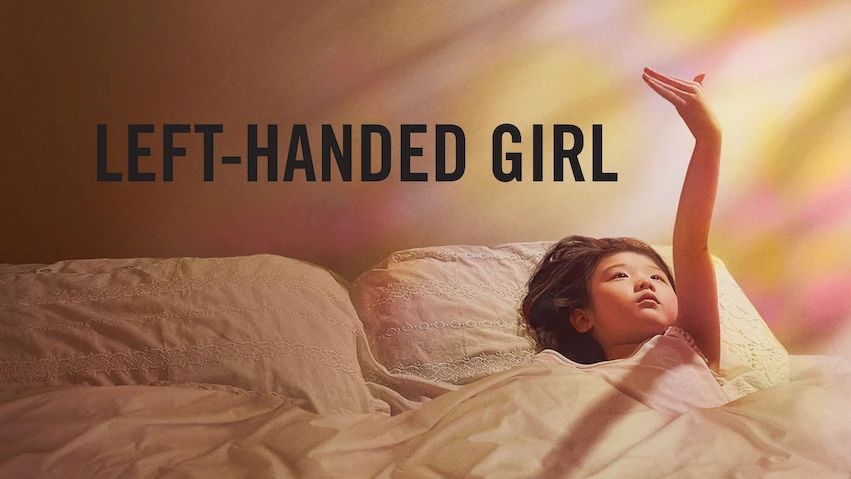
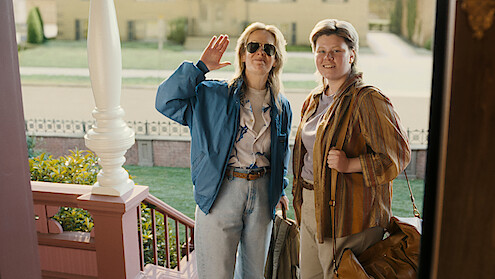
That vivid memory sparked Left-Handed Girl, Tsou’s solo directorial debut, which she co-wrote with her frequent collaborator Sean Baker. They had first discussed the inspiration back when they were co-directing the 2004 New York City–based vérité drama Take Out, with the project lingering as Tsou produced Baker’s Starlet, Tangerine, The Florida Project, and Red Rocket. The intimate dramedy centers on the left-handed five-year-old I-Jing (Nina Ye), her older sister I-Ann (Shih-Yuan Ma), and their single mother Shu-Fen (Janel Tsai) as they relocate from the quiet countryside to Taipei and open a noodle shop at a buzzing night market. There, each of them must adapt to their new surroundings while also coming to terms with long-shrouded family mysteries. “As [Sean and I] developed Left-Handed Girl, I began collecting stories — some from friends, some from family, and even from strangers. I was drawn to the tension within traditional families — how fear of judgment or rejection by society can lead to secrets being buried for years,” says Tsou. “How tradition, even with good intentions, can silence individuality. [The film] became a way to explore how generational beliefs shape us, and how girls like I-Jing try to carve out an identity in the spaces between love and control.”
For Tsou, reintroducing herself as a filmmaker with something as deeply personal as Left-Handed Girl has been thrilling. The film premiered at the 2025 Cannes Film Festival’s Critics’ Week, and has since been selected as Taiwan’s submission for the Best International Feature Film category at the 98th Academy Awards. “Sharing Left-Handed Girl felt deeply vulnerable at first, but seeing it resonate across countries, cultures, languages, and generations has been incredibly rewarding,” says Tsou. “It made me feel proud. That’s the dream. People [see] their own families in mine.”
Is Left-Handed Girl based on a true story?
No, but Tsou took inspiration from her upbringing in Taiwan, where she was born and raised, and stories shared by family and friends. “Growing up in Taiwan, I often felt confined by tradition and expectations, especially as a girl. I was taught to stay quiet, to follow the rules, to not take up space or draw attention. But looking back, I see how those limitations shaped me,” explains the filmmaker. “They taught me to observe, to listen between the lines, and, most importantly, to give voice to those who couldn’t speak up. Returning to Taiwan to make Left-Handed Girl felt like reconnecting with that quiet version of myself, and finally telling her story out loud.”
The writer-director also wanted to examine the nuances and complexities of familial bonds, crafting a narrative that is part family drama, part coming-of-age portrait, with deeply comedic and emotional moments throughout. “For me, it’s about staying true to real life and paying attention to how people interact, the small moments that reveal everything. Real families don’t exist in just one tone. Life is messy, emotional, absurd, and tender, often all at once,” she says. “That blend came naturally, shaped by both my own experiences and what I witnessed in others. I didn’t want to force the story into a specific genre or mood. I just tried to stay honest to the emotional rhythms of a real family: how love, tension, humor, and pain can all coexist in the same breath.”
How was Left-Handed Girl filmed?
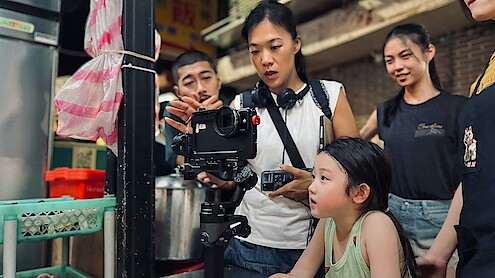
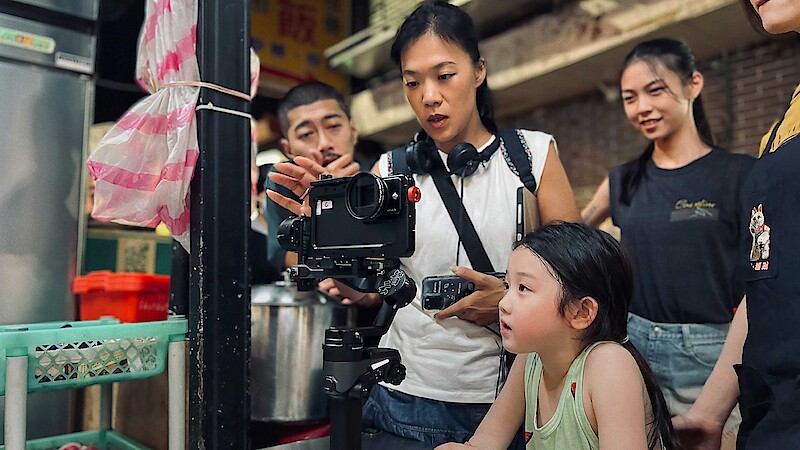
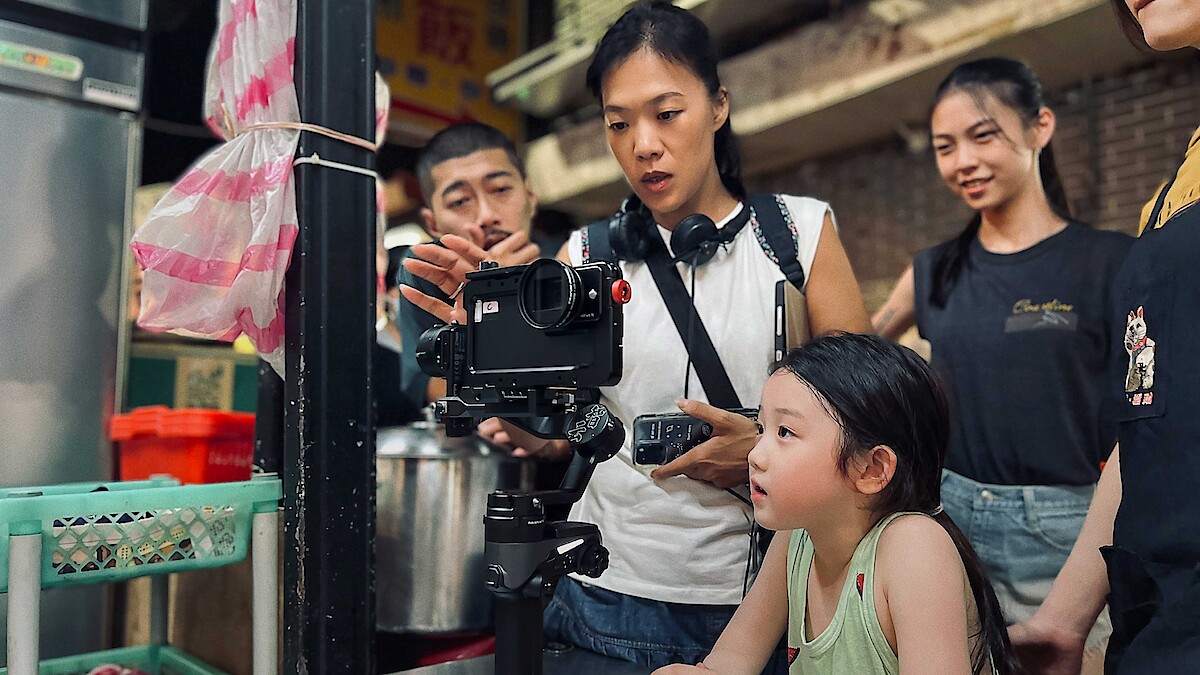
Tsou returned to Taiwan to shoot the drama on location in Taipei, something she and her co-writer, editor, and producer Baker had discussed for over two decades. They quickly decided that the production needed to have a small footprint to be able to navigate key locations and maintain a sense of realism and authenticity. “We were working in real spaces — cramped apartments, narrow alleys, live noodle stands — and I didn’t want to disrupt the natural energy of those environments,” she says. “We kept the crew to just five people on set. That minimal presence allowed the actors to fully inhabit the space without distraction. It also meant the camera could move freely, responding to emotional moments as they unfolded. Most days felt like guerrilla filmmaking — but that’s what gave the film its texture and atmosphere.”
Another element that allowed the actors to settle into their familial dynamic was a unique preparation process with the goal of creating a true-to-life bond onscreen. “We didn’t have formal rehearsals. Instead, I asked each cast member to bring their most intense family experiences into the characters,” says Tsou. “I also chose not to overly bond the cast beforehand; sometimes a bit of distance helped preserve the natural tension and kept their interactions feeling more organic.” This was crucial not only to their performances, but the complicated ties that Tsou aimed to explore in Left-Handed Girl. “For me, family isn’t always warm or openly affectionate. Maybe it’s just my experience, but sometimes the closer we are, the more distant we become. We stop making the effort to be kind, boundaries blur, and we forget how to treat each other gently,” she says. “That emotional tension — the love, the frustration, the silence — was exactly what I wanted them to carry into every scene. And they did, beautifully.”
What happens with I-Jing’s grandmother, Xue-Mei Wu?
Once I-Jing learns about the superstition behind her “devil hand” from her grandfather, she begins to mischievously steal things, including from the night market where her mother’s noodle stand is located, collecting her stolen treasures in secret in a chest at home. But it’s also her “devil hand” that ultimately saves her grandmother from prosecution. The grandmother and matriarch of the family, Xue-Mei Wu (Xin-Yan Chao), is operating an immigration scheme in secret out of their apartment. Ultimately, law enforcement arrives to search her home, but find no evidence of any illegal activity, much to Xue-Mei Wu’s surprise. In fact I-Jing, with her “devil hand,” had stolen an envelope of fake passports from the home so she could pawn them for some money for her mother, a move that cements I-Jing as her grandmother’s favorite.
The duality an intense yet humorous moment for a family was one of life’s realities that Tsou was interested in as she developed Left-Handed Girl. “I think, just like real life, there are so many gray areas, things that are not just black or white, and a lot of times, bad things can lead to a good result, or a good thing can become bad in the end. Everything happens for its own reason.”
What happens at the end of Left-Handed Girl?
Left-Handed Girl ends with a climactic birthday banquet, where I-Jing’s entire family gathers to celebrate her grandmother’s 60th birthday. There, tightly held secrets, long-simmering tensions between generations, and a fierce desire to protect the family from shame collide. After I-Ann is confronted by her boss and his wife about the extramarital affair she had with him at work, which deeply embarrasses her mother Shu-Fen as they disturb the party, she takes things a step further, going up with her sister I-Jing to give their grandmother a toast on her birthday. I-Ann whispers in I-Jing’s ear what to say: “Great-grandma, happy birthday.”
The family is shocked as they realize that I-Jing is actually I-Ann’s daughter, not her sister, that Shu-Fen claimed as her own to allow I-Ann to have a better future. It’s a secret Shu-Fen and I-Ann kept to themselves to avoid bringing shame on their family. After years of hiding the truth, the family must process it together through devastation and shock. “Families all have secrets, different types of secrets, big or small, but keeping the secret inside you sometimes makes you sick, so I thought it was so important to reveal that in the end, not just for the characters, but also for the audience. It is a relief for the audience to understand, ‘Oh my God. That’s why they carried all the secrets for this long, that’s why they act like that towards each other.’ ”
The banquet scene took three days to shoot in a real, operating restaurant, and involved many extras, including some familiar faces. “They are actually a lot of my mom’s friends,” says Tsou. “I remember the final reveal. The three characters were fighting on a stage, and they were all crying, acting, and I turned around. All the extras, my mom's friends, the elderly ladies, they were all crying with the characters, so immediately I knew that this scene really worked, because the emotion already affected the whole set. It was a wonderful scene to shoot.”
And yet, even after moments of extreme tension, families carry on. The film ends with I-Ann arriving back at her mother’s noodle stand ready to work, with I-Jing watching along. “A lot of time you go through a huge event in your life, but the next day, life still has to go on,” says Tsou. “If you fight with your mom yesterday, today they’ll just say, ‘Hey, dinner’s ready. Come have dinner,’ so that’s just how life is.”