SPOILER ALERT
This article contains major character or plot details.
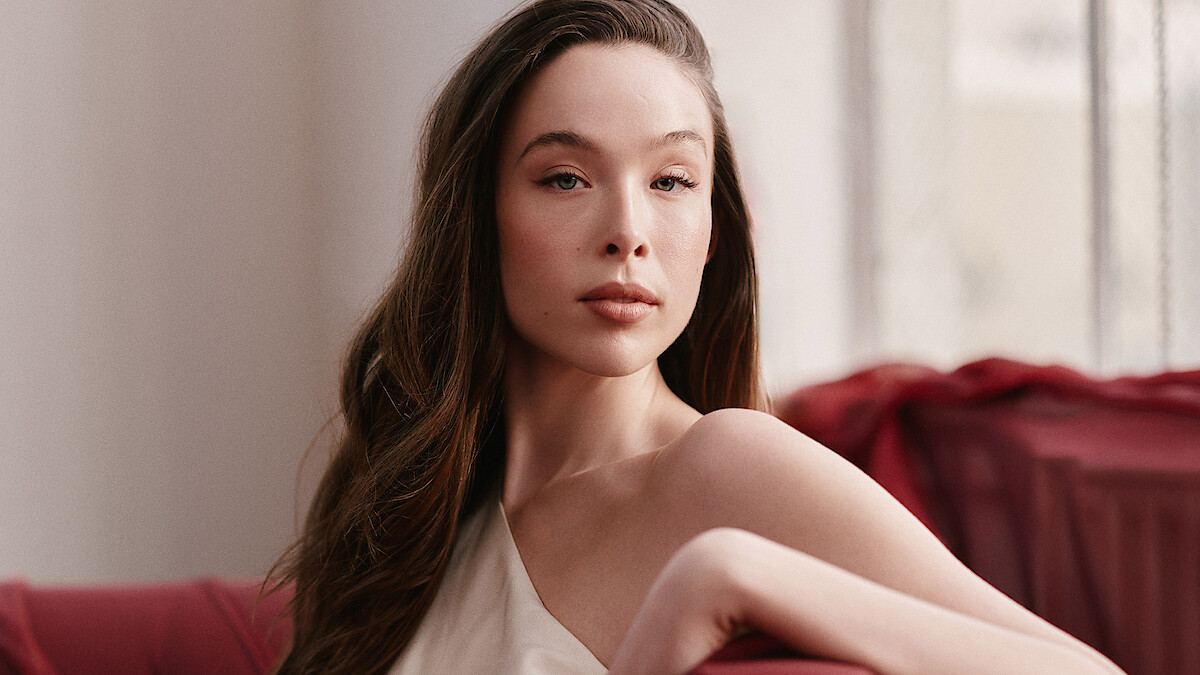
Nobody knows what happened inside Lizzie Borden’s head, but Ella Beatty did her best to find out.
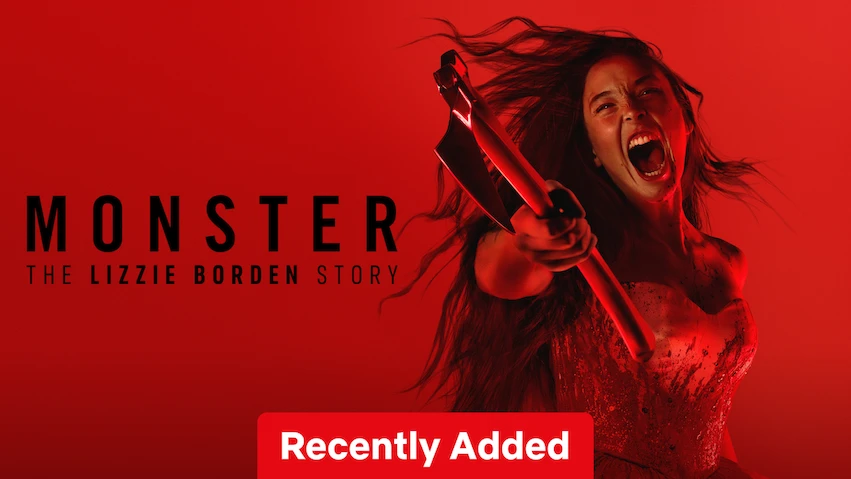
Borden is the first female subject of Ryan Murphy and Ian Brennan’s Monster anthology series; in The Lizzie Borden Story, her notorious (alleged) crimes are brought to life by Beatty in alternately chilling and sympathetic fashion. “For me, she is the perfect example of a creature of their time,” Beatty says. “To be a woman at that time period in America was to feel confined: sexually, spiritually, emotionally. In terms of going on a journey as a human being, some exploration of self, I don’t know if women were really included in that pursuit.”
Monster: The Lizzie Borden Story connects that pursuit to another wayward woman, who roamed the country almost a century after Lizzie’s trial ended: Aileen Wuornos (Sarah Paulson), the sex worker turned serial killer whose crimes captivated the US in the late 1980s and early 1990s. “We explore the story of Aileen Wuornos a little bit in the series, which I think also served that exploration of why women kill,” Beatty says.
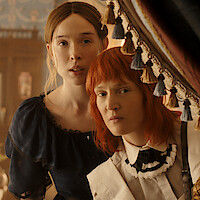
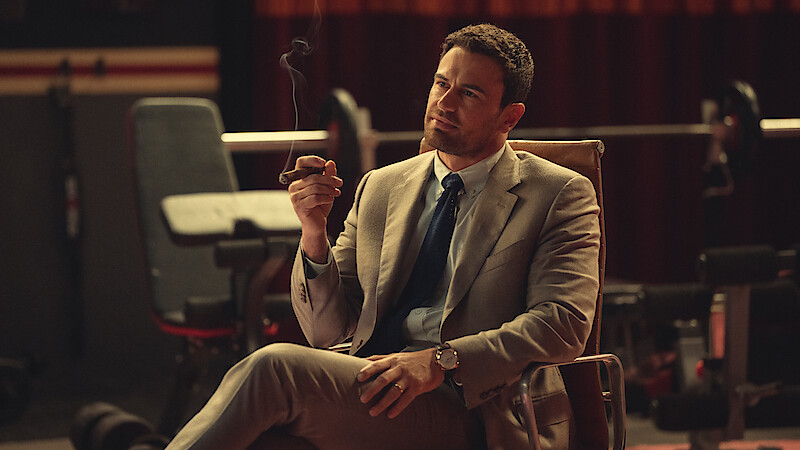
If Lizzie Borden did kill, why? As the series imagines it, Lizzie’s alleged murder of her parents was the inevitable result of a stifling Victorian life under the thumb of her father Andrew (Charlie Hunnam) and stepmother Abby (Rebecca Hall). When new housemaid Bridget “Maggie” Sullivan (Vicky Krieps) is hired, she sweeps Lizzie off her feet and encourages her to embrace her dark side. But just how dark will surprise both of them.
“Every season of Monster has been an exercise in understanding the person's psychology,” Beatty says. “This season is no exception, but we are looking at it through the lens of the female experience, which is different and really significant.”
Read on to dive into the bitter end of Monster: The Lizzie Borden Story, now streaming on Netflix.
Why does Lizzie kill her parents? Did she really do it?
This season of Monster treads further back in history than any prior installment, and also follows the only subject to be acquitted in a court of law. As such, The Lizzie Borden Story required more than a little speculation. “The strange fact is that she was acquitted for something where what evidence there is seems to point to the fact that it was her,” co-creator Ian Brennan says. “So from there, you have to look at the environment that’s around her.”
The environment that Brennan and Murphy built is smothering to the extreme, a world of corsets and uptight dinners that Lizzie chafes at, and which symbolize the psychological and societal constraints she felt. “Something as material as wearing the corset every single day is intense; it really limits your ability to breathe and puts an immense amount of physical pressure on your lower body,” Beatty says. “These things that were current to the 1880s became really physical manifestations of where her emotional life was born and where, for me, a lot of that rage and strength emerged from.”
In one of Lizzie’s first scenes, she gets her period during a matchmaking date with a suitor, prompting a scolding from Abby. But Maggie’s introduction changes everything for her. Suddenly, Lizzie is listening to grotesque bedtime stories centered around Elizabeth Báthory, a 16th-century Hungarian noblewoman accused of bathing in the blood of virgins.
In flashbacks, Krieps plays Báthory. “Thematically and within the world of the show, it was about drawing a line underneath the idea that these women weren’t isolated events, that female rage is something that runs through our history and our species,” Brennan says. “That was something that seemed like once we saw it, we couldn’t unsee it and decided to write towards it.”
In the series, another woman’s rage sets off Lizzie and Maggie. Abby, struggling with her own unfaithful husband and unfulfilling life, flies off the handle and kills Lizzie’s beloved flock of doves, tired of the noise they make. “We were able to find her backstory is sort of tragic as well,” Brennan says of Lizzie’s real-life stepmother. “She was forced to mother children who weren’t her own, and she is herself in a bit of a cage in the show, which was a good counterpoint to the journey that Lizzie goes on.”
Lizzie tries to appeal to her father, but he has no patience for or interest in her woes . Determined to avenge the loss of her birds and secure her inheritance, she plots with Maggie to serve spoiled oysters to Andrew and Abby. But after an evening of projectile vomiting, her parents survive — leaving Lizzie to turn to a far blunter method of murder.
How does Lizzie kill her parents?
Lizzie and Maggie get a chance at a trial run when Maggie’s new assignment with the Bordens’ neighbor Bertha Manchester (Linda Reiter) becomes abusive. Lizzie executes Bertha with a hatchet from her father’s undertaker business, as Maggie cowers nearby. The maid promises she’ll be of more assistance when the Bordens are the target.
She fulfills that promise in spades. Episodes 4 and 5 of Monster: The Lizzie Borden Story are largely devoted to the murders of Abby and Andrew. Lizzie gets “the first whack” at Abby both — although Maggie takes the opening chop at Andrew, the employer with whom she had a brief paid dalliance.
At this point in the series, Maggie and Lizzie are more than partners in crime. Monster indulges in the speculation that the pair had an illicit relationship of their own, a theory that’s proven popular in the decades since the crimes were committed. “They were close, she seemed to be involved in the murder, and so we sort of extrapolated from there,” Brennan says. “Lizzie never married. Bridget did, but it seems much more like a marriage of convenience. So I really do suspect that there was a romantic relationship there — a kind of Boston marriage, if you will.”
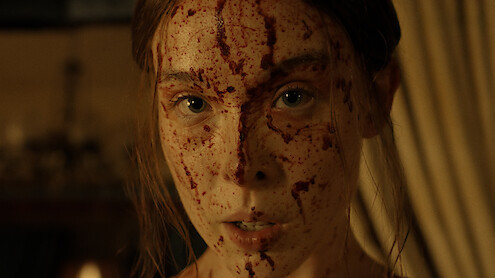
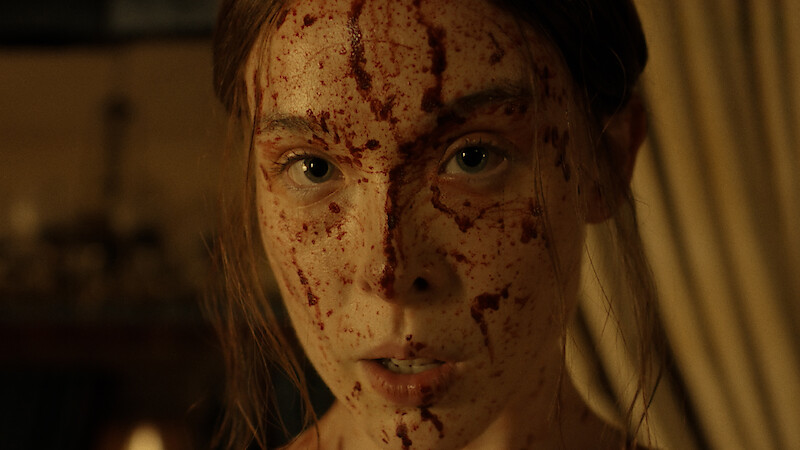
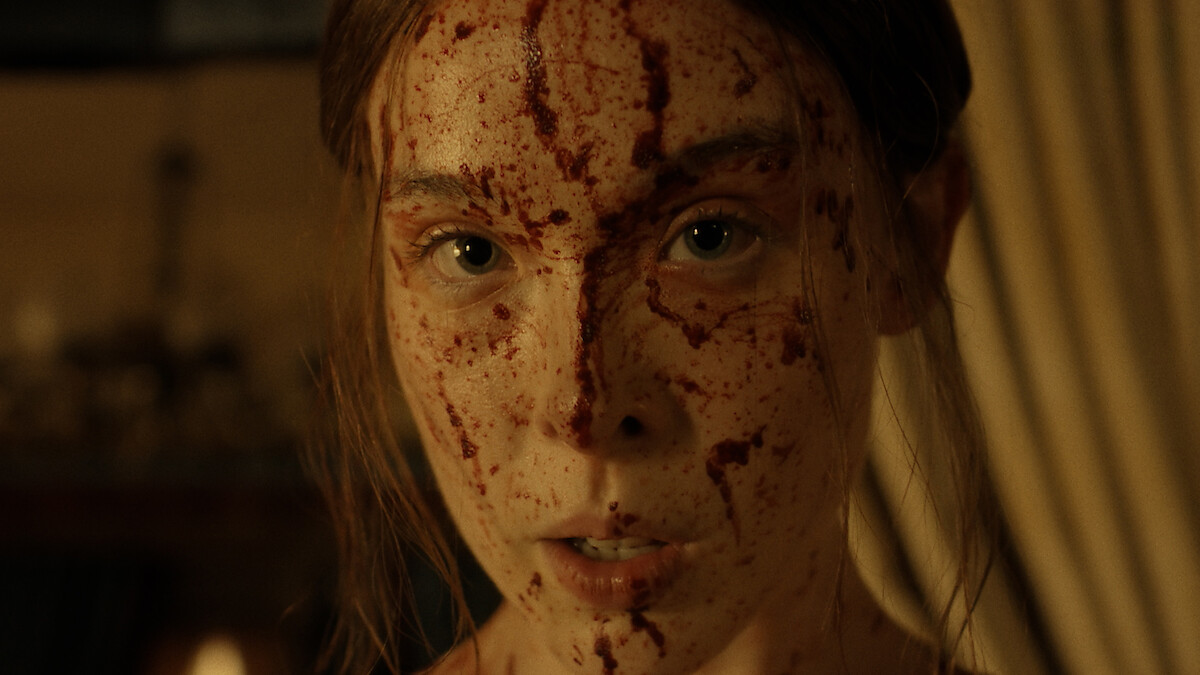
The pair’s partnership extends to covering up the crime. Lizzie and Maggie burn their bloody clothing and make sure to be seen washing windows so they’ll have an alibi. In real life, Beatty and Krieps were covered in fake blood, which came off with a healthy dose of shaving cream.
“Sometimes the blood on my face was hand-painted with makeup brushes,” Beatty says. “Sometimes it was literally poured onto me. Sometimes it came from what’s called a blood rig. So every time I would slam an axe onto the blood rig, fake blood would shoot out onto my face and body.” Realistic — and messy.
How is Lizzie acquitted?
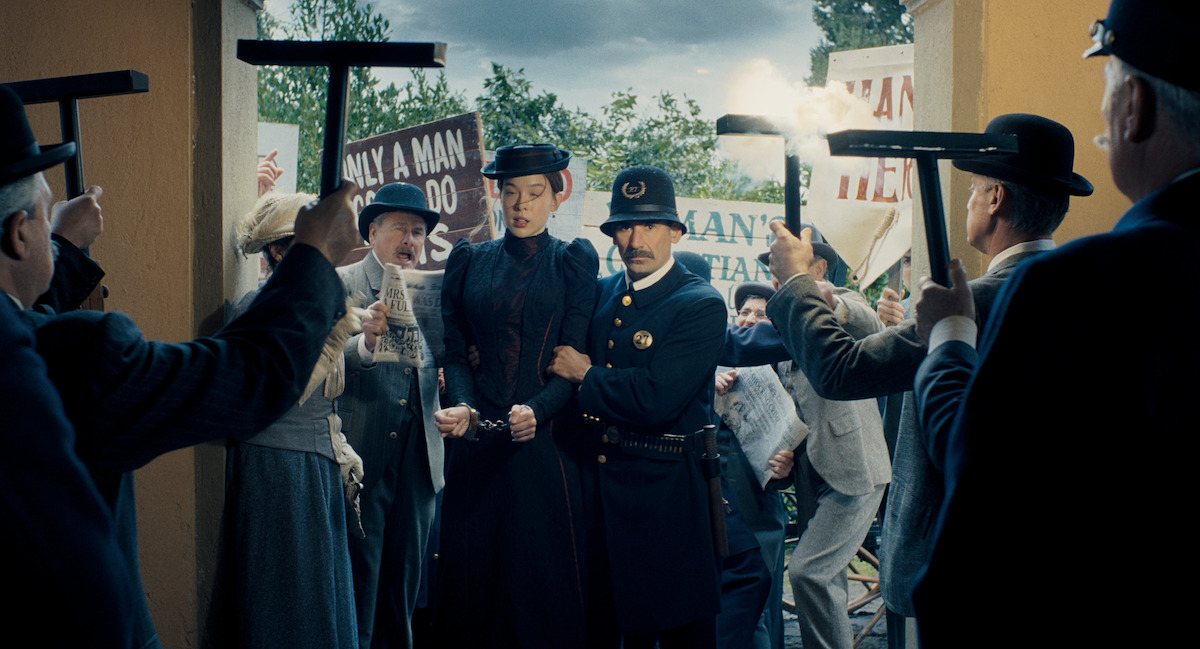
When the police finally begin to investigate the Bordens’ murders, they follow the facts in a few different directions. Suspicion falls on John Morse (Joey Pollari), Lizzie’s maternal uncle, who went to Andrew hoping for a cash infusion and then became sexually involved with Abby. But ultimately the trail leads back to Lizzie, even if no one in the small town of Fall River, Massachusetts, wants to believe it.
“That’s what I found so fascinating about this story, how not seriously the idea that she could have done this was taken,” Brennan says. “It just shows the biases of the time.”
Lizzie turns to an actor friend, Nance O’Neil (Jessica Barden), to help her through the public presentation of the trial. In real life, Lizzie met O’Neil after her trial, but the series depicts her as the coach who helped get her acquitted. “Trials are incredibly dry, incredibly boring,” Brennan says. “But this notion that Lizzie knew an actress — which she did — that suddenly, really activated it for us.”
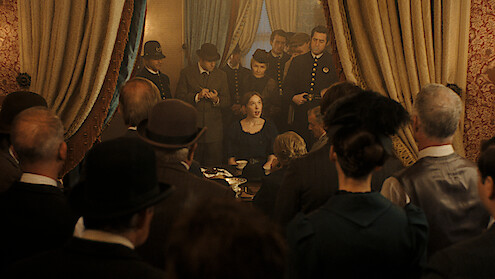
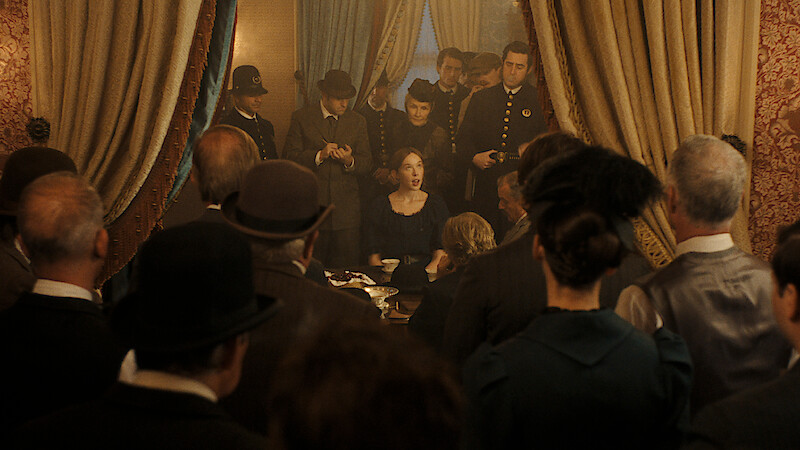
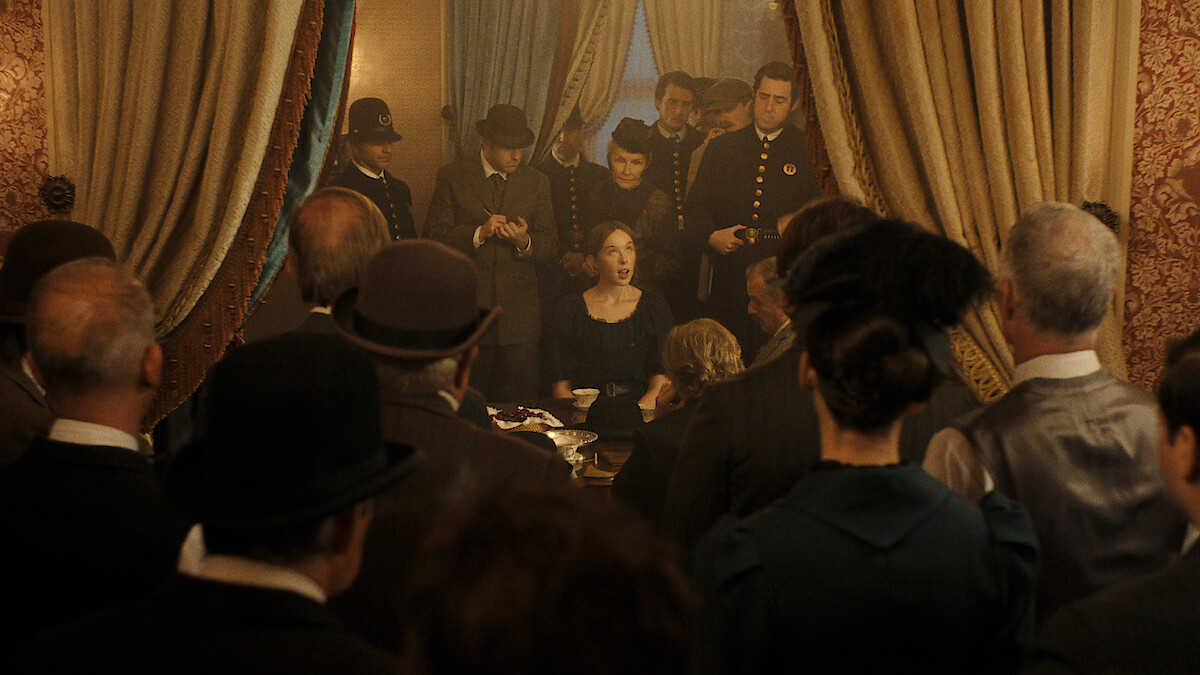
The trial is a story within a story for Lizzie. “Lizzie is telling herself a story about her life and about why what happened needed to happen,” Beatty says. “Getting through the trial is about staying committed to that story. She’s just sort of struggling to put one foot in front of the other.”
When Lizzie is acquitted, she has a whole new challenge ahead of her: what to do with herself next. A dramatic falling-out with her sister Emma (Billie Lourd) leaves her alone in the world, with nothing but her inheritance to keep her afloat. But in Monster, the true end of Lizzie’s story takes place decades after her death, in the company of another killer.
What happens to Aileen Wuornos?
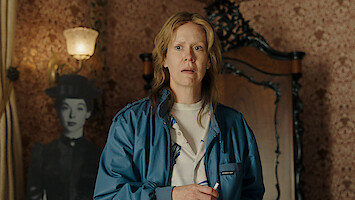
Episode 4 of Monster: The Lizzie Borden Story begins in 1988, almost a hundred years after Lizzie and Maggie’s story. It follows Aileen Wuornos,in real life a Florida sex worker who became a notorious serial killer. As the series depicts it, Wuornos was inspired by Lizzie’s crimes, even staying in the Borden family home (now a bed and breakfast).
“She’s such a fascinating character,” Brennan says. “I mean, she could easily be her own season of the show. Of all the personalities in this show, even in the whole series, she’s stuck with me the most.”
Beatty and Paulson had already worked together before Monster, on Branden Jacobs-Jenkins’s play Appropriate, for which Paulson won a Tony Award. “She's one of my best friends in the world,” Beatty says. “So that was one part of it just for me on a personal level. But I think the show is exploring a legacy of female rage and reaction to the hand they’re dealt.”
Although Lizzie’s story looms over Aileen’s cross-country road trip as depicted in Monster, Beatty and Paulson share just two scenes together: one at the bed and breakfast and then in the final moments of the series, in which Wuornos is executed for her killing spree. In her dying moments, akin to Ed Gein in Monster’s third season, the fictional Wuornos sees Lizzie and Maggie beckoning her forward, tying together a legacy of murder.
“In a way, Lizzie has a happy ending, and Aileen didn’t,” Brennan says. “She didn’t get away with anything. So it felt right to land on her and give her, if not a happy ending, one that is satisfying.”
For Brennan, this season’s conclusion is a microcosm of Monster’s central question. “This anthology asks the question, ‘Are monsters made or are they born?’” he says. “And I don’t think Aileen Wuornos was born that way. I think she was made into the thing she was.”
Beatty hopes the series raises those same questions for its viewers. “I think the show is an exercise in empathy and an exercise in trying to understand complicated people’s brains and their trauma,” she says. “Audiences are really smart, and they’ll take away completely different things based on their own hearts and minds. But I hope at least we will be successful in making people more curious about Lizzie and her story.”
Monster: The Lizzie Borden Story is now streaming on Netflix.