This article contains major character or plot details.
Reptile is the product of a lifetime of murder mysteries, a small-town crime thriller with cold blood and a dark heart. Like the detective at the center of his film, director Grant Singer has a few cases — cinematic ones — that have lived with him for his entire life. “They’re inspirations for me as a person,” Singer tells Tudum. “I’ve seen those movies many, many, many, many times.” So when it came time to direct his first feature film, Singer turned to the on-screen mysteries that continue to hold sway over his imagination.
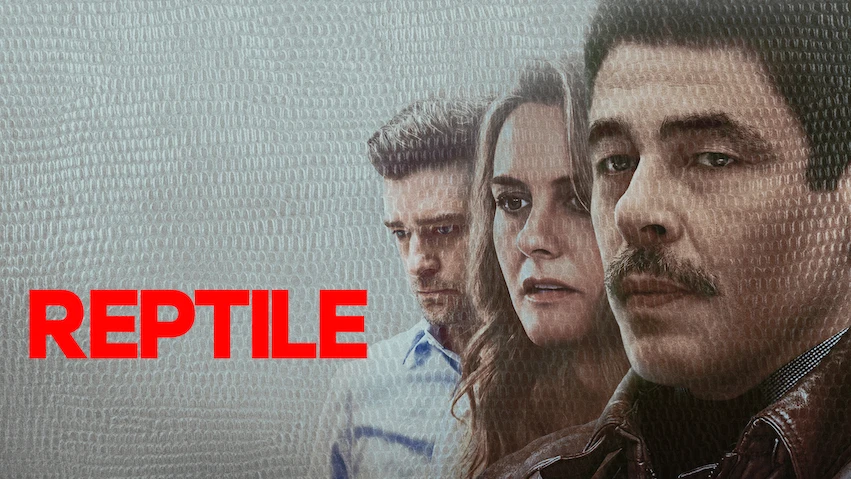
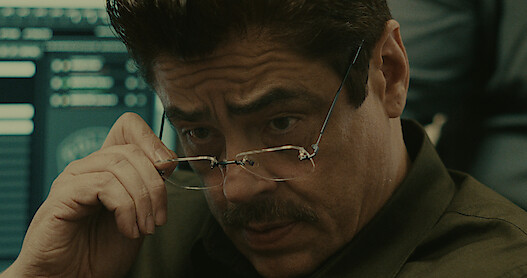
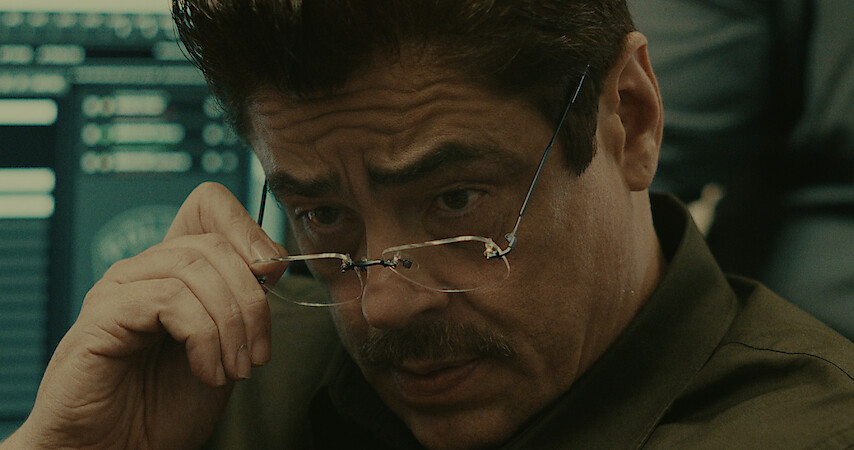
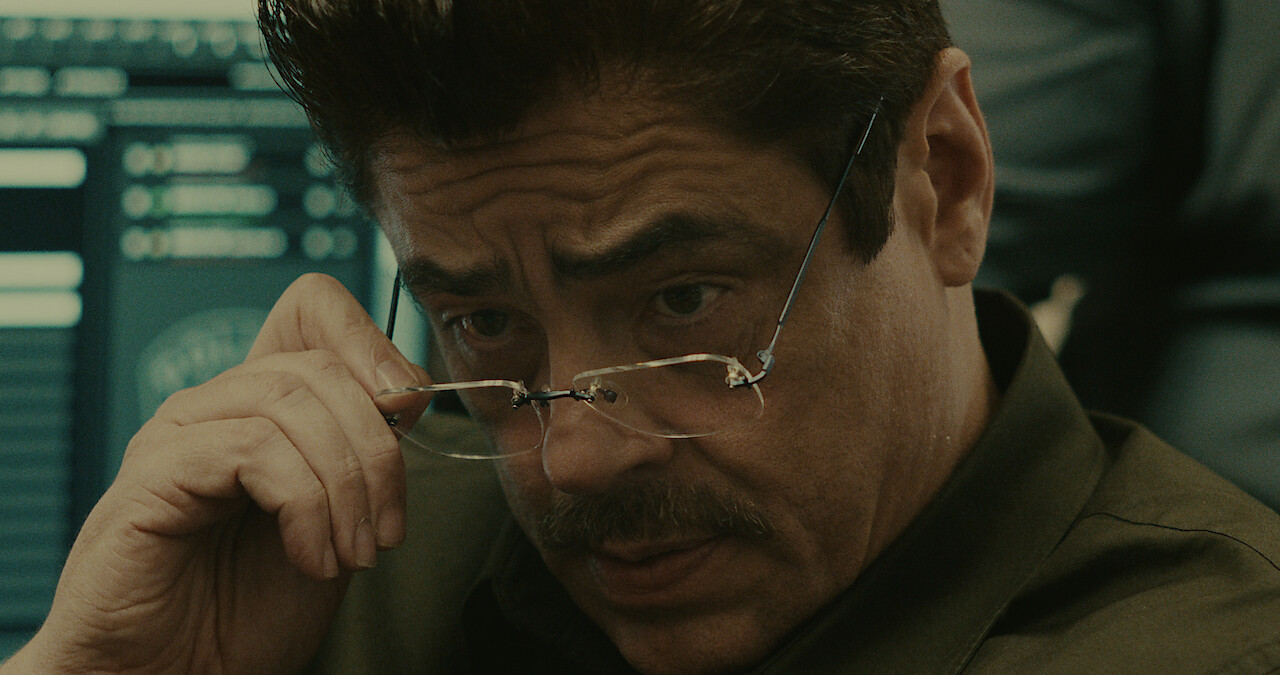
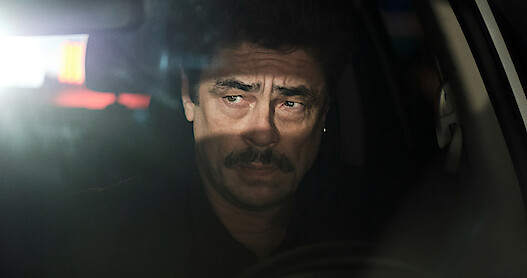
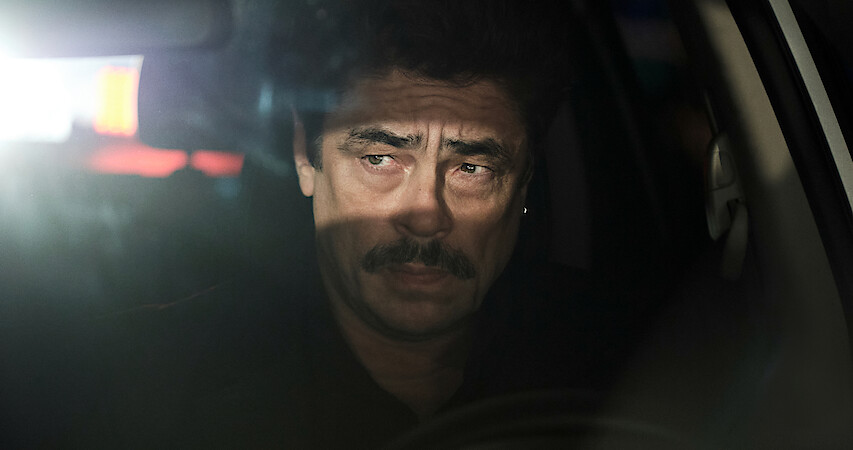
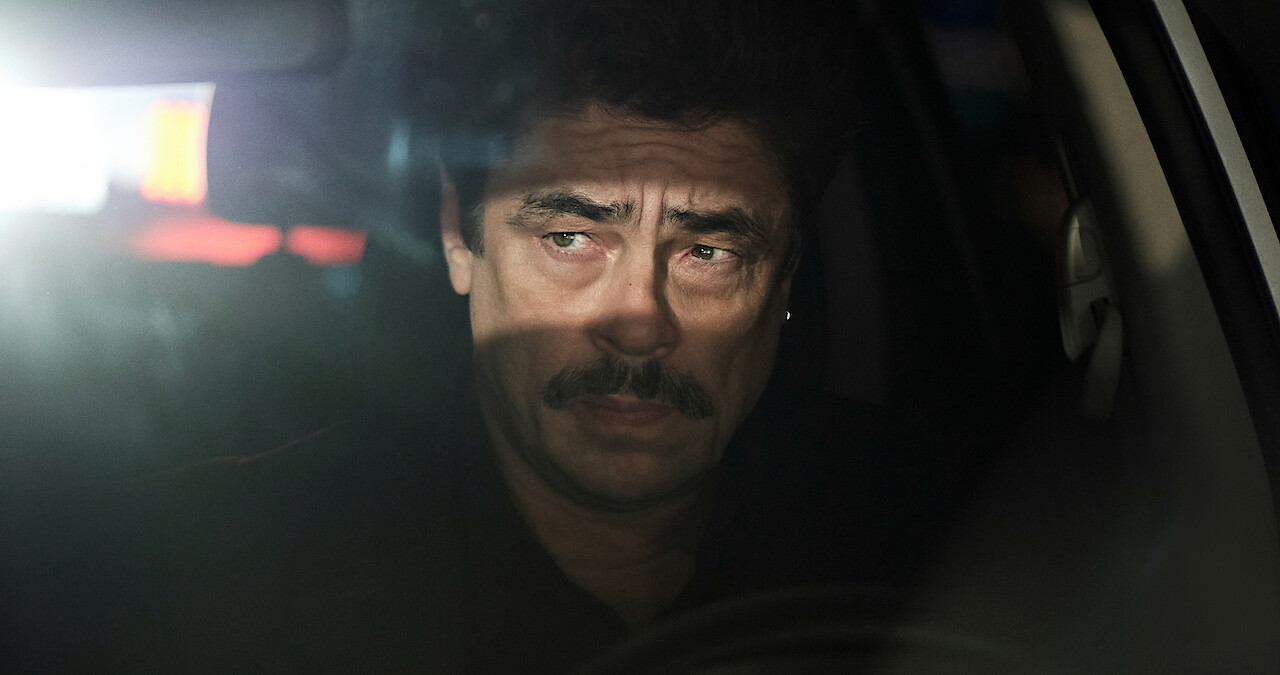
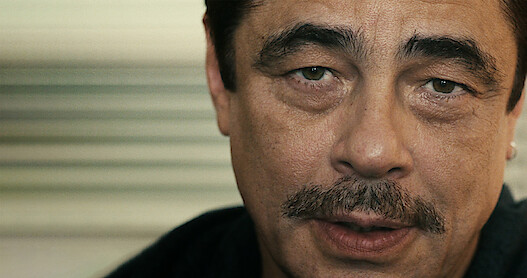
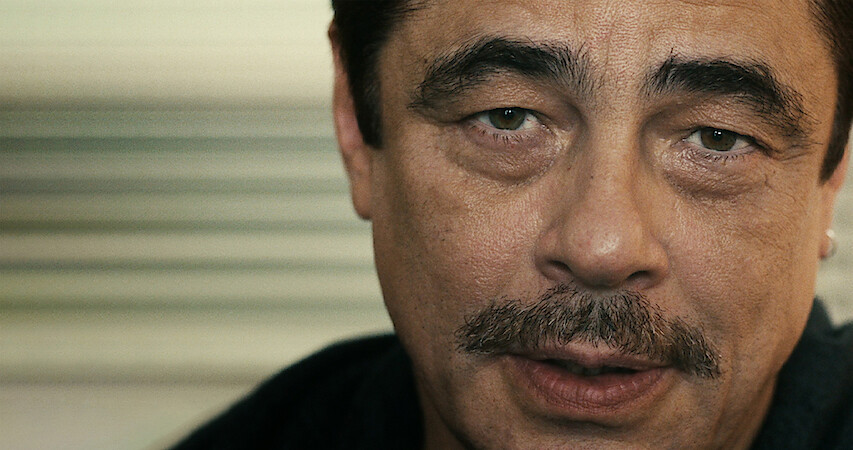
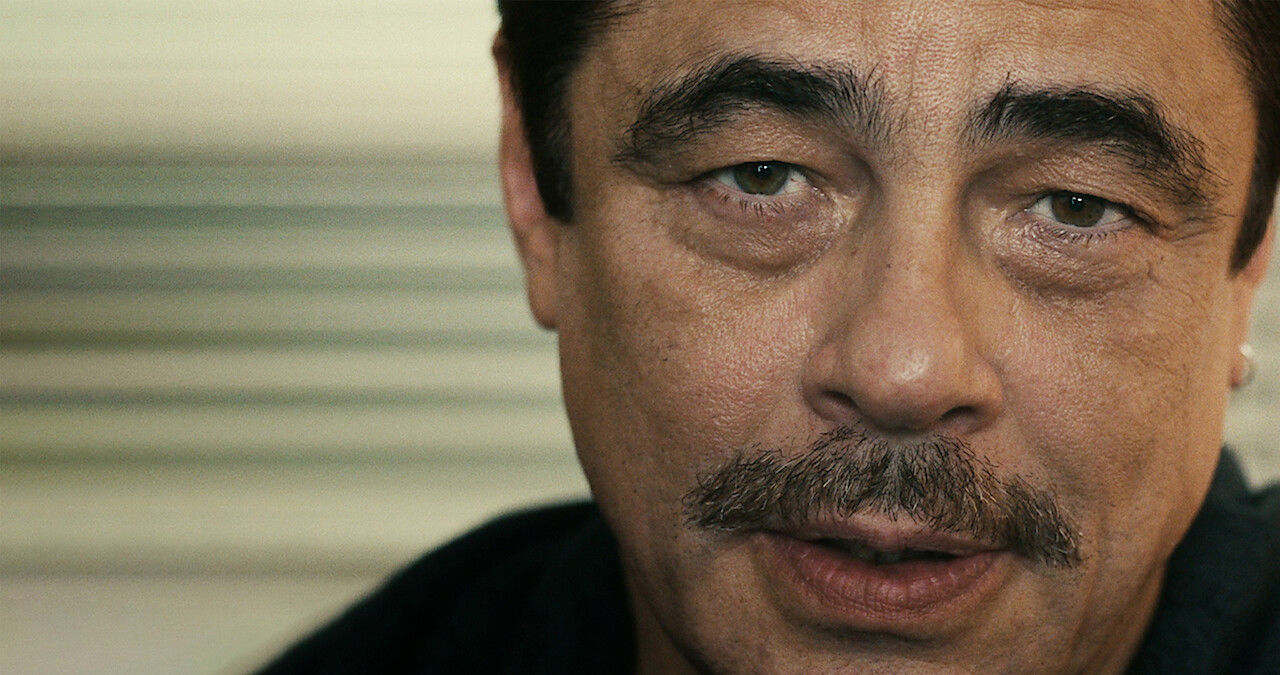
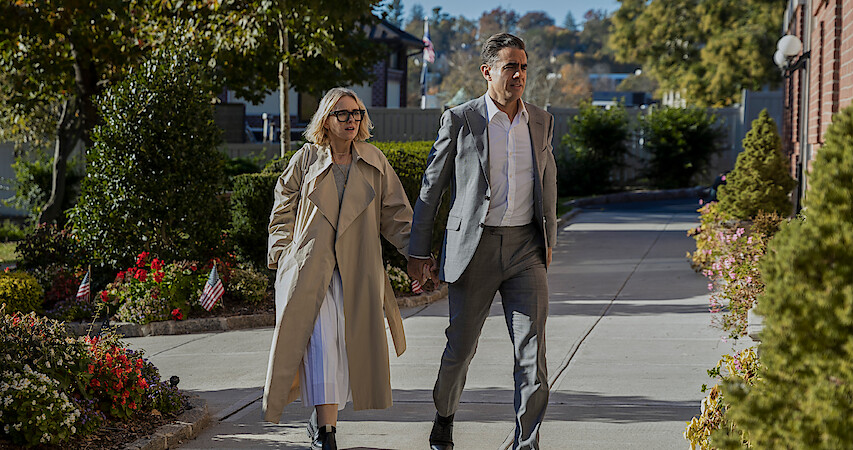
In Reptile, Benicio Del Toro stars as Detective Tom Nichols, whose investigation into a murder soon threatens to upend everything he knows about his home — and himself. Del Toro, who also co-wrote the film, had a few contributions of his own. “Benicio and I certainly had many conversations about different movies,” Singer says. Here are just a few of the films that started those conversations.
In Cold Blood
Based on Truman Capote’s bestselling book, Richard Brooks’ In Cold Blood tells the story of the 1959 Clutter family murders, centering on killers Perry Smith (Robert Blake) and Richard Hickock (Scott Wilson). The 1967 true crime adaptation had a hefty influence on Singer’s film — specifically, on the process of crime scene investigation. “We definitely watched In Cold Blood,” Singer says. “We did a lot of research, practical research, learning about certain cases and doing research with actual law enforcement detectives.” In In Cold Blood, simple greed inspires a seemingly senseless murder; Reptile tells that same story in reverse, from the perspective of the law rather than the lawless.
The Night of the Hunter
Actor Charles Laughton’s sole directorial feature was a disappointment upon its 1955 release, but has only grown in estimation in the decades since; you can spot its influence in everything from Spike Lee’s Do the Right Thing to the Coen Brothers’ True Grit. The Night of the Hunter follows a serial killer (Robert Mitchum) who ingratiates himself with a widow (Shelley Winters) and stalks her two children, an expressionistic sense of dread leaking from every frame. It’s no wonder Singer cites it as an influence on his own dark and haunted film.
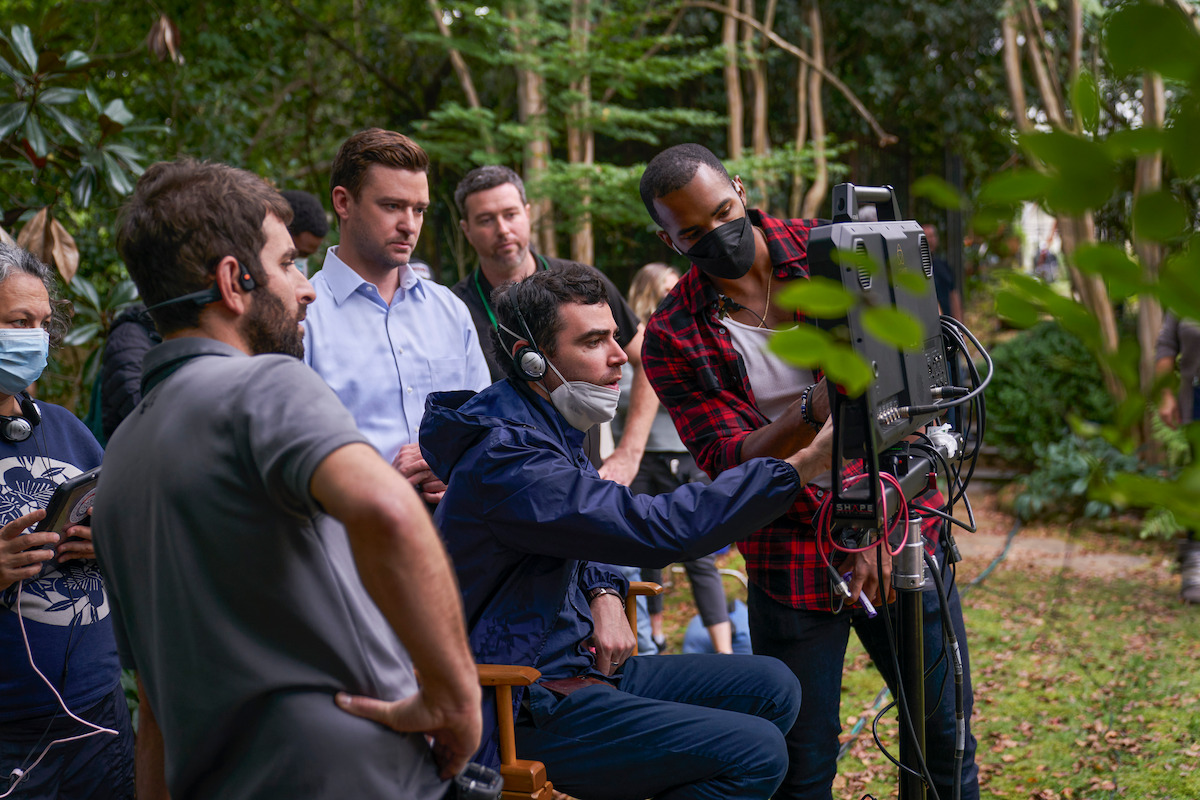
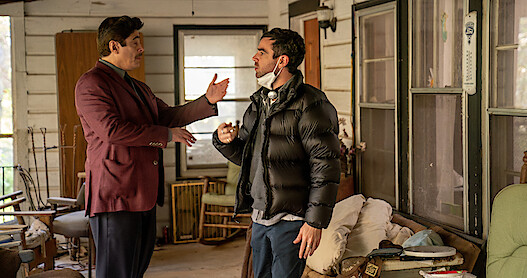
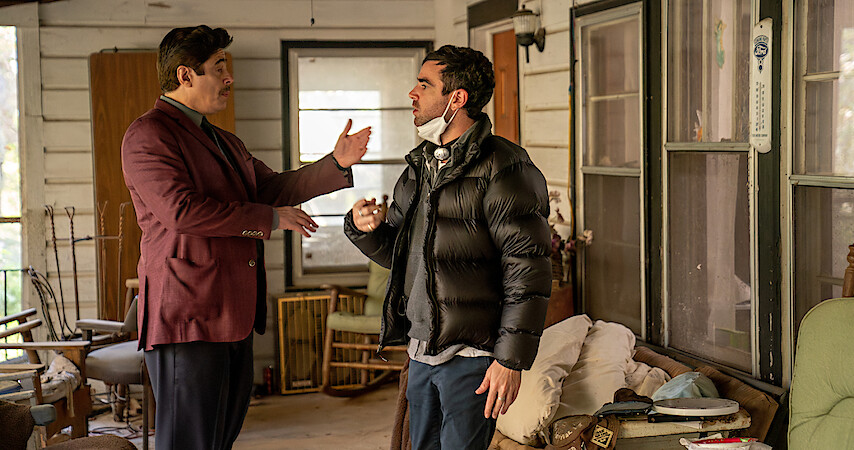
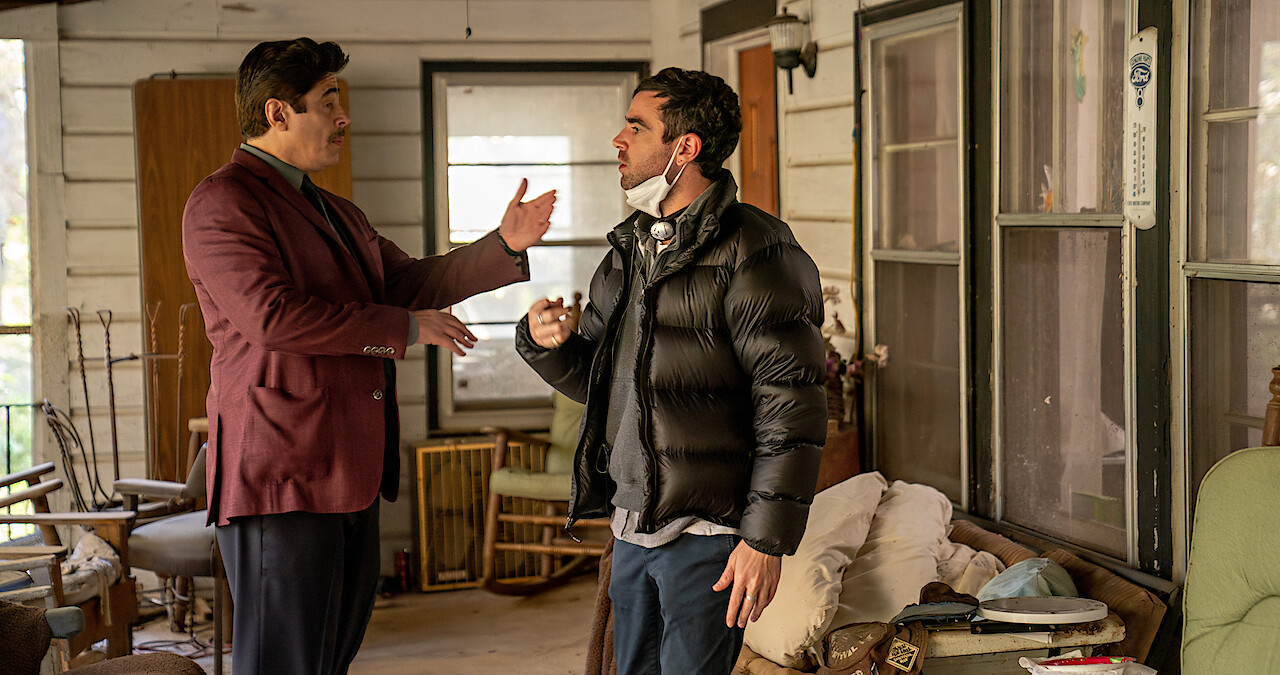
Justin Timberlake looks on as director Grant Singer prepares a scene in a still from the set of ‘Reptile.’
The Conversation
The 1974 conspiracy thriller’s sense of paranoia gave Singer the energy he needed for Reptile’s cat and mouse game. “Specifically in that movie, how [Francis Ford] Coppola portrays the hunter as the hunted,” Singer says. As Justin Timberlake’s murder suspect Will Grady is pursued by the police and by an aggrieved family stalker (Michael Carmen Pitt), Singer channeled The Conversation’s portrait of a surveillance expert (Gene Hackman) dogged by fears he’s accidentally recorded a murder. “Portraying Justin as a potential victim takes a stench off of him as a perpetrator, and then you do that as well as in the mausoleum sequence,” he says. “We’re constantly trying to manipulate the viewer as to what they’re thinking, and when and who might be guilty, and who might be suspicious and who might not.”
Zodiac
Like The Killer director David Fincher, Singer started out in music videos, and the similarities don’t stop there. While working on Reptile’s narrative structure, Singer turned to 2007’s Zodiac, Fincher’s beloved adaptation of Robert Graysmith’s investigation of the Zodiac killings starring Jake Gyllenhaal, Robert Downey Jr., and Mark Ruffalo. “I wanted to make a movie that was more real-life and evoked aspects of true crime, which is to say not everything adds up, not everything makes sense,” Singer says. “There are things in the Zodiac case, in Fincher’s amazing movie, that provide evidence that Arthur Leigh Allen wasn’t in fact the Zodiac killer. But there’s also evidence that he might be.” So don’t be too surprised if things aren’t quite tied with a bow at the end of Reptile.
Rosemary’s Baby
At the end of Reptile, Nichols’ murder case unravels into an elaborate and intense conspiracy, with even those closest to him falling under suspicion. “We pose questions in terms of culpability for all the different characters,” Singer says. But it isn’t a simple matter of whodunit; it’s a widening net that calls to mind Roman Polanski’s iconic 1968 horror film Rosemary’s Baby and its revelation of demonic next-door neighbors collaborating to groom Mia Farrow’s unborn child. “It’s more like Rosemary’s Baby, where you realize, oh my God, they’re all involved,” Singer continues. “He realizes it’s much more of a conspiracy and that there’s much more culpability from all these different people that he trusted.” In other words: the snake living next door has shed its skin.
Reptile is streaming on Netflix now.