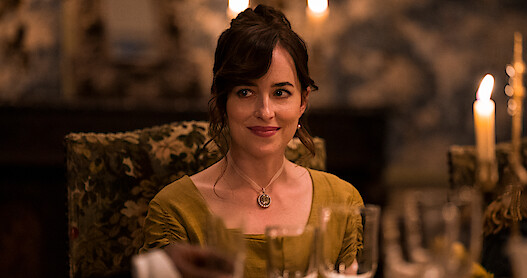
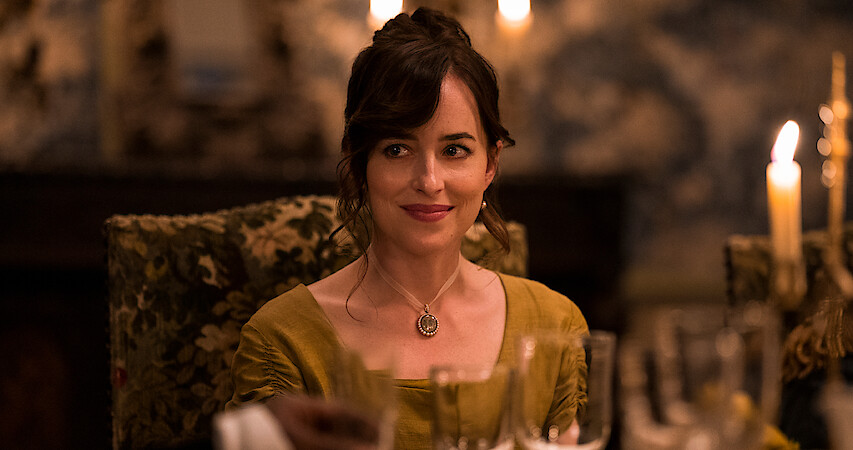
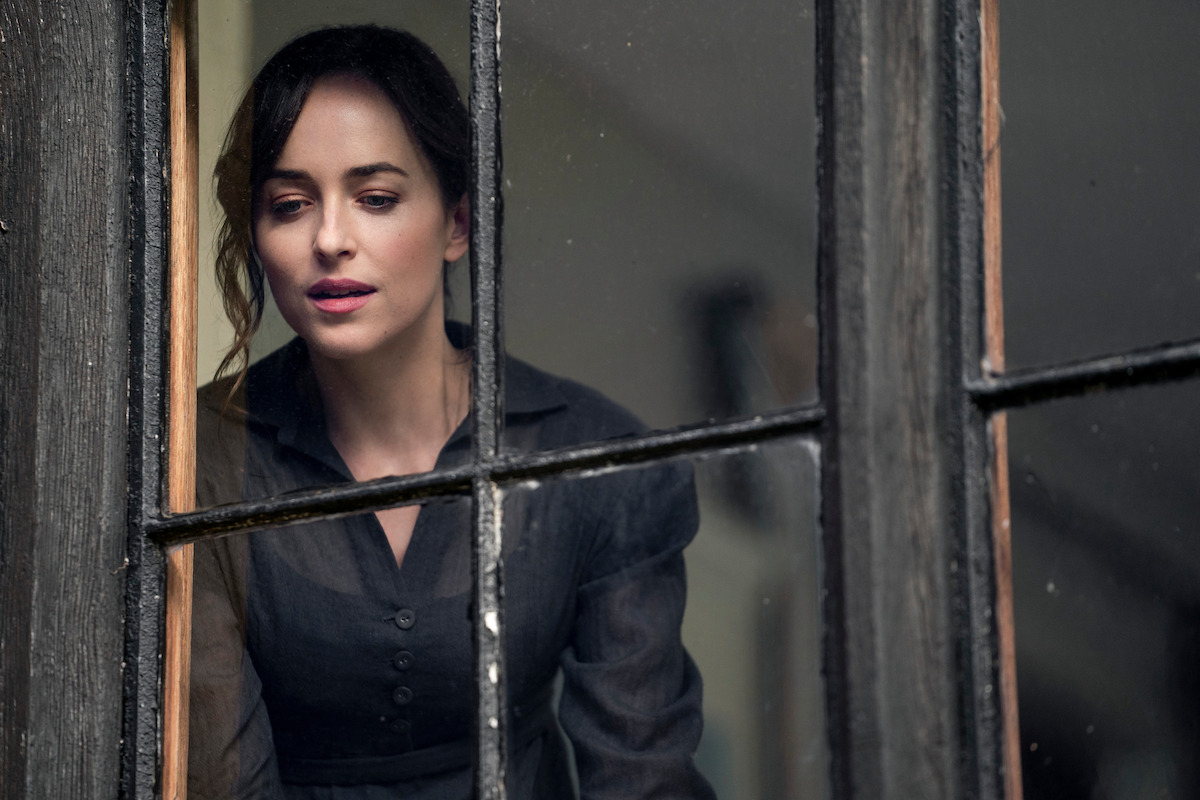
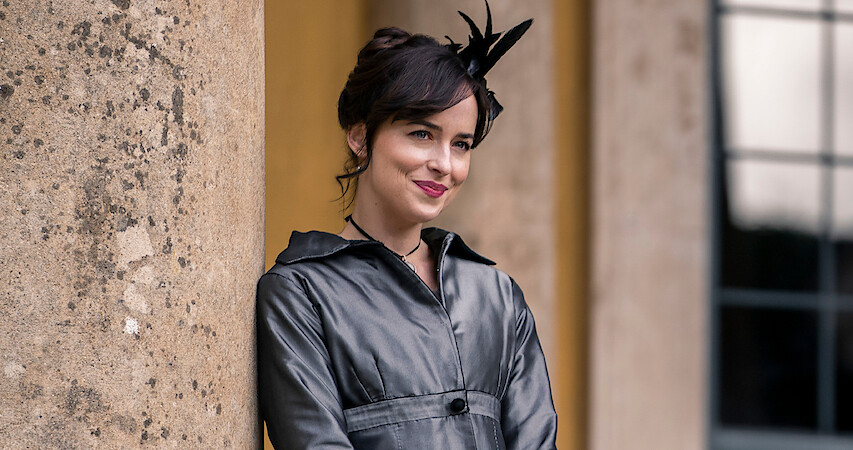
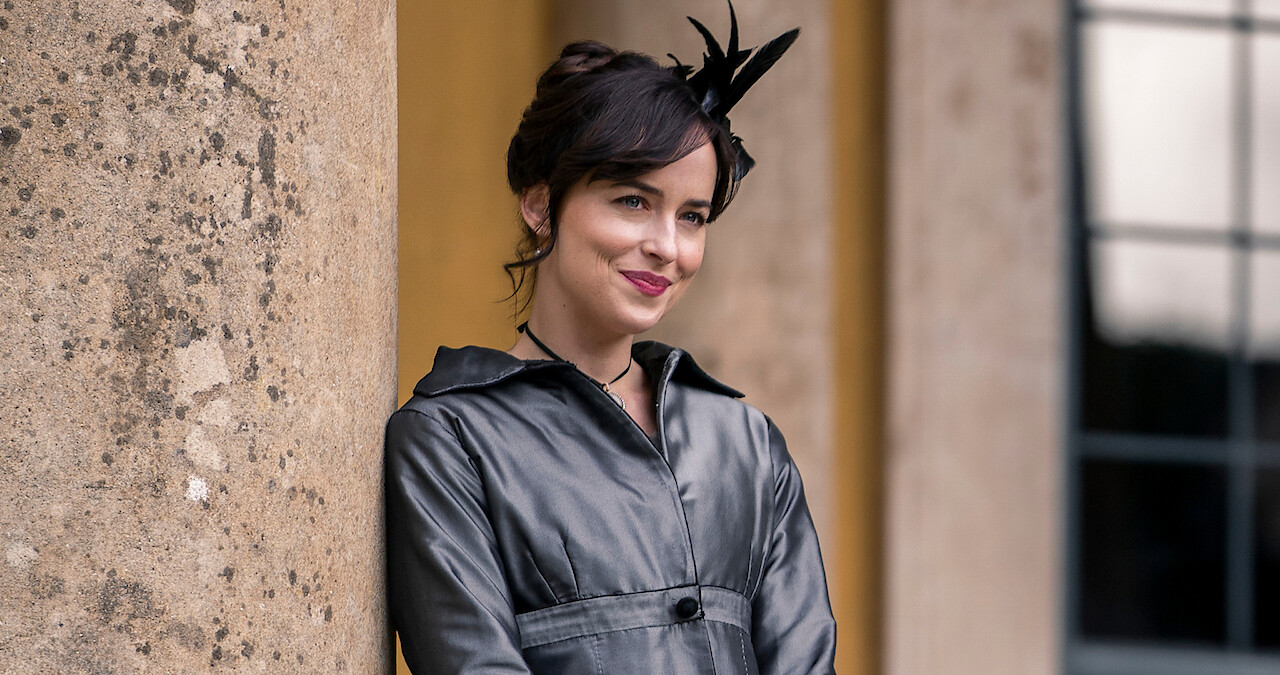
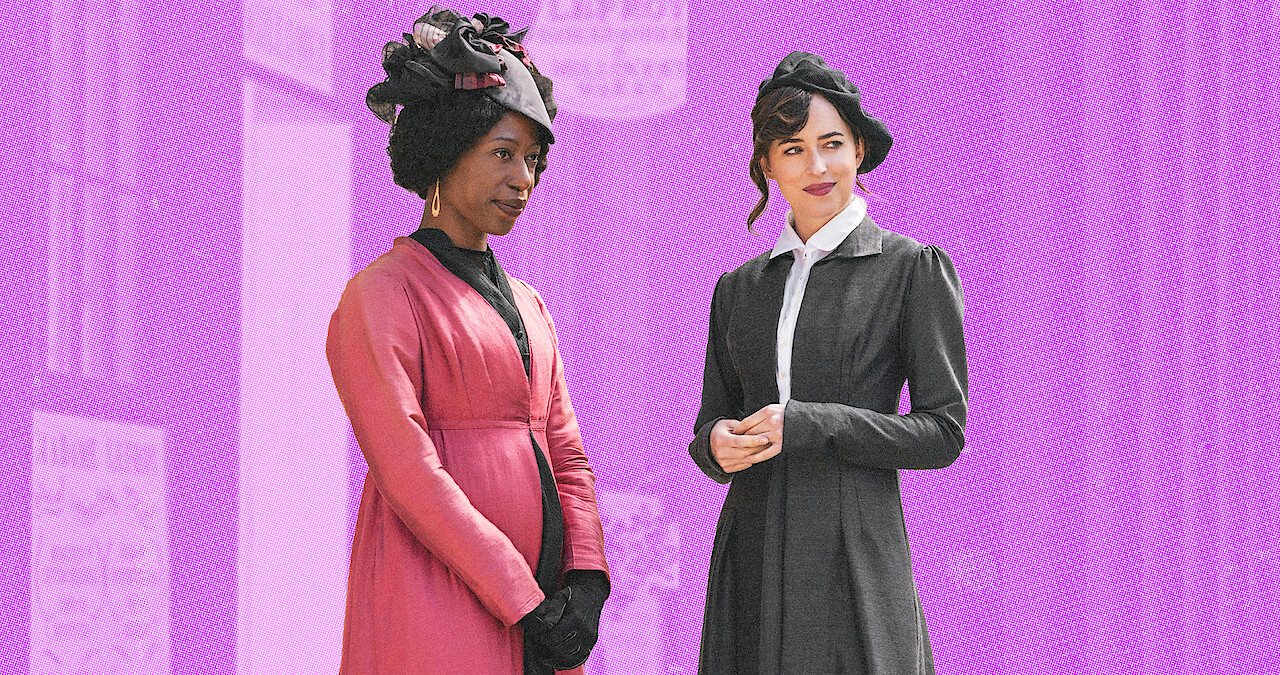
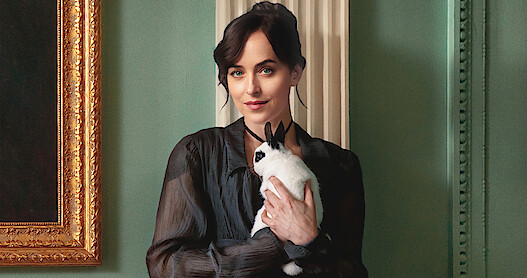
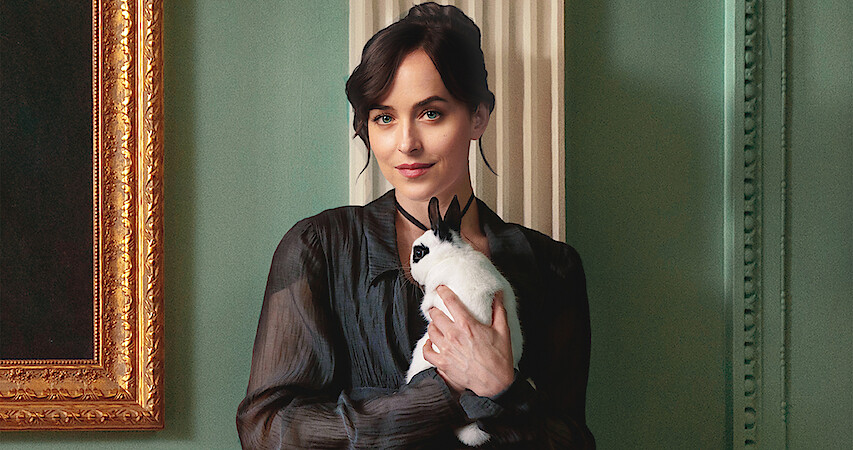
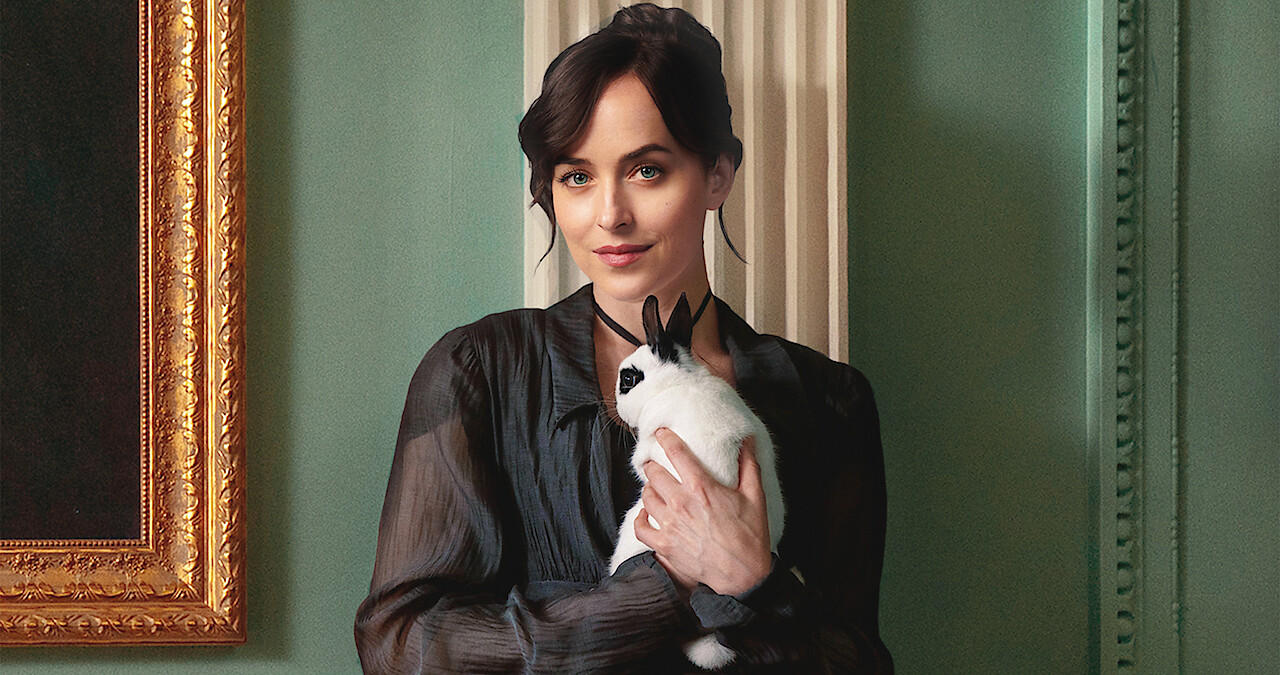
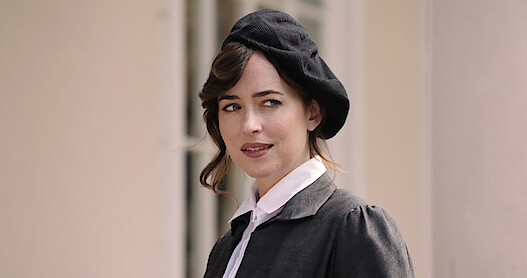
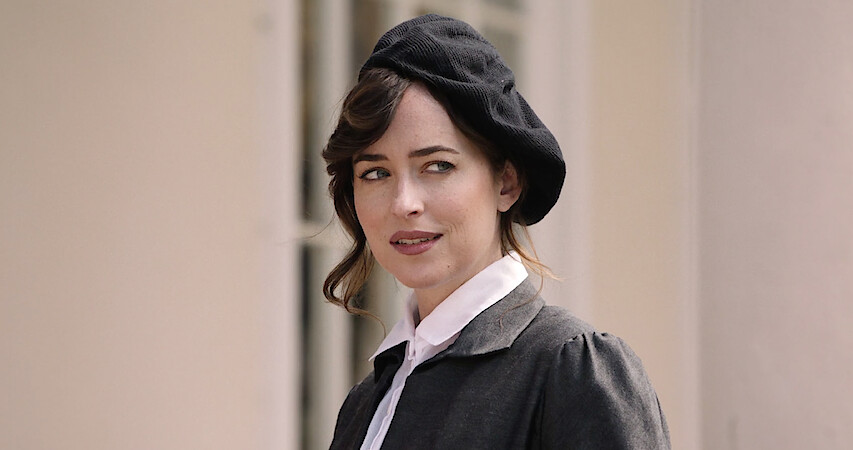
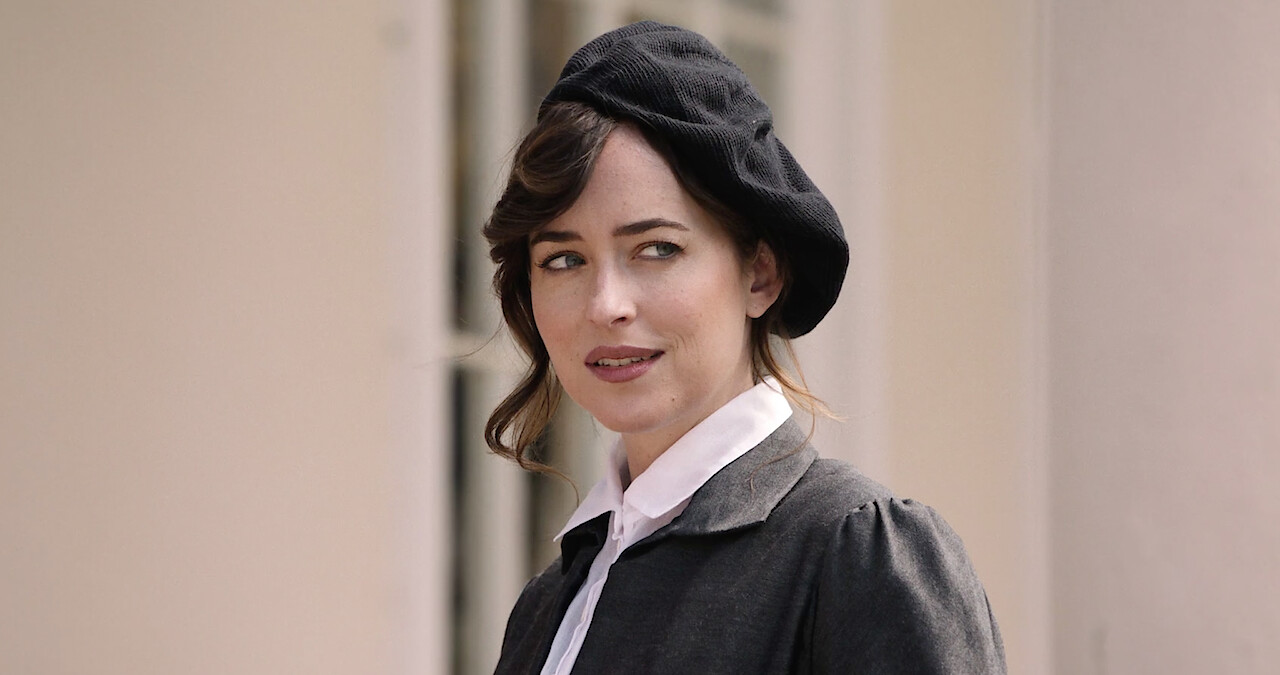
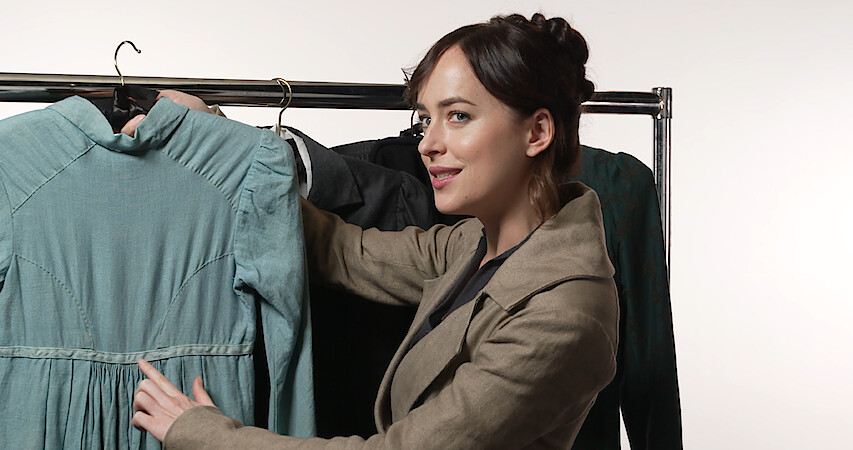
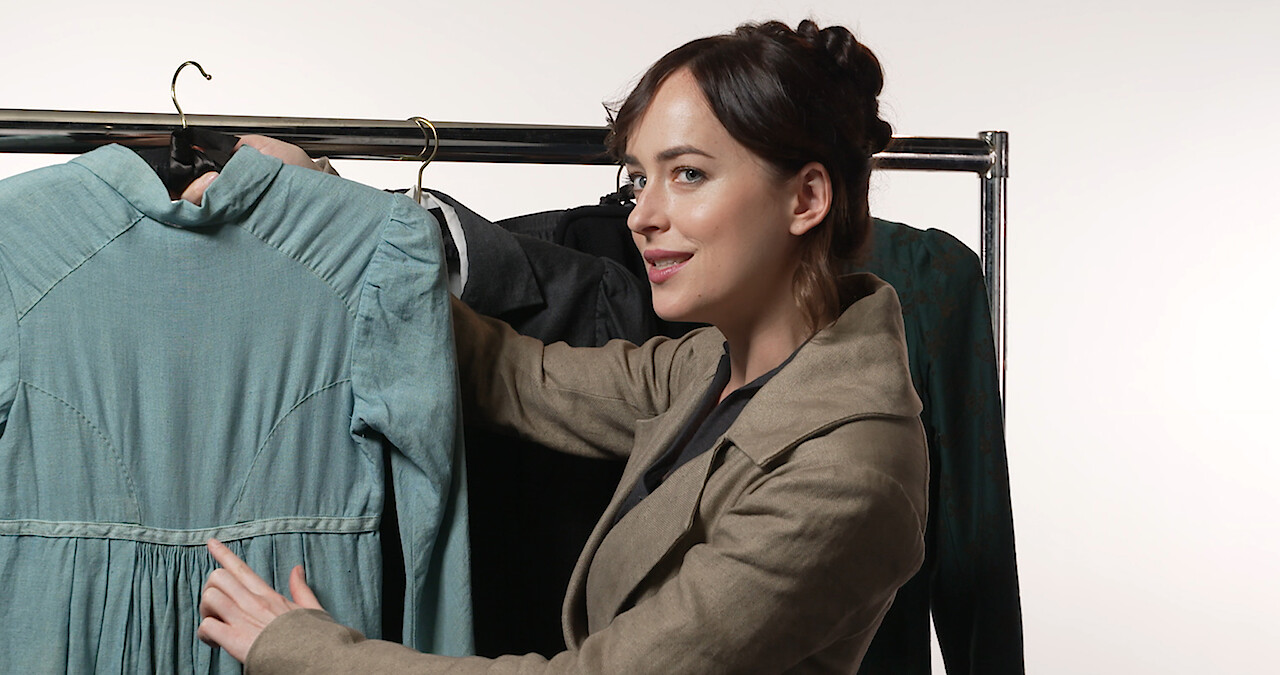
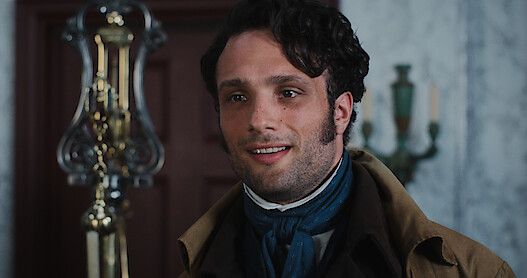
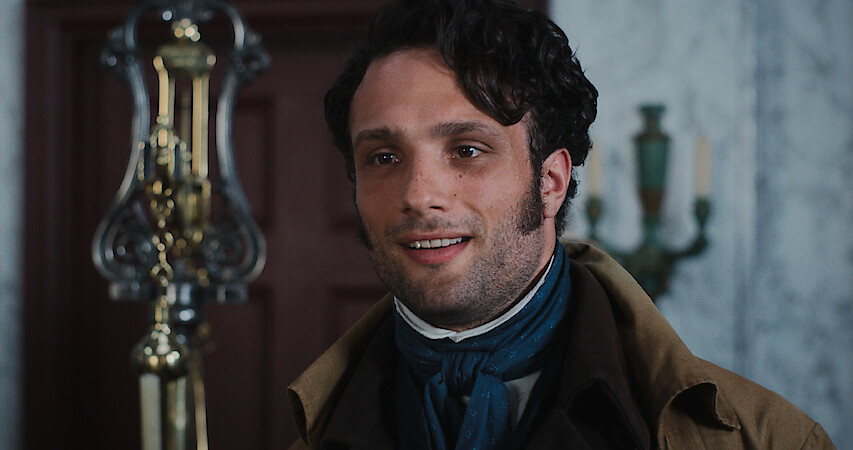
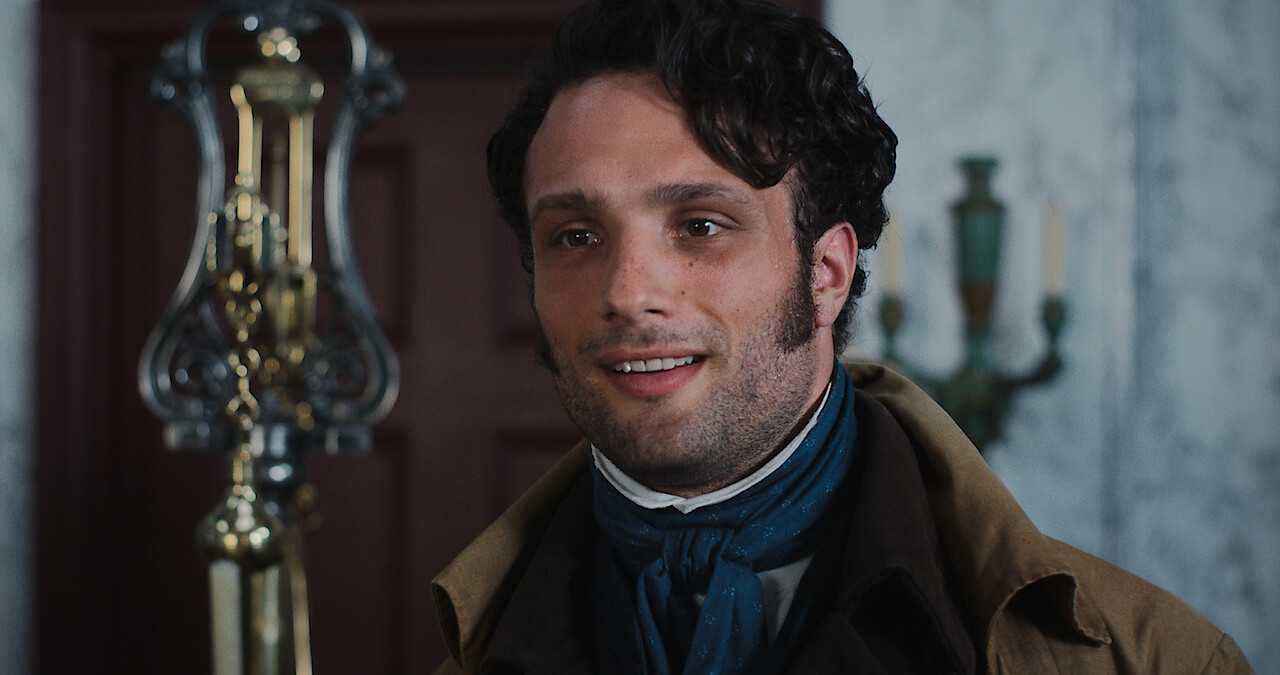
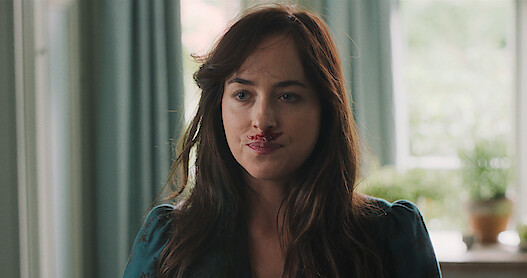
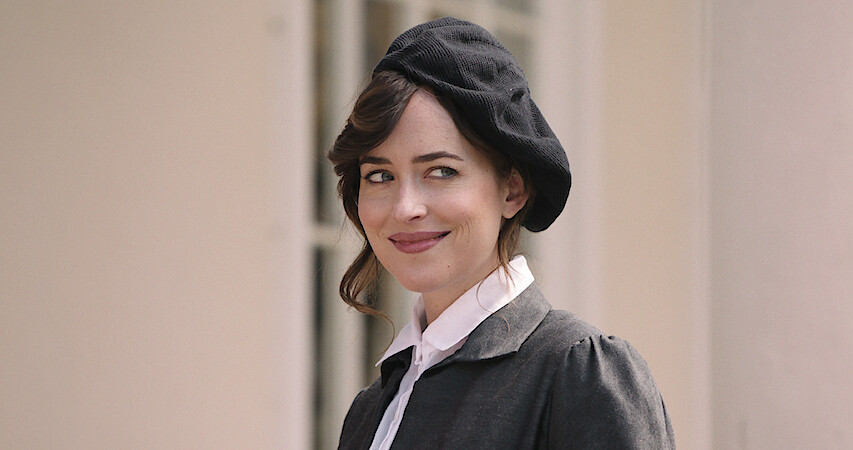
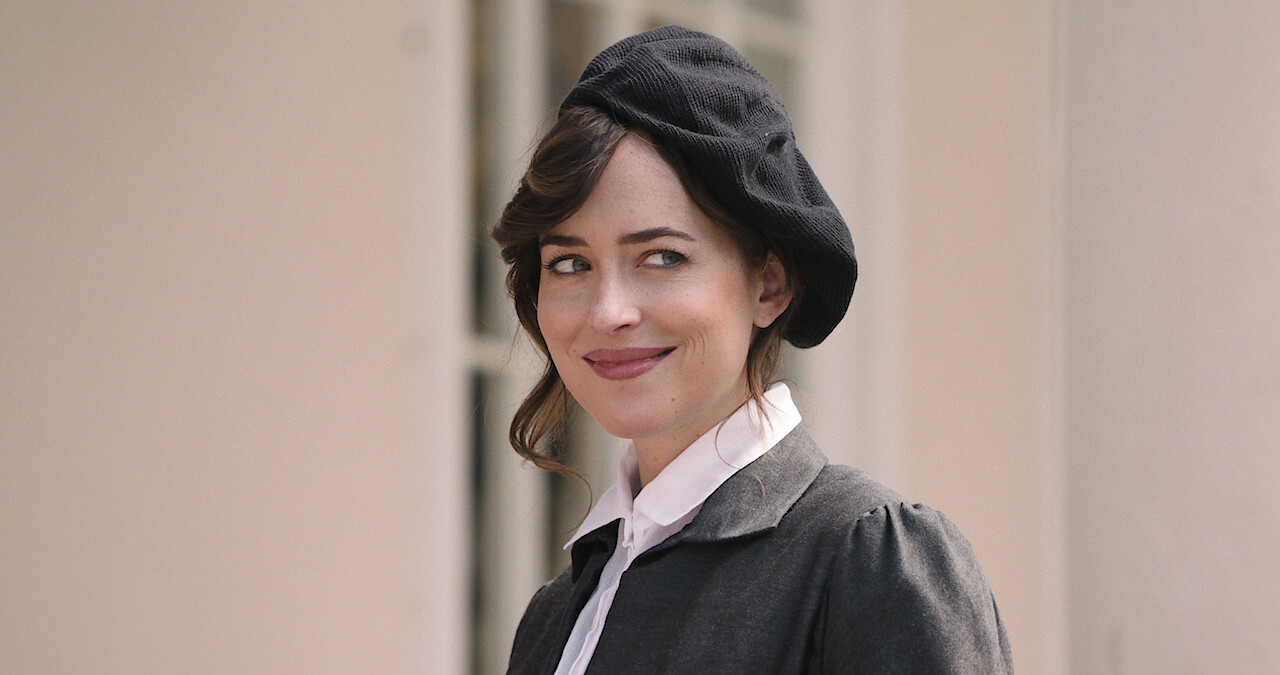
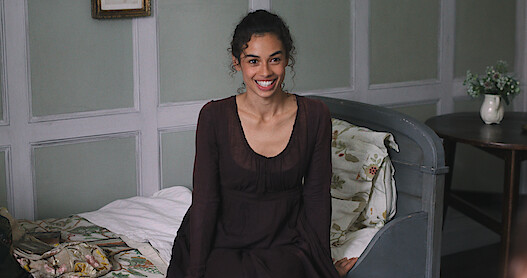
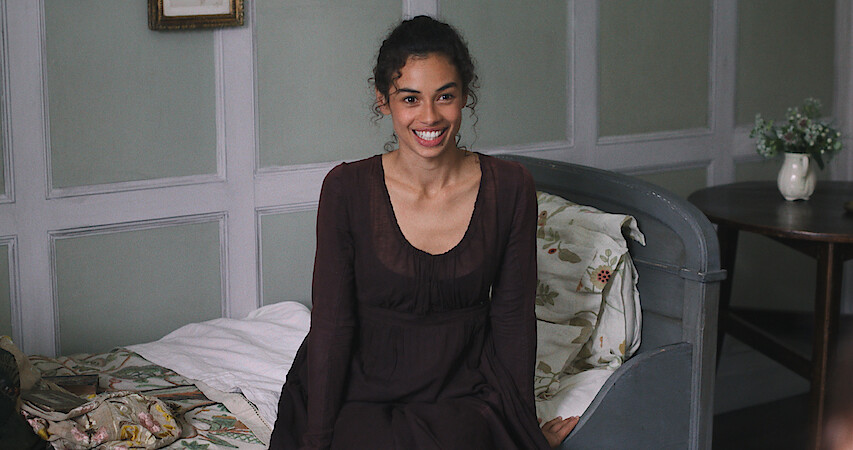
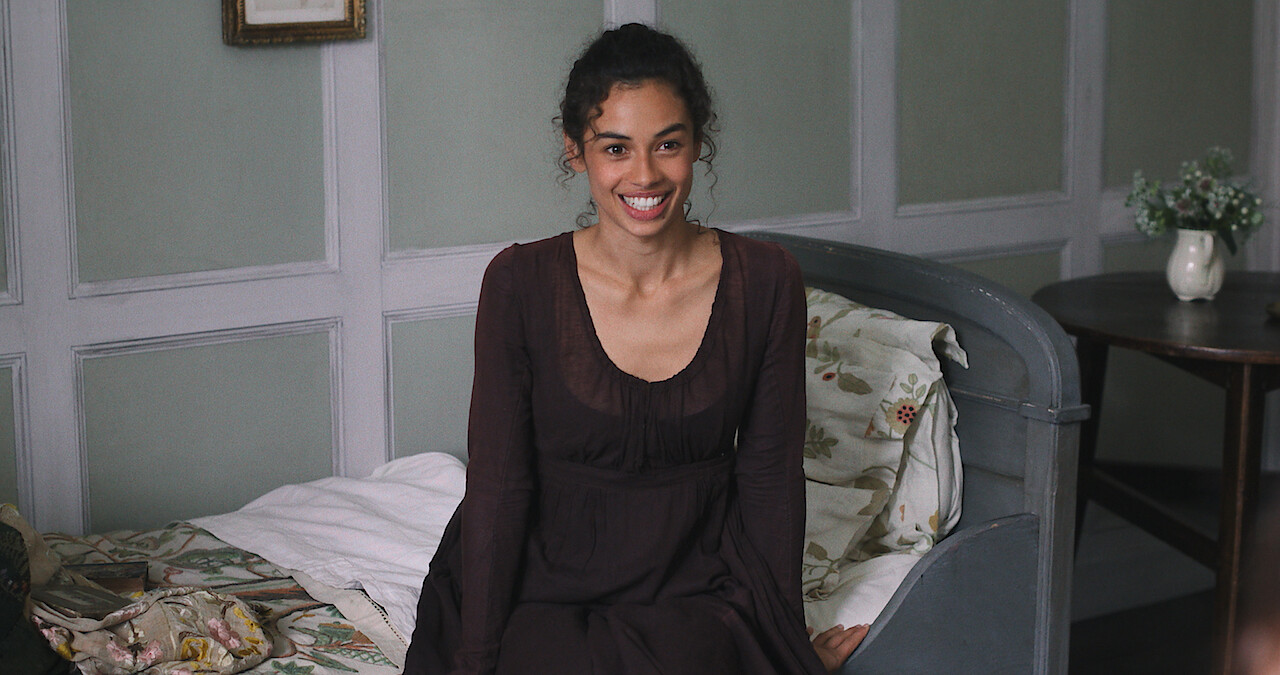
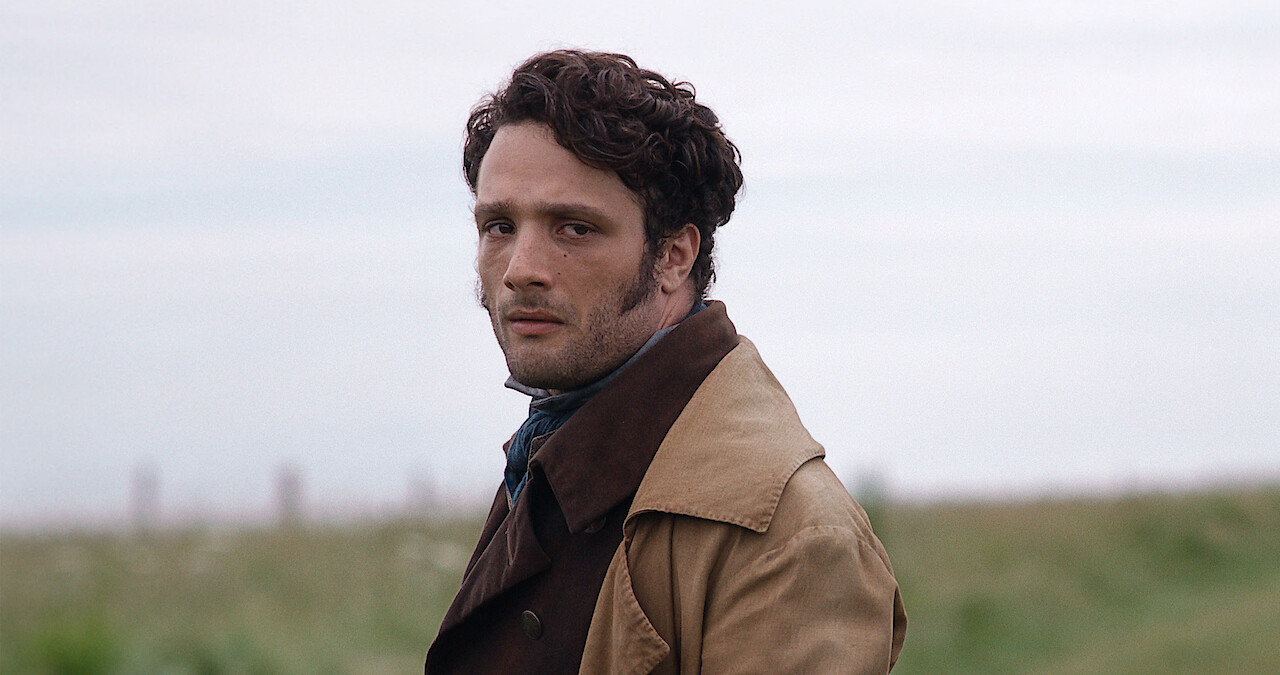
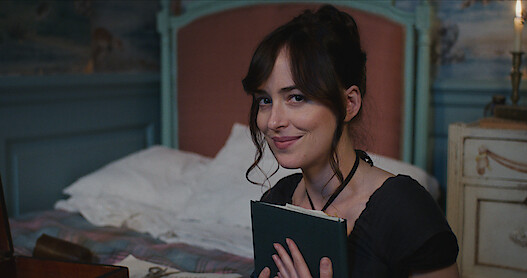
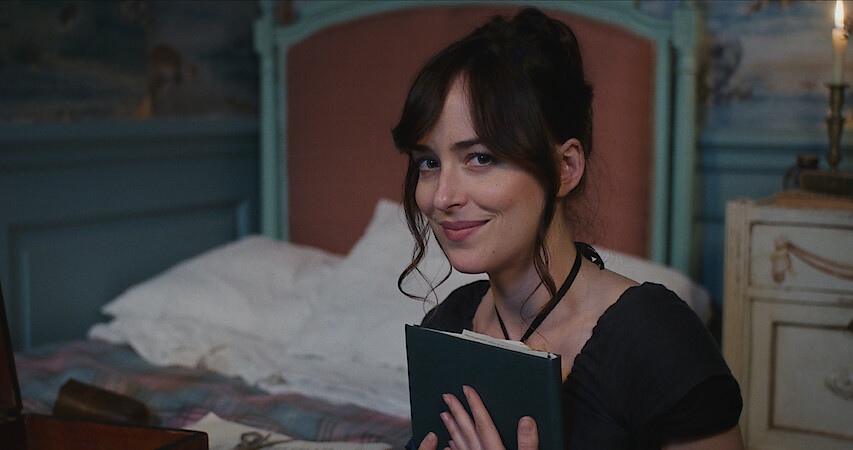
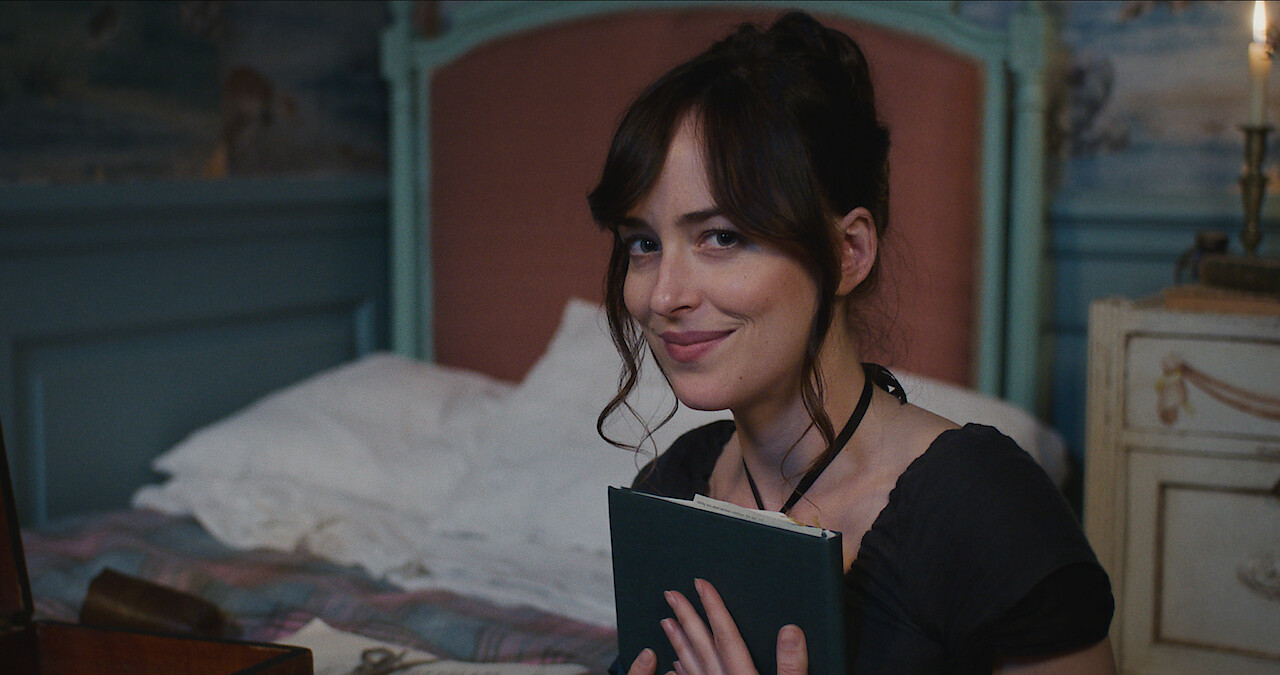
Anne Elliot (Dakota Johnson) is a woman plagued by regret. She was persuaded to reject the love of her life and desperately wishes she hadn’t been. Now she’s paying the price of years of yearning in Persuasion. So much so that when she sees him again eight years later, all she can do is scream, “Love me, you idiot!” into her pillow since she can’t say it to his face.
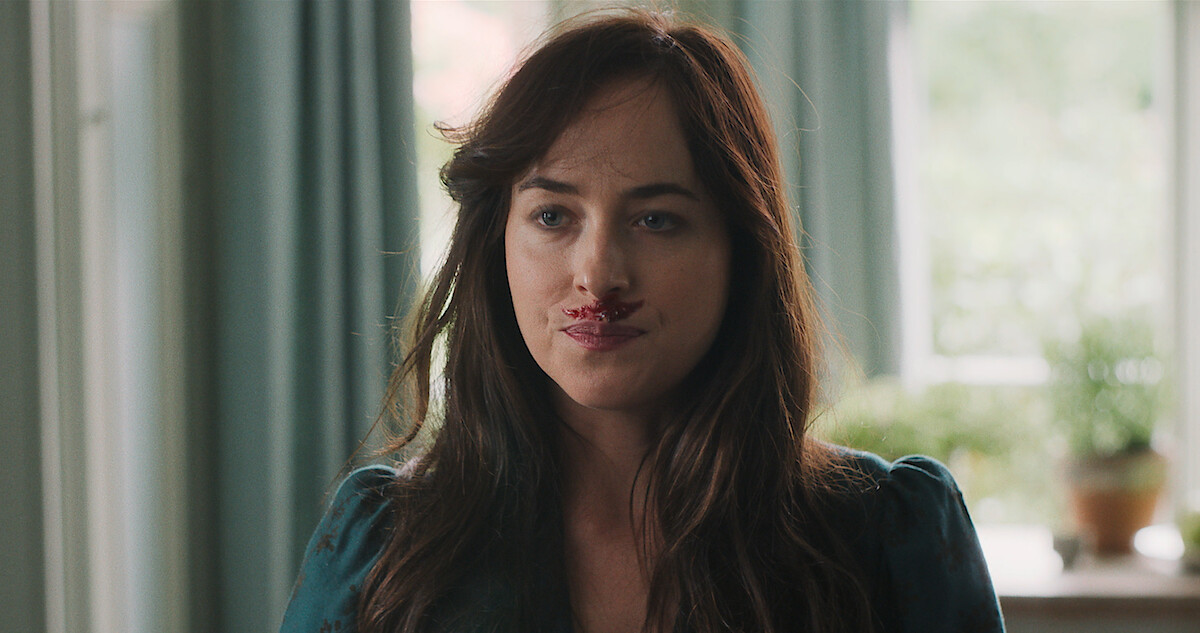
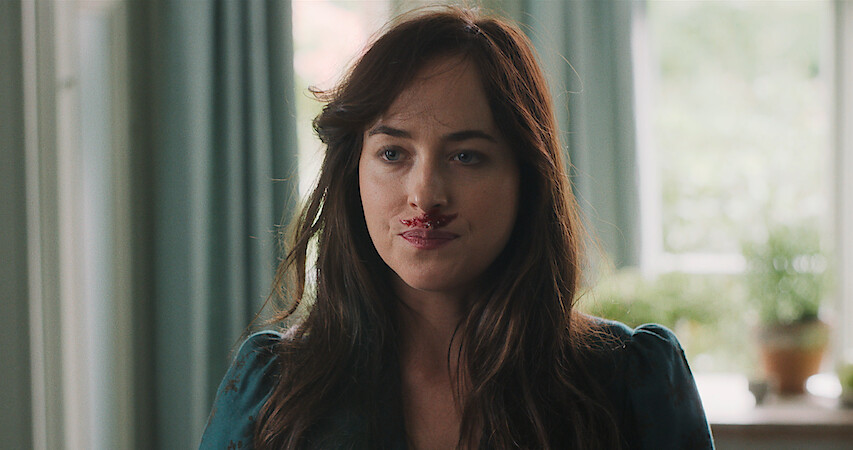
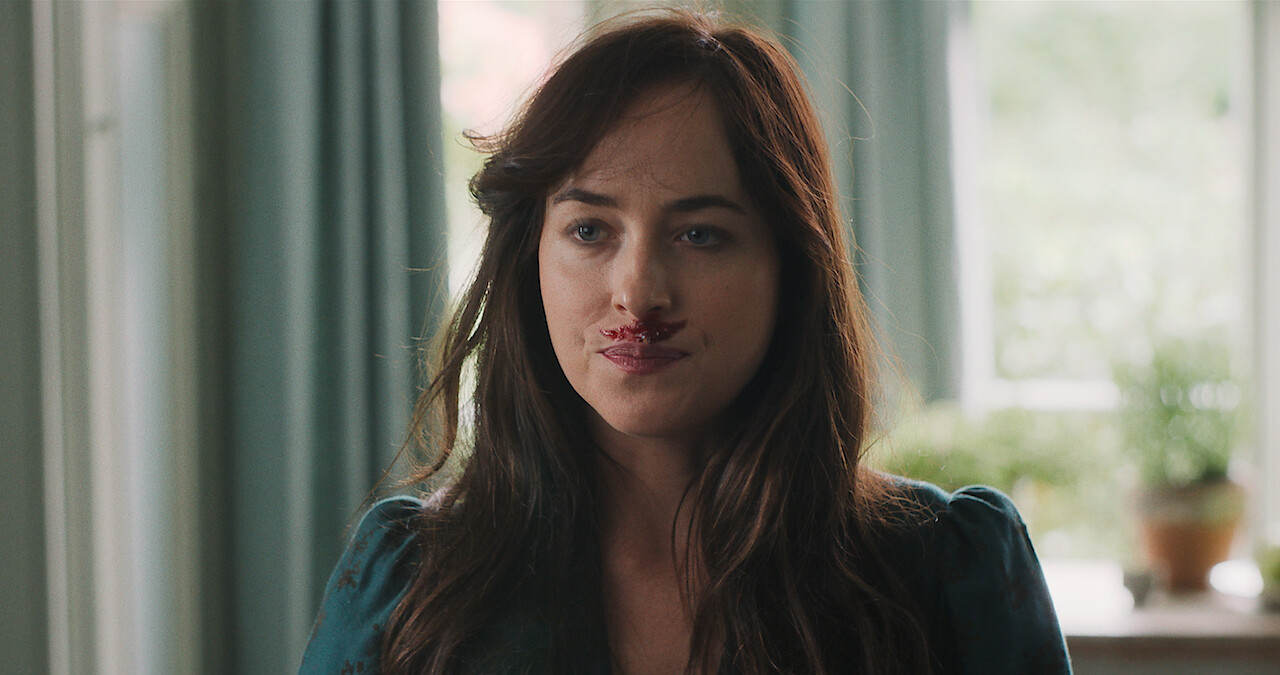
Anne Has an Awkward Reunion with Captain Wentworth | PersuasionTalk about egg on your face.
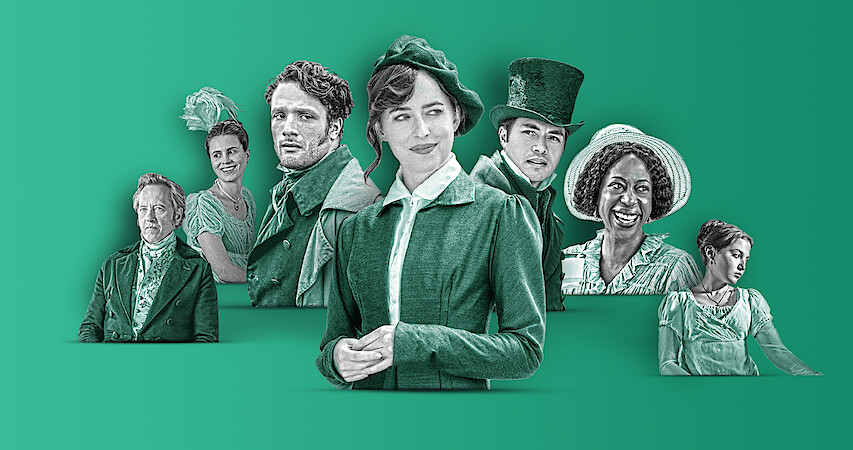
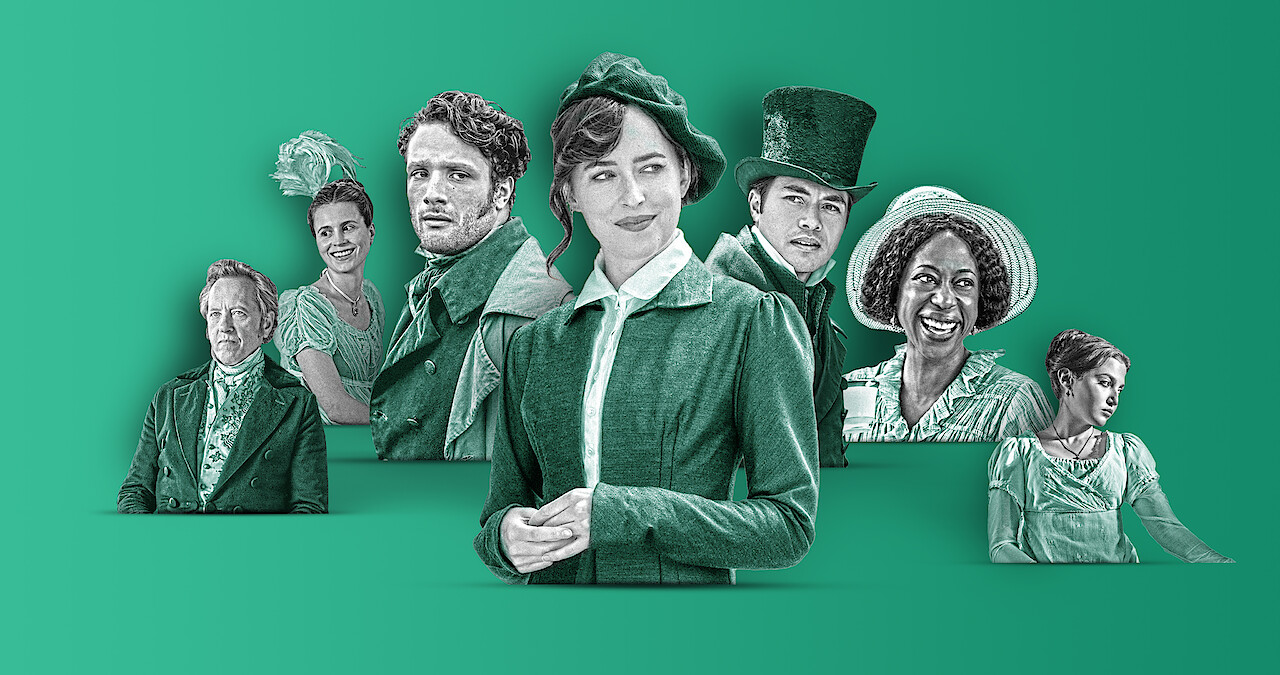
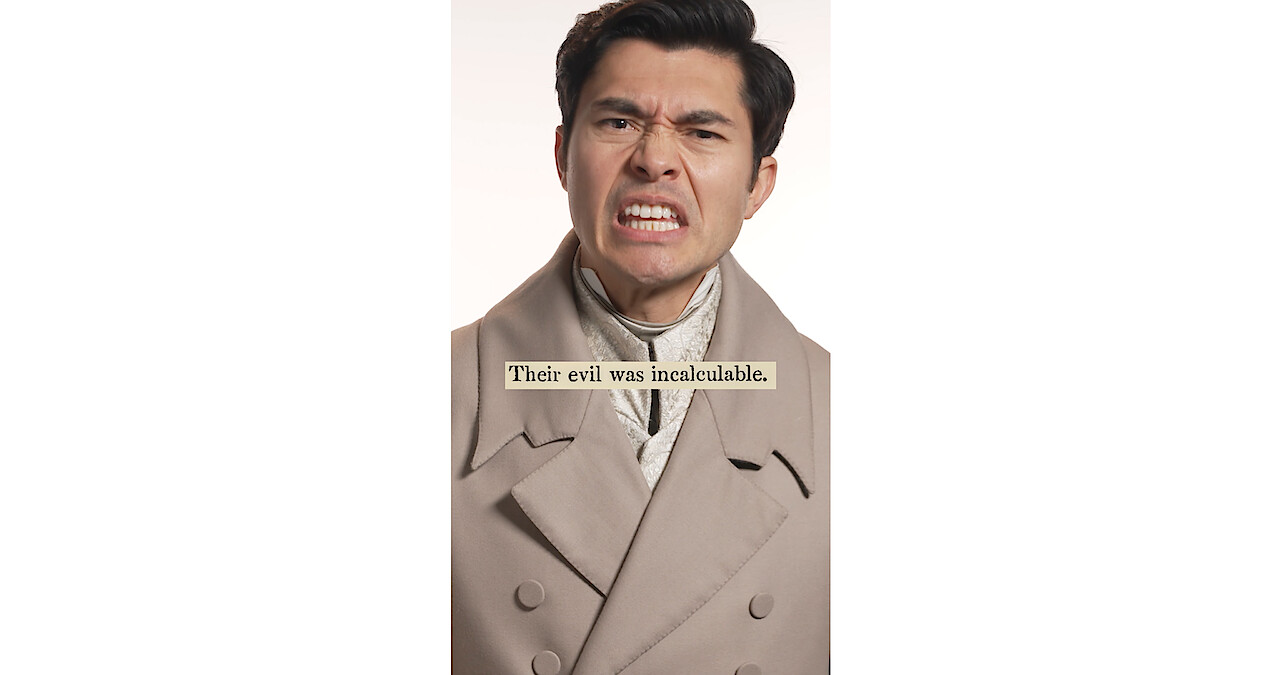
The story of Persuasion is a remorseful but hopeful one, as Anne has never let go of the connection she shared with Captain Frederick Wentworth (Cosmo Jarvis) — even when her dashing cousin, Mr. Elliot (Henry Golding), enters the picture in quite the charming fashion.
The Anne Elliot of Carrie Cracknell’s 2022 adaptation feels like a friend you’d know who is still reeling from the heartache of a devastating breakup, especially since she talks right at the audience as if we are the friends she can turn to when no one else understands (or cares enough) about what she’s going through.
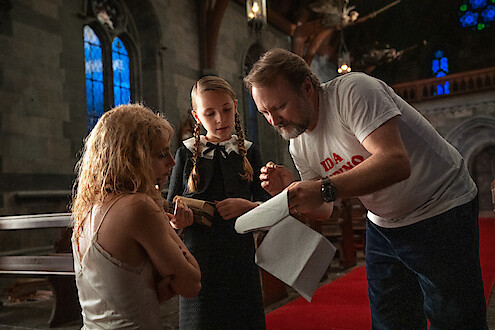
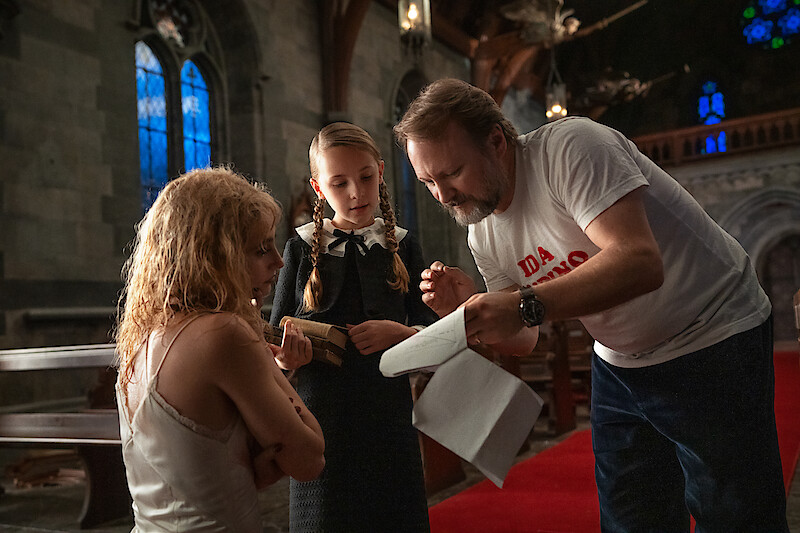
Tudum spoke with the writers behind Persuasion, Ron Bass and Alice Victoria Winslow, to unpack why Anne needed to break the fourth wall, why bunnies are her therapy animal and how they kept the spirit and wit of Austen’s novel while adding a modern zeal. (There are some spoilers ahead.)
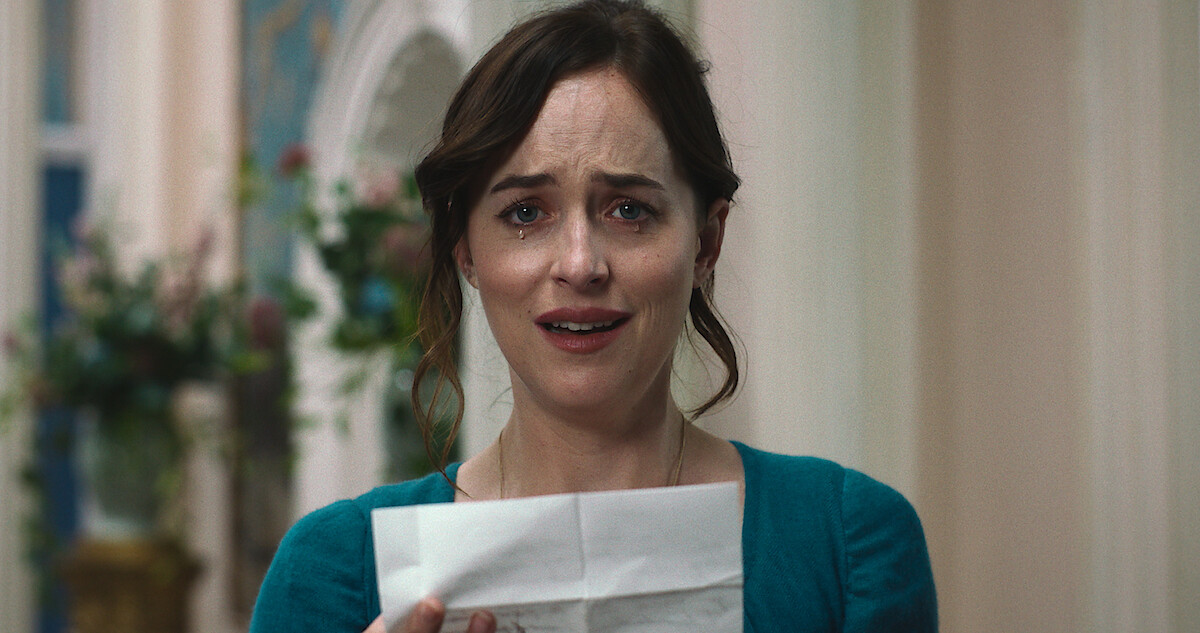
Tell us about the process of adapting Jane Austen’s novel, Persuasion. What was your overall goal? What emotions did you want to bring out in the audience? When did you first connect with Jane Austen’s writing? Alice Victoria Winslow: I’ve been an Austen fan my whole life, and Persuasion has always been my favorite of her books. It’s so full of longing, Anne has such depth and maturity and that letter — THAT LETTER! It kills me every time. I don’t think I’ve read it once without crying. Romantic suitors: Please take note.
We wanted to bring out Anne’s emotional journey through regret back to hope, while also celebrating Austen’s razor-sharp wit by taking it out of the narration and putting it into the voice of her characters.
Ron Bass: I wanted to disappear the distance between a contemporary audience and the characters and story on the screen. I wanted to make the characters and story accessible, understandable and emotionally resonant for a contemporary audience, balancing change with wanting to keep it Austen — what might Austen have done if she were our writing partner today in terms of these possible changes?
I wanted [the audience] to empathize with Anne’s regrets and longing to have Frederick’s love, and share her joy and relief in discovering the letter. I hadn’t read any Austen since college and had to revisit it completely to see if this was a story I wanted to tell.
So much of the dialogue is modern, yet feels like the subtext of what Jane Austen was saying. How did you toe the line between faithful adaptation and keeping the spirit with a modern zeal? How did you go about crafting the characters’ sharp, dry tone? Winslow: Honestly, those two things have never felt like contradictions to me. It’s precisely because I relate so deeply to Austen that it felt natural to write in a modern voice. The modern vernacular was a wayto remain faithful to the book and everything it stirred in me. I relate so much to Anne, feel I understand everything she’s going through, am constantly drawing connections between her life and my own as I read. So the voice of Anne, as it comes through me, is instinctively a modern one.
Bass: There’s an old saying I remember when addressing period pieces: “The past is a foreign land. They do things differently there.” Well, Austen defies that as well as any author I’ve adapted. Austen wrote in the colloquial vernacular of her day, as did Shakespeare and Chaucer. I wanted our film to feel like Austen could have been here to be our writing partner. Most of the words are directly from her book. Some are changes for clarity or contemporary sense of humor, but also there are some changes of plot, character and relationship that we have created to tell the story in a more contemporary way. [The tone] is a blend of Austen’s actual dialogue and our voice based on our feel of the tone and meaning of that particular moment.
Anne Elliot frequently breaks the fourth wall. It feels like Fleabag of the 1800s (swapping guinea pigs for bunnies). Why did you want her to talk TO us and include us in her inner monologue? Winslow: There’s always that problem when adapting a book of how to capture the interiority you get from prose into dramatic form. Particularly in classics — women weren’t able to be direct in conversation, so it’s only in the prose we learn how they’re processing everything. Which is why period pieces have so many sequences of women journaling by candlelight while languid voice-overs reveal their innermost thoughts. We wanted to try something a little different.
But it was also about giving Anne agency. Part of agency is having the ability to tell your own story, to have control over your narrative. Anne may be stuck in a time where she has little personal liberty, but it was really important to me that she still have freedom of expression. Allowing Anne to tell the audience her story and engage with them in a spirited way, full of humor and life and the full range of emotional experiences — that was a way of empowering her as a character. And also just really fun, I think.
Bass: It’s said that prose is what happens within people and film is what happens between people. All of the inner life that Austen has available in prose is not available to the filmmaker. But Anne turns to us as if we are her best friend and shares her sense of humor, her pain, her goals, her frustrations in a way she has no other outlet for in the story.
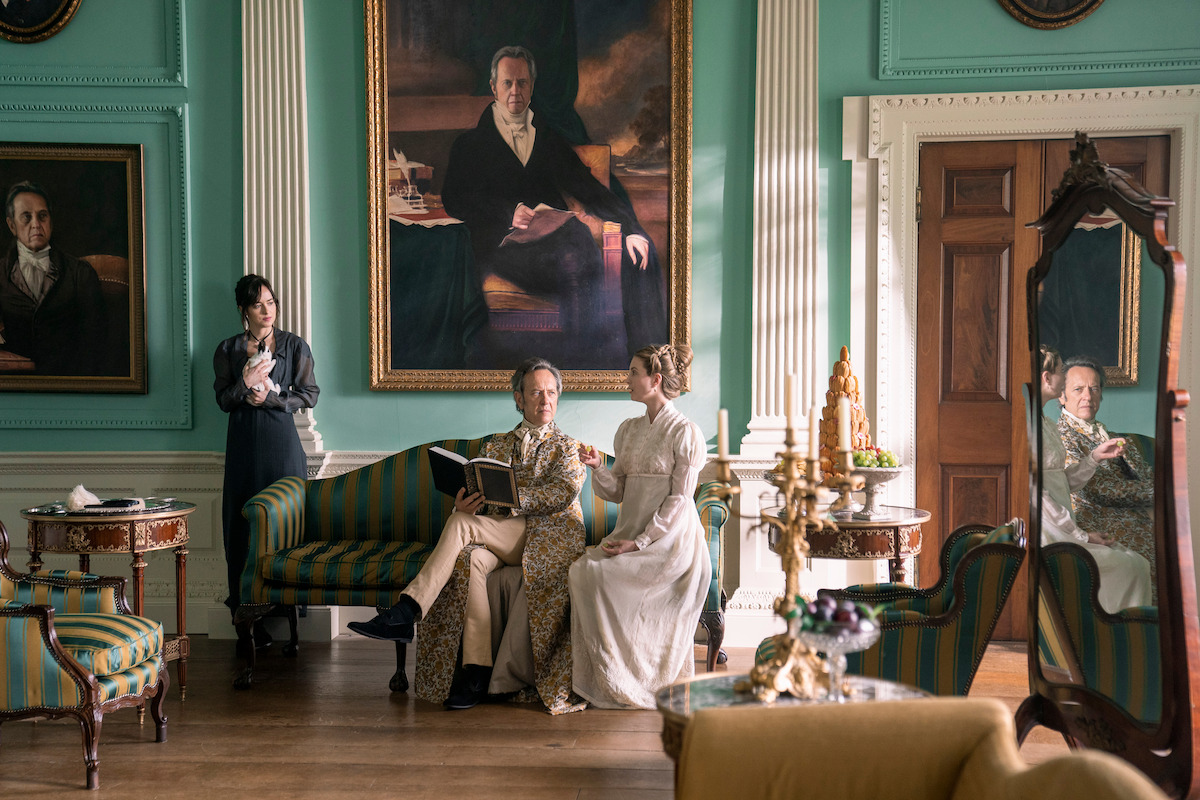
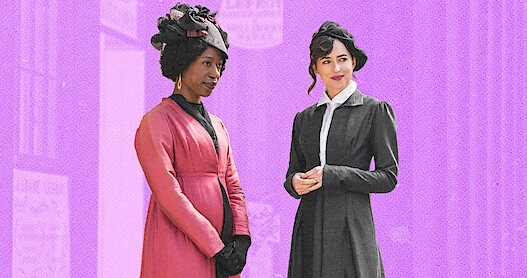
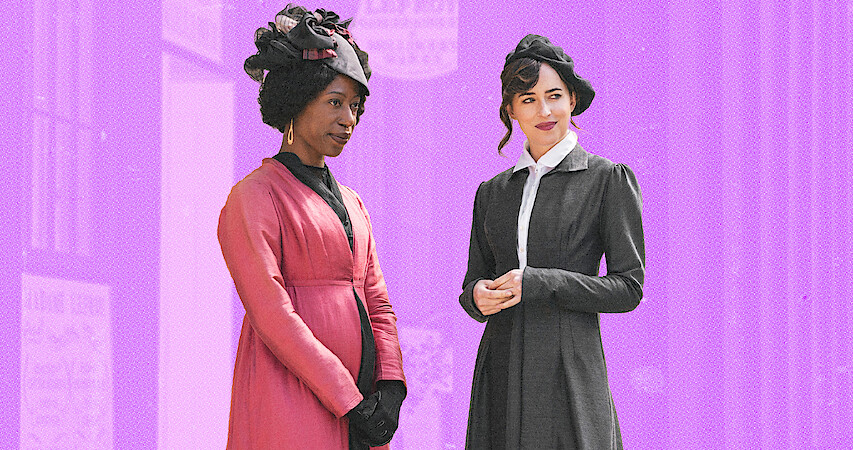
Why are bunnies Anne’s comfort animal (or therapy pet, if you will)? Winslow: Anne is so isolated in the book. She’s stuck in this family that doesn’t see her, doesn’t appreciate her, doesn’t share her values. Her one friend is Lady Russell [Nikki Amuka-Bird], but even that relationship is fraught because of the history with Wentworth. We wanted to give Anne something to talk to (besides the audience!) and receive comfort from. A cat would have been too cutesy, and a turtle too cold. A bunny seemed like the perfect pet for Anne.
Bass: Bunnies are soft and adorable and docile.
What do you think is the significance of Persuasion being one of Jane Austen’s last novels? The story deals with mature themes for a young woman — second chances, looking back on regrets and the hope that sometimes those regrets can be remedied in the present. Winslow: I think about that a lot! Persuasion has a darkness, a melancholy that is absent from the other novels, and I wonder how much of that was Austen looking back over her life with some regrets of her own. I think it’s her most mature book, which is another reason I’ve always loved it most.
Bass: Our goal wasn’t to tell the story mirroring Austen’s mood and struggles. We’re telling a contemporary version of the story presented while believing that so much of the story as written works in a contemporary story as is.
How do you make older material feel relevant? People may think of Jane Austen as straitlaced, but this adaptation is funny and daring. Anne feels like a woman we all know. Winslow: For a really long time, I’ve longed for a heroine in a period film who was as messy and complex as I am. Someone who trips over things, gets food on her face, says the wrong things sometimes, behaves emotionally and then regrets it the next morning. There’s such a convention in period films that moral integrity and emotional reserve are what defines feminine virtue, and I wanted a heroine who could be lovable in her messiness.
Bass: It’s a choice to have a few modern references to remind us that we’re not pretending to tell the story in Austen’s words. Sometimes it just provides humor because it’s out of period, but the sense of it is exactly on point per Austen.
Allowing Anne to tell the audience her story... in a spirited way, full of humor and life and the full range of emotional experiences — that was a way of empowering her as a character. And also just really fun.
How did you decide to crack Lady Russell’s independence to go make some memories on her European tour ships? Winslow: There are so many different forms of partnership, and it was vital to me that this film not send the message that marriage is the only path to happiness. In truth, there are many meaningful ways of connecting to others, and Lady Russell has found what works for her at this point in her life!
Bass: We’re supplying an answer that makes sense to us as to what Russell does for companionship.
How did you approach adapting the famous “I am half agony, half hope” letter? Since it’s such a beloved moment to Jane Austen fans and is the big reveal. Bass: We approached it very cautiously. The few changes [were meant to] heighten the clarity and emotion for a contemporary audience.
The story is quite a faithful adaptation plotwise, save for the fact that Anne’s not as dubious of Mr. Elliot as she is in the novel. And that in the novel, she learns of Benwick and Louisa’s engagement before Wentworth even arrives in Bath, so she doesn’t presume that he’s the one engaged to Louisa. Did you alter this story to make Anne and Wentworth more suspenseful, as well as the love triangle? Or, shall we say, quadrangle? Winslow: Ron was very committed to retaining the misdirect of thinking.
Bass: Yes. We altered the story to keep the audience engaged through the end because they weren’t positive what the ending would be.
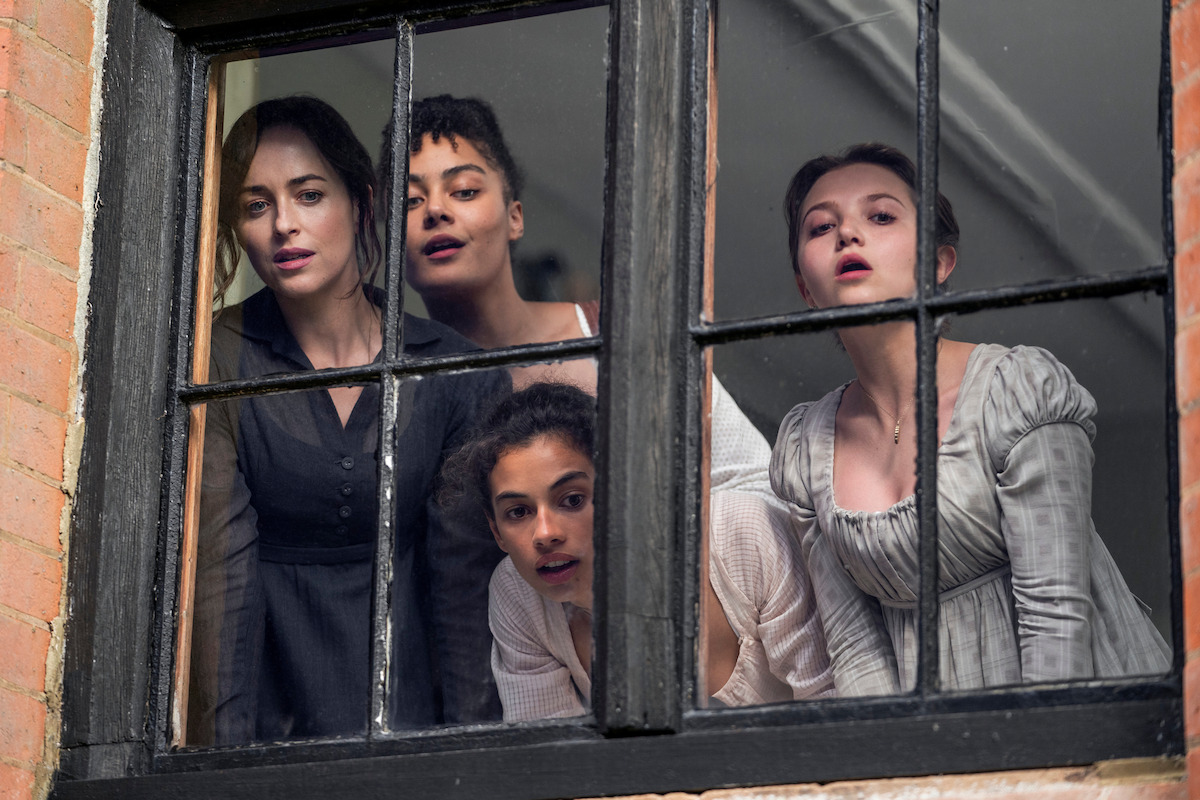
To that end, you added a few more scenes where we see the ice thaw between Anne and Wentworth, at the beach, in the carriage. Not to mention when Anne screams, “Love me, you idiot!” at him from the window. Why did you want to add those in? Bass: We wanted to have a realistic forgiveness during the film, which leaves the ending even more in doubt.
Anne feels like she belongs in the 21st century just as much as the 1800s. Why do you think she’s such a relatable heroine? Winslow: Everyone can relate to the things Anne grapples with in the book — losing someone, regretting the way a relationship ended, confronting the fact that life does not always turn out the way you thought it would. Those aren’t just Regency problems, they’re the subjects of many of my text chains.
Bass: She has a relatable problem, one that people can go through in any era — regretting a breakup and wishing for a second chance. Her observations are speaking to her dear friend (us) and are explained in terms that friend (us) can understand.
Anne Reads Captain Wentworth's Letter to Her | Persuasion
This interview has been edited for length and clarity.