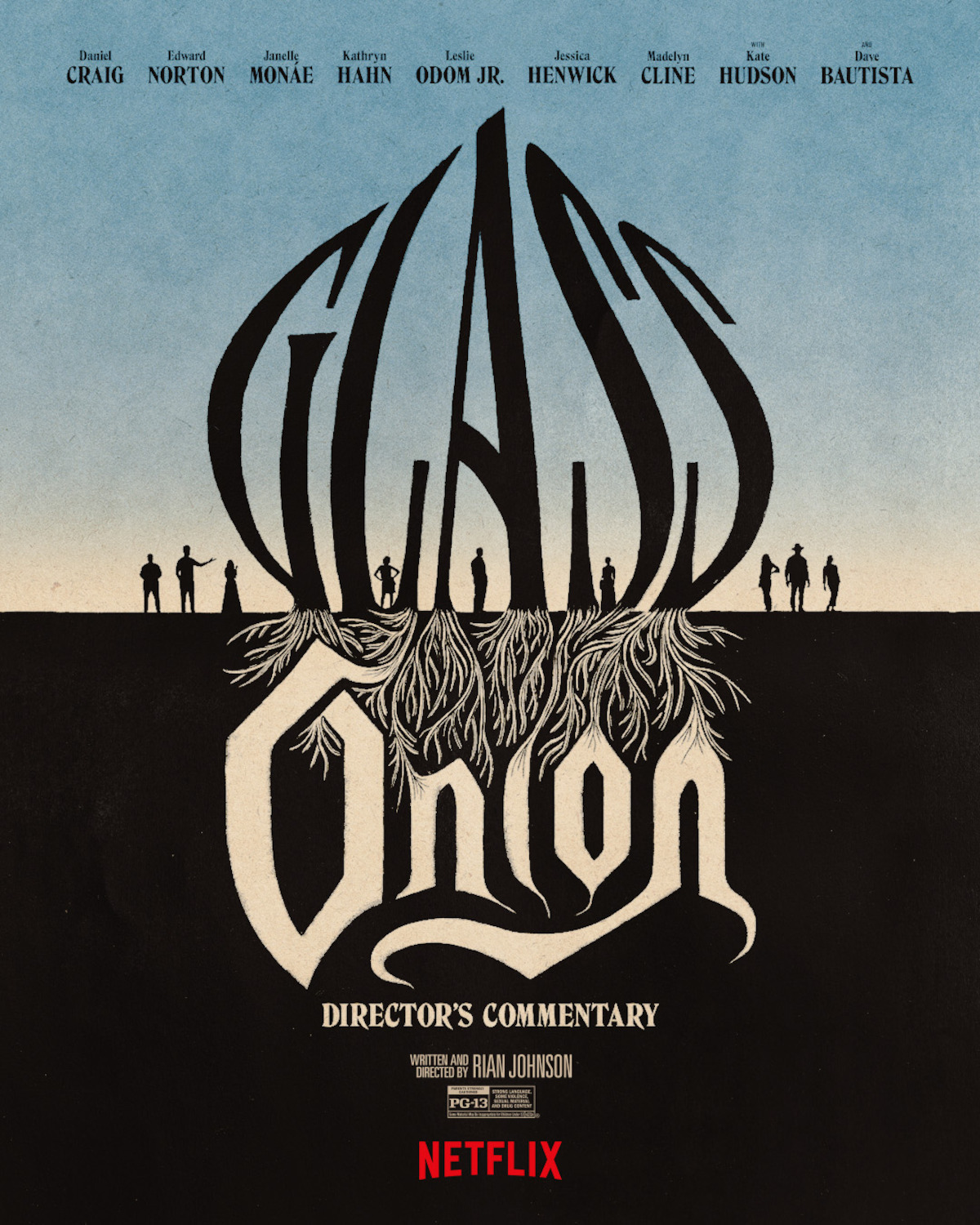
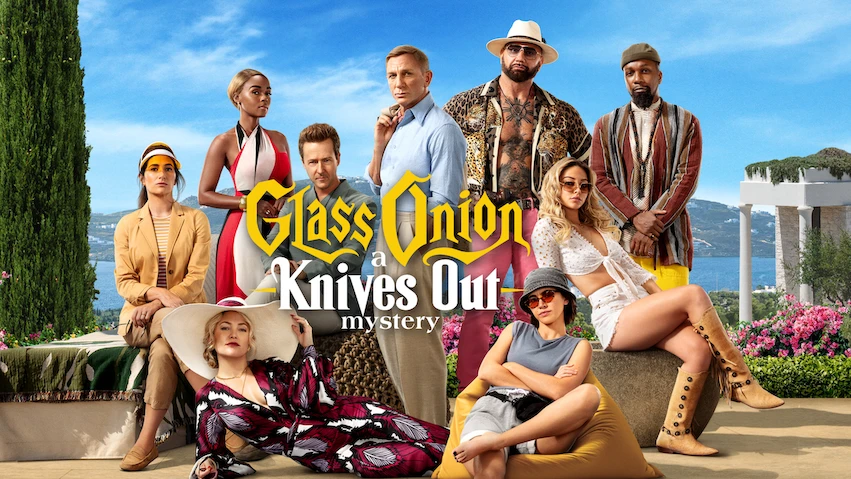
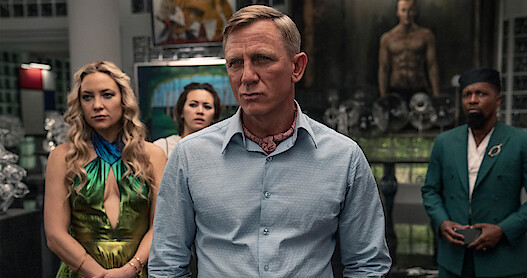
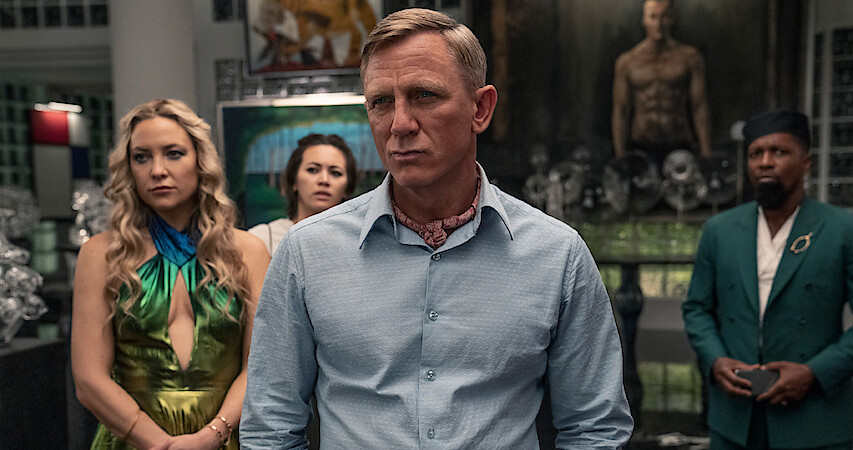
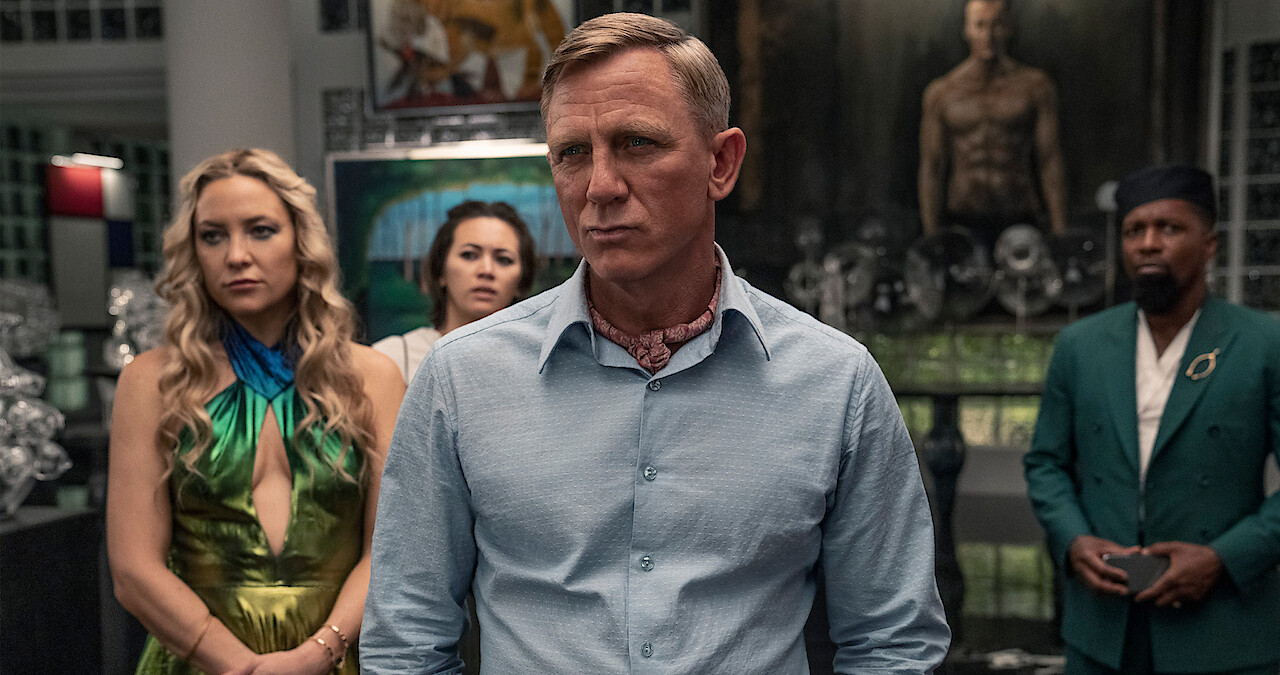
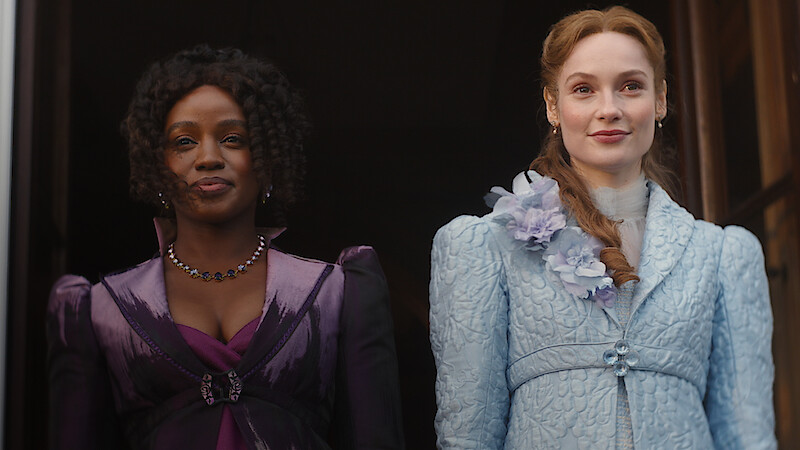
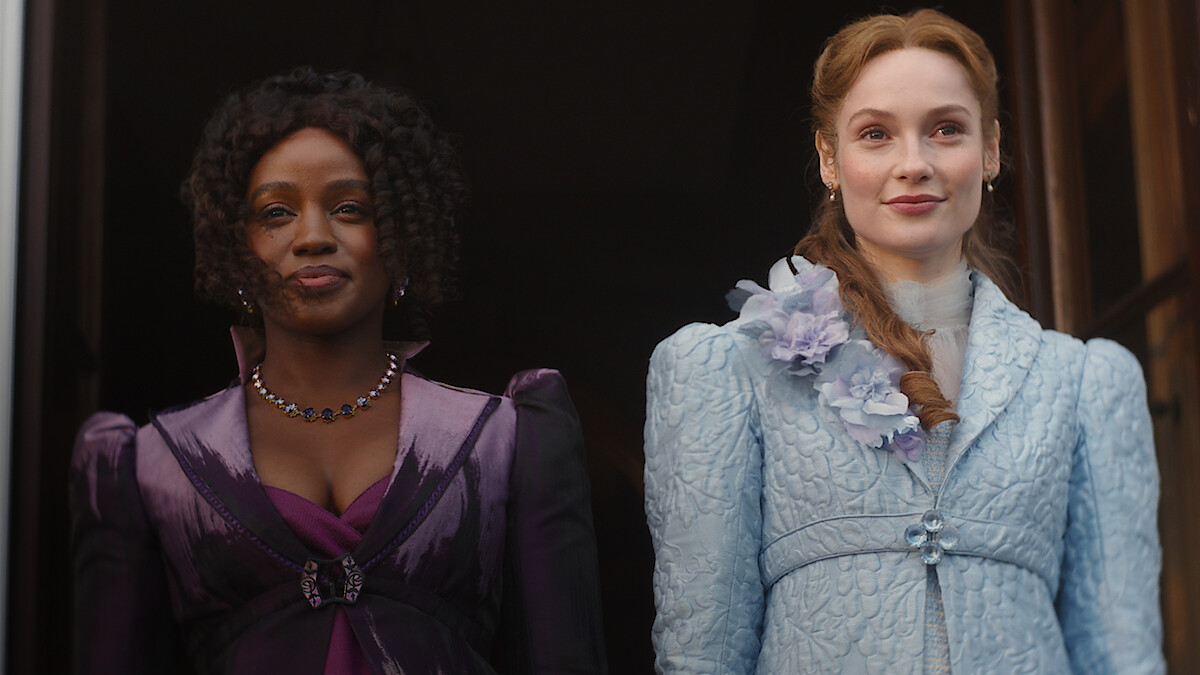
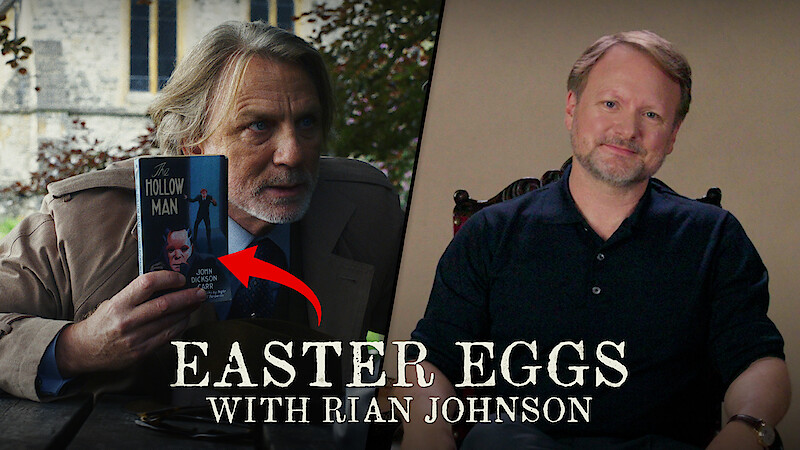
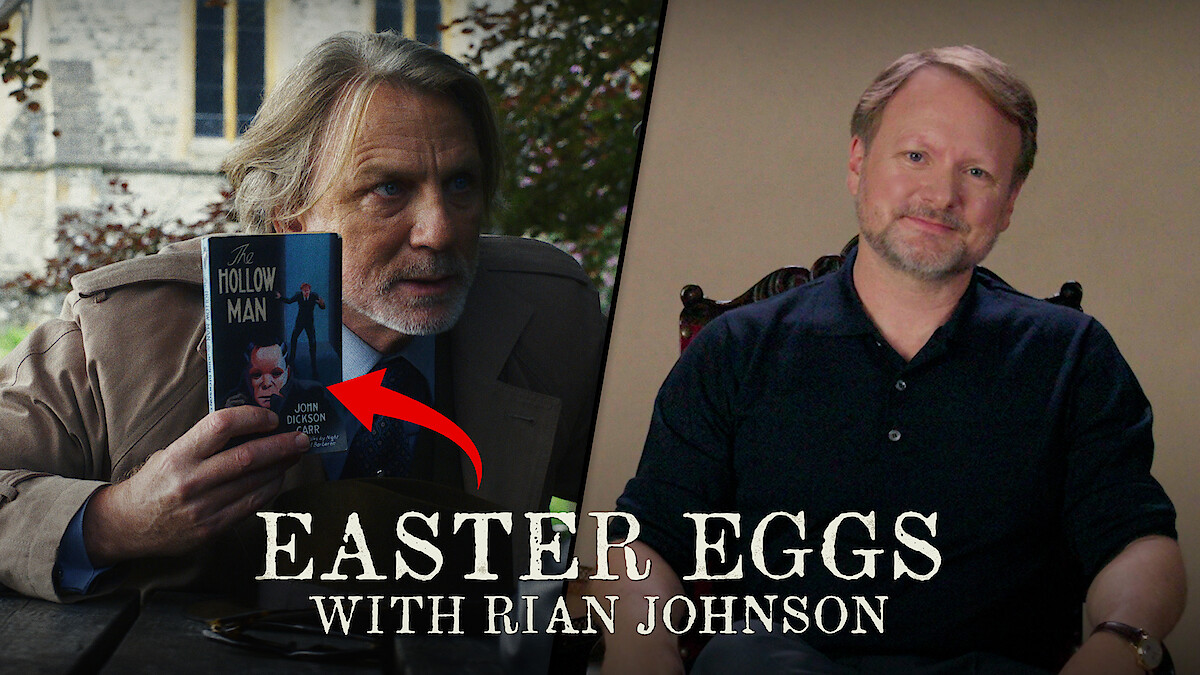
Ready to watch Glass Onion again? The twisty Benoit Blanc whodunit certainly benefits from repeat viewings — and now you have another excuse to revisit Miles Bron’s island with even more insight, thanks to a new director’s commentary from writer-director Rian Johnson. Sync it up with the film and have a listen, or read on for a list of 10 of the tastiest onion-flavored tidbits we gathered up for you.
There were plenty of alternatives in Lionel’s Miles fax pile.
At the beginning of Glass Onion, we take a tour through the homes and workplaces of the film’s suspects, including Leslie Odom Jr.’s Lionel Toussaint, a scientist in the employ of tech billionaire Miles Bron. He holds up a few discarded faxes from the supposed genius, including ones that read “Uber for biospheres” and “A.I. in dogs = discourse.” There were plenty of other options: “That entire pile of faxes is actually filled with alternate ideas of all the wacky stuff that Miles could have thrown against the wall,” Johnson says.
COVID restrictions led to quite a few crew members taking on-screen roles.
“Because we were shooting in the middle of COVID — it was the Delta surge that was happening — a lot of these people are also friends and crew members and stuff,” Johnson says of Birdie’s party at the beginning of the film. Keep your eyes peeled for production designer Rick Heinrichs and line producer Tom Karnowski in a brief court scene as well. “Anybody who was a trusted, regularly tested member of the crew got roped into a cameo at some point,” Johnson says.
Ethan Hawke shot for one day.
Ethan Hawke’s cryptic cameo as Efficient Man came about thanks to a small break between shooting days on his Marvel series Moon Knight, which was filming nearby in Budapest during Glass Onion’s production. “We were able to lure him and his family over for a weekend,” Johnson says.
Yes, the hourly dong was Joseph Gordon-Levitt.
The loud DONG! that chimes every hour on the hour on Miles’ island is indeed a vocal cameo from Joseph Gordon-Levitt, star of Johnson’s debut film Brick. “I just asked him to say the word ‘dong’ into a microphone,” Johnson laughs. “It’s a little bit of a nod to the noonday gun, which is a plot element of one of my favorite whodunit adaptations, the film of Evil Under the Sun with [Peter] Ustinov as Poirot.”
Blanc’s colorful costuming had some old-fashioned inspirations.
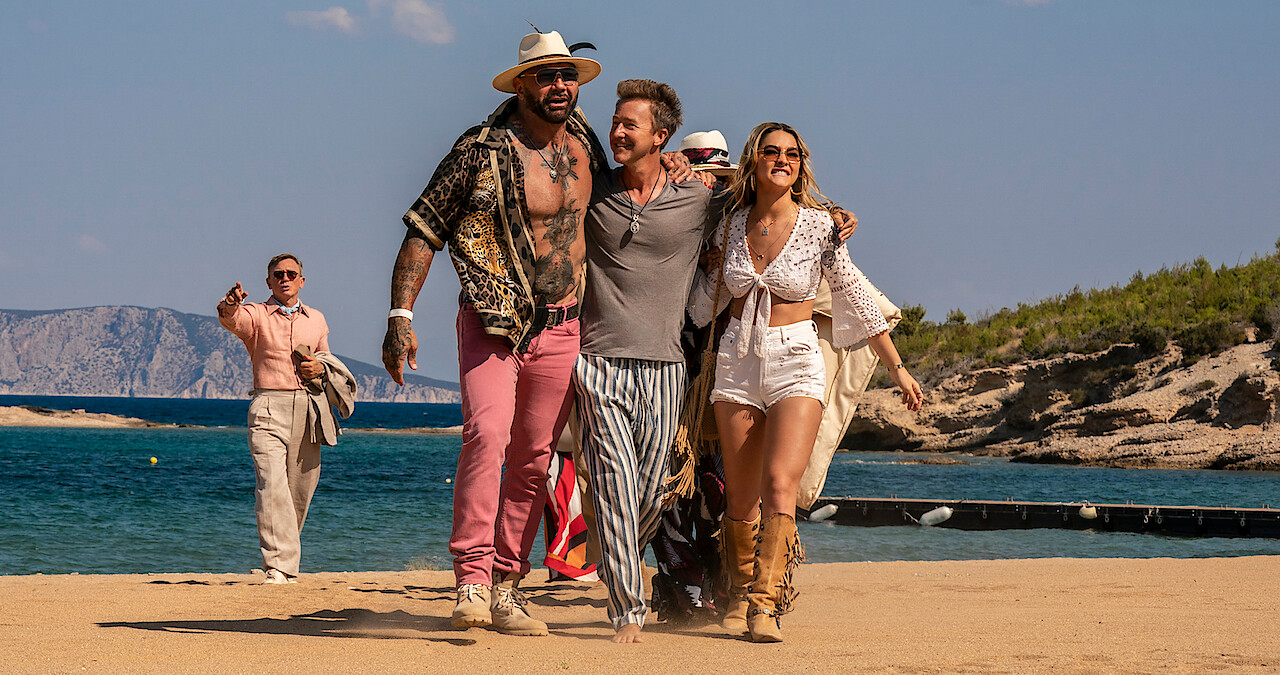
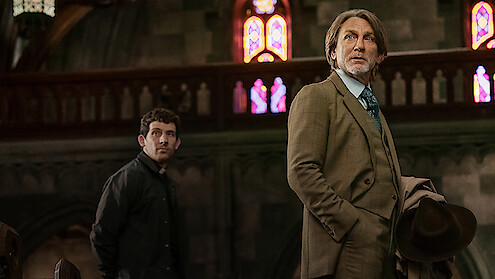
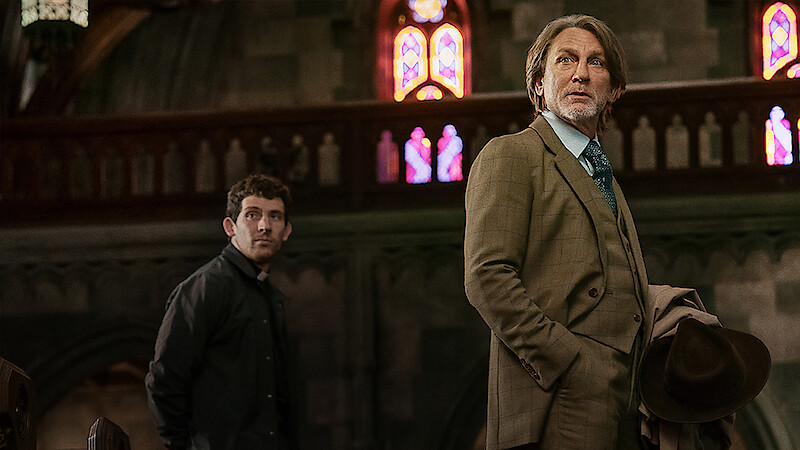
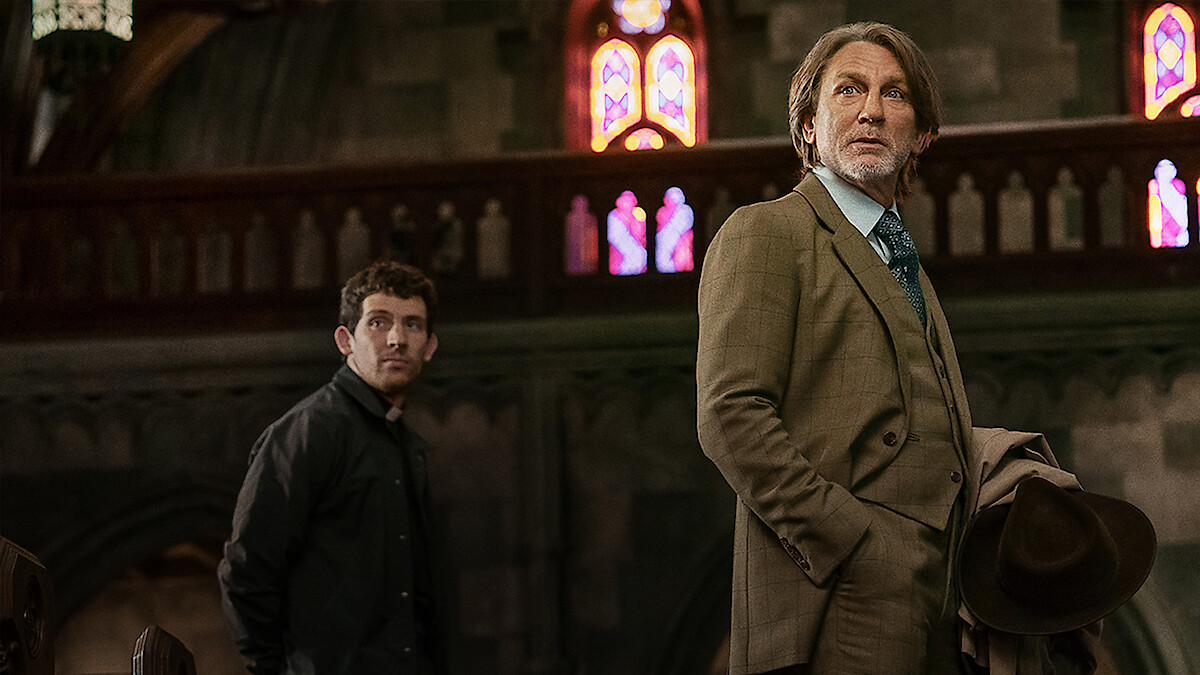
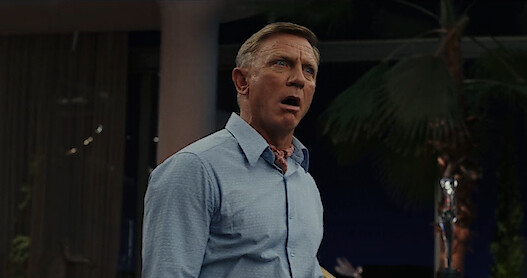
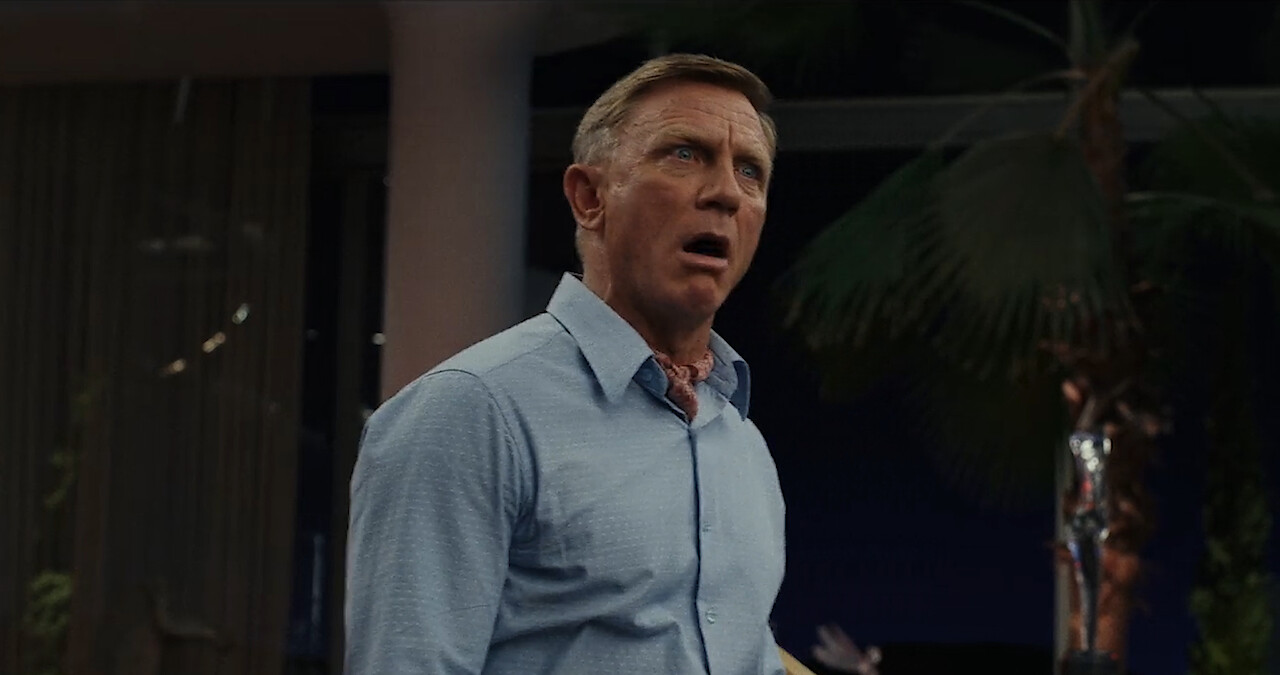
Daniel Craig returns as Benoit Blanc, with some new threads. Craig and costume designer Jenny Eagan worked together to craft Blanc’s style, which drew from French comic actor Jacques Tati as well as Cary Grant’s wardrobe in To Catch a Thief.
There are quite a few musical Easter eggs.
Johnson was listening to the thematically appropriate Stephen Sondheim musical Merrily We Roll Along while writing the Glass Onion screenplay, so keep an ear out for some lyrical Easter eggs. Bron’s glass trophy room also has quite a few pieces of Beatles memorabilia, including a glass walrus from Magical Mystery Tour and a nod to “The Fool on the Hill” on the switch to the Mona Lisa’s glass door.
Edward Norton showed up in his flashback costume without warning.
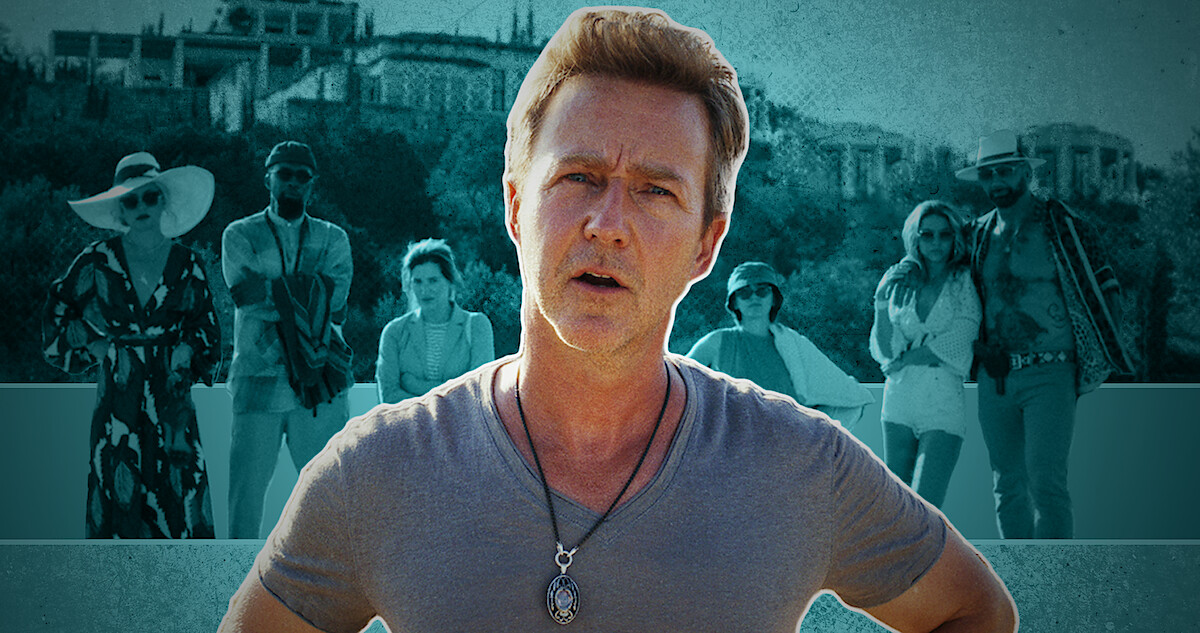
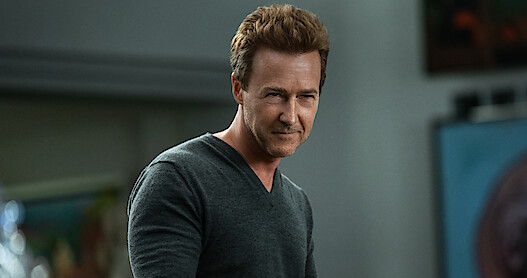
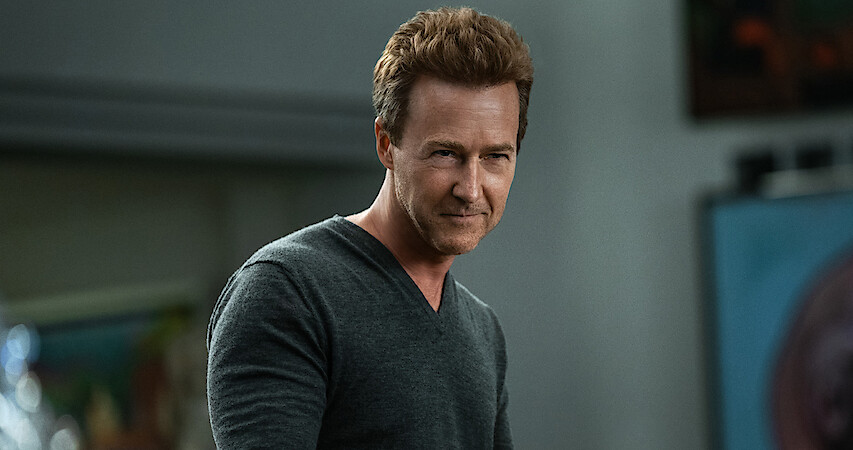
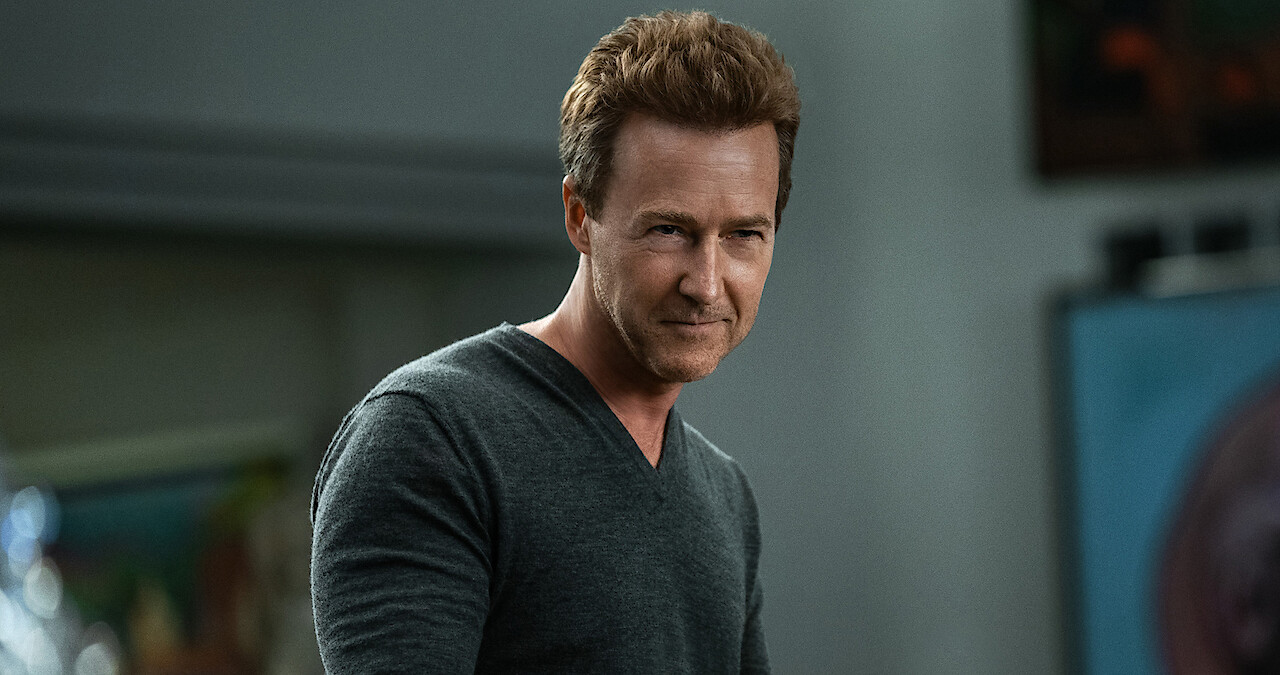
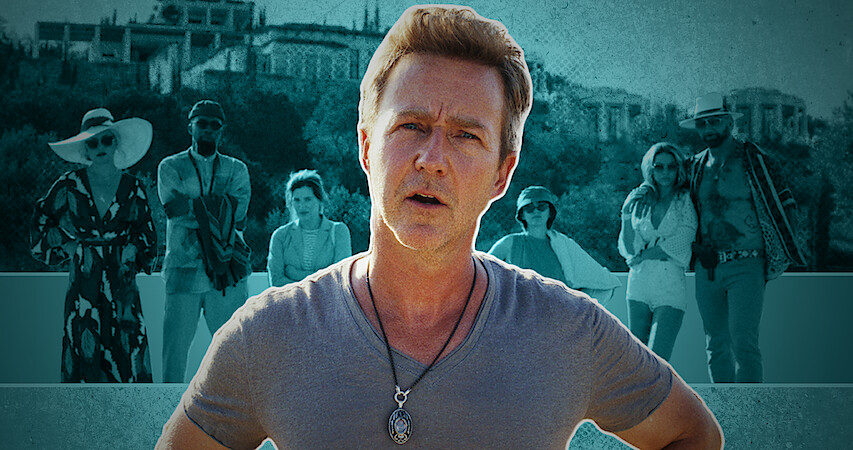
When the film flashes back to the disruptors at their neighborhood haunt, Bron is wearing a familiar outfit — one modeled on Frank T.J. Mackey, the macho, chauvinist blowhard Tom Cruise played in Paul Thomas Anderson’s Magnolia. “He didn’t tell me he was going to do this,” Johnson says. “He just showed up on set.” Of course, for Norton it was more than a prank; it was also a character choice. “The idea behind it is Miles has never had an original thought in his life,” Johnson adds.
You can tell Helen and Andi apart based on their hair.
“I figured Helen showed the hair reference, but they did it in the mirror,” Johnson notes about Janelle Monáe’s character’s identical-twin twist. “And she got it almost right, but her part is on the other side.”
An excised subplot introduced Helen’s family.
An early version of the movie included a running gag where Monáe as Helen would have to juggle mystery-solving with phone calls from her children, who are having some defecatory difficulties. “Originally her phone rang, and it was her daughter FaceTiming with her flipping out because her daughter’s poop had turned blue because she had eaten too many blueberry Pop-Tarts,” Johnson says. Ultimately, it was cut for pacing purposes.
They had to burn the paintings — for real.
Yes, the Mona Lisa meets a fiery end at the end of Glass Onion, but it also had to be torched in real life — legally! “All of these classic paintings on the walls, especially the recognizable ones, we had reproductions done of them,” Johnson says. “The deal is, if you do that, you have to license the image and then at the end of the shoot — it’s kind of life imitating art — you actually have to destroy those fake paintings. You have to burn them.” So in a way, Helen was just doing the production a favor.