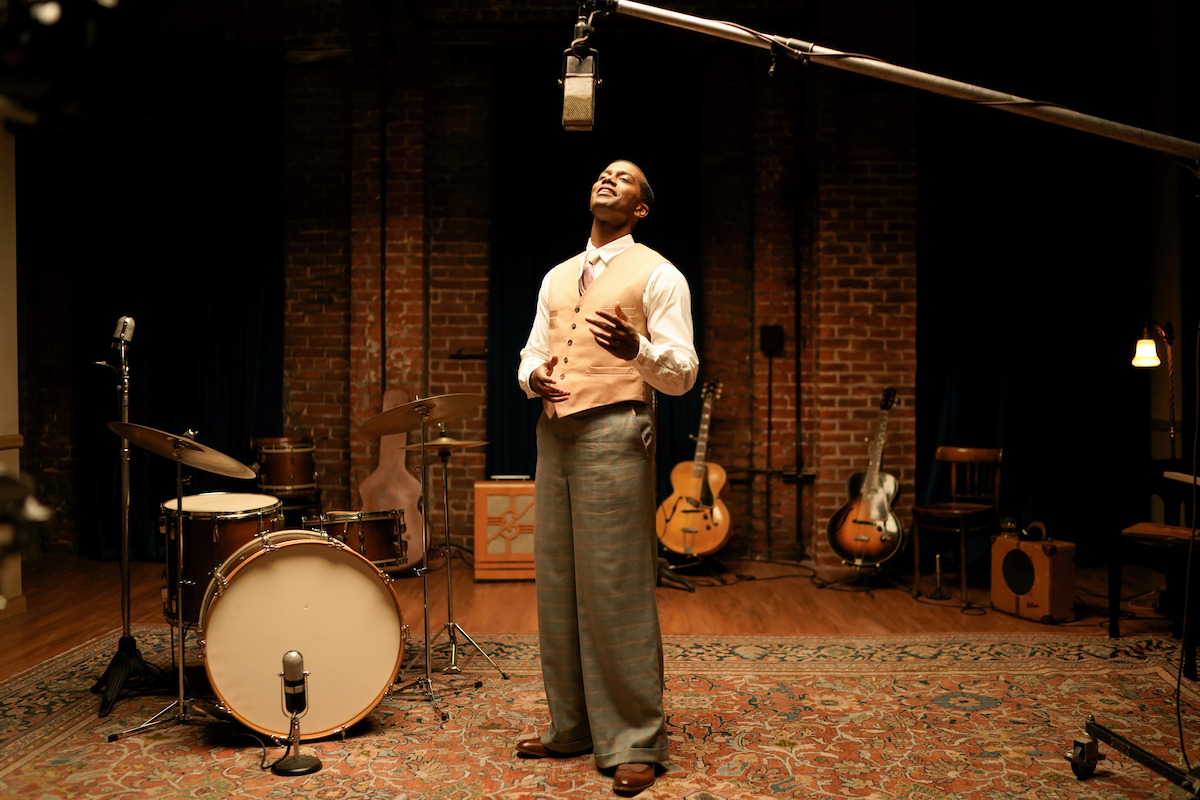
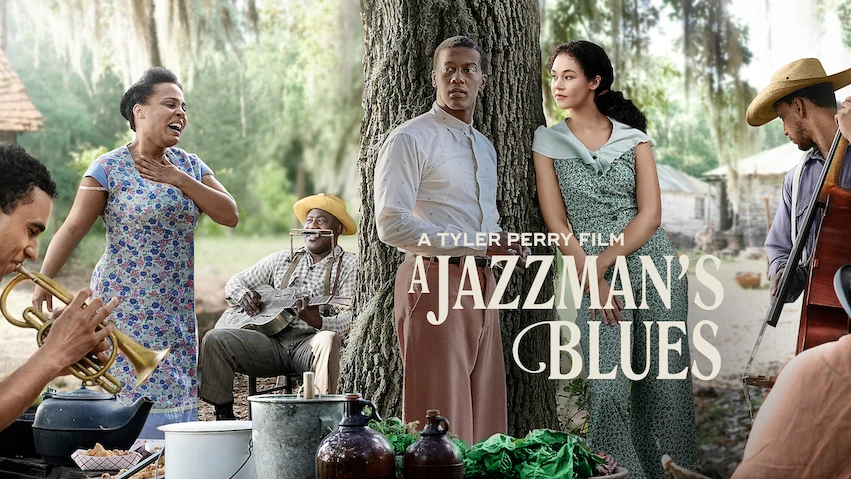
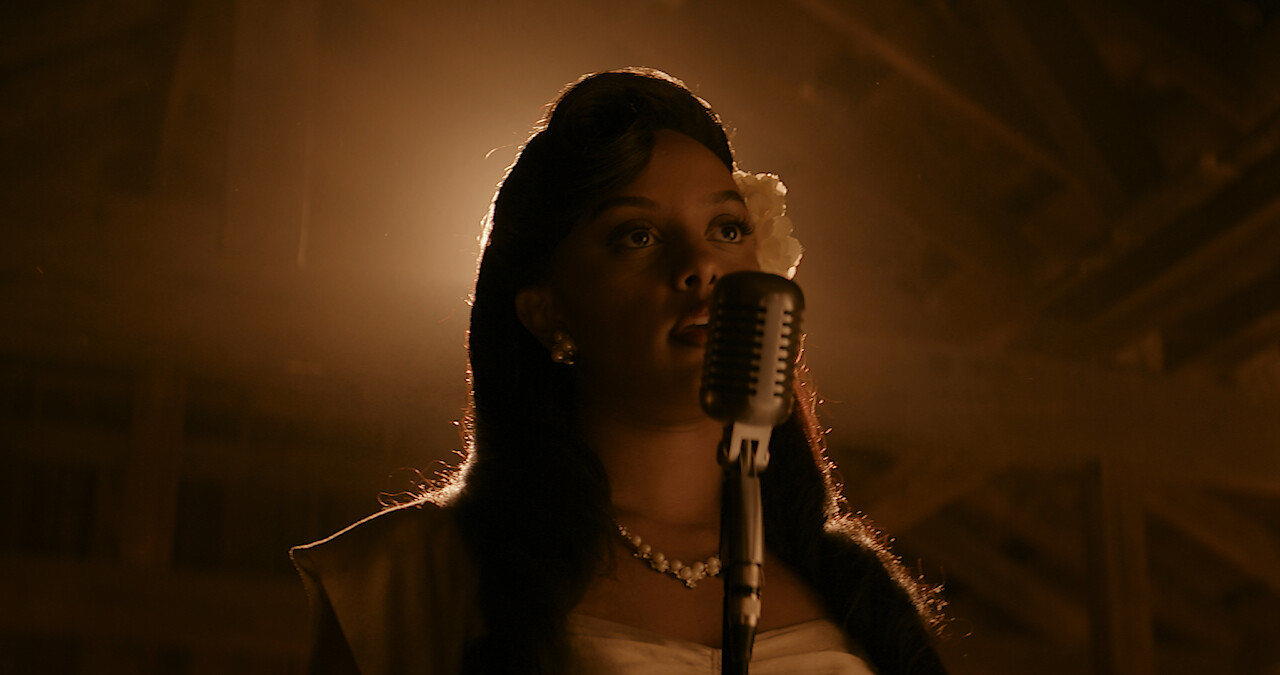
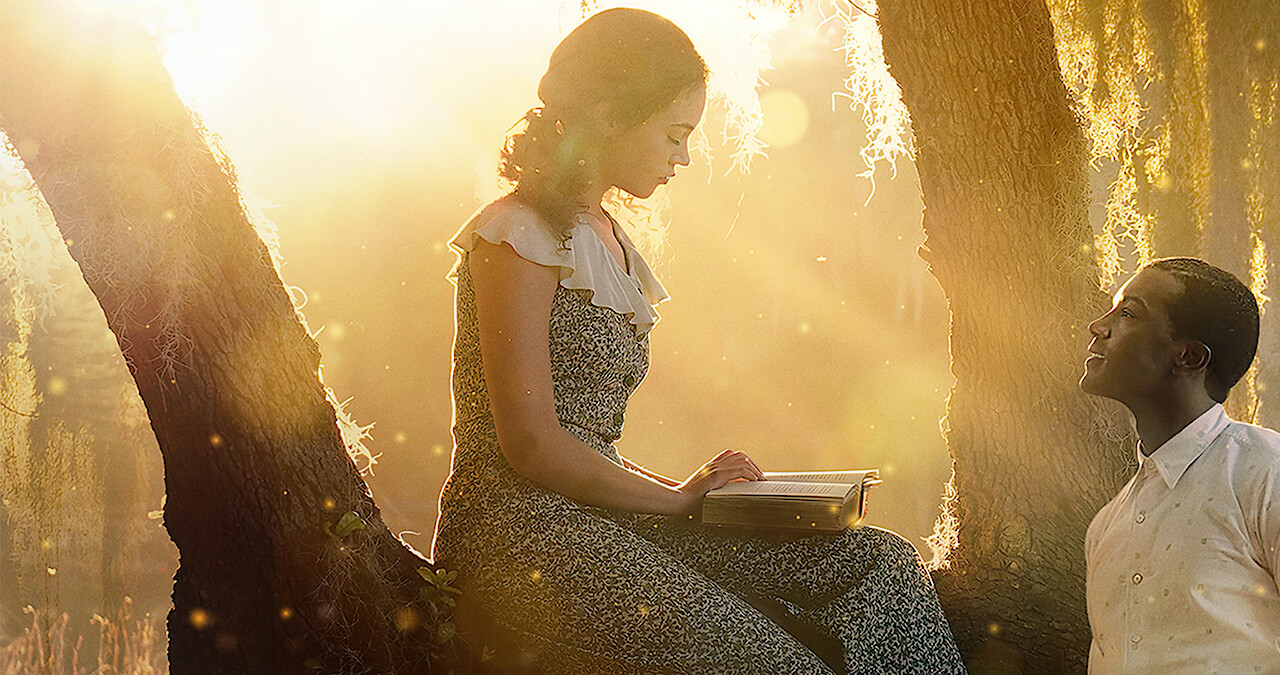
“Working with Tyler Perry means you’re working at your A game –– the peak of your ability the moment you step on set,” says Solea Pfeiffer, one of the two breakout leads in the director’s new epic romance, A Jazzman’s Blues, which debuts on Netflix Sept. 23.
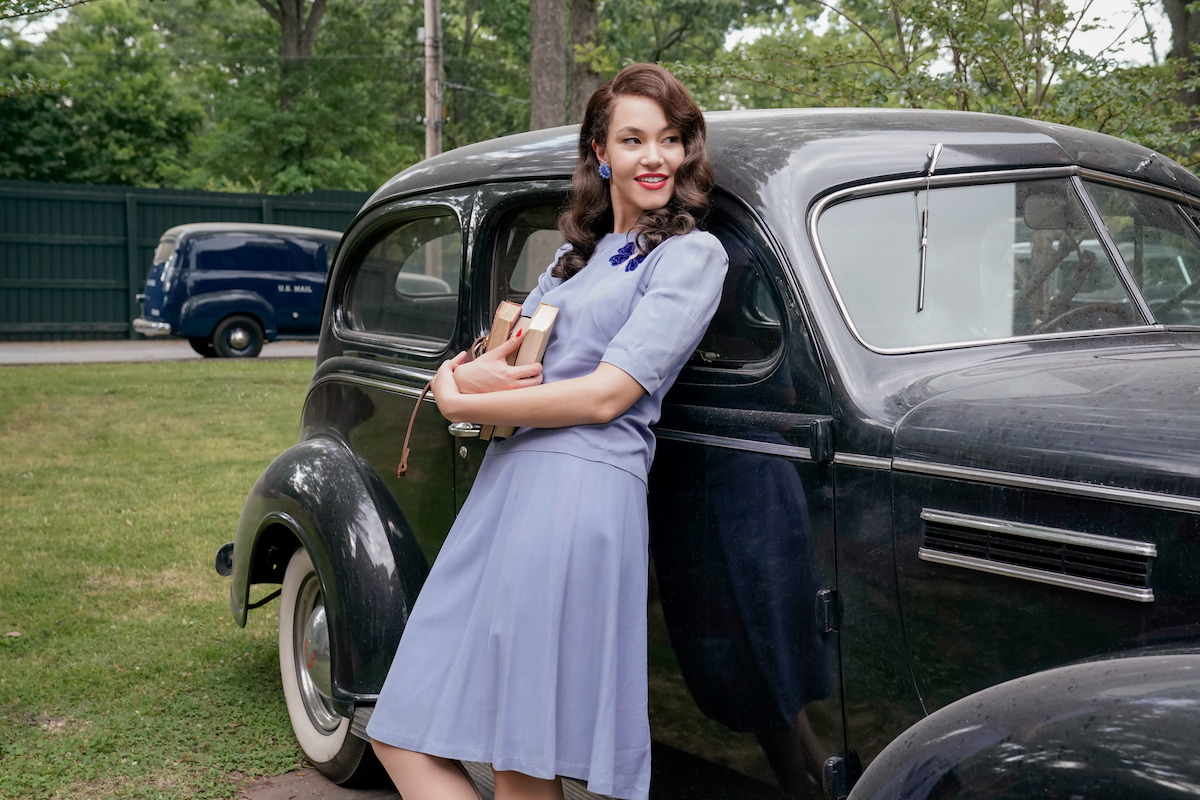
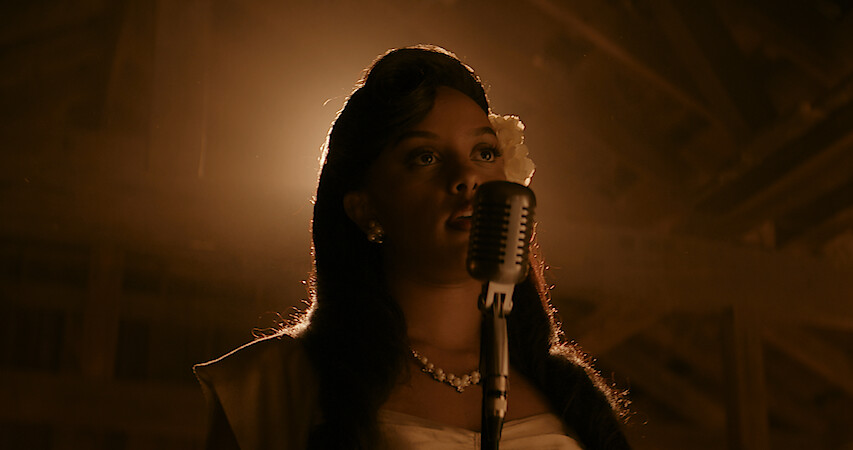
On-screen, Pfeiffer plays Leanne, a Black woman who passes as white and who also finds herself caught up in a forbidden relationship with a jazzman named Bayou (Joshua Boone). But off-screen, the actor isn’t exactly a rookie — even if she’ll be a new face to many viewers. In fact, Pfeiffer already had an impressive theater résumé before she was cast in Perry’s latest film. “I’ve been lucky to play some really iconic stage roles,” says the Zimbabwe-born actor, who won acclaim as Maria in a Hollywood Bowl production of West Side Story and accolades for her turn as Eva Perón in a New York City Center production of Evita. “But this was my first film. And I feel like I did push through some walls of fear. On the other side of that fear was really a lot of artistic freedom.”
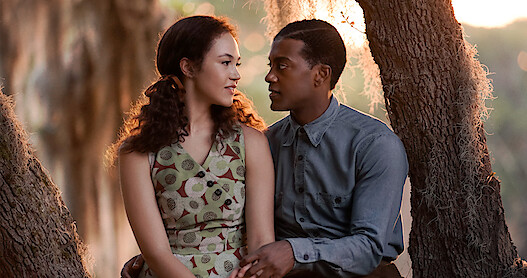
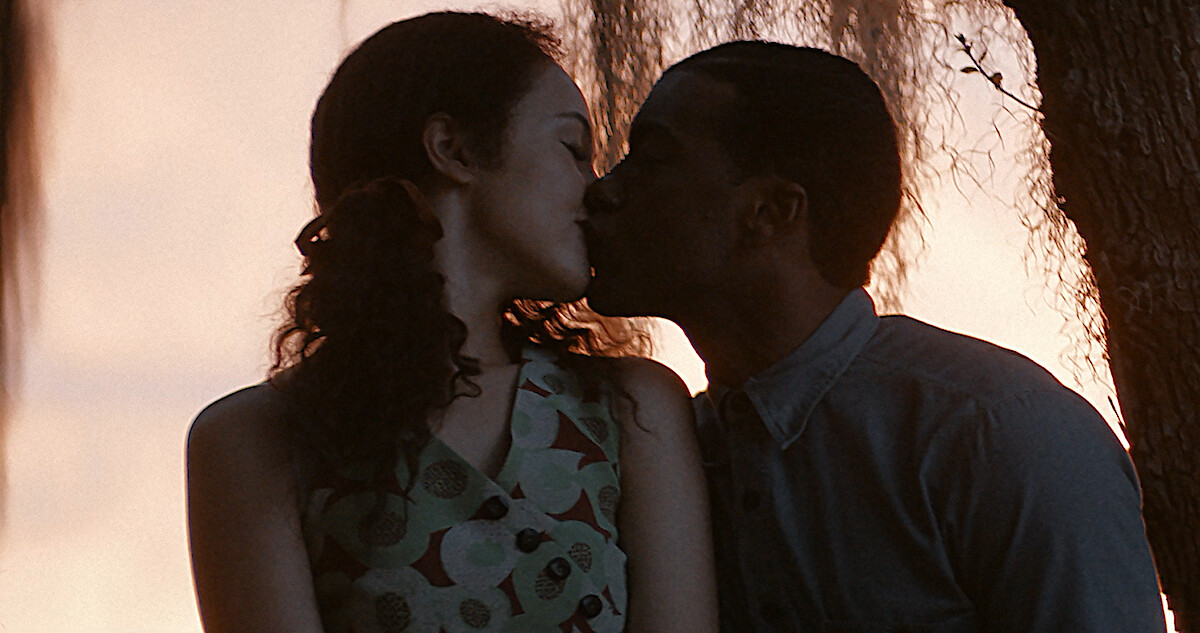
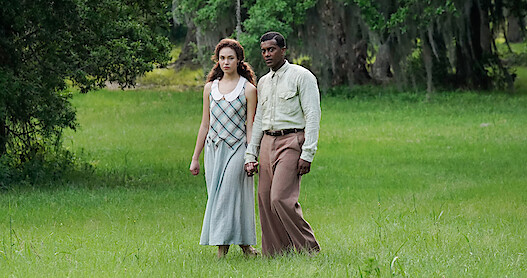
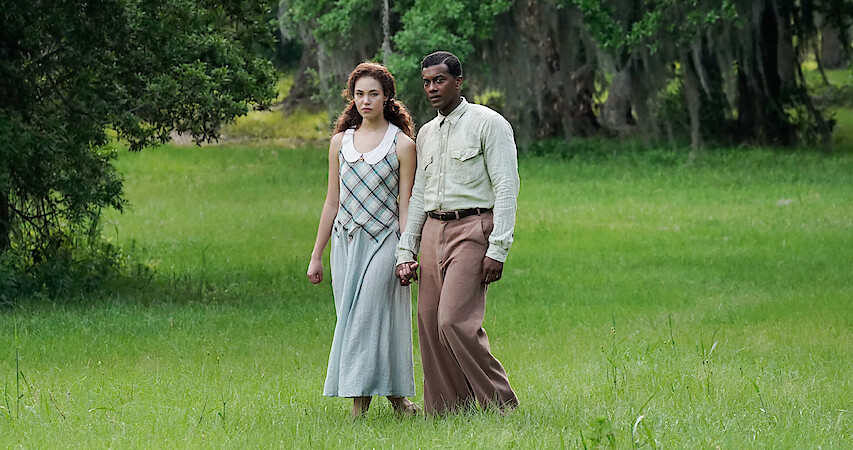
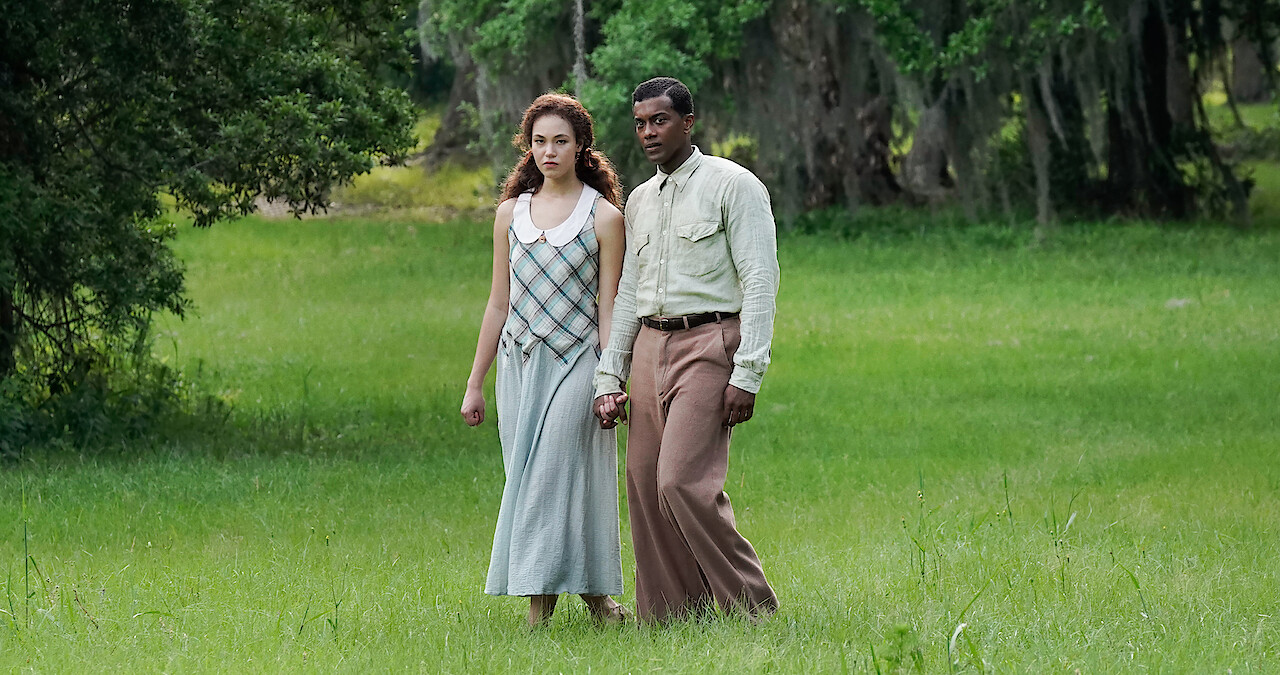
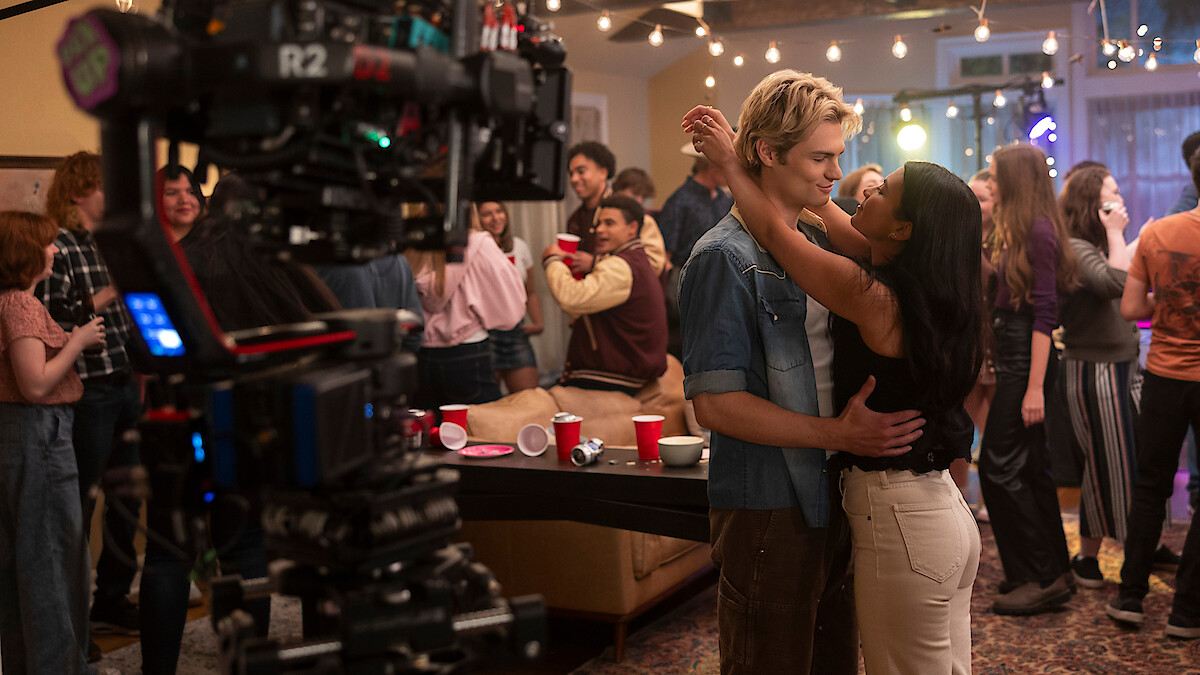
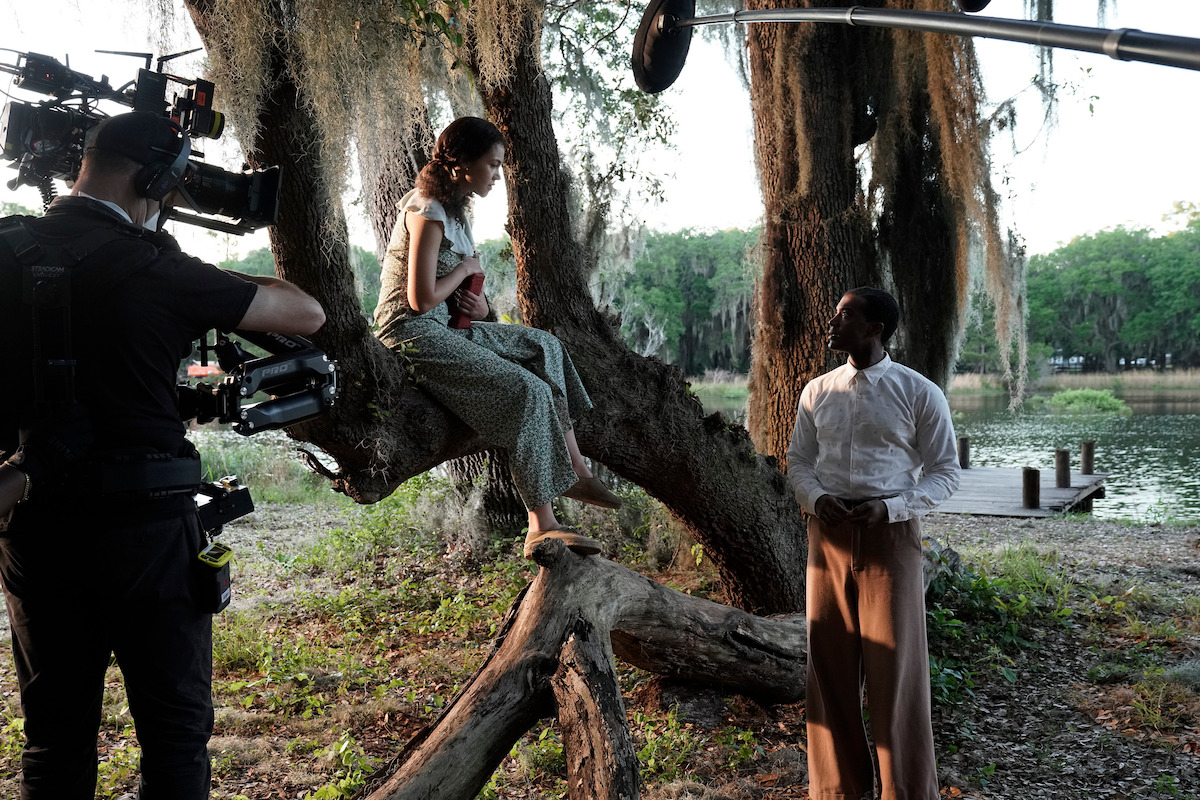
Boone and Pfeiffer on set.
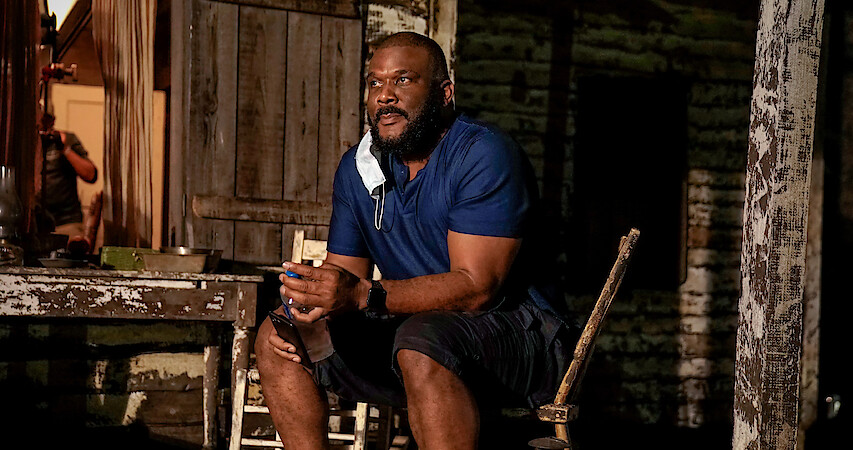
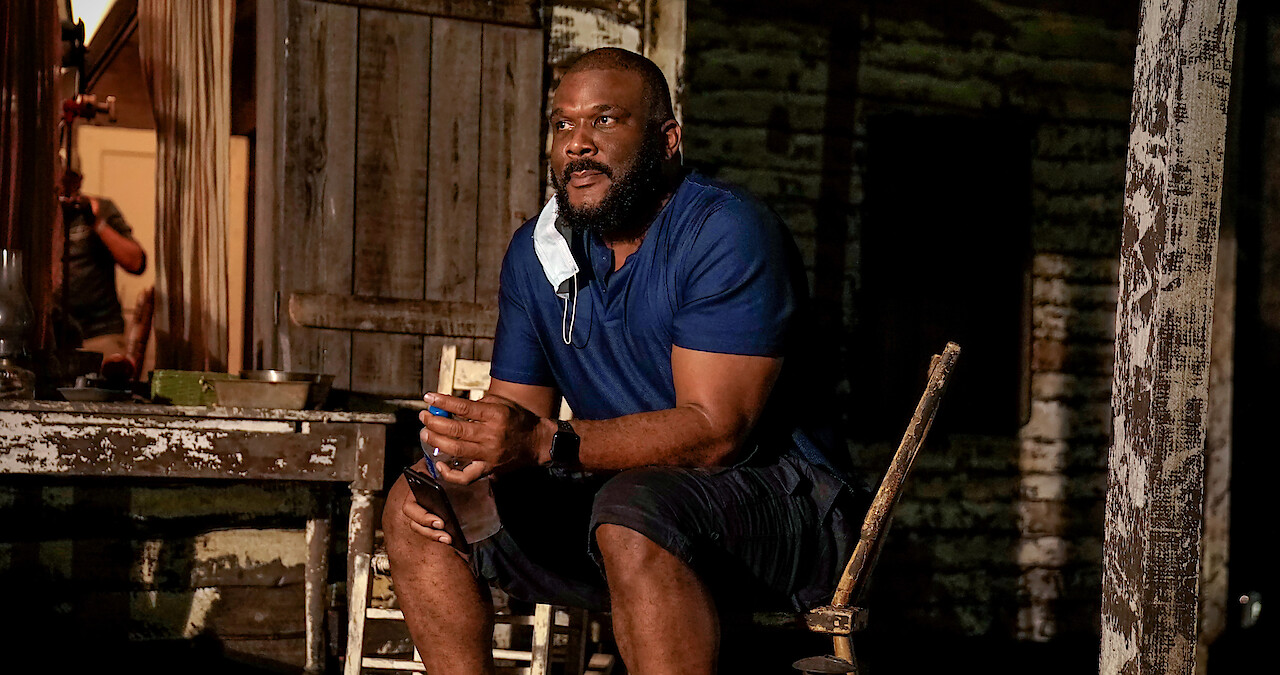
It turns out that she wasn’t the only one exploring new avenues with A Jazzman’s Blues. The film is also a bit of a change for her director, too. After all, Perry is the first to admit that his new movie probably seems like a surprising departure from the type of work we’ve come to expect from him over his nearly two decades in entertainment. Yet one thing that’s remained constant in his work is his track record in discovering new talent. He seems to have a sixth sense for plucking people from the minor leagues, so to speak, and elevating them to the majors — people like Tessa Thompson (For Colored Girls) and Trevante Rhodes (If Loving You Is Wrong). For both Pfeiffer and her co-star, Joshua Boone, landing a weighty role in a Perry production meant learning from one of the most creative minds in Hollywood.
“I’ve always loved him,” Boone tells Tudum. A native of the Virginia Beach area, he also honed his craft onstage, including an indelible performance in the Tupac Shakur jukebox musical Holler If Ya Hear Me on Broadway. “I’ve always wanted to be next to him. I believe in all that’s spawned from his mind, from his energy and what he’s done in this life.”
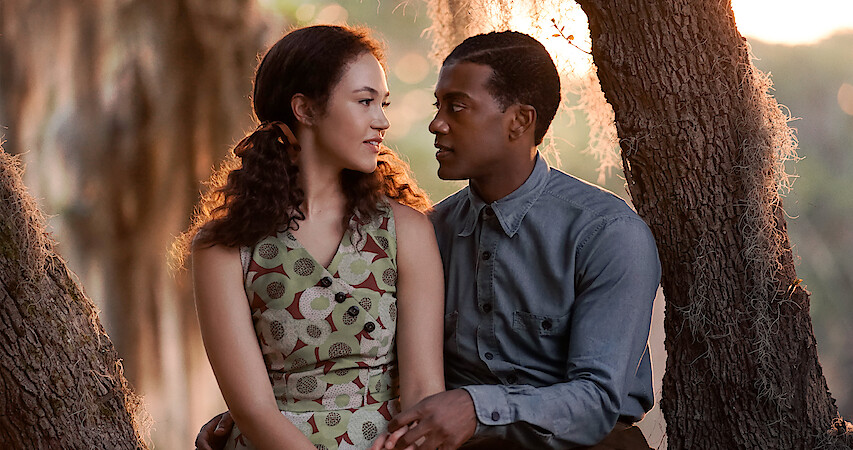
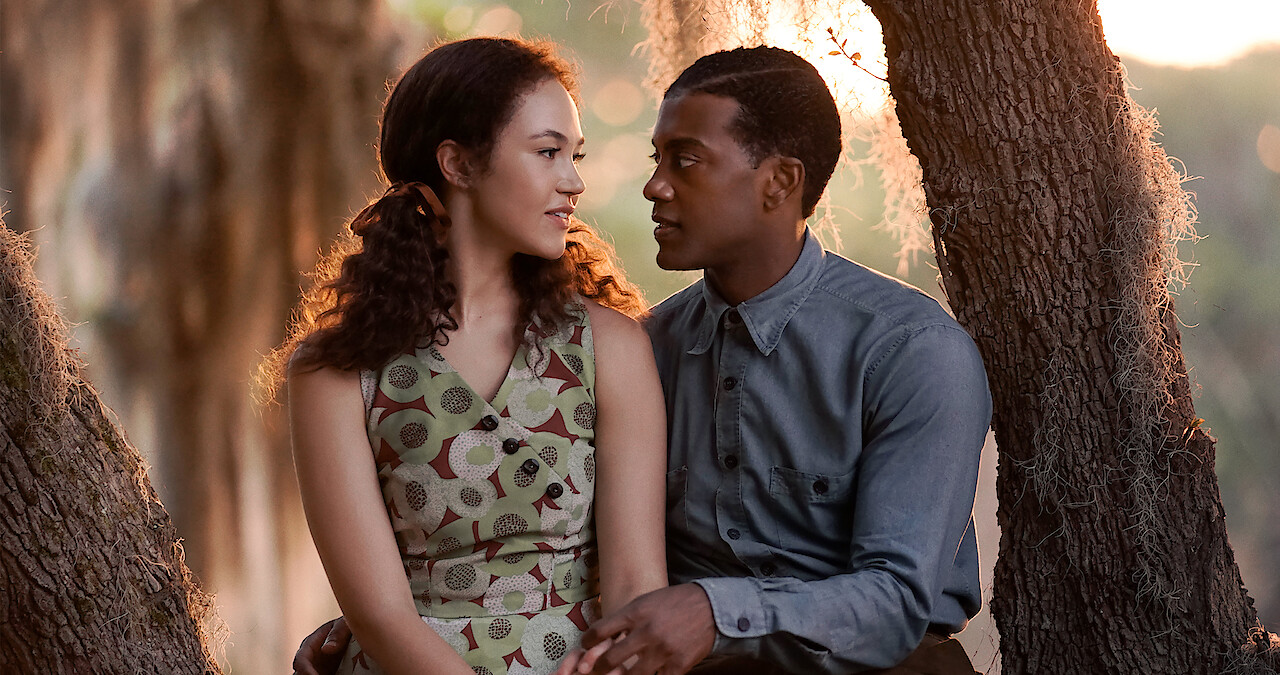
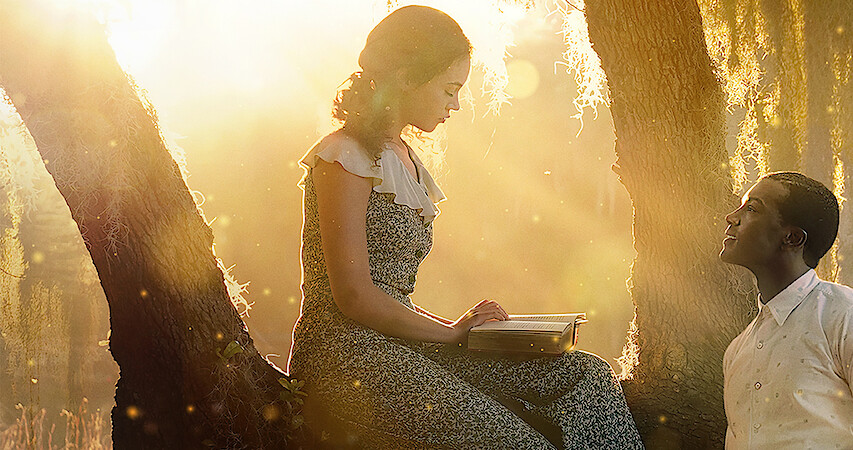
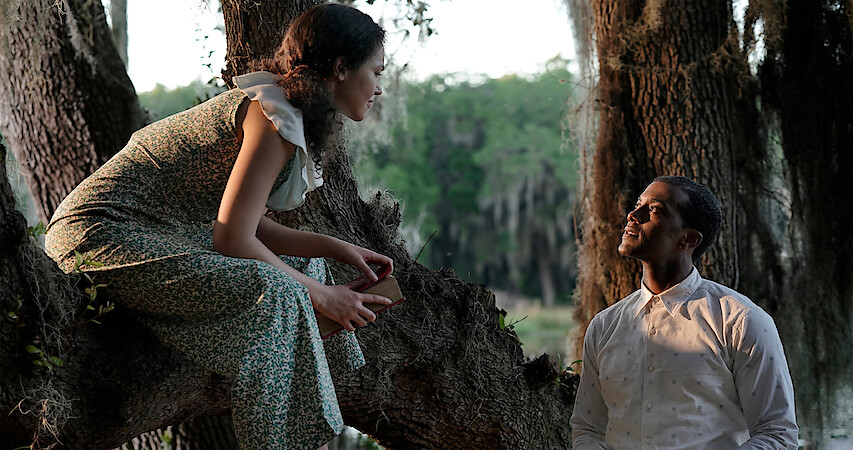
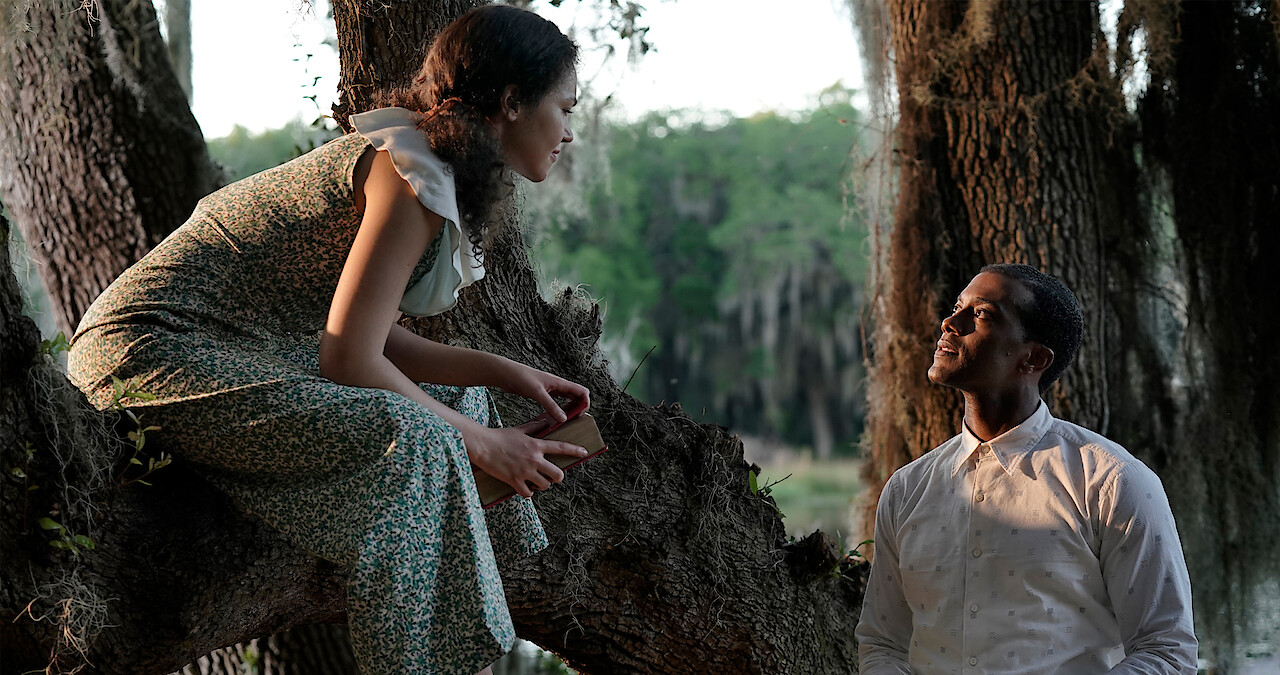
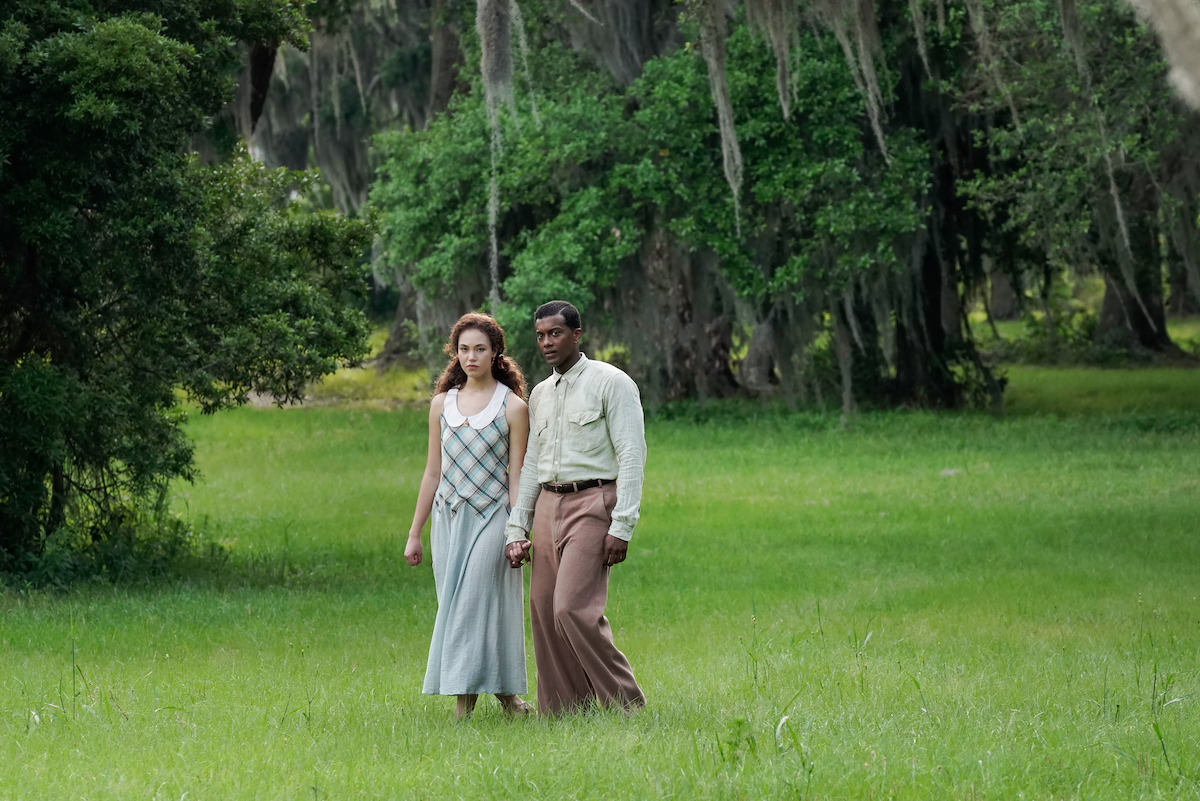
Boone and Pfeiffer share a moment.
A Jazzman’s Blues spans decades, telling the story of two young people in rural Georgia in the 1930s and ’40s whose love for each other is compromised by where they find themselves, unbearable family pressures and the violent racial oppression of the day. Both Bayou and Leanne are the proverbial black sheep of their respective families –– Bayou for his dark skin and perceived learning disabilities, Leanne for being the fair-skinned, “uppity” young woman who dares to want autonomy over her own body and choices. The script seamlessly weaves historical and cultural elements of the era into the would-be couple’s personal lives, building a wall of economic hardship, colorism, white supremacist violence and misogyny that suffocates them. For some, watching Perry’s film might offer a glimpse into a part of American history — and how real people were affected by it — that they might never have known or only learned about in school. “It’s interesting to see how what happened in the past is still present today,” says Boone. “How [Black people] of the past were going through some of the same exact things we are today.”
Pfeiffer knew about this period from books, TV and movies set in the era, but playing Leanne made it resonate on a deeper level. Like the character she plays, Pfeiffer is biracial –– which has challenges not explored in pop culture as much as those related to Black identity. She got the script during the pandemic and not long after the global protests of 2020 following the killings of George Floyd, Breonna Taylor and Ahmaud Arbery –– events that hit her hard. “It led to a total identity crisis,” she tells Tudum. “I didn’t know what I had permission to claim, who I really was for a stretch of time. I can count on one hand how many times I’ve seen a character description that specifically said ‘light-skinned, biracial, Black woman.’ Even just giving myself ownership to think, ‘Yes, this role would be perfect for me,’ was a really beautiful journey. And so in learning the history of multiracial people in America, specifically, it gave me my own history, and it gave me permission to stand in my power and know there’s no gatekeeper to my identity. I can be a lot of things at once. I gained a totally new and really strong sense of self.”
Neither Boone nor Pfeiffer had any particular insight into why Perry chose them to play characters that he first conceived more than two decades ago –– characters who, ironically, are almost the same age as Boone and Pfeiffer themselves. But Perry, of course, knows exactly why he selected them: “The level of understanding that they had on the period, the questions that they would ask, let me know they were the right people for the job,” says the director. “They understood the assignment. There’s a very specific way you approach a period piece, and I didn’t want the actors to feel modern in any way. I wanted them to feel authentic to the time. These kids nailed it.”