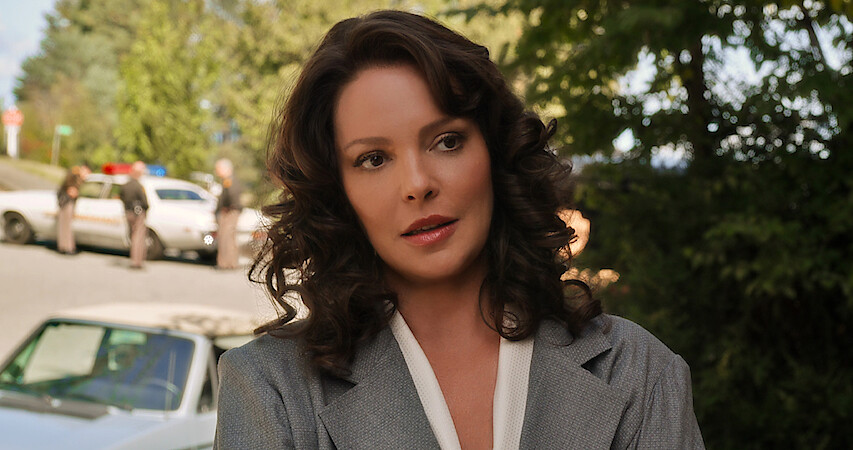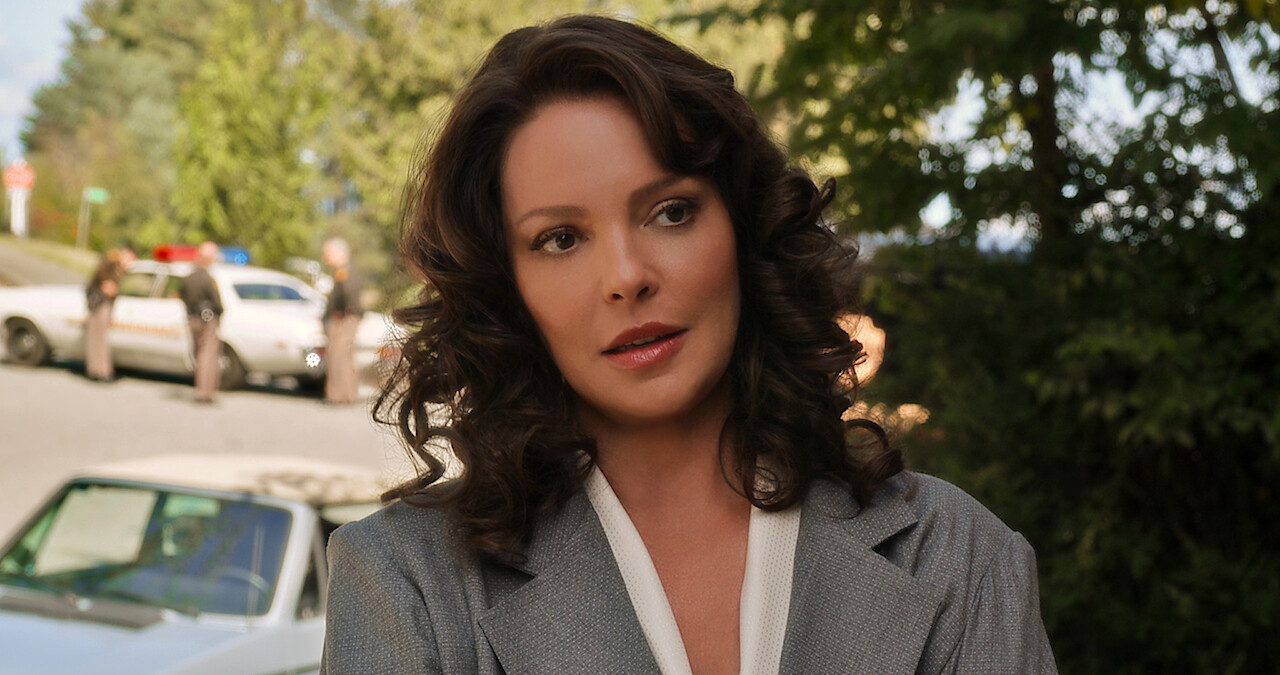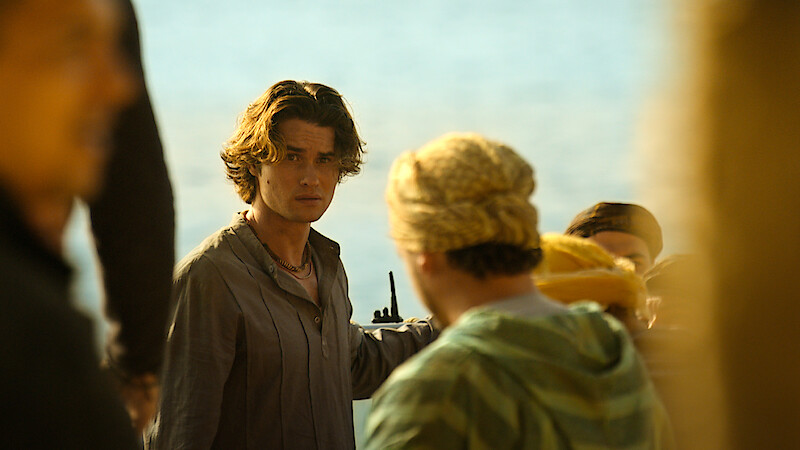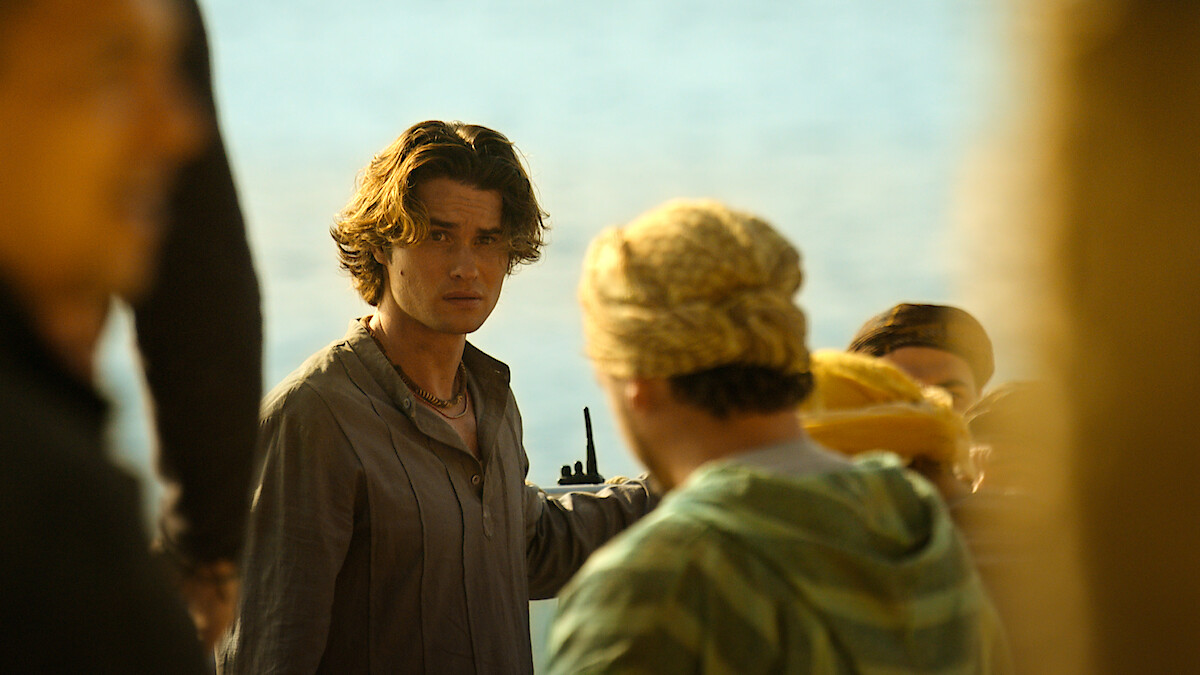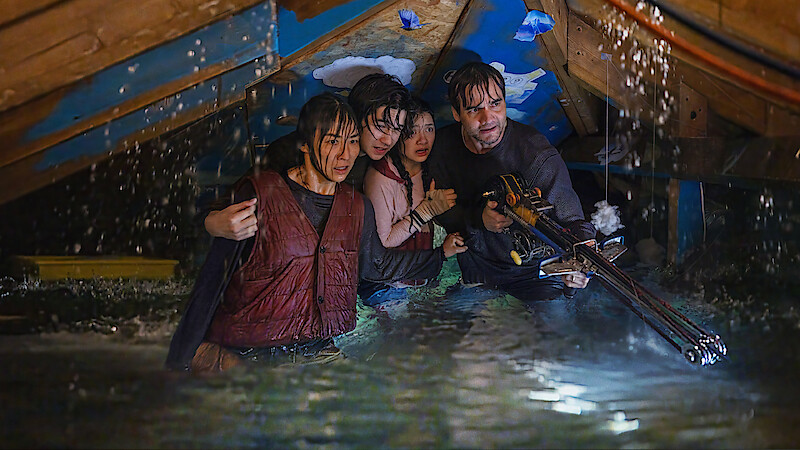
Julia Terjung/Netflix
Book Report
How ‘The Empress’ Traveled from the Screen to the Page
Author Gigi Griffis explains the inspiration behind her companion novel to the new series.
Sept. 27, 2022
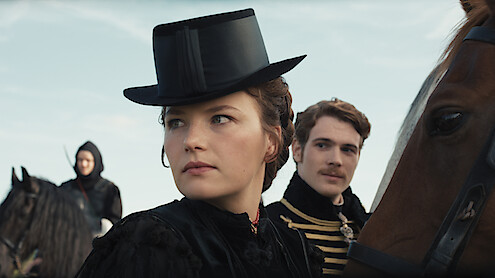
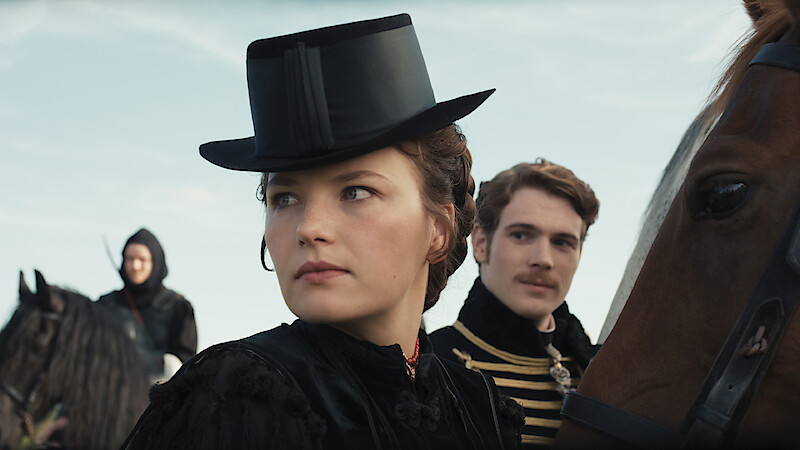
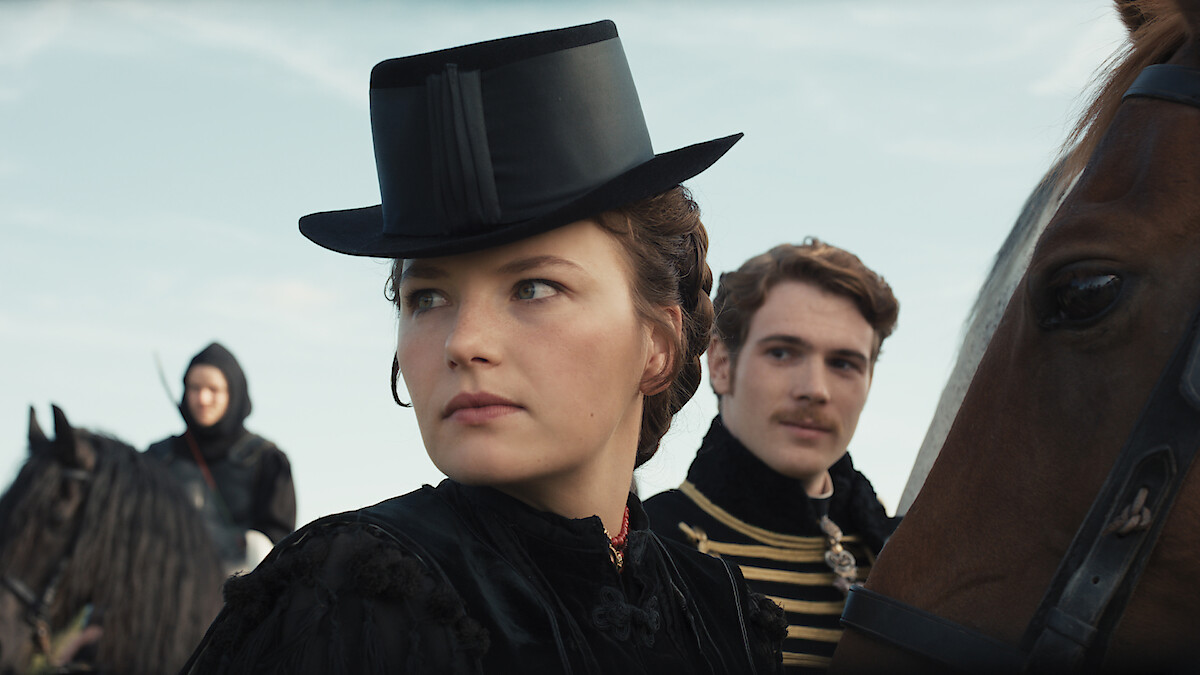
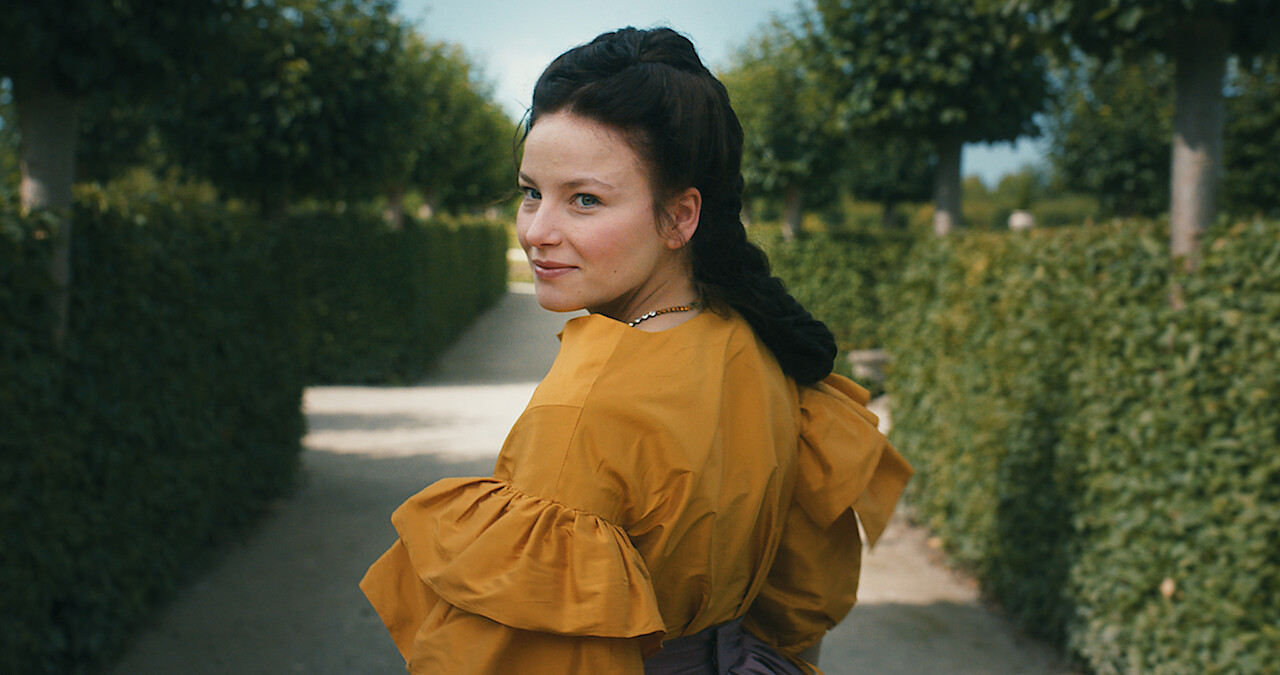
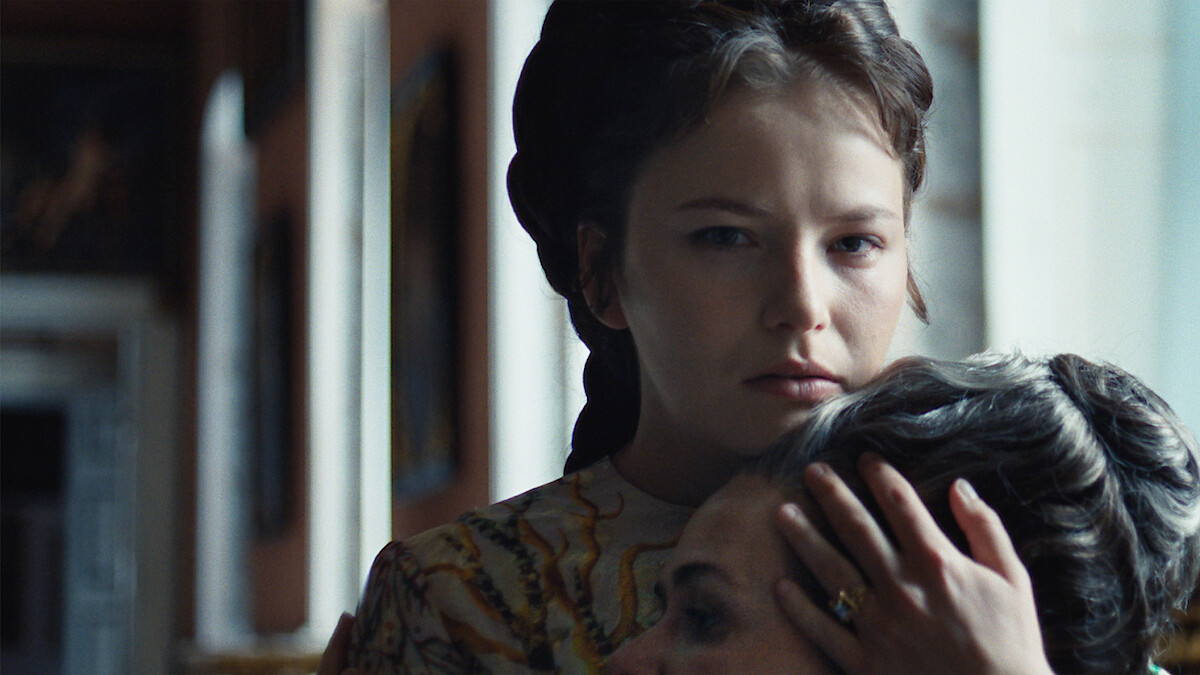
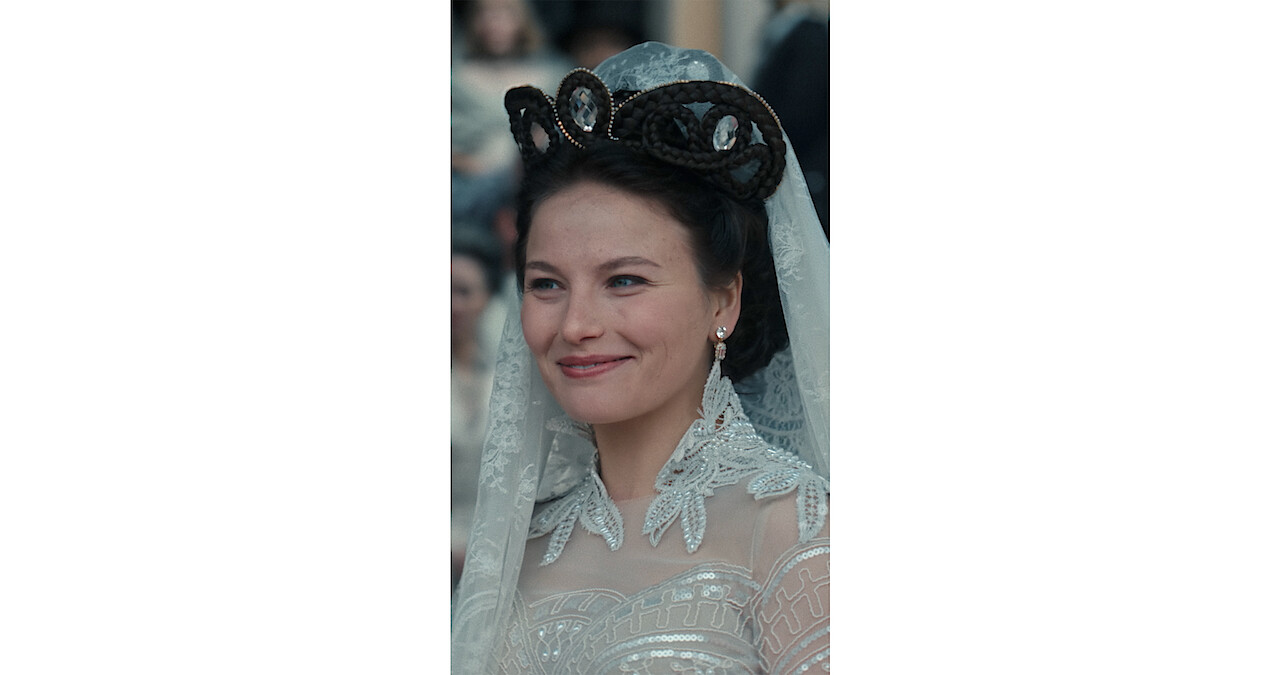
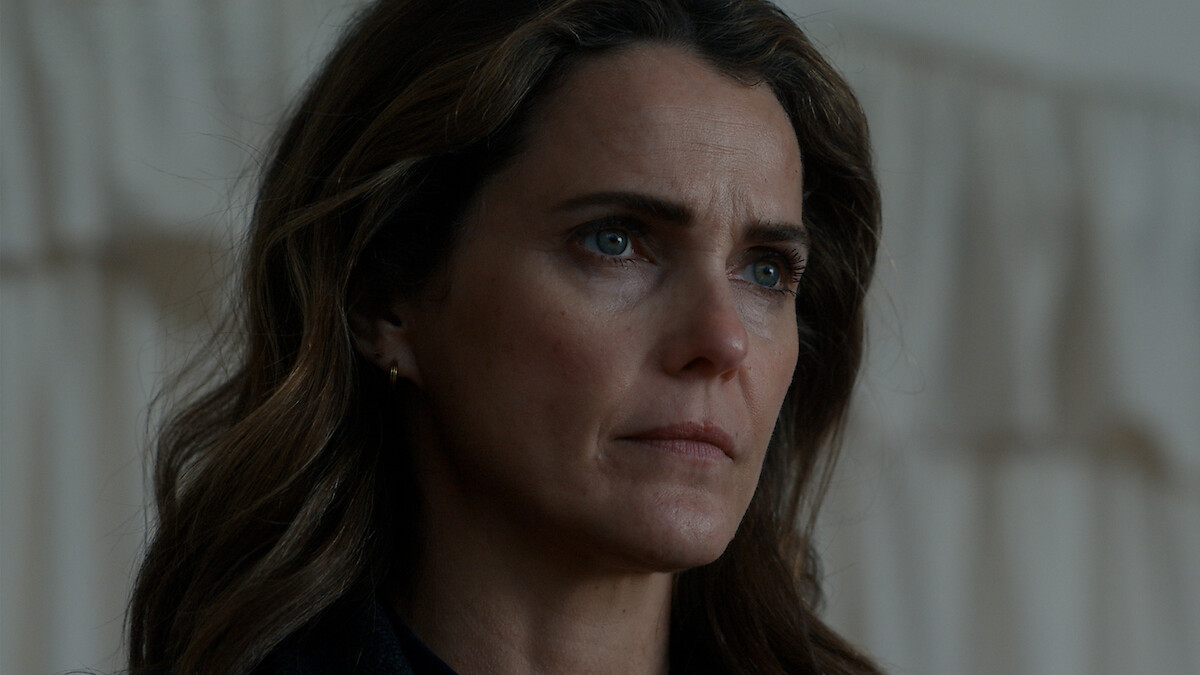
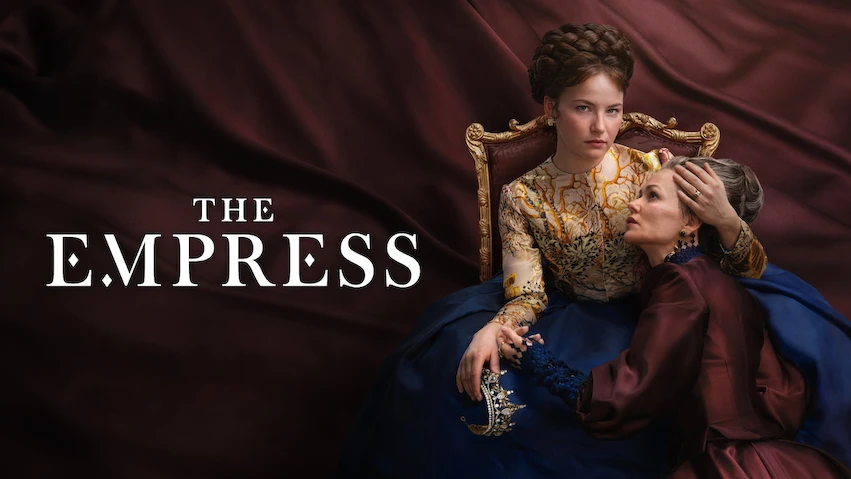
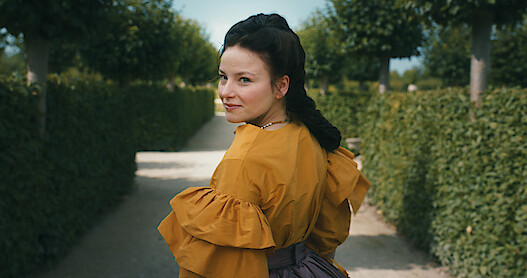
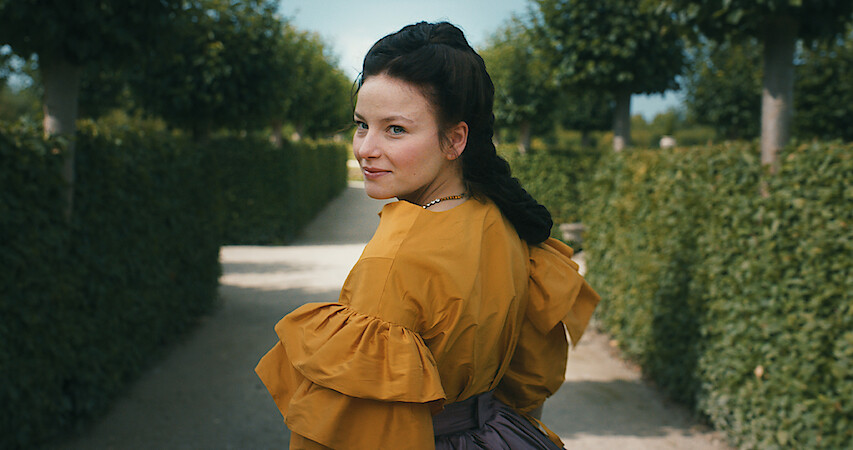
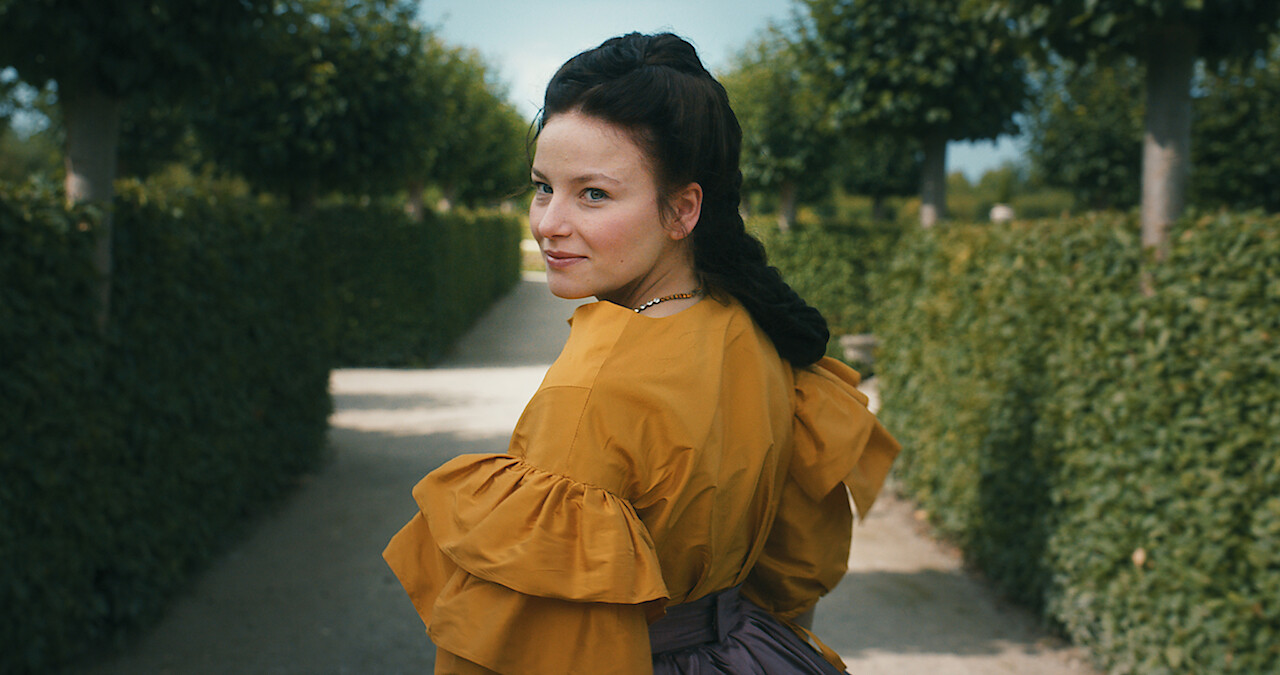
Have you ever turned the final page of a book and wished that you could stay in its world? Maybe by watching it all come to life on-screen? Or maybe you’ve watched (and loved) a TV series and want nothing more than to get lost in the book? Look no further than The Empress, which can satisfy both your TV and literary needs. While the series launches on Netflix on Sept. 29, the novel, written by Gigi Griffis, comes out today, Sept. 27. The book can serve as your introduction to the burgeoning steamy romance between the real 19th-century Bavarian princess turned Austrian empress Elisabeth (more commonly known as Sisi) and Emperor Franz Josef. There are longing glances! There are wistful sighs! There are billowing dresses! In other words, this is a period drama you can really lose yourself in — on the page and on the screen.
It’s rare for a series and book to launch at the same time, but it was made possible with The Empress after Zando Publishing editor Caolinn Douglas reached out to five writers — including Griffis — with a proposal to adapt The Empress creator Katharina Eyssen’s scripts into a stand-alone novel. For Griffis, who’d been fascinated for years by Sisi’s story of forbidden love and royal intrigue, this was a dream come true. And, once Griffis submitted her 3,000-word sample, it became clear to Douglas that she had to be the one to tell this story. “Gigi understood [Sisi] as a dreamer and a lover and a contemporary figure — just 200 years ago,” Douglas tells Tudum. It took just 20 days for Griffis to submit her first draft.
Ahead, Griffis and Douglas explain the unusual process of adapting the source material and what you can expect from The Empress.
Can you explain the process of adapting scripts into a novel?
Gigi Griffis: On the screen, we see the longing glances, we see the placement of bodies. We see the expressions on the actor’s faces. In the book, what you’re [getting] is what’s going through that person’s head. What are they worried about? What are they afraid of? What are the tensions that are inherent in the decisions they’re having to make in each of these scenes?
Caolinn Douglas: When you watch the series, you’re inherently kind of in the third person. You’re not able to be in their heads. We were mirroring the series, the same things had to happen, but what we could do was kind of play around with their thought processes and get to those battles they were having internally.
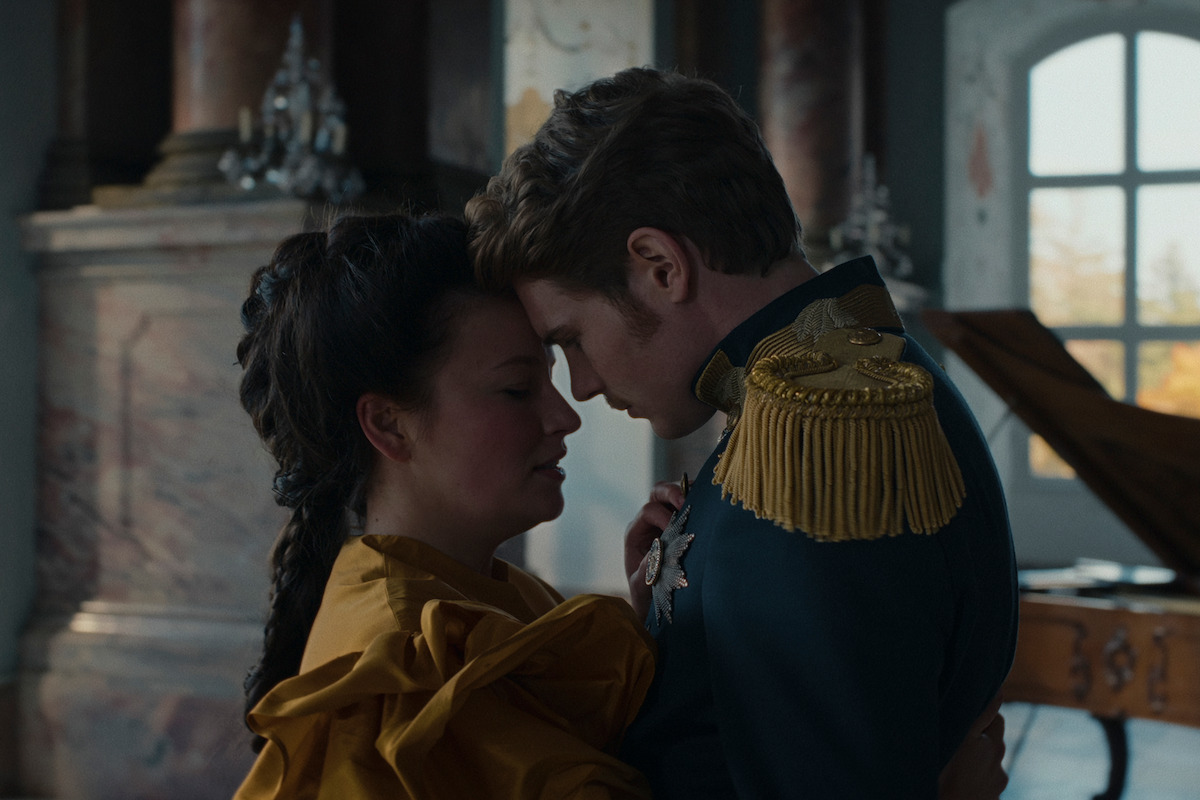
Speaking of tension — let’s talk sex. What can readers expect from this romance?
Griffis: I think of it as a slow-build sexiness. There’s a lot of longing here. We’re in a situation where propriety says that they can’t really be together. There’s a lot of moments when they’re just alone, thinking about being together. And then we get to a point where we get to act on that longing. All credit to Caolinn on that one. She was like, “We’re going steamy!”
Though she reigned in the 19th century, Sisi feels refreshingly modern as a character. How much of that is your own interpretation of her? Did you learn anything about her that surprised you?
Griffis: As someone who just loves history, I think people are people. Sometimes we can disconnect and be like, “Oh, people were so different then.” But longing, loneliness, all of these core emotions were still a huge part of humanity. When we tap into that, then it feels universal and it feels modern. But also, she was remarkable. She had a background of crossing class boundaries in a way that most young women her age in her position did not. And later in life, she became a bit of an activist in getting more mental health care for people. So she actually was ahead of her time.
Douglas: My favorite thing about historical fiction or any study of the past is that we’re actually way less original than we think we are. We think of Sisi as [being as] contemporary as [Princess] Diana and Meghan [Markle], because we exist in [her] image. It’s not an accident that we relate to her. She’s the kind of woman that we now hold up as a paradigm of autonomy and femininity and independence.
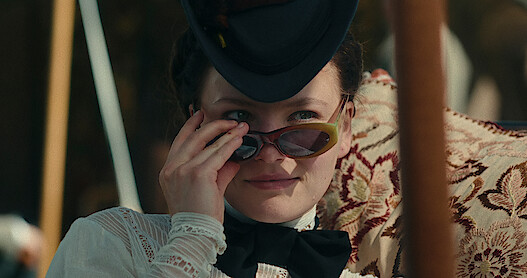
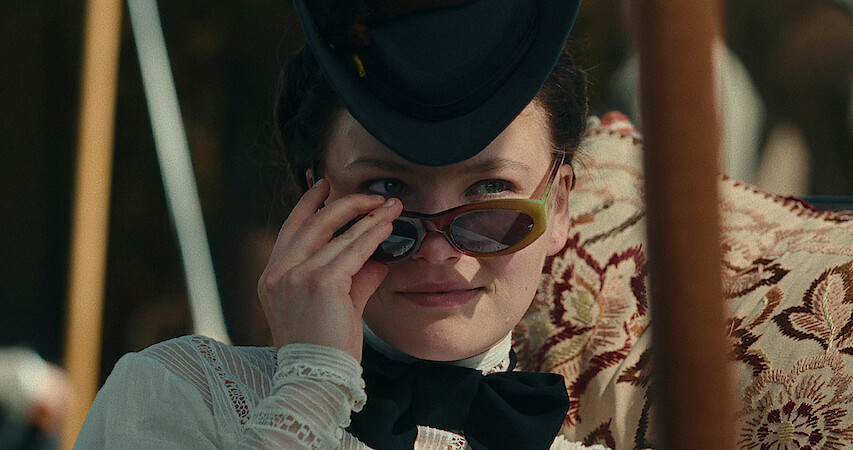
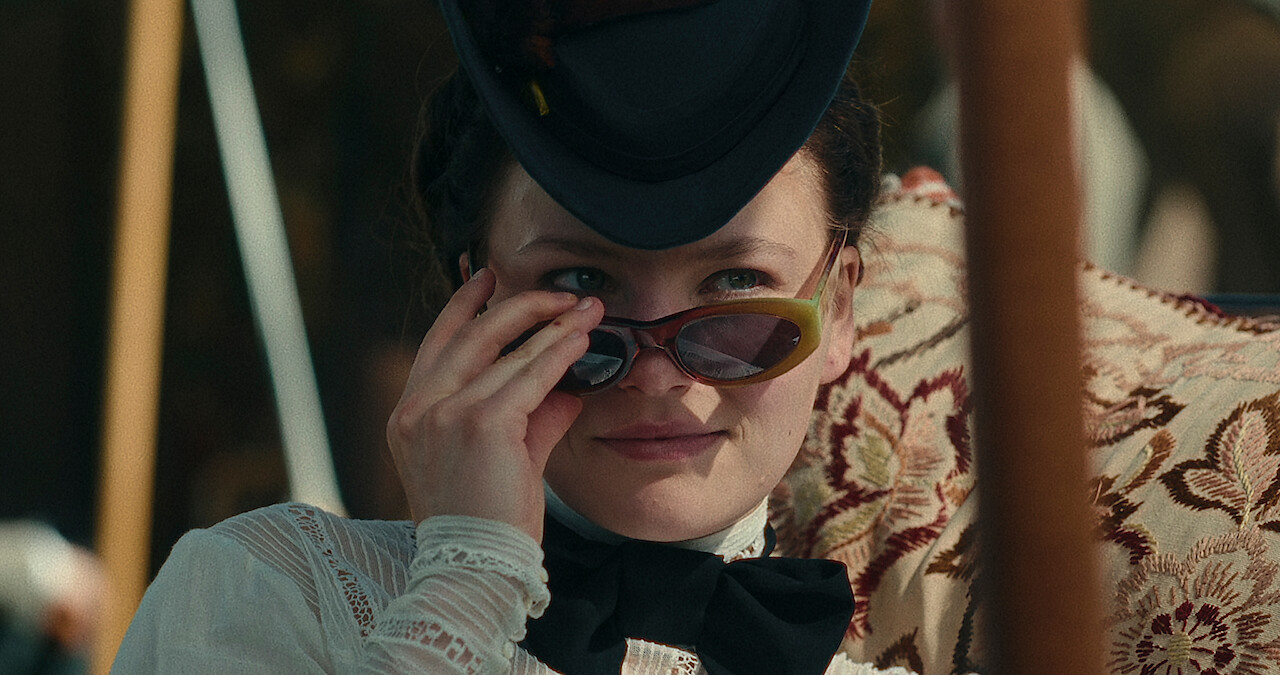
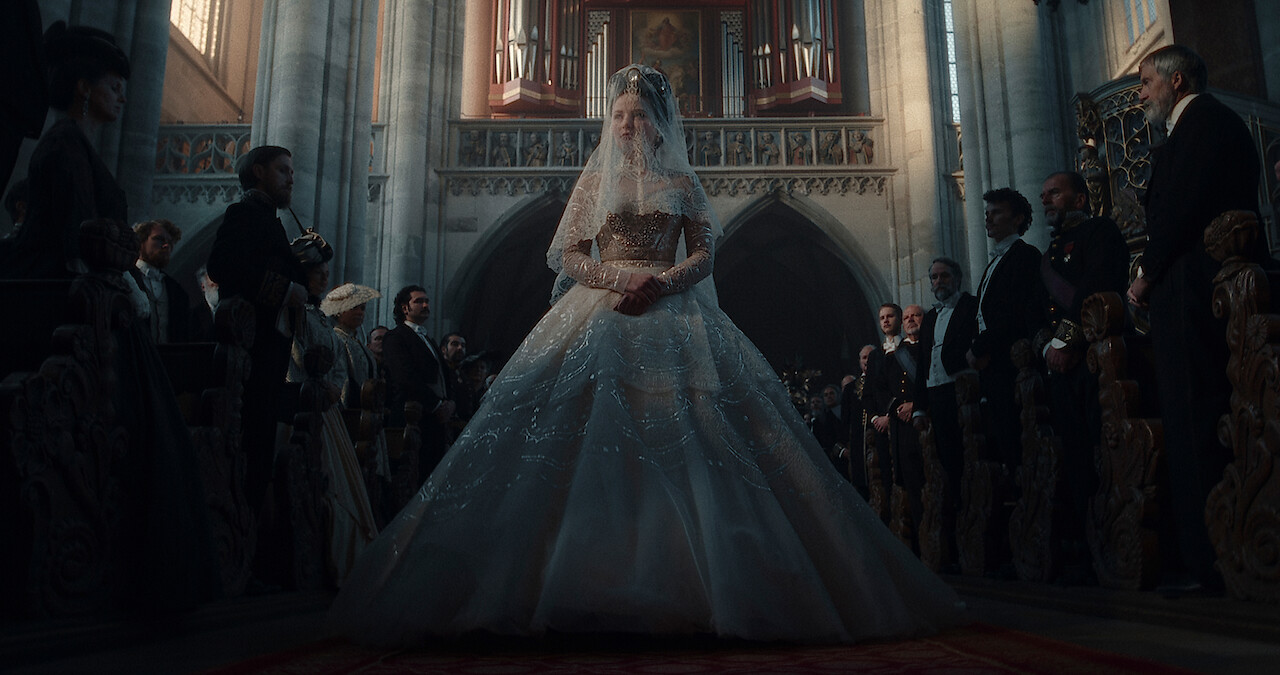
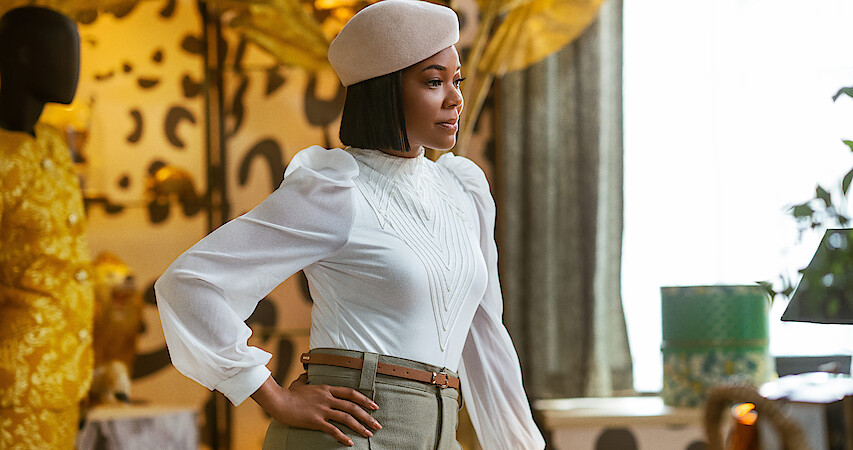
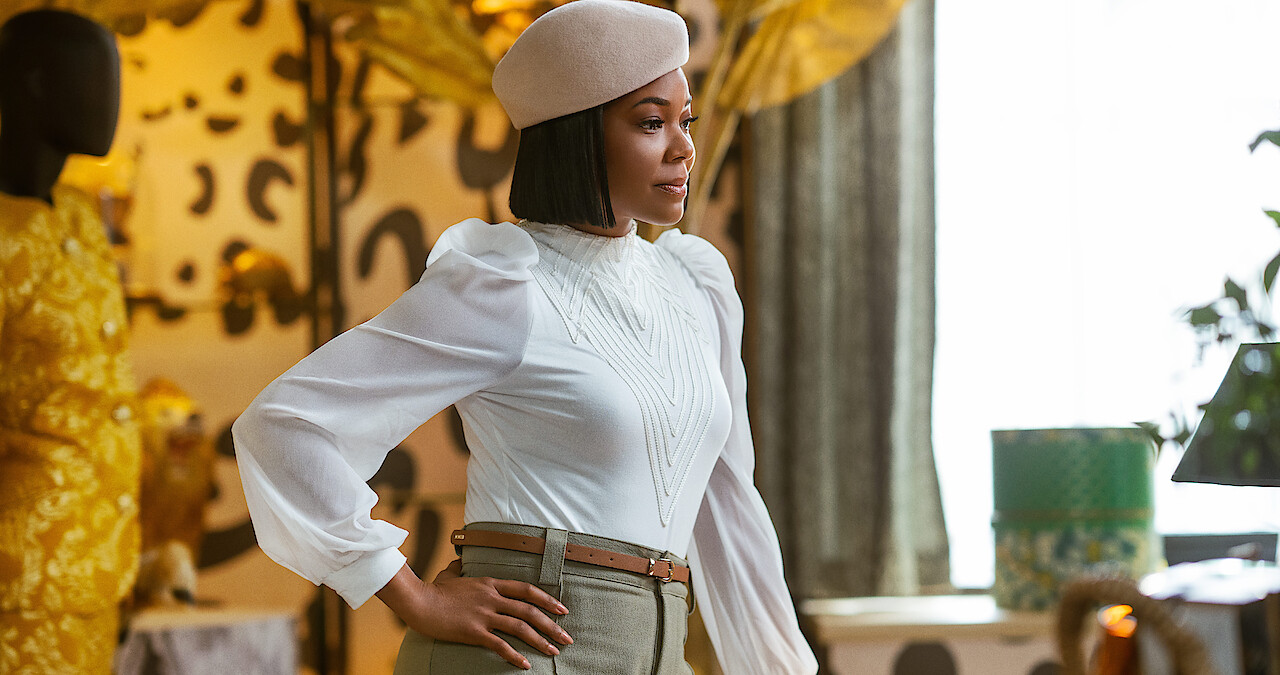
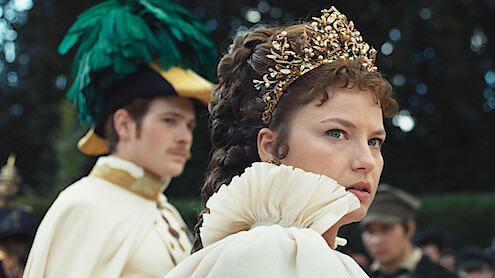
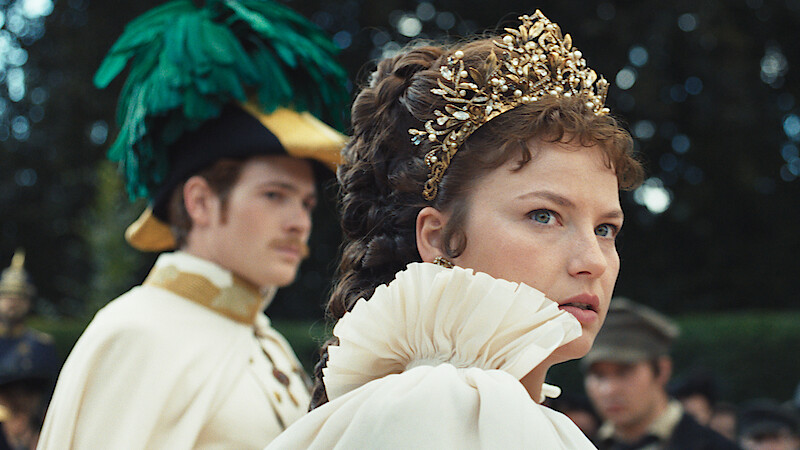
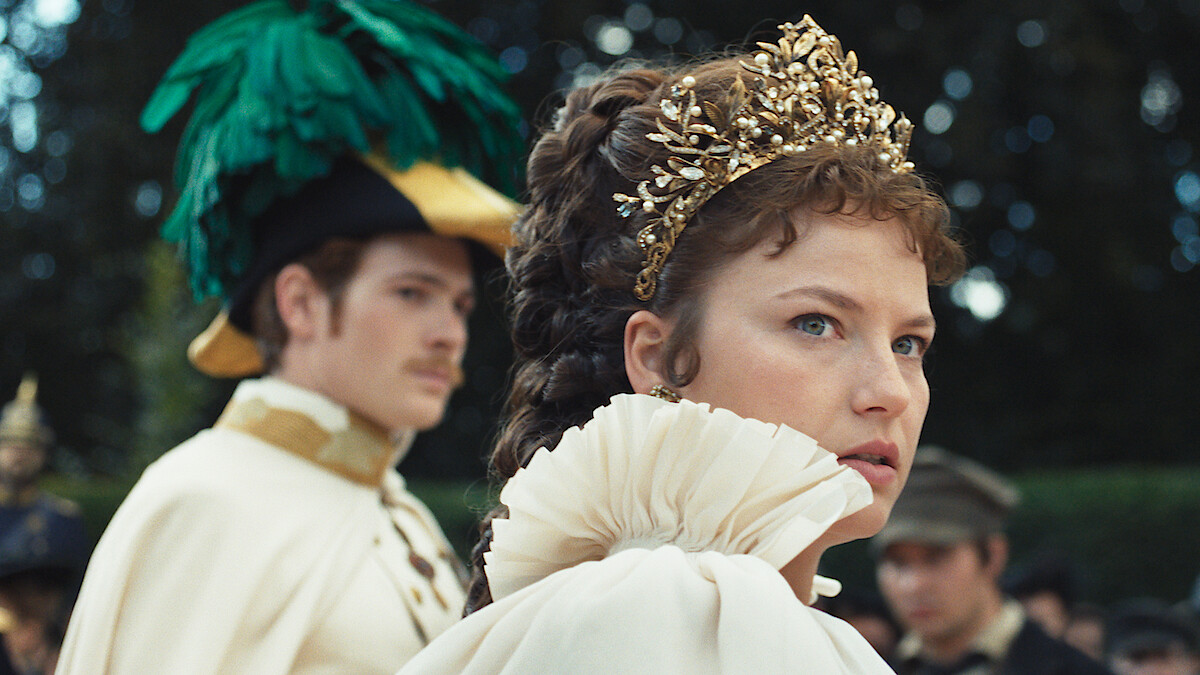
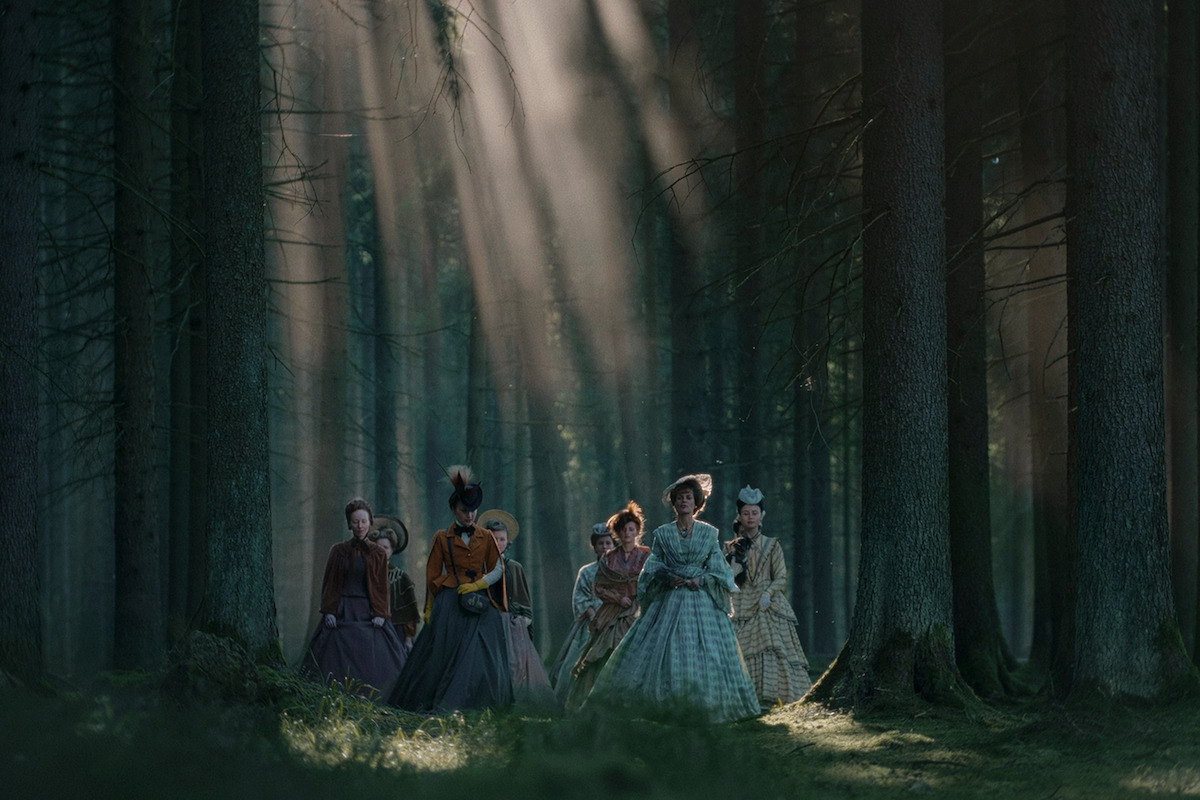
The series features some incredible costumes that you also reference in detail throughout the book. How did that work? Were there descriptions in the script that you worked from
Griffis: That happened in edits. We went back in and made sure that the descriptions of what they were wearing and the background of the room and things like that matched up.
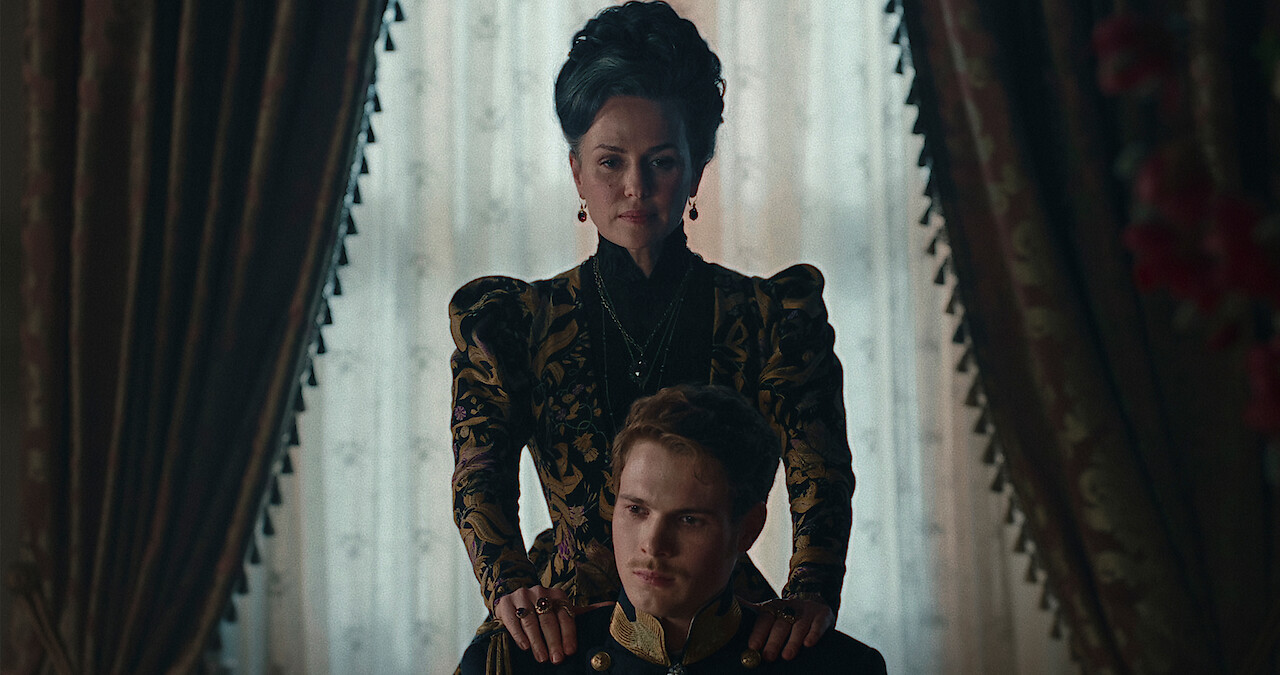
Douglas: That was one of the most interesting parts of the process. We’d crafted the story, Gigi had written the whole thing from the scripts. And then seeing those first cuts of the episodes, and [we realized] that with the music and the way the scenes cut and the way their outfits are and what they’re standing in front of — that puts a whole different tone and pace to the story.
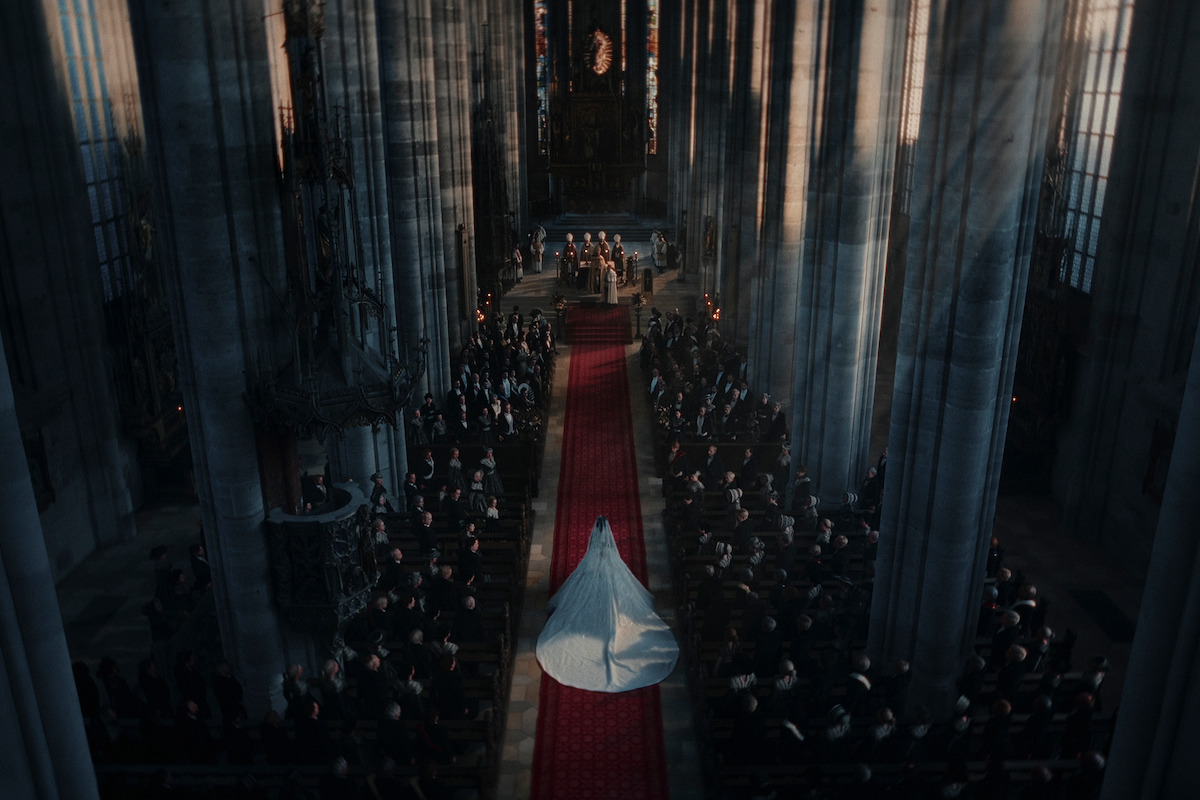
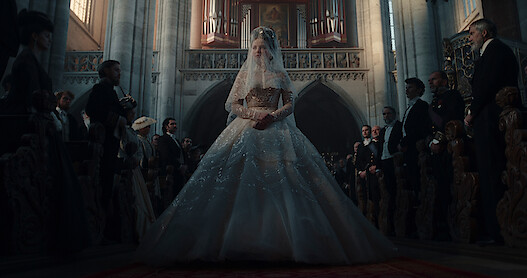
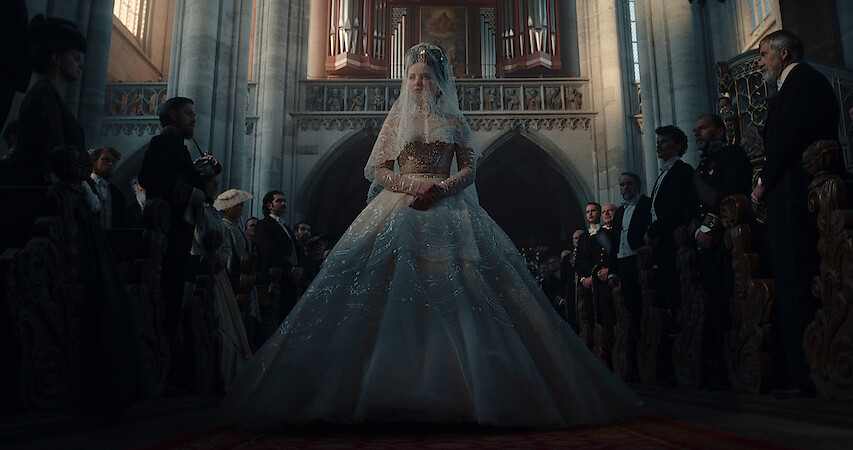
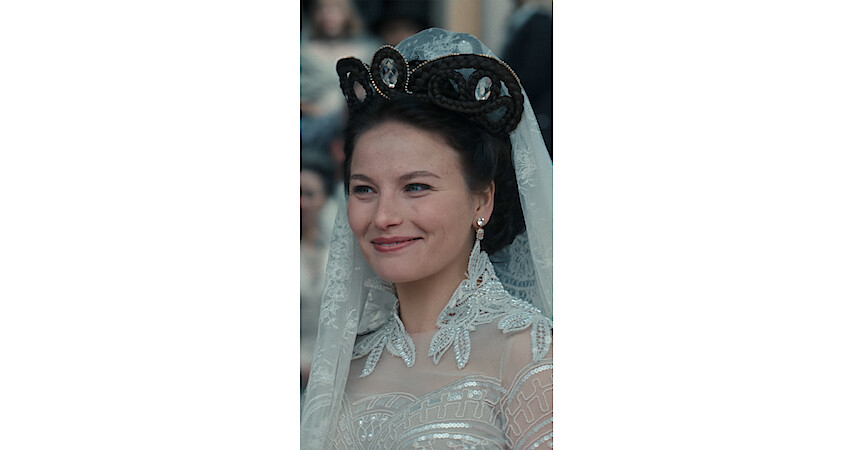
The book ends with Franz and Sisi’s wedding — their version of happily ever after. Why did you choose to end the story there?
Douglas: I really like the idea of meeting this very famous woman before she becomes empress and not following her into that era that you think you know. That’s another way that we build on the show and create a companion piece. It’s her before the hype. Who was she really, and what did her earlier days look like?
What conversations do you hope the book starts?
Griffis: I hope people get excited about history. I thought history was kind of boring when I was young. It was like, “Oh, I have to memorize more dates of battles that just have no connection to me.” As an adult, I started finding these incredible women in history that I’d never learned about and that lit up something for me. I felt so much more connected to the past, and it made me feel almost a little bit more connected to myself, to feel like I have this longer history than I really had thought. The more that we have powerful women on the screen and in books — especially in this kind of modern, accessible way — the more it hopefully makes people want to read more historical fiction. [I want to] open up that part of the world to people.