Book Report
Get a Sneak Peek Inside the New Novel ‘The Empress’
Read the first chapter of Gigi Griffis’ historical romance before the series debuts on Sept. 29.
By Gigi Griffis
Sept. 27, 2022
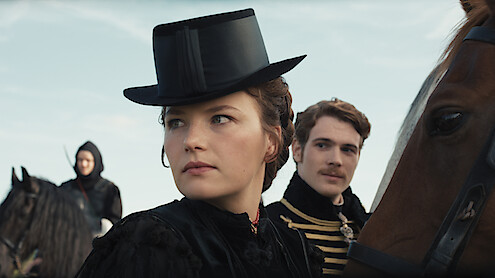
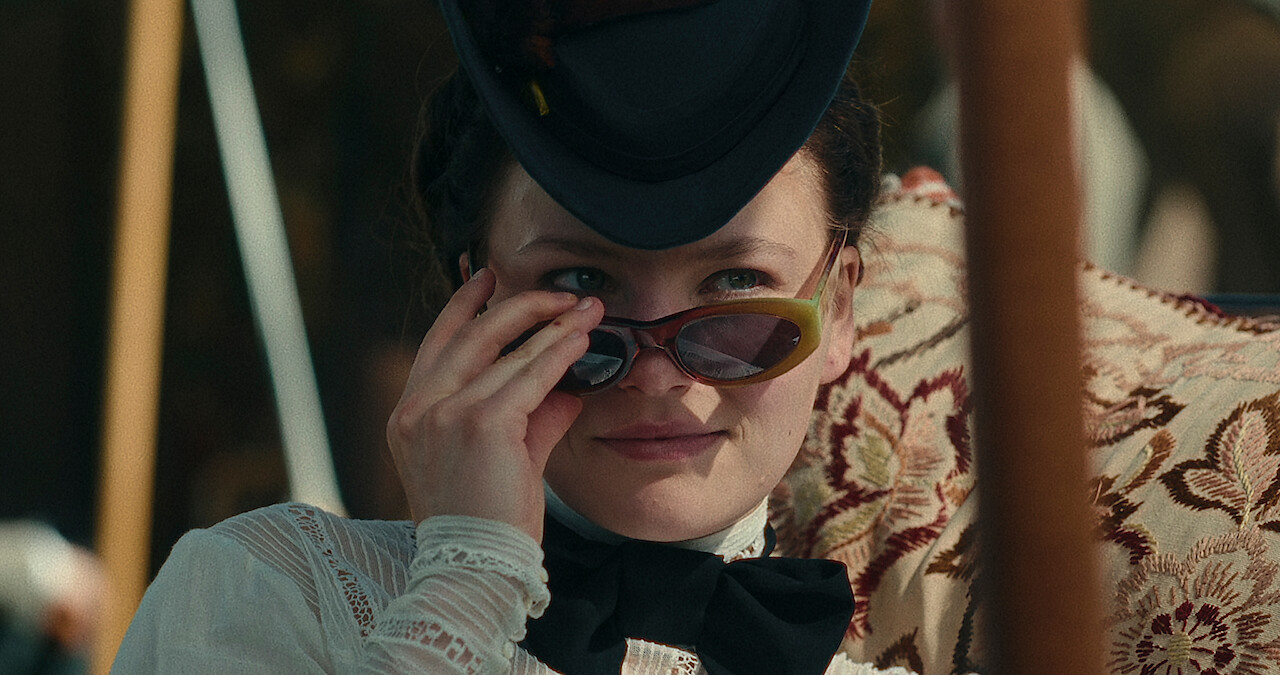
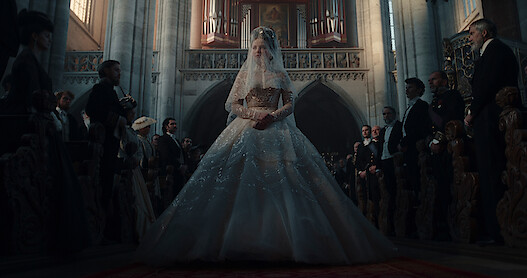
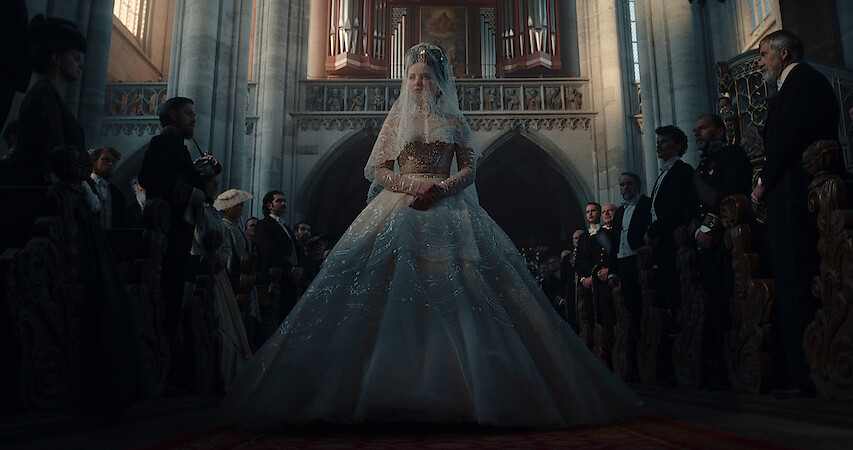
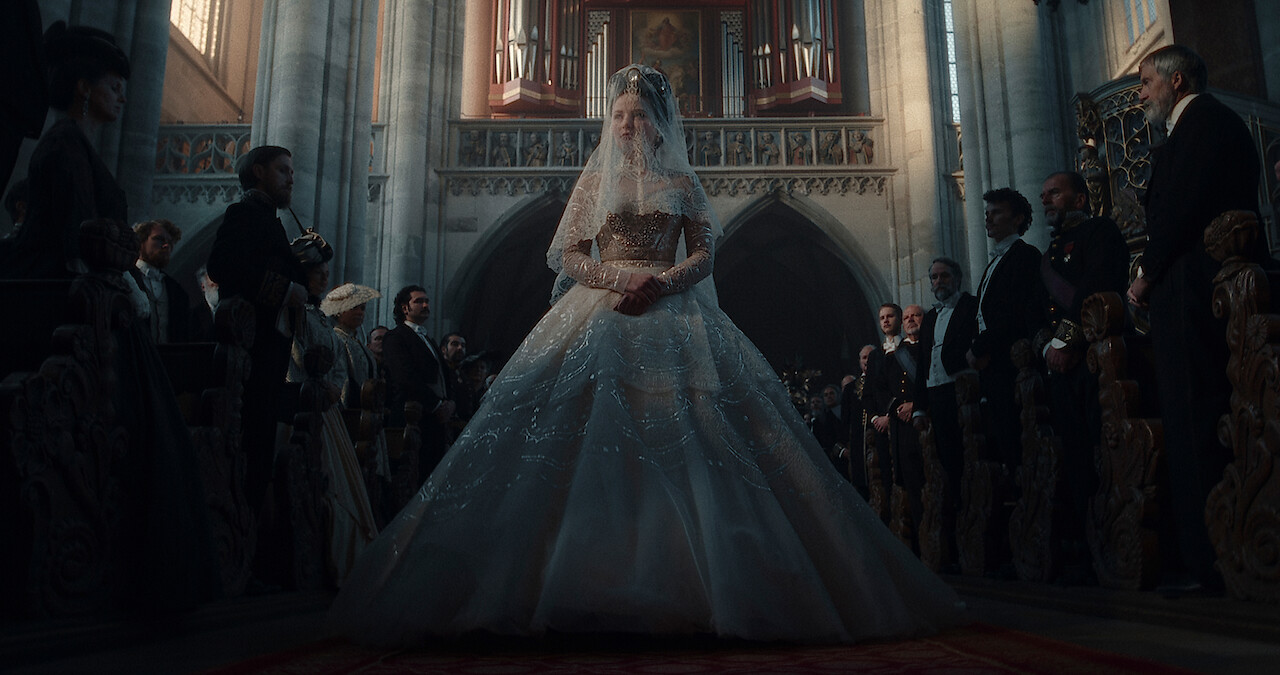
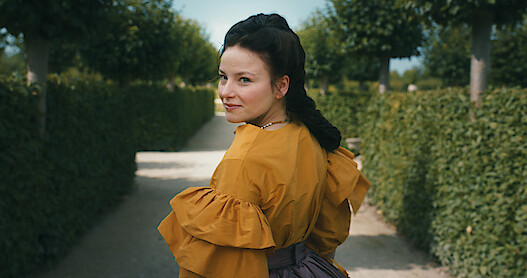
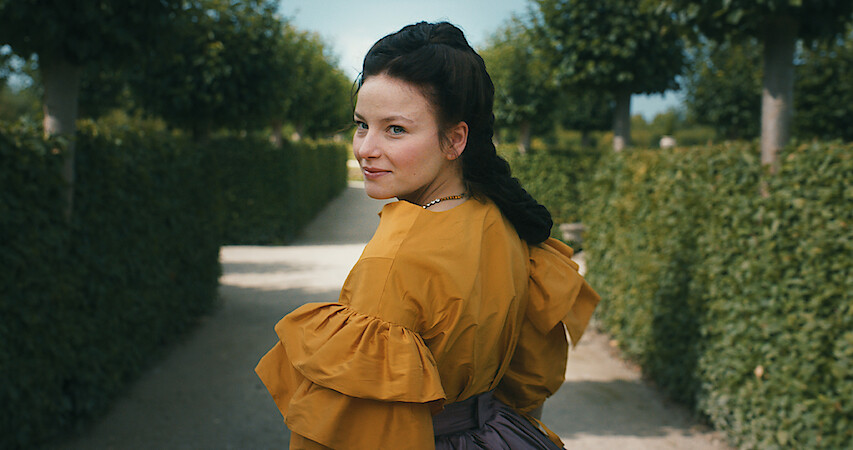
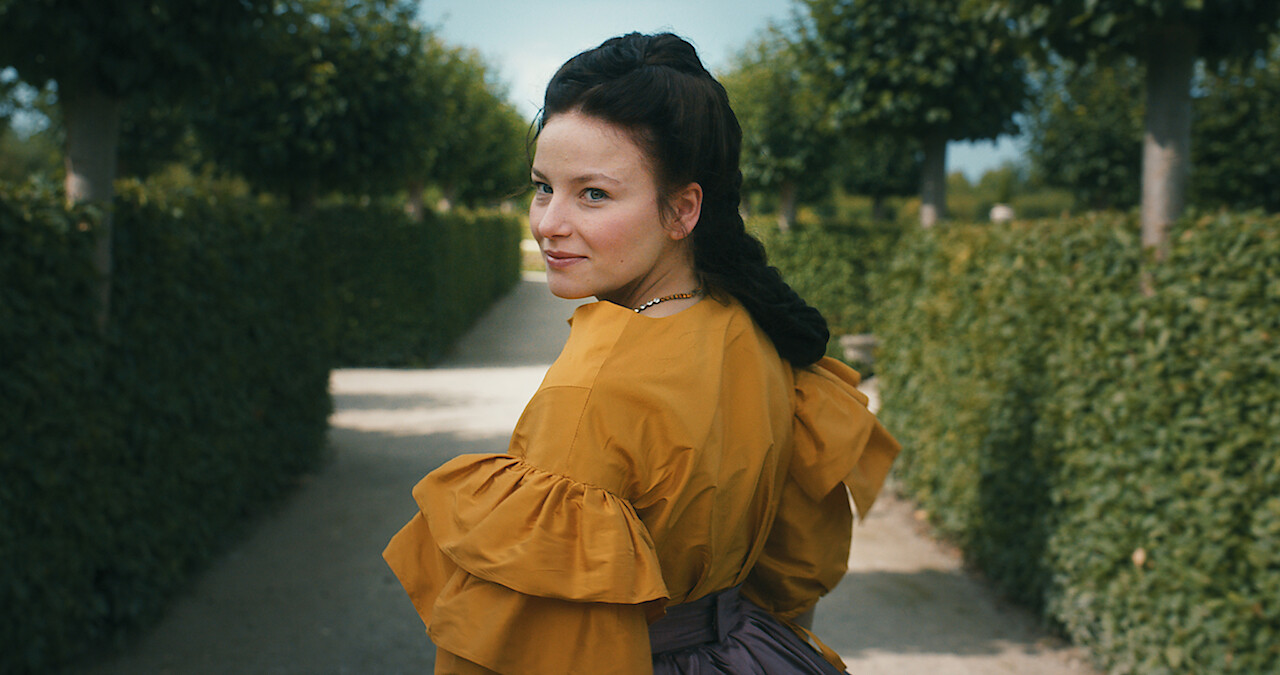
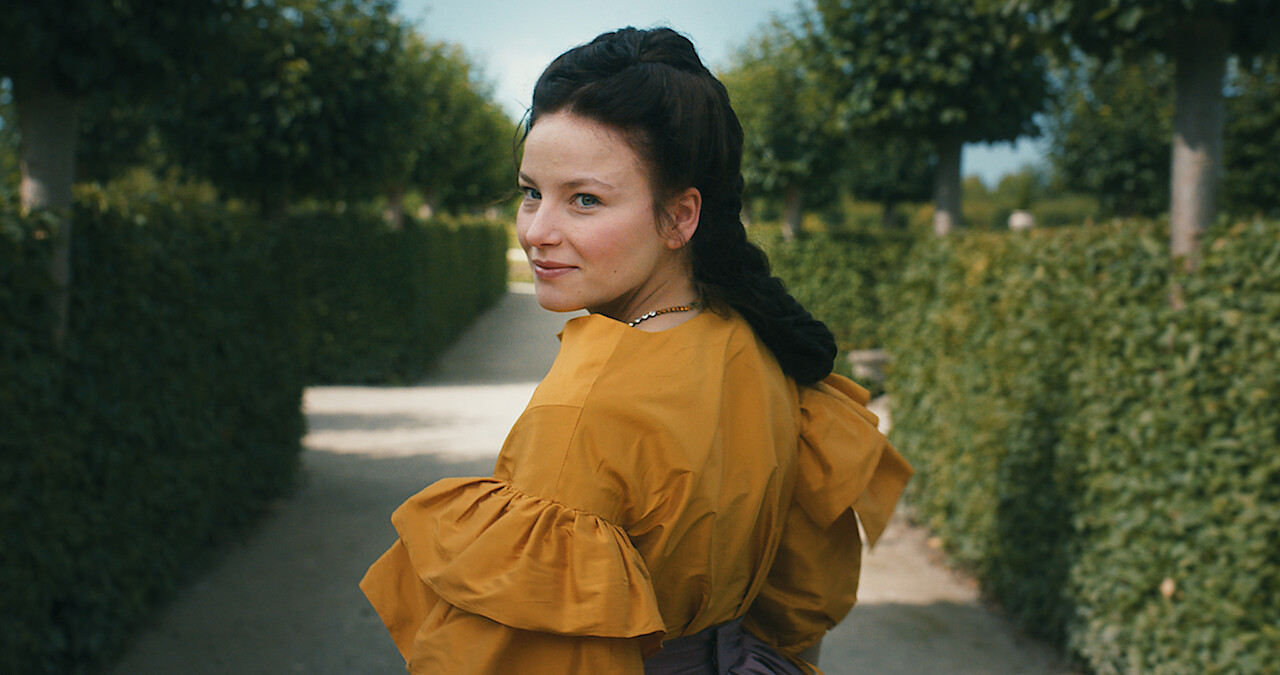
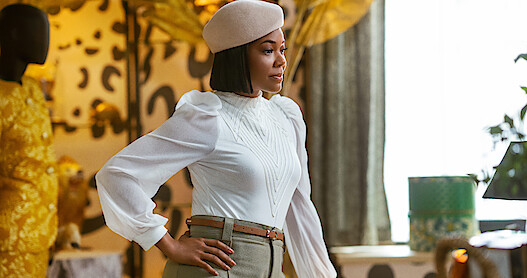
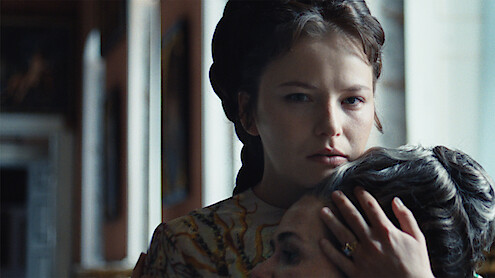
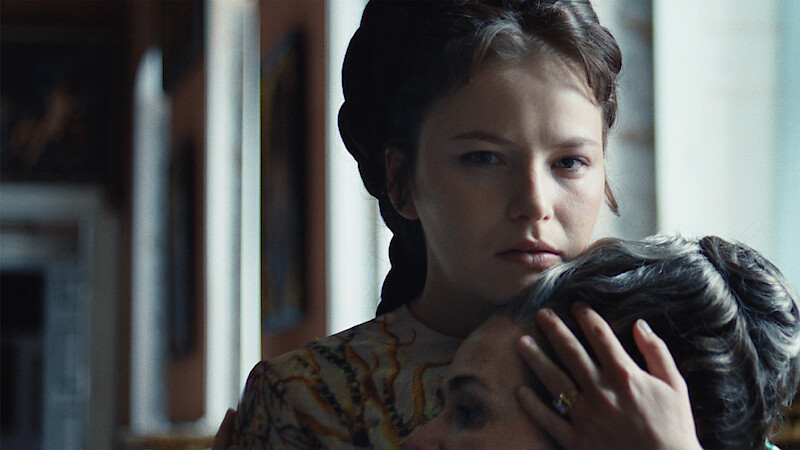
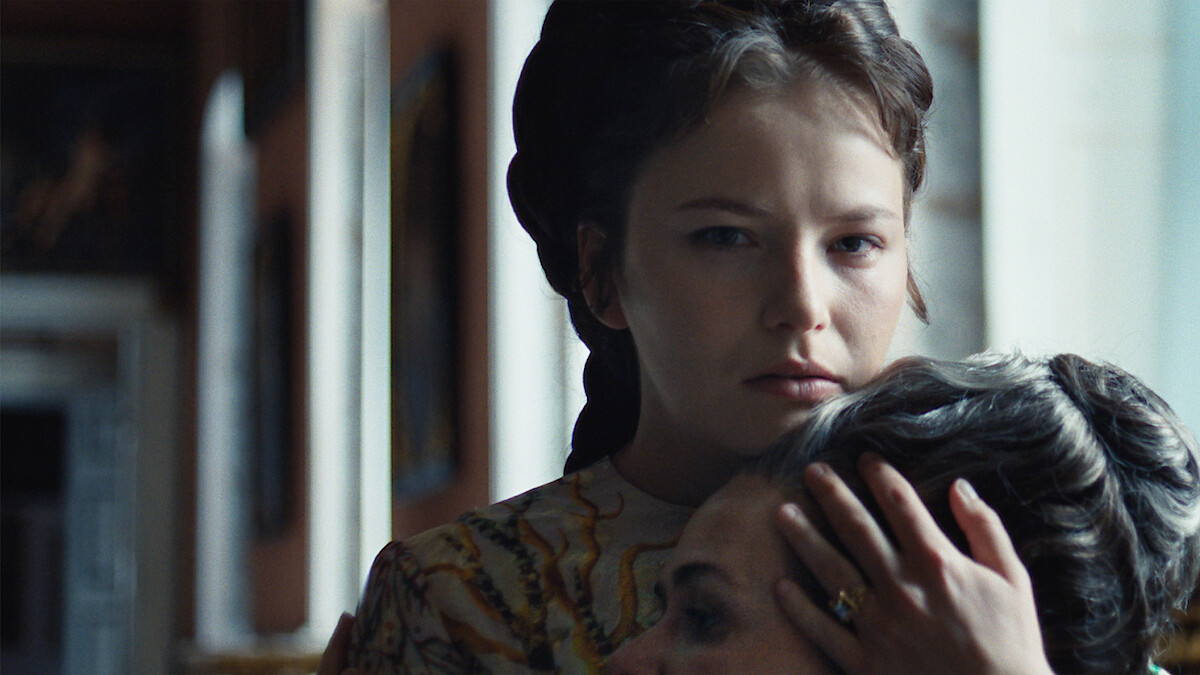
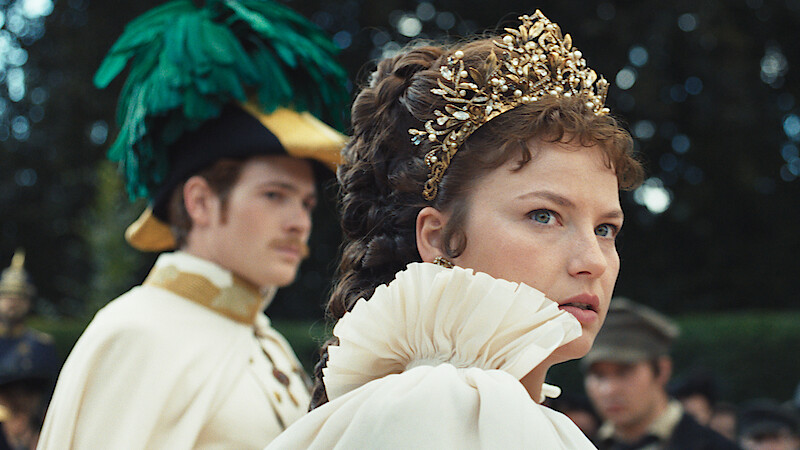
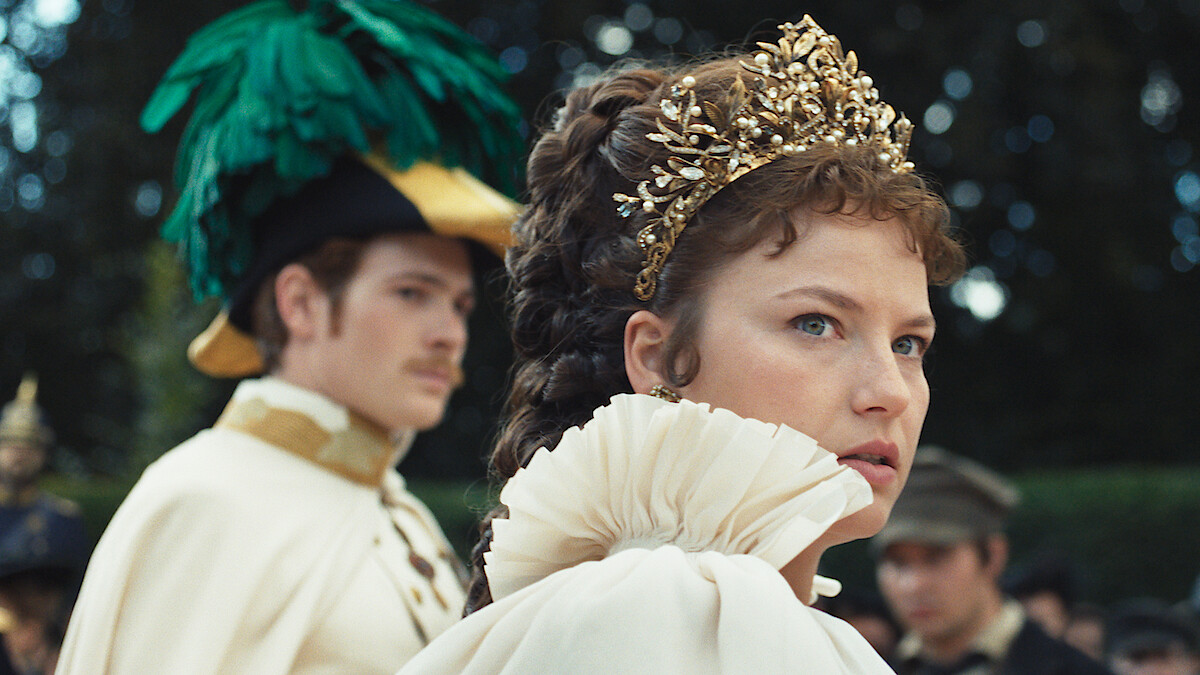
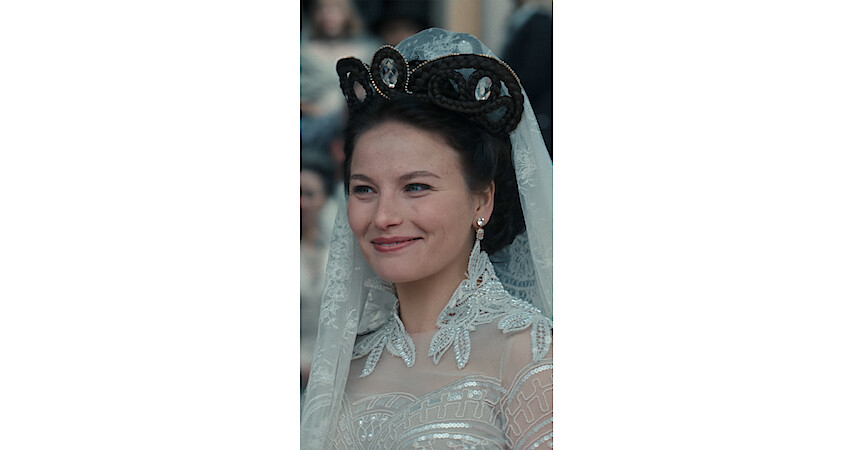
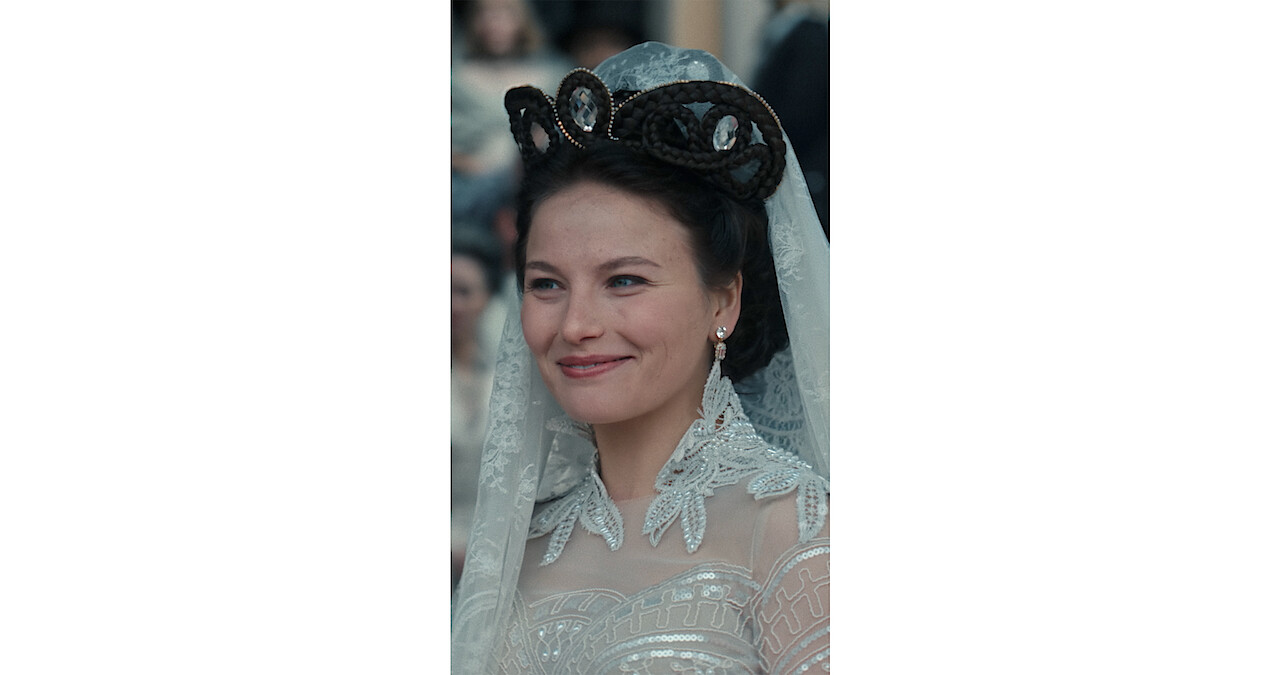
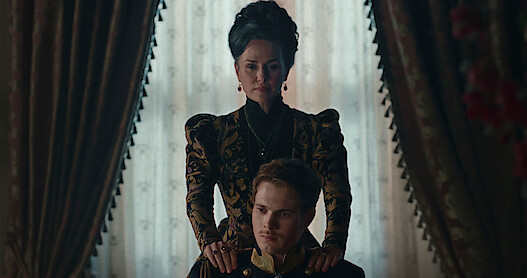
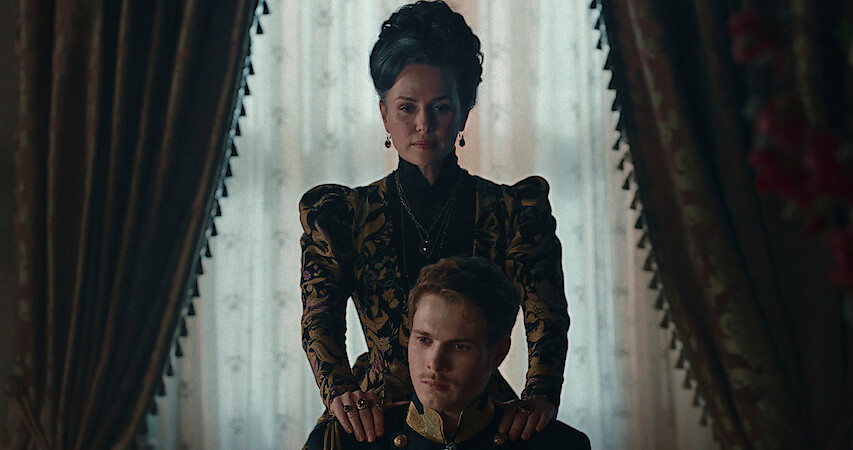
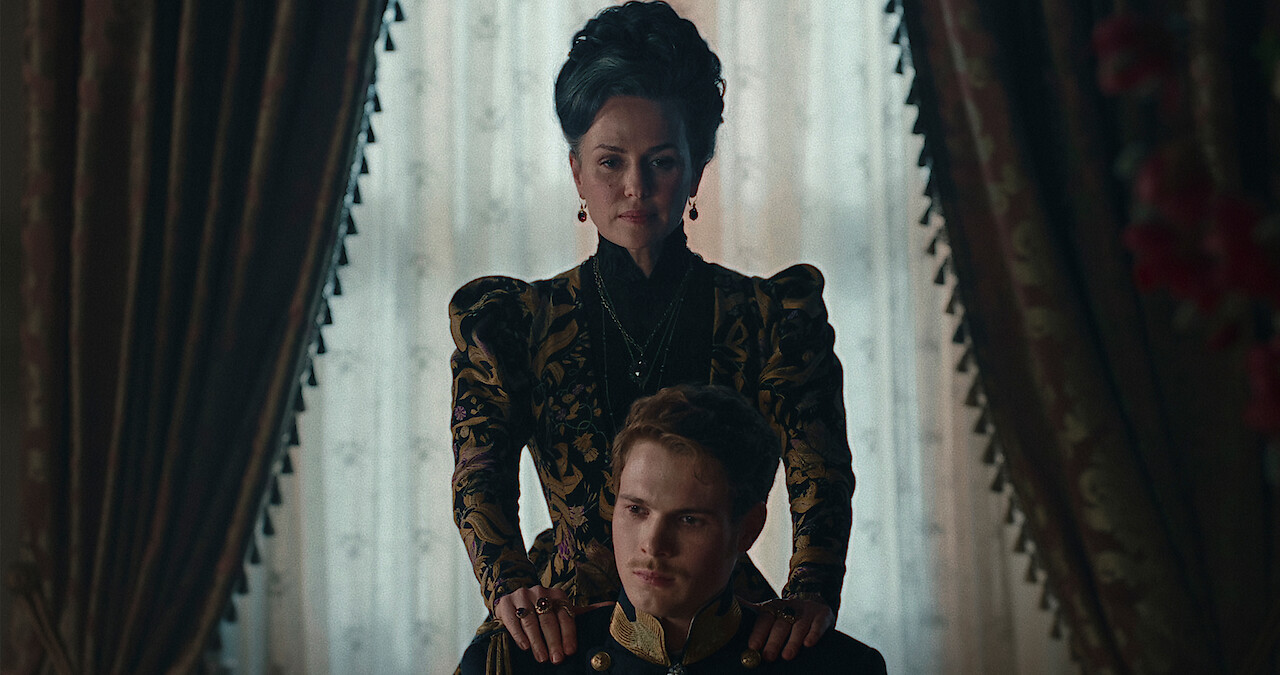
Need more royal drama in your life? On Sept. 29, Netflix premieres its new series, The Empress, which follows the life of the real 19th-century Austrian empress Elisabeth (perhaps better known as Sisi). But you can also follow along with Sisi’s story by reading the just-released novel, The Empress, by Gigi Griffis. Below is an excerpt from the book, so you can get a taste of all the palace intrigue before you fully immerse yourself.
***
Elisabeth’s mother was panic and fury, a wind- storm of skirts and schnapps, rampaging through the house loud enough to wake the dead.
“Sisi!”
Elisabeth hated that nickname, and her mother knew it. It was a child’s name—and her mother’s excuse to treat her like one.
“Sisi, where are you?” Mother’s voice was closer now.
Elisabeth was hiding behind an elegant sky-blue floor-to-ceiling curtain. The curtain matched the rich blues of the plush chairs in the sitting room where she was hiding, which in turn matched the rich walnut of the wood floor, which matched the richness of her mother’s tastes.
The rest of the house was similar: baby-blue archways and doorways, jewel-toned bedcovers, warm wood floors laid with rugs, everything swirling with flowers or twining with vines.
Elisabeth’s eight-year-old sister, Spatz, slipped behind the curtain beside her, conspiratorial. Elisabeth wiggled her eyebrows at her tiny, wide-eyed sister and pressed a finger to her lips. But Spatz didn’t need to be told to be quiet. She knew the hide-from-Mother game well by now. They all did. Only Helene had recently become very serious and stopped playing.
The thought made Elisabeth’s eyes close involuntarily. Her sister had scolded her just yesterday that she needed to grow up. “You sound like our tutor,” Elisabeth had replied, unable to keep her disappointment from spilling out. Now Helene had given her the silent treatment for half a day.
“Si-si!” her mother shouted again, pronouncing each syllable of her name separately as if that would draw her out of hiding.
Elisabeth knew Mother wanted to do something with her hair. She could picture the next two hours of her life: Sit still, Sisi! Don’t fidget, Sisi! Let us yank your head in every direction and stab you with pins, Sisi! Even when she tried to do what her mother wanted, it was never enough. Every breath was a fidget. Every accidental wince a com- plaint. Elisabeth had tried—really tried—the last time a duke came calling about an engagement, but in the end, it still turned out the same: with her mother angry and the duke gone.
Today, she’d rather hide.
Elisabeth rubbed a thumb against the thick, silky fabric of the curtain, a breeze tickling at the back of her neck through the open window behind her. All three girls had climbed out that window time and time again in games of hide-and-seek—and whenever they needed a fast escape. Though she supposed Helene wouldn’t stoop to climbing down the trellis and into the grass any longer, now that she’d lost her sense of adventure. Now that she was supposed to marry the emperor.
It was worse than that, Elisabeth realized, because Helene would be unadventurous and distant and gone. Marrying the emperor meant moving to Vienna. And leaving Elisabeth behind with—
“Where are you?” Her mother’s question was followed by a frustrated, almost animal noise, and it was so startling, so close, that Elisabeth jumped and Spatz put a hand over her mouth to stifle a giggle. Mother had managed to come into the room with- out them hearing—a feat with her normally heavy footsteps.

Elisabeth regained her composure, winked at her sister. “For heaven’s sake, Sisi. The duke will be here any minute!”
The duke. Mother’s great hope for Elisabeth’s future and one of the most pompous humans in existence. Mother was hoping he’d propose today; Elisabeth was hoping he’d fall off his horse on the way.
Another set of footsteps rushed into the room. A maid, for certain. Helene wouldn’t stoop to rushing anymore.
“She isn’t even dressed yet? That can’t be!” Mother said.
Elisabeth rolled her eyes. Any minute was an exaggeration. The duke wasn’t due for several hours. She smiled at Spatz, raising an eyebrow. Neither of them were anywhere near dressed— both in white nightgowns, bare feet, hair wild and not yet brushed.
Emboldened, the sisters peeked around the curtain. The maid was holding Elisabeth’s dress for the day—ruffled and glamorous, decked out with ribbons, but so stiff with starch that it looked like it could stand on its own. Perhaps that was the answer to the day’s woes: the dress could stand in for Elisabeth. She doubted the duke would notice if it didn’t have a real woman in it. In fact, he might think it an improvement.
They watched as Mother clutched dramatically at her side and leaned heavily on the poor, put-upon maid, who struggled to support both her and the stand-alone dress.
Despite her nerves, Mother looked perfect, as usual, her own dress a deep shade of green with a plunging neckline and puffed sleeves. A floral necklace drew the eyes to her delicate throat and perfect bone structure. Mother’s hair was honey hued and her features elegant, a stark contrast to the dark locks and playful faces of Elisabeth and Spatz. Helene, on the other hand, had inherited her mother’s golden tones and graceful movements, and she had also now adopted the propriety to match.
Sensing that Mother might turn at any moment and catch them, Elisabeth and Spatz darted back behind the curtain. And as the older women took their conversation into another room, Elisabeth turned to Spatz, clutching her side in an exaggerated impression of her mother. “I’m bleeding to death on the inside, and all because of that child! Bring me some schnapps!”
Spatz giggled, hand to mouth.
They could still hear Mother’s shrill voice, farther away now, this time pointed at Helene, who must have chosen this unfortunate moment to leave her room and come into the hallway. “I won’t allow things to go wrong—not again, not at the last minute.”
That was the problem, though: the duke had been wrong from the very first minute, his attentions unwanted before he stepped through the door. But no matter how nicely Elisabeth said so, no one seemed to hear her.
Spatz looked at her older sister, curious. “Mother says he wants to propose to you.”
“Well, he can propose all he likes,” Elisabeth answered, leaning in, conspiratorial, “but I don’t want him.”
She smiled wryly, ruffling Spatz’s mussed brown hair. Spatz looked like Elisabeth had at her age: aquiline nose, pale skin, cheeks rosy with mischief. The only difference was their eyes: Elisabeth’s a mysterious color somewhere between blue and green, Spatz’s the liquid dark brown of a forest floor after the rain.
“But why not?”
Elisabeth poked her sister and whispered in mock horror, “Did you see how he dresses?”
On their first meeting, over a very awkward dinner, the duke had worn a collar so ruffled that it made him look like a turkey. Of course, much worse was the way he’d gone on and on about himself through dinner and then placed a proprietary hand on Elisabeth’s knee under the table. But Spatz didn’t need to know that part. The costume would be what was memorable to the youngest duchess.
Spatz rolled her eyes at the reminder.
Then, more serious, Elisabeth brushed a loose lock of hair from her sister’s face. “I don’t love him, and I want to make my own decisions.”
Spatz nodded sincerely, but before she could ask another question, the telltale noise of a carriage rattled across the gravel drive and through the open window behind them. Elisabeth’s eyebrows rose in surprise. She’d thought Mother’s wails of any minute had been hyperbole. As usual. But now the duke had arrived—and was descending from his carriage. Elisabeth could see flashes of him through the trees between the window and drive. Her supposed beloved: his skin pale, his mustache curled, his expression ridiculously self-satisfied for a man dressed in the largest plumed hat Elisabeth had ever seen. She watched him until he disappeared around the corner of the house.
Elisabeth turned away from the window, took her sister’s little face in her hands, and leaned down to look straight into her inquisitive eyes. “I want a man who satiates my soul. Do you understand?”
Spatz nodded, then shook her head and giggled.
“I want that for you, too—one day.” Elisabeth kissed her sister on the forehead, Spatz’s skin warm and dry and scented with the honey and tea their soaps were made with.
“Sisi!” Mother’s voice was closer again. Too close.
And so, before her mother could find her and march her to her doom, Elisabeth lifted her skirts, climbed over the windowsill, and dropped into the dew-cold grass.
As she slipped around the corner of the house, she heard her mother screech again. “Where is she?”
And Spatz, dear, lovely Spatz, answered so seriously: “She said she wants a man who satiates her soul.”
Yes, little sister. Elisabeth would have a great love or no man at all. It was the line she’d drawn in the sand, and she would not cross it.
***
Excerpted from The Empress: A Novel by Gigi Griffis. ©/™ 2022 by Netflix. Used with permission from the publisher Zando, LLC.
Gigi Griffis writes feminist historical fiction, often featuring little-known histories and unruly female characters. She lives in Europe with an opinionated Yorkie mix named Luna, and spends her free time hiking the Alps, cycling around small villages and eating as much French food as she can get her hands on. Her work has been featured in WestJet Magazine, Get Lost magazine and Fodor’s Travel, among others, and has been translated into French, Italian, Portuguese and Estonian. The Empress is Gigi’s adult novel debut.