This article contains major character or plot details.
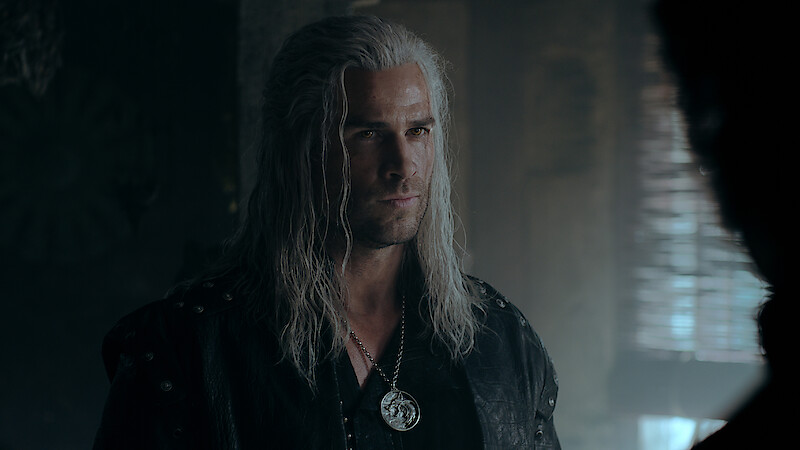
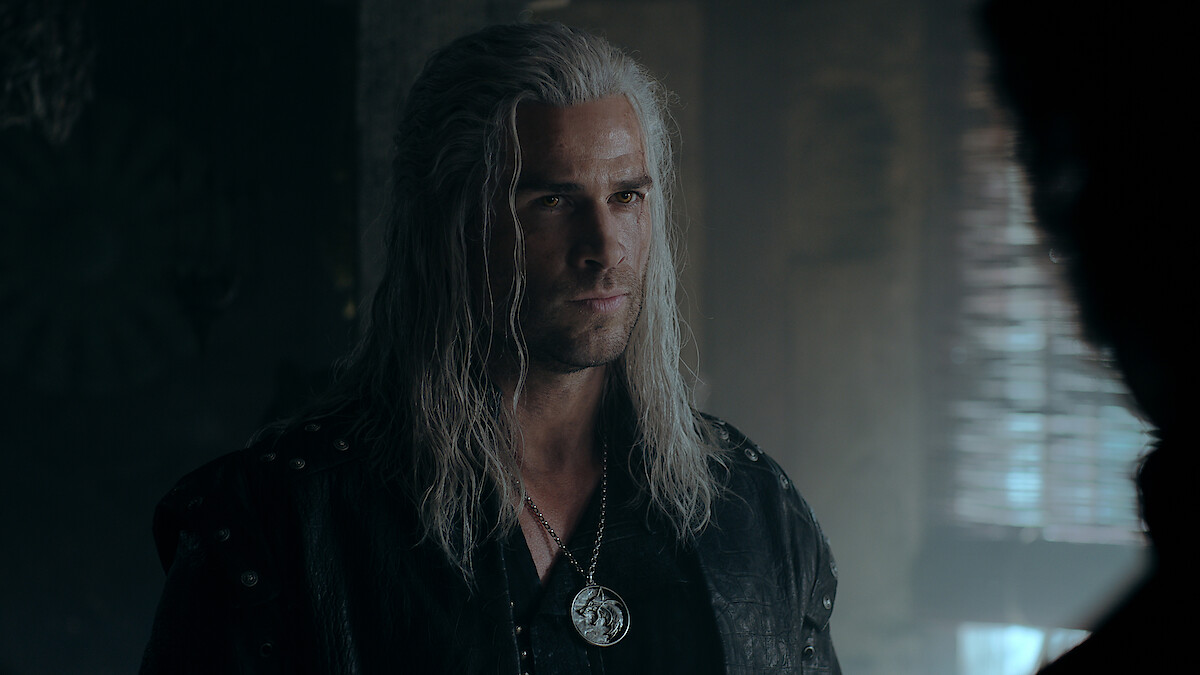
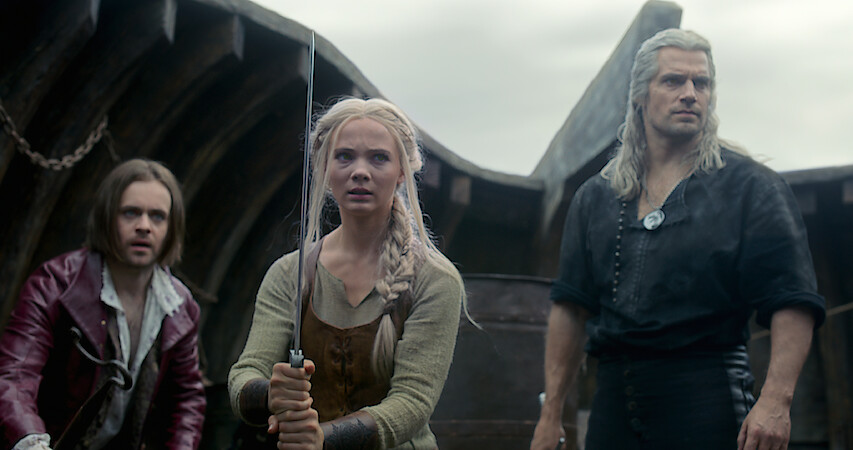
“One of the things that we always say is that it wouldn’t be The Witcher if everything ended happily,” showrunner Lauren Schmidt Hissrich tells Tudum. That’s certainly true at the top of Season 4, which opens with Geralt (Liam Hemsworth), Ciri (Freya Allan), and Yennefer (Anya Chalotra) broken apart, setting them on “a very different journey than anything they’ve done before.”
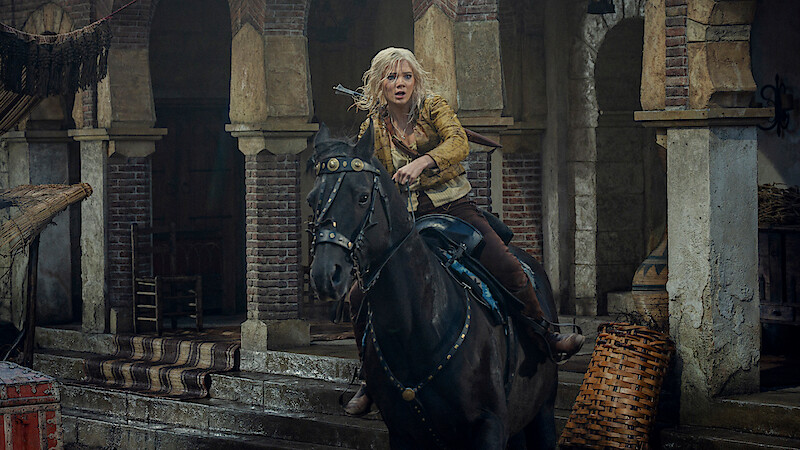
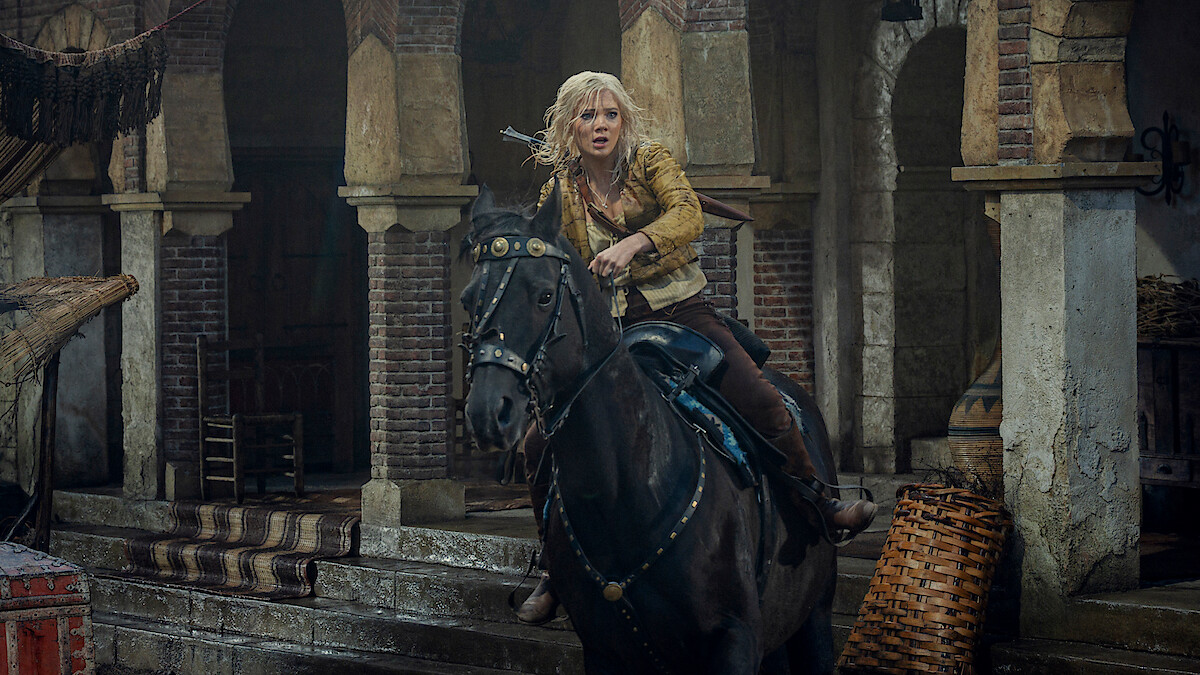
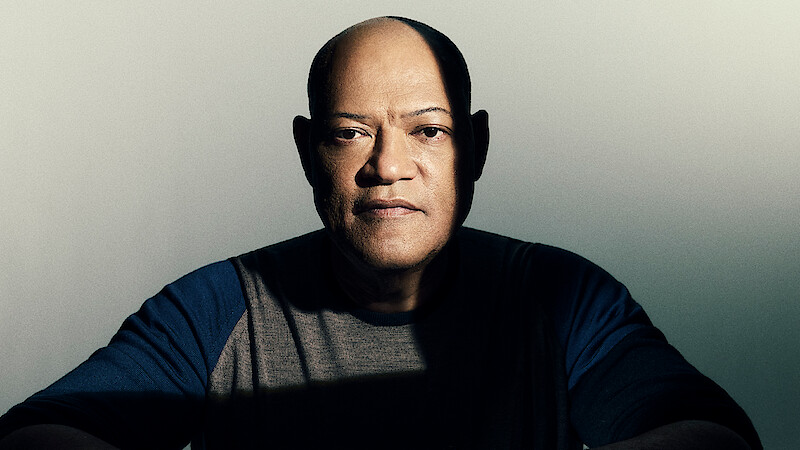
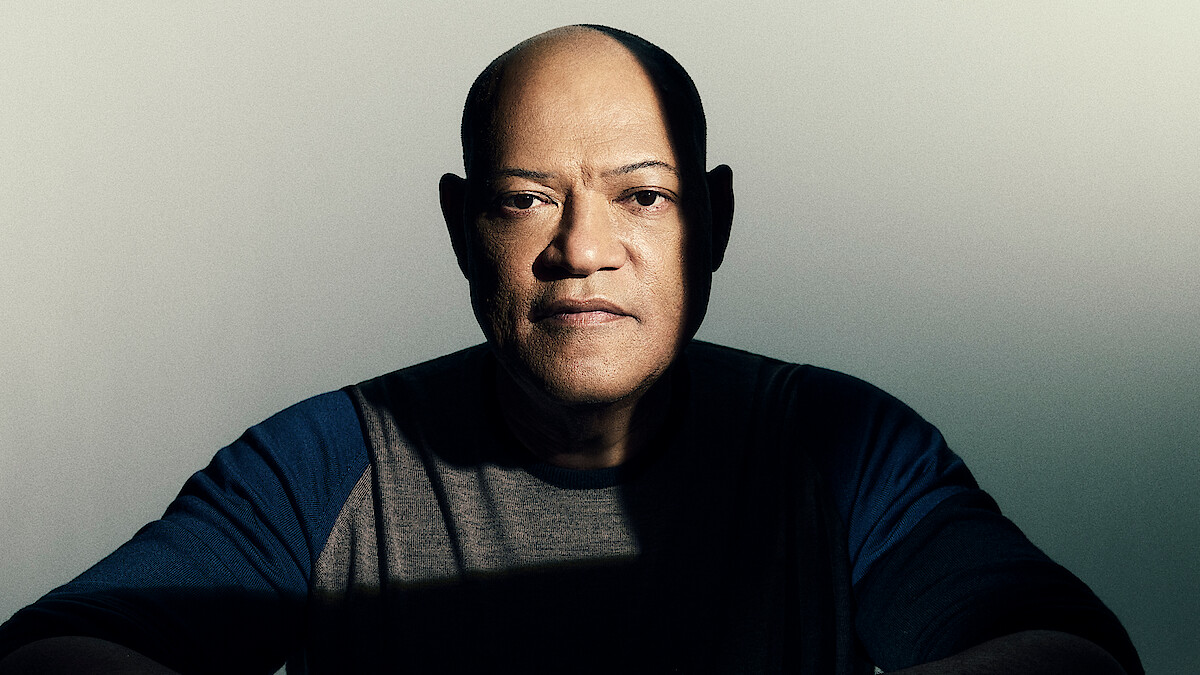
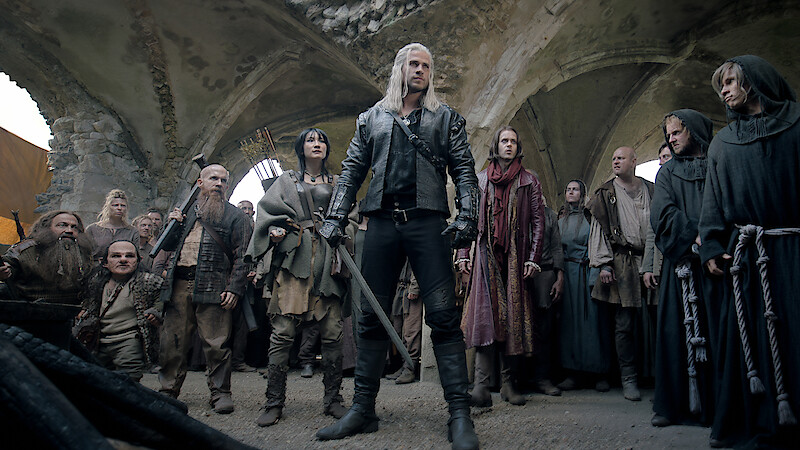
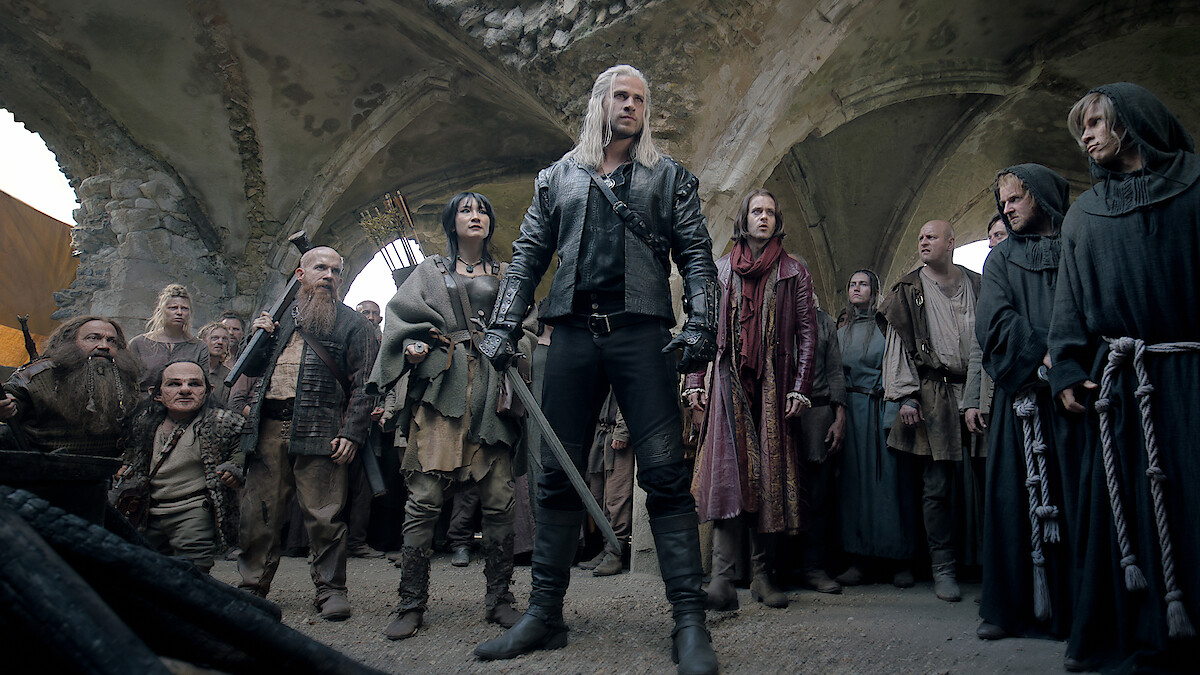
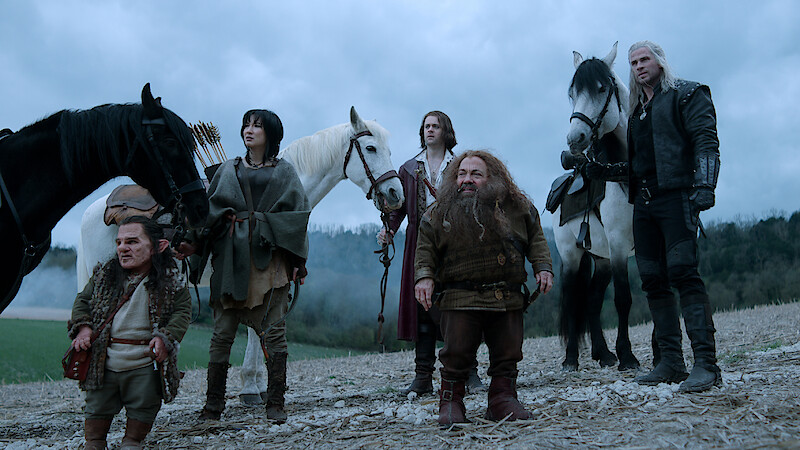
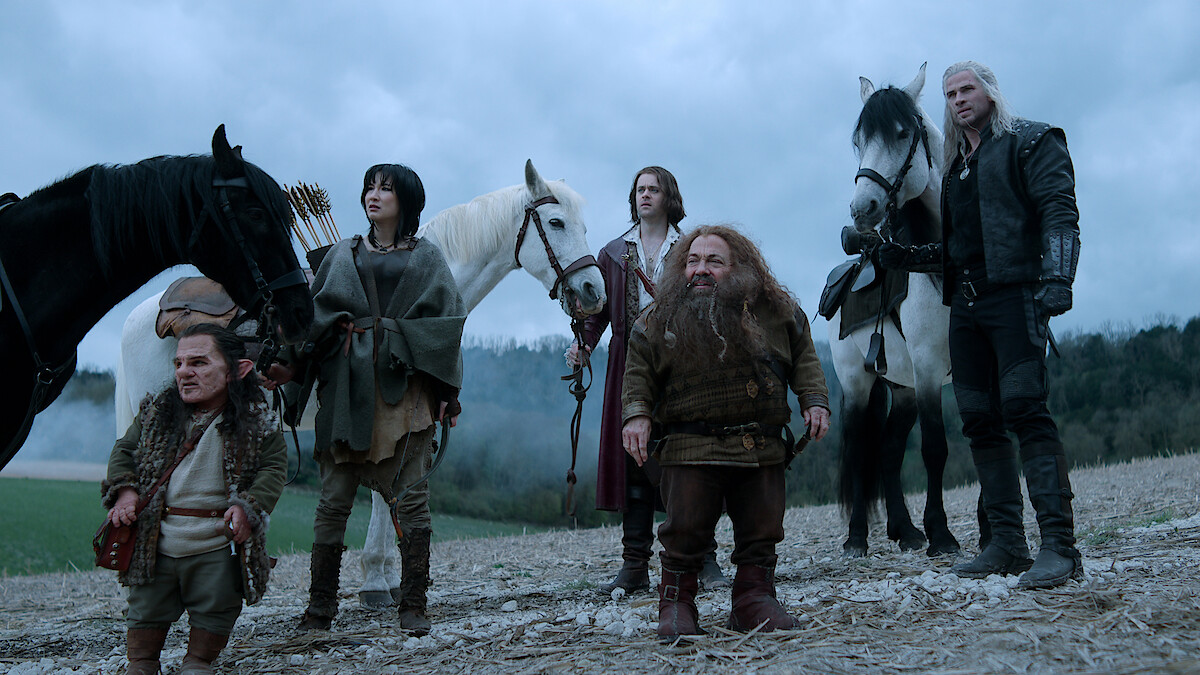
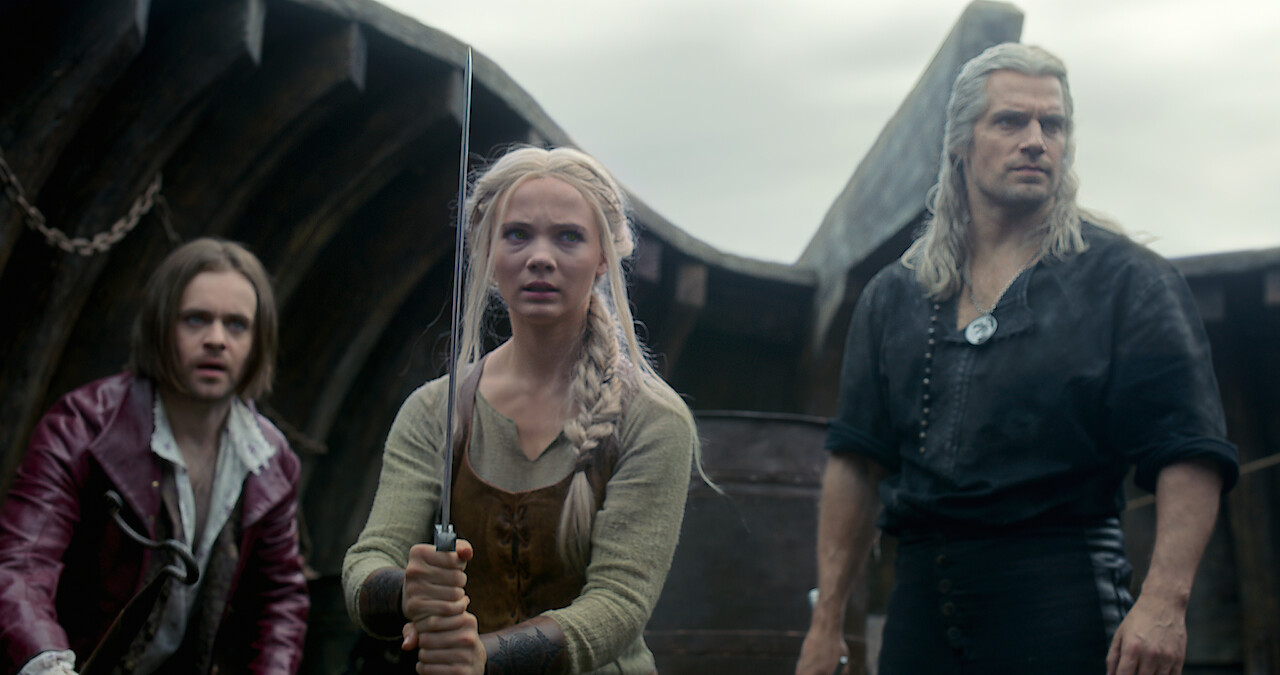
This season, the family at the center of the story, though still psychically connected, isn’t together very often. Geralt is on a mission to find Ciri and is joined by a ragtag crew, which includes new allies Milva (Meng’er Zhang), a sharp-witted archer; Zoltan (Danny Woodburn), a loyal dwarf; and Regis (Laurence Fishburne), a mysterious barber-surgeon. Regis is ultimately revealed to be a higher vampire and becomes both healer and mentor to Geralt. Meanwhile, Yennefer is working to wrestle control of the continent’s magic away from Vilgefortz (Mahesh Jadu). And finally, Ciri — now going by the name Falka — has fallen in with the Rats, a gang of young thieves who become her surrogate family, offering her both belonging and a taste of freedom. With these three disparate — but linked by destiny — journeys at crucial turning points as Season 4 concludes, let’s dive into the details.
Who are Stribog and Nimue, and why are they telling the story of The Witcher this season?
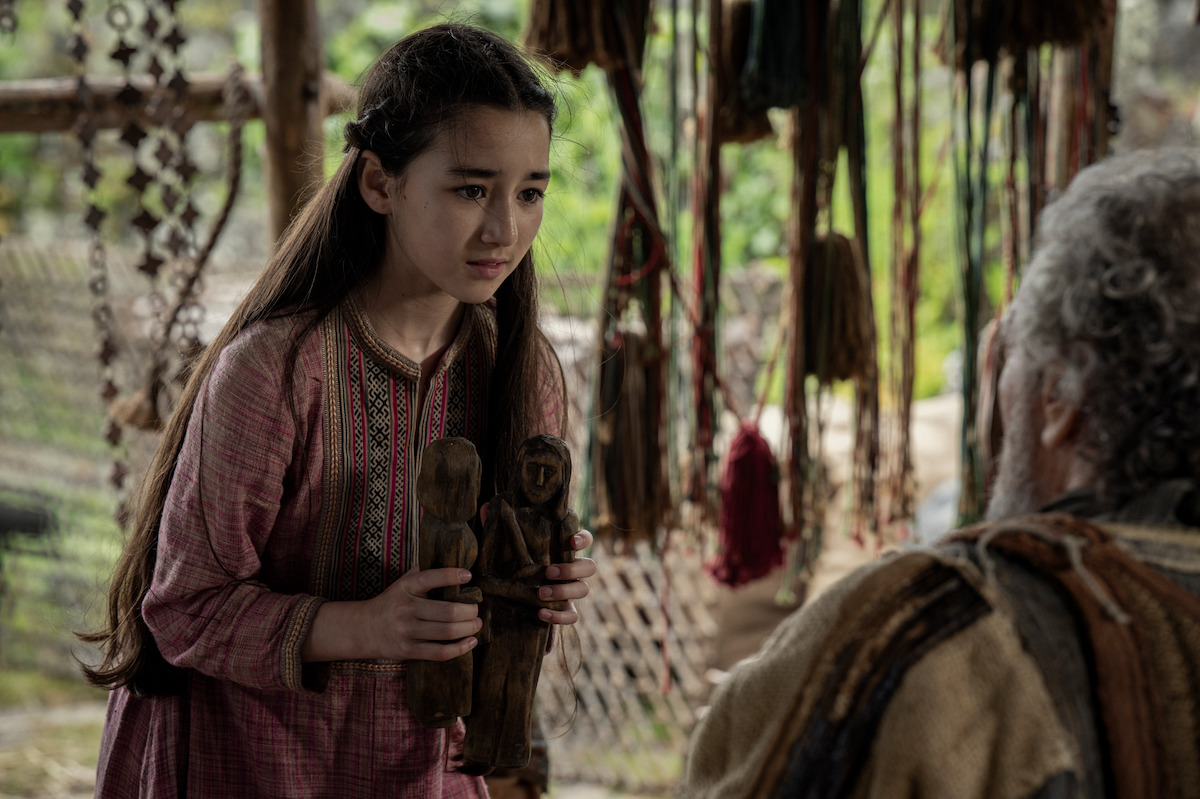
In Season 4, it’s not just us at home experiencing the adventures of Geralt, Ciri, and Yennefer. Characters inside the world of The Witcher are also hearing these tales from a storyteller named Stribog (Clive Russell). The season starts with Geralt fearlessly facing a giant kikimora, the same fight that opened the series back in Season 1. This time, though, the familiar scene is narrated by Stribog, who’s sharing the story of the Butcher of Blaviken with a group of children. When a precocious girl named Nimue (Eve Ridley) points out he’s telling the story wrong, Stribog explains it’s been 100 years since the events he’s recounting actually occurred.
So, 100 years in the future, Nimue — deeply invested in the stories of Half a Century of Poetry by Jaskier (Joey Batey) — sets up the next phase of Geralt, Ciri, and Yennefer’s journeys. She describes what’s happened in The Witcher so far, including the distressing portion of the tale when the trio had to go their separate ways, as seen at the end of Season 3. “Ciri disappeared. She blamed herself for everything. She told herself that her family was better off without her, that this chapter of her life was over, but that’s not true,” Nimue tells Stribog.
Despite the disruption to Geralt, Ciri, and Yennefer’s life together, Nimue shares that she knows Ciri’s story is just beginning — because something illustrated in the book has yet to happen. Pointing to a drawing labeled “Cirilla and the Lady of the Lake,” she says, “You know Ciri’s important to me. The whole saga is. Seeing this, I think I might be important to it. I think that’s me.” After taking this in, Stribog reveals that there’s another key part of the story that Nimue has skipped. Launching us into the specific tale that will unfold this season, he then reads, “And just when it seemed all was lost, Geralt rose again.”
We meet Stribog and Nimue again, many years later, in Episode 8. The storyteller is still entertaining throngs of children with the tales of the Witcher, but the grown-up Nimue (Sha Dessi) is preparing to set out on an adventure of her own. She tells Stribog that she’s about to head out to study at Aretuza and that she still feels a connection to Ciri. “Stories are very powerful. They change us, and we, in spite of that, change them too,” Stribog responds, gifting her his copy of Half a Century of Poetry. “How this saga ends may depend on you,” the storyteller explains, hinting at Nimue’s future in the series.
What is the significance of Geralt being knighted by Queen Meve?
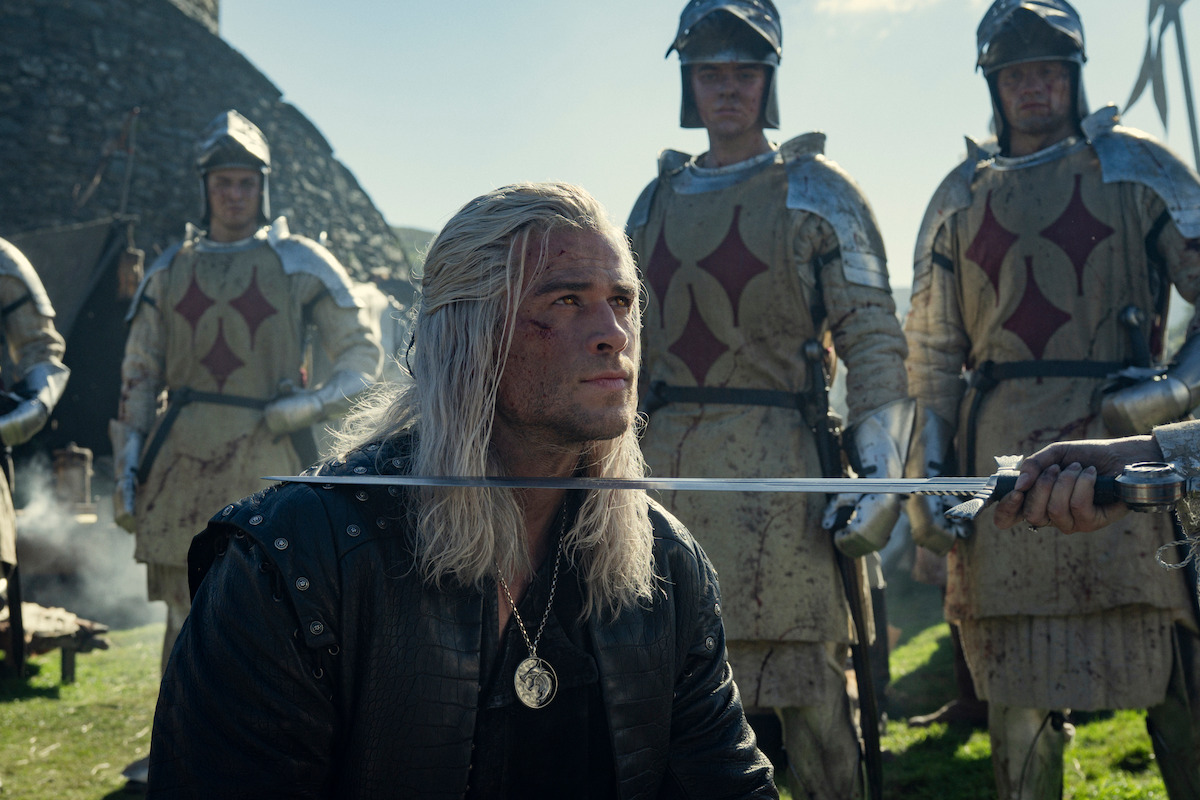
In Episode 5, a flashback depicts just how personal Geralt’s journey to find Ciri is. Back in Kaer Morhen, where they lived in Season 2, they share an intimate moment of bonding when Geralt reveals that, as a boy, he dreamed of one day becoming a knight. “A lot of people don’t know that Geralt of Rivia — which is what he’s always called himself — is not an actual honorific,” Hissrich says. “It’s a name he gave himself to get more contracts as a young Witcher; he thought it sounded more official.” Three episodes later, though, that boyhood fantasy is realized.
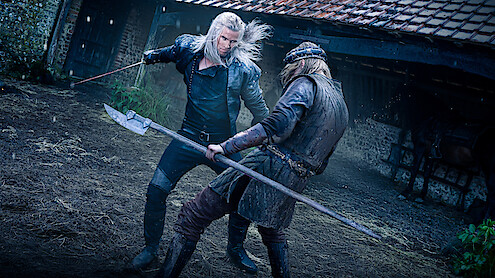
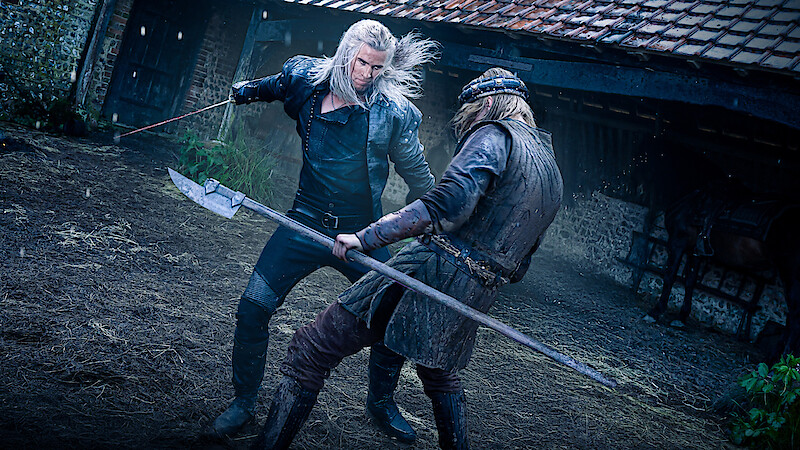
After the Battle of the Bridge, Queen Meve (Rebecca Hanssen) rewards Geralt’s bravery in taking on the Nilfgaardian Army by officially knighting him, but the honor and the responsibility that come with it don’t land as you might expect. “It feels like it should be the perfect happy ending — it’s everything he ever dreamed of — but the truth is, his dreams have changed,” Hissrich explains. “While it’s incredibly emotional for him to get that knighthood, his dreams are now about Yen and Ciri and finding his family.” Bound by his new title, however, Geralt may be forced to serve the crown.
What about the restoration of the portals?
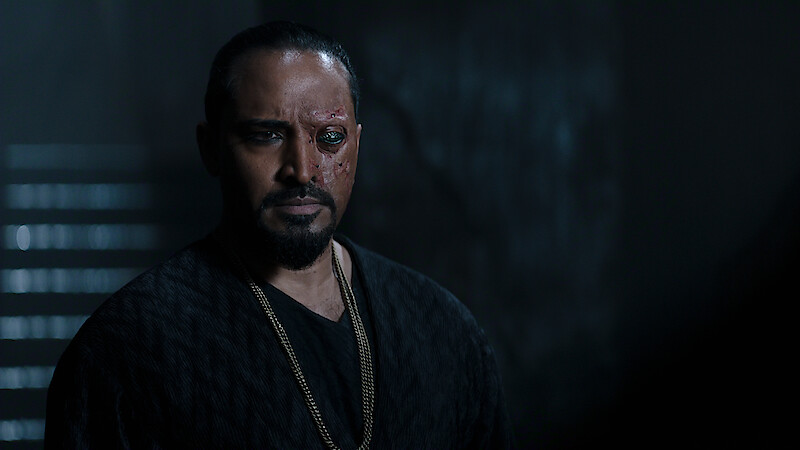
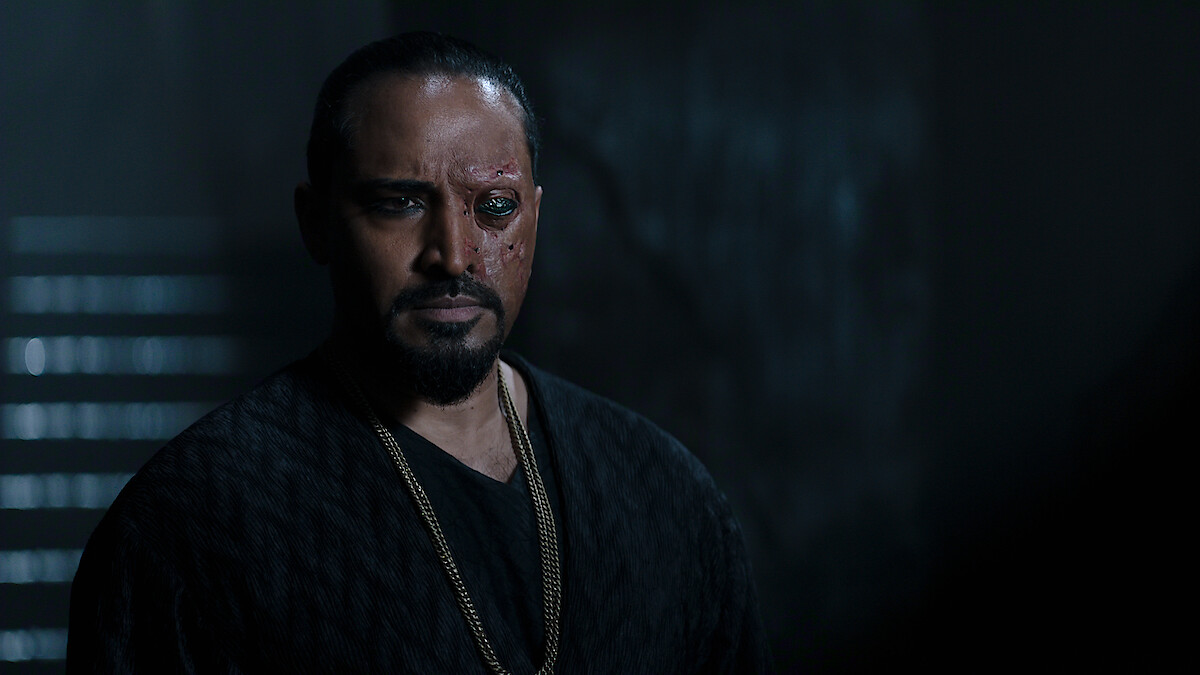
Vilgefortz’s power becomes a growing threat throughout Season 4 as he gains control of the portals, which mages use to travel through time and space. But Fringilla (Mimî M. Khayisa), a mole among the rogue mages in Stygga Castle, and Istredd (Royce Pierreson), whose magical knowledge has been exploited by Vilgefortz to block the portals, work together to undermine that control during the Battle of Montecalvo in Episode 6. Fringilla’s role as a double agent is central to the mages’ resistance, as she works from within Vilgefortz’s ranks to help Istredd restore the portals — even as it puts her own life at risk.
“One of Fringilla’s main jobs this season is to keep the portals open,” Khayisa explains. “Because she and Istredd are in Vilgefortz’s land, they have to team together for that mission. We are technically weaker than Vilgefortz, so it’s about finding a way to win.” By stepping up as a sacrificial mage and reciting a little-known powerful spell from the Book of Monoliths, Istredd decimates Vilgefortz’s portal room, zapping his own life force in the process.
Through this battle against Vilgefortz and his siege of the portals, the mages unite around a common goal, and Yennefer steps up as a leader among them. “The Battle of Montecalvo served a lot of important story purposes for us, but the main one would be the rebirth of the structure of mages in our world,” says Hissrich. With the portals restored, Yennefer is able to travel to Nilfgaard, where she believes her daughter is being held by Emhyr (Bart Edwards). Upon arrival, however, she comes to find that the “Ciri” in Nilfgaard is actually Teryn, a novice mage transformed by Vilgefortz into a living decoy, further complicating the search for the real Ciri.
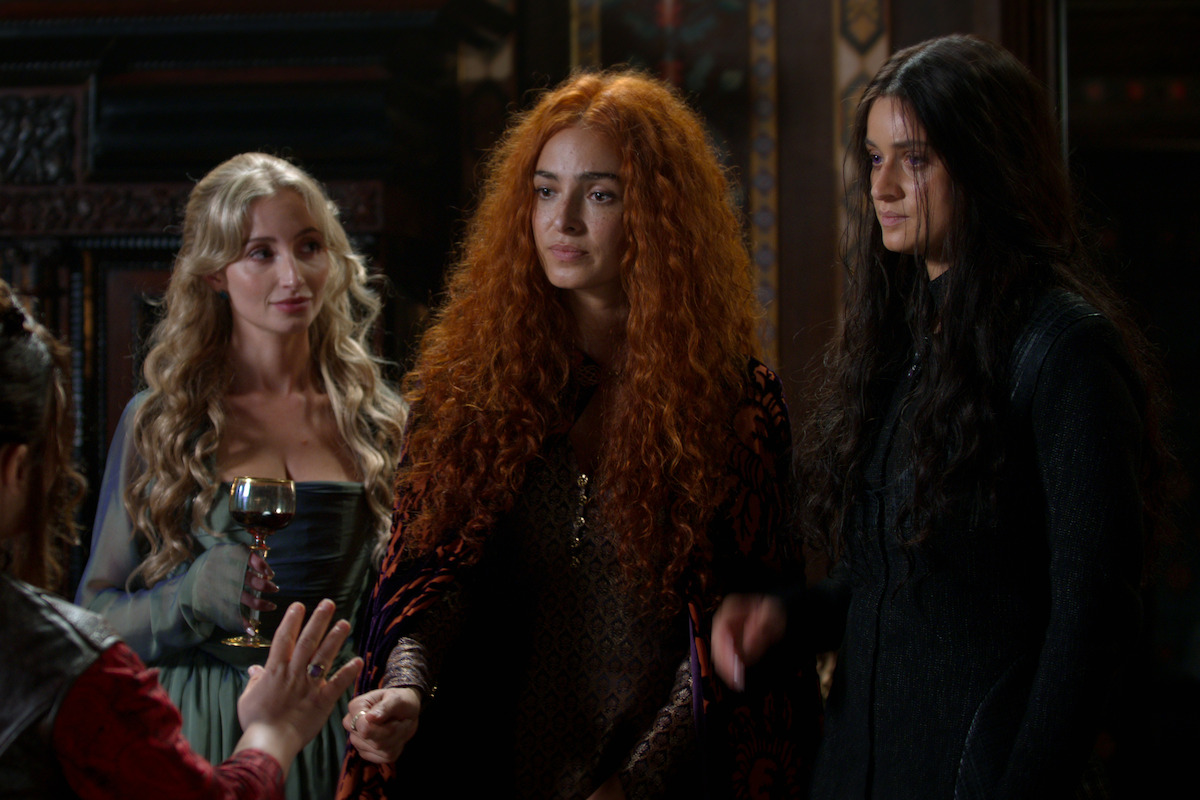
After this discovery — and a short-lived but very romantic reunion with Geralt — Yennefer returns to Montecalvo, where the only way forward is determined to be a renewed sisterhood among the mages. “Even at its conception, the brotherhood was an exercise in contradiction, weaponizing our gods-given powers to serve its whims, fueling hate and distrust for anyone who was different, pushing us into royal alliances, pitting us against each other,” she tells Philippa, Fringilla, Francesca, Sabrina, and Triss. “But in the course of weeks, we — the women in this room — have managed to combine our magic, our methods to make allies of old enemies, because we shared one goal: protecting magic from Vilgefortz’s takeover.”
So, why is Yen floating in the middle of the ocean?
With plans to build what they call a “Lodge of Sorceresses” in motion, Yennefer returns to the pressing task of tracking down Vilgefortz. “For Yennefer, it’s quite an interesting choice. What is more important for her: magic and her friends — the Lodge, the people who trusted her that she would be able to protect magic on this continent — or Ciri, who also became a target for Vilgefortz?” asks executive producer Tomasz Bagiński. Ultimately, she decides Ciri is her No. 1 priority, but she’s only able to go forward in protecting her daughter once her allies have been set up to create a secure home for them all.
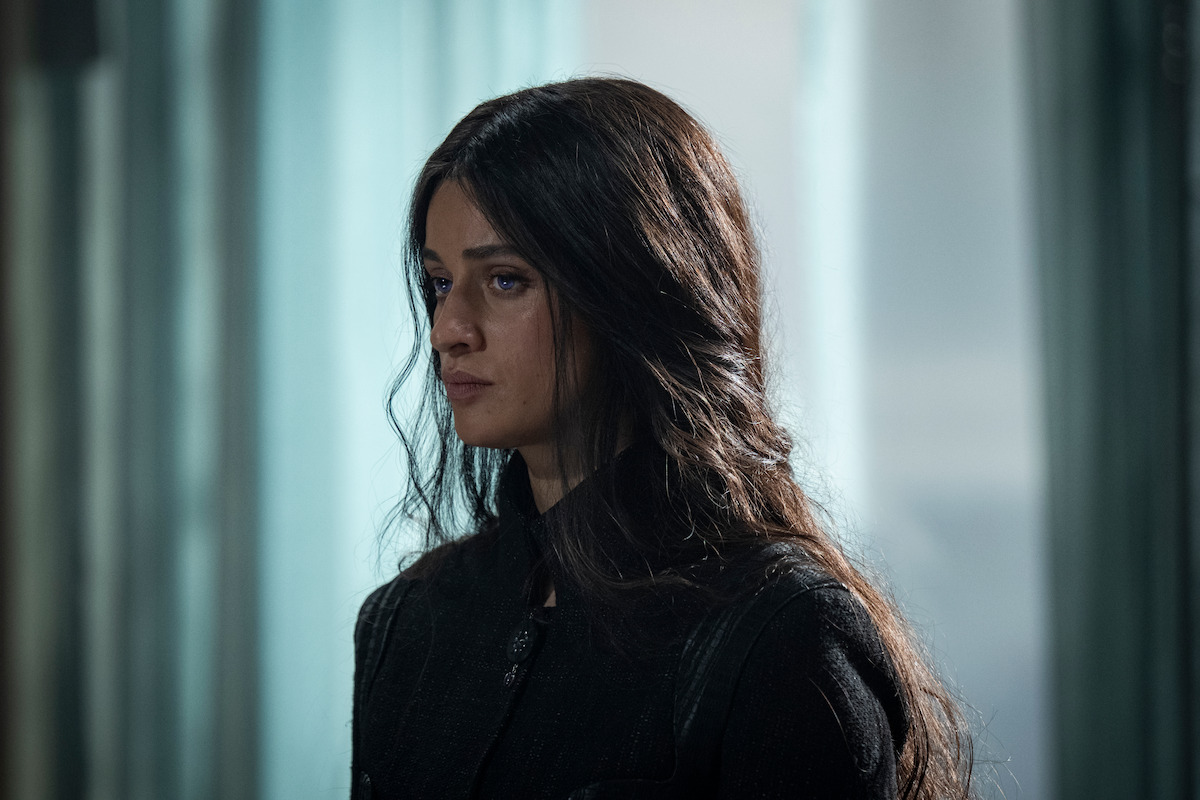
“What Yen is doing is making the world safe for Ciri to return to,” Hissrich explains. “She has one focus, which is to get Vilgefortz off this continent. She knows that Vilgefortz is a huge danger to Ciri, and she takes that mission on, but she can’t do it on her own.” In the season finale, Yennefer asks Triss to use the dried blood on Vesemir’s dagger and her elven magic to find a weakened Vilgefortz, whom she believes she can kill. Alarmed by the request, Triss tells her, “Even if you break through his portal matrix, you’ll end up somewhere he knows well and you not at all.” After some convincing, Triss reluctantly delivers an incantation, which forms a dark portal. Yennefer steps through it and is transported to the middle of the stormy sea, where she is sucked into a violent whirlpool. And that is the last we see of Yennefer this season.
Why does Leo Bonhart spare Ciri’s life, and what does he want from her?
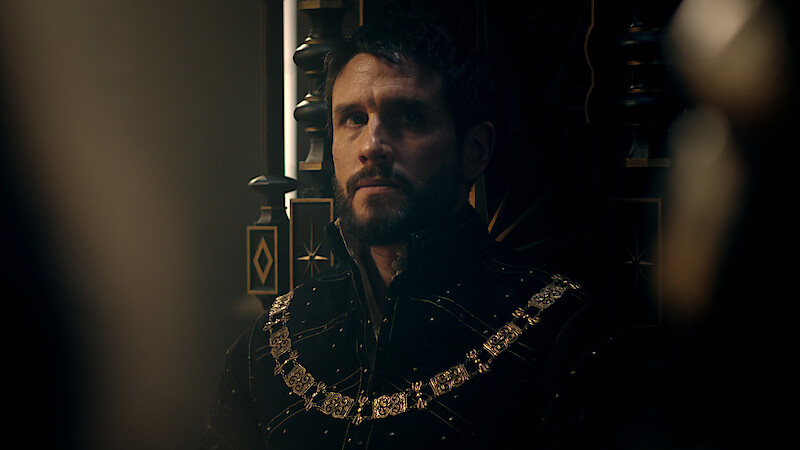
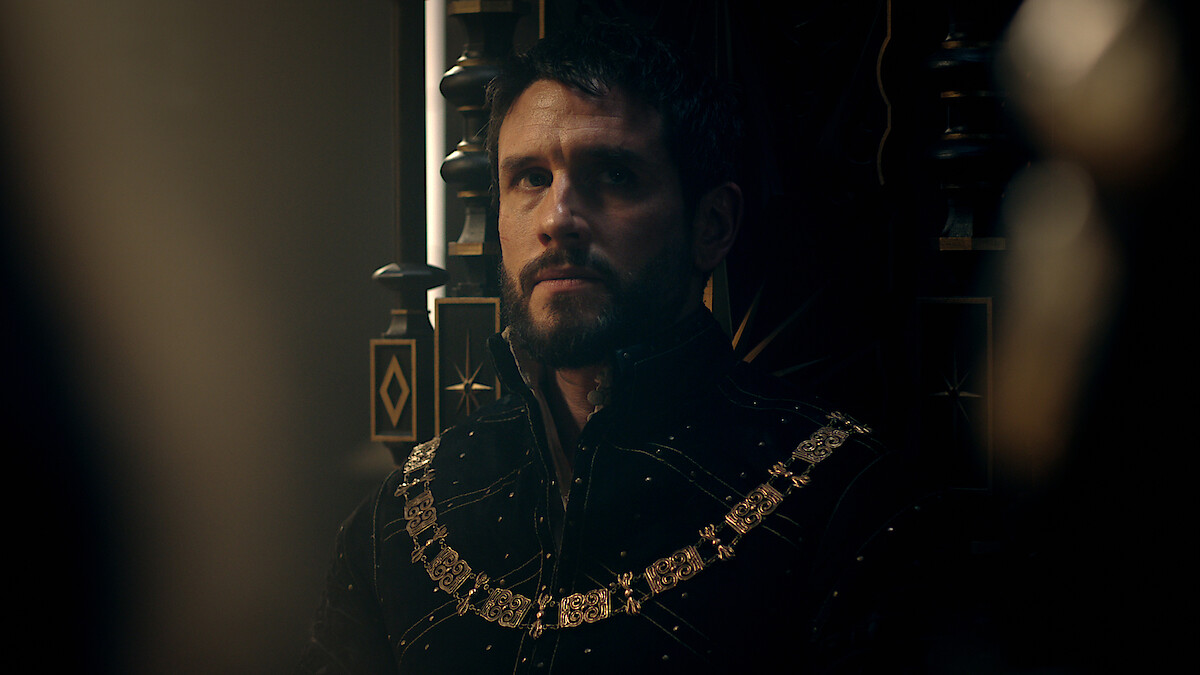
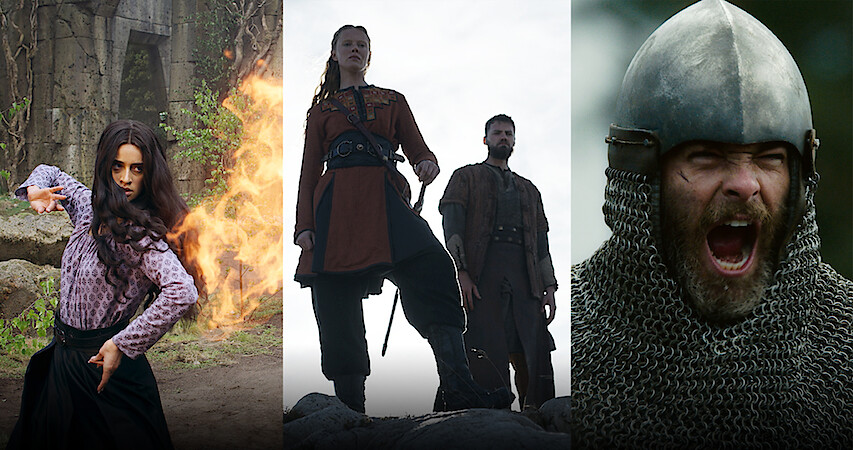
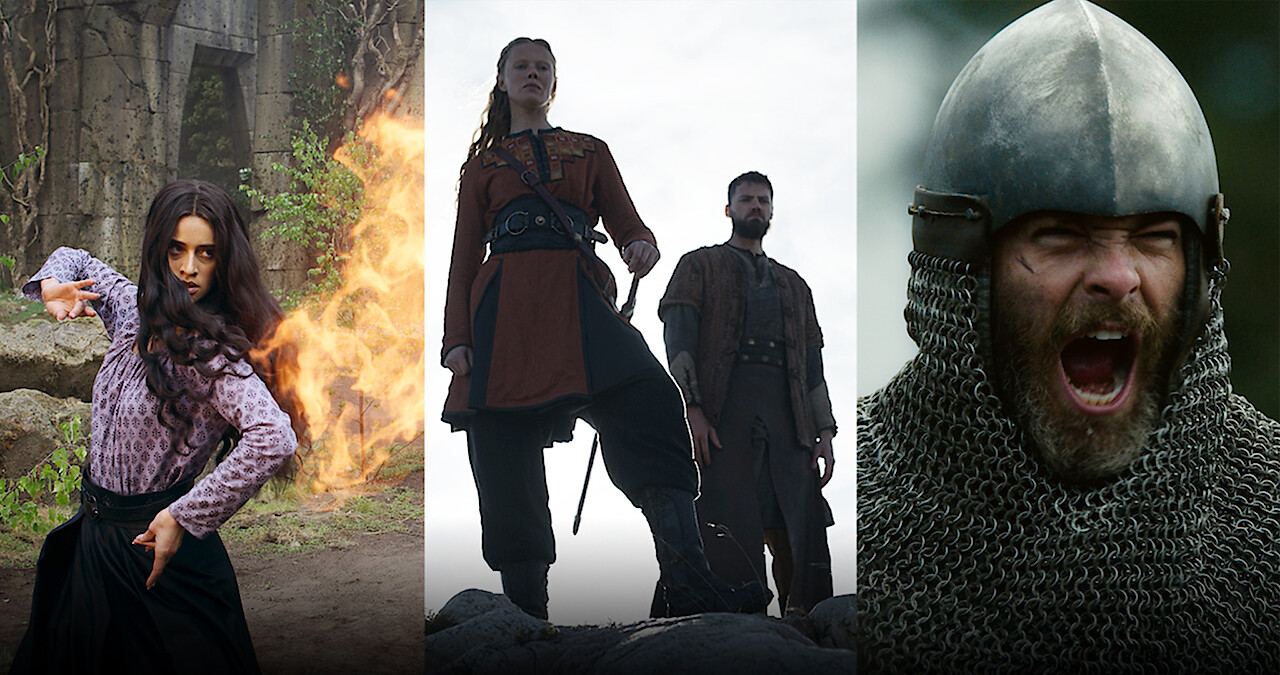
Ciri’s capture is part of a larger Nilfgaardian scheme: Emperor Emhyr, her biological father, wants to marry her to fulfill an ancient prophecy and solidify his claim to the Continent. He orders his agent Stefan Skellen (James Purefoy) to hire Leo Bonhart (Sharlto Copley), knowing only someone of Bonhart’s ruthlessness could succeed where others failed. Bonhart lures Ciri back to Jealousy by trapping the Rats. Unable to save them, Ciri is forced to witness Bonhart kill the Rats in a variety of brutal ways — including stabbing, slashing, and beheading. Bonhart ensures each death is psychologically tormenting for Ciri — he also kills Mistle (Christelle Elwin), her romantic interest this season.
According to Copley, his character subjects Ciri to this brutality to test her. “He wants her to see if she has the stomach to be the fighter he thinks she can be,” he explains. “He sees her as a strange kindred spirit and is excited by her talent, which is why he doesn’t kill her. He’s normally not excited by much other than fighting and killing, but Ciri is different — a test and a challenge.”
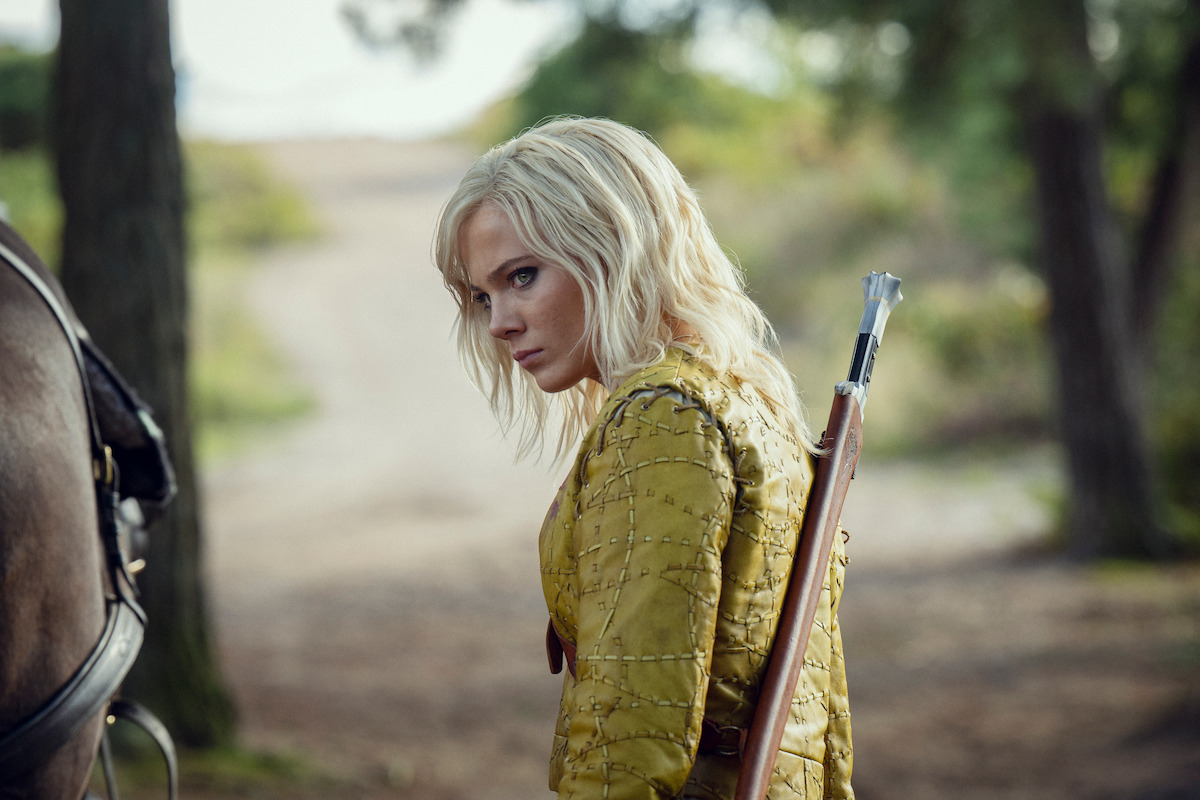
Ciri’s Season 4 arc sees her uncover and embrace a different side of herself. “Her story is quite a classic coming-of-age story,” Bagiński says. “When we grow up, we have to discover who we are, which also means that we have to discover our shadow and see where there is darkness in our hearts, because every person is capable of good and evil.” Allan agrees with this assessment of her character’s evolution. “What Falka represents is this darkness … There’s a part of her that’s leaning into this to escape the pain that she holds,” she says. “In Season 3, she had quite an idealized version of what she wanted to become, and it was very much centered around goodness. It doesn’t mean that’s gone — I still think that’s at the core of Ciri — but there’s this other side she’s gone into.”
Do we see Ciri and Bonhart again after he takes her captive?
Yes, but not in Season 4. In The Rats: A Witcher Tale — set just before the Rats cross paths with Ciri at the end of Season 3 — we learn how Bonhart came to target them. The special concludes with a voice-over from Bonhart, who’s been telling the story to his captive, Ciri, after murdering the Rats in Season 4. “And that is how the Rats survived their blaze of glory long enough to join forces with you,” he says. “But as you now know, Falka, in the end, I always win.” The special’s now streaming, only on Netflix.
Copley believes that Bonhart recognizes Ciri’s “potential for violence” and plans to harness it for his own gain. But it remains to be seen if the powerful Lion Cub of Cintra, who is bound by destiny to many others, will allow that to happen.
Watch the next chapter unfold. All four seasons of The Witcher are streaming now, only on Netflix.