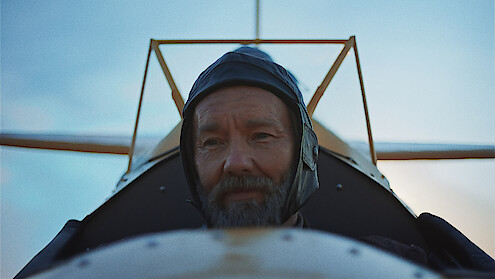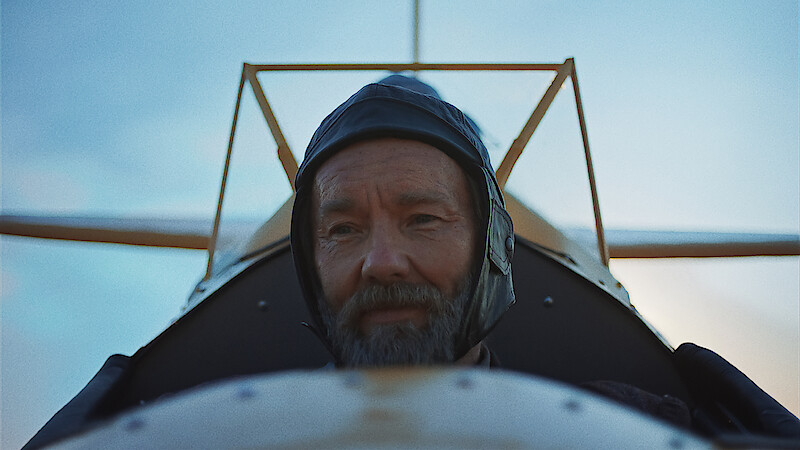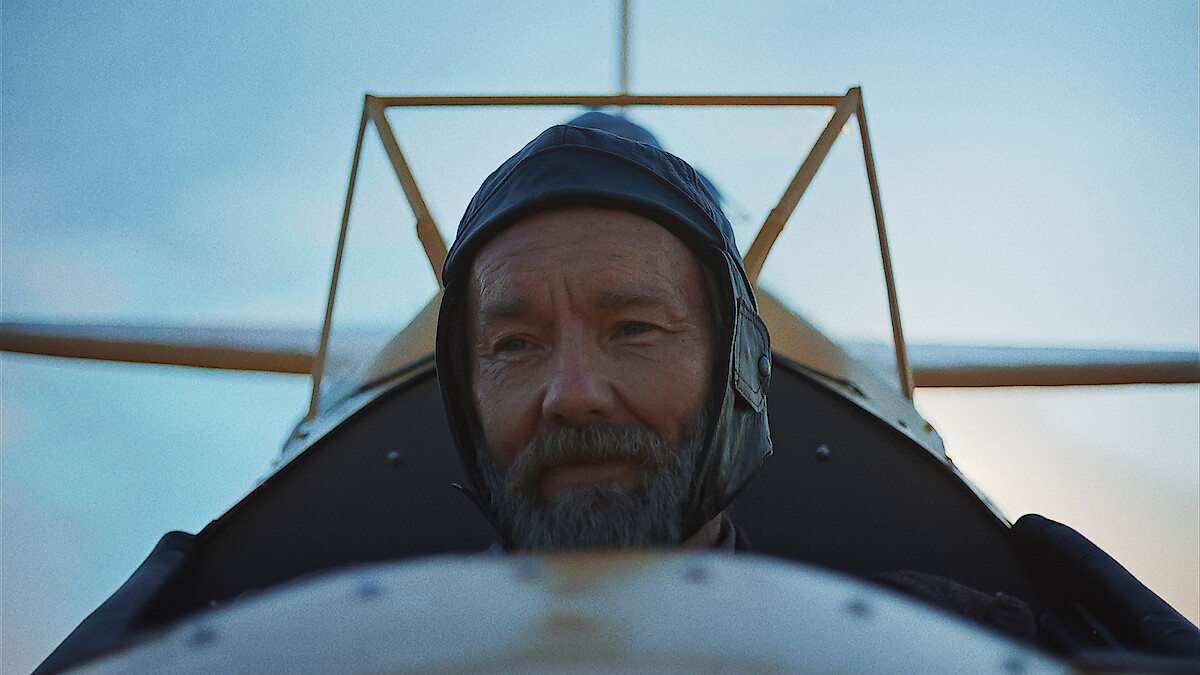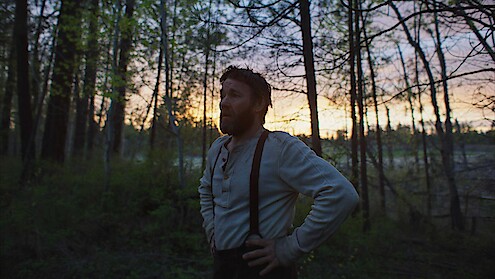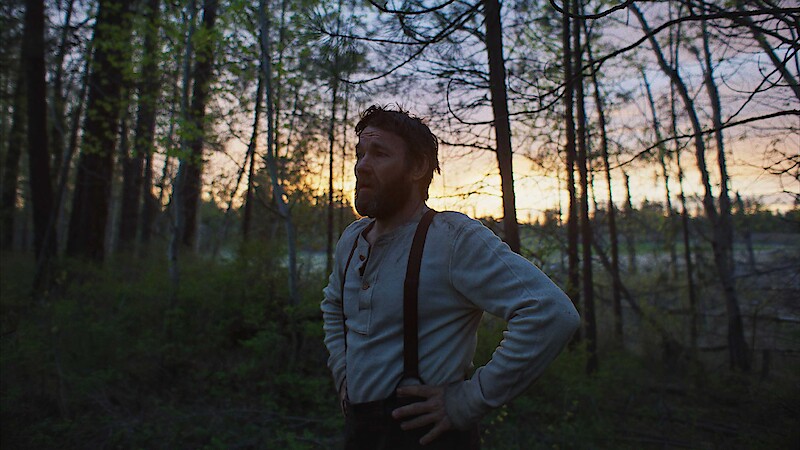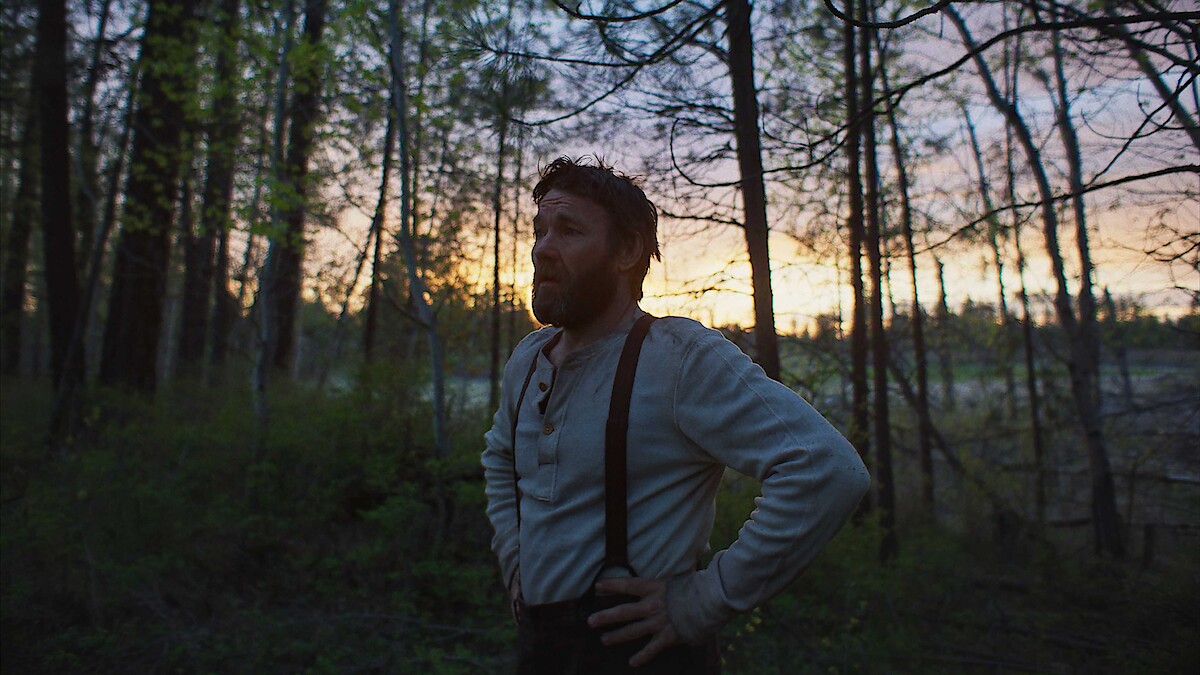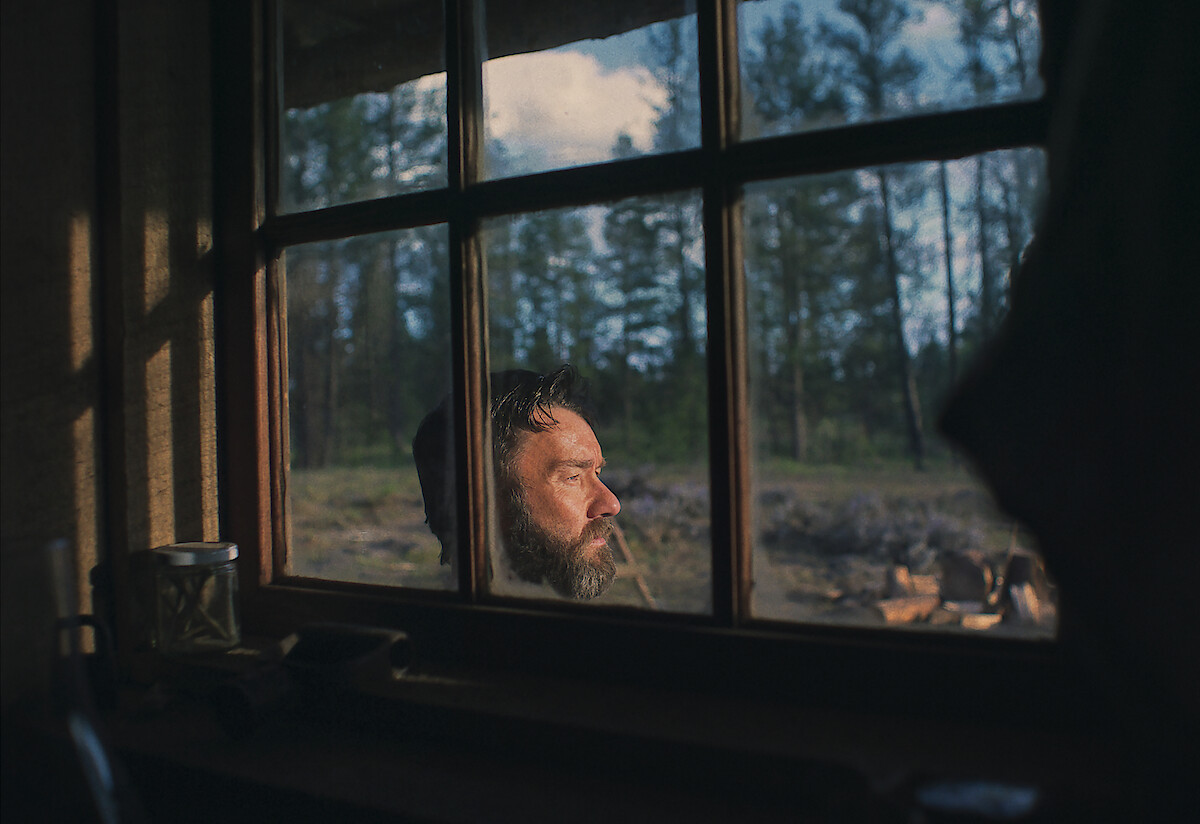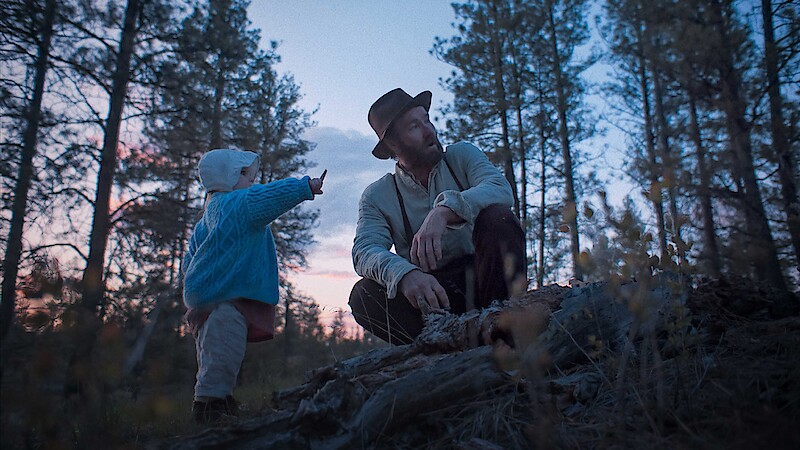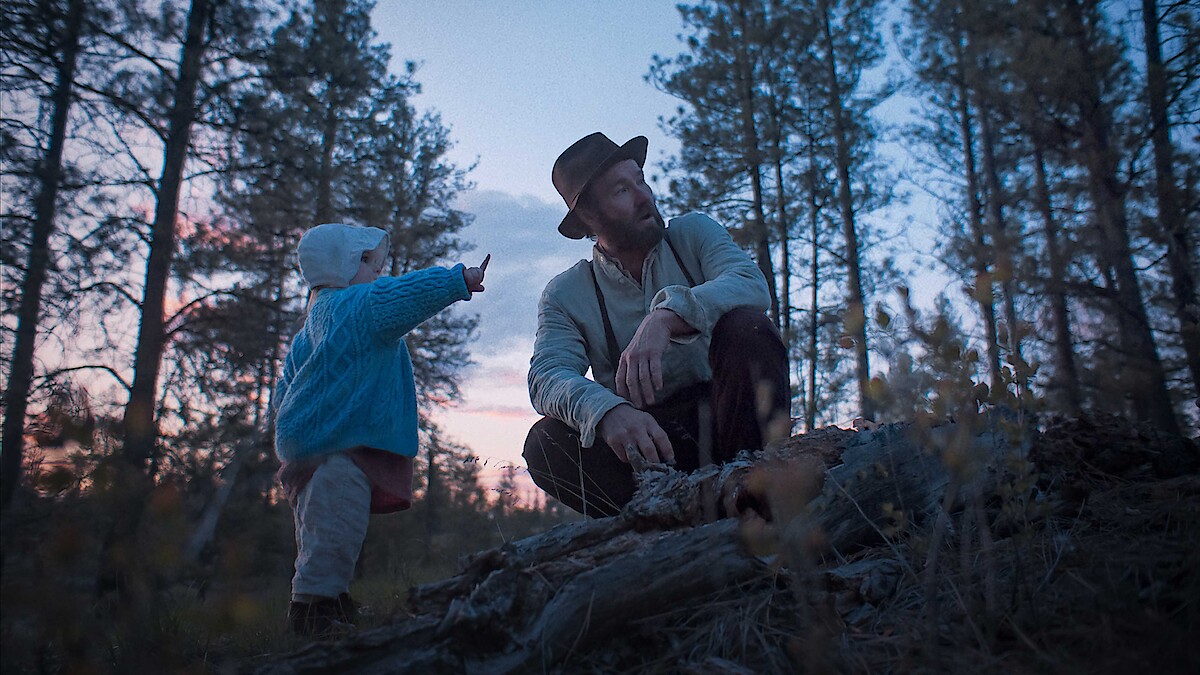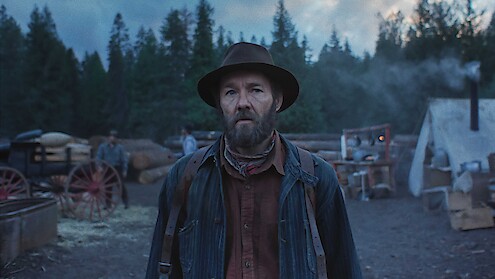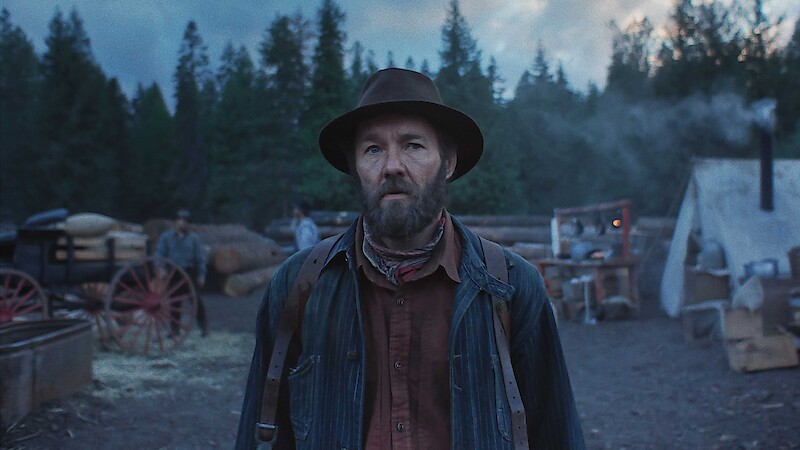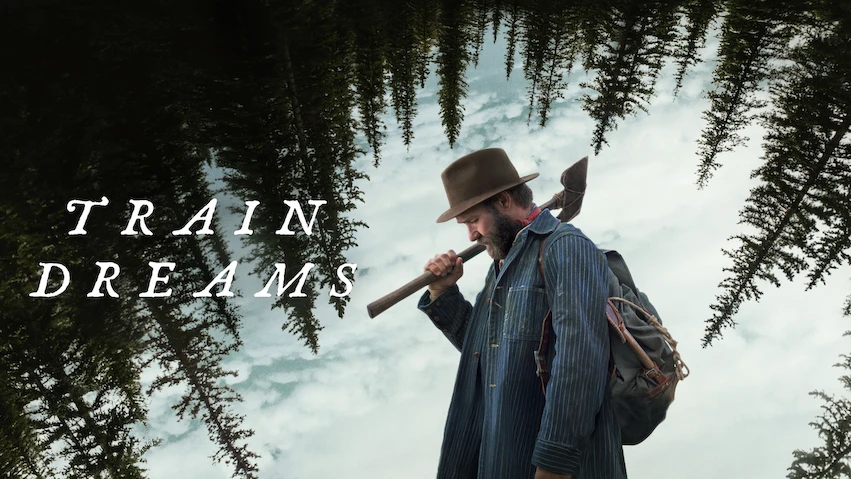
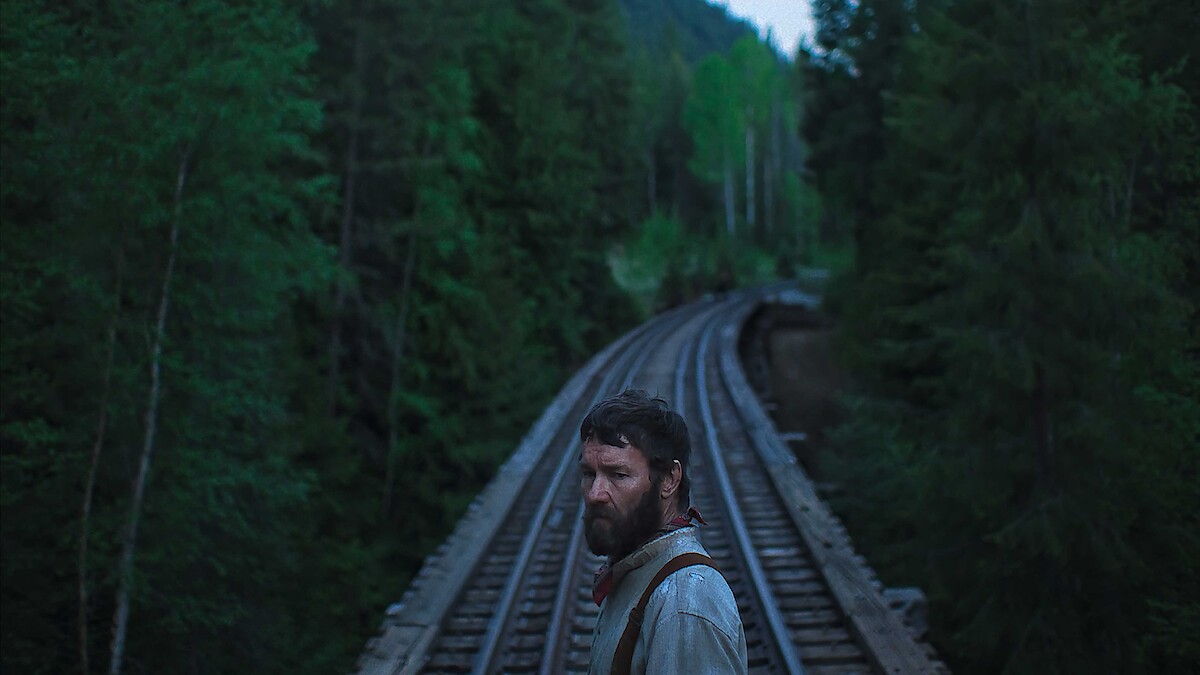
Joel Edgerton stars in the moving film from director Clint Bentley.

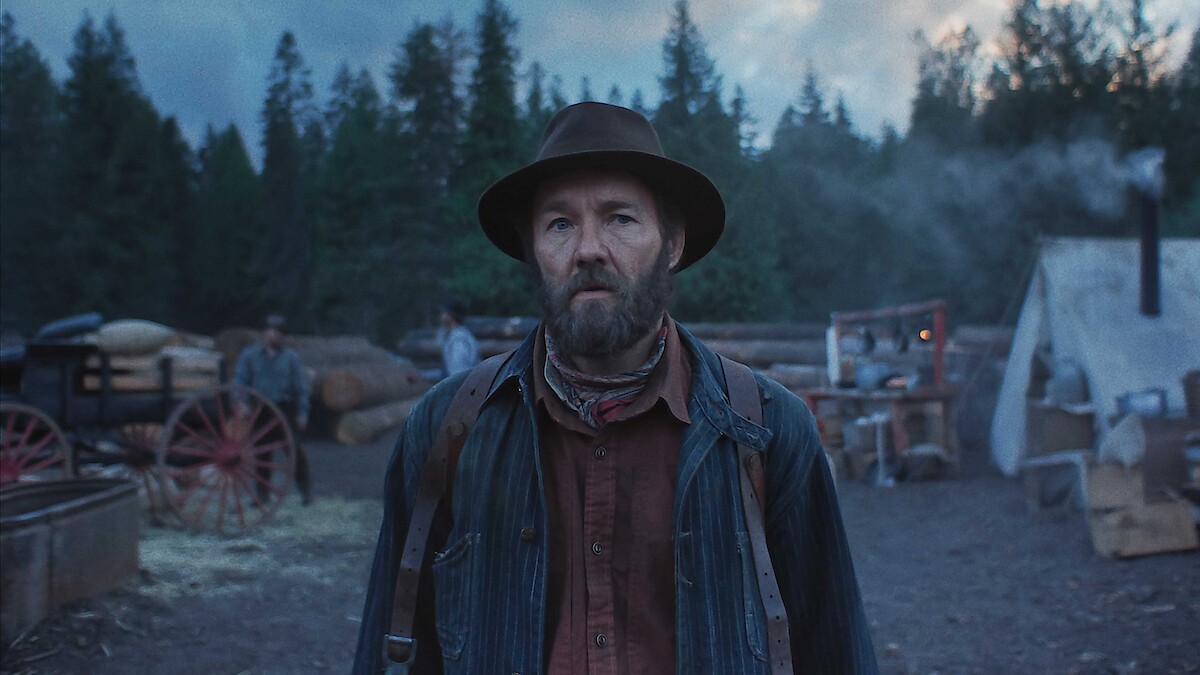
For Joel Edgerton, Train Dreams presented an opportunity to tackle his biggest challenge: playing someone he could genuinely relate to. “Over the last 10, 12 years, I’ve been obsessed with trying to play dress-up and be people that I’m not,” says the Golden Globe–nominated actor (Loving). “So much of this film is so inside of me that it felt like a chance to not play dress-up, even though I’ve got an axe in my hand. It’s very personal to me.”
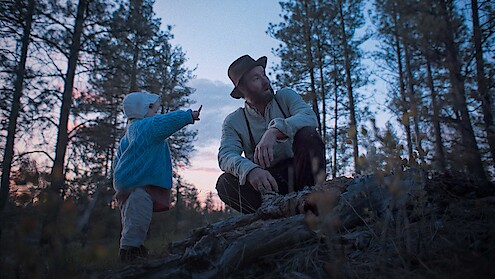
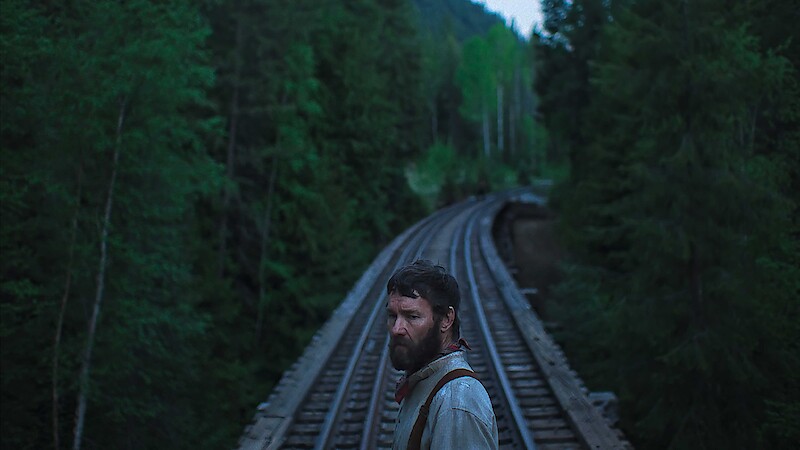
In Train Dreams, directed and co-written by Academy Award–nominated filmmaker Clint Bentley (Jockey) and adapted from Denis Johnson’s acclaimed novella, Edgerton steps into the shoes of Robert Grainier, a logger immersed in the enveloping forests of the Pacific Northwest at the turn of the 20th century. Robert experiences both the dawn and strength of tender love as he builds a home with his wife Gladys (Academy Award nominee Felicity Jones) and their young daughter, Katie, and also the devastation that life has in store. In a film that magnifies an ordinary existence, Robert encounters fellow journeymen — like the larger-than-life laborer Arn Peeples, played by Academy Award nominee William H. Macy (Fargo) — and feats of nature along the way.
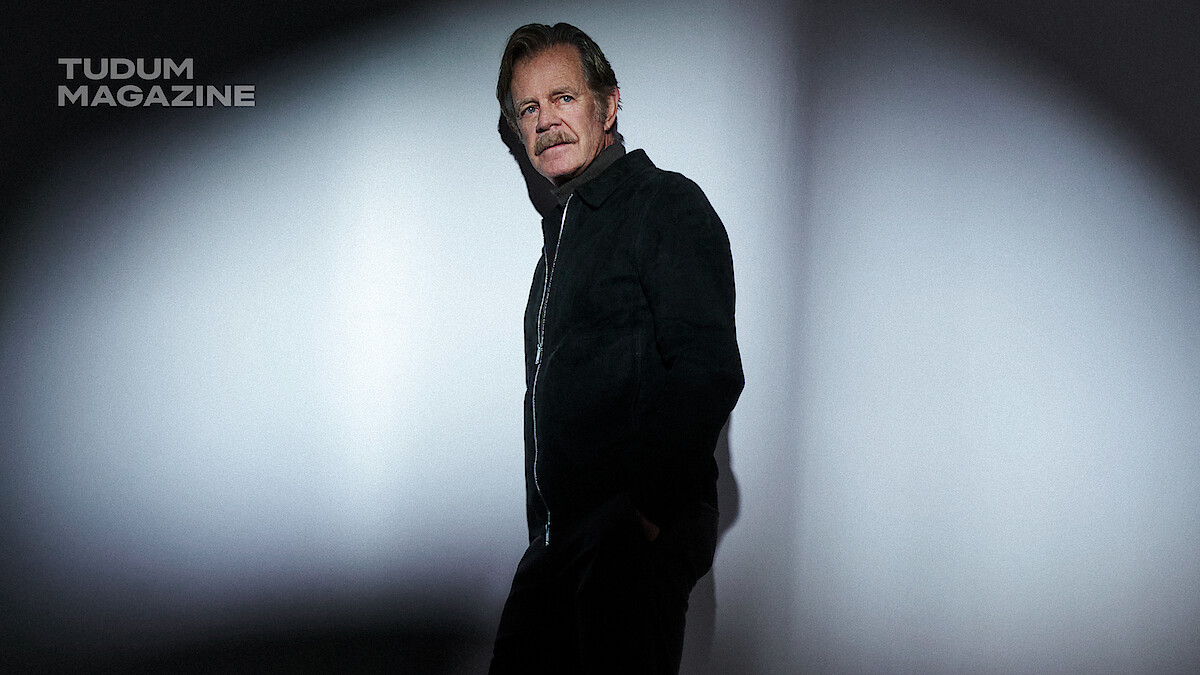
At The Lineup: Live at the Egyptian in Los Angeles, Edgerton was joined by Bentley and co-star Macy as they reflected on translating the grounded ethos of Johnson’s novella, the magic of allowing for on-set spontaneity, their deep ties to their characters, and more.
An edited version of the conversation follows.
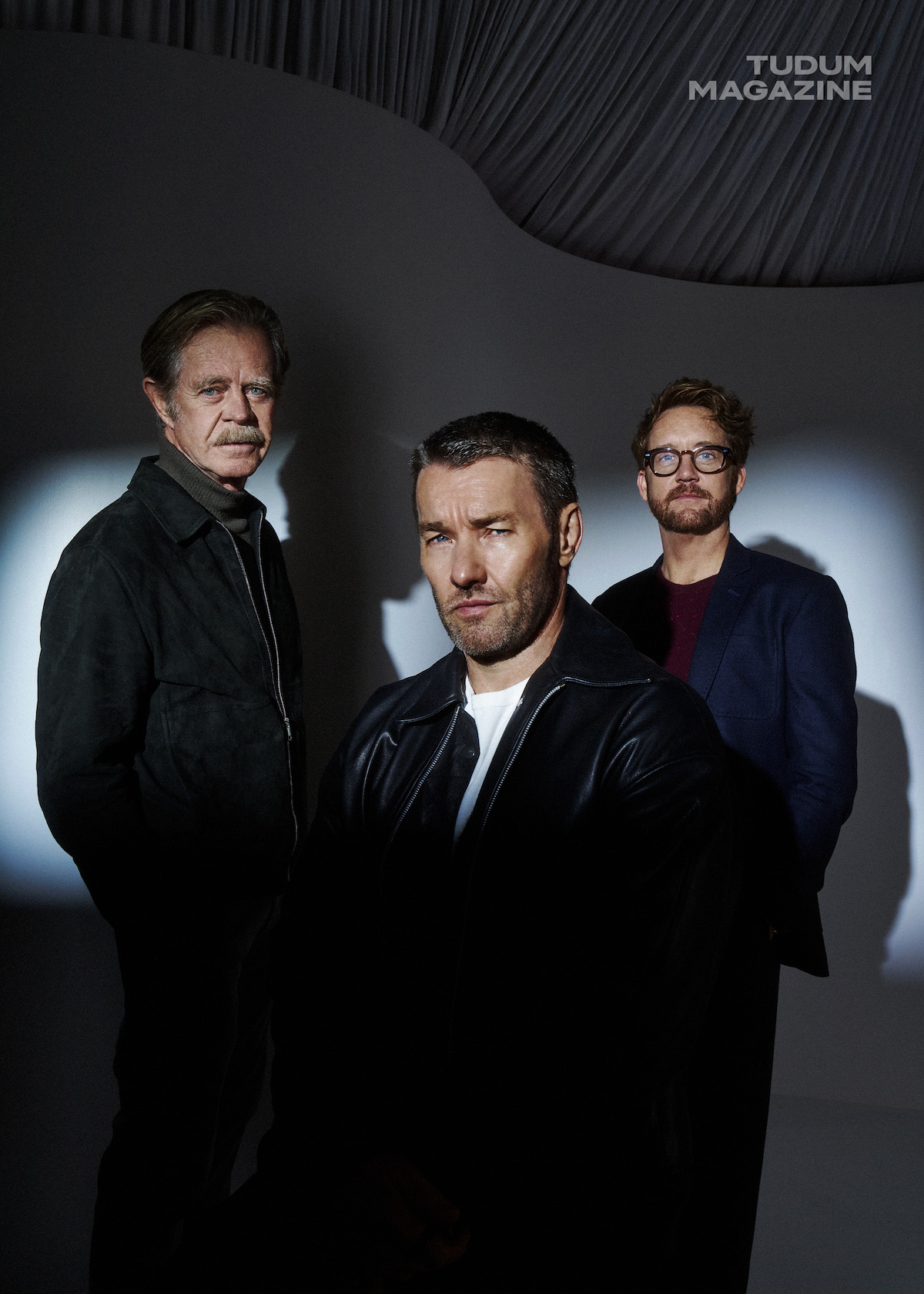
William H. Macy, Joel Edgerton, and Clint Bentley
Richard Lawson: Clint, I want to start with you and the origin story. When you read the novella, was it clear to you immediately that this was going to be a film you’d make?
Clint Bentley: I read it when it first came out, and I didn’t know Denis Johnson or anything like that. And I read it and I fell in love with it immediately, and then fell in love with Denis Johnson’s writing and read everything. But that was before I was a filmmaker. And then, I didn’t know this, but there were a few producers on the film, Marissa McMahon, Ashley Schlaifer, and Will Janowitz, they had the rights to the book and were trying to find a filmmaker for it, and then many, many years later, they saw Jockey at Sundance virtually and asked if I’d be interested in Train Dreams. And I read it again, thinking about it as a movie. I was just blown away, and it seemed like it had such potential. It felt beautiful, and the story of Robert Grainier really, really spoke to me. Even though it was about this man back in the early part of the 20th century, it ended up speaking to me in my life and I felt it could speak to others as well.
Joel, what spoke to you about it? Watching it yesterday for the third time, I was thinking that acting, while not lumberjacking, is similar in that you’re away from home a lot, you’re in different places at all different times. Did you feel any kind of kinship in that way to the role?
Joel Edgerton: I loved the novella. I read it independently of speaking with Clint about a movie, years earlier, but I had a lot of connection to the character. I’m almost embarrassed to connect it to a logger, because I don’t do that [work]. But I have two young kids, and I’m a husband, and I’m in love. So there are aspects of Robert that I really connect with. There’s the going away from home and asking yourself what it means to try and connect the economic part of your life with connecting with your family, and how you reconcile those things.
And of course, there’s the greater questions of loss and grief in your life. And I felt like, since reading the book the first time, which I found very moving, I’ve grown into a time in my life where I felt like it was a far more personal challenge for me to give myself over to the movie. As Clint said, you’re looking at a man logging in the turn of the century, and yet I think there are things for us to really relate to, and I think that’s a significant reason to make any period film, is if it has some unforced connectivity.
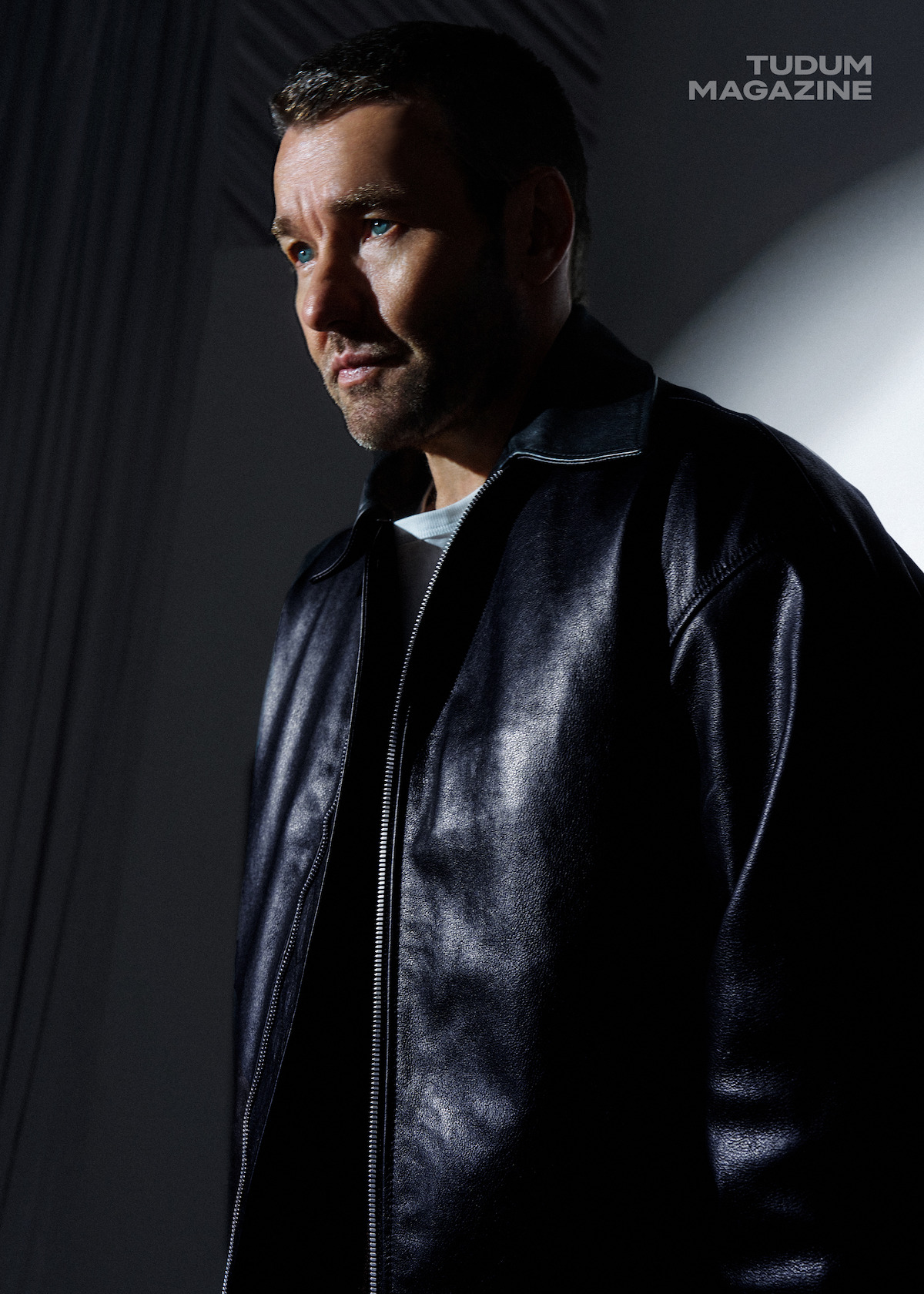
Edgerton
Bill, your character is a character. He seems to have lived, maybe, many lives in the past before we meet him in Train Dreams. I’m curious, did you create any kind of backstory for him? Do you feel like you know him in a way that maybe we don’t, even when seeing him onscreen?
William H. Macy: I got everything from the script, and normally I do. It’s a beautiful script. It was completely well drawn. I loved it immediately. It took me the time it took to pick up the telephone to beg for this role.
Clint, watching it again, I was yet again in awe of what an intricate piece of stitchwork this is. You have this veritable flow of scenes. Some of them are eerie, some of them were prolonged. How does one go about actually making something with that sort of quilt-like collaging? Because in some cases you have big setups —horses, extras — and that scene is maybe 10 seconds, so how does that all come together?
Bentley: We really just honed in with our cinematographer, Adolpho Veloso. He and I just honed in on this approach — we shot it for 29 days — to be able to get that much breadth of 80 years and logging and the city of Spokane and all these things. We just really took this approach of setting up scenes and setting up worlds and then being able to move within them to be able to get enough raw material to then get into the edit and find this rhythm of its own. So just a very iterative process. As a director, [it was about] having a good plan, but being very open to what the world is giving us and what puppies or chickens wanted to do, whatever the moment was.
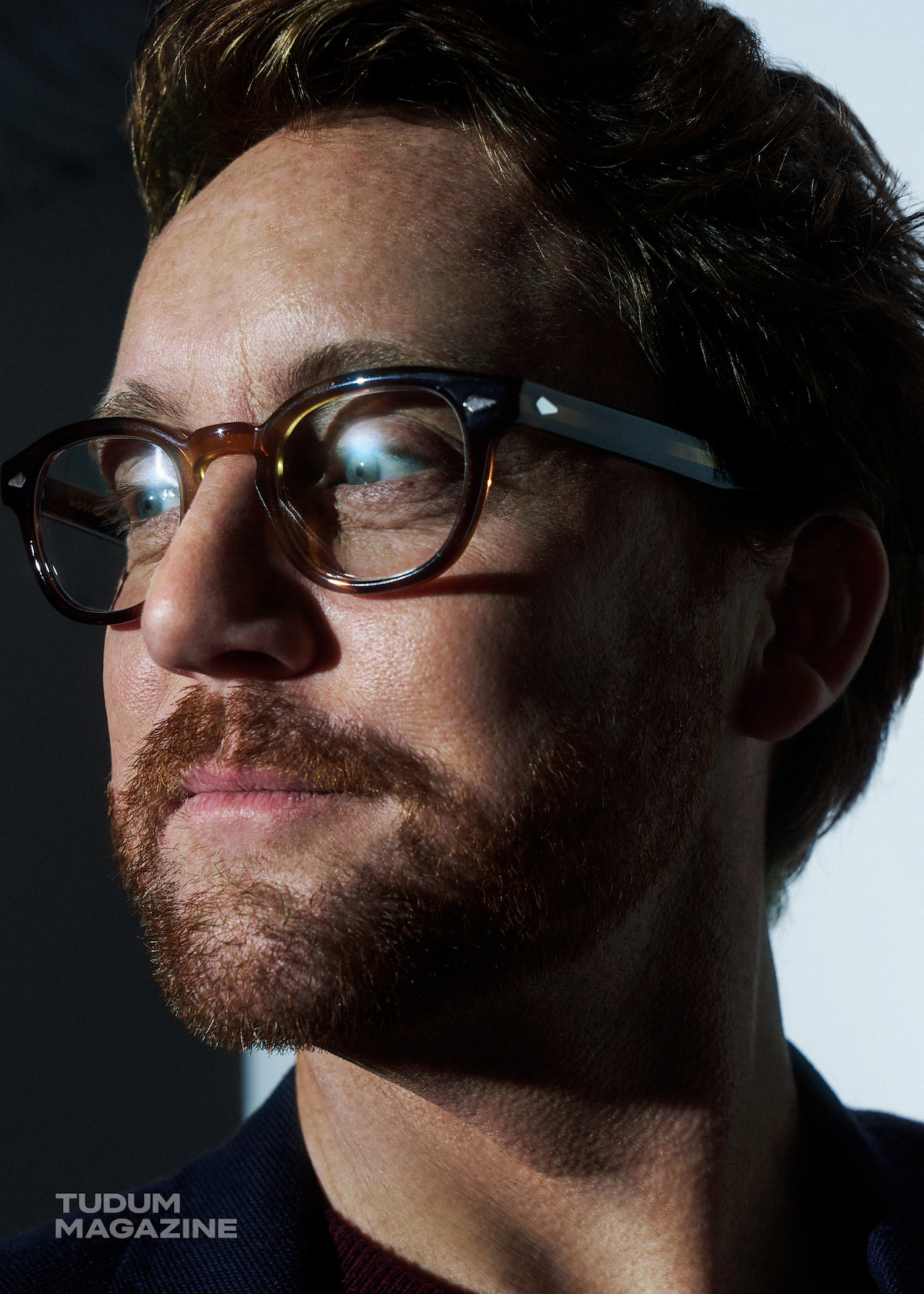
Bentley
I was going to ask you about that, Joel. You have a couple of co-stars in this film who maybe don’t know that they were in a movie. You get to work with some dogs, and one child or several children. What is that like? Does that in some ways help in making a project that’s so organic?
Edgerton: Yes. The idea of getting a child to follow a script is obviously the reason why people say, “Don’t work with children or animals.” Particularly with a 2-year-old child, they have to run the show, as I know as a dad, it’s like, I don’t run my house, my kids run my house. I just clean up after them. But with the film, you just go, “What does the moment require? Let’s follow the child and have the freedom to do that, and create an environment where we can move in 360 degrees and allow things to happen.”Young Katie, the 2-year-old version of her — at some point you see the film, she hands me something, and says, “It’s an egg,” and it’s a piece of animal shit. We could never have scripted that. But it creates these beautiful moments.
Yeah, your reaction to that moment is very natural. Bill, your scenes are out in the relative wilderness, you’re by campfire, you’re blowing up things with your plunger. What is it like to shoot in the natural world like that? Does it add difficulty or —
Macy: No, it’s good. I find that whenever anybody walks into a forest, especially in an old forest, you lower your voice. You have a tendency to talk quietly and even to whisper. And the way Clint ran the set, I didn’t even know there was a DP for a couple of days. It was so quiet. So when we were at the campfire — and we didn’t use any lights, we were at a campfire— it’s pretty easy to throw yourself into the imaginary circumstances because they weren’t that imaginary.
Bentley: Which also led to moments where the campfire is crackling and there are embers popping up. I’m like, “Bill, I’m so sorry.” He’s like, “No, it’s fine. It’s a fire. We’re OK.”
One of the unseen, but very much heard, aspects of this film is this beautiful voice-over by the great Will Patton. Did you always know in the conception of the film that you wanted to include so much of that prose?
Bentley: Yeah, there was an aspect of the book that was very special that I wanted to bring over, and part of that is Denis Johnson’s voice. Also, I’d always hoped to maybe one day do a film with a narrator, like Jules and Jim or Y tu mamá también, [where it] feels like this character is telling you a story. And so that was a very early conception. Also, when you’ve got a character like Joel plays, Robert Grainier, somebody who is very eternal, you don’t want to betray that character by suddenly having him speak his feelings out [loud], even though he’s got really deep feelings running within him. In that way, too, it helps the audience get inside that character.
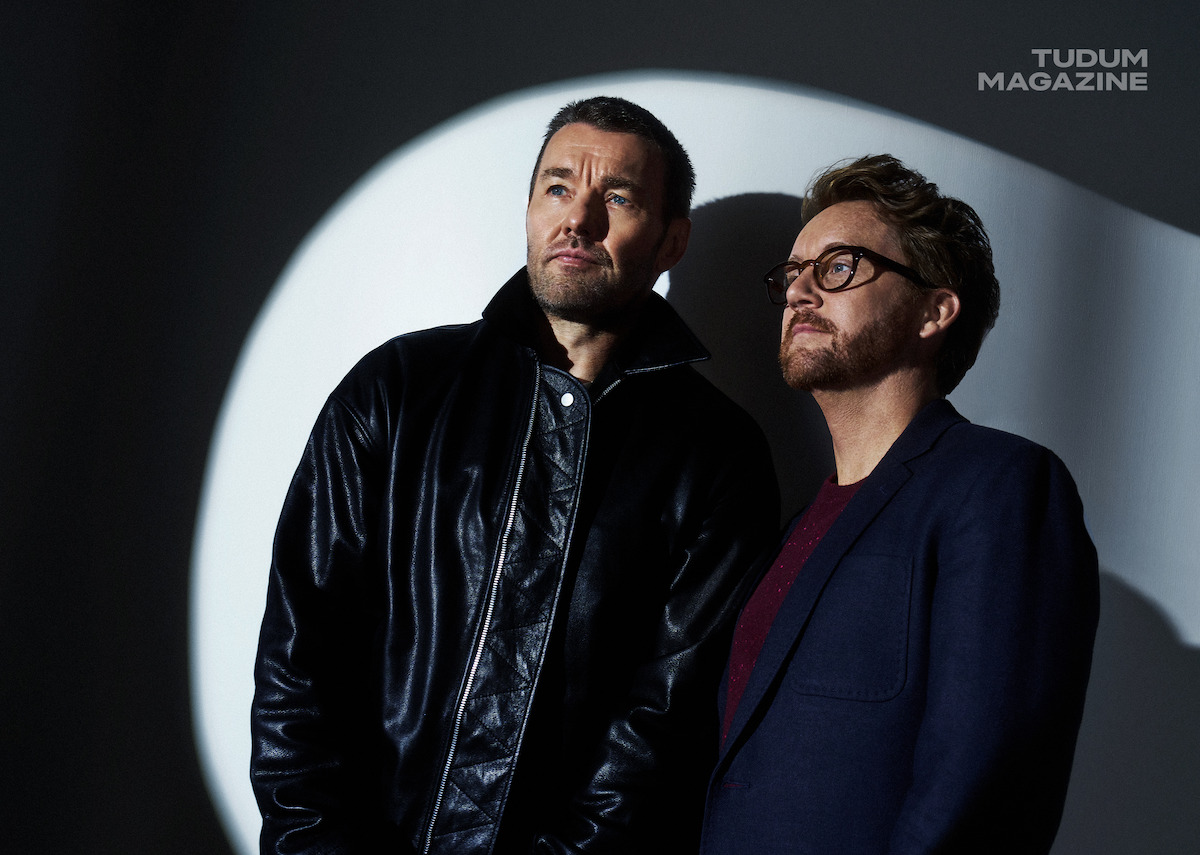
Edgerton and Bentley
Joel, that interiority is, I would imagine, an interesting challenge for an actor. You don’t get to have big emotive monologues. So what was your strategy in approaching this character who is pretty quiet, but also has to age many, many years over the course of the film.
Edgerton: Over the last 10, 12 years, I’ve been obsessed with trying to play dress-up and be people that I'm not. I love doing that, and I still want to keep doing that. I think there’s been a part of me that’s been afraid of really connecting on a personal level and showing a bit more of my own feelings, as if they’re not really worth it. And being that this film is a celebration of an ordinary person, I think sometimes, as actors — at least, for me, I’m talking about me — I feel like, “Oh, am I that interesting?” I’ve got to be people that I’m not. So much of this film and the feelings about it, and even the stuff that Robert goes through, is so inside of me that it felt like a chance to not play dress-up, even though I’ve got an axe in my hand. It’s very personal to me. So it felt like if I was just honest with myself and didn’t try and adorn things the way sometimes I seem to do, then the camera would see that, and it would be fine. I really trusted Clint and he’d set the tone for it. And that was a process that was quite a bit more focused for me, but I trusted it.